Author: Mei Ling Tan

  • Vipshop Experiences Q2 Revenue Decline Amid Strategic Adjustments; Foresees Growth Ahead

    Vipshop Experiences Q2 Revenue Decline Amid Strategic Adjustments; Foresees Growth Ahead

    VIPshop Holdings, a prominent Chinese online discount retailer, has reported a decrease in revenue and profit for the second quarter of the 2025 fiscal year. This decline is part of a broader strategic adjustment that the company is currently undertaking.

    Revenue and Profit Decline

    The company’s total net revenues fell by 4.1 per cent, equating to RMB 25.8 billion (US$3.6 billion), a decrease from RMB 26.9 billion recorded in the second quarter of the 2024 fiscal year. The gross profit for the second quarter stood at RMB 6.1 billion (US$845.2 million), a small drop from RMB 6.3 billion during the same period in the previous year.

    Although the company experienced a reduction in earnings, it noted an increase in customer activity and signs of inherent robustness. The Gross Merchandise Value (GMV), a critical indicator of total sales on the platform, rose 1.7 per cent year-on-year to RMB 51.4 billion (US$7.12 billion). This increase suggests enhanced engagement and transaction volume.

    Business Stability and Growth Plans

    Eric Shen, Chairman and CEO of VIPshop, said, “We managed to stabilize our business trajectory by taking quick measures to boost customer activity and sales momentum. Our vision of discount retail for brands has guided us in implementing internal changes to augment the self-reinforcing flywheel across merchandising, operations, and customer engagement.”

    VIPshop has also seen growth in its high-value customer base. This growth is primarily attributed to the double-digit increases in its Super VIP membership program. The company continues to focus on fashion and lifestyle categories to retain value-conscious shoppers, with apparel remaining a key revenue driver.

    Platform Optimization Efforts

    The company’s current platform optimization strategies, which include more stringent inventory control, more focused brand partnerships, and enhanced personalization, are part of a broader effort to distinguish itself within China’s competitive e-commerce sector.

    Despite persistent revenue pressure, the management expressed cautious optimism that its revised strategy is taking hold. The stable GMV and the growing loyalty segment are seen as early signs of a turnaround.

    Mark Wang, CFO of VIPshop, stated, “We delivered another quarter of healthy profitability, demonstrating our consistent financial discipline in prioritizing growth initiatives and optimizing resource allocation. Looking ahead, our consistent strategy and focused execution position us well to return to sustainable growth.”

    Questions & Answers

    What could be the reasons for the decline in VIPshop’s revenue and profit?
    This decline is part of VIPshop’s ongoing strategic adjustment, which involves a more stringent inventory control and more focused brand partnerships.

    How is VIPshop planning to boost customer activity and sales momentum?
    VIPshop is implementing changes across merchandising, operations, and customer engagement to improve its business trajectory.

    What are the early signs of VIPshop’s strategic realignment taking effect?
    The stability of the Gross Merchandise Value (GMV) and the growth of the loyalty segment are early indicators of a positive turnaround.


  • VNPT and Partners Launch Vietnam’s Groundbreaking Hyperscale AI Data Center Initiative

    VNPT and Partners Launch Vietnam’s Groundbreaking Hyperscale AI Data Center Initiative

    Vietnam is set to take a bold step into the world of artificial intelligence with the announcement of a groundbreaking partnership. The Vietnam Posts and Telecommunications Group (VNPT), in collaboration with LG CNS and Korea Investment Real Asset Management, is embarking on a mission to develop a hyperscale AI data center in the country. This ambitious initiative aims to bolster Vietnam’s digital landscape and position it as a regional tech hub.

    Forging Strategic Alliances for Innovation

    The memorandum of understanding (MoU) was signed on August 12 at the Lotte Hotel in Seoul, marking a pivotal moment for all involved. Key figures present at the ceremony included VNPT Chairman To Dung Thai, LG CNS President Hyun Shin-kyun, and Korea Investment Real Asset Management CEO Kim Yong-sik, all echoing their commitment to this visionary project.

    Learning from the Best

    Prior to the signing, VNPT officials, alongside their Korean partners, toured the advanced LG CNS Hanam Data Center the day before. This visit was not just a sightseeing trip; it was an opportunity to assess cutting-edge data center technology and operational strategy that will inform their own project.

    Building the Future: A 40-MW Powerhouse

    The partnership will see VNPT channel its telecommunications and network expertise to support the construction of a 40-megawatt hyperscale AI data center. Task forces from each organization will collaborate extensively to develop comprehensive AI infrastructure, which encompasses everything from servers and storage to network systems and circuits. One can’t help but marvel at how far technology has come—who would have thought that mere servers could soon rival the brainpower of many humans?

    Accelerating Digital Transformation

    This initiative is not just about bricks and mortar; it’s a strategic move to accelerate Vietnam’s digital transformation. With VNPT leading the charge, the project is poised to introduce cutting-edge AI infrastructure that could redefine the tech landscape in the region, paving the way for a digitally empowered future.

    Questions & Answers

    What is the purpose of the partnership between VNPT, LG CNS, and Korea Investment Real Asset Management?
    The partnership aims to develop a hyperscale AI data center in Vietnam, enhancing the country’s digital infrastructure and capabilities.

    What role will VNPT play in the development of the AI data center?
    VNPT will provide essential telecommunications and network capabilities while collaborating on various aspects of the AI infrastructure.

    What significance does the hyperscale AI data center hold for Vietnam?
    The center is expected to accelerate Vietnam’s digital transformation, positioning the country as a competitive player in the regional tech landscape.

  • Palawan Group of Companies Celebrates 40 Years of Empowering Filipinos Through Innovation and Commitment

    Palawan Group of Companies Celebrates 40 Years of Empowering Filipinos Through Innovation and Commitment

    The Palawan Group of Companies recently celebrated a milestone, marking four decades of service with an engaging Partners’ Night on August 5 and 6, 2025, at the Blue Leaf Cosmopolitan in Quezon City. This two-day event was more than just a gala; it was an appreciation of enduring partnerships that have helped the company grow into a powerhouse in the financial services landscape, empowering Filipinos through accessible and reliable offerings.

    Honoring a Legacy of Partnerships

    Attendees included key business partners, sub-agents, suppliers, agencies, affiliates, senior leaders, and valued stakeholders, all united in recognizing the core values of the Palawan Group: “Matatag, Maaasahan, at Mapagkakatiwalaan” (dependable, reliable, and trustworthy). During the celebration, awards such as Loyalty, Outstanding Service Partners, and the Growth Driver award were presented to remarkable partners that have played vital roles in uplifting Filipino communities. Guests participated in the event wearing modern Filipiniana attire, celebrating the theme “Gawang Pinoy, para sa Pinoy” (made by Filipinos, for Filipinos), highlighting the event’s cultural significance.

    Innovating for the Future

    The first evening showcased Palawan’s rebranded Business-to-Business (B2B) division, now known as Palawan for Business, introducing innovative solutions that cater specifically to enterprises and institutional partners. Chief Business Development Officer Lisa Castro-Sabado welcomed attendees with heartfelt remarks, emphasizing that the B2B unit serves as more than just a channel; it’s a catalyst for scalable and efficient solutions that resonate with the brand’s values.

    Over the last three years, the B2B team has engaged with more than 1,700 partners and successfully provided critical services, including disbursement and microinsurance through ProtekTODO, which has covered almost 5 million Filipinos.

    A Gratitude-Fueled Celebration

    The second day offered a heartfelt tribute to the essential supplier network that has been instrumental in supporting the company’s operations since its inception. In a warm welcome, Chief Operations Officer Roberto Ben “Bobbit” Castro acknowledged their pivotal role in maintaining Palawan Group’s high standards, stating, “We would not have achieved this success without your support and solidarity. Today is your day—maraming salamat po (thank you).”

    Further extending this gratitude, Chief Human Resources Officer Korina Castro-Fernando noted that the company’s team extends beyond its offices, encompassing partners who share the same work ethic and commitment to service. This admiration was echoed throughout the day as various segments highlighted the importance of collaboration.

    Bridging Global Connections

    The afternoon event transitioned to an International Partners Summit, drawing leaders and allies from across the global remittance landscape who have helped cultivate Palawan Express Pera Padala into a trusted option for millions of overseas Filipinos. Vice Chairman and Chief Financial Officer Lilian Castro-Selda acknowledged their collaboration, saying, “Your work makes the distance feel shorter, and for that, we are truly grateful.”

    The event wrapped up with accolades for internal teams responsible for the company’s outreach and execution across its four key divisions, as well as a glimpse into future innovations designed to enhance Palawan Group’s offerings.

    Reflections from the Founders

    A series of poignant documentaries traced the company’s journey from its modest beginnings in Puerto Princesa in 1985. The theme “Ikaw Pa Rin, No. 1 sa Palawan” underlined the company’s legacy, exploring everything from the first Palawan Pawnshop signage to the creation of its catchy jingle.

    Founders Mr. Bobby Castro and Ms. Angelita Castro shared heartfelt insights during the event. Mr. Castro drew a parallel between the company’s maturity and human life, stating that turning 40 symbolizes resilience and growth. “We have weathered storms and celebrated victories; we did not just survive but emerged as the market leader in most of our business lines,” he remarked.

    Mrs. Angelita Castro conveyed the spirit of the company’s transformation, emphasizing the importance of compassion and trust in forging a nationwide movement of service built on solid partnerships. “Our journey has been shaped by many incredible individuals: loyal customers, dedicated associates, and trusted partners like you,” she said.

    The celebratory event served to crystallize one undeniable truth: Palawan Group’s 40-year legacy is measured not merely by its growth but by the strength of its partnerships and an unwavering commitment to serve every Filipino. With its partners at its side, the Palawan Group stands ready to flourish, evolve, and reach ever further in the years to come.

    Questions & Answers

    What was the significance of the Partners’ Night event for the Palawan Group?
    The Partners’ Night celebration marked 40 years of service for the Palawan Group, acknowledging the enduring partnerships that have propelled its growth and commitment to empowering Filipinos through reliable financial services.

    How has the Palawan Group’s B2B division evolved recently?
    Recently rebranded as Palawan for Business, the B2B division aims to meet the evolving needs of entrepreneurs and institutional partners, having collaborated with over 1,700 partners to provide diverse services like disbursement and microinsurance.

    What did the founders express during the event?
    Founders Mr. Bobby and Mrs. Angelita Castro reflected on the company’s journey, drawing parallels between its growth and the life stages of a person, emphasizing that resilience, compassion, and strong partnerships have been pivotal in achieving success.

  • Dollar Gains Ground Against Dong Amid Global Currency Decline

    Dollar Gains Ground Against Dong Amid Global Currency Decline

    The U.S. dollar is gaining ground against the Vietnamese dong while showing weakness against other major currencies. On Thursday morning, Vietcombank reported a 0.04% increase in the dollar’s exchange rate, bringing it to VND26,460. Concurrently, the State Bank of Vietnam adjusted its reference rate down by 0.03%, setting it at VND25,240.

    In the black market, the dollar edged up 0.02%, reaching VND26,505. However, on a global scale, the dollar found itself at multi-week lows against other major currencies as traders anticipated the Federal Reserve might resume interest rate cuts in the coming month, according to Reuters.

    This shift in expectations, combined with a surge in institutional investment in cryptocurrencies, has propelled Bitcoin to new record heights — a surprising twist in an already volatile market.

    Turning to specific figures, the dollar recently fell 0.7% to 146.38 yen, marking its weakest point since July 24. Meanwhile, the British pound saw some upward movement, hitting $1.3590, its highest since late July. The euro lingered around $1.1712, just shy of Wednesday’s peak of $1.1730, which was last seen on July 28.

    The U.S. dollar index, which tracks the currency against a basket of six major rivals, eased slightly to 97.673, down about 0.8% over the previous two sessions, touching 97.626 on Wednesday for the first time since July 28.

    Questions & Answers

    How has the U.S. dollar fared against the Vietnamese dong recently?
    The U.S. dollar has strengthened against the Vietnamese dong, with recent rates showing it at VND26,460 from Vietcombank.

    What impact are expectations of interest rate cuts by the Federal Reserve having on the dollar?
    Traders are betting on forthcoming interest rate cuts, which have contributed to the dollar’s decline against major peers, pushing it to multi-week lows.

    Are any cryptocurrencies impacted by these currency fluctuations?
    Yes, increasing investment in cryptocurrencies has led Bitcoin to reach new record highs, indicative of shifting asset preferences among investors in response to broader economic trends.

  • Gasoline Prices Dip Slightly After Two-Week Climb: What It Means for Consumers

    Gasoline Prices Dip Slightly After Two-Week Climb: What It Means for Consumers

    Gasoline prices in Vietnam saw a slight decline Thursday afternoon, marking a change in trend after two weeks of increases, while diesel reached its lowest point in two months. The popular RON95 fuel has dipped by 0.95%, now priced at VND19,880. The decline offers a bit of relief to consumers who have weathered back-to-back price hikes.

    In a similar vein, biofuel E5 RON92 experienced a 1.28% drop, settling at VND19,350. Meanwhile, diesel prices have plunged by 3.88%, hitting VND18,070—the lowest price since June 12.

    This recent shift in the global fuel market has been influenced by a number of factors, including the U.S. decision to postpone higher retaliatory tariffs on China and OPEC+’s agreement to boost oil production in September, as noted by the Ministry of Industry and Trade.

    On the international stage, RON95 has seen a 1.3% decrease, priced at $79.1 per barrel, while diesel has dropped a striking 4.67% to $84.7.

    Questions & Answers

    What are the current prices of gasoline and diesel in Vietnam?
    As of now, RON95 is priced at VND19,880, biofuel E5 RON92 at VND19,350, and diesel at VND18,070, the latter reaching its lowest level in two months.

    What factors contributed to the recent decrease in fuel prices?
    The decline in prices has been influenced by the U.S. postponing higher tariffs on Chinese imports and OPEC+ deciding to increase oil production in the upcoming month.

    How do these changes in fuel prices affect consumers?
    The modest drop in fuel prices offers a welcome respite for consumers who have faced rising costs, potentially leading to a more favorable consumer sentiment amidst fluctuating market conditions.

  • StarHub’s H1 2025 Surge Powered by Broadband, Enterprise Solutions, and Cybersecurity Innovations

    StarHub’s H1 2025 Surge Powered by Broadband, Enterprise Solutions, and Cybersecurity Innovations

    StarHub’s financial report for the first half of 2025 has revealed promising growth across its service lines, highlighting the company’s resilience in a challenging market. The telecom operator’s service revenue climbed 3.0% year-over-year (YoY) to reach USD 976.1 million, while total revenue rose 2.2% YoY, totaling USD 1.1 billion. Notably, sectors such as broadband (+4.4%), regional enterprise (+6.8%), and cybersecurity services (+20.1%) were key contributors to this growth.

    Subtracting a one-time forfeiture payment of USD 14.1 million related to the return of 700 MHz spectrum rights, the net profit attributable to shareholders (NPAT) stood at USD 62.0 million for the period. Yes, you read that right—despite the hiccup, StarHub managed to maintain a healthy bottom line.

    Acknowledging Market Challenges with Confidence

    CEO Nikhil Eapen expressed optimism despite facing pressures from declining prices that threaten retail sustainability. He stated, “In a market where eroding prices challenge industry sustainability, we drove our industry-leading market position in broadband by upgrading our customers to UltraSpeed plans while extending our number two position in mobile by delivering for our customers the quality, reliability, and experience they expect from the StarHub brand.” Eapen also emphasized a commitment to an aggressive marketing strategy, positioning the company for a future market rebound.

    Enterprise Segment Fuels Growth

    The regional enterprise segment emerged as a major growth driver, with revenue reaching USD 296.1 million, an impressive increase of 6.8% YoY. Notably, managed services surged by 12.8% YoY, a reflection of higher project completions in modern digital infrastructure solutions. Meanwhile, cybersecurity emerged as a strong focal point for growth, with the segment recording a remarkable 20.1% YoY rise amid rising demand for advanced protection measures.

    Subscriber Growth and Diversified Revenue Streams

    StarHub’s mobile subscriber base saw an 8.2% YoY increase, fueled by a strong demand for SIM-only plans from its giga! and eight brands. Mobile revenue reached USD 274.1 million, while broadband revenue rose by 4.4% YoY to USD 128.3 million, supported by customers migrating to higher bandwidth plans. Additionally, the entertainment sector contributed USD 99.4 million, underscoring the success of StarHub’s Infinity Play, which seamlessly merges sports and over-the-top (OTT) content.

    Strategic Acquisitions and Future Plans

    In a noteworthy strategic initiative, StarHub has completed its full acquisition of MyRepublic Broadband, bolstering its brand and operational assets to enhance competitiveness in Singapore’s broadband landscape. Furthermore, the company has wrapped up the investment phase of its DARE+ program, transitioning its IT and network infrastructure to a hybrid multi-cloud environment. This move positions StarHub to scale modern digital infrastructure offerings and enhances the implementation of AI-driven automation.

    Eapen underscored that cybersecurity remains one of StarHub’s top strategic priorities and reaffirmed the company’s intent to boost investments in AI-native, cloud-driven defense capabilities to safeguard not just customer data but national infrastructure as well.

    Furthermore, Eapen noted, “Our transformation has also enabled us to move forward on a long-term deliberative cost-reduction roadmap centered around automation and AI, systems re-architecture, and business simplification.” Such strategic insights signal StarHub’s dedication to innovation while maintaining a pulse on cost management.

    Questions & Answers

    What are the main contributors to StarHub’s revenue growth in H1 2025?
    StarHub’s revenue growth was primarily driven by strong performances in broadband, regional enterprise, and cybersecurity services, indicating a diverse revenue stream that mitigates risks in a competitive market.

    How has StarHub responded to market challenges?
    StarHub is adapting to market challenges by aggressively promoting UltraSpeed plans and enhancing customer experience in its mobile segment to maintain a leading market position and prepare for future recovery.

    What strategic initiatives has StarHub undertaken recently?
    Recently, StarHub completed the full acquisition of MyRepublic Broadband to strengthen its brand and entered a new operational phase with its DARE+ program, shifting to a hybrid multi-cloud environment to enhance digital infrastructure and automation capabilities.

  • Haidilao to Close Its Beloved Singapore Outlet After 13 Years of Hotpot Delight

    Haidilao to Close Its Beloved Singapore Outlet After 13 Years of Hotpot Delight

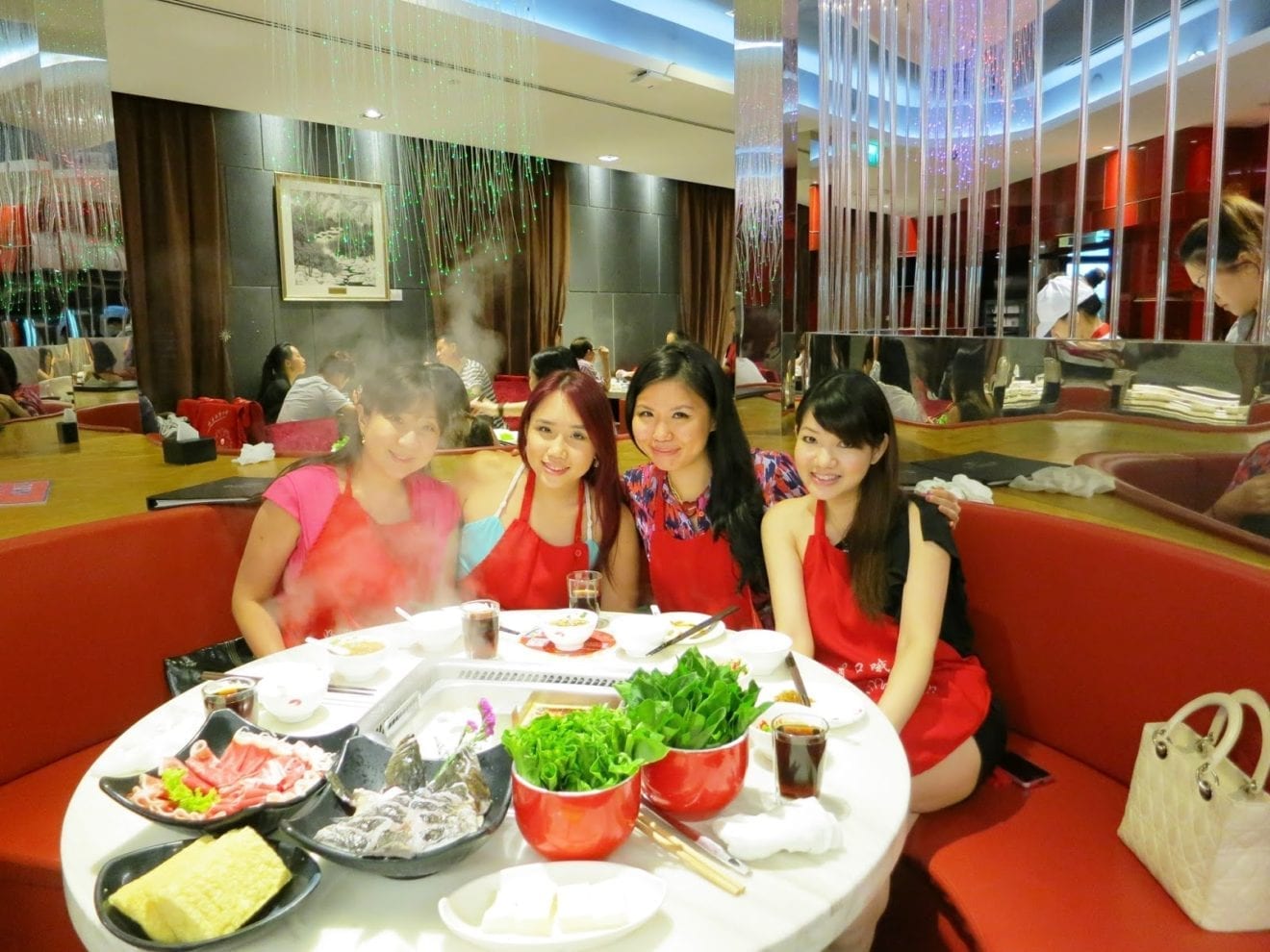
    The widely loved Chinese hotpot chain Haidilao will bid farewell to its flagship Singapore outlet in Clarke Quay on August 31 as its lease comes to an end. In a notice sent to patrons via text message, the closure marks a significant chapter for the restaurant, which first opened in 2012 as Haidilao’s inaugural venture beyond Chinese borders.

    “This was our very first outlet in Singapore and served as an introduction to Chinese hotpot for many local diners,” remarked a Haidilao Singapore spokesperson, adding that the location has been a treasure trove of memories for both staff and guests.

    The decision comes on the heels of Haidilao closing three other suburban restaurants across Singapore’s Bedok, Pasir Ris, and Punggol, part of a broader strategic reassessment following a phase of rapid expansion.

    Key considerations influencing this closure, according to a spokesperson, include rising labor costs, the suitability of outlet locations, and increasing rental expenses, all of which reflect the industry’s challenges.

    Representatives from CQ @ Clarke Quay, a vibrant hub favoured by locals and tourists alike, expressed gratitude for the longstanding partnership with Haidilao, which has adorned the area for 13 years. “Given Haidilao’s strong presence across the island, we have mutually agreed to refresh the #1 Store unit with a new tenant at the conclusion of its lease,” they stated.

    In a generous farewell gesture, Haidilao will distribute dining vouchers valued at over SGD800,000 (approximately US$625,000) to members eligible for the program. These vouchers can be utilized without a minimum spend at any of their locations throughout Singapore.

    Despite the impending closure of its flagship store, Haidilao’s footprint remains substantial, boasting over 16 restaurants in Singapore and more than 110 establishments globally, including in the U.S., Canada, and Australia.

    Questions & Answers

    What prompted Haidilao to close its Clarke Quay location?
    The closure is primarily due to the expiration of the lease, alongside mounting labor costs, rental expenses, and the need to reassess outlet locations.

    Will Haidilao continue to operate in Singapore after this closure?
    Yes, Haidilao still has over 16 outlets throughout Singapore, ensuring that fans of the hotpot chain can continue to enjoy their favourite dishes in other locations.

    What benefits are being offered to customers following the closure announcement?
    Haidilao is providing dining vouchers worth more than SGD800,000 (around US$625,000) to eligible members, which can be used without a minimum spend at any of their Singapore outlets.

  • Bamboo Airways Welcomes Back Former Chairman and Appoints Dynamic New CEO to Lead Future Growth

    Bamboo Airways Welcomes Back Former Chairman and Appoints Dynamic New CEO to Lead Future Growth

    Bamboo Airways is making significant leadership changes as it continues to reshape its operational strategy. In a bold move, Bamboo Airways has announced the return of Le Thai Sam as chairman, taking the reins from Luong Hoai Nam, who stepped down for personal reasons. The decision was revealed on Wednesday, marking a notable chapter in the airline’s restructuring process.

    Le Thai Sam, who emerged as the largest shareholder of Bamboo Airways in 2022, previously served in the chairman role from July 2023 until February 2024. Since then, he has held the position of deputy chairman, actively participating in the airline’s management during its tumultuous transition after being sold by property developer FLC.

    The reshuffle also brings Truong Phuong Thanh, a seasoned professional with three decades in the aviation sector, to the forefront as the new CEO, stepping in for Luong Hoai Nam. Thanh’s background includes various leadership roles within major aviation enterprises, playing a crucial part in operational oversight.

    Having previously served as deputy CEO of Bamboo Airways from 2019 to 2024, Thanh oversaw key areas such as ground operations, which are vital for customer satisfaction and the airline’s overall punctuality. Though he briefly left the airline, his recent return in June signals his commitment to steering Bamboo Airways toward a more stable future.

    As Bamboo Airways navigates these changes, industry watchers will be keenly observing how these leadership shifts impact the airline’s trajectory amidst an ever-evolving aviation landscape. Who knows? Perhaps this is the beginning of a new era characterized by soaring heights.

    Questions & Answers

    What prompted the leadership changes at Bamboo Airways?
    The changes were driven by the resignation of Luong Hoai Nam, who stepped down for personal reasons, leading to the appointment of Le Thai Sam as chairman and Truong Phuong Thanh as the new CEO.

    What is Truong Phuong Thanh’s background in aviation?
    Truong Phuong Thanh brings a wealth of experience with 30 years in the industry. He previously served as deputy CEO at Bamboo Airways, overseeing critical operations and ensuring customer satisfaction.

    How might these leadership changes affect Bamboo Airways?
    These leadership shifts are expected to play a significant role in the airline’s ongoing restructuring efforts, impacting operational efficiency and potentially enhancing customer experience as the airline moves forward.

  • Vietnam Gold Prices Soar to New All-Time High: What This Means for Investors

    Vietnam Gold Prices Soar to New All-Time High: What This Means for Investors

    Vietnam’s gold prices soared to unprecedented heights this week, reflecting a vibrant global market bolstered by speculation surrounding U.S. interest rate adjustments. On Thursday morning, gold bars from the Saigon Jewelry Company surged by 0.40%, reaching VND124.7 million (approximately US$4,744.96) per tael. Meanwhile, the price for gold rings remained stable at VND119.6 million per tael, with a tael defined as 37.5 grams or 1.2 ounces. This substantial increase marks a remarkable 48% rise in gold prices across Vietnam throughout the year.

    Globally, gold values have displayed a steady ascent over three consecutive sessions, supported by increased optimism regarding a potential interest rate cut by the U.S. Federal Reserve in September. This comes in the wake of encouraging inflation data, which in turn has had a dilutive effect on the dollar, as reported by Reuters.

    Spot gold climbed by 0.4% to reach $3,367.53 per ounce, while futures for December delivery saw a 0.3% increase, settling at $3,416.70. As Kyle Rodda, a financial market analyst with Capital.com, explained, “Markets are pricing in the chance that the Fed cuts 50 basis points in September. So the dollar’s weakening, gold’s going up as a result, yields are also down.” In a market characterized by buoyancy, Rodda noted, “The technical setup of gold looks really constructive. The trend still looks higher.” All that’s left is for the market to break through and maintain its momentum above the $3,400 threshold.

    Questions & Answers

    What drove the recent surge in gold prices in Vietnam?
    The spike in Vietnam’s gold prices is largely attributed to rising global expectations of an interest rate cut by the U.S. Federal Reserve, coupled with the impact of softer inflation data on the dollar.

    How much have gold prices risen in Vietnam this year?
    Gold prices in Vietnam have increased approximately 48% this year, reflecting a strong domestic and global demand for the precious metal.

    What are the current global prices of gold?
    As of Thursday, spot gold reached $3,367.53 per ounce, while U.S. gold futures for December delivery climbed to $3,416.70.

  • UBS Job Cuts Ignite Industry Conversations on Future Workforce Dynamics

    UBS Job Cuts Ignite Industry Conversations on Future Workforce Dynamics

    Recent media reports indicate that the anticipated job cuts at UBS are advancing at a more sluggish pace than originally expected. The integration of Credit Suisse, acquired in 2023, has proven to be a winding road that even the most casual observers can easily spot.

    The upcoming “major milestone” in this integration process involves migrating Swiss clients to UBS’s systems and platforms, a task projected for completion by mid-2026. Just a month ago, during its half-year results presentation, the bank expressed optimism about these plans, stating it was “well on track.” However, as detailed by the Financial Times, it appears the expected job reductions are lagging, adding to the uncertainty surrounding this transition.

    While UBS has not publicly set a target for its workforce post-integration, internal sources suggest that plans aim for a headcount of around 85,000 by the end of 2026. As of mid-2025, the bank employed 105,000 full-time equivalents, down from 119,000 at the end of June 2023. Although initially, the pace of job cuts exceeded expectations, that momentum has weakened considerably. More than 3,500 jobs were cut each quarter in the latter half of 2023, but by the start of 2024, that number dwindled to an average of only 1,300 per quarter. As of this year, 3,500 roles have already been eliminated, revealing that UBS is behind its own reduction schedule.

    Integration Phases: A Tale of Two Markets

    The first phase of this integration saw accelerated job eliminations particularly in investment banking and international markets like Asia and the U.S. Such regions were always expected to feel the impact of these cuts sooner than Switzerland, a fact that seems to be playing out as anticipated.

    Cost-Savings Targets Well Within Reach

    In addressing its strategy, UBS stated, “We are working toward cost targets, not headcount numbers.” The bank has made significant strides towards its goal of reducing costs by USD 13 billion by 2026, achieving an impressive 70 percent of that target already. CFO Todd Tuckner noted that future cost reductions will be shared equally between technology expenses and personnel-related costs.

    Challenges of Natural Attrition

    UBS has also counted on natural attrition to help manage staff levels. Typically, about 7 percent of employees leave voluntarily each year. However, as of early 2025, the bank’s attrition rate had dipped below this historical average, creating obstacles for its job-cutting objectives.

    Interestingly, UBS has prioritized internal candidates for filling its open positions; last year, over two-thirds of these roles in Switzerland were filled from within, showcasing the bank’s commitment to retaining talent when possible.

    Migration Timeline and Future Job Cuts

    The timeline for client migration is crucial, with plans to wrap up by the end of March 2026. An insider highlighted that cost-reduction strategies are “not linear,” as certain legacy Credit Suisse systems cannot be decommissioned until client migration is complete. UBS has committed to conducting job cuts over several years, relying largely on natural attrition, early retirements, and relocating external roles into the company.

    The bank has pledged to minimize the number of roles eliminated during this integration and actively supports affected staff, offering assistance to help them secure new positions either within UBS or externally. In a world where change is often the only constant, UBS aims to navigate its own transformation with as much care for its employees as possible—because no one likes being caught without a safety net.

    Questions & Answers

    What has contributed to the slowdown of job cuts at UBS?
    The slowdown in job cuts can be attributed to lower-than-expected natural attrition rates and a commitment to maintaining workforce stability during the integration process.

    When is UBS expected to complete its client migration from Credit Suisse?
    UBS plans to complete the migration of Swiss clients to its platforms by the end of March 2026, a pivotal moment for the integration efforts.

    How is UBS managing its cost-reduction goals?
    UBS is on track to achieve 70 percent of its cost-reduction target of USD 13 billion by 2026, focusing on savings from technology spending and personnel-related expenses.

  • Aesop brings Japanese-inspired sanctuary to Kansai International Airport

    Aesop brings Japanese-inspired sanctuary to Kansai International Airport

    Aesop, the renowned skincare brand, has recently inaugurated a new outlet at Kansai International Airport (KIX). This launch, a collaborative effort with Lagardère Travel Retail, is seen as a major push to extend Aesop’s presence in the Asia Pacific’s travel retail sector.

    Embracing Traditional Japanese Aesthetics

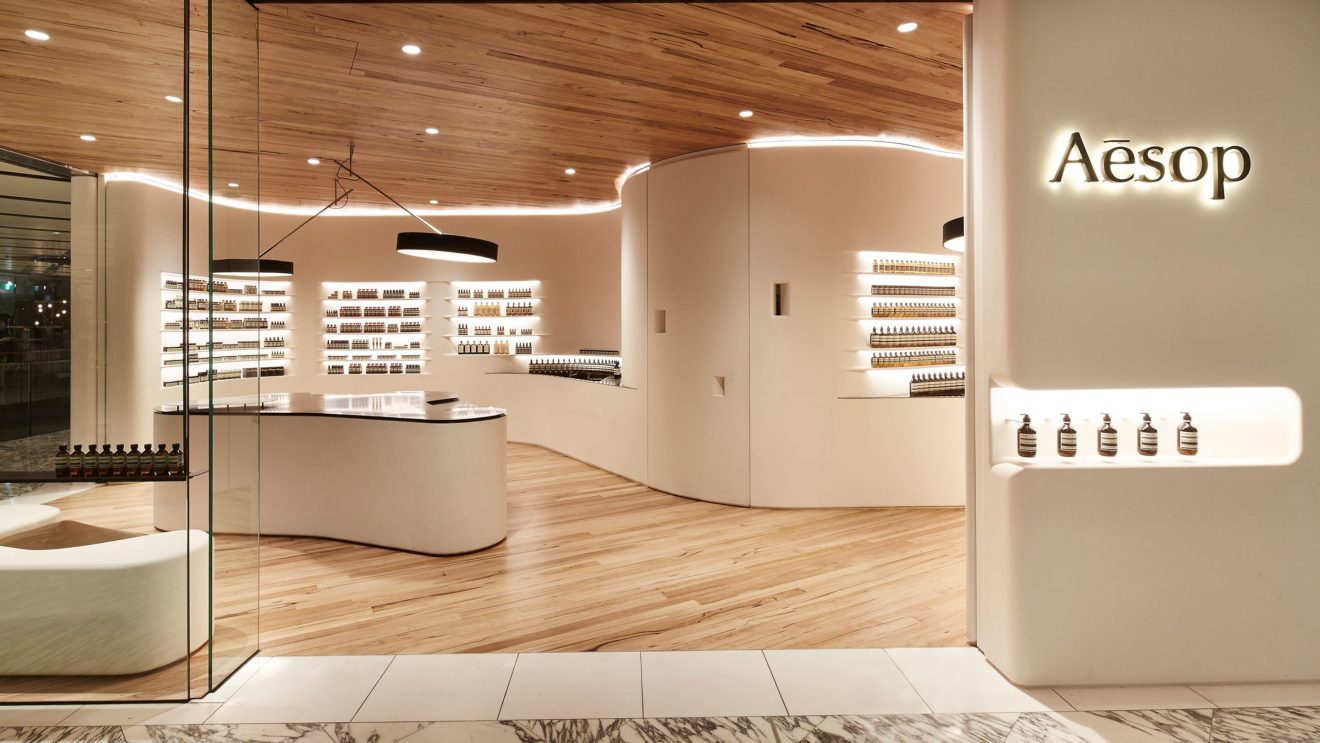
    Aesop’s new store brings to life the essence of traditional Japanese aesthetics. The store design takes cues from paper walls and the iconic Noguchi lamps, resulting in an inviting, soothing, and softly lit environment. The brand states that the store layout is intended to enhance the dwell time of shoppers, creating a serene oasis for those in transit. This strategy is expected to boost customer engagement and conversion rates.

    A Store Experience Centered on Sensory Exploration

    Aesop’s retail strategy is built around enriching the sensory experiences of its customers. The store features a signature sink where patrons can explore the texture and scent of various Aesop products. Visitors are also greeted with oshibori (Japanese moist hand towels) or tea, setting up a warm and welcoming shopping environment.

    Moreover, the store also offers a hand-picked collection of books and a travel-themed music playlist for customers to enjoy during their journey. To further enhance the shopping experience, customers are gifted a uniquely designed tote bag which includes a Kansai-inspired quote and local tea as a keepsake.

    The Aesop Difference

    Jesus Abia, the Managing Director of L’Oréal Travel Retail Asia Pacific, emphasized that Aesop’s environmental synergy is a unique selling proposition for the brand. He highlighted that the Japanese-inspired design at the Kansai International Airport outlet enhances the travel experience, nurturing the skin, invigorating the senses, and creating harmonious surroundings.

    Questions & Answers

    Where has Aesop opened its new store?
    Aesop has opened its new store at Kansai International Airport (KIX), Japan.

    What is the design strategy of Aesop’s new outlet?
    The design of Aesop’s new store pays homage to traditional Japanese aesthetics, incorporating elements like paper walls and Noguchi lamps to create a tranquil atmosphere.

    What unique offerings does the store provide to its customers?
    Apart from offering an array of skincare products, the store also provides a sensory exploration experience with a signature sink to sample products. Visitors are welcomed with tea or oshibori. There’s also a curated selection of books and travel-themed music. Customers also receive a specially designed tote bag with a local tea as a memento of their visit.

  • Iconic Jewellery Brand Fabergé Sold For $50m: Gemfields Shifts Focus Back To Core Mining Operations

    Iconic Jewellery Brand Fabergé Sold For $50m: Gemfields Shifts Focus Back To Core Mining Operations

    Gemfields, the mining group, has disclosed the sale of its entire ownership in the esteemed jewellery brand Fabergé. The purchaser, U.S.-based SMG Capital, procured the brand for a sum of US$50 million – a cost that many in the industry have described as unusually low for a brand with such a rich history.

    Financial Breakdown

    As of December, Fabergé had net assets amounting to $50.35 million. Nevertheless, the brand had experienced operating and net losses totaling $5.7 million and $11.3 million, respectively. These financial results likely influenced the final sale price.

    Fabergé, renowned for its extravagant creations, boasts the Third Imperial Easter Egg amongst its portfolio. Created in 1887, this masterpiece, featuring a solid gold case adorned with sapphires and diamonds, and containing a women’s watch with diamond-set gold hands, was once valued at $33 million. The egg remains in the hands of an unidentified private collector.

    Deal Details

    Gemfields is set to receive $45 million upon the deal’s closure, which is anticipated by the end of August. The remaining $5 million will be dispersed in the form of quarterly royalties, equivalent to 8% of Fabergé’s revenue. Notably, the deal does not necessitate any regulatory approvals or additional authorizations.

    The sale enables Gemfields to concentrate its efforts on its fundamental operations in coloured gemstone mining. These activities encompass the launch of a new ruby processing facility in Mozambique and the growth of emerald mining in Zambia.

    End of an Era for Gemfields

    Sean Gilbertson, CEO of Gemfields Group, referred to the sale as signifying the conclusion of an era. He stated, “Brands as iconic and beautiful as Fabergé do not change hands very often. We wish the team and Mr. Mosunov every success.”

    SMG Capital, under the proprietorship of tech entrepreneur and venture capitalist Sergei Mosunov, plans to maintain Fabergé’s focus on jewellery, accessories, and timepieces. Mosunov also expressed his eagerness to offer exceptional service to existing customers while attracting new brand enthusiasts.

    A Historical Overview of Fabergé

    Established in 1842 in St Petersburg, Russia, Fabergé is famed for its intricate, gem-encrusted eggs, which were originally manufactured for the Russian imperial family during the late 19th and early 20th centuries.

    Questions & Answers

    What is the essence of the deal between Gemfields and SMG Capital?
    The deal entails the sale of Gemfields’ entire stake in Fabergé to SMG Capital for US$50 million.

    What are the future plans for Gemfields following the sale of Fabergé?
    Gemfields plans to focus on its core operations in coloured gemstone mining, including the launch of a new ruby processing plant in Mozambique and the expansion of emerald mining in Zambia.

    What will be the future focus of Fabergé under the new ownership of SMG Capital?
    Under the ownership of SMG Capital, Fabergé will continue to concentrate on its jewellery, accessories, and timepieces.

  • Digital Banking Platform Market Poised for Remarkable Growth, Projected to Reach $168.3 Billion by 2032

    Digital Banking Platform Market Poised for Remarkable Growth, Projected to Reach $168.3 Billion by 2032

    The digital banking platform market is on a fast track to achieving remarkable growth, with projections estimating its value will soar to $168.3 billion by 2032. This surge reflects a staggering compound annual growth rate (CAGR) of 20.9% from 2024 to 2032, as reported by Allied Market Research. In 2023, the market was valued at $30.4 billion, indicating a robust upward trajectory shaped by shifting consumer behaviors and technological advancements.

    The Internet: Fueling a Banking Revolution

    At the heart of this expansion are key drivers such as the rapid growth of internet users, a significant pivot from traditional banking to digital solutions, and an increasing demand for personalized banking experiences. As more consumers embrace online banking, institutions are finding themselves at the crossroads of opportunity and challenge.

    Challenges on the Horizon

    However, the road to growth is not without obstacles. Concerns over security and compliance are significant, particularly as legacy systems struggle to integrate with emerging digital technologies. Additionally, a lack of digital literacy in several developing markets could hinder potential user engagement and limit the full benefits of online banking.

    A Bright Spot: Artificial Intelligence and Machine Learning

    Interestingly, the infusion of artificial intelligence and machine learning into digital banking platforms is opening new avenues for growth. Allied Market Research notes that these advancements present lucrative opportunities that could reshape the landscape of financial services.

    The Solution Segment Takes Center Stage

    Current trends indicate the solutions segment dominates the digital banking landscape, accounting for nearly three-fourths of the market in 2023. This segment thrives as financial institutions increasingly prioritize customer acquisition, invest in loan processing solutions, and seek to enhance communication between banking professionals and their clients. And let’s face it—the banking world could use a dash of communication spice!

    Cloud Computing: The Future Framework

    Looking ahead, the cloud segment is poised to take the lead from 2024 to 2032. With its ability to offer scalable and flexible banking solutions, the cloud promises to support the increasing complexity of a customer-driven financial ecosystem.

    Questions & Answers

    What is the projected market value for digital banking platforms by 2032?
    The digital banking platform market is expected to reach a valuation of $168.3 billion by 2032.

    What are the main drivers of growth in the digital banking sector?
    Key factors driving growth include the rising number of internet users, a transition from traditional banking to online services, and a growing demand for personalized banking solutions.

    What challenges do digital banking platforms face?
    Challenges include security and compliance issues, a lack of digital literacy in emerging markets, and technical difficulties related to integrating new technologies with existing systems.

  • SM Group to Divest from Data Centre Business Amid Rising Power Costs in the Philippines

    SM Group to Divest from Data Centre Business Amid Rising Power Costs in the Philippines

    Philippine conglomerate SM Investments Corp., a prominent player in the Sy family business empire, has announced its strategic decision to exit the data centre sector. The company plans to divest its interest in YCO Global Cloud Centres, a move that has raised eyebrows in the industry.

    High Costs Prompt Strategic Shift

    SM Investments’ president and CEO, Frederic C. DyBuncio, pointed to the country’s soaring electricity prices and their relatively small stake in YCO as significant factors influencing this exit. Just a year ago, the company increased its investment in YCO from 10 percent to 18 percent, making this recent withdrawal a notable turnabout. “Right now, we are not really focused on data centres because, from our perspective, power costs are very expensive. The small minority we have in the data centre business, we’ll probably sell that eventually,” DyBuncio revealed in comments reported by the Philippine Star.

    Shifting Preferences in the Data Centre Landscape

    As the market dynamics evolve, DyBuncio highlighted that major global hyperscalers are increasingly favoring locations like Malaysia and Vietnam. These countries present not only lower power expenses but also a reduced risk of natural disasters, making them more attractive for large-scale data operations. It’s a classic case of “the grass is always greener”—but in this instance, it’s clearly rooted in more affordable energy and operational stability.

    A Glimpse into YCO’s Operations

    YCO Global Cloud Centres specializes in developing and operating sustainable, carrier-neutral data centres across the Philippines. Its focus on creating eco-friendly infrastructure shows promise, and while SM Investments steps back, the future of the company may yet remain bright in a region that increasingly demands digital solutions.

    Questions & Answers

    What led SM Investments to exit the data centre business?
    SM Investments decided to move away from the data centre sector primarily due to high electricity costs in the Philippines and their relatively small stake in YCO Global Cloud Centres.

    How significant was SM Investments’ previous investment in YCO?
    Just a year prior to its exit announcement, SM Investments increased its stake in YCO from 10 percent to 18 percent, highlighting a rapid shift in strategy.

    Why are major hyperscalers choosing Malaysia and Vietnam over the Philippines?
    Major hyperscalers prefer Malaysia and Vietnam due to their lower power costs and reduced risks of natural disasters, making these countries more appealing for data centre operations.

  • Hong Kong’s Tam Jai International Makes Culinary Leap Into Malaysia With First Tamjai Mixian Restaurant

    Hong Kong’s Tam Jai International Makes Culinary Leap Into Malaysia With First Tamjai Mixian Restaurant

    Hong Kong’s Tam Jai International (TJI) has expanded its culinary reach into Malaysia with the launch of its pioneer TamJai Mixian restaurant. This move signifies an integral part of the company’s growth in the food and beverage market within Southeast Asia.

    The new establishment is situated in the Sunway Pyramid Mall in Selangor, Malaysia. The restaurant, covering 136 square meters, is an integral component of the master franchise agreement that TJI has with Hextar Retail Berhad. This company is a subsidiary of the Malaysian conglomerate Hextar Group.

    TamJai Mixian, originated in Hong Kong, encompasses the quintessential elements of TJI’s flagship brands like TamJai Yunnan Mixian and TamJai SamGor Mixian. These brands are renowned for their carted noodles with soup bases, with a variety of spicy levels and an extensive selection of toppings.

    Daren Lau, the Chairman, Executive Director, and CEO of TJI, expressed his enthusiasm about the venture. “Our commencement in Malaysia signifies a substantial advancement in TJI’s strategic expansion within the rapidly proliferating Southeast Asian market,” he said.

    Lau also expressed his confidence in the brand’s appeal to the local Malaysian market. “We are confident that our established brand concept will strike a chord with local consumers, allowing us to leverage the robust growth potential of Malaysia’s vibrant and diverse food scene,” Lau added.

    The Tam Jai International group not only operates in Hong Kong but also runs over 240 locations in various countries such as Singapore, Japan, Mainland China, and Australia. The company also has plans in place for future expansion into the Philippines.

    Questions & Answers

    What is the significance of the new TamJai Mixian restaurant in Malaysia?
    The launch of the TamJai Mixian restaurant in Malaysia represents a significant step in TJI’s strategic expansion in the rapidly growing Southeast Asian market.

    What does TamJai Mixian offer?
    TamJai Mixian is known for its carted noodles with soup bases, which come in varying levels of spiciness and a wide selection of toppings.

    What is the future expansion plan of the Tam Jai International group?
    Apart from their recent expansion into Malaysia, Tam Jai International also has plans for future expansion into the Philippines.