Author: Mei Ling Tan

  • Yili Group Forecasts Robust Revenue Growth; Investments Boost Dairy Production Capacity

    Yili Group Forecasts Robust Revenue Growth; Investments Boost Dairy Production Capacity

    Yili Group, a leading dairy company based in New Zealand, is predicting a steady increase in revenue for the upcoming year, following impressive growth during the first half of the current year. The company’s subsidiaries, Westland Milk Products and Oceania Dairy, reported a joint unaudited revenue growth of 16% during the first half of this year, compared to the same timeframe in the previous year. In addition, the pre-tax profit experienced a 12% increase.

    Investing in Production Capacity

    Zhiqiang Li, the Executive Director of Yili Group, stated that the companies are in an excellent position for sustained growth due to significant investments in their production capacity at essential sites.

    “Major investments have been made to increase the production capacity of high-demand, high-value products at Westland’s Hokitika and Rolleston sites, as well as ODL’s Glenavy facility. This is in response to the rising global demand for top-quality dairy products,” said Li.

    Among the significant upgrades is an increase in butter production by 10,000 tonnes at the Hokitika site, as well as enlarged skim milk powder output at the Glenavy site.

    Boosting UHT Cream Production and Export

    These enhancements have facilitated a 20% growth in UHT cream production at the Rolleston site. A considerable amount of this production is exported to China, facilitated by the addition of new equipment such as a silo and revamped unloading facilities.

    In the past year, Westland and Oceania have partnered in sales and marketing ventures to offer a wider variety of dairy products.

    “While the profits for the individual companies will experience a period of consolidation, both total revenue and profit margins are projected to continue their healthy growth trend,” added Li.

    Questions & Answers

    **What is the projected growth for Yili Group?**
    Yili Group is anticipating consistent revenue growth in the upcoming year, following a significant increase in the first half of the current year.

    **What key upgrades have been made to increase production?**
    Key upgrades include a 10,000-tonne increase in butter production at the Hokitika site, as well as an expanded skim milk powder output at the Glenavy site.

    **What collaborations have occurred between Westland and Oceania?**
    In the past year, Westland and Oceania have collaborated on sales and marketing to offer a broader range of dairy products.
  • Raw C Launches 1l Chocolate-infused Coconut Water: A Healthier Alternative Now Available At Woolworths

    Raw C Launches 1l Chocolate-infused Coconut Water: A Healthier Alternative Now Available At Woolworths

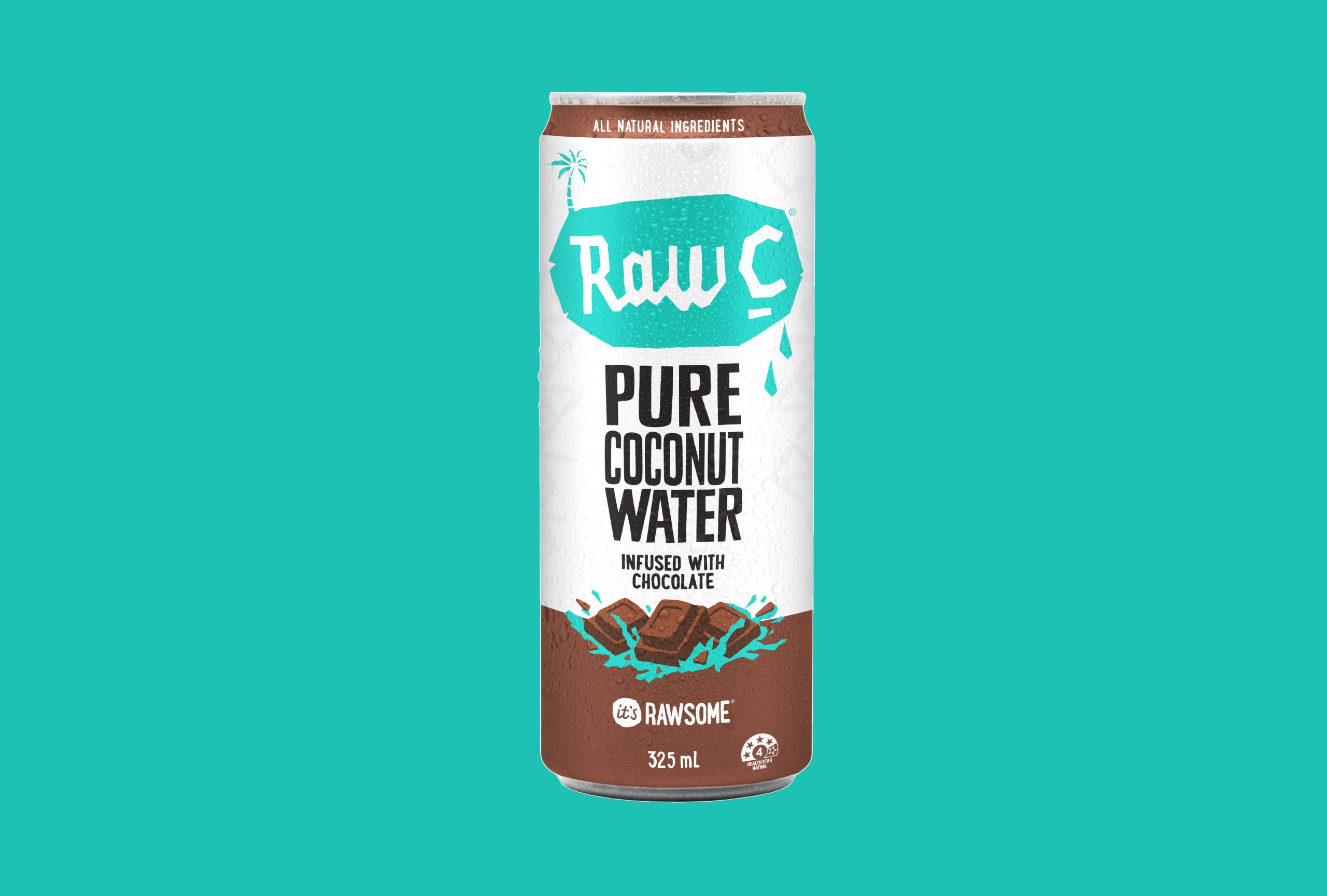
    Raw C, the well-known coconut water brand, has recently introduced a larger 1-litre variant of its Chocolate-Infused Coconut Water, building upon its original 325ml can offering. This innovative product, initially released in April, skillfully combines Raw C’s single-origin coconut water with delectable cocoa and smooth coconut cream.

    Raw C’s decision to introduce the larger format has been driven by an escalating consumer demand for their product. The brand’s Chocolate Coconut Water offers a healthier alternative to regular chocolate milk, with less fat and sugar content. In fact, it boasts up to three times less fat and over 70 per cent less sugar than traditional chocolate milk options.

    Endorsing the brand’s clean-label ethos, the Chocolate Coconut Water is dairy-free, vegan, gluten-free, non-GMO, and free of artificial additives. This ensures that consumers are offered a product that is not only delicious but also aligns with their health and dietary needs.

    In a significant development, the new 1L variant of Raw C’s popular offering is now available for purchase at Woolworths stores across the country.

    Questions & Answers

    What is the new product expansion from Raw C?
    Raw C has introduced a 1-litre version of its Chocolate-Infused Coconut Water, adding to its previous 325ml can offering.

    What makes Raw C’s Chocolate Coconut Water a healthier alternative?
    The brand’s Chocolate Coconut Water contains up to three times less fat and over 70 per cent less sugar than traditional chocolate milk. It is also dairy-free, vegan, gluten-free, non-GMO, and free of artificial additives.

    Where can the new 1L format of Raw C’s Chocolate-Infused Coconut Water be purchased?
    The new larger variant of Raw C’s product is now available nationwide in Woolworths stores.

  • Metcash Reports Robust Financial Growth, Hits $17.3 Billion Group Sales Revenue

    Metcash Reports Robust Financial Growth, Hits $17.3 Billion Group Sales Revenue

    Metcash, a leading wholesale distribution and marketing company, has recently announced a robust financial performance for the current fiscal year. The company’s group sales revenue reached $17.3 billion, marking a 7.2 per cent growth compared to last year’s figure of $15.9 billion.

    Financial Performance Details

    The company’s underlying group EBITDA (Earnings Before Interest, Taxes, Depreciation, and Amortization) witnessed a considerable rise, going from $688 million to $737.8 million. Further, there was also a 10.1 per cent increase in its reported profit after tax as the figures moved from $257.2 million to $283.3 million.

    In terms of sector-wise performance, Metcash’s food division reported sales revenue of $8.8 billion, excluding tobacco sales. This substantial figure, which is a 20.8 per cent increase year-on-year, has been largely attributed to the growth of supermarkets and convenience stores, along with Metcash’s partnership with Superior Foods beginning this June.

    Sector-wise Breakdown

    Metcash’s liquor division also exhibited growth, with the revenue rising by 3.3 per cent, moving from $5.1 billion to $5.3 billion. This growth has been fuelled by the successful performance of all IBA brands under Metcash, including Cellarbrations, The Bottle-O, IGA Liquor, and Porters. However, this sector did see a minor setback as its liquor EBITDA decreased from $125.7 million to $123.5 million, marking a 1.8 per cent drop.

    Lastly, Metcash’s hardware division reported a revenue of $3.6 billion, indicating a 2.4 per cent increase. This growth can be attributed to Metcash’s acquisition of Total Tools.

    Questions & Answers

    What was the total group sales revenue reported by Metcash for the current fiscal year?
    The company reported a total group sales revenue of $17.3 billion.

    Which division of Metcash recorded the highest increase in sales revenue?
    Metcash’s food division recorded the highest increase in sales revenue, marking a 20.8 per cent growth year-on-year.

    What factors contributed to the growth of Metcash’s hardware division?
    The growth in the hardware division is largely due to the company’s acquisition of Total Tools.

  • Inaba Breaks Into Australian Market With Innovative Cat Treat Range

    Inaba Breaks Into Australian Market With Innovative Cat Treat Range

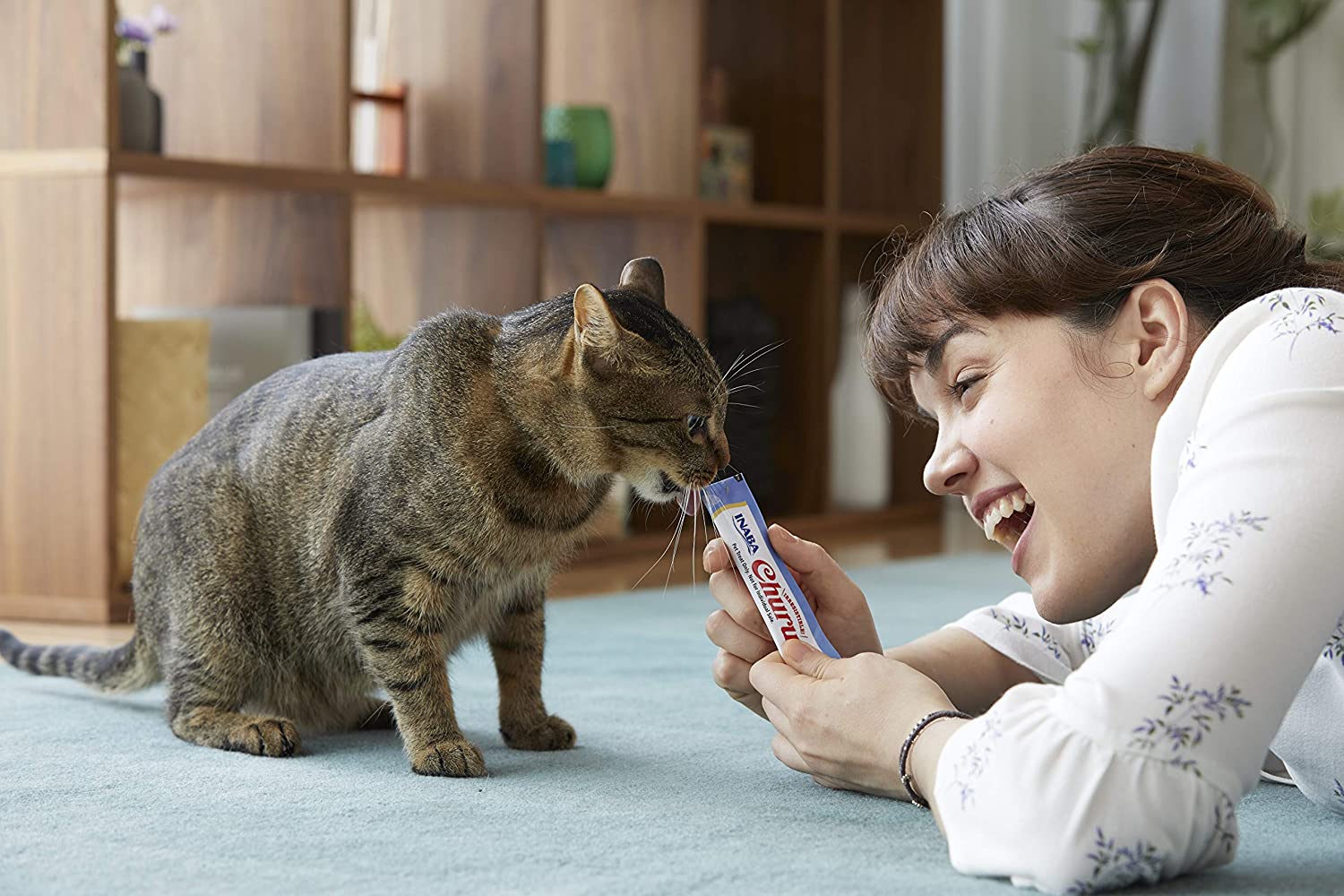
    Inaba, a renowned Japanese pet food brand, has made its debut in the Australian market with the introduction of its Churu cat treat range.

    The Innovative Inaba Churu Treats

    Inaba Churu treats stand out due to their fresh chicken and seafood ingredients, absence of preservatives, and high moisture content. Their unique texture can be either soft or chewy, and they are also low in calories.

    According to Adam Heelis, Inaba Australia’s Country Manager, the cat treat industry has been lacking in novelty for a long time. The introduction of these innovative products is expected to stimulate the growth of the cat treat sector.

    Product Availability

    The Churu treat range, which includes Puree, Bites, Stew, and Sprinkles flavours, will be made available nationwide in Woolworths and Coles supermarkets from September. Customers will also be able to purchase these treats online.

    The Inaba Brand Legacy

    Inaba was established in 1989 and has its roots in the family tradition of Yoshizo Inaba, who was a seafood harvester. The brand has been selling its cat food lineup in the United States since 2016. In 2020, it introduced sustainable tuna for cats.

    Questions & Answers

    What makes Inaba Churu treats unique?
    The Churu treats are created with fresh chicken and seafood, have no preservatives, and are high in moisture. They can be either soft or chewy and are low in calories.

    Where can customers purchase Inaba Churu cat treats in Australia?
    The Churu cat treat range will be available at Woolworths and Coles supermarkets nationwide. They will also be available for online purchase.

    When did Inaba start selling its cat food lineup in the United States?
    The Inaba cat food lineup has been available in the United States since 2016.

  • Pure Sports Nutrition Revolutionizes Athlete Recovery With New ‘race Recovery’ Product

    Pure Sports Nutrition Revolutionizes Athlete Recovery With New ‘race Recovery’ Product

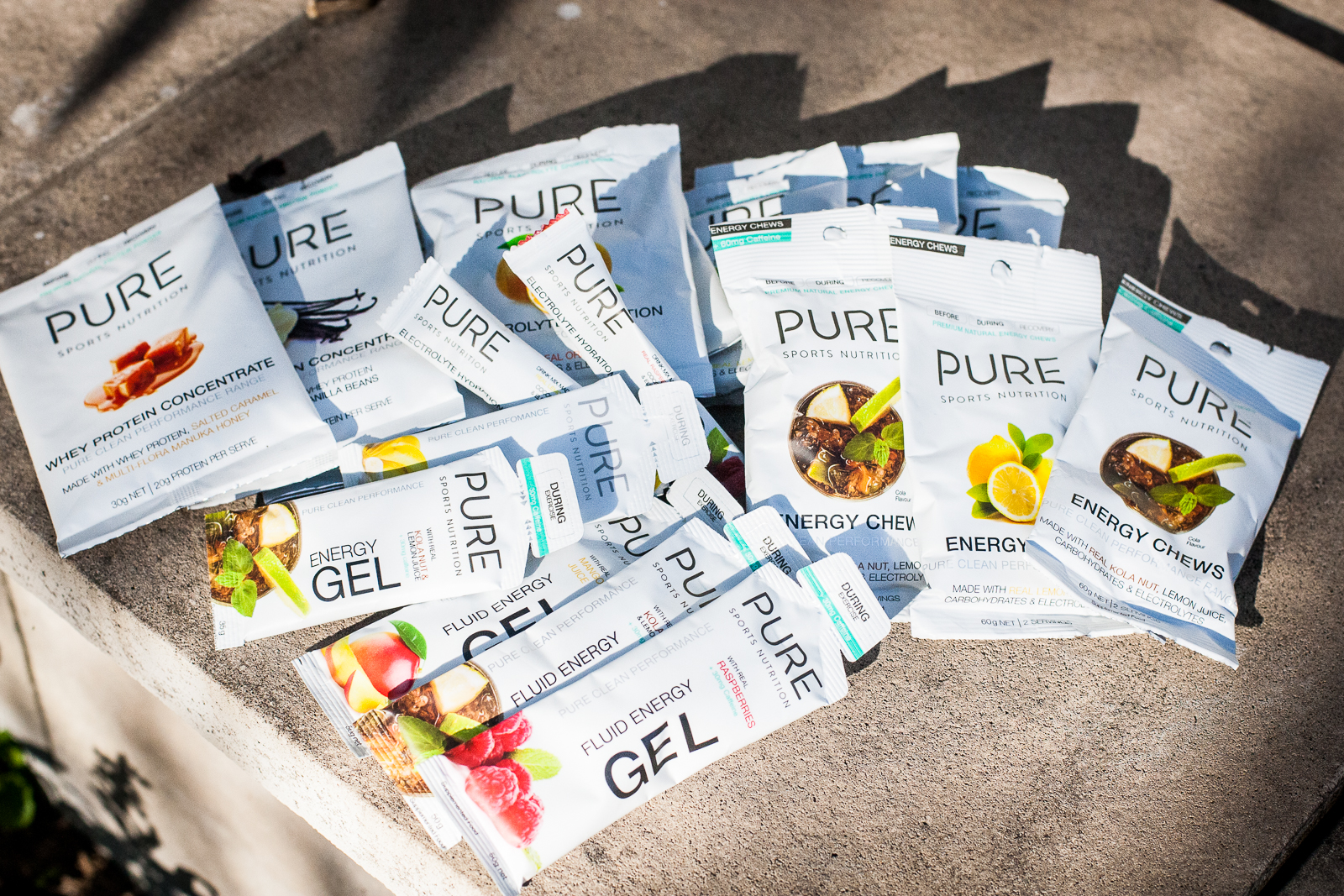
    Pure Sports Nutrition, a New Zealand-based company, has recently extended its Performance+ product line with the introduction of Race Recovery, a product specifically targeted at endurance athletes.

    Boosting Post-Exercise Recovery

    The company asserts that Race Recovery has been carefully designed to provide a comprehensive recovery solution following intense workouts or competitive sporting events. Each serving of Race Recovery boasts 29g of protein and 52g of carbohydrates.

    Marewa Sutherland, the co-founder and sports nutritionist of Pure Sports Nutrition, clarified that the carbohydrate-to-protein ratio in Race Recovery has been deliberately chosen to maximize the benefits during the crucial 30 to 60-minute window following exercise. During this period, recovery nourishment can significantly impact training outcomes.

    According to Sutherland, each component in Race Recovery plays a specific role, from replenishing carbohydrate and fluid levels to promoting gut health and mitochondrial function. She asserts that the formula approaches recovery from multiple angles, thus assisting athletes in becoming stronger, adapting quicker, and enhancing performance.

    About Pure Sports Nutrition

    Pure Sports Nutrition, which was founded in 2012, has made its mark with a variety of products including energy gels, electrolyte hydration powders, and functional foods.

    Race Recovery is now available in a select number of retailers including Aidstation, Active Health Clinic, Sole Motive Mr Vitamins, Nutrition Warehouse, WholeLife Pharmacy, and Healthfoods Pace Athletic. Pricing for Race Recovery is set at $11.99 for individual servings and $79.99 for multi-packs.

    Questions & Answers

    What is the new product launched by Pure Sports Nutrition?
    The new product is called Race Recovery, designed for endurance athletes to aid in their post-exercise recovery.

    What does each serving of Race Recovery contain?
    Each serving of Race Recovery contains 29g of protein and 52g of carbohydrates.

    Where can one purchase Race Recovery?
    Race Recovery is available in select retailers including Aidstation, Active Health Clinic, Sole Motive Mr Vitamins, Nutrition Warehouse, WholeLife Pharmacy, and Healthfoods Pace Athletic.

  • Skechers Reports Strong Q2 Growth Of 13.1%, Bolstered By International Market Success

    Skechers Reports Strong Q2 Growth Of 13.1%, Bolstered By International Market Success

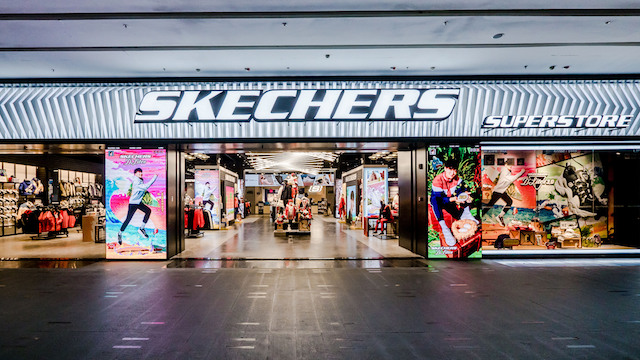
    Skechers, the global footwear leader, reported its financial results for the second quarter of 2025, reflecting an overall positive growth across its various business channels. The company’s total revenue for the quarter was recorded at US$2.44 billion, marking a 13.1% increase compared to the same period in the previous year. This growth is primarily attributed to robust demand in both its wholesale and direct-to-consumer channels.

    A Closer Look at the Financials

    The net income of Skechers witnessed a significant surge of 21.5%, reaching $170.5 million, up from $140.3 million registered in the corresponding period of the previous year. The wholesale revenue for the quarter was also on an upward trajectory, accounting for $1.30 billion, a 15% increase from the prior-year period. Direct-to-consumer sales also followed suit, with an increase of 11% totaling $1.14 billion, compared to $1.03 billion noted a year earlier.

    In terms of domestic sales, the figures remained relatively stable, registering a marginal decrease of 0.2%. While wholesale sales experienced a decline of 7.5%, direct-to-consumer sales offset this with a 7.6% rise.

    International Market – A Strong Growth Driver

    The international market emerged as a key growth driver for Skechers with international sales constituting about 64.6% of the total revenue in Q2, a noticeable increase from approximately 60% a year earlier. This growth was spurred by a significant 29.6% increase in wholesale international sales and a 13.3% rise in direct-to-consumer international revenue.

    Despite a decline in China sales, which dropped 8.2% to $287.2 million, sales in the Asia Pacific region rose by 5.5% to $595.5 million. The Americas division witnessed a slight increase of 1.1% with sales amounting to $1.11 billion. However, the Europe, Middle East & Africa (EMEA) region showed the most robust regional growth, with sales surging 48.5% to $731.5 million.

    Looking Back at the First Half of 2025

    For the first half of 2025, Skechers reported total sales of $4.85 billion, signifying a 10% increase from the previous $4.41 billion in the prior year. The regional growth trends were similar to those of Q2, with EMEA witnessing an increase of 29.4%, Americas growing by 4.6%, and the Asia Pacific region recording a modest growth of 1.4%.

    Currently, Skechers operates over 5200 stores globally, which include both company-owned and third-party-owned locations. The company is confidently marching towards its goal of establishing 10,000 stores across the globe.

    Questions & Answers

    What was the total revenue of Skechers in Q2 2025?
    The total revenue of Skechers in the second quarter of 2025 was US$2.44 billion.

    Which region showed the strongest growth for Skechers?
    The Europe, Middle East & Africa (EMEA) region showed the strongest growth for Skechers, with sales jumping 48.5% to $731.5 million.

    How many stores does Skechers currently operate worldwide?
    Skechers currently operates more than 5200 stores worldwide.

  • Subway Plans Major Expansion In India With 100 New Outlets By Next Year

    Subway Plans Major Expansion In India With 100 New Outlets By Next Year

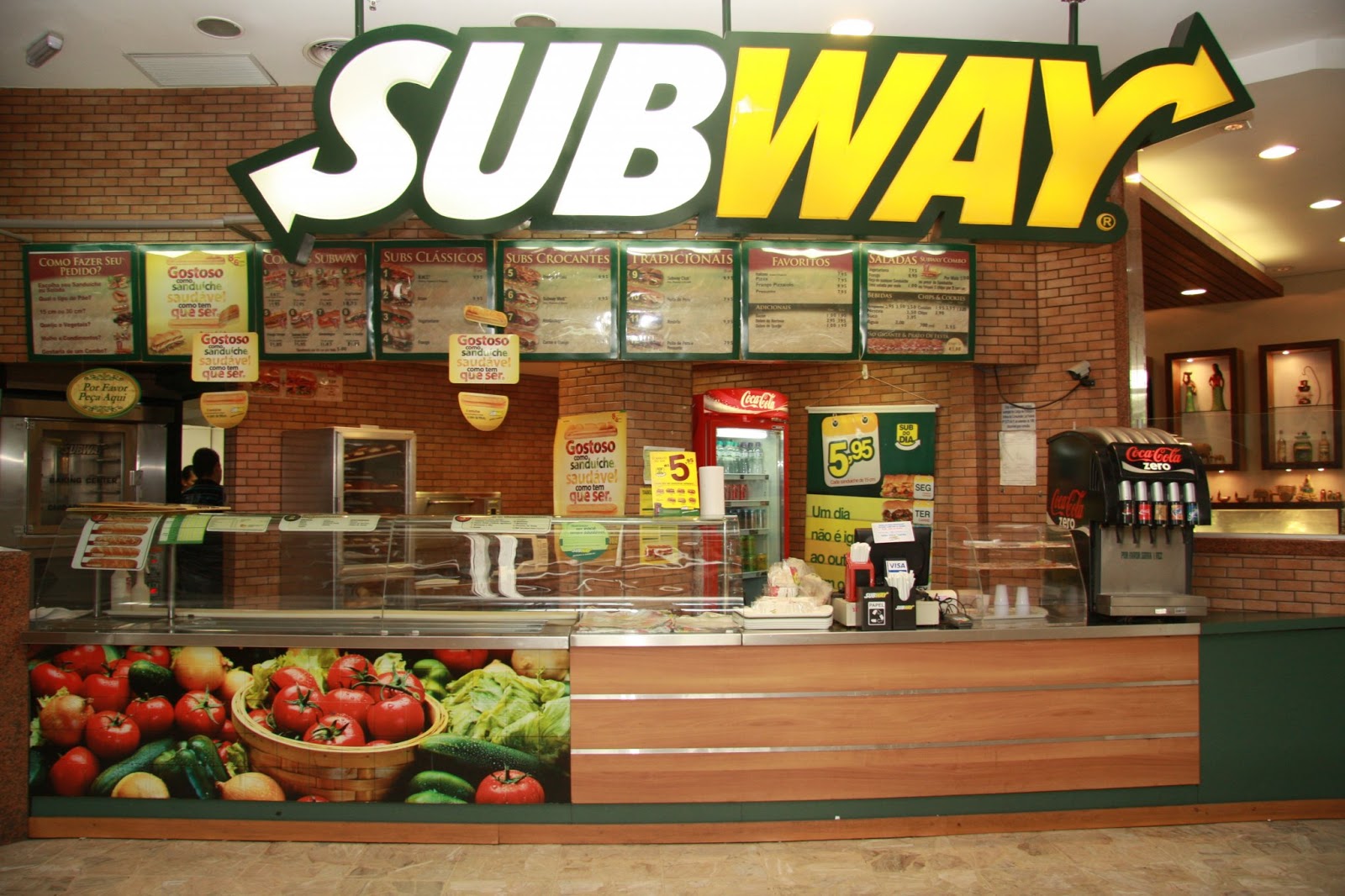
    Subway, the internationally renowned sandwich chain, has announced its plans to increase its footprint in India by establishing 100 new outlets by next year. This expansion will augment Subway’s existing presence in over 160 cities throughout the country, a significant growth since the brand’s inception in the Indian market in 2001.

    Culinary Brands, the retail operator responsible for Subway’s operations in India, affirmed that this move is a continuation of the company’s robust growth observed in the initial quarter of the year. During this period, Subway debuted 33 new outlets spanning across 17 cities.

    Tarun Bhasin, CEO of Culinary Brands, reflected on the importance of India within the framework of Subway’s global operations. He emphasized that the country plays a crucial role in the company’s long-term investment and partnership strategies.

    Further, Bhasin revealed that the forthcoming expansions will not be confined to the existing markets. The sandwich chain intends to penetrate new markets, including those in Tier 2 and Tier 3 cities.

    Bhasin expressed optimism for the future of Subway in India, stating, “With a robust expansion pipeline and continuous product innovation, we’re optimistic about Subway’s growth journey in India.”

    Questions & Answers

    What are the expansion plans of Subway in India?
    Subway aims to set up 100 new outlets in India by next year, extending its reach to more than 160 cities.

    Who operates Subway’s retail operations in India?
    Culinary Brands is responsible for operating Subway’s retail outlets in India.

    What are the future prospects of Subway in India according to Tarun Bhasin, CEO of Culinary Brands?
    Backing the expansion plans with a strong pipeline and continuous product innovation, Bhasin is optimistic about Subway’s growth journey in India.

  • Indian Boycotts Challenge U.S. Giants: A Push For ‘made In India’ Amid Tariff Tensions

    Indian Boycotts Challenge U.S. Giants: A Push For ‘made In India’ Amid Tariff Tensions

    American multinational corporations, including household names such as McDonald’s, Coca-Cola, Amazon, and Apple, are feeling the pressure of increasing calls for boycotts in India. This sentiment has been fueled by business leaders and supporters of Prime Minister Narendra Modi as a form of protest against U.S. tariffs.

    India, known as the world’s most populous nation, presents a significant market for these American brands. With a rapidly expanding base of affluent consumers who view international brands as symbols of societal advancement, many American companies have found success in India.

    For instance, Meta’s WhatsApp counts India as its largest user base and Domino’s boasts more restaurants in India than in any other country. Similarly, beverages such as Pepsi and Coca-Cola often take up prime real estate on store shelves, and there is typically a significant buzz when a new Apple store opens or Starbucks offers discounts.

    Recently, however, there has been growing support for choosing local products over American goods, both on social media and offline. This shift in consumer behavior has been catalyzed by a 50% tariff on Indian goods imposed by former U.S. President Donald Trump, which has unsettled exporters and strained relations between New Delhi and Washington.

    Indian Business Leaders Advocate for ‘Made in India’

    Manish Chowdhary, co-founder of India’s Wow Skin Science, has taken to LinkedIn to voice his support for Indian farmers and start-ups. His goal is to transform ‘Made in India’ into a ‘global obsession’, learning from countries like South Korea, which boasts globally renowned food and beauty products.

    Similarly, Rahm Shastry, CEO of DriveU, an Indian car driver service, wrote on LinkedIn that India should develop its own versions of popular platforms like Twitter, Google, YouTube, WhatsApp, and Facebook, much like China.

    Indian retail companies offer stiff competition to foreign brands like Starbucks in the domestic market, but global expansion remains a challenge. However, Indian IT services firms, such as TCS and Infosys, have integrated deeply into the global economy, providing software solutions to clients around the world.

    In a recent address in Bengaluru, Prime Minister Modi made a “special appeal” for increased self-reliance. He urged Indian technology companies, who have been producing products for global consumption, to prioritize India’s needs.

    Consumer Opinions Differ

    Despite the ongoing anti-American sentiment, the American electric vehicle and clean energy company Tesla recently opened its second showroom in India. The opening event in New Delhi was attended by Indian commerce ministry officials and US embassy officials.

    Simultaneously, the Swadeshi Jagran Manch group, which is associated with Modi’s Bharatiya Janata Party, organized small public rallies across India, encouraging people to boycott American brands.

    However, not all Indian consumers share this sentiment. For instance, a customer named Rajat Gupta, who was dining at a McDonald’s in Lucknow, expressed that he was not concerned with the tariff protests and simply enjoyed the value for money he received from his 49-rupee coffee.

    Questions & Answers

    What has led to the calls for a boycott of American products in India?

    These calls for boycotts have been fueled by the imposition of a 50% tariff on goods from India by former U.S. President Donald Trump, which has created unrest among exporters and strained diplomatic ties between New Delhi and Washington.

    How are Indian business leaders responding to this situation?

    Leaders such as Manish Chowdhary, co-founder of Wow Skin Science, and Rahm Shastry, CEO of DriveU, have been advocating for a focus on “Made in India” products and services, and the development of home-grown alternatives to popular platforms like Twitter, Google, YouTube, WhatsApp, and Facebook.

    Are all Indian consumers supportive of the boycotts?

    No, consumer opinions on the boycotts vary. Some consumers, such as Rajat Gupta, a McDonald’s customer in Lucknow, are not concerned by the tariff protests and continue to enjoy the products and services offered by American brands.

  • Singapore Government Announces Wage Increase For 53,000 Retail Workers Over Next Three Years

    Singapore Government Announces Wage Increase For 53,000 Retail Workers Over Next Three Years

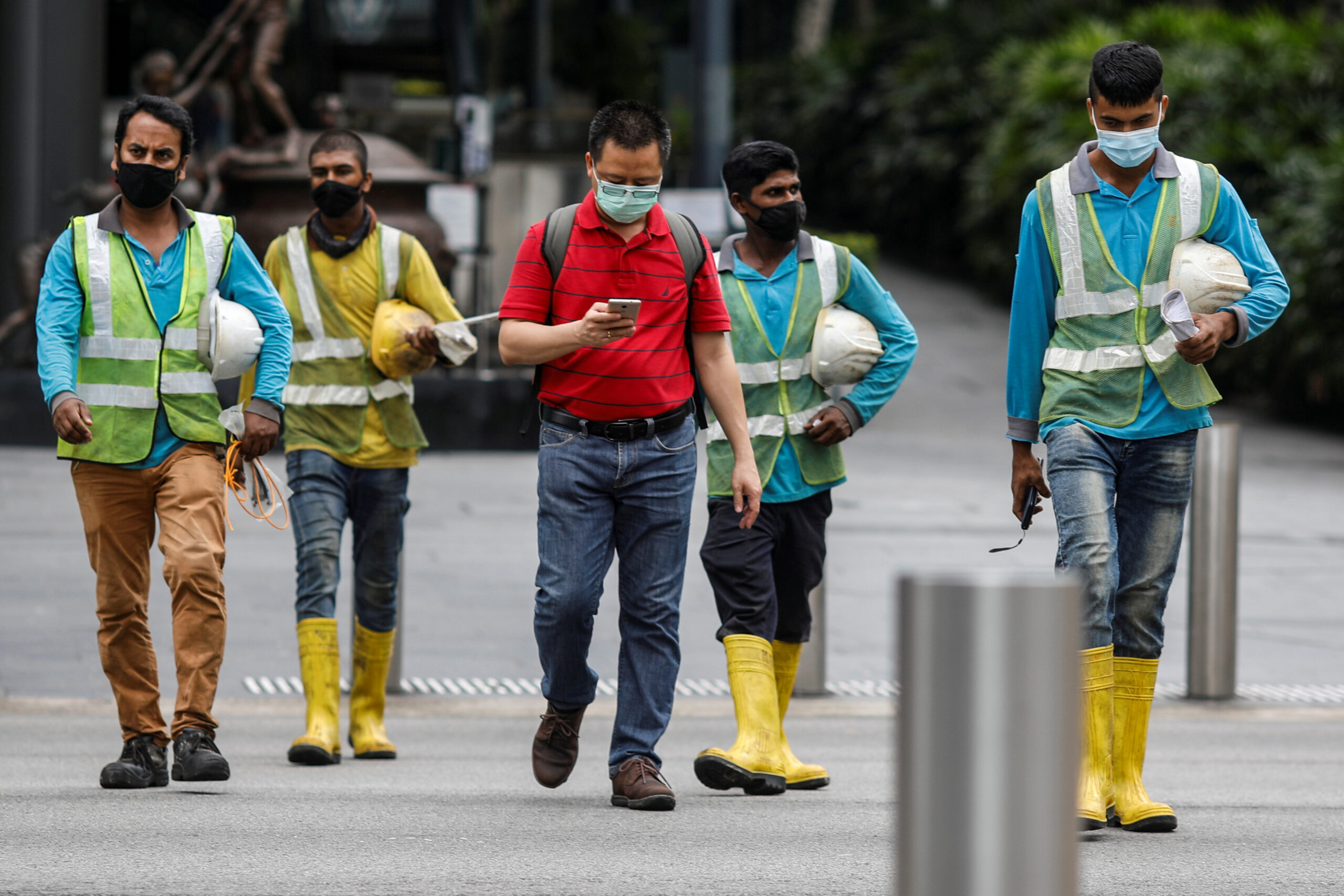
    The government of Singapore has made public plans to elevate the wages of over 53,000 retail workers residing in the country within the forthcoming three years.

    Progressive Wage Model Adoption

    The Ministry of Manpower revealed their acceptance of the Progressive Wage Model (PWM) on Monday. This model proposes a systematic progression of wages for retail employees based on their levels and the requisite training at each level. Devised by the Tripartite Cluster for Retail Industry (TCR), the PWM aims to ensure that workers’ wages correlate with their skills and productivity.

    As per the PWM, full-time retail assistants and cashiers will see a rise in their baseline monthly gross wages from the current $2175 to $2305 in September. This trend will continue with further increments to $2435 in the subsequent September and $2565 in September 2027.

    Wage Hike for Senior Roles

    There will be similar wage increases for senior retail assistants and cashiers starting from this September. Their wages will increase from the current $2395 to $2535, followed by further increments to $2680 in 2026 and $2820 in 2027.

    The wages of assistant retail supervisors will also be raised from $2635 to $2790 in September, with subsequent increases to $2950 next year and $3100 in 2027. However, the wages of retail supervisors and managers will vary according to market conditions.

    Part-Time Worker Consideration

    Part-time workers who clock in less than 35 hours a week will also benefit from a close to 6% rise in their hourly gross pay from September 1. Further wage increases will continue to be applied in the ensuing years.

    The PWM requirements, which are mandatory, will cover retail employees who are Singapore citizens and permanent residents. A review of the wage schedule will be carried out by the TCR next year.

    Training Requirements

    Employers will have to ensure that their retail workers meet the prescribed training requirements, including the Workforce Skills Qualification module or a relevant qualification from Institute of Higher Learning conferred by MOE-registered educational institutions. Employers will be given a grace period to comply with these training requirements.

    TCR co-chair Ryan Chioh acknowledged the challenges of rising costs and manpower constraints in the industry, but expressed that “the PWM, with structured wage progression and targeted training, helps businesses tackle these pressures while building a skilled and motivated workforce.”

    The PWM recommendations are the result of TCR’s extensive engagement with retail employers, the National Trades Union Congress, and industry associations.

    Singapore Retail Sales Update

    As per the most recent data from the Department of Statistics, retail sales in Singapore (excluding motor vehicles) experienced a modest increase of 0.4% in June, following stagnant growth in May.

    Questions & Answers

    What is the Progressive Wage Model (PWM)?
    The Progressive Wage Model is a wage structure that proposes a systematic progression of wages for retail employees based on their levels and the requisite training at each level.

    Who will be affected by the PWM in Singapore?
    The PWM will impact over 53,000 resident retail workers in Singapore, including full-time and part-time employees who are Singapore citizens and permanent residents.

    What changes will employers need to make in light of the PWM?
    Employers will need to ensure that their retail employees meet training requirements and are paid according to the wage schedule stipulated by the PWM. They will be given a grace period to comply with these changes.

  • M1-Simba Merger: A Groundbreaking Moment for Singapore’s Telco Landscape After Liberalization!

    M1-Simba Merger: A Groundbreaking Moment for Singapore’s Telco Landscape After Liberalization!

    Keppel Ltd. has embarked on a significant shift in Singapore’s telecommunications landscape by announcing its divestment of an 83.9% stake in M1 Ltd. to Simba Telecom. This landmark deal, valued at SGD 1.43 billion (USD 812 million), marks the first telecom consolidation in Singapore’s history. The arrangement involves Keppel selling its stake in M1 for approximately SGD 1.0 billion (USD 778 million) in cash while retaining the company’s ICT business. This move allows Keppel to sharpen its focus on high-growth connectivity sectors like data centers and subsea cables.

    A New Strategic Direction for Keppel

    As a founding shareholder of M1 since 1994, Keppel’s CEO, Loh Chin Hua, views this transaction as part of a broader strategy to transform the company into an asset-light global asset manager and operator. The merger will synergize M1 and Simba, currently positioned as the third and fourth largest telecom operators in Singapore, respectively, placing them in a better position to compete against giants Singtel and StarHub.

    Synergies Galore

    Loh emphasized the benefits of this strategic maneuver, stating that the partnership represents a “strategic path to sustainable growth” for Singapore’s telecom sector. He expressed confidence in the efficiencies the combined entities will achieve, saying:

    M1 and Simba are a highly synergistic combination. Together, they can scale more efficiently, optimize infrastructure, and accelerate 5G and digital investments, greatly enhancing service quality while contributing to a more resilient, future-ready telco industry.

    Competitive Edge and Growth Opportunities

    In a landscape where competition is fierce, Keppel cited Simba, owned by Australia’s Tuas Ltd., as having submitted the best all-cash offer among bidders, which underscores the attractive valuation for the acquisition. Interestingly, the two companies share minimal resource overlap, opening up avenues for new revenue streams and job creation within the industry.

    Enhancing the Consumer Experience

    According to Keppel’s statement, the upcoming transaction will bolster Singapore’s telco sector, delivering advantages to both industry players and consumers alike. The newly combined entity promises to accelerate investments in 5G and digital infrastructure, ultimately enhancing service quality. It’s a tale of merging to thrive, as the collaboration aims to create a resilient digital ecosystem rich in future technology investments, including cybersecurity, artificial intelligence (AI), and sustainability.

    Regulatory Approval in Process

    The Infocomm Media Development Authority (IMDA) has confirmed that both parties have signed the sale and purchase agreement (SPA) and will conduct a thorough assessment under the Telecom and Media Competition Code. This scrutiny is crucial to ensuring the transaction is advantageous for consumers, sustains market competition, and supports ongoing growth in the sector.

    Questions & Answers

    What does Keppel’s divestment of M1 represent for the telecommunications sector in Singapore?
    This divestment marks a historic consolidation in Singapore’s telecom landscape, allowing M1 and Simba to form a powerful entity to compete more effectively against market leaders like Singtel and StarHub.

    How does Keppel plan to benefit from this transaction?
    By restructuring its involvement with M1, Keppel aims to turn into an asset-light global asset manager, concentrating on high-growth sectors like data centers and subsea cables while still retaining a stake in M1’s ICT business.

    What are the potential benefits for consumers following this deal?
    Consumers could see enhanced service quality and a more resilient digital ecosystem, as the merged entity is expected to accelerate investments in 5G technologies and future innovations such as AI and cybersecurity.

  • UOB Boosts Deposit Growth but Faces Rising Bad Loans in Second Quarter

    UOB Boosts Deposit Growth but Faces Rising Bad Loans in Second Quarter

    United Overseas Bank (UOB) has reported a mixed bag for the second quarter of 2025, with a robust expansion in deposits but a concerning rise in bad loans. According to UOB Kay Hian analyst Jonathan Koh, the bank’s current account savings account (CASA) ratio climbed to 56.5%, marking a five-percentage-point jump compared to the previous quarter. This uptick is complemented by a 14% year-on-year growth in CASA balances, amidst a 7% decline in fixed deposits over the same period.

    However, as depositors celebrated the bank’s stability, there was unease surrounding its asset quality. Koh highlighted that UOB’s non-performing loan (NPL) formation surged to S$472 million in Q2, with NPLs in the “others” category increasing by S$110 million year-on-year, largely attributed to exposure in the commercial real estate sector in the USA.

    The rising tide of NPLs also affected dealings in Greater China, which saw an increase of S$282 million compared to the same quarter in 2024. Yet amidst these challenges, UOB’s NPL ratio remained steady at 1.6%, bolstered by upgrades, recoveries, and write-offs totaling S$430 million, according to Koh.

    Looking towards the future, Koh addressed the economic landscape, suggesting the initial effects of reciprocal tariffs will be manageable. “Management is more concerned about the second-order impacts stemming from a slowdown in business investment and domestic consumption,” he noted, suggesting that the real ripple effects may unfold in the coming months.

    In terms of UOB’s exposure to international markets, Koh indicated that corporate clients with exports to the US account for 10-25% of their total sales, which translates to about 1.3% of UOB’s total loans. “Notably, around 80% of UOB’s wholesale business is tied to the domestic economy and intra-regional trade, with trade loans representing 10% of total loans, out of which 20-30% involves companies looking toward the US market,” he added.

    With economic currents fluctuating, UOB’s strategy appears anchored in resilience while navigating the potential challenges ahead. As retail and corporate sectors brace for what’s next, whispers of forthcoming adjustments and prudent measures are already echoing across the financial landscape.

    Questions & Answers

    What factors contributed to the rise in UOB’s non-performing loans?
    The increase in non-performing loans was primarily driven by elevated formations, especially in the commercial real estate sector in the USA and an uptick in NPLs for Greater China.

    How did UOB’s deposit growth perform in the second quarter?
    UOB reported a 14% year-on-year growth in CASA balances, alongside a notable improvement in its CASA ratio, which reached 56.5%, although fixed deposits declined by 7% in the same timeframe.

    What concerns did UOB Kay Hian’s analyst express regarding economic conditions?
    Analyst Jonathan Koh highlighted concerns over second-order impacts from a potential slowdown in business investment and domestic consumption, while suggesting that the direct effects of reciprocal tariffs would be manageable.

  • TikTok Shop’s Japanese Launch Hits Snags as Sellers Voice Concerns Over New Platform

    TikTok Shop’s Japanese Launch Hits Snags as Sellers Voice Concerns Over New Platform

    While TikTok has made waves in various markets across the globe, its live commerce feature appears to be treading water in Japan, just a month after its rollout. Many brands are hesitating to dive into this vibrant but relatively uncharted marketing medium, wary of the risks associated with investing in a format that has yet to blossom in the local landscape.

    Despite the platform’s popularity, local hesitance seems to stem from Japan’s unique retail culture and the cautious approach many companies take towards new digital strategies. With its traditional emphasis on polished advertising and customer service, Japan presents a complex backdrop for a platform that thrives on spontaneous and interactive shopping experiences.

    Understanding the Local Market

    Analysts suggest that part of the hesitation may lie in TikTok’s image. While internationally it’s seen as an innovative trendsetter, companies in Japan are not yet convinced that live commerce will resonate with their consumer base. Many brands are still grappling with the traditional retail norms and the allure of TikTok’s less conventional format.

    However, the story isn’t over for TikTok in Japan. Experts argue that, with time, a shift might occur as consumers become more familiar with live shopping. The platform could evolve from a novelty into a staple of Japan’s e-commerce scene. It’s a risky gamble that could pay off, much like opening a treasure chest filled with unexpected gems—and perhaps some amusing surprises.

    What Lies Ahead

    To navigate these choppy waters, TikTok may need to tailor its approach to align with local preferences and establish trust among retailers, thereby encouraging them to explore new horizons. As the retail landscape continues to change, Japan’s retailers are left to ponder: will they embrace this digital wave or continue to watch from the shore?

    Questions & Answers

    What are the main challenges TikTok faces in Japan regarding live commerce?
    The primary challenges include a reluctance among local brands to adopt new marketing strategies and a retail culture that heavily favors traditional advertising methods.

    How might TikTok adapt its strategy to succeed in the Japanese market?
    To succeed, TikTok could focus on customizing its approach to resonate with local consumer preferences and building trust among retailers in the live commerce space.

    Is there potential for growth with TikTok’s live commerce feature in Japan?
    Yes, there is potential for growth as consumers may become more familiar with live shopping, gradually transforming it from a novelty into a more established part of the e-commerce landscape.

  • 7-eleven’s Bold $1.2b Acquisition: Aiming For Retail Dominance In Taiwan

    7-eleven’s Bold $1.2b Acquisition: Aiming For Retail Dominance In Taiwan

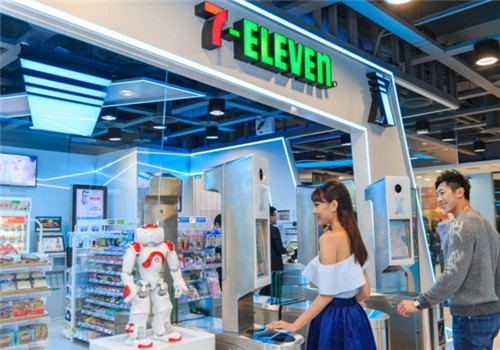
    In a bold move signaling the strength of the retail sector, Japanese retail giant 7-Eleven has struck a deal to acquire approximately 3,200 stores in Taiwan. This acquisition, worth a staggering $1.2 billion, is not just a strategic expansion but also a reflection of 7-Eleven’s ambition to dominate the Asian market. Currently, the brand commands a formidable presence in Taiwan, boasting over 6,000 stores. With this new endeavor, they intend to enhance distribution channels and grow their footprint across the island.

    Strategic Expansion in a Competitive Market

    The transaction is set to reshape the competitive landscape of convenience stores in Taiwan. Presently, the local market is a battleground, dominated by major players such as FamilyMart and Hi Life. Analysts are already speculating about how this merger will redefine customer loyalty, pricing strategies, and inventory management across the sector. It’s as if the comfort of picking up a midnight snack is suddenly caught in a high-stakes chess game.

    7-Eleven’s acquisition follows a series of strategic maneuvers aimed at revitalizing its brand and operations in Asia. Previously, the company has made headlines with its innovative retail approaches, integrating technology and customer experience into its neighborhood stores. This has set a high bar for convenience shopping, and it’s clear that 7-Eleven is not merely following trends; it’s establishing them.

    Boosting Local Networks

    The company has expressed intentions to retain current management and regional operational identity after the acquisition to maintain a sense of continuity for shoppers. This is a crucial move; blending 7-Eleven’s global prowess with existing local insights is expected to drive growth while remaining sensitive to Taiwan’s unique consumer culture.

    The Broader Impact on Industry Dynamics

    With Taiwan’s retail environment evolving rapidly, experts predict that this acquisition could catalyze further consolidations in the convenience store sector. Rivals may have to rethink their positioning and services, particularly as consumer behavior continues to trend towards convenience and immediacy.

    In an industry where every little detail counts—whether that’s snack availability or the size of a coffee cup—7-Eleven’s latest move could change the game entirely. Imagine the excitement of buying your favorite late-night snacks from a store freshly stocked by a retail powerhouse!

    Questions & Answers

    What is the significance of 7-Eleven’s acquisition of stores in Taiwan?
    This acquisition signals 7-Eleven’s intent to solidify its dominance in the Taiwanese market amidst growing competition from local chains like FamilyMart and Hi Life.

    How many stores will 7-Eleven operate in Taiwan post-acquisition?
    After the acquisition, 7-Eleven will operate over 9,200 stores across Taiwan, enhancing its distribution and customer reach significantly.

    What strategies might competitors employ in response to this acquisition?
    Competitors may need to rethink their pricing strategies, improve customer loyalty programs, and enhance inventory management to keep pace with 7-Eleven’s expected innovations.

  • VN-Index Soars to New Record High, Setting Stage for Thriving Market Opportunities!

    VN-Index Soars to New Record High, Setting Stage for Thriving Market Opportunities!

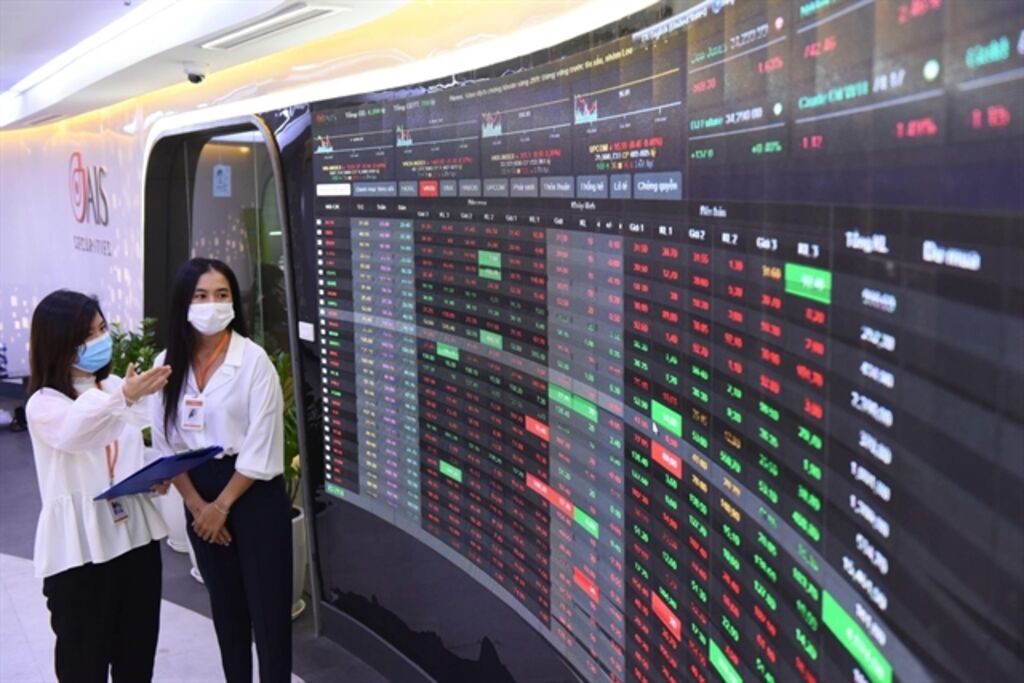
    In a landmark surge, Vietnam’s benchmark VN-Index climbed 1.07% on Monday morning, officially crossing the coveted 1,600 mark for the first time. Just an hour and a half into trading, the index soared to 1,602, marking a gain of around 16 points from the previous close of 1,584.95.

    During this period, the trading volume on the Ho Chi Minh Stock Exchange surged to VND20 trillion (approximately US$762.5 million).

    In the VN30 basket, which includes the 30 largest capitalized stocks, shares of the Masan Group hit their ceiling price, reflecting robust investor interest.

    Notable gains were also seen among prominent players in the consumer goods and retail sectors, as stocks like Vinamilk’s VNM, Mobile World’s MWG, and brewer Sabeco’s SAB appreciated by 1%.

    Conversely, five blue chips faced testing waters, with significant drops of over 1%. Vincom Retail’s VRE, alongside TPBank’s TPB and Sacombank’s STB, experienced declines ranging from 1.3% to 1.8%.

    Market analysts had anticipated that the VN-Index would breach the 1,600 threshold this week, with predictions hinting at a potential rally toward 1,650, provided capital inflows stay robust.

    Questions & Answers

    What milestone did the VN-Index achieve on Monday morning?
    The VN-Index surged past the 1,600 mark, reaching 1,602 for the first time in history.

    How much trading volume was recorded on the Ho Chi Minh Stock Exchange during this surge?
    The trading volume amounted to VND20 trillion, which is roughly US$762.5 million.

    Which sectors saw notable gains in stock prices?
    The consumer goods and retail sectors performed well, with significant stocks like Vinamilk, Mobile World, and Sabeco all rising by 1%.

  • AU Bank Secures In-Principle Approval to Transform into a Universal Banking Powerhouse in India

    AU Bank Secures In-Principle Approval to Transform into a Universal Banking Powerhouse in India

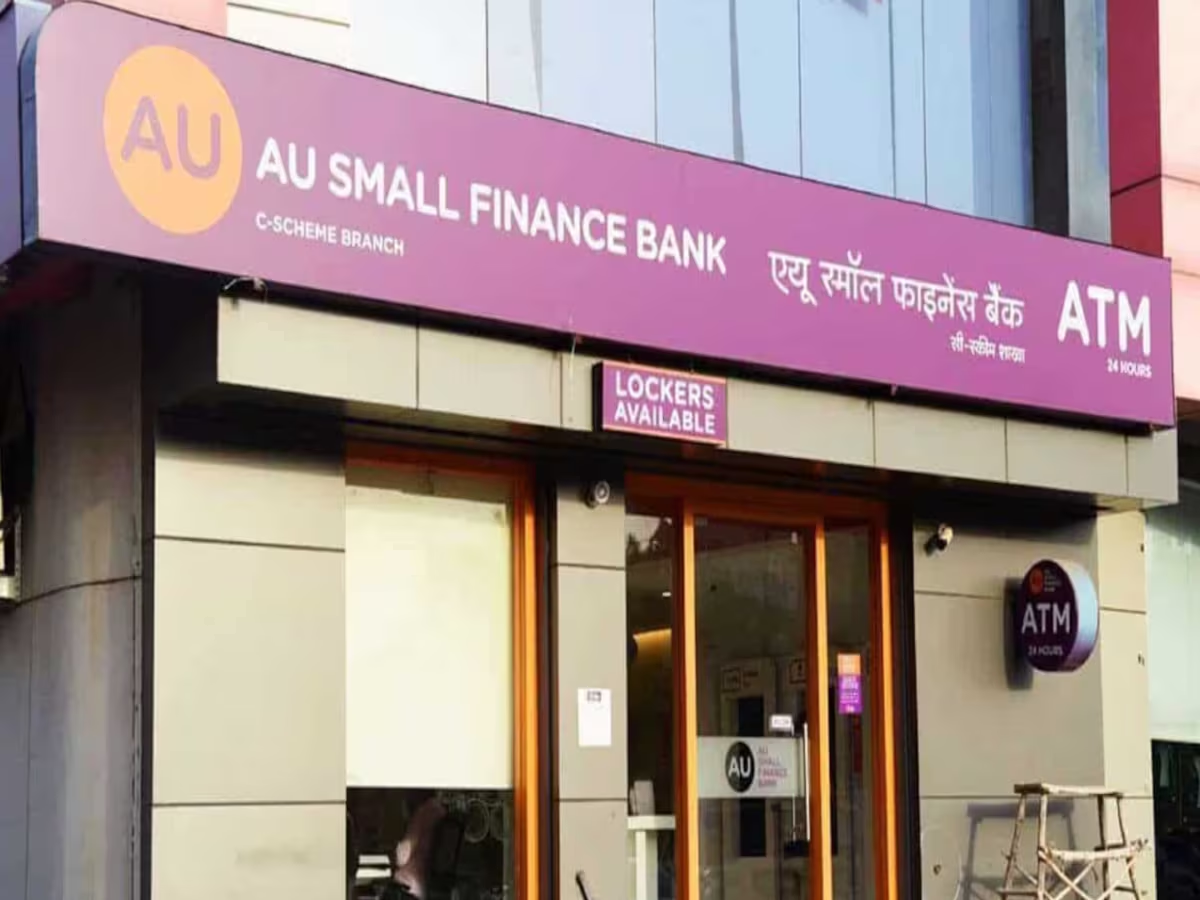
    In a moment that will go down in India’s banking history, AU Small Finance Bank (AU) has received an in-principle approval from the Reserve Bank of India (RBI) to become a Universal Bank. With this notification, AU becomes the first Small Finance Bank in India to receive this in-principle approval to become a Universal Bank, a milestone shaped by purpose, perseverance and discipline.

    This regulatory approval is a strong validation of AU’s robust business model, sound governance, and enduring commitment to financial inclusion. More importantly, it affirms AU’s evolution into a complete bank, one that offers a full spectrum of banking products and services that today’s customer expects, spanning retail, business, and digital solutions.

    The application for this transition was submitted on September 3, 2024, under the RBI’s ‘on tap’ licensing guidelines (August 2016) and April 2024 framework for the voluntary conversion of Small Finance Banks to Universal Banks.

    At the heart of AU’s extraordinary journey is Mr. Sanjay Agarwal, Founder, MD & CEO of AU, whose story exemplifies India’s enterprise ethos. In 1996, at just 26, the newly qualified Gold-medallist Chartered Accountant from Jaipur, a first-generation entrepreneur and cricket enthusiast, declined a conventional corporate career to start his own finance company with a singular belief that India’s underserved and unbanked deserved dignified financial services. Starting with no institutional capital and no inherited influence, Mr. Agarwal established a lending company focused on offering vehicle finance to small entrepreneurs across Rajasthan’s heartland. What began as a modest dream has since become a case study in perseverance, masterclass of sustained growth, sharp execution, and institution building.

    Mr. Sanjay Agarwal, Founder, MD & CEO of AU Small Finance Bank, said: “We have made history by receiving in-principle approval from the Reserve Bank of India to transition into a Universal Bank. This milestone is a reaffirmation of our purpose, perseverance, and passion.

    AU is not just a bank – AU is a mission. As Hon’ble Prime Minister Narendra Modi Ji has rightly said, “India is not just a market. India is a mission.” At AU, we have lived this mission every day. Our journey has always gone beyond banking – it’s about building a more inclusive, empowered, and enterprising India.

    We are deeply grateful to the Government of India and the Reserve Bank of India for nurturing an ecosystem where institutions like AU can grow with integrity. This achievement is a tribute to every stakeholder who has stood by us – our customers, whose trust has shaped us; our employees, whose energy powers us; our investors and partners, who believed in our model; and our Board of Directors, whose guidance has been instrumental in our journey.

    This in-principle approval acknowledges not just our ability to grow, but to grow responsibly. It is a testament to AU’s strength in reaching widely, integrity in serving wisely, and resilience to shine across economic cycles. As we step into this new chapter, we do so with humility, responsibility, and the pride of a homegrown institution ready to serve – our people, our nation, and the vision of Viksit Bharat 2047.”