Author: Mei Ling Tan

  • Bank Rakyat Indonesia Reports 11.25% Drop in H1 Net Income, Reaching $1.63B

    Bank Rakyat Indonesia Reports 11.25% Drop in H1 Net Income, Reaching $1.63B

    The latest financial results from Bank Rakyat Indonesia (BRI) unveil a challenging landscape, as the bank’s net income dropped to $1.63 billion (IDR 26.53 trillion) in the first half of 2025. This marks an 11.25% decline from the same period last year, raising eyebrows among industry observers and stakeholders. Basic and diluted earnings per share were reported at IDR 174, reflecting the pressures faced over the past year.

    A Closer Look at Income Streams

    Total interest and shariah income also experienced a dip, totaling $6.3 trillion (IDR 102.38 trillion), which represents a reduction of 2.59% year-on-year. Operating income slid by 9.18%, landing at $2.15 billion (IDR 35.01 trillion), spotlighting ongoing challenges in generating strong revenue amid economic headwinds.

    Provisions Rise, Loan Dynamics Shift

    In a notable shift, net provisions for impairment losses surged to nearly $1.45 billion (IDR 23.5 trillion) in the first half of 2025, compared to IDR 21.37 trillion in H1 2024. This uptick signals rising caution in the lending environment, suggesting potential strains in loan repayment capabilities among borrowers.

    On the brighter side, BRI reported a 6% year-on-year growth in loans, showing resilience in consumer and corporate segments, which expanded by 9.45% and 15.6%, respectively. However, KUPEDES loans, the bank’s flagship micro-lending product, underwent a striking contraction, with its contribution to total loans dropping to 13.6% in June 2025 from 16.8% in 2023. This shift has led to a reduced bank-only loan yield, as pointed out in a separate report by UOB Kay Hian.

    Margins and Market Sentiment

    Despite these challenges, the net interest margin (NIM) held steady at 7.76% for H1 2025, demonstrating a degree of stability amidst fluctuating operating conditions. It seems that while some sectors may be tightening their belts, BRI is navigating through with a blend of caution and strategy.

    Questions & Answers

    What contributed to BRI’s decline in net income for H1 2025?
    BRI’s net income fell primarily due to decreased operating income and rising provisions for impairment losses, reflecting a challenging lending environment.

    How did BRI’s loan dynamics change in the first half of 2025?
    Loans overall grew 6% year-on-year, with growth in consumer and corporate loans; however, the bank’s KUPEDES micro-lending product significantly contracted.

    What does BRI’s net interest margin indicate?
    BRI’s net interest margin of 7.76% suggests a stable lending environment despite the challenges, indicating the bank’s ability to manage its interest income effectively.

  • Gold Prices Take a Dive: Historic Highs Give Way to Significant Decline

    Gold Prices Take a Dive: Historic Highs Give Way to Significant Decline

    Gold prices in Vietnam have taken a noticeable plunge following a global dip, marking a shift from their recent record highs.The price of gold bars from Saigon Jewelry Company decreased to VND123.9 million (approximately US$4,724.32) per tael, reflecting a 0.4% decline from the historic high of VND124.4 million reached just last Friday. The allure of gold  rings waned too, with prices dropping 0.33% to VND119.4 million per tael. For clarity, one tael is equivalent to 37.5 grams or 1.2 ounces.

    Global Markets Shift Gears

    On a broader scale, gold’s global market witnessed a similar dip. The precious metal fell by 0.7% to $3,376.67 per ounce, having peaked last Friday for the first time since July 23. Meanwhile, U.S. gold futures for December delivery also took a hit, decreasing by 1.5% to $3,439.70.

    Geopolitical Factors at Play

    The decline in gold prices can be attributed to diminishing geopolitical risks, especially related to the ongoing conflict in Ukraine. This has reduced gold’s appeal as a safe-haven asset. Notably, City Index senior analyst Matt Simpson pointed out that the upcoming meeting between President Donald Trump and Vladimir Putin in the U.S. is likely to ease concerns and further shift market sentiment.

    “A hotter inflation report could bolster the dollar and suppress gold prices, but I anticipate some support will remain, as savvy investors look to capitalize on discounted rates,” Simpson noted. The stability of non-yielding gold in a low-interest environment reinforces its long-term value, even amidst daily fluctuations.

    As the market adjusts, investors may be pondering the age-old question: how low can gold go? With the ongoing dance of politics and economics, only time will reveal whether the golden glow will return to its coveted heights.

    Questions & Answers

    What caused the recent drop in gold prices in Vietnam?
    The fall in Vietnamese gold prices is largely attributed to a decrease in global gold rates, driven by easing geopolitical tensions and shifting market perceptions.

    How much did gold prices decrease from their all-time high?
    Gold bar prices decreased by 0.4% from the all-time high of VND124.4 million to VND123.9 million per tael.

    What external factors are influencing gold prices internationally?
    Geopolitical developments, particularly related to the conflict in Ukraine and upcoming inflation data from the U.S., are significantly influencing the demand for gold as a safe haven.

  • Vietnamese Bananas Surge in Japan, Diminishing Philippine Market Share with Fresh Competition

    Vietnamese Bananas Surge in Japan, Diminishing Philippine Market Share with Fresh Competition

    Vietnamese bananas are carving out a notable presence in Japanese grocery stores as the supply from the Philippines declines. Japanese trade data reveals that imports of Vietnamese bananas skyrocketed to 33,000 tons in 2024, a staggering increase from just 2,400 tons in 2019. This surge has allowed Vietnam’s share of Japan’s banana market to grow from a mere 0.2% to 3.2%, according to Nikkei Asia.

    Particularly striking was July 2025, when exports of Vietnamese bananas to the Tokyo region more than doubled compared to the same month the previous year. Though Vietnamese bananas still hold a small slice of Japan’s overall banana imports, this growth is encroaching on the established dominance of Philippine bananas, which saw their market share dip from 90% in the early 2010s to about 75% last year. As it stands, Vietnam now ranks third in shipment volumes to Japan, trailing only the Philippines and Ecuador.

    Experts attribute Vietnam’s rapid ascent to a combination of competitive pricing and superior quality. One chain store has Vietnamese bananas priced about 10% lower than their Philippine counterparts. According to a representative from a produce wholesaler, “Vietnam started cultivating bananas relatively recently, so disease has yet to infiltrate the groves, ensuring high quality.”

    Additionally, favorable trade terms under the Comprehensive and Progressive Agreement for Trans-Pacific Partnership (CPTPP) have further strengthened Vietnam’s position. The deal has lowered Japan’s tariffs on Vietnamese bananas to 5.4%, with a complete removal anticipated by 2028. Meanwhile, the tariffs on Philippine bananas are expected to hover between 8% and 18%, maintaining Vietnam’s pricing edge moving forward — a delightful twist for consumers seeking more affordable fruit!

    Questions & Answers

    How significant is the rise of Vietnamese bananas in Japan?
    The rise is quite significant; imports climbed from 2,400 tons in 2019 to 33,000 tons in 2024, increasing Vietnam’s market share from 0.2% to 3.2%.

    What factors are contributing to the success of Vietnamese bananas against Philippine varieties?
    Key factors include competitive pricing, superior quality due to the young banana production industry, and favorable trade agreements that reduce tariffs.

    What impact does the CPTPP have on Vietnamese banana exports?
    The CPTPP has lowered Japan’s tariffs on Vietnamese bananas to 5.4%, with complete removal by 2028, enhancing Vietnam’s competitiveness in the Japanese market.

  • Lessons from Vietnam: How Expats Mastered the Art of Saving and Spending Wisely

    Lessons from Vietnam: How Expats Mastered the Art of Saving and Spending Wisely

    Stepping into the world of retail in Vietnam can be a revelation, especially for foreigners adjusting to the local financial landscape. One British expat, who moved to the country to work as a sales director, discovered this first-hand when he encountered a budgeting practice that seemed almost quaint yet profoundly effective. At the home of a friend, he was shown a drawer brimming with envelopes, each earmarked for specific expenses such as Tet celebrations, emergency savings, and even a future refrigerator. He was struck by the simplicity of it all: “They know exactly where their money ends up, even without spreadsheets,” he remarked.

    Understanding the Vietnamese Financial Mindset

    As he settled into his new life, the 34-year-old Briton began dating a woman who would eventually become his wife. This relationship opened a window into the Vietnamese approach to personal finance, characterized by careful consideration for every expense. Major purchases are discussed well in advance and pursued only when funds are available or when there is an urgent need. Borrowing, particularly from banks, is seen as a last resort, often introduced through family or friends. “Vietnamese people are very afraid of debt,” he noted, highlighting a stark contrast to western financial habits.

    Clashing Financial Philosophies

    The couple’s differing attitudes towards money often led to disagreements. While he was inclined to take risks—wielding credit for investments and chasing opportunities—his wife adopted a more cautious stance. When he entertained the idea of investing in a UK startup, her probing questions forced him to reconsider: What if it failed? Could they afford to recover? Would he feel comfortable discussing this investment with their children one day? These moments of reflection revealed to him the striking reality that many Vietnamese manage to buy homes, invest in land, and support families—all on modest incomes.

    A Shift in Spending Habits

    He learned that the real essence of financial success lies not in how much you earn, but in how much you can save. An eye-opening experience occurred when he decided against purchasing a new car after noticing his wife’s family relied on old faithful motorbikes. “In Vietnam, no one cares what you drive as long as it gets you there,” he mused. Eventually, the couple was able to secure a plot of land on the outskirts of Hanoi, representing a prudent and distinctly Vietnamese choice.

    Gradually, his mindset began to shift; a $10 sandwich triggered thoughts of a more economical $2 bowl of pho. He observed a similar transformation among many other foreigners who find themselves rethinking their approach to money during their time in the country.

    Culture Shock and Financial Reality

    A report by Navigos Group indicates that about 50% of expats experience culture shock, with financial habits playing a significant role in this adjustment. Statista highlights that in 2023, only 7% of Vietnamese adults held a credit card, making this one of the lowest rates in the region. Moreover, a World Bank survey revealed that a staggering 64% of Vietnamese strive to avoid borrowing even when facing financial hardships.

    William Gray, a financial advisor at Infinity Financial Solutions, noted that many foreigners adapt their financial behaviors once they embrace the culture. “Limited access to credit forces them to live within their means,” he said, especially when they begin making joint financial decisions with a Vietnamese partner. This leads to priorities centered on saving and acquiring property rather than accumulating debt.

    Navigating Differences in Financial Perspectives

    In 2024, Liam Ward, a 30-year-old expat in Ho Chi Minh City, found himself embroiled in a spirited debate with his Vietnamese girlfriend over their savings strategy as they prepared to cohabitate. He envisioned their savings funding travel adventures, while she viewed them as a safeguard against potential disasters like job loss or unexpected illness.

    “There is a clear gap in how the two cultures perceive money,” Ward stated. The couple ultimately reached a compromise by investing in gold, a practice he initially found perplexing. He worried about its liquidity in emergencies but soon learned that gold is a quick and accessible means of creating cash when needed. After experiencing volatile price spikes in late 2024 and early 2025, he acknowledged, “It turns out this is how many Vietnamese build and grow their wealth.”

    Questions & Answers

    What budgeting method stood out to the expat living in Vietnam?
    He discovered a simple yet disciplined approach where his friend stored money in envelopes labeled for different expenses, ensuring a clear understanding of spending without needing spreadsheets.

    How do Vietnamese attitudes toward debt differ from those in Western cultures?
    Vietnamese people are generally cautious about borrowing and prefer to rely on savings and family support rather than accumulating debt, contrasting with Western habits that more readily embrace credit.

    What financial lesson did the expat learn through his relationship?
    He realized that financial success is not about high earnings but about effective saving and spending, leading him to appreciate the value of modest living and careful budgeting.

  • Shaping Retail: The Rising Influence Of Social Media And Sustainability In China’s Consumer Market

    Shaping Retail: The Rising Influence Of Social Media And Sustainability In China’s Consumer Market

    China’s retail landscape continues to shift, thanks in part to the rapid rise of influencer marketing and e-commerce innovations. The impact of social media influencers on consumer behavior is shaping how brands connect with the younger demographic, pushing retailers to rethink their strategies. The digital-first approach has turned traditional advertising on its head, creating an engaging marketplace where authenticity and relatability reign supreme.

    The Power of Influencer Collaborations

    In a vibrant social media-driven economy, brands are increasingly leveraging influencers to showcase their products. The rise of live-stream shopping, where personalities present products in real-time, has become a game-changer. For example, platforms like Douyin and Kuaishou have made it easier for brands to reach vast audiences while providing a platform for consumers to shop as they watch. Unlike the conventional shopping experience, which often feels transactional, this format fosters a sense of community and entertainment—who knew shopping could be so much fun?

    Shifting Retail Trends

    Retailers are witnessing significant changes fueled by innovations such as augmented reality (AR) and personalized shopping experiences. AR technology allows customers to virtually try on clothes or visualize furniture in their homes before making a purchase. Additionally, personalized recommendations based on shopping habits are creating unique consumer experiences, enhancing satisfaction and loyalty.

    Sustainability Meets Consumer Demand

    Sustainability is also at the forefront of consumer concerns, influencing purchasing decisions across Asia. Brands that prioritize eco-friendly practices are finding favor with environmentally conscious consumers, leading to a surge in demand for sustainable products. Retailers are being called upon to embrace greener practices, from sourcing materials responsibly to adopting sustainable packaging solutions.

    As the retail sector adapts to these changes, collaboration between brands, influencers, and consumers will be crucial. Innovative strategies paired with a genuine understanding of consumer needs will be the key to navigating this complex yet exciting landscape. In an era where online shopping is the norm, the ability to blend entertainment and shopping may just be the secret sauce for success.

    Questions & Answers

    What role do influencers play in the modern retail landscape?
    Influencers serve as powerful marketing tools, showcasing products to their followers and creating engaging content that translates into sales, particularly through live-stream shopping platforms.

    How is technology shaping shopping habits in Asia?
    Technological advancements like augmented reality are transforming the shopping experience, allowing consumers to try products virtually and receive personalized recommendations, making shopping more interactive and tailored.

    Why is sustainability becoming a key focus for retailers?
    Consumer demand for sustainable practices has increased, with many shoppers preferring brands that adopt eco-friendly methods, thus pushing retailers to integrate sustainability into their business models to retain market competitiveness.

  • Dollar Slides as Vietnamese Dong Gains Strength in Currency Exchange Dynamics

    Dollar Slides as Vietnamese Dong Gains Strength in Currency Exchange Dynamics

    On Friday morning, the U.S. dollar showed signs of weakness against the Vietnamese dong, setting the stage for a potential weekly decline against other major currencies.

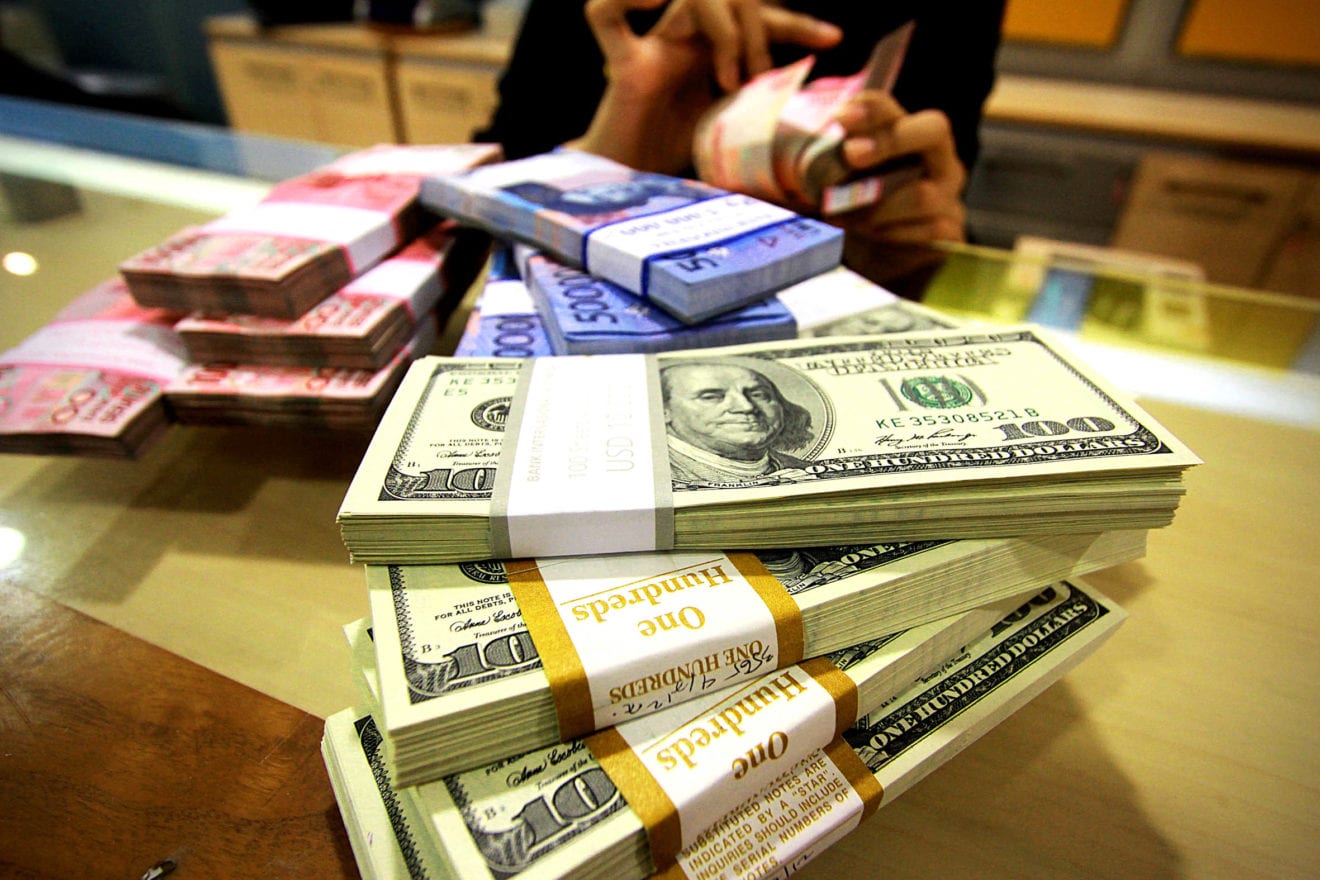
    At Vietcombank, the greenback was sold at VND26,390, reflecting a modest 0.04% decline from Thursday’s figures. Meanwhile, in the bustling black market, the dollar dipped 0.03%, trading at approximately VND26,490.

    The State Bank of Vietnam also made adjustments, lowering its reference rate by 0.04% to VND25,228. Globally, the dollar faced mounting pressure, positioning itself for a weekly setback. Rumors swirling around U.S. President Donald Trump’s temporary appointment of a new Federal Reserve Governor have fueled expectations for a dovish successor to Jerome Powell, whose term is drawing to a close. This speculation has left traders shuffling their positions, according to reports from Reuters.

    Trends in the Currency Market

    In early trading on Friday, the dollar index hovered around 98.04, while the Japanese yen remained steady at 147.07 per dollar. The British pound held its ground at $1.3439, poised for its best weekly performance since late June. Across a wide spectrum of currencies, the dollar has slipped nearly 0.7% this week, reflecting concerns over softening momentum in the U.S. economy, particularly within the labor market, which has stirred hopes for potential rate cuts by the Federal Reserve.

    European Currency Gains

    Elsewhere, optimism crested as the euro neared a two-week high, boosted by expectations of upcoming discussions between the U.S. and Russia regarding peace efforts in Ukraine. Amid this backdrop, one could almost hear the sigh of relief echoing through financial markets as investors seek stability.

    Questions & Answers

    What is the current exchange rate of the U.S. dollar against the Vietnamese dong?
    As of Friday morning, the U.S. dollar is sold at VND26,390 at Vietcombank and around VND26,490 on the black market.

    What factors are influencing the recent decline in the dollar’s value?
    The dollar is under pressure due to speculations surrounding potential dovish leadership at the Federal Reserve and concerns over weakening momentum in the U.S. economy, particularly in the labor market.

    How is the euro performing amidst current market conditions?
    The euro is trading near a two-week high, buoyed by expectations of U.S.-Russia talks aimed at resolving the conflict in Ukraine, much to investors’ delight.

  • Moody’s Adjusts Vontobel’s Rating: What This Means for Investors and the Retail Sector

    Moody’s Adjusts Vontobel’s Rating: What This Means for Investors and the Retail Sector

    Moody’s Adjusts Vontobel’s Credit Ratings Amid Business Struggles

    In a noteworthy move, credit rating agency Moody’s has downgraded the credit ratings of Vontobel Holding and its banking subsidiary, citing a lukewarm revival in its asset management business. This shift came to light in a report released on Monday, reflecting challenges that may have significant implications for the group’s financial positioning.

    Moody’s has lowered the long-term issuer ratings for both Vontobel Holding and Bank Vontobel from A2 to A3. Accompanying this downgrade, the agency revised the outlook from negative to stable. Furthermore, the rating for Vontobel Holding’s non-cumulative preferred shares also took a hit, dropping from Baa2 to Baa3. On a more positive note, the bank managed to retain its long-term and short-term deposit ratings of Aa3/P-1, as well as its long-term and short-term Counterparty Risk Ratings (CRR) of A2/P-1, although the outlook for the long-term deposit ratings moved from “developing” to “stable.”

    Moreover, the Baseline Credit Assessment (BCA) and Adjusted BCA of Bank Vontobel have been revised down to A3 from A2. However, its long-term and short-term Counterparty Risk Assessment remains unscathed at A1(cr)/P-1(cr).

    Asset Management Lacks Momentum

    The primary driver for the downgrade is the “limited measurable success” in revitalizing Vontobel Holding’s asset management division. This stagnation has negatively influenced the group’s overall franchise strength and the intimate integration of its banking operations. Moody’s emphasized that the risk profile of the group’s businesses—especially outside the asset management sector—has become an essential consideration for assessing the bank’s credit robustness.

    Despite these hurdles, the BCA acknowledges the solid capital buffers and low lending risks that both the bank and the group possess. Their strong liquidity reserves and proven track record in wealth management and structured product issuance remain bright spots. However, a lingering concern is the group’s reliance on uninsured retail deposits, which poses operational, reputational, and market risks.

    Ultimately, the stable outlook for the issuer ratings signals a cautious optimism, suggesting that Bank Vontobel’s credit profile remains securely anchored at the BCA level of A3. But in the fast-moving world of finance, one must wonder: will Vontobel soon win a championship for comeback stories, or will it keep us on the edge of our seats?

    Questions & Answers

    What prompted Moody’s to downgrade Vontobel’s credit ratings?
    Moody’s downgraded Vontobel’s credit ratings due to the limited success in revitalizing its asset management business, which negatively impacted the overall franchise strength.

    How has Vontobel maintained some stability in its ratings?
    Despite the downgrade, Vontobel has retained strong capital buffers, low lending risks, and a solid liquidity position, which contributed to the stable outlook on its ratings.

    What challenges does Vontobel face moving forward?
    Vontobel faces challenges related to operational, reputational, and market risks, primarily stemming from a business model heavily reliant on uninsured retail deposits.

  • Veteran Leader Hiren Gor Appointed As Levi Strauss & Co.’s Managing Director For Emerging Markets

    Veteran Leader Hiren Gor Appointed As Levi Strauss & Co.’s Managing Director For Emerging Markets

    Levi Strauss & Co has appointed Hiren Gor as the Managing Director for the South Asia, Middle East, and Africa (SAMEA) region, effective immediately.

    Gor is a veteran leader with a 16-year tenure at Levi’s, with his previous role being the General Manager for South Asia. During his time in the company, Gor has spearheaded retail expansion efforts, implemented the iconic store strategy, and increased the company’s digital and omnichannel operations. His promotion is aimed at aligning with Levi’s strategic plan of enhancing its footprint in crucial emerging markets.

    In his latest position, Gor will manage operations across South Asia, the Middle East, and Sub-Saharan Africa. He will be focused on fostering growth and intensifying the company’s presence in these diverse and highly competitive markets.

    Gor’s strategic clarity, operational excellence, and strong affiliation with the brand have been highly praised by the company. Gianluca Flore, the Chief Commercial Officer at Levi Strauss & Co., expressed his confidence that Gor’s leadership will continue to enhance the company’s commercial performance and deepen its influence across these dynamic markets.

    Levi Strauss & Co. has recently reported promising second-quarter results, exceeding initial expectations. The financial report for the second quarter, which ended on June 1, revealed a 6% increase in net revenues on a reported basis and a 9% rise on an organic basis, amounting to US$1.4 billion.

    Questions & Answers

    Who is the newly appointed Managing Director for the SAMEA region at Levi Strauss & Co.?
    Hiren Gor has been appointed as the new Managing Director for the South Asia, Middle East, and Africa (SAMEA) region at Levi Strauss & Co.

    What were some of Gor’s achievements during his previous role at the company?
    During his tenure, Gor led retail expansion efforts, implemented the iconic store strategy, and grew the company’s digital and omnichannel operations.

    What were the second-quarter financial results for Levi Strauss & Co.?
    The company reported a 6% increase in net revenues on a reported basis and a 9% rise on an organic basis, reaching US$1.4 billion.

  • Salomon Unveils Anfu Concept Store In Shanghai: A Fusion Of French Elegance And Chinese Innovation

    Salomon Unveils Anfu Concept Store In Shanghai: A Fusion Of French Elegance And Chinese Innovation

    Salomon, a French sporting lifestyle brand, has recently inaugurated its Anfu concept store in Shanghai, signaling an enhancement of its retail experience within the Chinese market.

    Situated in an iconic, French-style edifice on Anfu Road, the store mirrors a unique blend of French elegance, influenced by the Salomon Sportstyle store in Marais, Paris, and the vibrant local culture of Shanghai.

    The brand described the store as a bold platform that encapsulates both French and Chinese culture, the spirit of innovation, and an array of retail experiences.

    Guillaume Meyzenq, CEO and President of Salomon, stated, “The adaptation of the store embodies Salomon’s brand vision. This was enabled by our partners and the warm reception from local communities. It is becoming more and more evident that Chinese consumers are increasingly focusing on functionality and combined demands for style and performance. With the grand opening of the store, we anticipate growing alongside Chinese consumers and bringing more innovation to the global market!”

    In addition to hosting a unique shopping experience, the concept store also marked the premiere of the brand’s ‘Road to the Future Project’ in China, following its initial showcase during Paris Fashion Week.

    In the lead-up to the store’s official opening, Salomon partnered with 11 local businesses on Anfu Road to cultivate a strong bond with the local communities.

    Questions & Answers

    What is the significance of the new Salomon store in Shanghai?
    The opening of the new store signifies an upgrade in Salomon’s retail experience in the Chinese market. The store represents a fusion of French and Chinese culture and aims to cater to the growing functional and style demands of Chinese consumers.

    What is the ‘Road to the Future Project’?
    The ‘Road to the Future Project’ is an initiative by Salomon, which was first presented at Paris Fashion Week. The project made its debut in China with the opening of the Anfu concept store.

    How did Salomon connect with the local community ahead of the store opening?
    Prior to the official opening of the Anfu concept store, Salomon collaborated with 11 local businesses on Anfu Road, fostering a strong connection with the local communities.

  • Chow Sang Sang Joins Forces With Nuvei For North American Market Expansion

    Chow Sang Sang Joins Forces With Nuvei For North American Market Expansion

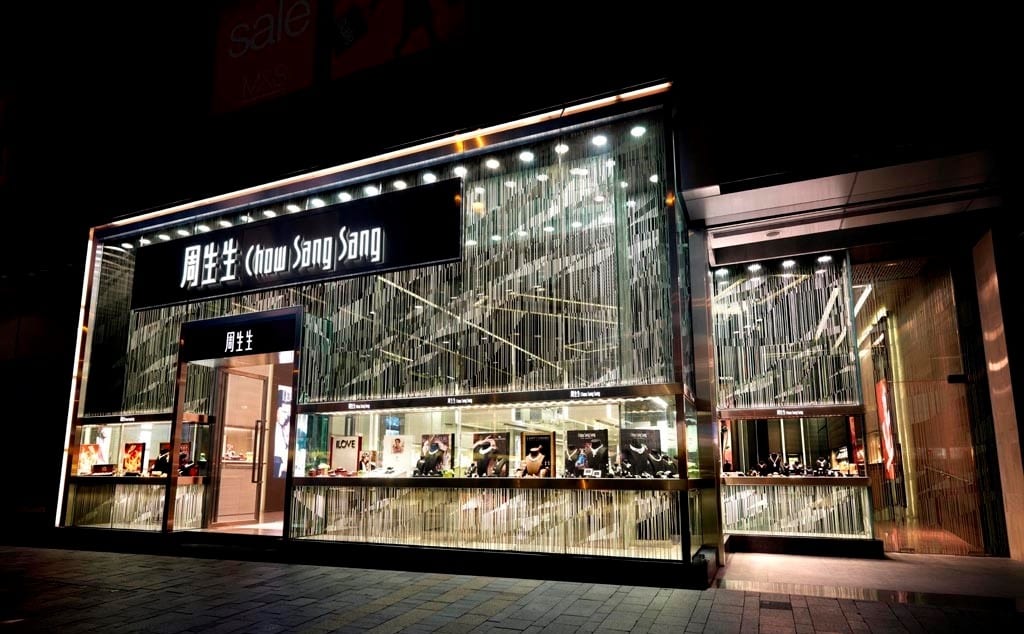
    Hong Kong’s renowned luxury jewellery brand, Chow Sang Sang, has announced its foray into the North American market. This expansion is made possible through a strategic partnership with Nuvei, an international payments company.

    Genevieve Chow, the Chief Brands Officer at Chow Sang Sang, shed light on the decision to collaborate with Nuvei. She explained that the company was chosen for its localised, secure and seamless payment system. “As we embark on our international expansion, particularly targeting North America, it’s crucial for us to have a payments partner that upholds our commitment to excellence,” she said.

    Nuvei’s platform is set to provide Chow Sang Sang with opportunities to penetrate into 50 markets. It also extends support for over 150 currencies and 720 alternative payment methods. This comprehensive system directly connects to global card networks, enhancing the approval rates and minimising payment friction.

    “Nuvei’s cutting-edge technology, local expertise, and global reach equip us to provide the premium experience our customers anticipate, both online and in-store,” Chow further stated.

    Nuvei’s recent attainment of a Money Services Operator (MSO) license in Hong Kong strengthens its position. The license enables Nuvei to offer local acquiring and settlement services in the market. This significant move supports Nuvei’s broader expansion goals in the Asia-Pacific region, including Greater China, Japan, Singapore and Australia.

    Phil Fayer, CEO of Nuvei, expressed his outlook on the partnership with Chow Sang Sang. He said, “Luxury brands like Chow Sang Sang are destined for global growth. With our MSO license and the expanding footprint in the APAC region, we’re excited to support the region’s most promising companies with payment technology designed for scalability.”

    Chow Sang Sang is a significant player in the luxury jewellery market, operating over 900 self-run stores spread across Mainland China, Hong Kong, Macau, and Taiwan. Its portfolio includes notable brands such as Chow Sang Sang, Promessa, MintyGreen, and Emphasis.

    Questions & Answers

    What is the significance of Chow Sang Sang’s partnership with Nuvei?
    The partnership enables Chow Sang Sang to expand its operations into North America, backed by Nuvei’s seamless and secure payment system.

    What advantages does Nuvei’s platform offer to Chow Sang Sang?
    Nuvei’s platform provides access to 50 markets, supports over 150 currencies and 720 alternative payment methods, and directly connects with global card networks, improving approval rates and reducing payment friction.

    What does Nuvei’s recent acquisition of a MSO license mean for the company?
    The MSO license empowers Nuvei to offer local acquiring and settlement services in the Hong Kong market, supporting its broader expansion in the Asia-Pacific region.

  • Indomaret’s Bold Expansion: 1,500 New Outlets Amid Rising Market Complexity In Asia

    Indomaret’s Bold Expansion: 1,500 New Outlets Amid Rising Market Complexity In Asia

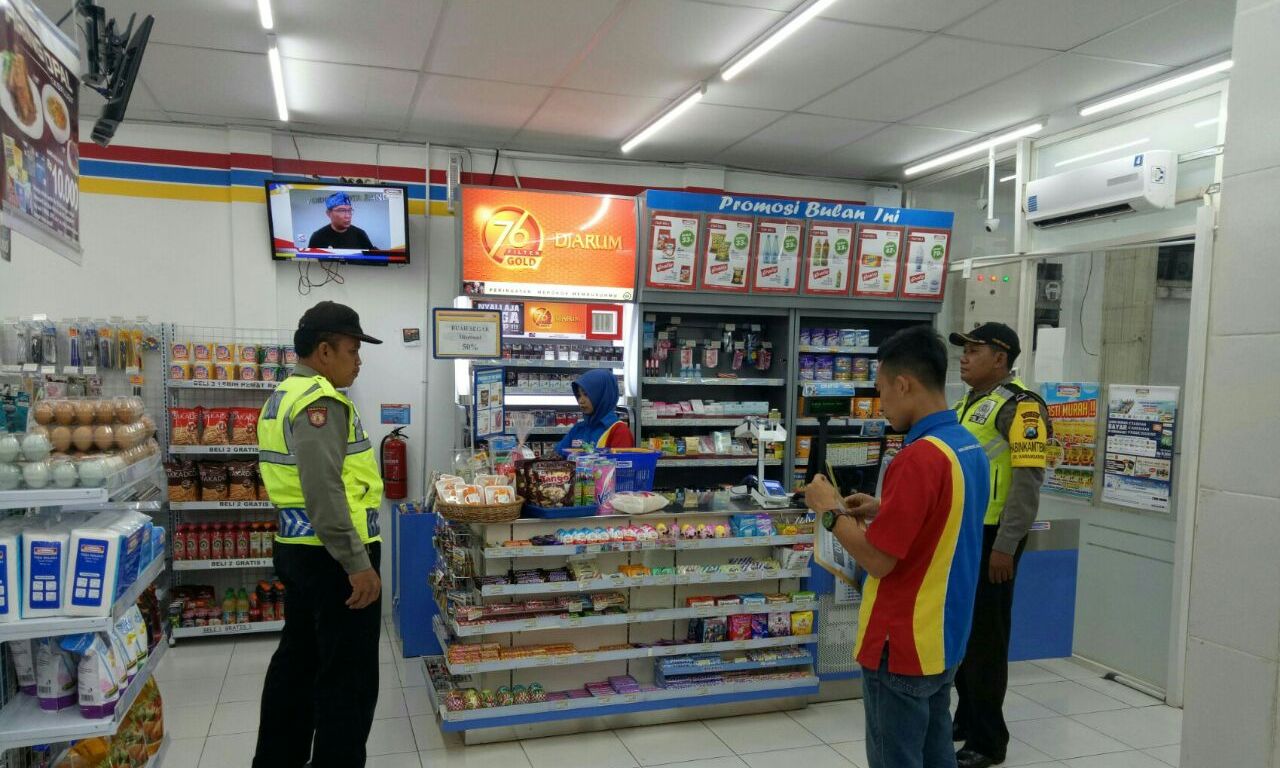
    As retail giants in Asia continue to adapt to an increasingly complex market, strategic store expansions play a pivotal role in their growth. Take, for instance, Indonesia’s leading grocery chain, Indomaret, which recently unveiled plans to launch 1,500 new outlets nationwide. This ambitious move aims to solidify its market presence amid fierce competition from both international players and local entities. The company’s announcement noted that over 800 of these new stores will be concentrated in suburban areas, where demand for convenient shopping options is surging. Indomaret’s rapid pace of expansion is a testament to its commitment to meeting evolving consumer needs.

    Local Trends Shape Retail Strategies

    The expansion strategy is not just about numbers; it is also influenced by changing consumer behavior. Indonesians increasingly prefer shopping at closer, easily accessible outlets, which aligns perfectly with Indomaret’s suburban focus. Furthermore, the brand has been diligently enhancing its service offerings to keep pace with shifting preferences, including the introduction of digital payment solutions, which are rapidly becoming the norm across Asia.

    Challenges Ahead for the Retail Sector

    Yet, the path to growth is not without hurdles. Rising operational costs, challenges in supply chain management, and the constant pressure of adapting to the digital landscape are significant concerns that retailers must navigate. Additionally, as competition heats up with the entry of international brands, local chains must differentiate themselves to retain customer loyalty. With the sector’s dynamics shifting daily, it’s clear that retailers must remain agile and responsive to maintain their edge.

    Indomaret’s Bigger Picture

    Indomaret isn’t just expanding its footprint; it’s focusing on how to enhance the overall consumer experience. By offering localized products that cater to the tastes and preferences of each neighborhood, the retail chain is not merely selling groceries; it’s building community connections. Interestingly, some customers have noted that their local Indomaret has turned into an unofficial town square, where community members frequently meet, thus infusing a social aspect into the shopping experience.

    Looking Ahead: A Complicated Landscape

    As Indomaret forges ahead with its expansion, challenges will undoubtedly arise—especially as digital commerce continues to disrupt traditional retail models. The company’s ability to adapt swiftly to these changes will be crucial as it aims to not only survive but thrive in this competitive environment. In a landscape where innovation and customer-centric strategies reign supreme, Indomaret’s fate will be a fascinating story to follow in the coming months.

    Questions & Answers

    What is Indomaret’s expansion goal for 2023?
    Indomaret plans to launch 1,500 new outlets across Indonesia to strengthen its market presence.

    Why is suburban expansion important for retailers like Indomaret?
    Suburban areas are seeing a surge in demand for convenient shopping options, which aligns with consumer preferences for nearby, easily accessible grocery stores.

    What challenges do retailers mean facing amid digital transformation?
    Retailers face rising operational costs, supply chain management issues, and the need to adapt quickly to the evolving digital landscape and competition from international brands.

  • Vietnam’s Exporters Innovate Strategies to Navigate New US Tariffs

    Vietnam’s Exporters Innovate Strategies to Navigate New US Tariffs

    Since August 7, a range of tariffs between 10% and 41% took effect, impacting most of the United States’ trade partners, with Vietnam facing a significant 20% rate—much lower than the initial 46% proposed by President Donald Trump. This shift leaves many in the Vietnamese textile and garment industry grappling with heightened input costs and shrinking profit margins.

    Pham Van Viet, chairman of Viet Thang Jean, emphasized the challenges that tariff fluctuations pose in this fast-paced sector. “This is a seasonal business with short order cycles,” he explained. “Tariff changes make it hard to renegotiate prices, especially for finalized contracts.” Despite these hurdles, many exporters had anticipated such developments, preparing strategies as early as April when the US began signaling intent to impose tariffs.

    “We were ready for a 30-46% rate, and so 20% is actually good news,” noted Nguyen Dinh Tung, CEO of Vina T&T Group, an exporter of agricultural products. Indeed, the lower-than-expected tariff has provided a silver lining amid the uncertainty.

    A Shift in Strategy: Diversification Takes Center Stage

    Faced with these tariffs, Vietnamese businesses are pivoting to market and product diversification as the primary defense mechanism. The US still commands a substantial 46% of Vina T&T’s exports, which totaled approximately US$50 million in the first half of this year. Yet, the company has strategically reduced its US market share from 65% last year, now expanding outreach to Japan, South Korea, and the EU.

    Vina T&T’s flexible product line includes everything from seasonal fruits to processed items like fish sauce and rice paper. A recent survey conducted among over 1,500 exporters by the Private Economic Development Research Board and VnExpress revealed that more than half are actively exploring new markets to mitigate tariff risks. Interestingly, around 35% of domestic producers are aligning with this strategy, showcasing a collective adaptability across sectors such as manufacturing, services, agriculture, forestry, and fisheries.

    Leveraging Free Trade Agreements: A Boon for Exporters

    As companies seek new frontiers, Vietnam’s network of 17 free trade agreements with over 60 countries serves as a robust asset. Dr. Bui Quy Thuan from the Phenikaa School of Economics noted that these agreements afford businesses entry into lucrative markets like the EU, Japan, and South Korea. Despite the looming pressures from US tariffs, the global import landscape shows that the US accounts for just 13% of global imports, leaving ample room for diversification.

    In a bid to further cushion the blow of rising tariffs, companies are negotiating ways to share these costs. For instance, Viet Thang Jean has successfully renegotiated contracts to split the 3% tariff increase with its importers. On the export front, Vietnam has set an ambitious target for a 12% growth this year, aiming for a total of US$450 billion, which is backed by a staggering 36.5% increase in trade with the US in the first five months, resulting in exports worth US$71.7 billion.

    Innovation and Sustainability: The Future of Vietnamese Industry

    Long-term, as trade tensions escalate, experts like Do Thien Anh Tuan from Fulbright University stress the necessity for Vietnamese companies to enhance their strategic outlook and competitiveness. He advocates for a shift away from low-cost manufacturing towards value-added products that leverage technology and innovation.

    Such moves could significantly reduce dependency on imported components from countries like China and South Korea. Many firms are already adapting, with Viet Thang Jean sourcing 50% of its materials locally and planning to ramp that figure up to 85% within three years. Similarly, Sunhouse Group is making strides toward self-sufficiency across its production processes, setting an export target of VND 3 trillion (approximately US$114.4 million) this year.

    “Vietnam stands at a turning point,” Phu said, “with the potential to ascend the global supply chain if we properly capitalize on our manufacturing and technological strengths.” However, leaders within the sector are not blind to the challenges that lie ahead. Many are now calling for enhanced tax, land, and credit incentives to facilitate the necessary adjustments for thriving in a reshaped global market. Tuan reinforces the idea that government support should focus on empowering Vietnamese businesses to tap into FTA markets, crucial for maintaining competitiveness and improving global standing in the years to come.

    Questions & Answers

    How are Vietnamese companies adjusting to the new tariffs?
    Vietnamese companies are pivoting to market and product diversification as a primary defense strategy. Many exporters are actively seeking new markets beyond the US, exploring opportunities in countries like Japan, South Korea, and the EU.

    What percentage of Vietnamese exports goes to the US?
    The US accounts for approximately 46% of Vina T&T’s exports, though this share has decreased from 65% as the company expands its presence in other markets.

    What is the long-term outlook for Vietnamese businesses amidst rising trade tensions?
    Experts suggest that Vietnamese companies must enhance their strategies by focusing on innovation and producing value-added products, while also seeking local supply chains to reduce dependency on imports.

  • Penang Aims for Global Recognition by Expanding Its Durian Kampung Varieties Registry

    Penang Aims for Global Recognition by Expanding Its Durian Kampung Varieties Registry

    The Malaysian state of Penang is working to register more varieties of local durian kampung from its orchards to further expand its portfolio of recognized durian species. In a move to elevate the status of Penang’s tasty treasure, Chief Minister Chow Kon Yeow has announced efforts to register additional varieties of the beloved durian kampung, highlighting that their flavor rivals even the state’s most prized hybrid offerings, as reported by Malay Mail.

    “We have many high-quality durian kampung that deserve recognition. I urge producers to take steps toward registering their unique varieties,” he stated during the launch of a durian outreach initiative at Rain Tree Farm in Taman Permatang Tinggi Indah.

    Recently, Penang registered two new hybrid varieties, Tupai King (D214) and Cenderawasih, bringing its count of officially recognized durians to over 200. Chow remarked, “With this extensive range, we are eager to enhance our global visibility for these products.”

    Ambitious in its outreach, Penang is not just targeting neighboring countries like China and Singapore but is also setting its sights on new markets across India, Australia, Europe, and the Middle East. And while the durian is often dubbed the “king of fruits,” it seems it also aims to take on the world.

    Chow expressed optimism that these initiatives will invigorate Penang’s agricultural sector, particularly its durian industry, generating economic benefits for rural communities while also enticing young people toward careers in agrotechnology and agrotourism.

    Among the lush orchards of Balik Pulau, Penang is home to an impressive lineup of durian varieties, including the renowned Black Thorn, Musang King, and Ang Heh (Red Prawn). Last year alone, the region exported 67,203 kilograms of durians, with Musang King and Black Thorn in high demand, according to reports from The Star.

    Questions & Answers

    How is Penang promoting its durian varieties on a global scale?
    Penang is expanding its international presence by targeting not only China and Singapore but also entering new markets in India, Australia, Europe, and the Middle East.

    What steps is the Penang government taking to enhance durian growers’ recognition?
    The government encourages producers to register their high-quality durian kampung varieties, thereby expanding its catalog of recognized durians while showcasing them to international markets.

    What impact could the promotion of durians have on Penang’s economy?
    The push for global recognition of Penang’s durian varieties is anticipated to boost the agricultural sector, provide economic opportunities for rural areas, and attract youth to careers in agrotechnology and agrotourism.

  • Pop Mart Unveils Landmark Store in Bangkok, Expanding Its Retail Footprint!

    Pop Mart Unveils Landmark Store in Bangkok, Expanding Its Retail Footprint!

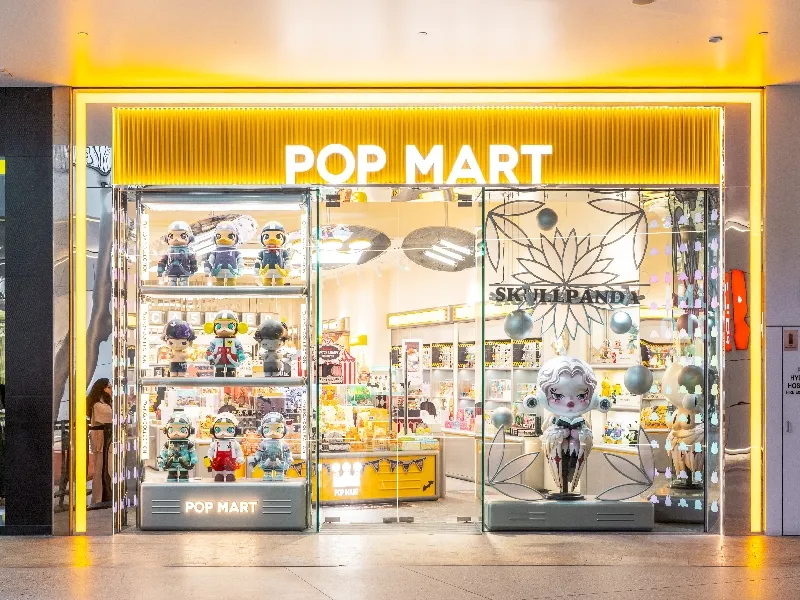
    Pop Mart International Group, a prominent Chinese toy manufacturer known for its “blind box” collectibles, has officially opened its largest store in the world right here in Bangkok. This grand opening marks a significant milestone in the company’s ambitious global expansion strategy.

    On August 8, the bustling heart of Thailand welcomed the vibrant and youthful energy that Pop Mart is known for. As shoppers streamed into the new flagship store, excitement was palpable; after all, who doesn’t love the thrill of unveiling what’s hidden in a blind box? Pop Mart aims not just to entice local customers but to draw in tourists from across Southeast Asia as they seek unique and memorable experiences.

    The store, a sprawling 400 square meters, showcases a wide array of Pop Mart’s popular collectible toys, featuring designs that appeal to both young children and adult collectors. With 10,000 units available, the flagship store houses the most extensive selection yet, including exclusive items that will only be found in Bangkok. It’s unlikely you’ll walk away empty-handed — who knew shopping could feel like a treasure hunt?

    This launch is part of a broader strategy by Pop Mart to cement its brand presence in key Asian markets. By opening the Bangkok store, the company is making a bold statement about its commitment to expanding its footprint in Southeast Asia, a region buzzing with both passion for toys and growing purchasing power.

    Industry analysts view this move as a calculated gamble that could pay off. With Thailand’s vibrant shopping scene and its status as a travel hub, Pop Mart is positioning itself to tap into both local consumers and the influx of tourists looking for fresh and engaging shopping experiences.

    The expansion aligns with the rising trend of experiential retail, where mere shopping evolves into an adventure. As Pop Mart enters this new phase, it seems they’re ready to not just sell toys but to create playful memories that linger long after the boxes are opened.

    Questions & Answers

    What makes Pop Mart’s new store in Bangkok significant?
    The store is the largest Pop Mart location in the world, reflecting the company’s ambitious global expansion and its commitment to the Southeast Asian market.

    What kind of products can shoppers expect at the Bangkok store?
    The store features a range of Pop Mart’s collectible toys, including exclusive items only available in Bangkok, appealing to both children and adult collectors.

    How does this expansion fit with trends in retail?
    Pop Mart’s move highlights the shift towards experiential retail, where shopping is transformed into an engaging experience, attracting customers through the thrill of discovery.

  • Vietnam Set to Soar: Renewable Energy Capacity Targeted at 112 GW by 2035

    Vietnam Set to Soar: Renewable Energy Capacity Targeted at 112 GW by 2035

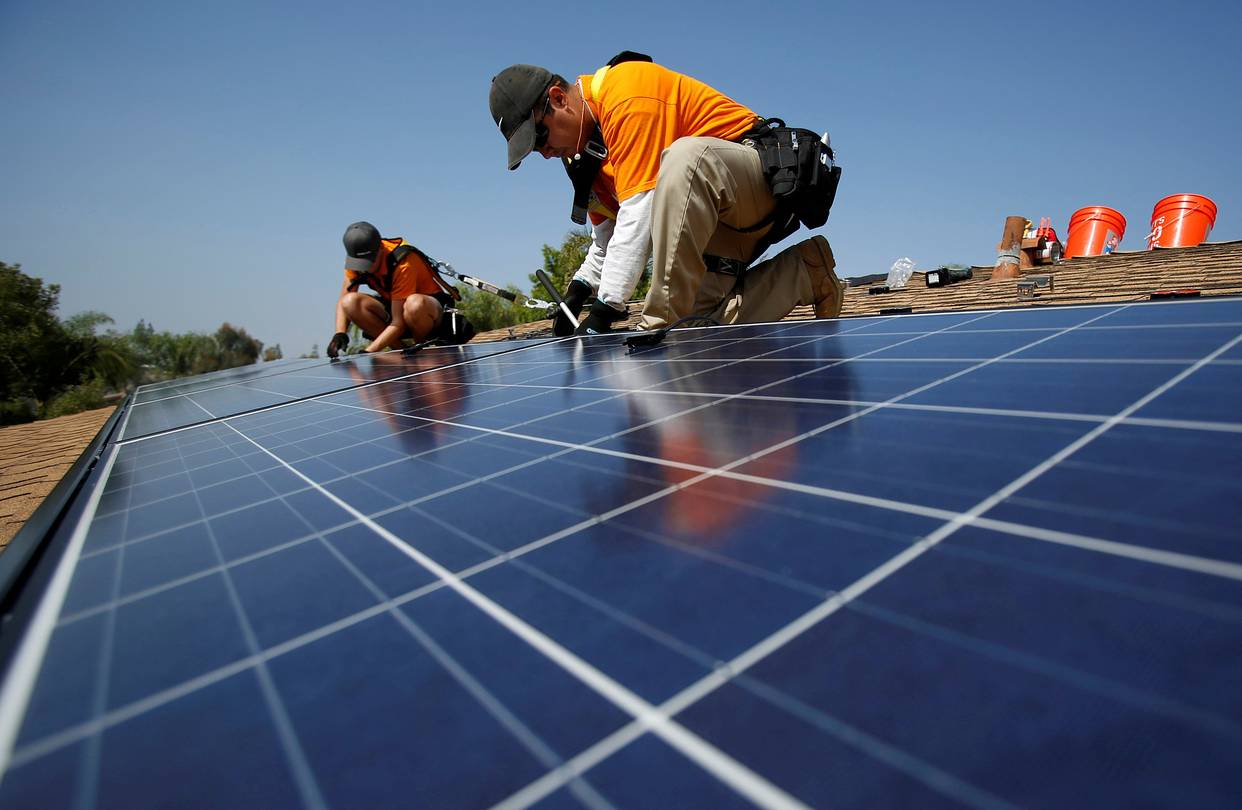
    Vietnam’s renewable energy landscape is set to bloom, with projections indicating that the country’s total renewable power capacity will soar to 112.1 gigawatts by 2035. This impressive growth reflects a compound annual growth rate (CAGR) of 14.3% from 2024 to 2035, signaling a robust commitment to greener energy solutions.

    According to GlobalData’s latest report, “Vietnam Power Market Outlook to 2035, Update 2025 – Market Trends, Regulations, and Competitive Landscape,” the Vietnamese power sector is ripe with opportunities. The report highlights how wind, solar, and biomass energy remain largely untapped resources with vast potential for expansion.

    Between 2020 and 2024, Vietnam’s renewable power generation is expected to leap from 21.1 terawatt-hours (TWh) to 38.5 TWh, marking an impressive CAGR of 16%. This upward trajectory is anticipated to continue, with expectations of generating 179.6 TWh by 2035, reflecting a healthy CAGR of 15%.

    The Vietnamese government has enacted a series of policies designed to foster this green energy revolution, including feed-in tariffs (FiTs) and the revised Power Development Plan 8 (PDP 8). This strategic plan aims for a diverse energy portfolio that encompasses natural gas, coal, hydroelectric, solar, and wind power, all while pursuing the ambitious target of achieving net-zero emissions by 2050.

    “These initiatives are crafted to triple the installed power capacity by 2030, boost renewable energy growth, and enhance national energy security,” says Attaurrahman Ojindaram Saibasan, senior power analyst at GlobalData. While hydropower resources are nearing full capacity, the true potential for wind, solar, and biomass energy remains largely uncharted.

    However, the journey towards a greener Vietnam isn’t without its challenges. “Large-scale renewable projects and liquefied natural gas (LNG) terminals demand significant capital investment,” Saibasan notes. He points out that financing hurdles continue to persist due to regulatory ambiguities, a lack of bankable power purchase agreements (PPAs), and limited access to favorable long-term financing. Fortunately, the government is actively seeking to alleviate these concerns through more investor-friendly policies.

    Questions & Answers

    What is Vietnam’s projected renewable power capacity by 2035?
    Vietnam’s renewable power capacity is expected to reach 112.1 gigawatts by 2035, reflecting a compound annual growth rate of 14.3% from 2024 to 2035.

    What are the key elements of Vietnam’s Power Development Plan 8?
    PDP 8 aims to create a diversified energy portfolio that includes natural gas, coal, hydroelectric, solar, and wind power, with a long-term goal of achieving net-zero emissions by 2050.

    What challenges does Vietnam face in developing its renewable energy sector?
    Key challenges include regulatory uncertainty, the absence of bankable power purchase agreements, and limited access to favorable long-term financing, which the government is seeking to address with new investor-friendly policies.