Author: Mei Ling Tan

  • China and India Surge Ahead in Global Coal Production Growth, Shaping the Energy Landscape

    China and India Surge Ahead in Global Coal Production Growth, Shaping the Energy Landscape

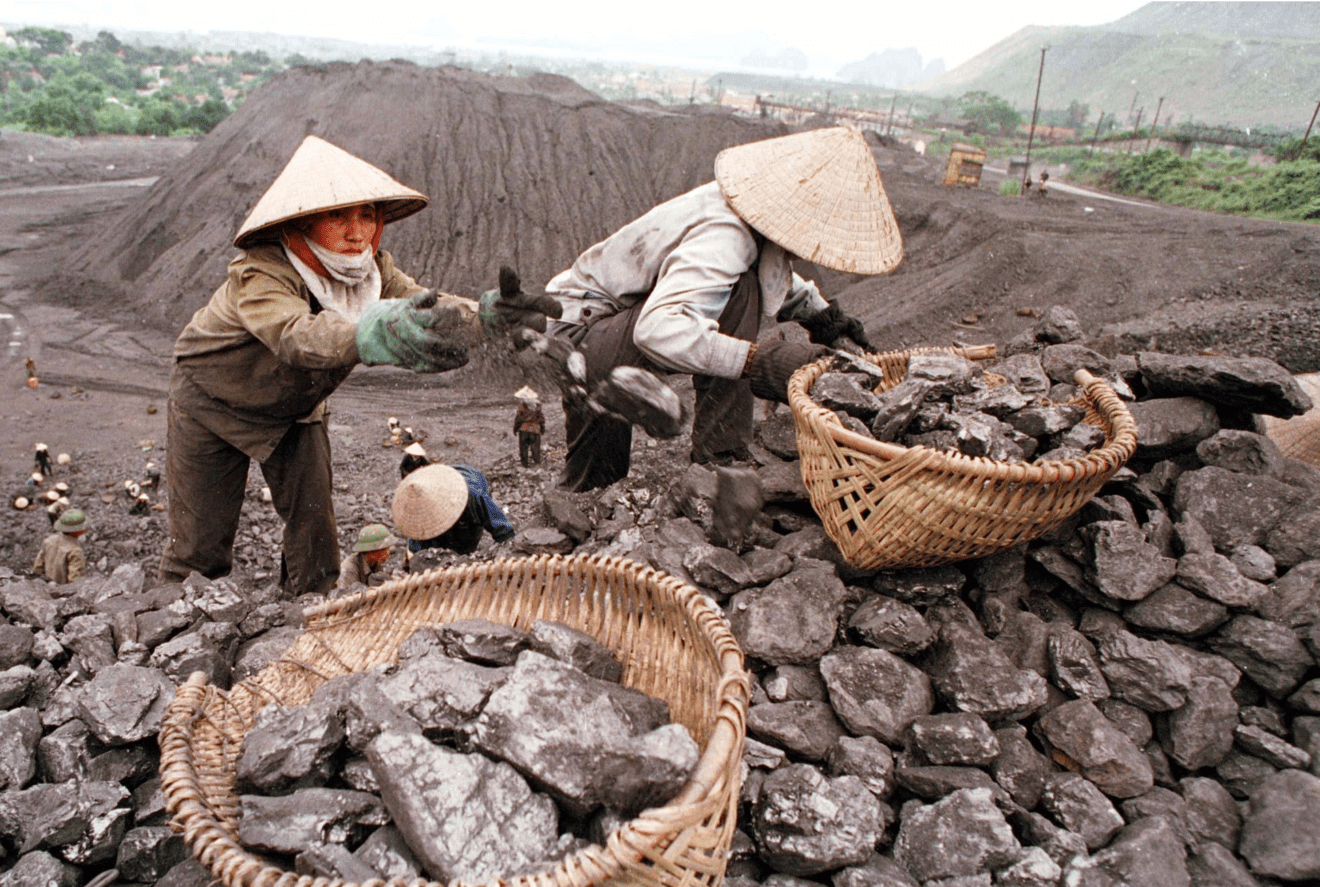
    The coal mining landscape is gearing up for a significant shift as developers in 30 countries, particularly China and India, prepare to expand their production capacity despite an impending decline at newly operating mines in 2024. This ambitious initiative comes at a time when the need for clean energy solutions is at an all-time high, creating a complex tension between economic growth and environmental concern.

    According to a report from Global Energy Monitor (GEM), the global coal industry is bracing for the rollout of more than 850 new mines, expansions, and recommissioned projects. Alongside these developments, there are also 35 mine extension projects being reviewed. A striking statistic reveals that nearly 90% of this proposed capacity is concentrated in only a handful of countries, with China leading the pack at a staggering 1,350 million tonnes per annum (Mtpa), primarily in its northern and northwestern regions. India follows with plans for 329 Mtpa, almost half of which is attributed to state-owned Coal India.

    Environmental Implications

    While the projected capacity could revitalize coal production, it raises significant environmental concerns. GEM warns that a total of 2,270 Mtpa of coal mine capacity is currently in development, which poses serious risks of escalating methane emissions. This issue is particularly pressing as methane is a greenhouse gas with over 80 times the warming potential of carbon dioxide over a span of 20 years. The organization estimates that if all proposed projects come to fruition, approximately 15.7 million tonnes of methane could be released annually, eclipsing Japan’s total annual greenhouse gas emissions, putting further strain on global climate commitments.

    “The canary is literally and figuratively in the coal mine,” states Dorothy Mei, project manager for the Global Coal Mine Tracker at Global Energy Monitor. “Without drastically scaling back plans for new mine capacity, the world could see a massive rise in potent methane emissions that would make it all but impossible to reach the goals of the Paris Agreement.” As the dialogue around climate change intensifies, these developments compel stakeholders to reevaluate the balance between economic ambitions and sustainability. After all, while coal production may be heating up, the planet is on a different kind of warming trend.

    Questions & Answers

    What countries are leading in coal production capacity expansion?
    China and India are at the forefront, with China proposing 1,350 million tonnes per annum and India planning for 329 million tonnes per annum.

    What environmental risks are associated with the expansion of coal mines?
    The expansion poses significant risks of increased methane emissions, which can have a warming potential over 80 times that of carbon dioxide, significantly impacting climate goals.

    How many new coal mining projects are under consideration worldwide?
    More than 850 new mines, expansions, and recommissioned projects are set to be rolled out across 30 countries, alongside 35 additional mine extension projects currently under review.


  • Hanoi Metro Reports Impressive Threefold Profit Surge in First Half of Year

    Hanoi Metro Reports Impressive Threefold Profit Surge in First Half of Year

    Hanoi Metro’s post-tax profits surged to VND10 billion (approximately US$381,400) in the first half of 2025, a remarkable threefold increase compared to the same period last year.

    With revenues climbing by 50% to VND393 billion, the state-owned company operates two key metro lines: Cat Linh – Ha Dong and Nhon – Hanoi Railway Station. This impressive growth reflects a strong rebound in urban transport, and even the typically stately metro system seems to have caught a case of ‘fast lane fever’.

    This year, Hanoi Metro aims to carry 19.3 million passengers while targeting profits exceeding VND20.7 billion on revenues of VND878.4 billion. In the first half, the company achieved 48% of its profit goal and 45% of its revenue target, signaling a solid trajectory toward meeting its year-end aspirations.

    Strategies for Growth

    To further enhance passenger convenience and revenue generation, the company is actively seeking innovative initiatives that will lessen its reliance on government subsidies. The vision for the future is bold; by 2030, Hanoi plans to expand its metro network to 10 routes covering an impressive 417 kilometers. However, construction of the remaining eight lines remains in the planning stage, prompting the city’s People’s Committee to recently instruct relevant agencies to expedite the commencement of work on two of these lines by the end of this year.

    Metro lines in the fast lane

    As Hanoi strives to modernize its public transport, the success of Hanoi Metro shines a light on the potential of urban transit systems across Asia. With the city moving forward, the next few years will be critical in determining whether these ambitious plans can be transformed from blueprints into reality.

    Questions & Answers

    How much did Hanoi Metro profit in the first half of 2025?
    Hanoi Metro reported a post-tax profit of VND10 billion (around US$381,400), tripling its earnings from the same period the previous year.

    What are the revenue goals for Hanoi Metro in 2025?
    The company targets revenues of VND878.4 billion this year, aiming to achieve over VND20.7 billion in profits.

    What are the future plans for Hanoi’s metro system?
    By 2030, Hanoi hopes to expand its metro network to 10 routes covering 417 kilometers. However, the construction of many planned lines has yet to begin.

  • Alibaba Closes Hema X: The End of Its Ambitious Costco-Style Membership Retail Venture

    Alibaba Closes Hema X: The End of Its Ambitious Costco-Style Membership Retail Venture

    Alibaba Group Holding is set to phase out its remaining Costco-style Hema X store, signaling a pullback from China’s competitive retail market.

    In a significant shift within its retail strategy, Alibaba is closing its premium “Hema X” stores, which operated on a membership basis. According to sources familiar with the decision, the closures were made to streamline operations and improve overall profitability. This move underscores the fierce competition within China’s retail landscape.

    The Hema brand, which has been a key player in Alibaba’s supermarket strategy, has found it increasingly challenging to hold its ground against giants like Walmart’s Sam’s Club and Costco Wholesale. These rivals have captured the attention of Chinese consumers eager for exclusive offerings and bulk buying options.

    This recent development aligns with Alibaba’s broader pivot towards investing in artificial intelligence, a step intended to enhance its competitiveness against peers such as JD.com and PDD Holdings, all while navigating the complexities of China’s economic slowdown.

    The closure of Hema X stores is a notable reversal of the ambitious expansion plans that began around 2020, following Costco’s first mainland store launch in Shanghai in August 2019. Initially, Alibaba had set out to launch 100 Hema X locations within a three-year period, according to reports from Star News.

    Recent reports indicate that the last Hema X store in Shanghai is slated to shut its doors on August 31, following the earlier closures of three stores located in Beijing and Jiangsu province in July. While Hema X is closing, Alibaba is not pulling entirely back from retail; it is set to expand its core Hema chain, which has been redefining the supermarket concept since 2015 by blending fresh produce, dining options, and quick delivery services. The company plans to open around 100 new Hema stores this year, demonstrating its commitment to this original vision amidst the shifting retail tides.

    Questions & Answers

    What prompted Alibaba to close its Hema X stores?
    Alibaba’s decision to close Hema X stores was driven by a need to enhance profitability and confront tough competition from established players like Walmart’s Sam’s Club and Costco, which have effectively captured market interest in China.

    How does Hema X differ from Alibaba’s core Hema brand?
    Hema X operated on a premium membership model, focusing on exclusive products and a high-end shopping experience, while the core Hema brand integrates a supermarket model with fresh produce and a restaurant concept, appealing to a broader customer base.

    What are Alibaba’s future plans for the Hema chain?
    Despite the closures, Alibaba remains committed to its core Hema chain, planning to unveil approximately 100 new stores this year as it seeks to adapt and thrive in a challenging retail environment.

  • Indosat Launches Innovative AI Tool to Combat Digital Fraud and Protect Consumers from Scams

    Indosat Launches Innovative AI Tool to Combat Digital Fraud and Protect Consumers from Scams

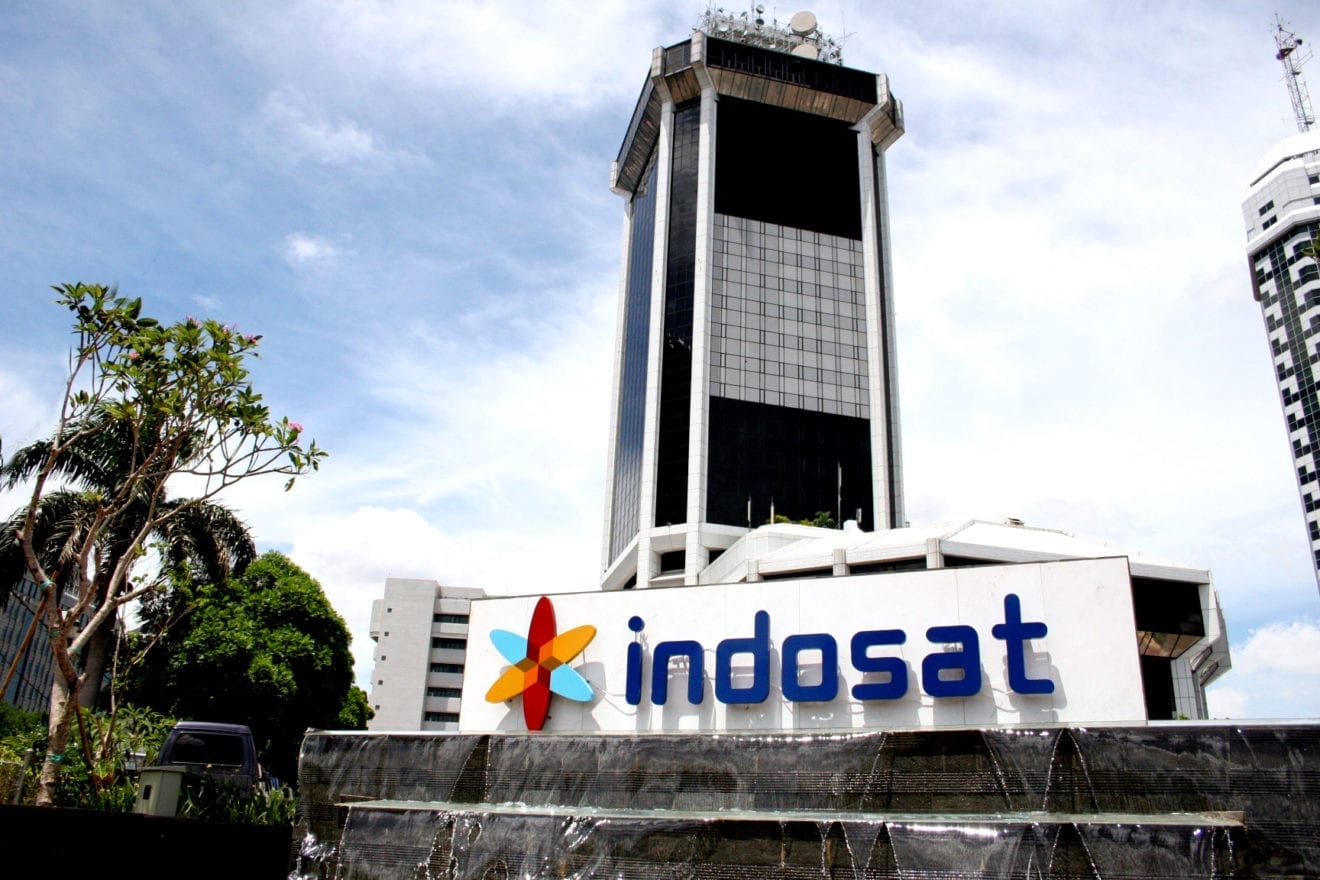
    In a strategic move to combat the rising tide of digital fraud, Indosat Ooredoo Hutchison (Indosat) has unveiled a state-of-the-art artificial intelligence (AI)-powered Anti-Spam and Anti-Scam solution. This initiative, launched in collaboration with Indonesia’s Ministry of Communications and Digital Affairs (Komdigi), aims to safeguard Indonesians against the alarming surge in scam attempts that plague their digital lives.

    Scam Alerts Ringing Loudly

    The recent findings from the Asia Scam Report 2024, published by the Global Anti-Scam Alliance (GASA), paint a worrying picture: a staggering 65% of Indonesians are targeted by scam messages weekly, with tactics ranging from phishing texts to fraudulent job offers and investment schemes. It’s a digital wild west out there, and Indosat is taking a stand.

    Empowering Consumers with Cutting-Edge Technology

    Vikram Sinha, President Director and CEO of Indosat Ooredoo Hutchison, emphasized the necessity of digital security for every Indonesian citizen. “At Indosat, we believe digital protection is a fundamental right,” he stated. “Our partnership with Tanla to deploy the AI-powered Anti-Spam and Anti-Scam solution illustrates how technology can enhance daily life. By leveraging our sovereign AI factory equipped with advanced NVIDIA Blackwell GPUs, we are not just combatting spam and scams; we are fortifying Indonesia’s digital resilience and public trust.”

    The new system is built on Indosat’s advanced AIvolusi5G framework, designed to identify suspicious numbers and filter harmful activities in real-time. This robust solution operates on-network, making it accessible to all users regardless of their device specifications or connection quality. It’s a bold step towards digital equality and safety.

    A Collaborative Approach to Digital Safety

    Indosat’s initiative highlights a spirit of cooperation, termed “gotong royong,” a core principle of Indonesian culture that signifies collective effort. By partnering with industry leaders such as Tanla, Mastercard, GASA, and the GSMA, Indosat aspires to create a regional standard for telco-led digital security. Such alliances indicate a growing recognition of shared responsibility among public and private sectors to ensure a safer digital landscape.

    Government Support Paves the Way for Innovation

    Echoing this commitment, Nezar Patria, Vice Minister of Communication and Digital Affairs, expressed the government’s endorsement of this collaborative effort to foster a secure digital environment. “AI should bring technology closer and open more opportunities,” he remarked, expressing Indonesia’s ambition to not only consume technology but also to actively shape its deployment to meet societal needs.

    Indosat’s Vision for an AI-Driven Future

    Indosat sees this innovation as pivotal in its evolution into an AI tech company, dedicated to providing secure, modern, and inclusive solutions. As part of its ‘AI for All’ campaign, the company aims to ensure that everyone can access and benefit from these technological advancements, underscoring its commitment to empower the people of Indonesia.

    Questions & Answers

    What is the main purpose of Indosat’s new AI-powered solution?
    The new AI-powered Anti-Spam and Anti-Scam solution aims to protect Indonesians from the rising threat of digital fraud, addressing the alarming frequency of scam attempts reported in recent studies.

    How does Indosat ensure that its solution is accessible to all users?
    The system is designed to function on network capabilities, eliminating the need for high-end devices or premium connections, allowing users from all backgrounds to benefit.

    What cultural principle guides this collaboration between Indosat and the government?
    The principle of “gotong royong,” which emphasizes collective cooperation, underpins this partnership, highlighting the importance of joint efforts from public and private sectors to ensure digital safety.

  • Smashburger Promotes Jim Sullivan To Ceo, Aims To Accelerate Franchise-driven Expansion

    Smashburger Promotes Jim Sullivan To Ceo, Aims To Accelerate Franchise-driven Expansion

    Fast-casual dining chain Smashburger has elevated Jim Sullivan to the position of CEO as part of its strategy to bolster its market standing and speed up its franchise-driven expansion.

    A Wealth of Experience

    The newly appointed CEO brings with him over two and a half decades of executive expertise in the restaurant development and franchising sector. Prior to his tenure at Smashburger, Sullivan held the position of Chief Development Officer at QDoba and executed senior roles at establishments such as CKE Restaurant Holdings, Friendly’s Ice Cream, Modern Restaurant Concepts, and American Hospitality Concepts.

    Starting his journey with Smashburger as president in February, Sullivan will now helm the brand’s strategy and operations. His focus will be on rebranding, introducing non-traditional formats, and enhancing the customer experience within the restaurant.

    Richard CW Shin, CEO of Jollibee Group International and global chief finance and risk officer of Jollibee Group, the parent company of Smashburger, commented on Sullivan’s appointment. He stated that Sullivan brings dynamic leadership and a well-defined vision, along with a profound understanding of Smashburger’s market position. Shin added that Sullivan has already set the groundwork for a leaner brand that offers superior food, an improved customer experience, and revitalised momentum throughout the system.

    Previous Achievements and Future Plans

    Sullivan’s promotion follows several initiatives he spearheaded, including the launch of the company’s biggest-ever marketing campaign, ‘Summer of Smash.’ He also introduced a new value tier and menu items like the Bacon Brisket Smash, and oversaw the recent opening of a new location at Detroit Metro Airport, marking a return to unit growth.

    Speaking on his new role, Sullivan expressed his vision for the brand. “Leveraging the strategic backing of JFC, we are focusing on scaling and operational flexibility to stimulate focused, capital-efficient growth,” he said. He added that Smashburger is a brand centered on craveable taste customized for the modern consumer. He affirmed his commitment to developing it for prolonged performance for their customers, teams, and franchisees.

    Questions & Answers

    Who is the new CEO of Smashburger?
    Jim Sullivan has been appointed as the new CEO of Smashburger.

    What are some of the initiatives led by Jim Sullivan at Smashburger?
    Some initiatives led by Jim Sullivan include the largest-ever marketing campaign ‘Summer of Smash,’ the introduction of a new value tier and menu items like the Bacon Brisket Smash, and the opening of a new unit at Detroit Metro Airport.

    What is Jim Sullivan’s vision for Smashburger?
    Sullivan’s vision for Smashburger is to leverage scale and operational flexibility, backed by strategic support from JFC, to drive a focused, capital-efficient growth. The brand will be built on craveable taste tailored for today’s consumer, aiming for long-term performance for its customers, teams, and franchisees.

  • Chinese E-commerce Giants Disrupt South Africa’s Retail Sector, Claiming 3.6% Market Share

    Chinese E-commerce Giants Disrupt South Africa’s Retail Sector, Claiming 3.6% Market Share

    The South African retail market has witnessed significant disruption with the entry of Chinese e-commerce firms, Shein and Temu. Together, they constitute 3.6% of the nation’s retail sector, specifically the clothing, textile, footwear, and leather (CTFL) market. This translated to 7.3 billion rand (US$405 million) in sales in 2024.

    Disrupting the Retail Landscape

    Shein made its debut in the South African market in 2020, with Temu following in 2024. Both companies have effectively shaken up the local retail scene with competitive pricing, strategic marketing, and tax loopholes that initially provided them with an advantage over domestic retailers.

    The allure of these platforms for cost-conscious shoppers has had significant effects on local retailers. In response, these retailers appealed to regulatory bodies last year to address the tax loophole, which was subsequently closed.

    Impact on Market Shares

    The Localisation Support Fund (LSF) report indicates that the market share of domestic CTFL retailers has gradually dwindled from 75.3% in 2011 to 74% in 2024. In comparison, international physical store brands such as H&M, Zara, and Cotton On hold a combined market share of 3.4%.

    Shein and Temu together now hold a 3.6% share of the CTFL market, and a commanding 37.1% of South Africa’s e-commerce CTFL market. In particular, Shein has cornered 28% of the online women’s CTFL sales.

    Sean Mercer, a principal consultant at consulting firm BMA, observed that international retailers had spent 13 years building their market share. In contrast, Shein and Temu have managed to equal and even surpass this in a mere five years.

    Questions & Answers

    What market share do Shein and Temu hold in South Africa’s retail sector?
    Shein and Temu together hold a 3.6% share in South Africa’s retail sector, specifically in the clothing, textile, footwear, and leather market.

    What strategy did Shein and Temu use to disrupt the South African retail market?
    Shein and Temu disrupted the South African retail market with competitive pricing, strategic marketing, and by leveraging tax loopholes that initially provided them with an advantage over domestic retailers.

    How has the entry of Shein and Temu affected local retailers?
    The entry of Shein and Temu has significantly impacted local retailers, leading to a decline in their market share. The cost-effective offerings of these e-commerce platforms have drawn cost-conscious shoppers, affecting the sales of local retailers.

  • Coupang Surpasses $8 Billion Mark: Record Revenue And Profit Turnaround Amid Taiwan Expansion

    Coupang Surpasses $8 Billion Mark: Record Revenue And Profit Turnaround Amid Taiwan Expansion

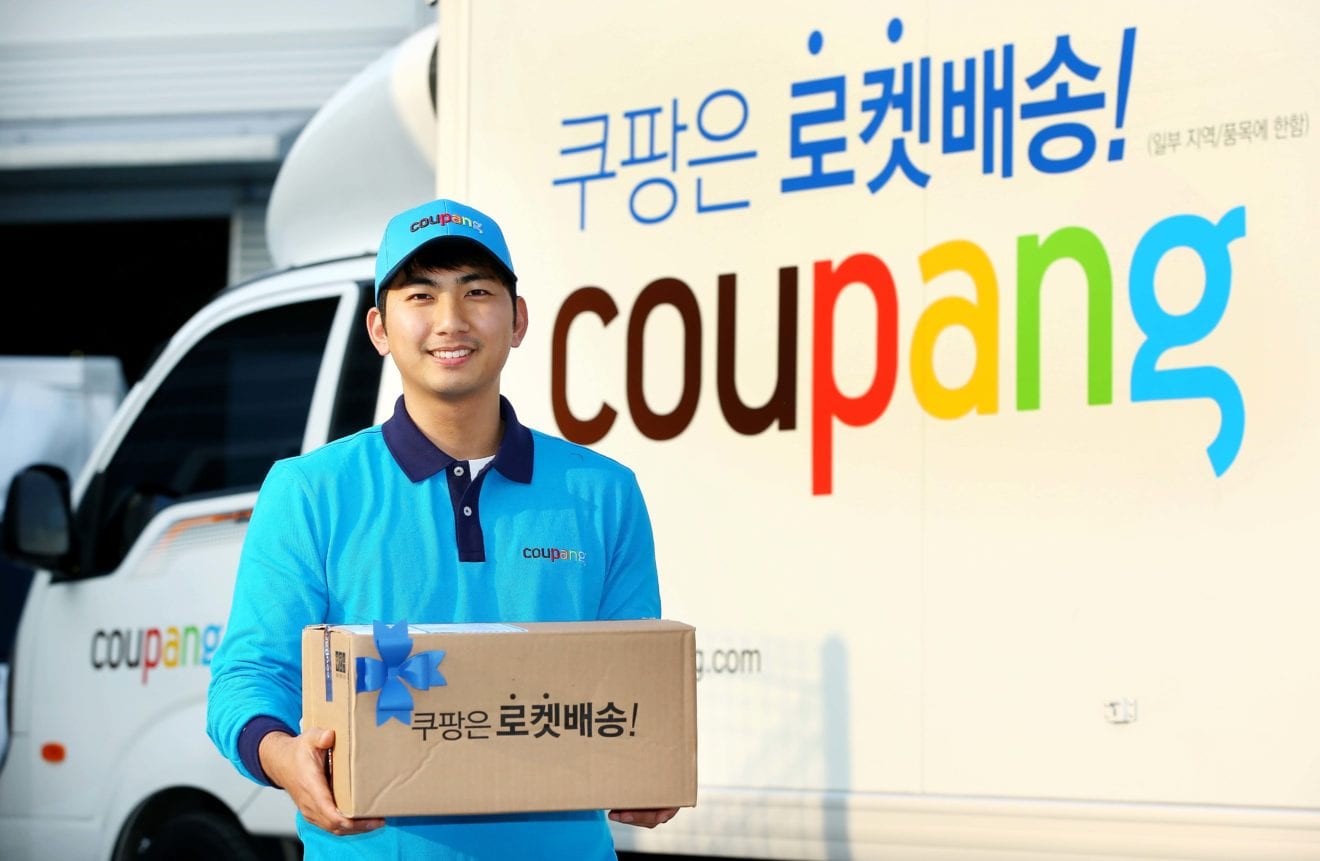
    South Korean retail behemoth Coupang has experienced substantial growth this year, boasting a record revenue of $8.52 billion in Q2, a rise of 19% year-over-year with an FX-neutral basis. This marks the first time the company has surpassed the $8 billion mark.

    Additionally, Coupang achieved a net profit of $31 million, a significant turnaround from last year’s Q2 deficit of $105 million. The company’s adjusted EBITDA hit $428 million.

    Core Strengths

    Coupang’s primary source of income comes from its Product Commerce sector, which encompasses Rocket Delivery, Rocket Fresh, Rocket Growth, and the marketplace. The adjusted EBITDA for this segment climbed to $663 million, and margins reached an unprecedented 9%.

    Most of the revenue growth in Q2 came from existing customers. According to Bom Kim, Coupang’s founder and CEO, even the oldest customer cohorts demonstrated robust spending increases in the double digits.

    Kim stated, “As we expand our selection to match customer preferences, they’re also purchasing across a broader number of categories.”

    The Rocket Delivery model, previously criticized for its extravagant spending and capital intensity, is now viewed as a competitive advantage. Same-day and dawn delivery volumes soared over 40% year-over-year, primarily due to the addition of over half a million new Rocket SKUs in Q2.

    Taiwan’s Progress

    Coupang’s Developing Offerings segment, which encompasses Taiwan Rocket Delivery, Coupang Eats, Coupang Play, and Farfetch, posted a revenue of $1.19 billion, an increase of 33% year-over-year. Although this unit is still not profitable, with an adjusted EBITDA loss of $235 million, a majority of this loss can be attributed to increased investment in Taiwan.

    Coupang’s CFO, Gaurav Anand, noted that Taiwan is the main reason behind a revised full-year EBITDA loss prediction for the segment, estimated to be between $900 million and $950 million.

    Coupang launched its Wow membership program in Taiwan in March, targeting a population of 23 million and a retail sector valued at $152.7 billion. Since entering the market in 2022, the company has invested approximately $355 million in expanding its logistics infrastructure and product selection.

    This investment appears to be producing early results, with Taiwan’s revenue surging 54% quarter-over-quarter and recording triple-digit growth year-over-year. These improvements are not only due to customer acquisition but also improved customer retention and spending.

    Kim commented, “Our Taiwan offering is growing faster and stronger than even the most optimistic forecasts we set at the beginning of the year.” He added that they see a similar growth trajectory in Taiwan as they did in the early years of scaling their retail offering in Korea.

    Despite initial concerns, Coupang’s aggressive investment indicates growing belief that Taiwan could become a second profitable market in the long term.

    While Taiwan’s progress overshadows other areas, Coupang’s other businesses continue to develop. Food delivery service Coupang Eats showed continuous double-digit growth, benefiting from the company’s established logistics infrastructure.

    Additionally, Coupang Play, its streaming platform, has added new features like a Sports Pass, providing access to premium sports leagues ranging from the Premier League to Nascar.

    Although these businesses are not yet profitable, they help to retain users within the Coupang ecosystem.

    Looking forward, Coupang faces significant challenges. The South Korean retail sector has been declining for 13 consecutive quarters – the longest recorded downturn. With limited room for further growth at home, the company’s future hinges on maximizing each customer’s value or finding new customers abroad. Taiwan is off to a strong start, but expanding it into a second growth engine may prove challenging, and the level of investment required could test investor patience if results don’t keep up the pace.

    Questions & Answers

    What contributed to the growth of Coupang’s Q2 revenue?
    Existing customers contributed to most of the growth, with spending increases across all cohorts. Additionally, the company expanded its product selection, leading to customers buying across a wider range of categories.

    What is the role of Taiwan in Coupang’s financial strategy?
    Taiwan is a significant focus for Coupang’s investment, aimed at expanding its market beyond South Korea. The company’s aggressive investment in Taiwan indicates a growing belief that it could become a second profitable market in the long term.

    What challenges does Coupang face moving forward?
    Coupang is challenged by the continuous decline in the South Korean retail sector. With limited potential for domestic growth, the company’s future success increasingly relies on maximizing value from each customer and expanding its customer base abroad. Additionally, the level of investment required in markets like Taiwan could test investor patience if results don’t match the pace of investment.

  • Shopify Projects Robust Quarterly Revenue Amidst Resilient Merchant Base And Steady Consumer Demand

    Shopify Projects Robust Quarterly Revenue Amidst Resilient Merchant Base And Steady Consumer Demand

    Shopify, the renowned Canadian e-commerce platform, has projected a positive outlook for its quarterly revenue. This forecast comes amidst no apparent reduction in consumer demand and the impressive resilience of merchants on the platform despite prevailing tariff pressures. This uplifting news resulted in a significant 20% increase in the company’s share values.

    Throughout early August, Shopify’s merchant base demonstrated remarkable fortitude, maintaining the steady growth observed in the April-June period. This resilience contributed to a 31% boost in the second quarter’s revenue.

    These results help to alleviate some of the anxieties investors have due to the fluctuating trade policies of the current US administration. These policies have left many retailers uncertain about several aspects of their business, including demand, production, sourcing, and operating costs.

    Addressing these concerns, Jeff Hoffmeister, Shopify’s CFO, reassured investors during a post-earnings call. He affirmed that demand from the US, both inbound and outbound, has remained steady. Furthermore, he noted that the platform had experienced growth across all merchant segments during the second quarter.

    Hoffmeister also highlighted the strong performance of sellers with an annual gross merchandise volume (GMV) exceeding US$50 million and those below the $2 million mark. In terms of pricing strategy, Shopify reported that many merchants have increased their prices, although no specific details regarding the extent of these hikes were provided.

    Despite the ongoing disruptive tariff situation, Shopify’s resilience and adaptation seems to be the current narrative. As noted by Third Bridge analyst Charlie Miner, greater clarity is emerging regarding consumer reactions, and Shopify is unlikely to be adversely affected.

    Shopify’s projections for the third quarter anticipate a revenue increase in the mid to high twenties percentage range. This estimate exceeds analyst predictions of a 21.54% rise, as compiled by LSEG.

    Additionally, Shopify’s ongoing investments in artificial intelligence-powered features are proving advantageous. These features aid retailers in various tasks, such as developing store websites, generating images, and collating sales data.

    Questions & Answers

    What is the projected revenue increase for Shopify in the third quarter?
    Shopify projects a mid to high twenties percentage increase in revenue for the third quarter.

    How are Shopify’s merchants responding to the ongoing tariff situation?
    Despite tariff pressures, merchants on Shopify’s platform have shown resilience, with many even increasing their prices.

    What investments has Shopify made to support retailers?
    Shopify has invested in artificial intelligence-powered features that assist retailers with tasks such as creating store websites, producing images, and gathering sales data.

  • Longchamp Unveils Parisian-inspired Redesign For Singapore Boutiques Following Record-breaking Sales Year

    Longchamp Unveils Parisian-inspired Redesign For Singapore Boutiques Following Record-breaking Sales Year

    The renowned luxury bag label, Longchamp, has given its two Singapore stores, located at Ion Orchard and Marina Bay Sands, a fresh new look.

    The Inspiration Behind the Redesign

    The revamped boutiques draw design inspiration from Parisian apartments, an aesthetic that resonates strongly with the brand’s French heritage. The chic, revamped spaces boast bookshelf-style displays, where the brand’s key seasonal pieces take center stage.

    A monochromatic color palette has been used across the stores’ wood-clad panels, further reinforcing the sophisticated Parisian vibe.

    Season’s Latest Collection Displayed

    Customers visiting the renovated Longchamp outlets will be able to explore the brand’s latest collection of leather goods and accessories. These have been thoughtfully showcased alongside a variety of mix-and-match decorative objects.

    Following the overall design theme, these objects are styled using a deep green colour palette, lending an atmosphere reminiscent of a refined Parisian apartment.

    A Success Story

    The renovation of these boutiques comes on the heels of a record-setting fiscal year for Longchamp. The brand’s strong performance was significantly influenced by its robust sales in South Korea and Europe.

    Questions & Answers

    What was the inspiration for the redesign of Longchamp’s boutiques in Singapore?
    The redesign of Longchamp’s boutiques was inspired by the aesthetic of Parisian apartments, mirroring the brand’s French heritage.

    What are the characteristic elements of the renovated boutiques?
    The renovated boutiques feature bookshelf-style displays, wood-clad panels with a monochromatic colour scheme, and a deep green colour theme for the decorative objects.

    What was significant about Longchamp’s performance in the last fiscal year?
    The last fiscal year set a sales record for Longchamp, with a significant contribution coming from robust sales in South Korea and Europe.

  • Vietnamese Processed Foods Struggle to Secure Shelf Space in U.S. Supermarkets

    Vietnamese Processed Foods Struggle to Secure Shelf Space in U.S. Supermarkets

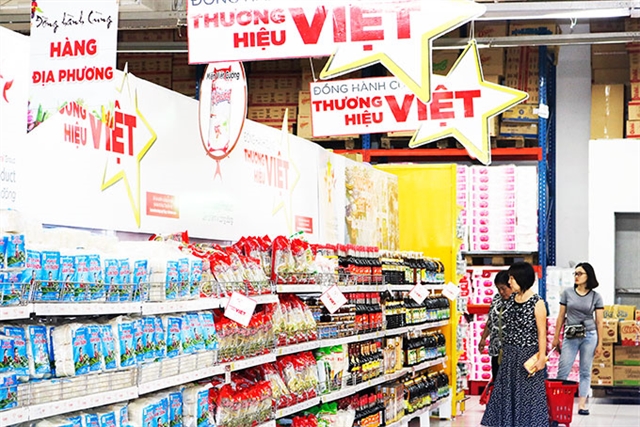
    Tina Murphy, CEO of MMTT Professional Services and a seasoned shopper from her years in the U.S., expressed her surprise at the glaring absence of Vietnamese products in American retail. While exploring vast supermarket aisles, it struck her that these essential goods are mostly confined to niche Asian markets.

    “As a Vietnamese person, I find this concerning,” she remarked during a recent forum that spotlighted Vietnam’s export capabilities. Recent data indicates that in the first half of this year, Vietnam’s agricultural and aquatic exports to the U.S. soared impressively, with coffee and fruits boasting staggering year-on-year growth rates of 76.4% and 65.5%, respectively, according to the General Department of Customs. Other sectors, including aquatic products and rice, also reported double-digit increases.

    However, retail analysts caution that the majority of Vietnam’s agricultural exports are still raw materials, with only a tiny fraction transformed into processed, branded products. Chris Nguyen, CEO of Ocean Marketing USA, emphasized that Vietnamese goods in the U.S. often lack a cohesive national brand identity, making it tough to break into established markets compared to competitors from South Korea and Thailand.

    Nguyen pointed to the industry’s structural limitations, citing manufacturers’ constraints in resources and branding investment, which leaves them heavily reliant on importers. “Many countries have dedicated agents or teams on the ground to navigate market nuances, which Vietnamese businesses often do without,” he noted.

    Quality assurance remains another hurdle. Tony Luu, director of GPLUS – FDA, revealed that an alarming average of two shipments of Vietnamese food products are rejected daily. The chief culprit? Insufficient compliance with U.S. Food Safety Modernization Act standards, combined with common packaging errors such as missing allergen information or improperly formatted nutritional facts.

    To tackle access barriers to American supermarkets, Jolie Nguyen, chairwoman of LNS International, urged Vietnamese food exporters to standardize their production and meticulously adhere to international trade regulations. Nguyen stressed the importance of avoiding a short-sighted approach to sales and instead fostering a reputation built on quality.

    “The focus should be on long-term relationships and formal trade,” she advised, suggesting that Vietnamese businesses take advantage of existing export ecosystems for better compliance, market research, and logistics planning.

    But the horizon isn’t limited to the U.S. market. Alejandro Gutierrez, growth director at Guval Foods, shared insights from his experience introducing Vietnamese foods to Mexico. Retail giants like Walmart and Costco, he said, are eager for popular items such as rice paper and instant noodles.

    Some Vietnamese companies are stepping up their game. Ca Men, known for its traditional frozen packaged foods, has embarked on an ambitious export expansion, targeting over 50 supermarkets in Toronto and already supplying products to California, Texas, Australia, and the U.K. in the past.

    In a clever move, Ca Men revamped its packaging from flat packs to eye-catching upright boxes, better suiting the display needs of major supermarkets in the U.S. and beyond. Sunrise Ins has similarly diversified its footprint, sending over 10 shipments of ST25 rice, rice paper, and pho to New Zealand and Mexico every few months.

    As Kim Hyo Gil, the director of AFC & Foodil Global, pointed out, Vietnamese products offer competitive quality and pricing, creating a ripe opportunity for expansion beyond their home market. On August 5, Foodil launched an online wholesale food export platform in Vietnam, partnering with LNS Group and Asian Food Connect to facilitate access to over 30 new markets. A spokesperson noted that while entering a new market typically costs around $120,000 and takes a year, the platform’s AI-driven logistics can potentially streamline this process dramatically.

    As the world grows smaller and consumers become more adventurous, the call for Vietnamese culinary delights is louder than ever. But with challenges still ahead, the future could be a delicious journey for Vietnamese brands on the international stage.

    Questions & Answers

    What challenges do Vietnamese companies face in the U.S. retail market?
    Vietnamese companies struggle with branding and market penetration, as their products are often exported in raw form and lack a cohesive national brand identity. Compliance with U.S. food safety standards and packaging errors also pose significant obstacles.

    How does the export strategy of Vietnamese food companies differ?
    While some companies like Ca Men have actively expanded their markets by adapting packaging and targeting supermarkets, others rely heavily on importers without establishing a local presence or understanding the market dynamics.

    What opportunities exist beyond the U.S. for Vietnamese exports?
    Vietnamese products are gaining traction in markets like Mexico, with major retailers seeking popular items. There’s also potential for expansion into the Middle East, Africa, and South America as demand grows for high-quality, competitively priced agricultural goods.

  • UOB Reports 3% Decline in H1 2025 Net Profit, Reaching S$2.83 Billion

    UOB Reports 3% Decline in H1 2025 Net Profit, Reaching S$2.83 Billion

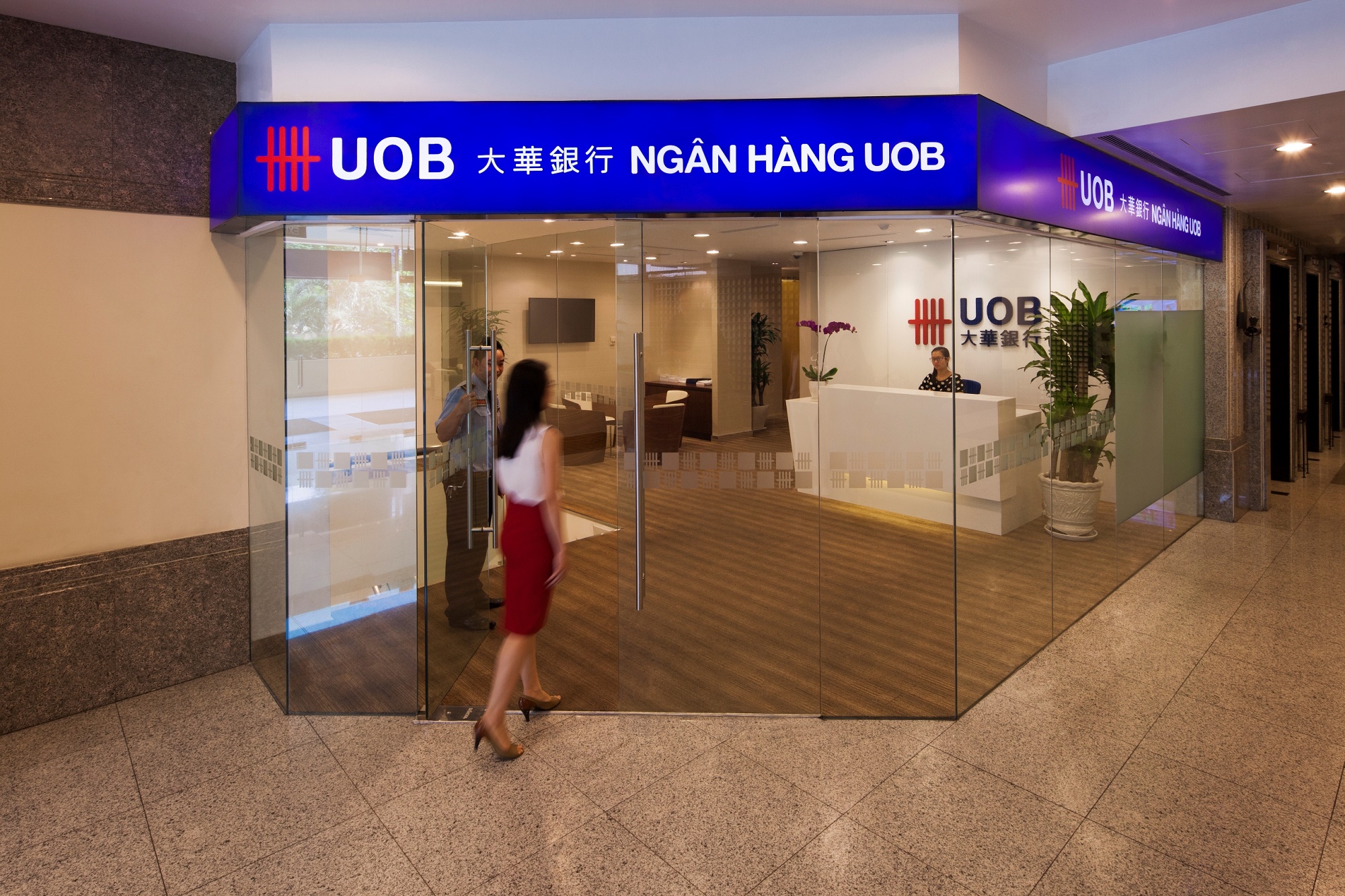
    UOB has reported a slight dip in its net profit, which fell 3% to S$2.83 billion (US$2.2 billion) in the first half of 2025 compared to the same timeframe last year. This decline is largely attributed to pre-emptive general allowances implemented by the bank’s risk management strategy in response to ongoing macroeconomic uncertainties, as indicated in their latest financial release.

    On a more positive note, the bank’s operating profit climbed by 3% to S$4 billion (US$3.11 billion), buoyed by robust double-digit growth in fee income across various business segments.

    The interim dividend was set at 85 cents per ordinary share, reflecting a payout ratio of approximately 50%. Furthermore, shareholders are set to receive the second installment of a previously declared special dividend of 50 cents.

    Net interest income remained stable at S$4.74 billion (US$3.69 billion) during the first half, indicating that a growth in loan volumes helped mitigate the effects of margin compression resulting from lower benchmark rates. Additionally, other non-interest income saw a modest increase of 1%, reaching nearly S$1.05 billion (US$817.55 million).

    Net fee income surged by 11% to S$1.33 billion (US$1.04 billion), driven by growth in wealth management, loan-related services, and credit card activities. As a result of tighter cost management, the bank improved its cost-to-income ratio, dropping from 44.4% the previous year to 43.5%.

    The non-performing loan ratio stood at 1.6% for the first half of 2025, while credit costs were reported at 34 basis points. UOB cited higher specific allowances and pre-emptive general provisions as key factors behind these figures.

    Wholesale Banking Faces Challenges; Wealth Management Thrives

    In contrast, wholesale banking faced a setback, with profits before tax declining by 12% in the first half of the year, largely due to lower interest rates and fierce competition for quality assets. Despite these hurdles, transaction banking accounted for nearly half of total wholesale banking income, navigating uncertainties stemming from U.S. tariffs.

    Interestingly, the investment banking sector posted record fees, while customer-related treasury income experienced double-digit growth. Meanwhile, group retail banking reported a profit before tax of S$1.1 billion for the first half, marking an 11% increase as growth in current and savings account balances, wealth management, and credit cards offset income pressures from reduced rates and market competition.

    Retail deposits also crossed the significant milestone of S$200 billion for the first time. Wealth management income saw an impressive 15% growth, fueled by clients converting deposits into invested assets under management (AUM). High net-worth AUM continued to gain momentum, with net new money inflows reaching S$3 billion in the second quarter of 2025, while credit card income rose by 5%, complemented by double-digit growth in card billings.

    Questions & Answers

    How did UOB’s net profit perform compared to last year?
    UOB’s net profit fell by 3% to S$2.83 billion (US$2.2 billion) in the first half of 2025, compared to the same period in 2024.

    What were the main factors affecting UOB’s net interest income?
    Net interest income was stable at S$4.74 billion (US$3.69 billion), supported by growth in loan volumes that offset margin compression from lower benchmark rates.

    Which business segment showed notable growth despite challenges?
    Wealth management experienced significant success, with income growing by 15% as clients shifted their deposits into invested assets under management (AUM).

  • Akamai: Embracing AI Security as a Vital Economic and Strategic Imperative for Retailers

    Akamai: Embracing AI Security as a Vital Economic and Strategic Imperative for Retailers

    Artificial Intelligence (AI) is revolutionizing industries across Asia through generative content, intelligent automation, and rapid decision-making. However, this swift advancement also exposes enterprises to an alarming surge in cyber threats.

    The Alarming Rise of Cyberattacks in Asia

    In 2024, Akamai recorded a staggering 51 billion web attacks aimed at both traditional and AI-driven applications in the Asia Pacific and Japan region, marking a 73 percent increase compared to the previous year. Within this digital battlefield, the financial services sector faced the brunt with 27 billion attacks, while e-commerce was targeted 18 billion times.

    These sectors are pivotal to the region’s digital economy. Financial services contribute over 14 percent of Singapore’s GDP and underpin many facets of APAC’s burgeoning digital landscape. E-commerce is no slouch either, generating nearly half of global sales transactions, amounting to an impressive US$1.8 trillion annually. Their expansive networks, reliance on hybrid infrastructures, APIs, and real-time interactions make them irresistible prey for cybercriminals.

    As businesses lean heavily into technologies like large language models (LLMs) and generative AI, securing these sophisticated systems transitions from a mere technical requirement to an essential economic priority.

    Understanding the Target on AI-Driven Applications

    AI models are fundamentally different from traditional systems. They process dynamic and unstructured data while operating in probabilistic, non-deterministic manners, making them susceptible to a new wave of cyber threats like prompt injection and model extraction. The vulnerabilities within LLMs are being unearthed more frequently and exploited with alarming speed.

    Despite these dangers, many organizations still resort to outdated tools such as conventional web application firewalls (WAFs). These relics not only fail to detect contemporary threats but can also create visibility blind spots, erratic model behavior, and significant security gaps.

    The API Visibility Challenge

    APIs serve as the backbone of AI ecosystems, facilitating interactions with various data sources, tools, and services. However, numerous enterprises still lack comprehensive, real-time insight into these crucial interfaces. Akamai’s API Security Impact Report revealed a troubling statistic: nine out of ten global organizations encountered an API-related incident in the past year. In the APJ region, each incident is said to cost an enterprise an eye-watering average of US$580,000. Those APIs supporting AI models are particularly perilous; they innovate quickly, often remain undocumented, and fall short on security as their usage grows.

    Without continuous discovery, classification, and governance of APIs, organizations leave their critical AI workloads vulnerable. Achieving full visibility into every API endpoint, particularly those that connect AI systems to external applications, should be a paramount concern.

    AI Security: Not Just an Option—A Regulatory Necessity

    Across Asia, governments are turning up the heat on AI governance, positioning it as both a regulatory priority and a corporate responsibility. Initiatives like Singapore’s AI Verify framework and Australia’s Digital Platform Regulators Forum underscore the fact that the responsible deployment of AI must be accompanied by robust security measures.

    Presently, AI security is becoming a matter that reaches boardrooms and shapes compliance agendas. Forward-thinking organizations are aligning their security strategies with emerging regulatory frameworks, embedding risk management, audit preparations, and ethical oversight deeply into the processes of AI development and deployment.

    Securing Your AI Workloads: A Roadmap

    The journey to secure AI systems starts with clarity. Organizations need to identify where their AI models are deployed—be it internally, externally, or through open-source solutions—and understand how they are queried, assessed, and governed.

    After mapping their AI landscape, firms should take proactive measures to safeguard their AI environments. This can include cataloging all AI models, implementing continuous API discovery to monitor interactions, and applying zero-trust principles to ensure user access is limited to the least privilege necessary. Furthermore, integrating security governance throughout the development lifecycle is essential to avoid vulnerabilities.

    As demand for intelligent security grows, innovative AI-native frameworks are emerging, designed to detect sophisticated threats like prompt injection and adversarial inputs in real time. This shift represents a broader evolution in security, moving from static, rules-based controls to dynamic, intelligent systems tailored for AI environments.

    While AI is reshaping the business landscape, its full potential can only be realized if the underlying security measures are robust. The rapidly changing AI threat landscape calls for new frameworks and collaborative approaches that span disciplines.

    Organizations that recognize AI security as a strategic necessity will be best positioned to foster responsible innovation. The future will belong to those who devise proactive, adaptive security strategies that evolve alongside the technologies they protect.

    Questions & Answers

    What are the major industries targeted by cyber-attacks in Asia?
    The financial services and e-commerce sectors are particularly vulnerable, accounting for billions of attacks in 2024, making them prime targets due to their significance in the digital economy.

    How can organizations enhance their security measures for AI systems?
    Organizations can enhance security by mapping their AI deployments, implementing continuous API monitoring, and adopting zero-trust security principles while integrating governance throughout the development process.

    Why is AI security becoming a regulatory concern?
    With various governments in Asia prioritizing AI governance, security regulations are evolving to ensure responsible deployment and compliance, compelling organizations to adopt better security practices to avoid legal and reputational risks.

  • SKT Consortium Takes Charge of Korea’s Next Big Leap with Proprietary AI Foundation Model

    SKT Consortium Takes Charge of Korea’s Next Big Leap with Proprietary AI Foundation Model

    SK Telecom has made waves in the tech sector with its selection as a core team for the ‘Proprietary AI Foundation Model’ project, an initiative spearheaded by the Ministry of Science and ICT (MSIT). This collaborative effort aims to create a robust full-stack artificial intelligence (AI) platform leveraging proprietary technology across semiconductors, models, data, and services, setting a strong precedent for local innovation in South Korea.

    Aiming for an AI Renaissance

    A cornerstone of this partnership with MSIT involves open sourcing the project’s capabilities, a move anticipated to empower local businesses and significantly enhance the country’s AI innovation landscape. The SK Telecom Consortium, comprising industry giants and research institutions, is committed to advancing proprietary AI. Their impressive track record includes publishing over 800 research papers, securing 736 patents, and launching upwards of 270 open-source projects.

    Bringing Together Experts

    Leading the core research for the MSIT project is Kim Tae-yoon, who oversees the Foundation Model Office at SK Telecom. He is joined by esteemed colleagues, including Professors Lee Kangwook and Dimitris Papailiopoulos from the University of Wisconsin-Madison. The consortium also features a variety of contributors, from gaming powerhouse Krafton to mobility AI firm 42dot, and chip manufacturer Rebellions, not to mention a host of eminent professors from Seoul National University and KAIST.

    Next-Gen AI Models on the Horizon

    SK Telecom is gearing up to “embark on the development of next-generation large-scale AI models” through this initiative. The company plans to harness omni-modal technology, enabling it to process text, images, speech, and video simultaneously—because who doesn’t want their AI multitasking like a seasoned professional?

    Advancements in Large Language Models

    Since 2018, SK Telecom has been on a mission to develop its own large language model (LLM), known as A.X. This year marked the introduction of two iterations of A.X 4.0—both standard and light versions—crafted through extensive continual pre-training. The company has also created two distinct versions of A.X 3.1, initiated from scratch. These models boast performance on par with GPT-4o, demonstrating exceptional prowess in understanding the nuances of the Korean language.

    Equipping the Future of AI

    To date, these A.X models have been trained on SK Telecom’s state-of-the-art TITAN supercomputer. Looking ahead, the SKT Consortium is set to provide substantial computing resources autonomously for advanced research and development (R&D). Moreover, consortium partner Rebellions will deploy its domestically developed neural processing units (NPUs) for optimizing high-performance, energy-efficient AI services.

    Shaping a Smarter Future

    The ultimate vision for this consortium is to pave the way for making AI agents accessible and practical for all Koreans. The focus spans a range of key sectors, including office work, manufacturing, automotive, gaming, and robotics—it’s clear that AI isn’t just a trend; it’s becoming part of the fabric of everyday life in South Korea.

    In the words of Kim Jiwon, Head of AI Model Lab at SK Telecom:

    With our proven technological capabilities and operational expertise, we will deliver the highest-quality, Korean-style, proprietary AI foundation model to empower AI for daily life in Korea.

    Questions & Answers

    What is the main goal of the SKT Consortium’s project with the MSIT?
    The primary aim is to develop a proprietary artificial intelligence platform that promotes local innovation and enhances the South Korean AI ecosystem through open-source capabilities.

    Who are some key figures involved in the research for the project?
    Kim Tae-yoon leads the initiative, supported by notable researchers including Professors Lee Kangwook and Dimitris Papailiopoulos, along with representatives from various companies and universities.

    What technologies will be emphasized in the development of new AI models?
    The consortium plans to integrate omni-modal technology, enabling simultaneous processing of text, images, speech, and video data, positioning it at the forefront of AI advancements.

  • 7-Eleven Operator Sets Ambitious Goal to More Than Double Share Price by 2030!

    7-Eleven Operator Sets Ambitious Goal to More Than Double Share Price by 2030!

    Seven & i Holdings is charting a bold course towards a 44% profit increase by fiscal 2030, which translates to an annual growth rate of 7%. The operator behind the ubiquitous 7-Eleven convenience stores announced its plans on Wednesday, seeking to strengthen its performance in the wake of a narrow escape from a takeover attempt by Canada’s Alimentation Couche-Tard last month.

    In a landscape where convenience is king, the company is focusing on several key initiatives to enhance profitability. This includes investing heavily in store upgrades, introducing new locations, and expanding delivery services. The strategy reflects a clear recognition that convenience retail is evolving, and Seven & i is determined not to lag behind.

    The sweeping plans come as leadership at Seven & i faces scrutiny; CEO Stephen Hayes Dacus addressed investors during a press conference, emphasizing the need for change in the company’s strategic approach. “We’re not just here to survive; we aim to thrive in an increasingly competitive market,” he stated, underscoring a commitment to rejuvenate the brand and bolster shareholder confidence.

    The Convenience Store Renaissance

    The company’s future-focused strategy comes at a time when convenience stores are experiencing a renaissance in Japan and across Asia. With a new emphasis on fresh food offerings and seamless delivery options, Seven & i aims to keep pace with changing consumer preferences. In a wry nod to the industry’s evolution, one could say that traditional convenience has gone “next level,” as companies innovate to keep shoppers engaged and returning for more.

    In an effort to cement its presence within local communities, Seven & i plans to prioritize neighborhood needs in its expansion plans, tailoring product offerings to meet the diverse tastes of its customer base. This commitment to local engagement suggests an understanding that the key to success lies not just in sales figures, but in genuine connections with consumers.

    Questions & Answers

    How does Seven & i plan to achieve its profit increase by 2030?
    The company aims for a 44% profit increase through strategic investments in store upgrades, new locations, and enhanced delivery services.

    What recent event prompted Seven & i to refine its strategic approach?
    The company narrowly avoided a takeover attempt by Canada’s Alimentation Couche-Tard, prompting it to take decisive measures to stabilize and grow its share price.

    What changes are being made to meet evolving consumer preferences?
    Seven & i is focusing on expanding fresh food offerings and enhancing delivery options to better cater to shifting consumer demands in the convenience retail sector.

  • IKEA Unveils Official Flagship Store on JD.com: Shop the Latest Designs Online!

    IKEA Unveils Official Flagship Store on JD.com: Shop the Latest Designs Online!

    IKEA has marked a significant milestone by launching its flagship store on JD.com, opening the floodgates to its extensive collection of home furnishings for millions of online shoppers across China. This vibrant new outlet boasts an impressive 6,500 products spanning 168 categories, including the much-anticipated debut of the BÄSTBOLL gaming chair and MÅLOMRÅDE gaming desk. As consumer interest surges, IKEA is set to continually expand its offerings, ensuring that even the most niche home décor enthusiasts find what they’re looking for.

    This exciting partnership melds IKEA’s renowned design expertise with JD.com’s robust logistics and digital infrastructure. By leveraging JD Logistics, IKEA can fulfill orders swiftly, reaching even the most remote areas without physical stores. Remarkably, JD.com boasts a track record of delivering 95% of orders within a mere 24 hours, a feat that promises to delight time-strapped shoppers.

    Tech Meets Home Decor

    That’s not all—JD’s innovative “Mini Liying” Naked-Eye 3D Solution will take the shopping experience up a notch, allowing customers to explore 3D models of select IKEA products directly on their smartphones. Gone are the days when you had to squint at photos; now you can examine every angle and detail—who knew online shopping could come with such a techy twist?

    The launch is a key component of IKEA’s broader omnichannel strategy in China, a deliberate move to cater to the increasing demand for diverse and convenient home shopping experiences from younger consumers. JD.com is not merely a platform; it’s transforming into a haven for global home brands. With IKEA joining esteemed names like MUJI, Natuzzi Italia, HAY, Georg Jensen, and LE CREUSET, the array of choices continues to grow.

    In the first half of 2025, participation from international brands on JD Home skyrocketed by over 130% year-on-year, underscoring JD.com’s commitment to enhancing its supply chain and service offerings in China. The collaboration with IKEA is just the latest chapter in this expansive narrative, promising to redefine home shopping across the Asia-Pacific region.

    Questions & Answers

    What products does the new IKEA flagship store on JD.com offer?
    The store offers 6,500 products across 168 categories, including exclusive items like the BÄSTBOLL gaming chair and MÅLOMRÅDE gaming desk.

    How does JD Logistics enhance the shopping experience for IKEA customers?
    JD Logistics enables swift order fulfillment, with 95% of orders delivered within 24 hours, even in areas without physical IKEA locations.

    What innovative technology is featured in the shopping experience?
    The store employs JD’s “Mini Liying” Naked-Eye 3D Solution, allowing customers to visualize 3D models of select IKEA products on their smartphones without the need for additional devices.