Author: Mei Ling Tan

  • Yum China Reports 4% Revenue Rise, Citing Network Expansion And Digital Sales Boost

    Yum China Reports 4% Revenue Rise, Citing Network Expansion And Digital Sales Boost

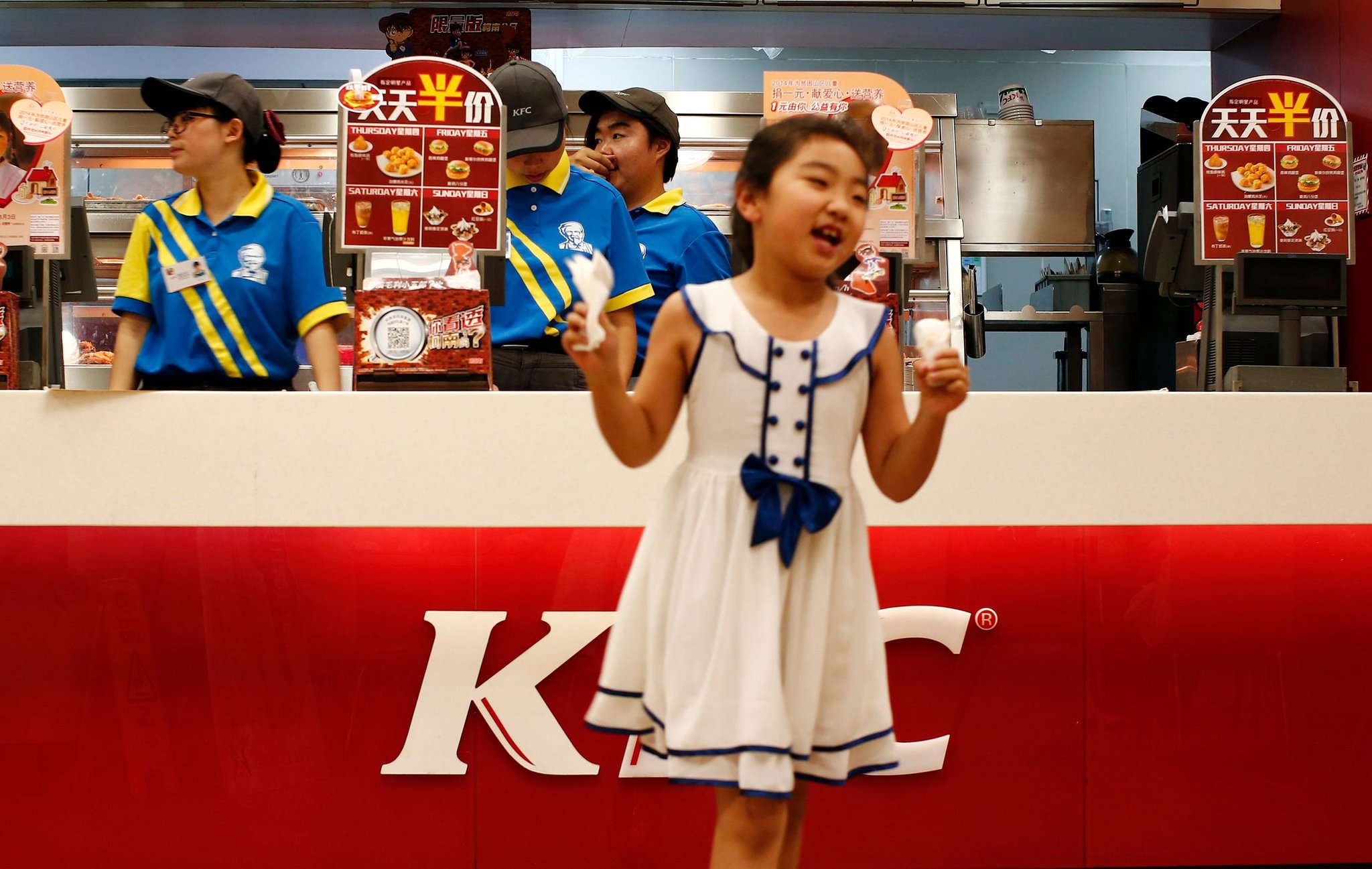
    Yum China, a stalwart in the food and beverage industry, has reported a rise in revenue by 4 per cent year on year for the second quarter ending June 30, 2021, accumulating a total of US$2.8 billion.

    The company’s growth is attributed to the expansion of its network and an uptick in same-store sales, which saw a 2 per cent increase in transactions. The burgeoning network of nearly 17,000 locations across Yum China’s food and beverage brands played a pivotal role in achieving this positive outcome, according to the company’s CEO, Joey Wat.

    During this quarter, Yum China added 336 stores to its portfolio, raising the total to 16,978 locations. This figure includes 12,238 KFC outlets and 3,864 Pizza Hut outlets. It’s noteworthy to mention that franchisees opened 26 per cent, or 89, of these new stores.

    Financial Performance

    Joey Wat also expressed satisfaction with the company’s financial performance, highlighting the achievement of double-digit growth in operating profit and substantial margin expansion. The operating profit rose by 14 per cent year on year to $304 million, the highest ever reported by Yum China for a second quarter. The core operating profit also saw a 14 per cent increase compared to the previous year.

    In a display of fiscal health, the company returned $274 million to its shareholders through share repurchases and dividends.

    Digital Sales and Membership

    A significant contributor to the company’s sales, the digital segment accounted for 94 per cent of total company sales, reaching $2.4 billion for the quarter. The delivery sales, growing at a 22 per cent rate year on year, contributed approximately 45 per cent of the total sales.

    A key aspect of consumer engagement, membership across KFC and Pizza Hut, saw an increase of 13 per cent from the previous year, reaching approximately 560 million. These members accounted for 64 per cent of total system sales for both brands.

    Wat stressed on the importance of digitalization, adding, “We are also fortifying our end-to-end digitalisation to streamline operations and elevate our customer experience.” He expressed confidence in the company’s brands and strategies, stating their potential to deliver sustainable, long-term value for shareholders.

    Questions & Answers

    What contributed to Yum China’s growth in the second quarter?
    Yum China’s growth was driven by network expansion and a rise in same-store sales, which saw a 2 per cent increase in transactions.

    What was the percentage of new stores opened by franchisees?
    Franchisees opened 26 per cent of the new stores during the quarter.

    What was the impact of digital sales on the total company sales?
    Digital sales accounted for 94 per cent of total company sales, reaching $2.4 billion for the quarter.
  • South Korean Pizza Chain Gopizza Enters Malaysian Market Through Hextar Group Partnership

    South Korean Pizza Chain Gopizza Enters Malaysian Market Through Hextar Group Partnership

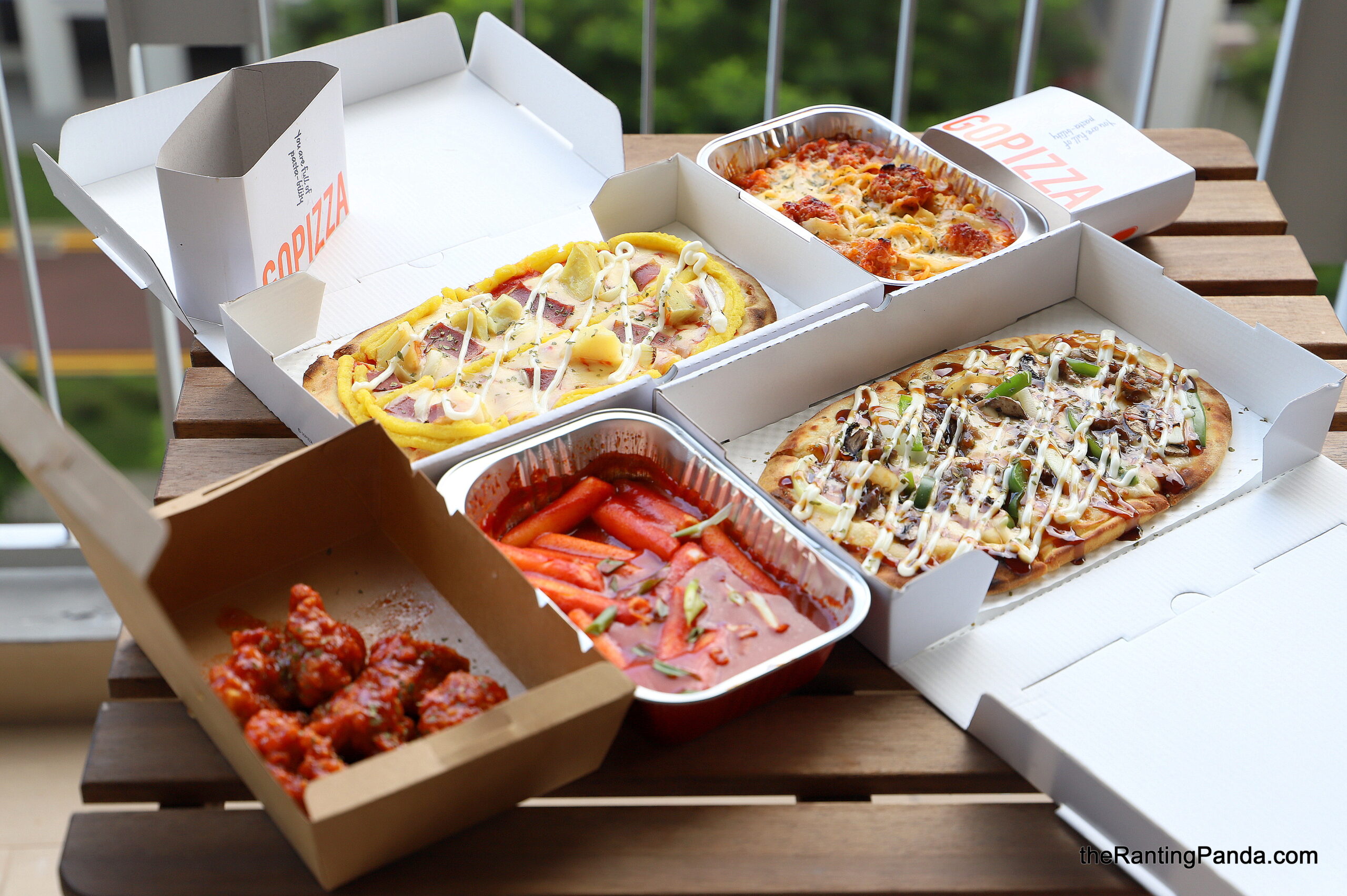
    GoPizza, a popular pizza chain based in South Korea, has finalized a master franchise contract with the Hextar Group, marking its debut in the Malaysian market.

    First Outlet Launch

    The company anticipates that the first Malaysian branch will be up and running either at the end of the third quarter or the beginning of the fourth quarter in 2021.

    GoPizza’s founder and CEO, Jay Lim, expressed his trust in the Hextar Group as a robust partner to facilitate the introduction of GoPizza in Malaysia. He expressed his excitement about the future collaboration with the Malaysian group.

    Hextar Group’s Partnerships

    The Hextar Group is not new to partnerships with international brands. They also partner with Luckin Coffee, a reputable coffee company from China. This has significantly boosted their portfolio in the food and beverage industry.

    GoPizza’s Rapid Growth

    GoPizza’s development has been swift and impressive, especially with its recent expansion into over 200 GS25 convenience store locations throughout South Korea last year. This followed a successful pilot program at GS25 The Gwan-Ak branch in Seoul, further solidifying their foothold in the market.

    The brand initially launched as a food truck and earned a reputation for its quick, personal-sized pizzas, ready in less than five minutes. The company now operates more than 1,200 outlets in various countries including South Korea, India, Singapore, Indonesia, and Thailand.

    Questions & Answers

    What is the origin of GoPizza?
    GoPizza originated as a food truck in South Korea, where it quickly gained fame for its personal-sized pizzas that are ready in under five minutes.

    What countries does GoPizza currently operate in?
    GoPizza currently has more than 1,200 outlets in South Korea, India, Singapore, Indonesia, and Thailand.

    What is the significance of GoPizza’s partnership with the Hextar Group?
    The partnership with Hextar Group marks GoPizza’s expansion into the Malaysian market. This collaboration will help introduce the GoPizza experience to a new audience and further its growth in the food and beverage sector.

  • Paramount Secures 28% Stake In Envictus International For $29.5m In Strategic Diversification Move

    Paramount Secures 28% Stake In Envictus International For $29.5m In Strategic Diversification Move

    Paramount, a Malaysian property developer, is preparing to secure a 28% share in Envictus International, a firm managing both Texas Chicken and San Francisco Coffee within Malaysia, with an investment of approximately US$29.5 million.

    Details of the Acquisition

    This acquisition would have Venice Concepts, a wholly-owned subsidiary of Paramount, purchase around 85.17 million shares constituting the 28% stake in Envictus International, currently listed on the Singapore Exchange. The shares would be directly acquired from JAG Capital.

    Envictus International has a diversified presence across various sectors. Besides its operations managing quick-service and coffee chains, the company also engages in trading and the frozen food business through Pok Brothers. Additionally, it has a dairy division marketing the SuJohan creamer brand.

    Paramount’s Current Holdings and Future Growth Strategy

    Paramount already has ownership of two restaurants within Kuala Lumpur – Dewakan and Bidou – that were recently inaugurated. This acquisition marks a strategic move supporting Paramount’s efforts to future-proof its business through investments in alternative sectors.

    According to Jeffrey Chew Sun Teong, Group CEO of Paramount, this acquisition is a step towards diversifying the company’s earnings base. He voiced his optimistic view of the evergreen Food & Beverage (F&B) sector and highlighted the potential it holds for Paramount’s growth.

    This investment in Envictus International is Paramount’s second significant financial move since the previous year, when it acquired a 21.54% stake in EWI Capital for a sum of $39.9 million.

    Questions & Answers

    What is the expected impact of Paramount’s acquisition of a stake in Envictus International?
    The acquisition is expected to help Paramount diversify its earnings base and invest in the evergreen F&B sector.

    What does Envictus International do?
    Envictus International operates Texas Chicken and San Francisco Coffee in Malaysia. Besides its quick-service and coffee chains, the company also manages a trading and frozen food business via Pok Brothers, and markets the SuJohan creamer brand through a dairy division.

    What was Paramount’s major financial move last year?
    In the previous year, Paramount made a significant investment by acquiring a 21.54% stake in EWI Capital for $39.9 million.

  • Iconsiam Expands Luxury District With Addition Of High-end Brands Amid Rising Luxury Goods Demand

    Iconsiam Expands Luxury District With Addition Of High-end Brands Amid Rising Luxury Goods Demand

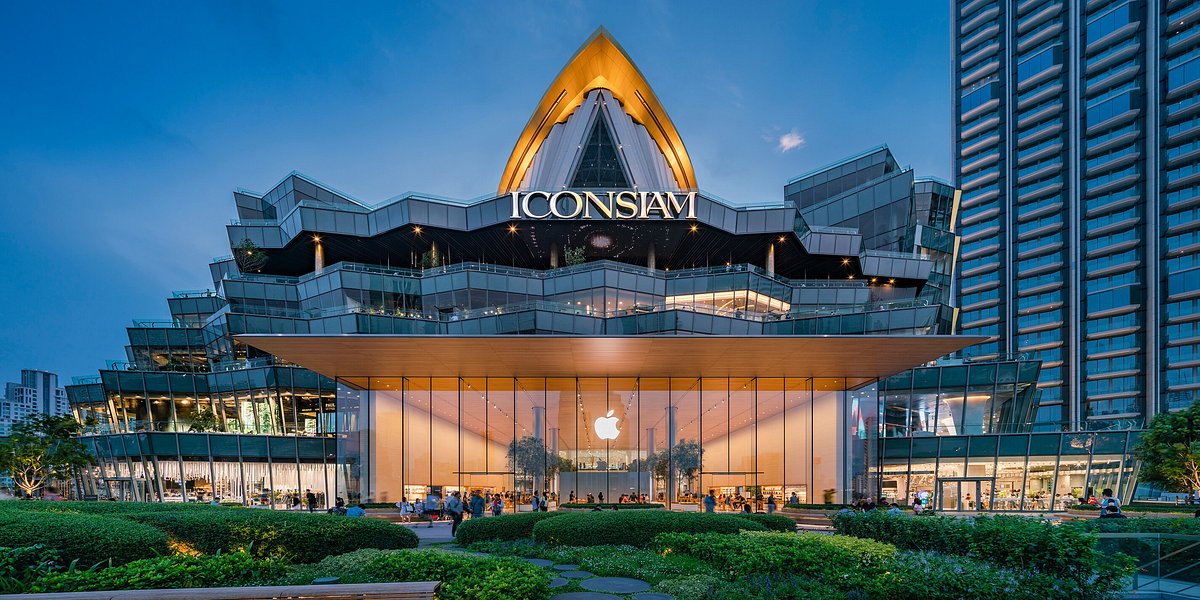
    Bangkok’s premier shopping destination, IconSiam, has announced the addition of four high-end brands to its luxury district. These additions are part of the mall’s strategic initiative to capitalize on the rising demand for luxury goods among both locals and tourists.

    New Luxury Brands at IconSiam

    The labels joining the IconLuxe fashion district are Balenciaga, Fendi, Loewe, and Loro Piana. IconLuxe is a dedicated 25,000sqm zone that offers visitors a curated collection of 30 international fashion, watch, and accessory brands.

    IconSiam’s Managing Director, Supoj Chaiwatsirikul, stated that Thailand continues to be a strategic hub for worldwide luxury brands looking to make their debut in the region. He added that IconSiam has been successful in gaining the trust of some of the world’s most prestigious luxury brands. These brands recognize the potential of Thailand and Southeast Asia as key markets for high-end consumers.

    “International tourists, in particular, are seeking premium, distinctive experiences,” Supoj continued.

    Future Brands and Collaborations

    Supoj also revealed that more brands, including Burberry, Miu Miu, and Giorgio Armani, will be joining the precinct later this year. He confirmed that IconSiam will continue to work closely with brands to host pop-ups featuring exclusive collections, in-store private events, international fashion shows, and contemporary art exhibitions.

    “IconSiam is not just a shopping mall; it’s a platform that connects global luxury brands with discerning consumers in the region,” he explained. According to Supoj, IconSiam’s mission is to provide exceptional, unique experiences. The business model successfully combines the best of Thailand with the world’s finest offerings, all while promoting Thailand’s cultural identity.

    IconSiam is a collaborative venture between Siam Piwat Group, Charoen Pokphand Group, and Magnolia Quality Development Corporation.

    Questions & Answers

    What are the new brands joining the IconLuxe fashion district at IconSiam?
    Balenciaga, Fendi, Loewe, and Loro Piana have been added to the IconLuxe tenant list.

    What is IconSiam’s strategy for attracting luxury brands and consumers?
    IconSiam’s strategy is to offer a platform for luxury brands to reach high-spending consumers in the region. They do this by providing unique shopping experiences and hosting exclusive events, international fashion shows, and contemporary art exhibitions.

    What is the future plan for IconSiam’s luxury precinct?
    More high-end brands, including Burberry, Miu Miu, and Giorgio Armani, will join the precinct later this year. IconSiam will continue to collaborate with brands to host a variety of exclusive events and exhibitions.

  • Singapore retail sales inch up 0.4 per cent in June

    Singapore retail sales inch up 0.4 per cent in June

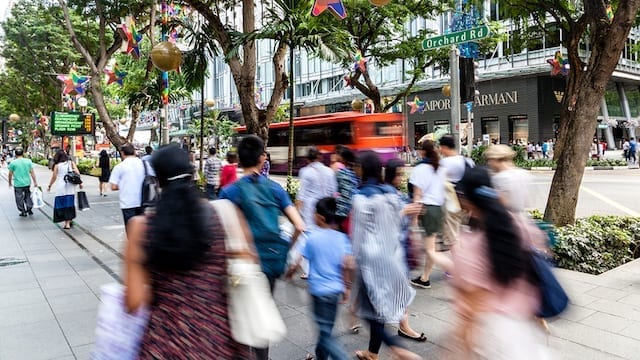
    In June, retail sales in Singapore, not including motor vehicles, exhibited a modest 0.4% rise year-on-year, as reported by the Department of Statistics. This minor upswing follows a period of stagnant growth in May. With seasonal adjustments, retail sales showed a 1.4% decrease compared to May.

    The estimated overall retail sales value stood at SG$3.3 billion (US$2.6 billion), with online sales accounting for 16.2% of this figure.

    Industry Performance

    Most industries within the retail sector garnered an uptick in sales. The computer and telecommunications equipment industry saw a 7.3% increase, optical goods and book sales rose by 5.9%, and recreational goods experienced a 5.6% surge in sales.

    Additional categories such as watches and jewelry, cosmetics and medical goods, supermarkets and hypermarkets, as well as furniture and household equipment also witnessed increases ranging from 1.3% to 5.5%.

    However, not all areas of retail prospered. Petrol service stations, along with food and alcohol retailers, saw their sales decrease by 5.9% and 5.2%, respectively. Furthermore, the apparel and footwear segment, as well as minimarts and convenience stores, underwent a 2.6% reduction in sales.

    Food and Beverage Services

    Food and beverage service sales showed a marginal 0.1% increase amounting to SG$962 million in June, following a 1% rise in May. This modest growth was largely attributed to increased sales from food caterers and fast food outlets, which somewhat balanced the declining sales from restaurants, cafes, and food courts.

    Questions & Answers

    What was the overall increase in Singapore’s retail sales in June, excluding motor vehicles?
    There was a 0.4% increase in Singapore’s retail sales for the month of June, not including motor vehicles.

    Which sectors saw an increase in sales?
    Most industries within the retail sector saw an increase in sales. These include the computer and telecommunications equipment industry, optical goods and books, recreational goods, watches and jewelry, cosmetics and medical goods, supermarkets and hypermarkets, and furniture and household equipment.

    Which sectors experienced a decrease in sales?
    Sales decreased in petrol service stations, food and alcohol retailers, apparel and footwear segment, as well as minimarts and convenience stores.

  • Aseer Time Advances Global Expansion With First Store Launch In China’s Growing Market

    Aseer Time Advances Global Expansion With First Store Launch In China’s Growing Market

    The Kuwaiti beverage chain, Aseer Time, has recently launched its inaugural store in China. This development forms part of the company’s broader strategy to expand its reach in the Asia-Pacific region, particularly within the rapidly growing food and beverage industry.

    The new outlet is situated in the city of Quanzhou, marking the company’s 501st location on a global scale. Aseer Time’s decision to establish a presence in China aligns with the robust growth being experienced in mid-sized Chinese cities like Quanzhou. Since 2020, there has been a noticeable surge in food and beverage expenditure in these areas, largely driven by Generation Z consumers and young professionals.

    Outside its native Kuwait, where it is popularly known as Juice Time, Aseer Time operates in a total of 23 countries. The brand is set to continue its international expansion, with additional stores slated to open in Australia, the Netherlands, and Los Angeles.

    Established in 2011, Aseer Time has successfully scaled its operations worldwide, predominantly by leveraging a franchise model. Approximately 70% of its outlets are collaboratively operated in partnership with local entities.

    Questions & Answers

    What is Aseer Time’s business strategy for expanding its operations?
    Aseer Time’s strategy for expansion involves broadening their reach in the Asia-Pacific region and other global markets, largely through a franchise model.

    Where is Aseer Time’s newest outlet located?
    The newest Aseer Time outlet is located in Quanzhou, China.

    What market segments are driving the growth in food and beverage expenditure in mid-sized Chinese cities?
    The growth in food and beverage expenditure in mid-sized Chinese cities is primarily driven by Generation Z consumers and young professionals.

  • Rodrigo Pizarro Appointed As New Ceo Of L’oreal Korea: A Vision For Innovation And Deepened Collaboration

    Rodrigo Pizarro Appointed As New Ceo Of L’oreal Korea: A Vision For Innovation And Deepened Collaboration

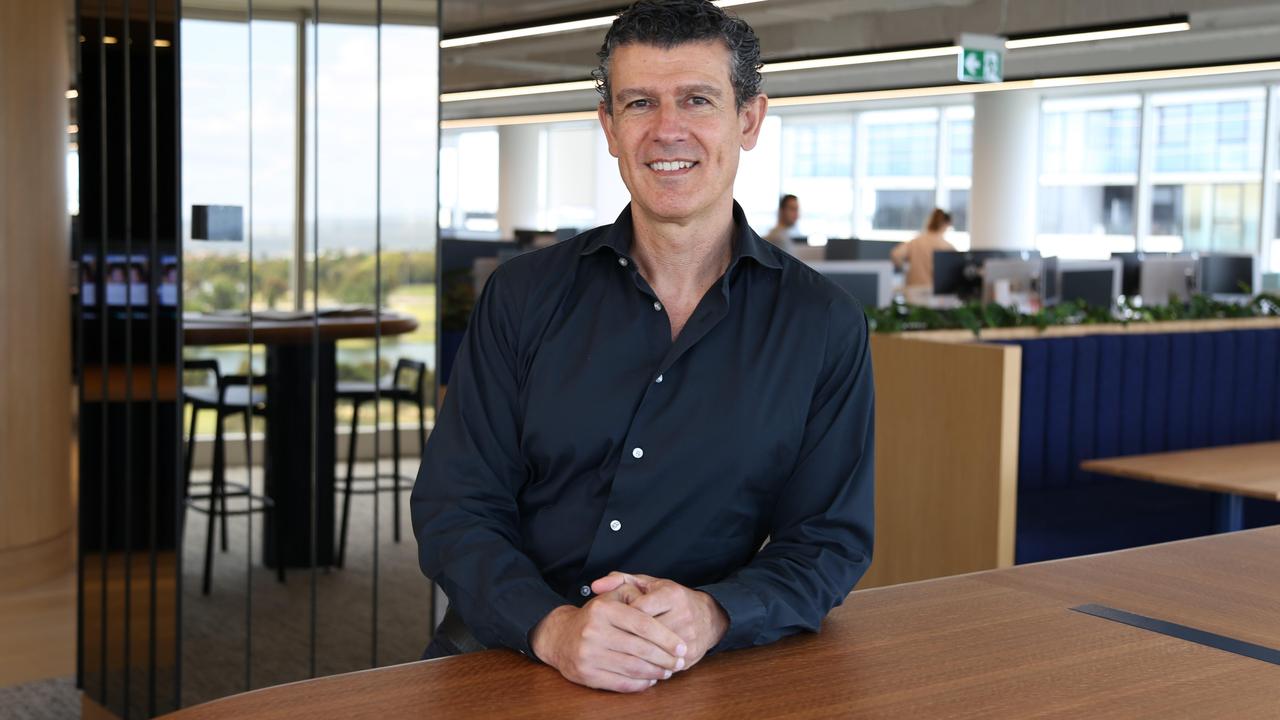
    Rodrigo Pizarro has been announced as the new Chief Executive Officer for L’Oreal Korea, effective immediately. Pizarro brings an impressive 30-year experience from within the L’Oreal organization to the role.

    Three Decades of L’Oreal Experience

    Pizarro’s history with L’Oreal dates back to 1993 when he joined the company’s Portugal division. Over the years, his expertise in digital and data-driven initiatives has made significant impacts within the organization, spanning multiple regions.

    Throughout his career at L’Oreal, Pizarro has been in leadership positions in various regions including Europe, South America, and the Asia-Pacific. His ability to lead across different cultures and markets demonstrates his adaptability and capacity to understand diverse consumer behavior.

    Multiple Leadership Roles

    Pizarro’s leadership roles within L’Oreal have been extensive and diverse. He has successfully led the consumer products division in both Venezuela and Hungary, displaying a strong understanding of different market dynamics.

    Moreover, Pizarro has also held the position of country manager for several regions, including Venezuela, Portugal, Australia, and New Zealand. His time in Australia and New Zealand was particularly noteworthy as he spearheaded the company’s digital transformation in these countries, implementing AI-powered business models.

    Contributions to L’Oreal’s Digital Transformation

    In 2020, Pizarro served as the Chief Transformation Officer for the Sapmena region, which includes South Asia Pacific, the Middle East, and North Africa. In this role, he played a significant part in advancing decision-making initiatives across multiple facets of the business: commercial, marketing, and operations.

    Upon his appointment, Pizarro emphasized the importance of L’Oreal Korea’s relationship with the Korean industry since its establishment in 1993. He expressed his enthusiasm about the opportunity to deepen this collaboration and pledged to continue promoting Korea’s innovative spirit on the global stage.

    Questions & Answers

    What is Rodrigo Pizarro’s background with L’Oreal?
    Rodrigo Pizarro has been with L’Oreal since 1993 and has held various leadership roles in multiple regions, including Europe, South America, and the Asia-Pacific.

    What significant role did Pizarro play in Australia and New Zealand?
    Pizarro led L’Oreal’s digital transformation efforts in Australia and New Zealand, which included the implementation of AI-powered business models.

    What are Pizarro’s plans for L’Oreal Korea?
    Pizarro intends to deepen the collaboration between L’Oreal Korea and the Korean industry, with an aim to further highlight Korea’s innovative spirit on the world stage.

  • Toyota Group Unit Targets Africa’s Gen Z with Innovative Drugstore Partnership

    Toyota Group Unit Targets Africa’s Gen Z with Innovative Drugstore Partnership

    In a bold step toward enhancing its footprint in the African retail landscape, Toyota Tsusho, the trading arm of the Japanese automotive giant, announced its acquisition of Goodlife Pharmacy, East Africa’s largest drugstore chain.

    The move presents Toyota Tsusho with a strategic opportunity to tap directly into the growing middle-class market in Kenya. Operating 150 stores across the country, Goodlife Pharmacy is more than just a retail chain; it is an essential part of daily life for many Kenyans and a gateway for Toyota Tsusho to diversify its portfolio beyond automotive offerings.

    With the demand for pharmaceuticals and health products on the rise, especially among younger, health-conscious consumers, this acquisition could not have come at a better time. As families increasingly seek convenient access to health essentials, Goodlife Pharmacy stands poised to serve this evolving marketplace with its well-established brand.

    In a region where the middle class is rapidly expanding, Toyota Tsusho sees a treasure trove of possibilities. “This investment is about connecting with communities and providing essential products. We believe in the potential of Africa’s consumer market,” a spokesperson for Toyota Tsusho remarked, hinting that, though the company is best known for its automotive business, it has its eyes set on a much broader goal. And who knew that a trading firm would become a pharmacy aficionado?

    The acquisition underscores a broader trend where companies are diversifying their investments to stay relevant in an increasingly competitive global market. As international players scout for opportunities in Africa, Toyota Tsusho’s strategic alignment with Goodlife Pharmacy may serve as a blueprint for future expansions into diverse retail sectors across the continent.

    Questions & Answers

    What prompted Toyota Tsusho to acquire Goodlife Pharmacy?
    Toyota Tsusho is looking to deepen its connection with Africa’s growing middle class, and the acquisition of Goodlife Pharmacy allows it to tap directly into the expanding demand for health products and pharmaceuticals.

    How many stores does Goodlife Pharmacy operate in Kenya?
    Goodlife Pharmacy operates 150 stores across Kenya, making it a significant player in the country’s retail landscape.

    What is the strategic significance of this acquisition for Toyota Tsusho?
    This acquisition not only broadens Toyota Tsusho’s portfolio beyond automotive products but also positions the company to connect with essential consumer needs in a rapidly changing market, highlighting emerging trends toward health and wellness.

  • Singapore Retailers Association announces The Singapore Retail Festival celebrating fresh, energised experiences

    Singapore Retailers Association announces The Singapore Retail Festival celebrating fresh, energised experiences

    In a bold move to offer shoppers unique and one-of-a-kind retail moments beyond sales to rejuvenate the retail industry and re-establish Singapore as a shopping destination for the world, the Singapore Retailers Association (SRA) announced the inaugural Singapore Retail Festival (SRF).

    SRF, to be held from 26 September to 12 October, 2025, will be an industry-wide celebration of innovation and transformation to reignite consumer excitement in visiting physical stores, while spotlighting the innovation, creativity, and spirit of Singapore’s retail sector.

    Mr Ernie Koh, President of Singapore Retailers Association, remarked that “by bringing back the magic of discovery, engagement, and on-ground experiences, the Singapore Retail Festival is looking to transform the everyday shopping journey into something fresh, vibrant, and memorable – strengthening Singapore’s position as a dynamic and future-ready retail destination for both Singaporeans and tourists. Shoppers can look forward to a dynamic, value-driven celebration of Singapore retail that reflects the changing needs of today’s consumers and the modern retail landscape”.

    This new initiative by the association was conceived to provide the much-needed united push with collective marketing, to amplify visibility and footfall across Singapore’s retail ecosystem, especially for the physical stores. SRA will work with retailers and key partners such as BHG, Eu Yan Sang, Harvey Norman, IN GOOD COMPANY, Metro, OG, Pet Lovers Centre, TANGS, TC Acoustic, Watson’s, among other retailers, and Brands for Good (BFG) to reimagine the festival, focusing on value beyond price and emphasising experiential retail, meaningful consumer engagements, and innovation.

    Mr Koh added that “this is no longer just a sale. It’s a celebration of Singapore’s retail creativity, and the unique value presented by its retail community. The Singapore Retail Festival represents a united push to uplift our retail sector. It’s about delivering value beyond discounts, creating one-of-a-kind moments that shoppers simply cannot find anywhere else.”

    One of the key features of SRF will be the introduction of experiential retail concepts from interactive in-store activations to limited-time concepts such as pop-ups, workshops, masterclasses, sensory or personalisation activities, to create immersive environments that excite and engage shoppers and reward them from stepping out to enjoy the vibrancy of the retail scene. This feature, among others such as exclusive value-driven offerings in the form of limited-time product drops, bundles and exclusive collaborations, offering unique and meaningful buys that go beyond conventional discounts, will make the festival markedly different from the Great Singapore Sale (GSS), the once much-anticipated annual affair that placed Singapore on the world map for great shopping. Once synonymous with deep discounts, GSS gradually lost its lustre with increasing competition from neighbouring cities often offering retail experiences at a lower price.

    What’s New

    •  Exclusive Value-Driven Offerings: The festival would feature limited-time, specially curated product offerings and exclusive collaborations for unique and meaningful buys that go beyond conventional discounts.
    • Experiential Retail Concepts: From interactive in-store activations to limited-time concepts such as pop-ups, to create immersive environments that excite and engage shoppers for memorable experiences and Instagram-worthy compelling alternatives to the convenience of online shopping.
    • New Retail Brands: SRF will spotlight not just established household names but also new retail brands entering the scene. These newcomers bring fresh ideas, niche offerings, and bold concepts that appeal to evolving consumer tastes, adding vibrancy and diversity to the overall retail experience. Their participation also reflects Singapore’s continued appeal as a launch pad for innovative retail ideas.
    • Thematic Celebrations: Each year, the SRF will adopt a distinct theme to keep the experience fresh, relevant, and aligned with consumer trends – something to look out for and experience first-hand. This approach not only allows for creative storytelling and curated retail experiences, but will also help drive year-on-year excitement and deeper engagement for both retailers and shoppers.

    Introduced in celebration of Singapore’s 60th year of independence, the festival will also coincide with the Formula 1 Singapore Grand Prix 2025 this year, leveraging the seasonal surge in international visitors and tourists. More detailed information on SRF 2025 will be announced later.

    SRA invites retailers across the island to join the festival by contacting SRA to share innovative retail ideas for collaboration and indicate their interest to participate in the festival. Please refer to the annex of the attached document for the list of confirmed participating retailers and malls to date.

  • Gold Prices Surge Close to All-Time Highs: What This Means for Retail Investors

    Gold Prices Surge Close to All-Time Highs: What This Means for Retail Investors

    The rally in Vietnam’s gold prices shows no signs of slowing down as values edge closer to their all-time high from earlier this year. On Tuesday afternoon, the Saigon Jewelry Company reported its gold bar price climbing 0.41% to reach VND123.8 million, or approximately US$4,726.91, per tael. This marks a mere 0.16% away from the previous peak of VND124 million recorded on April 22.

    Meanwhile, the price of gold rings also saw an uptick, rising 0.42% to VND119.3 million per tael. For context, a tael is equivalent to 37.5 grams or 1.2 ounces.

    The surge in gold prices in Vietnam has been impressive, escalating by 47% since the year’s start.

    On the global stage, gold prices stabilized on Tuesday, maintaining a position near a one-week high following a slowdown in U.S. job growth, which fueled speculation of a potential Federal Reserve rate cut in September. This shift has influenced both the dollar and Treasury yields, according to reports from Reuters.

    Spot gold remained steady at $3,371.40 per ounce, with bullion recently reaching its highest point since July 24. U.S. gold futures also held firm at $3,425.30.

    “Short-term momentum has improved for the bullish side of the story… the fundamental narrative supporting gold prices is that the Fed is still in a position to actually cut rates in September,” noted Kelvin Wong, a senior market analyst at OANDA.

    Questions & Answers

    What recent trends are influencing gold prices in Vietnam?
    Vietnam’s gold prices have surged 47% this year, with recent price increases attributed to expectations of a Federal Reserve rate cut, after slower job growth in the U.S.

    How close are Vietnam’s gold prices to breaking previous records?
    Gold prices in Vietnam are currently just 0.16% away from the previous peak of VND124 million per tael set in April, highlighting a potential upcoming record.

    What are some global factors affecting gold prices?
    Globally, gold prices have been influenced by recent U.S. economic data, particularly concerning job growth, which has led to speculation of a Federal Reserve rate cut, affecting the dollar and Treasury yields.

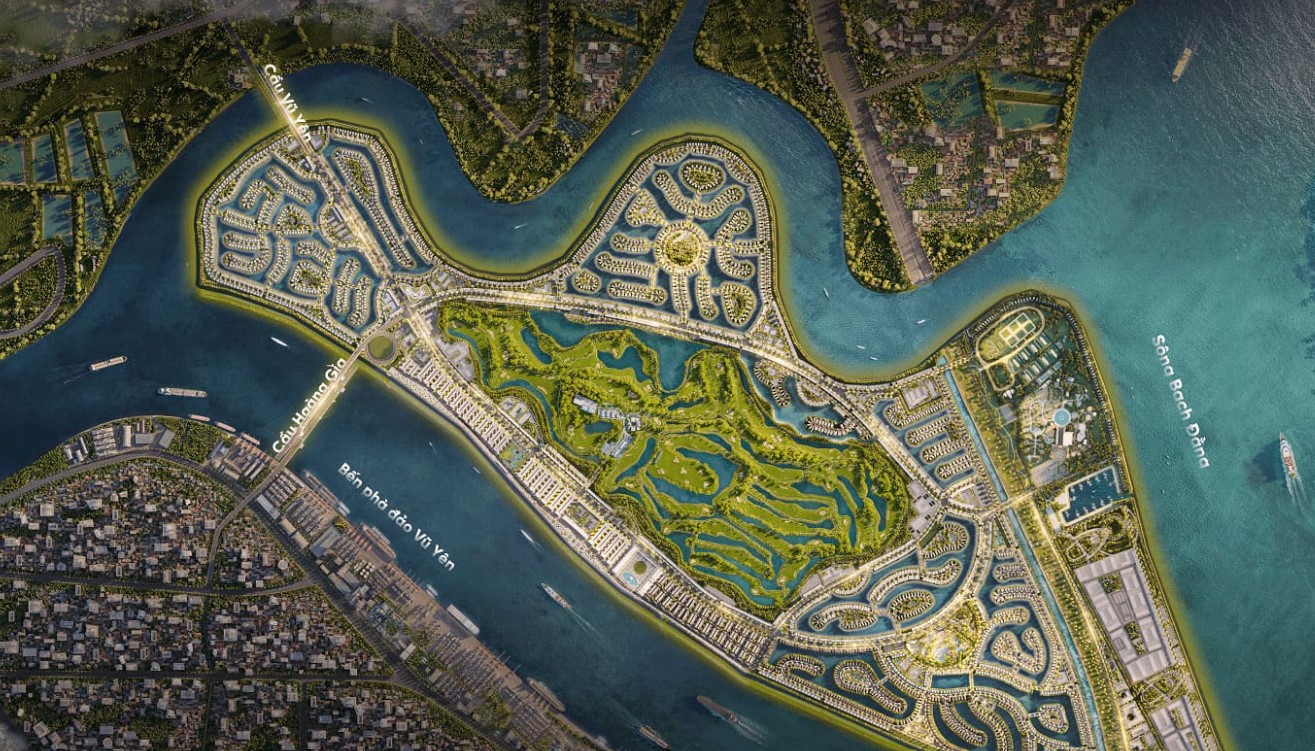
  • Vingroup Unveils Ambitious $14B Port and Logistics Complex Project in Hai Phong

    Vingroup Unveils Ambitious $14B Port and Logistics Complex Project in Hai Phong

    In a significant development plan for Hai Phong, a sprawling 4,400-hectare complex in the southern part of the city will unfold over three phases, as announced by the board of directors. The initial phase is set to kick off next year, aiming for completion by 2030, while the following phases are slated for 2031 to 2035 and 2036 to 2040.

    Vingroup intends to finance 15% of the project from its own resources, with plans to secure the remaining funds through external partnerships. In recent years, the Vietnamese conglomerate has made substantial investments in Hai Phong, including the notable $1.5 billion VinFast automobile factory located in the industrial zone on Cat Hai Island.

    The real estate arm, Vinhomes, is simultaneously broadening its footprint in Hai Phong, currently developing its fourth project across 240 hectares. This expansion complements its successful completion of three key residential projects: Royal Island, covering 870 hectares; Imperia, at 78 hectares; and Mariana, encompassing 50 hectares.

    New Industrial Parks on the Horizon

    In addition to its residential developments, Vingroup has ambitious plans in the industrial sector, as it prepares to break ground on two new industrial parks in Hai Phong next year. There’s also an upcoming liquefied natural gas-to-power project, further underscoring Vingroup’s commitment to enhancing the region’s infrastructure.

    Positioned as a burgeoning industrial hub, Hai Phong has firmly established itself as a leader in northern Vietnam’s production landscape. Following its recent merger with Hai Duong Province in July, the city now boasts 15 large industrial parks and one of the country’s most extensive deep-water port networks. This strategic geographical advantage is paying off, with cargo throughput at Hai Phong’s ports consistently rising by 12-15% annually.

    In 2024, the port facilities managed an impressive 190 million tons of cargo, and expectations are set even higher for this year, with projections reaching 212 million tons. Meanwhile, the city’s plans for a southern coastal economic zone, announced last year, indicate a need for 20,000 hectares and an investment ranging between VND 400-600 trillion (approximately $15-23 billion).

    Local leaders acknowledge that foreign industrial investment has been a pivotal factor in driving economic growth over the past decade. However, challenges remain, particularly with the Dinh Vu-Cat Hai economic zone, which, established in 2008, is nearing full capacity and struggling to accommodate new projects.

    Questions & Answers

    What are the key phases of Vingroup’s development project in Hai Phong?
    The development will unfold in three phases: the first starting next year and set for completion by 2030, with subsequent phases planned from 2031-2035 and 2036-2040.

    How much is Vingroup planning to invest in the project?
    Vingroup is set to invest 15% from its own resources while seeking additional funding through other sources.

    What challenges does Hai Phong face with its industrial zones?
    The Dinh Vu-Cat Hai economic zone, established in 2008, is almost fully developed and lacks available land for new projects, which poses challenges for future growth.

  • Government Considers Doubling Casino Ticket Prices for Locals, Leaving Income Proof Behind

    Government Considers Doubling Casino Ticket Prices for Locals, Leaving Income Proof Behind

    In a bold move to reshape its gaming landscape, Vietnam is considering significant increases to entry fees for local casino players, according to a draft regulation currently under review by relevant authorities. If implemented, the new pricing structure would raise the 24-hour ticket price from VND1.25 million (approximately US$47) to VND2.5 million (US$95), while monthly tickets could see a staggering increase to VND50 million, marking a 2.5-fold jump.

    Higher Barriers for Local Gamblers

    This proposed adjustment comes as the government continues to fine-tune a pilot program that has allowed Vietnamese residents to gamble since 2016, contingent on specific criteria such as being over 21 years old and earning a minimum monthly income of VND10 million. However, the requirement to document one’s income has proven challenging. Many prospective gamblers can meet the income threshold but struggle to provide the necessary documentation on short notice.

    As one official noted, “Many cannot provide the required documents as they must be thoroughly prepared in advance.” The irony isn’t lost on anyone: while navigating this bureaucratic maze at home is a hassle, Vietnamese players can find a smoother road at casinos abroad.

    Enhancing Player Safety and Security

    By raising ticket prices, the government aims to ensure that participants are financially responsible while simultaneously reducing the administrative red tape surrounding gambling. Furthermore, the draft regulation seeks to mandate that licensed casinos maintain customer data for a minimum of five years, adding another layer of oversight.

    At present, there are nine authorized casinos in the country, but as the landscape evolves, the government has signaled its intent to solidify policies for the development of the Phu Quoc special economic zone. These policies will allow Vietnamese citizens to gamble at local casinos even after the trial period concludes.

    Investment and Infrastructure Requirements

    To bolster the gaming economy, casinos must be part of integrated tourism and amusement complexes, with a hefty minimum investment of $2 billion. Operators are also required to implement round-the-clock surveillance camera systems across crucial operational areas, including entry and exit points and gaming floors. Video footage must be retained for at least 180 days, readily accessible to authorities upon request.

    As a final touch to enhance security and identification, all players, regardless of nationality, will be issued electronic ID cards containing personal details and access rights. It seems the future of gambling in Vietnam is not only about the thrill of the game but also about having a seat at the table—safely and legally.

    Questions & Answers

    What prompted the government to consider increasing casino entry fees?
    The proposed increase in entry fees aims to ensure that players are financially capable and to simplify the documentation process for local gamblers, reducing red tape that often complicates spontaneous gambling.

    How many casinos in Vietnam would be affected by these proposed regulations?
    There are currently nine authorized casinos in Vietnam, all of which would need to comply with the new regulations if they are implemented.

    What security measures are required for casinos under the new proposal?
    Casinos must implement 24/7 surveillance systems, retain video footage for at least 180 days, and issue electronic ID cards to all players, enhancing safety and regulatory compliance.

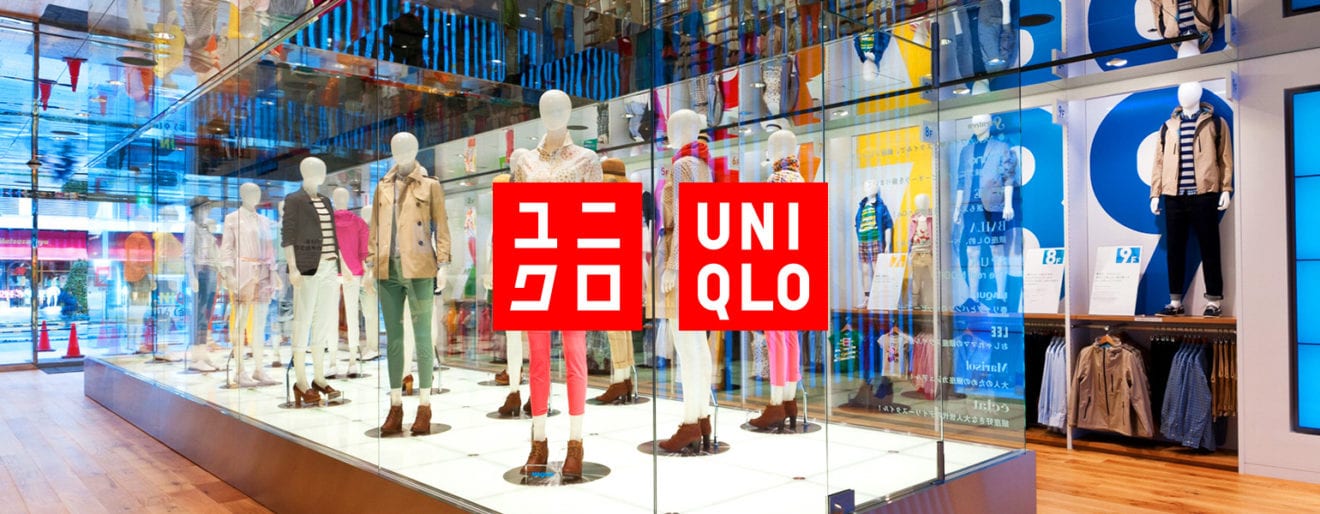
  • Uniqlo and Adidas Consider U.S. Price Increases Amid Rising Asian Tariff Pressures

    Uniqlo and Adidas Consider U.S. Price Increases Amid Rising Asian Tariff Pressures

    In a dramatic turn of events, U.S. President Donald Trump is poised to impose significant tariffs on key apparel sourcing nations, including Vietnam, Cambodia, and Bangladesh. Industry titans like Japan’s Fast Retailing and Germany’s Adidas are now faced with the daunting prospect of raising prices for U.S. consumers.

    This impending tariff storm is seen as a major blow to manufacturers already vulnerable in an increasingly competitive global market. With tariffs set to escalate, brands may soon find themselves caught between rising costs and consumer expectations for affordable fashion. Nike, for instance, has already warned of tariff costs soaring by a staggering $1 billion, a figure that could rattle even the most seasoned retailers.

    The actual impact of these tariffs extends beyond the borders of these Southeast Asian nations. If brands choose to absorb the costs, their margins will take a hit; if they pass the costs onto consumers, they risk losing market share in an already price-sensitive environment. It’s a high-stakes game of chess where every move could determine their future in one of the most lucrative retail markets.

    As industry leaders gather to strategize, the uncertainty of the situation looms large. Fast Retailing, known for its Uniqlo brand, is assessing the potential fallout while Adidas is evaluating its supply chain to mitigate risks. “We’re living in a time where a change in policy can flip the script overnight,” commented an industry insider, alluding to the volatility retailers are facing.

    In this climate of tension and unpredictability, what could be the silver lining? Some experts believe that these tariff challenges could spur innovation and a shift toward more sustainable sourcing practices. After all, when faced with adversity, the retail sector has a reputation for finding creative solutions — like turning an economic lemon into a fashion lemonade.

    Questions & Answers

    How will the tariffs impact prices for consumers in the U.S.?
    The tariffs could lead to significant price increases for apparel products in the U.S., as brands may either absorb the added costs, squeezing their profit margins, or pass them directly onto consumers.

    Which companies are most affected by these impending tariffs?
    Major apparel companies like Fast Retailing and Adidas, which source garments from Vietnam, Cambodia, and Bangladesh, are at the forefront of this issue and are actively reevaluating their pricing strategies.

    What potential opportunities could arise from these challenges?
    Some experts suggest that the tariff-related difficulties may encourage companies to innovate and adopt more sustainable sourcing practices, transforming challenges into pathways for growth.

  • LG Energy Solution Expands Horizons: Set to Launch Electric Bike Manufacturing in Vietnam

    LG Energy Solution Expands Horizons: Set to Launch Electric Bike Manufacturing in Vietnam

    South Korean battery producer LG Energy Solution is setting its sights on manufacturing electric motorbikes and establishing charging stations in Vietnam. During a recent meeting with local officials in Phu Tho Province, Lee Jin Woo, senior director of LG Energy Solution (LGES), detailed plans for investment that will come through official development assistance, a form of aid aimed at fostering economic growth in developing nations. This venture indicates LGES’s commitment to expanding its footprint in the burgeoning electric vehicle market.

    In addition to manufacturing electric motorbikes, LGES aims to collaborate with local businesses to create a network of charging stations and battery exchange systems tailored for electric vehicles in the province. This move not only promises to enhance the infrastructure for electric mobility but also underscores LGES’s strategic approach to fostering local partnerships.

    Support from Local Authorities

    Phu Tho’s chairman, Tran Duy Dong, has instructed local agencies, including the Investment Promotion and Support Center and the Department of Finance, to facilitate LGES’s investment in the region. The support from local authorities illustrates the government’s eagerness to embrace eco-friendly transportation solutions and bolster the local economy.

    A Leader in Battery Production

    Founded in 1999 as South Korea’s inaugural lithium-ion battery manufacturer, LG Energy Solution has cemented its status as a global powerhouse in battery technology, supplying major automakers such as Ford, Tesla, and General Motors. Beyond electric vehicles, LGES also produces batteries for a range of devices including laptops and smartwatches, demonstrating its versatility in the battery sector.

    Phu Tho’s Vision for the Future

    Positioned approximately 100 kilometers northwest of Hanoi, Phu Tho Province is poised for industrial growth. The local government envisions the establishment of 57 industrial parks covering nearly 13,400 hectares by 2030, with 16 projects already operational. The province has successfully attracted 720 foreign investments, primarily from South Korea and Japan, amounting to approximately US$12.5 billion by the end of 2024. As the home of new investment opportunities and technological advancements, Phu Tho may soon be buzzing with electric motorbike enthusiasts.

    Questions & Answers

    What type of vehicles is LG Energy Solution planning to manufacture in Vietnam?
    LG Energy Solution is planning to manufacture electric motorbikes in Vietnam.

    How will LGES support the electric vehicle infrastructure in Phu Tho?
    LGES aims to collaborate with local companies to establish charging stations and battery exchange networks for electric motorbikes.

    What is the significance of Phu Tho’s local investment vision?
    Phu Tho aims to develop 57 industrial parks by 2030, adapting to the region’s growing industrial needs and promoting foreign investments, while fostering an eco-friendly transportation network.

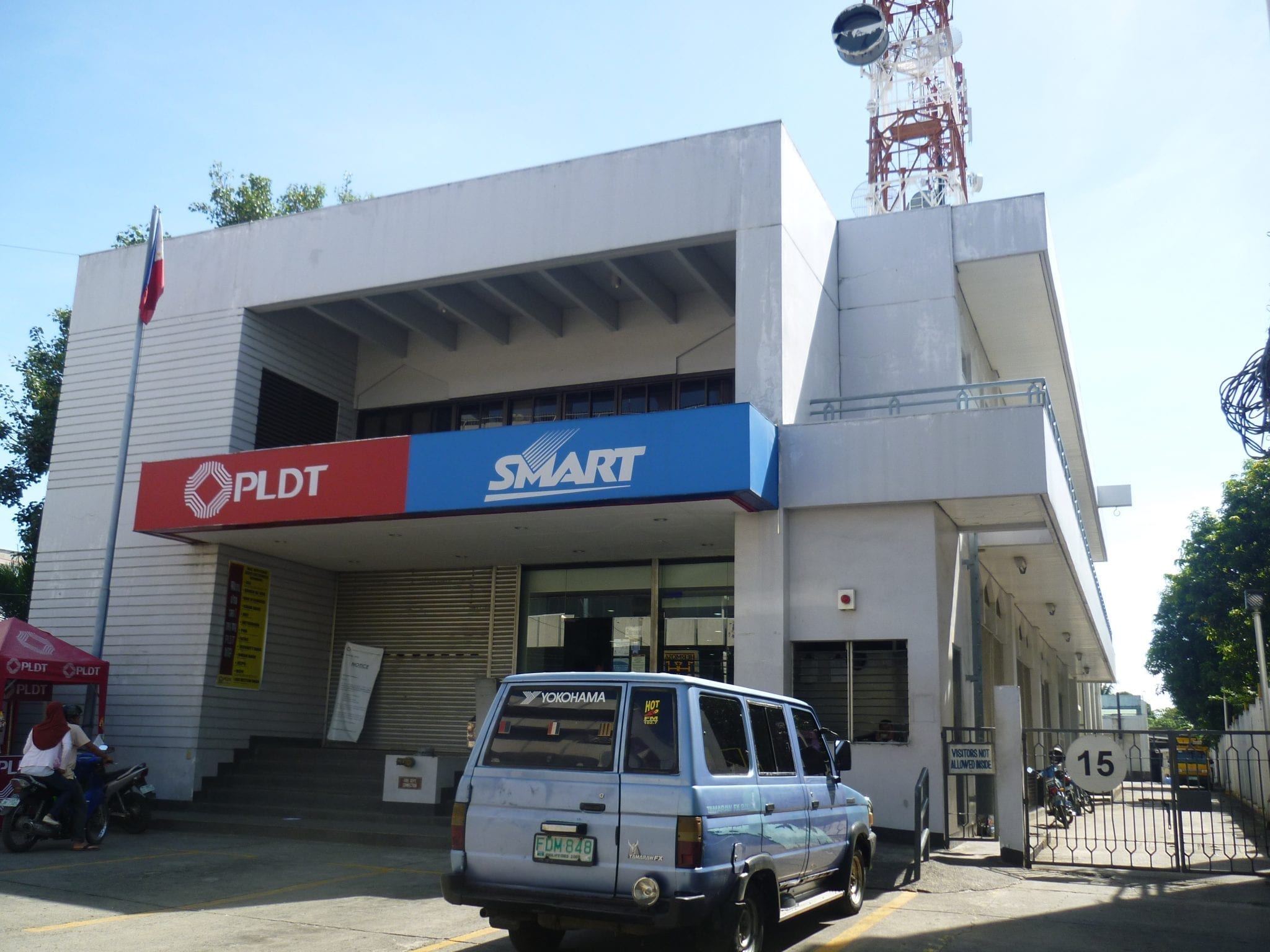
  • PLDT and Smart Join Forces with Radisys to Enhance Connectivity Through Innovative FWA Testing

    PLDT and Smart Join Forces with Radisys to Enhance Connectivity Through Innovative FWA Testing

    PLDT Inc. and its wireless arm, Smart Communications, are stepping into the future of connectivity with the recent testing of Radisys’ Fixed Wireless Access (FWA) technology. This innovative solution aims to transform internet access in areas where installing fiber-optic infrastructure poses significant challenges. Spearheaded by PLDT’s Network Strategy and Architecture team, this initiative underscores the company’s commitment to enhancing internet coverage across the Philippines, paving the way for a more connected future.

    Revolutionary Connectivity Solutions

    Radisys’ point-to-multipoint FWA technology operates similarly to a traditional cell site, utilizing a single base node to connect with specialized remote radio nodes installed at customer locations, such as homes and commercial buildings. This means that with Radisys FWA, PLDT can now offer fiber-like internet speeds wirelessly, ensuring near-instant access to high-speed connectivity. During testing, the results were nothing short of impressive, with download speeds soaring to 945 Mbps and upload speeds reaching 929 Mbps.

    Unlocking New Possibilities for Consumers

    The promising tests showcased the FWA’s ability to support a range of services, from video streaming to internet browsing, encompassing popular platforms such as YouTube, TikTok, Facebook, and Instagram. This proof of concept is part of PLDT’s aggressive strategy to explore new technologies, which also includes the country’s inaugural trial of 50G passive optical network (PON) technology in 2023. This advancement enables PLDT to offer services at 50 Gbps when needed, further enhancing the digital landscape in the Philippines.

    Strategic Insights from PLDT Leadership

    Radames Zalameda, Vice President and Head of Wireless Network Strategy and Architecture, remarked, “Fixed wireless access using Radisys technology has already been deployed successfully in large markets like India. We saw a strong opportunity to adapt this proven solution for the Philippine setting, particularly in regions where fiber installation remains a challenge.”

    Adding to this, Lennart Olaivar, AVP and Head of the Wireless Network Strategy and Transformation Office, emphasized the systemic benefits of this solution, stating, “This point-to-multipoint solution offers a simpler, faster way to deploy high-speed connectivity without extensive civil works, delivering fiber-like speeds over the air. It’s an ideal option for hard-to-reach or underserved areas.”

    A Commitment to Inclusion and Progress

    Menardo G. Jimenez, Network Head at PLDT and Smart, encapsulated the overarching goal: “At PLDT and Smart, we believe that fast, reliable connectivity is crucial for national development. To bridge the digital divide and ensure that no Filipino is left offline—especially in underserved communities—we must remain at the forefront of innovation. Testing next-generation technologies like fixed wireless access is not just a novelty; it’s about significantly improving the customer experience and supporting the broader digitalization goals of the country.” Who knew chasing connectivity could feel this exhilarating?

    By the end of March 2025, PLDT’s fiber infrastructure will span over 1.2 million cable kilometers, marking it as the most extensive in the nation. This robust network not only underlies Smart’s mobile coverage, which reaches 97% of the Philippine population, but also aligns with PLDT Group’s mission to close connectivity gaps. The company supports the United Nations’ Sustainable Development Goal No. 9—focused on Industry, Innovation, and Infrastructure—underscoring their commitment to a digitally inclusive future.

    Questions & Answers

    What is Radisys Fixed Wireless Access technology?
    Radisys Fixed Wireless Access technology allows internet service providers to offer high-speed, fiber-like internet connectivity wirelessly, using point-to-multipoint technology that connects various customers to a single base node.

    What speeds did PLDT achieve during the testing of this technology?
    During testing, PLDT reached download speeds of 945 Mbps and upload speeds of 929 Mbps, showcasing the impressive capabilities of the Radisys FWA system.

    How does this technology contribute to closing the digital divide in the Philippines?
    The fixed wireless access technology provides a faster and simpler deployment of high-speed internet in underserved areas, ensuring that more Filipinos have access to reliable connectivity and improving overall digital inclusion.