Author: Mei Ling Tan

  • Intracom Telecom Drives APAC Wireless Connectivity Forward with Cutting-Edge Innovations

    Intracom Telecom Drives APAC Wireless Connectivity Forward with Cutting-Edge Innovations

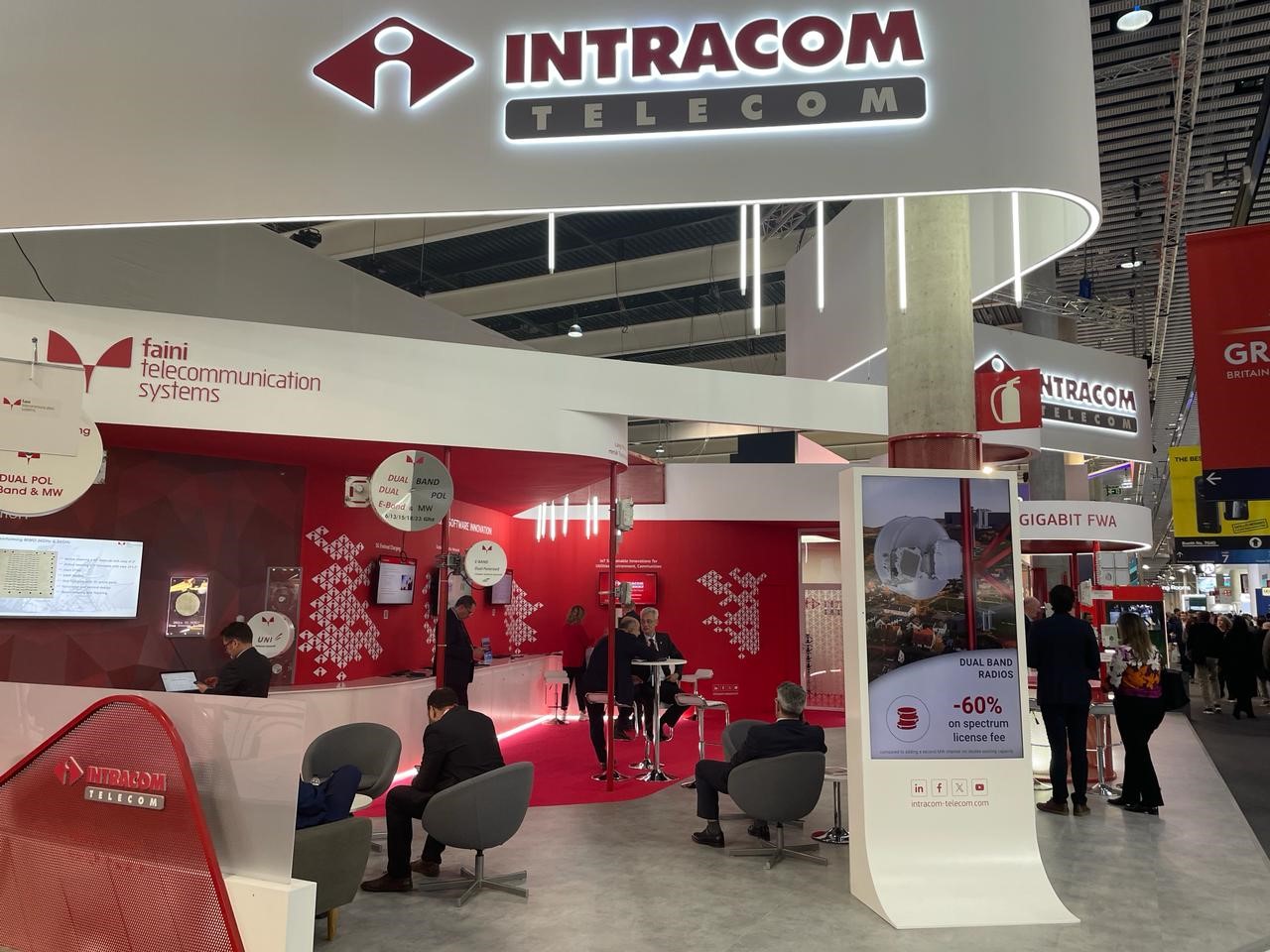
    In the midst of a digital revolution across Asia Pacific (APAC), the demand for robust and adaptable wireless infrastructure is surging. This need is especially critical in regions where traditional fiber optics are either too expensive or logistically challenging to deploy. From bustling cities to secluded islands, Intracom Telecom is stepping up, delivering innovative solutions designed to enhance connectivity and bridge coverage voids.

    Recently, Retail News engaged with Barinder Chhabra, Head of Business Development for APAC at Global Commercial within Intracom Telecom, to explore how his team’s innovative wireless technologies are reshaping the network landscape in the region.

    Revolutionizing Connectivity with Cutting-Edge Technology

    At Intracom Telecom, the focus is clear: enabling ultra-fast and reliable connectivity throughout APAC, particularly in areas where fiber installation isn’t feasible. Their WiBAS™ G5 platform, which operates within the 26–28 GHz millimeter wave band, is a game-changer for multi-dwelling units (MDUs) and small to medium enterprises (SMEs), offering multi-gigabit broadband service over distances exceeding 8 km. Recently, a significant trial in Indonesia with a major telecom provider underscored this capability, with ongoing discussions with other Tier I operators aimed at promoting millimeter wave technologies for fixed wireless access (FWA). Impressively, their WiBAS™ 10.5 GHz systems have been delivering reliable performance since 2014 for key players in Indonesia and across Southeast Asia, even in extreme weather conditions.

    On the forefront of 5G transport innovation, the company holds a strong position with its UltraLink E-Band radios. The UltraLink-GX80 platform, currently offering speeds of 10 Gbps, is set to advance further to 15 Gbps and eventually 40 Gbps, meeting the high-capacity requirements for both 5G backhaul and fronthaul. Additionally, with solutions like OmniBAS, designed for both short and long-haul needs, Intracom Telecom is particularly well-positioned to serve island nations like Indonesia, where fiber deployment can be a logistical challenge.

    Adapting to Diverse Geographies and Demands

    APAC’s varied geography—ranging from congested urban landscapes to far-flung islands—demands wireless solutions that are high-performing yet adaptable. To that end, the WiBAS™ G5 platform is evolving to support frequencies surpassing 28.5 GHz, enhancing its functionality in urban settings while simultaneously ensuring that the long-trusted 10.5 GHz solutions remain pivotal in rural and inclement weather applications through intelligent software enhancements that optimize subscriber density and maintain service stability.

    Long-range connectivity is crucial in island nations, making the OmniBAS™ Long Haul (6–11 GHz) solution indispensable. This technology delivers multi-gigabit capacity over extensive distances by leveraging multiple channels and advanced signal techniques, which extend connectivity into remote areas while facilitating transitions to internet protocol (IP)-based networks.

    All these capabilities are supported by dedicated engineering and testing facilities within the company, ensuring compliance with the highest carrier-grade standards.

    Building Connections through Strategic Partnerships

    Collaboration is central to Intracom Telecom’s growth strategy in the region. A notable partnership with Dialog Axiata in Sri Lanka has mobilized WiBAS™-based solutions to enhance broadband access in underserved rural areas. Meanwhile, their work alongside Lintasarta in Indonesia exemplifies how strategic alliances promote effective and efficient wireless connectivity for enterprises, both urban and remote.

    These collaborative efforts are not merely transactional; they involve deep co-development, aligning joint planning with market demands to ensure lasting impact. Global deployments underscore their reach, with over 20,000 point-to-multipoint network hubs and 600,000 terminals shipped worldwide, alongside substantial contributions of microwave and E-Band radios—making Intracom one of the largest vendors in carrier-grade point-to-point technologies. These initiatives are instrumental in closing the digital divide and fostering digital inclusion across the Asia-Pacific.

    Future-Proofing for 5G and Beyond

    As the landscape shifts with 5G and eyes move toward 6G, Intracom Telecom is unwavering in its commitment to futureproofing its technologies. Chhabra emphasizes the importance of flexibility and scalability in their designs, ensuring that platforms can evolve with the changing demands of traffic and subscriber loads.

    Research initiatives into ultra-high-frequency wireless technologies combined with AI-driven management tools are paving the way for 6G, emphasizing the importance of low-latency connections and adaptive spectrum use. Through these pioneering efforts, Intracom Telecom is not just preparing for the future— it’s helping to define it in the rapidly evolving world of connectivity.

    Questions & Answers

    What innovative solutions is Intracom Telecom implementing to enhance connectivity in APAC?
    Intracom Telecom is deploying its WiBAS™ G5 platform for high-speed broadband service in both urban and rural settings, along with advancing its UltraLink™ E-Band radios for the anticipated demands of 5G.

    How does the geography of APAC influence Intracom Telecom’s strategy?
    The diverse landscapes in APAC necessitate versatile wireless solutions, prompting Intracom Telecom to adapt its WiBAS™ systems for urban expansion and long-range connections ideal for island nations.

    What role do partnerships play in Intracom Telecom’s expansion efforts?
    Strategic alliances with companies like Dialog Axiata and Lintasarta are crucial, enabling tailored, community-focused broadband access that addresses the needs of underserved areas across the region.


  • Starlink Secures License to Launch Groundbreaking Satellite Broadband Services in India

    Starlink Secures License to Launch Groundbreaking Satellite Broadband Services in India

    Elon Musk’s Starlink has officially secured a Unified License to provide satellite internet services in India, as confirmed by Union Telecom Minister Jyotiraditya Scindia. This development ushers in a new era for digital connectivity in the nation, with Starlink poised to debut its offerings by late 2025 or early 2026. With a robust regulatory framework now established for spectrum allocation and satellite gateways, India is on track to narrow its rural connectivity gap through low-Earth orbit (LEO) satellite networks.

    The newfound license allows Starlink to operate in tandem with existing players such as Bharti Group-backed Eutelsat OneWeb and Jio’s partnership with SES, both of which are gearing up for their own satellite service launches. Starlink intends to roll out monthly internet packages priced around INR 3,000 and will offer hardware kits for about INR 33,000, targeting impressive speeds between 50 Mbps and 250 Mbps.

    Partnerships to Optimize User Experience

    To enhance distribution and customer service, Starlink is teaming up with prominent Indian telecom giants, Airtel and Reliance Jio. Globally, Starlink has already launched over 6,000 satellites and has ambitious plans to expand its fleet to 42,000 by 2027. This growth cements its position as the world’s largest LEO satellite network, and they say it’s not easy being this popular—after all, it takes a lot of satellite power to keep the world connected!

    This announcement coincides with the 30th anniversary of India’s first cellular call, a momentous occasion that underscores the country’s rapid digital evolution. Minister Scindia highlighted the remarkable progress achieved under Prime Minister Narendra Modi, noting that broadband users have skyrocketed from 60 million in 2014 to an astounding 944 million today. He also pointed to a staggering 96.6% decline in mobile data prices, positioning India as a global leader in accessible connectivity.

    5G Expansion and Telecom Revival

    The expansion of 5G technology in India is also gaining momentum, now reaching 99.6% of districts and serving 300 million users. The country leads in 5G data consumption, with an impressive average of 32 GB per user each month, and it ranks among the top six countries in 6G patent filings. Significantly, the resurgence of BSNL, marked by two consecutive years of net profits and the deployment of over 83,000 4G sites, illustrates the revitalization of the domestic telecom sector.

    Reflecting on the industry’s remarkable three-decade journey, Lt. Gen. Dr. S.P. Kochhar, Director General of the Cellular Operators Association of India (COAI), remarked, “Relentless efforts from the government and the industry have ensured digital connectivity reaches even those villages that once were off the grid. India’s world-leading 5G rollout has been transformative. Today, over 85% of the population and more than 99% of districts enjoy access to 5G services, fueling innovations from remote education to telemedicine and smart agriculture.”

    Questions & Answers

    What services will Starlink offer in India?
    Starlink plans to provide monthly internet packages priced around INR 3,000, targeting speeds between 50 Mbps and 250 Mbps, with hardware kits available for approximately INR 33,000.

    Who are Starlink’s primary competitors in the Indian market?
    Starlink will operate alongside Eutelsat OneWeb, backed by Bharti Group, and Jio’s partnership with SES, both of which are preparing to launch their satellite services.

    How is India’s digital landscape currently evolving?
    India has witnessed explosive growth in broadband users from 60 million in 2014 to 944 million today, with 5G now available in 99.6% of districts, marking significant advancements in digital connectivity and innovation.

  • WiseTech Global Expands Horizons with Strategic Acquisition of E2open for Enhanced Supply Chain Solutions

    WiseTech Global Expands Horizons with Strategic Acquisition of E2open for Enhanced Supply Chain Solutions

    The tides of retail in Asia are shifting as brands become increasingly aware of the impact of sustainability on consumer behavior. With a growing number of shoppers favoring eco-friendly products, businesses are adapting their strategies to meet these new expectations.

    In recent years, the Asian retail landscape has seen a significant transformation. Consumers, especially Millennials and Gen Z, are now more inclined to choose products that boast sustainable packaging or ethical sourcing. As a result, brands across the region are rethinking their approaches to production, marketing, and even logistics. This isn’t just a passing trend; it’s a movement that’s redefining what it means to be a responsible retailer.

    A recent survey revealed that nearly 60% of consumers in urban areas prioritize sustainability when making purchasing decisions. This shift is prompting retailers to innovate; they’re now emphasizing green products, introducing recyclable materials, and highlighting transparency in their supply chains. Amid this change, some brands are even taking their green commitments to a playful extreme—imagine a tote bag promoting eco-friendliness that ironically comes in a plastic wrapper!

    Asia’s Retail Players Embrace Sustainability

    Notably, major retail players are not sitting idle. Leading companies such as Alibaba and Uniqlo are accelerating their sustainability initiatives. Alibaba recently launched a green logistics program aimed at reducing carbon emissions across its delivery network. Meanwhile, Uniqlo has pledged to ensure 100% of its cotton comes from sustainable sources by 2025. These efforts not only cater to consumer demand but also position these brands as pioneers in the sustainable retail revolution.

    Small and medium enterprises (SMEs) are also joining the sustainability movement. Many are leveraging eco-certifications to differentiate themselves in a crowded market. For instance, brands are exploring innovative materials such as biodegradable fabrics or recycled plastics, appealing to the conscious consumer while carving out a niche for themselves. This creates a win-win scenario, where customers feel good about their purchases and retailers gain a competitive edge.

    Consumer Engagement and Education

    To further engage shoppers, brands are increasingly focusing on education. Retailers are utilizing in-store experiences, workshops, and digital platforms to inform consumers about sustainable practices and the importance of making responsible choices. This two-way communication fosters a deeper connection between consumers and brands, making sustainability not just a marketing gimmick, but a shared commitment.

    As the region’s retail landscape continues to evolve, the commitment to sustainability is poised to influence everything from product design to marketing strategies. The notion of environmental responsibility is no longer just an add-on; it’s becoming the cornerstone of modern retail in Asia.

    Questions & Answers

    How are consumers in Asia influencing retail sustainability?
    Consumers, especially younger generations, are prioritizing eco-friendly products, pushing retailers to rethink their practices and embrace sustainability in various aspects of their operations.

    What actions are major retailers in Asia taking?
    Companies like Alibaba and Uniqlo are leading the charge by launching initiatives aimed at reducing their environmental impact, such as green logistics programs and sustainable sourcing commitments.

    How are smaller businesses adapting to the push for sustainability?
    Small and medium enterprises are leveraging eco-certifications and innovative materials to attract environmentally conscious consumers, thus creating distinct market opportunities while promoting sustainability.

  • Alibaba Unveils Bold Strategy For E-commerce Evolution: Community Engagement And Personalized Shopping

    Alibaba Unveils Bold Strategy For E-commerce Evolution: Community Engagement And Personalized Shopping

    As the global retail landscape shifts, Asian e-commerce giant Alibaba has unveiled its ambitious plans for expansion, promising a new era of digital shopping that could reshape consumer habits and retail dynamics across the continent. During a recent press conference, Alibaba’s management outlined an innovative strategy that emphasizes not just sales, but also community engagement and personalized shopping experiences.

    At the heart of Alibaba’s strategy is a commitment to transforming its marketplaces into vibrant ecosystems that transcend mere transactions. The company aims to foster a sense of community among its users, encouraging interaction through various platforms. By introducing features that allow customers to share reviews and recommendations in real-time, Alibaba is tapping into the growing desire for social shopping. In fact, as shoppers increasingly turn to digital platforms, the integration of social elements has become crucial — like mixing a family recipe with an unexpected splash of hot sauce, it adds a surprising kick to the shopping experience.

    A Focus on Hyper-Personalization

    Alongside community initiatives, Alibaba is advancing its use of artificial intelligence to elevate personalization in customer interactions. By analyzing purchase history and preferences, the platform can offer tailored recommendations and experiences to shoppers. This move aligns with global trends where consumers expect a shopping experience that speaks directly to their desires and needs. Essentially, it’s not just about finding the right product anymore; it’s about creating a shopping journey that feels exclusively crafted for each individual.

    To expand its reach further, Alibaba is forging strategic partnerships with local brands throughout Asia. This approach not only enriches its product offerings but also allows smaller brands to leverage Alibaba’s robust logistics network and vast consumer base. In a market where collaboration often leads to innovation, these partnerships could unlock new opportunities for both established retailers and emerging players alike.

    Plans for Global Engagement

    While Alibaba’s roots are firmly planted in Asia, the company hasn’t overlooked international markets. By showcasing Asian brands to global consumers, Alibaba aims to position itself as a bridge between local creativity and worldwide audiences. This dual focus on enhancing local presence while reaching out to global consumers reflects a careful balancing act that could define the future of international e-commerce.

    However, as ambitious as these plans may be, Alibaba faces challenges from growing competition within Asia and beyond. Rivals are quickly adapting to the changing landscape, matching innovations with their own strategies. The stakes are high, and success is contingent on Alibaba’s ability to stay ahead of trends while maintaining customer trust.

    Questions & Answers

    What is Alibaba’s primary focus with its new e-commerce strategy?
    Alibaba aims to create vibrant ecosystems on its marketplaces that enhance community engagement and provide personalized shopping experiences.

    How does Alibaba plan to use artificial intelligence in its services?
    The company intends to leverage AI to analyze shopper preferences so it can offer tailored recommendations, transforming how customers interact with the platform.

    What role do partnerships play in Alibaba’s expansion plans?
    Strategic partnerships with local brands are essential for Alibaba, as they enhance product offerings and allow smaller brands to benefit from the company’s logistics network and consumer base.

  • UBS Settles Legacy Credit Suisse RMBS Case with U.S. DOJ: A New Chapter Unfolds

    UBS Settles Legacy Credit Suisse RMBS Case with U.S. DOJ: A New Chapter Unfolds

    In a significant move, UBS has put another Credit Suisse legacy issue behind it by reaching a settlement with the U.S. Department of Justice (DOJ). This agreement pertains to outstanding obligations linked to a 2017 settlement concerning Credit Suisse’s former Residential Mortgage-Backed Securities (RMBS) business, as detailed in a press release from UBS.

    The pivotal moment came on August 1, 2025, when Credit Suisse Securities (USA) LLC signed a definitive agreement with the DOJ, committing to fulfill all remaining consumer relief obligations established in the original 2017 settlement. As part of this resolution, UBS will disburse a substantial payment of USD 300 million.

    Looking ahead, UBS anticipates registering a credit in its Non-core and Legacy segment during the third quarter of 2025. This credit will stem from the release of a contingent liability recognized during the acquisition of Credit Suisse and is expected to contribute positively to the financial narrative the bank is crafting.

    This settlement aligns perfectly with UBS’s broader strategy aimed at addressing lingering legacy issues quickly and equitably, reinforcing their commitment to serve the interests of all stakeholders involved. For UBS, it’s not just about closing old chapters; it’s about paving the way for a more resilient future—after all, who doesn’t love a good comeback story?

    Questions & Answers

    Why did UBS reach a settlement with the U.S. DOJ?
    UBS settled with the U.S. DOJ to resolve outstanding obligations tied to a 2017 agreement related to Credit Suisse’s former RMBS business, demonstrating their commitment to addressing legacy issues swiftly.

    What is the financial impact of the settlement for UBS?
    The settlement entails a payment of USD 300 million, and UBS expects to register a credit in its Non-core and Legacy segment, contributing positively to its financial standing in the third quarter of 2025.

    How does this settlement fit into UBS’s overall strategy?
    This resolution is part of UBS’s broader strategy to address remaining legacy matters efficiently and equitably, enhancing transparency and trust among stakeholders while moving towards a stronger financial future.

  • Amazon Reaches Milestone: 1 Million Robots Now Match Workforce in Warehouse Operations

    Amazon Reaches Milestone: 1 Million Robots Now Match Workforce in Warehouse Operations

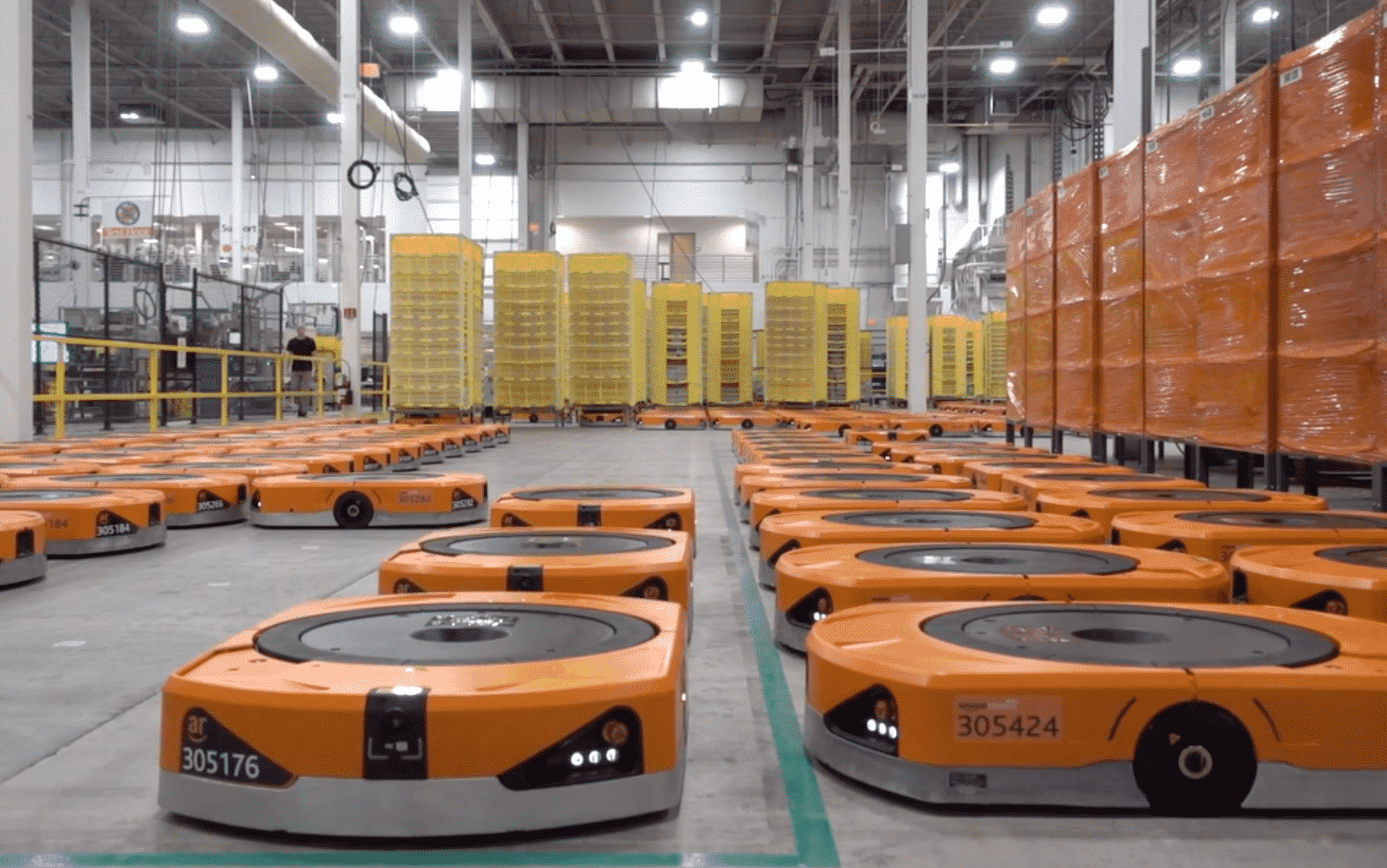
    Amazon’s relentless quest for automation has reached a remarkable milestone, as the number of robots deployed in its Japanese warehouses has soared to one million. This achievement underscores the company’s commitment to revolutionizing logistics and factory operations while positioning Japan as a critical hub in its global strategy.

    These robots work in tandem with Amazon’s workforce, which exceeds 1.5 million human employees worldwide. In fact, the robotic workforce is also on track to match that figure, approaching a remarkable 1.5 million units worldwide, illustrating an unprecedented synergy between human ingenuity and machine efficiency.

    Currently, Amazon has integrated robots into over 300 facilities across the globe, forming an increasingly sophisticated automated delivery network that redefines efficiency in the retail space. Imagine a robotic ballet, orchestrating the flow of products with precision as they navigate their bustling warehouse environments.

    Adding to this innovation is Amazon’s introduction of DeepFleet, a cutting-edge generative AI model designed to enhance the performance of its robotic fleet by an impressive 10%. This advancement optimizes their movements throughout fulfillment networks, ultimately leading to faster deliveries and lower operational costs.

    But Amazon’s ambitions extend far beyond warehouse duties. This milestone is just the beginning, as the company eyes future developments that will encompass delivery solutions and even home robotics, further integrating technology into daily life.

    Questions & Answers

    What milestone has Amazon achieved in Japan?
    Amazon has reached one million robots deployed in its warehouses across Japan, highlighting its commitment to advanced automation in logistics.

    How does the number of robots compare to human workers at Amazon?
    The number of robots is nearing the 1.5 million mark, which closely matches Amazon’s global workforce of over 1.5 million human employees.

    What is DeepFleet and how does it benefit Amazon?
    DeepFleet is a generative AI model designed to enhance the efficiency of Amazon’s robotic fleet by 10%, optimizing product movement through the fulfillment network to speed up deliveries and lower costs.

  • U.S. Tariffs Take a Toll on Financial Stocks: What You Need to Know

    U.S. Tariffs Take a Toll on Financial Stocks: What You Need to Know

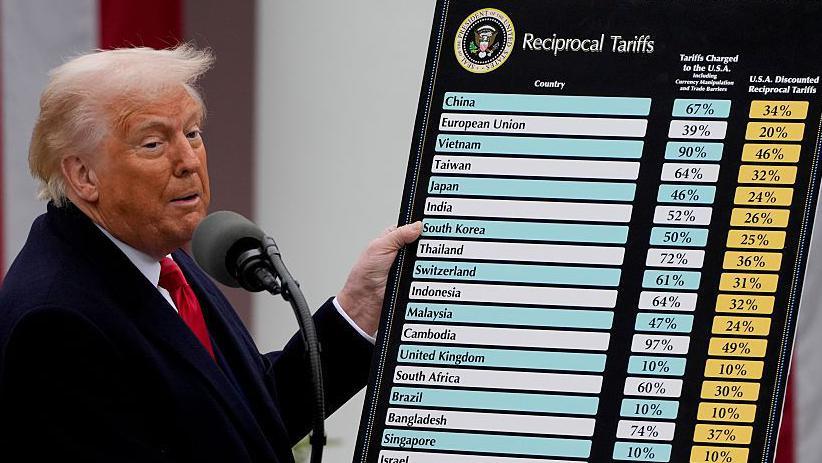
    The recent imposition of a staggering 39 percent import tariff on Swiss products by the U.S. has sent ripples through the Swiss economy, and while banks and insurance firms may not be the immediate targets of these tariffs, the repercussions are making their presence felt across the financial landscape.

    The Swiss stock market experienced a notable downturn following the announcement, with the Swiss franc also sliding against both the euro and the dollar. However, the market’s slump cannot be attributed solely to U.S. tariffs. A public holiday closure on Friday meant that the Swiss stock exchange only now has the opportunity to reckon with negative shifts seen in the U.S. and European markets, which were already beleaguered by disappointing labor market data.

    As trading resumed, the Swiss Market Index (SMI) was down 0.7 percent at 11,755 points, a slight recovery from sharper declines earlier in the session. The Swiss Leader Index (SLI), which represents Switzerland’s 30 largest companies, was also down 0.65 percent at 1,956 points.

    Financial Stocks Feel the Squeeze

    Among the hardest-hit stocks in the SLI are those sensitive to economic fluctuations, with staffing company Adecco leading the pack with a 2.8 percent drop, followed by ABB at 1.5 percent and Sika down 1.6 percent. Financial stocks are not immune either, as seen with Julius Baer’s shares which fell by 2.3 percent to CHF 53.96, and UBS dipping 1.1 percent to CHF 30.11. Vontobel likewise succumbed to market pressures, declining 0.7 percent to CHF 59.00.

    In a spark of unexpected resilience, Partners Group staged a modest recovery, now just 0.3 percent lower at CHF 1,098.50, after plummeting to CHF 1,056 earlier in the day. In the insurance sector, the performance was mixed; with Swiss Re down by a mere 0.2 percent, Swiss Life holding steady, and Zurich Insurance seeing a small gain of 0.3 percent.

    Hope Flickers Amidst Uncertainty

    The media has described the tariffs as a “bludgeon,” “hammer,” or even “shock,” reflecting the heavy toll they have taken on both the Swiss economy and its political climate. For those who once viewed Donald Trump’s economic policies as a beacon of hope for liberalism, this swift about-face is undoubtedly causing reconsideration.

    Amidst the turmoil, there remains a glimmer of hope that ongoing negotiations could lead to a reduction in the tariff rate on Swiss imports, potentially aligning closer to the 15 percent rate that is applied to EU goods. In a world characterized by uncertainty, the prospect of such outcomes—though it often feels like catching smoke with bare hands—cannot be ruled out.

    Questions & Answers

    What impact will the U.S. tariffs have on the Swiss financial sector?
    Although Swiss banks and insurance companies aren’t the direct targets of the tariffs, the overall economic strain is expected to affect the financial sector indirectly.

    How did the Swiss stock market respond to the tariffs?
    The Swiss stock market faced immediate declines following the tariff announcement, with the SMI dropping 0.7 percent shortly after trading resumed.

    Is there potential for tariff reductions in the future?
    There is hope that ongoing discussions may lead to a reduction in tariff rates, possibly aligning with the rates imposed on EU goods.

  • VinFast Dominates Small Crossover Utility Market with Innovative Offerings and Exceptional Performance

    VinFast Dominates Small Crossover Utility Market with Innovative Offerings and Exceptional Performance


    VinFast is dominating the small crossover utility vehicle (CUV) market in Vietnam, capturing more than 64% of sales in the first half of 2025, leaving competitors like Toyota far behind.
    In a remarkable surge, the VinFast VF 3 model emerged as the star performer, racking up sales of over 23,000 units. This impressive figure represents 28% of the total 83,100 small CUVs sold in Vietnam during this period. Not far behind, the VF 5 sold 21,800 vehicles, while the VF 6 claimed third place with 8,500 units.

    In stark contrast, Toyota managed to secure only a 12.8% share of the market, with its Yaris Cross and Corolla Cross models ranking fourth and sixth, respectively, having sold 5,400 and 3,600 vehicles. Mitsubishi’s Xforce followed closely in fifth place with 4,500 sales, while other contenders like Hyundai Creta, Kia Seltos, Honda HR-V, and Kia Sonet rounded out the competitive landscape.

    Once a formidable force in the small CUV sector, Kia has found itself facing increasing challenges. The brand, which led the market in 2023-2024 with its Sonet and Seltos models, has seen its sales dwindle to just above 5,000 vehicles for a market share of 6.1%. Competing Japanese brands and the rising trend of affordable electric vehicles have contributed to this shift.

    Mitsubishi and Hyundai are closely matched, each holding just over 5% of the market share, while Honda and Mazda account for 3% apiece. In a market where electric vehicles are becoming the new black, will Kia find a way to revitalize its appeal, or is it merely a case of letting the ‘bigger fish’ swim ahead?

    Questions & Answers

    What percentage of the small CUV market did VinFast capture in the first half of 2025?
    VinFast captured over 64% of the small CUV market in Vietnam.

    Which VinFast model topped the sales, and how many units were sold?
    The VinFast VF 3 topped the sales charts with over 23,000 units sold, accounting for 28% of the small CUVs sold in the country.

    How are Toyota’s models performing in comparison to VinFast’s?
    Toyota’s top models, the Yaris Cross and Corolla Cross, ranked fourth and sixth, respectively, but combined, they only secured a 12.8% share of the market.

  • Dollar Dips as Vietnamese Dong Gains Strength in Currency Exchange Dynamics

    Dollar Dips as Vietnamese Dong Gains Strength in Currency Exchange Dynamics

    The U.S. dollar fell against the Vietnamese dong Monday morning as it inched up against major peers.

    In a notable shift, Vietcombank set the dollar at VND26,370, reflecting a 0.08% decline compared to the previous weekend’s rate. Meanwhile, in the black market, the dollar maintained a robust position at around VND26,480.

    The State Bank of Vietnam also adjusted its reference rate, lowering it by 0.04% to VND25,240, marking another chapter in the ongoing currency fluctuations.

    On the global front, the dollar experienced a slight uptick on Monday, recovering marginally after a staggering U.S. jobs report and the surprising firing of a high-ranking labor official by President Donald Trump rattled investors. The developments fueled expectations for imminent rate cuts by the Federal Reserve, according to Reuters.

    Against a basket of major currencies, the dollar climbed by 0.2%, reaching 98.86, following a significant drop of over 1% last Friday. In the currency exchange market, the dollar made a modest recovery against the Japanese yen, trading 0.14% higher at 147.60 yen, albeit still down around 3 yen from its peak on Friday. The euro slipped by 0.2% to $1.1560, while sterling eased slightly, down 0.1% to $1.3263, demonstrating the ongoing volatility in currency markets.

    Questions & Answers

    What caused the U.S. dollar to fall against the Vietnamese dong?
    The dollar’s decline against the dong mainly resulted from Vietcombank’s adjusted selling rate and a global market response to disappointing U.S. job figures and the surprising removal of a labor official by President Trump.

    How did the State Bank of Vietnam respond to the shifting currency landscape?
    The State Bank of Vietnam lowered its reference rate by 0.04% to VND25,240, which plays a role in guiding the overall value of the dong amid international fluctuations.

    Is the dollar likely to show more volatility in the near future?
    Given the current economic environment, including rate cut expectations from the Federal Reserve and geopolitical uncertainties, the dollar is expected to experience continued volatility against multiple currencies.

  • Coach Unveils Its First Coffee Shop in Singapore – A Bold New Venture!

    Coach Unveils Its First Coffee Shop in Singapore – A Bold New Venture!

    The vibrant new Coach Coffee Shop has officially opened its doors in Singapore, nestled within the bustling WEAVE lifestyle hub at Resorts World Sentosa. This innovative café marks Coach’s first foray into the world of coffee, merging retail with a cozy dining experience right at the entrance of its retail store

    In true homage to its New York origins, the café boasts a striking design characterized by city skyline wallpaper, sleek black industrial accents, and raw concrete walls, all illuminated by modern LED lighting. The exterior, adorned with lush greenery, creates a welcoming contrast that invites visitors to step in and explore.

    At the heart of the café’s whimsical vibe is its charming mascot, Lil Miss Jo, who not only graces the coffee cups but also appears on an exclusive lineup of merchandise. Shoppers can pick up tote bags, mugs, t-shirts, and more, creating a delightful connection between the café and Coach’s fashion-forward ethos.

    As for the menu, Coach is serving up a variety of American comfort food classics. Diners can savor grilled cheese, hearty Reuben sandwiches, and, for the weekend crowd, a special cheeseburger that promises to satisfy cravings. Sweet tooths will be tempted by innovative cruller-style donuts in flavors like raspberry and maple, as well as a playful soft-serve ice cream selection that includes peanut butter & jelly and peaches & cream, with an exclusive Singapore twist featuring chili crab.

    Quenching Thirst with Creative Beverages

    To wash it all down, the café offers a diverse drink menu, featuring staples such as coffee, hot chocolate, iced chocolate, and refreshing cherry lemonade. Additionally, Coach Coffee Shop introduces an exciting seasonal menu that kicks off with unique concoctions like strawberry matcha and orange cream, ensuring that every visit can be a new adventure.

    For a brand known for its luxurious handbags, Coach Coffee Shop in Singapore adds an unexpected layer of charm and culinary delight, blurring the lines between retail and gastronomic experience in a way that turns a shopping trip into a fun-filled outing.

    Questions & Answers

    What unique features does Coach Coffee Shop offer that reflect its brand identity?
    The café showcases Coach’s New York roots through its design, featuring city skyline wallpaper and industrial accents, while also promoting its coffee cup mascot, Lil Miss Jo, across exclusive merchandise.

    What types of food and drinks are available at the café?
    The menu emphasizes American comfort food, including grilled cheese, Reuben sandwiches, and weekend cheeseburgers, accompanied by desserts like cruller-style donuts and a playful soft-serve ice cream selection. The drink menu features coffee, iced beverages, and creative seasonal drinks.

    What is special about the café’s seasonal menu?
    The café introduces a rotating seasonal menu that begins with unique offerings like strawberry matcha and orange cream, adding an element of surprise for returning visitors.

  • Citi Unveils Enhanced Tokenisation and Real-Time Solutions for Corporate Treasuries

    Citi Unveils Enhanced Tokenisation and Real-Time Solutions for Corporate Treasuries

    Citigroup, Inc. is ratcheting up its foray into tokenization and automation, responding to the growing demand from corporate treasuries for real-time access to liquidity and global cash visibility. The bank’s latest suite of digital services is designed specifically to dismantle operational challenges linked to traditional banking cut-off times, public holidays, and regional time zones.

    “The absence of real-time visibility into cash positions across multiple accounts often leads to myriad challenges, such as ineffective cash forecasting and inefficient allocation,” explained Stephen Randall, global head of liquidity management services at Citi, in a recent interview with Asian Banking & Finance. “These issues can increase operational costs, elevate risk levels, and hamper strategic decision-making.”

    According to Citi’s November 2023 research, top-tier treasury operations are characterized by advanced forecasting capabilities and a centralized liquidity pool. This growing expectation from clients has compelled banks to innovate continuously to keep pace. “There is a pressing demand for enhanced speed and greater volumes in cash flows,” Randall added, mentioning clients’ desire for improved visibility and easier reconciliation processes.

    In response, Citi has launched several groundbreaking initiatives, including Citi Token Services (CTS), Real-Time Funding (RTF), and 7-Day Sweeps, all geared towards optimizing cash positioning while reducing operational friction. CTS enables clients to transfer cash instantaneously across borders, free from the typical constraints of holidays or banking hours. “Asia is a focal point for CTS; two of the four markets currently operational are Singapore and Hong Kong,” said Randall.

    Meanwhile, Real-Time Funding stands out as a game changer, allowing clients to transfer funds globally among their Citi accounts in real time. “Imagine a client needing to make an urgent payment from their Citi Hong Kong account today, but their money is stuck in a Citi London account,” Randall said. “With RTF, that funds transfer becomes instantaneous, enabling timely payments without cumbersome manual processes.” Presently, RTF is available in Australia, Hong Kong, and the UK, with plans for expansion into Singapore, Thailand, China, and Taiwan on the horizon.

    Additionally, Citi’s 7-Day Sweeps service automates liquidity management round-the-clock and is now operational in the US, South Korea, and Thailand. Randall pointed out that these sweeps are processed even on holidays, significantly reducing reconciliation challenges and providing a robust liquidity buffer over weekends and public holidays.

    The dynamic landscape of treasury management is shifting, with treasurers moving away from static liquidity structures—often evaluated annually—to more adaptable frameworks that can respond swiftly to cash flow volatility. “Treasurers are looking for liquidity structures that can handle abrupt cash flow changes, especially in light of the market uncertainties imposed by geopolitical shifts and tariff-related disruptions,” said Randall.

    Moreover, as clients confront risks associated with fluctuating interest rates and foreign exchange, they increasingly seek digital solutions and advisory support from Citi. Automation and digitalization offer crucial advantages, providing timely access to vital data on global cash positions—information that is instrumental for informed decision-making.

    Citi Treasury Diagnostics, the bank’s global benchmarking tool, serves to highlight how clients’ treasury operations measure up against best practices. The bank provides advanced programming interfaces such as Balance Inquiry and Payment Status, along with integration support, to enable clients to enhance their treasury systems.

    Randall emphasized that tools like Citi Treasury Diagnostics can assist clients in benchmarking their practices, revealing opportunities for further improvements through automation. He encouraged clients to leverage technology-driven services to minimize dependency on manual processes while refining and automating their operations.

    Questions & Answers

    How is Citigroup addressing the needs of corporate treasuries?
    Citigroup is introducing innovative solutions like Citi Token Services, Real-Time Funding, and 7-Day Sweeps to enhance cash visibility and streamline operations for corporate treasuries.

    What are the benefits of Real-Time Funding?
    Real-Time Funding enables clients to make global fund transfers instantaneously, allowing immediate access to cash for urgent payments without manual intervention.

    How is Citi’s 7-Day Sweeps service beneficial for liquidity management?
    The 7-Day Sweeps service automates liquidity management around the clock, processes transactions on holidays, and helps maintain a healthy liquidity buffer, reducing reconciliation difficulties.

  • Google, Earth Fire Alliance, And Muon Space Launch Firesat: Ai-driven Wildfire Detection Revolution

    Google, Earth Fire Alliance, And Muon Space Launch Firesat: Ai-driven Wildfire Detection Revolution

    In a groundbreaking move, Google has joined forces with the Earth Fire Alliance and Muon Space to unveil the first satellite of its innovative wildfire detection initiative, aptly named FireSat. This venture is set to revolutionize how we monitor wildfires, boasting advanced artificial intelligence (AI) capabilities.

    The FireSat project aims to deploy more than 50 satellites, each armed with state-of-the-art thermal imaging technology and AI designed to identify wildfires in a mere 15 to 20 minutes after ignition. This rapid response dramatically outpaces traditional satellites, which often take hours to relay critical data.

    Real-Time Alerts and Enhanced Accuracy

    What sets FireSat apart is its ability to detect fires as small as those in a classroom and promptly alert emergency responders. Its AI is adept at discerning genuine wildfires from false alarms such as industrial heat or cloud formations, thereby significantly enhancing accuracy. Imagine a virtual watchdog in the skies, always on the lookout for flames—it’s not just a fantasy anymore!

    Addressing the Growing Threat of Wildfires

    This advanced technology arrives at a crucial juncture, as climate change continues to amplify wildfire risks across the globe, particularly in high-risk regions like California and the Mediterranean. By integrating space-based thermal sensing with machine learning, FireSat is poised to enable quicker, more effective responses that have the potential to save lives, mitigate damage, and conserve vulnerable ecosystems. While the first satellite is already operational, full deployment of the entire constellation is anticipated in the coming years.

    Questions & Answers

    What is the purpose of the FireSat project?
    The FireSat project aims to deploy over 50 satellites equipped with AI and thermal imaging to rapidly detect wildfires, typically within 15 to 20 minutes of ignition.

    How does FireSat improve wildfire detection compared to traditional systems?
    FireSat offers real-time detection of small fires and utilizes AI to differentiate between genuine wildfires and false alarms, significantly enhancing detection accuracy.

    Where is the technology expected to have the most impact?
    The technology is particularly crucial in regions like California and the Mediterranean, where the risks of wildfires are increasingly exacerbated by climate change.

  • Sceye’s Solar Drones Set to Revolutionize Connectivity with Promising 6G Internet Innovation

    Sceye’s Solar Drones Set to Revolutionize Connectivity with Promising 6G Internet Innovation

    In a bold leap towards the future of telecommunications, U.S.-based startup Sceye is pioneering solar-powered, helium-filled drones that will soon take to the skies at an altitude of approximately 60,000 feet, or about 18 kilometers. These high-altitude platform systems (HAPS) are designed to float serenely above weather patterns and commercial air traffic, harnessing the power of advanced solar arrays and cutting-edge lithium-sulfur batteries to maintain consistent operations, even throughout the night.

    Revolutionizing Connectivity and Monitoring

    With the ability to stay in position amid strong winds and carry substantial payloads, these innovative drones are positioned to provide stable, long-range internet services, environmental monitoring, and robust wildfire detection capabilities. What’s remarkable? Their actual design enables them to remain airborne for months, even extending up to a year! Sceye’s prototypes have already demonstrated this potential through over 20 successful test flights.

    SoftBank’s Vision for 6G Networks

    In an exciting development for the telecommunications landscape in Asia, SoftBank has secured a pre-commercial HAPS mission set for 2026 in Japan. This initiative is part of SoftBank’s broader strategy to propel the advent of next-generation 6G networks. The vision of integrating these airborne platforms with satellites and terrestrial networks aims to deliver rapid, low-latency broadband, especially in remote regions or areas struck by disaster where traditional infrastructure is severely compromised.

    A Glimpse into the Future of Technology

    Equipped with durable, UV- and ozone-resistant envelopes that are 1,500 times more gas-tight than previous models, these drones are not just technological marvels; they are harbingers of a more connected world. Through the collaboration between Sceye and SoftBank, the stage is being set for the deployment of 6G technology, promising to revolutionize how we connect and communicate, paving the way for advancements we are only beginning to imagine.

    Questions & Answers

    What are Sceye’s drones designed to do?
    Sceye’s drones are developed to provide high-altitude solutions for long-range internet connectivity, environmental monitoring, and wildfire detection.

    What is SoftBank’s role in this initiative?
    SoftBank has secured a pre-commercial HAPS mission in Japan for 2026, aligning with its goal to develop next-generation 6G networks that integrate these drones with other communication infrastructures.

    How long can Sceye’s drones potentially stay in the air?
    The drones can remain airborne for months, with the potential to stay aloft for up to a year, thanks to their innovative, gas-tight envelope design.

  • AEON Bank and foodpanda Partner to Boost Digital Banking Adoption for Riders and Merchants

    AEON Bank and foodpanda Partner to Boost Digital Banking Adoption for Riders and Merchants

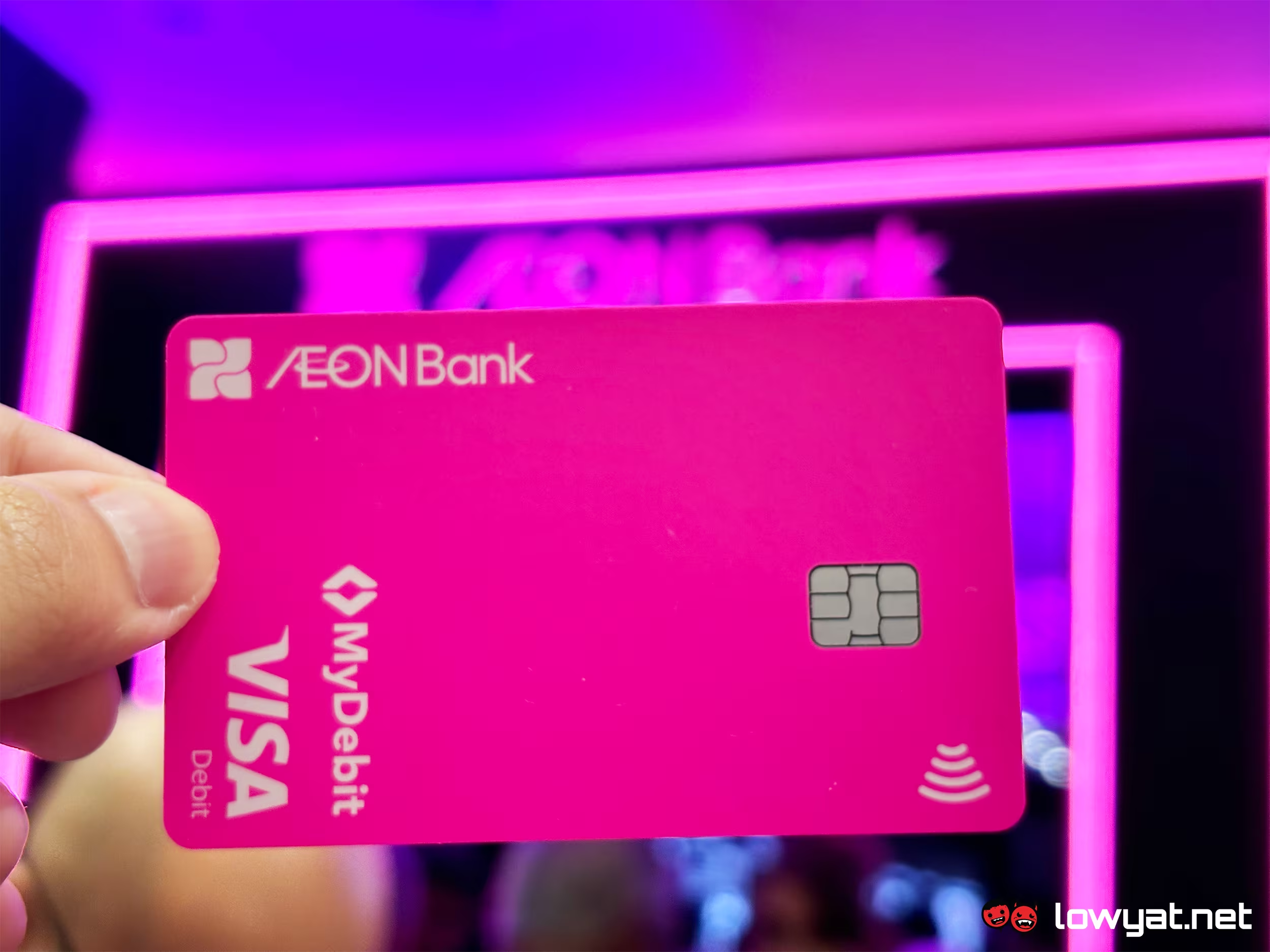
    In a significant move to enhance digital banking access, AEON Bank has announced a partnership with foodpanda Malaysia aimed at boosting financial services among the platform’s extensive user base, which includes customers, delivery riders, merchants, and business partners. This collaboration, formalized under a memorandum of understanding, seeks to combine their strengths in customer acquisition, digital financing, and joint promotional campaigns.

    A Bold Step for Islamic Digital Banking

    As Malaysia’s first Islamic digital bank, AEON Bank stands at the forefront of innovation in finance. “We are excited to bring added value to foodpanda’s riders and merchants by providing them access to digital banking, rewards programs, and services that will enhance their overall experience,” stated YM Raja Datin Paduka Teh Maimunah Raja Abdul Aziz, the bank’s CEO.

    Linking Platforms for Greater Impact

    The partnership aims to utilize foodpanda’s vast network in conjunction with AEON Bank’s Shariah-compliant financial products and AEON Points loyalty program. Teh Maimunah emphasized that this integration will significantly impact target segments, particularly gig workers and micro, small, and medium enterprises (MSMEs). “Our goal is to drive growth and engagement within these communities,” she added, hinting at a future where digital banking and food delivery intersect seamlessly.

    The Future of Food Delivery and Online Grocery Shopping

    Both companies are optimistic about contributing to Malaysia’s burgeoning food delivery and online grocery sector. Projections suggest that user penetration in this market could climb to 34.2% by 2025, translating to over 14.5 million users by 2030. Who knew that a simple meal delivery service could serve as a gateway to financial empowerment?

    Signing the memorandum of understanding were Teh Maimunah and Tan Ming Luk, the Managing Director of foodpanda Malaysia, marking the beginning of a partnership that promises to reshape the digital finance landscape for many in Malaysia.

    Questions & Answers

    What is the main goal of the partnership between AEON Bank and foodpanda Malaysia?
    The partnership aims to enhance digital banking access and services for foodpanda’s wide array of users, including customers, riders, and merchants, while fostering customer acquisition and growth for both companies.

    How does AEON Bank intend to support gig workers and MSMEs through this collaboration?
    AEON Bank plans to provide Shariah-compliant financial products and integrate its AEON Points loyalty program to offer meaningful services that cater to the specific needs of gig workers and micro, small, and medium enterprises.

    What are the projected figures for Malaysia’s food delivery and online grocery sector?
    User penetration in this sector is expected to reach 34.2% by 2025, with forecasts indicating over 14.5 million users by the year 2030.

  • F88 Pawnshop Chain Sets Exciting IPO at $24 Per Share – A New Investment Opportunity Awaits!

    F88 Pawnshop Chain Sets Exciting IPO at $24 Per Share – A New Investment Opportunity Awaits!

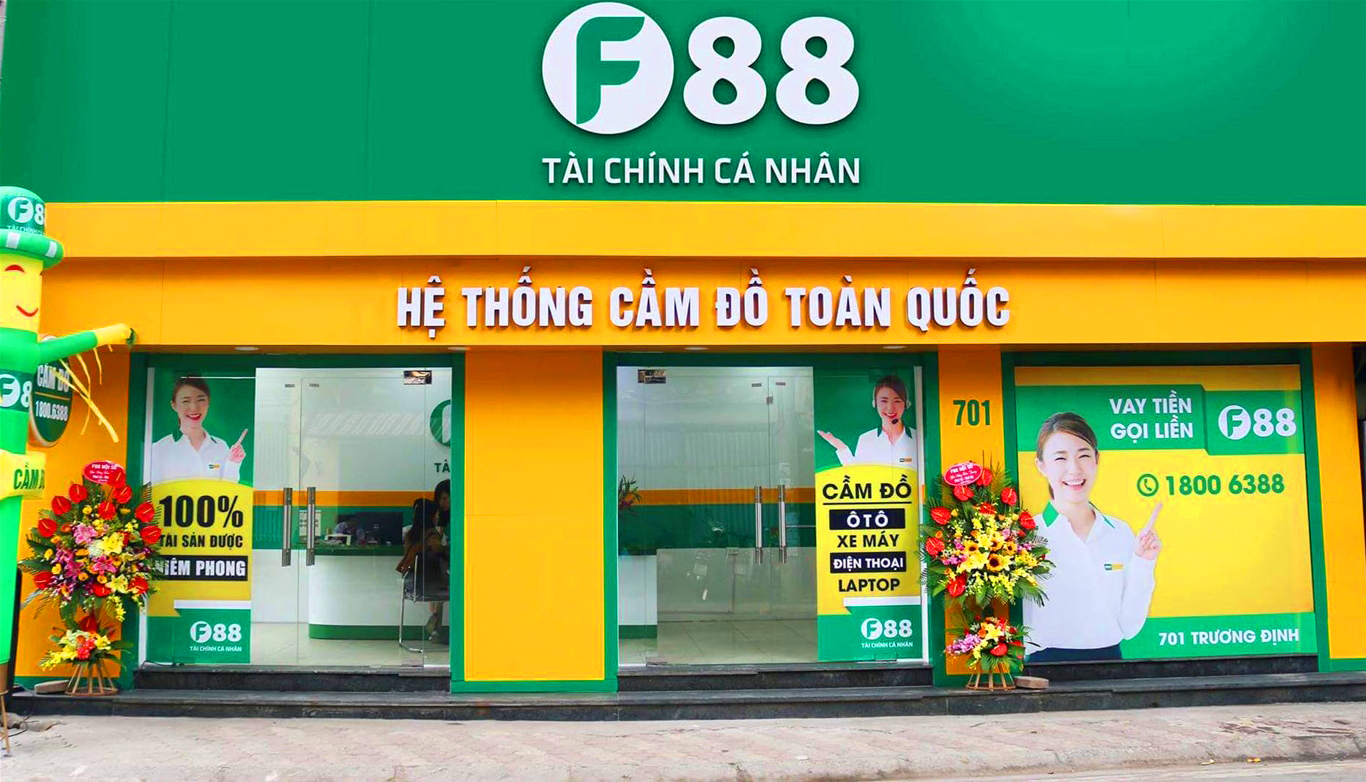
    In a significant development for Vietnam’s consumer finance landscape, F88 has secured approval to list on the Unlisted Public Company Market (UPCoM), starting August 8 at VND634,900 (approximately US$24.21) per share.

    The listing will consist of over 8.26 million shares, positioning F88 with a market capitalization of VND5.24 trillion (around $200 million). This initial listing price is strikingly 13 times higher than the average share price of blue-chip companies on the Ho Chi Minh Stock Exchange (HoSE), making F88 a notable new player in the market.

    The UPCoM was established to drive companies towards greater participation in the securities market, ultimately paving their way to listings on either HoSE or the Hanoi Stock Exchange. F88’s chairman, Phung Anh Tuan, has ambitious plans, aiming for a listing on HoSE with a market cap of $1 billion by 2027.

    The company has been showing robust performance in the consumer finance sector, with impressive financial results reported for the second quarter. F88 achieved revenue of VND925 billion, a remarkable 30% year-over-year growth, alongside a staggering pre-tax profit of VND89 billion, reflecting a 220% increase.

    This impressive growth trajectory is attributed to a 47% surge in loan disbursements and an almost 45% increase in outstanding loans. By the end of June, F88 had already met 48% of its annual profit target and reached its expansion goal ahead of schedule, launching 888 new outlets across the country.

    In a strategic move to bolster its leadership, F88 recently welcomed Piyasak Ukritnukun, a seasoned financial expert from Thailand, as an independent board member. This injection of experience promises to steer the company further towards its ambitious objectives.

    Questions & Answers

    What does F88’s listing on UPCoM signify for the company?
    F88’s listing on UPCoM marks a significant step in its growth strategy, enhancing visibility and attracting potential investors as it aims for a future listing on HoSE.

    How has F88 performed financially leading up to its market debut?
    The company has reported a stunning financial performance in Q2, with a 30% revenue increase and a 220% leap in pre-tax profit, driven by increased loan activity.

    Who has recently joined F88’s leadership team?
    F88 has appointed Piyasak Ukritnukun, a financial expert from Thailand, as an independent member of its board, bringing valuable experience to the company’s strategic direction.