Author: Mei Ling Tan

  • Vietnam Sets Ambitious Goal to Launch International Financial Center by Year-End

    Vietnam Sets Ambitious Goal to Launch International Financial Center by Year-End

    Vietnam is embarking on an ambitious initiative to establish an International Financial Center (IFC), a move poised to attract medium and long-term financial investments that will serve as a cornerstone for the nation’s socio-economic development. In tandem with this effort, the Vietnamese government is committed to finalizing a legal framework for the IFC, promoting a transparent and coordinated environment that will appeal to capital, cutting-edge technologies, modern management practices, and high-caliber talent from around the globe.

    Building Infrastructure for Financial Success

    To power the IFC’s ambitious goals, essential infrastructure and services—including transportation, telecommunications, and logistics—will see significant upgrades in Ho Chi Minh City and Da Nang. With a target of finalizing key infrastructure projects by late 2025, the government aims to create a web of seamless connectivity that supports the IFC’s operations.

    A Vision for a Modern Financial Ecosystem

    The overarching plan includes the development of a sophisticated financial ecosystem—think carbon and commodity exchanges—while championing innovative financial services like fintech and digital banking. The initiative also underscores the importance of establishing international-standard support services in legal, auditing, and technology domains.

    Key Locations Take Center Stage

    Ho Chi Minh City is prioritized for the development of the IFC facility, which will extend across 793 hectares in the Saigon, Ben Thanh, and Thu Thiem wards. The city is also tasked with deploying a 5G network, laying the groundwork for flawless digital transactions that will underpin fintech and digital banking initiatives.

    Conversely, Da Nang is directed to enhance its technological capabilities, focusing on investing in computing server systems and intelligent operational infrastructure at Software Park No. 2. The city will promote the rollout of 5G coverage while also exploring blockchain technologies to pilot digital asset products, all the while establishing national standards for IoT, Big Data, and data management.

    Leadership Driving Change

    Prime Minister Chinh formalized this significant strategy with a decision on August 1, launching the Steering Committee dedicated to shaping Vietnam’s IFC vision. Featuring notable leaders like Permanent Deputy Prime Minister Nguyen Hoa Binh and key figures from the finance and banking sectors, the committee will guide the government’s strategic direction and ensure the IFC operates smoothly amidst Vietnam’s burgeoning financial landscape.

    Who knew a country could be both a tech playground and a financial powerhouse? As Vietnam builds its international financial center, the risk is high but the potential gains are tantalizingly close on the horizon.

    Questions & Answers

    What is the primary goal of Vietnam’s International Financial Center initiative?
    The initiative aims to attract medium and long-term financial investments, laying a foundation for Vietnam’s socio-economic growth while creating a robust legal framework for the financial center.

    Which cities are at the forefront of this financial movement?
    Ho Chi Minh City and Da Nang are the primary locations for the International Financial Center, with each city focusing on enhancing essential infrastructure and technological capabilities.

    Who is overseeing the development of Vietnam’s IFC?
    The effort is being guided by a Steering Committee headed by Permanent Deputy Prime Minister Nguyen Hoa Binh, alongside key leaders from various sectors of government and finance.


  • Southeast Asia Emerges As Preferred Destination For Luxury Homebuyers, Boasting High Rental Yields

    Southeast Asia Emerges As Preferred Destination For Luxury Homebuyers, Boasting High Rental Yields

    Phnom Penh is rapidly emerging as a hotspot for the discerning investor, boasting impressive rental yields of 8% to 10%. In a telling shift, luxury homebuyers across Asia are increasingly looking closer to home, with a notable uptick in investments directed towards regional properties, particularly in Southeast Asia.

    Andrew Grimley, head of Global Distribution at International Property Alerts, shared insights during the Global Property Expo in Singapore, held from July 18 to 20. He noted, “While buyers are still purchasing homes in Europe, North America, and some parts of the Middle East, there’s a marked rise in investment activity for Southeast Asian real estate.”

    Among the standout markets in Southeast Asia are Cambodia, Thailand, the Philippines, and the picturesque island of Bali, Indonesia. Grimley enthusiastically described Cambodia as a captivating marketplace, thanks to its lack of capital gains tax, robust rental yields, and notable potential for capital appreciation.

    “Established markets like Thailand are still performing exceptionally well, and we’re witnessing significant growth in Bali, while the Philippines is drawing increasing interest,” he elaborated.

    Grimley highlighted that both Bali and Thailand are top picks for rental yield seekers, with Phnom Penh also making its mark as an emerging contender. Beyond Southeast Asia, he pointed to Sydney and Melbourne as reliable options for investors keen on solid rental income.

    For those considering property investments, Grimley emphasized the importance of collaborating with reputable management companies and focusing on capital appreciation alongside rental income. “It’s essential to pay attention to market growth—both from a tourism perspective and overall economic performance,” he advised.

    With Southeast Asia becoming a focal point for property investments, it seems the region is ready to not just attract attention, but to hold it, like the promise of a sunny beach day after a long week.

    Questions & Answers

    What is driving luxury homebuyers toward Southeast Asian real estate?
    Luxury homebuyers are drawn to Southeast Asian properties due to attractive factors such as high rental yields, capital appreciation potential, and favorable tax conditions like the absence of capital gains tax in markets like Cambodia.

    Which Southeast Asian countries are becoming popular among investors?
    Countries such as Cambodia, Thailand, the Philippines, and Indonesia—particularly Bali—are gaining traction among investors for their growth and investment prospects.

    What should investors prioritize when purchasing properties in these markets?
    Investors should seek reputable management companies and focus on both capital appreciation and rental yields, considering overall economic growth in addition to tourism growth in these regions.

  • Singaporeans Boost Gold Investments by 37%, Signaling Strong Market Confidence

    Singaporeans Boost Gold Investments by 37%, Signaling Strong Market Confidence

    Singapore’s investment in gold bars and coins surged by 37% year-on-year, reaching 2.2 tonnes in the second quarter. Although this figure falls short of the record high of 2.5 tonnes observed in the first quarter, the World Gold Council indicates a strong upward trend in gold investments. Meanwhile, in Southeast Asia, gold investment also flourished, with notable double-digit growth reported in Indonesia, Malaysia, and Thailand. In contrast, Vietnam saw a 20% decline in gold investment, a discrepancy that raises eyebrows.

    On the jewelry front, Singaporeans are growing cautious. Gold jewelry demand fell by 8%, totaling 1.5 tonnes, largely influenced by soaring gold prices that restricted consumer purchasing power. This trend mirrors a broader global decline in jewelry consumption, which has dropped to levels reminiscent of the pandemic.

    Globally, investment in gold bars and coins witnessed an 11% uptick, amounting to 306.8 tonnes. Chinese investors led the charge with 115 tonnes, complemented by Indian investors contributing 46 tonnes. Interestingly, European net investment doubled to 28 tonnes, while the U.S. found itself on a different trajectory—demand for gold bars and coins plummeted by half to just 9 tonnes in the second quarter.

    Looking ahead, the World Gold Council cites geopolitical tensions, market volatility, and macroeconomic uncertainty as factors that will continue to fuel investment demand for gold. It also notes that the performance of the U.S. dollar will be crucial for institutional investors moving into the second half of the year. With many analysts predicting a structurally weaker dollar, the stage is set for intriguing shifts in the gold market.

    Questions & Answers

    What percentage increase did Singapore experience in gold investment in the second quarter?
    Singapore’s gold investment rose by 37% year-on-year in the second quarter, totaling 2.2 tonnes.

    How did the demand for gold jewelry in Singapore change recently?
    Gold jewelry demand in Singapore declined by 8%, reaching 1.5 tonnes, largely due to record-high gold prices.

    Which regions showed notable growth in gold investment during the second quarter?
    In Southeast Asia, gold investments increased significantly in Indonesia, Malaysia, and Thailand, all reporting double-digit growth compared to the previous year.

  • Tourist Tax-Free Spending Plummets, Foreshadowing Challenges for Japan’s Retail Sector

    Tourist Tax-Free Spending Plummets, Foreshadowing Challenges for Japan’s Retail Sector

    Sales at Japanese department stores have shown signs of slowing in recent months, raising concerns that even the wealthiest shoppers may be curbing their extravagant expenditures. This shift is attributed partly to the ripple effects of U.S. President Donald Trump’s aggressive tariff policies, which have begun to take a toll on consumer sentiment.

    Once a hotspot of opulence, where luxury purchases were practically an everyday occurrence, the shopping landscape is shifting. Data from the Japan Department Stores Association indicates that, while the overall department store sales dipped by 0.4% year-on-year in August, the high-end segment is particularly feeling the pressure. Consumers that once splurged with abandon are now more discerning, raising eyebrows and speculation in the retail sector.

    In a bid to attract the scrupulous shopper, renowned stores like Tokyo’s Isetan Shinjuku have embraced technology, launching an innovative smartphone app tailored for overseas visitors. This app offers users enticing discount coupons as well as comprehensive information about the store in English, Chinese, and Korean. Such initiatives not only enhance the shopping experience but also seek to capture a significant slice of the lucrative tourist market.

    As retailers grapple with these changes, they are stepping up efforts to adapt. The high-end fashion scene finds itself at a crossroads, where luxurious brands must navigate a delicate balance between aspirational pricing and accommodating the evolving preferences of their consumer base. Will the lavish lifestyles of the past return, or are shoppers’ appetites for luxury purchases shifting irreversibly? Only time will tell, but for now, retailers seem to be polishing their strategies and hoping for a spark of that former extravagance — who wouldn’t want a weekend shopping spree to feel like a scene from a Hollywood film?

    Questions & Answers

    How have recent economic factors impacted Japanese department store sales?
    Japanese department store sales have dipped by 0.4% year-on-year, with concerns that high-end consumers are becoming more discerning due to factors like U.S. tariffs.

    What strategies are department stores implementing to attract overseas customers?
    Stores like Isetan Shinjuku have launched smartphone apps offering discount coupons and information in multiple languages, aimed at enhancing the shopping experience for foreign tourists.

    What does the future hold for high-end retail in Japan?
    As consumer preferences evolve, luxury brands face a challenge in balancing aspirational pricing with the desires of a more cautious shopping base, raising questions about the future of extravagant spending.

  • Trump Ends Duty-Free Exemption for All Foreign Packages Starting August 29th: What Shoppers Need to Know

    Trump Ends Duty-Free Exemption for All Foreign Packages Starting August 29th: What Shoppers Need to Know

    In a significant shift in U.S. trade policy, the Biden administration has announced that duty-free shipping for low-value commercial packages from all countries will be suspended effective August 29. This move, aimed at curbing the influx of fentanyl precursor materials entering the U.S., underscores a broader strategy to tighten border controls and address issues related to illegal drug imports.

    Cracking Down on De Minimis Shipments

    The suspension of duty-free privileges specifically targets what are known as de minimis shipments, which allow small packages valued at $800 or less to enter the country without incurring tariffs. The White House’s decision reflects growing concerns over the soaring number of these shipments entering the U.S. over the past decade, creating loopholes that can be exploited by smugglers.

    The Implications for Retailers

    This change poses new challenges for retailers and e-commerce platforms that rely heavily on cross-border sales. As online shopping continues to gain momentum, especially in the wake of the COVID-19 pandemic, retailers must now navigate the complexities of increased shipping costs and regulatory scrutiny. While consumers may soon face higher prices, one can only hope their shopping carts don’t become the next treasure trove of tariffs!

    Addressing Tax Loopholes and Fentanyl Concerns

    In addition to combatting drug smuggling, the Biden administration is also targeting tax loopholes that have arisen in the digital marketplace. By imposing stricter regulations on de minimis shipments, officials aim to establish a level playing field for U.S. retailers, ensuring that reforms also contribute to broader fiscal goals.

    Looking Ahead

    The impending regulatory changes will not only reshape the landscape of international shipping but also prompt retailers to reevaluate their logistics strategies. The administration’s comprehensive approach signals a move toward greater accountability in global trade practices while advancing public safety measures.

    Questions & Answers

    How will the suspension of duty-free shipping affect consumers?
    Consumers are likely to see increased prices on low-value packages, as they will no longer benefit from duty-free shipping, making cross-border purchases less appealing.

    What are de minimis shipments?
    De minimis shipments refer to small packages valued at $800 or less that can enter the U.S. without incurring duties, often used to expedite e-commerce transactions.

    Why is this move significant for U.S. retailers?
    This policy is designed to mitigate unfair competition from international sellers who benefit from tax loopholes, ultimately aiming to create a more equitable market for U.S. businesses.

  • Vietnam Gold Prices Approach Historic Highs: What This Means for Investors and the Market

    Vietnam Gold Prices Approach Historic Highs: What This Means for Investors and the Market

    On Saturday, the price for gold bars from Saigon Jewelry Company surged by 1.73%, hitting VND123.5 million (approximately US$4,710.14) per tael, tantalizingly close to the historic peak of VND124 million set on April 22. Gold rings also saw a bump, climbing 1.62% to VND119 million per tael, with a tael equaling 37.5 grams or 1.2 ounces.

    Since January, the price of gold in Vietnam has skyrocketed by 47%, reflecting a broader pattern of investment interest amid evolving economic conditions.

    On the global stage, gold prices surged nearly 2% to reach a one-week high on Friday, driven by disappointing U.S. payroll data that heightened expectations for rate cuts from the Federal Reserve, as well as new tariff announcements that increased demand for safe-haven assets. In fact, spot gold, which peaked at its highest since July 25, saw an impressive rise, adding 1.8% to $3,347.66 per ounce after flirting with a 2% increase earlier in the day. Over the past week, bullion notched a 0.4% gain.

    “Although payroll figures came in below forecasts, they were slightly higher than the market anticipated. This enhances the likelihood that the Federal Reserve will consider rate cuts later this year,” remarked Bart Melek, head of commodity strategies at TD Securities, to Reuters. Indeed, gold, often regarded as a non-yielding asset, tends to thrive in a low-interest-rate environment, leaving investors on the edge of their seats to see how this plays out.

    Questions & Answers

    How much have gold prices in Vietnam increased since the beginning of the year?
    Gold prices in Vietnam have jumped 47% since the start of the year.

    What recent economic data influenced the rise in gold prices globally?
    Weaker-than-expected U.S. payroll data played a crucial role in boosting expectations for Federal Reserve rate cuts, which in turn heightened demand for gold as a safe-haven asset.

    What were the recent price movements for gold bars and rings in Vietnam?
    Gold bars increased by 1.73% to VND123.5 million per tael, while gold rings rose by 1.62% to VND119 million per tael.

  • Alibaba’s New Retail Strategy: Transforming Asia’s Retail Landscape With Seamless Online Offline Shopping

    Alibaba’s New Retail Strategy: Transforming Asia’s Retail Landscape With Seamless Online Offline Shopping

    In an ambitious move that could reshape the retail landscape in Asia, Alibaba Group has unveiled its latest venture: a multi-format retail experience designed to blend online and offline shopping seamlessly. This ambitious project embraces the company’s mantra of “retail as a service,” as it looks to transform how consumers interact with brands while navigating an increasingly digital marketplace.

    Redefining Shopping Experiences

    The new initiative, which Alibaba refers to as its “New Retail” strategy, aims to create an omnichannel environment where traditional brick-and-mortar stores and digital platforms operate in perfect harmony. Customers will see a seamless integration of shopping experiences, from smart shelves that provide real-time product availability to interactive displays that offer personalized recommendations based on consumer behavior.

    Alibaba’s President, J. Michael Evans, described the project as a “game changer,” emphasizing the importance of tailored experiences in today’s competitive retail market. By leveraging data analytics and artificial intelligence, Alibaba plans to enable businesses to connect with consumers on a more intimate level, ensuring that every interaction feels customized and relevant.

    Partnerships Fueling Innovation

    Key to this initiative is a series of partnerships with established brands and startups alike. Notably, Alibaba has joined forces with local enterprises to enhance logistics capabilities and improve supply chain transparency. As Evans notes, “Collaboration is at the heart of what we are doing.” With this mindset, Alibaba hopes to attract partners eager to embrace the changing shopping paradigm and innovate alongside one of Asia’s retail giants.

    For tech enthusiasts, the prospect of shopping with augmented reality features is especially enticing. Imagine slipping on AR glasses to browse through a virtual storefront while standing in your living room — it sounds like something out of a science fiction novel but could soon become part of your everyday retail experience.

    Economic Implications

    This innovative push comes at a pivotal moment for retail in Asia, as significant shifts in consumer behavior have emerged during the pandemic. Research indicates that online shopping has skyrocketed, but there’s still a strong desire among consumers for physical interactions. Alibaba’s strategy appears to anticipate this hybrid demand, potentially setting a new standard for how brands engage with their customers in both realms.

    The economic implications of Alibaba’s New Retail approach are profound. By creating an ecosystem that fosters growth for businesses of all sizes, Alibaba not only stands to boost its own bottom line but also invigorate the entire retail sector, leading to renewed job creation and economic activity.

    Final Thoughts

    As Alibaba propels itself further into the retail future, one thing is clear: this isn’t just about selling products — it’s about crafting a consumer-centric environment that enhances the shopping journey. If executed successfully, it could indeed be the start of an exciting new chapter in Asian retail history.

    Questions & Answers

    What is Alibaba’s New Retail strategy?
    Alibaba’s New Retail strategy aims to create an integrated shopping experience that melds online and offline retail, utilizing advanced technologies like AI and data analytics to personalize customer interactions.

    How is Alibaba partnering to enhance its retail initiative?
    Alibaba is forming partnerships with both established brands and innovative startups to strengthen logistics and supply chain transparency, driving collaboration and innovation in the retail space.

    What are the potential economic impacts of this initiative?
    The New Retail initiative could invigorate the retail sector, boost economic activity, and lead to job creation by fostering a growth-oriented ecosystem for businesses of all sizes in Asia.

  • H&M’s Balancing Act: Navigating Sustainability Goals Amid Rising Retail Competition

    H&M’s Balancing Act: Navigating Sustainability Goals Amid Rising Retail Competition

    In the fast-paced world of retail, brands often find themselves caught in a web of immediate consumer demands and long-term strategic planning. One company feeling the heat is H&M, which has recently made headlines for its sustainability initiatives and focus on ethical fashion. However, as the Swedish retailer grapples with fluctuating sales and increasing competition, a closer look at its approach reveals a mixture of innovation, challenges, and the occasional misstep.

    H&M’s Sustainability Journey

    H&M has positioned itself at the forefront of sustainability, pledging to use 100% recycled or other sustainably sourced materials by 2030. This ambitious commitment resonates well with eco-conscious consumers, particularly younger shoppers who prioritize sustainability in their purchasing decisions. Still, the journey has not been without pitfalls; the brand has faced scrutiny over greenwashing accusations, raising questions about the authenticity of its efforts.

    Facing Market Challenges Head-On

    As of mid-2023, H&M has reported a notable dip in sales, attributed partly to changing consumer preferences and the rise of fast fashion competitors who are nimble and aggressive. The retailer’s recent focus on overhauling its online platform and optimizing supply chains indicates a strategic pivot to better meet contemporary retail demands. A dash of urgency is in the air, as the brand aims to strike the right balance between sustainability and competitiveness — ensuring it doesn’t lose its footing in the rapid race that is retail.

    The Asian Market Landscape

    In Asia, where retail dynamics differ significantly from those in Europe and the Americas, H&M has been investing heavily. The brand has recently opened new flagship stores in key markets such as Bangkok and Shanghai, designed to deliver a more personalized shopping experience. It’s a gamble aimed at turning foot traffic into sales, as traditional shopping experiences are making a resurgence post-pandemic. Who knew that physical stores would have to go full circle and embrace digital experiences, incorporating tech-savvy elements while still allowing customers to feel the fabric before they buy?

    Looking Ahead

    The company is betting on strategic collaborations to further enhance its offerings. Partnerships with local designers and influencers have become pivotal in creating collections that resonate with diverse Asian consumers. By understanding local tastes and trends, H&M strives to craft a more cohesive brand narrative that appeals across cultural lines. The road ahead will require diligence and adaptability, and as H&M navigates these waters, the aim remains clear: to redefine what it means to be a responsible retailer in a rapidly evolving marketplace.

    Questions & Answers

    What sustainability goals has H&M set for itself?
    H&M aims to use 100% recycled or other sustainably sourced materials by 2030, reflecting its commitment to ethical fashion.

    What challenges is H&M currently facing in the retail market?
    H&M is dealing with declining sales due to shifting consumer preferences and stiff competition from fast fashion brands.

    How is H&M adapting to the unique demands of the Asian market?
    The retailer is opening flagship stores in major Asian cities and collaborating with local designers to tailor its offerings to regional tastes.

  • Hermès Chairman Confirms Recovery of Missing $16B Stake by Heir is Impossible

    Hermès Chairman Confirms Recovery of Missing $16B Stake by Heir is Impossible

    During an earnings call on Wednesday, Executive Chairman Axel Dumas revealed an unsettling update regarding Nicolas Puech, the great-grandson of Hermès founder Thierry Hermès. “I’ve had the certainty for a long time that Nicolas Puech no longer holds his shares,” Dumas stated, suggesting the luxurious legacy has spiraled into complex legal battles. Dumas further expressed skepticism about the possible restoration of Puech’s stake and disclosed that the firm has initiated legal proceedings to address the issue.

    This insight from Dumas is the most comprehensive yet on the ongoing saga surrounding Puech’s missing fortune, a topic that has stirred intrigue among luxury retail watchers. Puech inherited a 5.7% stake in Hermès following the deaths of his mother in 1996 and sister in 2004, yet his relationship with the family and the company has grown increasingly fraught.

    A Pivotal Moment Amid a Takeover Attempt

    In 2010, as LVMH’s Bernard Arnault attempted a discreet takeover of Hermès, Puech turned against his family by quietly facilitating the transfer of some Hermès shares to Arnault, which allowed the business mogul to acquire a 23% stake in the luxury powerhouse. However, Arnault’s ambitions crumbled, resulting in a resolution in 2014 that saw him unwind his stake. That same year, Puech stepped down from Hermès’ supervisory board, but the fate of his shares has since become shrouded in mystery.

    The Complications of Bearer Shares

    Things took a turn for the complicated when it was revealed that Puech’s shares are bearer shares, a type of stock traditionally less transparent than registered shares. Unlike his family members who hold shares in their names, Puech’s stock does not disclose ownership, leading to challenges in tracing who currently possesses them and distributing dividends through intermediaries.

    A Legal Twist in 2023

    The plot thickened in 2023 when Puech claimed in court that he no longer owned the shares, placing the blame on his former wealth manager, Eric Freymond. According to reports, Puech accused Freymond of mismanaging his financial affairs, prompting intrigue about the control and governance of the inherited wealth. However, a Geneva court dismissed these claims, emphasizing that Puech had ceded control of his affairs to Freymond and could have revoked their arrangement at any time. The court found Puech’s accusations to be vague and lacking in substantial evidence.

    Freymond, who staunchly denied any wrongdoing, recently passed away in Switzerland, leaving behind an even more tangled narrative around the Hermès shares. Meanwhile, LVMH confirmed it has divested all its holdings in Hermès, closing the door on any former entanglements.

    The Broader Implications for Hermès

    If Puech still retains his stake, he would emerge as the largest individual shareholder of Hermès, a brand that carries a staggering market value of over US$300 billion as of February. The Hermès family, a network of over 100 members, remains one of Europe’s most affluent dynasties, and the repercussions of this saga could resonate far beyond just one heir’s misfortune. After all, in a world where luxury can be as elusive as it is sought after, such tales weave a compelling narrative that captivates the imagination.

    Questions & Answers

    What prompted the current dispute over Nicolas Puech’s shares?
    The dispute emerged from Puech’s alleged lack of ownership of his inherited shares after he assisted Bernard Arnault during a failed takeover of Hermès, raising questions about the ultimate fate of those shares.

    Why are Puech’s bearer shares significant?
    Bearer shares lack registered ownership details, complicating the process of tracking dividends and ownership, which poses challenges for the company in determining who rightfully holds the shares.

    What was the outcome of the recent legal proceedings involving Puech?
    A Geneva court ruled against Puech, stating he ceded control to his wealth manager and failed to provide sufficient evidence to support his claims of mismanagement.

  • Rakuten Unveils Innovative AI Agent for Enhanced Mobile and Web Shopping Experience

    Rakuten Unveils Innovative AI Agent for Enhanced Mobile and Web Shopping Experience

    In a bold step towards redefining digital interactions, Rakuten Group, Inc. and Rakuten Mobile, Inc. have officially launched Rakuten AI. This innovative artificial intelligence agent is now accessible through the Rakuten Link app and a beta web application, setting the stage for a tech-forward user experience.

    Expanding Features and Reach

    Available free of charge, Rakuten AI is primed for a broader rollout, with plans to extend its capabilities to Rakuten Ichiba by Autumn 2025. Designed to streamline interactions within the Rakuten ecosystem, the service boasts an impressive array of features that includes AI chat, voice input, image search, translation services, coding assistance, and customized recommendations. Talk about a virtual assistant that does it all!

    Localized for Japanese Users

    What sets Rakuten AI apart is its deep understanding of Japanese language and culture, making it particularly relevant for domestic users. Within the Rakuten Link app, customers can engage with Rakuten AI through text, voice, and even image-based queries, while receiving AI-generated suggestions to refine their searches and navigate a plethora of services seamlessly.

    A Comprehensive Tool for Everyday and Complex Needs

    For Rakuten ID holders, the web app presents additional functionalities, including advanced search capabilities, problem-solving tools, and content creation features. This positions Rakuten AI not just as a daily utility, but as a comprehensive tool capable of tackling more intricate tasks with ease.

    A Vision for the Future of Retail

    The impending integration of Rakuten AI into Rakuten Ichiba later this year aims to enhance the shopping experience by delivering personalized product recommendations that draw from user behavior, preferences, and purchase history. This launch marks the start of Rakuten’s ambitious vision for an Agentic Ecosystem—a hyper-personalized network where AI empowers users to make informed decisions, act swiftly, and streamline various tasks across multiple platforms.

    Ultimately, Rakuten aims to establish Rakuten AI as the go-to gateway for its expansive digital ecosystem, enhancing both mobile and web experiences to ensure intuitive access and intelligent guidance for users.

    Questions & Answers

    What functionalities does Rakuten AI offer to users?
    Rakuten AI provides tools such as AI chat, voice input, image search, translation services, coding assistance, and personalized recommendations, all tailored to enhance user experience.

    How is Rakuten AI tailored to the local market?
    It has a strong understanding of Japanese language and culture, making it especially relevant and useful for users in Japan.

    When can we expect to see Rakuten AI integrated into Rakuten Ichiba?
    The integration is scheduled for later this year, aiming to offer personalized product recommendations based on user preferences and shopping behavior.

  • China’s Ambitious Hydropower Project: A Key Step Toward Decarbonisation with Significant Risks Ahead

    China’s Ambitious Hydropower Project: A Key Step Toward Decarbonisation with Significant Risks Ahead

    China’s new hydropower project will be the world’s biggest and crucial for energy decarbonisation, but this will be expensive and challenging, S&P Global Ratings said.

    “The project will also be very risky. The geographic challenges will be unprecedented: it will be built in remote Tibet, with little existing infrastructure to move or shelter workers and equipment,” said S&P Global Ratings credit analyst Miranda Wang.

    The project will be completed in 10-15 years and will boost China’s hydropower capacity by 16% and generation by 22% with its 60 gigawatt capacity. It will have almost three times the capacity of the Three Gorges Dam, which generates 15% of Europe’s hydropower output.

    S&P Global Ratings noted that the central government is designating a new state-owned enterprise, China Yajiang Group Co. Ltd., to undertake all risks from this project.

    “We believe the establishment of the new entity isolates all execution risks from the existing rated power producers, which have limited financial headroom,” it said.

    The project will use novel engineering that will channel a river into a tunnel blasted through a mountain, thus spinning turbines and generating electricity. The government estimates construction costs at about $167b.

  • Hong Kong’s Stablecoin Legislation: A New Era for Wealth Management and Payment Innovations!

    Hong Kong’s Stablecoin Legislation: A New Era for Wealth Management and Payment Innovations!

    Hong Kong’s recently enacted stablecoins ordinance is poised to shake up the local banking landscape, particularly in the realm of digital payments. As these digital currencies emerge, they may create fresh competition for banks while simultaneously providing new opportunities in wealth management. “Stablecoins issued in Hong Kong could increase competition for banks, particularly in wholesale payments, due to potential advantages in cost and speed,” stated Phyllis Liu, a credit analyst at S&P Global Ratings.

    Facing this evolving environment, local banks are expected to proactively participate in the market to mitigate the risk of disintermediation. Liu notes, “Hong Kong banks will seek to participate in the market to avoid disintermediation threats.” The new landscape could also bolster their wealth management services, drawing in more clients from mainland China and beyond.

    Michael Huang, another credit analyst for S&P, elaborates on this potential shift, suggesting that by offering stablecoin-linked products or digital assets, Hong Kong banks may appeal to both local and international customers eager for offshore crypto investments. It’s like a retail revival for the financial sector, where traditional banking meets the digital frontier.

    The interest in Hong Kong’s stablecoin market is described as “very strong,” with the Hong Kong Monetary Authority indicating that it plans to issue a limited number of stablecoin licenses. “We anticipate first movers will likely be big tech companies and large banks that have deep resources and technological skills,” remarked S&P, hinting at an exciting intersection of technology and finance in the city’s future.

    Questions & Answers

    How might stablecoins affect traditional banking in Hong Kong?
    Stablecoins could introduce significant competition for banks, particularly in wholesale payments, by offering advantages in cost and speed, prompting banks to adapt to avoid losing their market share.

    What opportunities do stablecoins present for Hong Kong banks?
    Aside from facing competition, banks could enhance their wealth management services and attract mainland Chinese customers by offering stablecoin-linked products and digital assets.

    Who are likely to be the first movers in the stablecoin market?
    Big tech companies and well-established banks with extensive resources and technological prowess are expected to be the early adopters in Hong Kong’s stablecoin landscape.

  • Reborn Coffee Seals $1.3m Licensing Deal For Expansion Into China’s Burgeoning Specialty Market

    Reborn Coffee Seals $1.3m Licensing Deal For Expansion Into China’s Burgeoning Specialty Market

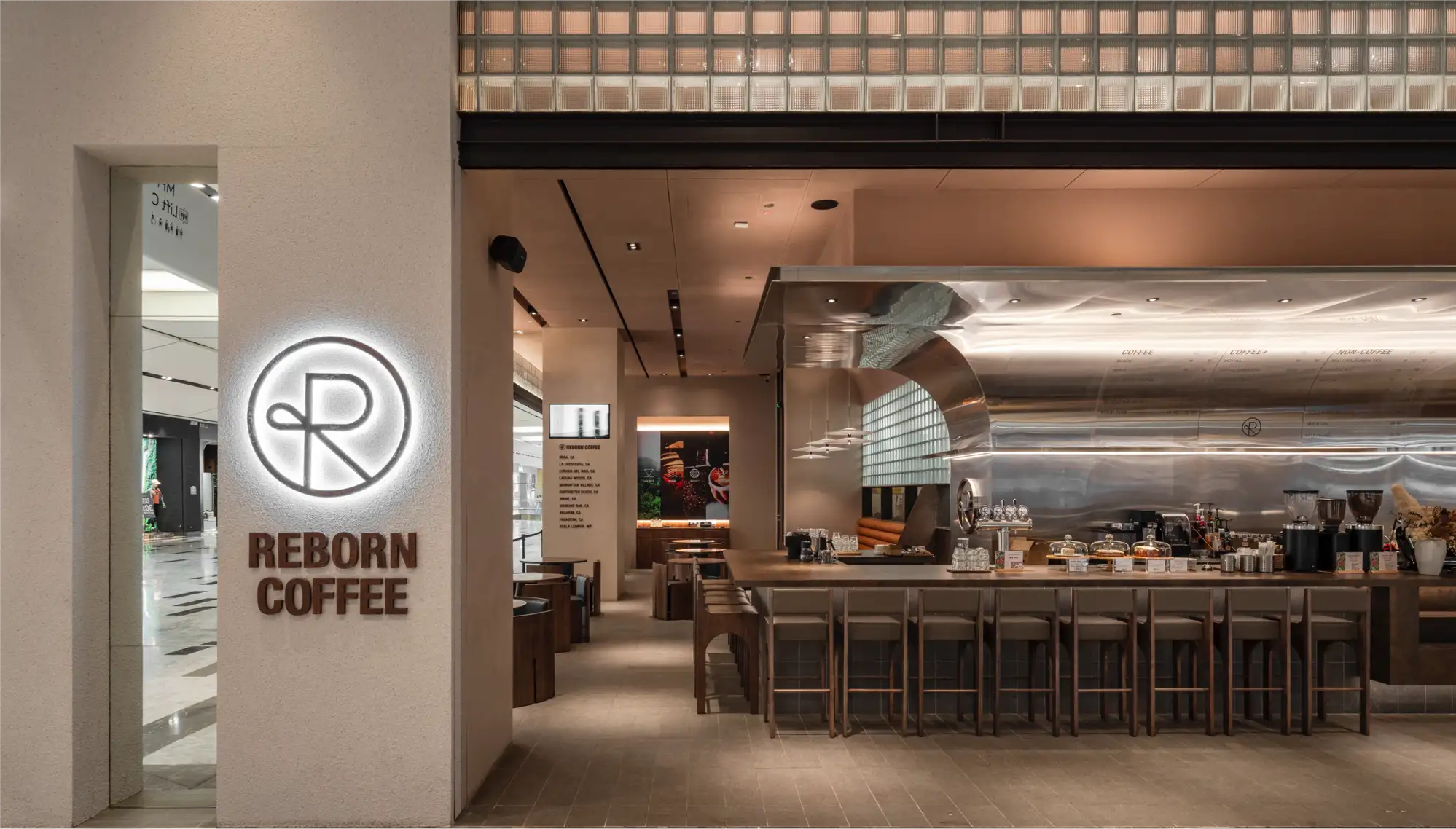
    Reborn Coffee, a specialty coffee retailer based in California, has entered into a licensing agreement valued at $1.3 million with Reborn Health Goods, a corporation situated in China. This alliance will facilitate the specialty coffee retailer’s expansion efforts throughout mainland China.

    Agreement Details

    Under this exclusive master licensing agreement, Reborn Health Goods will be responsible for the national operation and expansion of the Reborn Coffee brand. This includes directing store development activities and coordinating regional sublicensing partnerships, all in tune with the brand’s objectives for growth and maintaining its standards.

    Jay Kim, CEO of Reborn Coffee Inc., believes this agreement lays the groundwork for harmonized growth and consistency in branding across one of the most dynamic consumer markets globally. He said, “Our partner brings the scale, strategy, and operational excellence to lead Reborn’s multi-format rollout across key provinces and cities in China.”

    Reborn Health Goods will also work collaboratively with both existing and future regional licensees—including those in Guangdong and Liaoning provinces—to ensure Reborn Coffee’s branding is executed uniformly throughout the country.

    Strengthening Position in Asia-Pacific

    Asia-Pacific has seen a surge in demand for specialty coffee. By aligning with this trend, Reborn Coffee’s strategic partnership with Reborn Health Goods bolsters its presence in the region, aligning with its wider international vision.

    Questions & Answers

    What is the primary objective of the licensing agreement between Reborn Coffee and Reborn Health Goods?
    The main goal of the agreement is to facilitate the expansion of Reborn Coffee throughout mainland China while ensuring brand consistency.

    Who will be responsible for the national operation and brand expansion of Reborn Coffee in China?
    Reborn Health Goods, under the licensing agreement, will oversee the national operation and expansion of the Reborn Coffee brand in China.

    How does this agreement align with the increase in demand for specialty coffee in the Asia-Pacific region?
    With the rising demand for specialty coffee in the Asia-Pacific region, this agreement helps to solidify Reborn Coffee’s presence and supports its broader international expansion plans.

  • Danish Brand Flying Tiger Copenhagen Debuts In Singapore, Amplifying Asia-pacific Presence

    Danish Brand Flying Tiger Copenhagen Debuts In Singapore, Amplifying Asia-pacific Presence

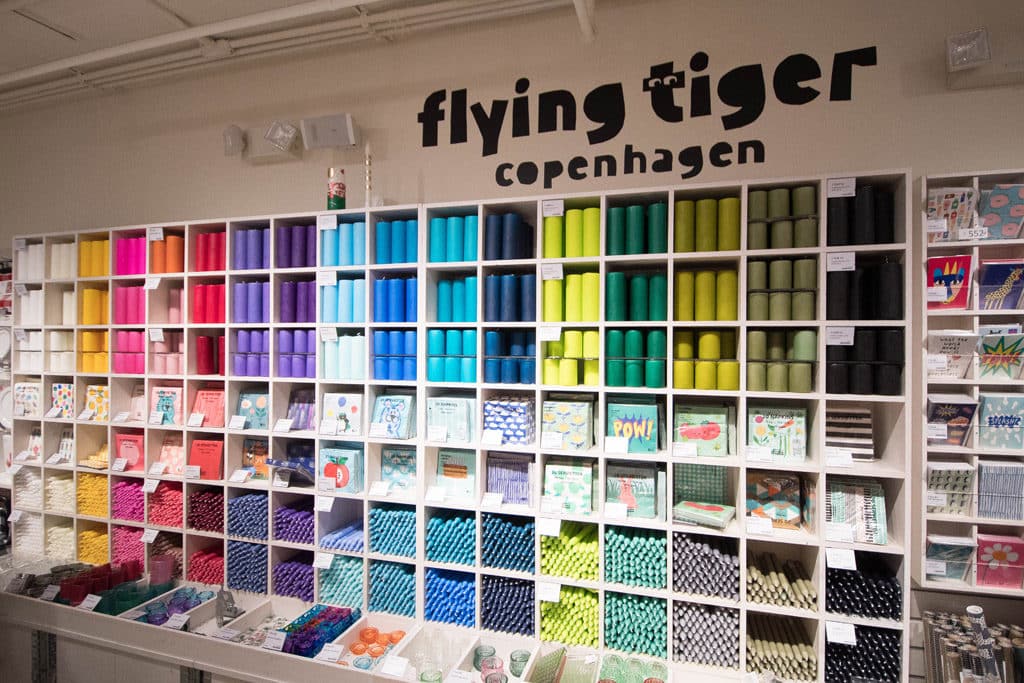
    Flying Tiger Copenhagen, a Danish lifestyle brand, has recently expanded its global footprint with the launch of its first store in Singapore. Situated in Bugis+, the store’s opening signifies the brand’s sustained drive to establish a stronger presence in the Asia-Pacific region.

    The newly unveiled 157sqm store showcases a wide range of products, adhering to the brand’s focus on design-centric and economically priced offerings. The selection includes homeware, stationery, interior decor, and toys, thereby meeting a variety of consumer needs and preferences.

    Singapore represents the latest accomplishment in Flying Tiger Copenhagen’s ambitious regional growth strategy. The brand initiated its Asia-Pacific expansion in 2023 with the inauguration of its stores in Indonesia and the Philippines. This was closely followed by store launches in Australia and Vietnam in the subsequent year.

    The operations in Singapore are steered by PT Mitra Adiperkasa Tbk (MAP), an Indonesian lifestyle retail company. MAP also supervises the brand’s operations in Indonesia and Malaysia, thereby ensuring a cohesive strategy across these markets.

    Established in 1995, Flying Tiger Copenhagen has experienced significant growth and now operates over 1000 stores in 39 global markets. This expansion underscores the brand’s commitment to bringing its unique offerings to a wider international audience.

    Questions & Answers

    What is the Danish lifestyle brand that recently opened its first store in Singapore?
    The brand is Flying Tiger Copenhagen.

    What variety of products does the new Flying Tiger Copenhagen store in Singapore offer?
    The store offers a selection of homeware, stationery, interior decor, and toys.

    Who is managing the operations of Flying Tiger Copenhagen in Singapore?
    The operations are managed by an Indonesian lifestyle retail firm known as PT Mitra Adiperkasa Tbk (MAP).

  • Record Q2 Revenue For Luckin Coffee Amid Global Expansion And Increased Customer Engagement

    Record Q2 Revenue For Luckin Coffee Amid Global Expansion And Increased Customer Engagement

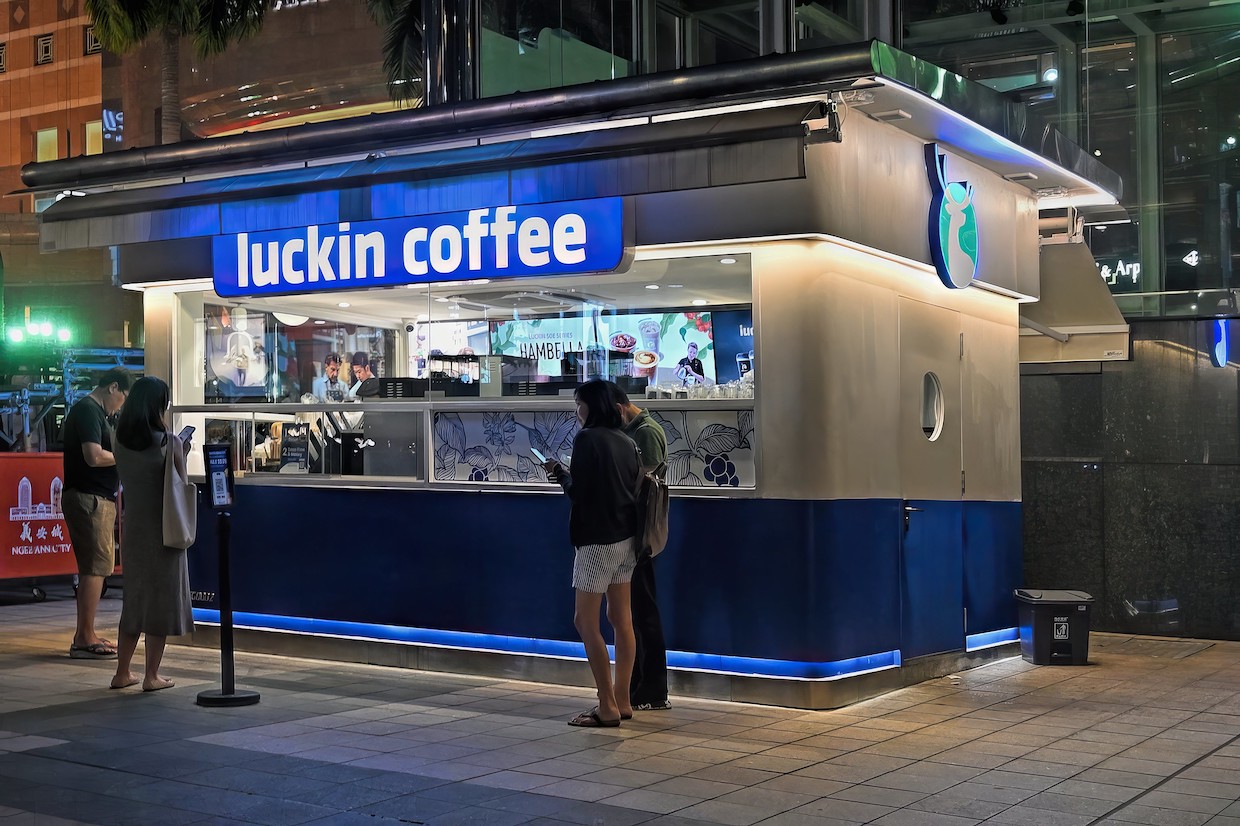
    Luckin Coffee reported an unprecedented revenue of $1.72 billion in the second quarter, representing a 47 percent year-on-year increase. This performance coincides with the expansion of the Chinese coffee chain’s global footprint to 26,206 outlets, including more than 2100 new store openings.

    Global Expansion and Growth in Numbers

    Luckin Coffee expanded its network by adding 2085 stores in mainland China and Hong Kong during the second quarter. Additionally, the company opened six new stores in Singapore, 16 in Malaysia, and two in the United States. Of the total number of stores, 16,968 are directly operated by Luckin Coffee, while 9,238 outlets are run in partnership with other entities.

    The company saw a notable surge in customer engagement, with monthly transaction numbers reaching an all-time high of 91.7 million customers during the quarter, marking a 31.6 percent increase compared to the corresponding period last year.

    Financial Performance and Business Prospects

    Revenue generated from directly operated stores shot up by 45.6 percent to $1.27 billion, propelled by a same-store sales growth of 13.4 percent. This indicates a notable improvement from the 8.1 percent growth recorded in the preceding quarter, and a significant rebound from a 20.9 percent decline experienced a year ago.

    Luckin Coffee’s operating profits at store level surged by 42.3 percent to reach $268 million. Revenue from partnership stores also saw a substantial increase, reaching $399.8 million, which translates to a 55 percent year-on-year increase.

    Jinyi Guo, co-founder and CEO of Luckin Coffee, attributed the robust financial performance to the company’s strategic focus on scalability. He emphasized that by capitalizing on the company’s strengths in areas such as operational efficiency, fulfillment, and supply chain, Luckin Coffee has managed to achieve double-digit same-store sales growth in its directly operated stores.

    As for the future, Guo reaffirms that the company remains resolute in its commitment to expanding its market share.

    Questions & Answers

    What was Luckin Coffee’s recorded revenue for the second quarter?
    The company recorded a revenue of $1.72 billion for the second quarter.

    How many new stores did Luckin Coffee open in the second quarter?
    The coffee chain opened more than 2100 new stores globally in the second quarter.

    What was the growth rate in Luckin Coffee’s same-store sales?
    The company reported a same-store sales growth of 13.4% during the quarter.