Author: Mei Ling Tan

  • Malaysia Imposes MYR3.44 Million Fine on Bank Islam for Service Disruptions and Compliance Failures

    Malaysia Imposes MYR3.44 Million Fine on Bank Islam for Service Disruptions and Compliance Failures

    Amidst evolving regulatory landscapes, Bank Islam Malaysia Berhad (BIMB) finds itself in hot water as Malaysia’s central bank, Bank Negara Malaysia (BNM), imposes a financial penalty due to service disruptions and compliance failures. The bank has been penalized a total of MYR3.44 million for a series of unfortunate events that impacted its banking services and risk management practices.

    Unplanned Downtimes Shake Customer Trust

    BIMB drew the central bank’s ire with a fine of MYR1.74 million after experiencing multiple unplanned downtimes between June 1, 2023, and December 31, 2024. These outages severely affected its e-banking channels, debit card services, and online payment transactions. BNM disclosed that these disruptions resulted from BIMB’s delayed response and lack of a robust recovery process, ultimately causing turmoil for customers relying on essential banking services.

    Compliance Breaches Compound Troubles

    In addition to service lapses, BIMB faced a separate penalty of MYR1.7 million for failing to comply with anti-money laundering and combating the financing of terrorism (AML/CFT) regulations. According to BNM, an on-site examination revealed alarmingly inadequate sanctions screening processes within BIMB’s systems.

    The bank’s noncompliance was further exacerbated by its failure to timely screen its entire customer database against the Domestic List following updates published in the Federal Gazette in 2022 and 2023. This oversight delayed the identification of matches for three specified entities, raising significant concerns regarding the bank’s anti-financial crime measures.

    A Wake-Up Call for Financial Institutions

    The penalties imposed on BIMB highlight the critical need for financial institutions to maintain rigorous compliance protocols and ensure their systems are equipped to handle unexpected challenges. While BIMB may have caught a few unfortunate breaks, the overarching lesson remains: in the fast-paced world of banking, a blip in service can ripple out to many unsuspecting customers, making swift mitigation a must. Warning bells ringing, BIMB now has a stern reminder that effective risk management is as essential as delivering seamless service.

    Questions & Answers

    What prompted Bank Negara Malaysia to impose penalties on BIMB?
    The penalties stemmed from a series of unplanned downtimes affecting services and shortcomings in compliance with AML/CFT regulations.

    How much total financial penalty was levied against BIMB?
    BIMB faced a total penalty of MYR3.44 million, which includes MYR1.74 million for service disruptions and MYR1.7 million for compliance failures.

    What were some specific compliance failures identified by Bank Negara Malaysia?
    BIMB failed to conduct timely sanctions screening for its customer database, which led to delays in identifying matches for three specified entities.


  • Exploring Barriers to the Growth of Green Bonds in India’s Eco-Friendly Investment Landscape

    Exploring Barriers to the Growth of Green Bonds in India’s Eco-Friendly Investment Landscape

    The trajectory of India’s green bonds is expected to climb steadily as the nation pushes towards a low-carbon economy. However, a new analysis from the Institute of Energy Economics and Financial Analysis (IEEFA) unveils a constellation of challenges that could throw a wrench in this optimistic outlook.

    Obstacles Looming Over Green Financing

    In their latest briefing note, IEEFA identifies several hurdles that threaten to stifle the scalability of green bonds, which are vital for financing sustainable projects. Labanya Prakash Jena, a sustainable finance consultant at IEEFA and co-author of the analysis, emphasizes the need for robust monitoring and reporting mechanisms. Without these, greenwashing becomes more prevalent, potentially undermining the very purpose of green bonds.

    The landscape is further complicated by inconsistent definitions, verification processes, and reporting standards for green bonds in various jurisdictions. While frameworks like the Green Bond Principles from the International Capital Market Association and the Climate Bonds Standard aim to create consistency, Jena’s collaborator, Vandana Vuppuluri, noted that their interpretation can vary widely from one market to another.

    The Cost Conundrum

    Another significant barrier is the high cost associated with issuing green bonds. This financial burden has resulted in an uneven playing field, largely favoring well-resourced corporations and sovereign entities. “It’s crucial to recognize that the green bond market remains relatively small compared to the broader bond market,” Jena states. “This limitation restricts investment opportunities and casts a long shadow on transparency, as securing consistent post-issuance reports about environmental impacts can deter potential investors.”

    While green bonds are not a panacea for climate issues, Vuppuluri insists they hold essential value in financing a transition to a low-carbon future. “Success relies on how well market dynamics, regulatory frameworks, and stakeholder commitment coalesce around environmental objectives,” she asserts. And remember, as challenging as the road ahead may seem, a little creativity can often turn obstacles into stepping stones—just ask any aspiring entrepreneur navigating the bustling streets of Delhi!

    Questions & Answers

    What are the main challenges facing India’s green bond market?
    The key challenges include a lack of robust monitoring and reporting mechanisms, inconsistent definitions and regulations across jurisdictions, and the high cost of issuing green bonds, which limits participation to well-resourced entities.

    How do varying frameworks affect the green bond market?
    While frameworks like the Green Bond Principles and the Climate Bonds Standard exist to establish coherence, their interpretation can differ significantly across markets, leading to confusion and inconsistency in green bond issuance.

    What role do green bonds play in battling climate change?
    Although they are not a standalone solution, green bonds are critical for financing initiatives that support a transition to a low-carbon economy, with their success contingent on effective regulation and stakeholder commitment to environmental goals.

  • Asia’s Retail Revolution: Digital Innovation, Experiential Shopping, And The Sustainability Shift

    Asia’s Retail Revolution: Digital Innovation, Experiential Shopping, And The Sustainability Shift

    With the global retail landscape evolving at breakneck speed, Asia continues to emerge as a hotbed of innovation and consumer engagement. Major players are adapting creatively, guided by rapidly shifting consumer preferences, which reflect broader societal trends throughout the region.

    Asian Retailers Embrace Digital Transformation

    The ongoing pandemic has undoubtedly accelerated the adoption of digital technologies, as brands across Asia bolster their online presence. From China’s vibrant e-commerce giants like Alibaba and JD.com to Southeast Asia’s burgeoning platforms, the race to capture online market share is intensifying. Retailers are leveraging data analytics and artificial intelligence to enhance customer experiences, tailor offerings, and streamline operations.

    Take the example of a popular retailer recently unveiling an interactive shopping app that allows customers to virtually try on products before making a purchase. This innovative approach not only heightens engagement but also addresses inherent consumer hesitations about online shopping. Who knew that trying on clothes could soon feel like a game, even from the comfort of your living room?

    Experiential Retail is Making a Comeback

    While digital channels are critical, there’s a compelling counter-movement toward experiential retail that’s breathing new life into brick-and-mortar stores. Brands are reimagining the in-person shopping experience by creating immersive environments that blend shopping with entertainment.

    For instance, a high-end fashion brand in Tokyo has transformed its flagship store into a multi-sensory haven, complete with art installations and live performances. This shift highlights a growing recognition that consumers crave meaningful interactions, whether online or offline. Simply put, shopping has evolved from a task into an adventure.

    Sustainability Takes Center Stage

    As consciousness around environmental issues heightens, sustainability has become a key principle driving retail strategies. Many brands are actively shifting towards eco-friendly practices. Whether it’s adopting sustainable materials, implementing circular economy practices, or reducing carbon footprints, Asian retailers are keen to align with consumers’ ethical values.

    A popular clothing retailer in India recently launched a line of apparel made entirely from recycled materials, resonating with eco-conscious shoppers. This initiative showcases the retail community’s response to a pressing challenge—turning sustainability from a buzzword into a business imperative.

    Localized Strategies Fuel Market Success

    Focusing on local markets has never been more critical for retail success in Asia. Brands are honing in on the unique cultural, regional, and social nuances that define their customer bases. Tailoring products and marketing strategies to fit local tastes is essential for establishing a genuine connection with consumers.

    Moreover, omnichannel strategies are becoming increasingly sophisticated. Retailers are recognizing that the path to purchase is no longer linear, prompting them to seamlessly integrate their online and offline channels. This approach not only enhances customer convenience but also fosters brand loyalty in a competitive marketplace.

    Future Trends to Watch

    Looking ahead, one can only speculate on the trends that will shape retail in the coming years. The fusion of technology and retail promises thrilling possibilities, from advanced personalization through augmented reality to the rise of subscription models. As Asia’s retail sector continues to pivot and innovate, one thing remains clear: consumers hold the power, and retailers must be prepared to respond.

    Questions & Answers

    How are retailers in Asia adapting to digital transformation?
    Retailers are enhancing their online presence by leveraging technologies such as data analytics and AI, which help tailor customer experiences and streamline operations.

    What is driving the shift towards experiential retail?
    Consumers increasingly crave meaningful interactions, leading brands to create immersive environments that combine shopping with entertainment, transforming shopping into a unique experience.

    Why is sustainability important for Asian retailers?
    As awareness of environmental issues grows, sustainability has become essential for aligning with consumers’ values and addressing the challenges of modern retail.

  • Vietnam Airlines Reports Impressive $255 Million Profit Surge in First Half of 2023

    Vietnam Airlines Reports Impressive $255 Million Profit Surge in First Half of 2023

    Vietnam Airlines has reported a significant boost in its pre-tax profit for the first half of 2025, achieving VND6.68 trillion (US$255 million), marking a robust 19.3% increase compared to the same period last year, driven by soaring demand.

    According to the airline’s financial results, revenues surged by 10% to reach VND58.68 trillion. This profit figure shockingly outstrips earlier estimates made by CEO Le Hong Ha during the company’s annual general meeting in June—calling it a pleasant surprise for stakeholders.

    The state-owned carrier attributed this impressive performance largely to a notable rebound in travel demand, particularly during the bustling second quarter. Domestic service revenues soared by 26.2% year-on-year in Q2 alone, while international sales increased by 15.8%.

    Adding to the airline’s profits, a dip in global aviation fuel prices also played a pivotal role. The average price of Jet A1 fuel fell to $86-88 per barrel, an 11% decrease from last year’s levels—providing a much-needed buffer amid rising operational costs.

    However, the airline remains guarded about the remainder of the year due to looming external risks. Management has expressed concerns about geopolitical tensions that could precipitate a rise in fuel prices. Ha noted that the ongoing Iran-Israel conflict has necessitated the rerouting of all flights between Vietnam and Europe, inadvertently adding around 25 additional minutes to each journey and, inevitably, increasing fuel costs.

    Vietnam Airlines is also facing foreign exchange risks, with approximately 65% of its operational costs tied to foreign currencies. This adds an extra layer of complexity to financial forecasting as the airline navigates the recovering—and increasingly competitive—aviation markets.

    With average ticket prices trending downward after their post-pandemic peak, it appears the competitive landscape is tightening, further challenging the airline as it strives to maintain its upward trajectory.

    Questions & Answers

    What factors contributed to Vietnam Airlines’ profit increase in the first half of 2025?
    The airline’s profit rise was primarily driven by robust travel demand, especially in the second quarter, alongside a decline in aviation fuel prices, which helped bolster financial performance.

    How has geopolitical tension affected Vietnam Airlines’ operations?
    Geopolitical issues, particularly the Iran-Israel conflict, have forced Vietnam Airlines to reroute flights between Vietnam and Europe, adding extra flight time and fuel costs.

    What challenges does Vietnam Airlines anticipate for the remainder of 2025?
    The airline is adopting a cautious outlook due to potential external risks, including fluctuating fuel prices and foreign exchange vulnerabilities, as well as increased competition in the aviation market.

  • Cocoa and Chocolate Market Set to Reach $28.24 Billion by 2030: A Sweet Future Ahead!

    Cocoa and Chocolate Market Set to Reach $28.24 Billion by 2030: A Sweet Future Ahead!

    With indulgence and health preferences colliding, the global cocoa and chocolate market is poised for impressive growth, projected to expand from $23.69 billion in 2025 to $28.24 billion by 2030, according to MarketsandMarkets. This translates to a compound annual growth rate (CAGR) of 3.6% over the forecast period, signaling a sweet future for both consumers and producers alike.

    Health Meets Indulgence in Chocolate Offerings

    As disposable incomes rise across the globe, consumers are increasingly drawn to premium and functional chocolate products that offer both enjoyment and health benefits. Cocoa powder, the unsung hero of the chocolate universe, commands the largest market share. Its versatility makes it a favorite ingredient in bakery goods, confectionery, dairy products, beverages, and health-oriented items due to its affordability, shelf stability, and functional properties. There is a growing appetite for low-fat, high-flavor cocoa, particularly in protein drinks and sports nutrition, making it a must-have for health-conscious consumers.

    In a strategic response to this trend, Barry Callebaut launched defatted cocoa powders under its Bensdorp brand in February 2024, targeting a niche that craves healthier options without sacrificing taste. Additionally, food brands are increasingly incorporating cocoa powder into their plant-based and clean-label products, catering to a market that values transparency and wholesome ingredients.

    The Retail Landscape: Offline Still Reigns Supreme

    Despite the rapid rise of e-commerce, traditional retail channels—such as supermarkets, hypermarkets, and specialty stores—remain dominant in the cocoa and chocolate sector. Shoppers continue to favor physical stores for the immediate availability of products and the tactile experience of inspecting their choices, especially when it comes to premium chocolate gifts. In-store promotions and sampling initiatives play a significant role in fostering impulse purchases, underscoring the power of sensory marketing.

    In mature markets like the U.S., Germany, and Japan, organized retail continues to bolster robust offline sales, despite the ongoing shift toward online shopping. The tactile experience of chocolate—its aroma, texture, and packaging—often can’t be replicated through a screen, making physical stores a focal point for luxury chocolate sales.

    Asia Pacific Takes the Lead

    The Asia Pacific region is emerging as a powerhouse in the global market, spurred by rising incomes, urbanization, and evolving food preferences in nations like India, China, Indonesia, and Vietnam. Younger consumers, in particular, are fueling the demand for both innovative and premium chocolates. With chocolates becoming increasingly popular as gifts for festivals and weddings, the appetite for these confections is clearly on the rise.

    The retail infrastructure across Asia is experiencing rapid expansion, with companies like Hershey making significant investments in the region. This June, Hershey inaugurated a new plant and R&D hub in Malaysia aimed at catering to regional markets, reflecting the growing local appetite for sugar-free, fortified, and clean-label chocolate options. As companies pour resources into sustainability, innovation, and adaptability to local tastes, it’s clear that cocoa powder will remain a cornerstone in this flourishing marketplace.

    With Asia Pacific poised to emerge as a major growth hub, the future looks increasingly sweet for cocoa and chocolate aficionados around the world.

    Questions & Answers

    What factors are driving the growth in the global cocoa and chocolate market?
    The growth is driven by rising disposable incomes, increasing demand for premium and functional products, and enhanced access through both offline and online retail channels.

    How is the demand for cocoa powder evolving?
    Cocoa powder remains the largest segment, with increased demand for low-fat, high-flavor options, particularly in health-focused products like protein drinks.

    Why is Asia Pacific significant to the future of the chocolate market?
    Asia Pacific is leading global growth due to rising incomes and urbanization, with younger consumers driving the appetite for premium and innovative chocolate offerings.

  • VPBank Secures $350M Loan to Accelerate Its Sustainable Finance Initiative

    VPBank Secures $350M Loan to Accelerate Its Sustainable Finance Initiative

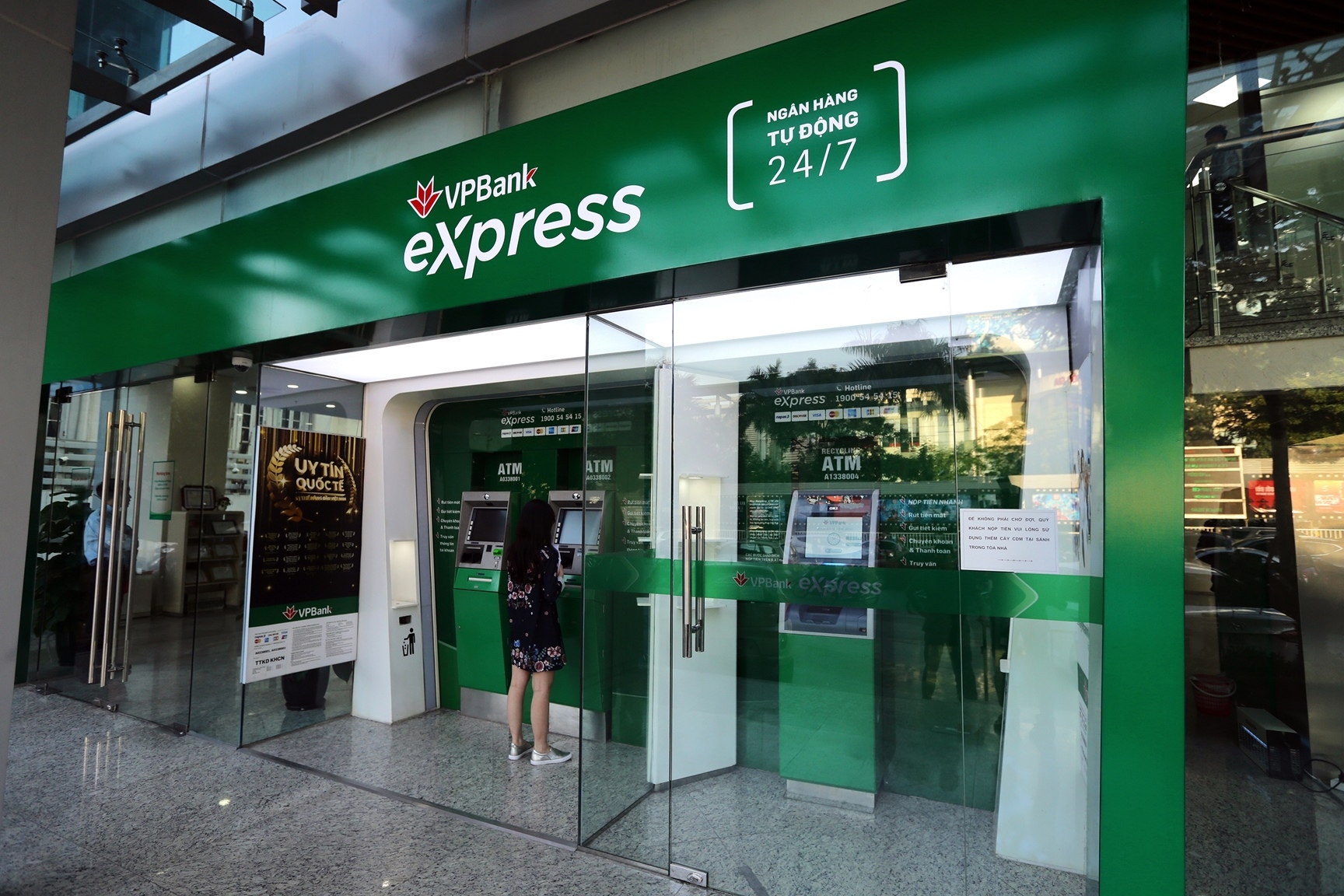
    Vietnam Prosperity Joint Stock Commercial Bank (VPBank) has secured a substantial $350 million term loan facility in collaboration with Sumitomo Mitsui Banking Corporation (SMBC) and various development finance institutions, marking a significant stride towards sustainability in the region.

    Funding to Propel Green Initiatives and Support SMEs

    The five-year loan is poised to be a vital resource for VPBank’s sustainable finance strategy, with a keen focus on green projects that align with Vietnam’s ambitious commitment to achieving net zero emissions by 2050. This financial boost not only aims to promote eco-friendly initiatives but also aims to support small and medium-sized enterprises (SMEs), particularly those led by women, resonating with the global 2X Challenge for gender equality.

    Furthermore, the funds will flow into critical infrastructure projects in underserved areas, enhancing access to essential services such as healthcare, education, sanitation, clean water, and affordable housing. In a world where the smallest actions can spark change, one could say that this loan might just lead to a green revolution of sorts in Vietnam.

    A Collaborative Framework for Development

    As the coordinator and mandated lead arranger, SMBC plays a crucial role in the financing structure. This robust collaboration also includes notable agencies such as the Japan International Cooperation Agency (JICA), Development Financial Institute Canada (FinDev Canada), Export Finance Australia (EFA), and the British International Investment (BII). Together, they are paving a path toward a more sustainable and equitable future for Vietnam.

    Questions & Answers

    How will the funds from the loan be utilized?
    The loan will be allocated to support green projects aimed at achieving net zero emissions by 2050, assistance to women-led SMEs, and essential infrastructure development in underserved areas.

    What organizations are involved in this financing arrangement?
    The financial structure includes VPBank, SMBC, JICA, FinDev Canada, EFA, and BII, highlighting a collaborative approach to sustainable development.

    What impact does the initiative aim to have on gender equality?
    By focusing on SMEs owned or led by women, the initiative seeks to align with the global 2X Challenge, promoting gender equality in Vietnam’s business landscape.

  • Nam Long Group Welcomes Tokyu Corporation as Exciting New Partner in Izumi City Development

    Nam Long Group Welcomes Tokyu Corporation as Exciting New Partner in Izumi City Development

    On July 30, an important partnership was sealed between Nam Long Group and Tokyu Corporation, as company representatives gathered for a signing ceremony that signals a significant step in urban development in Vietnam.

    Two Giants Collaborate for Sustainable Living

    Lucas Loh, Group CEO of Nam Long, expressed enthusiasm about the alliance, emphasizing that this collaboration embodies both parties’ dedication to creating sustainable, high-quality developments aimed at enhancing living standards within Vietnamese communities. Loh acknowledged Tokyu’s involvement as a vital addition of global expertise to the Izumi City project, aligning perfectly with Nam Long’s vision of crafting vibrant, livable townships.

    Creating a Modern Township

    “We appreciate the trust Tokyu Corporation has placed in Nam Long and look forward to shaping future communities that will nourish a high quality of life for generations,” Loh stated, weaving optimism into the narrative of this burgeoning partnership.

    Ogata Yoshinori, Executive Officer of Tokyu Corporation’s International Business Division, highlighted Izumi City as a forward-thinking township developed to address the surging housing demand in Southern Vietnam. With its green, interconnected design and strategic location, the township promises residents easy access to Ho Chi Minh City and its satellite towns.

    “By integrating the strengths of Nam Long, Hankyu Hanshin Properties, and Tokyu Corporation, we intend to create a model community where Vietnamese families can truly flourish,” Ogata affirmed, conjuring an image of flourishing families amidst a robust urban landscape.

    Izumi City: A Vision Realized

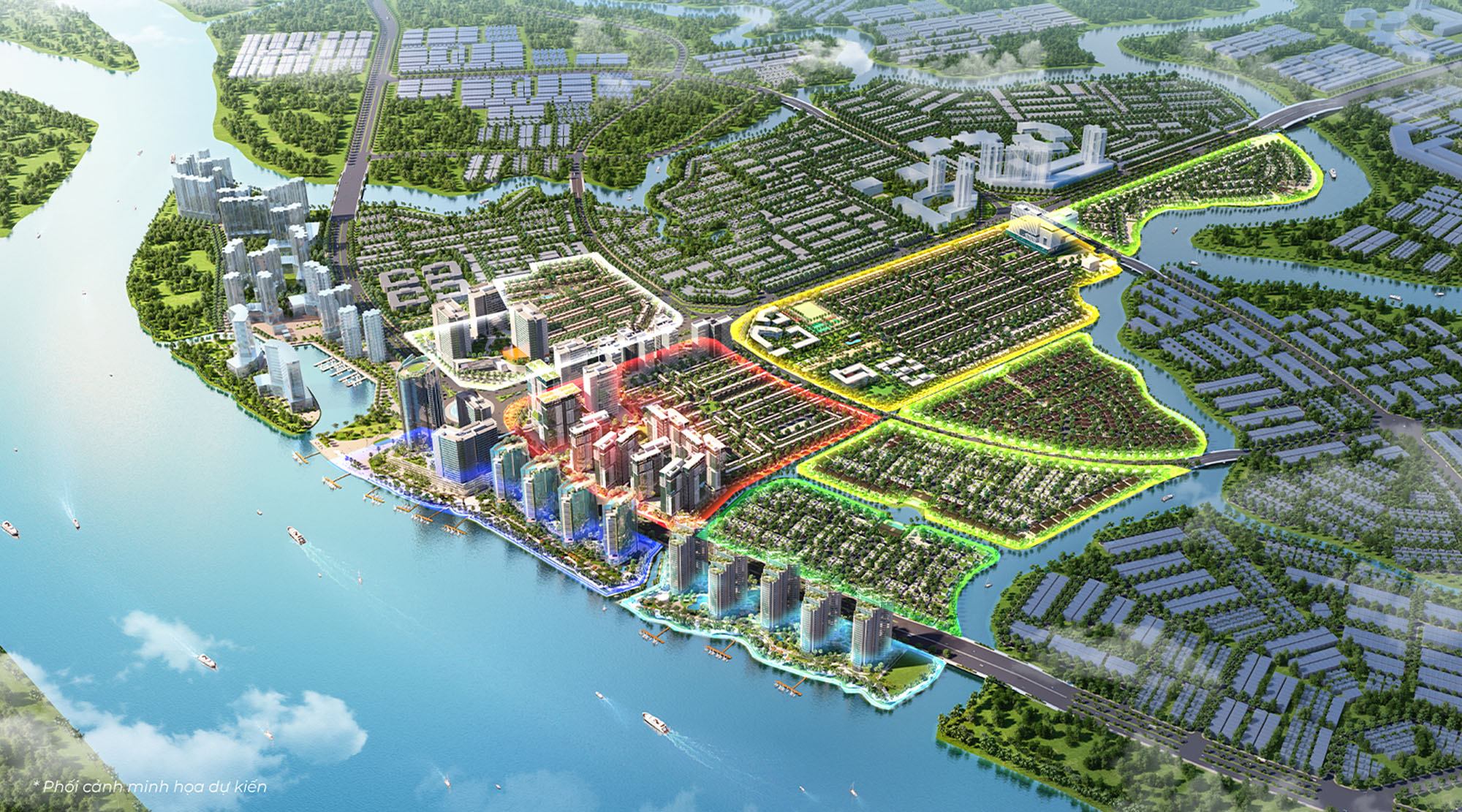
    Spanning an impressive 170 hectares in Long Hung Ward, Dong Nai Province, Izumi City occupies a key area within one of southern Vietnam’s most vibrant economic zones. Its prime location offers excellent access to major infrastructures, including National Highway 51, the Ho Chi Minh City–Long Thanh–Dau Giay Expressway, and the upcoming Long Thanh International Airport — a connectivity that could make urban living feel almost like a stroll through a park.

    The ambitious project’s first phase aims to introduce approximately 2,900 low-rise housing units, with plans for a comprehensive ecosystem featuring schools, healthcare facilities, commercial spaces, and leisure options. This well-rounded environment will support a burgeoning community and promote an enriching lifestyle for future residents.

    The inclusion of Tokyu Corporation and Hankyu Hanshin Properties—renowned Japanese firms with vast experience in urban development—adds considerable strength to this Japan-Vietnam collaboration, cementing a robust foundation for the promising future of Izumi City.

    Questions & Answers

    What significance does the partnership hold for Nam Long Group and Tokyu Corporation?
    The partnership is seen as a commitment to sustainable, high-quality urban developments aimed at improving living standards in Vietnamese communities, with Tokyu bringing valuable international expertise to the table.

    What amenities can future residents of Izumi City expect?
    Residents can look forward to a complete ecosystem of services, including schools, healthcare facilities, commercial areas, and entertainment options, all designed to promote a balanced, quality lifestyle.

    How large is the Izumi City project and where is it located?
    Izumi City covers an expansive area of 170 hectares in Long Hung Ward, located within one of southern Vietnam’s dynamic economic zones, making it a prime location for growth and development.

  • Phuket Real Estate Soars as Foreign Buyers Fuel Thriving Market Expansion

    Phuket Real Estate Soars as Foreign Buyers Fuel Thriving Market Expansion

    Phuket’s property market is undergoing a notable transformation, embracing modern, eco-friendly designs while catering to the rising demand for long-term living. Recent insights from Kate Nonteraransi, director of Sales at Mouana, reveal that foreign buyers represent an impressive 70% of real estate demand, reflecting shifting preferences among investors.

    In a conversation with Real Estate Asia during the Global Property Expo in Singapore, Nonteraransi highlighted the evolving landscape of buyer expectations. “Buyers initially favored Balinese-style properties, but we’ve seen a significant shift towards modern, contemporary design,” she stated, indicating a clear pivot in the market’s aesthetic sensibilities. This evolution is not just a trend but a reflection of broader lifestyle changes, particularly in the wake of the pandemic.

    Investments in branded developments are increasingly popular, with Mouana positioning itself as a trusted name among investors. Nonteraransi noted, “We have our construction workers, an architect team, civil engineering teams, and an after-sales service team. This comprehensive support makes us a very trustworthy brand in the eyes of buyers.” The melding of quality construction with attentive service is proving to be a key differentiator in a competitive market.

    The rise of remote work has also reshaped buyer priorities, with many seeking properties that accommodate co-working spaces. Nonteraransi elaborated, “As more buyers work from home, they are looking for larger, more usable areas.” This newfound flexibility is fostering a demand for designs that harmoniously blend living and working environments.

    Transactions are predominantly led by foreign buyers from Russia, Ukraine, Europe, and Southeast Asia, underscoring the global appeal of Phuket’s real estate. This international interest is buoyed by the island’s robust infrastructure, which boasts 17 international schools, three international hospitals, and attractive rental yields ranging from 8% to 12%. Such features not only enhance the quality of life but also solidify Phuket’s position as a compelling long-term investment hub.

    As Phuket continues to modernize its real estate offerings, it appears that the island is not just a paradise but also a savvy destination for those seeking a viable and vibrant living investment.

    Questions & Answers

    What key trends are shaping the property market in Phuket?
    The market is shifting towards modern, eco-friendly designs, with a significant demand for properties that cater to remote working needs, like co-working spaces.

    Who are the primary buyers in Phuket’s real estate market?
    Foreign buyers, primarily from Russia, Ukraine, Europe, and Southeast Asia, dominate the transactions, indicating strong international interest.

    What aspects make Phuket an attractive investment destination?
    Phuket offers a solid infrastructure with international schools and hospitals, alongside promising rental yields of 8-12%, making it appealing for long-term investments.

  • Hanoi’s Electric Vehicle Shift Requires More Time, Warns Motorbike Makers Association

    Hanoi’s Electric Vehicle Shift Requires More Time, Warns Motorbike Makers Association

    This month, Hanoi’s government announced a bold initiative to ban fossil-fueled motorbikes from the city’s Ring Road 1, an area that encompasses much of the bustling downtown, with the prohibition set to take effect by mid-2026. However, the Motorbike Manufacturers Association, which includes industry giants like Honda, Yamaha, Suzuki, Piaggio, and SYM, believes the timeline is unrealistic and should be extended.

    While the association recognizes the necessity of reducing emissions, it underscored the significant challenges posed by such an aggressive plan. “Residents, businesses, and regulators need at least two to three years to prepare for this shift,” the group recently communicated to government officials. They proposed a more gradual approach that starts with banning older, high-emission vehicles, then progressively targets commercial bikes, delaying the ban on personal vehicles.

    Their concern centers on the financial strain this abrupt transition could place on low-income residents who may struggle to afford new electric vehicles. Manufacturers echoed these sentiments, warning that the costs associated with shifting to electric production could lead to substantial financial losses.

    Hanoi is a crucial market for Honda, which holds the largest market share in Vietnam’s two-wheeler sector. In the previous year alone, Honda sold 2.15 million two-wheelers in Vietnam, with 190,000 of those sales happening in Hanoi. The association further highlighted the complex web of suppliers—around 200 firms primarily focused on internal combustion engine components—who could be jeopardized if the transition to electric bikes occurs too swiftly. The lack of adequate public charging infrastructure is another pressing concern.

    Currently, Vietnam’s power grid is ill-equipped to handle widespread electric vehicle charging, especially during peak usage times in populous areas. Moreover, home charging poses risks of fire and explosion, particularly in older apartment complexes. Although VinFast has established a nationwide charging network, it primarily serves electric cars. Other players like Dat Bike have set up a few stations in Ho Chi Minh City, while Selex Motors has opted for a battery-swapping model at 90 locations across Hanoi, Da Nang, and Ho Chi Minh City.

    In Ho Chi Minh City, ride-hailing and delivery drivers are expected to make the switch to electric motorbikes by 2026, with a complete phase-out of gasoline models to follow by the end of 2028. As the largest cities in Vietnam, Hanoi and Ho Chi Minh City lead the way in motorbike usage.

    A CEO from a Vietnamese motorbike brand noted that once government decisions are made, adaptation is no longer a matter of choice but an obligation. He emphasized the need for a realistic roadmap that considers the interests of all stakeholders involved. Experts advocate for additional financial support for private users and comprehensive public transport planning to ease this transition.

    To that end, Hanoi is exploring initiatives to assist the 450,000 residents within Ring Road 1 who currently rely on gas-powered motorbikes, potentially by subsidizing the registration fees of new vehicles.

    Questions & Answers

    What prompted Hanoi’s government to ban fossil-fueled motorbikes?
    The ban is part of Hanoi’s initiative to reduce emissions within the city, aiming to phase out gasoline-powered motorbikes from the densely populated Ring Road 1 by mid-2026.

    What concerns has the Motorbike Manufacturers Association raised regarding the ban?
    The association argues that the current timeline is too aggressive, urging for a phased approach that provides residents and manufacturers more preparation time, particularly to mitigate financial burdens on low-income individuals.

    How is the current charging infrastructure in Vietnam supporting the transition to electric motorbikes?
    The existing public charging infrastructure is limited, with Vietnam’s power grid unprepared for mass electric vehicle charging, especially in peak hours, and home charging posing safety risks in older apartment buildings.

  • Lychee Exports Surge to $35M in June, Tripling Previous Figures!

    Lychee Exports Surge to $35M in June, Tripling Previous Figures!

    Vietnam’s lychee exports are soaring, with figures revealing a remarkable $27 million in sales to China alone—an astonishing 3.63 times increase compared to June of the previous year, according to customs data. Even in premium markets like France, Australia, the U.S., Canada, and the U.K., purchases of this luscious fruit surged by two to five times, showcasing the growing international appetite for Vietnamese lychees.

    Record-Breaking Exports Propel Local Farmers

    In the first half of 2025, total lychee exports reached an impressive $45.4 million, reflecting a remarkable 92% increase year-on-year. Shipments to the top ten markets saw staggering growth rates, ranging from 10% to a jaw-dropping 2,000%. These figures paint a vibrant picture of the fruit’s rising prominence on the global stage, capturing the taste buds—and wallets—of consumers around the world.

    Quality Meets Affordability in a Sweet Package

    One exporter highlighted that Vietnamese lychee’s appeal lies in its combination of affordability and high quality, making it a hit among international buyers. As Vietnamese and global quality standards like VietGAP and GlobalGAP are increasingly met, the credibility of these exports has skyrocketed, especially in demanding markets such as the U.S., Japan, and the U.K. Modern harvesting and preservation techniques, according to Dang Phuc Nguyen, general secretary of the Vietnam Fruit and Vegetable Association, have drastically enhanced the fruit’s quality and shelf life. Businesses are now collaborating directly with farmers to boost productivity and quality at every phase—from planting to harvesting.

    Price Trends and Export Markets

    Lychee is currently in season, with farm gate prices ranging from VND 8,000 to VND 20,000 (31-76 U.S. cents) per kilogram. Notably, lychees from orchards certified for export command higher prices, fetching between VND 25,000 and VND 30,000. At the beginning of the season in May, prices were higher, sitting at VND 35,000 to VND 40,000, while the fruit sells abroad for an impressive VND 200,000 to VND 300,000 per kilogram. Lychee, a staple summer delight in Vietnam, thrives predominantly in the northern regions, especially in the provinces of Bac Giang and Hai Duong.

    The Fruit’s Origin and Growing Regions

    This year’s harvest is expected to hit 250,000 tons, a 25% rise from 2024, with Bac Giang contributing a significant 165,000 tons. Luc Ngan, renowned as the “lychee capital” of the country, has approximately 18,000 hectares of lychee cultivation and yields over 100,000 tons annually. The Luc Ngan variety is particularly renowned for its size and sweetness, making it a favorite among discerning markets like Japan, Australia, the EU, and China. Meanwhile, Hai Duong, which made history as the first province to export lychees to Japan in 2020, boasts nearly 10,000 hectares of orchards producing the highly sought-after Thanh Ha lychees, recognized for their thin skin, thick flesh, aroma, and sweetness. Other areas like Hanoi, Quang Ninh, and Hung Yen also cultivate lychees, although on a smaller scale. The Central Highlands and some southern provinces have attempted to cultivate the fruit, but climate challenges have proven to be a significant hurdle.

    Questions & Answers

    What factors have contributed to the increase in Vietnam’s lychee exports?
    A combination of affordable pricing, high quality, and compliance with international standards has made Vietnamese lychees increasingly appealing in global markets.

    How has the production and quality of lychees evolved in Vietnam?
    Modern harvesting and preservation techniques, along with partnerships between businesses and farmers, have significantly improved the lychee’s quality and shelf life.

    Which provinces are the main producers of lychee in Vietnam?
    Bac Giang and Hai Duong are the primary provinces for lychee production, with Bac Giang accounting for a large portion of the national harvest.

  • Global Coal Demand Expected to Remain Steady Through 2025-2026, Analysis Reveals

    Global Coal Demand Expected to Remain Steady Through 2025-2026, Analysis Reveals

    China’s coal demand is anticipated to experience a modest decline this year, a turn of events that reflects broader trends in the global energy landscape. The International Energy Agency (IEA) projects that overall global coal consumption will remain stable, continuing on a plateau throughout 2024 and 2025, despite some short-term market fluctuations seen in the first half of 2025.

    Global Coal Demand Holds Steady

    “We expect the world’s coal consumption to remain broadly flat this year and next, as previously forecasted,” stated Keisuke Sadamori, the IEA Director of Energy Markets and Security. However, he cautioned that fluctuations related to weather and the unpredictable economic and geopolitical landscape could still arise.

    The IEA’s recent Coal Mid-Year Update revealed that global coal demand surged to an unprecedented high in 2024, climbing by 1.5% to reach 8.8 billion tonnes. This spike was largely fueled by increased usage in major coal-hungry nations like China, India, and Indonesia, effectively outweighing declines in advanced economies throughout Europe, North America, and Northeast Asia.

    Shifts in Energy Consumption Patterns

    Yet, the narrative took a twist in the first half of 2025, as demand in China and India softened, attributed to a slowdown in electricity consumption and a robust surge in power generation from renewable sources. On the other side of the globe, coal consumption in the United States saw an approximately 10% increase, driven by rising electricity demand and escalated natural gas prices prompting greater reliance on coal for power generation. Meanwhile, the European Union’s coal demand remained steady, balancing declines in industrial usage with heightened electricity generation needs.

    What Lies Ahead for Coal Production

    While the report acknowledges these transient shifts in demand, it underscores that the fundamental factors influencing global coal consumption are largely unchanged. The IEA forecasts a slight uptick in coal demand for 2025, followed by a subtle decrease in 2026, nudging demand just below 2024 levels. Specifically for China, coal demand is expected to dip slightly by less than 1% this year, maintaining the power sector as the primary driver for coal use both domestically and internationally.

    Looking forward, global coal production is set to reach a new peak in 2025, propelled by ongoing growth in output from China and India. However, by 2026, production is likely to decline as soaring stock levels and plummeting prices begin to impact supply. It appears that as renewables take the stage, coal may find itself igniting a slow fade.

    Questions & Answers

    What is the projected trend for China’s coal demand this year?
    Coal demand in China is expected to decline slightly by less than 1% this year, influenced by weaker electricity consumption and stronger growth in renewable energy sources.

    How did global coal demand perform in 2024?
    Global coal demand reached an all-time high in 2024, increasing by 1.5% to a total of 8.8 billion tonnes, largely due to rising consumption in major markets like China, India, and Indonesia.

    What are the expectations for coal production globally in the coming years?
    Global coal production is anticipated to hit a new record in 2025, propelled by ongoing increases in China and India, but is expected to decline by 2026 due to high stock levels and decreasing prices impacting supply.

  • Vietnamese Online Shopping Surges: $7.8 Billion Spent in Just Six Months!

    Vietnamese Online Shopping Surges: $7.8 Billion Spent in Just Six Months!

    Vietnam’s e-commerce landscape is booming, with sales across four major platforms — Shopee, Lazada, Tiki, and TikTok Shop — soaring to VND202.3 trillion (approximately US$7.8 billion) in the first half of 2025.

    The surge in online shopping also shone a spotlight on imported goods, which accounted for VND7.5 trillion in sales, resulting in over 164 million products sold — a nearly 7% increase from the previous year.

    Despite the surge in sales, a notable trend has emerged: the number of sellers on these platforms dipped by 6% year-on-year. This shift indicates a market increasingly favoring established brands and physical stores, as consumers sharpen their purchasing criteria due to concerns over quality and rising instances of subpar goods online.

    Looking ahead, the smart data platform Metric predicts that e-commerce sales will reach VND122.8 trillion in the third quarter, alongside consumption projected to rise to approximately 1.236 billion units. This represents a staggering growth of 21% in sales and 27% in product output compared to the previous quarter.

    This robust growth not only highlights an ongoing recovery in consumer spending but also an evolving market where shopping habits continue to transform. The most sought-after categories include food, beverages, cosmetics, fashion, sports, home care, and technology — a diverse mix that reflects changing consumer preferences as they navigate the digital shopping landscape.

    Metric’s optimistic forecast suggests that Vietnam’s e-commerce retail revenues could exceed $30 billion this year, firmly establishing the country as a key player in the Asian e-commerce arena. As the saying goes, “In the digital age, a click can fill your cart and your heart!”

    Questions & Answers

    What are the total e-commerce sales recorded in Vietnam for the first half of 2025?
    Total e-commerce sales in Vietnam reached VND202.3 trillion (around US$7.8 billion) in the first half of 2025.

    Which product categories are currently leading in online sales?
    The top-selling categories include food, beverages, cosmetics, fashion, sports, home care, and technology, showcasing a wide range of consumer interests.

    What does the future hold for Vietnam’s e-commerce market?
    Forecasts indicate that e-commerce sales could hit VND122.8 trillion in the third quarter, with total retail revenues expected to surpass $30 billion for the year, signaling a continued growth trajectory.

  • Ducati Halts Sales In Vietnam, Seeks New Distributor Amid Showroom Shortages

    Ducati Halts Sales In Vietnam, Seeks New Distributor Amid Showroom Shortages

    Ducati has temporarily paused its motorcycle sales in Vietnam and is on the hunt for a new distributor.

    According to sources close to the situation, customer requests for new products will be logged and subsequently transferred to the new distributor. However, the previous dealer, CT-Wearnes, has not imported any Ducati motorcycles since the start of the year, leaving the lone showroom in Ho Chi Minh City devoid of bikes for sale.

    Although the showroom lacks inventory, it continues to provide maintenance services for Ducati owners. Earlier this year, the Italian brand also shuttered its only northern showroom in Hanoi, citing disappointingly low performance as the reason.

    Established in Bologna, Italy, Ducati made its entry into the Vietnamese market in 2009, initially opening a showroom in the bustling District 1 of Ho Chi Minh City. CT-Wearnes became Ducati’s third distributor in Vietnam in August 2020, but the relationship has soured; the company also handled the distribution of Royal Enfield motorcycles until it withdrew from that deal in September 2024.

    Ducati’s positioning in Vietnam has typically placed it above Japanese competitors such as Honda and Yamaha, leading to premium pricing. The brand’s product lineup caters to diverse preferences, ranging from classic bikes to sport and adventure models. For those on a budget, the Scrambler, one of its more affordable offerings, retails for approximately VND380 million (US$14,500). Think of it as the Italian motorcycle equivalent of a fine espresso—rich, robust, and just a tad expensive!

    Questions & Answers

    What led to Ducati’s halt in sales in Vietnam?
    Ducati has temporarily stopped sales while it seeks a new distributor, as its prior distributor, CT-Wearnes, ceased imports at the start of the year.

    What services are still provided at the Ducati showroom in Vietnam?
    While the showroom in Ho Chi Minh City currently has no bikes for sale, it continues to offer maintenance services for existing Ducati models.

    How does Ducati’s pricing compare to Japanese brands in Vietnam?
    Ducati’s pricing typically positions it above Japanese competitors like Honda and Yamaha, reflecting its premium market strategy in Vietnam.

  • Citi Markets Plans 10% Expansion in Asia Rates and Prime Business Team for Dynamic Growth

    Citi Markets Plans 10% Expansion in Asia Rates and Prime Business Team for Dynamic Growth

    Citigroup is gearing up for growth in Asia’s financial markets as its traders celebrate their best second quarter in five years. With a surge in initial public offerings (IPOs) invigorating client activity, Citi Markets intends to expand its workforce in Asia’s rates and prime business sectors by 5% to 10% by 2026.

    Hedge Funds Drive Demand in Hong Kong

    According to Citi Communications, the bank’s prime hedge fund clients in the region have doubled over the past two years. This boom is largely influenced by a resurgence in IPO activity, which has reignited interest in market possibilities, particularly in Hong Kong. Client flows into both Hong Kong and mainland China have surged approximately 30% in the first half of 2025, illustrating a significant shift in investment dynamics.

    Record Growth in Equities and Fixed Income

    The bank’s traders recorded impressive earnings, showcasing a record quarter for equity markets. Fixed income markets alone saw revenues surge by 20% year-on-year to $4.3 billion, attributed to strong performance across rates and currencies, in addition to gains in spread products and other fixed income segments.

    A closer look reveals that rates and currencies revenues jumped by 27% year-on-year in the second quarter, while revenues from spread products and other fixed income rose by 3%, thanks to heightened financing activity and increased loan growth. Meanwhile, equity markets revenues climbed by 6% year-on-year to $1.6 billion, significantly bolstered by prime services where prime balances soared by around 27% during this period.

    A Positive Outlook for the Future

    As the financial landscape in Asia continues to evolve, Citigroup’s strategic plans reflect optimism amid changing market conditions. With a ready workforce and an agile approach, the bank looks poised to capitalize on ongoing growth trends, further entrenching its position in the competitive retail landscape.

    Questions & Answers

    What are Citigroup’s plans for growth in Asia’s financial markets?
    Citigroup plans to increase its headcount in the Asia-based rates and prime businesses by 5% to 10% by 2026 in response to rising client demand from prime hedge funds.

    How has IPO activity affected Citigroup’s performance?
    The resurgence in IPO activity has contributed to a doubling of the bank’s prime hedge fund clients over the past two years and a 30% increase in client flows into Hong Kong and China in H1 2025.

    What financial metrics illustrate Citigroup’s recent growth?
    In Q2, Citigroup reported a 20% year-on-year increase in fixed income revenues, reaching $4.3 billion, with notable growth in both rates and currencies as well as equity markets, which rose by 6% year-on-year.

  • True Unveils DSS Technology to Enhance 5G Experience on 2600 MHz Spectrum

    True Unveils DSS Technology to Enhance 5G Experience on 2600 MHz Spectrum

    True Corporation is stepping up the game in Thailand’s telecommunications landscape with the launch of dynamic spectrum sharing (DSS) technology on the 2600 MHz spectrum band. The rollout kicked off in the vibrant Thonglor district of Bangkok, setting the stage for a sweeping nationwide enhancement aimed at improving the 5G experience for millions.

    A Bold Move Towards Enhanced Connectivity

    This initiative is a cornerstone of True’s Network Modernization plan, which aspires to support over 14.2 million 5G subscribers by the first quarter of 2025. The upgrade promises to deliver heightened speed and performance for both TrueMove H and dtac customers, ushering in a new era of connectivity.

    DSS Technology: A Smart Solution for Spectrum Use

    Dynamic spectrum sharing represents a breakthrough in how spectrum is utilized. Unlike traditional fixed-allocation systems that segment parts of the spectrum for 5G and 4G, DSS allows for flexible, real-time management of bandwidth in high-demand areas. This adaptable approach ensures that both 5G and 4G users on the 2600 MHz band receive the optimal service they need.

    For example, if a sudden influx of 5G users appears in a bustling area, DSS can allocate the entire 2600 MHz band to boost 5G performance. Conversely, if 4G users surge, the system can pivot to ensure that they, too, enjoy quality service. It’s like having a versatile chef in a high-pressure kitchen—always ready to whip up what’s needed, when it’s needed!

    Expanding the Spectrum Portfolio

    True Corporation’s recent acquisition of 70 MHz of the 2300 MHz spectrum adds another layer to its strategy, providing the necessary mid-band for 4G services while enhancing the 2600 MHz band for 5G. This dual benefit ensures that users of both generations benefit from heightened network performance, effectively breaking through previous limitations.

    On the Ground Efforts to Ensure Success

    Mr. Sigve Brekke, Group CEO of True Corporation Public Company Limited, along with a skilled team of network engineers, recently visited Thonglor to oversee the implementation of this cutting-edge technology. This visit marks not just an investment in infrastructure but a commitment to elevating Thailand’s digital telecommunications framework through innovative technologies and maximized spectrum resources.

    Questions & Answers

    What is dynamic spectrum sharing (DSS), and why is it important?
    DSS technology optimizes how spectrum is managed, allowing flexible and real-time allocation between 5G and 4G users. This improves service delivery, especially in areas with high data demand, ensuring all users get the best experience possible.

    How many 5G subscribers does True Corporation aim to support by 2025?
    True Corporation is targeting to support over 14.2 million 5G subscribers across Thailand by the first quarter of 2025, significantly enhancing its network capacity and performance.

    What recent acquisition has True Corporation made to enhance its services?
    True Corporation has acquired 70 MHz of the 2300 MHz spectrum, which helps to provide mid-band for 4G services and enhance the existing 2600 MHz for 5G, ensuring a seamless connectivity experience for users of all generations.