Author: Mei Ling Tan

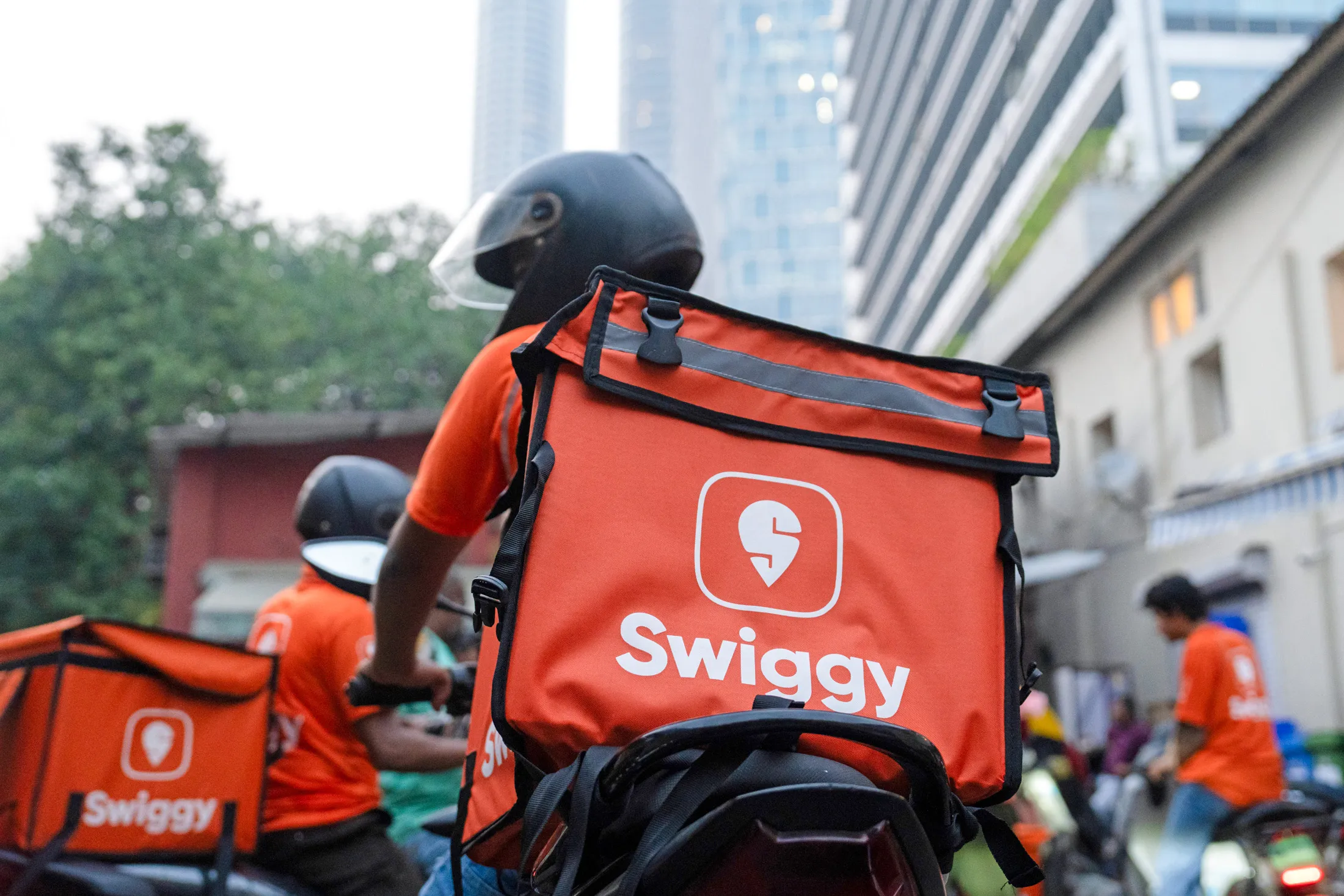
  • Swiggy’s Losses Double Amid Marketing Surge And Delivery Challenges

    Swiggy’s Losses Double Amid Marketing Surge And Delivery Challenges

    Swiggy, one of India’s leading online food delivery platforms, has reported a near-doubling of its quarterly loss compared to the same period last year. This increase in losses is attributed to a significant rise in marketing expenditures aimed at securing a larger customer base in an intensely competitive market.

    Growth Strategies and Challenges

    In its decade-long presence in the market, Swiggy has maintained its position among the top contenders in the food delivery industry through continuous investments in marketing, platform enhancements, and customer loyalty programs. The company is also directing funds into its rapid retail division, Instamart, as part of efforts to expand its network of stores, fortify logistics, and provide enticing discounts.

    However, the company’s operations have been affected by issues relating to a shortage of delivery partners, a situation exacerbated by unanticipated monsoon rains in India. Concurrently, the need for sustained, high levels of marketing investments has been necessitated by persistent competition.

    The competition is not just limited to the food delivery sector. The rapid retail sector in India is becoming increasingly crowded, with competitors such as the Tata-backed BigBasket and Amazon vying for market share. Furthermore, Swiggy faces additional competition in the food delivery space from the ride-hailing platform, Rapido, where Swiggy holds a 12 per cent stake.

    Financial Performance

    Despite these challenges, Swiggy’s total revenue for the quarter ending June 30 increased by 54 per cent, amounting to 49.61 billion rupees (US$566.2 million). However, consolidated expenses also saw a significant jump, up by around 60 per cent to 62.44 billion rupees, with sales promotions more than doubling. Consequently, the company’s consolidated net loss for the quarter rose to 11.97 billion rupees, a significant increase from the 6.11 billion rupees loss reported in the same period last year.

    Expansion and Order Value

    Despite these financial setbacks, Swiggy continued to expand its geographical reach, adding three new cities to its network to stand at a total of 127. The company also added 41 stores and increased the size of existing ones. The gross order value from its food delivery segment climbed by approximately 19 per cent to 80.86 billion rupees in the June quarter. Meanwhile, Instamart’s gross order value saw a massive surge of nearly 108 per cent, reaching 56.55 billion rupees.

    Questions & Answers

    What factors contributed to Swiggy’s increased quarterly losses?
    Increased marketing spend to attract customers in a fiercely competitive market, along with the expansion of its quick-commerce arm, Instamart, significantly contributed to Swiggy’s increased losses.

    What challenges did the company face recently?
    Swiggy experienced a shortage of delivery partners due to earlier than anticipated monsoons in India. Additionally, the company faced stiff competition, necessitating high marketing investments.

    Did Swiggy see any growth despite these challenges?
    Yes, Swiggy reported a 54 per cent surge in total revenue for the quarter ending June 30. The company also expanded its services to three new cities, added 41 stores, and saw a substantial rise in gross order value from both its food delivery segment and Instamart.

  • ABC-mart Debuts In Philippines With ‘grand Stage’ Store, Marking New Chapter In Asian Expansion

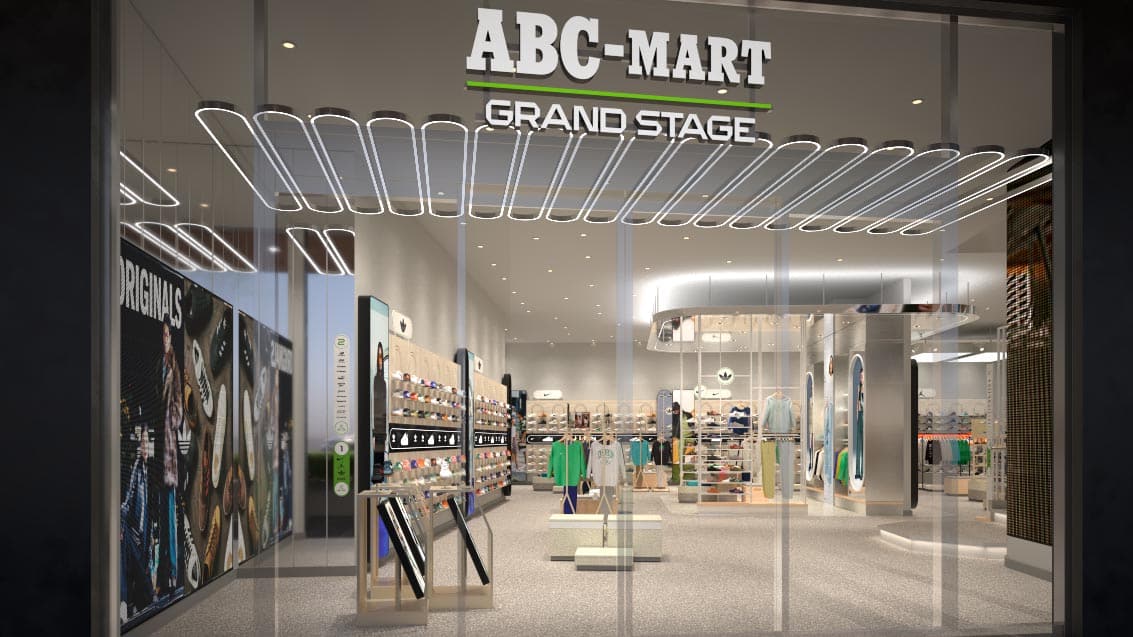
    ABC-mart Debuts In Philippines With ‘grand Stage’ Store, Marking New Chapter In Asian Expansion

    Japanese retail giant ABC-Mart is set to make its first appearance in the Philippines with the opening of a store in Bonifacio Global City (BGC), Manila, scheduled for September. This marks the corporate expansion of the company into a second market in the region following a successful launch in Vietnam which took place in 2022.

    Overseas Expansion

    ABC-Mart currently operates nearly 400 stores overseas, predominantly in South Korea and Taiwan. The company is also actively investigating opportunities for growth in other Asian countries such as Thailand and Indonesia.

    According to Kabir Buxani, the incoming CEO of Sonak Retail Group – the local partner of ABC-Mart – BGC is an ideal location for the brand’s first store in the Philippines. “BGC has a lively atmosphere and sets the tone for fashion in the region,” Buxani indicated.

    The Grand Stage Store

    The store, dubbed as the “Grand Stage,” will span two levels, covering an area of 750 square meters. It is expected to stock over 1,000 products including limited-edition sneakers, sandals, and clothing from major brands such as Nike, Adidas, Puma, Asics, and New Balance.

    In addition, the store will showcase the company’s first-ever wellness corner worldwide, integrating footwear with lifestyle products.

    Koji Higashimae, CEO of ABC-Mart Sonak Philippines, stated that the company’s aspiration is to achieve a balance between variety and accessibility. “Our belief is that style should not compromise comfort and high-quality fashion should be within everyone’s reach,” Higashimae explained.

    Furthermore, the company has plans to open a second outlet later in the year at Mitsukoshi in BGC.

    Questions & Answers

    What is ABC-Mart’s expansion strategy in Asia?
    ABC-Mart is strategically expanding its retail footprint in Asia, having already established stores in South Korea and Taiwan. The company has now stepped into the Philippines and Vietnam, with future prospects in Thailand and Indonesia.

    What can customers expect at the new ABC-Mart store in BGC, Manila?
    Customers can look forward to a wide variety of over 1,000 products, including clothing, limited-edition sneakers, and sandals from well-known brands like Nike, Adidas, and others. The store will also introduce the company’s first-ever wellness corner, which will blend footwear with lifestyle products.

    What is the philosophy of ABC-Mart when it comes to fashion?
    ABC-Mart believes that style should not compromise comfort. The company aims to provide high-quality, fashionable products that are both diverse in variety and accessible to everyone.

  • Hershey Sales Surge Amidst Slumping Profits: Navigating Rising Cocoa Costs And Supply Chain Challenges

    Hershey Sales Surge Amidst Slumping Profits: Navigating Rising Cocoa Costs And Supply Chain Challenges

    Hershey, the confectionery giant, has registered a significant increase in sales for the second quarter despite a drastic fall in profits. This arises from the escalating costs of cocoa, supply chain, and adverse effects from commodity hedging.

    In the most recent quarter, Hershey reported net sales of US$2.61 billion, a 26 per cent surge compared to the same quarter the previous year. The growth was a result of robust demand for seasonal products, which included popular items tied to the Easter season and early Halloween shipments.

    However, despite the impressive rise in revenue, net income experienced a 65 per cent decrease, landing at $62.7 million.

    Hershey attributed the sharp decline in net income to a significant drop in gross margins, spurred by the rise in input costs and losses from mark-to-market on commodity derivatives. This was despite the strong volume growth, especially in its North American confectionery division.

    Michele Buck, President and CEO of Hershey, commented on the situation. “Our investments in brands and impactful innovation, along with effective execution, have led to solid sales and share gains in both our US confection and salty snacking businesses,” she said.

    She further added, “In the future, we are committed to delivering balanced growth and have already initiated critical steps to offset cocoa inflation through strategic pricing, improved productivity, and the use of technology for efficiency and speed.”

    In other news, Hershey recently announced the appointment of Kirk Tanner as the new President and CEO, effective from August 18, succeeding Buck.

    Questions & Answers

    What led to the growth in Hershey’s net sales?
    The increase in Hershey’s net sales was a result of strong demand for seasonal products, such as those tied to the Easter season and early Halloween shipments.

    Why did Hershey’s net income decrease despite the growth in sales?
    The decrease in net income was due to a significant drop in gross margins, which was caused by the rising input costs and mark-to-market losses on commodity derivatives.

    What measures is Hershey taking to combat cocoa inflation?
    To mitigate cocoa inflation, Hershey is implementing strategic pricing, enhancing productivity, and leveraging technology for increased efficiency and speed.

  • Danone Shares Skyrocket 7% On Back Of Strong Q2 Sales, Chinese Demand For Infant Formula

    Danone Shares Skyrocket 7% On Back Of Strong Q2 Sales, Chinese Demand For Infant Formula

    Shares in Danone, the renowned French consumer goods manufacturer, escalated approximately 7% following the release of second-quarter sales which outperformed predictions. This surge of success is largely attributed to a soaring demand for infant milk formula and medical nutrition products in China.

    Overcoming Challenges

    The impressive surge in demand offset challenges faced in other markets. There were sluggish sales in the water division in Latin America due to unfavourable weather conditions in Mexico, while a highly competitive market in the US resulted in slow coffee creamer sales. Nevertheless, Danone, known for household brands such as Evian water and Activia yoghurt, reported a 4.1% increase in second-quarter sales on a like-for-like basis, outstripping anticipated growth of 3.8%.

    The financials revealed Danone’s recurring operating income for the first half of 2025 to be 1.811 billion euros (US$2.09 billion). This represents a margin of 13.2% of sales, an increase from 12.7% from the previous year. The company also reassured investors by restating its 2025 full-year forecast, in line with its mid-term goal of achieving like-for-like sales growth between 3% and 5%, and a faster growth rate for recurring operating income.

    Strong Portfolio and Future Growth

    Speaking about the company’s performance, CEO Antoine de Saint-Affrique commented, “The first-half performance reflected the strength and resilience of our health-focused portfolio.” The company’s aim, according to de Saint-Affrique, is to consistently perform while transforming and enhancing areas requiring attention. This includes the plant-based business and coffee creamers in the US.

    Sales in China, North Asia and Oceania also had an exceptional quarter, increasing 12.4% on a like-for-like basis. Specialized Nutrition also experienced double-digit growth, fuelled by strong demand in both the Infant Milk Formula and Medical Nutrition segments.

    North America also saw a 2.3% rise in sales for the quarter, bolstered by a surge in protein product sales such as Oikos brand Greek yoghurt. The coffee creamers sector also showed signs of recovery following supply chain issues in the first quarter.

    Danone has also been leveraging its cash reserves for strategic acquisitions to amplify its focus on health and science, and build resilience against market volatility. The company recently acquired the Akkermansia Company, a Belgian biotics firm and also holds a majority stake in Kate Farms, a US-based organic formula and shake manufacturer.

    Questions & Answers

    What contributed to Danone’s surge in shares?
    The surge in shares was primarily due to the impressive second-quarter sales that exceeded expectations, driven by a high demand for infant milk formula and medical nutrition products in China.

    How is Danone planning to boost its focus on health and science?
    Danone has been utilizing its cash for strategic acquisitions that align with the company’s focus on health and science. It has recently acquired a Belgian biotics firm, Akkermansia Company, and also holds a majority stake in Kate Farms, a US-based organic formula and shake manufacturer.

    What was the significance of the first half performance for Danone?
    The first-half performance demonstrated the resilience and strength of Danone’s health-centric portfolio and its ability to perform consistently while transforming and enhancing areas that require attention. This is evidenced by a 4.1% increase in second-quarter sales on a like-for-like basis, which surpassed the anticipated growth of 3.8%.

  • Kitkat Unveils Revolutionary Beverage Machine In Global Collaboration With Nestlé Professional

    Kitkat Unveils Revolutionary Beverage Machine In Global Collaboration With Nestlé Professional

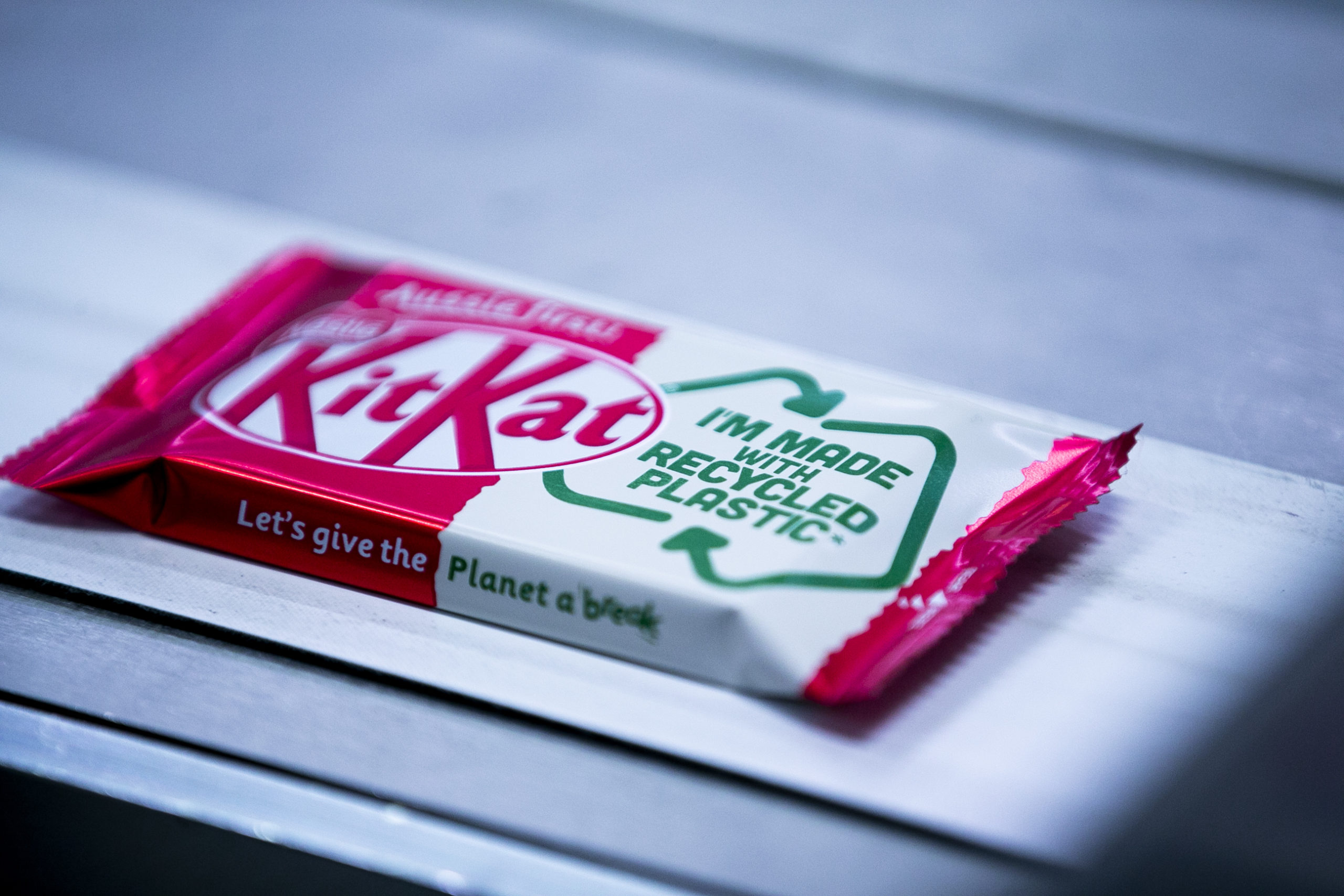
    In a recent collaboration with Nestlé Professional, KitKat has unveiled its inventive beverage machine on a global scale, enriching Nestlé’s vast food and beverage solutions portfolio. This innovative machinery provides an array of cocoa-infused beverage choices, featuring KitKat’s unique blend of crisp wafer and lush cocoa.

    The KitKat Beverage Machine

    The KitKat-themed beverage machine is a noteworthy addition to the Nescafé Fusion system. This comprehensive selection of coffee machines presents an assortment of personalized hot, cold, and iced beverages to cater to diverse customer preferences.

    Joe Aouad, the Global Head of Nestlé Professional’s beverage division, expressed optimism for the new offering. He stated, “The KitKat beverage will empower us to persistently back our operators across the globe, delivering the distinctive KitKat flavour in a convenient cup format.”

    Global Launch and Availability

    The pioneering KitKat Beverage product made its debut in Brazil. It will be accessible globally to Nestlé Professional beverage providers and professionals who supply to out-of-home locations. These locations include convenience stores, bakeries, healthcare facilities, and travel sites.

    KitKat’s Past Endeavors

    KitKat’s past efforts have resulted in an array of products, taking their brand beyond just a chocolate bar. These products range from confectionery items and ice creams to coffee mixes and cereals, all carrying the beloved KitKat taste.

    Questions & Answers

    What is the new KitKat beverage machine?
    The KitKat beverage machine is a result of a collaboration between KitKat and Nestlé Professional. It is designed to create an array of cocoa-infused beverages with components of KitKat’s signature crisp wafer and smooth cocoa.

    Where has the KitKat Beverage product been initially launched?
    The KitKat Beverage product was initially launched in Brazil and is planned for a global rollout.

    What type of locations can use the KitKat beverage machine?
    The KitKat beverage machine is designed for use in out-of-home locations such as convenience stores, bakeries, healthcare facilities, and travel sites.

  • Prada Sees 9% Revenue Boost, Credits Rising Star Miu Miu Amid Tough Luxury Market

    Prada Sees 9% Revenue Boost, Credits Rising Star Miu Miu Amid Tough Luxury Market

    Prada, a family-owned group known for its luxury fashion, recently reported a 9% spike in first-half net revenues at constant currencies. The company’s lesser-known yet rapidly growing Miu Miu brand played a significant role in this upswing, potentially signaling a positive shift in an otherwise sluggish sector.

    In terms of figures, Prada’s net revenue reached a substantial 2.74 billion euros ($3.16 billion), mirroring analysts’ expectations. This growth can be attributed to supportive performance across all regions.

    Brand Performances

    Despite the group’s overall success, the Prada brand experienced a 3.6% drop in retail sales in the second quarter. In contrast, the Miu Miu label saw a remarkable 40% increase in sales, accounting for a quarter of the group’s total revenues last year.

    Prada’s second quarter was adversely affected by reduced tourist influx into Europe and Japan, as well as unfavorable comparisons to last year’s performance. Company executives shared these insights during a conference call held after the results were announced.

    Andrea Guerra, the Chief Executive, informed analysts that he anticipates tourist traffic levels to rebound by the end of August.

    Management Changes

    In a noteworthy development, the Italian firm recently separated from Prada’s brand CEO, Gianfranco D’Attis. Guerra has temporarily assumed the additional responsibilities, with plans to retain them for an extended period. He stated, “If it is an interim (arrangement), it’s a long one.”

    Operating Profit and Future Acquisitions

    The group’s adjusted operating profit climbed 8% to 619 million euros in the first six months, falling slightly short of the 636 million euro operating EBIT projected by analysts.

    Prada Chairman Patrizio Bertelli commented on this solid performance, stating it was achieved amidst a challenging backdrop, somewhat unprecedented in our industry.

    In terms of upcoming developments, the group anticipates finalizing the acquisition of Versace from Capri Holdings between September and November this year.

    Luxury Industry Outlook

    Despite these positive developments for Prada, a robust recovery for the luxury industry remains uncertain. For instance, Gucci’s parent company, Kering, reported a 15% fall in quarterly revenues. Additionally, LVMH recorded a 4% drop in quarterly sales, and Hermes, despite a 9% sales surge, showed signs of being affected by the broader luxury downturn.

    Questions & Answers

    What accounted for Prada’s 9% increase in first-half net revenues?
    Prada’s growth in the first half was largely due to supportive performance across all regions and the exceptional growth of the Miu Miu brand.

    How has Prada’s management changed recently?
    Prada recently parted ways with its brand CEO, Gianfranco D’Attis. The company’s Chief Executive, Andrea Guerra, has taken on these additional responsibilities for the foreseeable future.

    What is the current outlook for the luxury industry?
    The luxury industry faces uncertain times. While some brands like Prada and Hermes have shown growth, others, such as Gucci and LVMH, have reported decreases in revenue. A robust recovery for the industry remains elusive.

  • Mars Wrigley Unveils Snickers Loaded: More Peanuts, More Caramel, Now Available Nationwide

    Mars Wrigley Unveils Snickers Loaded: More Peanuts, More Caramel, Now Available Nationwide

    Mars Wrigley has unveiled a new addition to its product line, Snickers Loaded, in the domestic market. This new variant promises to deliver more peanuts and caramel than the original Snickers bar.

    The Snickers Loaded is manufactured at the company’s Ballarat plant. The revamped chocolate bar boasts up to 10% more peanuts and an impressive 50% more caramel than its predecessor, all enveloped in a rich milk chocolate coating.

    Bianca Werkmeister, the Portfolio Director at Mars Wrigley Bars, commented on the product’s potential appeal to consumers. “Snickers has always been the go-to choice for individuals seeking a satisfying treat,” Werkmeister said. “Now, with Snickers Loaded, we’ve ramped up the texture and flavor, creating a truly indulgent yet fulfilling snack that we believe will resonate with Australians.”

    Snickers Loaded is now available for purchase across the country in supermarkets, gas stations, and convenience stores. The 45g bar is priced at $2.50, while the 66g twin pack retails for $3.

    Questions & Answers

    What is the new product introduced by Mars Wrigley?
    The company has introduced a new chocolate bar called Snickers Loaded.

    What differentiates Snickers Loaded from the original version?
    Snickers Loaded offers up to 10% more peanuts and 50% more caramel than the original Snickers bar.

    Where can consumers purchase Snickers Loaded?
    The product is available nationwide in supermarkets, petrol stations, and convenience stores.

  • Kraft Heinz Reports $8 Billion Loss Amid Rising Costs And Impairment Charge: A Resilient Sales Performance Amid Turbulence

    Kraft Heinz Reports $8 Billion Loss Amid Rising Costs And Impairment Charge: A Resilient Sales Performance Amid Turbulence

    In the second quarter of 2025, multinational food company Kraft Heinz reported a net loss of $8 billion (AUD$12 billion). This financial downturn was primarily due to a $9.3 billion impairment charge. However, despite significant market challenges, the company’s overall sales exhibited resilience.

    Sales Performance

    Kraft Heinz saw a slight decline in its net sales by 1.9%, dropping to $6.35 billion. Organic sales also fell by 2%, where increased pricing countered a 2.7% volume decrease across various product categories. These categories included cold cuts, coffee, lunchables, frozen snacks, and powdered beverages.

    Operating Loss and Adjusted Income

    Operating income sharply fell into a loss of $8 billion. Similarly, adjusted operating income experienced a 7.5% decrease, landing at $1.3 billion. Kraft Heinz attributed these decreases to rising commodity costs and unfavorable volume and mix. However, these pressures were somewhat alleviated by price increases, reductions in advertising expenditures, and beneficial effects from foreign exchange.

    The company pointed to the impairment charge as the main factor driving their losses. This was largely due to a consistent decrease in share price and market capitalization.

    Strategic Initiatives

    Despite these challenges, Kraft Heinz remains committed to its long-term strategic plans. These include targeted investments in their brands, innovative product development, and improvements in operational efficiency. These initiatives aim to counterbalance the softness in volume and cost inflation.

    Carlos Abrams-Rivera, CEO of Kraft Heinz, commented on the company’s Q2 results, stating, “Our second quarter top-line results reflect this dedication, improving from the first quarter. We are delivering value and driving improvement, underpinned by our Brand Growth System and our Go To Market model.”

    Earlier in the year, it was rumored that Kraft Heinz was considering a spinoff of parts of its grocery division, as it continues to adapt to changing consumer preferences and a general shift away from processed foods.

    Questions & Answers

    What were Kraft Heinz’s net losses in Q2 2025?
    Kraft Heinz reported a net loss of $8 billion (AUD $12 billion) in the second quarter of 2025.

    What factors contributed to the company’s financial downturn?
    The company’s financial downturn was primarily due to a $9.3 billion impairment charge. Other contributors were rising commodity costs and an unfavorable volume and mix.

    What strategic initiatives is Kraft Heinz focusing on to combat these challenges?
    Kraft Heinz is focusing on strategic initiatives like targeted brand investments, product innovation, and operational efficiencies to help counterbalance volume softness and cost inflation.

  • JD.com To Acquire German Retailer Ceconomy In €2.2 Billion Strategic Expansion Move

    JD.com To Acquire German Retailer Ceconomy In €2.2 Billion Strategic Expansion Move

    JD.com, one of China’s leading online retailers, is set to acquire German electronics retailer, Ceconomy. The acquisition deal is worth an estimated 2.2 billion euros (US$2.5 billion). This strategic move signals JD.com’s intentions to expand beyond its domestic market.

    The Details of the Acquisition

    Ceconomy operates under the renowned MediaMarkt and Saturn brands. The acquisition will grant JD.com, a competitor of international giants like Alibaba and Amazon, access to one of Europe’s most extensive online electronic goods platforms, as well as a network of approximately 1000 stores spanning several European nations. The two chains currently employ around 50,000 individuals.

    The deal, announced recently, prices Ceconomy at 4.60 euros per share. CEO Kai-Ulrich Deissner revealed that the deal is expected to be finalized in the first half of the upcoming year.

    According to Deissner, JD.com is the perfect partner at this opportune time. He expressed enthusiasm about the partnership, noting that it would provide them with unrivaled access to cutting-edge technologies, unparalleled retail expertise, and world-leading supply chains.

    Deissner also affirmed that both Ceconomy’s management board and supervisory board would recommend acceptance of the offer to its shareholders. Furthermore, the company’s Duesseldorf headquarters will continue to operate as usual.

    Implications of the Acquisition

    Sandy Xu, CEO of JD.com, has voiced her commitment to working with the team to bolster their capabilities, while also utilizing their advanced technology to expedite Ceconomy’s ongoing transformation.

    Xu added that their objective is to foster Ceconomy’s growth across Europe, thereby creating long-term value for their customers, employees, investors, and local communities.

    The Kellerhals family, Ceconomy’s largest single shareholder, owning just under 30 per cent of the shares, has accepted an offer for 3.81 per cent of its shares. The family intends to retain its investor status, maintaining approximately 25.35 per cent stake.

    Other shareholders, Haniel, Beisheim, BC Equities, and Freenet – who collectively hold about 27.9 per cent of the shares – intend to sell their shares to JD.com.

    Deissner assured that there would be no compulsory redundancies within three years of closing the transaction. He also expressed confidence in avoiding any significant issues from antitrust authorities.

    Impact on Ratings

    Acquiring Ceconomy could potentially fortify JD.com’s presence in Europe significantly. In the wake of the acquisition, JD.com stands to benefit from the more than 1000 stores operating under the MediaMarkt and Saturn brands, not to mention its healthy online presence, which contributes to 24 per cent of sales.

    According to Fitch Ratings, this acquisition could potentially enhance Ceconomy’s credit profile, given JD.com’s strong credit profile. As one of the world’s largest e-commerce platforms, JD.com’s $160 billion revenue from retail, technology, logistics, and healthcare sectors could be a game-changer.

    Questions & Answers

    What is the estimated value of the acquisition deal between JD.com and Ceconomy?
    The acquisition deal is valued at approximately 2.2 billion euros (US$2.5 billion).

    How will the acquisition of Ceconomy benefit JD.com?
    The acquisition will grant JD.com access to one of Europe’s largest online platforms for electronic goods and a network of nearly 1000 stores across several European countries.

    What are the implications of the acquisition deal for Ceconomy’s shareholders?
    The Kellerhals family will sell 3.81 per cent of its shares but intends to remain an investor. Other shareholders, including Haniel, Beisheim, BC Equities, and Freenet, intend to sell their shares to JD.com.

  • Grab Holdings Surpasses Wall Street Expectations With Multi-service Superapp Strategy Amid Global Economic Uncertainties

    Grab Holdings Surpasses Wall Street Expectations With Multi-service Superapp Strategy Amid Global Economic Uncertainties

    Grab Holdings, a Singapore-based tech company, surpassed Wall Street’s revenue expectations in Q2, with a surge in consumption across its ride-hailing and food delivery services, seemingly unaffected by global economic uncertainties.

    Superapp Drive Pays Off

    The company’s robust growth can be attributed to its strategic efforts to transform its platform into a multi-functional, superapp. This expansive integration of various digital services, including ride-hailing, food, and grocery delivery, continues to entice a growing number of users, who are increasingly investing in the offered subscription plans.

    Despite the unease in global economic stability induced by ongoing US trade negotiations, resulting in worries over tariffs and heightened costs, particularly in Southeast Asia, the Singaporean economy remains robust. In Q2, it witnessed a growth rate of 4.3%, successfully averting a technical recession.

    According to Peter Oey, Grab’s CFO, the company’s growth strategy focuses on affordability, which not only encourages growth but also serves as a protective shield against global macroeconomic factors. In a bid to attract price-conscious consumers, the company has been simultaneously working on expanding its driver base to keep up with the rising user demand.

    Financial Performance

    Grab reported an impressive revenue of US$819 million for Q2, surpassing analyst predictions of $811.3 million. The company attributed a significant portion of this success to its robust performance in Indonesia. Previously identified as a market with potential for deeper penetration, the company is now striving to capitalize on the country’s vast population and expand its market share.

    According to Oey, Indonesia has proved to be a profitable market for the company, prompting increased investment efforts in the region.

    Market Consolidation

    The online service market in Southeast Asia is witnessing a phase of consolidation, with larger entities acquiring smaller firms to diversify their service offerings. Though rumors of Grab’s potential acquisition of smaller Indonesian competitor GoTo were circulating earlier this year, Oey confirmed that no such discussions are underway.

    The company’s Q2 financials indicate a remarkable turnaround, with a profit of $20 million, in stark contrast to a $68 million loss in the same period the previous year.

    Questions & Answers

    How has Grab Holdings managed to exceed Wall Street’s revenue expectations in Q2?
    Grab Holdings has successfully surpassed revenue projections by transforming its platform into a superapp, integrating various digital services and appealing to a growing number of users.

    How is the company responding to global economic uncertainties?
    Grab Holdings is focusing on affordability as a protective shield against global macroeconomic factors. It is also endeavoring to keep up with increasing user demand by expanding its driver base.

    What is Grab Holdings’ strategy for the Indonesian market?
    Considering the robust performance and profitability in Indonesia, Grab Holdings is aiming to capitalize on the country’s vast population and increase its market share by investing more in the region.

  • Hermes Records Impressive Growth With €8 Billion Revenue In First Half Of Year

    Hermes Records Impressive Growth With €8 Billion Revenue In First Half Of Year

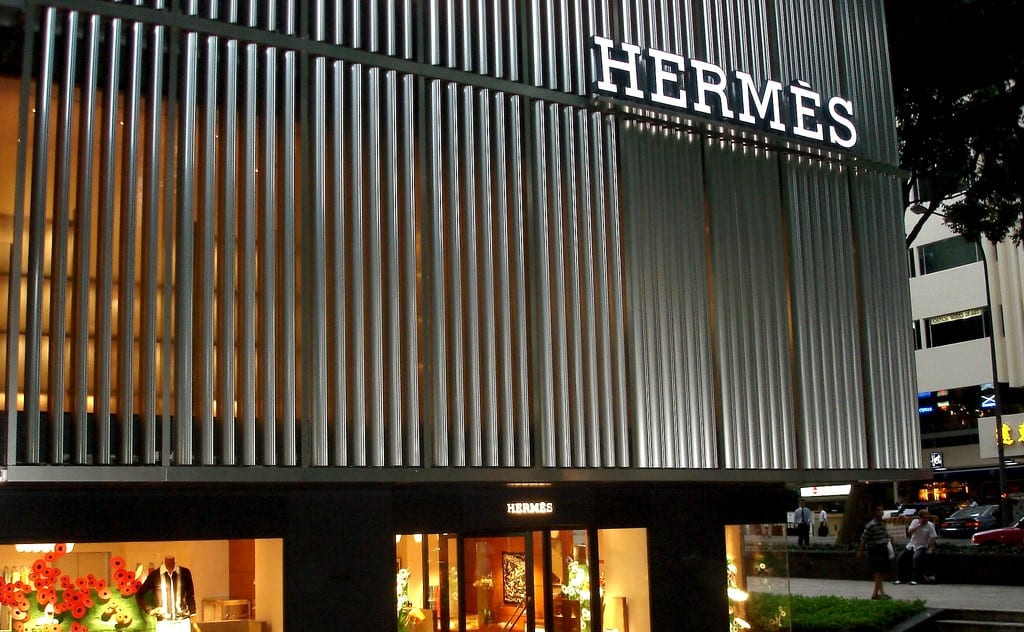
    Hermes, the esteemed French luxury brand, has demonstrated impressive sales growth in the first half of the current year. This surge in revenue was experienced across all regions as affluent customers continued their patronage of the brand’s distinguished leather products.

    The brand recorded a revenue of €8 billion (US$8.78 billion) for the half-year period concluding on June 30th. This performance marks an 8% increase in profits, calculated at a constant exchange rate when compared to the same timeframe in the previous year.

    Sales saw a 9% rise in the second quarter itself, which was bolstered by an excellent performance in the markets of the United States, Japan, and the Middle East.

    According to Hermes, the growth was widespread across all geographical regions, with each one reporting gains. Japan led the way with a robust 16% increase, followed by the Americas with a 12% rise. Sales in France experienced a 9% increase while Europe, excluding France, witnessed a 13% acceleration.

    Axel Dumas, the Executive Chairman of Hermes, has expressed his satisfaction, attributing the firm’s first-half success across all regions to the strength of the Hermes model.

    On behalf of the company, he expressed gratitude to all their customers for their continued trust and to all the employees for their dedication, adding, “We will continue to invest and recruit to ensure the group’s sustained success.”

    The primary driver of growth for Hermes is its core leather goods and saddlery division, which includes the highly coveted Birkin and Kelly bag lines. The brand also reported significant increases in the sales of jewellery and homeware. However, the sales of watches and perfumes exhibited a decline.

    Hermes has laid out plans to persist with investments in craftsmanship, to broaden production, and to reinforce its global retail presence in order to meet the escalating demand for its exclusive merchandise.

    Questions & Answers

    What was the revenue of Hermes for the first half of this year?
    The French luxury brand Hermes recorded a revenue of €8 billion (US$8.78 billion) for the first half of the year.

    Which regions showed significant growth for Hermes?
    Every geographical region posted gains for Hermes. Japan led with a 16% increase, followed by the Americas with a 12% rise. Sales in France experienced a 9% increase, whilst Europe, excluding France, witnessed a 13% rise.

    Which product categories drove the growth for Hermes?
    The primary growth driver for Hermes was its core leather goods and saddlery division, including the popular Birkin and Kelly bags. The brand also reported double-digit increases in jewellery and homeware.

  • South Korean Retailers Combat Rising Food Prices With Ultra-affordable Products

    South Korean Retailers Combat Rising Food Prices With Ultra-affordable Products

    In South Korea, the rise in food prices has led to an increase in demand for ultra-low-cost products, specifically those priced under 1000 won. This surge in demand has prompted convenience stores to grow their range of super-value items.

    7-Eleven’s Affordable Coffee Selection

    On the 30th of July, the famous convenience store chain, 7-Eleven, introduced two new coffee products to its line: “Seven Select Black Coffee” and “Seven Select Cafe Latte.” Retailing at only 900 won each, these offerings are approximately 36% cheaper than the average market price of 1400 won for similar items. The black coffee offers a clean, Americano-style flavor, while the cafe latte provides a lightly sweet taste and aroma that appeals to a wide range of customers.

    This addition to 7-Eleven’s product line follows the mid-July release of “Seven Select Venti Coffee” in 600ml PET bottles. Available in black and hazelnut varieties, these beverages retail at 1800 won, making them 33% less expensive than typical 500ml bottled coffees. These products experienced a 70% increase in sales from July 18 to 25, compared to the preceding month, indicating robust consumer interest in large volume, low-cost options.

    According to 7-Eleven, reflecting the wider economic pressures, sales of all differentiated products priced under 1000 won increased by 30% from July 1 to 25 compared to the same period the previous month.

    CU Embraces the Ultra-Value Trend

    CU, another popular convenience store chain, has also responded to the ultra-value trend. In preparation for Korea’s traditional midsummer days, CU introduced two affordable traditional chicken dishes to its private-label “Duktem” series. These are the “Samgyetang Chicken Breast,” priced at 1900 won, and the “Samgyetang Whole Chicken Leg,” available for 3500 won.

    Easily prepared in a microwave in under two minutes, these dishes offer a cost-effective alternative to Samgyetang. This traditional Korean chicken soup, generally considered a restorative dish, has become increasingly expensive. Data from Korea Price Information shows the cost of making Samgyetang at home has risen to 9000 won per serving, while dining out costs an average of 17,654 won, a 4.6% increase from the previous year.

    Other Retailers Join the Trend

    Large retailers, such as Emart, Homeplus, and Lotte Mart, have also recognized this trend and begun offering aggressive promotions on fresh poultry and ready-to-eat health foods. For instance, Emart offered two antibiotic-free young chickens for 3580 won with a member card, while Homeplus sold first-grade whole chickens for 3650 won each with bulk purchases.

    As consumer spending power declines and economic uncertainty persists, ultra-affordable, high-value products are fast becoming a key strategy for retailers. The aim is to attract cost-conscious shoppers looking for reasonably priced alternatives to expensive meals and beverages.

    Questions & Answers

    What effect is the rise in food prices having in South Korea?
    South Koreans are increasingly seeking ultra-low-cost products. This demand has prompted convenience stores to expand their range of super-value items.

    How have 7-Eleven and CU responded to this demand?
    7-Eleven has introduced affordable coffee products, while CU has released cost-effective traditional chicken dishes to cater to this growing demand.

    What is the overall retail strategy in response to these economic pressures?
    Retailers, recognizing the need for affordable options amid declining consumer spending power and economic uncertainty, are focusing on providing ultra-affordable, high-value products to attract cost-conscious shoppers.

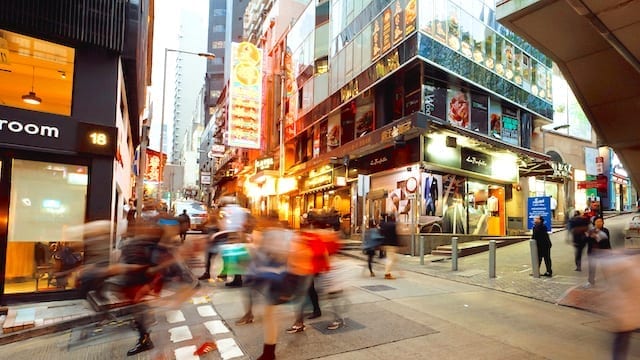
  • Hong Kong Retail Sales Rise In June, Slower Pace Indicates Stabilization

    Hong Kong Retail Sales Rise In June, Slower Pace Indicates Stabilization

    In June, Hong Kong experienced an increase in retail sales, albeit at a slower pace than the previous month of May. The total retail sales for the special administrative region came in at HK$30.1 billion (US$3.8 billion), marking a 0.7 per cent year-on-year growth. This rise, however, was less than the 2.4 per cent increase witnessed in May, which was the first surge in retail sales observed in over a year.

    The Impact of Price Changes

    When considering the impact of price changes during this period, the provisional estimate of retail sales for June revealed a 0.3 per cent year-on-year decrease. This is in comparison to a 1.9 per cent uptick seen in May.

    Industry-Specific Performance

    Breaking down the increase in retail sales by industry, the sectors of jewellery, watches and clocks, and valuable gifts led the pack, enjoying a 6.8 per cent upswing in June. The following industries also saw notable growth: medicines and cosmetics, with a 6 per cent increase; commodities in department stores, with a 5.7 per cent rise; and optical shops, which saw a 1 per cent surge in sales.

    On the other hand, some sectors witnessed a decline in sales. Sales of wearing apparel dipped by 4.3 per cent, while food, alcoholic drinks and tobacco dropped by 1.5 per cent. Additionally, sales in furniture and fixtures saw a significant decrease of 16.3 per cent, with books, newspapers, stationery and gifts experiencing a 4.7 per cent fall.

    First-Half Overview

    Looking at the bigger picture, retail sales in Hong Kong for the first half of the year showed a downward trend, dropping by 3.3 per cent when compared to the same period last year.

    However, a government spokesperson conveyed optimism, noting that the retail sector has been exhibiting signs of stabilization in recent months. The spokesperson cited several favourable factors contributing to this trend, including the steady rise in employment earnings, a robust stock market, and concerted efforts from the government and businesses to promote tourism. These factors are anticipated to augment consumer sentiment and provide a strong support for the retail sector.

    Questions & Answers

    What was the value of retail sales in June in Hong Kong?
    The value of retail sales in Hong Kong in June was HK$30.1 billion (US$3.8 billion), representing a 0.7 per cent year-on-year increase.

    Which sectors led the growth in Hong Kong’s retail sales in June?
    The sectors of jewellery, watches and clocks, and valuable gifts led the growth in June with a 6.8 per cent increase. Other sectors experiencing growth included medicines and cosmetics, commodities in department stores, and optical shops.

    What are the factors contributing to the stabilization of Hong Kong’s retail sector?
    The stabilization of Hong Kong’s retail sector can be attributed to the continuous increase in employment earnings, a solid stock market performance, and government and business efforts to boost tourism.

  • Trump Imposes Heavy Tariffs on Countries, Slapping 35% Duty on Canadian Imports

    Trump Imposes Heavy Tariffs on Countries, Slapping 35% Duty on Canadian Imports

    In a bold move that echoes his unyielding stance on trade, President Trump has unveiled an executive order imposing new tariffs ranging from 10% to 41% on imports from 69 trading partners, just hours ahead of a critical deadline. This development places additional pressure on countries that have either failed to negotiate favorable terms or have offered what Trump deems insufficient trade concessions. As a blanket measure, goods from countries not specified will now face a 10% tariff rate.

    The reasoning behind this order stems from Trump’s assertion that many trading partners have not aligned adequately with U.S. economic and national-security interests, stating, “they have offered terms that, in my judgment, do not sufficiently address imbalances in our trading relationship.” It’s a strategy that could leave many retailers scratching their heads as they juggle the implications of these tariffs in the marketplace.

    In a notable shift regarding Canada, Trump announced a separate increase in tariffs on Canadian goods related to fentanyl to 35%, up from a previous 25%. This decision underscores a growing divide over cooperation on drug trafficking issues. In stark contrast, he has granted Mexico a respite from imminent higher tariffs, allowing an additional 90 days for discussions towards a comprehensive trade agreement.

    A U.S. official conveyed optimism about upcoming trade agreements, remarking, “We have some deals,” and adding that they wish to avoid jumping the gun in announcements. This wave of negotiations highlights the mixed landscape of international trade as relations with Canada and Mexico diverge significantly. While a summit telephone call between Trump and Mexican President Claudia Sheinbaum led to an agreement avoiding a 30% tariff increase on compliant goods, it seems that Canada’s diplomatic efforts fell short of expectations.

    Approximately 85% of all U.S. imports from Mexico meet the USMCA’s rules, thus evading a hefty 25% tariff tied to fentanyl concerns. Trump also confirmed that the U.S. intends to maintain a hefty 50% tariff on Mexican steel, aluminum, and copper, in addition to those on autos that don’t meet USMCA standards.

    A Deal with South Korea but Discord with India

    Meanwhile, South Korea has reached an agreement to accept a 15% tariff on automotive exports to the U.S., incentivized by a tantalizing pledge to invest $350 billion in U.S. projects selected by Trump. This deal contrasts sharply with India’s precarious position, where negotiations have stalled, and a potential 25% tariff looms due to disputes over agricultural market access, combined with threats surrounding India’s significant Russian oil imports.

    The mounting tariffs have begun to elicit reactions from consumers, with recent reports showing a rise in prices for home goods, recreational items, and clothing—an unwelcome trend many aren’t ready for. In June, the Commerce Department reported a 1.3% spike in home furnishings prices, with early indications that these tariffs are affecting consumers’ wallets more than just on paper.

    Controversy and Legal Challenges Ahead

    In a dramatic uptick, Trump targeted Brazil with a steep 50% tariff while also narrowing the categories exempt from these tariffs, further amplifying tensions with Latin America’s largest economy. As these trade policies unfold, they’re simultaneously landing in the crosshairs of judicial scrutiny, as federal appeals court judges question the legality of Trump’s reliance on the International Emergency Economic Powers Act for justifying these broad measures. Observers are eagerly awaiting developments as the court evaluates whether these tariffs violate executive authority.

    As the U.S. grapples with its trade relationships amid a growing deficit, both Treasury Secretary Scott Bessent and U.S. negotiators remain cautiously optimistic about a deal with China, which is teetering on a precarious deadline. With preliminary agreements already in the works, the real question is whether all parties can expedite negotiations before tensions flare again.

    Questions & Answers

    What key countries are affected by Trump’s new tariffs?
    The new tariffs target 69 trading partners, including heightened rates on Canadian goods and a separate arrangement with South Korea.

    How are these tariffs impacting consumer prices?
    Recent data indicates a rise in consumer goods prices, particularly in home furnishings and clothing, reflecting the economic influence of these tariffs.

    What legal challenges are surrounding Trump’s tariff initiatives?
    Judicial skepticism has emerged regarding Trump’s use of emergency powers to impose tariffs, with federal judges questioning the extent of his executive authority during ongoing legal proceedings.

  • Small Sellers Struggle to Keep Up Amid E-Commerce Surge: Challenges and Opportunities Ahead

    Small Sellers Struggle to Keep Up Amid E-Commerce Surge: Challenges and Opportunities Ahead

    Tuan Anh, a seller operating his online printed T-shirt shop in Ho Chi Minh City, has made the difficult decision to close his business after struggling to make sales. Despite his hopes of earning some extra money on the side, Tuan Anh found the competitive landscape daunting. “There are too many competitors on e-commerce platforms”. “The only way to sell is by running ads, which is not feasible for small vendors like me who lack funds.”

    This sentiment is echoed across the industry. According to recent data from Metric, the first half of the year saw a staggering decline of 80,000 in the number of e-commerce vendors securing at least one order, reflecting the increasing challenges faced by small sellers. “The market is increasingly favoring larger sellers capable of maintaining stable order volumes,” noted a representative from Metric.

    Market Gains, but Not for Everyone

    While the e-commerce sector appears to be thriving, particularly for larger players, smaller sellers are struggling to keep pace. Consultancy firm YouNET ECI reported that the gross merchandise value generated by the four largest multi-category retail platforms—Shopee, TikTok Shop, Lazada, and Tiki—reached an impressive VND222.1 trillion (approximately US$8.8 billion) during the first half of the year, marking a 23% increase year-on-year. Yet, in stark contrast, the number of active sellers on these platforms dipped by 1.3% to 578,700.

    Nguyen Phuong Lam, director of market analysis at YouNet ECI, emphasized that while official brand stores enjoyed significant revenue growth of 34%, smaller vendors continue to falter. Data from Metric reveals that shop malls, although representing only 3.4% of the total shops, accounted for a robust 28.7% of sales. This trend highlights consumers’ increasing preference for trust and reliability when shopping amidst an influx of low-quality goods.

    Marketing Woes for Small Sellers

    The hurdles for small sellers don’t stop at competition; limited marketing resources significantly hinder their visibility. Nguyen Khac Tu, founder and CEO of Bigshop, an established electronics and household appliance retailer, pointed out, “If vendors on Shopee do not run ads, they get very few orders. Similarly, TikTok Shop livestreams without advertising attract hardly any viewers.” Coupled with rising platform fees, the environment has become stifling for many small, under-resourced sellers.

    YouNet ECI’s Lam reiterated the detrimental impact of escalating fees. “With mounting pressure from rising platform costs, many small, unprofessional, or under-invested sellers feel compelled to exit the market,” he commented. Adding to these challenges, the days of quick profits from low-quality goods seem to be fading fast, as stricter regulations targeting product quality and a crackdown on counterfeit items push some sellers out.

    Future Prospects Amidst Challenges

    Despite these obstacles, the e-commerce market continues to expand at a rapid pace. Metric forecasts a notable 21.6% sales increase in the third quarter of 2025, predicting that the gross merchandise value for the four dominant platforms will hit VND122.8 trillion. Long-term projections from the e-Conomy report by Google, Temasek, and Bain & Company envision Vietnam’s online market soaring to $63 billion by the decade’s end—nearly triple the anticipated figure for 2024.

    However, the road to success is becoming increasingly exclusive to professional shops equipped with the necessary financial backing. Lam further stressed that today’s consumers expect quality and cannot tolerate platforms being mere dumping grounds for surplus inventory. “Serious investment in branding, service quality, and robust financial preparation is vital for survival,” he emphasized. “Vietnam’s e-commerce market no longer has room for short-term thinking.”

    In light of the current challenges, a proposed E-commerce Law aims to enhance market quality and transparency. This legislative initiative seeks to impose stricter accountability on platforms, mandating the removal of any violating products within 24 hours of detection, and requires sellers to verify their identities for traceability. Nguyen Huu Tuan, director of the E-commerce and Digital Technology Development Center, expressed that sellers will face tighter regulations regarding product ownership and labeling, with comprehensive details mandatory for all listings. “The days of posting products with arbitrary information are over,” he declared. And it appears, in the evolving e-commerce landscape, the only thing more certain than growth is the push for professionalism.

    Questions & Answers

    What challenges are small online sellers facing in Vietnam’s e-commerce market?
    Small sellers are encountering intense competition and limited marketing resources, making it difficult for them to gain visibility and secure orders. Rising platform fees further exacerbate these challenges, forcing many to exit the market.

    How are larger platforms performing compared to smaller sellers?
    Larger platforms like Shopee and TikTok Shop are thriving, with significant increases in gross merchandise value, while the number of active small sellers is declining as they struggle to compete.

    What legislative changes are being proposed to improve the e-commerce landscape?
    A proposed E-commerce Law aims to enhance market transparency and accountability, requiring platforms to promptly remove violating products and enforce stricter identity verification for sellers.