Author: Mei Ling Tan

  • Trump Announces Suspension of Duty-Free Exemption for Foreign Packages Starting August 29

    Trump Announces Suspension of Duty-Free Exemption for Foreign Packages Starting August 29

    In a significant development for international shipping, duty-free shipments to the U.S. for low-value commercial packages will come to a halt for all countries starting August 29, according to an announcement from the White House on Wednesday. This decision particularly affects the “de minimis” exemption, which had previously allowed packages valued under $800 to enter the U.S. without incurring customs duties.

    The move is part of a broader strategy by the Trump administration to address what it describes as rampant duty evasion, and it also targets the importation of synthetic opioids. The suspension of this exemption aims to crack down on the increasing flow of illicit drugs entering the country, a situation that has raised significant health and safety concerns.

    While industry stakeholders weigh the implications of this change, the new regulation might come as a surprise to many small businesses and shoppers who have enjoyed the ease of duty-free imports. It’s a stark reminder that even the smallest packages can bear hefty consequences in the complex world of international trade.

    Questions & Answers

    What is the “de minimis” exemption?
    The “de minimis” exemption allows low-value packages under $800 to be imported into the U.S. without incurring customs duties, simplifying the process for international shoppers and businesses.

    Why has the U.S. government decided to suspend this exemption?
    The suspension is aimed at combating duty evasion and addressing the influx of synthetic opioids, which poses serious public health risks.

    How might this affect businesses and consumers?
    Businesses that rely on international shipments for low-value products may see increased costs and delays due to the new regulations, while consumers could face higher prices or be deterred from purchasing goods from abroad.

  • Hang Seng Bank Reports 30% Profit Drop to HK$6.88 Billion in First Half of 2025.

    Hang Seng Bank Reports 30% Profit Drop to HK$6.88 Billion in First Half of 2025.

    In a challenging first half of 2025, Hang Seng Bank reported a significant profit drop, with net earnings attributable to shareholders plummeting by 30% to $876.45 million (HK$6.88 billion). The bank’s operating profit also took a hit, declining 25% to $1.09 billion (HK$8.55 billion), while earnings per share fell to HK$3.34, down 34% from the previous year. This financial dip underscores the pressures currently faced by banks as they navigate a turbulent economic landscape.

    Emerging Diversification Strategies

    Despite the declines in traditional profit areas, Hang Seng Bank found a silver lining as fees and other income surged by 34% during the same period. This strategy of diversification appears to be paying off, with these revenues now accounting for 31.6% of the bank’s total income, a marked increase from 25.9% at the end of 2024. This adaptation could be likened to an athlete finding new gear in a marathon — every bit helps in an uphill race.

    Prudent Risk Management Amid Market Uncertainties

    Chief Executive Diana Cesar referred to the first half of the year as “demanding,” attributing the bank’s struggles to multiple external factors. Ongoing trade disputes, persistently high interest rates, and a protracted downturn in the commercial property market have forced the bank to embrace a “prudent and proactive” approach to risk management. Consequently, the institution has boosted its provisions for expected credit losses (ECL) to $624.21 million (HK$4.9 billion), leading to a 28% decline in profit before tax, now sitting at $1.03 billion (HK$8.1 billion).

    Shareholder Returns and Future Outlook

    In a gesture to reassure shareholders, the bank has declared a second interim dividend of HK$1.3 per share, culminating in a total of HK$2.6 per share for the first half of 2025. Additionally, Hang Seng Bank plans to embark on a share buy-back program worth up to $382.16 million (HK$3 billion), marking a proactive step to stabilize its market position over the next six months. As of the end of June 2025, the bank reported a common equity tier 1 (CET1) capital ratio of a robust 21.3%. However, non-performing loans (NPLs) increased to 6.69%, reflecting ongoing credit strains, particularly in the property sector.

    Despite the current challenges, Cesar remains optimistic about potential growth. “We see early signs of recovery in the capital markets and a gradual improvement in the residential property sector. While hurdles remain, we are hopeful about Hong Kong’s long-term growth prospects,” she shared, evoking a sense of cautious optimism amidst uncertainty.

    Questions & Answers

    What factors contributed to Hang Seng Bank’s profit decline in the first half of 2025?
    The bank faced significant challenges including trade tariffs, high-interest rates, and a downturn in the commercial property market, which collectively impacted its earnings and led to increased provisions for credit losses.

    How has Hang Seng Bank adjusted its income strategy in response to financial pressures?
    The bank has diversified its revenue streams, resulting in a notable 34% increase in fees and other income, which now comprises a larger portion of its overall revenue.

    What is the outlook for Hang Seng Bank moving forward?
    Despite current challenges, CEO Diana Cesar expresses optimism, citing early signs of recovery in the capital markets and improvements in the residential property sector, fostering hope for long-term growth in Hong Kong.

  • Charlie’s Fine Food Expands Reach: Choc Chip Cookie Dough Hits Aldi Australia Shelves

    Charlie’s Fine Food Expands Reach: Choc Chip Cookie Dough Hits Aldi Australia Shelves

    The renowned Melbourne-based bakery, Charlie’s Fine Food, has recently made a significant splash with its products appearing on Aldi Australia’s shelves for the first time in over 20 years of operation.

    Expanding Product Reach

    The ready-to-bake Choc Chip Cookie Dough, which is the first product to be launched by the bakery in partnership with the supermarket chain, is now available in Aldi’s chilled dessert section across the nation. Priced at $6.49, the cookie dough is the result of 12 dedicated months of development. This launch is a significant achievement for the family-owned bakery.

    Jacky Magid, the director of sales and marketing, expressed her excitement about this fresh partnership with Aldi. “This is the first time we have collaborated with Aldi and the experience has been exceptional. We anticipate that this will be the first of many Charlie’s products we develop for Aldi’s shoppers to enjoy,” said Magid.

    Foundational History

    Charlie’s Fine Food was established in 2004 by Magid and her husband, Ken Mahlab. Over the years, the bakery has expanded its reach, with its products now being sold in major retailers such as Woolworths, Coles, Walmart, and Bunnings.

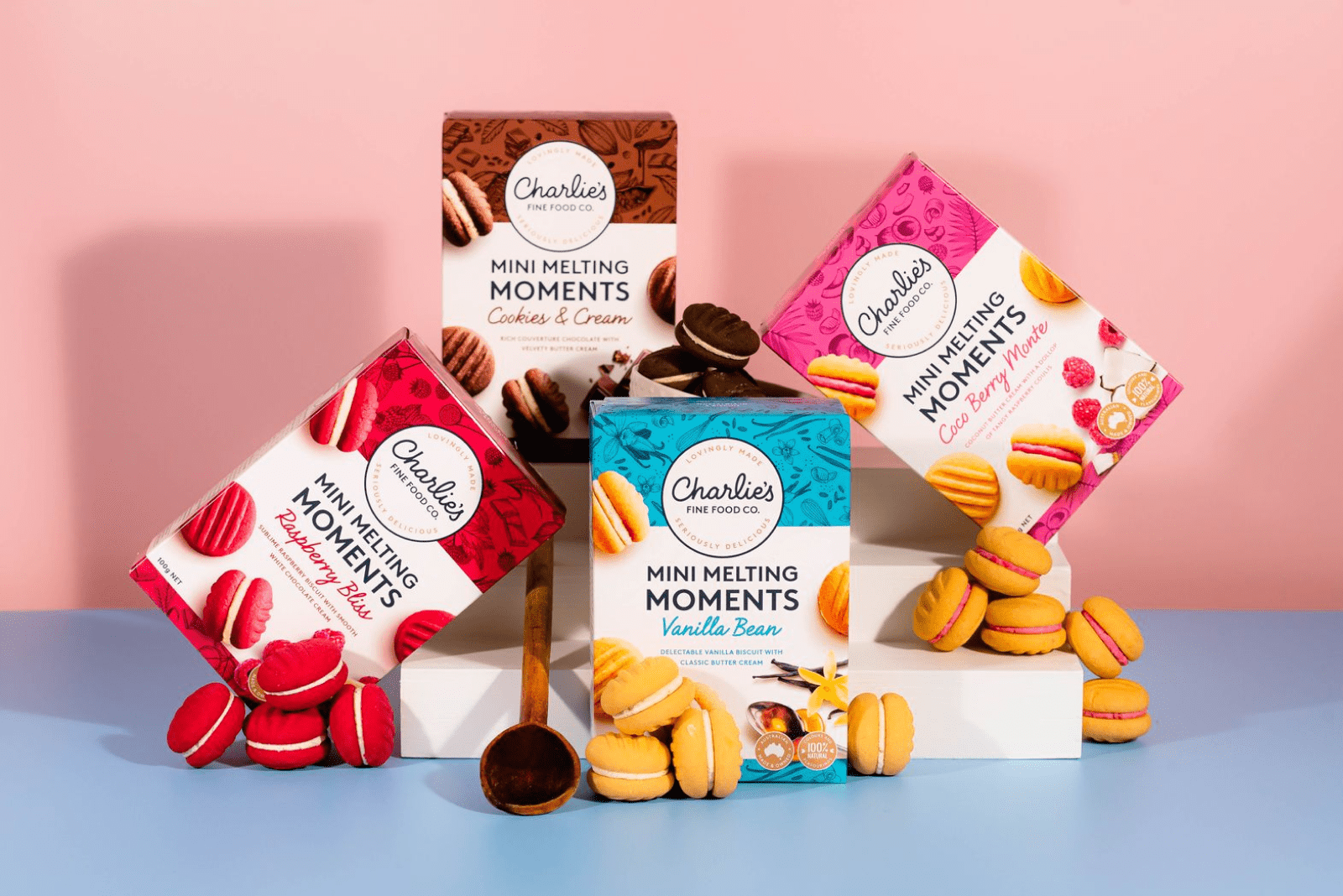
    In 2022, the bakery’s reputation grew even further with the popular launch of its Mini Melting Moments range in Woolworths Metro stores across the country.

    Questions & Answers

    What is the first product Charlie’s Fine Food has launched in Aldi?
    The first product from Charlie’s Fine Food to be launched in Aldi is their ready-to-bake Choc Chip Cookie Dough.

    Who are the founders of Charlie’s Fine Food?
    Charlie’s Fine Food was founded by Jacky Magid and her husband, Ken Mahlab.

    What is the significant product launch by Charlie’s Fine Food in 2022?
    Charlie’s Fine Food launched its Mini Melting Moments range in Woolworths Metro stores across the country in 2022.

  • P&G Debuts Exclusive ‘unstoppable Collection’ At Us Walmart: A Revolutionary Leap In Laundry Fragrances

    P&G Debuts Exclusive ‘unstoppable Collection’ At Us Walmart: A Revolutionary Leap In Laundry Fragrances

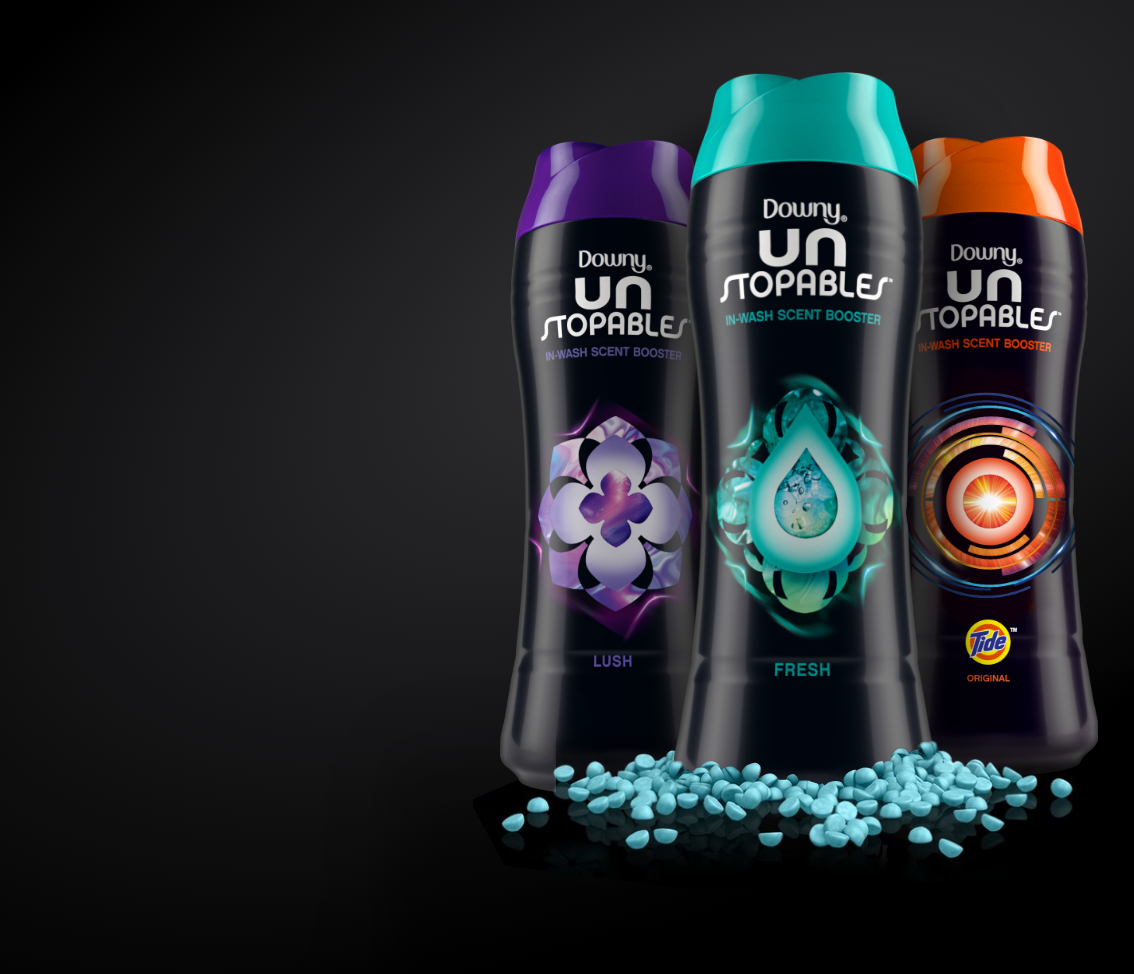
    Procter & Gamble (P&G) has unveiled an exclusive new product line, the Unstoppable Collection. This range, currently exclusive to US Walmart stores, is a first-of-its-kind category expansion consisting of in-wash laundry scent boosters.

    Unique, Long-Lasting Fragrances

    The Unstoppable Collection comprises three distinct fragrances crafted to last and integrate seamlessly into laundry routines. The first fragrance, Unlimited N09, unites the scents of eucalyptus, pine, and cedarwood to produce a robust, woody aroma. The second fragrance, Unlimited N26, offers a floral-woody concoction, blending rose, sweet honey, and earthy oakmoss. Lastly, Unlimited N37 combines bergamot, orris, and vetiver to create a luxurious and sweet scent, as described by the company.

    Promotional Partnership

    To promote the launch of the Unstoppable Collection, P&G has collaborated with acclaimed supermodel, entrepreneur, and mother Jasmine Tookes. Tookes stars in three promotional advertisements designed to showcase and amplify the range’s introduction.

    Redefining Laundry Fragrance

    Redge Abueva, vice president of North America fabric enhancers at P&G, spoke excitedly about the new collection. He expressed that with the Unstoppables Unlimited Collection, P&G is redefining the possibilities within the laundry category. The goal is to provide consumers with sophisticated, fine-fragrance experiences at an unprecedented scale.

    Questions & Answers

    What is the Unstoppable Collection?
    The Unstoppable Collection is a unique product line by Procter & Gamble comprising long-lasting, in-wash laundry scent boosters.

    What are the fragrances available in the Unstoppable Collection?
    The collection includes three fragrances: Unlimited N09, a blend of eucalyptus, pine, and cedarwood; Unlimited N26, a mixture of rose, sweet honey, and earthy oakmoss; and Unlimited N37, a combination of bergamot, orris, and vetiver.

    Who is the brand ambassador for the Unstoppable Collection?
    Procter & Gamble has partnered with supermodel and entrepreneur Jasmine Tookes to promote the Unstoppable Collection.

  • Kegstar Seeks Commerce Commission Approval To Acquire Liquidated Konvoy’s Assets

    Kegstar Seeks Commerce Commission Approval To Acquire Liquidated Konvoy’s Assets

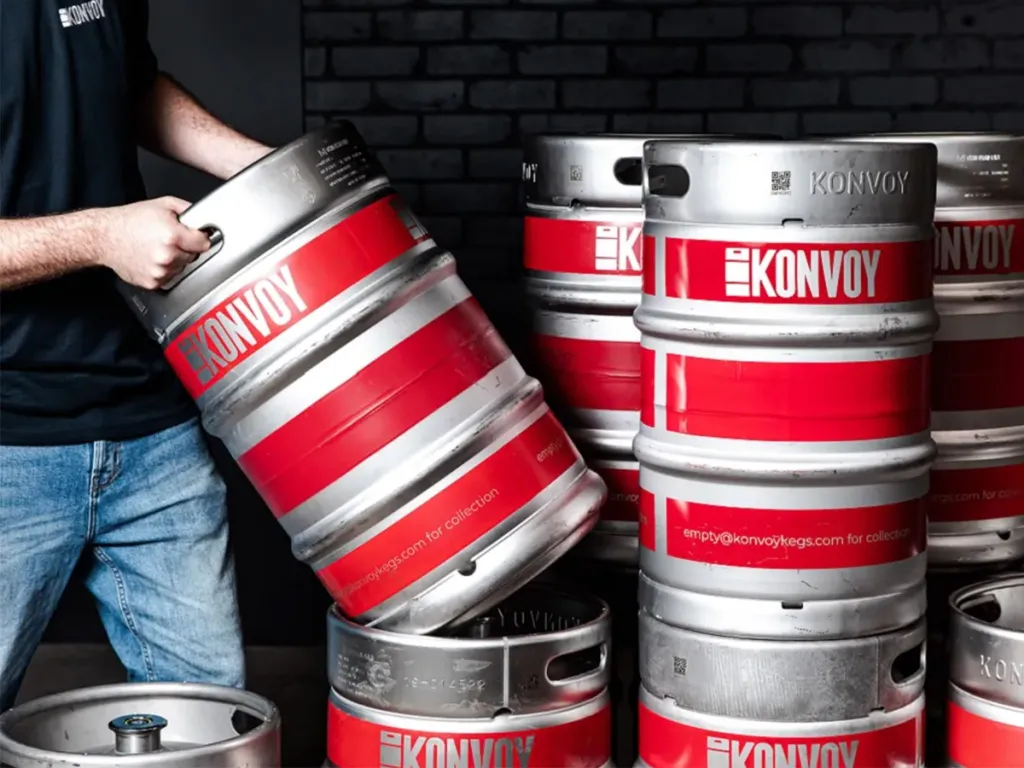
    Kegstar New Zealand is seeking approval from the Commerce Commission to acquire assets from the now-liquidated Konvoy New Zealand. The requested assets include kegs, beacons attached to these kegs or stored in inventory, and New Zealand keg records.

    The Background

    This acquisition proposal follows Konvoy’s financial struggles, which led to the company entering receivership in March and subsequent liquidation in May. Both Kegstar and Konvoy are suppliers of beer kegs to breweries on a rental basis, in addition to offering logistics services.

    Kegstar, owned by MicroStar Logistics, has a broader operational reach than Konvoy, with a presence in Australia, New Zealand, Europe, and the US. In comparison, Konvoy’s operations were limited to Australia and New Zealand.

    The Approval Process

    The Commerce Commission is set to publicize a version of the application on its website. The regulatory body will only grant clearance for the proposed acquisition if it deems that the transaction will not significantly impact market competition.

    Questions & Answers

    What is Kegstar New Zealand proposing?
    Kegstar New Zealand is seeking to acquire certain assets from Konvoy New Zealand. These include kegs, related beacons, and keg records.

    Why is Kegstar interested in Konvoy’s assets?
    Konvoy New Zealand recently entered receivership and was liquidated. The company’s assets are now up for acquisition, and Kegstar, also a keg supplier, is interested in expanding its inventory.

    What conditions must be met for the deal to proceed?
    The Commerce Commission must grant clearance for the acquisition to go forward. The primary condition is that the deal should not substantially lessen competition within the market.

  • Issa Rae Pens Anthem For Beyond Yoga’s New Retail Brand Launch: Seek Beyond

    Issa Rae Pens Anthem For Beyond Yoga’s New Retail Brand Launch: Seek Beyond

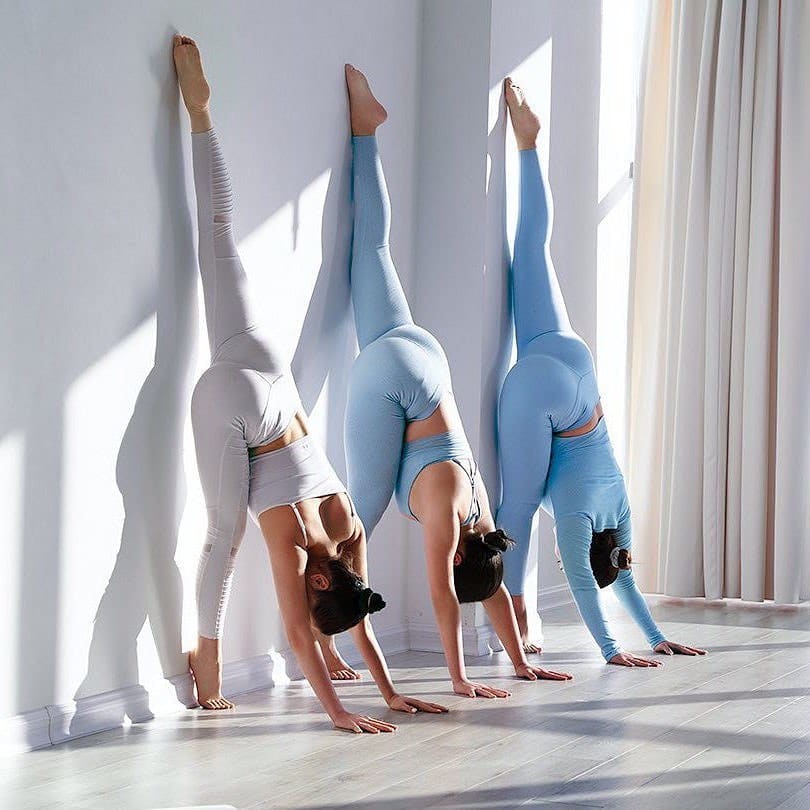
    Beyond Yoga has introduced a fresh retail brand, Seek Beyond, unveiled in conjunction with a marketing campaign that includes an original anthem penned and sung by Issa Rae. The initiative runs parallel to the launch of Beyond Yoga’s latest Outdoor collection and will be amplified through digital media and various community engagements.

    Issa Rae shared that the collaboration with Beyond Yoga feels instinctive. She believes that the Seek Beyond ethos mirrors her approach to life, which is a preference for progress over flawlessness, executed with purpose, delight, and humor. The anthem she wrote is her expression of this sentiment.

    Nancy Green, Beyond Yoga’s CEO, expressed that the new platform embodies the company’s fundamental principles. According to her, it mirrors the manner their community participates – with receptivity, empathy, and a strong conviction that the act of moving is not merely physical but is also a method of personal growth.

    Beyond Yoga was established in Los Angeles in the year 2005. The brand provides a variety of lifestyle necessities such as outerwear, fleece, and performance trousers.

    Currently, the brand manages over 1200 wholesale accounts throughout the United States and international markets. Levi Strauss & Co acquired it in September 2021.

    Questions & Answers

    What is Beyond Yoga’s new retail brand?
    Beyond Yoga’s new retail brand is called Seek Beyond.

    Who wrote and performed the anthem for the Seek Beyond campaign?
    The anthem for the Seek Beyond campaign was written and performed by Issa Rae.

    When and where was the Beyond Yoga established?
    Beyond Yoga was established in Los Angeles, in the year 2005.

  • Starbucks Debuts Largest ‘greener Store’ In Asia-pacific, Showcasing Sustainability And Immersive Coffee Experiences

    Starbucks Debuts Largest ‘greener Store’ In Asia-pacific, Showcasing Sustainability And Immersive Coffee Experiences

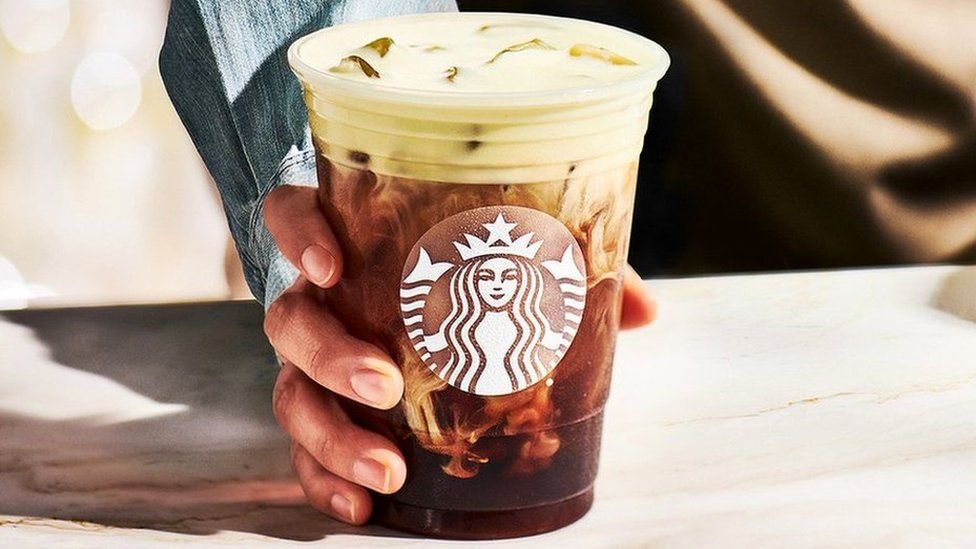
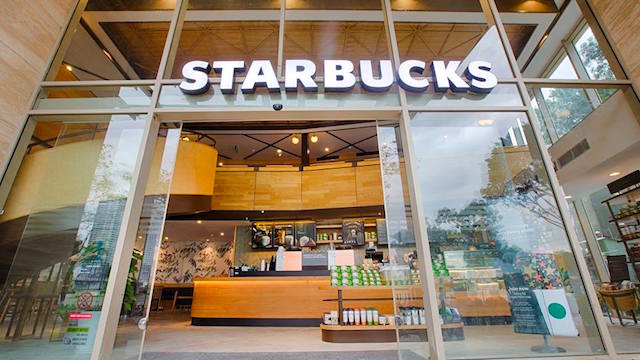
    Starbucks has made a significant addition to its global retail footprint with the unveiling of its largest ‘greener store’ in the Asia Pacific region. The Starbucks Reserve Dream Plaza Taipei in Taiwan is also the brand’s largest flagship store in Taiwan.

    Store Details

    Situated in the Xinyi District of Taipei, the sprawling store spans over 2000sqm and offers services round the clock. The store’s design is segmented into multiple zones, each showcasing various elements of the Starbucks brand. These include an exclusive selection of Starbucks Reserve coffee, a range of innovative culinary options, and eco-friendly design features.

    Siren’s Lounge and Unique Offerings

    One of the store’s most unique features is the Siren’s Lounge. This attraction is a first in the Asia Pacific region, housing a menu formulated in association with celebrated chef Andre Chiang. Customers can relish specialty mocktails and spirit-infused beverages, all while absorbing panoramic views of Taipei’s stunning skyline.

    The store also hosts a Mixology Bar where trained baristas concoct signature coffee-based cocktails such as the Espresso Martini Flight and Brandy Espresso Bliss. Additionally, Taiwan’s maiden Teavana Bar finds its home in this location, offering an assortment of sparkling tea infusions and season-specific blends.

    Immersive Experiences

    Adding to its list of attractions are two new experiential zones – the Sensory Room and Coffee Experience Room. These spaces are designed to host workshops and tastings guided by coffee connoisseurs. The aim is to provide customers with an immersive experience, delving deeper into the origins, flavors, and brewing techniques of coffee.

    The establishment of this flagship store underscores the importance of the Taiwanese market in Starbucks’s growth strategy. It also highlights the brand’s commitment to promoting sustainability and fostering cultural connections.

    In unrelated news, earlier this month, Starbucks’s operations in China reportedly received offers for a potential stake sale, with valuations amounting to as much as US$10 billion.

    Questions & Answers

    What is unique about the new Starbucks Reserve Dream Plaza Taipei?
    The Starbucks Reserve Dream Plaza Taipei, located in Taiwan, is the largest flagship store in the market and the largest ‘greener store’ in the Asia Pacific region. Some of its unique features include the Siren’s Lounge, the Mixology Bar, and Taiwan’s first Teavana Bar.

    What are the Sensory Room and Coffee Experience Room?
    The Sensory Room and Coffee Experience Room are two experiential zones within the store. These spaces host workshops and tastings led by coffee experts, with the aim of providing a deeper understanding of coffee’s origins, flavours, and brewing methods.

    What does the opening of this flagship store signify for Starbucks?
    The opening of this flagship store marks a key milestone in Starbucks’s growth strategy in Taiwan. It demonstrates the brand’s emphasis on culture and sustainability, as well as its commitment to providing unique and immersive experiences for its customers.

  • Jollibee Group Unveils Global Expansion Plan With Comprehensive Rebranding Strategy

    Jollibee Group Unveils Global Expansion Plan With Comprehensive Rebranding Strategy

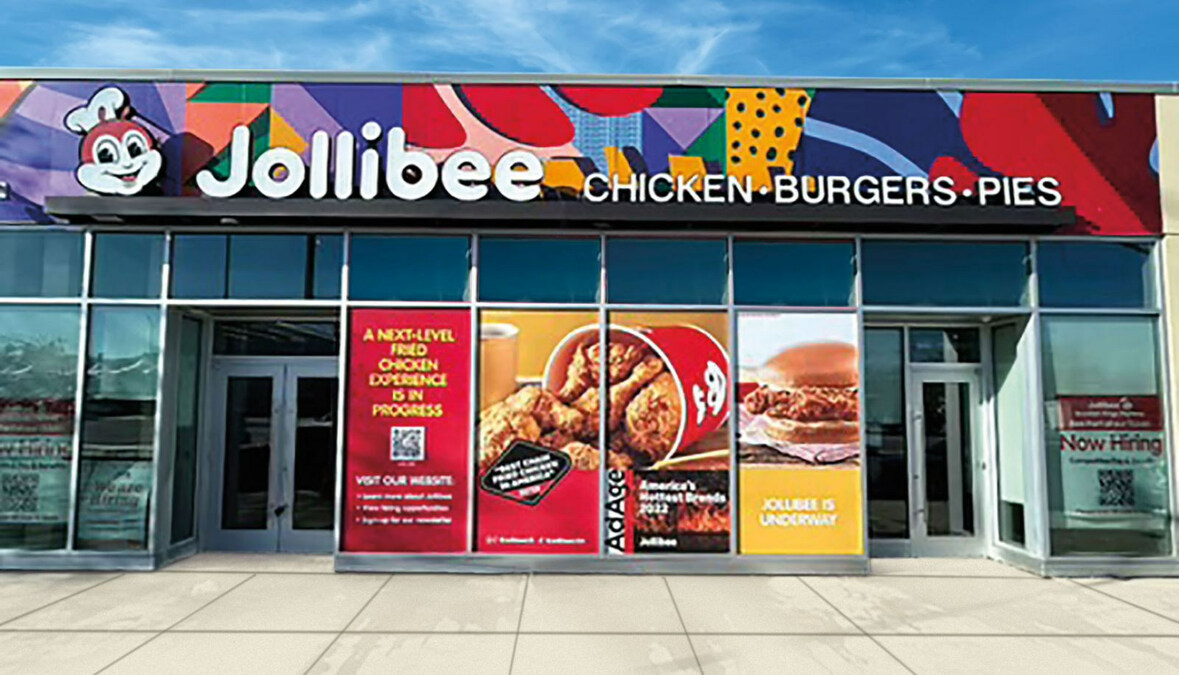
    Jollibee Foods Corporation (JFC) has recently undergone a rebranding effort, now going by Jollibee Group, with an eye on further global expansion.

    Rebranding for Global Growth

    Despite retaining its legal entity as JFC, the firm has announced that this comprehensive rebranding will encompass a new visual identity, a simplified brand hierarchy, and harmonized naming across all business divisions. The objective is to further fortify the company’s global footprint and enhance its brand value.

    Jollibee Group’s global president and CEO, Ernesto Tanmantiong, explained the reasoning behind this significant move: “Our fundamental aim is to bring joy through superior flavor. This purpose is the driving force behind our innovation, it shapes our customer promise, and it propels our momentum forward.”

    Unveiling the New Identity

    The introduction of the fresh identity took place during internal events, such as the supplier summit and the annual stockholders’ meeting, which were attended by employees and partners. The company is currently deploying this new identity through global media channels and corporate communications.

    Tanmantiong further added, “As we expand globally, we’re not only extending our reach, but also establishing a company that is not only known for business success but also for the joy and quality we bring to people’s lives.”

    Jollibee Group currently has a strong presence in 33 countries, with over 9000 outlets, including locations in the US, the Middle East, and Southeast Asia. Its diversified portfolio includes well-known brands such as Tim Ho Wan, The Coffee Bean and Tea Leaf, Jollibee, Chowking, Greenwich, Red Ribbon, and Mang Inasal.

    Questions & Answers

    What is the main reason for Jollibee Group’s rebranding?
    The main reason for the rebranding is to position the company for further global expansion and enhance its brand value.

    How was the new identity introduced?
    The new identity was introduced during internal events including a supplier summit and the annual stockholder’s meeting. It is now being introduced through global media and corporate communications.

    How many stores does Jollibee Group operate and in how many countries?
    Jollibee Group currently operates more than 9000 stores across 33 countries, including the US, the Middle East, and Southeast Asia.

  • Belgian Bakery Le Pain Quotidien Returns To India, Plans 100 Outlets By 2035

    Belgian Bakery Le Pain Quotidien Returns To India, Plans 100 Outlets By 2035

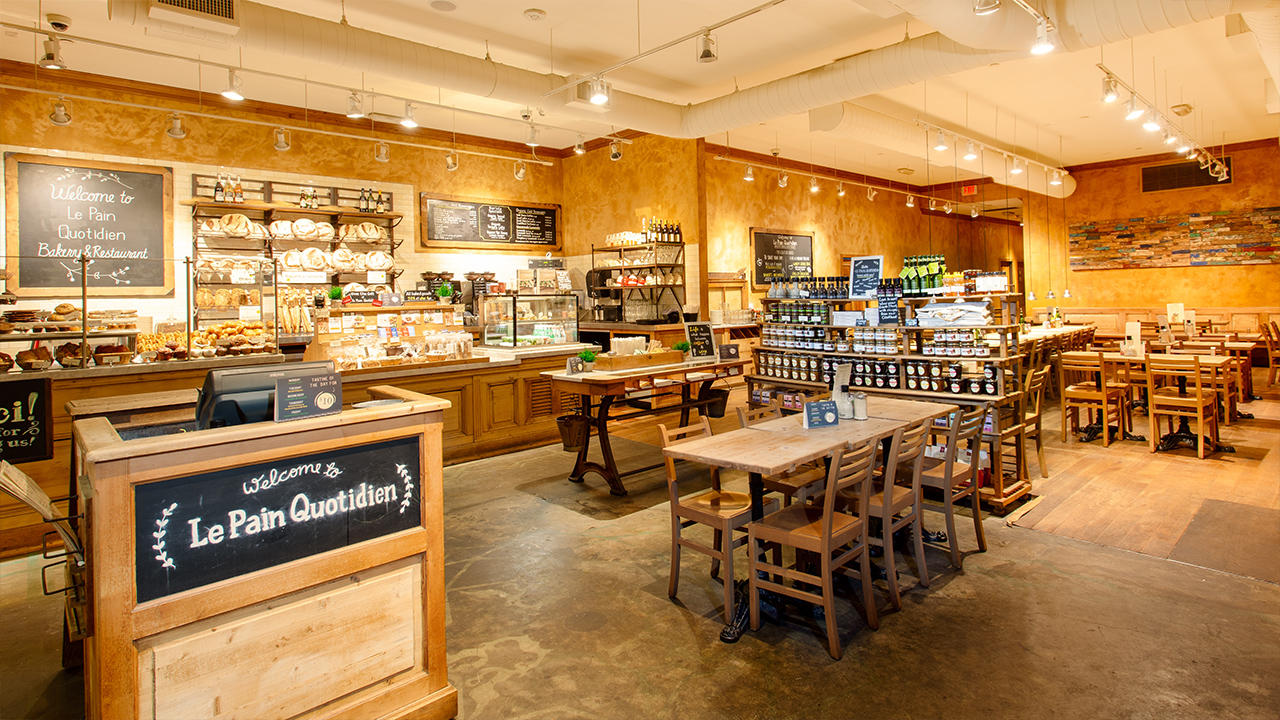
    Le Pain Quotidien, a renowned Belgian bakery-cafe chain, has made a comeback in the Indian market by establishing a fresh outlet in Palladium Mall, Mumbai. The brand’s return is facilitated through a master franchise agreement with Bake & Brew Private Limited.

    Le Pain Quotidien’s Location

    The latest store of Le Pain Quotidien is strategically positioned in the Gourmet Village zone of Palladium Mall. This zone is known for its assortment of local and international restaurants, some of which include Gold by Ice Cream Works, Burma Burma, and Kuuraku.

    Le Pain Quotidien, a name that translates to “the daily bread” in French, initially launched its venture in India in 2010. However, the brand withdrew from the Indian market during the pandemic in 2020.

    New Franchise Agreement

    In August last year, Le Pain Quotidien entered into a new franchise agreement with Bake & Brew. The arrangement has an ambitious target – to inaugurate upwards of 100 outlets across India by 2035.

    Le Pain Quotidien was first established in Brussels in 1990 by Alain Coumont. Today, the brand operates over 200 locations in 18 different countries.

    Future Expansion Plans

    Le Pain Quotidien has major expansion plans on the horizon. It aims to launch a second store in Mumbai by the close of this year, while other major cities are also in its crosshairs for expansion. The brand is particularly keen on tapping into travel and transit hubs.

    Questions & Answers

    What is Le Pain Quotidien’s expansion plan in India?
    Le Pain Quotidien plans to open more than 100 outlets across India by 2035 as a part of their franchise agreement with Bake & Brew. They also aim to open a second store in Mumbai by the end of this year.

    When did Le Pain Quotidien first launch in India and when did it exit?
    Le Pain Quotidien first launched in India in 2010 and withdrew from the market during the pandemic in 2020.

    What is Le Pain Quotidien’s focus area for its future expansion?
    Le Pain Quotidien intends to expand into major Indian cities, particularly focusing on travel and transit hubs.

  • Temasek Boosts Stake In Zegna Group: A Strategic Move In Global Ultra-luxury Market Amid Volatility

    Temasek Boosts Stake In Zegna Group: A Strategic Move In Global Ultra-luxury Market Amid Volatility

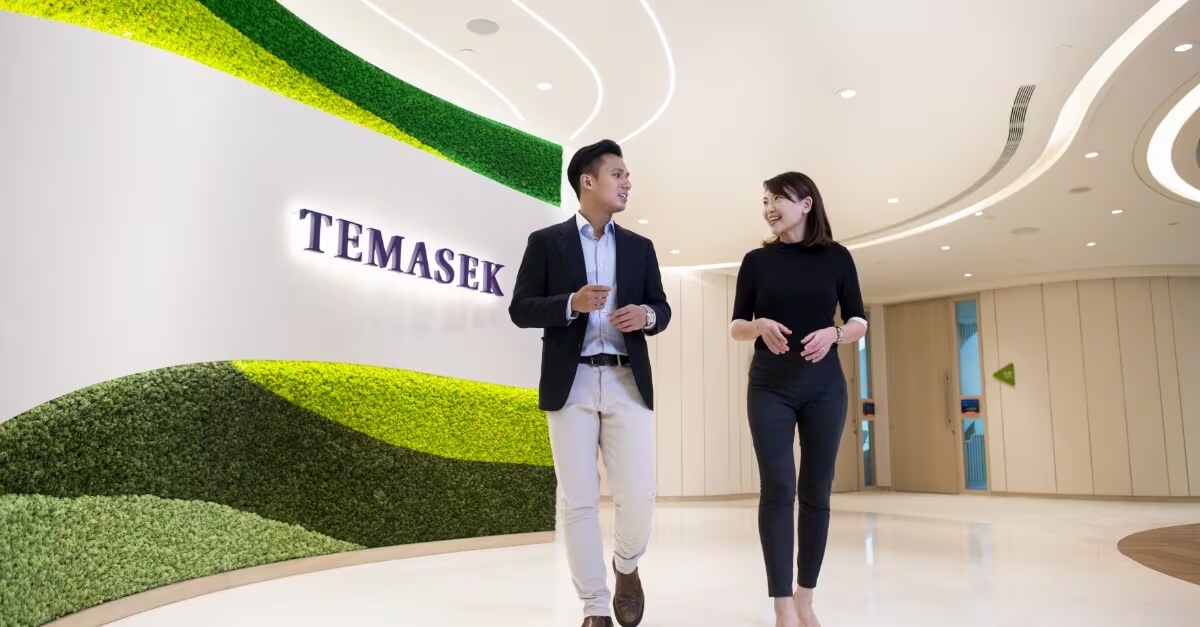
    Singapore’s state investment firm, Temasek, is set to raise its stake in the Ermenegildo Zegna Group to 10 percent. This move, announced by both companies on Tuesday, is part of Zegna’s strategy to expand globally in the robust ultra-luxury market.

    Investing in Volatile European Markets

    Temasek is currently identifying investment opportunities in Europe, a region experiencing market volatility due to the international trade war initiated by the former US President, Donald Trump. This volatility has resulted in more appealing valuations for certain businesses.

    Insiders familiar with the deal indicated that Temasek views Zegna, a company increasingly receptive to foreign investors, as a promising investment prospect.

    Details of the Deal

    The deal, expected to be completed by July 30, involves Temasek acquiring 14.1 million Zegna treasury shares at $8.95 each, amounting to a total of $126.4 million. This purchase, combined with the 12.7 million shares Temasek previously procured on the open market, results in a total stake of 10 percent for the investment firm.

    Zegna’s Chairman and CEO, Ermenegildo “Gildo” Zegna, believes that this partnership with Temasek will strengthen their global organic expansion.

    Influence of Luxury Consumers

    Despite worldwide economic uncertainty, top-tier luxury consumers, those who spend more than 50,000 euros ($57,660) annually, continue to consume. Though this group represents less than 1 percent of the market, they contribute to 23 percent of the industry’s value. Their expenditure remains constant even as less affluent consumers reduce their spending.

    Future Developments

    Nagi Hamiyeh, Temasek’s head of Europe, the Middle East, and Africa, is expected to join Zegna’s board as a non-executive director at Zegna’s annual general meeting in June 2026. He expressed that this investment illustrates Temasek’s faith in Zegna’s positioning and potential for long-term value creation.

    Funds from this transaction will bolster Zegna’s balance sheet and facilitate their expansion into new markets, particularly Asia. Temasek’s regional expertise is anticipated to play a crucial role in this expansion.

    Questions & Answers

    What is the percentage of Temasek’s stake in the Ermenegildo Zegna Group?
    After the completion of the deal, Temasek’s stake in the Ermenegildo Zegna Group will increase to 10 percent.

    What is the primary purpose of Temasek’s investment?
    The proceeds from the transaction will be used to improve Zegna’s balance sheet and aid their expansion into new markets, particularly in Asia.

    Who are the top-tier luxury consumers?
    Top-tier luxury consumers are individuals who spend over 50,000 euros ($57,660) annually. These consumers continue to spend consistently, despite global economic uncertainty.

  • South Korean Convenience Stores See Sales Boom Following Government-issued Consumption Vouchers

    South Korean Convenience Stores See Sales Boom Following Government-issued Consumption Vouchers

    In the week following the introduction of government-issued consumption vouchers, South Korea’s convenience store chains reported a significant rise in sales. The four major chains – CU, GS25, 7-Eleven, and Emart24 – witnessed an increase of more than 10% in weekly sales from July 22 to 28 as compared to the same period in the previous month. Middle-aged consumers and families were primarily responsible for the surge in sales, using the vouchers to make large purchases, especially within the ₩20,000–₩30,000 range.

    Redemption Points at Convenience Stores

    Department stores and hypermarkets were not directly eligible for the voucher scheme due to their corporate-owned structure. On the other hand, convenience stores, which are mainly franchise-based, served as accessible redemption points. This led to a noticeable increment in basket sizes, with customers spending considerably more than the average pre-voucher spend of approximately ₩7000 per visit.

    Emart24 experienced a sales growth of over 10%, while GS25 observed a comparable rise in average transaction value. More customers were using shopping baskets and purchasing a broader range of products such as fresh food, daily necessities, and even rice and meat – items not usually associated with convenience stores.

    Beverages and Cigarettes Sales

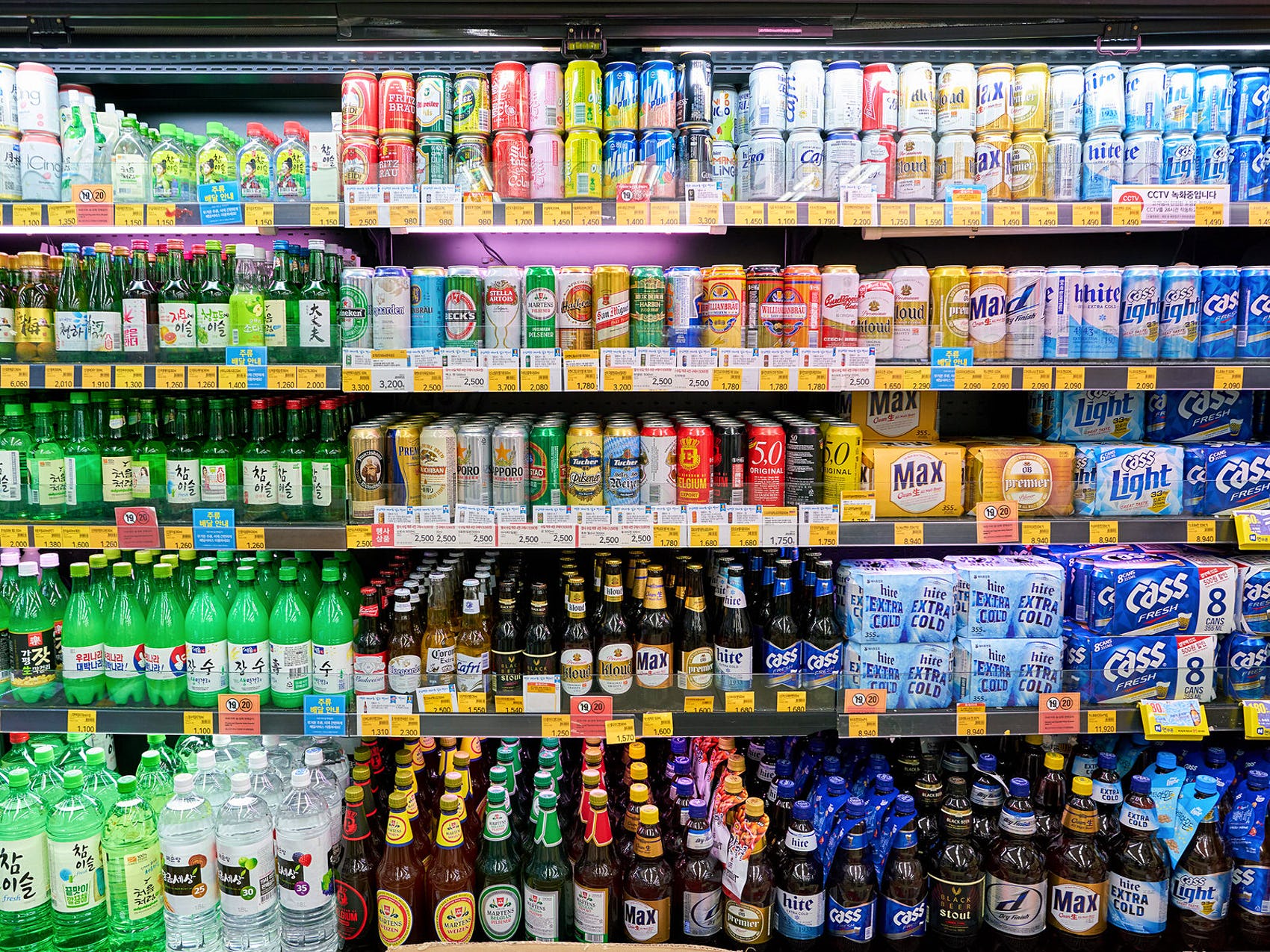
    Sales of alcoholic beverages, specifically beer and soju, saw a significant increase. Beer sales were up by 31.7% at GS25, 30.0% at 7-Eleven, 29.2% at CU, and 20.0% at Emart24. Soju sales increased by 16.2% at GS25 and 12.4% at CU. Overall, liquor sales were up by over 10%.

    Cigarettes, which were also eligible for voucher use, reported a rise in sales with more customers buying full cartons instead of single packs. However, due to potential concerns surrounding “stockpiling” and illegal resale for cash, the exact figures were withheld due to the sensitivity of the product.

    Increased Demand for Health Supplements and Meal Replacements

    Voucher-driven expenditure also led to a surge in demand for health supplements and meal replacements, categories that convenience stores have been emphasizing in their long-term growth strategies.

    According to retail analysts, this trend underlines a significant shift in consumer behaviour. With an increase in single and two-person households, more people have been turning to grocery shopping at convenience stores. The introduction of government vouchers has accelerated this shift, causing large retailers to worry about the potential loss of customers permanently.

    Questions & Answers

    Why did the government issue consumption vouchers?
    The government-issued vouchers were part of a stimulus strategy to boost consumer spending and support local businesses impacted by the COVID-19 pandemic.

    What impact did these vouchers have on convenience stores?
    The launch of these vouchers led to a significant increase in sales at convenience stores, with customers making larger than average purchases and buying a broader range of products.

    Are larger retailers affected by this change in consumer spending habits?
    Yes, larger retailers are concerned about losing customers permanently as the introduction of government vouchers has accelerated a shift towards shopping at local convenience stores.

  • Lenskart Eyes Expansion With $247.6m IPO; Major Shareholders To Sell Off Shares

    Lenskart Eyes Expansion With $247.6m IPO; Major Shareholders To Sell Off Shares

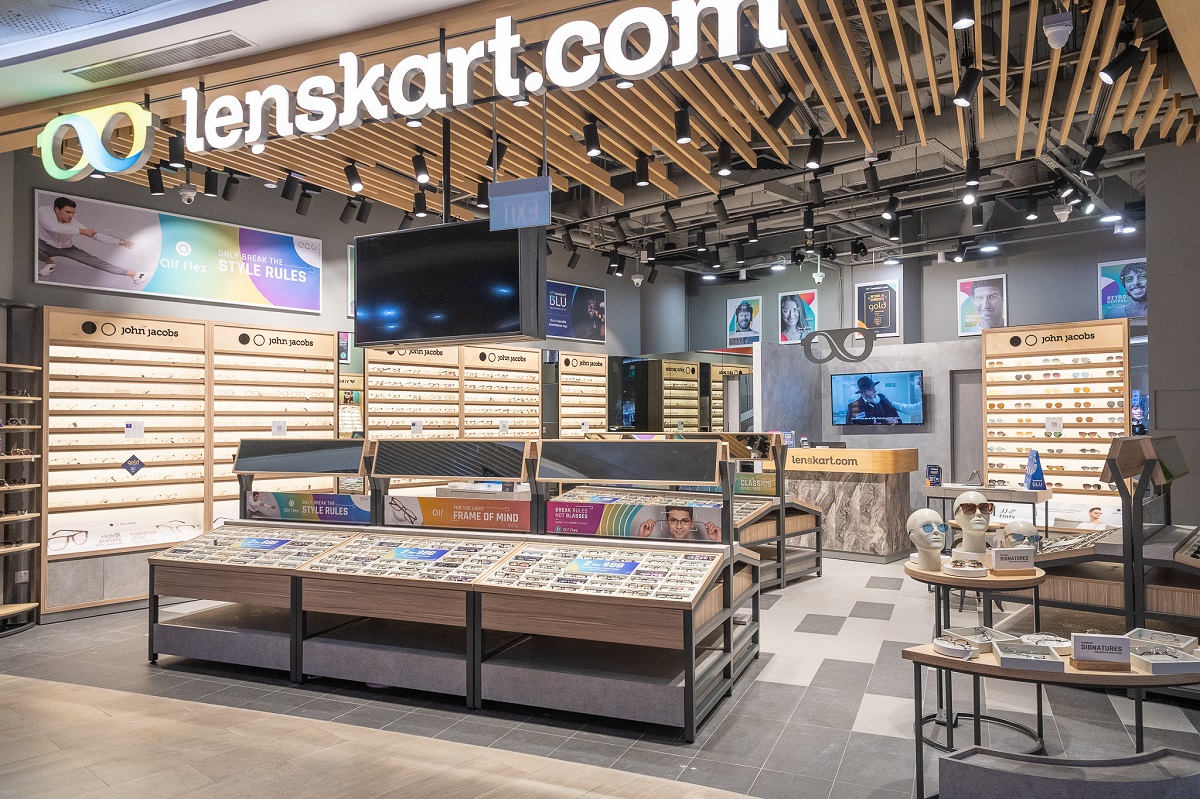
    India’s leading eyewear retailer, Lenskart, has recently submitted an application for an initial public offering (IPO), aiming to issue fresh shares valued at US$247.6 million as outlined in their draft prospectus.

    Major Shareholders Selling Shares

    The firm’s major shareholders, termed as ‘promoters’, will collectively sell off approximately 132.3 million shares. This group of promoters includes noteworthy investment firms such as Mumbai’s Kedaara Capital, Singapore’s state investment body Temasek, and SoftBank from Japan.

    Management of the IPO

    The IPO will be managed by a team of prominent financial firms. Among them are Morgan Stanley, Kotak Mahindra Capital, Axis Capital Holdings, and Citi.

    Allocation of Capital Raised

    As per the draft prospectus submitted to the Securities and Exchange Board of India (SEBI), the revenue generated from this new share issuance will be invested in establishing additional company-owned and operated stores nationwide.

    The funds from the IPO will also be allocated towards the enhancement of technology, the improvement of cloud infrastructure, and to cater for various other corporate purposes.

    Closer Look at Lenskart

    Established in 2010, Lenskart holds an impressive valuation of US$6.1 billion as of June 13. However, the company also carries a debt of US$57 million as of March 2024, as per the data provided by Tracxn.

    Questions & Answers

    What is the purpose of Lenskart’s IPO?
    Lenskart’s IPO is aimed at raising funds to invest in new company-owned and operated stores across India, as well as to enhance their technological capabilities and improve their cloud infrastructure.

    Who are the major shareholders, or ‘promoters’ of Lenskart?
    The major shareholders include Mumbai’s Kedaara Capital, Singapore’s state investment company Temasek, and Japan’s SoftBank.

    What is Lenskart’s current valuation and debt?
    Lenskart’s valuation stands at US$6.1 billion as of June 13. However, the company carries a debt amounting to US$57 million as of March 2024.

  • Decathlon Aims To Double Indian Procurement, Boosting Local Manufacturing

    Decathlon Aims To Double Indian Procurement, Boosting Local Manufacturing

    Decathlon, the renowned French sports goods company, has disclosed its ambitious plans to double its procurement of goods from India, aiming to reach a monetary value of $3 billion in the next five years. This strategic move will enhance India’s contribution to the company’s global sourcing to 15 per cent by 2030.

    Driving Expansion with High-Potential Categories

    The intended increase in sourcing from India is set to be propelled by categories of high potential, such as fitness equipment, footwear, and clothing. As of now, India accounts for 8 per cent of Decathlon’s global sourcing volumes.

    Decathlon boasts a long-standing sourcing relationship with India, spanning over 25 years. The company predicts that by 2030, locally sourced products will constitute 90 per cent of its sales in the Indian market, marking a significant rise from the current rate of over 70 per cent.

    Strong Support from Domestic Operations

    Decathlon’s operations within India are robust, supported by 113 manufacturing sites, 83 suppliers, and seven production offices. The company also showcases solo categories like yoga and cricket, which are designed and manufactured domestically.

    Frederic Merlevede, the head of Decathlon production, expressed confidence in the company’s strategic investment in India. He said, “Our long-term investment in India reflects the profound trust we have established with our partners.” Merlevede also stated their clear ambition to position India as one of Decathlon’s leading global manufacturing hubs as the company continues to grow.

    At present, Decathlon runs 132 retail stores across 55 cities in India.

    Questions & Answers

    What are Decathlon’s expansion plans in India?
    Decathlon plans to double its sourcing of goods from India, aiming for a monetary value of $3 billion over the next five years.

    Which categories are expected to drive this expansion?
    The expansion is expected to be driven by high-potential categories such as fitness equipment, footwear, and clothing.

    What is Decathlon’s future vision for its operations in India?
    Decathlon aims to increase the representation of domestic products in its sales to 90% by 2030. Furthermore, the company aims to make India one of its main global manufacturing hubs.

  • Starbucks Sales Dip Globally, But China Shows Signs Of Recovery

    Starbucks Sales Dip Globally, But China Shows Signs Of Recovery

    Starbucks has recently disclosed a drop in its global comparable store sales for its fiscal third quarter, which underscores the persisting challenges in its primary US market. This comes even as its China operations begin to show some promising signs of recovery.

    Revenue and Sales Performance

    Despite the Seattle-based coffee giant recording a 4% rise in total revenue year-over-year, amounting to US$9.5 billion, it was overshadowed by a 2% decrease in global comparable store sales. This dip can be predominantly attributed to a slump in foot traffic in North America—Starbucks’ biggest market—where there was a 3% reduction in transactions.

    On a brighter note, China, the second largest market for Starbucks, appeared to defy this trend. Comparable store sales in China saw a 2% increase, signifying a comeback following several quarters of decline.

    Expansion and Strategic Growth

    Over the past year, Starbucks has added over 500 new stores in China, thereby increasing its total to 7,828. The company is also said to be considering various proposals from potential local partners to help speed up its expansion into lower-tier cities, while keeping strategic control intact.

    However, Starbucks also faces mounting competition in China from rapidly growing domestic contenders such as Luckin Coffee and Cotti Coffee. These brands have been rapidly expanding by offering lower prices and faster service models.

    North America Initiatives and Future Plans

    In North America, Starbucks is actively undertaking its ‘Back to Starbucks’ initiative, a strategy designed to bolster store operations, improve employee engagement, and refine the overall customer experience.

    Brian Niccol, the Chairman and CEO, expressed an optimistic outlook, citing early signs of progress in the company’s efforts to revamp its operations. He commented, “We’ve made significant progress and tackled challenging issues to build a robust operating foundation. In terms of turnaround efforts, we are ahead of schedule.”

    “By 2026, we plan to launch a series of innovations that will drive growth, enhance customer service, and ensure that everyone has access to the very best of Starbucks. We are committed to rebuilding a superior Starbucks experience and a stronger business.”

    Starbucks has also announced its plans to gradually phase out underperforming mobile order-only stores, and shift towards new café formats that include seating and drive-thrus. This is part of an overall strategy to improve the in-store experience.

    The coffee chain has big plans for fiscal 2026, with the introduction of a range of new beverage and food items, including protein-based cold foams, coconut water-infused drinks, gluten-free snacks, and customizable energy drinks.

    In addition to the product expansion, there are also upgrades planned for the company’s mobile app and loyalty rewards program, with continued investment in digital and operational technology.

    Questions & Answers

    What strategies is Starbucks implementing to recover from the drop in sales?
    Starbucks is taking several steps to recover, including the ‘Back to Starbucks’ initiative in North America, which aims to strengthen store operations and improve the overall customer experience. The company is expanding in China and is planning to introduce new products and upgrade its mobile app and loyalty program.

    What is the ‘Back to Starbucks’ initiative?
    The ‘Back to Starbucks’ initiative is a strategy designed to strengthen store operations, increase employee engagement, and enhance the overall customer experience. The company hopes this will help to boost sales and customer satisfaction.

    What are the company’s plans for growth in China?
    Starbucks plans to partner with local entities to accelerate expansion into lower-tier cities in China. Over the past year, the company has already added more than 500 new stores in the country and continues to consider strategies for further expansion.
  • Kering Reports 16% Revenue Drop Amid Gucci’s Struggling Sales In First Half Of 2021

    Kering Reports 16% Revenue Drop Amid Gucci’s Struggling Sales In First Half Of 2021

    Kering, the renowned French luxury merchandise corporation, has disclosed a significant sales drop for the initial half of the year. The company’s performance continues to be impacted negatively owing to a consistent decline in sales from Gucci.

    Semi-Annual Performance Analysis

    During the six months ending on 30th June, the conglomerate experienced a 16% fall in revenue, descending to EUR 7.6 billion (equivalent to US$ 8.7 billion). This figure incorporates a 14% decrease in the first quarter and an 18% fall in the second.

    The primary contributor to this downward trend is Gucci, with a substantial 26% reduction in sales. Other luxury houses also saw drops in their performance, including Yves Saint Laurent with an 11% decrease, and other associated houses posting a 15% decline.

    However, it was not all gloomy for Kering. Bottega Veneta reported a 1% increase in sales, while the Kering Eyewear and Corporate segment, inclusive of Kering Beaute, witnessed a growth of 2%.

    Geographical Sales Trends

    Despite the overall downturn, Kering reported a minor upward trend in sales for Asia-Pacific and North America during the second quarter. In contrast, Western Europe and Japan saw an acceleration in their sales decline, largely attributed to a significant drop in tourism.

    Chairman and CEO Francois-Henri Pinault, while acknowledging the challenging market conditions, emphasized the company’s commitment to streamlining distribution and controlling costs. He pointed out the decisive steps taken to fortify the company’s financial structure.

    Financial Indicators

    In terms of net income attributed to the company, the figures stood at EUR 474 million, a significant decrease from the EUR 878 million reported in the same period the previous year.

    Despite the lower than expected numbers, Pinault expressed optimism for the company’s future. He believes that the strategic efforts undertaken by the company over the past two years have laid a robust foundation for the next phase of Kering’s growth and development.

    Questions & Answers

    What was Kering’s reported revenue for the first half of the year?
    Kering reported a revenue of EUR 7.6 billion (US$ 8.7 billion) for the first half of the year, representing a 16% decrease compared to the corresponding period last year.

    Which brands under Kering experienced a decline in sales?
    Gucci was the primary underperformer with a sales drop of 26%. Yves Saint Laurent and other associated brands also experienced declines in sales, with decreases of 11% and 15% respectively.

    What were the key contributing factors to the sales decline?
    The sales decline was primarily attributed to reduced tourism, impacting sales in Western Europe and Japan. Additionally, specific brands like Gucci significantly underperformed.