Author: Mei Ling Tan

  • Tourist Tax-Free Spending Plummets, Raising Concerns for Japan’s Retail Future

    Tourist Tax-Free Spending Plummets, Raising Concerns for Japan’s Retail Future

    The vibrant world of Japanese department stores is currently facing a challenging downturn, with recent reports indicating a slowdown in consumer spending among a wealthy demographic. This shift appears to be part of a broader trend influenced by international economic factors, including U.S. President Donald Trump’s aggressive tariff policies, which have begun to bite.

    The Numbers Tell a Story

    Statistics from June reveal a sobering 7.8% decline in department store sales compared to the previous year, landing at 461.5 billion yen (approximately $3.1 billion). A significant contributor to this downturn is the staggering 40.6% drop in tax-free shopping by foreign tourists, which plummeted to just 39.2 billion yen, as reported by the Japan Department Stores Association on Friday.

    The Impact of Shifting Consumer Habits

    This slowdown in retail activity can be attributed to several factors, including changing consumer preferences and market volatility. The once-gilded shopping spree that characterized luxury spending appears to be giving way to a more cautious approach, raising eyebrows in the industry. As one analyst whimsically noted, “Even the most extravagant spenders can feel the pinch when the global economy plays hardball.”

    Looking Forward

    As Japanese retailers navigate this challenging landscape, the focus will inevitably shift to strategies that can rekindle consumer enthusiasm and entice foreign visitors back into their stores. Flexibility and innovation may be key players in this ongoing narrative as the industry adapts to the evolving economic tides.

    Questions & Answers

    What is contributing to the slowdown in Japanese department store sales?
    The slowdown is primarily attributed to a decrease in spending among wealthy consumers, influenced by external economic pressures, particularly U.S. tariff policies, along with a significant drop in tax-free shopping by foreign tourists.

    How much did department store sales decline in June?
    In June, department store sales in Japan fell by 7.8% year-on-year, amounting to 461.5 billion yen (about $3.1 billion).

    What specific segment of shopping saw the most significant decline?
    Tax-free shopping by foreign visitors saw a dramatic 40.6% decline, falling to 39.2 billion yen, highlighting the challenges in attracting international consumers.

  • Thailand’s Tourism Decline Casts Shadow on Struggling Stock Market

    Thailand’s Tourism Decline Casts Shadow on Struggling Stock Market

    Thailand’s tourism sector, a critical pillar of its economy, is facing significant turbulence, largely due to a steep decline in foreign visitor numbers. This downturn is sending ripples through tourism-related stocks, impacting everyone from airlines to hoteliers and retailers. As a result, the Thai equity market is struggling to keep pace with its regional counterparts.

    Recent weeks have seen a modest rise in share prices, buoyed by the initiation of a new government travel subsidy scheme. However, analysts are quick to temper any enthusiasm with caution. They point to two major factors constraining growth: the waning influx of Chinese tourists, who previously played a pivotal role in the industry, and a noticeable dip in consumer spending among locals. Additionally, the simmering border conflict between Thailand and Cambodia is casting a shadow of uncertainty over the sector, heightening concerns about both travel safety and economic stability.

    Optimism may be a tough sell these days, but many in the industry are finding creative ways to draw in visitors. After all, in tourism, as they say, sometimes it takes a little bit of magic to make customers forget their worries.

    Questions & Answers

    What factors are contributing to the decline in Thailand’s tourism sector?
    The decline is primarily driven by a drop in the number of foreign visitors, particularly from China, along with decreased spending among Thai consumers and regional tensions, such as the conflict with Cambodia.

    How has the Thai government responded to these challenges?
    The Thai government has launched a travel subsidy program aimed at boosting tourism and encouraging domestic travel, which has led to a slight increase in share prices recently.

    What is the outlook for tourism-related stocks in Thailand?
    While there has been a recent uptick in share prices due to government initiatives, analysts remain cautious, highlighting ongoing challenges that could affect future performance.

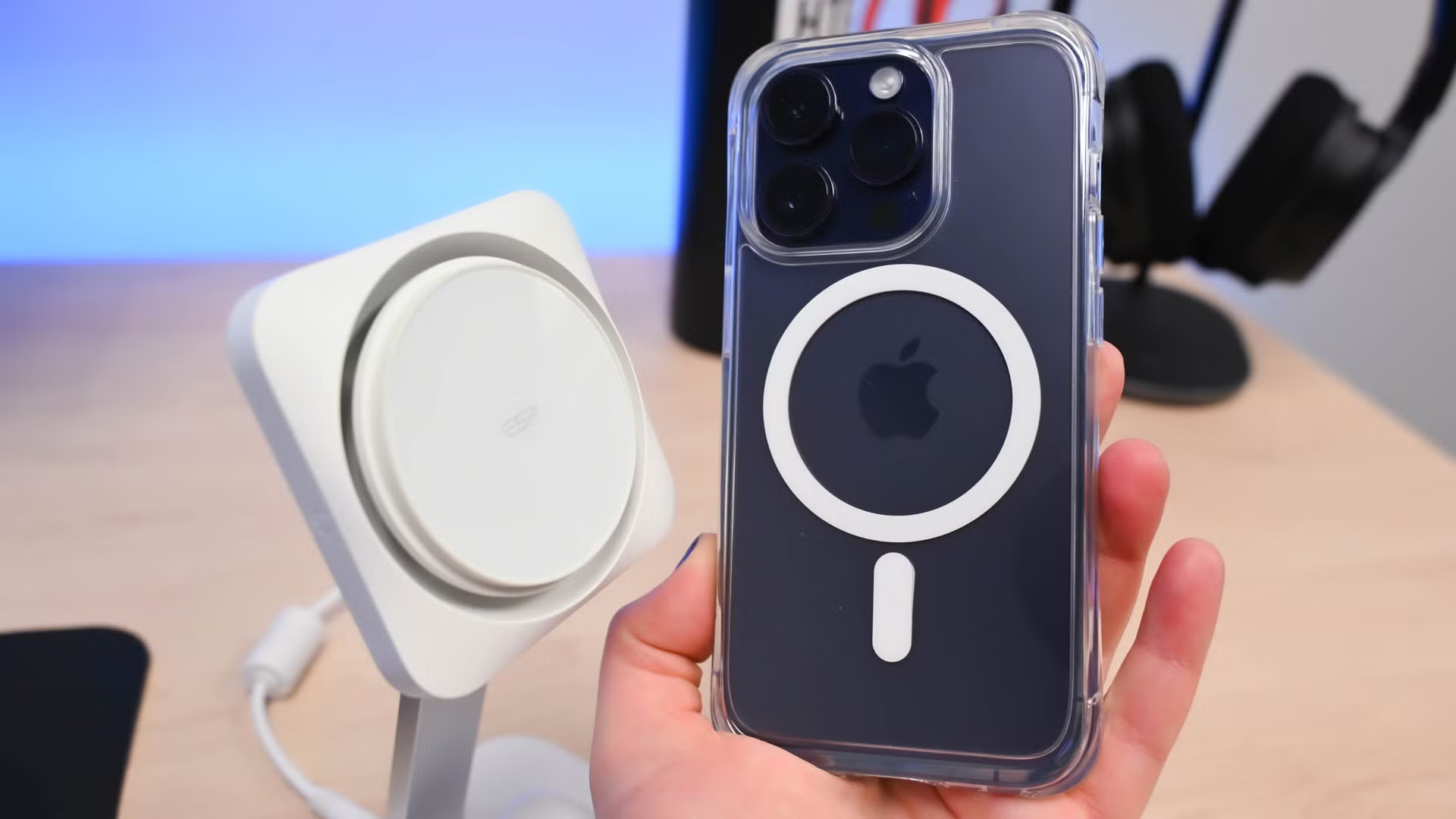
  • MagSafe Accessories Market Set to Surge to $16.14 Billion by 2031—What’s Driving the Growth?

    MagSafe Accessories Market Set to Surge to $16.14 Billion by 2031—What’s Driving the Growth?

    The global MagSafe accessories market is poised for impressive growth, projected to reach $16.14 billion by 2031, with an annual growth rate of 4.7%, as detailed in a report by Valuates Reports. This expansion is primarily fueled by a rising demand for wireless charging solutions, alongside the allure of minimalist design and seamless integration with Apple products.

    At the forefront of this trend are MagSafe wireless chargers, celebrated for their magnetic alignment that enables faster and more reliable charging. As smartphone usage surges and the need for quick charging solutions intensifies, these chargers stand out as a clean and efficient means of powering devices, catering to users who crave convenience without sacrificing performance.

    In addition, MagSafe phone mounts are becoming increasingly popular for hands-free use in both vehicles and at desks. Their robust magnets ensure devices stay put, allowing for easy adjustments. This capability resonates with a diverse audience, from drivers and content creators to professionals seeking stylish yet practical mounting solutions. Who knew magnets could have such a magnetic allure?

    E-commerce platforms, particularly giants like Amazon and the Apple Store, are integral to this market’s expansion. These online channels provide consumers with global access to product comparisons and user reviews, significantly boosting sales. The shift toward digital shopping has paved the way for easier access to a broad spectrum of MagSafe accessories.

    MagSafe products are intricately designed to pair with Apple devices, including iPhones, AirPods, and Apple Watches, fostering user trust and encouraging ongoing investment in the Apple ecosystem. Their forward and backward compatibility ensures that users can enjoy these accessories over the long haul.

    As more consumers opt for flagship iPhones, their willingness to invest in high-end accessories has grown. MagSafe products not only align with Apple’s distinguished design and performance standards but also cater to a discerning group of premium buyers.

    Further enhancing the market landscape, Apple’s strategic move to open the MagSafe standard to third-party manufacturers has broadened the product range. Brands such as Belkin, Anker, and ESR have stepped in, offering certified accessories at varying price points, sparking healthy competition that drives innovation and increases accessibility.

    With both Apple and third-party brands vying to push the boundaries of what’s possible, the MagSafe accessories market is on a promising trajectory, set to achieve a remarkable $16.14 billion by 2031.

    Questions & Answers

    What are the main drivers of growth in the MagSafe accessories market?
    The growth is largely driven by the increasing demand for wireless charging, minimalist designs, and the seamless integration of these accessories with Apple products, particularly smartphones.

    How has the competitive landscape changed with the introduction of third-party manufacturers?
    Apple’s decision to open the MagSafe standard to third-party manufacturers has led to a wider variety of products on the market, with brands like Belkin and Anker offering certified accessories that are both innovative and affordable.

    What advantages do MagSafe chargers offer over traditional charging methods?
    MagSafe chargers provide faster and more reliable charging due to their magnetic alignment, promoting convenience and efficiency for users in an increasingly fast-paced world.

  • Vietnam Sets the Stage for 4G and 5G Growth with 700 MHz Spectrum Re-Auction

    Vietnam Sets the Stage for 4G and 5G Growth with 700 MHz Spectrum Re-Auction

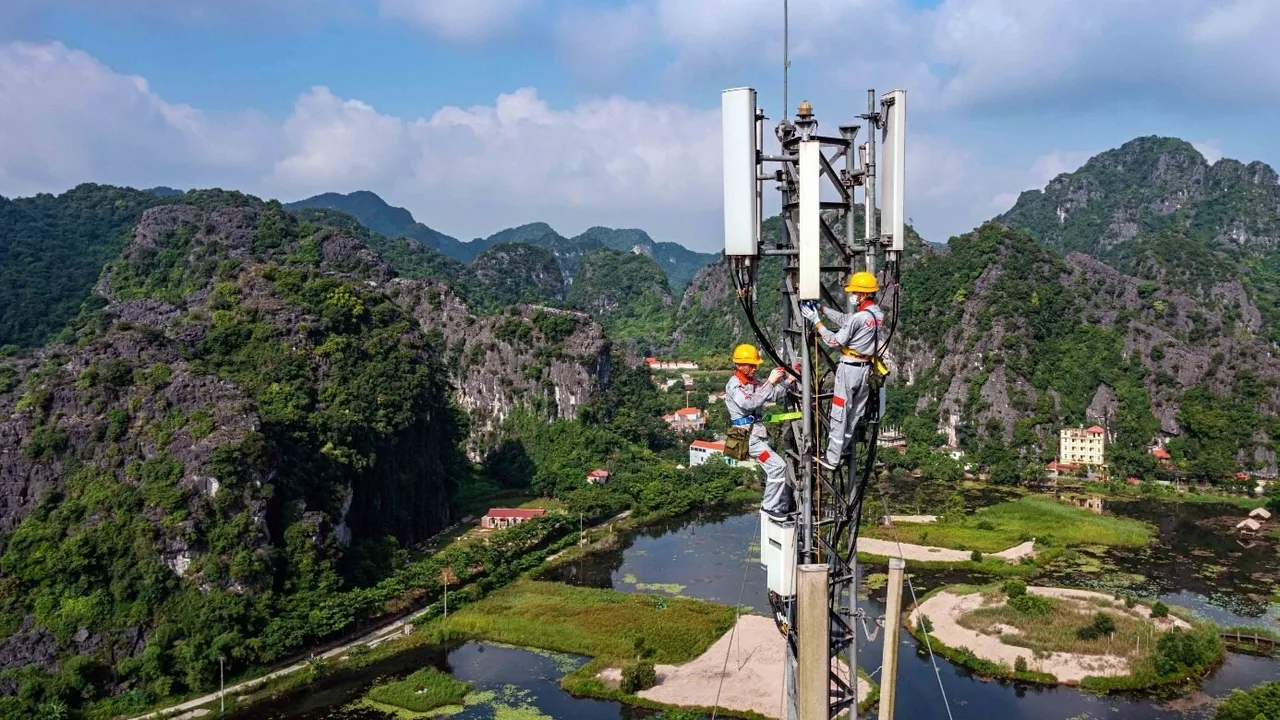
    Vietnam is gearing up for a pivotal moment in its telecommunications landscape, re-launching the auction of two crucial frequency bands in the 700 MHz spectrum. This re-auction follows an earlier attempt that did not meet expectations, indicating a renewed urgency to boost 4G and 5G mobile services in the nation. The Ministry of Science and Technology has announced that the B1-B1’ (703–713 MHz/758–768 MHz) and B3-B3’ (723–733 MHz/778–788 MHz) bands are now available for bidding, starting at over VND 1.95 trillion (approximately USD 75 million). Licenses will grant operators rights for a period of 15 years.

    A Crucial Step for Connectivity

    This auction is more than just numbers on a spreadsheet; it serves as a crucial step in enhancing mobile network coverage, particularly in rural and underserved regions of Vietnam. The 700 MHz spectrum is internationally recognized for its long-range and high-penetration capabilities, making it an ideal candidate for improving service quality, not just in bustling urban centers but also in remote areas where connectivity can feel like a pipe dream.

    Notable Absence in the Bidding

    Interestingly, state-run Viettel Group, which snagged the B2-B2’ band in May 2025 in a spirited two-round bidding session, will sit this one out. That prior victory, which also spans 15 years, forms part of Viettel’s strategy to bolster nationwide 4G and 5G connectivity, essential for pioneering initiatives like smart cities and intelligent agricultural systems that could make even farmers do a double-take.

    Ready or Not, Here Come the Bidders

    Operators interested in tapping into this new wave of opportunity have 30 days from the official auction notice to validate their eligibility. This strategic reallocation of the 700 MHz band comes on the heels of Vietnam’s switch from analog to digital TV broadcasting, unlocking valuable spectrum for the mobile telecommunications sector.

    Racing Ahead with 5G

    As of January 2025, Viettel reported hitting a remarkable milestone of 4 million 5G subscribers in a mere few months after launching its service in October 2024. The telecommunications giant’s 5G network, supported by around 6,500 base stations, boasts impressive speeds of up to 1 Gbps and near-zero latency. With ambitious plans to install over 20,000 additional 5G stations by the close of 2025, Viettel aims to provide comprehensive coverage to 99% of the population by 2030.

    Innovation in the Lab

    In tandem with its ambitious rollout, Viettel has established two dedicated 5G labs in Hanoi and Ho Chi Minh City. These innovation hubs allow developers to experiment with new 5G and Internet of Things (IoT) technologies tailored for local applications. The telco’s infrastructure supports both standalone (SA) and non-standalone (NSA) architectures, covering a stunning array of over 130 use cases across various sectors, including logistics, healthcare, and energy.

    Competition Heats Up

    Viettel isn’t alone in this race; competitors such as VNPT and MobiFone have also stepped into the 5G arena. VNPT launched its 5G services in December 2024, followed by MobiFone in March 2025, utilizing the 3.8–3.9 GHz frequency band. Both operators are deploying a mix of NSA and SA 5G models, ensuring that the competition remains fierce and consumers stand to benefit.

    Looking Ahead to the Auction

    As Vietnam prepares for the renewed 700 MHz auction, industry insiders anticipate a wave of interest from operators eager to broaden their mobile reach and upgrade the nation’s digital infrastructure. The stakes are high, but so are the rewards — a vibrant, connected future awaits just around the corner.

    Questions & Answers

    What significance does the 700 MHz spectrum hold for Vietnam’s mobile services?
    The 700 MHz spectrum is essential for enhancing mobile network coverage, particularly in rural areas, as it offers long-range and high-penetration capabilities that improve service quality.

    Why is Viettel Group not participating in the upcoming auction?
    Viettel Group, which previously secured the B2-B2’ band, is ineligible to bid in this auction, allowing other operators a chance to expand their networks.

    How is Viettel planning to expand its 5G infrastructure?
    Viettel aims to install over 20,000 additional 5G base stations by the end of 2025, with an ambitious goal of covering 99% of the population by 2030 following rapid subscriber growth.

  • Chinese Brands Make Waves in Southeast Asia’s Competitive Retail Landscape

    Chinese Brands Make Waves in Southeast Asia’s Competitive Retail Landscape

    Chinese skincare brands are making waves across Southeast Asia, boasting an impressive 115% compound annual growth rate (CAGR) in the mass skincare market from 2019 to 2024. This explosive growth is attributed to innovative product offerings and competitive pricing, launching them into the spotlight as formidable contenders against established players, according to a recent whitepaper by Euromonitor International.

    Chinese Brands Seize Opportunities in Southeast Asia

    The report, titled “The Rise of Chinese Brands in Southeast Asia,” delves into the dynamics of the ASEAN-6 economies—Indonesia, Malaysia, the Philippines, Singapore, Thailand, and Vietnam—collectively contributing to 95% of Southeast Asia’s impressive $4 trillion GDP. “Chinese companies are making significant strides in this region, particularly in sectors where they enjoy distinct competitive advantages such as electric vehicles, consumer electronics, and home appliances,” explains Tim Chuah, senior global insight manager at Euromonitor.

    Beauty and Beyond: A Market Revolution

    The beauty sector is witnessing an especially thrilling transformation, with Chinese brands challenging the status quo. In addition to skincare, they are quickly carving out niches in food and foodservice industries. “The aggressive expansion of Chinese brands into these sectors is reshaping the competitive landscape across Southeast Asia,” Chuah added, signaling that incumbent firms need to step up their game.

    Impact Across Industries

    Chinese brands are also shaking up the air conditioning market, rapidly increasing their market share from 9% in 2015 to a projected 25% in 2024. Meanwhile, Japanese competitors have faced a 7% decline during this same period, highlighting the ongoing shift in consumer preferences.

    Capitalizing on Culinary Trends

    In the food and beverage sector, Chinese brands are tapping into a rapidly expanding appetite for coffee, milk tea, snacks, and dairy products throughout Southeast Asia. These categories are experiencing robust double-digit growth, with the beverage segment expected to rise at an impressive 9% annually until 2029.

    Furry Friends and Digital Wallets: The New Frontier

    Not stopping there, Chinese pet care companies are venturing into the burgeoning pet care market in Southeast Asia. This segment alone is projected to grow at a 9% CAGR from 2025 to 2030—a promising landscape for brands eager to cater to pet owners. Meanwhile, while Chinese digital wallets continue to attract tourists, their reach among local consumers remains limited due to strong domestic alternatives. Achieving success in this competitive space will largely depend on forming strategic partnerships with local businesses.

    Questions & Answers

    How are Chinese skincare brands influencing the beauty market in Southeast Asia?
    Chinese skincare brands are dramatically reshaping the beauty market by delivering innovative, cost-effective products that appeal to consumers, resulting in a phenomenal 115% CAGR from 2019 to 2024.

    What sectors are Chinese companies focusing on in Southeast Asia?
    Chinese companies are expanding aggressively in electric vehicles, consumer electronics, home appliances, and increasingly in beauty and food services, posing new challenges to established local and international brands.

    What trends are emerging in the Southeast Asian food and beverage sector?
    The demand for coffee, milk tea, snacks, and dairy products is surging, driving double-digit growth with the beverage segment anticipated to grow annually by 9% until 2029.

  • UnionBank Completes Citibank IT Integration in Just Nine Months: A Remarkable Achievement for the Philippines’ Banking Sector

    UnionBank Completes Citibank IT Integration in Just Nine Months: A Remarkable Achievement for the Philippines’ Banking Sector

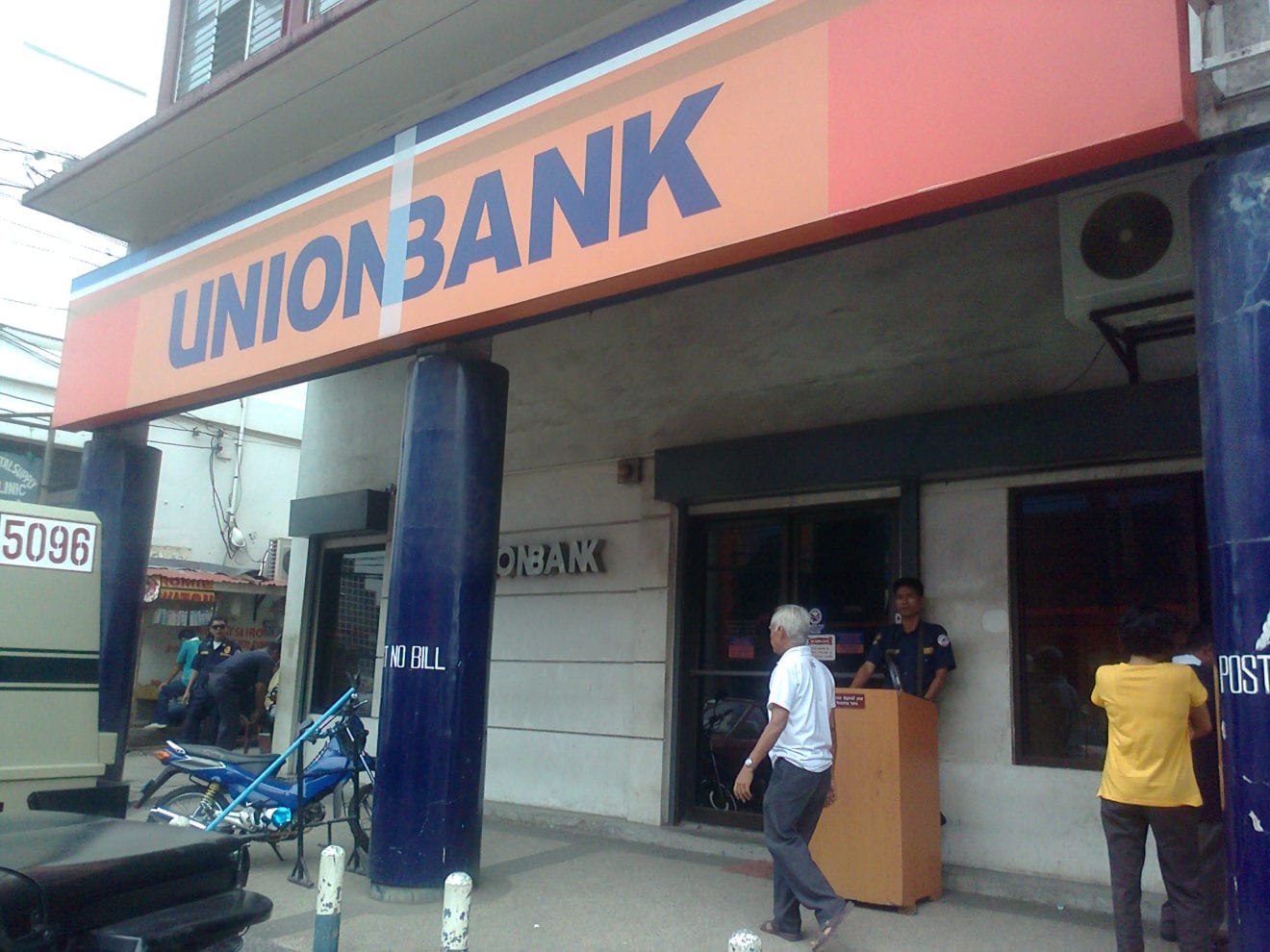
    UnionBank of the Philippines is making waves in the banking sector after its strategic acquisition of Citibank’s consumer banking operations in the country. In just nine months, the bank has successfully integrated Citibank’s IT systems and unveiled a new Credit Decision Engine (CDE) that is reshaping its customer onboarding and credit approval process.

    This sophisticated new system has automated over 80 percent of applications for credit cards and personal loans, slashing the onboarding time to under 15 minutes per customer. At its peak, UnionBank has been able to book an impressive 50,000 new credit card and loan accounts each month. The seamless blending of systems is a testament to UnionBank’s commitment to enhancing customer experience while maintaining service continuity.

    Since completing the acquisition in 2022 for over SGD 900 million (US$700 million), the bank has absorbed nearly one million new customers. Manoj Varma, UnionBank’s head of consumer banking, acknowledged the pivotal role of the FICO Platform in this transition, noting that it has not only improved operational efficiency but also fostered financial inclusion across the Philippines.

    Credit Decision Engine: A Game Changer for Lifestyle Banking

    The new CDE is a groundbreaking tool designed to evaluate applicants through a combination of bureau data and alternative sources. This advanced system allows UnionBank to extend credit to previously underserved demographics, including gig economy workers and customers with limited credit histories. By implementing risk-based verification, the CDE expedites approvals for low-risk applicants while applying stricter checks for higher-risk segments. The result? Nearly 40 percent of the credit decision-making process has been automated, leading to fewer manual interventions and errors.

    This shift towards automation not only boosts accuracy and speed but is also in lockstep with UnionBank’s mission to promote financial inclusion. “UnionBank has shown how technology isn’t just about algorithms and efficiency, it’s about empowering people,” remarked Nikhil Behl, FICO’s head of software. He further commended UnionBank for building a scalable, inclusive onboarding experience that is both efficient and customer-centric.

    Last year marked another significant expansion for UnionBank, as it extended its use of the FICO Platform to manage credit card limit decisions and real-time authorizations. This strategic move has enhanced its customer management capabilities and fortified its standing as a forward-thinking player in the retail banking landscape.

    Questions & Answers

    What innovations has UnionBank introduced following its acquisition of Citibank’s consumer banking business?
    UnionBank has integrated Citibank’s IT systems and launched a new Credit Decision Engine that automates over 80 percent of credit card and loan applications, significantly reducing onboarding time.

    How does the Credit Decision Engine support financial inclusion in the Philippines?
    The CDE allows UnionBank to evaluate applicants using both bureau data and alternative sources, making it possible to extend credit to underserved populations, like gig workers, and those with limited credit histories.

    What impact has the automation of credit decisions had on UnionBank’s operations?
    The automation has reduced manual interventions and errors by nearly 40 percent, improving accuracy and speed while aligning with UnionBank’s strategy to enhance customer experience and financial accessibility.

  • BYD Dominates Singapore’s New Car Market with Thriving Registration Numbers

    BYD Dominates Singapore’s New Car Market with Thriving Registration Numbers

    Singapore has witnessed a significant shift in its automotive landscape, with BYD solidifying its position as the city-state’s top car brand. Recent data from the Land Transport Authority, reveals an impressive 5.6 percentage point increase in BYD’s market share.

    In a competitive market featuring a total of 23,957 new car registrations, BYD stood out with 4,667 vehicles registered—a remarkable year-on-year surge of over 80%. In a world where change is the only constant, who would’ve guessed that the underdog would rise to the top so swiftly?

    Toyota, a longstanding titan in Singapore’s automotive sector, claimed second place with 3,461 new registrations, reflecting a 9.4% annual growth and capturing a 14.4% share of the new passenger car market, which is a slight increase of 0.5 percentage points. German luxury brands BMW and Mercedes-Benz followed closely, landing in third and fourth places with 2,664 and 2,537 vehicles registered, respectively. Rounding out the top five, Honda made notable strides with 2,268 registrations, marking a substantial 50.5% increase from last year.

    BYD’s dominance is no fleeting moment—since early this year, the company has shown strong traction, outselling Toyota with 3,002 vehicles to Toyota’s 2,050 in the first four months. This marks a significant transformation, as Toyota had held the crown with 7,876 units sold in 2024 compared to BYD’s 6,191.

    James Ng, the managing director at BYD Singapore and the Philippines, expressed confidence in the brand’s appeal during the recent launch of the Sealion 6 DM-i plug-in hybrid. He highlighted June as the brand’s stellar month, boasting 840 vehicles sold, according to AsiaOne.

    The Sealion 6 DM-i is now available for enthusiasts at a launch price of S$212,888 (US$165,500), which includes a guaranteed certificate of entitlement, a necessity in Singapore’s unique car-buying ecosystem.

    Questions & Answers

    What makes BYD’s rise in Singapore particularly striking?
    BYD’s extraordinary growth, with an over 80% increase in registrations compared to last year, contrasts sharply with the more modest gains seen from traditional market leaders like Toyota, making it a fascinating case study in the evolving automotive sector.

    How did Toyota perform in the latest new car registrations?
    Toyota maintained its status as a significant player, with 3,461 new vehicles registered, representing a 9.4% increase year-on-year, though falling behind BYD for the first time in recent history.

    What is notable about the Sealion 6 DM-i plug-in hybrid?
    The Sealion 6 DM-i is attracting attention not just for its hybrid efficiency, but also for its launch price of S$212,888, which includes a guaranteed certificate of entitlement—an essential aspect of owning a car in Singapore.

  • Dietary Supplements Surge: Market Expected to Hit $351.8 Billion by 2032!

    Dietary Supplements Surge: Market Expected to Hit $351.8 Billion by 2032!

    The global dietary supplements market is on a significant upswing, projected to soar from a valuation of $185.5 billion in 2024 to an impressive $351.8 billion by 2032. This climb represents a robust compound annual growth rate (CAGR) of 8.5% between 2025 and 2032, as revealed in a recent report by SkyQuest Technology Consulting.

    Navigating Health Trends and Consumer Demand

    Much of this growth stems from an increasing emphasis on health awareness, where preventive healthcare has become a focal point for consumers. There is an escalating demand for supplements that support nutrition, bolster immunity, manage weight, and promote healthy aging. As chronic diseases such as obesity, diabetes, and cardiovascular issues rise in prevalence, there is a corresponding surge in the consumption of vitamins, minerals, proteins, omega-3 fatty acids, and herbal supplements.

    Younger generations are particularly energizing the market with their growing interest in fitness trends and personalized nutrition, pushing demand for sports and functional supplements to new heights. This demographic shift also corresponds with a preference for plant-based and clean-label products that highlight natural ingredients. The proliferation of e-commerce platforms and mobile health apps has further facilitated easy access to these products, making supplement shopping as effortless as a few taps on a smartphone. Who knew enhancing your health could be quite so click-friendly?

    Tackling Industry Challenges

    Despite this optimistic trajectory, the industry faces notable challenges. One pressing issue is the absence of standardized global regulations, which has led to inconsistencies in product quality, labeling discrepancies, and safety concerns. In various regions, lax enforcement has allowed counterfeit and substandard products to flood the market, undermining consumer trust.

    Additionally, misleading health claims and a lack of scientific backing for certain supplements have gnawed at the credibility of some offerings, creating skepticism among healthcare professionals and consumers alike. Compounding these issues are supply chain disruptions, particularly the sourcing of natural and organic ingredients, which are impacting product availability and pricing.

    Emerging Opportunities in Asia-Pacific

    The Asia-Pacific region is emerging as the fastest-growing segment of the dietary supplements market, driven by rapid urbanization, increasing disposable income, and the growth of the middle class in countries like China, India, Japan, and South Korea. There is a discernible shift towards healthier lifestyles, coupled with a rise in lifestyle-related diseases, which — along with a heightened demand for traditional and herbal supplements — is fueling robust regional growth.

    While the global dietary supplements market rallies forward with notable momentum, addressing regulatory gaps and supply chain challenges will be crucial for ensuring sustainable growth in the years to come.

    Questions & Answers

    How fast is the dietary supplements market expected to grow?
    The global dietary supplements market is projected to increase from $185.5 billion in 2024 to $351.8 billion by 2032, achieving a CAGR of 8.5% during that period.

    What factors are driving the demand for dietary supplements?
    The demand is largely driven by a growing awareness of health, an emphasis on preventive healthcare, and increased consumption of supplements that aid nutrition, immunity support, weight management, and healthy aging.

    What challenges does the dietary supplements industry face?
    Key challenges include a lack of standardized global regulations leading to product quality issues, the risk of counterfeit products, misleading health claims, and supply chain disruptions affecting the availability of ingredients.

  • Vietnam Unveils NDAChain: A Pioneering Step Towards a Secure Digital Future

    Vietnam Unveils NDAChain: A Pioneering Step Towards a Secure Digital Future

    In a significant step towards enhancing the security and transparency of its digital landscape, Vietnam has officially launched NDAChain, its national blockchain platform. Developed by the National Data Association and overseen by the Data Innovation and Exploitation Center under the Ministry of Public Security, NDAChain serves as a vital backbone for data verification within both government and private sectors.

    Navigating the Digital Frontier

    NDAChain addresses the critical vulnerabilities of centralized data models, such as the risks of cyberattacks and limited scalability. By offering a decentralized layer of trust, the platform supports essential national systems, including e-government initiatives, finance, healthcare, logistics, and education. “Vietnam has chosen a hybrid data architecture that merges centralized and decentralized elements. NDAChain acts as a protective layer for our live data, crucial for our digital society and economy,” explained Mr. Nguyen Huy, Head of Technology at the National Data Association.

    The Rationale Behind a National Blockchain

    With a population of over 100 million rapidly embracing digital transformation, Vietnam generates data at an unprecedented scale. In response, the National Data Center is being established to serve as the primary repository for citizen and national information. Safeguarding this sensitive data from breaches and misuse necessitates an advanced verification system. Blockchain technology, known for its immutable records and transparency, offers a robust solution for tracking and validating data sources, especially during critical, multi-sector exchanges.

    Unpacking How NDAChain Functions

    NDAChain is a Layer-1 permissioned blockchain, backed by a consortium of 49 validator nodes that includes both public institutions and private enterprises. Key players encompass the National Data Center, Ministry of Public Security, and notable corporations like SunGroup, Zalo, and Masan. Each validator node keeps a distributed ledger, ensuring transparent transaction logging and incorporating smart contracts to optimize processes. Additionally, it features identity verification tools that tie into Vietnam’s VNeID and national identity databases.

    Utilizing a proof-of-authority (PoA) consensus mechanism empowered by zero-knowledge proofs (ZKP), NDAChain enhances security and privacy. The platform boasts the capacity to handle 3,600 transactions per second, resulting in low latency and high scalability for nationwide adoption. Who knew that a combination of high-tech wizardry and a strong Vietnamese spirit could tackle data challenges so elegantly?

    Empowering Digital Identities and Product Traceability

    NDAChain not only underpins e-government solutions but also fosters NDA DID, a decentralized identity system that allows individuals to verify identities in real-time during transactions, service access, or digital agreement signings. With the NDAKey app, users can authenticate identities in just seconds, drastically diminishing the risk of fraud.

    The platform also powers NDATrace, Vietnam’s system for product identification, authentication, and traceability. Each product is assigned a unique identifier (UID) that complies with GS1 standards, ensuring compatibility with the EU’s EBSI framework. This interoperability enables Vietnamese businesses to seamlessly integrate into global supply chains while enhancing consumer confidence in product authenticity.

    A Vision Beyond 2025

    By the close of 2025, NDAChain aims for full integration with the National Data Center, extending its reach to local government entities and educational institutions by 2026. This next phase will concentrate on talent development, fostering international collaboration, and launching Layer-2 applications tailored to specific industries.

    Thanks to its open and integrative design, NDAChain promises to be a catalyst for innovation, paving the way for startups and tech companies to create solutions like identity wallets and anti-counterfeiting tools.

    Aiming for Global Recognition

    More than 50 countries, including China, the EU, and South Korea, have rolled out national blockchain platforms. Vietnam distinguishes itself with a strategic focus on public-private partnerships, adherence to global standards, and deep integration with its national data ecosystems. NDAChain embodies Vietnam’s dedication to establishing resilient digital infrastructure and cultivating a dynamic digital economy.

    Questions & Answers

    What is NDAChain, and who developed it?
    NDAChain is Vietnam’s national blockchain platform developed by the National Data Association and managed by the Data Innovation and Exploitation Center under the Ministry of Public Security.

    How does NDAChain enhance data security and transparency?
    NDAChain provides a decentralized layer of trust that addresses the vulnerabilities of centralized data models, safeguarding essential national systems against cyber threats while ensuring transparency in data verification.

    What are the future plans for NDAChain?
    By the end of 2025, NDAChain is set to integrate fully with the National Data Center, expanding further to local government and educational institutions by 2026, with an emphasis on talent development and international cooperation.

  • Honda Set to Rev Up Vietnam with the Exciting Launch of ADV 350 Scooter!

    Honda Set to Rev Up Vietnam with the Exciting Launch of ADV 350 Scooter!

    Honda is set to introduce its ADV 350 touring scooter in Vietnam, a model that enthusiasts previously had to source through private importers. Anticipation is building as shipments are scheduled to commence by the end of this quarter, with Honda dealers now accepting deposits for what promises to be a thrilling addition to the Vietnamese market.

    This new arrival boasts a 330cc engine and will be imported from Honda’s factory in Thailand, marking a significant step for the brand, as this adventure-style scooter will not be available in Japan.

    The Honda ADV 350. Photo by courtesy of Honda

    The smaller counterpart, the ADV 160, has already made its debut in Vietnam through private import channels, paving the way for its larger sibling.

    With a sturdy design that measures 2,200 millimeters in length and 1,430 millimeters in height, the Honda ADV 350 offers an impressive 11.7-liter fuel tank. Weighing in at 188 kilograms, it features a smart key system, LED headlights, and a five-inch TFT display. Riders can look forward to enhanced control thanks to its inverted front fork and single disc brakes equipped with anti-lock braking.

    Adding to its innovative features, the ADV 350 incorporates an adjustable front windscreen and a spacious 48-liter storage compartment, complete with a Type-C charging port for those who refuse to unplug from the modern world. Under the hood, this scooter is powered by a liquid-cooled, 330cc SOHC engine capable of delivering 28.8 horsepower and 31.8 Nm of torque. One can’t help but wonder if it’s the perfect companion for urban commutes or weekend escapes through the Vietnamese countryside!

    While the price remains a mystery for now, previous imported units have ranged from VND250-300 million (approximately US$9,500-11,000), hinting at a competitive position against the Yamaha XMax 300, which retails for VND140 million.

    Questions & Answers

    What distinguishes the Honda ADV 350 from the ADV 160?
    The Honda ADV 350 is a larger touring scooter with a 330cc engine, whereas the ADV 160 is a smaller variant that has already been available in Vietnam through private imports.

    How does the ADV 350 enhance rider experience?
    The ADV 350 features an adjustable windscreen, smart key system, LED headlights, and a TFT display, offering a blend of comfort and advanced technology for both urban commuting and adventure riding.

    What is the anticipated impact of the ADV 350 on the Vietnamese scooter market?
    With its robust design and premium features, the ADV 350 is expected to create stiff competition for models like the Yamaha XMax 300, potentially reshaping consumer preferences in the market.

  • Prajogo Pangestu’s Fortune Soars by $20B Amidst Energy Stock Surge in Indonesia

    Prajogo Pangestu’s Fortune Soars by $20B Amidst Energy Stock Surge in Indonesia

    In a remarkable turnaround, 81-year-old billionaire Prajogo Pangestu has seen his net worth surge by over $20 billion since April, climbing to an impressive $36.2 billion, according to the Bloomberg Billionaires Index.

    Pangestu’s Wealth Grows from Renewed Investor Confidence

    The dramatic increase can be attributed to Morgan Stanley Capital International’s recent decision to lift restrictions on three companies linked to Pangestu, including PT Barito Renewables Energy, a geothermal enterprise that accounts for more than a third of his overall wealth. This news has set off ripples of excitement in the market, with Barito Renewables’ shares skyrocketing by 20%, marking Pangestu’s largest single-day gain of $3.5 billion.

    Market Dynamics Shift as Trading Volumes Surge

    “Morgan Stanley’s reversal removed a major overhang,” observed Mohit Mirpuri, a senior partner at SGMC Capital. He highlighted that trading volumes for Pangestu-linked stocks have soared to new heights on Indonesia’s exchange, igniting interest among investors previously wary of these shares.

    Challenges Loom Despite Gains

    Yet, not all is smooth sailing for Barito Renewables. The stock recently found itself on the Indonesia Stock Exchange’s watchlist, suffering a sharp decline in September after FTSE Russell, a London-based market analyst, excluded it from various indexes due to the high concentration of shares held by controlling shareholders. This setback knocked nearly $12 billion off Pangestu’s peak net worth of $36.5 billion.

    Expansions and Investments on the Horizon

    Looking ahead, several of Pangestu’s other ventures are poised for growth, especially in the chemical sector. His company, Chandra Asri, is set to receive $800 million from Indonesia’s two sovereign wealth funds for expanding its operations with a new plant outside Jakarta. Slated for completion in 2027, this facility will produce 400,000 tons of caustic soda and 500,000 tons of ethylene dichloride annually—definitely a recipe for success in the chemical industry.

    The Man Behind the Empire

    From humble beginnings as the son of a rubber trader, Pangestu launched Barito Pacific in 1979, starting out as a timber business. Over the decades, it has expanded into diverse sectors including petrochemicals, power generation, real estate, plantations, and forestry, with power generation becoming its core focus.

    Questions & Answers

    What factors contributed to Prajogo Pangestu’s recent wealth increase?
    The surge in Pangestu’s wealth is primarily due to Morgan Stanley Capital International lifting restrictions on companies linked to him, which led to a significant rise in Barito Renewables Energy’s stock price.

    What challenges has Barito Renewables faced recently?
    The company faced a significant challenge when it was placed on the Indonesia Stock Exchange’s watchlist and subsequently excluded from FTSE Russell’s indexes, resulting in a loss of nearly $12 billion from Pangestu’s peak net worth.

    What future projects is Pangestu involved with?
    Pangestu’s chemical company, Chandra Asri, is set to receive a substantial investment for a new plant aimed at increasing production capacity significantly, highlighting continued growth in his business portfolio.

  • TRAI Takes Action Against Spam and Cyber Fraud: What Retailers Need to Know!

    TRAI Takes Action Against Spam and Cyber Fraud: What Retailers Need to Know!

    In a bid to address the growing menace of spam, cyber fraud, and the misuse of telecom infrastructure, the Telecom Regulatory Authority of India (TRAI) gathered the Joint Committee of Regulators (JCoR) on Tuesday. This pivotal meeting took place at TRAI’s headquarters, bringing together influential figures from various sectors.

    Representatives from top regulatory bodies, including the Reserve Bank of India (RBI), the Securities and Exchange Board of India (SEBI), the Insurance Regulatory and Development Authority of India (IRDAI), and the Pension Fund Regulatory and Development Authority (PFRDA), joined their counterparts from the Ministry of Electronics and Information Technology (MeitY). Also present were officials from the Department of Telecommunications (DoT), the Ministry of Home Affairs (MHA), and the National Payments Corporation of India (NPCI).

    A united front against digital threats

    During the meeting, TRAI Chairman Anil Kumar Lahoti emphasized the necessity of collaboration among different regulatory bodies in an increasingly digital marketplace. He said, “In a digital-first economy, collaboration among financial sector regulators, digital communication regulators, and security agencies becomes paramount. TRAI appreciates the swift collaboration being facilitated through JCoR in building a reliable and safer communication environment.”

    The agenda took a concentrated approach at combating digital payment fraud while enhancing consumer protection measures. One significant proposal discussed was the phased adoption of a dedicated 1600-series number range for service and transactional calls in banking and finance, aimed at reducing confusion and potential scams.

    Innovating security with digital consent

    Additionally, the meeting reviewed advancements in the Digital Consent Acquisition (DCA) pilot. This innovative initiative replaces traditional paper-based consent methods with a secure digital system, making the process streamlined and efficient. The pilot, a joint effort between TRAI and RBI, involves participation from major telecom companies and banks, including SBI, PNB, ICICI, HDFC, Axis Bank, Canara Bank, and Kotak Mahindra Bank.

    Speeding up fraud prevention

    To further combat fraud, the regulators discussed methods for facilitating automatic data sharing between the Indian Cyber Crime Coordination Centre (I4C), the DoT’s Digital Intelligence Platform, and the telecom industry’s Distributed Ledger Technology (DLT) systems. This collaboration is intended to expedite responses to fraudulent activities involving illicit phone numbers and telecom resources.

    Concerns about the misuse of SIP and PRI lines for bulk spam calls were also raised, leading participants to explore remedies such as assigning these lines from controlled number ranges and implementing additional security measures. This meeting followed a workshop co-hosted by TRAI and RBI, where banks and telecom providers delved into DCA’s development and pledged to enhance collaboration.

    Questions & Answers

    What key topics did the TRAI meeting focus on?
    The meeting centered on tackling spam, cyber fraud, and enhancing consumer protection, particularly in the context of digital payments.

    Which organizations participated in the JCoR meeting?
    Representatives from the TRAI, RBI, SEBI, IRDAI, PFRDA, MeitY, DoT, MHA, and NPCI were present, highlighting a robust collaboration across various sectors.

    What is the significance of the Digital Consent Acquisition pilot?
    The DCA pilot aims to streamline communication consent by replacing paper-based approvals with a secure digital system, involving major telecom operators and banks.

  • SIX Takes Another Hit: Company Faces Fresh Asset Write-Downs

    SIX Takes Another Hit: Company Faces Fresh Asset Write-Downs

    The Rollercoaster Journey of SIX in 2025

    SIX Group demonstrated remarkable resilience in the first half of 2025, capitalizing on heightened market volatility that fueled robust trading volumes. However, the bumpy ride was marred by its ongoing struggles with its investment in French payment provider Worldline, prompting yet another write-down of its assets.

    According to figures released Monday, SIX Group posted an operating income of 823.0 million francs, reflecting a solid 4.0 percent increase from the previous year. Yet, while business was brisk, EBITDA saw only a marginal rise of 0.3 percent, reaching 234.9 million francs.

    The Weight of Worldline

    The shadow of Worldline loomed large over SIX’s financials once more, necessitating a significant reduction of 69.3 million francs in the value of its 10.5 percent stake in the French payment services company. This asset has been a recurring headache, having already prompted write-downs of 168 million francs in 2024 and a staggering 862 million francs in 2023.

    The fallout has been significant: SIX reported a 47 percent plunge in EBIT for the first half of the year, amounting to 81.5 million francs, while net profit plummeted by 64 percent to 42.2 million francs. Taking the impairment into account, net profit would have been 111.5 million francs, still showcasing a 4.2 percent decline.

    SIX attributed these challenges to a mix of factors, including lower interest rates, U.S. trade policies, and geopolitical tensions, all of which conspired to create a storm of stock market volatility and, consequently, increased trading volumes.

    Strategic Moves and Future Prospects

    The strategic program launched in March is already bearing fruit, showing promising signs of revenue growth and cost reduction. The transformation effort has incurred costs of approximately 31.0 million francs during the first half of 2025, alongside plans to cut around 150 jobs across the group by year-end 2025.

    “In the first half of 2025, we delivered strong operational performance and accelerated our business growth,” remarked SIX CEO Bjørn Sibbern. He conveyed optimism about the introduction of customer-centric structures and offerings, noting that the company’s positive momentum supports its ambitious 2027 goals. With revenue anticipated to grow annually by mid-single-digit percentages through 2027, and an EBITDA margin projected to soar from 28 percent in 2024 to over 40 percent, the outlook is promising—provided Worldline doesn’t take them for another spin on the rollercoaster.

    Worldline’s Plummeting Shares

    The woes of Worldline continue, with its share price dropping significantly this year, now hovering around EUR 3.80 after peaking at over EUR 8. For SIX, this means its stake in Worldline is currently valued at just under 100 million francs, a far cry from its mid-2021 high of approximately 85 euros.

    Questions & Answers

    How has SIX Group performed financially in the first half of 2025?
    SIX Group reported an operating income of 823.0 million francs, marking a 4.0 percent increase year-on-year. However, its EBITDA rose only slightly by 0.3 percent to 234.9 million francs.

    What is the status of SIX’s investment in Worldline?
    SIX had to further write down the value of its 10.5 percent stake in Worldline by 69.3 million francs, compounding previous losses from significant write-downs in 2024 and 2023.

    What strategic initiatives is SIX implementing for future growth?
    SIX has launched a strategic program aimed at revenue growth and cost savings, projecting annual revenue increases and significant improvements to the EBITDA margin, while also planning to reduce its cost base by over 120 million francs in the coming years.

  • JD.com Launches Ambitious ’10 Billion Growth Plan’ to Introduce 1,000 Global Brands to China

    JD.com Launches Ambitious ’10 Billion Growth Plan’ to Introduce 1,000 Global Brands to China

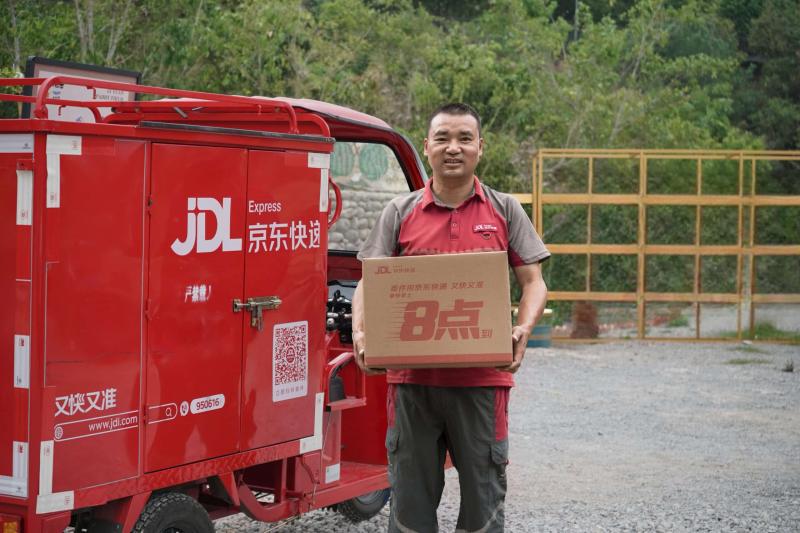
    JD.com, China’s largest retailer by revenue, is embarking on an ambitious journey with its “10 Billion Growth Plan,” which seeks to attract 1,000 new international brands into the Chinese market via cross-border e-commerce over the next three years. This initiative directly responds to the surging demand from Chinese consumers eager for high-quality global products.

    With an emphasis on customer satisfaction and a solid supply chain, JD.com is setting its sights on helping these brands collectively achieve a staggering sales increase of $1.39 billion (¥10 billion).

    Three Strategic Pillars Driving Brand Expansion

    The initiative is anchored by three pivotal strategies. First up is the Centennial Brands initiative, designed to introduce historic international brands with over a century of legacy that have yet to make their debut in China. These brands will be showcased in a dedicated “Global Centennial Pavilion” and promoted through special “Centennial Brand Days,” celebrating their heritage and craftsmanship for the discerning Chinese shopper.

    The second strategic focus is the expansion of JD.com’s National Pavilions, digital storefronts that enjoy official endorsement from embassies and trade organizations. Currently featuring 140 pavilions, JD.com aims to broaden its reach to nearly every European nation, providing consumers with enhanced access to unique products and immersive cultural experiences.

    Rounding out the plan is the Global Goods Recruitment initiative, which invites consumers to recommend the international products they wish to see on the platform. JD.com is prioritizing sources of health-conscious, organic, and locally produced items to align with the evolving preferences of Chinese shoppers—a clever way to keep an ear to the ground on consumer trends.

    European Brands Flourishing on JD.com

    European brands have particularly thrived on JD.com, with sales of European products on the platform racing past 740 million units in 2024, generating over $12.3 billion (¥87 billion) in revenue. The upward momentum shows no signs of slowing; by the first half of 2025, sales had already topped 390 million units and $6.41 billion (¥46 billion). Prestigious names like Danone and Nestlé from France, Adidas from Germany, and Fila from Italy are all reporting impressive double-digit year-on-year growth, proving once again that the appetite for international goods in China is more than just a passing fad—it’s a full-blown shopping phenomenon.

    Questions & Answers

    What is the goal of JD.com’s “10 Billion Growth Plan”?
    The plan aims to introduce 1,000 new international brands to the Chinese market through cross-border e-commerce, targeting a combined sales increase of $1.39 billion.

    How does JD.com plan to showcase international brands?
    Through initiatives like the “Global Centennial Pavilion” and “Centennial Brand Days,” JD.com will highlight historic brands with a legacy of over 100 years, emphasizing their craftsmanship and heritage.

    What kind of products does JD.com aim to recruit through its Global Goods initiative?
    The initiative will focus on sourcing health-conscious, organic, and locally produced items, reflecting the evolving tastes of Chinese consumers.

  • Old Spice Unveils Limited-edition Superman Collection In Collaboration With Dc

    Old Spice Unveils Limited-edition Superman Collection In Collaboration With Dc

    Old Spice, the renowned personal care brand, continues to expand its character-themed product line with the introduction of a limited-edition Superman collection. This new venture, developed in collaboration with DC, is a unique blend of pop culture and personal grooming products.

    Superman Collection: A New Scent for Heroes

    The Old Spice x Superman Collection features a brand new signature scent, Bright Citrus & Cosmos. This refreshing aroma is infused into a variety of products, including an aluminium-free deodorant stick, antiperspirant, body spray, and a two-in-one body and face wash to cater to all personal hygiene needs. There’s also a specially formulated shampoo, offering a complete set of Superman-themed grooming essentials.

    Continuing Collaboration with DC

    This latest product release signifies the ongoing partnership between Old Spice and DC. Prior to the Superman collection, Old Spice had already launched character-inspired personal care products based on Aquaman, with a signature scent of Fresh Ocean & Seastorm, and Batman, characterized by the scent of Black Cherry & Nightfall. This continuous collaboration demonstrates Old Spice’s innovative approach to creating themed personal care products that resonate with fans of these beloved characters.

    Availability and Pricing

    The Superman x Old Spice Collection is currently accessible to customers across major retailers in the US. The pricing for these superhero-inspired items starts at US$7.97, with prices varying depending on the retailer.

    Questions & Answers

    What is the signature scent of the Old Spice x Superman Collection?
    The signature scent of the Old Spice x Superman Collection is Bright Citrus & Cosmos.

    What products are included in the Old Spice x Superman Collection?
    The collection includes an aluminium-free deodorant stick, antiperspirant, body spray, body and face wash, and shampoo.

    What other character-themed personal care products has Old Spice released in collaboration with DC?
    Prior to the Superman collection, Old Spice and DC have jointly released character-inspired products based on Aquaman and Batman.