Author: Mei Ling Tan

  • Singapore to Eliminate Online Listings of Cost-of-Living Vouchers, Shaping Retail Strategies Ahead!

    Singapore to Eliminate Online Listings of Cost-of-Living Vouchers, Shaping Retail Strategies Ahead!

    Singapore’s community development councils (CDCs) are making moves to eliminate online listings of vouchers designed to alleviate rising cost-of-living concerns among residents. Recent reports indicate that the CDCs aim to collaborate with e-commerce platforms to remove listings associated with the CDC vouchers, which are not intended for resale and cannot be exchanged for cash. “The vouchers are not for resale and are not exchangeable for cash,” a CDC spokesperson emphasized.

    The CDC voucher initiative was launched in 2020 as a response to households struggling with living expenses during the Covid-19 pandemic while supporting local merchants. The latest distribution, which offered S$500 worth of vouchers, commenced in May and is valid until December 31, 2025. The official scheme’s website highlights that sales of these vouchers are strictly prohibited.

    Celebrating Independence with SG60 Vouchers

    Additionally, SG60 vouchers were released last month as part of Singapore’s 60th independence anniversary celebrations, valid until December 31, 2026. Citizens aged 21 to 59 receive S$600, while those aged 60 and above are given S$800. These vouchers can be used at eight supermarket chains with 400 outlets across the island and at over 23,000 participating hawker stalls and small businesses. It’s a way to give back to the community—who wouldn’t want a slice of a $600 deal?

    Shortly after their release on July 1, listings for SG60 vouchers began surfacing on the Carousell marketplace, often bundled with CDC vouchers in enticing “package deals.” Sellers cleverly labeled them as “CD Vouchers” to evade the site’s moderation, with many offerings priced below their actual value — the highest listing reached $600 for vouchers worth $800.

    A representative from Carousell informed that the website takes illegal transactions seriously and utilizes artificial intelligence to monitor new listings for rule violations. Users are also encouraged to report suspicious advertisements, enhancing the function of community vigilance in maintaining fair practices.

    Questions & Answers

    What prompted the removal of voucher listings on e-commerce sites in Singapore?
    The decision was driven by the need to prevent the resale of CDC vouchers intended to assist residents with their cost of living, ensuring they remain accessible for their intended purpose.

    When were the SG60 vouchers issued, and who is eligible to receive them?
    The SG60 vouchers were distributed starting in July 2023, with citizens aged 21 to 59 receiving S$600, while those aged 60 and above were given S$800.

    How does Carousell handle illegal voucher listings on its platform?
    Carousell employs artificial intelligence to monitor new listings and takes a proactive approach by encouraging users to report suspicious activities, maintaining a fair environment for all users.


  • Hong Kong’s Counterfeit Crackdown Seizes $5.6M in Fake Rolex, Hermès, and Louis Vuitton Merchandise

    Hong Kong’s Counterfeit Crackdown Seizes $5.6M in Fake Rolex, Hermès, and Louis Vuitton Merchandise

    In a remarkable crackdown, Hong Kong authorities recently seized 67,000 counterfeit items, valued at HK$44 million (approximately US$5.6 million), including luxury brands such as Hermes, Louis Vuitton, and Rolex.

    The confiscated goods ranged from handbags and shoes to watches, with notable brands like Chanel, Gucci, and Patek Philippe also making the list, as reported by the South China Morning Post. The Hong Kong Customs and Excise Department revealed the details of the operation on Thursday.

    The operation, conducted between July 18 and 31, was a coordinated effort with authorities in mainland China and Macao aimed at addressing the growing issue of cross-boundary counterfeit trafficking. This initiative specifically targeted smuggling networks responsible for moving fake products not just within Asia but also towards markets in the U.S. and Europe.

    In Hong Kong, the penalties for importing or exporting goods with forged trademarks are severe. Offending parties can face up to five years in prison and fines reaching HK$500,000. It’s a stark reminder that the city is serious about maintaining its reputation as a hub of authenticity.

    This operation aligns with China’s larger strategy to combat counterfeiting. In related news, authorities seized over 40,000 fake items last month, including products featuring “Labubu,” a beloved character from toymaker Pop Mart. Such efforts underscore a significant shift in China’s approach to intellectual property protection at its borders, as articulated by Zhang Yi, CEO of iiMedia Research Institute.

    Questions & Answers

    What types of counterfeit items were seized in Hong Kong’s recent operation?
    The seized items included luxury handbags, shoes, watches, and goods from brands such as Hermes, Louis Vuitton, Chanel, Gucci, and Patek Philippe.

    How did the operation address cross-border counterfeit trafficking?
    The operation, which spanned Hong Kong, mainland China, and Macao, targeted smuggling networks moving counterfeit goods to various global markets, including the U.S. and Europe.

    What are the legal consequences of importing or exporting counterfeit goods in Hong Kong?
    Violators in Hong Kong face severe penalties, including potential imprisonment for up to five years and fines up to HK$500,000.

  • Global Retail Giants Redefine Strategy Amid Booming Asian Market

    Global Retail Giants Redefine Strategy Amid Booming Asian Market

    Amid ongoing challenges in the global retail landscape, several industry giants are adapting their strategies to capture the unique opportunities presented by the Asian market. The latest results from major players like Uniqlo, Zara, and H&M underscore a notable shift toward localized approaches that blend global best practices with regional insights.

    Retail Behemoths Adapt to Local Markets

    In a vibrant display of resilience, Uniqlo, part of SoftBank Group Corp., reported robust sales growth in its Asian segments, buoyed by a renewed focus on in-store experiences and digital integration. With consumers seeking both convenience and connection, the brand has revamped its store layouts to reflect local tastes while maintaining its commitment to quality and affordability. In just one of several delightful turns, their new store design in Singapore now features interactive zones where shoppers can test the innovative fabric technology firsthand. Who wouldn’t want a sneak peek at the future of fashion while browsing through their favorite essentials?

    Zara and H&M: The Fast Fashion Frontier

    Zara’s parent company, Inditex, has also made waves by enhancing its customer engagement strategies. Recently, the brand launched its “Zara Everywhere” initiative in Southeast Asia, optimizing mobile shopping experiences and expanding its online presence. This agile response comes as retailers race to stay relevant in a fast-changing retail environment. Meanwhile, H&M is championing sustainability through its Conscious Collection, carefully produced with eco-friendly materials, making it a hit among increasingly conscientious consumers. A single glance at their collection may leave you questioning—can fashion really save the planet?

    The Online Shopping Boom

    The pandemic may have pushed many retail operations online, but in Asia, the ascent of e-commerce has been dramatic. Brands are doubling down on digital platforms, innovating payment options, and enhancing logistics to ensure a seamless consumer journey. The convenience of mobile shopping, particularly in countries like China and India, is reshaping the retail environment, making it essential for brands to adapt quickly. As savvy shoppers continue to embrace the convenience of buying online, retailers are finding that capturing their attention requires more than just a website—it demands creativity and excitement.

    Amid these changes, consumer expectations are ever-evolving, driven by a blend of local culture and international influence. Retailers are realizing that traditional marketing tactics won’t cut it anymore; they need to engage, entertain, and inspire.

    The Asian retail scene is not just a marketplace; it’s a dynamic stage where innovation meets tradition, and brands that can dance to this rhythm are likely to thrive.

    Questions & Answers

    How are Uniqlo and other retailers enhancing their store experiences in Asia?
    Uniqlo is implementing redesigned store layouts that reflect local tastes, incorporating interactive zones for consumers to engage with products, while emphasizing digital integration.

    What strategies are Zara and H&M employing to remain competitive in the Asian market?
    Zara is launching its “Zara Everywhere” initiative to optimize mobile engagement, while H&M is focusing on sustainability with its Conscious Collection, targeting eco-conscious consumers.

    Why is the e-commerce boom significant in Asia for retail brands?
    The rapid growth of e-commerce is transforming retail, as consumers in Asia increasingly prefer the convenience of mobile shopping, prompting brands to innovate their online presence and logistics capabilities.

  • Aptos Powers Vietnam’s Web3 Future with Strategic Investment in Emerging Innovators

    Aptos Powers Vietnam’s Web3 Future with Strategic Investment in Emerging Innovators

    The conclusion of the Vietnam Aptos Hackathon 2025 marks a pivotal moment in the nation’s burgeoning Web3 ecosystem. This high-profile event served as a dynamic platform for developers, startups, and tech enthusiasts, and was generously backed by the Aptos Foundation and Kyros Ventures. With more than US$400,000 allocated in cash and credits, the hackathon opened doors for young innovators in Vietnam to elevate their Web3 projects to the next level.

    A Showcase of Innovation

    The hackathon unfolded throughout July, culminating in a live final at GM Vietnam 2025 on August 2. The event attracted hundreds of participants from across the country, all eager to create decentralized applications (dApps) using Aptos, a cutting-edge Layer 1 blockchain developed in the U.S., while integrating cloud technology for future scalability — because who wouldn’t want their innovations to fly to the clouds, literally and figuratively?

    Navigating a Thriving Digital Economy

    Vietnam’s digital economy is on a remarkable growth trajectory, establishing itself as one of Southeast Asia’s fastest-evolving markets. Although startup activity, enterprise digitalization, and government tech initiatives are rapidly progressing, local developers require more than just robust infrastructure. They also seek reliable partners and global platforms to turn their ambitious ideas into reality.

    Creating Opportunities for Vietnam’s Future Builders

    In response to these needs, the Aptos Foundation has teamed up with Kyros Ventures, a prominent Web3 incubator, to cultivate long-term infrastructure, investment avenues, and educational initiatives aimed at empowering Vietnam’s next wave of innovators. This partnership is geared toward shaping a future where Vietnamese talent can leave an indelible mark on the global Web3 landscape.

    David Wolinsky, cofounder of Aptos and a former technical lead on Facebook’s Diem project, emphasized Vietnam’s vibrant tech community. “Our goal is to support developers in building tangible products—not just through funding but by offering developer tools, infrastructure, and global access for everyone from students to large enterprises,” Wolinsky remarked. “Our alliance with Kyros Ventures embodies our belief that sustainable progress springs from the confluence of world-class technology and local talent.”

    Celebrating Innovation at the Live Finals

    During the live finals, the top five teams showcased their innovative projects to a captivated audience composed of investors, venture capitalists, and industry experts. The winners were rewarded with funding from Aptos Build and Google Cloud—credits for eligible startups under the Google for Startups Cloud Program—as well as cash prizes that reached into the tens of thousands of dollars. They also earned spots in a three-month acceleration program, with the potential for direct investment from the Aptos Foundation and its global partners.

    These prizes are not just a pat on the back; they represent vital resources and ongoing support for teams looking to expand and scale their projects on an international stage.

    A Commitment Beyond Competition

    The Aptos Hackathon 2025 signifies more than just a competitive event; it’s a stepping stone towards a long-term commitment to collaborating with businesses in Vietnam’s digital transformation. The Aptos Foundation is dedicated to advancing Web3 and blockchain solutions in Vietnam, focusing on sustainable growth and global integration.

    “With the support of the Aptos Foundation and Kyros Ventures, we gain not just technological backing, but also collaborative opportunities for training, global networking, and empowering young innovators,” explained a representative from Aptos. “These initiatives are crucial for fostering a resilient and sustainable Web3 community in Vietnam.”

    Questions & Answers

    What was the primary aim of the Vietnam Aptos Hackathon 2025?
    The hackathon aimed to foster innovation within Vietnam’s Web3 ecosystem by providing developers, startups, and students a platform to build decentralized applications and compete for significant funding and support.

    How did the partnership between the Aptos Foundation and Kyros Ventures support participants?
    This partnership aimed to create long-term infrastructure, investment channels, and educational programs that empower young builders to influence the future of Web3, emphasizing the importance of reliable global partnerships.

    What were the rewards for the hackathon’s top teams?
    The top teams received cash prizes, funding from Aptos and Google Cloud, and access to a three-month acceleration program, along with the potential for direct investment from the Aptos Foundation and its international collaborators.

  • Swiss Gold Boom Threatened By Imminent U.S. Tariffs On One-kilogram Bars

    Swiss Gold Boom Threatened By Imminent U.S. Tariffs On One-kilogram Bars

    Swiss gold smelters have experienced a surge in business recently, leveraging a lucrative price differential between US gold futures and the London spot price. However, this profitable chapter is at risk of closing as new punitive tariffs may soon reshape the landscape of gold trading.

    This gold transfer bonanza enabled Swiss refineries to capitalize on a unique arbitrage opportunity by remelting hefty 12.5-kilogram bars—standard in Europe—into the smaller one-kilogram bars preferred in the US. Acting as a gold processing hub, Switzerland has been remelting these substantial bars into packages roughly the size of a smartphone, catering to eager American buyers.

    While the increased trading volume painted a rosy picture in trade balance figures, the reality of these transactions was clouded by a crucial detail: although these bars were counted as exports to the US, they initially entered Switzerland as imports.

    Pricey Tariffs Threaten Low-Margin Business

    Recent reports from the Financial Times suggest that this booming business may be upended by new tariffs set to be imposed by the US. If the information holds true, the introduction of a blistering 39 percent tariff on Swiss goods, specifically targeting one-kilogram gold bars, stands to catch the industry off guard. This decision is rooted in a ruling letter issued by US Customs and Border Protection on July 31, which classifies these gold bars under a customs code subject to steep levies.

    Industry insiders had anticipated that one-kilogram gold bars would sidestep the notorious “Trump tariffs,” given that they dominate trading on Comex, the world’s leading gold futures market, making up the bulk of Swiss gold exports to the US.

    Gold Futures React to New Tariff News

    In the wake of the tariff reports, gold futures on the Comex shot up to a notable high of $3,534 per troy ounce, demonstrating the market’s sensitivity to regulatory changes. The tariff announcement has been described as yet another stumbling block for Swiss gold trading with the US. Christoph Wild, president of the Swiss Precious Metals Dealers and Processors Association, expressed concerns about meeting the burgeoning demand for gold amidst these new obstacles. “Our prevailing thought was that gold melted down by Swiss refineries and exported to the US would be ship-free,” Wild remarked. “However, tariff classifications for different gold products lack clarity.”

    Over the twelve months leading to June, Switzerland exported a staggering $61.5 billion worth of gold to the US, underlining the scale of the trade relationship at stake. Experts from Lombard Odier argued that this situation warrants a nuanced perspective from the US government, urging them to consider the temporary nature of such commodities in their broader trade negotiations. Yet, so far, the Trump administration appears primarily focused on the total value of imports, without accounting for the complexity of specific product classifications.

    Questions & Answers

    What factors contributed to the recent boom in Swiss gold smelting?
    The boom was primarily driven by the price differential between US gold futures and the London spot price, allowing Swiss smelters to capitalize on arbitrage by remelting larger gold bars into smaller, US-preferred sizes.

    How will the new tariffs affect Swiss gold exports to the US?
    The introduction of a 39 percent tariff on one-kilogram gold bars will likely make it difficult for Swiss exporters to meet US demand and may halt their low-margin processing business.

    What is the potential impact of these tariffs on gold futures?
    In response to the tariff news, gold futures have risen significantly, reflecting heightened sensitivities in the market surrounding regulatory changes affecting trade relations.

  • Longchamp Unveils Stylishly Renovated Boutiques at ION Orchard and Marina Bay Sands

    Longchamp Unveils Stylishly Renovated Boutiques at ION Orchard and Marina Bay Sands

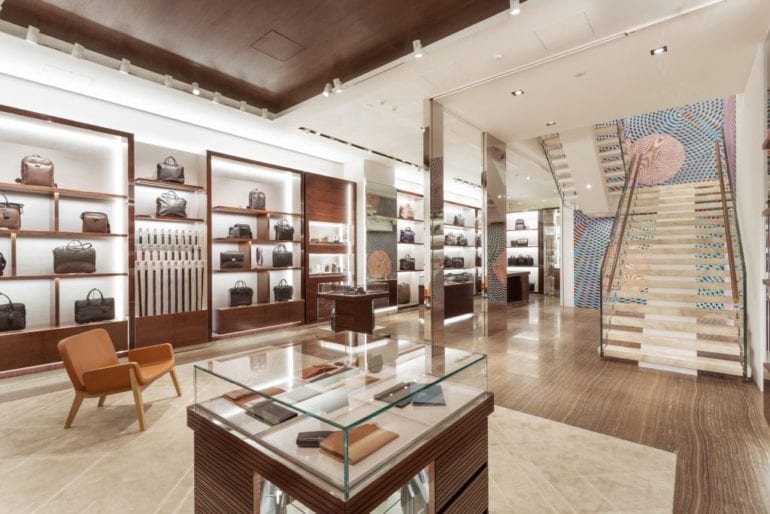
    Longchamp has breathed new life into its boutiques at ION Orchard and The Shoppes at Marina Bay Sands in Singapore, unveiling a stunning redesign inspired by the essence of a stylish Parisian apartment. The renovations promise an inviting atmosphere that embodies the luxury of both the brand and the city.

    The refreshed façades feature elegant, tone-on-tone wood-clad panels, creating a sophisticated backdrop that allows the brand’s vibrant products to pop. Inside, each section of the boutique unfolds a unique theme: a workshop-style welcome desk curates seasonal highlights, while a Haussmannian-style lounge provides a cozy retreat adorned with vintage furnishings. A captivating “library” wall showcases the iconic Le Pliage® bags, artfully arranged by color and format, transforming the shopping space into a style gallery.

    Moreover, Longchamp celebrates its signature leather lines, Le Roseau and Le Foulonné, prominently within the spaces, alongside the new Berry Bon Bon podiums at ION Orchard. The meticulous attention to detail shines through in the rich dark and light green accents and bespoke decorative pieces. Not to mention, the creative product displays incorporate whimsical touches, featuring fruit baskets and lacquer trays designed by Philippe Model — who knew shopping could resemble a stroll through a chic gallery?

    This redesign not only underscores Longchamp’s commitment to heritage and craftsmanship but also enhances the shopping experience, inviting customers to immerse themselves in a uniquely Parisian ambiance right in the heart of Singapore.

    Questions & Answers

    What inspired the new design of Longchamp’s boutiques in Singapore?
    The new design is directly inspired by a chic Parisian apartment, aiming to create a warm and inviting atmosphere for customers.

    What unique features can shoppers expect to see inside the renovated stores?
    The boutiques feature distinct themed areas, including a workshop-style welcome desk, a vintage lounge, and a “library” wall showcasing the iconic Le Pliage® bags arranged by color.

    How does the redesign reflect Longchamp’s brand values?
    The renovation highlights Longchamp’s heritage, craftsmanship, and Parisian roots, all while offering an immersive shopping experience that invites customers to engage with the brand more personally.

  • AIS and Thaicom Boost Border Connectivity, Navigating Thai-Cambodian Tensions with Strategic Collaboration

    AIS and Thaicom Boost Border Connectivity, Navigating Thai-Cambodian Tensions with Strategic Collaboration

    Amid escalating tensions at the Thai-Cambodian border, leading Thai telecom providers AIS and Thaicom are stepping up to bolster support for security forces by enhancing communication networks in critical areas. Aiming to improve border control measures, the two giants have ramped up connectivity in four strategically important provinces: Ubon Ratchathani, Surin, Si Sa Ket, and Buriram.

    In a concerted effort to facilitate seamless operations, AIS and Thaicom have rolled out enhanced 4G and 5G networks alongside temporary mobile base stations. These upgrades are crucial for ensuring uninterrupted communication and effective situational coordination among military units ion the ground. It’s not every day you see telecom operators going toe-to-toe with geopolitical challenges, but in this case, they’re stepping up the plate.

    Advanced Info Service (AIS), recognized as Thailand’s leading mobile operator, is actively reinforcing digital infrastructure to enable real-time monitoring and accelerate response times in border operations. Its commitment not only solidifies its market position but also plays a pivotal role in national security.

    Complementing AIS’s efforts, Thaicom, the nation’s premier satellite communications provider, is enhancing its service by ensuring high-speed internet access through satellite systems—especially in remote areas where conventional networks falter. Their connectivity solutions utilize both fixed satellite terminals for command centers and mobile terminals for operational units, enabling reliable communication even in the most isolated corners.

    Questions & Answers

    How are AIS and Thaicom enhancing communication for security forces?
    AIS and Thaicom are improving connectivity by deploying 4G and 5G network enhancements and temporary mobile base stations across key provinces, thus ensuring uninterrupted communication for military operations.

    What specific areas are affected by these telecom improvements?
    The telecom enhancements are being implemented in four provinces: Ubon Ratchathani, Surin, Si Sa Ket, and Buriram, all of which are vital for effective border control.

    Why is Thaicom’s satellite communication particularly important?
    Thaicom’s satellite communication is crucial for providing high-speed internet access in remote areas where traditional networks are unavailable, ensuring seamless communication for security forces operating in isolated regions.

  • Clementi Mall Hits Singapore Market With S$750 Million Price Tag Amid Cuscaden Peak’s Portfolio Optimization Strategy

    Clementi Mall Hits Singapore Market With S$750 Million Price Tag Amid Cuscaden Peak’s Portfolio Optimization Strategy

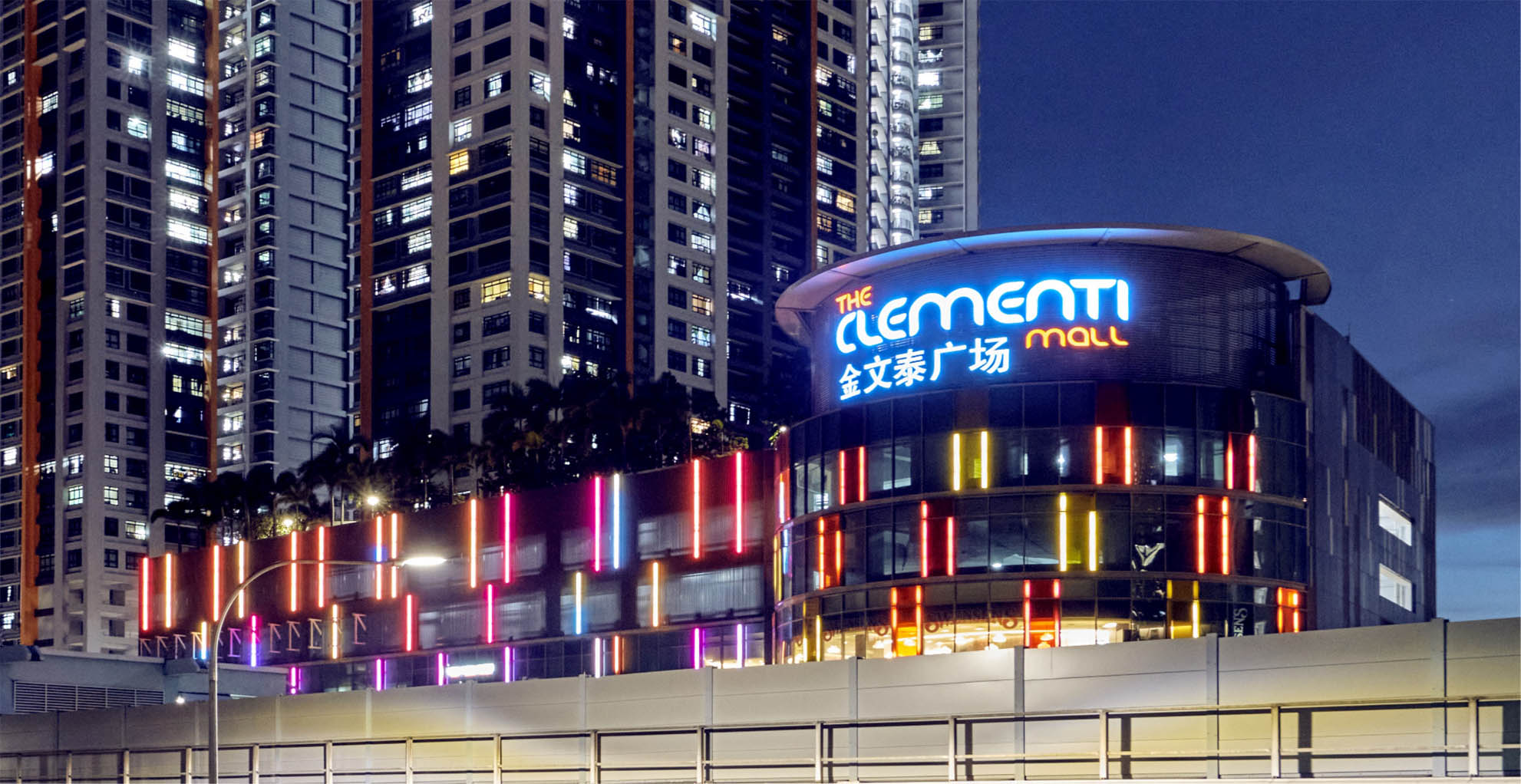
    Cuscaden Peak Investments has made the decision to put the Clementi Mall, located in Singapore, on the market. The asking price for the suburban, mid-range shopping hub is expected to be around S$750 million, as per sources privy to the matter.

    Property Details and Background

    The Clementi Mall is a bustling hub of activity, featuring a six-storey retail podium along with a basement level. The mall is home to approximately 160 tenants, providing a wide range of services and products to meet various consumer needs. A key selling point for the commercial property is its direct link to the Clementi MRT station, which attracts an impressive footfall of around 300 million visitors annually.

    The rumored sale is reportedly a part of Cuscaden Peak Investments’ larger business strategy of portfolio optimization and capital recycling.

    The mall’s current asking price represents an increase of about 15% compared to its previous valuation of approximately $645 million in December of the previous year.

    Managing the Sale

    To streamline the sale process, two renowned real estate service providers, Cushman & Wakefield and Savills, have been appointed.

    Cuscaden Peak Investments, the current owner of the mall, is a wholly-owned subsidiary of Cuscaden Peak. The latter, a consortium, was initially founded by Hotel Properties Ltd (HPL), CLA Real Estate Holdings of CapitaLand, and a Mapletree Investments unit.

    In 2022, this consortium made headlines by acquiring Singapore Press Holdings (SPH), which included The Clementi Mall within its portfolio. The mall was a part of SPH Real Estate Investment Trust and was later rebranded as Paragon Reit.

    Over time, HPL chose to exit the consortium. Subsequently, Paragon Reit underwent privatization in April and was delisted in June.

    Questions & Answers

    What is the estimated value of the Clementi Mall?
    The current asking price for the Clementi Mall is around S$750 million, which is a 15% increase from its valuation in December of the previous year.

    Who are the managers appointed for the sale of the mall?
    Real estate service providers Cushman & Wakefield and Savills have been tasked with managing the sale of the mall.

    Who are the current owners of the Clementi Mall?
    The Clementi Mall is currently owned by Cuscaden Peak Investments, a subsidiary of Cuscaden Peak.

  • South Korean Fast-food Chain Lotteria Targets Malaysian Market In Strategic Expansion

    South Korean Fast-food Chain Lotteria Targets Malaysian Market In Strategic Expansion

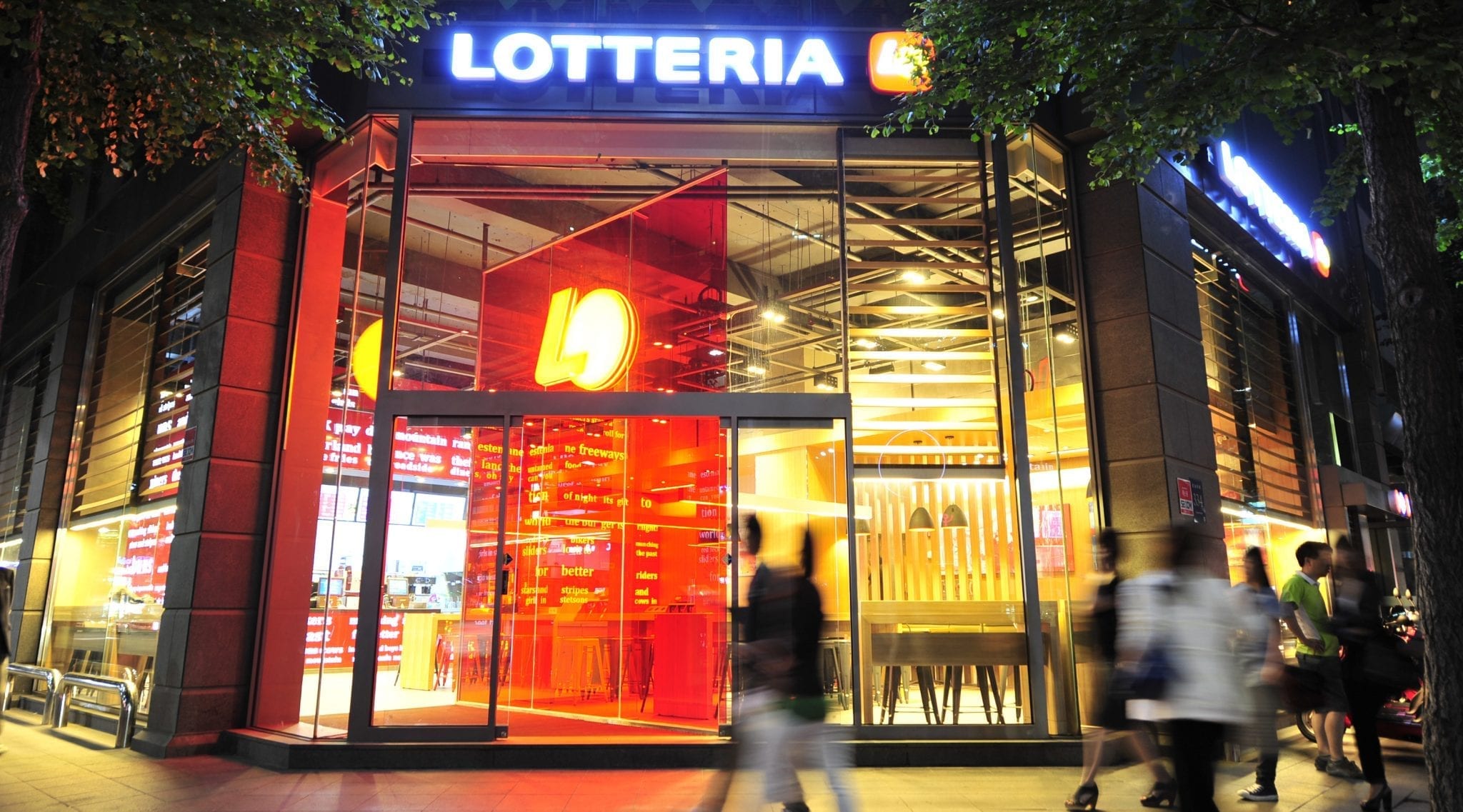
    The South Korean quick-service restaurant chain, Lotteria, is set to enter the Malaysian market by the end of the current year. This move is a result of a strategic alliance with the local firm, Serai Group.

    Exclusive Partnership with Serai Group

    As part of the collaboration, Serai Group has secured exclusive privileges to establish and manage Lotteria stores throughout Malaysia. Furthermore, it is authorized to sub-franchise the brand to other parties.

    Lotteria’s Expansion Strategy

    The venture in Malaysia is a component of Lotteria’s extensive growth strategy in Southeast Asia. This initiative is spearheaded by its parent organization, Lotte GRS Co., which is a branch of the South Korean conglomerate, Lotte Group.

    Lotte GRS has an ambitious plan to open an additional 30 Lotteria outlets throughout Malaysia in the next half-decade.

    Past Ventures and Future Prospects

    The decision to expand in Malaysia was made after Lotte GRS’s leadership, including CEO Cha Woo-cheol, conducted feasibility assessments in the region, and in Singapore, earlier in 2023. The company was exploring master franchise possibilities in these areas, indicating a strong desire to grow beyond Lotteria’s existing international markets, which include Vietnam, Myanmar, Laos, and Mongolia.

    A significant international market for Lotteria has been Vietnam, where the chain has been active since 1998. As per the 2024 financial report of Lotte Group, there are currently 253 Lotteria outlets operating across Vietnam.

    In tandem with its growth in Southeast Asia, Lotte GRS is also gearing up to open its inaugural US outlet in Orange County, California, in the middle of August.

    Questions & Answers

    What are Lotteria’s expansion plans in Malaysia?
    Lotteria plans to establish an additional 30 outlets throughout Malaysia in the next five years.

    What is the role of Serai Group in Lotteria’s expansion into Malaysia?
    Serai Group has secured exclusive rights to open and manage Lotteria stores across Malaysia, and it also has the authority to sub-franchise the brand to other parties.

    What are some of Lotteria’s established overseas markets?
    Lotteria has a strong presence in several international markets, including Vietnam, Myanmar, Laos, and Mongolia.

  • Indian Fashion Pioneer Brand Studio Lifestyle Expands Into Uae With Three Flagship Stores

    Indian Fashion Pioneer Brand Studio Lifestyle Expands Into Uae With Three Flagship Stores

    Brand Studio Lifestyle, the parent company of Indian fast-fashion labels Highlander and Tokyo Talkies, has expanded its operations into the Middle East with the launch of three flagship stores in the United Arab Emirates (UAE).

    Flagship Stores Launch in the UAE

    The new stores have been established in prominent shopping locations, including the BurJuman Mall in Dubai and the Sahara Centre and Mega Mall, both situated in Sharjah. The Sahara Centre location is the largest of the three, spanning an impressive 9,000 square feet, while the other two stores each occupy 5,000 square feet spaces.

    A Strategic Move into a Growing Market

    Shyam Prasad, the co-founder and CEO of Brand Studio Lifestyle, expressed his optimism about this international venture, stating that it closely aligns with the increasing demand for Indian fashion within the Middle East. He highlighted the company’s pioneering status in terms of exporting Indian fast fashion on a global scale, expressing hope that this move will inspire other domestic brands to explore international expansion.

    Future Expansion Plans

    The company also disclosed plans to further strengthen its presence in the region. By next year, Brand Studio Lifestyle aims to open an additional seven stores, as well as establish 600 shop-in-shop formats across various large-format and multi-brand outlets.

    Creating a Comprehensive Retail Experience

    Rapheal Lifestyle, the retail and consumer-facing subsidiary of the UAE-based Rapheal Group, has been instrumental in supporting the launch of these stores. The founder of Rapheal Pozholilparambil emphasized the significance of the launch. He explained that the objective is not simply to introduce new retail outlets, but to offer customers an affordable, accessible, and expressive lifestyle experience.

    Questions & Answers

    What is the significance of Brand Studio Lifestyle’s entry into the Middle East market?

    The company’s expansion into the Middle East aligns with the growing demand for Indian fashion in the region. This move also signifies the brand’s intent to internationalize Indian fast-fashion.

    Where are the new flagship stores located?

    The three flagship stores are located at the BurJuman Mall in Dubai, and the Sahara Centre and Mega Mall in Sharjah, UAE.

    What are the company’s future plans in the region?

    Brand Studio Lifestyle intends to expand its presence by opening seven more stores in the region by next year. The company also plans to establish 600 shop-in-shop formats across various large-format and multi-brand outlets.

  • Indosat Launches Innovative AI Solution to Tackle Digital Fraud and Protect Consumers

    Indosat Launches Innovative AI Solution to Tackle Digital Fraud and Protect Consumers

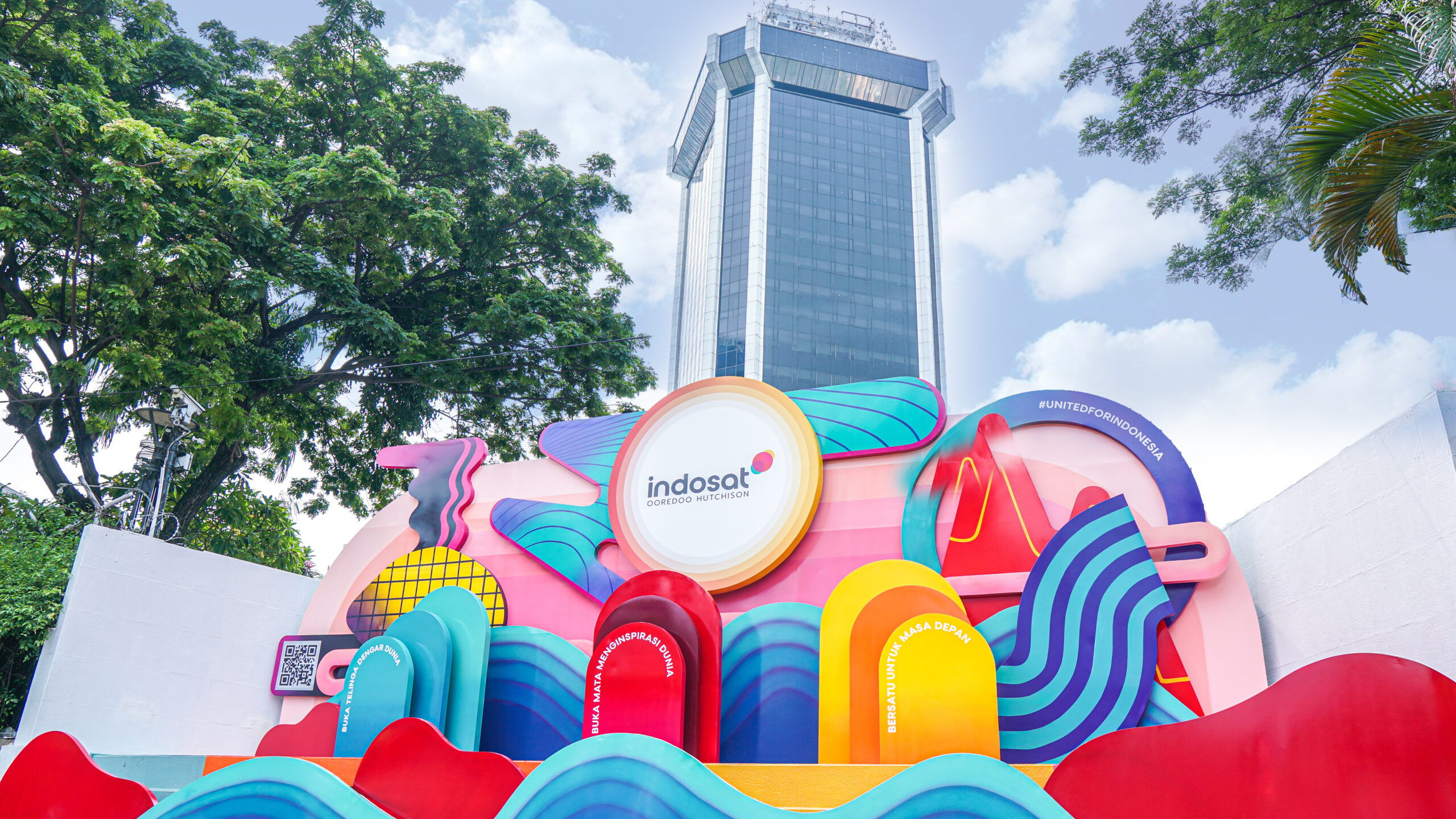
    Indosat Ooredoo Hutchison, in an impressive collaborative effort with Indonesia’s Ministry of Communications and Digital Affairs, has unveiled an innovative AI-powered Anti-Spam and Anti-Scam solution, aimed at bolstering protection for Indonesians against the troubling rise of digital fraud. This initiative comes at a critical time as the recent Asia Scam Report 2024 from the Global Anti-Scam Alliance (GASA) reveals that a staggering 65% of Indonesians encounter scam attempts on a weekly basis, ranging from pesky phishing texts to misleading job offers and dubious investment schemes.

    A Commitment to Digital Protection

    Vikram Sinha, President Director and CEO of Indosat Ooredoo Hutchison, stated: “At Indosat, we believe digital protection is a fundamental right for every Indonesian. Our partnership with Tanla to deploy this AI-powered Anti-Spam and Anti-Scam solution illustrates how technology can safeguard daily digital lives. Built on Indosat’s own AI factory using state-of-the-art NVIDIA Blackwell GPUs, this solution enhances Indonesia’s ability to combat spam and scams in real time, thereby reinforcing public trust and national digital resilience.”

    The Technology Behind the Solution

    The system utilizes Indosat’s advanced AIvolusi5G framework to identify suspicious numbers and filter malicious activities as they occur. The brilliance of this solution lies in its on-network processing capability, which does not require high-tech devices or expensive connections—making it accessible to everyone, regardless of their location or device specifications. It’s as though advanced technology has decided to play nice with the everyday user.

    A Vision of Collaboration

    Developed in partnership with Tanla, along with support from global allies like Mastercard, GASA, and the GSMA, this initiative embodies the Indonesian principle of “gotong royong,” or mutual cooperation. By seamlessly blending public and private contributions, Indosat aims to establish a regional standard for telco-led digital safety initiatives.

    Government Support for a Safe Digital Landscape

    Nezar Patria, Vice Minister of Communications and Digital Affairs of Indonesia, praised Indosat’s efforts, emphasizing the importance of collaboration in creating a secure digital environment. He remarked, “AI should bring technology closer and open more opportunities for society to grow. Indonesia does not want to simply consume technology; instead, we aim to play a pivotal role in shaping AI that meets the real needs of our community.”

    A Step Towards Inclusivity

    Indosat views this innovation as a cornerstone of its transformation into an AI-centric company, committed to delivering secure and inclusive technology solutions. Through its ‘AI for All’ campaign, the company pledges that AI will be accessible to everyone, ensuring that no one is left behind in this digital revolution. This latest launch is a vital piece of Indosat’s larger mission to empower the nation and enhance the well-being of all Indonesians.

    Questions & Answers

    How does the AI-powered Anti-Spam and Anti-Scam solution work?
    The solution employs Indosat’s AIvolusi5G framework to detect suspicious numbers and filter out malicious activities in real time, ensuring efficiency and accessibility for all users.

    What motivated the development of this initiative?
    The increasing frequency of scam attempts reported in the Asia Scam Report 2024 highlighted the urgent need for effective digital protection tools in Indonesia.

    How does Indosat’s partnership with other organizations enhance this effort?
    The collaboration with Tanla and support from global entities such as Mastercard and GASA showcases a united front in combating digital fraud, emphasizing the collective responsibility to create a safe online environment for all Indonesians.

  • Shiseido Plans to Trim 300 U.S. Jobs Amid Challenges with Acquired Skin-Care Brand

    Shiseido Plans to Trim 300 U.S. Jobs Amid Challenges with Acquired Skin-Care Brand

    In a promising turn of events, Shiseido reported an uptick in net profits for the first half of the year, crediting proactive restructuring moves in Japan and China. Yet, while the Japanese cosmetics powerhouse shows signs of recovery, turbulence within its U.S. subsidiary has prompted a reevaluation of strategies, including potential job cuts to streamline operations.

    This dual narrative of recovery and challenge unfolded during Shiseido’s latest financial briefing, where executives revealed their contrasting fortunes across global markets. Though the company has successfully revitalized its operations in Asia, the American segment remains a troublesome spot, leading to uncertainty regarding its growth trajectory.

    Despite achieving growth milestones domestically, the question of how to conquer the U.S. market looms large, akin to trying to win a game of chess with the opponent always a step ahead. Shiseido must now navigate this complex landscape to redefine its American presence—an endeavor both urgent and fraught with risk.

    As the company looks to the future, industry insiders are awaiting clearer signals about its strategic direction, particularly in the wake of significant restructuring. Will Shiseido find the right moves to flourish in a demanding market, or will this shake-up lead to a sidestep rather than a leap forward? Only time will tell.

    Questions & Answers

    What factors contributed to Shiseido’s improved net profit?
    Shiseido’s net profit for January to June improved due to successful restructuring efforts in Japan and China.

    What challenges is Shiseido facing in the U.S. market?
    The U.S. subsidiary continues to struggle, leading the company to consider significant restructuring measures, including potential job cuts.

    What does the future hold for Shiseido in terms of growth?
    While the company shows positive signs in Asia, uncertainty persists regarding its growth strategy in the U.S. market, leaving many questions about its next steps.

  • UBS Joins Climate Alliance Exit: What It Means for Retail Sustainability Efforts

    UBS Joins Climate Alliance Exit: What It Means for Retail Sustainability Efforts

    In a surprising twist for the banking sector, UBS, once a founding member of the Net-Zero Banking Alliance (NZBA), has officially exited the climate initiative. Announcing its departure on Thursday, UBS provided no detailed explanation for its decision, merely noting it was part of an annual review of its sustainability affiliations.

    UBS’s departure is part of a broader trend sweeping through the financial world. A wave of exits began last fall, coinciding with the U.S. elections, when prominent firms like J.P. Morgan, Bank of America, Goldman Sachs, Wells Fargo, and Citi also stepped away. Most recently, Barclays added its name to the list, marking a significant shift in collective industry commitment to climate action.

    UBS’s Commitment Amidst Changes

    Despite its exit, UBS insists that its commitment to sustainability is unwavering. “Our ambition to play a leading role in the area of sustainability remains unchanged,” the bank affirmed, pledging to further its sustainability strategy anchored in three pillars: Protect, Grow, and Attract. UBS is determined to assist clients in navigating their transition to a low-carbon economy, asserting that it will continue to incorporate climate-related risks and opportunities into its operations for the benefit of all stakeholders.

    Even as UBS withdraws from the NZBA, it recognizes the alliance’s previously invaluable role in fostering frameworks for decarbonization, especially during its founding in 2021. The bank’s ongoing commitment to integrating sustainability into its risk management practices highlights a complex narrative — one where leaving the alliance might just be a savvy strategy rather than a complete retreat from climate responsibility.

    Questions & Answers

    What prompted UBS to leave the Net-Zero Banking Alliance?
    UBS did not specify a reason for its departure, simply stating it was part of its annual review of sustainability memberships.

    Is UBS continuing its sustainability efforts despite leaving the alliance?
    Yes, UBS emphasized that it remains committed to its sustainability goals and will continue to support clients in their transition to a low-carbon economy.

    Which other banks have recently exited the Net-Zero Banking Alliance?
    Other notable exits include J.P. Morgan, Bank of America, Goldman Sachs, Wells Fargo, Citi, and Barclays, indicating a significant trend among major financial institutions.

  • Hong Kong Rises To Second In Asia’s Smart City Rankings: A Look At Its Success

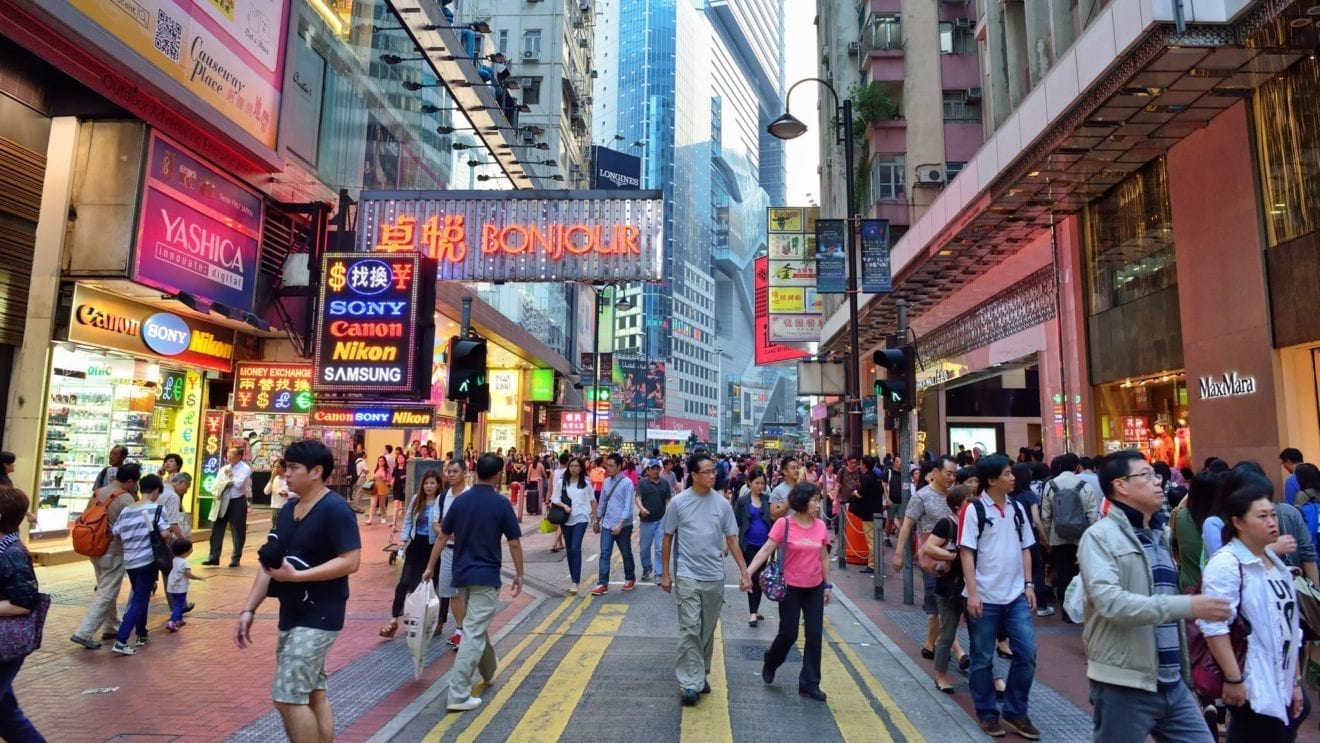
    Hong Kong Rises To Second In Asia’s Smart City Rankings: A Look At Its Success

    In a recent evaluation of global urban centers, Hong Kong has emerged as a standout performer within Asia, claiming the second spot in the region, just behind Tokyo, which secures the fifth position worldwide. This assessment comes from the ISUI Smart City Index 2025, prepared by the Hong Kong Polytechnic University in collaboration with the International Society for Urban Informatics (ISUI).

    Smart City Development Takes Center Stage

    Released on Wednesday, the index scrutinizes the impact of smart city advancements on residents’ quality of life across 73 cities worldwide, including 25 in Asia. The evaluation rests on six essential dimensions: citizens, environment, social landscape, economy, infrastructure, and governance. An impressive 97 specific indicators, derived from publicly available data like the ratio of facilities to residents, contributed to this comprehensive analysis.

    Hong Kong’s Sustainable Edge

    Hong Kong’s remarkable standing can be attributed to its commitment to environmental sustainability, robust digital economic growth, and effective governance structures, as reported by The Standard. The index underscored the city’s strides toward carbon neutrality, bolstered by a sophisticated digital infrastructure and an open-access spatial data sharing platform that now offers over 1,000 datasets from various municipal departments for public access.

    Improving and Inspiring

    Professor John Shi, president of ISUI and the study’s lead academic, remarked on Hong Kong’s leap from ninth place in 2023 to its current rank. “It’s very strong, very encouraging. The city is excelling in its smart city development,” he stated, as quoted by Hong Kong broadcaster RTHK. He also stressed that the findings could play a pivotal role in shaping future policies, particularly in expanding active transportation infrastructure, such as cycling paths and electric vehicle charging stations.

    Global Competitors in the Mix

    Other notable Asian cities also shone in the index with South Korea’s Seoul at 13th, China’s Beijing at 15th, and Singapore at 21st. On the global stage, Stockholm, Sweden, took the top honors, succeeded by Washington, D.C., Barcelona, and London.

    Questions & Answers

    How does Hong Kong’s smart city ranking compare to previous years?
    Hong Kong climbed from ninth place in 2023 to secure second place in Asia this year, highlighting significant improvements in its smart city initiatives.

    What factors contributed to Hong Kong’s high ranking?
    The city’s achievements in environmental sustainability, digital economic development, and effective governance were crucial to its high ranking in the ISUI Smart City Index.

    How do other Asian cities rank in the smart city index?
    In addition to Hong Kong and Tokyo, Seoul ranked 13th, Beijing 15th, and Singapore 21st, showcasing a competitive landscape among leading Asian urban centers.

  • Indonesia, Malaysia, and Thailand Unveil New Banks for Local Currency Transaction Initiative

    Indonesia, Malaysia, and Thailand Unveil New Banks for Local Currency Transaction Initiative

    In a significant move towards fostering regional economic collaboration, Bank Negara Malaysia (BNM), Bank Indonesia (BI), and the Bank of Thailand (BOT) have unveiled an expanded framework for local currency transactions. This initiative aims to facilitate seamless cross-border settlements for trade and investment among the three nations.

    New Players Join the Local Currency Transaction Framework

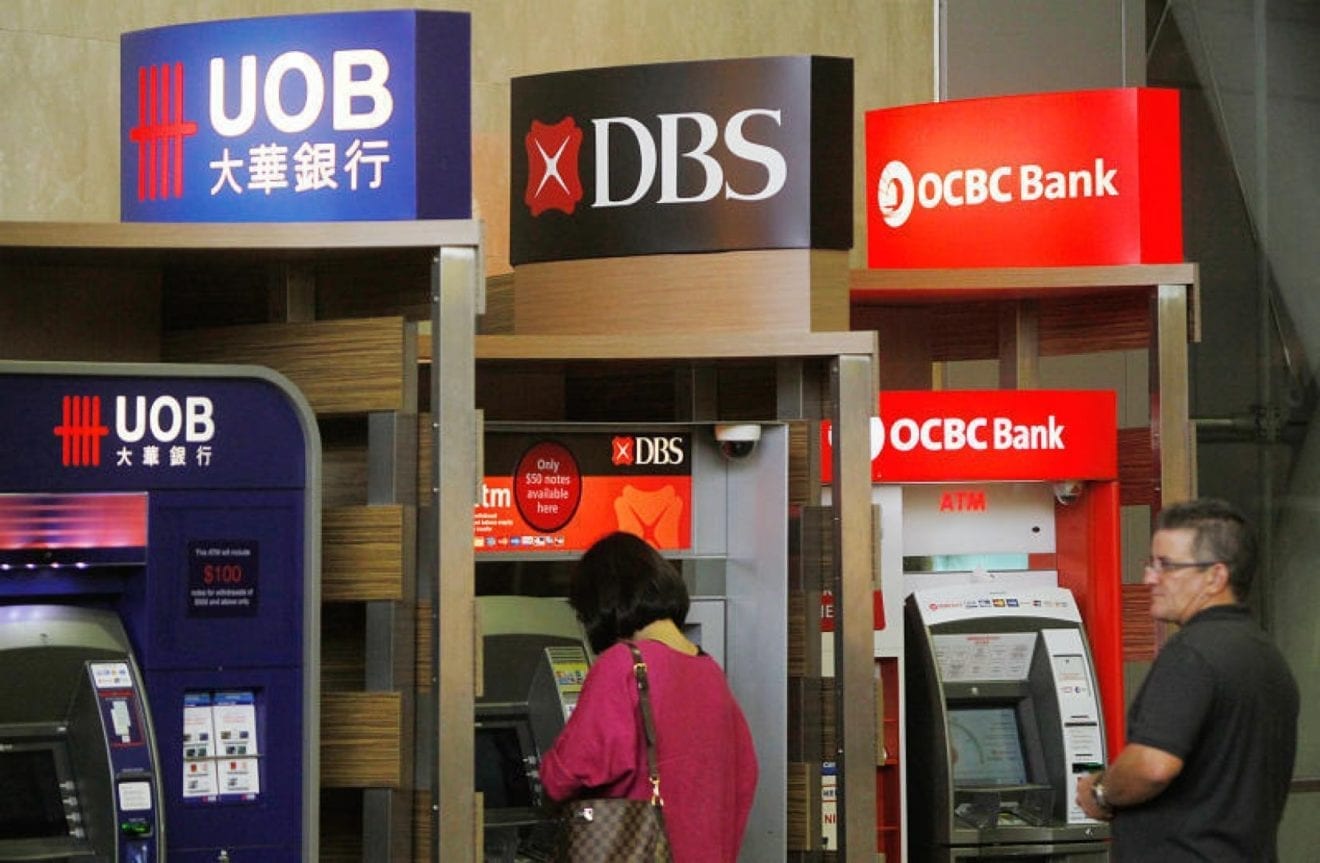
    The three central banks have appointed several qualified commercial banks to operationalize this Local Currency Transaction Framework (LCTF). These institutions are set to simplify and enhance trade-related financial engagements across Malaysia, Indonesia, and Thailand. Among the newly appointed banks in Malaysia are AmBank, Bank of China (Malaysia), OCBC Bank Malaysia, Standard Chartered Bank Malaysia, and Sumitomo Mitsui Banking Corporation (SMBC) Malaysia. Indonesia’s roster includes PT Bank Danamon Indonesia, PT Bank OCBC NISP, PT Bank Pembangunan Daerah Jawa Timur, and the Jakarta Branch of Bank of China (Hong Kong).

    For transactions specifically between Malaysia and Thailand, the selected banks mirror those chosen for Indonesia, with the addition of Bank of China (Thai). In the Indonesia-Thailand corridor, key players now include PT Bank OCBC NISP and the Bank of China (Hong Kong) Jakarta Branch.

    Strengthening Regional Connectivity and Economic Fortitude

    The expanded network is expected to significantly improve customer interaction, broaden access to local currency liquidity, and present businesses with enhanced avenues for cross-border transactions. As noted in a recent statement by the central banks, this cooperative framework aims to bolster trade and investment growth, creating a comprehensive support mechanism for businesses looking to navigate the financial landscapes of all three countries.

    Hold on to your receipts, because this initiative could very well make cross-border trading as easy as ordering takeout!

    Questions & Answers

    What is the purpose of the Local Currency Transaction Framework?
    The LCTF aims to facilitate cross-border settlements of trade and investment among Malaysia, Indonesia, and Thailand, making it easier for businesses to transact in local currencies.

    Which banks have been appointed to support the LCTF?
    New additions include Malaysia’s AmBank and Bank of China, and Indonesia’s PT Bank Danamon and PT Bank OCBC NISP, among others, with a comprehensive list of banks aimed at both regional partnerships.

    How will the expanded network benefit businesses?
    The enhanced ACCD network will improve customer outreach, increase market access to local currency liquidity, and provide better options for cross-border transactions, ultimately supporting trade and investment growth.