Author: Mei Ling Tan

  • Anta Sports Eyes Major Puma Stake: A Turnaround Hope for the Struggling German Sportswear Brand?

    Anta Sports Eyes Major Puma Stake: A Turnaround Hope for the Struggling German Sportswear Brand?

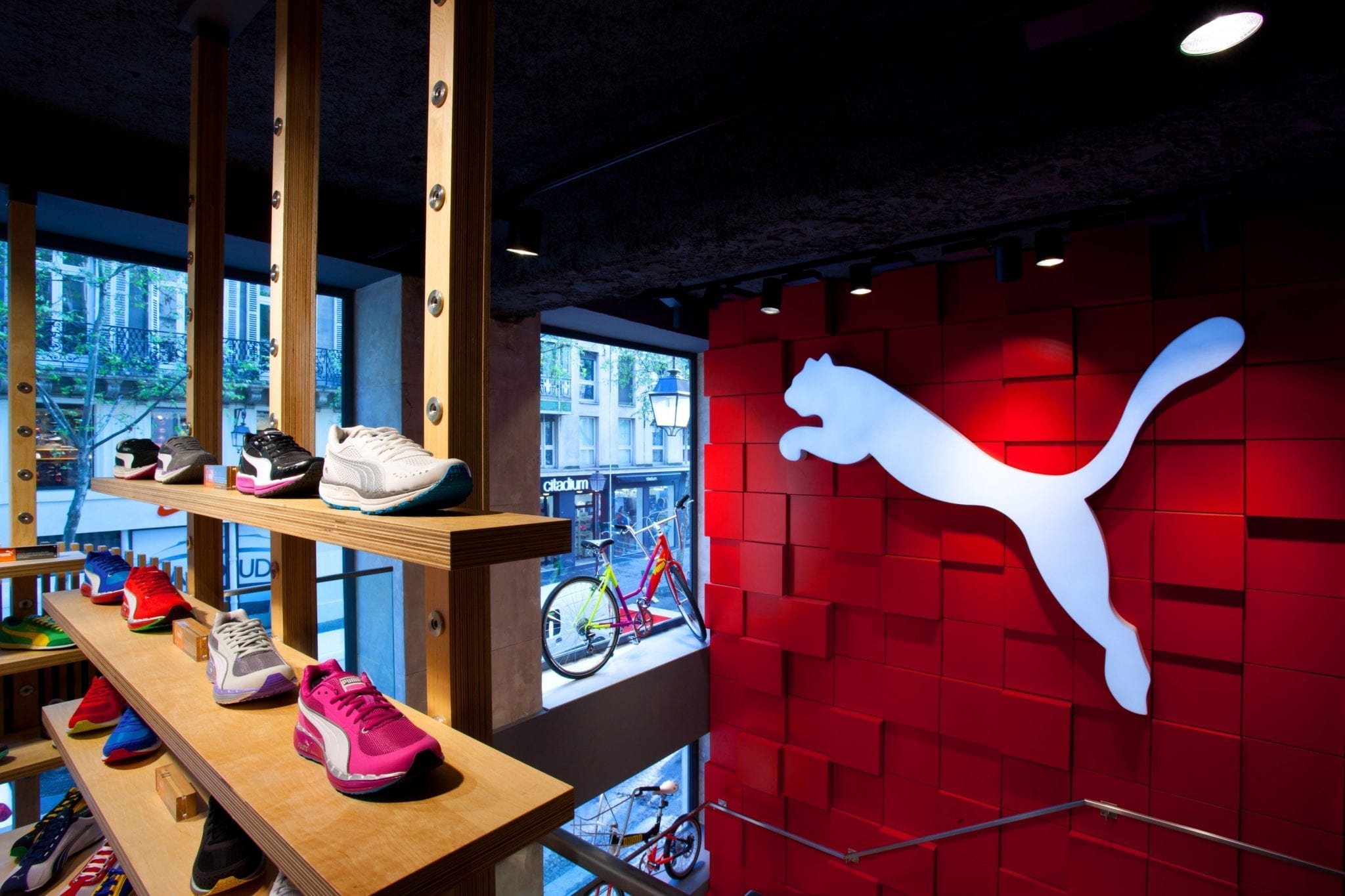
    China-based sporting goods company, Anta Sports Products, has proposed to purchase a 29% stake in Puma, the struggling German sportswear manufacturer, from the French Pinault family, according to insiders familiar with the negotiations.

    Anta Sports submitted their bid several weeks ago and has already arranged financing for the prospective acquisition, two of the sources disclosed. However, one source noted that negotiations have reached a stalemate.

    The Pinault family’s firm, Artemis, managed by François-Henri Pinault, Chairman of Kering, had been expecting bids for its Puma shares to surpass 40 euros each, said a fourth insider. The Pinault family originally obtained their shares in Puma from Kering as part of a conversion of the conglomerate into a luxury-focused entity in 2018.

    When approached for comments, both Artemis and Puma declined. A response from Anta is still pending.

    Following this news, Puma’s shares increased by up to 9%, reaching their highest value since May 2025, trading at 24.6 euros. Despite this, Puma’s market cap was 3.3 billion euros (US$3.85 billion) at the close of trading on Wednesday, a drastic 50% decrease from the same time the previous year due to a severe drop in sales.

    Arthur Hoeld, Puma’s newly-appointed CEO, revealed his recovery strategy in October following disappointing sales of releases like the Speedcat and a general decrease in revenue as customers favoured competitors such as Adidas, On, and Hoka.

    Anta, a Hong Kong-listed company with a history of acquiring and rejuvenating Western sports and lifestyle brands, has been considering a bid for Puma, a source revealed in November. In 2019, Anta led a consortium to buy Amer Sports, the owner of iconic brands like Wilson and Salomon.

    Analysts at RBC have stated that the potential sale of Artemis’ 29% stake in Puma could prove beneficial for Puma’s equity story. New ownership might increase investments in the brand, provide fresh insights, and support the early stages of Arthur Hoeld’s turnaround strategy.

    Artemis controls Kering as well as auction house Christie’s and Hollywood talent agency CAA. It has faced investor scrutiny due to the debt it accumulated as Pinault sought to diversify away from Gucci during a dip in luxury sales. A senior source close to Artemis noted in September that the Pinault family would not sell their Puma stake at the then-current market valuation but admitted the stake was “non-strategic”. Since then, Puma’s shares have increased by 15%.

    Questions & Answers

    Who has proposed to purchase a stake in Puma?
    Anta Sports Products, a China-based sporting goods company, has offered to buy a 29% stake in Puma.

    What is the estimated value of the Puma shares?
    Artemis, the Pinault family’s firm, had expected bids for its Puma shares to surpass 40 euros each.

    What has been the recent performance of Puma in the market?
    Puma’s market capitalization was 3.3 billion euros (US$3.85 billion) at the close of trading on Wednesday, which is a 50% decrease from the same time last year due to a severe drop in sales.

  • Mixue: China’s Beloved Tea and Ice Cream Chain Brews Up Its First US Store in Hollywood

    Mixue: China’s Beloved Tea and Ice Cream Chain Brews Up Its First US Store in Hollywood

    The popular Chinese ice cream and tea chain, Mixue, has successfully established its first US location in Los Angeles, California, marking the brand’s debut in the American market.

    Offerings and Customisation

    Situated on the famous Hollywood Boulevard, the new Mixue store provides customers with the chain’s traditional menu. The offered choices encompass a variety of beverages including ice cream, pure tea, fruit drinks, milk tea, and coffee. One of the unique aspects of Mixue’s service is the ability for customers to personalize their drinks. They can adjust the sugar content to their liking and select from a range of toppings for certain beverages.

    Global Expansion

    Since its establishment in 1997, Mixue has been diligently working on its international growth. The brand expanded outside of China for the first time in 2018, with the opening of a store in Vietnam. Following this, Mixue entered several other markets, including Australia, South Korea, Thailand, Malaysia, Singapore, and the Philippines.

    Growth Plans in the US

    The US is the next frontier for Mixue’s ongoing international expansion. The company has expressed its intention to enhance its presence in the American market further. A store in New York is anticipated to open soon as a part of this expansion plan.

    Zhang Hongfu, the Global CEO of Mixue, stated that the company is committed to its worldwide strategic growth. He added, “Our aim is to consistently broaden our store network, thereby enabling more local consumers to savour our high-quality, affordable drinks.”

    Presently, Mixue Group runs over 53,000 stores globally.

    Questions & Answers

    What does the Mixue menu offer in their new US store?
    The menu in the new Mixue US store consists of a range of beverages such as ice cream, pure tea, fruit drinks, milk tea, and coffee.

    Where did Mixue first expand to outside of China?
    The first overseas expansion of Mixue was in Vietnam, which took place in 2018.

    What are the future expansion plans of Mixue in the US?
    Mixue plans to strengthen its presence in the US with the opening of a new store in New York, which is expected to happen in the near future.

  • Vietnam Hits Five-Year Low in Gasoline Prices: A Dive into the Market Factors

    Vietnam Hits Five-Year Low in Gasoline Prices: A Dive into the Market Factors

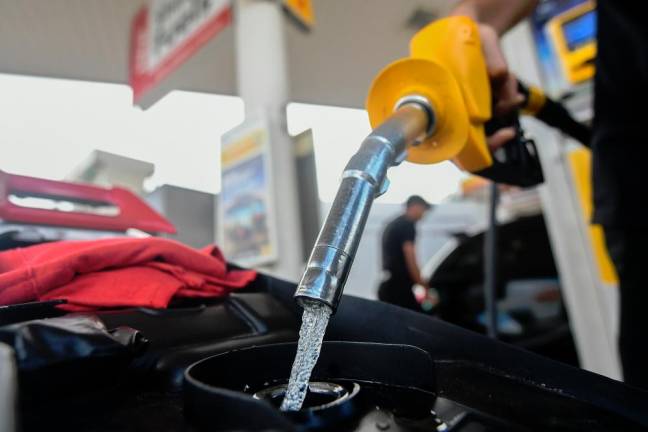
    As of Thursday, gasoline prices in Vietnam have significantly dropped, hitting a record low since February 2021. The highly preferred fuel, RON95, witnessed a decrease of about 1.85%, bringing its price down to VND18,560 (US$0.71) per liter.

    Likewise, Biofuel RON92 experienced a price reduction of around 1.08%, now costing VND18,230 per liter. Diesel fuel also saw a 1.10% decrease, lowering its price to VND17,060 per liter.

    According to the Ministry of Industry and Trade, these changes in the domestic petroleum market are a result of several influential factors in the global petroleum market. Notably, the decision by OPEC+ to maintain oil production output stable in the first quarter had a significant impact.

    In terms of international costs, the average price of RON95 fell by 2.4% to $72.2 per barrel. Diesel prices also fell, but by a slightly lesser margin of 1.3%, bringing the cost down to $78.85 per barrel.

    Questions & Answers

    What was the percentage decrease in the price of RON95 fuel in Vietnam recently?

    The price of RON95 fuel in Vietnam recently fell by about 1.85%.

    Which body made the decision to maintain oil production output stable for the first quarter and how did it impact the prices?

    OPEC+ decided to keep the oil production output stable for the first quarter. This decision significantly influenced the reduction in the domestic and global petroleum prices.

    What was the impact on the international costs of RON95 and diesel?

    Internationally, the average price of RON95 fell by 2.4% to $72.2 per barrel, while diesel prices decreased by 1.3% to $78.85 per barrel.

  • Veteran Citi Executive Carl Ashton Leaps to UBS, Boosting Australia’s Wealth Management Unit

    Veteran Citi Executive Carl Ashton Leaps to UBS, Boosting Australia’s Wealth Management Unit

    UBS Global Wealth Management has recently expanded its team, bringing in industry expert Carl Ashton. Stationed in the Singapore office, Ashton will be focusing on the Australia market.

    A Wealth of Experience

    Ashton is no stranger to the finance industry, especially in the sector of wealth management. He brings an impressive 19 years of experience from his time at Citi. During his tenure, Ashton was responsible for managing the investment business for the New Zealand and non-resident India market under Citi Private Bank.

    A Strategic Hire

    The addition of Ashton to the UBS Global Wealth Management team is a strategic move for the company. He will be positioned in the Singapore office, where he will be tasked with covering the Australia market. The bank has confirmed this new hire, further solidifying their commitment to enhancing their international team and expanding their reach in the Australia market.

    Questions & Answers

    Who is the latest addition to the UBS Global Wealth Management team?
    Carl Ashton, an industry veteran with 19 years of experience at Citi, has joined the UBS Global Wealth Management team.

    What will be the primary focus of Ashton’s role at UBS?
    Ashton’s main responsibility will be to cover the Australia market from his base at the UBS office in Singapore.

    What previous experience does Ashton bring to UBS?
    Ashton brings a wealth of experience from his previous role at Citi where he managed the investment business for the New Zealand and non-resident India market under Citi Private Bank.

  • NTT DOCOMO GLOBAL & Accenture Pioneer Universal Wallet Infrastructure: A Leap Forward in Digital Trust Services

    NTT DOCOMO GLOBAL & Accenture Pioneer Universal Wallet Infrastructure: A Leap Forward in Digital Trust Services

    NTT DOCOMO GLOBAL and Accenture, two major players in the global tech industry, have recently entered into a partnership to create and grow a Universal Wallet Infrastructure (UWI) platform. This platform is designed to bolster digital trust services across diverse sectors, governments, and geographical locations.

    The infrastructure being developed by NTT DOCOMO GLOBAL and Accenture will permit organizations to issue, verify, and manage digital credentials and tokens associated with identity, payment, assets, and documents. A key focus of the platform is interoperability and compliance, ensuring secure data transfer while adhering to user consent and regulatory norms.

    As businesses and public institutions are under increasing pressure to safely handle data in progressively digital and AI-centric environments, demands for transparency and control over personal data usage are also rising among individuals. By integrating decentralized technologies with current enterprise systems, UWI seeks to address these issues, reducing dependence on centralized data structures.

    Establishing a Trustworthy Digital Environment

    The platform is designed to foster secure, real-time data sharing between organizations, while also facilitating AI-powered services at the network edge. Through enabling users to regulate access to their data, UWI aims to bolster trust and provide organizations with access to consent-based, verifiable information to support their operations, innovation, and customer services.

    Several potential applications of the UWI platform have been identified, encompassing government services aiming to decrease fraud and administrative burdens, employers managing recruitment and workforce mobility processes, and travel and transportation systems seeking to simplify identity verification across borders and service providers.

    Leadership Commentary

    Hiroki Kuriyama, President and CEO of NTT DOCOMO GLOBAL, spoke enthusiastically about the partnership, stating that it would speed up the global implementation of UWI, creating a new basis for digital trust worldwide. He also emphasized the growing importance of effective digital IDs and electronic credentials across national borders, highlighting the platform’s objectives of providing verifiable authentication and innovative trust models on a global scale.

    Atsushi Egawa, Chairman of Accenture, Japan, and co-CEO, Asia-Pacific, Accenture, also expressed optimism about the collaboration. He highlighted the synergies created by combining Accenture’s deep expertise in technology strategy, data, and AI with NTT DOCOMO GLOBAL’s well-established strengths in network infrastructure operations and advanced internet technologies. He believes this collaboration will pave the way for new AI-powered experiences that revolutionize how businesses and customers connect.

    Questions & Answers

    What is the main aim of the Universal Wallet Infrastructure platform?

    The platform aims to establish a secure and reliable digital trust environment, allowing organizations to issue, verify, and manage digital credentials related to identity, payments, assets, and documents.

    How will the UWI platform benefit its users?

    UWI will allow users to control access to their data, thereby increasing trust while providing organizations access to consent-based, reliable information to support their operations, innovation, and customer services.

    What potential applications does the UWI platform have?

    The platform can be utilized in numerous ways, such as reducing fraud in government services, streamlining recruitment and workforce mobility processes for employers, and simplifying identity verification in travel and transportation systems across borders and service providers.

  • Zhu Bingren Copper Debuts First International Flagship Store in Singapore, Celebrating Art, Culture, and Connection

    Zhu Bingren Copper Debuts First International Flagship Store in Singapore, Celebrating Art, Culture, and Connection

    Zhu Bingren Copper, a renowned Chinese copper craftsmanship brand, has unveiled its inaugural flagship store in Singapore, operating as its international brand, ZenBron. This marks the brand’s first-ever venture outside of its home country.

    Expanding Borders and Cultivating Relationships

    Situated in Chinatown Point, this fifth-generation copper-craft store introduces its “150 years of fire, form and cultural heritage” to a global audience. This significant move not only symbolises an artistic exchange between the two countries but also deepens the long-established relationship between Zhu Bingren and Singapore.

    The brand’s expansion coincides with the Gratitude Festival, an event organised by the Zhu family. This alignment imbues the copper artworks with a symbolic representation of warmth and sincerity. Zhu Junmin, the fifth-generation master craftsman and successor of Zhu Bingren Copper, expressed his honour in being able to extend the festival’s spirit beyond China and share its meaningful message of appreciation with Singapore’s diverse community.

    New Store Features and Offerings

    To honour the convergence of these events and the upcoming Chinese New Year, the Singapore store showcases the brand’s latest ‘Horse of Victory’ edition. Additionally, the store offers a variety of contemporary home ornaments, scholar’s studio collectibles and molten-bronze artworks, with each piece embodying the spirit of blessing.

    Master Chinese sculptor Zhu Bingren, after whom the brand is named, has renowned works featured in national museum collections. Zhu Bingren Copper, established in 1875 and with five generations of heritage, is celebrated for integrating ancient copper artistry into modern, high-end gifts and everyday items.

    Local Engagement and Future Aims

    Operating six art centres and over 200 lifestyle experience stores domestically, Zhu Bingren Copper now aims to make its art accessible to local collectors, culture enthusiasts, and design admirers through this overseas expansion.

    Questions & Answers

    What is Zhu Bingren Copper?
    Zhu Bingren Copper is a distinguished Chinese copper craftsmanship brand named after the master Chinese sculptor Zhu Bingren.

    Where is Zhu Bingren Copper’s first overseas flagship store located?
    Zhu Bingren Copper’s inaugural overseas flagship store is located in Singapore, at Chinatown Point.

    What is the significance of the Gratitude Festival?
    The Gratitude Festival, organised by the Zhu family, symbolises warmth and sincerity. In this context, it represents the brand’s attempt to extend its spirit of appreciation beyond China and to the diverse community of Singapore.

  • Ikea to Close Seven Stores in China Amid Retail Struggles, Focuses on Online Growth and Precise Market Cultivation

    Ikea to Close Seven Stores in China Amid Retail Struggles, Focuses on Online Growth and Precise Market Cultivation

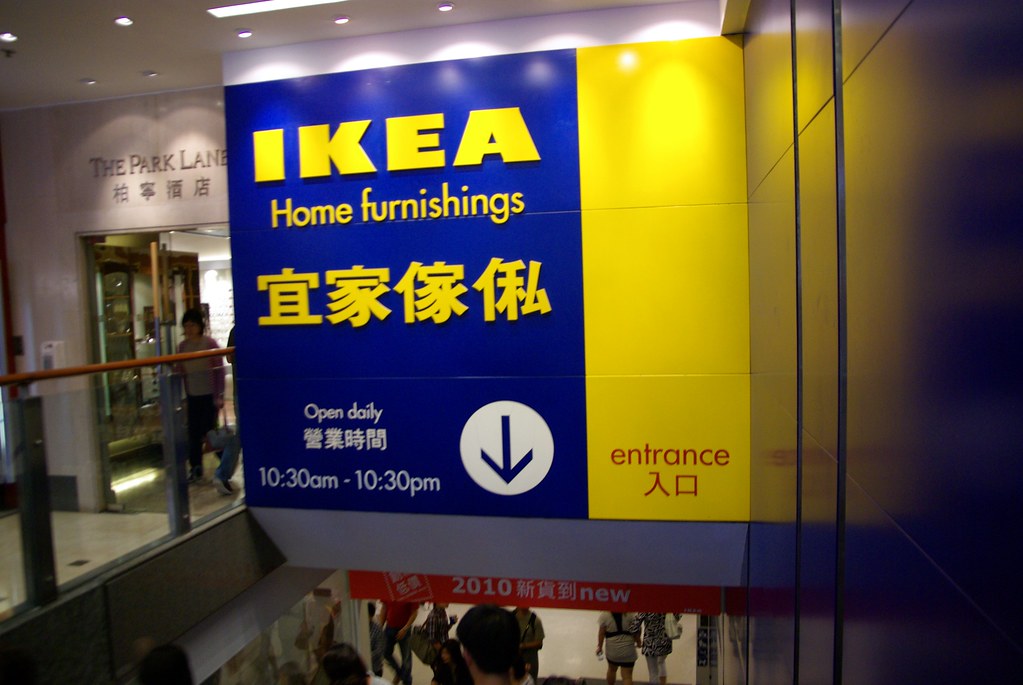
    Swedish furniture giant, Ikea, has announced that it will be shutting down seven of its outlets in China, effective from February 2. The decision was revealed in a statement issued by the company on Wednesday.

    The targeted locations for the shutdown include a branch in Shanghai’s suburbs, another in Guangzhou, as well as several others scattered across secondary cities such as Nantong, Xuzhou, and Harbin.

    Retail businesses, in general, have been grappling with sales growth in China, as consumer confidence continues to wane, stemming from a long-standing property crisis, job security worries, and stagnant wages.

    Presently, Ikea has approximately 40 stores operating on the Chinese mainland. The company disclosed in its statement that five new stores of varying sizes have commenced operations recently.

    China, being the world’s second-largest economy, contributes approximately 3.5% to Ikea’s global sales. However, an increasing proportion of these sales originates from online flagship stores. To further nurture this online sales growth, Ikea inaugurated a new store on JD in August of the previous year.

    The company stated that it will be shifting its strategy from large-scale expansion to precise cultivation, focusing on major markets such as Beijing and Shenzhen. This strategy includes the launch of over ten smaller stores within the next two years. The company also stated that it anticipates new store openings in the cities of Dongguan and Beijing during the first half of 2026.

    Questions & Answers

    Which Ikea stores in China are slated for closure?
    Ikea plans to close stores in suburban Shanghai, Guangzhou, and several other locations in secondary cities such as Nantong, Xuzhou, and Harbin.

    What proportion of Ikea’s global sales does China account for?
    China accounts for about 3.5% of Ikea’s global sales.

    What is Ikea’s strategy going forward in China?
    Ikea plans to shift from large-scale expansion to precise cultivation, focusing on major markets like Beijing and Shenzhen, and opening more than ten small stores over the next two years. There are also plans for new store openings in Dongguan and Beijing in the first half of 2026.

  • Taiwan’s Retail Boom: Major Shopping Centre Openings Set to Transform Retail Landscape

    Taiwan’s Retail Boom: Major Shopping Centre Openings Set to Transform Retail Landscape

    A surge of new shopping centers is expected to hit the market in Taiwan this year as developers maintain their commitment to large-scale multipurpose ventures.

    One of the most anticipated launches is the Far Eastern Sogo Department Store’s Garden City in Taipei, which is slated to open its doors in March. With an impressive 99,000 square meters in size, this complex will encompass retail outlets, dining options, and cinema halls, all conveniently linked to the Taipei Dome.

    Company chairperson, Sophia Huang, expressed the company’s high expectations for Garden City, predicting it to pull in over $313.66 million in annual revenue. When combined with the total revenue from its Fuxing, Zhongxiao, and Tianmu locations in Taipei, the group’s annual earnings could potentially reach an impressive $1.58 billion.

    In Taichung, the upcoming opening of Hanshin Intercontinental Shopping Plaza this year marks Hanshin’s first business venture beyond Kaohsiung.

    In addition, Mitsui Fudosan is bolstering its presence in Taiwan. The company has announced that its third Mitsui Shopping Park LaLaport, currently under construction in Kaohsiung’s Fengshan District, is on track to open its doors before the year ends. This mall, with its 270 stores, will offer a variety of dining options, drugstores, a supermarket, a considerable-sized bookstore, and the Arte Museum.

    The development company also divulged plans for a new Mitsui Outlet Park near the Taiwan High Speed Rail Tainan Station. Expected to open either in the first or second quarter, the 240-store outlet center will accommodate home goods retailers, electronics stores, a Japanese-style supermarket, and food and beverage vendors.

    Concerning market conditions, Tsai Ming-chang, the chairman of the Taiwan Shopping Center and Commercial Real Estate Association, noted that while performance in department stores remained steady last year, it’s anticipated to see an improvement. He added that Garden City is poised to create a unique commercial and cultural ambience distinct from the Xinyi District.

    Tsai went on to say, “While Xinyi will persist in drawing in luxury and fashion shoppers, the Taipei Arena area will likely attract consumers who are more interested in cultural, creative, and green spaces.”

    Questions & Answers

    What is the expected annual revenue for the Garden City project in Taipei?
    The company chairperson, Sophia Huang, predicts that the Garden City project will generate over $313.66 million in annual revenue.

    What are the offerings envisaged for the Mitsui Shopping Park LaLaport under construction in Kaohsiung’s Fengshan District?
    The mall will feature several dining outlets, drugstores, a supermarket, a large bookstore, and the Arte Museum among its 270 stores.

    Who is the chairperson of the Taiwan Shopping Center and Commercial Real Estate Association, and what are their thoughts on the future of the retail market in Taiwan?
    The chairman of the association is Tsai Ming-chang, who believes that although department store performance remained steady last year, it is expected to improve. He also mentioned that different areas in Taiwan will attract different demographics of shoppers.

  • Vietnam Targets $11.5B from Seafood Exports in 2026: A Sustainable Growth Strategy

    Vietnam Targets $11.5B from Seafood Exports in 2026: A Sustainable Growth Strategy

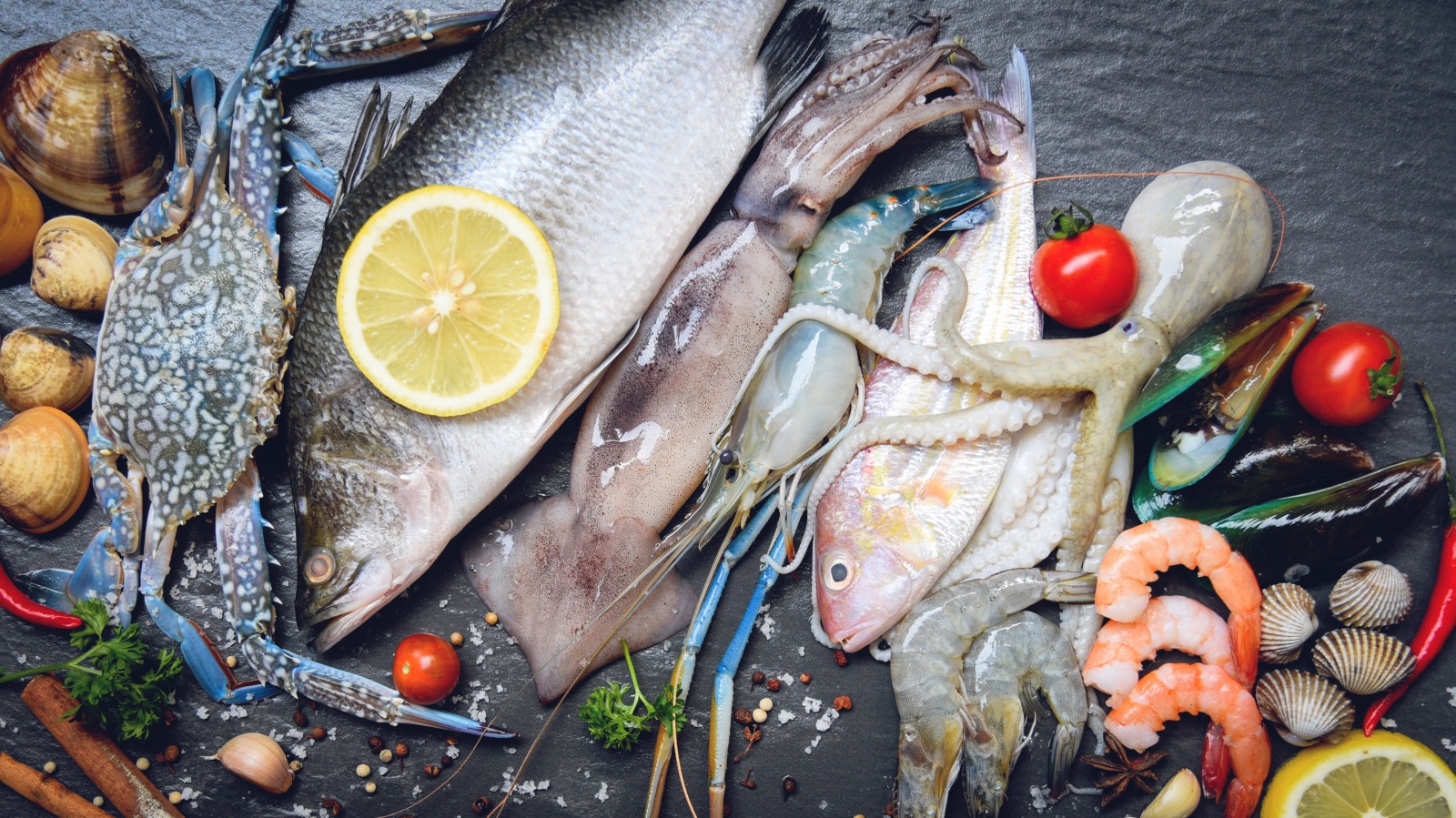
    Vietnam has set its sights on exporting more than 10 million tonnes of seafood, valued at $11.5 billion, in the course of the current year. This anticipated export volume signals a slight increase of 0.6% as compared to that of 2025, according to Pham Quang Toan, the deputy director general of the Department of Fisheries and Fisheries Surveillance who spoke at a recent conference.

    Understanding the Figures

    The forecast suggests that exports from capture fisheries may experience a slight decrease of 2.1%, landing at roughly 3.75 million tonnes. However, the aquaculture sector is projected to see an increase of 2.2%, amounting to approximately 6.25 million tonnes.

    The director general of the department, Tran Dinh Luan, shared insights into the future direction of Vietnam’s seafood sector. According to him, the sector is poised to progressively scale back capture fisheries while concurrently enhancing aquaculture practices. This transition is intended to be sustainable and resilient to climatic changes in order to boost competitiveness.

    Luan also emphasized a strategic shift from a production-oriented approach to a fisheries economy perspective. Moreover, the focus will be on moving from singular value growth towards integrated multi-value development.

    A Look at Past Performance

    Based on data from the Department of Fisheries and Fisheries Surveillance, the total output of seafood in 2025 was 9.95 million tonnes. This represents an increase of 3% from the previous year. Of this, capture fisheries contributed 3.83 million tonnes, which was almost identical to the volume in 2024. In contrast, the output from aquaculture rose by 5.1% to reach 6.1 million tonnes.

    The revenue from seafood exports was more than $11 billion last year, marking an impressive increase of 12.7%.

    Questions & Answers

    What is the projected seafood export volume for Vietnam in the current year?
    The anticipated seafood export volume for Vietnam is over 10 million tonnes.

    What changes are expected in the export volumes of capture fisheries and aquaculture?
    Capture fisheries exports are expected to decrease by 2.1%, while aquaculture exports are projected to increase by 2.2%.

    What was the seafood export turnover for Vietnam in 2025?
    The seafood export turnover for Vietnam in 2025 was estimated at over $11 billion.

  • Indonesia’s Gen Z Tackles Rising Unemployment and AI Influx: Is the National Internship Program the Solution?

    Indonesia’s Gen Z Tackles Rising Unemployment and AI Influx: Is the National Internship Program the Solution?

    Indonesia is currently experiencing a “demographic dividend” phase, characterized by a surge in the young population. However, this younger generation, primarily Generation Z (those born between 1997 and 2012), is wrestling with significant employment obstacles.

    Employment Challenges for Gen Z

    By 2023, nearly 10 million individuals from this generation were neither employed nor receiving an education or vocational training, according to data from Statistics Indonesia. This figure, consisting primarily of women, highlights the persistent problems of youth unemployment and skill deficits.

    Furthermore, these individuals must adapt to an increasingly competitive job market, exacerbated by the advent of Artificial Intelligence (AI). According to a report from the World Economic Forum, AI’s broader implementation in workplaces is projected to alter approximately 23% of all jobs.

    Indonesia’s Population and Economic Prospects

    Indonesia’s population, which is growing at an annual rate of about 1.11%, is expected to reach 284.4 million by 2025. During the “demographic dividend” decade from 2020 to 2030, Generation Z has become the largest demographic, comprising almost 28% of the total population, or roughly 75 million people.

    Despite this surge, the demographic dividend period offers not only potential opportunities but also significant challenges. If not properly harnessed, it could hinder the country’s economic growth and overall wellbeing.

    In early 2025, a hashtag translating to “Just Escape for Now” gained popularity among young Indonesians, symbolizing a collective urge to seek better opportunities overseas.

    National Internship Program

    To address these issues, the Indonesian government launched the National Internship program in 2025. The Ministry of Manpower reported that the program successfully achieved its target of enrolling 100,000 participants, primarily recent graduates, during its first year. The program is expected to continue in 2026 with an equivalent number of participants.

    Media Wahyudi Askar, the Director of Public Policy at the Centre of Economic and Law Studies, believes that the National Internship Program could expedite the shift towards improved access to formal employment opportunities.

    Questions & Answers

    What is the “demographic dividend” period in Indonesia?
    The “demographic dividend” period refers to the current decade (2020-2030) in Indonesia where Generation Z (those born between 1997 and 2012) has become the most significant population group.

    What are the major employment challenges faced by Generation Z in Indonesia?
    The primary issues include high rates of unemployment, a lack of necessary skills, and changes in the job market due to the implementation of Artificial Intelligence.

    What is the objective of the National Internship program initiated by the Indonesian government?
    The National Internship Program aims to address employment challenges faced by the younger generation by providing them with better access to formal employment. The program enrolled 100,000 participants in 2025, with a similar number expected to continue in 2026.

  • PizzaExpress Reduces Singapore Presence: Shuts Down Two More Outlets Amid Retrenchment Wave

    PizzaExpress Reduces Singapore Presence: Shuts Down Two More Outlets Amid Retrenchment Wave

    The UK-based dining chain, PizzaExpress, has recently announced the closure of two of its outlets in Singapore, bringing its total locations in the city-state down to just two. Operations ceased at the Millenia Walk and Scotts Square outlets on December 31 last year. The reasons for these closures have not been disclosed publicly.

    Changes in Location

    The Millenia Walk outlet, the most recent addition to the PizzaExpress Singapore operations, had been serving customers for less than a year, having opened its doors in January 2025. The brand’s remaining outlets can be found at Duo Galleria and The Star Vista.

    This isn’t the first time the company has made location changes in Singapore. In January 2024, the PizzaExpress outlet in Holland Village was shuttered following six years of service. However, a new outlet was established at The Star Vista just a few months later in April.

    History and Challenges

    Established in London, PizzaExpress has made a name for itself globally for its handcrafted thin-crust pizzas. The Scotts Square outlet was the brand’s first foray into the Singaporean market in 2016. The company oversees more than 500 restaurants across the UK, Europe, Hong Kong, India, and the Middle East.

    Despite its global reach, PizzaExpress has grappled with financial difficulties in recent years. In 2020, the company announced plans to close 15% of its UK restaurants due to restructuring efforts aimed at managing an external debt of roughly US$993 million. The then-owner, Hony Capital, a Chinese private equity firm, started the process of seeking a new buyer.

    Food and Beverage Sector Struggles

    PizzaExpress is not alone in its struggles within Singapore. Many food and beverage chains in the city-state have had to close outlets due to dwindling demand. Kith Cafe, which boasted 10 outlets at its height, now operates only two locations. The well-known American chain, Eggslut, shut its last Singaporean outlet in February last year, indicating its departure from the country. Other businesses such as Burger & Lobster, Fluff Stack, Flor Patisserie, and Keong Saik Bakery have also withdrawn from the market.

    Questions & Answers

    Why did PizzaExpress close two of its outlets in Singapore?
    While the company announced the closures, it did not disclose the reasons behind them.

    Which PizzaExpress outlets remain open in Singapore?
    There are two remaining PizzaExpress locations in Singapore, one at Duo Galleria and the other at The Star Vista.

    What financial challenges has PizzaExpress faced in recent years?
    In 2020, PizzaExpress revealed plans to close 15% of its UK outlets amidst restructuring efforts aimed at managing around US$993 million in external debt.

  • Global Alert: Nestle’s Massive Infant Formula Recall in 25 Countries Amid Toxin Contamination Scare

    Global Alert: Nestle’s Massive Infant Formula Recall in 25 Countries Amid Toxin Contamination Scare

    Nestle, the global food giant, has issued a recall for several batches of its infant nutrition products due to potential contamination posing a risk of nausea and vomiting. This recall predominantly affects Europe and includes SMA, BEBA, and NAN formulas.

    Increased Pressure on Leadership

    Philipp Navratil, Nestle’s new Chief Executive, faces mounting pressure as the recall follows a period of managerial turbulence. Navratil aims to stimulate growth through a portfolio review.

    Preventive Measures

    Upon discovering a quality issue in the arachidonic acid oil – a vital ingredient from a prominent supplier – Nestle initiated a comprehensive test of the oil and corresponding oil mixtures used in the potentially impacted infant nutrition products. Following the completion of the tests, the company decided to recall the affected products.

    In a bid to maintain consistent supply, Nestle is now engaging alternative suppliers for arachidonic acid oil, increasing production at several factories, and speeding up the distribution of unimpacted products.

    Potential Consequences and Market Impact

    Issues with baby formula can have severe repercussions for companies. Nestle’s shares have experienced a decline of more than 3% in the last two trading sessions. Despite this, the company still holds nearly a quarter of the $92.2 billion global infant nutrition market.

    While Nestle does not disclose sales data, the infant formula segment is part of its Nutrition and Health Science division, which contributed 16.6% to the company’s total sales of 91.4 billion Swiss francs ($115.4 billion) in 2024.

    Scope of the Recall

    The recall includes batches sold in Europe, Turkey, and Argentina due to potential contamination with cereulide, a toxin produced by certain strains of Bacillus cereus. This toxin is resistant to deactivation or destruction by cooking or boiling water, posing a significant threat when preparing infant milk.

    Cereulide can cause rapid-onset food poisoning symptoms, including vomiting and stomach cramps.

    According to the Austrian health ministry, the recall impacts over 800 products from more than 10 Nestle factories, marking the largest recall in Nestle’s history. However, a Nestle spokesperson has yet to confirm these figures.

    Future Plans

    Nestle has published the batch numbers for the products that should not be consumed, and is working diligently to minimize disruptions in supply.

    The company identified the potential risk at a factory in the Netherlands. The Dutch food safety authority NVWA confirmed that Nestle’s investigation revealed that the contaminated raw material had been used at various production sites, including locations outside the Netherlands.

    Questions & Answers

    Why has Nestle issued a recall for its infant nutrition products?
    Nestle has issued a recall due to potential contamination of certain batches of its infant nutrition products. This contamination could lead to symptoms of nausea and vomiting.

    What steps has Nestle taken following the discovery of this issue?
    The company initiated extensive testing of the potentially affected ingredients and has subsequently recalled the impacted products. They are now engaging alternative suppliers for the ingredient, increasing production at several factories, and speeding up distribution of unaffected products.

    What is the potential health risk of the identified contaminant?
    The contaminant, cereulide, is a toxin that can cause rapid-onset food poisoning symptoms, including vomiting and stomach cramps. This toxin is resistant to deactivation by cooking or boiling water, posing a significant threat when preparing infant milk.

  • Venezuela’s Billion-Dollar Gold Exodus: Uncovering the Secret Shipment of 100 Tons to Switzerland

    Venezuela’s Billion-Dollar Gold Exodus: Uncovering the Secret Shipment of 100 Tons to Switzerland

    Between 2013 and 2016, Venezuela sent 113 metric tons of gold to Switzerland, as per data from customs authorities. This gold, valued at approximately 4.14 billion Swiss francs, or US$5.20 billion, reportedly originated from Venezuela’s central bank. This substantial transaction occurred in the early years of Nicolas Maduro’s presidency, a period when the Venezuelan government was selling gold in an effort to bolster its struggling economy.

    Understanding the Situation

    During the years from 2012 to 2016, the Venezuelan central bank engaged in significant distress selling. According to Rhona O’Connell, a markets analyst at StoneX, much of the sold gold likely ended up in Switzerland. After its arrival, the gold may have remained with financial sector counterparts, been re-sold as small bars to Asian markets, or distributed elsewhere globally.

    The customs data revealed a noticeable halt in gold exports from Venezuela to Switzerland starting in 2017. This cessation coincided with the introduction of European Union sanctions and continued until at least 2025. O’Connell from StoneX posited that this drastic reduction in exports was likely a result of the Venezuelan central bank exhausting its gold reserves.

    Recent Developments

    In more recent events, Maduro was apprehended by U.S. special forces during a raid in Caracas on January 3, and is currently facing drug-related charges in a New York court. In response to these events, Switzerland took action on Monday by freezing the assets held within the country by Maduro and 36 of his associates. However, Swiss authorities have not disclosed any details regarding the value or origin of these impounded funds.

    Questions & Answers

    Why was Venezuela selling gold to Switzerland?
    The Venezuelan government was selling gold in a bid to shore up its struggling economy during the early years of President Nicolas Maduro’s leadership.

    What happened to the gold after it arrived in Switzerland?
    Post-arrival, the gold might have remained with financial sector entities in Switzerland, been sold as small bars to Asian markets, or distributed globally.

    Why did the gold exports from Venezuela to Switzerland stop in 2017?
    The halt in gold exports coincided with the enforcement of European Union sanctions against Venezuela. Additionally, it’s speculated that the Venezuelan central bank may have depleted its gold reserves, contributing to the cessation in exports.

  • UBS to Ignite Investment Conversations at 26th Greater China Conference in Shanghai

    UBS to Ignite Investment Conversations at 26th Greater China Conference in Shanghai

    UBS, a leading financial firm based in Zurich, is preparing to host its 26th Greater China Conference in Shanghai. The event, which will occur on the 13th and 14th of January, will delve into a broad spectrum of subjects, such as economics, investments, and technology.

    Attendee Profiles and Conference Topics

    The conference is expected to welcome over 3,600 participants. Among these are more than 2,300 domestic and international institutional investors, sovereign wealth funds, family offices, and private clients. Additionally, over 300 top Chinese firms, boasting a combined market capitalization of about $4.3 trillion, will also be part of the gathering.

    This year’s conference topics are set to span a wide array of areas. These include the economic outlook for China and its implications for investment, breakthroughs in artificial intelligence, and changes in several sectors. Among the sectors in focus will be manufacturing, new energy, mobility ecosystems, and consumer markets.

    UBS and the Chinese Market

    The Greater China Conference is of strategic importance to UBS. The firm recognises the resilience of China’s markets, its expanding innovation capabilities – ranging from advanced manufacturing to advancements in artificial intelligence – and the growing global significance of its capital markets.

    UBS Group CEO Sergio P. Ermotti, who is scheduled to address the attendees, expressed that these factors are paving the way for new investment opportunities worldwide.

    Questions & Answers

    What is the Greater China Conference?
    The Greater China Conference is an annual event hosted by UBS. This is the 26th year it will be held, and the topics covered will include economics, investments, and technology.

    Who is expected to attend the conference?
    The conference will host over 3,600 participants, including more than 2,300 domestic and global institutional investors, sovereign wealth funds, family offices, and private clients. Over 300 leading Chinese companies will also be in attendance.

    What does this conference mean for UBS?
    UBS CEO Sergio P. Ermotti mentioned that China is a strategic market for UBS. The resilience of China’s markets, its expanding innovation capabilities, and the growing global importance of its capital markets provide new investment opportunities for investors worldwide.

  • SpaceX’s Starlink Satellites to Descend in 2026: A Proactive Move to Minimize Cosmic Collisions

    SpaceX’s Starlink Satellites to Descend in 2026: A Proactive Move to Minimize Cosmic Collisions

    SpaceX, the prominent aerospace manufacturer and space transport services company, has announced plans to reposition about 4,400 of its satellites from their current altitude of 550 kilometers to approximately 480 kilometers above Earth over the course of the year. The decision was communicated by Michael Nicholls, SpaceX’s Vice President of Engineering. The strategic move to a lower orbital altitude is anticipated to drastically reduce the decay time of satellites at the end of their operational life.

    Reducing Satellite Decay Time

    Nicholls explained that the strategic change in altitude would mean a significant reduction in satellite decay time by over 80%. This allows obsolete satellites to withdraw from orbit more efficiently. Nicholls further pointed out that the lower orbit is relatively less congested as fewer satellites operate below the 500-kilometer mark. This, therefore, reduces the chances of collisions in an already congested orbital band.

    Mitigating Risks

    Furthermore, operating at a lower orbital altitude will assist in mitigating risks associated with “uncoordinated maneuvers and launches by other satellite operators,” according to Nicholls. The need for these strategic changes has grown as the number of satellites in space continues to increase.

    This significant move comes following an isolated incident reported by SpaceX in December. In the incident, one of the company’s satellites generated a minor amount of debris and interrupted communications momentarily with another satellite in orbit at 418 kilometers. SpaceX has stated that it is currently investigating the cause of the incident.

    Current Orbit Traffic

    Current estimates from the European Space Agency (ESA) suggest that around 40,000 objects are in Low Earth Orbit (LEO) at altitudes below 2,000 kilometers. In addition, the ESA also estimates that over 1.2 million pieces of debris larger than one centimeter are in orbit. Such objects are large enough to cause catastrophic damage if they collide with active spacecraft.

    To avoid such collisions, satellites routinely perform automated orbit adjustments using tracking data from national systems like the United States Space Command. As the number of satellites in orbit has grown, these maneuvers have significantly increased.

    SpaceX has been proactive in risk mitigation maneuvers. Hugh Lewis, Professor of Aeronautics at the University of Birmingham, noted that SpaceX conducted 144,404 conjunction risk mitigation maneuvers between December 2024 and May 2025, a 200% increase compared to the previous six months. Lewis attributed the rise to the growing Starlink fleet and the general increase in objects orbiting Earth.

    Questions & Answers

    Why is SpaceX planning to move its satellites to a lower orbit?
    To reduce the decay time of satellites at the end of their operational life and to mitigate the risk of collisions in an already crowded orbital band.

    What was the incident that prompted this decision by SpaceX?
    In December, a minor amount of debris was generated by one of SpaceX’s satellites which temporarily disrupted communications with another satellite. This incident highlighted potential risks and prompted the decision for repositioning.

    How often do satellites perform orbit adjustments to avoid collisions?
    Satellites routinely perform automated orbit adjustments using tracking data from national systems like the United States Space Command. As the number of satellites grows, these maneuvers have increased sharply.