Author: Mei Ling Tan

  • Dolce & Gabbana Reports 4% Revenue Growth Despite Retail Challenges; Sets High Ambition For Beauty Division

    Dolce & Gabbana Reports 4% Revenue Growth Despite Retail Challenges; Sets High Ambition For Beauty Division

    Dolce & Gabbana, the revered Italian luxury fashion brand, has unveiled financial figures for the fiscal year that came to a close on March 31. The company saw its revenue climb by 4 per cent, translating to a total of US$2.2 billion.

    Revenue Drivers and Losses

    The primary catalyst behind this revenue growth was an 11 per cent surge in wholesale sales, accounting for 46 per cent of the brand’s total revenue. Unfortunately, the company also witnessed a 3 per cent decline in retail sales, indicative of challenges in crucial markets such as Europe and Asia.

    Despite the increase in revenue, Dolce & Gabbana’s net loss expanded to $136 million from the previous fiscal year’s figure of $15 million.

    Department Specific Performance

    Notably, the fashion and home division of the company experienced an 8 per cent revenue drop to $1.4 billion. This downturn is attributable to weakened demand in Europe and China, with the effect partially mitigated by gains in the Middle East, South America, and South Africa.

    On the other hand, the beauty segment posted strong figures, with sales escalating by 30 per cent year-over-year to approximately $699 million.

    Expansion and Future Endeavors

    From 2022 onwards, Dolce & Gabbana has broadened its makeup offerings to encompass more than 100 products. The brand plans to further expand this range to a complete line of 350 SKUs and has recently launched a skincare line, the Fresh Skin Collection.

    In terms of future goals, the company has set its sight on achieving $1.1 billion in annual beauty sales by the end of fiscal 2027. This objective emerges as part of their strategic shift from licensing to direct management of the beauty division.

    Additionally, Dolce & Gabbana has obtained $116 million in medium-term financing and has extended the maturity of a $345 million term loan to 2030.

    Questions & Answers

    What was the primary driver behind Dolce & Gabbana’s revenue growth?
    The primary driver was an 11 per cent increase in wholesale sales, which now account for 46 per cent of the brand’s total revenue.

    How did Dolce & Gabbana’s beauty segment perform in the past fiscal year?
    The beauty segment performed exceptionally well, with sales seeing a 30 per cent year-over-year increase to approximately $699 million.

    What are Dolce & Gabbana’s future plans for their beauty division?
    The company plans to achieve $1.1 billion in annual beauty sales by the end of fiscal 2027, following its strategic shift from licensing to direct management of the beauty division.

  • Lovisa Reports Record Sales And Profit Growth Amid Accelerated Global Expansion

    Lovisa Reports Record Sales And Profit Growth Amid Accelerated Global Expansion

    Lovisa, the popular jewelry chain, reported significant growth in its sales and profit in the past fiscal year, alongside an accelerated expansion program.

    Revenue and Sales Growth

    Lovisa’s revenue for the fiscal year, ending June 29, experienced a 14.2% surge, reaching A$798.1 million. This increase was primarily due to the persistent expansion of the store network. During the year, Lovisa launched 162 new stores, wrapping up the year with a total of 1,031 stores across over 50 markets. A noteworthy milestone was the opening of its first store in Zambia and the establishment of three new franchise markets in Ivory Coast, the Republic of Congo, and Panama.

    Comparable store sales also saw a growth of 1.7%, showing a marked improvement in the second half of the year, following a relatively stagnant first half.

    Profit Increase

    Lovisa also reported a significant rise in its earnings and net profit. Earnings before interest tax saw a hike of 8.2%, reaching $138.7 million while the net profit after tax rose by 4.8%, amounting to $86.3 million.

    Lovisa’s global CEO, John Cheston, remarked on the company’s consistent performance, highlighting its impressive gross margin performance and the acceleration of store rollouts in the second half of the fiscal year. Cheston expressed his eagerness to continue prioritizing affordable, high-quality fashion jewelry.

    Outlook for the New Fiscal Year

    In the initial eight weeks of the new fiscal year, Lovisa reported a 28% total sales increase and a 5.6% rise in comparable sales, along with the addition of 10 new stores. The company intends to keep expanding both its physical and digital store networks, with strategic plans to foster growth in both existing and new markets.

    Questions & Answers

    What contributed to Lovisa’s significant growth in the past fiscal year?
    Lovisa’s growth was primarily driven by the continued expansion of its store network, with 162 new stores opened during the year.

    What were the earnings and net profit for Lovisa in the last fiscal year?
    The earnings before interest tax rose 8.2% to $138.7 million and the net profit after tax increased by 4.8% to $86.3 million.

    What are Lovisa’s plans for the new fiscal year?
    Lovisa plans to continue expanding its physical and digital store networks, with strategies in place to drive growth in existing and new markets.

  • Ami Paris Launches First Indonesian Outpost In Jakarta, Bolsters Global Expansion Strategy

    Ami Paris Launches First Indonesian Outpost In Jakarta, Bolsters Global Expansion Strategy

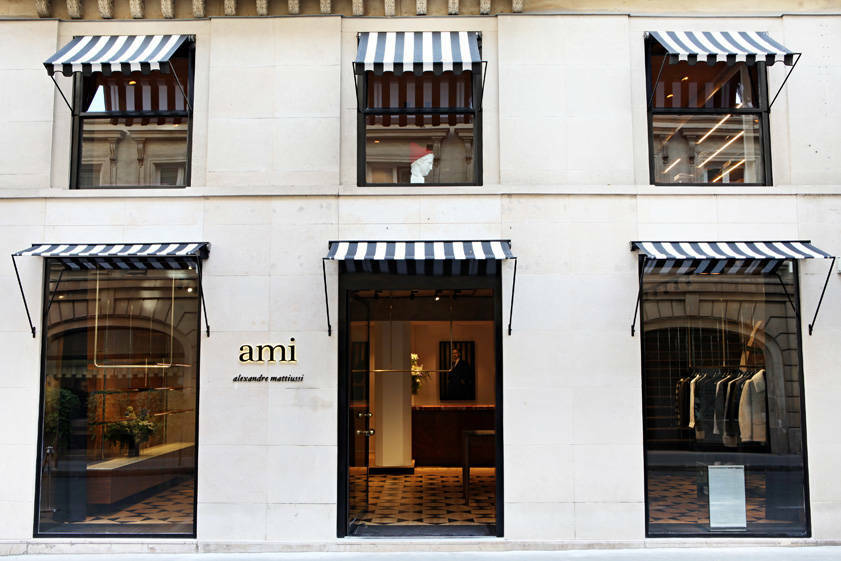
    Ami Paris, a renowned French fashion label, has initiated its first venture in Indonesia, extending its reach in Southeast Asia. The flagship store is situated in Plaza Senayan, a prominent luxuriant mall in Jakarta, operating in collaboration with the domestic retail conglomerate Time International.

    The Store Layout and Collection

    Occupying a 90-square-meter area, the store exhibits the full spectrum of Ami Paris’ merchandise that includes menswear, womenswear, and accessories. The store launched with the brand’s Fall-Winter 2025 collection, providing customers with the latest fashion trends.

    In addition to showcasing the brand’s extensive collection, the store also premieres the label’s revamped interior design concept. The store’s design mirrors its Parisian counterpart, employing materials like Euville stone, natural oak, and champagne gold finishes.

    The Jakarta site integrates design elements like striped parquet flooring and an asymmetrical layout, coupled with mirrored surfaces. These features align with the aesthetic principles consistent in other Ami Paris boutiques.

    Global Expansion

    With the inauguration of the Jakarta store, Ami Paris’ global store count escalates to 78. This expansion signifies the brand’s ongoing global growth strategy, focusing on pivotal international markets.

    Questions & Answers

    What is the location of Ami Paris’ first store in Indonesia?
    The first Indonesian store of Ami Paris is located in Plaza Senayan, a high-end mall in Jakarta.

    What are the unique design elements in the Jakarta store?
    The store features a unique design with elements such as striped parquet flooring and an asymmetrical layout with mirrored surfaces, reflecting the aesthetic found in other Ami Paris boutiques.

    What does the opening of the Jakarta store signify for Ami Paris?
    The opening of the Jakarta store represents Ami Paris’ ongoing strategy of global expansion, focusing on key international markets.

  • Chick-fil-a’s Global Leap: Plans For Permanent Outlets In Singapore, Uk Unveiled

    Chick-fil-a’s Global Leap: Plans For Permanent Outlets In Singapore, Uk Unveiled

    Chick-fil-A, the renowned American fast-food chain, is gearing up to establish its inaugural permanent eateries in Singapore and the UK. This move aligns with their expansion strategy that was unveiled last year.

    Singapore and UK Expansion

    The first Chick-fil-A restaurant in Singapore is slated to follow the brand’s triumphant pop-up event from last year, while the UK branch is anticipated to launch in Leeds this autumn.

    The restaurants in both nations will be directed by owner-operators native to the respective countries. Chick-fil-A is confident that their comprehension of the local community’s tastes will be advantageous for the company’s global growth.

    Anita Costello, Chick-fil-A’s Chief International Officer, stated that the local owner-operators are fostering impactful relationships by investing in the requirements of the neighborhoods where they will be catering to guests.

    Further International Expansion

    Hugh Park, who oversees operations in the Asia Pacific, revealed last year that the company is investigating various markets within Asia. Moreover, Chick-fil-A has set a goal to inaugurate five international outlets by 2030.

    In the previous year, Chick-fil-A had declared their intentions to open new restaurants in several UK locations, including Belfast, Leeds, Liverpool, and London.

    Questions & Answers

    When are the new Chick-fil-A outlets in Singapore and the UK scheduled to open?
    The Singapore branch is set to open later this year, following the successful pop-up event from last year. The UK outlet is expected to begin operations in Leeds this autumn.

    Who will be leading these new Chick-fil-A restaurants?
    The eateries in both Singapore and the UK will be managed by local owner-operators.

    What are Chick-fil-A’s future plans for international expansion?
    Hugh Park, who oversees the company’s Asia Pacific operations, mentioned last year that Chick-fil-A is exploring various markets within Asia. They aim to open five international locations by 2030.

  • Abercrombie & Fitch Q2 Earnings Soar, But Tariffs Threaten Future Profits

    Abercrombie & Fitch Q2 Earnings Soar, But Tariffs Threaten Future Profits

    Abercrombie & Fitch reported a record-breaking performance for Q2, driven in large part by a 19% sales increase from its subsidiary, Hollister. This performance prompted the company to revise its full-year sales forecast upward. However, not all was rosy, as the Abercrombie brand itself recorded a 5% fall in sales, following a 26% increase in the previous year.

    Detailed Business Performance

    Net sales for the quarter that ended on August 2nd soared by 7% year on year to reach US$1.2 billion, with comparable sales increasing by 3%. Operating income rose to $207 million, a significant jump from the $176 million recorded during the same period the previous year.

    The performance varied by region, with the Americas posting an 8% growth, and the Asia-Pacific region registering a 12% increase. However, the Europe, Middle East, and Africa (EMEA) region saw a slight decrease of 1%.

    During the announcement of the results, CEO Fran Horowitz lauded the resilience demonstrated by the company. She stated that the company outpaced its expectations by achieving a growth of 7% from the previous year and exceeding profitability expectations. The company also returned a considerable portion of its profits, $50 million, to its shareholders.

    Horowitz expressed optimism about the future, stating the company is entering the second half of the year with a proactive approach, backed by an upbeat sales outlook that builds on the previous year’s record results.

    Challenges and Opportunities

    Despite the positive outlook, the company issued a warning about potential challenges. It stated that tariffs on imports from Vietnam, Indonesia, Cambodia, and India are projected to add $90 million in costs this year. This is a significant increase from the company’s May forecast of $50 million in tariff expenses, despite mitigation efforts.

    However, industry experts have recognized Abercrombie & Fitch’s momentum. Neil Saunders, MD at GlobalData, pointed out that the company’s consistent execution has been pivotal to its growth. He praised the company’s strategies, citing the successful store and merchandising efforts, the rate of product refresh, strong seasonal marketing, and responsiveness to trends.

    Saunders also commended Abercrombie Kids’ strategic move into the wholesale market as a smart growth strategy. He highlighted that the US kids’ wear market was valued at $82.1 billion in the previous year, and Abercrombie & Fitch only has a small share of this market. Therefore, expanding through wholesale could provide fast access to new customers and require less capital than opening additional stores.

    Questions & Answers

    What drove Abercrombie & Fitch’s record Q2 performance?
    The main driver was a 19% sales increase from Hollister, a subsidiary of Abercrombie & Fitch.

    How did Abercrombie & Fitch’s performance vary by region?
    Sales in the Americas and Asia-Pacific regions grew by 8% and 12% respectively, while the Europe, Middle East, and Africa region recorded a 1% decrease.

    What challenges does Abercrombie & Fitch anticipate for the future?
    The company expects tariffs on imports from Vietnam, Indonesia, Cambodia, and India to add $90 million to its costs this year.

  • Sukoshi’s Largest Store Yet: Canadian Beauty Retailer Expands Footprint With New York Launch

    Sukoshi’s Largest Store Yet: Canadian Beauty Retailer Expands Footprint With New York Launch

    Canadian beauty retailer, Sukoshi, is poised to continue its North American expansion with the opening of its largest store in New York next month. This marks a significant milestone in the company’s growth strategy, reflecting its ambition to increase its footprint in the region.

    Store Details

    The new store will be located on Third Avenue in New York City’s prestigious Upper East Side. In line with Sukoshi’s brand aesthetics, the store interior will be adorned with a ‘matcha’ green colour scheme. It will be stocked with beauty products from two notable brands: Red Chamber and Girlcult.

    Linda Dang, CEO of Sukoshi, expressed her vision for the brand, stating, “Our mission is to champion brands that set high standards and to create spaces where discovery and education make beauty more meaningful for every customer.”

    Company Overview

    Sukoshi, established in 2018, is a purveyor of Asian beauty products. Currently, it represents over 200 beauty brands across 15 stores throughout North America. Additionally, the company has ambitious expansion plans for the upcoming year, including opening more than 20 new locations in the US market.

    Sukoshi also has plans to establish a presence in several shopping centres across the US. Locations for future stores include Lenox Square, Aventura Mall, King of Prussia, and Bellevue Square.

    Previous Successes

    In the previous year, Sukoshi launched its first retail outlet, Sukoshi Mart, in the Roosevelt Field mall. This establishment was in association with Simon Property Group and featured alongside prominent retailers like Neiman Marcus, Bloomingdale’s, Nordstrom, and Macy’s.

    Questions & Answers

    What is Sukoshi?
    Sukoshi is a Canadian-based beauty company that offers Asian beauty products from over 200 brands. Since its founding in 2018, it has grown to operate 15 stores across North America.

    What is significant about Sukoshi’s upcoming store in New York?
    The upcoming New York store will be Sukoshi’s largest store to date and represents a key part of its expansion plans in the North American market.

    What are Sukoshi’s future expansion plans?
    The company plans to open more than 20 new stores in the US market this year. Additionally, it intends to launch stores in several shopping centres across the US, including Lenox Square, Aventura Mall, King of Prussia, and Bellevue Square.

  • Meituan’s Profit Plummets Amid Intense Competition In China’s ‘instant Retail’ Sector

    Meituan’s Profit Plummets Amid Intense Competition In China’s ‘instant Retail’ Sector

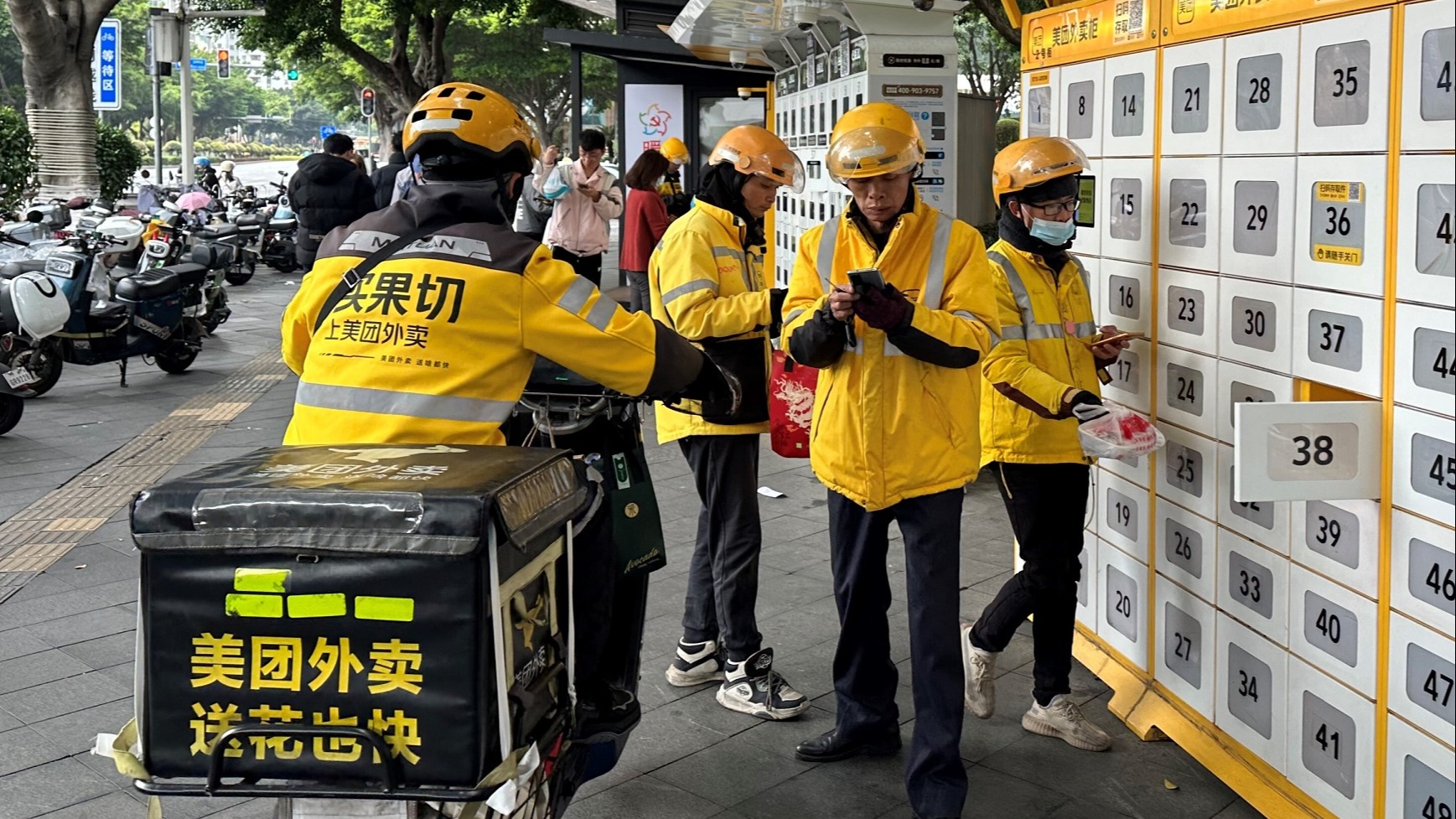
    Meituan, China’s top food delivery company, has reported an 89 per cent decrease in its net profit during the second quarter. The company attributes this major drop to escalating competition in the ‘instant retail’ sector, which specializes in delivering goods within an hour.

    Meituan boasts almost 70 per cent of China’s delivery market. However, the company has expressed concerns that maintaining this dominance will prove costly. The fierce competition is putting the company’s profit margins under significant pressure, at least in the short term. This has led to a fall in the company’s shares, which have declined by over 20 per cent this year.

    The Battle for Market Dominance

    According to analysts, the food delivery sector in China is now in the middle of a full-blown delivery war in which Meituan cannot afford to be defeated. They expect the intensity of the subsidy to gradually decrease after the third quarter. The focus will then shift towards unit economic discipline in the coming year.

    In addition to delivering food, Meituan offers services ranging from bike-sharing to ticket-booking and map services. The company’s CEO, Wang Xing, acknowledges the intense competition, emphasizing that the company will continue to prioritize doing the right things such as ensuring quality selection, competitive pricing, superior service, and prompt delivery.

    New Competitors and Regulatory Challenges

    This year, online retailer JD made its move against Meituan’s attempt to expand beyond meals by aggressively entering the food delivery business, which is Meituan’s core operation. Alibaba, which operates Ele.me, the second-largest food delivery app, also increased its investment in instant retail. Both JD and Alibaba have promised billions of yuan in subsidies to increase sales.

    Future challenges may arise from regulatory adjustments. Chinese authorities are planning to implement new rules for pricing following complaints from merchants and customers about misleading or unfair pricing on major internet platforms. Meituan, alongside Alibaba and JD, released statements last month committing to end price wars. However, Wang Xing has stated that they will stand their ground and defend their market position as the competition becomes even more intense.

    Despite the heightened competition in China, Meituan is broadening its horizons with overseas expansion. The company has boosted the global presence of its Keeta app in Hong Kong, Qatar, and Saudi Arabia. They have also made a significant investment of US$1 billion in Brazil.

    Questions & Answers

    What factors contributed to Meituan’s drop in net profit during the second quarter?
    The 89 per cent drop in Meituan’s net profit was primarily due to increased competition in China’s ‘instant retail’ sector.

    How is Meituan responding to the increasing competition in the market?
    Meituan’s strategy focuses on doing the right things such as ensuring quality selection, competitive pricing, superior service, and prompt delivery. They have also committed to ending price wars.

    What plans does Meituan have for international expansion?
    Meituan has expanded its Keeta app to markets in Hong Kong, Qatar, and Saudi Arabia. The company has also invested US$1 billion in Brazil.

  • FairPrice Group Teams Up with Google Cloud to Unveil Innovative AI Shopping and Workplace Solutions

    FairPrice Group Teams Up with Google Cloud to Unveil Innovative AI Shopping and Workplace Solutions

    Shoppers in Singapore can look forward to a transformative retail experience thanks to a groundbreaking collaboration between FairPrice Group (FPG) and Google Cloud. This expanded partnership aims to infuse Singapore’s largest retailer with cutting-edge AI-powered shopping and workplace tools, making the shopping process smarter and more efficient while enhancing employee productivity.

    AI Assistants Take Center Stage

    As part of FPG’s innovative Store of Tomorrow initiative, AI assistants, designed using Google Cloud’s Agent Development Kit (ADK), have made their debut at FairPrice Finest in Punggol Digital District. These sophisticated digital aides are set to offer personalized recommendations, streamline product searches, and assist shoppers with meal planning and recipes.

    Smart Carts: Your Personal Shopping Companion

    Armed with smart carts featuring multimodal AI assistants, shoppers can now navigate stores with ease. These high-tech carts allow customers to scan barcodes, uncover exciting promotions, and receive tailored product suggestions. For instance, a simple search for “yam paste” not only reveals ready-to-cook items and ingredients but also confirms in-store availability—a game-changer for lunch prep!

    Breaking Language Barriers

    The initiative doesn’t stop there. FPG is also piloting Vertex AI Search for Commerce, a tool adept at handling non-English and local dialect queries. This makes it significantly easier for customers to locate products, whether they are searching for “low fat cheese,” “荔枝” (lychee), or good old “orh nee” (yam paste). It’s retail becoming truly multilingual!

    Wellness Meets Convenience

    At Unity pharmacy, specialized AI agents provide personalized wellness advice, create meal plans, and generate shopping lists tailored to individual health needs. Meanwhile, wine aficionados can delight in a digital sommelier that recommends beverages based on taste preferences, price points, country of origin, and perfect culinary matches—a delightful approach that could turn you into a connoisseur faster than a cork pops!

    Empowering Employees with AI

    On the operational side, employees will benefit from Google Agentspace, which empowers them to create and utilize AI agents for various tasks ranging from research and ad creation to human resources and customer service. A standout feature of this collaboration is a custom creative agent that can generate ad visuals and copy up to ten times faster than traditional methods, giving staff the edge in a competitive landscape.

    With this partnership, FairPrice Group is stepping boldly into a future where AI enhances both the customer and employee experience, proving that the retail landscape in Asia is not just keeping up with technological advancements—it’s setting the pace.

    Questions & Answers

    What is the primary goal of the collaboration between FairPrice Group and Google Cloud?
    The partnership aims to introduce AI-powered tools to improve shopping efficiency and enhance employee productivity across FairPrice stores.

    How do the smart carts benefit shoppers at FairPrice?
    Shoppers can utilize smart carts with AI assistants to navigate the store, scan barcodes, find promotions, and receive personalized product recommendations based on their searches.

    What unique features does the Vertex AI Search offer?
    Vertex AI Search allows for non-English and local dialect queries, enabling customers to easily find products in their preferred languages, significantly breaking down communication barriers.

  • Indosat Unveils Sovereign SOC, Boosting Cybersecurity Resilience for Indonesia

    Indosat Unveils Sovereign SOC, Boosting Cybersecurity Resilience for Indonesia

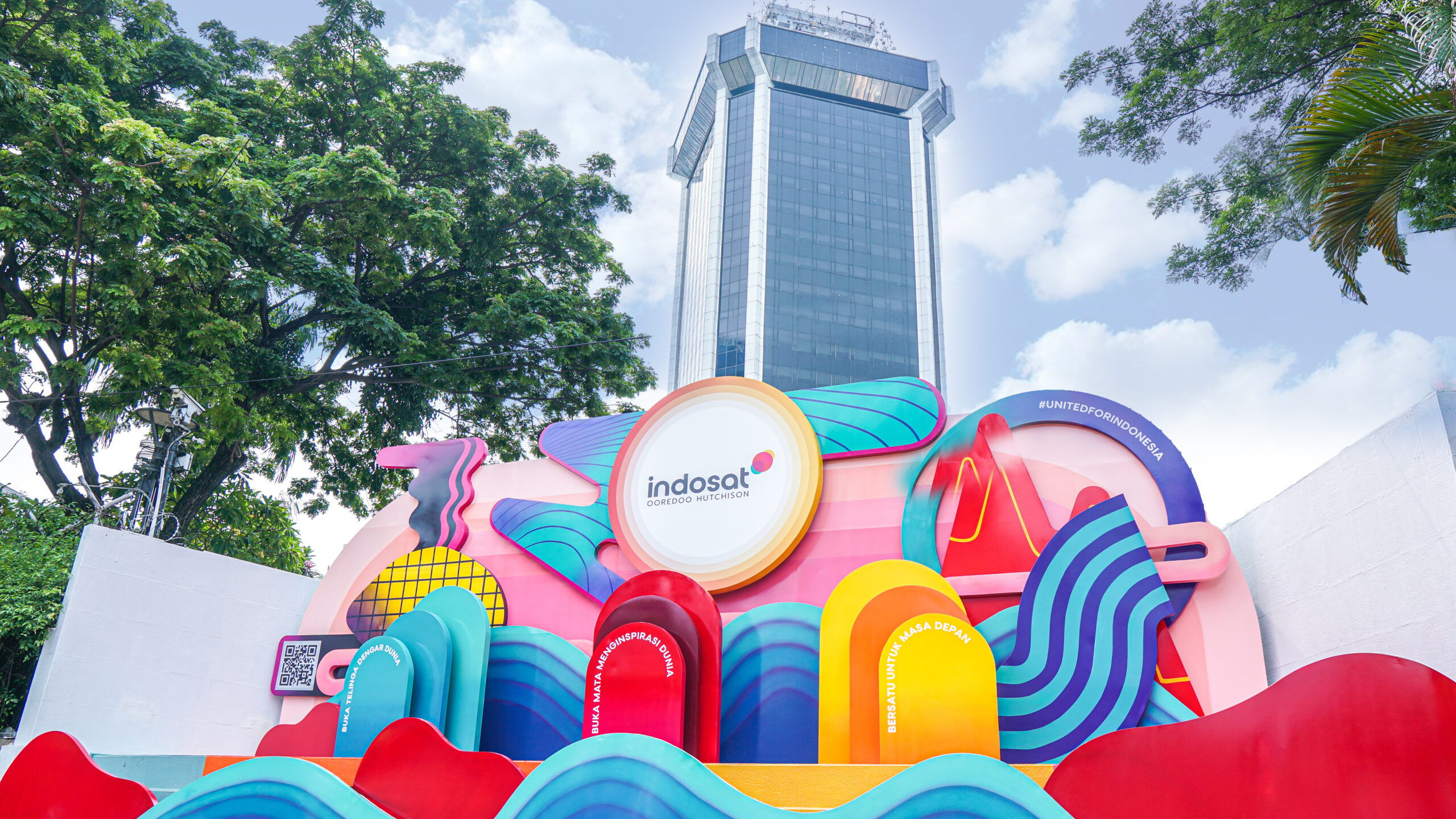
    In a significant milestone for Indonesia’s cybersecurity landscape, Indosat Ooredoo Hutchison, in collaboration with global security giant Cisco, has unveiled the nation’s first Sovereign Security Operations Center (SOC). This initiative marks a pivotal moment in enhancing Indonesia’s digital resilience and safeguarding its cybersecurity as the country evolves in the tech-driven age.

    Pioneering Local Cyber Defense

    The Sovereign SOC features the inaugural local deployment of the Splunk Cloud Platform and Splunk Enterprise Security, meeting the stringent SOC 2 compliance standard. This powerful platform offers AI-driven, real-time threat detection and visibility across both hybrid and multi-cloud environments. With sensitive data staying within Indonesian jurisdiction, this enables government agencies and businesses to quickly identify and address cyber threats all while adhering to data sovereignty regulations.

    Empowering Through Security

    “Everything that is connected must be protected,” emphasized Vikram Sinha, President Director and CEO of Indosat, highlighting the critical nature of digital security in today’s interconnected world. He added, “Together with Cisco, we are not just launching a security platform; we are enabling a strategic safeguard for the nation. This Sovereign SOC is about protecting our infrastructure, empowering our people, and securing the digital economy at scale.” It’s clear: this is no ordinary safety net; it’s a bold defense against rising cyber threats that have become increasingly sophisticated.

    Addressing Rising Threats

    The launch of the Sovereign SOC comes at a time when cybersecurity concerns are mounting. According to Cisco’s Cybersecurity Readiness Index, a staggering 91% of organizations in Indonesia experienced an AI-related cyber incident over the past year. In response, the SOC provides a centralized defense mechanism aimed at the nation’s core sectors, including finance, healthcare, transportation, and public services.

    A Robust Digital Future

    “This Sovereign SOC represents a bold step forward in building a secure, digital future for Indonesia,” stated Dave West of Cisco, underlining the shared commitment to securing the nation’s technological growth. Cisco is eager to partner with Indosat and national stakeholders to lay the groundwork for secure AI transformation and develop a future-ready digital infrastructure that propels the digital economy to new heights.

    Enhancing Skills for Tomorrow

    In tandem with its cybersecurity initiatives, Indosat and Cisco are on a mission to train one million Indonesians in cybersecurity and networking skills by 2030. This ambitious program builds upon the Cisco Networking Academy, which has already empowered over 500,000 students through 200 institutions. The SOC also aims to serve as a training hub for Cyber Resilience Labs, providing real-world simulations and industry-focused training initiatives.

    Broadening Accessibility

    The Sovereign SOC isn’t just for large enterprises and government bodies; it’s also tailored for Indonesia’s thriving small and medium-sized enterprises (SMEs). By offering affordable and accessible cybersecurity solutions, the SOC aims to bolster the defenses of over 10,000 SMEs, allowing them to engage confidently in the digital marketplace. Interestingly, studies indicate that even modest enhancements in digital skills can significantly elevate Indonesia’s productivity and cybersecurity stance, potentially boosting the nation’s GDP.

    Collaboration for Cyber Sovereignty

    This public-private partnership epitomizes the need for collective action in ensuring Indonesia’s digital sovereignty. By aligning with local content mandates and international best practices, Indosat and Cisco are setting a new standard for secure and sovereign innovation in the AI landscape, demonstrating that collaboration is key to facing the digital challenges ahead.

    Questions & Answers

    What is the main purpose of the Sovereign Security Operations Center (SOC) in Indonesia?
    The Sovereign SOC aims to strengthen Indonesia’s cybersecurity and digital resilience by providing a centralized defense system that allows for real-time threat detection and compliance with data sovereignty regulations.

    How does the SOC aim to support small and medium-sized businesses (SMEs) in Indonesia?
    The SOC is designed to offer affordable and accessible cybersecurity services, enabling over 10,000 SMEs to enhance their defenses and thrive in the digital economy.

    What is the long-term vision for training in Indonesia’s cybersecurity landscape?
    Indosat and Cisco aim to train one million Indonesians in cybersecurity and networking skills by 2030, cultivating a digitally resilient workforce to support the nation’s ongoing digital transformation.

  • Hermès Unveils Stunning Expanded Flagship Store in Seoul: A New Era for Luxury Retail!

    Hermès Unveils Stunning Expanded Flagship Store in Seoul: A New Era for Luxury Retail!

    In a grand unveiling that is sure to turn heads, Hermès has launched its newly relocated and expanded store within the Galleria department store at Apgujeong Rodeo in Gangnam, South Korea. This West Hall location shines as a beacon for luxury, showcasing all sixteen of the brand’s crafts in a lively and contemporary setting.

    The store’s façade is a stunning display itself, featuring anodized metal stripes that draw inspiration from South Korea’s traditional Dancheong decorative art. A fusion of ancient motifs and sleek modernity sets the tone for what lies inside.

    Once inside, guests are greeted by a vibrant environment where the layout is as striking as the products. A central silk section serves as the heart of the store, flanked by meticulously organized sections dedicated to men’s and women’s fashion, leather goods, jewelry, watches, and home and equestrian collections — all enriched by a palette of cheerful pastels that invites exploration.

    The architectural vision comes courtesy of the Parisian design agency RDAI, seamlessly blending heritage with modern aesthetics. Notably, the store includes locally crafted elements like elegant silk walls and pleated paper lighting designed by Jungmo Kwon, adding a distinct Korean touch to the luxurious experience.

    Art enthusiasts will find themselves delighted as well, with a selection of artworks from Hermès collections and contemporary artisans such as Mamadou Cissé and Jan Bajtlik adorning the space. The artistic narrative extends to the store’s window displays as well, where the 2025 theme “Drawn to Craft,” curated by Korean artist Miju Lee, invites passersby to reflect on creation and memory through the lens of everyday moments.

    Questions & Answers

    What is the significance of the store’s design elements?
    The store’s façade features anodized metal stripes inspired by South Korean Dancheong, showcasing a blend of traditional artistry with modern design, which resonates with local culture while enhancing the luxury experience.

    Who was involved in the store’s design?
    The store was designed by the Parisian agency RDAI, incorporating unique local elements crafted by Jungmo Kwon, which enrich the Hermès aesthetic with a distinctly Korean flair.

    What is the theme of the 2025 window displays?
    The theme “Drawn to Craft,” spearheaded by Korean artist Miju Lee, creatively explores the concepts of creation and memory, encouraging viewers to find significance in everyday moments.

  • Pushing Boundaries: Real-World Trials Fuel the Future of 5G and Wi-Fi Innovation

    Pushing Boundaries: Real-World Trials Fuel the Future of 5G and Wi-Fi Innovation

    The telecom industry stands at a crucial crossroads as 2025 approaches. On one side, the demand for faster and more reliable connectivity reaches unprecedented heights. On the other, telecom operators are grappling with escalating financial and operational pressures. Equipment revenues plummeted by approximately 11% in 2024 and are expected to remain stagnant this year, highlighting a slow-down in the initial wave of 5G investments that energized the market.

    Pressure Points in a Growing Market

    Despite these challenges, the adoption of next-generation technology clings to a robust trajectory. Ericsson projects that by the end of 2025, the globe will host nearly 3 billion 5G subscriptions, amounting to about one-third of all mobile users. As we approach 2030, that number could double, with 5G networks projected to carry around 80% of global mobile data traffic. Meanwhile, mobile data consumption continues to climb, showcasing a staggering year-over-year increase of nearly 20% in early 2025. A shining example of this insatiable hunger for speed can be seen in fixed wireless access (FWA), now extended by over 80% of global operators. With more than half offering tiered-speed home plans over 5G, industry experts predict FWA will account for over a third of all new broadband connections by 2030.

    This pull between constricting budgets and soaring demand highlights a new urgency for real-world testing platforms across the sector.

    Operators now need to demonstrate technology performance under real-world conditions, confronting the complexities of dense urban environments and remote rural areas. By doing so, they can not only validate their technical capabilities but also uncover new strategies for monetization in an industry striving to balance investment and returns.

    Pioneering Real-World 5G Trials

    This necessity was particularly evident in the Philippines in August 2025, when Globe Telecom orchestrated the country’s first live pilot of 5G-Advanced in Bonifacio Global City. Unlike sterile lab environments, this trial produced a peak throughput of around 2.5 gigabits per second, showcasing the potential of standalone 5G core technology alongside massive MIMO and the aggregation of three component carriers (3CC), which collectively delivered 210 megahertz of bandwidth.

    The impact on everyday users was immediate—offering faster downloads, seamless cloud gaming, and the capability to run advanced applications such as extended reality (XR) and AI-driven analytics. Not only did this trial amplify performance, but it also positioned the Philippines as a thriving player in the regional telecom scene, joining the ranks of operators like Singtel in Singapore and AIS in Thailand as early adventurers in the 5.5G landscape.

    In Sri Lanka, Dialog Axiata PLC unveiled that the 5G journey isn’t simply about faster data speeds. In a landmark 2025 trial, the operator successfully completed the nation’s first voice over new radio (VoNR) test on a live 5G standalone network, pushing fully-native 5G voice services closer to reality. The trial revealed uninterrupted connectivity and high-definition voice calls, building on a previous proof of concept from 2023.

    “Dialog’s achievements here underscore our commitment to advancing Sri Lanka’s 5G technology,” remarked Ranga Kariyawasam, Group CTO of Dialog Axiata, highlighting that VoNR opens up exciting avenues for enhanced daily communication by embedding video, augmented reality (AR), and advanced messaging into voice services.

    Wi-Fi’s New Wings: The Buzz from South Korea

    While 5G captures the limelight, Wi-Fi also enters a renaissance of performance. In South Korea, SK Telecom has led the charge by being the first operator to deploy Wi-Fi 7 on public transport, outfitting 100 city buses across Seoul and Gyeonggi Province with state-of-the-art wireless access points. Initial tests reveal that average download speeds surged from 429 Mbps on Wi-Fi 6/6E to between 715 and 1,003 Mbps on the new standard—an eye-popping increase of about one and a half times. Commuters can revel in smoother video streaming and faster downloads, a boon on Seoul’s bustling routes, where data usage per device has surged by 20-30%.

    Wi-Fi 7 achieves these remarkable efficiencies by utilizing wider channels and advanced modulation techniques that allow for simultaneous uploads and downloads across various frequency bands.

    By tapping into the 2.4 GHz, 5 GHz, and 6 GHz spectrum concurrently, Wi-Fi 7 minimizes interference and maximizes capacity.

    Satellite Technology Joins the 5G Ensemble

    Testing outcomes extend beyond mere speed improvements; they reflect operators’ newfound abilities to package differentiated service tiers, offering not just “faster internet” but distinct experiences with guaranteed latency or premium speeds. These tangible results form solid foundations for monetization strategies, responding to industry leaders’ calls for innovation and precision.

    However, as terrestrial trials illuminate urban potential, they also push connectivity into uncharted territories. In May 2025, an allied consortium demonstrated the first end-to-end 5G non-terrestrial network transmission at the Singapore Pavilion of World Expo in Osaka. This ambitious project transmitted a 5G signal from Singapore to a geostationary satellite operated by SKY Perfect JSAT, bouncng it back to a ground station in Japan connected to a live 5G base station. This groundbreaking endeavor confirmed the potential for existing satellites to support 3GPP-standard 5G New Radio.

    Engineers also introduced electronically steered antennas designed to maintain connectivity across maritime routes and moving vehicles. With robust digital twin testbeds, the experiment enabled comprehensive modeling of performance and quality of service before committing to costly infrastructure.

    In a world where universal coverage remains elusive, real-world NTN testing paves the way for global hybrid networks, seamlessly blending terrestrial 5G with satellite enhancements, ensuring resilience and reach.

    Emphasizing the Value of Real-World Testing

    These initiatives spotlight why real-world testing platforms are crucial. They provide compelling proof that theoretical advancements can evolve into meaningful user experiences, from uninterrupted streaming to essential connectivity. Operators can explore new business models, such as premium FWA tiers or enterprise-grade private networks, without committing to extensive rollouts. This testing also enables operators to carve out leadership roles in their markets, fostering consumer confidence.

    Yet the road ahead is riddled with challenges. With tightening budgets, operators cannot afford a haphazard approach. Every trial must yield insights that justify targeted investments. Conversely, the opportunities are equally compelling. By 2030, with billions more migrating to 5G and its successors, operators that successfully validate performance in real-world settings will be uniquely positioned to monetize this technology and secure their networks’ future.

    Questions & Answers

    What are the key drivers of 5G adoption by 2025?
    Demand for faster and more reliable connectivity, coupled with increased mobile data consumption rates and fixed wireless access offerings, are driving 5G adoption to nearly 3 billion subscriptions by the end of 2025.

    How does real-world testing impact the telecom industry?
    Real-world testing allows operators to validate performance under actual conditions, providing tangible evidence that can lead to innovative monetization strategies and enhanced user experiences.

    What recent innovations have emerged in satellite connectivity?
    Recent tests demonstrated 5G non-terrestrial network transmission between Singapore and Japan, indicating that existing satellites can support 3GPP-standard 5G New Radio, broadening the scope for communications beyond traditional terrestrial networks.


  • SM Investments Elevates Entertainment Offerings to Captivate the Next Generation of Shoppers

    SM Investments Elevates Entertainment Offerings to Captivate the Next Generation of Shoppers

    SM Investments Corporation (SMIC) is on a mission to reshape the retail landscape in the Philippines by transforming malls into vibrant experience hubs. With millennials and Gen Z leading the charge for prioritizing experiential engagement, SMIC is ramping up its entertainment offerings across various sectors, including shopping malls, arenas, logistics, and banking.

    The company has notably invested in Klook, an Asia-based experiences platform, while its 2GO shipping service features innovative karaoke lounges and arcades, proving that who said you can’t sing on the high seas? In addition, BDO Unibank and China Bank are enhancing their lifestyle rewards programs to cater to this experience-hungry demographic. These initiatives strategically position SMIC to tap into the booming ₱1.94-trillion Philippine creative economy, which saw a robust growth of 8.7% in 2024.

    SM is elevating the concept of malls, convention centers, and arenas into immersive experience centers. Today’s consumers are increasingly seeking inclusivity, community, and interactive engagements, prompting a shift from traditional retail spaces to dynamic entertainment venues. Joaquin San Agustin, EVP for marketing at SM Supermalls, emphasizes that this evolution caters to a diverse audience, from gamers to food enthusiasts and pop culture aficionados.

    The Mall of Asia Arena continues to attract global talents and is set to be complemented by an even larger arena in Cebu. Meanwhile, the SMX Convention Center is witnessing a surge in bookings for events such as fan meets, gaming expos, and pop culture conventions, reflecting the growing appetite for interactive experiences.

    By focusing on entertainment, SM not only drives foot traffic but also cultivates valuable partnerships and creates leisure spaces throughout its venues, including a FIFA-grade football pitch at SM MOA Sky.

    Questions & Answers

    What is SMIC’s main strategy in enhancing its retail offerings?
    SMIC is focusing on developing entertainment options throughout its businesses, transforming malls into experience hubs to cater to the growing demand for immersive and interactive experiences among younger consumers.

    How does SMIC’s investment in Klook fit into its broader strategy?
    The investment in Klook aligns with SMIC’s goal of tapping into the creative economy by providing diverse experiential offerings, which appeal particularly to millennials and Gen Z consumers seeking unique adventures.

    What types of events are gaining popularity at SM venues?
    Events like gaming expos, fan meets, and various pop culture gatherings are seeing increased attendance at SM venues, reflecting a shift toward community-focused and interactive experiences.

  • China’s Gen Z Champions a Transformative Shift Towards Emotional and Sustainable Shopping Habits

    China’s Gen Z Champions a Transformative Shift Towards Emotional and Sustainable Shopping Habits

    Generation Z is revolutionizing China’s consumer landscape, prioritizing personal well-being, emotional fulfillment, and sustainability while leaving behind the materialistic pursuits of earlier generations. This cohort, despite representing only 15% of the population, wields an impressive influence on economic trends.

    Instead of hoarding possessions, Gen Z is favoring experiences and wellness investments. From premium skincare lines to spa memberships and limited-edition collectibles, spending for these consumers is more about enhancing happiness than simply acquiring items. This shift prompts local and international brands to swiftly adapt to their new demands.

    A recent report by People’s Daily highlights the pivotal role Gen Z plays, revealing that 64% of Chinese consumers, led by this demographic, prioritize emotional fulfillment in their purchasing decisions. Products like character plushies, themed souvenirs, and blind-box toys have surged in popularity, offering joy while sidestepping the trappings of overconsumption.

    The significance of health and sustainability cannot be overstated in this context. Take Lululemon, which recently reported a remarkable 21% growth in same-store sales in China, a direct reflection of Gen Z’s enthusiasm for fitness and social interaction. Their commitment to these values reinforces the brand’s relevance in a crowded market.

    Alongside wellness, environmental awareness plays a crucial role in shaping purchasing decisions. A study from Daxue Consulting indicates that 40% of Chinese consumers favor eco-friendly products, with a striking 90% of Gen Z actively searching for recyclable options. It seems being “green” is becoming the new chic.

    Furthermore, Gen Z’s demand for transparency and authenticity is redefining the marketplace. E-commerce platforms like Douyin and Taobao are integral to this transformation, where consumers prioritize trustworthy information and tailor-made products over mass-produced alternatives. This trend is urging companies to adopt more responsible and transparent practices in their operations.

    The convergence of these factors is fostering what’s being termed the “emotional economy.” Here, consumer preferences actively shape production and investment strategies, aligning with ethical and societal aspirations. Fund managers are increasingly directing their attention toward youth-centric, socially responsible products and services, crafting a retail environment that merges personal well-being with broader social and environmental goals.

    Questions & Answers

    How is Generation Z changing consumer priorities in China?
    Generation Z is moving away from materialism and instead values personal wellness, emotional fulfillment, and sustainability, significantly influencing purchasing behavior.

    What role do platforms like Douyin and Taobao play for Gen Z consumers?
    These platforms provide reliable information and personalized product recommendations, which resonate with Gen Z’s preference for authenticity and quality over mass production.

    What does the “emotional economy” signify for retailers?
    The “emotional economy” highlights how consumer preferences, especially from Gen Z, are shaping production and investment strategies to align with ethical and societal goals, pushing brands toward more responsible practices.

  • Asia’s Retail Revolution: Embracing Digital, Personalization, Sustainability, And Experiential Shopping

    Asia’s Retail Revolution: Embracing Digital, Personalization, Sustainability, And Experiential Shopping

    As the retail landscape continues to evolve rapidly in Asia, businesses are gearing up for the challenges and opportunities ahead. With consumer behavior shifting toward digital channels and a preference for personalized shopping experiences, retailers are finding innovative ways to adapt and thrive.

    Embracing Digital Transformation

    The COVID-19 pandemic accelerated a digital shift already underway, and now, retailers are fully embracing e-commerce. In 2022, online retail sales in Asia reached an impressive $1.4 trillion, reflecting a rise that even the most optimistic of forecasters couldn’t have predicted. Brands are investing heavily in technology to streamline logistics, improve inventory management, and enhance the online shopping experience.

    The Power of Personalization

    Personalization is becoming a cornerstone of retail strategy. Customers are not just looking for products; they seek experiences that resonate with their individual preferences. Retailers utilizing data analytics are able to provide targeted recommendations and tailored promotions, making shoppers feel special and valued—just like a barista who remembers your usual order.

    Sustainability Takes Center Stage

    Another trend reshaping the retail sector in Asia is the increasing demand for sustainability. Today’s consumers are more conscious of their environmental impact, leading brands to reevaluate their sourcing and production practices. Companies are not only focusing on eco-friendly materials but also on reducing waste across their supply chains. Retailers who embrace this shift stand to capture a growing market segment that prioritizes planet-friendly purchasing.

    The Rise of Experiential Retail

    As online shopping flourishes, brick-and-mortar stores are reimagining their roles to provide unique experiences that cannot be replicated online. By hosting events, interactive displays, and immersive experiences, retailers are enticing customers to step away from their screens and into the store. This approach not only boosts foot traffic but also fosters community connection and brand loyalty.

    Conclusion: A Dynamic Future Awaits

    With technological advancements surging and consumer preferences shifting, the fate of the retail sector in Asia is evolving at breakneck speed. Brands that successfully navigate this landscape will not only survive but thrive, transforming challenges into opportunities for growth. The question remains: who will dance ahead of the retail rhythm, and who will miss the beat?

    Questions & Answers

    How has the pandemic influenced retail trends in Asia?
    The pandemic has significantly accelerated the shift towards e-commerce and digital transformation, prompting retailers to enhance their online presence and customer engagement.

    What role does personalization play in modern retail?
    Personalization fosters a stronger connection between brands and consumers, with retailers leveraging data analytics to provide tailored shopping experiences that resonate with individual preferences.

    Why is sustainability becoming a vital aspect of retail strategy?
    Consumers are increasingly prioritizing environmentally friendly practices in their purchasing decisions, prompting retailers to adopt sustainable sourcing and production methods to meet this demand.

  • Seven & I Holdings CEO Charts Future Of Retail: Digital Innovation, Sustainability, And Customer Engagement

    Seven & I Holdings CEO Charts Future Of Retail: Digital Innovation, Sustainability, And Customer Engagement

    As major players in the retail industry continue to evolve, insights from leaders such as the CEO of Seven & I Holdings, Ryuichi Isaka, reveal key strategies to thrive in a competitive landscape. At a recent stakeholder meeting, Isaka shared his blueprint for enhancing the company’s performance through innovation and collaboration, aiming to boost revenues across its diverse business segments, which include convenience stores, supermarkets, and department stores.

    Embracing Digital Transformation

    Isaka emphasized the significance of integrating digital technology into everyday operations. This is not just about having a snazzy app; it’s about fundamentally transforming the retail experience. For instance, by leveraging data analytics and AI, Seven & I is aiming to personalize the shopping experience while optimizing supply chain efficiency. Isaka noted that “a customer’s shopping journey needs to be as engaging as their favorite Netflix series,” underscoring the critical role of seamless digital engagement in today’s retail landscape.

    Corporate Culture and Sustainability

    At the heart of Seven & I’s strategy is a commitment to fostering a corporate culture that values sustainability and inclusivity. Isaka pointed out that sustainable practices not only resonate with consumers but also drive operational efficiencies. In a playful nod to consumer preferences, he remarked, “Who knew that a paper straw could lead to a plastic-free ocean and boost our brand image simultaneously?” This lighthearted comment underscored the growing importance of social responsibility in appealing to the modern consumer.

    Focus on Customer Engagement

    Another pivotal aspect of Isaka’s strategy is deepening customer engagement. He highlighted plans to expand loyalty programs that reward shopping behaviors while simultaneously creating a sense of community among shoppers. By offering exclusive deals and personalized shopping experiences, Seven & I aims to foster greater customer loyalty, recognizing that today’s consumer craves connection, not just transactions.

    Looking Ahead

    As Seven & I Holdings sets its sights on the future, its strategies reflect a keen understanding of evolving consumer behaviors and market dynamics in Asia. Isaka’s approach—to blend digital innovation with sustainability and customer engagement—holds promise not only for the company but also for the broader retail landscape. In a world where shopping can often feel impersonal, Isaka’s vision may just provide the spark needed to ignite a new era in retail.

    Questions & Answers

    What key strategy did Ryuichi Isaka highlight for Seven & I Holdings?
    Isaka emphasized the importance of integrating digital technology to enhance the shopping experience and optimize supply chain efficiencies.

    How does Seven & I Holdings plan to engage customers more effectively?
    The company aims to deepen customer engagement through expanded loyalty programs that foster a sense of community and reward shopping behaviors.

    What role does sustainability play in Seven & I’s corporate strategy?
    Sustainability is central to Isaka’s vision, with practices that resonate with consumers while enhancing operational efficiencies, showcasing the dual benefits of responsible retailing.