Author: Mei Ling Tan

  • Bankruptcy looming for Payless ShoeSource?

    Bankruptcy looming for Payless ShoeSource?

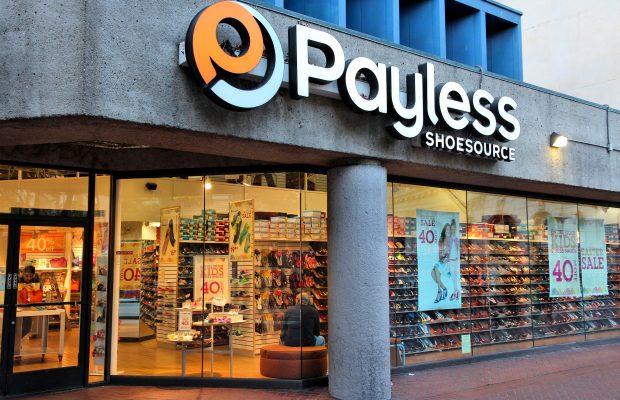
    Struggling US retailer Payless ShoeSource is headed for bankruptcy, reports Bloomberg.

    Payless, which has not commented on the report, operates some 4000 stores globally and under the reported Chapter 11 protection likely to be sought next week, will immediately shutter between 400 and 500. As many as 1000 may be closed as part of the restructuring plan aimed at rescuing the 61-year-old company.

    The company is owned by Golden gate Capital and Blum Capital Partners, who bought the business in 2012 as part of the break-up of Collective Brands. Headquartered in Kansas, it employs about 22,000 staff.

    Bloomberg cited sources familiar with the discussions but unable to comment publicly because they were not public.

  • Karaoke bars told to pay annual royalty fee of 9 cents per song in Vietnam

    Karaoke bars told to pay annual royalty fee of 9 cents per song in Vietnam

    Vietnam’s recording industry association told karaoke businesses to take copyright laws seriously. From mid-July this year, royalty fees for more than 10,000 licensed musical works will be collected by the Recording Industry Association of Vietnam (RIAV), the organization said in a statement on Tuesday.

    The rate for a one-year license for each song will be VND2,000 ($0.09).

    Before releasing the statement, the association conducted a survey on the use of musical works under the protection of the association for commercial purposes in the provinces of Quang Ninh, Tra Vinh and Ben Tre.

    RIAV claimed that infringing on copyright to make a profit violates the Civil Code, Intellectual Property Law and other relevant regulations.

    Along with the proposed fee, RIAV has told karaoke businesses to take copyright laws seriously by immediately taking protected songs off their playlists and complying with laws regarding the payment of royalties.

    Earlier this month, in a meeting with a state official, U.S. Ambassador to Vietnam Ted Osius highlighted his interest in protecting intellectual property. He also urged authorities to take action.

    Vietnam has signed five international conventions and treaties for the protection of artistic works.

    There are four associations in Vietnam set up to protect composers and their works.

  • Jetstar Pacific launches low-cost flight between Hong Kong and central Vietnam

    Jetstar Pacific launches low-cost flight between Hong Kong and central Vietnam

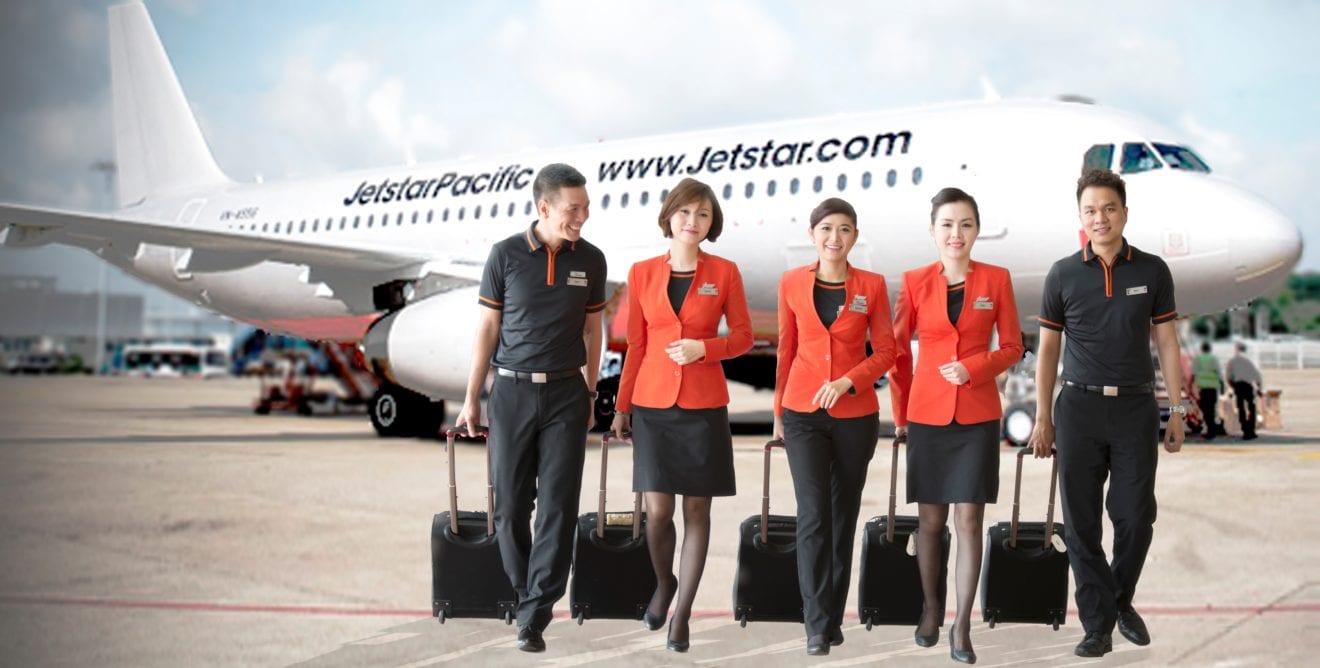
    It is the carrier’s third international flight route from Da Nang City. Jetstar Pacific has started its Da Nang – Hong Kong service, using Airbus A320 aircraft with 180 seats in economy class, to meet the rising travel demand and promote tourism in Vietnam’s central resort city, the Da Nang tourism department said.

    Tickets cost from VND290,000 ($12.75) for one-way flight, which lasts one hour and 45 minutes, the department said in a report, citing the airline.

    The carrier will run three flights per week on Monday, Tuesday and Friday.

    The route, which was launched Monday, is the budget airline’s third international route linking Da Nang with foreign cities, after Taipei of Taiwan and Singapore.

    Jetstar Pacific, 70 percent-owned by flag carrier Vietnam Airlines and 30 percent by Australia’s Qantas Airways, currently operates flights to 80 destinations of 17 countries.

    International tourist arrivals to Da Nang last year jumped 31.6 percent from 2015 to 1.7 million.

    Cathay Dragon and HK Express have already been operating on the Da Nang-Hong Kong route, with seven flights and three flights per week, respectively.

  • AirAsia to connect Pontianak with Kuching in June

    AirAsia to connect Pontianak with Kuching in June

    Budget airline AirAsia is set to open a new direct route from Pontianak in West Kalimantan to Kuching in Sarawak, Malaysia, starting on June 5.

    The carrier currently serves only one route from Pontianak to Malaysia. Its planes fly to Kuala Lumpur. The new service also marks its first direct flight from Indonesia to Kuching.

    AirAsia Berhad commercial head Spencer Lee said that the move aimed to contribute to the development of local tourism, economics and trade in the two cities.

    Available once a day, the flight from Pontianak to Kuching is scheduled to depart at 12:10 p.m. and the one from Kuching to Pontianak at 11:55 a.m.

    To celebrate the new service, AirAsia is currently offering promotional tickets for flights taken between June 5 and Sept. 30 for starting prices of Rp 249,000 (US$19) for bookings made through its mobile app by April 2.

  • Tata Motors announces JV with Jayem Automotives for special performance vehicles

    Tata Motors announces JV with Jayem Automotives for special performance vehicles

    Tata Motors on Friday has announced the launch of JT Special Vehicles, a 50:50 joint venture with Jayem Automotives, for the development of special performance vehicles based on the latest series products, informed the automaker in an official statement.

    As part of the agreement, both Tata Motors and Jayem Automotives will work towards performance enhancement and appearance of series vehicles to offer an innovative range of niche aspirational products for the passenger car customers.

    Guenter Butschek, CEO and Managing Director, Tata Motors, said, “We are delighted to partner with Jayem, a brand known for its capabilities in concept creation and prototyping of special performance vehicles. This partnership is a step towards creating long-term relationships as a part of our transformation journey and to bring more exciting performance variants to our product range”

    J Anand, Managing Director, Jayem Automotives, said, “We are excited about our joint venture with Tata Motors and to be a part of their transformation journey. We aim to bring World Class Performance Products to market in a short time, and to fulfil expectations of passionate customers in the niche segment of sportier cars.”

    JT Special Vehicles will develop a range of performance vehicles in a phased manner at a dedicated line, currently being explored at Coimbatore. With all processes including design, precision machining, assembly, and testing facilities driven under one roof, this facility will aim to deliver the next level of personalisation and enhanced performance with agility and efficiency.

    As part of Tata Motors’ Passenger Vehicle business strategy, while an architecture approach with two platform strategy will reduce complexity, these special performance vehicles will be targeted to augment the latest product range in our vision to build aspirational cars, added the automaker.

  • Hong Kong offers a loophole to China’s ivory ban

    Hong Kong offers a loophole to China’s ivory ban

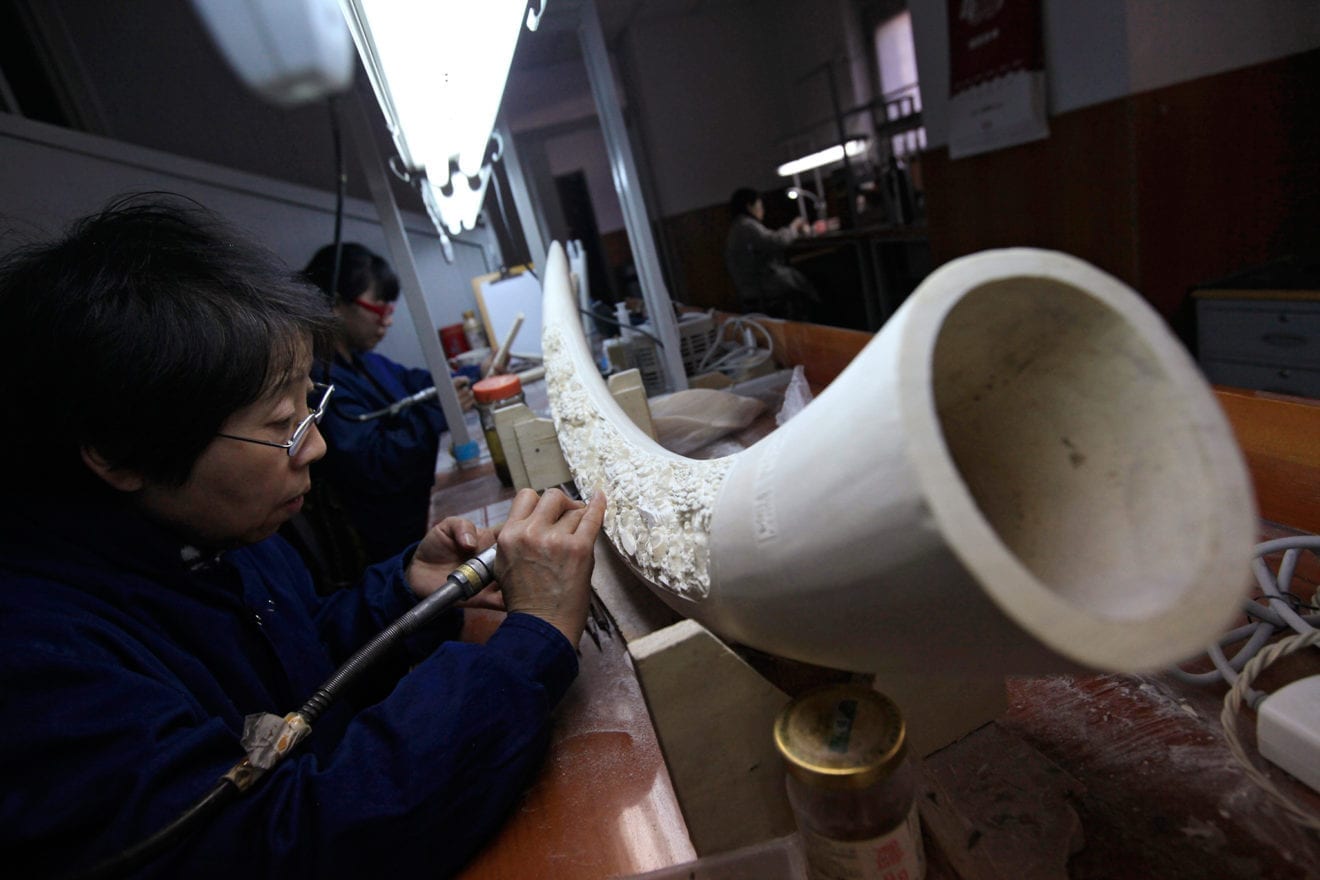
    China, the world’s largest importer and end user of elephant ivory tusks, is shutting a third of its ivory factories and retail stores on Friday (March 31), the first major step ahead of a formal ban on ivory sales by the end of the year.

    China will shut 67 carving factories and stores with the remaining 105 outlets to be shut before the end of the year, according to documents released by China’s Forestry Administration.

    The high-profile move has been hailed by activists, but they caution that Hong Kong, a special administrative region of China, remains a prime obstacle in eradicating the illegal elephant poaching trade.

    The former British colony, which has the largest retail market for ivory and has traded it for more than 150 years, is a prime transit and consumption hub with more than 90 per cent of consumers from mainland China.

    Hong Kong set a time table for a ban on ivory trading last year with a phase-out time of five years. Lawmakers met this week to discuss the ban but have yet to decide on details and whether to shorten the phase-out process.

    Rights groups say a five-year horizon is too long and the problem of laundering ivory will become far more rampant before a total ban is in place.

    WildAid, a wildlife non-government organisation, estimates up to 30,000 elephants are killed illegally every year. It said markets like Hong Kong had provided “laundering mechanisms for poached ivory and perpetuated the demand”.

    While the price of ivory has fallen by almost two thirds in the last three years, according to a report by Save the Elephants, the danger from poaching remains acute.

    China made a big push to eradicate ivory sales and demand has fallen since early 2014 due to a crackdown on corruption and slowing economic growth. Public awareness campaigns starring Chinese celebrities have also helped to highlight the impact of poaching.

    The wholesale price of raw ivory fell to US$730 (S$1,020) per kg in February from US$1,100 per kg in November 2015 and US$2,100 per kg in early 2014, according to Save the Elephants.

    “Hong Kong’s commitment is in stark contrast to China who are leading the way,” Oliver Smith, chief executive of David Shepherd Wildlife Foundation, said in a letter to Hong Kong lawmakers, adding that if the five-year period was unchanged, “an additional 150,000 elephants will have been killed”.

  • Carrefour China joins One Store One School One Farm Project across China

    Carrefour China joins One Store One School One Farm Project across China

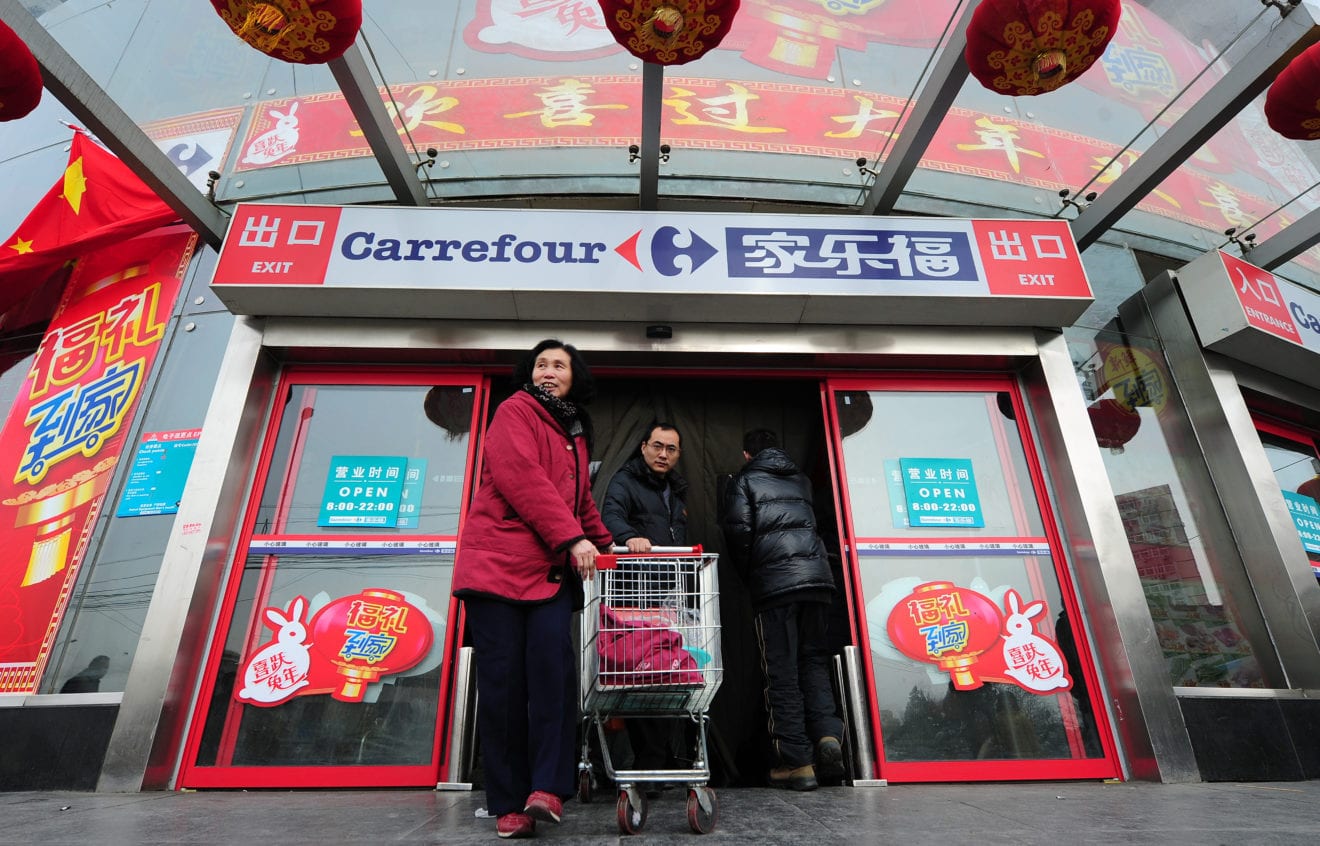
    By end March, 2017, 300+ students from 13 primary schools and 250+ employees from 12 Carrefour China stores have joined One Store One School One Farm Project across China (Shanghaï, Schenzhen, Chendu, Beijing, Shenyang and Wuhan).

    13 activities including bakery class, little experts (lab test) and farm experience were organized, and the education and knowledge of food safety, nutrition and anti food waste have been promoted to all of those students and their families.

    This operation has been rewarded by China Youth Development Foundation with the Contribution Award 2016  for One Store One School One Farm Project launching in China.

  • High potential for greenhouse grown melons in Asian retail

    High potential for greenhouse grown melons in Asian retail

    Strong local economic growth is fueling the activities of Rijk Zwaan in Southeast Asia. According to area manager, Ahmet Tunali, the growing rich middle class and their demand for premium products are opening the doors for complete chain management.

    “As a result of the increase in wealth, big retail chains are gaining a foothold and are looking for direct suppliers of high quality, special products”, said Ahmet Tunali, Area Manager at Rijk Zwaan. They are getting into direct trade relationships with produce companies, as well as new products and varieties.”

    The area manager said that, for these reasons, there is more demand for produce grown in a protected environment. “Greenhouses have become a standard to grow environmentally friendly produce, with less water and less chemicals. The products can be marketed at a premium since they are of a better and more consistent quality than produce from the open field. This creates new markets, such as the one for hydroponic lettuce. This is growing at a rapid pace, especially in Vietnam, where we have a obtained a large market share with our Salanova and other lettuce varieties.”

    Bell peppers are another important product category for Rijk Zwaan in Southeast Asia. “In the north of Thailand, in the regions of Chian Mai and Chiang Rai, a lot of green, red, yellow and sometimes orange peppers are grown in greenhouses at altitudes of 400 to 1100 meters. These growers sell directly to retail and skip the so called ‘wet market’ (the Asian wholesale market).”

    And then there are the greenhouse grown melons. They are a good example of the possibilities with fresh produce chain management in Asia.

    “We gained a lot of experience with the introduction of melons in South America, and since a few years we’ve been looking at what the odds are in Thailand. In close cooperation with both growers and retailers, we successfully introduced a new type of melon in this market, the Golden Emerald melon. This melon is marketed as a premium product by large retailers and is characterized by its extended shelf life, taste and uniform quality and firmness.”

    Tunali expects a lot more to come from the Southeast Asian market in the coming years. “It will become very important to select and introduce varieties and complete concepts according to the demand and possibilities within the local market. It is a very promising market with a lot of opportunities for the development of protected crops.”

  • S. Korea’s retail sales edge up 0.1 pct in Feb.

    S. Korea’s retail sales edge up 0.1 pct in Feb.

    Sales of major South Korean retailers rose slightly last month as a sharp gain in online sales was offset by a drop in those of discount chains and department stores, government data showed Thursday.

    The combined sales of department stores, large outlets and online malls edged up 0.1 percent in February from a year earlier, backtracking from a 9.3 percent rise in the previous month, according to the data by the Ministry of Trade, Industry and Energy.

    Thirteen Internet shopping malls and e-commerce sites including eBay Korea Co. saw their February sales soar 16.3 percent from a year ago, while sales of 13 offline stores such as Lotte Department Store and E-Mart fell 6.6 percent on-year.

    The ministry said the decline in offline malls came as the number of business days dropped to 26 days in February this year from last year’s 27 a year earlier and the Lunar New Year’s holiday, one of the biggest shopping seasons in the country, fell on January.

    Sales by convenience stores continued on an upbeat mode to grow 9.3 percent on-year last month amid a growing single life trend in South Korea.

  • Amazon shutting down unprofitable Quidsi unit

    Amazon shutting down unprofitable Quidsi unit

    Amazon on Wednesday confirmed that it is shutting down its Quidsi unit, which runs websites Diapers.com and Soap.com, due to a persistent lack of profitability there.

    Quidsi was an Amazon rival in the US before the online retail made a $545 million deal in late 2010 to buy the startup.

    “We have worked extremely hard for the past seven years to get Quidsi to be profitable, and unfortunately we have not been able to do so,” an Amazon spokesperson said in an email reply to an AFP inquiry.

    “Quidsi has great brand expertise and they will continue to offer selection on Amazon.com; the software development team will focus on building technology for AmazonFresh.”AmazonFresh lets people shop online for grocery store goods, including pet, baby and beauty supplies.

    Quidsi co-founder Marc Lore went on to create another online commerce company, Jet.com, which was bought last year by Walmart for about $3 billion in a move aimed at competing with Amazon.

  • Korea ranks world No. 4 for most Starbucks stores per capita: data

    Korea ranks world No. 4 for most Starbucks stores per capita: data

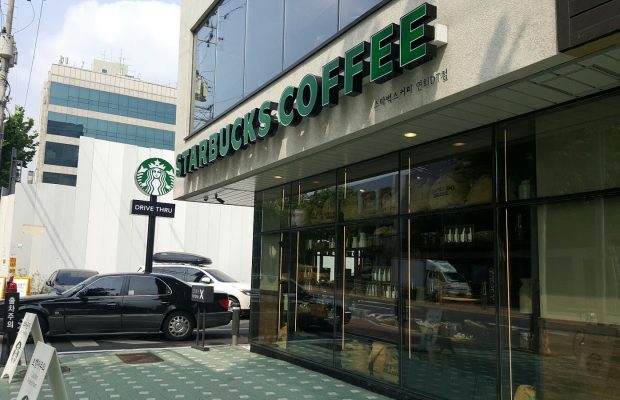
    South Korea has the world’s fourth largest number of Starbucks Coffee stores in relation to its population, industry data showed Thursday.

    Starbucks Coffee Korea, the local unit of the U.S. coffee giant, said it has 1,008 stores across the country as of the end of February, meaning one outlet for every 50,000 South Koreans. South Korea’s population is 50.5 million as of the end of July last year.

    Canada topped the list with 1,035 shops for a population of 36.2 million, translating into one shop for every 35,000 Canadians.

    The United States came in second with 7,880 stores or one outlet for every 41,000 Americans, trailed by Singapore with 126 shops which translates into one store for every 45,000 Singaporeans.

    Japan has 1,140 shops or one shop for every 110,000 people.

    Industry sources attributed the popularity of Starbucks in South Korea to the growing loyalty of women in their 20s and 30s to the U.S. coffee brand.

    “Starbucks Coffee Korea has succeeded in promoting its image as a luxury brand in South Korea where the luxury coffee market has yet to mature,” a source said.

    Starbucks Coffee Korea’s annual sales topped the 1 trillion won (US$884.17 million) mark for the first time last year since it opened its first branch near Ewha Womans University in Seoul in 1999. Starbucks Coffee Korea is a joint venture between retail conglomerate Shinsegae and the U.S. coffee giant.

    Industry data showed annual sales of its local competitors Twosome Place and Angel-in-us Coffee averaged between 100 and 200 billion won last year.

  • Hong Kong Feb retail sales fall 5.7% y-o-y

    Hong Kong Feb retail sales fall 5.7% y-o-y

    A government spokesman indicated that the performance of retail sales was still constrained by a lack of growth in tourist spending despite a modest recovery in visitor arrivals in recent months.

    Taking the first two months of 2017 together to neutralise the distortions by the timing of the Lunar New Year, the volume of retail sales declined by 3.6 per cent year-on-year, similar to that in the fourth quarter of 2016.

    Looking ahead, the performance of retail sales will depend on the recovery pace of inbound tourism as well as whether consumer sentiment will be affected by the various external uncertainties.

    At present, local consumer sentiment remains well underpinned by the prevailing favourable job and income conditions. The government will continue to monitor the situation closely.


  • Laguarda.Low Architects Designs Grandberry Lifestyle Centre in Machida

    Laguarda.Low Architects Designs Grandberry Lifestyle Centre in Machida

    New York City-based architecture and urban planning firm, LAGUARDA.LOW ARCHITECTS, has unveiled the design for Grandberry Center, a new 750,000-square-foot transit-oriented development in Machida, Tokyo. Set on the city’s Tokyu Denen-tonshi train line, Laguarda.Low designed Grandberry Center to be the center of commerce and activity for Machida – a city in the west section of the Tokyo Metropolis.

    The new Grandberry Center development replaces an existing mall and train station and creates a modern, landscaped shopping village with a direct connection to the newly-designed Tsuruma Park. The new train depot, with its undulating roof, tiered gardens, and waterfall create a dramaticsense of arrival. From the platform, a grand stair leads visitors to the multi-level shopping center experience, inclusive of a local food market, retail stores and a cinema. The retail village is organized as a simple loop, referencing a European town typology, with parking positioned in the center. Throughout the loop, visitors traverse a series of open and covered plazas that provide dynamic spaces for socializing, leisure and entertainment.

    The buildings are composed of a mix of stone, steel, wood, glass and green walls. The form, scale, and materiality of the buildings were designed to create variation within the development and to blend with the surrounding residential neighborhood.

    “Grandberry Center provides a warm and modern ambience with sophisticated design that enlivens the surrounding neighborhood for local residents and visitors,” said Pablo Laguarda, Principal of LAGUARDA.LOW. “Its location as an entertainment and lifestyle destination is unique and we look forward to showcasing this development to the Machida community.”

    Situated amidst Tsuruma Park, Laguarda.Low’s design removes an existing street to unify Grandberry Center with nature.  To combine the two parcels, a new park entrance transforms the natural slope in grade into a dramatic stair, with the ground rising to create a green roof for a new restaurant at the threshold of the park. The firm also designed the main promenade, which features lush Cherry Blossom trees, and a designed new landscape plan with designated spaces for a skate park, urban farm, sculpture garden, children’s playground, expansive lawn and library.

    Construction of Grandberry Center will begin in May 2017, with an estimated completion of September 2019.  Grandberry Center is expected to officially open in November 2019. Granberry is one of seven Laguarda.Low-designed developments in Japan. Most recently, the firm was the silver award winner of International Council of Shopping Centers (ICSC) New Development category for their design of AEON Mall Okinawa Rycom, the largest multi-story commercial facility in Western Japan.

  • Courts Singapore Looks to Tackle Southeast Asia’s Growing E-commerce Market

    Courts Singapore Looks to Tackle Southeast Asia’s Growing E-commerce Market

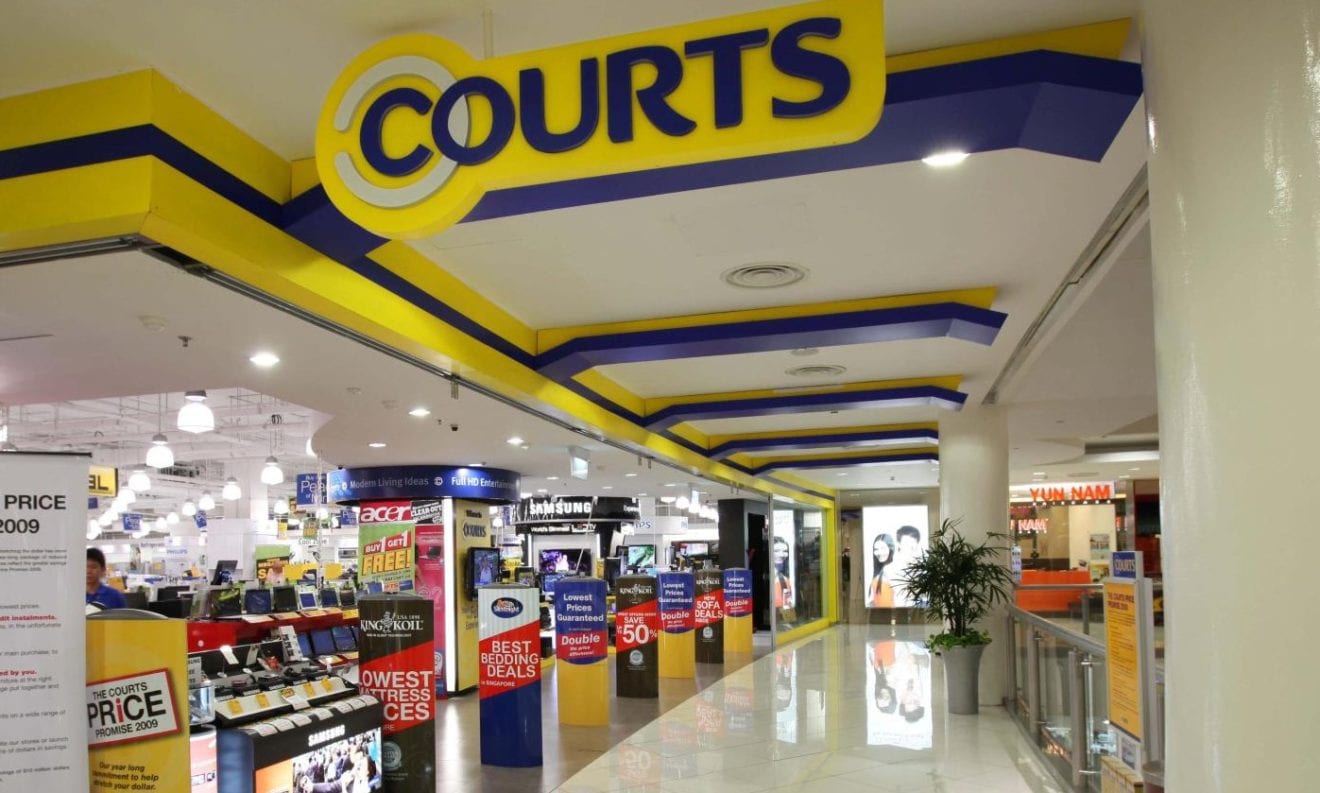
    Courts has recently unveiled its plans to capitalize on the growth of e-commerce in Southeast Asia by rebuilding its online business, originally launched in 2012 with an offering of 7,000 products that has increased to 14,000 today, through a partnership with premier e-commerce agency SmartOSC.

    Under these new plans, Courts will further penetrate into Singapore’s growing e-commerce market, which is estimated to reach US$6.42 billion by 2020, according to research firm Statista.

    Known as a Singapore based retailer specialising in furniture and consumer electronics, from its initial establishment, Courts has seen growth throughout Southeast Asia, most notably in Malaysia and Indonesia.  In April 2016, the business revamped its traditional brick and mortar stores to engage with customers more effectively – the two offline “testbeds” opened in Causeway Point, Singapore and Sri Damansara, Malaysia. As a result of that,  in parallel with an expected boost in productivity from traditional retail stores, the brand now looks at radically reshaping its e-commerce business, moving towards an integrated shopping experience both in-store and online.

    Stan Kim, Court’s Group CIO, explained that their strategy is really about creating an omni-channel experience for customers. The limitations of the current e-commerce framework, including extending functionalities, handling the increasing amount of visitors, as well as personalising the shopping experience, do not fit into the overall commerce strategy.

    “We were looking for partners who not only have technical expertise but more importantly understands how e-commerce and brick-and-mortar stores work together to create a seamless experience for modern shoppers. SmartOSC is a perfect match given their experience in building connected commerce solutions for top retailers, and their capability has been recognized by Magento as the platform’s enterprise solutions partner,” explained Stan Kim.

    Built upon the Magento Enterprise 2.0, combined with innovative technologies for omni-channel, marketing automation, and content management, Courts is looking to establish a new industry-standard for mobile first and user-centric experience. A real-time single view of inventory and customer profiles is activated through integrations with ERP and retail management systems. The brand will also enhance the click and collect offering, which is currently contributing about  50% of Courts’ online sales.

    The platform has also been architected to accompany and facilitate future expansion plans, ready for easier roll-out to other regional markets. Although Southeast Asia’s e-commerce is still in its infancy (relative to European and North American markets), it is expected to grow 32% year on year. The region is currently estimated to be worth $5.5 billion and expected to reach $88 billion by 2025, according to a report by Google and Singaporean sovereign wealth fund Temasek.

    When asked for a statement on the partnership, Stan Kim commented “We’ve been working closely with SmartOSC to ensure an integrated and smooth transition to the new platform. We’re very excited with the current progress – SmartOSC’s depth of knowledge in e-commerce, resource scalability and innovative development has helped us realize our omni-channel potential. We cannot wait to launch this to the public.”
  • Challenge to build engagement among a fashion-loving clientele

    Challenge to build engagement among a fashion-loving clientele

    To marketers nowadays, the major challenge is to build engagement among target groups to provide first-hand experience and brand engagement inside of their own. However, one target group found very demanding in terms of engagement building is fashion lovers as they are very unique, and hard to persuade. Indeed, they do not just follow fashion trends but adapt the trends to suit their own character. This makes marketing planning for this target group complicated and difficult.

    But not for Siam Center The Ideaopolis, a shopping destination which is a hub of fashion in Thailand for more than 44 years. No matter how edgy fashion trends would be, Siam Center will enable Thai fashion lovers to be the first to get updated on up-to-date fashion trends.

    To build engagement among a fashion-loving clientele, Siam Center has done a fantastic job as if it is simple. Thanks to its long-term experience and support of Thai designer brands as well as being a catalyst for the promotion of Thai fashion industry to be equal to world fashion cities, Siam Center meets fashion lovers’ demands. Such demands mean how to wear clothes to reflect their own identity and not to create a distinct character but to shine at getting dressed with style and being fashionable for the society to see and admire.

    Siam Center devises a strategy to reach this kind of customers by presenting the latest collections of over 40 Thai designer brands at the end of last March.

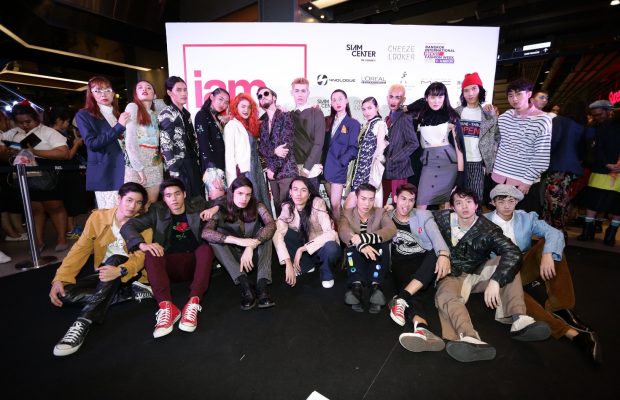
    Siam Center The Ideaoplois, joining hands with Cheeze and Looker magazines, held “#iamsiamish” campaign to fulfill the dream of youngsters who would like to become professional models. The campaign set up a casting room box to select 100 teens as #Nodels to strut on the catwalk of the fashion show of the year, “#iamsiamish Fashion Show [S/S Collection 2017].”

    Ms. Chanisa Kaewreun, Senior Deputy Managing Director for Marketing Events and Business Relations – Siam Piwat Co., Ltd., said, “Since the opening, Siam Center has always been the center of Thai fashion industry because we are the second home of many Thai designers, both top and young-blood designers. Housing many local brands, Siam Center is therefore the first place fashion-forward people think about when it comes to trend updates. As a place of inspiration for everyone, especially young generation wishing to enter the world of fashion, Siam center joined forces with Cheeze and Looker magazines in hosting “#iamsiamish” campaign. It opened a studio to cast talented teens as models. Out of 1,700 candidates, the judge panel selected 100 finalists to become #Nodels and walk in “#iamsiamish Fashion Show [S/S Collection 2017]”, which launched spring/summer collections of leading Thai brands in Siam Center.”

    “#iamsiamish Fashion Show [S/S Collection 2017]” mixed and matched the latest collections of 40 Thai fashion brands featured by 100 #Nodels. The fashion show presented the trends of this season, which encouraged fashionistas to find the perfect items that match their own style and create their own look. Moreover, the 1,600 fashion-loving candidates who did not join in walking on the catwalk were also invited to a party and enjoyed the fashion show of the latest collections. Let’s imagine that this event can gather those who are really interested in fashion to see the launch of the latest collections of 40 fashion brands. It is another fantastic marketing promotion activity that Siam Center created.

    #Nodels deserved big applause for their courage to express themselves and join a troop of professional models in “#iamsiamish Fashion Show [S/S Collection 2017].”

    At the same time, Siam Center earned praise for setting a new phenomenon to Thai fashion industry, giving customers the opportunity to have experience in fashion industry. Marketers have also realized an outstanding example of the strategy to build customer engagement and thus definitely contribute to sales of Thai designer brands.