Author: Mei Ling Tan

  • Apple to open first R&D center in Indonesia this year

    Apple to open first R&D center in Indonesia this year

    Good news to Apple fans in Indonesia — Apple will finally bring its flagship phones to the country this year. The company will open the doors to its first R&D center in the country in the second quarter of this year in the city of Tangerang, reports The Jakarta Post. This means Apple will officially be able to retail its iPhone 7 and 7 Plus in Indonesia now, which the company reportedly plans to launch today.

    The move is part of Apple’s efforts to become compliant with local regulations which stipulate that a foreign phone maker needs to have at least 30 percent domestic content in order to sell phones in the country. The company committed to invest $44 million to set up an R&D centre in the country last year.

    Apple did not immediately respond to Retail News’s request for comments.

    Apple is not alone in moving to boost local content in Indonesia so as to meet regulations and be able to retail its phones in the country. It was reported in November 2015 that Lenovo began producing its 4G phones in the country as part of the company’s commitment to meet the regulation.

  • Sonus, Palo Alto develop mobile security architecture

    Sonus, Palo Alto develop mobile security architecture

    Sonus Networks and Palo Alto Networks have jointly announced a new security architecture designed to mitigate the impacts of rogue LTE endpoint devices and erroneous IP traffic crossing 4G-LTE mobile networks.

    The Sonus security architecture includes existing Sonus Session Border Controller (SBC) elements, providing the Interconnection Border Control Function and Proxy-Call Session Control Function (IBCF and P-CSCF), as well as the Palo Alto Networks Next-Generation Platform to move security to the network edge, lowering mobile networks costs and customer churn.

    The joint architecture allows operators to implement new policies that block unauthorized traffic on EPC networks, increase security, reduce network congestion and associated costs and enhance the user experience of operators’ mobile subscribers by providing protection from mobile malware.

    Operators can now leverage their Sonus P-CSCF and IBCF deployments to detect and mitigate anomalous IP communications traffic from rogue endpoints, as well as obtain complete visibility and threat prevention capabilities provided by the Palo Alto Networks Next-Generation Platform.

    With this security architecture in place, operators can reduce capital costs by limiting the over-provisioning of networks while implementing a more effective overall security posture in conjunction with growing IP Communications services, such as VoLTE and VoWiFi.

    Additionally, operators can deter theft of service and ensure greater network availability and quality of experience for mobile subscribers by preventing targeted network attacks and blocking malware targeting mobile devices.

    “The Sonus and Palo Alto Networks architecture brings together the unique capabilities offered by each company to deliver a best-in-class security solution for mobile operators that unifies LTE data and VoLTE security policy and enforcement,” said Kevin Riley, Sonus CTO and senior vice president, Engineering.

    “Establishing a secure mobile network for the Internet of Things will be a key differentiator for mobile operators and their customers in the coming years  We are looking forward to working with Palo Alto Networks to continue this momentum as we get ahead of identity and security issues and redefine this evolving landscape together.”

  • Nisshin Oillio to Begin Chocolate Production in Indonesia

    Nisshin Oillio to Begin Chocolate Production in Indonesia

    Indonesia’s growing middle class and its fondness for Western food has prompted Japanese food company Nisshin Oillio Group to start producing chocolate in the country.

    Daito Cacao, a unit of Nisshin Oillio, embarked on a joint venture in February with Salim Ivomas Pratama, a cacao plantation unit of Indonesian conglomerate Salim Group. Daito Cacao will put 51% of the $32 million total investment.

    The joint company will build a plant on a roughly 20,000-sq.-meter plot in Purwakarta, about 65km from Jakarta. Construction is set to begin as early as this autumn. The plant will start operating by 2019 with an initial annual output of 4,000 to 5,000 tons, which the company hopes to raise to 10,000 tons in the future.

    Daito Cacao hopes to leverage its strengths — which include heat-resistant chocolate production technology — to boost sales in tropical Southeast Asia.

    According to British market research company Euromonitor International, Indonesia’s chocolate consumption reached about 70,000 tons in 2015. This is expected to increase to 83,000 tons by 2020 — much faster growth than in Japan, Europe or the U.S.

    Many in this former Dutch colony make chocolate at home. With a growing population of 250 million and a burgeoning middle class, demand is expected to increase even further.

    Daito Cacao will dip into Nisshin Oillio Group’s supply chain in Southeast Asia for ingredients. Sugar and dairy products will come from T&C Manufacturing, Daito Cacao’s Singapore unit, and fats from Intercontinental Specialty Fats, Nisshin Oillio’s Malaysian unit.

    Initially, the finished chocolate will be sold to food producers owned by Salim Group. “We want to export our products to Thailand, the Philippines and other Southeast Asian countries,” said Daito Cacao President Shigeyuki Takeuchi.

    That said, Indonesia’s small retailers are mainly food stalls and movable kiosks that are not sufficiently refrigerated. To further expand the chocolate market, improving refrigerated delivery systems will be necessary.

  • Korea, Indonesia to boost cooperation in food sector

    Korea, Indonesia to boost cooperation in food sector

    Food experts from Korea and Indonesia will gather in Jakarta to discuss ways to boost cooperation in the food sector. The ASEAN-Korea Centre and Indonesia’s Ministry of Trade will organize the “Trade Facilitation Workshop for Indonesian Food Micro, Small and Medium Enterprises” in Jakarta and Makassar on April 4-6. The aim is to support companies to “enhance competitiveness and gain further access to the Korean market,” the organization said.

    Over 200 participants from local enterprises are expected to attend.

    “The food and beverage sector is the largest subsector of Indonesia’s manufacturing industry, accounting for around a quarter of total manufacturing value of the country,” ASEAN-Korea Centre Secretary General Kim Young-sun said.

    “Recognizing the importance of the food industry, the Indonesian government designated the industry as one of the 10 priority industry groups for accelerated development in the Master Plan of National Industry Development 2015-2035. I hope this workshop will contribute to the development of the Indonesian food industry, as well as facilitating business cooperation between Indonesia and Korea.”

    The organization said the workshop will be part of the “Indonesia-Korea Business Forum,” organized by the ASEAN-Korea Centre and the Korea International Trade Association. The forum will feature other programs such as “Indonesia-Korea Cooperation on E-Commerce” and “1:1 Biz Meetings.”

    Kim, Yang Mulia Ibu Arlinda, director general of the Ministry of Trade, and Korean food experts will introduce sourcing trends, branding and marketing strategies, logistics systems and up-to-date packaging design and technology to business representatives from the Indonesian food micro, small and medium enterprises, an organization spokesperson said.

    Starting this year, the ASEAN-Korea Centre has developed its capacity-building program, formerly the Product Development Workshop, into the Trade Facilitation Workshop that covers wider areas important for the acceleration of trade, such as utilization of the ASEAN-Korea free trade agreement.

    The ASEAN-Korea Centre is an intergovernmental organization established in 2009 with an aim to promote exchanges among Korea and the 10 ASEAN member states.

  • Healthcare Tourists in Malaysia Mostly from Countries Such as Indonesia

    Healthcare Tourists in Malaysia Mostly from Countries Such as Indonesia

    In January, International Living (IL), an authority on global retirement and relocation opportunities, had put Malaysia in sixth place for its “10 Best Places to Retire” list. Part of the Annual Global Retirement Index, Malaysia received high scores in the “Healthcare” and “Fitting In” categories — the latter was due to the fact that the country was a melting pot of world communities, according to IL senior editor Dan Prescher.

    Last year, Malaysia welcomed more than one million healthcare tourists, who contributed more than RM1 billion in hospital revenue, said Malaysia Healthcare Travel Council (MHTC) chief executive officer (CEO) Sherene Azli.

    “There has been an overall growth in tourists for medical tourism. “From 643,000 travellers in 2011, the number rose to 859,000 in 2015. In terms of revenue, we recorded RM527 million and RM914 million for 2011 and 2015, respectively,” she said.

    “If we take other medical revenue into account, healthcare travel contributed between RM3 billion and RM4 billion to the country’s economy in 2015.” She said the travellers were mostly from Indonesia, India, China, Japan, the United Kingdom (UK), Australia and Middle Eastern countries.

    Among the treatments they sought were in cardiology, orthopedics, oncology, neurology, dental and fertility treatments, cosmetic surgery and rehabilitation services. MHTC is an agency under the Health Ministry that has been entrusted with the responsibility of promoting the country’s healthcare travel sector, which is a National Key Economic Area.

    This year, the MHTC aims to achieve RM1.3 billion in revenue, and potentially contribute RM5 billion to the nation’s gross domestic product through other medical travel revenue, including dental, cosmetic, wellness, logistics and hospitality services.

    “MHTC has also identified Indonesia, Vietnam, Myanmar and China as core markets based on the volume of healthcare tourists received, as well as growth potential of the respective markets.

    “Additionally, we have representatives in Indonesia (Jakarta), Myanmar (Yangon), Vietnam (Hanoi and Ho Chi Minh City), China, and most recently, India, to gain faster access to our core markets and facilitate potential visitors with enquiries and healthcare travel assistance.”

    She said the MHTC planned to increase its market penetration in those countries while aggressively raising the country’s profile in secondary markets like Bangladesh, Australia, the UK and the Middle East. The number of healthcare tourists from India, for example, had doubled in less than five years, she said.

    “In 2011, there were over 18,000 Indian travellers who sought various treatments in Malaysia. That figure rose to more than 39,000 in 2015 at a rate of 116 per cent.” She said healthcare tourism in the country had moved from strength to strength in the last few years.

    “The country was named Medical Travel Destination of the Year at the Medical Travel Awards for two consecutive years in 2015 and 2016 by the International Medical Travel Journal. “Malaysia was also named ‘Best Country in the World for Healthcare’ by IL’s Global Retirement Index for three consecutive years, from 2015 to 2017,” Sherene added.

    Sherene herself had been honoured as one of 50 outstanding women in healthcare at this year’s World Health and Wellness Congress in February — another global milestone for the country. To further attract foreign tourists to our shores for healthcare tourism, the MHTC has embarked on a “Malaysia Loves You” campaign in February.

    Launched by Health Minister Datuk Seri Dr S. Subramaniam, it aims to promote Malaysian healthcare in several key areas, namely quality, accessibility, affordability and ease of communication. At the same time, Sherene said the campaign hoped to increase global awareness on Malaysia’s potential as a leading healthcare travel destination.

    “We believe that Malaysia has all the qualities in international healthcare tourism. To top it off, it is easy for travellers to communicate with health professionals here, be it in English, Tamil, Hindi or Chinese.”

    Malaysian Society for Quality in Health (MSQH) CEO Kadar Marikar said the accreditation received by Malaysian hospitals and healthcare providers had raised travellers’ confidence in the country as a healthcare tourism destination.

    “Foreign patients will be well-assured of safe care when they seek medical care in MSQH accredited facilities. The accreditation process focuses on patient care with measurable safety outcomes, while minimising the risk of adverse events.

    “Accreditation of healthcare facilities and services in Malaysia by MSQH since 2000 has helped put in place the Standards of Services. Among others, it focuses on putting the right structures and processes, minimising risks as well as measuring performances to ensure safe patient care and outcome.”

    The MSQH accreditation programme is internationally-recognised by the International Society for Quality in Healthcare (ISQua). Kadar said the four-year accreditation programme also helped to build tourists’ confidence in healthcare industry providers.

    To boost the arrival of foreign patients to Malaysia and bolster their confidence in local healthcare facilities, he said medical healthcare/medical tourism facilitators should have a strong presence to assist patients.

    “We need to develop and certify professional medical tourism facilitators to make sure they are knowledgeable in the field.” International Islamic University Malaysia Associate Professor Noor Hazila Abd Manaf of the Department of Business Administration agrees.

    Noor Hazila co-authored a paper entitled “Medical Tourism Service Quality”, on the local healthcare tourism industry that focused on service quality, perceived value, overall satisfaction and future intention of medical tourists in Malaysian hospitals.

    “Malaysia already has a strong footing in the accreditation of its hospitals through MSQH. “The government has also established the MHTC, a one-stop centre to promote the country’s medical services abroad.

    “Although a relative newcomer, the results of promoting the industry can be seen from the increasing number of international patients coming to the country,” she said. Noor Hazila said her report aimed to identify important constituents of medical tourism, which might assist policymakers and hospital managers in understanding the industry better.

    “In order for Malaysian hospitals to continue competing on the global front and attracting more international healthcare tourists, it needs to follow the examples of leading medical tourist hospitals by widely publicising the outcome of their services on their websites as a means of communicating their technical competency.

    “For example, India’s Apollo Group of Hospitals publicises a 90 per cent success rate in more than 500 liver transplants they performed. “Similarly, Thailand’s Spine Institute at Bumrungrad International claimed a 95 per cent rate of success in its website for its spinal endoscopic surgeries performed on more than 600 patients.”

    Revealing information on technical competence, she said, could give patients a sense of assurance in quality. “However, browsing the websites of Malaysian medical tourism hospitals show a gap in the dissemination of such information.”

    Aside from this, she said it was also important for service providers to ensure a high quality of service from its medical staff.

    Tech and experience, a winning combination for Sunway Med

    Since winning the International Hospital of the Year award in Madrid, Spain, last year, Sunway Medical Centre has seen a steady growth in international patients.

    The award was presented by the International Medical Travel Journal. Sunway Healthcare managing director Lau Beng Long said the hospital recorded an 18 per cent increase in the number of international patients from 2015 to last year, with 13 per cent increase in revenue.

    “We found that there is a 30 per cent increase in healthcare tourist traffic and 12 per cent increase in expatriate patients.”

    He attributed the hospital’s success to its “people, our technology and our product”.

    “There are a couple of factors, I believe, have enabled us to clinch this award. We differentiate ourselves in the market by positioning it as the one-stop centre not just in medical services, but also the entire supply chain of medical tourism experience”.

    Sunway Medical Centre is strategically located in Sunway Resort City, which is a stone’s throw away from Sunway Hotel, Sunway Theme Park, Sunway Shopping Mall and Sunway University. This provided a comprehensive solution for patients who need a healing environment.

    “We also have a dedicated international patient centre team, which provides one-stop services for our international patients, ranging from providing treatment options, to cost estimate, hotel and transport booking, interpreting services and so on.

    “We serve international patients from more than 130 countries, and are recognised for orthopedics, digestive health, neurology, ENT and urology. “Last year, we set up our cancer, radiosurgery and nuclear medicine centre, which provides comprehensive solutions for cancer treatment. “

    He said Sunway Medical Centre was also the first hospital in Southeast Asia to have received the accreditation from the Australian Council on HealthCare Standards. “Ultimately, people are our best asset. We take pride in our specialists, majority of whom are trained overseas in Australia, the United States and the United Kingdom, and also our dedicated nursing and allied health teams.

    “With technology and experienced, SunMed is the first private hospital in Malaysia to perform total joint knee replacement surgery using computer navigation, deep brain stimulation for Parkinson’s Disease, endoluminal grafting for abdominal aortic aneurysm, cornea transplant, etc.

    “Overall we see a balanced distribution of patients coming for different treatments.” On the profile of medical tourists visiting the hospital, he said most of the patients were from neighbouring countries.

    “Again, we are seeing a fair distribution of patients from Southeast Asia, South Asia, North Asia, Middle East and the West. “Top of the list are patients from Indonesia, China, Bangladesh, Yemen, India, Australia, Pakistan, the US, Japan and Maldives.

    “A majority of our foreign patients are aged 30 and over. The length of stay will vary based on their treatment and procedure.” He said the hospital was currently undergoing an expansion.

    “Upon completion of Tower C in the second quarter of this year, there will be 600 beds at Sunway Medical Centre’s facilities, with 180 consultation suites and 1,470 parking bays.

    “We are also growing our services to strengthen our centres of excellence, recruiting more consultants and nurses to provide competent care, upgrading our facilities, and introducing more technology,” he said.


  • Bank Indonesia (BI) reported that lending grew 8.4 percent

    Bank Indonesia (BI) reported that lending grew 8.4 percent

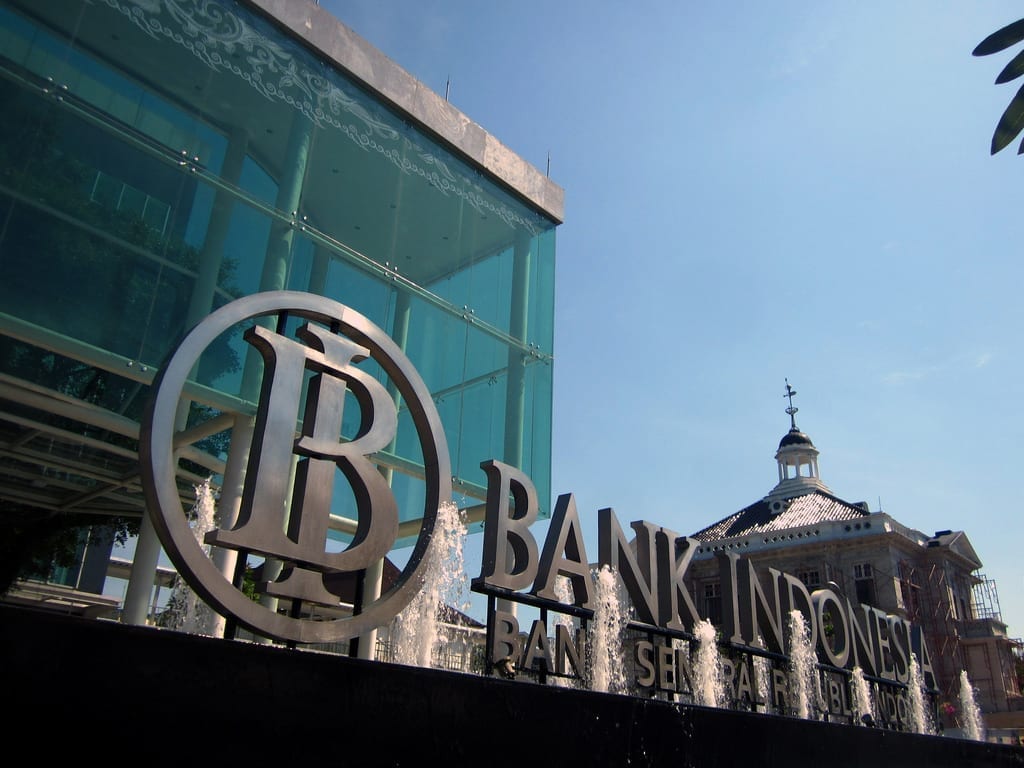
    Bank Indonesia (BI) reported that lending grew 8.4 percent year on year (YoY) to Rp4,333 trillion in February 2017, or an increase compared to January 2017 at 8.2 percent YoY.

    Working capital loans (KMK) and investment loans grew by 11.8 percent YoY and 9.7 percent YoY, respectively, BI spokesman Tirta Segara stated in a written statement in Jakarta on Sunday, April 2, 2017.

    “KMK in February amounted to Rp2,042 trillion, whereas Investment Loans amounted to Rp1,119 trillion,” Tirta said.

    Bank Indonesia reported that working capital loans, particularly in processing sector grew by 8.2 percent YoY compared to 1.2 percent YoY in January 2017, and financial sector, such as real estate and services grew by 21.8 percent YoY compared to 13.5 percent YoY in January 2017.

    As for investment loans, according to BI, significant growth of 15.8 percent YoY in trade, hotel and restaurant took place in February 2017 compared to 10.9 percent YoY in January 2017. The financial sector, such as real estate and services, also grew by 15.9 percent YoY compared to 13.5 percent in January 2017.

    Moreover, Bank Indonesia noticed that micro, small and medium-sized enterprises (SMEs) grew significantly by 29.8 percent YoY or Rp946.3 trillion compared to 8.5 percent YoY in January 2017. “Lending growth in SMEs occurred in working capital and investment loans,” Tirta said.

    Meanwhile, property sector tumbled in February 2017 with 15 percent YoY growth or Rp706 trillion compared to January 2017 at 15.1 percent YoY.

  • NBTC likely to postpone 5G auction

    NBTC likely to postpone 5G auction

    Thai regulator NBTC is likely to have to postpone the planned 2600-MHz 5G auction until 2018 due to regulatory and administrative hurdles.

    The regulator had planned to hold the 2600-MHz auction in September this year, but this process will probably need to be delayed, an NBTC commissioner told.

    Factors behind the delay include the fact that 190MHz of 2600-MHz spectrum has been allocated to state broadcaster MCOT and is currently unused.

    MCOT expects compensation for the return of 80MHz of spectrum for the auction, but the NBTC is currently not authorized to pay compensation to state agencies in return for spectrum.

    The new draft bill restructuring the NBTC is expected to give the regulator the power to do so, but the process of arranging compensation and drawing up the framework for these payments will take time. The new bill has yet to identify methodologies for calculating compensation.

    The NBTC restructuring is also likely to create its own issues that will impact the auction process due to the transition to new commissioners expected after the bill takes effect.

    Meanwhile Thailand still lacks a clear spectrum roadmap for the evolution to 5G will inevitably cause a delay in Thailand’s 5G ecosystem development.

  • Vietnam’s Q1 economic growth slowest in 3 years

    Vietnam’s Q1 economic growth slowest in 3 years

    The industrial sector and trade deficit have been dragging on the country’s economic momentum. Vietnam’s economic growth slowed to an estimated annual rate of 5.1 percent in the first quarter of this year, the slowest in three years, with the industrial sector suffering from its smallest expansion since 2011, the government said on Wednesday.

    The Southeast Asian nation has one of the world’s fastest growing economies, expanding at around 6 percent annually from 2011-2015 after jumping 7 percent per year over the previous five years.

    Last year, an El Nino-induced drought, an environmental disaster and unfavorable global economic conditions put a brake on Vietnam’s gross domestic product (GDP) growth, holding at 6.21 percent, the first slowdown since 2012, placing it behind India, China and the Philippines in Asia.

    GDP growth of 5.1 percent from January-March is the slowest pace to be recorded in the first quarter since 2014, when it rose 5.06 percent, based on government data.

    “Pending issues such as quality of growth, productivity and low competitiveness remain the challenges to the growth target,” the government’s General Statistics Office said in its quarterly report.

    The Vietnamese government has targeted GDP growth to accelerate by 6.7 percent this year.

    The industrial sector grew by 3.85 percent in the first quarter from a year ago, the slowest since 2011, with mining decreasing 10 percent and manufacturing and processing also expanding at a slower pace than in the previous two years, the statistics office said.

    From a consumption approach, a deficit in trade balance and services has cut 4.42 percentage points of GDP growth in the first quarter, the office said.

    After a $1.15 billion surplus in January, the country’s trade balance swung to a deficit of $2.04 billion in February and an estimated gap of $1.1 billion in March, leaving the first quarter’s trade deficit at $1.9 billion.

    Vietnam’s annual inflation in March stood at an estimated 4.65 percent, the slowest pace since last November, the statistics office said.

    However, a hike in health service and tuition fees, higher demand for food and fuel prices rising 35 percent in the first three months have triggered the country’s consumer price index to jump on average 4.96 percent from a year ago, a four-year high, the office said.

    Vietnam’s economy would expand at an average of 6.3 percent in the next three years, with all categories of demand buoyed by strong foreign direct investment and manufacturing exports, the World Bank has said.

    In the long run, the world is going to see significant shifts in economic order over the next few decades, with Vietnam poised to make the biggest improvement of all, consulting firm PricewaterhouseCoopers said in early February.

  • UPS expands China-Europe rail service

    UPS expands China-Europe rail service

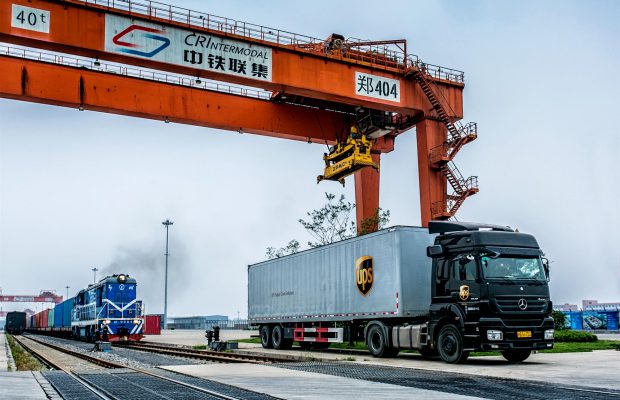
    UPS announced the addition of six stations to its Preferred full and less-than-container load (FCL and LCL) multimodal rail service between Europe and China. The additional stations will give customers moving goods on the world’s largest trade lane more options to reduce supply chain costs and better balance cost/time-in-transit requirements.

    Changsha, Chongqing, Suzhou and Wuhan Stations were added in China to the existing stations of Zhengzhou and Chengdu. In Europe stops in Duisburg, Germany and Warsaw, Poland were added to the existing stops of Lodz, Poland and Hamburg, Germany.

  • Tourists dent February Hong Kong retail sales

    Tourists dent February Hong Kong retail sales

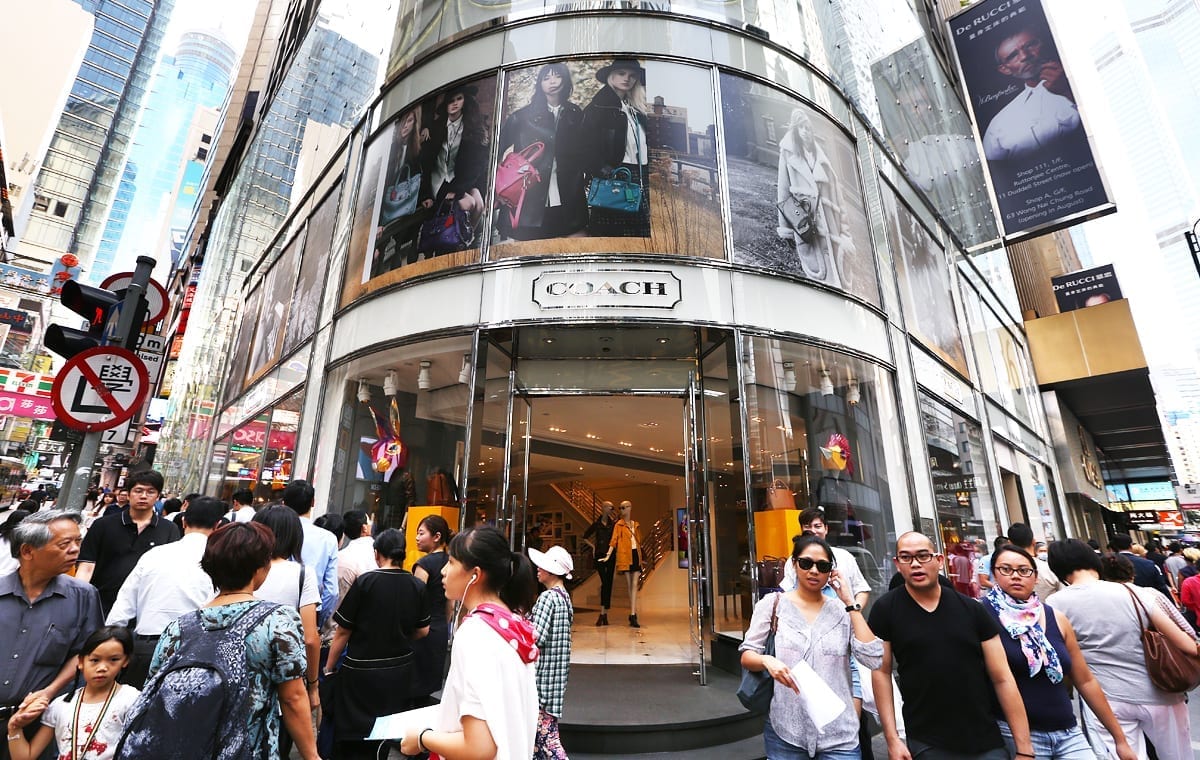
    Hong Kong retail sales fell by 5.7 per cent in February.

    But when the sales data for January and February are combined – eliminating the distortion caused by the timing of Lunar New Year – the decline is a more modest 3.6 per cent over the two months.

    The Census and Statistics Department provisionally estimated the value of retail sales in February at HK$34.8 billion. It revised its estimate for January to a decline of 1 per cent year-on-year.

    For the first two months of 2017 taken together, the value of retail sales decreased by 3.2 per cent compared with the same period in 2016, a figure similar to that for the fourth quarter of last year.

    A government spokesman said the retail sector’s performance was still constrained by the lack of growth in tourist spending despite the modest recovery of visitor arrivals in recent months.

    “Looking ahead, the performance of retail sales will depend on the recovery pace of inbound tourism as well as whether consumer sentiment will be affected by the various external uncertainties,” the spokesperson said.

    “At present, local consumer sentiment remains well underpinned by the prevailing favourable job and income conditions.”

    After netting out the effect of price changes over the same period, the provisional estimate of the volume of total retail sales in February 2017 decreased by 6.1 per cent year-on-year.

    Luxury relief

    Supporting comments from several watch and jewellery retailers in recent weeks, it appears the long-running decline for that sector has tapered off. The category recorded a mere 1.2 per cent decline in sales in January-February combined, the smallest decline of any category in negative territory.

    Electrical goods and photographic equipment plunged 23.6 per cent, while supermarket sales fell 3.5 per cent and department store sales by 1.6 per cent.

    Apparel sales fell 6.9 per cent, footwear and accessories by 6.5 per cent and furniture by 5.4 per cent.

    Cosmetics was the major improver by category, rising 2.7 per cent. Optical goods sales rose 1.4 per cent and food, alcohol and tobacco by 1.4 per cent.

    The C&SD used combined figures for the two months rather than February figures on their own, to provide a fair year-on-year comparison.

    “Retail sales tend to show greater volatility in the first two months of a year due to the timing of the Lunar New Year. Consumer spending in the local market normally attains a seasonal high before the festival. As the Lunar New Year fell on January 28 this year but on February 8 last year, it is more appropriate to analyse the retail sales figures for January and February taken together in making year-on-year comparison.”

  • StarHub has no plans to buy M1

    StarHub has no plans to buy M1

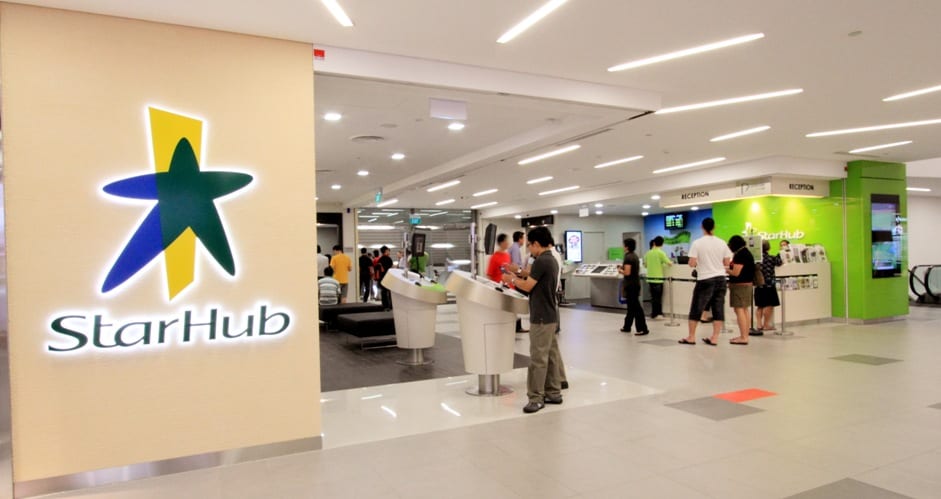
    Despite speculation, Singapore operator StarHub has no intention of acquiring or merging with struggling rival M1, according to reports.

    StarHub’s management does not plan to acquire M1, Singapore’s smallest major operator whose major shareholders recently revealed are conducting strategic reviews of their ownership.

    But the research report noted that it will be up to StarHub’s majority owner ST Telemedia to decide whether to pursue a purchase or merger.

    ST Telemedia owns 56% of StarHub, and is itself wholly owned by Singapore state investment company Temasek Holdings.

    But even if ST Telemedia is interested in a deal, the report notes that Singapore’s regulator is not likely to permit a deal that would result in spectrum holding even if it would allow another operator to acquire M1.

    Maybank Kim Eng has maintained a sell rating for StarHub shares due to what it says are structurally poorer margins.

    StarHub has separately recently announced the appointment of a new chief for its enterprise business group – former Integrated Health Information Systems CEO Chong Yoke Sin.

  • ZTE launches Big Video offering for telcos

    ZTE launches Big Video offering for telcos

    ZTE launched a new Big Video Premium OTT solution for operators at last week’s TV Connect 2017.

    The new solution is designed to help operators cut costs and shorten time to market with OTT video offerings, while ensuring end-users have a quality video experience.

    It incorporates technologies including multicast adaptive bit rate, cloud DVR and low latency technologies to provide video segmentation, aggregation and optimization capabilities.

    The solution also supports just-in-time packaging (JITP), which packages and transmits content only upon subscriber request, so only one copy needs to be stored to cut down on storage, as well as and multi-digital rights management technology to reduce investment on terminal DRM licenses.

    Operators will be able to adopt multiple potential business models to maximize profit-earning opportunities.

    ZTE said it has to date deployed a big video ecosystem comprising more than 90 commercial offices with a total system capacity of 80 million and more than 100 CDN commercial offices with a total concurrency throughput over 100Tbps.

  • Soekarno Hatta Airport to have zone of bonded logistic center

    Soekarno Hatta Airport to have zone of bonded logistic center

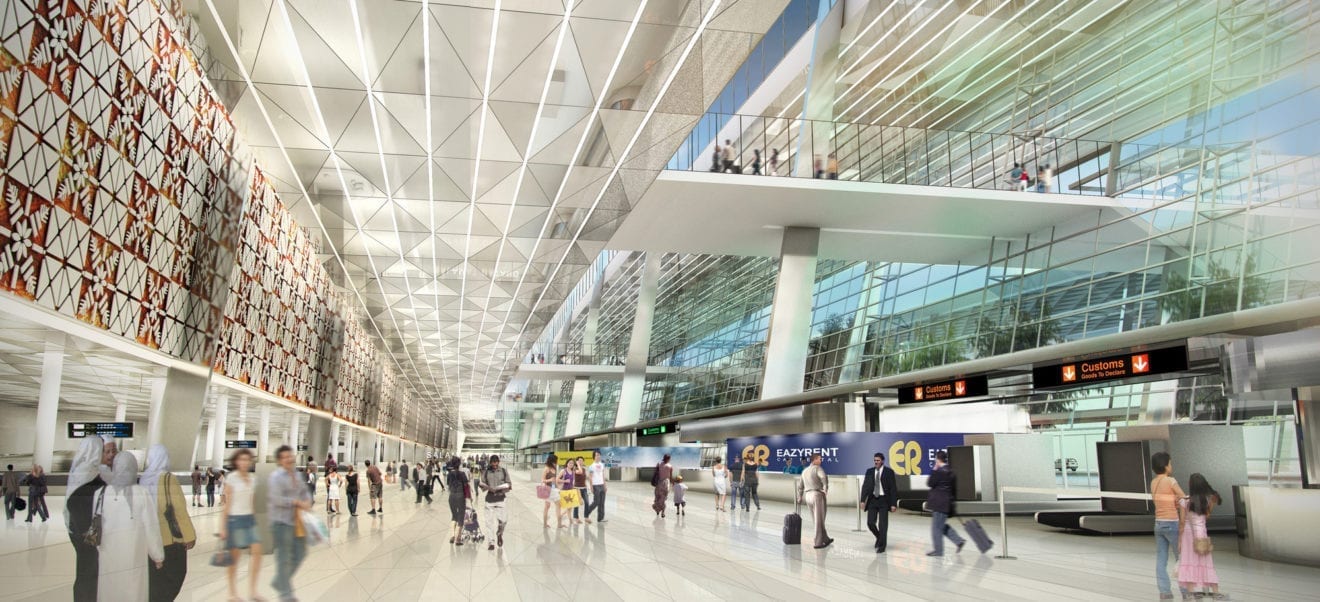
    State-owned airport operator PT Angkasa Pura II through its subsidiary PT Angkasa Pura Kargo is preparing the opening a zone of bonded logistic center (PLB) in the Soekarno Hatta International Airport.

    The bonded logistic center would facilitate cargo transport and improve the countrys competitiveness in global air cargo industry, Angkasa Pura II President Director Muhammad Awaluddin said in a statement here on Saturday.

    Awaluddin said the PLB would have three units in the Jakartas airport including in Warehouse I about 1,500 square meter wide, Warehouse II about 10,000 square meter wide to be built in 2018, and Warehouse III to be built in the Cargo Village in the airport 10,000 square meter wide to be built in 2019.

    He said the most potential market of the bonded logistic center is aircraft spare parts. The spare parts could be piled up in the warehouses of the PLB and clearance could be made there if imported spare parts are to be brought outside.

    “The Soekarno-Hatta International Airport is not far from the Tanjung Priok port that it is right to build the zone of bonded logistic center there,” he said.

    The PLB will also help improve efficiency and save logistic cost for the business players, he said.

    Airlines would benefit from the PLB that provides safe places for their spare parts that could be used any time repairs are needed immediately, he said.

    “The PLB could earn up to Rp2.5 trillion a year from the warehousing service for aircraft spare parts,” he said .

    In building the PLB zone, PT Angkasa Pura II will cooperate with related agencies including the Customs and Excise office, airlines, forwarders, banks , etc.

    Head of the Main Service Office of Customs and Excise of Type C in Soekarno-Hatta Erwin Situmorang expressed support for the opening of PLB in the airport complex by PT. Angkasa Pura II.

    “With the operation of PLB. industries do not have to rely on imports for basic materials they need . They could now rely on PLB,” Erwin said.

    He said PLB would reduce logistic cost and cut the waiting time for industries and open business opportunity in warehousing at the airport complex.

    The airport complex could grow to become a logistic hub in Asia Pacific.

    The opening of PLB is one of the messages of the governments second economic policy package issued early last year, when the president officially commissioned 11 units of PLB.

    Digitalization will also be applied in the operation of the PLB to be opened in the Soekarno-Hatta International Airport through the smartphone application provided by Angkasa Pura Kargo.

  • Miniso US launching in California

    Miniso US launching in California

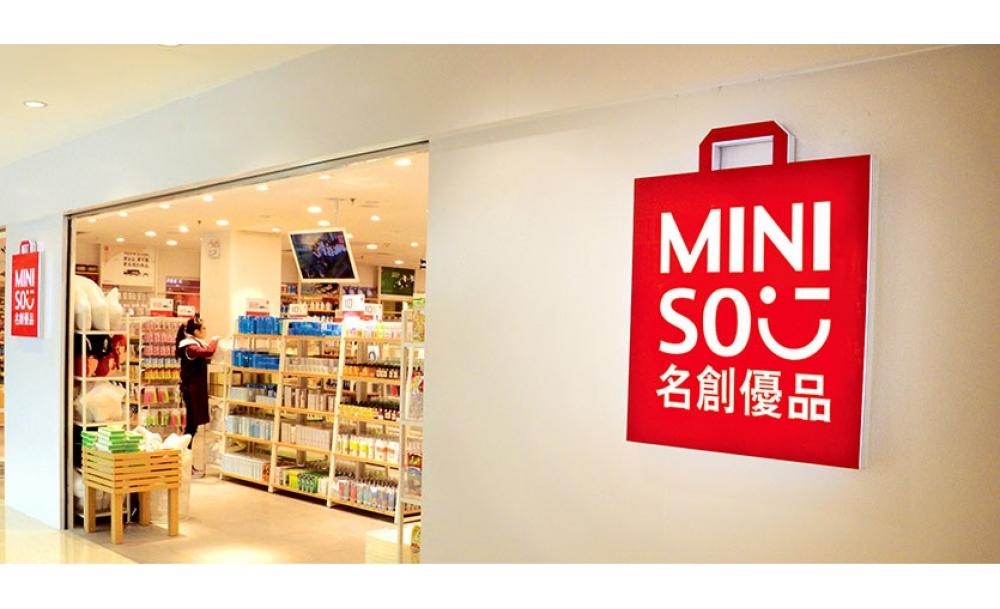
    Miniso US opens its first store on April 21, in Pasadena, California.

    Established in 2013, Miniso is a variety store founded by Japanese designer Miyake Junya and Chinese entrepreneur Ye Guofu. The store offers designer-quality products including cosmetics, home furnishings, electronics and accessories.

    More than 80 per cent of the products are designed and developed in China, Japan, Malaysia, Singapore, South Korea and Singapore. New products are launched every seven days.

    On average, Miniso opens 80 to 100 stores monthly and is anticipated to have 6000 stores by 2020 with global revenues of US$9 billion.

    The company has signed agreements in more than 40 countries and regions, including Hong Kong, Korea, Macau, Malaysia, Vietnam and Singapore.

  • Forever 21 India opens in Kolkata

    Forever 21 India opens in Kolkata

    Fast-fashion brand Forever 21 India has opened a store in Kolkata, its 16th outlet on the sub-continent.

    Covering 6000 sqft (557 sqm), the store features the latest spring/summer collection, and as well as Forever 21 apparel and accessories includes the retailer’s other brands including 21 Men and cosmetics line Love and Beauty. It also offers lingerie and shoes.

    From Aditya Birla Fashion and Retail, Forever 21 already has a presence in Bangalore, Chennai, Delhi, Hyderabad, Mumbai and Pune.

    Forever 21, which introduces new styles every week, was founded in the US in 1984 by Korean immigrants. It has more than 600 stores under the Forever 21, XXI Forever, For Love 21, Heritage 1981 and Reference brands. In Asia, stores can be found in China, Japan, Korea and the Philippines.