Author: Mei Ling Tan

  • Courts online offer doubles

    Courts online offer doubles

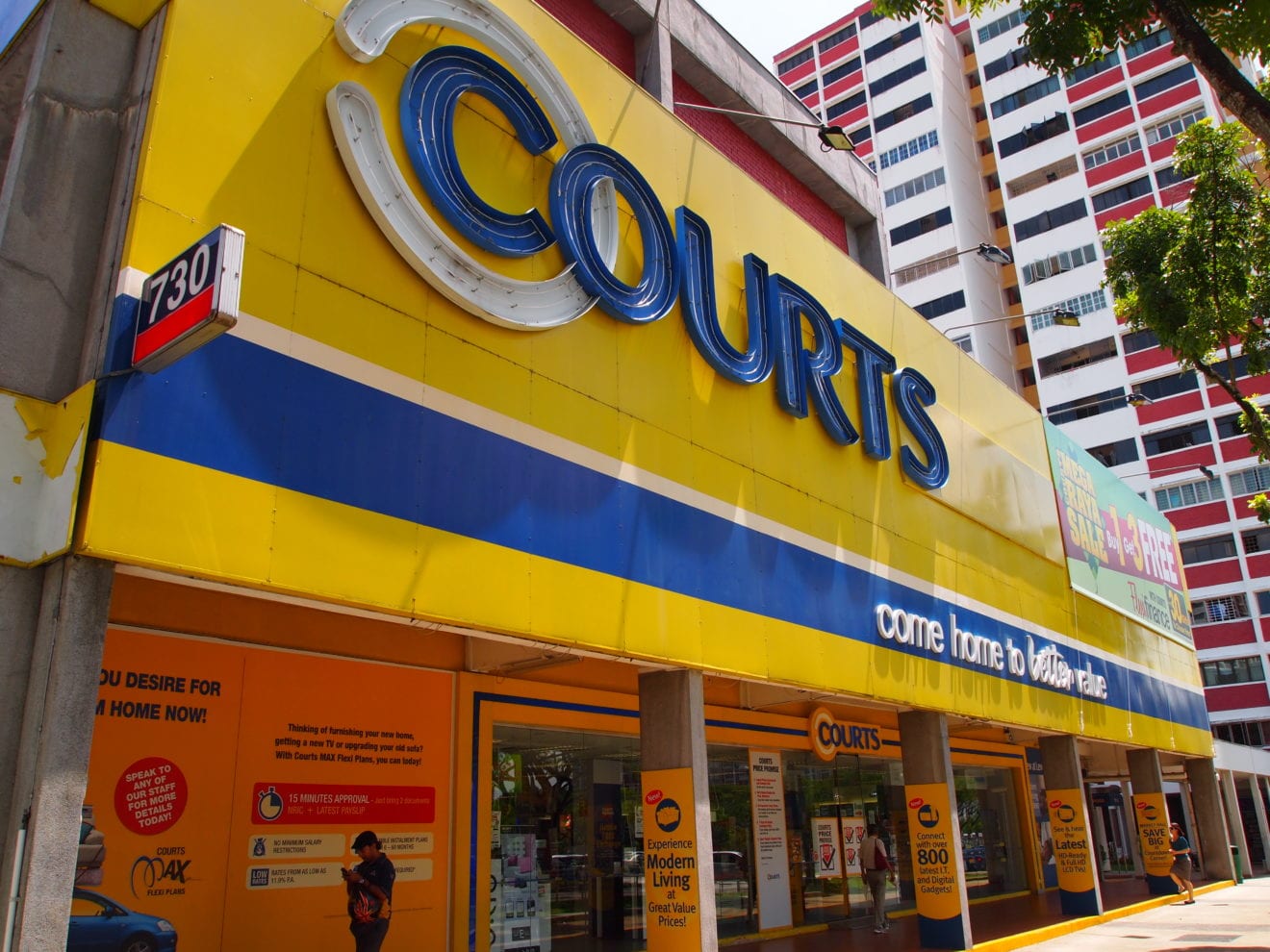
    The range of goods sold by Courts online has doubled as part of a revamp of its e-commerce business.

    The Singapore-based listed retail company also operates in Malaysia and Indonesia.

    Specialising in furniture and consumer electronics, Courts originally launched in 2012 with 7000 products. Now, through a partnership with e-commerce agency SmartOSC, the site now offers 14,000 products.

    Research firm Statista estimates Singapore’s e-commerce market will reach US$6.42 billion by 2020. Courts has seen growth throughout Southeast Asia, most notably in Indonesia and Malaysia.

    In April last year the business revamped its traditional stores to engage with customers more effectively, and opened two offline “test beds”, in Causeway Point and Sri Damansara in Malaysia. As a result, the brand is moving toward an integrated shopping experience involving both in-store and online.

    Court’s Group CIO Stan Kim says the strategy is really about creating an omni-channel experience for customers.
    He says Courts is looking to establish a new industry standard for a mobile-first and user-centric experience. The brand plans to also enhance its click-and-collect offering, which now contributes about  half of its online sales.

  • Free KKday Vacation for Thais Who Love to Travel in Asia

    Free KKday Vacation for Thais Who Love to Travel in Asia

    KKday, a leading E-commerce travel platform in Asia offering localized travel across the globe launched in Thailand in March 2017, and is now offering Thais a chance to WIN a FREE all-expenses dream holiday for two to Japan, Hong Kong, Korea, Singapore or Taiwan with a video competition from now until May 31st, 2017.

    The KKvacay contest invites Thais to create a fun and engaging one-minute video of their own travel trip in any destination. To be automatically entered, each film needs to then be uploaded to the competition entrant’s Facebook Page wall by the end of May and tagged @KKdayThailand with the hashtags #KKvacay and #KKdayth added too.The full entry rules for the KKvacay video competition can be found at the KKday Thailand Facebook Page.

    The winning KKvacay video will be announced on the KKday Thailand Facebook Page in June 2017.

    Ming Chen, CEO of KKday is encouraging Thai vacation videographers to be as creative as possible as there could be some fierce competition. “We know that Thais love to travel within Asia and each of the KKvacay prize destinations is incredibly dynamic; promising an exhilarating, action-packed trip with lots to see and do and fascinatingly diverse cultures. We are expecting to see some really creative videos that explore these different holiday hotpots through the script and the filming style, as well as with the use of props, costumes and setting. Thais are renowned for their inventive style and sense of fun so it will be interesting to see videos portraying their chosen destination and with a free holiday for two up for grabs I imagine there will be some great entries.”

    Part of winning the holiday prize is for the recipient and travel partner to create a short video highlighting their vacation experience along with five KKday activities they enjoyed during their trip. This video diary will be shared by KKday and partners on social media.

    Easy to navigate and book online, KKday appeals especially to those travelers who enjoy immersive vacation experiences and exploring destinations through localized, customized travel rather than simply following the standard tourist trek or trying to seek out ever-more remote locations.

    The Taiwanese- headquartered company, which was established in 2014, brings over 6,000 experiences, in 25 different categories, in 174 cities and 54 countries worldwide. The KKvacay video competition celebrates KKday’s debut in Thailand and with e-commerce popular in the country Thais could prove to be a big market, adding to KKday’s existing 7 million plus visitor views each month, a fanbase of more than 600,000 on Facebook and over 300,000 members.

  • DHL eCommerce expands in Thailand’s booming e-Commerce market

    DHL eCommerce expands in Thailand’s booming e-Commerce market

    DHL eCommerce, a division of the world’s leading logistics company, Deutsche Post DHL Group (DPDHL Group), is capitalizing on the booming Thai e-commerce market expected to more than triple in size to EUR 3.6 billion between now and 2020 by enhancing its nationwide coverage with next day delivery in remote areas and extending pick-up service to small e-commerce merchants to meet its growing customer demands.

    DHL eCommerce, launched January 2016 in Thailand, offers end-to-end domestic delivery services and easy access for local businesses to expand globally through affordable B2C international cross-border shipping and scalable, pay-per-use fulfillment solutions through a global fulfillment network within Deutsche Post DHL Group.

    “The e-commerce market in Thailand is currently second largest in Southeast Asia and expected to grow 22 percent annually till 2020. Along with this remarkable growth, there are increasing demands for cost-effective and high quality logistics solutions to meet rising consumer needs. As such, we are investing now to ensure we are the provider of choice for Thai consumers,” said Kiattichai Pitpreecha, managing director, DHL eCommerce Thailand.

    “We are strengthening our delivery network across the country in order to offer second-to-none nationwide service across Thailand. This will enable merchants to reach out to the growing base of e-commerce consumers outside Bangkok in major provinces and rural areas with superior service quality. We have also extended our pick-up service to include small and large merchants. For the 2.7 million SMEs in Thailand, this means greater convenience and a quicker process to deliver to their consumers — with less time spent travelling and waiting in queues to drop off their goods, they can spend more time focusing on growing their business.”

    Over the past year, DHL eCommerce Thailand has invested significantly in people, service, facilities, vehicles and coverage. The DHL eCommerce 3,222 sqm central hub in Bangkok and its domestic delivery network across Thailand have the capacity to handle over 15 million shipments annually. For merchants, DHL eCommerce offers access to Cash on Delivery (COD) with daily remittance as well as access to a multilingual call center and easy IT integration of online orders to allow shippers to easily prepare orders for delivery into the DHL network.

    Offers cross-border service to help customers expand overseas

    DHL eCommerce also enables Thai businesses to grow internationally and tap on the massive international e-commerce market through its range of affordable international cross-border shipping products and scalable, pay-per-use fulfillment solutions. “We are incredibly positive about the Thailand economy and we are committed to its development. The Thai government’s ‘Digital Thailand’ initiative started in 2016 has brought about a wave of opportunities for businesses across different industries to digitize their operations and services, especially for SMEs to undergo digital transformation,” said Malcolm Monteiro, CEO, DHL eCommerce Asia Pacific.

    “Thailand is ranked as one of our top priority markets in Southeast Asia , and we foresee growth to be largely driven by significant numbers of SMEs extending their business models into online marketplaces. DHL eCommerce is committed to enabling Thai businesses as they fully leverage the huge e-commerce growth locally and internationally.”

    As noted in a recent DHL Express report on the e-commerce industry, the cross-border market opportunity offers growth rates (~25 percent) not found in most traditional retail markets. DHL eCommerce, along with its sister company DHL Express is helping to connect Thai e-tailers to the world through DPDHL Group’s range of cross-border delivery solutions. To cater to varying customer requirements, DHL Express offers premium and faster delivery services while DHL eCommerce provides affordable solutions. Thailand -based businesses can also leverage on DHL eCommerce’s global network of fulfillment centers in the US, Mexico, Europe, Hong Kong, Australia and India so that merchandise can get to the consumers in those regions quicker.

    “Cross-border B2C e-commerce is forecasted to grow to USD1 trillion in 2020. DHL eCommerce Thailand has witnessed tremendous growth in the past year and we are enhancing our service to meet the growing consumer demands,” said Charles Brewer, CEO, DHL eCommerce. “We are incredibly proud to be delivering the smile in the last mile and we will continue to provide more first and last mile solutions.”

  • Singapore Airlines locks in daily Airbus A350 for Melbourne

    Singapore Airlines locks in daily Airbus A350 for Melbourne

    Singapore Airlines is locking in its advanced Airbus A350 jet for a year-round schedule between Melbourne and Singapore starting May 11, 2017.

    The sleek jetliner has made a number of short-term appearances on the route, but later this year it’ll be running daily as Melbourne-Singapore flight SQ208 and the SQ207 return leg.

    Travellers at the pointy end can relax in the Star Alliance member’s latest business class seat, evolved from that of the  Boeing 777-300ER flagship.

    It’s an “evolutionary, not revolutionary” approach, reported AusBT’s Suzanne Wu from one of the first SQ A350 flights – “and that’s not a bad thing. Not a whole lot was broke, so not a whole lot needed fixing.”

    Melbourne’s SQ218/SQ217 is also running on an A350 until June 30, after which it will revert to the Airbus A380 superjumbo.

    Asian rival Cathay Pacific already has one Airbus A350 on the Melbourne-Hong Kong route as CX104/105, with a second slotting into CX134/135 from October 29, while Thai Airways says its own on-again off-again Melbourne A350 flights should launch before the year’s end.

    April sees Singapore Airlines celebrate 50 years of flying to Australia, and is tipped to debut its newest Airbus A380 – fitted with next-generation first class suites and business class seats – on the Singapore-Sydney route in October 2017.

    The redesigned first class suites will be fewer in number – down the current superjumbo’s 12 to between six and eight – but much larger in footprint, and have been relocated to the upper deck.

    Next year will see Singapore Airlines restart direct flights between Singapore and the USA, with both New York and Los Angeles in line for an ultra-long range version of the A350 dubbed the A350ULR.

    This long-legged jet will carry all-new business class seats compared to the Melbourne A350, but only around 170 seats – some 80 less than the airline’s regular A350-900s – in order to minimise fuel burn and maximise range for the 18-19 hour journey.

  • Vietnam beats China in product reputation ranking, but scores below most ASEAN peers

    Vietnam beats China in product reputation ranking, but scores below most ASEAN peers

    Made in Vietnam products score low in almost all product attribute categories. Vietnam has been ranked 46th on the Made in Country Index 2017 released by Germany’s Statista Market Research Co, which asked more than 43,000 people in 52 countries and territories to look at goods produced in 49 countries and the European Union as a group.

    Vietnam hit an index score of 34, while China took the 49th position with a score of 28, said the survey.

    However, it stood behind most Southeast Asian countries in the survey, except for the Philippines, which ranked 47th.

    The index features 10 categories: high quality, high security standards, very good value for money, uniqueness, excellent design, advanced technology, authenticity, sustainability/eco-friendliness, fair production and status symbol.

    Vietnam scored low in all categories but “very good value for money”, where it made it to the top 10, standing in eighth place. “Made in China” products claimed the top spot as voted by over a third of respondents.

    Even “in Vietnam itself, ‘Made in Vietnam’ does not have a good reputation”, the survey said.

    Vietnamese consumers like products from Japan the most. Other products most preferred in Vietnam come from Denmark, Australia, the Netherlands and South Korea.

    “Made in Vietnam” products are found popular in Ecuador and the United Arab Emirates, where they rank 10th and 20th, respectively.

    Germany tops the Made-In-Country Index, scoring 100 points, while Switzerland and the EU are runners-up, scoring 98 and 92, respectively. Iran sits at the bottom of the pile.

    In most countries, products from Germany, the U.S. or Japan are the most favored.

    Specifically, in 13 of the 52 responding countries, Germany has the best image as a manufacturing country. The U.S. holds this status in eight countries, while Japan claims seven.

  • Most banks in Vietnam expect profits up, bad debts stable this year

    Most banks in Vietnam expect profits up, bad debts stable this year

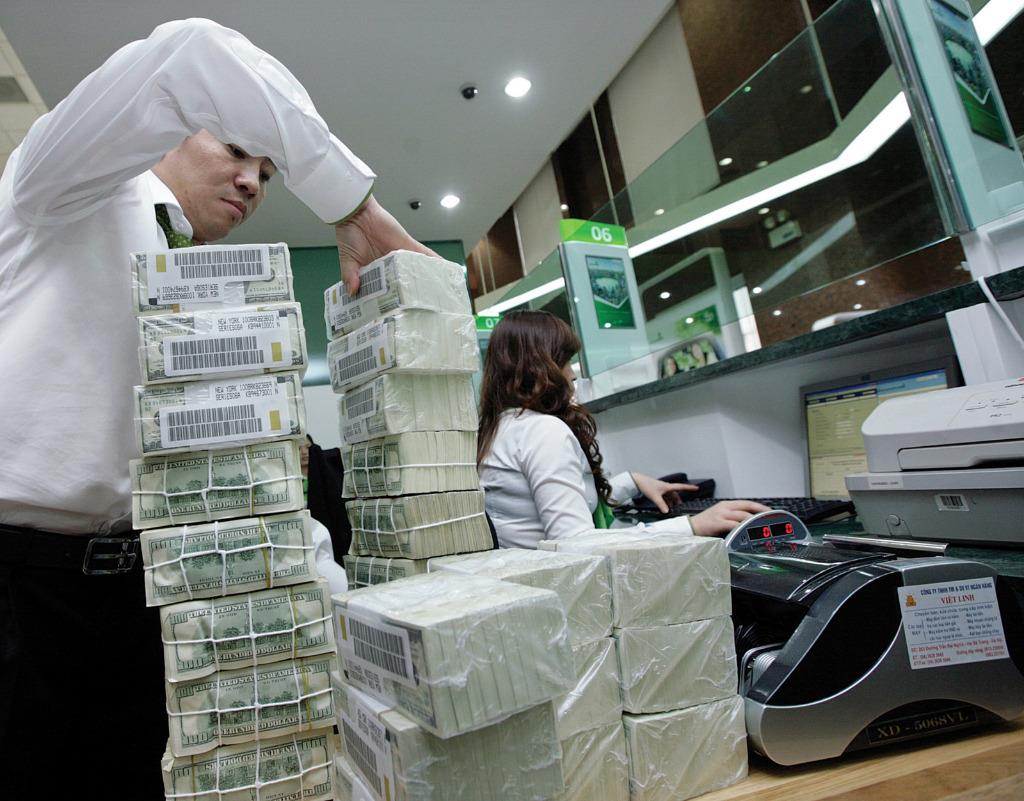
    Bad debt in Q2 and in the whole of this year would stay unchanged or dip slightly from Q1. About 90 percent of financial institutions operating in Vietnam are expected to reap higher pre-tax profit in 2017, while they could control or reduce bad debts this year, a State Bank of Vietnam (SBV) survey has found.

    Most of the respondents in the survey, conducted between February 25 and March 9, expected their bad debt to loan ratio in the second quarter and for the whole of 2017 would stay unchanged or below that in the first three months.

    Based on SBV data, bad debts in Vietnamese banks, mostly incurred due to a slowdown in the country’s real estate market in the early 2010s, have been cut to 2.46 percent of loans at the end of November, 2016, from 4.83 percent in December 2014, one year after it set up an institution to deal with toxic loans, the Vietnam Asset Management Corp.

    The survey on business trends for the April-June period, conducted by SBV’s Monetary Forecasting and Statistics Department, has targeted all Vietnamese banks and foreign bank branches in the country and has a response rate of nearly 90 percent.

    Banks expected the annual credit growth to slow to 17.23 percent this year, from the expansion of 18.25 percent in 2016, while deposits in 2017 could grow 16.23 percent from last year, below the 16.76 percent expectation in the December 2016 survey, the SBV said.

    Half of the lenders would keep their fees unchanged for the whole of 2017, while 20 percent of them said they planned slight decrease and another 30 percent said they expected a small rise.

    Banks expressed confidence in the government’s effort to improve business climate and three quarters of the surveyed institutions look forward to a better business situation in the second quarter, while eight in 10 of those believe they can achieve better results in the whole year.

  • Capital 21 mall to be largest in Johor Baru

    Capital 21 mall to be largest in Johor Baru

    Being built by Singapore-listed Capital City Group, Johor Baru’s largest mall Capital 21 will have a gross floor area of 1 million sqft (92,903 sqm) when it opens early next year.

    The mall will be part of Project Capital City, which includes a hotel and residential component. More than 60 per cent of the retail units have been sold.

    Capital City CEO Siow Chien Fu says he is bullish about prospects. “Johor Baru is the second-largest city in Malaysia and it still lacks this type of large shopping centre.”

    Capital City will have 690 serviced apartments and 630 hotel-style serviced suites.

    While the serviced suites have not been launched, 28.6 per cent of the units have been sold.

    “People have been talking about an oversupply of housing in Kuala Lumpur for years, but there has still been good take-up. I’m not worried. Johor Baru is big enough and the state is doing a lot of development, like industrial parks,” says Siow.

    Capital City is the company’s first development and veteran architect-turned-developer Siow is confident of its asset-light business strategy. Unlike traditional property developers, Capital World will not own land. Instead, it works with landowners in joint ventures to develop assets.

    Its pipeline of projects includes another integrated development of retail, office, hotel and residential apartments in Johor Baru.

  • Crown delivers XPO Logistics a competitive advantage in Thailand

    Crown delivers XPO Logistics a competitive advantage in Thailand

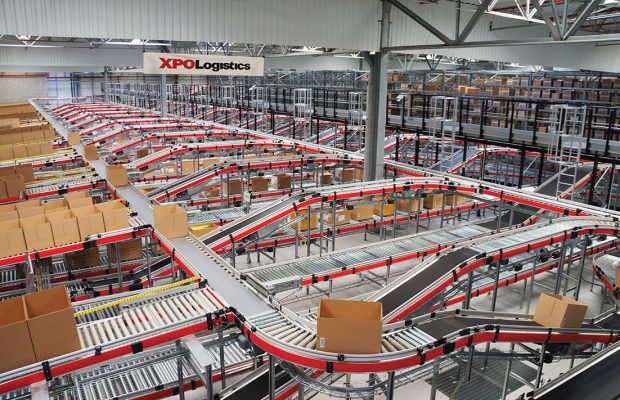
    XPO Logistics is relying on a total product solution from Crown Equipment to manage high work-flow stock movement for a number of prominent global brands at its Thailand operations.

    XPO Logistics, which includes the Bangkok and Rayong branches among its 1,440 global locations, is managing stock on behalf of major brands with the help of a full suite of Crown material handling equipment that includes reach trucks, counterbalance forklifts, power pallet trucks, Wave work assist vehicles and walkie stackers.

    Crown has been supplying XPO Logistics with equipment since 2010 and the company is running a total of 20 lift trucks at its busy Bangkok and Rayong locations.

  • Telstra launches five new SaaS solutions

    Telstra launches five new SaaS solutions

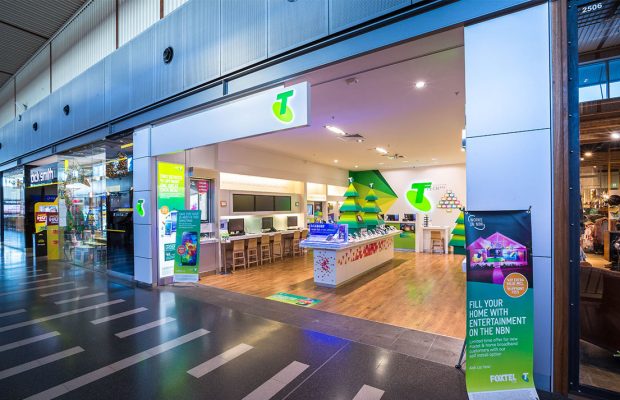
    Australian operator Telstra is drawing on the investments made through its venture capital arm Telstra Ventures to add five new SaaS solutions for its international enterprise customers.

    The suite of new applications is designed to better help companies as they go through digital transformation by offering solutions that reduce the cost and complexity of utilizing digital applications.

    The new range of applications are designed to improve the way organisations manage interactions with their customers and employees.

    New solutions include Near, a location intelligence platform that provides near real-time information on places, people and products, as well as all-in-one application delivery platform Nginx Plus.

    The new additions to the portfolio also include Panviva, a cloud-based platform that provides real-time process guidance to facilitate staff productivity and reduce human process errors, vArmour, a distributed security system delivering application-aware micro-segmentation, and mobile threat defense platform Zimperium.

    These applications are in addition to DocuSign, Guest Services, Kony, TeleSign and Whispir, which are currently available in the Telstra Applications Portfolio.

    This suite of new applications will be available in select locations in Asia, Europe and North America. Near, Panviva and Zimperium will be available from 30 March, while, Nginx Plus and vArmour will be available in June.

    “Organizations know they need to transform digitally to compete in today’s market, but there are challenges to overcome,” Teltra director of global applications Gianpaolo Carraro said.

    “Recent research commissioned by Telstra found 76% of organisations believed they would be more effective if their technology and network platforms were more flexible and agile, while 67% said their ability to work more collaboratively and effectively is hindered by rigid technology and network platforms.”

  • Vietnam may become a target as Trump set to curb ‘trade abuses’

    Vietnam may become a target as Trump set to curb ‘trade abuses’

    U.S. President Donald Trump will sign executive orders on Friday aimed at identifying abuses that are causing massive U.S. trade deficits and clamping down on non-payment of anti-dumping and anti-subsidy duties on imports, his top trade officials said.

    The orders come as Trump prepares for his first face-to-face meeting with Chinese President Xi next week in Florida, where trade issues promise to be a major source of tension. China was the biggest contributor to the $734 billion U.S. goods trade deficit last year.

    The directives allow Trump to focus on meeting his campaign promises to combat the flow of unfairly traded imports into the United States just a week after his pledge to repeal and replace Obamacare imploded in Congress.

    Commerce Secretary Wilbur Ross told reporters that one of the orders directs his department and the U.S. Trade Representative to conduct a major review of the causes of U.S. trade deficits. These include trade abuses such as dumping of goods below costs and unfair subsidies, “non-reciprocal” trade practices by other countries and currencies that are “misaligned.”

    Ross took pains to say that currency misalignment was not the same as manipulation, and only the U.S. Treasury could define currency manipulation. But he said in some cases, currencies can become misaligned from their traditional valuations unintentionally, citing the Mexican peso’s sharp decline late last year after Trump’s election.

    The study also will examine World Trade Organization rules that Ross said do not treat countries equally, such as on taxation. The United States has long complained that WTO rules allow exports to be exempt from value-added taxes, but do not allow export exemptions from the U.S. corporate income tax. The study also will examine the effects of trade deals that have failed to produce forecast benefits, Ross said.

    Ross said he aims to complete the study and report the findings to Trump in 90 days — a time frame that coincides with the expected start of negotiations to revamp the U.S.-Canada-Mexico North American Free Trade Agreement.

    The study’s findings will underpin the Trump administration’s future trade policy decisions, Ross said, and will be the first “systematic analysis” of the trade deficit’s causes, “country-by-country, product-by-product.”

    “It will demonstrate the administration’s intention not to hipshoot, not to do anything casual, not to do anything abruptly,” Ross told a White House briefing.

    Ross has promised tougher enforcement of U.S. trade laws and more anti-dumping and anti-subsidy cases initiated by the Commerce Department, rather than relying on companies to claim injuries from imports.

    He said the study would focus on those countries that have chronic goods trade surpluses with the United States.

    China tops the list, with a $347 billion surplus last year, followed by Japan, with a $69 billion surplus, Germany at $65 billion, Mexico at $63 billion, Ireland at $36 billion and Vietnam at $32 billion.

    The second trade order to be signed by Trump is aimed at halting the non-payment and under-collection of anti-dumping and anti-subsidy duties the United States slaps on many foreign goods.

    White House National Trade Council Director Peter Navarro said that some $2.8 billion in such duties went uncollected between 2001 and the end of 2016 from companies in some 40 countries.

    Navarro said the order directs the Commerce and Homeland Security departments to close these gaps by imposing tougher bonding requirements to ensure duty collections and new legal requirements for assessing risks associated with importers.

    Navarro, a harsh critic of China’s trade practices, insisted that the orders were not aimed at sending a message ahead of Xi’s visit.

    “Nothing we are saying tonight is about China,” he said. “This is a story about trade abuses, this is a story about under-collection of duties, this is a story about 40 countries that basically subsidise their products unfairly and send them into our country or dump their products.”

  • Huawei revenue grows 32% in 2016

    Huawei revenue grows 32% in 2016

    Huawei has reported a 32% increase in revenue for 2016, but profit grew just 0.4% as the company invested heavily in R&D.

    Group annual revenue for the year was 521.6 billion yuan ($75.7 billion), while net profit reached 37.1 billion yuan.

    Carrier business group revenues grew 24% to 290.6 billion yuan, as the operator focused on digital transformation as well as exploring opportunities in emerging categories including cloud and the IoT.

    Enterprise revenues meanwhile grew 47% to $5.9 billion yuan. Consumer revenues likewise increased 44% to 179.8 billion yuan due to strong smartphone shipments of 139 million.

    But the company’s 76.4 billion yuan in R&D spending muted profit growth for the year. Huawei rotating CEO Eric Xu said the spending marked an investment in future growth.

    “As humanity continues to explore and make new breakthroughs in the digital world, digitization and increasing intelligence present huge business opportunities for all industries, and are also paving the road for new growth for the ICT industry,” he said.

    “We will stay customer-centric and will support digital transformation in all industries, in order to create value for our customers and to grow sustainably.”

  • Maybank CEO Farid becomes Maybank Indonesia president commisioner

    Maybank CEO Farid becomes Maybank Indonesia president commisioner

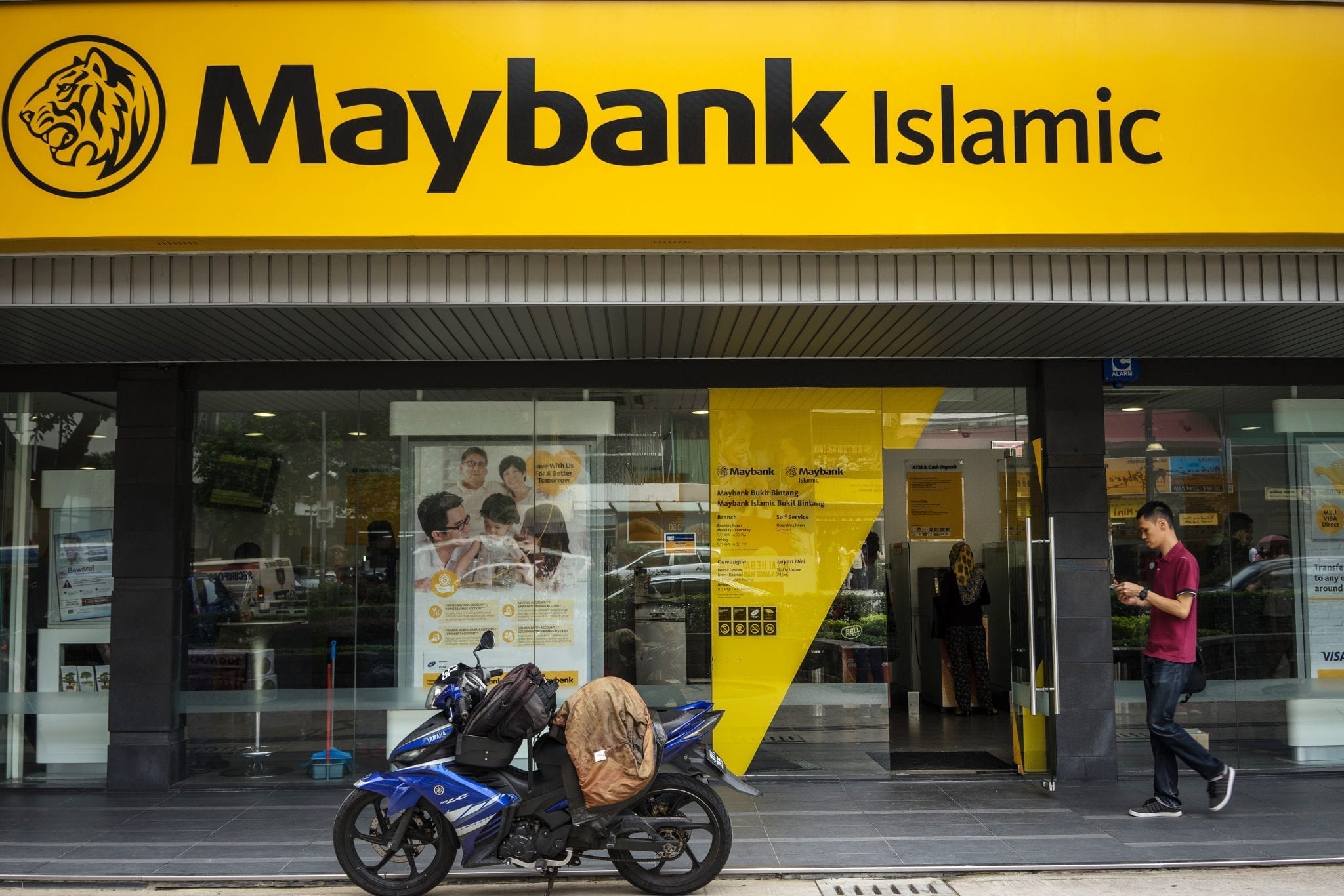
    Maybank Indonesia Tbk on Monday announced the appointment of Malayan Banking Bhd (Maybank) group president and chief executive officer Datuk Abdul Farid Alias as its new president commissioner (similar to a chairman’s position).

    Maybank Indonesia head of corporate communications and branding, Esti Nugraheni, said in a statement that Abdul Farid was taking over from Tan Sri Megat Zaharuddin Megat Mohd Nor after an AGM held on Sunday accepted his resignation.

    The AGM also approved the appointment of Restiana Ie Tjoe Linggadjaya as director, succeeding Ghazali Mohd Rasad who completed his term of service.

    “The board would like to thank Tan Sri Megat and Ghazali for their dedication to Maybank Indonesia, and welcome the new members of our board of commissioners and board of directors,” it said.

    Maybank Indonesia also announced that the bank recorded a 71.0% increase in net profit to Rp1.95 trillion (RM3.3 billion) for the financial year ended Dec 31, 2016 compared with Rp1.14 trillion achieved in the previous corresponding year, despite the economic slowdown.

    Maybank Indonesia is one of the largest banks with 428 branches including Syariah branches and micro functional offices across Indonesia.

  • Indonesia attempted to promote its marine tourism to new hights

    Indonesia attempted to promote its marine tourism to new hights

    Indonesia has promoted its marine tourism to the New Zealand, a country well-known for its sailing community.

    I Gde Pitana, Deputy Minister for Overseas Promotion at the Tourism Minister, said on Monday, April 3, 2017, that the Wonderful Indonesia promotion targeting yacht owners was aimed at promoting the Wonderful Sail 2 Indonesia by introducing a sailing route to the Sail Sabang 2017 event.

    Through the promotion, Pitana explained, the Tourism Ministry will disseminate information related to the sailing route, permit, stay duration, selected locations, and the perfect time for yachters to visit Indonesia.

    Yachters usually arrive in Auckland, Whangarei and Opua in April to enjoy New Zealand’s climate. The Indonesian government attempt to capitalize on the opportunity to promote its marine tourism.

    “Based on the tradition that has been maintained for decades, we can conclude that the opportunity to do the promotion activity in New Zealand is in March, April, or May, because after these months, they [yachters] will be heading to north to Sidney, Cairns and Darwin and pass Indonesia to Asia,” Pitana explained.

    Pitana claimed that after the conducting promotion activities in 2016, New Zealanders have shown enthusiasm to visit Indonesia.

    Vinsensius Jemadu, deputy assistant for Asia and Pacific development at the Tourism Ministry, said that the Wonderful Indonesia promotion activities for yachters in Auckland, Opua and Whangarei is scheduled to be held from March 30 to April 5, 2017.

  • Extreme Networks to buy Brocade’s data center assets

    Extreme Networks to buy Brocade’s data center assets

    Software-driven networking vendor Extreme Networks has arranged to buy the data center networking business of Brocade for $55 million.

    Extreme Networks has entered an agreement with Broadcom – which itself arranged to purchase Brocade in November last year for around $5.9 billion – to purchase Brocade’s data center switching, routing and analytics business.

    The acquisition is expected to close within 60 days after the closing of Broadcom’s acquisition of Brocade, which is due during the quarter ending in July.

    Extreme Networks said it expects the purchase to be earnings accretive by fiscal 2018 and to generate over $230 million in new annualized revenue.

    “The addition of Brocade’s data center networking business significantly strengthens our position in the expanding high-end data center market and reinforces our strategy of delivering software-driven networking solutions focused on enterprise customers,” Extreme Networks president and CEO Ed Meyercord said.

    “Today’s announcement, coupled with our recent announcements regarding our position as the stalking horse bidder of Avaya’s networking business and the successful completion of the integration of Zebra’s wireless LAN business, along with Extreme’s organic investments in R&D, will result in a state of the art, newly-refreshed portfolio of enterprise solutions for our customers.”

    Broadcom announced an intention to divest Brocade’s IP networking business as part of its planned acquisition of the vendor, focusing on the company’s remaining fiber channel storage area network business.

  • Tesla delivers quarterly record of 25,000 vehicles in first quarter

    Tesla delivers quarterly record of 25,000 vehicles in first quarter

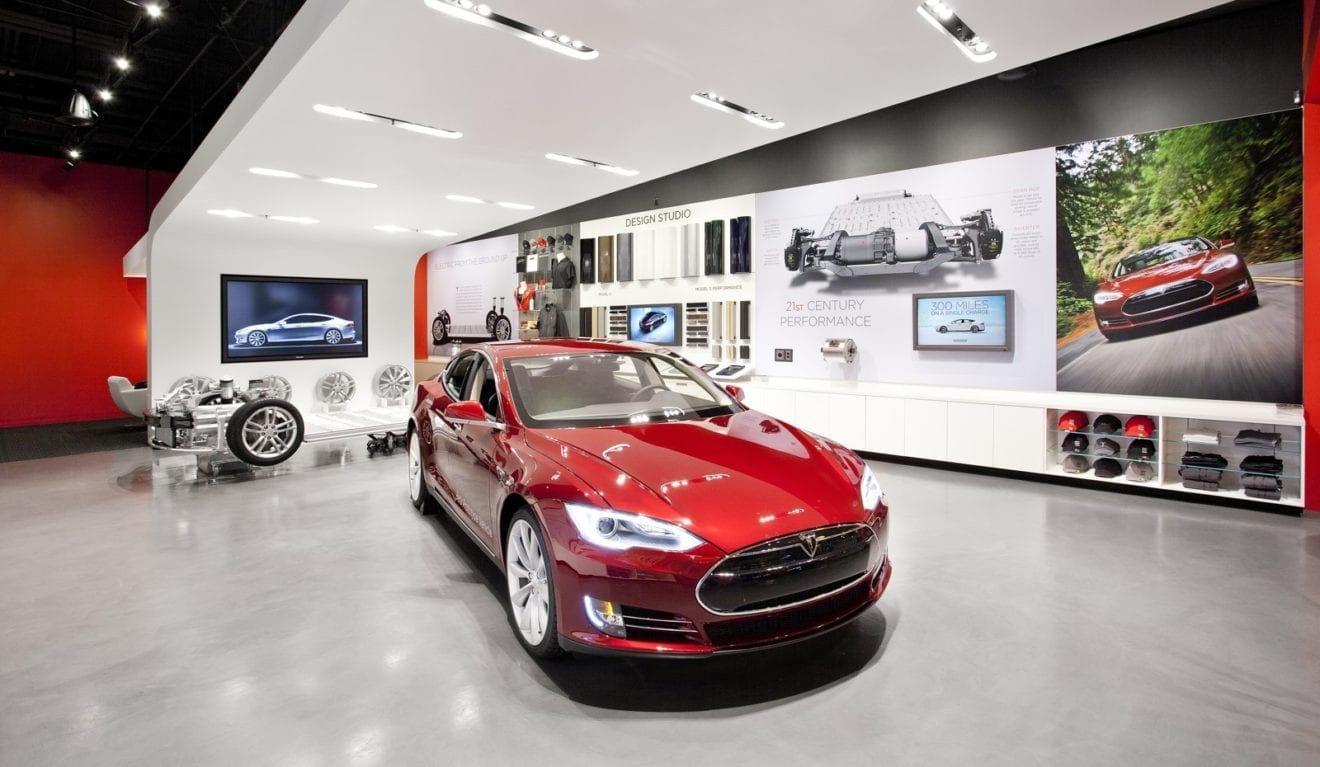
    Tesla, the U.S. luxury electric car maker, said on Sunday first-quarter vehicle deliveries jumped 69 percent from a year ago to a quarterly record of 25,000 vehicles, bouncing back from delays in the previous quarter.

    The company said of the total vehicles delivered, about 13,450 were Model S sedan and about 11,550 were Model X sports utility vehicle.

    Tesla has said it expects to deliver 47,000 to 50,000 Model S and Model X vehicles combined in the first half of 2017.

    In the fourth quarter, deliveries had fallen 9.4 percent due to short-term production hurdles from the transition to a new autopilot hardware.

    Tesla had said production challenges, which started at the end of October and lasted through early December, shifted vehicle production towards the end of the fourth quarter, resulting in delayed deliveries.

    Ultimately, about 2,750 vehicles were missed being counted as deliveries in the fourth quarter either due to last-minute delays in transport or because the customer was unable to physically take delivery.

    In addition to the first quarter deliveries, about 4,650 vehicles were in transit to customers at the end of the quarter and will be counted as deliveries in the cond quarter, Tesla said in a statement on Sunday.

    Production in the first quarter also hit a quarterly record at 25,418 vehicles.

    Tesla Chief Executive Elon Musk has taken big risks repeatedly since going public in 2010, but investors got spooked after he said in February the electric car company could get “close to the edge” as it burns cash ahead of its crucial Model 3 launch.

    China’s Tencent Holdings Ltd (0700.HK) bought a 5 percent stake in Tesla last week for $1.78 billion, providing the company with a deep-pocketed ally as it prepares to launch its mass-market Model 3.