Author: Mei Ling Tan

  • Mulberry Asia launches with Challice as partner

    Mulberry Asia launches with Challice as partner

    English luxury brand Mulberry Group has launched Mulberry Asia in partnership with Challice, which will run its business in China, Hong Kong and Taiwan.

    Mulberry Asia will start trading in Hong Kong from April 3, with a subsidiary in China and a branch office in Taiwan expected to follow this year.

    Mulberry owns 60 per cent of the share capital of Mulberry Asia, with Challice holding the balance.

    There will initially be four stores: two in China, one in Hong Kong and one in Taiwan. The new JV will also manage regional wholesale sales. A Chinese-language Mulberry.com site will be launched along with a regional omni-channel platform, with the partners planning “significant” marketing investment in north Asia.

    Mulberry plans to invest about £3 million (US$3.7 million) in additional support over the next two years to build brand awareness in the region.

    In the near term, a store will be opened in Shanghai, while stores in Beijing and Hong Kong will be relocated.

    Founded in the UK in 1971, Mulberry is best known for its leather goods.

  • Umami Burger Japan launches in Tokyo

    Umami Burger Japan launches in Tokyo

    American-style dining has again crossed the Pacific, with the latest offering, Umami Burger Japan, having a distinct local slant.

    While conceived in the US, the fast-food chain takes its names from the Japanese concept of umami, one of the basic tastes as distinct from sweet, salty, bitter and sour.

    It follows such brands as Carl’s Jr, Shake Shack and Taco Bell to Japan, and on its opening day in Tokyo drew a queue of more than 100 people. It is just a few minutes’ walk from Omotesando Station.

    Umami Burger Japan - Aoyama Tokyo

    Rocket News 24 sent in writer PK to check out the store on opening day. Umami Burger dates back to 2009 has has been included in Time Magazine’s list of 17 “most influential” burgers. While he arrived an hour before the 11am opening time, already more than 50 people were lined up. By the time the doors opened, the queue had doubled in size.

    Umami Burger Japan - Aoyama Tokyo.1

    PK says he was finally seated around noon, and to gain a more rounded perspective, ordered two burgers – the namesake umami burger and the Japan-original teriyaki burger at ¥1380 (US$12.50) each, and a side order of truffle fries for ¥800.

    With its house ketchup, roasted tomatoes, shiitake mushrooms and crispy Parmesan cheese chip, plus a medium-rare beef patty, PK writes that the umami burger tickled his taste buds. “Each flavour complemented the others for an overall perfect combination.”

    The teriyaki burger came topped with red onions, perilla leaves, fried lotus root, cabbage and a wasabi aioli sauce.

  • Korea to launch virtual reality shopping mall

    Korea to launch virtual reality shopping mall

    A virtual reality shopping mall is set to be launched in Korea, backed by the government.

    The Ministry of Trade, Industry & Energy says it will be rolling out the mall during this year’s Korea Sale Festa – Korean Black Friday – in October.

    The ministry hopes that consumers will be able to use to shop and place orders and have the goods delivered to their doorstep.

    This video gives an idea of what shoppers can expect when the design is complete.

    According to the ministry, although the global retail industry recognises VR or AR shopping as the industry’s future, key players such as eBay and Alibaba are still in the testing phase.

    Korean VR technology 2

    The ministry is inviting retailers to join its initiative starting this week to establish virtual outlets on the upcoming platform. The deadline for applications is April 10.

    “We’re hoping for our project to provide new business opportunities and create a whole new market,” a ministry official said.

  • Amazon buys Middle East marketplace Souq.com

    Amazon buys Middle East marketplace Souq.com

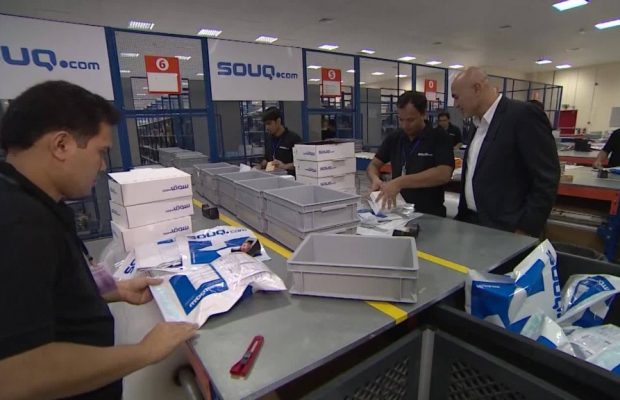
    US e-commerce business Amazon has bought the leading online marketplace in the Middle East, Souq.com.

    “Joining the Amazon family will enable Souq.com to continue growing while working with Amazon to bring even more products and offerings to customers worldwide,” the US company said in a statement.

    Souq.com is the largest online retail and marketplace platform in the Arab world, featuring more than 8.4 million products across 31 categories such as consumer electronics, fashion, health and beauty, household goods, and baby. The site attracts more than 45 million visits per month, with localised operations in the KSA, UAE and Egypt.

    “Amazon and SOUQ.com share the same DNA – we’re both driven by customers, invention, and long-term thinking,” said Russ Grandinetti, Amazon senior VP, international consumer. “Souq.com pioneered e-commerce in the Middle East, creating a great shopping experience for their customers. We’re looking forward to both learning from and supporting them with Amazon technology and global resources. And together, we’ll work hard to provide the best possible service for millions of customers in the Middle East.”

    Souq.com co-founder and CEO Ronaldo Mouchawar described the deal as “a critical next step in growing our e-commerce presence on behalf of customers across the region”.

    “By becoming part of the Amazon family, we’ll be able to vastly expand our delivery capabilities and customer selection much faster, as well as continue Amazon’s great track record of empowering sellers.”

    Subject to conditions, the acquisition is expected to close in 2017.

  • Vietnam convenience store growth to lead Asia

    Vietnam convenience store growth to lead Asia

    Vietnam will be the fastest-growing convenience market in Asia by 2021, predicts international grocery research organisation IGD.

    According to the researcher, Asia’s grocery market will be the largest in the world with predicted 6.3 per cent of compound annual growth rate, up to US$4.8 trillion by 2021.

    Of that, the convenience store sector will see double-digit compound annual growth in the next four years.

    IGD predicts the Vietnam convenience store market will grow by 37.4 per cent in that time, followed by the Philippines at 24.2 per cent and Indonesia at 15.8 per cent. Those figures are based on assessments of the performance of the leading convenience store operators in each market.

    Cstores IGD

    During the past couple years, Vietnam convenience stores have become popular destinations, especially for young consumers. Savvy operators, like Circle K and FamilyMart have recognised local demand for c-stores as a place to not only shop but to hang out as well, providing an air-conditioned area to consume freshly-served convenience foods and snacks, up-to-date merchandising systems, a mix of imported and local goods and –  in some stores – even free Wi-Fi.

    It is also easier for businesses to get licences for stores with footprints under 500 sqm.

    According to IGD, Vietnam, the Philippines and Indonesia share similar characteristics that make their convenience markets particularly ripe for growth, including:

    • Store expansion: In all three markets, major players are speeding up store roll-outs in a battle for marketshare. For example, the number of c-stores operated by the top five retailers in the Philippines has more than doubled during the last five years and retailers are gradually shifting their focus from the capital to more provincial areas for greater opportunities.
    • Local players are gaining a stronger foothold: Asia’s convenience market has traditionally been dominated by Japanese retailers, such as 7-Eleven (which has yet to debut in Vietnam), FamilyMart and Aeon. However, there have been more market consolidations and partnerships and most noticeably, domestic players such as VinMart in Vietnam and SM Retail in the Philippines have been scaling up their operations and establishing leadership in their local markets.
    • Neighbourhood mini-supermarkets are becoming more popular: Apart from the modern convenience store format, local operators such as Indonesia’s Indomaret and Dairy Farm’s Wellcome format in the Philippines have developed a successful neighbourhood mini-supermarkets model, which better cater to local needs. These mini-supermarkets are typically between 150 and 300 sqm in size and are located in residential areas, with a focus on fresh food, top-up grocery and food-for-tonight.

    Thanks to the positive economic outlooks of all three countries, consumers are shifting from traditional wet-markets to the so-called modern trade, like convenience stores and supermarkets.

    Increased GDP per capita and foreign investment have also encouraged the market growth.

    “Among all the brick-and-mortar grocery channels, convenience shows the strongest growth prospects in Asia, thanks to rapid urbanisation, a growing young population and greater levels of disposable income,” says Nick Miles, head of Asia-Pacific at IGD.

  • We expect to grow over 100% in India this year says Xiaomi CEO

    We expect to grow over 100% in India this year says Xiaomi CEO

    Xiaomi chairman and CEO Jun Lei is a sales man to the core – he even tries to market the $1 pen that his company sells as he winds up an interview. The company, which crossed $1 billion revenue in India last year and managed to grab the second spot behind Samsung, plans to go aggressive in the country, which Lei views as the second most important market after China.

    It is also looking at stronger brickand-mortar retail presence in India and elsewhere as its focus on the online-only model has been blamed for losing momentum in sales. While being upbeat on India, Lei sees many obstacles — from a complicated tax regime to weak infrastructure and poor broadband connectivity. Excerpts:

    Do you agree with the view that India is next China?

    India is the most important market after China. We look forward to continue to grow in India. Similar to China, we believe that India will experience same transformation in 10 to 20 years.

    PM Narendra Modi has focused a lot on Make in India initiative. Do you think India can become a factory to the world?

    Of course, we believe in that. We will first satisfy the needs of the local market… then we could consider the possibility of exporting.

    Do you face problems regarding infrastructure, government policies?

    From an optimistic point of view, we believe that the Make in India initiative has been pushed and adopted widely. We still see a lot of obstacles. For example, a lot of states have different tax rates. This could further complicate manufacturing and sales aspect. We look forward to GST to come in. We think India’s tax currently is much higher than China. Warehouse logistic costs are quite high. We also need a lot of effort in the transportation efficiency. Internet infrastructure is also a challenge. In China, 4G bandwidth is popular where a lot of cities are pushing for free Wi-Fi. We believe all these are worth the attention of the Indian government.

    Will there be higher focus on brick-and-mortar stores now?

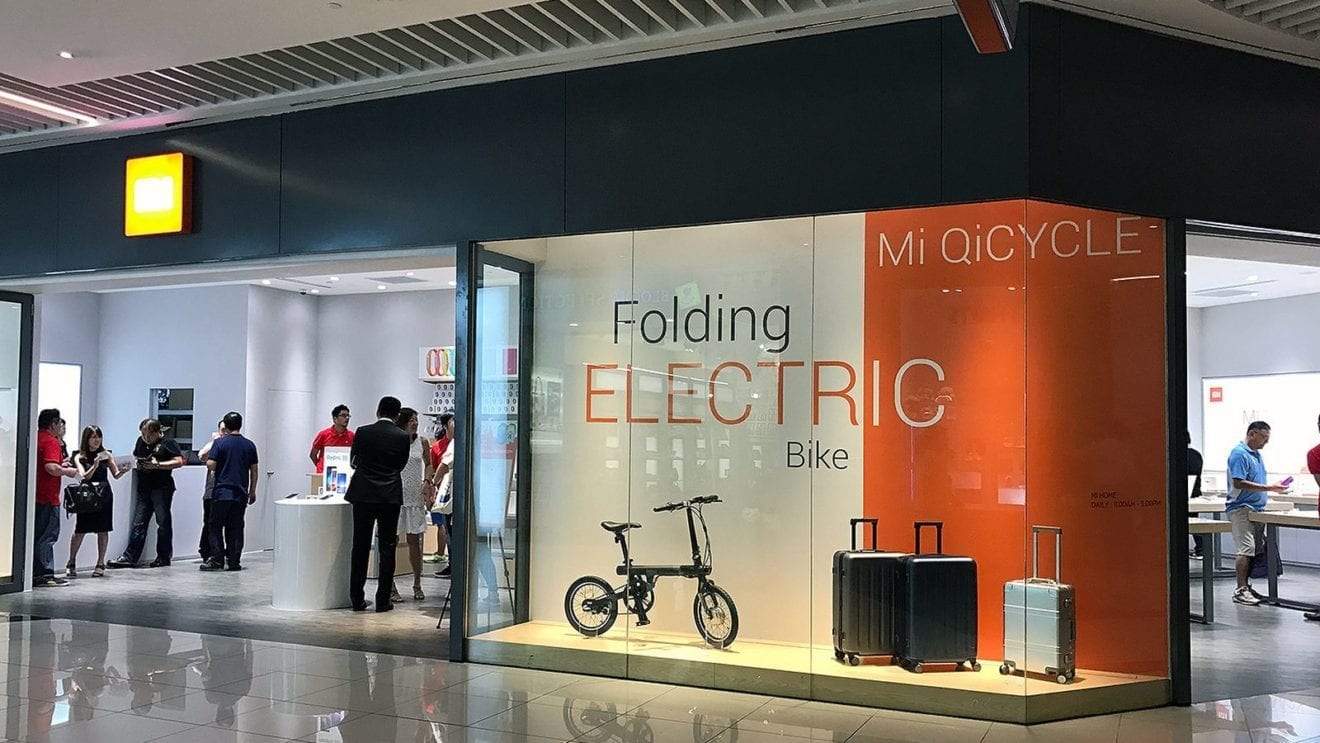
    Online enabled us to reach our dreams of high efficiency. We’re trying to use the same Internet-plus philosophy when it comes to (offline) retail. In China, we initiated the concept of Mi Home. We’re trying to reach the same efficiency level when we do offline retail compared to our online efficiency. We’re trying to price it at the same level for offline as well. We need to ensure that there’s value for money. We need to ensure that our channels and partners are also successful and make profits. Our focus this year will be to continue to extend our market share in online and then experiment with the Internet+retail concept.

    How many stores will you require?

    We have expanded offline retail through 10,000 (multi-brand) shops. Recently, we have partnered with four big retail chains in South India. We are planning to open our own stores.

    Do you intend to make investments in Indian startups?

    We have invested in a few Indian companies. We have announced our investments in Hungama, India’s largest radio platform. We invested in a few more but we have not publicly disclosed them. Xiaomi has invested in 165 companies worldwide by 2016-end. We emphasize on building the ecosystem around us as smartphone is the infrastructure of mobile internet. It really requires a lot more applications and services to further accelerate the industry. So, we really believe in supporting mobile start-ups in India.

    In China sales have been below expectations…

    In the past two years, we have indeed faced some challenges in China. It is mainly due to the fact that we reached 50% market share in the online smartphone market in China. For us to continue our growth, the key challenge is to enter offline. Last year, we made definitive improvements and progress in offline in China. We have made a major breakthrough in understanding how to do retail offline in an e-commerce manner. We are now back on track for rapid growth as our China momentum is picking up. We expect India business to grow over 100% this year.

  • Hermes promises year of ‘digital change’

    Hermes promises year of ‘digital change’

    French luxury retailer Hermes plans to update its digital strategy this year with an initial test run “in a small country”, according to chief executive Axel Dumas.

    He says 2017 will be “a year of digital change for us”, with the company’s e-commerce sales showing “significantly higher” growth rate than overall turnover.

    Dumas says he is proud of the result considering the company’s website “sort of stumbles along”.
    During the Christmas season, the Hermes e-shop was the group’s best-performing outlet for global neck-tie sales.

    “Hermes was the first luxury brand to launch e-commerce, in 2001, especially in the US,” says Dumas. “We are primarily retailers and wanted to handle our own online sales directly rather than hand over this business to an external corporate site.”

    However, he admits the website has aged while new technologies have forged ahead.

    “In wanting to maintain great image quality, we lagged behind in getting a mobile app,” says Dumas, also acknowledging a lack of clear organisation for the website.

    “To recreate the magic of Hermes, we decided to make a site where people could lose themselves. The result: people were really lost,” he says.

    “We hope to launch the new site this year. We will first run a test in a small country.”

  • Singtel, Telkomsel to Launch Mobile Remittance Service in Indonesia

    Singtel, Telkomsel to Launch Mobile Remittance Service in Indonesia

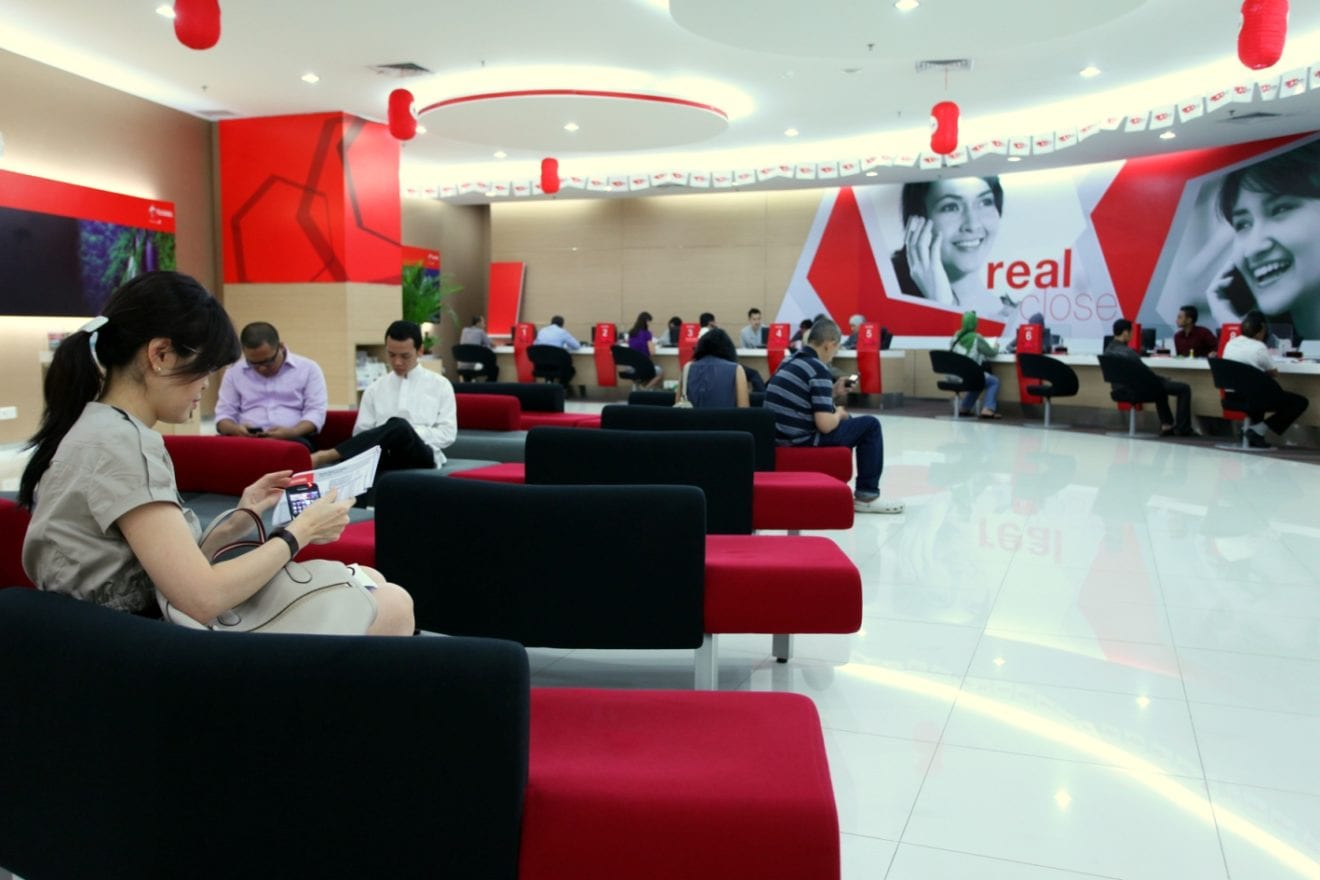
    Singapore Telecommunications, known as Singtel, is partnering with Indonesian operator Telkomsel to launch a real-time mobile remittance service in Indonesia, to boost its mobile money initiatives and tap into the relatively unbanked market in that country.

    The service is the first collaboration for Singtel and Telkomsel “on mobile money initiatives to drive innovation in both markets,” according to a press release on Sunday.

    The new service allows customers in Singapore to send money to about 4,500 cash withdrawal points across Indonesia via the Singtel Dash app, a mobile payments solution. The locations are post office branches managed by PT Pos Indonesia, a state-owned company responsible for providing the country’s postal services.

    Both telcos have also announced future plans to offer a mobile remittance service to Telkomsel’s TCash, an app which offers a digital mobile money service in Indonesia.The remittance service will involve SingCash, a subsidiary formed by Singtel in 2011 to provide mobile remittance and payment services.

    “Indonesia is one of our main remittance corridors,” said Yuen Kuan Moon, chief executive of Consumer Singapore at Singtel. There are 200,000 Indonesians living and working in Singapore, with outward remittances from Singapore to Indonesia worth over $409 million annually.

    Currently, remittance money services in Singapore remain limited and many workers resort to taking days off to go to remittance outlets in order to send money home.

    Singtel is making a push into digital technologies as competition in Singapore’s telcos industry continues to intensify. It announced earlier in March that it is working with e-commerce player Lazada Singapore to create an online marketing portal for small and midsize enterprises.

  • South Korean group in advanced talks to buy into AirAsia leasing unit

    South Korean group in advanced talks to buy into AirAsia leasing unit

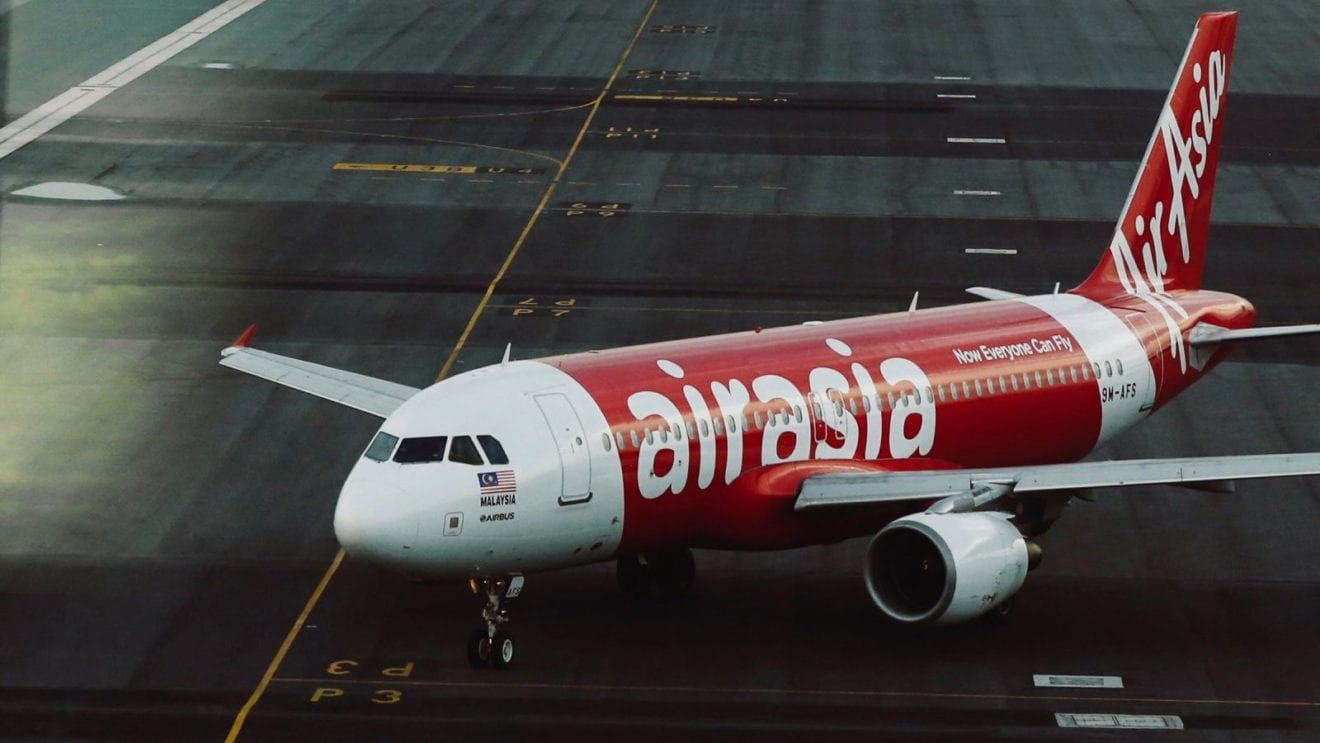
    A little-known South Korean group is in advanced talks to acquire a stake in AirAsia Bhd’s aircraft leasing unit, according to three people familiar with the matter.

    Two of the people said a deal would value AirAsia’s fully-owned unit, Asia Aviation Capital, at roughly $900 million.

    Privately-owned KOTAM, or Korea Transportation Asset Management, has been picked as the preferred bidder, the people said, with one adding that state lender Korea Development Bank (KDB) was tapped to provide funding, though it was not clear whether the bank had agreed to back the deal.

    Philippines AirAsia CEO Dexter Comendador (3rd from left), Clark International Airport Corporation (CIAC) President-CEO Alexander Cauguiran (4th from left), and Central Luzon Regional Tourism Director Ronaldo Tiotuico (2nd from right) are flanked by flight attendants during the send-off ceremony for the inaugural flight of AirAsia from the Clark International Airport (CRK) to Kalibo in Aklan, one of the routes to the world-famous Boracay. A total of 146 passengers took the inaugural flight going to Kalibo. The Kalibo flight arrives at 1:10 p.m. and departs from the Clark airport at 1:35 p.m. every Mondays, Tuesdays, and Wednesdays.

    Philippines AirAsia CEO Dexter Comendador (3rd from left), Clark International Airport Corporation (CIAC) President-CEO Alexander Cauguiran (4th from left), and Central Luzon Regional Tourism Director Ronaldo Tiotuico (2nd from right) are flanked by flight attendants during the send-off ceremony for the inaugural flight of AirAsia from the Clark International Airport (CRK) to Kalibo in Aklan, one of the routes to the world-famous Boracay. A total of 146 passengers took the inaugural flight going to Kalibo. The Kalibo flight arrives at 1:10 p.m. and departs from the Clark airport at 1:35 p.m. every Mondays, Tuesdays, and Wednesdays.

    KOTAM is part of Kukje Maritime Investment Corp., known as KMarin, which was founded in 2005 and has a fleet of 46 ships, according to its website.

    KOTAM, KDB and AirAsia did not have immediate comment.

    A successful deal would mark South Korea’s biggest move into the $256-billion global aircraft leasing sector, which has attracted others in Asia, including Industrial and Commercial Bank of China, BOC Aviation, China’s acquisitive HNA Group, and Japanese banks.

    KOTAM and AirAsia are negotiating final terms of the purchase of a majority stake in the leasing unit, one of the sources said. Asia’s biggest budget airline has sought buyers for its subsidiary since last year, and has said it aimed to close a sale early this year.

    A deal with KOTAM could still fall through, and two sources said that Air -Asia has not closed the door to a deal with a Chinese bidder.

    The sources declined to be identified as the negotiations are ongoing and confidential.

    South Korean insurers, asset managers and securities firms are attracted to aviation finance as aircraft leases offer fixed returns and are often seen as relatively safe transactions.

    Paid for in US dollars, aircraft are comparatively easy to release to various airline operators across the world.

    Reuters reported in December that AirAsia had received strong interest from North Asian firms, besides many Chinese companies.

    One of the sources said AirAsia was becoming concerned about Chinese buyers’ ability to close a deal due to China’s recent measures to tighten controls on money moving out of the country.

  • ​​Robinsons Store launches first​ ​Go Lokal! store in Robinsons Place Manila

    ​​Robinsons Store launches first​ ​Go Lokal! store in Robinsons Place Manila

    Robinsons Department Store, in partnership with the Department of Trade and Industry (DTI) opens today the first Go Lokal! store in Robinsons Place Manila.

    Robinsons Department Store, an affiliate of Robinsons Retail Holdings Inc., is the first mainstream outlet to launch Go Lokal!, a public-private collaboration between DTI and local retailer partners that aims to showcase modern and indigenous quality products crafted, designed, and created by innovative Philippine micro, small and medium enterprises (MSMEs).

    The Go Lokal! program has been designed to serve as incubation, marketing, and branding platform for the best of Philippine MSMEs products including next generation One Town One Product (OTOP) offerings. This new market access platform via a design-led concept store is set to revolutionize the way hard-to-find and artisanal Filipino products are sold in the local market, and will bring together a specially-curated line-up that ranges from food, apparel, accessories, home décor, gadgets and gift items. They can be found in consumer-frequented locations as a mainstream distribution channel for world-class Filipino products while offering value for money for targeted consumers and tourists.

    Trade Secretary Ramon Lopez said DTI is more than excited to open its first mainstream  Go Lokal! store with Robinsons Department Store as its dynamic partner in this effort of maximizing market access and providing exposure to our MSMEs. “Go Lokal! is truly a vibrant model for MSME development and inclusive business. We are happy that committed partners like Robinsons have taken on this challenge. We look forward to opening more outlets in their malls and department stores across the country,” Sec. Lopez said.

    Robina Gokongwei-Pe, President and COO of Robinsons Department Store, said that the program will benefit MSMEs because it’s a mainstream platform that brings them closer to a more diverse market and creates positive effects to the economy by encouraging entrepreneurship. “This partnership with DTI is Robinsons Department Store’s contribution to nation-building by providing our entrepreneurs an environment where they can be passionate about their businesses and prosper from their efforts, as we create opportunities for MSMEs to grow, succeed and make an impact to the retail industry,” said Gokongwei-Pe.

    Johnson Go, General Manager of Robinsons Department Store, said that Go Lokal! is Robinsons Department Store’s way of supporting Filipino entrepreneurs into their initial foray into more mainstream markets by making them more accessible to both local and foreign consumers. “The diverse product line of Go Lokal! brings together the best products that the Philippines has to offer which are world-class locally-made quality products by our MSMEs,” said Go.

    The DTI Secretary also said that aside from providing market access for MSME products, the Go Lokal! program is a platform for new entrepreneurs to test the marketability of their products without the fear of losing rental and commercial costs because their experience is free of charge

    Portion of Go Lokal! revenues will go to the various corporate social responsibility (CSR) projects of Robinsons Department Store including the government’s drug rehabilitation program.

    Robinsons Department Store, an affiliate of Robinsons Retail Holdings Inc., is the first mainstream outlet to launch Go Lokal!, a public-private collaboration between DTI and local retailer partners that aims to showcase modern and indigenous quality products crafted, designed, and created by innovative Philippine micro, small and medium enterprises (MSMEs). Launching the partnership recently were (l-r) Mr. Johnson Go, General Manager of Robinsons Department Store; DTI Bureau of Domestic Trade Promotion Director Rhodora Leaño; DTI Assistant Secretary for Industry Promotion Group Rosvi Gaetos, Secretary Ramon Lopez of the Department of Trade and Industry, Ms. Robina Gokongwei-Pe, President and COO of Robinsons Department Store; Mr. Irving Wu, Robinsons Malls Operations Director for Luzon and Ms. Maricar Reyes, celebrity endorser of Robinsons Department Store.


  • Ho Chi Minh City may tax online sales next month

    Ho Chi Minh City may tax online sales next month

    The city is making serious steps to collect sales taxes from small and home-based online business owners. Ho Chi Minh City’s tax department has said it will work with related departments to impose sales taxes on businesses running on Facebook and other online shopping sites.

    The department would submit the taxing plan to the city’s government for approval early next month, an unnamed official from the department told.

    The department said it would coordinate with information and trade departments, internet providers, banks and post offices to collect the tax.

    Last month, the trade department proposed the city work with Facebook on measures to collect tax from businesses running on the site.

    The General Department of Taxation later agreed with the proposal, saying it is working on measures to tax the businesses operating on Facebook, YouTube and Vietnamese messaging app Zalo.

    Tightening tax collection from online businesses is part of a plan to enhance state budget revenue collection.

    The city’s intent on taxing online sales has stirred up different opinions.

    Many said the tax collection is not an easy job for the authorities as many online retailers use anonymous accounts for transactions, not to mention that most purchase or sales transaction are cash-based.

    Vietnam’s e-commerce market, which has one of the world’s fastest growth rates, jumped 37 percent to around US$4 billion in 2015, data from the Ministry of Industry and Trade show.

    The growth rate is about 2.5 times faster than that in Japan, according to Tran Duc Tam, an industry expert.

    The government has projected revenue by Vietnam’s online retail to hit $10 billion by 2020, accounting for 5 percent of the country’s retail market.

    Retail sales in the first quarter of 2017 rose an estimated 9.2 percent from a year ago to $40.5 billion, the government said Wednesday, after an annual rise of 10.2 percent last year to $118 billion.

    Up to 60 percent Vietnam’s population is online.

  • Huawei Malaysia opens KL flagship

    Huawei Malaysia opens KL flagship

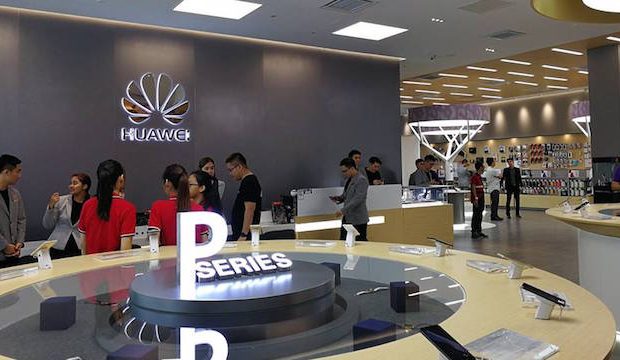
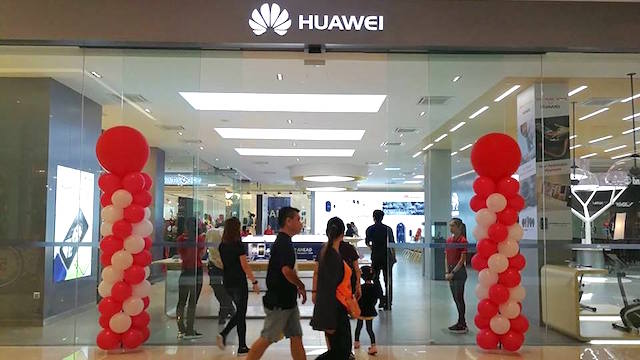
    Huawei Malaysia has opened its largest flagship store, at the Pavilion KL in Kuala Lumpur.

    On the fifth floor, the store will be a one-stop centre providing on-site services and send-for-repair services, as well as a private product consultation service.

    Its shelves feature a range of smart devices including phones, tablets and wearables.

    Huawei Malaysia Pavilion KL 2

    In conjunction with the store opening, the Chinese handset maker has a special promotion for the first 100 customers – a Swan speaker for a RM1000 (US$225) or more spend.

  • Film festival in Beijing shuns Korean movies

    China blocked the screening of Korean films at the upcoming 7th Beijing International Film Festival, the latest retaliatory measure against Seoul for the deployment of a U.S.-led antimissile system.

    Film industry sources confirmed Tuesday that Korean films were invited to partake in the annual film festival in Beijing, which runs from April 16 to 23, but they are not going to be screened because of Chinese authorities’ orders.

    Since the announcement last July of Seoul and Washington’s decision to deploy the Terminal High Altitude Area Defense, or Thaad, system to Korea, China has taken various retaliatory measures against the Korean entertainment industry, including unofficial bans on Hallyu, or Korean wave, content, as well as restricting tour packages to Korea and a crackdown on Korean retail stores in China.

    “The Beijing International Film Festival has invited Koreans but have suspended this because of Chinese authorities’ orders,” one film industry insider said. “Thus, it appears Korean films will not be screened at the film festival.”

    Last year, top young Hallyu stars including Lee Min-ho and Kim Woo-bin were in the spotlight at the film festival in Beijing, which launched in 2011. Lee, who starred in the 2016 comedic action film “Bounty Hunters,” a co-production project among Korea, China and Hong Kong, took part in the opening ceremony of the festival last April, which was broadcast on state television.

    There were several Korean films that were screened and made shortlists for awards last year. This year, no Korean films are reported to be on the preliminary screenings list.

    The eight-day Beijing International Film Festival is held by the General Administration of Press, Publication, Radio, Film and Television of the People’s Republic of China and the People’s Government of Beijing Municipality.

    China’s Administration of Press, Publication, Radio, Film and Television, which is responsible for broadcast policy, has been reported as being behind the order to production companies to stop making programs with Hallyu content as well as joint projects with Korea.

    Earlier this month, a Korean-Chinese co-production starring Korean actor Ha Jung-woo with Chinese actress Zhang Ziyi fell through after Ha faced trouble with getting a visa from China and other problems.

    News about Hallyu entertainers and Korean films is rare on Chinese television and in newspapers these days, and no Korean movie was released in China last year though about four films are usually released in theaters in China annually.

    The Chinese government became even more aggressive in its retaliation following the finalization of the government swapped land with Lotte Group at the end of last month to find a home for the Thaad battery. Lotte’s businesses in China were particularly targeted.

    When asked by a reporter for Seoul’s response to China’s blocking of Korean films and the continued retaliations for the Thaad deployment, Cho June-hyuck, spokesman for the Ministry of Foreign Affairs, replied that the Korean government is “paying close attention to the series of measures taking place within China.”

    Cho continued in a briefing Tuesday, “Our government holds the consistent position that under no circumstance should civilian exchanges between two countries, which form the foundation of bilateral relations, face artificial handicaps, and will actively respond to China’s unfair measures in order to minimize the damage against Korean companies.”

    The Foreign Ministry also spoke up against the destruction of South Korean flags in China following the Thaad fallout, saying it has lodged a strong protest with Beijing.

    Several Taegeukgi, or Korean national flags, were found torn in pieces in health clubs in Tianjin earlier this month in a sign of anti-Korea sentiment.

    “The national flag symbolizes the dignity of the country and our government takes the destruction of our flag in some regions in China seriously and gravely,” said Cho. He said that the Chinese government responded it recognizes the gravity of the destruction of the flags and will take necessary measures including retrieving destroyed flags.


  • Audi halts A4, A5 production at Ingolstadt over parts shortage

    Audi halts A4, A5 production at Ingolstadt over parts shortage

    German luxury carmaker Audi will halt production of the A4 and A5 luxury models at its Ingolstadt base this week until Thursday due to a parts shortage after a fire at a supplier, it said on Monday.

    Audi produces 1,400 A4 and A5 models per day at the plant, its largest, so it will lose 5,600 vehicles this week. A fire at a supplier making front wall cladding had disrupted parts deliveries, a spokeswoman said on Monday.

    About 8,500 of the 43,000 workers Audi employs at the plant will be affected and will not be working between Monday and Thursday, she said. Production of A4 and A5 models at a plant in Neckarsulm had not been affected.

    German news agency Deutsche Presse-Agentur reported the stoppages earlier on Monday.

  • Alibaba exploring blockchain to counter food fraud

    Alibaba exploring blockchain to counter food fraud

    Chinese e-commerce giant Alibaba will work with Australia Post and natural health firm Blackmores to combat the rise of counterfeit food being sold across China.

    The partners said they will work together to increase the traceability of food products and reduce the risk of fraud, and will explore new technologies for the initiative.

    The technologies to be explored include blockchain technology – a decentralised and highly available database – which could obtain crucial details from suppliers about where and how their food was grown and map its journey across the supply chain.

    The technology has the potential to enable up-to-date audits, increasing transparency between producers and consumers.

    Australia Post executive general manager for parcels and StarTrack CEO Bob Black said the project would help guarantee that only genuine Australian products arrive safely into the hands of Chinese consumers. Australia prides itself as a trusted exporter of high quality food.

    “Our food producers have a global reputation as being a clean, green and safe provider of food and we are pleased to help deliver a solution to enhance the integrity of their produce,” Black said.

    Food fraud is known to be one of the biggest issues facing the global food industry, considering the potential health risks associated with adulteration and loss of trust from consumers and governments. In recent years counterfeiters have targeted popular Australian products such as health supplements, beer and wine, honey and cherries.

    Last month, the two companies also signed an agreement to extend Australia Post’s online storefronts beyond China to Malaysia, Singapore and Indonesia using the e-commerce network Lazada, which Alibaba has a majority stake.