Author: Mei Ling Tan

  • How Alibaba’s Jack Ma Is Building a Truly Global Retail Empire

    How Alibaba’s Jack Ma Is Building a Truly Global Retail Empire

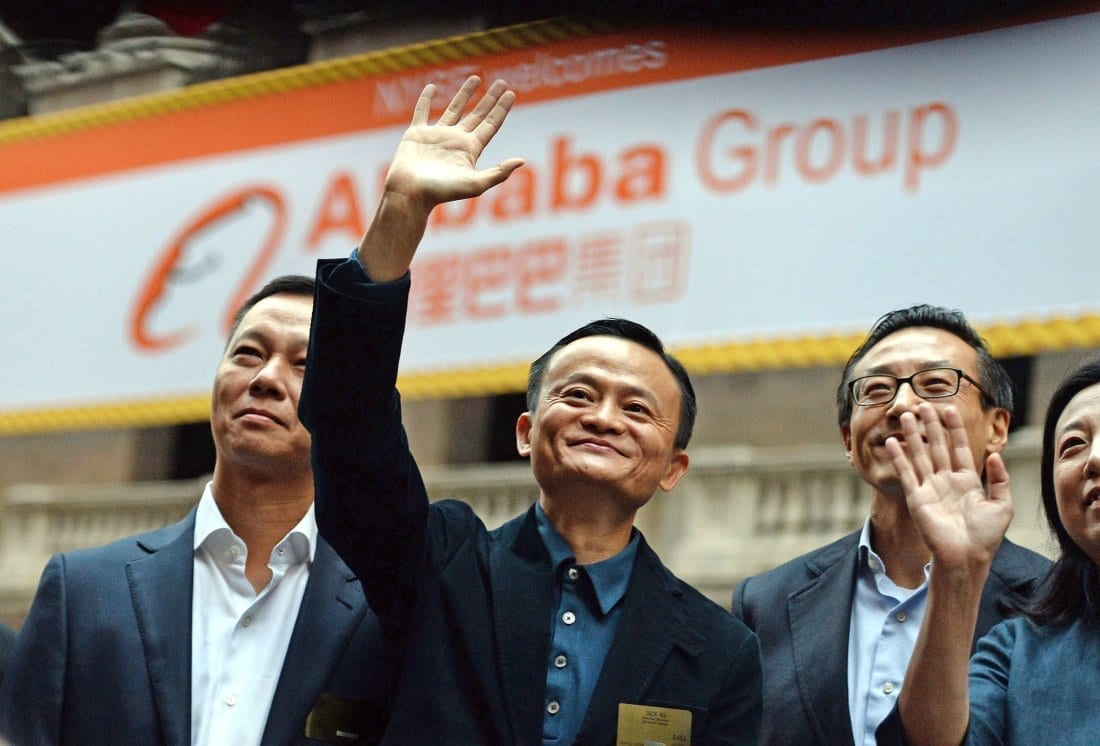
    Jack Ma is one of China’s richest men, with a fortune valued at nearly $30 billion. As executive chairman of Alibaba Group, he leads the dominant force in Chinese e-commerce, a company with a market value of $264 billion and some 450 million customers. A global ambassador for Chinese business, he spent 800 hours aloft last year—­visiting princes, Presidents, and Prime Ministers and lots of mere businesspeople too. “A professional pilot cannot travel that much, or so I’m told,” he boasts.

    Even so, the rich and powerful people who meet with Ma tend to come away from the experience with a fresh nugget of information, either about him or about the still poorly understood digital conglomerate he started with a bunch of friends 18 years ago in the provincial coastal city of Hangzhou. Jim Kim, a physician who is the president of the World Bank, met Ma four years ago over a dinner lasting more than three hours and was startled to find the billionaire wearing sandals, holding Buddhist prayer beads, and sitting cross-legged on his chair. Kim was so taken with Ma’s passion for facilitating global trade by focusing on small-business people that he’s rethinking his international development organization’s approach.

    Others are moved by Ma’s humanity. Jean Liu, president of Chinese ride-hailing startup Didi Chuxing, has known Ma for years and considers him a mentor. (Alibaba is a Didi shareholder.) She recently learned, through family connections rather than from Ma, about how he repeatedly visited a seamstress he had met after learning she was ill. Says Liu: “He genuinely cares about the people around him.”

    Then there’s the President of the United States, who met Ma for the first time a few weeks before his Inauguration. “Trump didn’t know that much about Alibaba,” reports company president ­Michael Evans, a former Goldman Sachs banker and Asia hand who helped set up the powwow. “He was fascinated to hear that Chinese consumers are interested in buying from U.S. small businesses. I don’t think that had occurred to him.” Ma used the sit-down to make a bold promise—that Alibaba would help create 1 million jobs in the U.S. over five years. The pronouncement was music to the President-elect’s ears. “It was a great meeting,” he declared before the cameras in the lobby of Trump Tower, a beaming Ma beside him. “Jack and I are going to do some great things.”

    President Trump isn’t the only one who could stand to learn more about Alibaba. Despite its heft in China and the blockbuster 2014 public offering that raised $25 billion on the New York Stock Exchange and introduced Alibaba to Western investors, Ma’s company remains a mystery to most non-Chinese. There’s a simple reason for that: Few outside the world’s second-largest economy are Alibaba customers. Ma is aware of this knowledge gap. It’s part of what drives him to keep logging frequent-flier miles to educate people about his company and his plans.

    To realize his vision—which relies on technology to buy, sell, finance, and deliver goods on Alibaba’s digital platforms around the world—Ma has been busily recasting himself of late as a global leader. Already he is the first Chinese business executive who can claim to have transcended his homeland for the world stage. In his travels, Ma promotes the lowering of trade barriers, touts his own brand of philanthropy, and supports causes such as primary-school education. His version of globalization is carefully calibrated and expansive enough to be consistent with the goals of his own President, Xi Jinping, as well as with Trump’s America-first positioning.

    As with so many effective leaders, Ma’s motives are complex. China is already a huge consumer market and one that’s still growing fast, but Ma knows that eventually he will need to conquer new territories for Alibaba to continue on its current trajectory. Like other Chinese champions, Alibaba has thrived at home while foreign competitors have thus far been stymied from entering his turf. If that changes, foreign markets will be even more crucial. Ma also needs for ­Alibaba—plagued by criticism over the profusion of counterfeit wares for sale on its sites—to develop a reputation as trusted around the world as Jack Ma is cherished by his fellow bold-faced names.

    Ma’s opportunity is unique. After centuries of stagnation, his country has recently reassumed its position as a world leader—just as Alibaba, one of its marquee corporate names, has joined the ranks of world-beating companies. With characteristic intuition, Ma, 52, seems to realize that this is his moment to go beyond merely being famous and take his place among the globe’s revered business leaders.

    -Fortune
  • Malaysian stocks likely to inch higher next week

    Malaysian stocks likely to inch higher next week

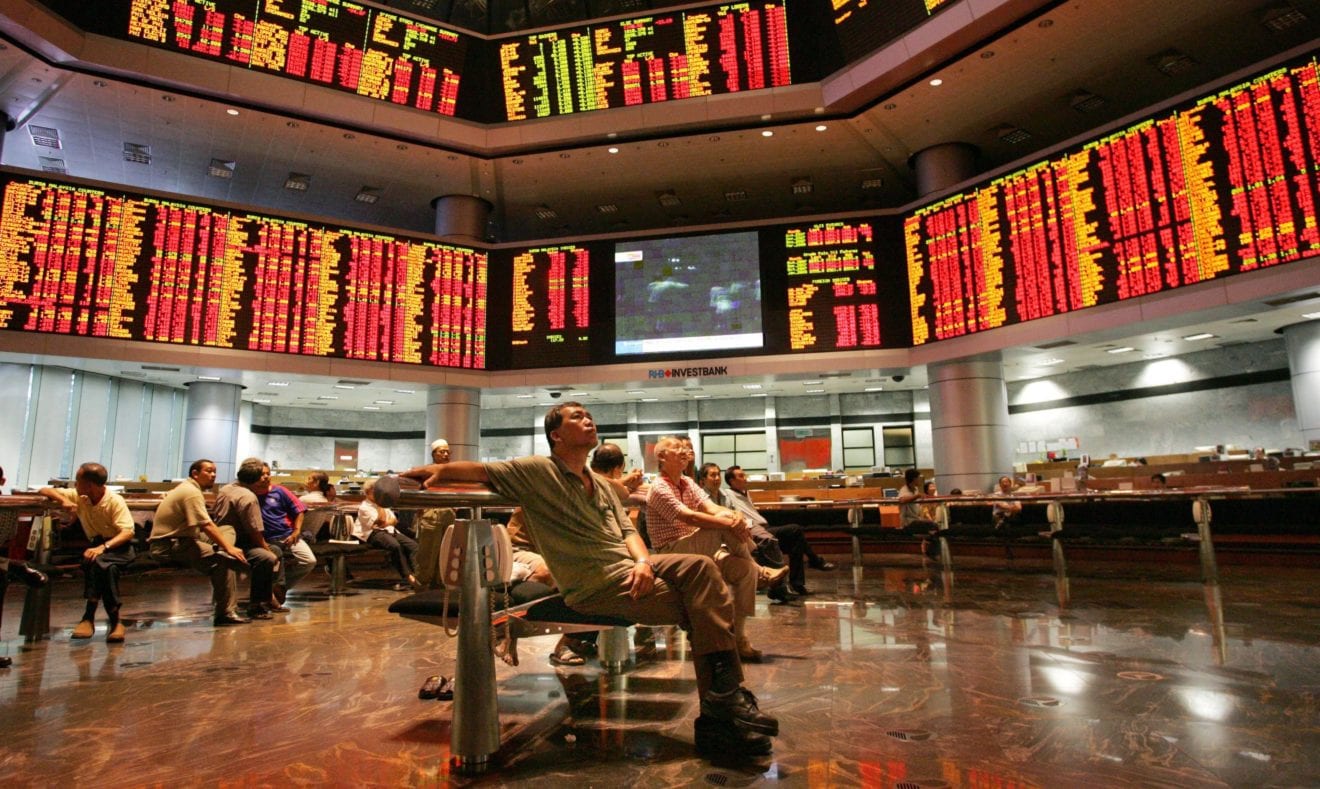
    Bursa Malaysia is likely to trend higher next week, with the benchmark index inching towards the 1,780-level, supported by positive local economic news and the return of calmness after the sharp drop on Wall Street early last week.

    Affin Hwang Investment Bank Vice-President and Head of Retail Research, Datuk Dr Nazri Khan Adam Khan, said FTSE Bursa Malaysia KLCI (FBM KLCI) maintained its bullishness and stayed in higher territory as equity bulls remained largely unfazed by the increases in the US interest rate.

    “For the year-to-date, FBM KLCI recorded a total gain of 116 points, or 7.1 per cent, signalling more resilience and upside in the near term despite imminent Federal Reserve rate increases and doubts on US President Donald Trump’s fiscal reforms,” he told Bernama.

    On the local news, he said, Prime Minister Datuk Seri Najib Tun Razak’s statement that Malaysia gross domestic product would be higher than 4.2 per cent this year should be supportive for market sentiment.

    Nazri said this showed that the economy was growing more than double the rates the International Monetary Fund had predicted for advanced economies while showing that Malaysia was firmly on the path to become a high-income nation.

    On the technical front, he said, immediate uptrend supports for the index were at 1,700 and 1,730.

    However, a convincing breach above 1,760 resistance would mean that the FBM KLCI would aim for the 1,780 and 1,800 levels.

    On a week-to-week basis, the FBM KLCI increased 0.55 of-a-point to 1,745.75 from 1,745.20 last Friday.

    The FBM Emas Index rose 24.52 points to 12,365.86, FBMT 100 Index was up 20.7 points to 12,017.00 and the FBM Emas Syariah Index gained 45.52 points to 12,772.75.

    On a sectoral basis, the Finance Index added 8.08 points to 15,748.07 and the Industrial Index rose 8.43 points to 3,272.24.

    The Plantation Index was 4.94 points weaker at 8,156.67.

    Weekly turnover surged to 22.23 billion units worth RM15.24 billion from 19.39 billion units worth RM17.22 billion last week.

    Main Market volume narrowed to 14.74 billion shares valued at RM15.16 billion from 15.10 billion shares valued at RM16.53 billion previously.

    Warrant turnover rose to 1.23 billion units worth RM149.62 million from 1.22 billion units worth RM148.94 million last week.

    The ACE Market increased to 5.98 billion shares worth RM897.82 million from 3.0 billion shares worth RM523.39 million previously.


  • Booths grocery products head to Malaysia

    Booths grocery products head to Malaysia

    Rather than head south in its home market, the upmarket northern England Booths grocery chain has opted instead for a JV in Malaysia.

    The family-owned retailer, which launched in Blackpool in 1847, has partnered with Hong Kong-listed retailer Dairy Farm, owned by Jardine Matheson, to sell 40 of its best-selling products, including chutneys, jams and puddings, in 19 shops across Malaysia.

    Chairman Edwin Booth, part of the fifth generation of the family to be involved in the firm, says Booths’ heritage gives people “a great deal of reassurance”.

    Booths has 34 stores across England’s north, mainly medium-sized supermarkets. Each store has its own identity, reflecting its location. Its JV in Malaysia is its first overseas foray.

    Staff members are given extensive product training to help them deliver a “friendly and informed” shopping experience, says the company.

  • Sales slide continues for Japanese retailers

    Sales slide continues for Japanese retailers

    The supermarket and department-store sales slide in Japan continued last month, say industry bodies.

    There was little impact yet from the Premium Friday campaign launched last month by the government and business community to encourage people to spend more with Japanese retailers by letting workers finish work early on the last Friday of every month, reports Japan Today.

    Supermarket sales fell 3.3 per cent from a year earlier, down for the third straight month. This is partly because of weak sales of clothing and household products, says the Japan Chain Stores Association. Overall sales at 9464 supermarkets run by 57 companies totalled ¥961.62 billion (US$872.9 billion).

    While sales of clothing dropped 9 per cent, household products including pharmaceuticals and furniture declined 4 per cent, says the association.

    Department-store sales slid 1.7 per cent, falling for the 12th consecutive month, says the Japan Department Stores Association. Overall sales at 234 stores run by 81 companies totalled ¥433.67 billion.

    Sales of clothing dropped 4.5 per cent, while sales of household items and food fell 8.6 and 0.8 per cent respectively, says the association.

    Both associations say the month’s weak retail sales were also affected by one less trading day in February last year, a leap year.

    While the Premium Friday campaign helped push up sales at department stores in large cities, it had little impact on supermarket sales, the associations say.

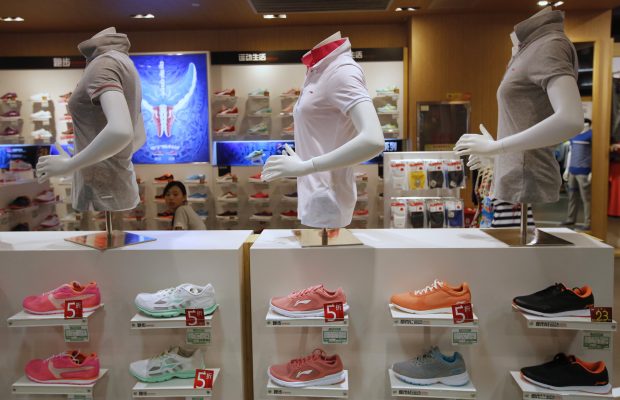
  • Li Ning e-commerce sales leap 90pc

    Li Ning e-commerce sales leap 90pc

    Li Ning e-commerce sales soared 90 per cent last year, driving an overall 13 per cent gain.

    The Chinese sportswear company closed the year with CNY8.015 billion (US$1.165 billion) in sales, while its gross margin grew 1.2 points to 46.2 per cent. Its net income also increased, reaching US$144.5 million, compared to $116.2 million the previous year.

    Footwear again led sales, up 15.7 per cent to $569.378 million, while apparel sales rose 12.7 per cent to $512.875 million and equipment/accessories followed with 4.9 per cent growth to $67.369 million.

    In contrast, sales for third-party brands such as Aigle, Kason and Lotto, slumped by 23.6 per cent to $11.957 million.
    Internationally, sales for the Li Ning brand itself grew by 36.4 per cent, reaching $29.356 million – just 2.6 per cent of the brand’s overall revenue.

    At December 31, Li Ning had 6440 stores, up 5 per cent on the previous year. These comprise 4829 franchised stores (up 4.6 per cent) and 1611 (up 6.3 per cent) run directly.

    In its annual report, the company says that while its business covers 44 countries, it believes that developing Asian countries will be crucial. “Cross-border e-commerce will remain our international team’s main focus this year.”

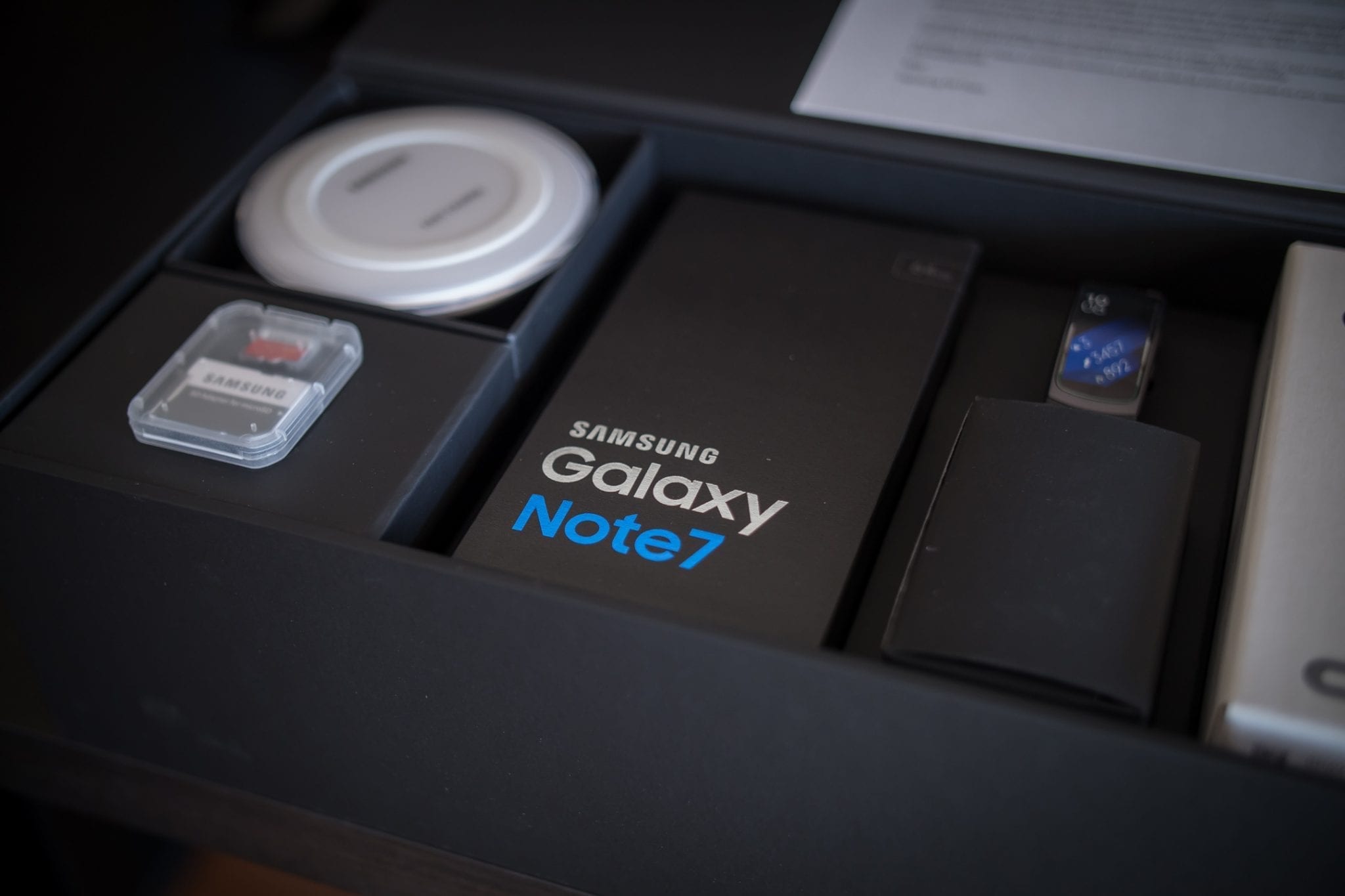
  • Samsung says to sell refurbished Galaxy Note 7s

    Samsung says to sell refurbished Galaxy Note 7s

    Analysis from Samsung and independent researchers found no other problems in the Note 7 devices except the batteries. Tech giant Samsung Electronics said late on Monday that it plans to sell refurbished versions of the Galaxy Note 7 smartphones, the model pulled from markets last year due to fire-prone batteries.

    Samsung’s Note 7s were permanently scrapped in October following a global recall, roughly two months from the launch of the near-$900 devices, after some phones self-combusted. A subsequent probe found manufacturing problems in batteries supplied by two different companies – Samsung SDI Co Ltd and Amperex Technology.


    Analysis from Samsung and independent researchers found no other problems in the Note 7 devices except the batteries, raising speculation that Samsung will recoup some of its losses by selling refurbished Note 7s.

    A person familiar with the matter told in January that it was considering the possibility of selling refurbished versions of the device or reusing some parts.

    Samsung’s announcement that revamped Note 7s will go back on sale, however, surprised some with the timing – just days before it launches its new S8 smartphone on Wednesday in the United States, its first new premium phone since the debacle last year.

    Samsung, under huge pressure to turn its image around after the burning battery scandal, had previously not commented on its plans for recovered phones.

    “Regarding the Galaxy Note 7 devices as refurbished phones or rental phones, applicability is dependent upon consultations with regulatory authorities and carriers as well as due consideration of local demand,” Samsung said in a statement, adding the firm will pick the markets and release dates for refurbished Note 7s accordingly.

    The company estimated it took a $5.5 billion profit hit over three quarters from the Note 7’s troubles. It had sold more than 3 million Note 7s before taking the phones off the market.

    The company also plans to recover and use or sell reusable components such as chips and camera modules and extract rare metals such as copper, gold, nickel and silver from Note 7 devices it opts not to sell as refurbished products.

    The firm had been under pressure from environment rights group Greenpeace and others to come up with environmentally friendly ways to deal with the recovered Note 7s. Greenpeace said in a separate statement on Monday that it welcomed Samsung’s decision and the firm should carry out its plans in a verifiable manner.

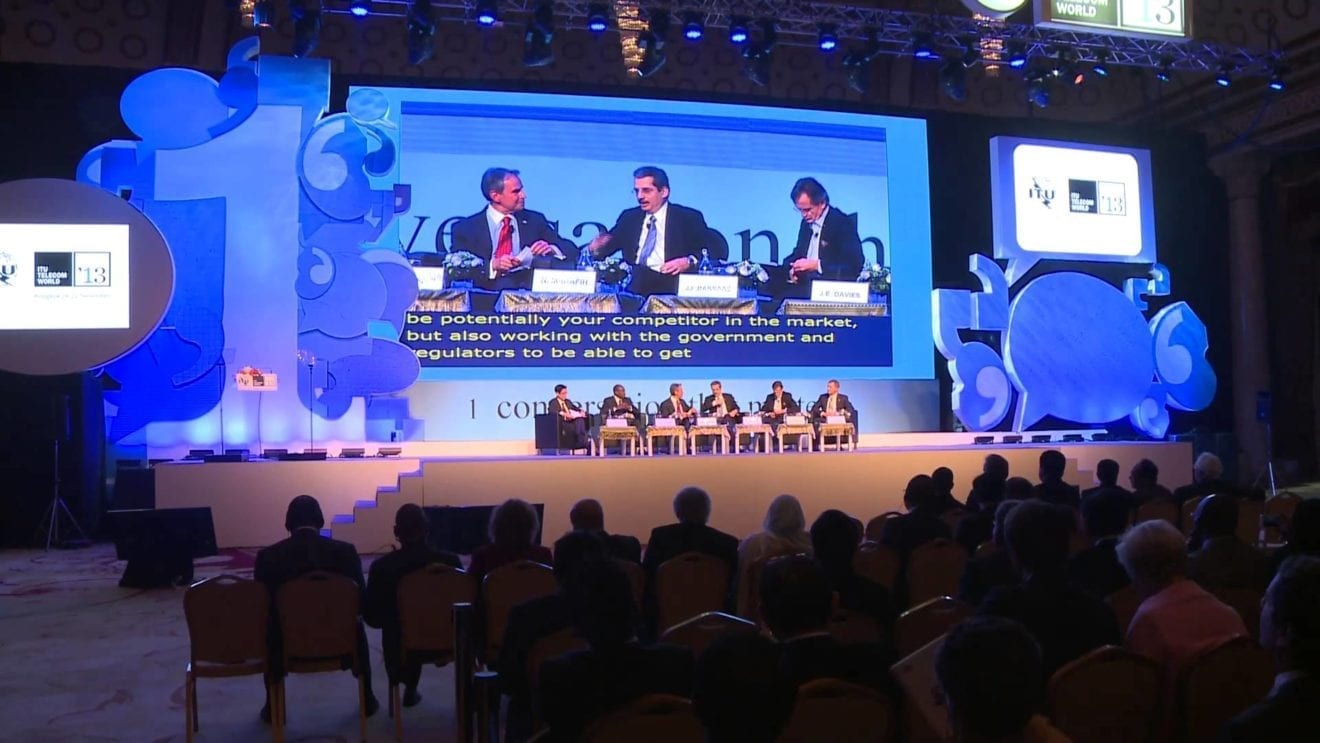
  • ITU to hold summit on AI for social good

    ITU to hold summit on AI for social good

    Can artificial intelligence (AI) help resolve global challenges such as poverty, hunger, health, education, equality and environmental protection?

    The International Telecommunications Union (ITU) is hosting the AI for Good Global Summit in Geneva this June.

    The summit, to be held in partnership with UN agencies, including OHCHR, UNESCO, UNICEF, UNICRI, UNIDO, UNITAR and UN Global Pulse, will evaluate opportunities presented by AI and how it can benefit humanity.

    It seeks to convene representatives of government, industry, UN agencies, civil society, and the AI research community to explore the latest developments in AI and their implications for regulation, ethics and security and privacy.

    Breakout sessions will invite participants to collaborate and propose strategies for the development of AI applications and systems to promote sustainable living, reduce poverty and deliver citizen-centric public services.

    “As the UN specialized agency for information and communication technologies, ITU aims to guide AI innovation towards the achievement of the UN Sustainable Development Goals,” said ITU Secretary-General Houlin Zhao. “We are providing a neutral platform for international dialogue to build a common understanding of the capabilities of emerging AI technologies.”

    Some of the confirmed speakers include Peter Norvig, Director of Research at Google; Peter Lee , Corporate Vice President of Microsoft AI and Research at Microsoft; Jing Wang, Senior VP and Head of Research at Baidu; Manuela Veloso, Professor in Computer Science and Robotics at Carnegie Mellon University; and Gary Marcus, Professor of Psychology and Neural Science at New York University.

    Marcus Shingles, CEO of XPRIZE, said that with the acceleration and democratization of AI, the organizers recognize the tremendous opportunity for an emerging generation of problem solvers to tackle global challenges.

    “We are seeing teams use AI as an underlying tool across a variety of domains, from creating personalized learning experiences for children with no access to formal education in Tanzania, to empowering consumers to make healthcare decisions with a medical Tricorder device, to guiding advanced and autonomous robotic vehicles to explore the deep sea or to find their way to the lunar surface,” he said.

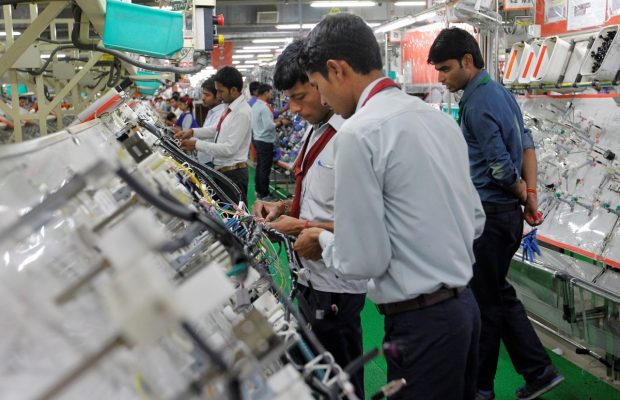
  • India’s Motherson Sumi buys Finland’s PKC Group for $619 million

    India’s Motherson Sumi buys Finland’s PKC Group for $619 million

    Indian auto parts maker Motherson Sumi Systems Ltd said on Monday it had completed the buyout of Finland’s PKC Group for 571 million euros ($619.4 million).

    Motherson is now the controlling shareholder of PKC Group, holding 93.75 percent of PKC’s outstanding shares and stock options.

    “There is a great synergy between MSSL & PKC and a complementary geographical presence to serve the customers in all regions,” Motherson said in a statement.

    Shares of Motherson, which have gained 12 percent since the deal was made public on Jan. 20, were trading slightly higher on Monday.

  • Chinese supermarkets pull Brazil meat from shelves as food safety fears grow

    Chinese supermarkets pull Brazil meat from shelves as food safety fears grow

    Some of China’s largest food suppliers have pulled Brazilian beef and poultry from their shelves in the first concrete sign that a deepening scandal over Brazil’s meat processing industry is hitting business in its top export market.

    The moves by Sun Art Retail Group, China’s biggest hypermarket chain, and the Chinese arms of global retail giants Wal-Mart Stores and Metro AG come days after China temporarily suspended Brazilian meat imports. Safety fears over Brazilian meat have grown since police accused inspectors in the world’s biggest exporter of beef and poultry of taking bribes to allow sales of rotten and salmonella-tainted meats.

    A spokeswoman for Sun Art Retail, which operates 400 Chinese hypermarkets, said on Wednesday the chain had removed beef supplied by top Brazilian exporters BRF SA and JBS SA from its shelves from Monday. Brazilian beef accounts for less than 10% of Sun Art’s beef supply, she said. Wal-Mart has also removed Brazilian meat products from its stores, a person familiar with the matter said. He declined to be quoted because of the sensitivity of the matter.

    Germany’s Metro has withdrawn Brazilian chicken legs and wings from its Chinese stores, said a manager, who declined to be named as he was not allowed to speak to media. The retailer, with 84 stores in China, does not sell Brazilian beef. JD.com, one of China’s biggest online retailers, said in an emailed statement it had also removed all listings for imported Brazilian meat and is reviewing orders in process.

    While Brazilian officials sought late on Tuesday to reassure consumers that the investigation had revealed only isolated incidents of sanitary problems, the reaction by Chinese retailers suggests that the probe could have far-reaching repercussions for the world’s top meat exporter. Chinese consumers appeared largely unconcerned or unaware of the scandal in Brazil, with few people commenting on the issue on the country’s vibrant social media networks.

    But the country has been hit by its own safety scandals in the past, making retailers sensitive to any potential risks.

    “We removed the product already on March 20,” said Sun Art’s spokeswoman, noting it was ahead of the Chinese government’s first official comment on the issue. Brazil is the top supplier of beef to China, accounting for about 31 percent of its imports in the first half of 2016. Much of it is used in canteens and foodservice and branded Brazilian beef is less prominent in supermarkets than Australian beef.

    Importers are expected to wait a few more days before seeking out alternative supplies, which will likely be more costly than Brazil’s. “It’s a 45-day lead-time to get any product here. What if they lift the ban by the end of the week?” said an industry source who declined to be identified. Hong Kong, the second-biggest buyer of Brazilian meat in 2016, has also issued a ban on imports, following similar steps by Japan, Canada, Mexico and Switzerland.

    Major Hong Kong supermarket chain PARKnSHOP said it had removed Brazilian pork, beef and chicken from shelves. “To cater for the needs of customers, we will increase the supply of meat and poultry products from other countries,” it said in a statement, without elaborating.

  • Vietnam confectionery booming

    Vietnam confectionery booming

    Market observers see a positive outlook in the long term for Vietnamese confectionery exports.

    Their optimism is based on a steady double-digit growth in export value for several years and an upward tick in investment and production expansion by local firms.

    According to the Business Monitor International (BMI), the nation’s confectionery sector has experienced a relatively high and stable growth rate and it is forecast to earn revenues of VNĐ40 trillion (US$1.8 billion) in 2018.

    China, the United States and Cambodia were the top three importers of Vietnamese confectionery last year, followed by Japan and South Korea. China is set to maintain its leading position this year, with import growth estimated at over 40 per cent.

    Confectionery exports went up 15 per cent year-on-year in 2016 with an export value of $532 million, the Ministry of Industry and Trade (MoIT) estimates. The export value in 2015 was $463 million.

    The growth in exports and better prospects seen have spurred investment in the industry, the MoIT has said.

    To promote co-operation between Vietnamese enterprises and experienced international confectioners, the German Bakers’ Confederation and the organising committee of the international trade fair for bakery, confectionery and snacks (IBA 2018) are treating Vietnamese enterprises as significant partners, according to the Đầu Tư (Investment) newspaper.

    The IBA has been a rendezvous for experts in the bakery, pastries, and snack industries since 1949. It is a platform for innovation and provides a complete overview of all novelties in the market. IBA 2018 will take place from September 15-20 in Munich, Germany.

    Nguyễn Trung Chính, representative of the GHM Company in Việt Nam, an affiliate of Munich-based GHM Gesellschaft für Handwerksmessen mbH, said Vietnamese confectionery products are capturing the attention of foreign investors.

    “In early April, GHM General Director Diether Dohr will come to Việt Nam to meet with local confectionery companies, and introduce them to German manufacturers and importers,” Chính said.

    Foreign rivals

    With improved quality, modern packaging and a more diverse range of products, the Vietnamese confectionery industry is developing strongly, especially in the premium segment.

    Statistics compiled by the MoIT show that imported confectionery now accounts for 30 per cent of the market share. In 2016, Việt Nam’s confectionery imports reached over $250 million, up 20 per cent year-on-year.

    A representative of the Phú Hưng Securities Corporation told Đầu Tư that the confectionery industry is not just looking at huge export potential, but also a surge in import earnings.

    “With a large and young population, Việt Nam’s average confectionery consumption is currently about 2 kilogrammes per person per year (lower than the world average of 3 kilogrammes per person per year). Confectionery consumption among the 65 per cent of the population that live in rural areas, which means that that there are plenty of market opportunities for both confectionery makers and traders, ” he said.

    Confectioners like Bibica Corporation, which has popular brands like Hura, Choco Bella, Orienko, Zoo, are trying to maintain and strengthen their market position.

    Besides building a new plant in Hưng Yên province, Bibica is preparing to operate its $12 million cupcake production line.

    The company has also implemented a $3.3 million project to produce the Hifat soft candy and has another project worth over $670,000 to produce round cakes.

    The Hải Hà Confectionery Joint Stock Company, another well-known firm, is building a new factory with a daily capacity of about 62 tonnes a day in Bắc Ninh Province.

    Vũ Quốc Tuấn, deputy manager of external relations and internal communications department with confectioner Mondelez Kinh Đô Việt Nam, said that imported candy has triggered fierce competition in the country’s confectionery market.

    He said: “This is the necessary motivation for local manufacturers to invest more in new production technology, improve product variety and enhance product quality, serving the diverse demands of demand of domestic and international consumers.”

  • Bad record for Bonjour Holdings

    Bad record for Bonjour Holdings

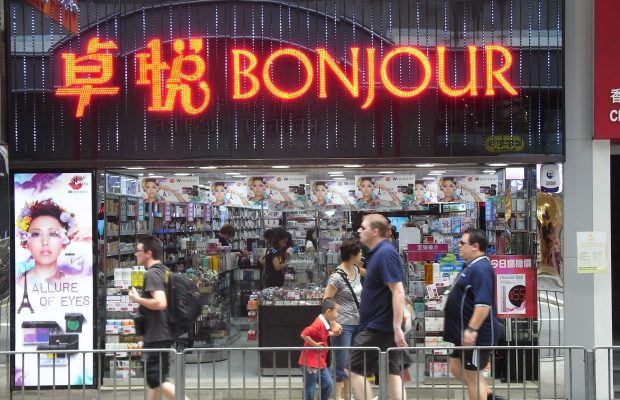
    Tumbling turnover and gross profit margin have flipped an operating profit to a loss for beauty and healthcare retailer Bonjour Holdings.

    Its turnover for last year fell 12.8 per cent to HK$1.995 billion (US$256.8 million), while its gross profit margin dropped from 41.8 to 38.1 per cent. This gave the group a loss of HK$77.9 million compared to a profit of HK$50.7 million in 2015.

    During the year, the group rationalised its retail network from 47 to 42 outlets.

    Hong Kong and Macau retail sales fell for the second straight year, the company’s audited results show.

    Same-store sales fell 10.1 per cent despite the average sales value per transaction for mainland tourists rising by 7 per cent. However, the total number of mainland customers dropped by double digits last year. The company says the drop in its total number of customers contributed about 9 per cent of the overall retail decline during the year.

    Bonjour says an enormous demand continued for Korean beauty and skincare products in Hong Kong’s retail market. Because of this, the group has formed dedicated procurement team to explore this trend.

    During the year, Bonjour continued to introduce a variety of mass Korean beauty products to keep the market competitive and to offset the negative impacts of the falling sales of Western and Japanese premium brands.

    Meanwhile, the group has been increasing awareness of its brand through online platforms. It partnered with Tmall and WeChat during the year to broaden its touch points with target consumers.

    “Additionally, with the rapid rise of live-streaming and photo-sharing apps, video and photo content and key opinion leaders (KOL), partnerships has taken up a significant role in our marketing campaigns,” says Bonjour. “Online image sharing has become a critical element for us to communicate with our target consumers.”

    Delivery service

    The group partnered with Alipay in two one-day events during the year, “2016 Carnival All the Way” and “Double Eleven”. The group also cooperated with China Post Cross-border eCommerce (CPCBE) to launch the cross-border shopping platform www.bonjourO2O.com (BonjourO2O). With its direct delivery service, customers can buy overseas items not available in Bonjour’s mainland stores.

    Online retail sales last year reached HK$40.1 million, up 7.4 per cent from 2015.

    At the end of the year, the group had 42 stores in Hong Kong, Macau and Guangzhou. During the year, sales continued to decline in the face of “sky-high” rents. While rents have been adjusting over the past two years, the reduction has not been fully reflected in the company’s income statements as it is usually locked into leases with a three-year term. The company is able to renew only about a third of its agreements each year.

    “We believe that stabilising sales along with falling rents should help improve our profitability gradually,” says the group.

    Bonjour currently distributes 180 international cosmetic, skincare and healthcare products including Dr Schafter, Suisse Reborn, WowWow and Yumei. During the year the company adjusted the product mix, increasing international parallel-import products and mid-to-lower-priced trendy products while cutting back on higher-priced exclusive products.

  • CIMB-Alipay mobile wallet provides Chinese tourists a more seamless payment experience

    CIMB-Alipay mobile wallet provides Chinese tourists a more seamless payment experience

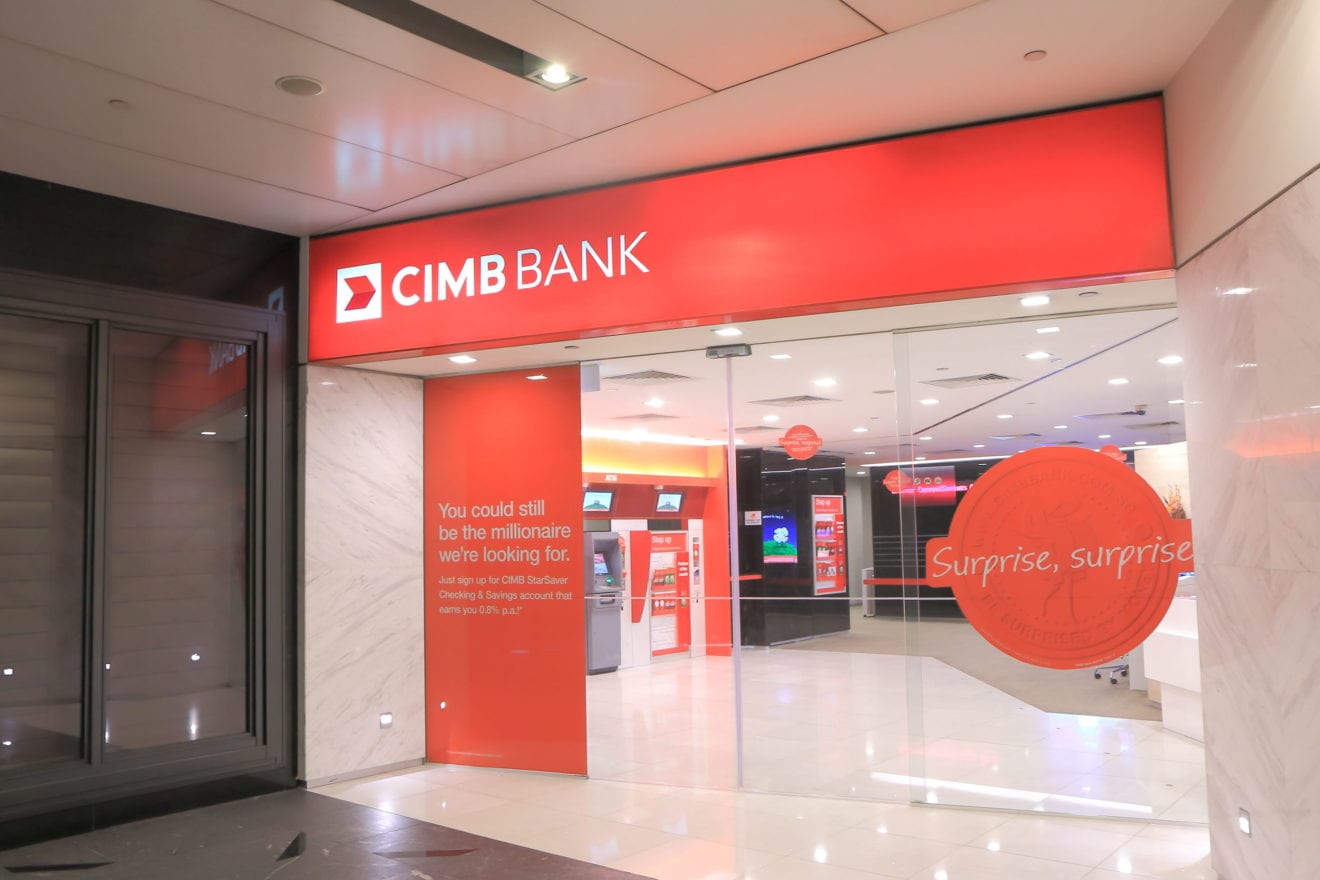
    CIMB Bank Bhd (CIMB Bank) and Ant Financial Services Group (Ant Financial), the parent company of Alipay, the world’s largest online and mobile payment platform, yesterday announced a collaboration to enable the Alipay mobile wallet in Malaysia as an alternative cashless payment for Chinese tourists.

    CIMB Bank will act as the settlement and merchant acquirer bank to facilitate Alipay payments in Malaysia, to enable Chinese visitors to pay for their transactions in renminbi without concern about exchange rates, through a simple barcode-scanning method that they are used to in China.

    Douglas Feagin, Senior vice president of Ant Financial said, “We are pleased to work with a leading financial institution in Malaysia and Asean such as CIMB Bank to bring the convenience of the Alipay service to our users wherever and whenever they need them. We see CIMB Bank, with its extensive merchant network, as the perfect collaboration partner to provide our payment solutions to Chinese travellers in this region.”

    Tengku Dato’ Sri Zafrul Aziz, group chief executive, CIMB Group said, “The entry of Alipay marks a notable milestone in the growth of mobile wallet payment services in Malaysia. We are excited to work with Alipay to provide Chinese tourists a convenient and secure payment experience while in Malaysia and we target to go live with our merchants by May 2017, having received Bank Negara approval just recently.

    “CIMB’s leading edge expertise in transaction banking is not only supporting Malaysia’s drive for a safe and secure cashless society, but also providing our customers with a seamless banking experience within Asean.”

    Earlier on, an exchange of Memorandum of Understanding (MOU) took place between CIMB Bank and Ant Financial to officiate the collaboration. Ant Financial was represented by Douglas Feagin while CIMB Group was represented by Tengku Dato’ Sri Zafrul Aziz.

    Witnessing the MOU exchange were Dato’ Sri Najib Razak, Prime Minister of Malaysia; Jack Ma, executive chairman, Alibaba Group; Dato’ Sri Nazir Razak, chairman, CIMB Group and Lucy Peng, chairman, Ant Financial.

    Thus far, CIMB is collaborating with Genting Malaysia Berhad, Digi Telecommunications Sdn Bhd, YTL Corporation Berhad and Maxincome Resources Sdn Bhd (which operates the FamilyMart convenience store chain) to be the pioneer merchants to accept Alipay mobile wallet payments in Malaysia.

    Alipay merchants in Malaysia will have the opportunity to deepen their wallet share from Chinese travellers, by providing an alternative payment channel to current cash or dual-currency credit card facilities.

    Genting Malaysia Berhad’s leading integrated resort, Resorts World Genting will be the first merchant working with CIMB to incorporate Alipay as an alternative payment channel for its customers. The award winning resort will have the world’s first Twentieth Century Fox Theme Park, the brand new SkyAvenue mall’s food and beverage and retail outlets, and also hotels under its RM10.4 billion Genting Integrated Tourism Plan.

    Digi Telecommunications Sdn Bhd will enable tourists from China to enjoy the convenience of paying for Digi mobile and data plans through the Alipay mobile wallet, enabling them to stay connected while they are in Malaysia. The Alipay mobile wallet provides customers payment convenience in line with Digi’s strategy to bring a seamless digital experience to its customers.

    YTL Corporation Berhad is looking into welcoming acceptance of Alipay mobile wallet with CIMB, especially for YTL Hotels & Properties, the hospitality arm of YTL Corporation Berhad, YTL Hotels & Properties owns and manages a prestigious collection of award-winning resorts, hotels, boutique experiences and spa villages; as well as Hutong @ Lot 10, and Starhill Gallery in Kuala Lumpur, where many Chinese tourists frequent whenever they visit Malaysia.

    FamilyMart will enable Alipay acceptance in three of its current outlets, located in Wisma Lim Foo Yong, Mid Valley, and KLIA 2, in its continuous efforts to bring more convenience to its shoppers. FamilyMart, which originates from Japan, is the first convenience store chain in Malaysia to bring mobile payment and Alipay to Chinese tourists. The chain targets to open 300 stores in five years.

  • Noodle firm earnings plunge

    Noodle firm earnings plunge

    Colusa-Miliket Foodstuff Joint Stock Company’s (Miliket) audited financial report for 2016 showed a 40 per cent drop in pre-tax earnings compared with the previous year, indicating a loss of market share.

    The report showed revenue of VNĐ461 billion (US$20.7 million) and pre-tax earnings of VNĐ25 billion ($1.12 million), declining by 3.5 per cent and 39 per cent, respectively, from 2015, and currently the lowest since 2012.

    The noodle company’s market share reduced to only 2-4 per cent in total.

    In 2016, despite the company’s effort to introduce a new line of products with better packaging and another line with flavour diversity, it failed to attract customers and accumulated 15 per cent more inactive stock compared with 2015.

    The stock of VNĐ23.3 billion ($1.04 million) caused the company’s liabilities to increase from VNĐ61.1 billion ($2.74 million) to VNĐ72.8 billion ($3.27 million).

    In total, Miliket’s total capital in 2016 was VNĐ196 billion ($8.8 million), with cash flow of VNĐ122.3 billion ($5.5 million).

    According to financial experts, the company will soon be depleted of cash if it fails to increase quantity consumed.

    At present, Miliket’s instant noodles is in the lowest price bracket on the market, at VNĐ3,000 ($0.13) per package. This allows the company to focus on low income customers and cheap restaurant chains, both market segments neglected by larger companies.

    Miliket is one among several large noodle producers on the scene in Việt Nam today facing challenges. Other brands such as Acecook, Masan and Asia Food are also facing problems generating revenue.

    Although Acecook holds nearly 50 per cent of domestic market share, it experienced continuous drop in earnings between 2013 and 2015, whereas Masan’s 2016 revenue dropped by 20 per cent from the previous year.

    According to the World Instant Noodles Association, the amount of instant noodles consumed annually in Việt Nam has gradually declined since 2013, from 5.2 billion packages to 4.8 billion in 2015. The country has the fourth largest quantity of instant noodles consumed per annum.
    Read more at https://vietnamnews.vn/economy/373605/noodle-firm-earnings-plunge.html#ZMULl4oFsddSQVRI.99

  • APEJ consumers more wary of sharing personal data

    APEJ consumers more wary of sharing personal data

    Almost four in five (78%) of consumers in the APEJ region will not choose to purchase from a brand again if their data had been used without knowledge, according to the latest SAP Hybris Consumer Insight survey

    Despite that fact that more than 83% of respondents are willing to share at least some form of personal information with brands, APEJ consumers (67%) expect brands to protect their interest when using their personal data.

    Consumers also want transparency in data usage (52%) and want brands to ensure customer privacy in the event of criminal investigations (47%).

    Nicholas Kontopoulos, Global Vice President of Fast Growth Markets Marketing at SAP Hybris, said APAC accounts for half of the world’s total 3.6 billion internet users and the fastest growing region, accounting for 70 percent of total growth in global internet users in 2016.

    “This rapid growth of the internet, mobile phones, and other digital technologies has created opportunities and challenges for millions of consumers and brands in the region,” he said.

    The SAP Hybris survey found that APAC consumers are most comfortable with sharing the email addresses (58%), shopping history and preferences (49%), and mobile numbers (36%) with brands. However, while these allow brands to create personalized customer experience for the consumers, usage of consumer data has to be approached with extra caution.

    APAC consumers also have higher expectations. Over 80% of respondents in APAC indicated that they expect brands to respond to their queries within 24 hours, and 56% expect responses within three hours, setting that as the baseline expectations on the speed of response.

    Thailand and China are the most demanding markets in the region, with almost 1 in 2 (48%) expecting brands to respond to their queries within the hour. More than half (56%) of consumers from these two countries also indicated that there will not use of brand again if it makes a mistake twice.

    “With customer expectations higher than ever due with digitization, the pressure is on for marketers to keep up with tech-savvy, always-on consumers—or risk getting trampled by the competition,” Kontopoulos said.

    “In addition to speed and timeliness, relevance and personalisation of content served to consumers have also become key measures of success for brands attempting to connect with customers.”

  • Indian cellcos told to re-verify all customers

    Indian cellcos told to re-verify all customers

    The Indian government has instructed the nation’s mobile operators to re-verify all their mobile subscribers with a system that uses biometric authentication by next February.

    All existing subscribers will need to be re-verified using the Aadhaar-based system, which includes a unique identifying number and biometric data.

    Both prepaid and postpaid subscribers will need to be registered under the new system, and all licensees will need to inform existing subscribers about the requirement through advertisements in print and electronic media as well as SMS.

    The new requirement stems from a Supreme Court order in February that requires operators to complete the verification system for existing subscribers within one year.

    Operators plan to use and share a common device ecosystem for the verification process and will work on mechanisms to limit public inconvenience.

    But the Cellular Operators’ Association of India (COAI), the peak body for India’s GSM operators, has complained that the re-verification exercise will cost 10 billion rupees in infrastructure and training costs, and these expenses will need to be borne by operators.

    COAI also indicated it may need to seek an extension from regulator Trai if its members are not able to complete the process of re-verifying millions of subscribers within a year.