Author: Mei Ling Tan

  • New Zealand’s Chorus extends managed services deal with Nokia

    New Zealand’s Chorus extends managed services deal with Nokia

    New Zealand infrastructure provided Chorus has extended its managed services agreement with Nokia for another three years.

    With the contract extension, Nokia will remain the operator’s sole managed services partner.

    The contract is based on Nokia providing fully managed end-to-end operations services aimed at improving the customer experience, operational efficiency and the quality of Chorus’ nationwide fixed line network.

    The initial managed services contract was signed in 2014. Under the agreement, Nokia is providing real-time end-to-end operations and network management from its Global Delivery Center in India.

    “Our decision to extend the existing agreement reflects our satisfaction with Nokia operations and support services,” Chorus CTO Ewen Powell said.

    “We need a partner that understands our business and can deliver simplicity over complexity, helping us launch innovative offerings to our partners and their customers while improving the overall reliability of our networks. Nokia has proven its capabilities to do that, so the extension was very straight forward.”

    Chorus was spun out of the infrastructure arm of former state-owned operator Telecom New Zealand as part of the demerger agreement that was a condition of its participation in New Zealand’s Ultrafast Broadband (UFB) state broadband project. The retail division was spun out into what is now called Spark.

    Chorus owns the majority of telephone lines and exchange equipment in New Zealand and is responsible for building around 70% of the UFB.

  • ‘Grocerant’ Offers Korean Consumers Another Great Way to Enjoy US Beef

    ‘Grocerant’ Offers Korean Consumers Another Great Way to Enjoy US Beef

    Working to displace competitors of US beef in the growing South Korean retail sector, USMEF used social media and a celebrity chef to showcase US beef ribeye, striploin and chuck flap tail during a “grocerant” promotion.

    The event was held at PK Market, a high-end grocery selling premium food items, and was funded by the USDA Market Access Programme (MAP) and the Beef Checkoff Programme.

    PK Market, part of the vast Emart retail chain, includes a steakhouse called “Butcher’s Table” that allows consumers to enjoy steak cuts they purchase in the store’s grocery area.

    “The Butcher’s Table is what is referred to as a “grocerant,” meaning that it as a grocery store and restaurant under one roof, and it is becoming a big part of the ‘steak culture’ in South Korea,” explained Jihae Yang, USMEF director in Korea.

    “It also is part of a move toward ready-to-eat and pre-packaged meals favored by busy people. Korean consumers buy a steak and then take it to the Butcher’s Table kitchen and have chefs there cook it with vegetables. This service provides the customer with a great steak that might cost two or three times more at a restaurant.”

    During the promotion, USMEF had celebrity chef Mihal Ashminov grill US beef cuts. While the guests enjoyed their steaks, Chef Ashminov provided them with information about the advantages of US beef and explained a few of the best ways to cook a steak.

    To draw attention to the promotion, an online campaign was launched that included Syrup Table, the most popular Korean “foodies” app with a total of 13.5 million subscribers and 1.2 million monthly active users. USMEF’s promotion was featured on the main rolling banner at the top of the Syrup Table website. A total of 5,700 participated in the campaign, with 12 winners chosen for the US beef tasting opportunity.

    Officials with Emart described the event as a great opportunity to experience US beef steak and to promote superior quality of US beef to PK Market customers, adding that Emart recently began promoting thick-cut steak at locations across the country.

    “Retailers in Korea have been trying to offer various meat items and new applications to address consumer trends in the market,” said Mr Yang. “Steak is currently one of the most popular food trends and as a result, some retail chains are developing various steak items. Retailers are also taking an interest in steak items that address the desire for convenience and quick meals.”

  • Gemalto to power China’s first internet car

    Gemalto to power China’s first internet car

    Gemalto is working with Banma Technologies, a new joint venture between Alibaba Group and SAIC Motor, to help produce China’s first internet car the Roewe RX5.

    The RX5 leverages Gemalto’s machine identification module (MIM) — securing cellular M2M connections for industrial applications — and features advanced telematics such as Bluetooth virtual car key, locationing of the vehicle, voice-command-enabled remote control of in-car functions, and real-time road condition alerts, etc.

    The MIM is compliant with the GSMA standards and supports remote provisioning of any operator’s profile.

    “The Roewe RX5, empowered by Alibaba’s YunOS operating system, is the first mass produced internet car. It’s a breakthrough embodying years of research and technological innovation,” said Alex Shi, CEO of Banma. “It is a product that demands the most secure and reliable end-to-end connectivity.”

    Suzanne Tong-Li, president of Greater China and Korea at Gemalto, said connected cars mark the beginning of digital transformation across the automotive industry, paving the way for autonomous vehicles in the near future.

    “Our expertise and global experience, combined with tried-and-tested secure connectivity solutions, put us in a sweet spot to help car manufacturers create smarter and more connected vehicles,” said Tong-Li.

    The Chinese car market is currently the largest and fastest-growing in the world. In 2015, foreign and domestic car makers sold a total of 21.1 million passenger cars, up by 7.3% compared to 2014.

    For 2016, the local connected car market is expected to generate a substantial revenue of $7.7 million.

    With an estimated compound annual growth rate of 45%, this market is potentially worth up to $33.9 million by 2020. Moreover, connected car penetration in China is projected to triple from 4.8% to 18.1% over the same period.

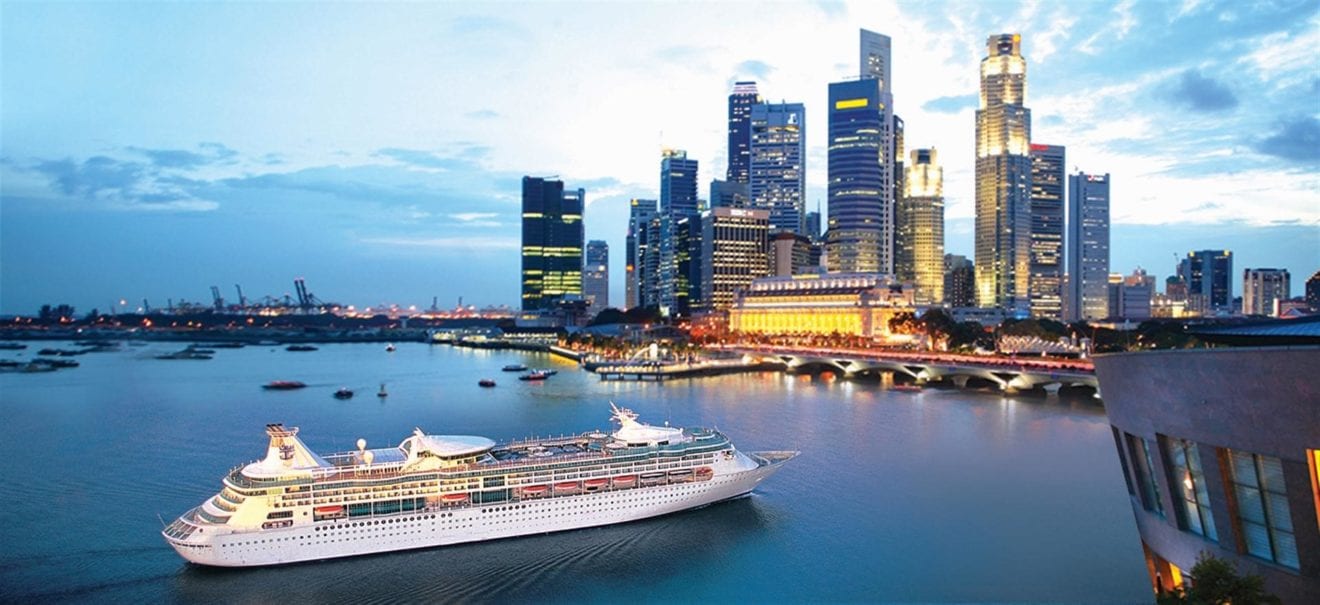
  • China’s cruise passengers set to soar to 5.4m by 2020

    China’s cruise passengers set to soar to 5.4m by 2020

    In a conference session entitled ‘China’s cruise market sets sail’, Mike Feely, Vice President of research agency Horizon Consumer Science, revealed the telling statistic that, Asia will be the No 2 cruise region by 2020, if it maintains its growth trajectory.

    The session took place on day two of the China’s Century Conference in Guangzhou.

    Chinese already account for half of Asian cruisers and are predicted to grow from 1m passengers to 5.4m in 2020. In this respect Feely said that the onboard retail market poses a great opportunity for international brands to introduce and showcase their products to middle class Chinese consumers, but that it isn’t really being taken advantage of at present.

    According to the China Cruise & Yacht Industry Association, the volume of inbound and outbound passengers calling at Chinese ports has increased more than 50 times since 2006.

    During his session, Feely revealed highlights of a TFWA-sponsored study into the cruise market in East Asia while Jared Lee, VP Product Management & Guest Services of Costa Cruises – the first international cruise line in China – offered his perspective.

    CRUISE & AIRPORT RETAIL TOO SIMILAR?

    From the initial field research – among 1,200 cruise passengers – Feely concluded that much more could be done to take advantage of the uniqueness of the cruise environment, and not enough was being done to differentiate the offer from airports.

    During a session taking place on day two of the China’s Century Conference in Guangzhou, Feely revealed highlights of a TFWA-sponsored study into the cruise market in East Asia.

    Feely also pointed out that the novelty of cruising for the Chinese in particular could actually be viewed as a hindrance to onboard shopping, as many customers are being exposed to the high seas for the very first time and shopping may be one of the last activities on their agenda.

    He also suggested that the dwell time afforded to cruise ship retailers – three-plus days – is simply being missed. Feely suggest that perhaps the integration of entertainment might encourage more passengers to shop.

    “Cruises present ripe venues for onboard events, activities and education that can all be linked with retail, to make shopping more experience-centric,” said Feely.

    LACK OF TOYS AND AFFORDABLE GIFTS

    He also said that the product portfolio onboard does not currently cater very well to children; important customers onboard cruise ships.

    “There are very few products onboard for children and when you are aboard these ships you suddenly realise how important they are,” added Feely. “Cruises are safe and carefree environments ideal for the elderly and children, so there are many more onboard these cruise ships.”

    Feely says the motivation to spoil ‘only children’ (those with no siblings) is only intensified in this environment.

    “There are very few products onboard for children and when you are aboard these ships you suddenly realise how important they are,” said Feely.

    What’s more is that Chinese passengers are also looking to spoil their friends and family back home, but potential gift items at affordable prices are lacking, says Feely.

    “Accessibly-priced accessories (that aren’t made in China) are in demand by passengers, but tend to be lacking in onboard retail,” he said today.

    HIGHLIGHT POPULAR PRODUCTS

    When Chinese passengers actually make it into the stores, retailers and brands appear to be communicating ineffectively with them, even unknowingly creating negative perceptions of the offer.

    “Cruise ships need to highlight the popularity of their products to Chinese shoppers who respond positively to popularity indicators on products such as ‘ this is the No 1. most searched items on Baidu’.” [Baidu is a Chinese-American web services company.]

    Feely said that there is potential to capture on-shore spend and increase spend on-board, but currently the on-shore shopping experience is ‘insufficient, rushed and tiring’.

    Jared Lee, VP Product Management & Guest Services of Costa Cruises (part of Carnival Cruise Line which boasts 46% global cruise market share) importantly pointed out that the onboard cruise market must be treated differently to airports retail. “Most passengers onboard are holidaymakers whereas those at airports are there for numerous reasons,” said Lee.

    He also pointed out that the average duration of a cruise trip is 4-5 nights in China, where travellers have fewer national and public holidays to take advantage of.

    GWPS ARE EXCELLENT MOTIVATORS

    When asked what sort of initiatives could be employed to make the most of the captive cruise audience, Lee suggested offering a free gift with purchase would bring passengers ‘in their hundreds’ into stores.

    He also said that the current retail model – one concessionaire taking care of the whole onboard retail channel – is now outdated and is likely to evolve to include various companies specialising in certain categories.

    “This is slowly changing,” he said, “it’s difficult for one concessionaire to be good at all things. The retail model will evolve to incorporate more players.”

    Lee reiterated Feely’s point about the integration of retail with entertainment and activities as Chinese passengers often like to ‘get involved’ in these.

    When asked why the cruise market isn’t making the most of its captive audience and phenomenal dwell time, Lee said that passenger satisfaction is very hard to maintain at a high level, compared to airlines and airports.

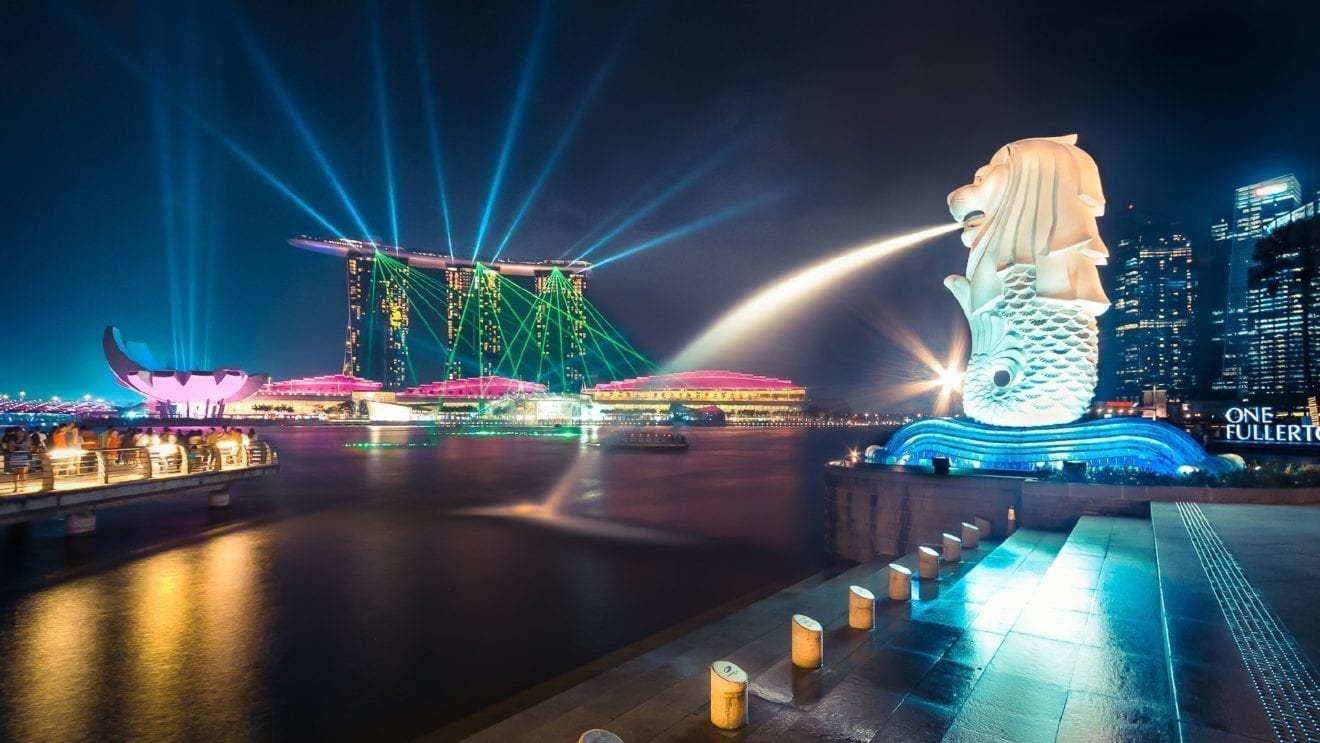
  • See Singapore from $445 return flying Singapore Airlines

    See Singapore from $445 return flying Singapore Airlines

    With budget airlines such as Scoot now flying to Singapore, cheap flights to the Asian nation are a dime a dozen. However, if you’re searching for luxury on that long-haul journey, Singapore Airlines is one of the best carriers to take you there.

    The luxury airline currently has discounted fares to Singapore from $445 return, for flights departing from Perth.

    The last time we saw Singapore Airlines’ fares drop along these routes was in November 2016, where fares started from $515 return.

    These sale flights are for travel on select dates between 8 May and 21 October 2017. This includes select dates in June, which is an ideal time to visit Singapore as it’s the dry season and outside of the school holiday period.

    Sample fares in this sale include $552 return from Darwin, $600 return from Melbourne and $613 return from Sydney.

    Singapore Airlines is an all-inclusive carrier. These fares include checked-in luggage, in-flight entertainment and on-board meals.

    These fares are not part of any particular promotion and are available until sold out.

  • Vietnam wants China to permit more rice exporters

    Vietnam wants China to permit more rice exporters

    Many Vietnamese rice exporters are facing difficulties after China authorised only 22 Vietnamese businesses to export rice into the country.

    The permission was announced by China’s General Administration of Quality Supervision, Inspection and Quarantine (AQSIQ), which allowed 22 firms to export rice and rice products from January 1, counting from the date of departure from the Vietnamese border. Any businesses not listed by AQSIQ were banned from exporting to the Chinese market from January 1.

    This decision has affected many Vietnamese firms which were not in the list but had already signed rice contracts before the date.

    One such company is Can Tho Food Company, which is not allowed to export rice to China, although it had signed a contract to export 18,000 tonnes of rice to China at the end of last year.

    Nguyen Van Dung, the company’s deputy director, said the delivery would have been completed by early February, but following the new order, it was no longer permitted to export and hence was suffering huge losses.

    “Our contract was canceled cancelled and we have to compensate some VND300 billion for our partner. In addition, we have to bear further costs,” Dung told Vietnam Television.

    Dung said rice was preserved in the store for quite a long time so the company had to re-process 10,000 tonnes of rice, which raised the cost by VND200-300 per kg.

    “I hope the State and relevant sectors create conditions for my company to sell rice, helping us to overcome difficulties. If it is not solved soon, my company will go bankrupt,” Dung said.

    Tran Thanh Nam, deputy minister of agriculture and rural development (MARD), said the ministry would soon contact China authorities, asking them to send an expert delegation to Viet Nam to assess more businesses which could be eligible for exporting rice to China.

    China’s permission to 22 Vietnamese rice exporters was given after a group of Chinese experts traveled travelled to Viet Nam to inspect 31 enterprises that had previously applied to the local ministry for export rights to China last year.

    According to MARD, China tops the list of Viet Nam’s rice export with 35.4 per cent of market share in the first three quarters of 2016.

    Total rice export turnover to the Chinese market touched 1.35 million tonnes, amounting to $613.4 million in 2016, down 23 per cent in terms of quantity and 13.9 per cent in terms of value in comparison with the same period in 2015.

  • Wearables market shifting focus away from health

    Wearables market shifting focus away from health

    Global shipment for wearables reached an all-time high of 33.9 million units in the fourth quarter of 2016, up 16.9 % from the same quarter a year earlier.

    Total shipments for the entire year reached 102.4 million devices, growing 25% compared to 2015.

    IDC’s Worldwide Quarterly Wearable Device Tracker, which published the figures, noted that the market is huge but the utility and necessity of the devices have been questionable. With the market just a toss between the basic wearables and the smart wearables (or those capable of running third party applications), health and fitness remain a major focus for the major brands.

    Ramon Llamas, research manager for IDC’s Wearables team, however, noted that once these devices become connected to a cellular network, the market can expect unique applications and communications capabilities to become available. “This will also solve another key issue: freeing the device from the smartphone, creating a standalone experience,” he said.

    During the quarter, Fitbit maintained its dominance, holding the top position for both the quarter and the year. However, the company also faced one of its largest declines ever as it remained heavily focused on the US, a market that is quickly approaching saturation for fitness trackers. Though the company has grown in other parts of the world, IDC said it remained challenged as low-cost competitors eat away at Fitbit’s market share.

    China’s Xiaomi has continued to relentless pursue growth and the company has stuck with a low-cost strategy and has slowly tried to veer upstream in terms of pricing by introducing new devices with heart rate monitoring and a mildly higher selling price. However, IDC believes it still lacks the expertise and brand recognition to expand beyond its native borders in China.

    Apple Watch Series 1 and Series 2 proved to be a magnificent success for the company as it was the company’s best quarter ever in the wearables market. IDC said Apple is one of the few companies that has been able to quickly refocus its watch to gain traction in the consumer market and is now introducing the smartwatch category to the commercial segment.

    Garmin, which caters to a more dedicated fitness audience, experienced a slight decline of 4% in the fourth quarter. However, many of its users began to graduate from simpler fitness trackers to more sophisticated and expensive sport watches like those offered in the Fenix line. The new Fenix 5 announced at CES 2017 also shows promise as the new smaller size will help the device appeal to a broader audience.

    Samsung rounded out the top 5 with the launch of two new models (Gear S3 Classic and Frontier) and remains the only major company offering cellular-enabled wearables. LTE connectivity has been a key differentiator for Samsung’s watches as it has helped decouple them from smartphones, but more importantly it has opened up a new channel (telcos) to help promote the Samsung watches.

    Beyond the top 5 vendors are new entrants, including fashion icons like Fossil along with their sub-brands and emerging companies like BBK and Li-Ning, that are tapping into niche segments of the wearables market. Fossil’s wearable product is a luxury/fashion device, while BBK focuses on child-monitoring devices, and Li-Ning on step-counting shoes.

    “With the entrance of multiple new vendors with strengths in different industries, the wearables market is expected to maintain a positive outlook, though much of this growth is coming from vendor push rather than consumer demand,” said Jitesh Ubrani senior research analyst for IDC Mobile Device Trackers.

  • Equinix to raise $2.8b ahead of Verizon asset purchase

    Equinix to raise $2.8b ahead of Verizon asset purchase

    Equinix revealed plans yesterday to raise at least $2.875 billion in public offerings over the next few weeks. The data center giant is lining up the necessary funds to make their previously announced purchase of a selection of US operator Verizon’s data center footprint.

    The assets include the former Terremark business and consist of 29 data centers spanning 2.4 million square feet across 24 sites and 12 metro areas.

    The footprint is mostly North American plus Sao Paolo down in Brazil. Nine of those metro areas already have Equinix facilities, while Houston, Culpeper, and Bogota will be some new turf for them.

    Equinix will be selling $1.75 billion of common stock, with underwriters having the usual 30-day option on another 15%, or $262.5 million.

    At the same time they will be selling $1.125B in senior notes due 2027. And they’ll be using $1.053 billion from their existing term loan B borrowings to make up the remaining piece, covering the $3.6B purchase price plus other fees and such.

  • China Southern Airlines issues open invitation to brands

    China Southern Airlines issues open invitation to brands

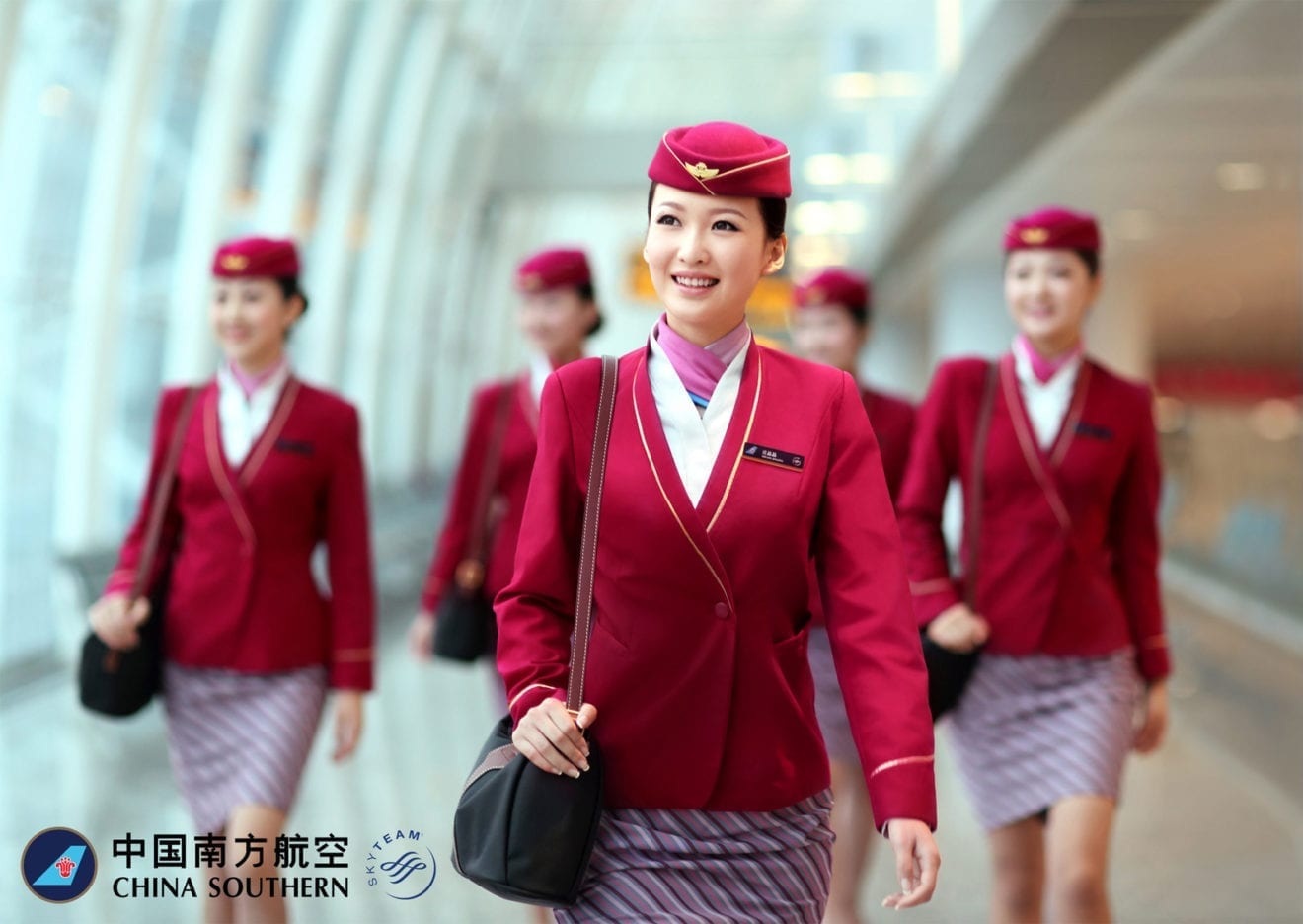
    Li Jianhua, President and CEO, Guangzhou China Southern Airlines (CSN) Inflight Duty Free says it has enjoyed double-digit sales growth in recent years driven by innovation in its product portfolio as well as the introduction of duty free exclusives and a pre-order service.

    “We have redeveloped our products and pricing for specific buyer groups,” said Jiianhua. “But we still need more luxury brands to enter the market to appeal to a new generation of consumers in China.”

    She also implored brand owners in the audience to come forward to begin conversations with CSN, whilst promoting the huge potential of the China inflight market.

    Jianhua charted the company’s rise to success to become ‘the largest airline in Asia by fleet and passengers’ as the carrier claims. Jiianhua highlighted that CSN launched its first inflight retail programme in 2001 and it very quickly began to play a very important role for the airline, not just from a customer engagement perspective, but from a revenue generation standpoint.

    She pointed out that the company wants to extend its global reach, identifying that Southeast Asia represents 31% of the company’s current route quota and with Japan & Korea accounting for 28%.

    She also pointed out that she believes the company has great potential, especially considering that Chinese overseas visitors reached 122m in 2016. As the company expands its route reach and takes advantage of the growing number of passengers Jianhua insists that inflight retail will be available on ‘every international flight’.

    Skincare represents 30% of China Southern’s inflight business.

    She noted that research from Fortune Character suggests that Chinese consumption continues, but has slowed down in recent years and high-end consumers now tend to make more ‘rational’ decisions.

  • Thai Transport Authority Fines Uber, Grab Drivers

    Thai Transport Authority Fines Uber, Grab Drivers

    When U.S.-based Uber launched in Thailand in 2014, the Department of Land Transport said the company’s drivers were not properly registered or insured, and its payment system did not meet regulations. However, authorities did little to stop the service since it was so popular with tourists and locals.

    But the government is clamping down on the service now, with 23 Uber drivers fined in Bangkok this week alone. Grab drivers have also been fined, though not as many, with drivers caught working for one of apps now having their licenses suspended for up to six months and fined 2,000 baht ($57).

    Authorities are targeting Uber and GrabCar specifically because they are the only two services in Thailand where private car owners can use their own cars to pick up passengers. Uber has a site set up so drivers can sign up and start earning money through the app.

    The Department of Land Transport’s Deputy Director-General Nanthapong Cherdchu said the agency would ask the military government to use an emergency measure to shut down the apps if drivers don’t comply. Many taxi drivers in the country — angry over losing business to the two apps — have even launched their own investigations in an effort to turn Uber and Grab drivers over to the authorities. Uber, however, is hoping they can work with the government and convince them that these ride-hailing services are beneficial to the country.

    “Uber remains committed to creating reliable transportation for everyone,” Uber spokeswoman Amy Kunrojpanya said.

  • Kimly aims to raise $40m in first kopitiam IPO

    Kimly aims to raise $40m in first kopitiam IPO

    Kimly is in line to become the first operator of traditional coffee shops to be listed in Singapore. The company – reported last month as eyeing a listing – tabled its initial public offering yesterday. It is offering 173.8 million new shares at 25 cents apiece, comprising 170 million placement shares and 3.8 million shares for the public.

    The offer closes at noon on March 16, with trading expected to start on the Catalist board on March 20.

    Kimly is a household name for its “kopitiams” offering food and beverage. It has nearly 500 stalls across 64 outlets – 56 coffee shops, five food courts and three industrial canteens.

    The network includes 121 stalls that carry the company brand, selling dim sum, seafood zi char and mixed vegetable rice, among other things. These are managed under the company’s food retail division.

    The rest of the stalls are leased to tenants paying rent and management fees that go to Kimly’s outlet management division. This division accounted for around 57 per cent of Kimly’s total revenue last year.

    The business is highly resilient, with strong cash flows and healthy earnings growth, executive director Vincent Chia said yesterday.

    “We are in a defensive industry that serves a very fundamental market need. This is really a grassroots business – everyone can walk in and have a nice meal at a very affordable price. We don’t talk about income brackets,” he added.

    And despite its size, Kimly only commands a 5.8 per cent market share, “so we have plenty of room to grow”, said Mr Chia.

    Kimly’s revenue expanded from $148.9 million in 2014 to $172.2 million last year – a compound annual growth rate of 7.6 per cent.

    Net profit racked up compound annual growth of 9.9 per cent over the same period to hit $24.2 million last year, implying a price-to-earnings ratio of 12.02 for the stock, while cash flow from operating activities remained steady, from $21.8 million in 2014 to $28.4 million in 2016.

    Cash and bank balances amounted to $29.4 million last year, with no outstanding borrowings.

    “We intend to pay out no less than 50 per cent (of net profit) for dividend,” said Mr Chia.

    He said the listing will not lead to food price hikes, aside from the usual inflation-related adjustments.

    Kimly is looking to raise about $40.4 million of net proceeds from the IPO, with the bulk earmarked for potential acquisitions and joint ventures, with a focus on adding more offerings to its brand. Some funds will also be used to boost productivity, with plans to expand its central kitchen to double the capacity.

    “Last November we launched online delivery service for our dim sum, something that we’re looking to extend to more products. We may be kopi boys, but we are forward- thinking kopi boys,” said Mr Chia.

  • Number of women in management positions increases in Asia

    Number of women in management positions increases in Asia

    The 2017 Hays Asia Salary Guide reveals that 31 percent of management roles in Asia are held by women compared to 29 percent reported in last year’s Guide.

    Recruiting experts Hays has found that the number of women in managerial positions has increased in Asia.

    The 2017 Hays Asia Salary Guide reveals that 31 per cent of management roles in Asia are held by women compared to 29 percent reported in last year’s Guide.

    The Hays Asia Salary Guide now in its tenth year, highlights salary and recruiting trends drawn from more than 3,000 employers across Japan, mainland China, Hong Kong, Malaysia and Singapore representing six million employees.

    The countries with the highest percentage of women in managerial positions in the region are mainland China and Malaysia, both at 35 per cent. Whilst mainland China has increased this figure by three percent, Malaysia has decreased by two per cent from last year.

    Hong Kong sits in third place with 33 per cent of management positions filled by women. Hong Kong incidentally, reported the largest increase in the region with a rise of five per cent from last year. Singapore follows with 31 per cent with Japan remaining the poorest performer with only 22 per cent of women in managerial positions. This figure has however, increased by three per cent from last year.

    These findings come as Hays launch their 2017 Gender Diversity Survey also in line with International Women’s Day. The annual survey aims to uncover attitudes and perceptions of gender equality in the workplace.

    “As progress continues to be made on gender diversity, the topic is still a critical issue in Asia. The rich insights our research uncovers, enables us to share the findings and advise employers on what measures can be taken to address the gender balance in their recruitment, retention and progression strategies”, says Christine Wright, managing director of Hays in Asia.

    For Christine who was named in the ‘Global Power 100 – Women in Staffing list’ for the second year running in 2016, gender diversity is a topic she lives and breathes. “As the leading recruiting experts, Hays has a duty to be at the forefront of trends and issues regarding the world of work. In Asia, I’m immensely proud that 51 percent of the Hays workforce across the region is female, 44 per cent of females make up our senior leadership teams and 57 percent of people managers are female.”

  • PT Telkom’s profit grows 24.9% in FY16

    PT Telkom’s profit grows 24.9% in FY16

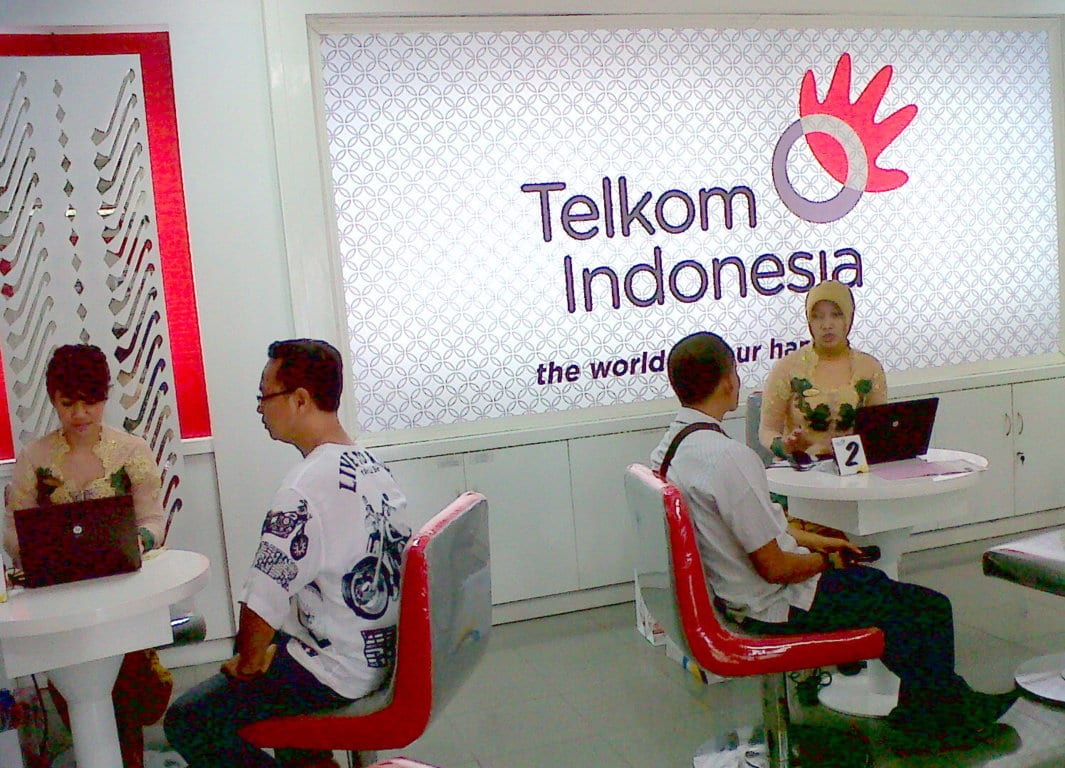
    Indonesia’s PT Telkom has reported a 24.9% increase in net profit for FY16 to 19.35 trillion rupees ($1.45 billion), on the back of a strong performance in the company’s data and internet businesses.

    Total revenue grew 13.5% to 116.33 trillion rupees, with revenue from the company’s data, internet and IP business growing 31.5% from 2015 to account for 37% of total revenues.

    Fixed broadband subscribers grew 8.8% to 4.3 million, which includes 1.6 million subscribers to its IndiHome fiber broadband services.

    Wireless subsidiary Telkomsel, in which Telkom owns a 35% stake, reported a net income of 9.79 trillion rupiah, up from 7.818 trillion in 2015. Total users grew 13.9% year-on-year to 173.92 million, with mobile broadband users up 37.1% to 60 million.

    Telkom’s capex grew 10.6% year-on-year as the company spent heavily on fixed and mobile network expansion, mainly focused on access and backhaul infrastructure.

    The company said it had deployed nearly 25,000km of terrestrial and subsea fiber during the year, including with its participation in the recently-completed SEA-ME-WE 5 subsea cable project, which links 16 nations in Southeast Asia, the Middle East and Africa.

  • Hong Kong’s Wheelock to exit struggling media business

    Hong Kong’s Wheelock to exit struggling media business

    A subsidiary of Hong Kong-listed developer Wheelock has decided to end funding for its pay TV operator in a bid to focus on property development, leaving the fate of its loss-making business up in the air.

    Wharf Holdings, a 58%-owned subsidiary of Wheelock, announced on Thursday that it had stopped discussions with potential buyers on the sale of i-Cable Communications, as no deal had been reached to shed the struggling unit.

    Its current funding commitments to i-Cable, including a loan of 400 million Hong Kong dollars ($51.5 million), will also not be extended upon expiry. Wharf’s committed capital for i-Cable stood at HK$18 million at the end of December.

    “The chance of a turnaround for the business in the short- and medium term is low,” said Wharf Chairman and Managing Director Stephen Ng Tin-hoi at an earnings briefing on Thursday, justifying the group’s decision.

    I-Cable, which is 74% owned by Wharf, has been operating in the red in the past eight to nine years. Its net loss widened to HK$313 million last year on weak advertising revenue and growing competition in the TV industry. The station’s paid-TV license will expire by the end of May but it has received government approval for a new license until 2029. It is preparing to launch free-to-air TV operations in May.

    “Accepting the new license will be another 12-year commitment and we’ll have to see,” said Ng, without commenting directly on the possible closure of the two-decade-old TV operator. Meanwhile, the board of i-Cable announced on the same day it would hire a financial consultant to explore alternative funding sources or advise on business reorganization.

    Television Broadcasts and Asia Television, long Hong Kong’s only free-to-air broadcasters, both attracted a number of bidders over the past year, which might suggest more bidders could yet emerge for i-Cable. Unlike i-Cable, both offer a buyer a deep library of old programs, but ATV nevertheless shut down last year. This week, TLG Movie and Entertainment, which had signaled a bid for a 29.9% stake in TVB, withdrew its offer.

    Wharf’s exit from the media business began with the sale of its fixed-line telecommunications unit, Wharf T&T, for HK$9.5 billion last year.

    The group will also study the possibility of spinning off some of its office and retail assets in Hong Kong and mainland China. This could be achieved by means of a distribution in specie to Wharf’s shareholders. “A simple segregation may provide investors with more and better choice,” it said in the earnings statement.

    “It’s just the beginning of our study,” said Ng, stressing that Wharf has no specific timeline for the proposal. “Neither do we have an expected outcome. We might not do it eventually.” Asked whether the spinoff would be in the form of a real estate investment trust, Ng said: “This can be considered but we have to decide whether we will have a separate listing first.”

    After the transaction, Wharf would remain a conglomerate with businesses spanning property development and logistics.

    The proposal of a spinoff came on the back of Wharf’s resilient earnings from its investment properties amid a retail downturn. Its net profit surged 34% on the year to HK$21.4 billion last year.

    Revenue rose 14% to HK$46.6 billion, helped by stronger property sales and nearly 6% growth in rental income from its two flagship malls — Causeway Bay’s Times Square and Harbour City in Tsim Sha Tsui — in prime shopping districts in Hong Kong.

    On the mainland, Wharf reported modest 1% growth in rental revenue from its malls in the southwestern city of Chengdu to offices in Shanghai. It will roll out new malls and hotel projects in Chongqing as well as Changsha in central China in the second half of the year.

    Wharf’s shares closed 0.48% lower at HK$62.25 on Thursday, before the results were announced. Its stock has advanced 21% this year, against the Hang Seng Index’s 6.8% gain.

    However, some analysts are skeptical about a full recovery in Hong Kong’s retail market this year. China’s wider economic slowdown and Hong Kong’s peg to a stronger U.S. dollar has continued to discourage mainland tourist spending in the territory.

    Last year, retail sales in Hong Kong suffered the worst drop in two decades and were down nearly 12% from the 2013 peak. “It’s quite impossible for a sharp rebound in 2017,” wrote Alfred Lau, a property analyst at Bank of Communications International in a note on Monday, expressing caution about the rental growth of retail properties. “We prefer developers with office assets rather than retail properties.”

  • Jetstar Pacific to source A320 components from AFI KLM E&M

    Jetstar Pacific to source A320 components from AFI KLM E&M

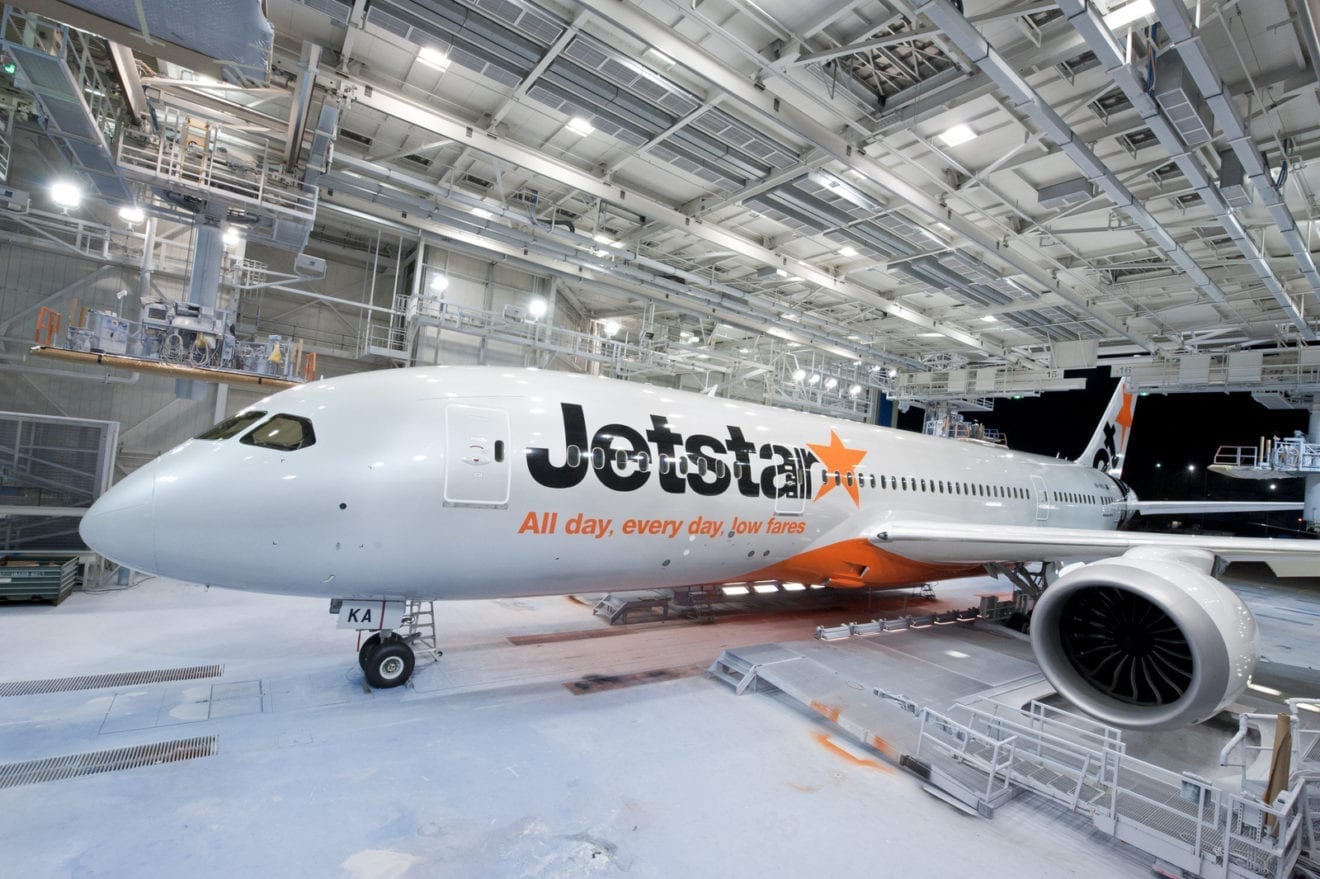
    Low-cost airline Jetstar Pacific has struck a long-term deal with Air France Industries KLM Engineering & Maintenance (AFI KLM E&M) under which the latter will provide component support for Jetstar Pacific’s Airbus A320 aircraft.

    Under the contract, AFI KLM E&M will also provide Jetstar Pacific with repair services and a spares pool to ensure spare parts and necessary materials are ready for maintenance and repair work.

    The deal will take effect this month.

    Speaking at the signing ceremony, Nguyen Quoc Phuong, General Director of Jetstar Pacific, said the cooperation with AFI KLM E&M, a leading partner in the air industry, will bring significant improvements in maintenance costs and duration, thus help the airline create more timely and comfortable flight experience for customers.

    Jetstar Pacific, with two major shareholders of Vietnam Airlines and Qantas of Australia’s Qantas Airway, now has a fleet of 14 Airbus A320 planes, which is expected to increase to 30 by 2021.

    According to Fabrice Defrance, Senior Vice President of AFI KLM E&M, the contract between Jetstar Pacific and AFI KLM E&M marks the beginning of a long-term cooperation between the two sides and affirms the strong presence of the company in Asia.

    AFI KLM E&M has been providing support for nearly 2,000 planes operated by 200 airlines across the world.