Author: Mei Ling Tan

  • After Netflix, another foreign video streaming provider connects in Vietnam

    After Netflix, another foreign video streaming provider connects in Vietnam

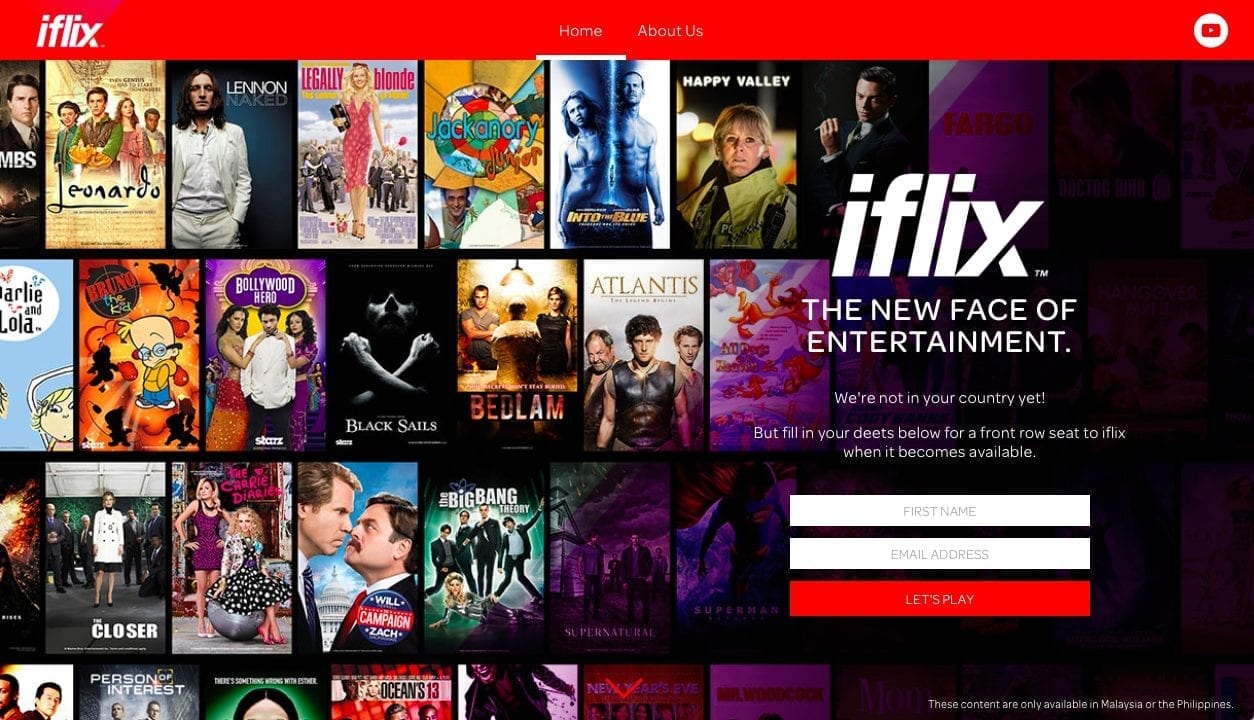
    Foreign companies have long been salivating over the local streaming media market’s potential. Malaysia-based video streaming startup iflix has officially launched in Vietnam with the aim of tapping into the country’s sizable population, the company said on Tuesday at a press conference.

    Vietnam is currently ranked by Internet World Stats at 18th globally in terms of the number of internet users, making it a lucrative proposition in the eyes of foreign streaming platforms.

    The streaming video provider sees Vietnam as a huge market with enormous potential mainly because the country has a growing population and fee-based online streaming services like iflix are still virtually new in this market, citing David L.Goldstein, iflix manager in Asia, as saying.

    Vietnamese consumers have long enjoyed access to free online videos, however, with the arrival of the U.S video streaming giant Netflix a year ago, and now Malaysia’s iflix, this is changing.

    iflix makes its money from charging subscribers a monthly fee of VND59,000 ($2.59) after a 30-day free trial. This is about three times less than subscription fees currently offered by Netflix, and could start a price war between the two.

    Customers in Vietnam can watch iflix on a variety of devices, including desktop computers, tablets, televisions and smart phones.

    The streaming platform also allows its subscribers to select subtitles in English or in Vietnamese, said Country Manager Hoang Tung at the press conference.

    iflix is now available in eight Asian markets, and its catalog includes both Hollywood hits and local content in Malaysian, Chinese and other regional languages. It has secured more than 1 million subscribers since its launch in 2015.

  • ‘Super 7’ accelerate cloud, says TBR

    ‘Super 7’ accelerate cloud, says TBR

    A report identified the seven largest (“Super 7”) technology firms which are best positioned to provide access to cloud services for global firms.

    Alphabet, Amazon, Facebook, Microsoft, Alibaba, Baidu and Tencent also view their cloud businesses as critical to their growth over at least the next five years, a report from Technology Business Research (TBR) said.

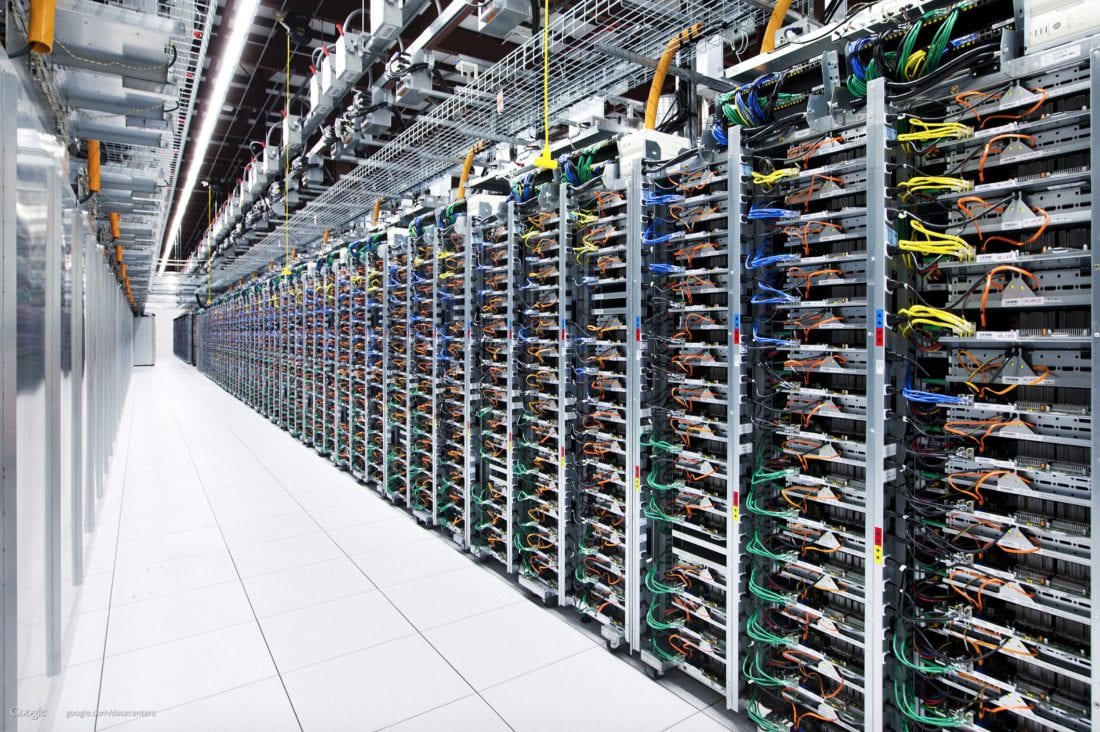
    Chris Antlitz, a telecom senior analyst at TBR, said “All of the Super 7 companies are aggressively building data center footprints globally and are baking in significantly more capacity than they currently need in anticipation of future data traffic growth.”

    “However, despite the addition of extra capacity upfront, capex growth will remain robust through the next five years as workloads increasingly move to the cloud and as the digital ecosystem flourishes worldwide,” the analyst said.

    Of the $16.9 billion in capex spent by the “Super 7” on ICT in 2016, TBR estimates around 75% was for data center infrastructure, with the balance of ICT capex spent primarily on optical transport, routers, switches, software and broadband access initiatives.

    The report said the Super 7 are investing heavily on not only data centers to support the internal operations of their core businesses, but also for their external cloud services businesses, which are growing much faster than their core digital businesses.

    Some vendors are gaining traction with webscale companies, with revenues increasing and the scope of engagements widening. Generally speaking, vendors that align their portfolios and innovation road maps with webscale requirements stand to win the most business from webscale companies.

    TBR’s Webscale ICT Market Landscape tracks the ICT-related initiatives of the seven largest webscale companies in the world. The report provides a market assessment, deep dives into company strategies and analyzes capex trends, particularly as they pertain to ICT. Vendors are also covered from the perspective of relative opportunities with webscale companies as customers.

  • Vietnamese prefer overseas sites for online shopping

    Vietnamese prefer overseas sites for online shopping

    Local consumers say global giants like Amazon and eBay offer a wider range of products and better return policies. Vietnamese online shoppers spend significantly more on overseas purchases than they do domestically as they believe international e-commerce platforms offer better products and service quality, a new report has said.

    The report, from the Vietnam E-commerce Association or VECOM, said that many global retailers like Amazon and eBay have made it easier for Vietnamese consumers to buy online.

    “Meanwhile, a majority of Vietnamese e-businesses, especially small- and medium-sized companies, have yet to make significant investments in market research catering to consumers,” said the report.

    Local online shopping sites are less competitive in terms of product diversity and quality, return policy, and order placement costs, the report highlighted.

    “I shop on both eBay and Amazon,” Quoc Hung, a reader said in a comment. “I can just send a product back if I don’t like it.”

    Most Vietnamese online businesses don’t offer free delivery and free return, another reader pointed out.

    Chinese online retail giant Alibaba is also attracting more Vietnamese customers. Internet company OSB, Alibaba’s authorized agent in Vietnam, said the company’s customer base in Vietnam has expanded to 500,000 after sharp increases over the past three years.

    The online shopping trend is growing rapidly in Vietnam, where 30 percent of the population will be buying goods and services over the internet by 2020, according to the Vietnam E-Commerce and Information Technology Agency.

    The agency, run by the Ministry of Industry and Trade, said revenue from online retail is expected to account for 5 percent of the country’s retail market in 2020, up from only 2.8 percent in 2015.

    Vietnam’s e-commerce market, which has one of the world’s fastest growth rates, jumped 37 percent in 2015 to around $4 billion, based on government statistics.

    The growth rate is about 2.5 times faster than that in Japan, based on some estimates by industry experts.

  • Starbucks’ New Cold Brew Mason Jar Is Only Available in Singapore

    Starbucks’ New Cold Brew Mason Jar Is Only Available in Singapore

    Starbucks has had an exciting few weeks, with the launch of its barrel-aged coffee, the announcement of its first location in Italy, and two new macchiato drinks. The company has added to this series of new products with the recent debut of cold brew in branded mason jars currently available in Singapore.

    Last year, the company sold mason jars with green caps in South Korea, but the new limited-edition version comes with a black cap instead.

    The jars are emblazoned with the classic Starbucks mermaid logo and appear to come with a screw-top lid.

    Don’t book your tickets to Singapore just yet; the company confirmed to Seventeen that the drinkware is only available in the Southeast Asian island “for now.”

    The mason jars are currently available for 8.90 Singapore dollars ($6.30) retail or SG$5.90 ($4.20) with the purchase of a cold brew.

  • Xiaomi plans ambitious plans to roll out retail outlets overseas

    Xiaomi plans ambitious plans to roll out retail outlets overseas

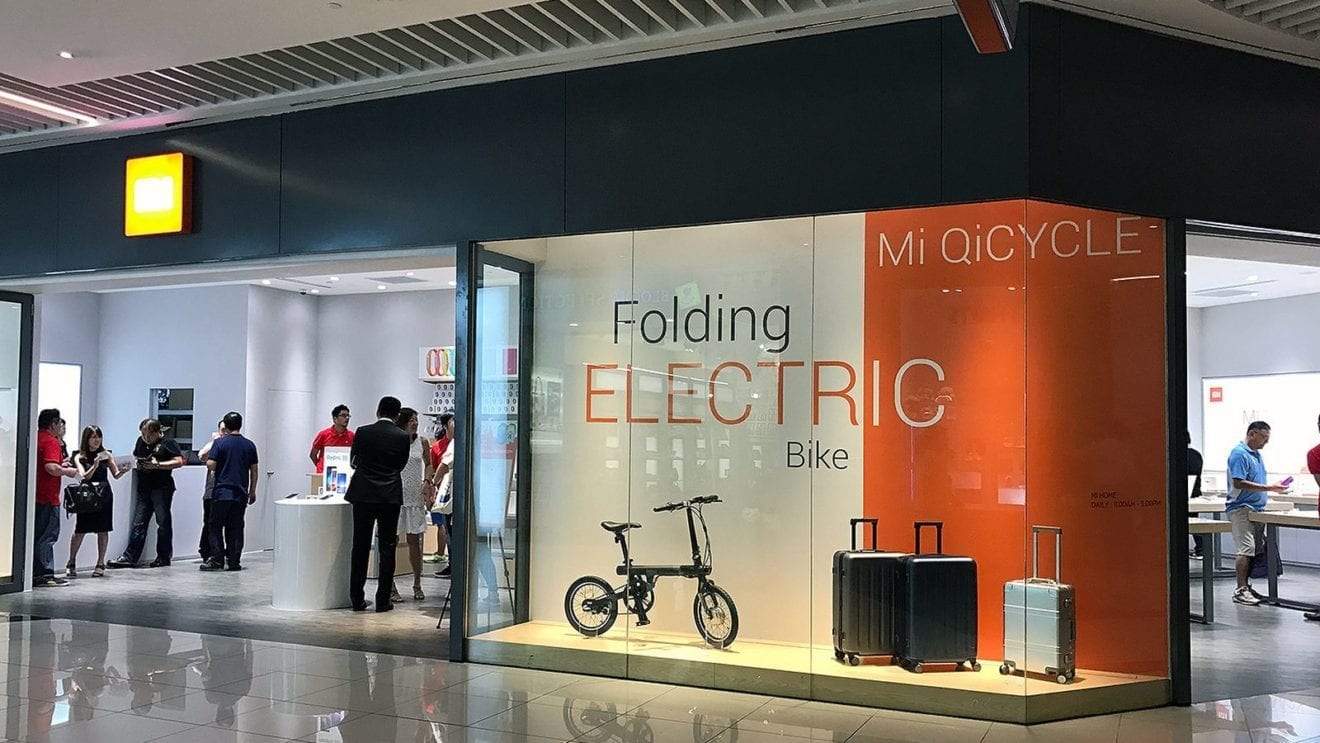
    Chinese smartphone maker Xiaomi is likely to expand its sales model of online to offline integration abroad, as its chief executive pins his hopes on so-called “new retail” to arrest a slide in its home market as well as winning more buyers overseas.

    Lei Jun, founder and chief executive of the Beijing-based Xiaomi, said on Monday the company will adopt its sales strategy in China while making expansion overseas, a practice that would require self-built retail outlets on foreign land in addition to the company’s existing online presence overseas.

    “We will bring our (sales) practice in China to overseas markets,” Lei said on the sideline of the ongoing meeting of the National People’s Congress in Beijing without disclosing any detailed plans.

    The integration of online and offline sales, coined as new retail in China, is one of the key areas Lei, an NPC deputy, emphasises in his proposals to the NPC.

    He said the new retail model provides “better customer experience” while at the same time “boosts sales efficiency”.

    Offline stores are good for Xiaomi to attract overseas buyers in India and Southeast Asia as for a significant proportion of them smartphones are still big-ticket item. They want to check out real products first before making purchases and offline stores can also provide after-sales services

    Jessie Ding, an analyst with market research firm Canalys

    Earlier this year, Lei announced plans to open 1,000 bricks-and-mortar stores in China over the next three years, part of the company’s effort to reach its target of 10 billion yuan in revenue in 2017.

    The company opened 50 stores in 2016 after finding it online sales model being challenged by domestic rivals.

    The company, which was China’s best selling smartphone maker in 2014, saw its shipments in the country last year slump 23 per cent with a market share of just 8.9 per cent, according to IDC data.

    Via the aggressive outlet strategy in smaller cities in China, domestic players Oppo saw smartphone shipments more than double to 78.4 million units last year as it took top spot with a 16.8 per cent share. China’s Huawei Technologies and Vivo both rose at a double-digit pace to rank second and third.

    As most of China’s major smartphone makers look overseas for business growth, Xiaomi faces tough competition not only at home but also abroad, said analysts.

    “Offline stores are good for Xiaomi to attract overseas buyers in India and Southeast Asia as for a significant proportion of them smartphones are still big-ticket item,” said Jessie Ding, an analyst with market research firm Canalys.

    “They want to check out real products first before making purchases and offline stores can also provide after-sales services,” she added.

    Lei said the next decade will be a golden era for the globalisation of Chinese smartphone makers thanks to increased innovation and manufacturing skills.

    “Our global expansion started three years ago. But our strategy is to move to neighbouring countries first, before going to the West mainly because we haven’t got enough talented staff to support such drastic expansion,“ he said.

  • Swiss watchmaker opens new boutique at Suria KLCC

    Swiss watchmaker opens new boutique at Suria KLCC

    Swiss luxury watch manufacturer Omega has opened its fourth boutique in Malaysia, at Suria KLCC, to cater to growing demand for its timepieces.

    The event kicked off with a ribbon-cutting ceremony and a traditional lion dance performance.

    Omega president and chief executive officer Raynald Aeschlimann said the brand had established a strong presence in this country, and enjoyed excellent reception in the last 11 years.

    “We are delighted to further extend the boundaries of our retail experience in Malaysia, and are confident that now is an ideal time to open a new boutique in the heart of Kuala Lumpur.

    “With this boutique, we look forward to sharing our full range of products with our customers in this house of Omega,” he said.

    Located on level one of the mall, the new boutique is an important part of the retail strategy of Omega, which opened its first boutique in 2006 in Starhill Gallery, Kuala Lumpur.

    The Omega Seamaster Collection is one of the brands popular selections.

    The Omega Seamaster Collection is one of the brand’s popular selections.

    This was followed by a store in Pavilion Kuala Lumpur and Gurney Plaza, Penang.

    Not only does the location of the new retail store reflect the increasing popularity of Omega in the region, it also strengthens the brand’s relationship and commitment to Malaysia’s luxury market.

    Just like Omega’s other boutiques, the new store’s setup was inspired by the natural elements of air, water and sunlight – depicted using cream and champagne in the interior design, along with exotic reconstituted zebrawood furniture and chiselled glass surfaces.

    With a team of professionally-trained sales associates at hand to help customers, the boutique offers an elegant and comfortable shopping experience.

    Among the guests at the store’s opening were Malaysian jazz queen Datuk Sheila Majid and fashion enthusiasts and celebrities Nazim Othman, Jojo Goh, Tasha Shilla, Siti Saleha, Daphne Charice and Serene Lim.

    Apart from its collections of watches, the store also offers fine jewellery, quality leather goods and sunglasses for both men and women.

    Founded in 1848, Omega is a brand within the Swatch Group, the world’s leading watch manufacturer, synonymous with excellence, innovation and precision.

  • Alibaba-controlled Lazada Readies Itself To Battle Amazon

    Alibaba-controlled Lazada Readies Itself To Battle Amazon

    For now, eMarketer pointed out, Lazada Group dominates the eCommerce activity and web traffic in the markets it serves, which includes mainly in Indonesia, Malaysia, the Philippines, Singapore, Thailand and Vietnam.

    Last December, Lazada’S online properties attracted the largest number of page views among B2C retail sites in Thailand, Indonesia, Singapore, Malaysia and Vietnam, data from SimilarWeb confirmed.

    However, eCommerce estimates point to an expected growth by double digits for online B2C spending in Southeast Asia through 2020, which is sure to attract more competitors for Lazada.

    Amazon is reportedly considering a launch in Southwest Asia sometime this year, eMarketer stated, starting with Singapore.

    Chinese companies are also setting their sights on Southeast Asia as a new market for growth, especially considering the region is home to nearly 620 million people.

    According to a report last year, companies like Alibaba, Tencent, Didi Chuxing and JD.com, are expanding in Southeast Asia, moving beyond the slowing economy in China.

    WSJ noted Alibaba and Tencent have led deals with a value of $1 billion combined to expand their businesses in Southeast Asia, which is the third-largest region for technology mergers and acquisitions by Chinese technology companies in 2016. The deal values combined were $1.9 billion compared to $193 million in the year earlier, WSJ reported, citing data from Dealogic. What’s more, industry watchers said in the report they think that investments on the part of Chinese tech companies will accelerate next year.

    “What we have learned in China, we can apply the fastest in Southeast Asia,” Poshu Yeung, Tencent’s vice president of its international business, said in the report. “Everything in Southeast Asia, particularly in Indonesia, you will experience a pretty good growth rate.”

    EMarketer is projecting that the number of smartphone users will surpass 257 million by 2020, presenting a big opportunity for companies. What’s more, the incomes in the region are growing at the same time smartphone ownership is, noted the report.

  • Pay-here-deliver-at-home service for Filipino expats launched

    Pay-here-deliver-at-home service for Filipino expats launched

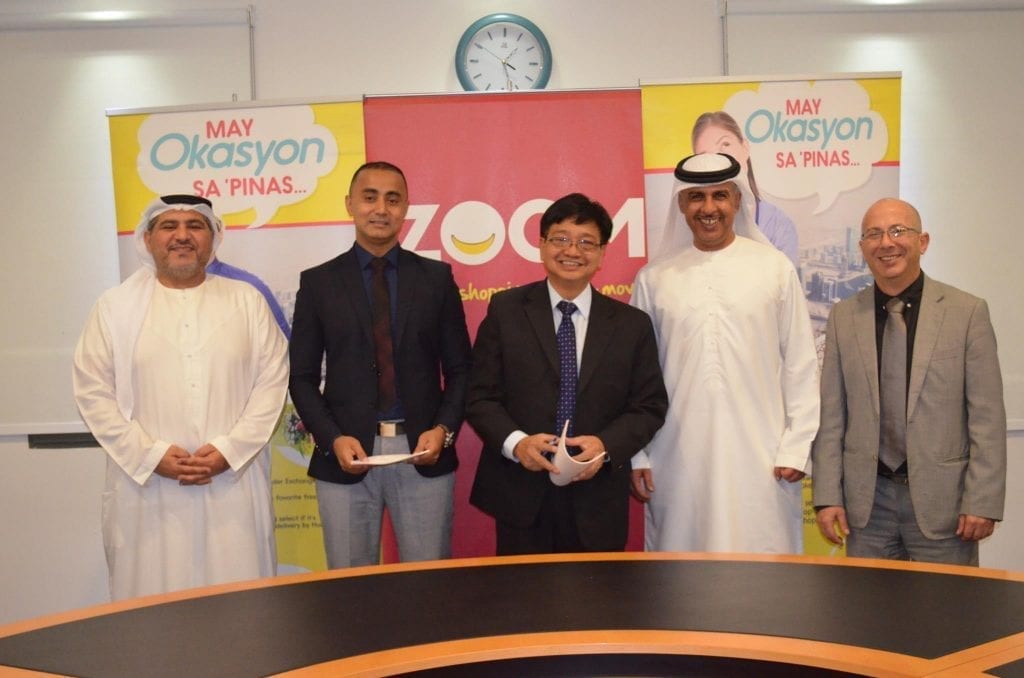
    Filipino expatriates in the UAE can now order some of their favourite local brands while abroad and send them as gifts to their loved ones back home.

    A new pay-here-deliver-at-home service called 247 RegaloPlus has just been launched to cater to the growing Filipino community in the UAE.

    Backed by Enoc, Al Bader Exchange and Mohur Inc., the service enables overseas Filipino workers (OFWs) in the country to send toys, fresh flowers, appliances, furniture, medicines and grocery goods, including Jollibee and Goldilocks products to the Philippines.

    All they need to do is visit any of the dozens of Zoom stores – which are owned and operated by Enoc – around the country and place an order. The chosen goods/items will then be delivered to the Philippines.

    “We call [it] the gift of love,” said Ramuel Garcia, Mohur’s Middle East agent. “Perhaps 247 RegaloPlus is the world’s first of its kind and we are happy that the management of Enoc/Zoom had chosen [it] as its platform for Filipinos working in the UAE.”

    According to Garcia, 247 RegaloPlus was conceptualized by Mohur CEO Eduardo Burgos Jr. and Mohur Vice President for Research and Systems Development Nigel Canonizado after visiting UAE last year.

    Mohur has consolidated popular Philippine products of Jollibee, Goldilocks, Holland Tulips, Red Ribbon and Savers Appliances among others into 247 RegaloPlus as their platform ‘to bridge the distance’ between OFWs in Middle East and their family members or friends in the Philippines, Garcia said.

    Mohur is currently in talks with other popular brands in the Philippines, including Mercury Drugstore, Toys R Us, Robinsons Supermarket, Puregold, Waltermart, Max’s, McDonald’s, Chowking, Greenwich, Shakey’s and Pizza Hut among others to be part of the 247 RegaloPlus’ centralised ordering and payment platform.

    Powered by Mohur, 247 RegaloPlus will be in more than 200 Zoom stores and 17 branches of Al Bader Exchange across the UAE, which is home to almost 1 million Filipino migrant workers.

  • Haier introduces first online retail partner in Philippines

    Haier introduces first online retail partner in Philippines

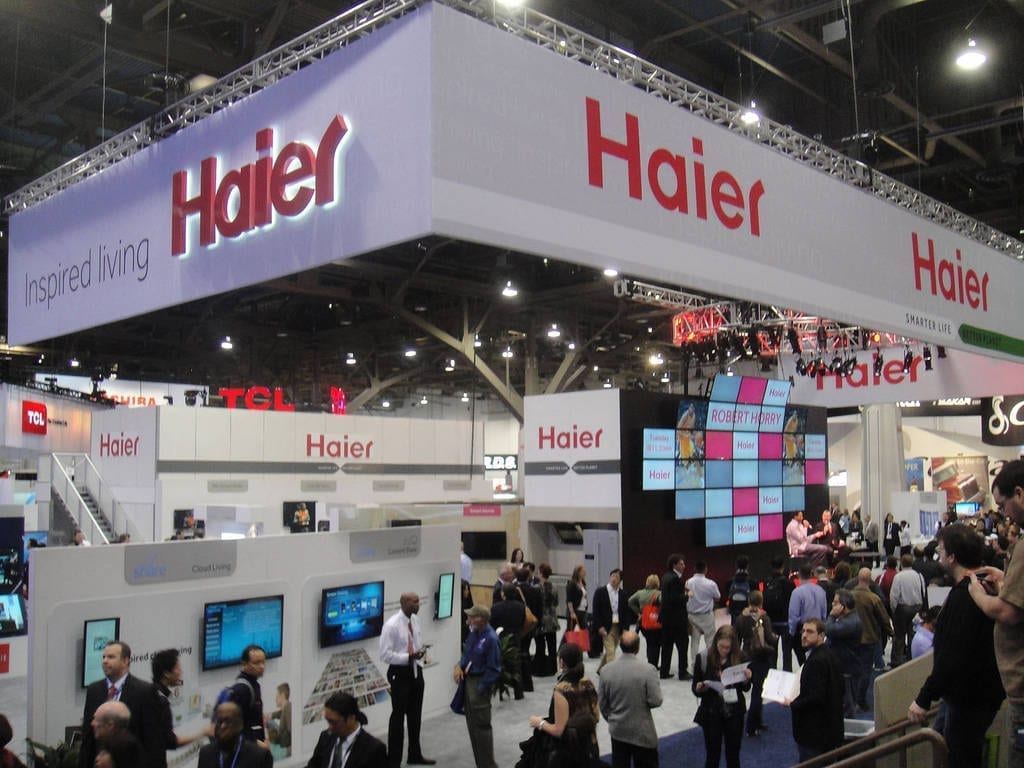
    International home appliance supplier Haier, launched Haiper Apps Online as its first online retail partner in the Philippines on February 21 at the Cebu City Marriott Hotel.

    Haiper Apps Online (HAO) was created out of Haier’s commitment to inspire Filipinos to live better standards through Haier’s user-friendly and energy-efficient appliances which include televisions, washing machines, air conditioners, refrigerators, and kitchen domestic appliance that can be purchased online.

    HAO which means “good” in Chinese provides a convenient approach for both locals and Overseas Filipino Workers (OFWs) to shop for appliances and seek immediate after-sales requests through its website: www.haocebu.com. HAO enables customers to order their desired appliance using secure payment gateways and reliable shipping options.

  • Panasonic to double wiring device production in Vietnam plant

    Panasonic to double wiring device production in Vietnam plant

    A new factory in Binh Duong Province is slated to begin operation in October this year. Panasonic Corporation will double its production capacity of wiring devices and circuit breaker in Vietnam by 2020 in an attempt to fulfill robust demand in the country and for export to neighboring markets.

    The Japanese electronics manufacturer will build a new factory next to the existing facility now operated by Panasonic Eco Solutions Vietnam Co in the southern province of Binh Duong, about 40 km (25 miles) north of Ho Chi Minh City, the newspaper said.

    The expansion is estimated to cost one billion yen, or $9 million.

    Company officials could not immediately be reached for comment.

    The new 6,000 square-meter plant is scheduled to come into operation by late October, doubling Panasonic Vietnam’s capacity by 2020, citing a company directive on the expansion.

    The electronic giant has also planned to acquire an area covering about 18,000 square meters adjacent to its existing factory premises in preparation for future expansion, said the newspaper.

    Output from the new factory would go to the domestic market as well as other Southeast Asian countries.

    The Binh Duong plant began production in late 2014. Besides, Panasonic has four other factories and one research and development center in Vietnam.

    The Japan External Trade Organization’s 2016 business confidence survey showed that nearly 70 percent of Japanese companies plan to expand their Vietnam operations, up from 64 percent in the previous year.

    As of February 2017, Japan is Vietnam’s second largest foreign investor, with projects totaling $42.49 billion, based on data by Vietnam’s government.

  • Valentino Opens New Flagship Store In Hong Kong

    Valentino Opens New Flagship Store In Hong Kong

    Italian fashion brand Valentino opened a new flagship store in the first phase of Lee Gardens, Hong Kong. Located in the prosperous core area of Causeway Bay, the new Valentino flagship store has two floors and a total area of 382 square meters.

    Designed by the British architect David Chipperfield, this new store combines old and new aesthetic elements in creating a luxurious palace atmosphere, instead of a pure window display store style. Chipperfield used luxurious decorative materials, including Venice terrazzo, Athena marble, Carrara marble, and pine furniture.

    Valentino’s Lee Gardens store will sell a full range of women’s products, covering apparel, accessories, and perfume.

  • GreyOrange Butler robots selected for japan’s largest home furnishing chain

    GreyOrange Butler robots selected for japan’s largest home furnishing chain

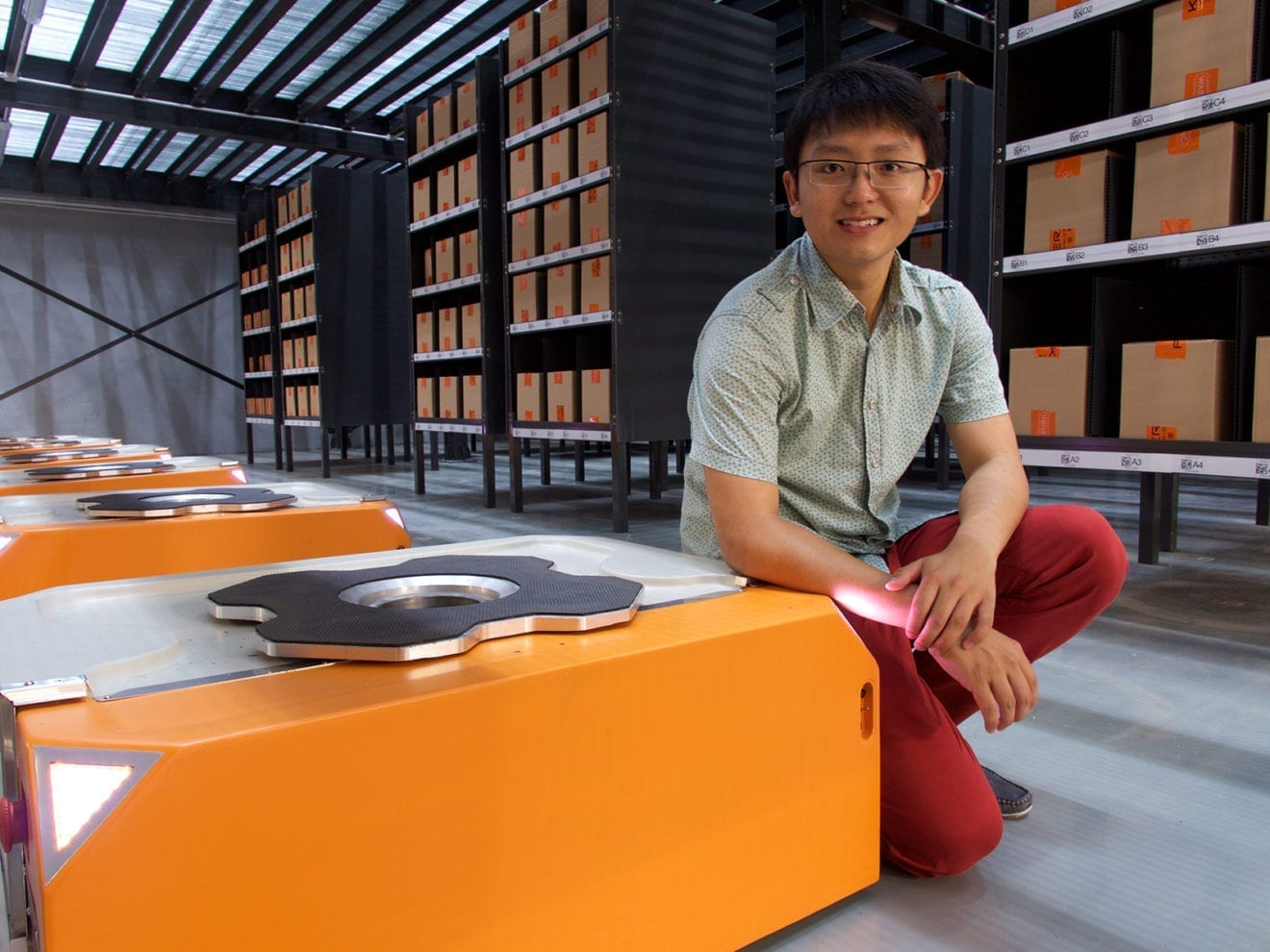
    GreyOrange and GROUND have been awarded the contract to supply robotics solutions to the Nitori Holdings Group, Japan’s largest furniture and home furnishing chain with over 400 stores. The robotics system will be deployed at Home Logistics which is a logistics subsidiary of Nitori Holdings, operating 34 distribution bases and an efficient logistics network for product delivery to stores and e-commerce customers across the country.

    GreyOrange is a multinational technology company that designs, manufactures and deploys advanced robotics systems for automation at warehouses, distribution and fulfilment centres. GreyOrange, headquartered in Singapore, specialises in the design, manufacture and deployment of advanced robotic systems for distribution and fulfilment centres.

    Manabu Matsuura , corporate officer of Nitori Holdings and CEO of Home Logistics said, “We were impressed to find that the GreyOrange Butler is an entirely new robotics concept for warehouse automation unlike automated storage and retrieval systems. Also, Butler satisfies our corporate philosophy that we always pursue ideal workplaces for everyone. For example, we have been an early adopter of technology solutions and were the first user in Japan to leverage robotic storage systems in our warehouses last year.”

    Hiratomo Miyata, CEO of GROUND, the exclusive provider of GreyOrange Butler in Japan said, “We are really happy to announce that Home Logistics has become the first user of the Butler in Japan . They have evaluated several options and are glad to use the Butler as they believe the Butler goods-to-person technology will be a driving force in their strategy to increase productivity in their warehouse operations through robotics.”

    The GreyOrange Butler system will be installed at the Home Logistics Osaka distribution centre, to handle automated inventory storage (putaway) and picking. The Butler software adapts in real-time to changing inventory profiles and order fulfilment patterns, resulting in high productivity and accuracy. This system will be capable of delivering a far higher throughput.

    Nalin Advani, CEO – APAC, GreyOrange said, ” Japan has one of the world’s most mature distribution infrastructure and it is the fourth largest e-commerce market. Over 75 percent of consumers regularly shop online and e-commerce is forecasted to grow to US$200 billion by 2020. We are honoured to work with Nitori Group , including Home Logistics, to deploy our Butlers. The Nitori Group is far-sighted in anticipating the challenges of warehouse operations and addressing it with robotics. We are also excited to be selected for the Japan market where specifications for technology are among the most demanding in the world.”

  • Next-gen logistics lab opens in China

    Next-gen logistics lab opens in China

    A new innovation lab is primed to benefit one of the top players in China’s e-commerce marketplace.

    Zebra Technologies, Digital China and Chinese e-commerce giant JD.com, which Walmart owns a 12% stake in, have joined forces to develop a state-of-the art facility entitled the “IoT + E-commerce Logistics Lab.”

    Residing at JD.com’s pilot warehouse in Beijing’s Shunyi district, the lab brings together best practices, resources and talents in logistics management, data collection, mobile computing, machine vision, cloud computing and IoT.

    The facility will enable the alliance to research and develop, prototype implementation, test and evaluation, and conduct application demonstrations, all of which will support the creation of next-generation logistics solutions, according to Zebra.

    The retailer already utilizes the partners’ barcode printers and scanners and mobile devices in its warehouses and order fulfillment chain, all of which deliver real-time visibility into its operations.

    But now the company is ready to take the next step. Moving forward, lab output will enable JD.com to harness innovative technologies to further boost logistics capabilities, as well as increase enterprise efficiency and productivity — factors it hopes to use to improve its customers’ retail experiences.

    On tap for 2017, JD.com plans to improve the productivity of its current picking and packaging operations using mobile devices; increase the visibility of the tens of thousands of trays and cage trolleys used in JD.com’s operations; and to seek potential of applications of machine vision and data analytics in the logistics industry.

  • Citi, Visa Launch eProcurement Platform In Singapore

    Citi, Visa Launch eProcurement Platform In Singapore

    Reports Friday said the companies are rolling out an eProcurement platform, Renepay, based on a reverse auction business model. The network will include B2B suppliers across the country within various industries, including financial services, marketing, real estate, telecom, beverages and more.

    Customers of Citi’s Visa Commercial Card will have access to the Renepay platform and can take advantage of extended payment periods without interest when making purchases on the network. The platform also digitizes paperwork typically involved in procurement processes, reports said, and aims to reduce contract negotiation time.

    The platform processes electronic purchase orders, invoices and payments, Citi and Visa noted.

    “We recognize that corporate buying is very specialized, and we wanted to provide buyers a platform where they can interact with leading suppliers online and arrive at the best price through the online negotiation center,” said Visa’s Vikram Kshettry, head of B2B partnerships in Asia-Pacific.

    “At every step of the procurement cycle, we allow corporates to decide on what best works for them including what to purchase, which suppliers to transact with and the payment process which they would like to adopt,” added Renepay founder Firdaus Morgul in another statement.

  • Vietjet awards a one-kilogram golden aircraft to Lucky Draw winning passenger

    Vietjet awards a one-kilogram golden aircraft to Lucky Draw winning passenger

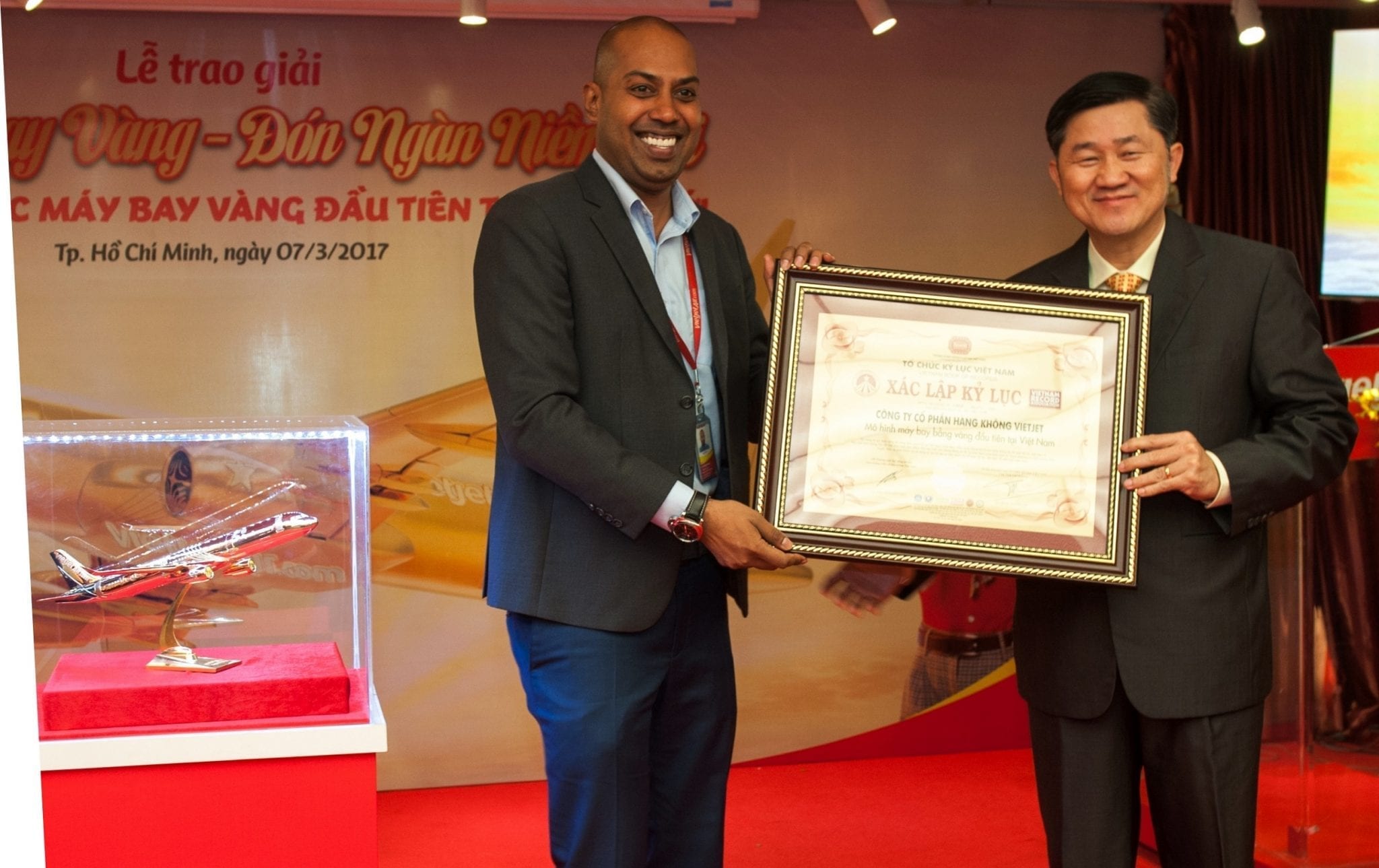
    On the occasion of the International Women’s Day, Vietjet presented a one-kilogram golden aircraft model, the biggest prize under the campaign “Win a 1kg gold aircraft, fly to a happy future”, to Ms Tran Phoi Hanh, a passenger on VJ610 flight from Ho Chi Minh City to Nha Trang, a beach city in south Vietnam, on February 3, 2017.

    Millions of lucky passengers have also won super promotional tickets priced from only HK$8 during the golden hours from 1pm to 3pm under the campaign “Win a 1kg gold aircraft, fly to a happy future” lasting from December 28, 2016 to February 28, 2017. Many prizes of 3.75 gram gold bullions and domestic air tickets have been given to lucky passengers, who successfully booked their tickets and flew from December 28, 2016 to February 28, 2017. 

    The airline also officially gets the World Record for “the World’s first golden aircraft model” from WorldKings. The Vietnam Book of Records accordingly recognized the record for “Vietnam’s first golden aircraft model”.

    As a new-age carrier, Vietjet is favored for its amazing promotions and interesting activities. The airline has been given world records for “The airline with the most inflight entertainment programs”, “The love flight with the most kisses”, “The most smiles onboard a flight to Singapore”, “The Speed date event for up to 600 singles”, etc.

    With its high-quality services, special low-fare tickets and diverse ticket classes, Vietjet offers its passengers enjoyable flights with dynamic and friendly flight crew, comfy seats, amazing hot meals and special surprises from the airline’s inflight activities.