Author: Mei Ling Tan

  • Indian telcos to start their 5G journeys this year

    Indian telcos to start their 5G journeys this year

    India’s plan of utilizing 5G technology to keep up with the rest of the world may soon become a reality.

    Indian operators will start the process of upgrading to 5G technology from this year. According to Huawei India CEO Jay Chen, 5G technology in present form can deliver up to 1Gbps download speed.

    “I can tell you Massive MIMO (Multiple Input Multiple Output) technology (part of 5G technology) will go to India this year. We have had discussions with leading telecoms operators who are interested and right now it is only available with Huawei for commercial deployment,” Chen said in an interview. Wide-scale commercial deployment of 5G is expected to start in India in the next three years.

    Bharti Airtel Chairman Sunil Bharti Mittal had earlier said that the MIMO technology available with Huawei and ZTE can increase current capability of spectrum by up to 8 times at an additional cost of only about 20%.

    Chen said that 5G standards are expected to be firmed up next year when wide scale commercial deployment of 5G will begin.

    “We have already deployed 4.5G networks in 13 circles across India which with minor upgrades can be transformed to 5G. With 4G subscriber base in India increasing, the download speed will reduce for which operators will need to begin start 4.5G services,” said Chen.

    5G will bring advanced technology which will change the way network coverage is provided to subscribers.

    “At present, subscribers runs to connect with the network. We are ready with pilots for multi MIMO technology that will follow subscribers. Dedicated spectrum frequency (beam forming) will connect with device of the subscribers and follow them wherever they go,” explained Chen.

    He added that the Indian industry is improving significantly with consolidation in the sector and end of spectrum shortage which provides good opportunity for telecoms equipment companies.

    “Earlier their was spectrum scarcity in India. There were 13 operators who were involved in tariff war. Since last year we have not seen operators complaining about spectrum scarcity. Availability of spectrum gives them opportunity to deploy latest technologies like 5G. With Huawei we see this a very positive move. Our growth has also improved in India in last two years,” Chen said.

    He said that Indian operators are now moving in the direction where they can catch up with rest of the world.

  • Value of Vietnam’s ‘bikini airline’ overtakes national carrier

    Value of Vietnam’s ‘bikini airline’ overtakes national carrier

    Vietnamese private budget airline VietJet’s market cap surpassed that of state-owned Vietnam Airlines on Monday.

    VietJet grabbed headlines with bikini-clad flight attendants when it was launched in 2011 and its success on the Ho Chi Minh stock exchange reflects its rapid ascent since.

    It has become known in Vietnam as the “bikini airline” and female crew do still wear them, but only on some flights.

    Its market share is expected to top that of Vietnam Airlines this year, a feat it has achieved by tapping into a fast-growing economy and a young population starting to travel more.

    VietJet shares hit VND137,400 ($6.03) each, valuing it at $1.8 billion, ahead of Vietnam Airlines at $1.7 billion.

    On its first trading day VietJet was valued at $1.4 billion and its rival, which listed in January, at $2.1 billion.

    Growth in the Vietnamese market, which is one of the fastest in Asia Pacific, and a relatively small free-float in VietJet shares for retail investors, had driven the price of the shares, brokers said.

    VietJet’s stock has a lower price-to-earnings (PE) ratio of 15.75 compared with 16.63 for Vietnam Airlines, Thomson Reuters data showed.

    The CAPA Centre for Aviation has said that VietJet, which currently commands 40 percent of Vietnam’s domestic market, will likely become the country’s biggest domestic carrier this year.

    Future growth

    Some analysts forecast VietJet shares will jump to more than VND143,000 per share.

    “(The) VietJet story just begins so investors still have a lot of expectation on its shares,” Nguyen Van Dung, manager of the securities consulting department at Saigon Securities, said.

    “But if from investing perspective, I will buy Vietnam Airlines share as the firm has much potential to grow sustainably in (the) long-term and the price now is very good to buy,” he added.

    The listings of VietJet and Vietnam Airlines were part of the government’s push on privatization to boost investment.

    Vietnam, which is slowly opening up its domestic market amid considerable investment interest, has completed several major share sales and listings in recent months, including a $3.72 billion flotation of its top brewer Sabeco SAB.HM in which the government owns nearly 90 percent.

  • Arvato provides trade logistics for shoes and accessories by Marc O’Polo

    Arvato provides trade logistics for shoes and accessories by Marc O’Polo

    Arvato SCM Solutions and MARC O’POLO have expanded their cooperation: as of December 2016, the supply chain and e-commerce specialist is now also responsible for the trade logistics of the premium fashion brand’s shoes and accessories, using RFID technology. As well as storage, order picking and shipping, Arvato will be providing special value-added services from its distribution site in Dortmund. From now on, MARC O’POLO products will be sent from there to trade partners in 16 countries. Goods will be sent to both MARC O’POLO shops and franchise stores, as well as wholesale partners such as Zalando, Amazon, Görtz or Breuninger. The partnership between Arvato and MARC O’POLO was established in 2010. The full service provider initially supported the fashion brand with comprehensive services in the international e-commerce sector. Then, in 2015, Arvato organised a comprehensive omnichannel integration with processes such as Click&Collect, Reserve&Collect and cross docking, as well as introducing a new CRM system and the ‘MARC O’POLO for members’ loyalty scheme.

    Providing trade logistics contributes to a further link of the process chain. Arvato will be in charge of storage, order picking and preparing goods for shipment, all from its 32,000 square metre distribution centre. This task includes comprehensive value-added services such as the allocation of filling material and customer-specific labelling. The goods are then sent to trading partners in countries such as France, Croatia, Sweden, Russia or China.

    Furthermore, since the MARC O’POLO merchandise in both the high street and online shops is equipped with RFID tags, RFID technology has been introduced in the loading docks. This means that items are no longer scanned individually – instead, ready-packed product ranges can simply be recorded in bulk before shipping. This significantly reduces processing time and costs.

    “Storage area and transport costs can also be reduced, thanks to the consolidation of the B2B and B2C business. This is because the journey between the B2B and B2C warehouses in Munich and Dortmund has been respectively cut,” says Niels Weithe, Managing Director for Consumer.

    Products at Arvato SCM Solutions, pointing out another advantage. Karl-Heinz Lauterbach, Managing Director of MARC O’POLO Shoes, is also impressed by the advantages of an even tighter cooperation with Arvato: “Creating closer ties between the online shop and B2B warehouses will optimise our stock in the long term and increase availability in the online shop. Trading partners will benefit from this shelf extension through an optimised sales ratio and turnover.”

  • Telstra forms SDN alliance with VeloCloud

    Telstra forms SDN alliance with VeloCloud

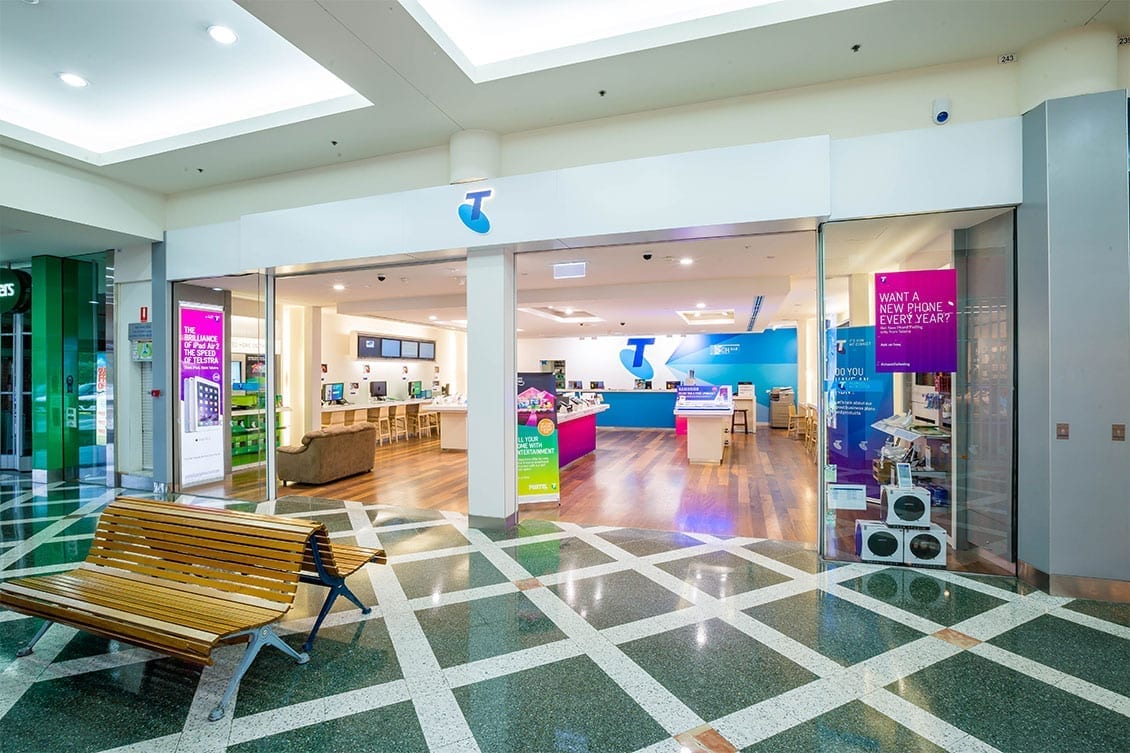
    Australian operator Telstra has entered a strategic partnership with US-based Cloud-Delivered SD-WAN company VeloCloud to help accelerate the adoption of SDN in enterprise networking.

    The partnership, which includes an investment from Telstra Ventures into VeloCloud, will enhance Telstra’s SDN and NFV capabilities in the APAC region.

    As part of the agreement, Telstra’s Chinese joint venture Telstra PBS will add VeloCloud SD-WAN solutions to its product suite.

    Telstra Ventures managing director Mark Sherman said the investment is consistent with Telstra’s overall network strategy, which reflects the increasing role SDN and NFV are playing in enterprise networking.

    “We expect SDN will continue to transform enterprise networking around the world and VeloCloud SD-WAN can help companies achieve more agile and responsive networks as well as reduce costs,” he said.

    “We are excited about the opportunity to work with VeloCloud on solutions for our enterprise customers, particularly in the Asia-Pacific region where their technology can help businesses manage their networks in dynamic environments across multiple locations. Our first step will be to offer VeloCloud technology to customers in mainland China.”

  • Rupiah May Extend Gain

    Rupiah May Extend Gain

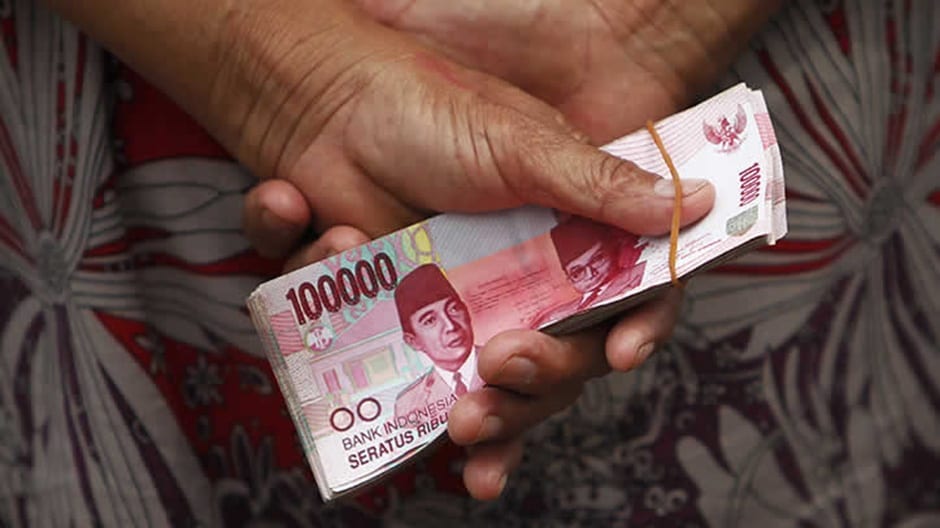
    Reza Priyambada, a senior analyst of PT Binaartha Sekuritas, predicts that the rupiah will extend its gain. The rupiah is expected to move to around a support level of Rp13,385 and resistance level of Rp13,327.

    “Recent strengthening of the rupiah may open the opportunity for a rebound in the rupiah to extend its gain,” Reza said in a written statement on Tuesday, March 7, 2017.

    Rupiah moved in the positive zone yesterday. It strengthened by 33 points or 2.5 percent to Rp13,350 per US dollar. Raza said that stronger rupiah was due to weaker US dollar as Asian currencies got stronger.

    Rupiah has also strengthened as the Indian Ocean Rim Association (IORA) Summit takes place. The summit is expected to stimulate increase in foreign investment in Indonesia which may trigger economic growth and bolster foreign exchange reserves.

    Rupiah remained strong despite negative sentiment over China who has cut its growth target for 2017, from 6.5-7.0 percent to 6.5 percent.

  • Vietnam’s internet environment ranked 32nd in the world

    Vietnam’s internet environment ranked 32nd in the world

    The country is number one in the world for local content, but scores poorly on internet education.

    A new index that measures a country’s internet for its availability, affordability, relevance of content and public access has found that Vietnam is doing better than more than half of the world.

    The 2017 Inclusive Internet index compiled by the Economist Intelligence Unit assessed 75 markets on how they enable the adoption and beneficial use of the internet.

    Vietnam stands in 32nd place overall for internet availability, affordability, relevance and readiness.

    The country stands above its Southeast Asian neighbors Indonesia and the Philippines, but far behind Malaysia, Thailand and the number 1 position holder Singapore.

    It performs “relatively strongly” in terms of relevance, with a global ranking of 18th out of 75, supported by a top score in local content.

    Many non-English-speaking markets have made considerable progress in ensuring that domestic internet users have content available to them in their country’s primary language, said the Economist.

    Vietnam is among 13 markets tied for first place in the local content category, along with China, Japan and Russia.

    But the country scores low in terms of internet readiness due to limited support for digital literacy and web accessibility, based on the index. Vietnam’s education and preparedness for internet use ranks 63rd worldwide.

    Availability ranks 40th worldwide with a high score for quality, but network infrastructure is poorly developed.

    Its affordability ranks 32nd with a top score for fixed-line monthly broadband costs.

    More than 49 million Vietnamese people, or more than half of the country’s population, are online.

  • China to end domestic roaming fees by October

    China to end domestic roaming fees by October

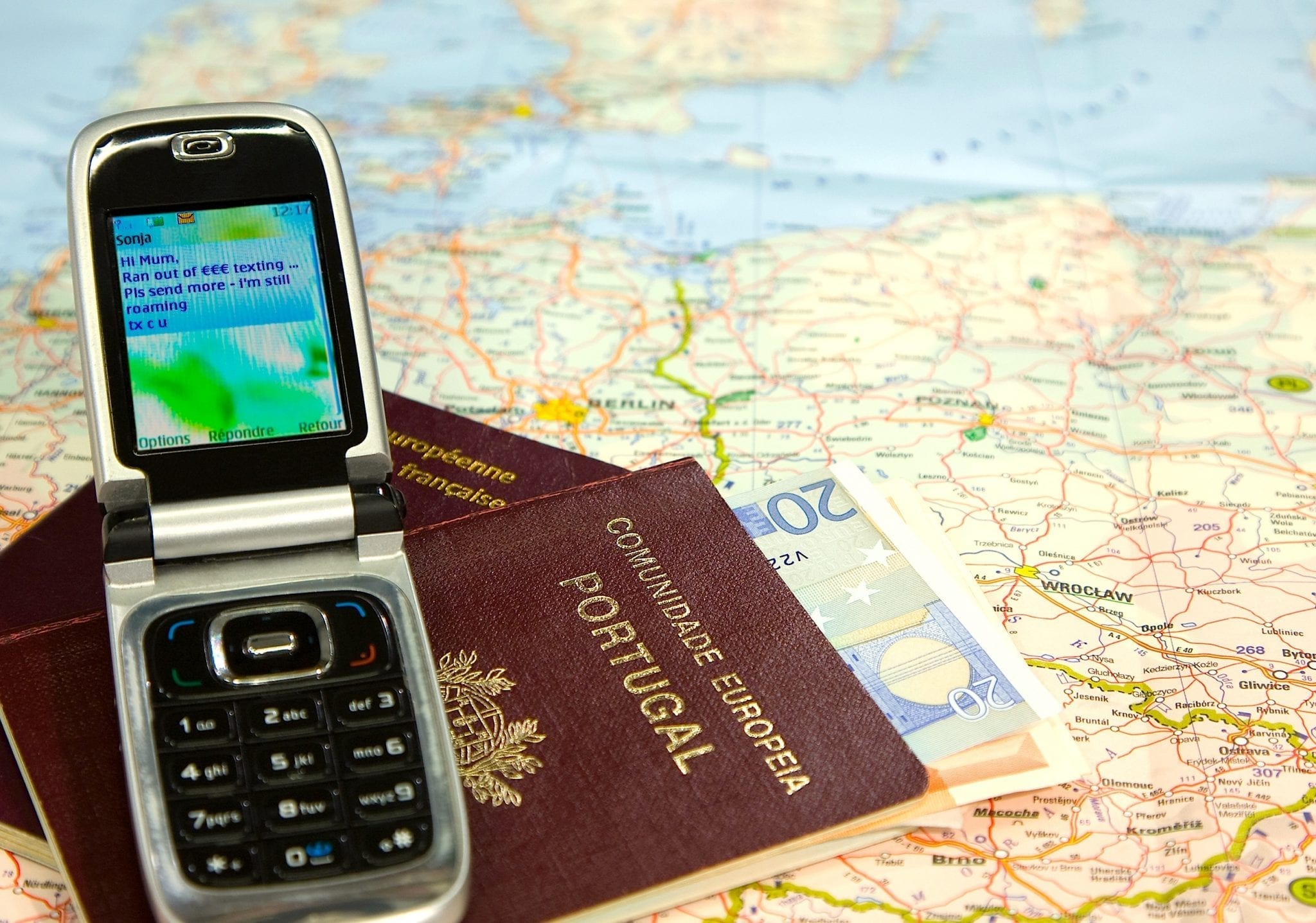
    China’s big three mobile operators have revealed plans to stop charging domestic roaming fees by October.

    China Mobile, China Telecom and China Unicom have announced they will end the practice of charging inter-province roaming voice and data fees.

    The operators are also planning to introduce discount pricing for small and midsize businesses in a bid to encourage corporate customers to adopt more network technologies such as cloud computing.

    The operators are responding to pressure from the government to reduce the price of telecoms services to spur consumer spending and encourage greater adoption of network technologies.

    China has also been seeking to encourage price competition in the mobile sector, and opened up the market to MVNOs in 2013.

    These efforts were also extended to the fixed broadband market in 2014.  According to the Reuters report, the government recently announced it has approved applications from 198 private enterprises seeking to provide broadband services under a pilot project.

    China’s move to abolish domestic roaming will take the industry one step closer to meeting current GSMA chairman and Bharti Airtel founder Sunil Bharti Mittal’s recent call and doing away with roaming altogether – including international roaming.

  • President Jokowi calls for better transportation between Sumatra and Java

    President Jokowi calls for better transportation between Sumatra and Java

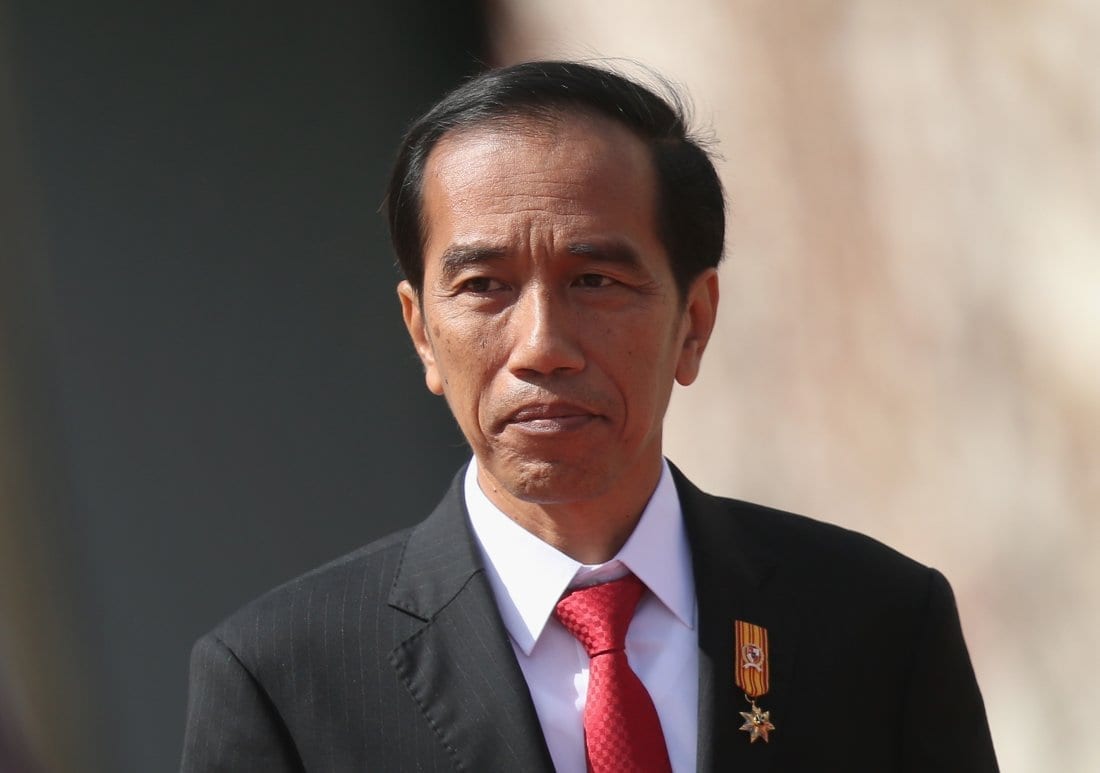
    President Joko Widodo (Jokowi), during a closed-door meeting on Monday, emphasized the need for improving transportation services between the islands of Sumatra and Java by operating better ferries.

    “We are concerned about the operation of the toll road from Lampung Province to Palembang, which leads to vehicle queues in Merak-Bakauheni crossing lane,” the Lampung Governor M Ridho Ficardo stated here on Monday.

    Jokowi and Vice President M. Jusuf Kalla (Jokowi), along with Ricardo and other officials, held a meeting in the Presidents Office to discuss the National Strategic Project and Prioritized Program.

    Ficardo stressed that the transportation authority should deploy several ferries of better quality to improve cargo transportation between Merak and Bakauheni ports that connect Sumatra and Java islands.

    According to Ficardo, the authority should operate ferry trips every hour to transport cargo and passengers.

    He reiterated that the authority can increase the ticket price to provide better services and deploy faster ferries.

    “The improved toll road should be offset by better crossing access. It is fine to increase the price to provide better services,” Ficardo pointed out.

    The meeting also discussed the development of industrial areas in Tanggamus District that builds maritime industry, Mesuji District, and Waypisan District.

    The governor added that the industrial area in Mesuji District could be developed, because the region has a mine of low calorie coals that can supply fuel for power plants.

    The Trans Sumatera toll road has entered the second phase of construction with the development of toll road of 250 kilometers. The government is targeting its completion in 2018.

  • AirAsia India Offers All-Inclusive Tickets

    AirAsia India Offers All-Inclusive Tickets

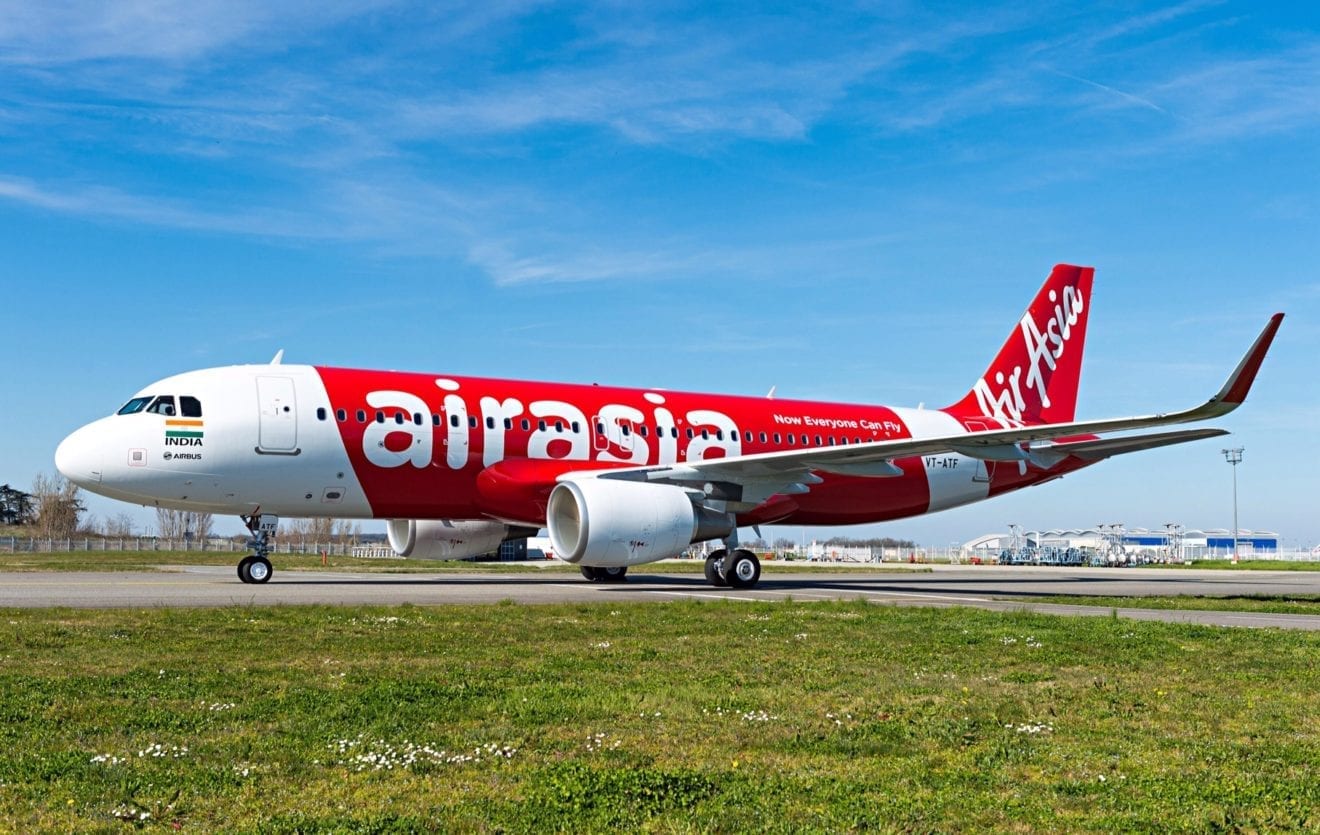
    Ahead of the Holi festival next week, AirAsia India has announced a promotional offer, selling tickets starting Rs. 1,499. Bookings for this AirAsia India offer are open till March 12, 2017, the airline – which is a joint venture between Tata Sons and Malysian carrier AirAsia – said on its website. AirAsia India’s special fares scheme is applicable on travel till June 30, 2017, said the airline, which competes with the likes of Air India, IndiGo, Jet Airways and SpiceJet in the domestic market.

    Under the special all-inclusive tickets programme, aimed at the upcoming Holi festival, tickets between Hyderabad and Bengaluru are being offered from Rs. 1,499 – the lowest under the scheme.

    “Celebrate the festival of colours with your loved ones in #Srinagar, #Pune & other awesome destinations!” AirAsia India said in a tweet.

    Some of the other routes covered under the offer include Imphal-Guwahati from Rs. 1,999, Pune-Jaipur from Rs. 2,999, and Pune-Bengaluru and Visakhapatnam-Bengaluru from Rs. 2,399, as per the AirAsia India website.

    Discounted fares from various airlines have spurred strong growth in air travel market in India. The country’s domestic air passenger traffic zoomed 25.13 per cent to 95.79 lakh last month, data from aviation regulator DGCA (Directorate General of Civil Aviation) showed.

    Rival airlines IndiGo, SpiceJet and Jet Airways had also announced discounted tariffs recently.

    Also, AirAsia India is likely to commence international operations from the second half of next calendar year. “We will have 14 aircraft in the fleet within this year, depending on the business performance. And, we will add another six planes by the middle of the next year. Then we will get to international operations,” its CEO Amar Abrol had said earlier.

  • Bank Indonesia Prepares for Fed Rate Hike

    Bank Indonesia Prepares for Fed Rate Hike

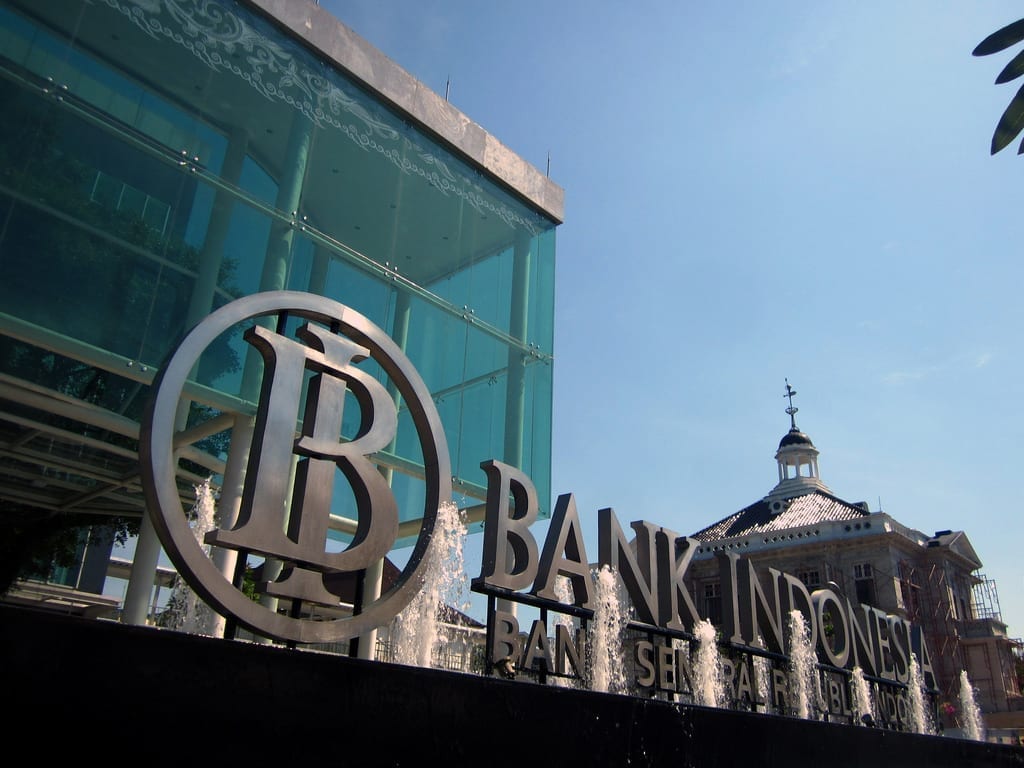
    Bank Indonesia Governor Agus Martowardojo said the central bank is preparing for the impact of Fed Fund Rate (FFR) hike in March. Agus said there were clear signs of a US’ interest rates increase during The Federal Reserves’ monthly meeting in February.

    “The probability is 90 percent, that’s why all market participants are getting ready,” the former finance minister said yesterday.

    Agus said that although a Fed Rate hike will likely be followed by a rupiah correction, the impact will not negatively impact the domestic monetary situations.

    He claimed the country’s economic resilience is quite strong, referring to the sustained economic growth in the range of 5.0 percent. Similarly, inflation has been within a safe range of three to five percent in the last two years.

    Other defensive factors are Indonesia’s healthy balance of payments that goes well in hand with a controlled current account deficit. As of February 2017, the country’s balance of payment was at a surplus of US$4.5 billion. The foreign exchange reserve was around US$116.9 billion.

    Bank Mandiri chief economist Anton Gunawan predicts the Fed Fund Rate will rise three times this year. However, he said there is a tendency that investors will prefer Asian markets rather than return to America’s.

    Anton said the rupiah could still see a fairly stable exchange rate to trade between Rp13,200 and Rp13,400 per US dollar.

    “The hedging liability also serves to reduce pressure on the rupiah,” he said.

  • Indonesia Offers Cooperation With IORA Member States

    Indonesia Offers Cooperation With IORA Member States

    The Indonesian government decided to use the Indian Ocean Rim Association (IORA) Summit as an opportunity to broaden its partnership in the industrial sector by offering several sectors for investment to IORA member states.

    Some of the sectors being offered include the shipping industry and its equipment, seafood processing, automotive components, petro chemical and coal gasification, and downstream agriculture products.

    “The abovemetioned sectors are included in export-oriented labour-intensive industries and import substitution,” said Industrial Minister Airlangga Hartanto on Monday, March 6, 2017.

    The partnership will allow Indonesia to access IORA members states market, which mostly consists of non-traditional markets. “The partnership can be done through a bilateral supply chain cooperation,” Airlangga said.

    Airlangga added that other efforts that need to be done are initiating business matching with IORA member states, and optimizing the role of Indonesian Embassies in promoting the domestic industrial ability and its market potential.

    “Improving partnership as in industrial capacity development training, has been conducted in cooperation with Mozambique and Seychelles at the small and middle-sized industry,” Airlangga said.

    Airlangga asserted IORA member states present highly prospective economic potential, including its large market of 2.7 billion population, and the fact that around 70 percent of the world’s trade passes through the region.

    The IORA also stores 55 percent of the global oil reserve and 40 percent of the global gas reserve. IORA member states also produce on-third of the world’s total tuna production.

  • Fluff Bakery taking cupcakes international

    Fluff Bakery taking cupcakes international

    Four years after opening cupcake shop Fluff Bakery, a Singapore couple plans to launch franchises in Indonesia and Malaysia.

    Ashraf Alami and Nursyazanna Syaira Mohammad Suhimi left their jobs to set up in a shophouse four years ago, and from 600 cupcakes a day they now sell double that.

    Their venture has been highlighted in Parliament by Minister for Trade and Industry S Iswaran when talking about bright spots in Asean countries and the potential for small businesses in the region.

    “A rising middle class has created demand in sectors such as retail and food and beverage,” he said. “The digital economy also presents unprecedented opportunities for companies – no matter how small – to reach out.”

    Fluff Bakery’s social-media presence has found fans as far away as Malaysia, where it has launched some pop-up stores. The first saw all 500 cupcakes snapped up in 30 minutes, and the second time around they sold 1000 cupcakes in about an hour.

    Ashraf says they hope to open a store in Kuala Lumpur in May.

    Meanwhile, it its latest budget Singapore’s government has pegged S$600 million (US$424.5 million) to establish an international partnership fund to help Singapore firms scale up and internationalise.

    “As an SME, expanding overseas is very daunting, because you don’t have many resources,” says Ashraf. “Any assistance or guidance – financial, networking – is more than welcome.”

  • Bangkok home to Asia’s first Playboy Cafe

    Bangkok home to Asia’s first Playboy Cafe

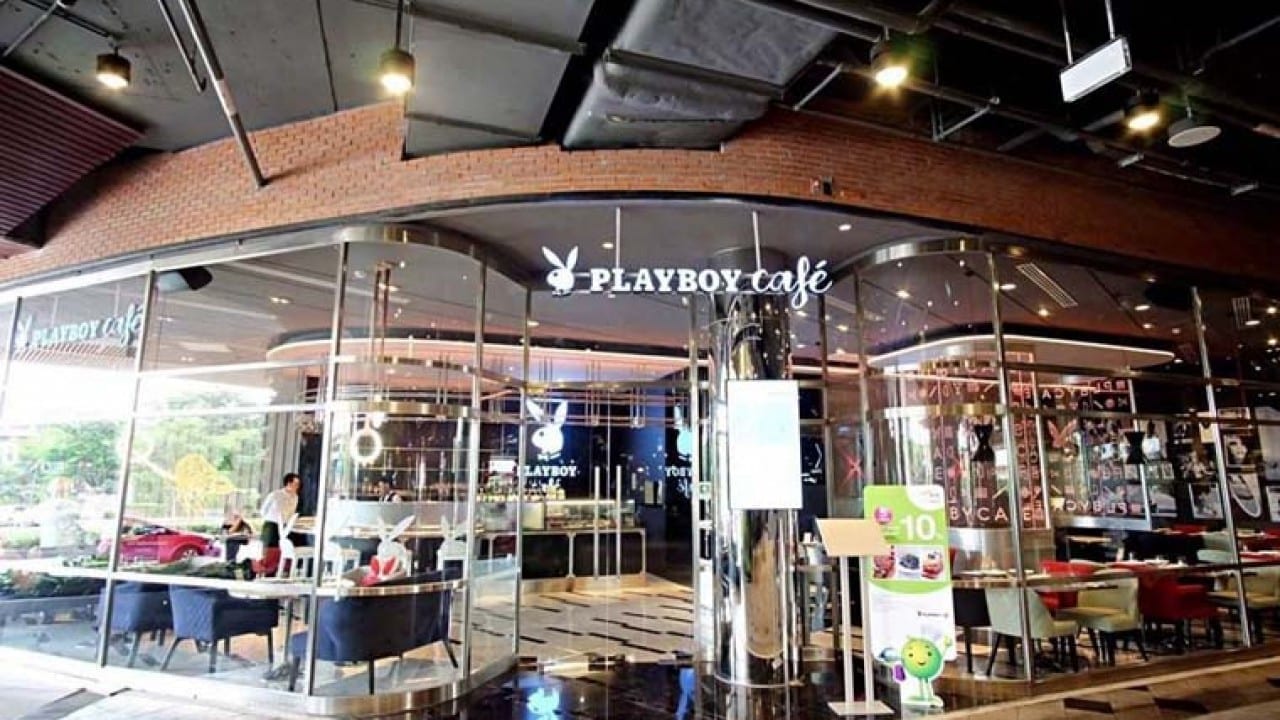
    Lam Yook Millenium Millennium (2002), the distributor of Playboy clothing in Thailand, has opened the first Playboy Cafe in Asia.

    It is in the Central Festival EastVille complex in Bangkok, with a second cafe scheduled to open in Central Marina Pattaya next month.

    Playboy cafe 1

    A budget of Bt30 million (US$856,000) has been earmarked for the opening of about 30 Playboy Cafes across Thailand within five years.

    Flying in from the US to preside over the opening, Playboy heir/chief creative officer Cooper Hefner says about 3000 Playboy outlets sell fashion accessories and clothes in such markets as China, India and Taiwan.

    She says Lam Yook has beenwith Playboy for more than 15 years in Thailand. It is the first company in Asia to gain a licence to run a Playboy Cafe.

    Lam Yook COO Pornpat Wangworawong says his company outlined its plans last year after setting up Playboy outlets in five department stores in Thailand. It plans to open a Playboy outlet at Central Plaza Korat this year and is introducing a business line to mark the Year of the Rooster. A Thai website will be launched in June.

    Playboy cafe 2

    “Before opening the cafe, we ran a market survey and learned that Thais like hanging out with friends and eating,” says Pornpat. Playboy Cafe’s signature item is the Bunny Burger.

    Covering 158 sqm in Central Festival EastVille, the cafe has capacity for 70 customers.

    Sales of the brand in Thailand have risen 30 per cent on average over the past few years, but last year’s growth was only 10 to 15 per cent because the global slowdown affecting the garment industry. To counteract this, the company plans to renovate its standalone shops and turn the outlets in department stores into unisex models.

  • Many businesses stop advertising on YouTube

    Many businesses stop advertising on YouTube

    Some major brands in Việt Nam had to stop advertising on the world’s largest online video site, YouTube, when these brands’ advertisements were linked to clips containing poor content.

    According to information from the Authority of Broadcasting and Electronic Information under the Ministry of Information and Communications, the authority received official dispatches from Vietnam Airlines, Mead Johnson Nutrition Việt Nam and Vinamilk explaining an incident in which their brands appeared in clips with pornographic, slanderous or anti-government content on YouTube.

    At the same time, businesses have also confirmed that they stopped advertising on the online video site.

    A Vinamilk’s representative told media that the company signed a co-operation contract with WPP Media Company Limited (Mediacom) to promote the brand to consumers through mass media.

    According to a commitment between the two parties, Mediacom has to conduct communication services in compliance with Vietnamese laws, as well as take responsibility in monitoring and reporting for Vinamilk, if there are problems affecting its images and reputation.

    After receiving the dispatch from the Authority of Broadcasting and Electronic Information regarding the incident, Vinamilk asked Mediacom to coordinate with YouTube to remove advertisements on clips with unwanted content, at the same time, suspending all advertisement plans on YouTube until the media partner and the site send reports to Vinamilk to find solutions for the problem.

    Earlier, the Authority of Broadcasting and Electronic Information sent dispatches to several large enterprises in Việt Nam asking for reports about these brands or their products appearing in clips with improper contents posted on YouTube.

    The authority found 17 clips with advertising inserted into videos on YouTube that had contents violating the country’s law.

    Additionally, the Ministry of Information and Communications has coordinated with the Ministry of Culture, Sports and Tourism to decide upon a fine for YouTube for not obeying the regulations on advertising for cross-border advertising activities on websites in Việt Nam.

    The ministry also invited YouTube and Google representatives to cooperate in resolving these violations.

  • Royal Bank of Scotland Ends Business Activities in Indonesia

    Royal Bank of Scotland Ends Business Activities in Indonesia

    Although the bank started under the name ABN AMRO BANK NV Indonesia, the majority of its shares was acquired by the Royal Bank of Scotland Plc in 2010. After this acquisition the bank’s name changed to RBS NV.

    Earlier, in December 2015, the bank’s branch in Surabaya (East Java) had already been closed. The ending of all of RBS NV’s business activities in Indonesia is part of the bank’s overall business strategy. Besides Indonesia, it decided to end its business networks in 24 other countries. Due to the RBS Group’s losses across the world, it decided to focus on the domestic market of the United Kingdom (UK) in order to improve its earnings. RBS NV’s corporate activities in Indonesia were profitable until the end of 2014. After that year its activities in Indonesia resulted in net losses and therefore it decided to end its businesses here gradually.

    Through OJK Board of Commissioners Decree No. 7/KDK.03/2017 on the Revocation of the Permit of The Royal Bank of Scotland NV’s Branch in Indonesia, dated 28 February 2017, the license of the bank has been revoked. According to the OJK, RBS NV Indonesia has completed all its obligations and therefore its request for the license revocation was approved. However, those who still (claim to) have rights and obligations with the local branch of Royal Bank of Scotland in Indonesia can contact the disclosure team, located at the Indonesia Stock Exchange (IDX) building (Tower 2, second floor) in South Jakarta until 31 March 2017.