Author: Mei Ling Tan

  • Alibaba innovation will transform Shanghai Bailian

    Alibaba innovation will transform Shanghai Bailian

    Alibaba Group’s collaboration with Shanghai Bailian Group, one of China’s biggest general store and retail chains, is driven by Jack Ma’s push to use innovation to shake up outdated retail.

    “Alibaba wants to help update some of Bailian’s 4700 stores the nation over, coordinating everything from client relations to installment and coordinations in a way like its tie-ups with different players, for example, gadgets chain Suning Commerce Group,” says Oliver Johnson, director of corporate equities with Woori Bridgewater Brokerage.

    The online big-hitter that vanquished eBay and Amazon in China has set its sights on using its arsenal of information and innovation to change the $4 trillion universe of household physical retail. In its greatest old-economy bargain, Alibaba is driving an offer to purchase retail chain Intime Retail Group for as much as $2.6 billion.

    “Their billionaire fellow founder needs to assemble a system that will permit stores and brands to screen exchanges as they happen, freeing layers of merchants so that retail outlets can put orders online progressively,” says Johnson.

    Daniel Zhang, Alibaba’s CEO, described the association with Bailian as “a critical breakthrough in the advancement of Chinese retail”, where the qualification amongst physical and virtual business is getting to be distinctly out of date.

    Amazon.com is likewise quick to show how innovation can change the deeply rooted shopping background. It launched Amazon Go in December, permitting Seattle customers to get staple goods without being held up in checkout lines as their purchases are electronically charged when they exit the store.

    “Like Alibaba, the U.S. web based business titan has broad experience working with reams of important client and inventory network information and shopping designs,” observes Johnson.

    “With Bailian, Alibaba will tap a system of 4700 stores crosswise over 25 Chinese regions. Aside from Intime, the Hangzhou, China-based organisation has as of now put resources into retail administrators including Suning and Sanjiang Shopping Club to further its alleged new retail analysis,” added David Fraser, head of corporate trading at Woori Bridgewater Brokerage.

    Alibaba won’t take a stake in Bailian.  In any case, the match will coordinate their participation databases and use facial acknowledgment innovation to enhance customers’ encounters, Alibaba said. Alibaba’s online installments framework, Alipay, will be accessible at all Bailian stores. The web-based business mammoth’s conveyance member – Cainiao Smart Logistics Network – will work with Bailian to substance out conventions that make the framework more effective.

    Woori Bridgewater Brokerage is an advisory investment company.

  • Telstra taps Ericsson for network evolution

    Telstra taps Ericsson for network evolution

    At Mobile World Congress 2017, Australian operator Telstra announced it has selected Ericsson to support its major “Network of the Future” transformation program.

    Ericsson will supply equipment and services to support the program, which includes a nationwide optical network transformation and expansion.

    The program will also include 5G new radio (NR) trials, the creation of a new Media Delivery Cloud to complement Telstra’s Telco Cloud project and deployment of CAT M1 functionality nationwide to establish Australia’s largest IoT network.

    Under the agreement, Ericsson will deliver a three-year optical transmission network and rollout plan to expand Telstra’s long haul, metro and regional optical networks, supplying and installing converged packet-optical technologies from Ciena.

    Ericsson, Telstra and Qualcomm will meanwhile collaborate on interoperability testing and an over-the-air field trial based on the 3GPP’s expected 5G NR specifications. Telstra is also a member of the group pushing for accelerated 5G NR standardization

    For the IoT initiative, Telstra and Ericsson have now commenced localized CAT-M1 trials in Melbourne and Tasmania in the first stage of a deployment across Telstra’s 4G network, which covers over 98% of Australia’s population.

    “These projects… provide the foundation for Telstra’s Network of the Future program, which is essential to delivering our customers a brilliantly connected future,” Telstra group managing director for networks Mike Wright commented.

    “Our expanded optical network will support important emerging network capabilities such as IoT, 5G and enhanced media delivery. And our move to virtualization through the Telco and Media Cloud projects will enable us to deliver our customers unique and differentiated services to meet their personal and business needs.”

    Telstra said its Telco Cloud network is now delivering live traffic. Telstra first announced its network function virtualization infrastructure (NFVi) program at last year’s Mobile World Congress and the company has now compled the first video call over a virtualized EPG.

  • Ayala buys stake in Zalora Philippines

    Ayala buys stake in Zalora Philippines

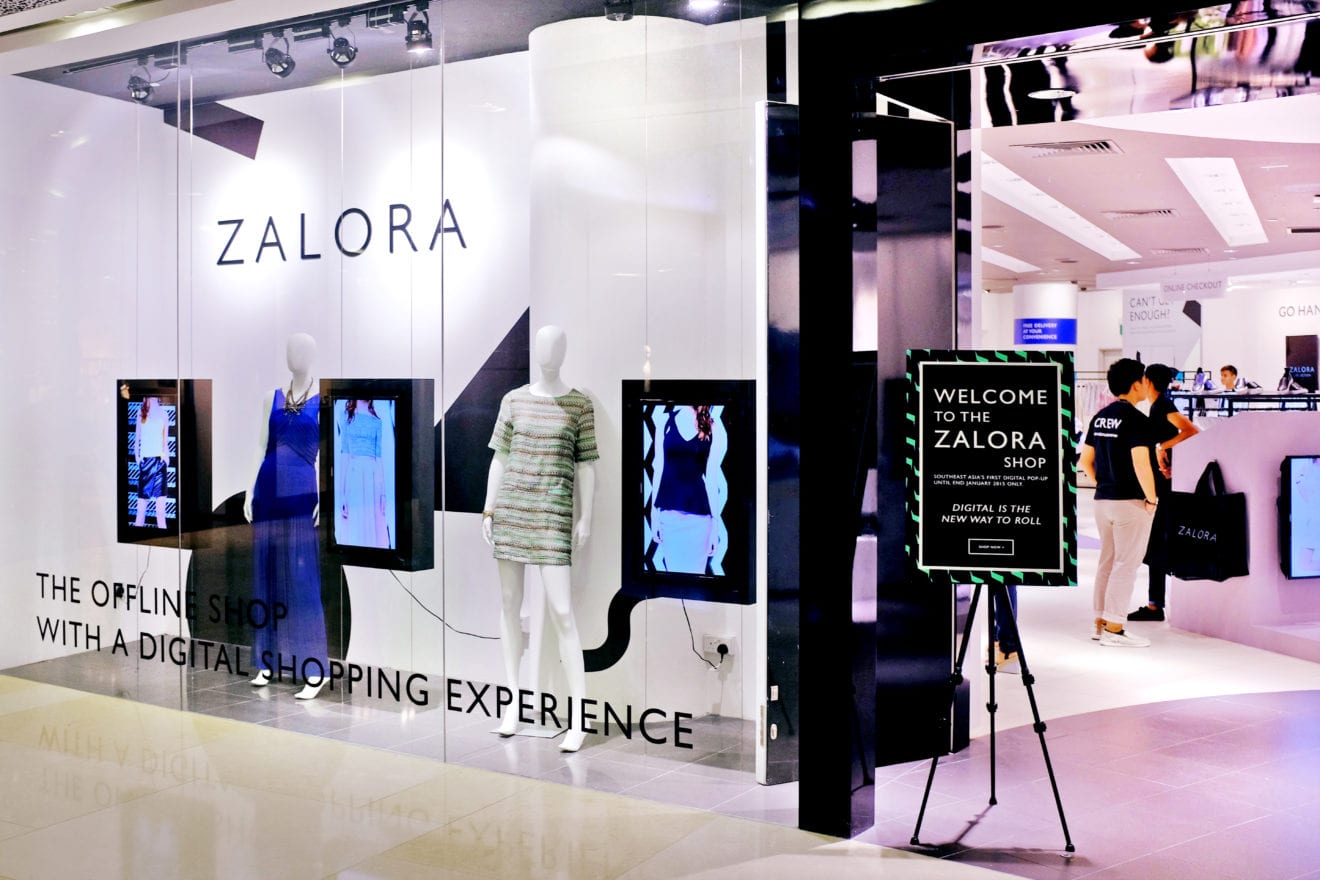
    Ayala Corporation has stepped into eCommerce by acquiring a 49 per cent stake in BF Jade E-Service Philippines, which owns and runs fashion platform Zalora Philippines.

    The conglomerate has announced it is buying 43.3 per cent of BF Jade, while in a separate disclosure Ayala Land says it will own 1.91 per cent. BPI Capital Corporation and Kickstart Ventures also acquired minority stakes in BF-Jade. BPI and Kickstart are wholly owned subsidiaries of BPI and Globe Telecom respectively.

    Ayala’s involvement is part of its strategy to invest in new disruptive businesses offering innovation to evolving markets, the conglomerate says.

    “This investment demonstrates how we at Ayala look at innovation and growth opportunities,” says chairman/CEO Jaime Augusto Zobel de Ayala.

    “We see the potential of eCommerce in the country, and believe the Ayala group can benefit and add tremendous value to Zalora. With resources in banking, real estate and telecommunications, the investment presents new opportunities for Ayala to generate synergies throughout the eCommerce value chain.”

    Zalora Philippines was co-founded in 2012 as part of the global network of the Zalora Group, which is 100 per cent owned by the Global Fashion Group.

  • Singapore online grocery market to triple by 2020

    Singapore online grocery market to triple by 2020

    The Singapore online grocery market is set to more than triple in size over the next three years, according to research house IGD.

    The global organisation expects sales will rise from the current S$130 million (US$91 million) to S$500 million (US$350 million) by 2020.

    At the end of 2016, IGD valued online grocery to have a 1.2 per cent share of the Singaporean grocery market. Reflecting rapidly changing shopper habits in the region and increased investment in the online channel from retailers and suppliers, IGD is further forecasting online to take a 4 per cent share of Singapore’s grocery market by 2020, with a compound annual growth rate of 39 per cent.

    Revealing the figures at this week’s IGD RedMart Trade Briefing, Nick Miles, IGD’s head of Asia-Pacific, said Singapore is hailing a new era of digital grocery retailing, driven by the entry of RedMart in 2011, Giant and Sheng Siong launching online grocery in 2013 and plenty of smaller start-up businesses also looking to grab a slice of the action.

    “Shopper habits are changing rapidly in Southeast Asia and in a compact city such as Singapore, with its relatively affluent population, big expat community and high penetration of internet and smartphone usage, there are huge opportunities for online grocery to meet these evolving needs. To make the most of this opportunity, retailers and suppliers must work together to ensure they really understand online shoppers and can tailor experiences and products to suit their personal preferences.”

    Miles says retailers are already clearly looking to improve the overall online experience, by getting the basics of search functions, favourites, images and information right for shoppers.

    “At the same time, they’ll be aiming to make delivery options as convenient as possible, whether that’s through shorter timespan delivery slots or greater choice of click and collect points throughout the region. Our UK data shows that 80 per cent of shoppers cite convenience as their number-one reason for shopping online, and we would anticipate Singaporean shoppers to have a very similar mindset when heading online for their groceries.

    “We also expect online grocery retailers in the region to encourage shopper loyalty through personalised offers and products, plus subscription models and delivery saver passes,” said Miles.

    “On top of that, shoppers in the region are increasingly connected via mobile, so ensuring a seamless shopping experience no matter what device they are using will be critical. Coupled with an increased focus on using innovations such as voice-activated technology, virtual reality and robotics, we predict huge opportunities for those retailers and suppliers who really invest in making the online grocery channel work for them in Singapore.”

  • Nokia makes big moves in 5G, IoT

    Nokia makes big moves in 5G, IoT

    Nokia is stepping up its efforts in 5G competition with the launch of 5G First, its debut 5G product.

    The 5G First, which will be available in the second half of 2017, helps mobile carriers prepare for 5G-ready architectures and gives them “first to market advantage”, Nokia said, adding that the 5G product is underpinned by technical specifications outlined by the Verizon 5G Technology Forum ecosystem.

    Announcing the launch at a news conference ahead of Mobile World Congress in Barcelona on Sunday, Nokia president and CEO Rajeev Suri said “the 5G launch is not hype but soon to become reality.”

    He said Nokia is working with Verizon and Intel to supply equipment for pre-commercial 5G services to homes in select Verizon markets such as Dallas. The companies will also deploy 5G-enabled “next-generation video and entertainment services”, which are set to launch in Dallas later this year and expand to other US markets by the end of 2017.

    In addition, Suri predicted that investments in 4G, particularly advanced 4G technology, will pick back up this year in key markets, like Japan.

    “Even with 5G coming, the need for more capacity grows everyday with no sign of slowing,” the executive said.

    Suri also revealed that Nokia has won a three-year contract from Telefonica to boost the performance of its 4G networks in London as data demand grows. The deal includes Nokia 4.5G Pro technology, he added.

    Earlier this month, Nokia reported its profits for the fourth quarter of 2016 fell less than expected, helped by cost cuts and the acquisition of Alcatel-Lucent.

    The Finnish telecoms equipment vendor is also looking to broaden its footprint in faster-growing areas including software and the utilities and transport markets with IoT and cloud, in a bid to offset the weakening revenues from the telecoms sector.

    For example, Nokia has recently launched WING, its IoT network grid, which is aimed at providing a full-service model offering IoT connectivity across different technologies to manage a client’s IoT connectivity needs and assets.

  • Lotteria Burger Laboratory concept to open Korea-wide

    Lotteria Burger Laboratory concept to open Korea-wide

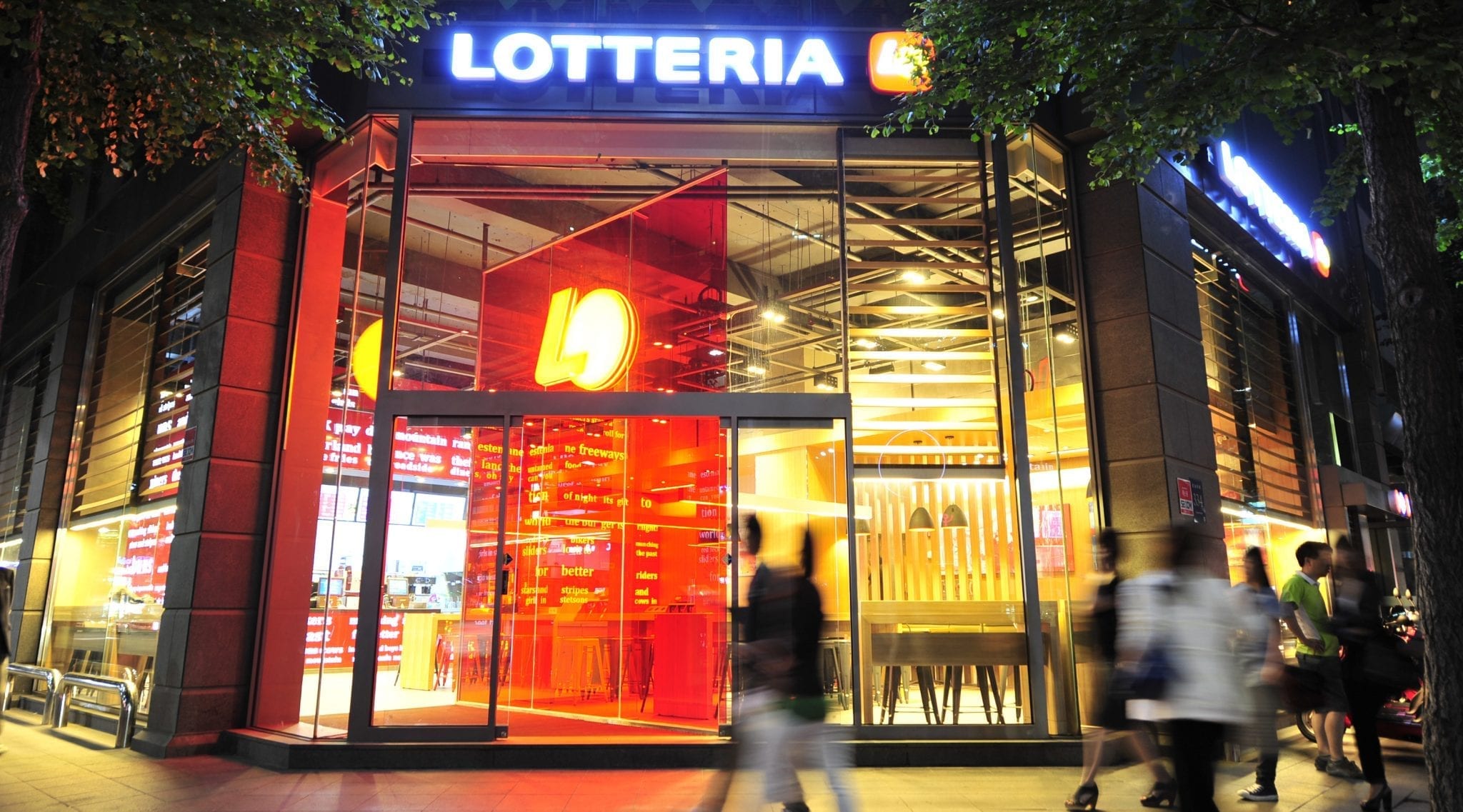
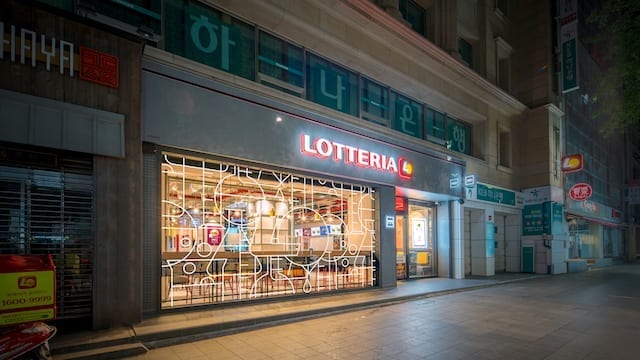
    London-based consultancy JHP Design has created a fast-dining experience for Asian fast-food restaurant group Lotteria.

    The new concept, called the Lotteria Burger Laboratory, features an open kitchen combined with a made-to-order system, so customers can watch the “burgerista” preparing every stage of their meal.

    Customers can place orders via an app before arriving, or in store through bespoke tablets as well as at the counter.

    Lotteria Burger Laboratory Korea 6

    A science and experimental theme in the restaurant is reflected in every aspect of the customer experience. A red industrial ceiling-mounted pipe snakes from the front of the “laboratory” to the back, guiding the customer journey. The ceiling also features an illuminated digital clock indicating how long customers need to wait for their order to be ready.

    Lotteria Burger Laboratory Korea 5

    Science icons

    The walls are decorated with periodic tables, food-assembly diagrams and science-based icons. The chairs have chemical-resistant wire frames and the tables offer power plugs for charging mobile devices.

    The seating area offers individual code-writing tables, laboratory benches and breakout booths as found in high-tech start-ups.

    Lotteria Burger Laboratory Korea 4

    A stainless-steel drinks machine enables customers to mix and refill their own beakers.
    With “radioactive” yellow and black doors and frames, the restrooms have acid-resistant white glazed tiles.

    Lotteria Burger Laboratory Korea 3

    All materials used have low environmental impact. Recycled strawboard, reclaimed porcelain and salvaged waste pipes have all been combined in an environment lit entirely with low-energy LED bulbs, and the kitchen uses hyper-efficient induction cooking equipment. All packaging is recycled and biodegradable.

    Lotteria Burger Laboratory Korea 2

    The first Burger Lab opened in Seoul last November, built in just four weeks at a total cost of US$480,000. The concept is now being rolled out across the company’s 3000 outlets throughout Asia.

    Lotteria Burger Laboratory Korea 1

    The Lotteria Burger Laboratory sources its ingredients solely from Lotteria’s own vertically integrated sustainable farms. As well as beef, chicken and shrimp burgers and fries, the new outlet offers local specialties and vegetarian options.

    Lotteria is owned by Lotte, a conglomerate established in 1948 with headquarters in Japan and South Korea.

  • Japanese cosmetics brand Do-Best eyes Asian expansion

    Japanese cosmetics brand Do-Best eyes Asian expansion

    Japanese cosmetics brand Do-Best is looking at opportunities in the Philippines and broader Southeast Asian markets, including Indonesia.

    Do-Best CEO Daitaro Sugawara was in the Philippines for a group networking session organised by Security Bank and Japan’s Mitsubishi UFJ Financial Group. He was matched with executives from local retailers including Metro Retail and National Bookstore.

    Do-Best was founded 45 years ago to produce “high-quality, low-priced products” and is already exporting to Singapore, Hong Kong, Thailand and Taiwan.

    Sugawara says the company wants to tap into the fast-growing Asian markets with young consumers seeking low-cost cosmetics and beauty lines. Its products are already popular in Japan’s proliferation of 100 Yen shops and similar stores.

    “That’s why I was interested to have a meeting in the Philippines. My product is like my family, so I want Philippine distributors or retail stores to take care of our products.

    “I want to keep the original price as in Japan,” Sugawara said.

    Tadahiro Miyamoto, GM of BTMU’s Manila branch, says a lot of Japanese companies are now looking at the Philippine domestic market. “You should look at the shopping areas, you see a lot of Japanese products.”

    A large number of participants in the recent business-matching event were from the retail sector, agriculture and real estate.

  • Samsonite Asia heightens focus on China

    Samsonite Asia heightens focus on China

    Branded luggage-maker Samsonite Asia aims to make China its biggest market within five years, pinning its hopes on eCommerce and social media to fuel growth.

    While sales in China now account for more than 10 per cent of its total revenue, Samsonite CEO Ramesh Tainwala says they are likely to double by 2022, thanks to the explosion in online shopping and a wealthier population keen to travel.

    “Now that 20 per cent of our Chinese businesses come from online, we expect the number to grow by about a third in a couple of years,” he says.

    Global net sales in 2015 reached US$2.43 billion for the Indian company.

    Virtual stores on B2C sites JD and Tmall have claimed 60 per cent of Samsonite’s online business in China. Its luggage is also sold through the digital outlets of shopping malls and department stores.

    Samsonite will open its own direct online shopping portal this year aimed at more sophisticated buyers who want bigger-ticket items via the brand rather than a third party.

    First-half sales last year remained flat for Samsonite, according to its interim report, partly because of sluggish performance in China as consumers forsake department stores for online retail.

    Samsonite president for China and the Philippines Frank Ma says the company spares no effort in using social media campaigns to guide traffic to brick-and-mortar stores. For example, followers of Samsonite’s official WeChat account are given a discount coupon when they sign up for promotional events in shopping centres.

    Ma says content marketing helps attracts customers and adds to another 5 per cent to its offline sales.

    Seven of Samsonite’s nine brands have been introduced to China, ranging from the entry-level American Tourister to the newly acquired Tumi, which targets high-end business travellers.

  • Garuda Indonesia to Cooperate with Malaysian Golf Community

    Garuda Indonesia to Cooperate with Malaysian Golf Community

    National Carrier Garuda Indonesia’s Kuala Lumpur branch will be cooperating with Malaysian golf community to facilitate local golf players who wish to play in Indonesia.

    “We will come up with a package scheme that merges the prices of golf activities and flight tickets, which will then be disseminated by the community,” Garuda Indonesia’s Malaysian General Manager Supriyono said in Kuala Lumpur on Thursday.

    He made the statement immediately after a meeting with Steven Leow, Chief Executive Officer of PT Leo Golf Sukses Wisata Group, which is a Leisure Golf Service company in the Garuda Indonesia Malaysia offices, located in the Intermark Mall.

    “The scheme is aimed to fill morning flight slots from Malaysia to Indonesia. They will be able to immediately head to the golf court and play, as it would still be early in the day. The average length of stay is about three days, and they would board the afternoon return flight. It would be an effective scheme for golf players,” he remarked.

    Garuda also offered to be the community’s sponsor partner, should they wish to organize an event or activity, he stated. “There are approximately 500 members in the community, and there could be 10 to 15 golfers who fly to Indonesia per day. Hence the demand is quite high,” he noted.

    As for their destination cities, Supriyono said that would vary. “But if they go to Jakarta, they even have an office in the Gunung Sahari area,” he added.

    He further explained that Malaysian golfers are keen on trying new places when it comes to golf courts in Indonesia. “Hence, we will also be working with the golf liaison to expand the ‘in’ and ‘out’ of the traffic,” he stated.

    Garuda Indonesia has three flights from Kuala Lumpur to Jakarta, including those at 8:40 am, 12:50 pm, and 7 pm. Meanwhile, Garuda Indonesia also provides three flights from Jakarta to Kuala Lumpur, including 8:35 am, 2 pm, and 4:50 pm.

  • Japanese firm unveils fingerprint payments in Indonesia

    Japanese firm unveils fingerprint payments in Indonesia

    Japanese tech company Liquid has launched a biometric payments service in Indonesia that operates at the point of sale.

    Currently the project is being tested at an enterprise level, with the service offered to the Salim group’s workforce of around 500,000.

    “We are looking forward to developing the next generation payment and business platform in Indonesia, which will contribute to changing people’s lifestyle and have a big business impact in Indonesia,” said Yasuhiro Kuda, CEO of Tokyo-based Liquid.

    Users of the service need to register their fingerprints and deposit money in advance. They can complete payments within three seconds with the system’s fingerprint readers, which have an error rate of one in a trillion, according to Liquid.

    The company will start registering users’ fingerprints this month and start installing fingerprint readers later this year at stores run by Salim, whose businesses range from food and car sales to convenience store operations.

    Liquid is currently providing such fingerprint payment services to tens of thousands users in some cities in Japan.

    The company is aiming to expand the business in Indonesia, counting on the economic growth of the most populous country in Southeast Asia.

  • Online fashion brand Zalora to exit Philippines; Indonesia next

    Online fashion brand Zalora to exit Philippines; Indonesia next

    Southeast Asian fashion ecommerce company, Zalora, has been in the process of shutting shop in a few Asian countries. The company had retreated from Thailand and Vietnam last year, and is pulling out from Philippines and Indonesia.

    Launched in 2012, the Rocket Internet backed online shopping company was functioning in Malaysia, Singapore, Brunei, Hong Kong, Taiwan, Philippines, Vietnam, Thailand, Indonesia, Australia, and New Zealand, managed by Global Fashion Group, which was developed by Rocket Internet to handle all its online fashion businesses across the world.

    In Philippines, 49% of Zalora’s parent company, BF Jade E-Services was bought by one of the oldest real-estate companies, Ayala Group, and the remaining stays with Rocket Internet. BF Jade E-Services owned and operated Zalora in Philippines and the deal is currently subjected to approval from the Philippine Competition Commission.

    e27 also states that the fashion ecommerce company is in talks with retail giant MAP Group for a similar acquisition or investment in Indonesia. MAP group operates more than 1,900 retail outlets in Indonesia and has been experimenting with e-commerce as it launched its MAP e-Mall last year. A merger or acquisition with Zalora could mean that it gets access to the online fashion giant’s ecommerce expertise, as per media speculations.

    Romain Voog, CEO, Global Fashion Group said in a statement, “We are proud of how Zalora Philippines contributed to the development of e-commerce and fashion in the Philippines. This partnership with Ayala will allow us to further strengthen the leadership position of Zalora Philippines, as we invest more into delivering the best online fashion shopping experience for Filipino consumers.”

    In April last year Zalora sold its Thailand and Vietnam businesses to fashion retailer Central Group which also had been wanting to foray into the online ecommerce business. As reported by Forbes, the move was made to streamline its services in light of slowing output and the high cost of customer acquisition in Southeast Asia.

    Jaime Augusto Zobel de Ayala, Chairman and CEO, Ayala Corporation also added, “We see the potential of e-commerce in the country and believe that the Ayala group can benefit and add tremendous value to Zalora. With resources in banking, real estate and telecommunications, the investment presents new opportunities for Ayala to generate synergies throughout the e-commerce value chain.”

  • Citilink’s first new Airbus A320neo arrives in Indonesia

    Citilink’s first new Airbus A320neo arrives in Indonesia

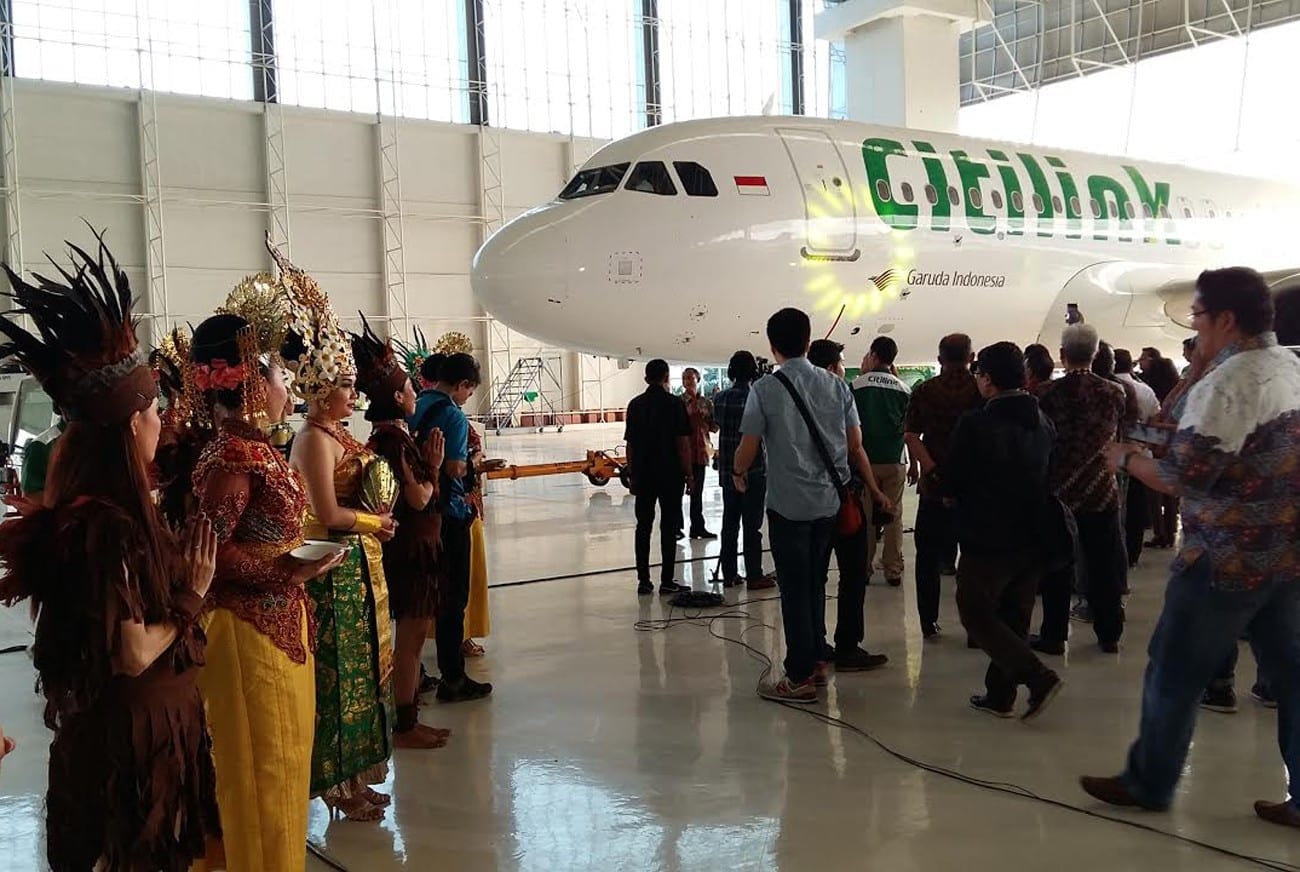
    Garuda Indonesia’s low-cost subsidiary, Citilink, has begun welcoming a new fleet of Airbus A320 new engine option (neo) aircraft from the Airbus factory in Toulouse, France.

    Citilink has ordered 35 aircraft from the European manufacturer since it developed the new version in 2012. The 180-passenger capacity A320neo will join 45 aircraft of the previous model, the A320 current engine option (ceo), which Citilink already owns.

    The delivery will be completed by 2021. This year, Citilink will receive five aircraft.

    “We will use them for medium-length routes like to Eastern Indonesia, to Jeddah, Saudi Arabia, and to Shanghai,” Citilink acting president director and finance director Mega Satria said during the welcome ceremony at the Garuda Maintenance Facility (GMF) AeroAsia Workshop in Cengkareng, Banten, on Friday.

    According to Airbus data, the A320neo features two engine options, Pratt & Whitney’s PurePower PW1100G-JM and CFM International’s LEAP-1A. Citilink’s aircraft use the latter. Along with improvements to airframe and winglets, fuel efficiency has been increased by 15 percent compared to the A320ceo.

    As of January, Airbus had received 5,069 orders of the new aircraft since it began production in January 2016. German airline Lufthansa was the first to receive one on Jan. 20 last year.

  • Indonesian president arrives in Australia

    Indonesian president arrives in Australia

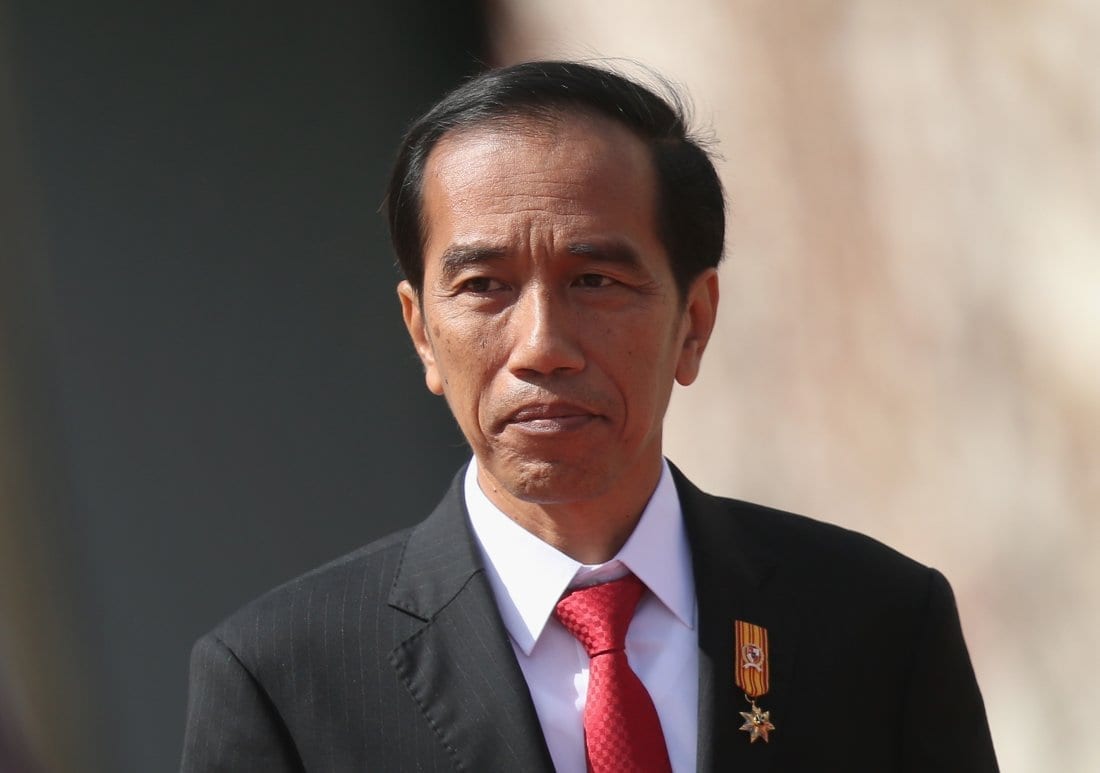
    Indonesian President Joko Widodo has touched down in Sydney ahead of bilateral talks with Prime Minister Malcolm Turnbull and Australian business leaders.

    The president and First Lady Iriana Widodo arrived on Saturday morning in rainy conditions and clutching umbrellas as they greeted Australian officials on the airport tarmac.

    Improving trade and investment ties is expected to be a key focus of Mr Widodo’s two-day state visit to Australia.

    The Indonesian president will meet with business leaders including representatives from Blackmores, Macquarie Bank and BlueScope Steel in the afternoon.

    He will also hold talks with NSW Premier Gladys Berejiklian before a private dinner at Prime Minister Malcolm Turnbull’s Point Piper mansion, overlooking Sydney Harbour.

    The pair will discuss progress on an Indonesian-Australian free trade deal set to be finalised by the end of the year, perhaps as early as August.

    Indonesian trade officials were in Canberra last week for the fourth round of free trade negotiations since March last year.

    ‘Our relationship with Indonesia is growing deeper by the day but it has not yet reached its full potential,’ Mr Turnbull said in an opinion piece in Sydney Morning Herald, pointing out that Australia trades more with Malaysia, Singapore and Thailand compared to Indonesia.

    AAP understands there are no insurmountable sticking points, unlike Australia’s negotiations with the European Union, where agriculture tariffs cuts are proving tricky.

    Australia Institute research director Rod Campbell hopes the two leaders discuss climate change and coal.

    Indonesia is seeking to dramatically boost coal-fired power generation in coming years despite its pledge to cut carbon emissions to 29 per cent from business- as-usual levels by 2030.

    Mr Widodo was due to visit Australia last year but this was postponed after violent protests erupted in Jakarta over comments its Christian governor made about the Koran.

  • Standard Chartered Looks at Strategic Options for its Indonesia Business

    Standard Chartered Looks at Strategic Options for its Indonesia Business

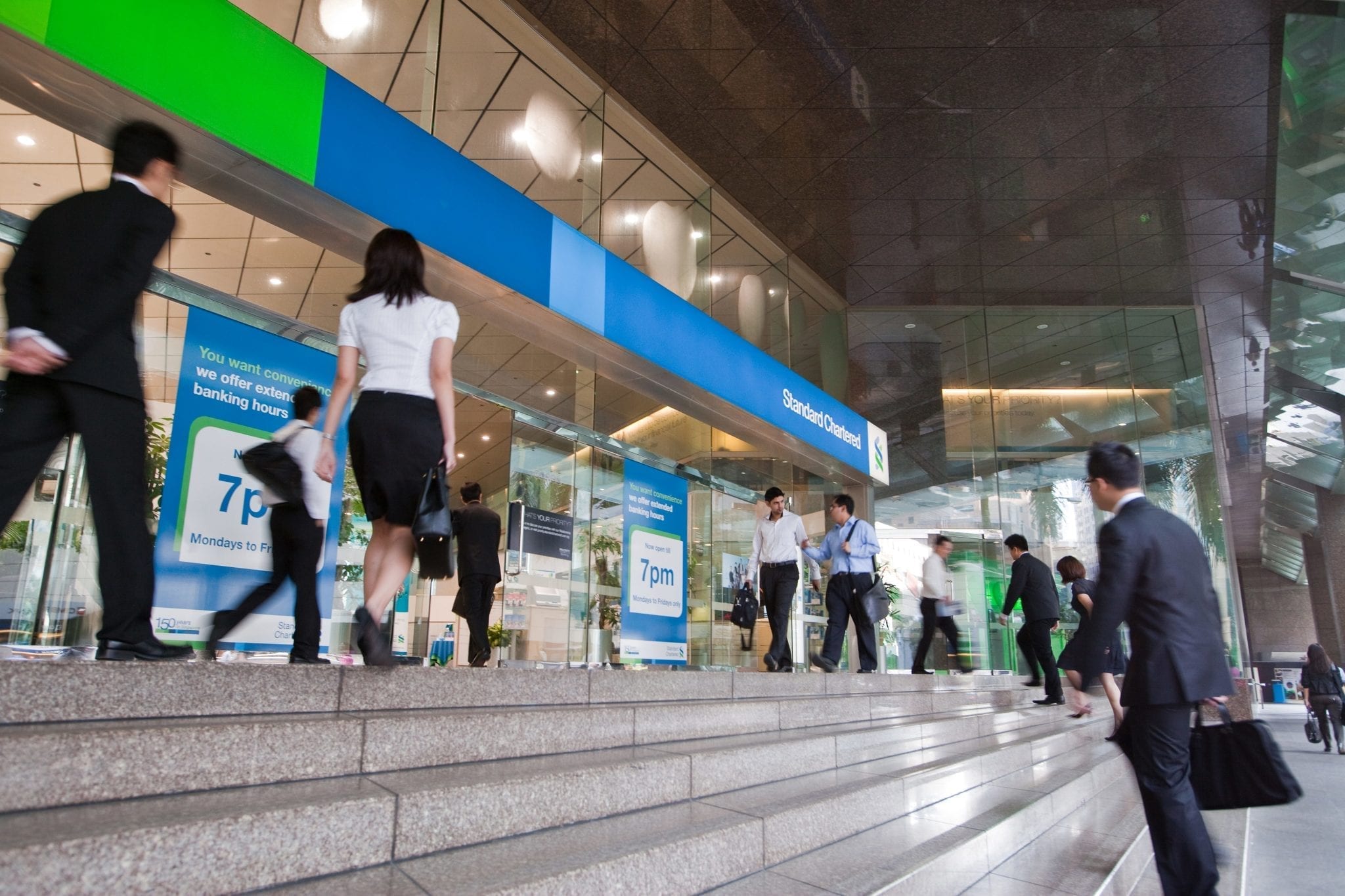
    Standard Chartered said its troubled principal finance unit toted up a $650 million loss last year, weighing on the bank’s efforts to improve returns. Standard Chartered’s net loss for 2016 narrowed to $478 million from $2.36 billion in 2015, but revenue and profit figures fell short of analysts’ expectations and the stock fell 5%.

    The emerging-markets focused bank said it sharply marked down its private equity stakes in companies in Africa, Asia and India, as it prepares to exit from the principal finance business in the next couple of years. It said its risk committee reviewed processes and controls in the unit last year, amid the losses and probes by U.S. and other authorities into alleged bribery at a portfolio company, power plant builder Maxpower Group Pte. Ltd.

    Standard Chartered said the unit will be stripped out of its underlying results going forward, with any gains or losses treated as restructuring costs. The principal finance unit manages around $5 billion for Standard Chartered and external investors. The bank’s exposure is around $2 billion.

    Standard Chartered’s smaller full-year loss was the result of a near-halving in bad loans across its businesses. But revenue dropped by 11% to $13.8 billion from $15.4 billion. Standard Chartered blamed the fall on a range of factors including negative revenue in principal finance, dollar strength against emerging market currencies and lower client activity.

    Fourth-quarter revenue was $3.53 billion, up from $3.26 billion in the fourth quarter of 2015. The bank said significant further improvement is needed.

    Chief Executive Bill Winters said the bank is on a stronger foundation after cutting costs and selling around a dozen businesses since he started as CEO in June 2015. He said the bank will look at strategic options this year for its Indonesia business, currently run through two banks.

    Standard Chartered operates under its own name in the country and holds a 44.6% stake in PT Bank Permata. Mr. Winters said the bank is fully committed to Indonesia but wants to operate through a single entity there.

    He said shifts in global trade and potential U.S. protectionist policies posed a threat to the bank, but also opportunity as trade flows realign. “If the U.S. for whatever reasons or through whatever political process makes itself a less desirable trading partner, there are other countries that will want to fill that gap,” Mr. Winters told reporters.

  • DHL, Huawei enter ambitious automation partnership

    DHL, Huawei enter ambitious automation partnership

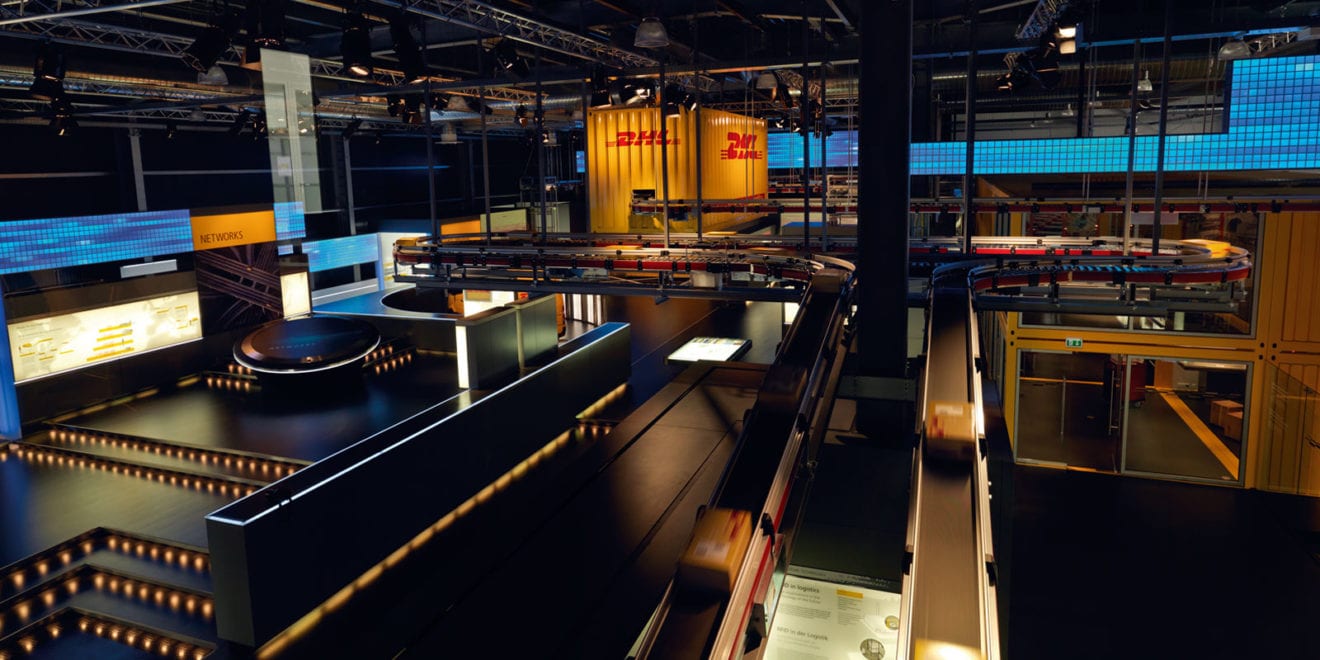
    Deutsche Post DHL Group and Chinese technology conglomerate Huawei Technologies are collaborating on a range of supply chain services for customers using “industrial-grade internet-of-things hardware and infrastructure.”

    The internet of things (IoT) refers to physical devices, such as vehicles, buildings and other items, that are embedded with electronics, software, sensors, actuators and network connectivity that can communicate with each other. That shared information is then utilized to automate and streamline processes. For example, sensors in refrigerators can read bar codes of products and make sure the milk is fresh and the beer is adequately stocked.

    Deutsche Post DHL estimates that the IoT could generate up to US$1.9 trillion in additional value for the global logistics industry by 2025. The logistics company sees the new technology as a way for operators to “better monitor and optimize their supply chain processes with low-cost networked sensors and devices.”

    Under the MOU, Huawei and Deutsche Post DHL Group will collaborate on developing cellular-based IoT technology. The projects will tackle ways to connect numerous devices across long distances with minimal power consumption. Connected devices will share data and to increase visibility in warehousing operations, freight transportation, and last-mile delivery.

    The agreement assigns Huawei’s connectivity experts and network infrastructure accessible to Deutsche Post DHL Group’s automation projects in warehousing, freight and last-mile delivery services.

    “Spending on connected logistics solutions is expected to more than double between now and 2020, and many logistics providers, including Deutsche Post DHL Group, have already begun to explore internet of things applications in their supply chains, including everything from enhanced asset tracking to driverless delivery vehicles,” said Markus Voss, COO and CIO of DHL Supply Chain.

    DHL has already opened its €90 million Advanced Regional Center in Singapore in 2016, featuring almost-entirely automated picking and storing infrastructure that the company says is 20 percent more efficiently than its human equivalent.