Author: Mei Ling Tan

  • Free trade agreements fuel cosmetics market in Vietnam

    Free trade agreements fuel cosmetics market in Vietnam

    The assessment was released at an event to introduce the Mekong Beauty Show 2017 in Ho Chi Minh City on February 23.

    Statistics show that Vietnam’s cosmetics market is potential with revenue of 26 trillion VND (1.14 billion USD) in 2015 and has maintained a double-digit growth rate for several years.

    While Vietnamese consumers’ spending on cosmetics is still four-five times lower than other regional countries, the middle class, which has high demand for beauty products, is growing strongly and forecast to double its current size to 33 million people in 2020.

    Ly Nguyen Lan Phuong, a representative of the Saigon Cosmetics Corporation, said despite such huge potential, domestic businesses’ technological capacity and financial strength remain modest. As a result, the local market is still dominated by foreign brands.

    Claudia Bonfiglioli, International Director of Informa Beauty, said to compete in the domestic market, aside from improving quality, cosmetics producers of Vietnam should keep innovating.

    Nguyen Van Minh, Vice Chairman of the Vietnam Association of Oils, Aroma and Cosmetics, said to help promote the industry’s development, the association has carried trade and investment promotion activities.

    Among those efforts, the Mekong Beauty Show 2017 is aimed to connect Vietnamese enterprises with other domestic and foreign partners to seek cooperation opportunities. It is also expected to become a leading trade forum on cosmetics and beauty products in the region.

    The show is slated for June 15-17 with the participation of more than 200 companies from the EU, the Republic of Korea, Thailand, Malaysia and Singapore.
  • India debuts interoperable QR code payment system

    India debuts interoperable QR code payment system

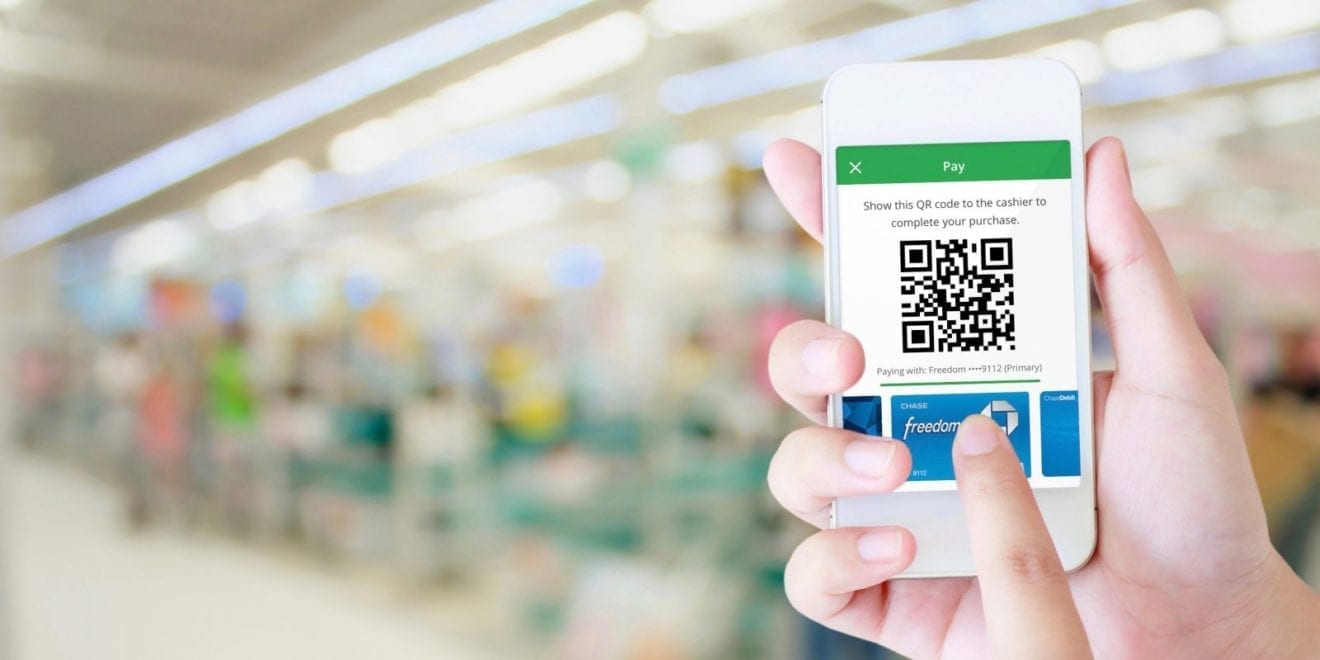
    The Reserve Bank of India and the Indian Banks Association have launched Bharat QR, the world’s first interoperable QR code acceptance solution.

    The solution was developed by Mastercard in collaboration with National Payments Corporation of India (NPCI) and Visa. American Express will also adopt these payment standards.

    Bharat QR aims to provide both merchants and consumers with seamless and secure method for payment transactions.

    For consumers, Bharat QR eliminates the need to use multiple QR codes from different payment networks when transacting with any merchant. Similarly merchants need only display one single QR code at the storefront or through their respective acquiring bank’s mobile application.

    The Bharat QR solution will be rolled out across the nation in phases by banks, with the aim to foster adoption by 57 million small and micro businesses due to the purported low cost of deployment.

    A number of banks in India stand ready to deploy BharatQR, including Axis Bank, Bank of Baroda, Bank of India, Citi Union Bank, Development Credit Bank, Karur Vysya Bank, HDFC Bank, ICICI Bank, IDBI Bank, RBL Bank, State Bank of India, Union Bank of India, Vijaya Bank and Yes Bank.

    Several other banks are also at various stages of implementation.

  • New regulations legalise betting services

    New regulations legalise betting services

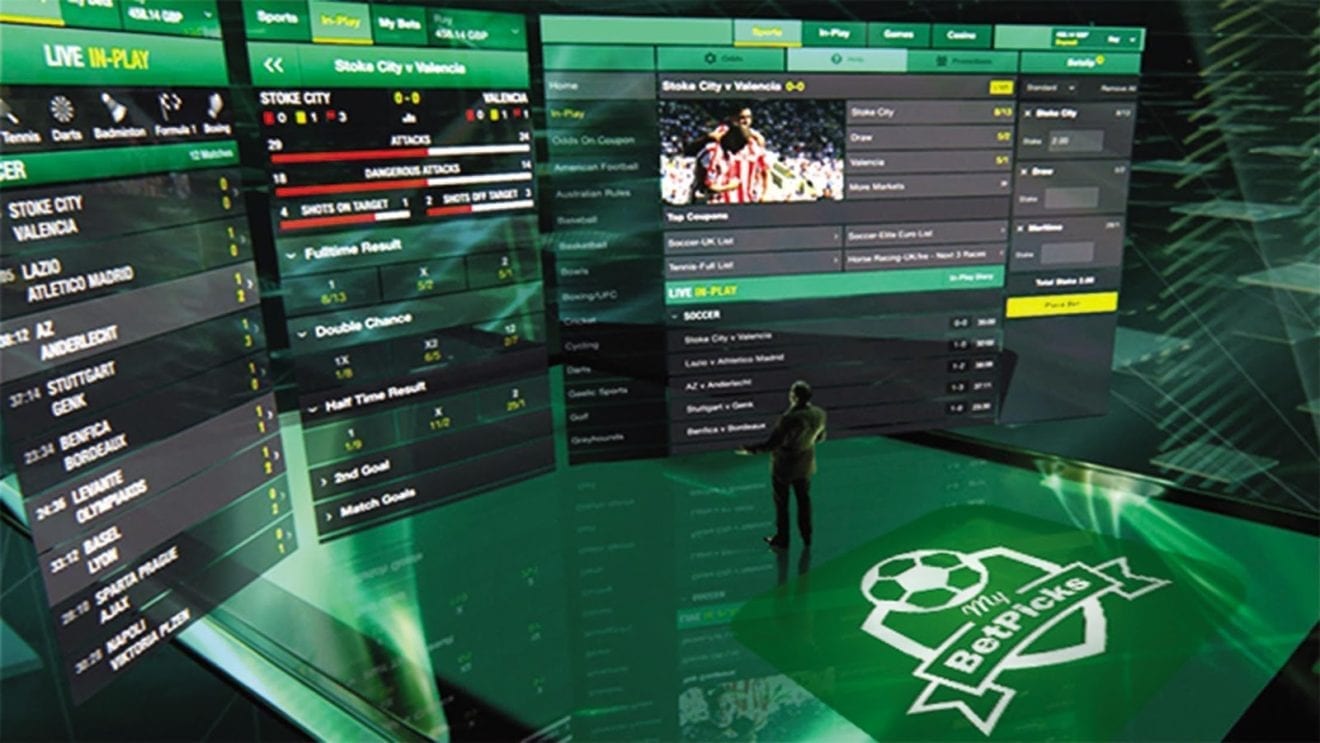
    Previously, casinos were only open to foreign passport holders and gambling was illegal in Vietnam. The prime minister recently signed Decree 6 that allows eligible firms to sell tickets and provide betting services on horse and dog racing and betting on foreign football matches.

    However, firms are not allowed to determine the time to start and end the betting and only Vietnamese dongs are allowed to use in betting. The decree also states that the government does not encourage the development of these services. The project is still in the pilot stages, and customers would be able to participate in legal football betting from March 31.

    According to the Ministry of Finance (MoF), there are many illegal betting services and the authorities don’t have enough personnel to manage and control these services. The MoF said those services could cause negative effects on social order and lead to the illegal transfer of money abroad.

    The new regulations are expected to help the authorities better manage betting services. A new decree on casinos was also issued in January to attract investors into resorts projects and boost local tourism. The 3-year pilot programme allows Vietnamese to gamble in casinos.

    The MoF said legal betting would satisfy ‘entertainment demand’, reduce illegal gambling sites and stop people spending money abroad.

  • Tariffs are cut, import prices fall, but cars are still pricey

    Tariffs are cut, import prices fall, but cars are still pricey

    According to GDC, in January 2017 alone, Vietnam imported 1,000 cars from India, worth $3.7 million in total. The average import price was $3,700 only, or VND85 million, the price level described as ‘surprisingly low’ and ‘dirt cheap’. The imports from India are mostly Hyundai i10 and i20.

    However, Vietnamese cannot buy imports at VND85 million. The amount of money they have to pay will be four or five times higher.

    As explained by a car dealer, imports from India are taxed 70 percent. Besides, they are also subject to other kinds of tax, including luxury tax (35 percent for 1.0-1.5L cars) and VAT (10 percent).

    Imports also bear many other different kinds of fees, such as ownership registration fee (10-12 percent, or VND233-237 million), the number plate granting fee (VND20 million in Hanoi), registration fees (VND340,000 for the first time), and road maintenance fee (VND130,000 a month).

    At present, a Hyundai i10 is sold at VND350-450 million in the market, or five times higher than the factory price.As such, every import product from India would cost VND260 million on average after taxes and fees. Meanwhile, the selling prices will be defined after adding up distribution expenses, profits for distributors, storage fees, and marketing & advertisement costs.

    The same is occurring with imports from ASEAN. Though the import tariffs have been cut from 40 percent 30 percent since early 2017, the selling prices are still many times higher than the import prices.

    Nguyen Tuan, director of Thien An Phuc, a distributor, said a Toyota Fortuner from Indonesia has the CIF price of $27,500, or VND700 million. However, the selling price could be as high as VND1.3 billion.

    “Because of high taxes, Vietnamese have to pay high to own cars,” he explained, adding that the selling price in Vietnam is 2-3 times higher than in other regional countries.

    By 2018, when the import tariff goes down to zero percent, the price of one Fortuner would fall by VND290 million thanks to the tariff cut. Many people don’t buy cars at this moment, because they don’t want to waste hundreds of millions of dong on car tax.

    Ngo Tri Long, a renowned economist, said people hope the car prices would be decreasing once the tariffs are cut. However, sharp price decreases may not occur, because the car prices not only depend on import tariffs, but also on luxury taxes, fees and pricing strategies followed by car distributors.

    “In Vietnam, you’d better not dream of cheap cars,” he said.

  • Vietnamese spend big on foreign high-street clothes

    Vietnamese spend big on foreign high-street clothes

    Huong, an office worker in Hoang Mai district in Hanoi, said she reserves a budget of VND2-3 million for buying new clothes every month. But she does not want products bearing Vietnamese brands, but preferably orders Zara and Mango products from overseas shops online.

    Huong said that the foreign high-street products are now affordable for office workers like her.

    “Why don’t you choose foreign brands if they have diverse design, good materials and reasonable prices?” she said.“Manufacturers and distributors often launch sale promotion campaigns with big discount rates. I can buy many products at the prices just equal to or even cheaper than Vietnam’s export products,” she explained.

    Oanh, an account executive in Hanoi, said she looks for Zara, H&M, Mango and Uniqlo products regularly, which allows her to buy high-quality products at reasonable prices.

    Sometimes she can buy products at just VND1 million or lower in sales campaigns.

    “I never buy Vietnamese goods during sale promotion campaigns because I am not sure about the actual value of the goods,” she said. “Meanwhile, no need to worry about this when you buy products from these brands. And the prices are very good”.

    Huong and Oanh order the products online and pay fees to have the products shipped to Vietnam. There are many shipping agents in Hanoi, who are in charge of receiving products, carrying to Vietnam and delivering to clients.

    Thuy Linh, one of the agents, commented that Vietnamese clients mostly order clothes and footwear, and 80 percent of ordered products bear high-street brands such as Zara, Mango, and Forever 21, while the remaining 20 percent are luxury brands.

    Linh said she is always busy so Vietnamese tend to favor foreign high-street brands. A T-shirt with Zara or Mango brand can be bought at VND180,000 only, including fees, which is cheaper than Chinese products.

    Understanding the Vietnamese taste and realizing the rapid increase of middle-income earners in Vietnam, a lot of high-street brands have been conquering the local market. Zara, the fashion brand from Spain, has been present in Vietnam since mid-2016. Mango, which targets customers aged 18-40, has been present in Vietnam since 2004 through a franchise contract signed with Maison JSC.

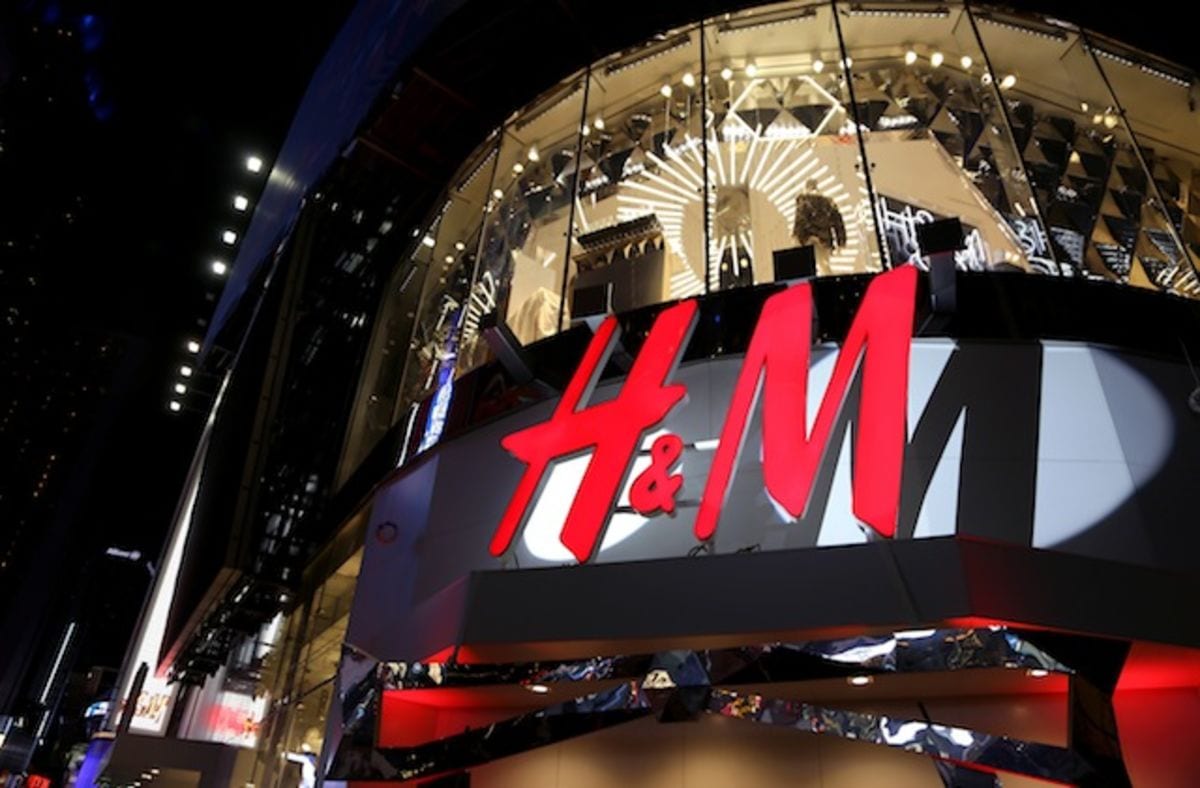
    In the latest news, H&M has begun employing workers to prepare for its landing in Vietnam. The Swedish brand’s first shop would be in Hanoi, cover an area of 2,000 square meters and employ 100 workers. The recruitment will also be implemented in HCMC.

  • Infinera to interconnect Yahoo Japan’s Osaka DCs

    Infinera to interconnect Yahoo Japan’s Osaka DCs

    Yahoo Japan has selected Infinera Cloud Xpress to interconnect its data centers in Osaka. The Cloud Xpress enables Yahoo Japan to interconnect data centers with hyper-scale density, operational simplicity and low power consumption.

    Working closely with Infinera partner Itochu Techno-Solutions, Yahoo Japan deployed the Infinera Cloud Xpress to address the need for more capacity. Itochu Techno-Solutions provides Yahoo Japan with IT and data center maintenance services. Yahoo Japan has now deployed the Cloud Xpress and Infinera XTM Series in its metro networks.

    With the Cloud Xpress, Yahoo Japan benefits from Infinera’s photonic integrated circuit technology which delivers a 500 Gbps super-channel over 150 kilometers without additional multiplexers and amplifiers.

    The Cloud Xpress incorporates Infinera’s Instant Bandwidth technology to allow customers to software-activate line-side bandwidth in 100 Gbps increments as and when needed.

    In addition, the Cloud Xpress is designed for plug-and-play installation with simplified provisioning and support for data center automation using open SDN APIs.

    “The compact design, ease of use and scalability of Cloud Xpress and the XTM Series stand out in metro data center interconnect applications where data center operators need to grow capacity rapidly while minimizing the cost of space and power,” Infinera VP of regional sales for APAC Andrew Bond-Webster said.

    The Infinera Cloud Xpress Family is designed to deliver cloud-optimized wavelength division multiplexing solutions to cloud service providers, internet content providers, Internet Exchange service providers, enterprises and other large-scale data center operators.

    The Cloud Xpress Family offers customers the choice of 10 GbE, 40 GbE and 100 GbE client interfaces to meet their specific requirements. Infinera recently introduced the Cloud Xpress 2 based on the Infinite Capacity Engine, scheduled to be available in the first quarter of 2017.

  • AirAsia launches new routes from Cebu, Davao

    AirAsia launches new routes from Cebu, Davao

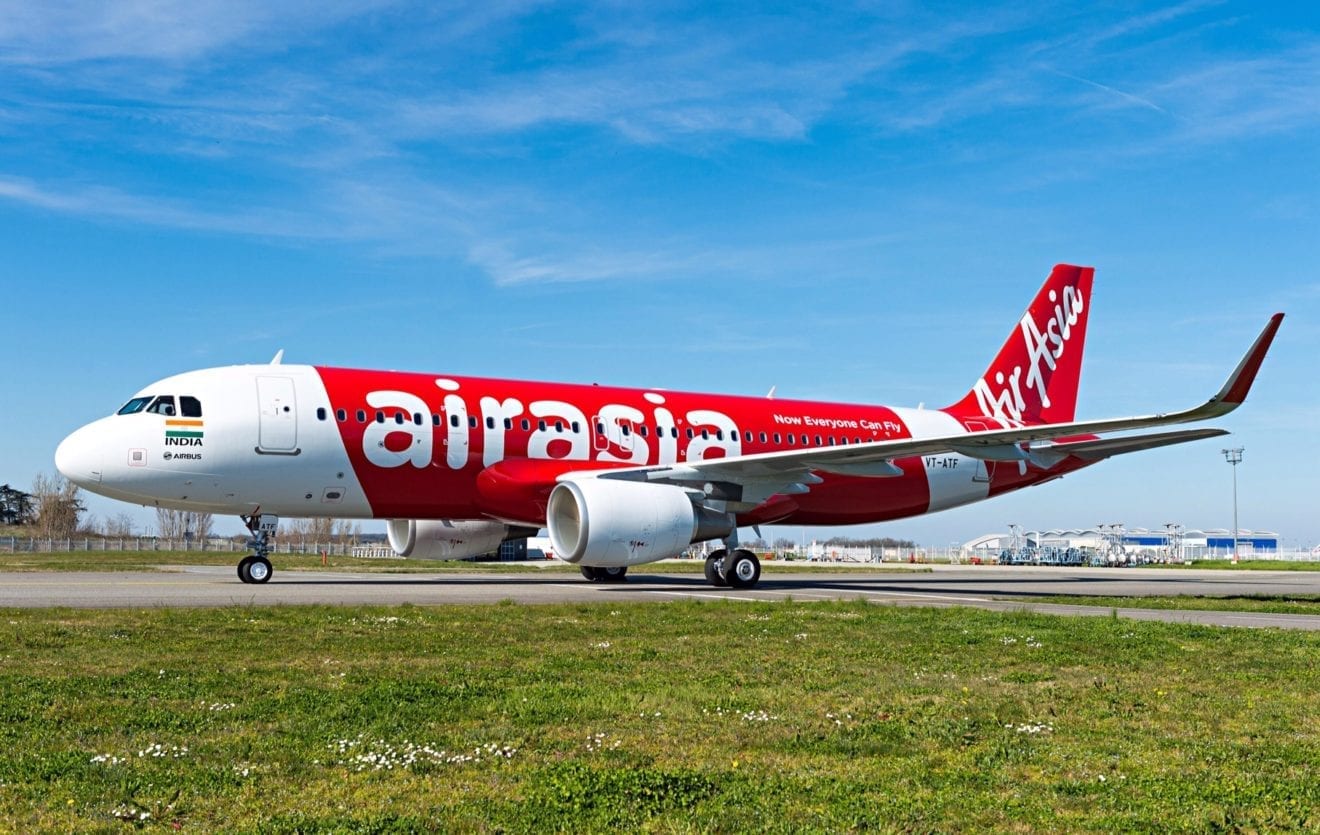
    AirAsia said on Friday it will mount new routes from Cebu and Davao starting April as it continues to expand its network outside Metro Manila.

    New flights will be launched from Cebu to Davao, Palawan, and Boracay/Caticlan and from Davao to Clark, Cebu, Palawan, and Boracay/Caticlan in April 22, 2017, the airline said.

    The Cebu to Boracay and Palawan flights will operate daily while flights to Davao are scheduled twice daily, it added.

    The Davao to Boracay flights will operate daily; Davao to Palawan at three times weekly; and Davao to Clark at four times weekly.

    “We feel strongly about supporting the growth and development of cities outside Metro Manila by providing more options and added convenience for travelers to fly to their desired destinations without going to the main airport in Manila,” said Philippines AirAsia chief executive Capt. Dexter Comendador.

    The airline said it is offering promo one-way fares for the new routes starting at P399. The travel period for the promo fares is between April 22, 2017 and August 31, 2017.

  • Victoria’s Secret opens first flagship store in China

    Victoria’s Secret opens first flagship store in China

    US brand Victoria’s Secret has opened its first flagship store in China as it taps into the growing appetites of mainland women for high-end lingerie.

    Fronted by an iconic pink glass facade, the four-storey, 2,500 square meter Victoria’s Secret store opened its doors on Thursday in Huaihai Road, one of Shanghai’s most upscale shopping streets.

    The new shop, which is the first to sell the brand’s full range of products attracted thousands of visitors on the opening day. Previously, Victoria’s Secret had only operated concept stores in China, selling accessories.

    “Chinese women are now ready for more sophisticated bras,” said Pascal Martin, a partner with OC&C Strategy Consultants.

    As Chinese women have increasingly adopted western fashion trends and brands, many locally-owned bra offerings at the cheaper end of the spectrum and paying little heed to design and brand appeal have popped up.

    The US lingerie giant, which entered China in 2015, has unveiled an aggressive expansion plan in the fast-growing Chinese market.

    Besides launching another flagship store in Chengdu in southwest Sichuan Province soon, Victoria’s Secret will move its high-profile annual fashion show to Shanghai at the end of this year.

    The retailer will charge mainland customers between 300 and 600 yuan (US$44 -87) for a bra, a little higher than in the US.

    Joey Chio, senior associate director of Savills Shanghai Retail, which helped Victoria’s Secret select the location for its new store, said the opening of the flagship shop would satisfy Chinese women’s “desire to keep up with the forefront of international fashion”.

    Luxury lingerie and high quality functional products are becoming increasingly popular among Chinese women, and a more frequent topic of discussion on social media.

    The female underwear market in China is expected to have a retail value of US$25 billion by 2017 – double that of the United States – and will grow to US$33 billion by 2020, according to Euromonitor.

    Top Italian luxury lingerie maker La Perla, which has eight stores in China, said it planned additional outlets in Chengdu and Chongqing and aims to open a men’s store in Beijing.

    Canadian yoga brand Lululemon entered the Chinese market by opening its first shop in Shanghai last December.

    The penetration rate of the bra sector in China is still under 10 per cent, compared with around 40 per cent in the US and 20 per cent in Japan, Martin said. Most of the bra brands currently in China are still focusing on the traditional department store channel rather than malls, indicating opportunities for brands like Victoria’s Secret, he added.

  • MSC cruises prepares ‘ambitious retail project’

    MSC cruises prepares ‘ambitious retail project’

    Swiss-based MSC Cruises, part of the MSC Group, is preparing its MSC Splendida ship for an ‘exciting and ambitious retail project’ later this year after which it will set sail on routes to South Korea and Japan from Shanghai in April 2018.

    Adrian Pittaway, Head of Corporate Retail for MSC Cruises tells that following the successful launch of the company’s first ship in China– the MSC Lirica – it plans to offer an equally ‘elevated retail offer with top luxury brands’ onboard the Splendida.

    MSC Splendida – targeting the Chinese market – will start sailing from Shanghai to destinations in Korea and Japan from April 2018 after being refurbished in November 2017.

    There will be nine shops onboard MSC Splendida offering perfumes, cosmetics, Korean products (especially Korean cosmetics), luxury watches & jewellery, fashion accessories, liquor, tobacco and confectionery alongside some MSC exclusive ranges.

    PASSENGER CAPACITY OF 4,000

    The total retail footprint, the cost of building the new shops and the selection of luxury brands on offer are all still to be confirmed.

    MSC-Lirica-watches

    Adrian Pittaway, Head of Corporate Retail for MSC Cruises tells TRBusiness that following the successful launch of the company’s first ship in China– the MSC Lirica – it plans to offer an equally ‘elevated retail offer with top luxury brands’ onboard the Splendida.

    MSC Lirica has a passenger capacity of 2000, but the MSC Splendida has double that at 4,000.

    The ‘No 1 cruise line in Europe, South America and South Africa’ commenced a 10-year $10bn investment programme last year, which includes 11 news ships, four extended ships and a private resort island in the Caribbean.

    Founded in 2003, the company currently operates 12 ships carrying 1.6m passengers a year, from 45 different countries.

    IN-HOUSE RETAIL OPERATION

    “From a retail perspective we are really unique in cruise-ship travel retailing,” Pittaway tells TRBusiness. “Unlike most other cruise lines who operate with third party concessions we operate all of the retailing on-board ourselves as an in-house operation.

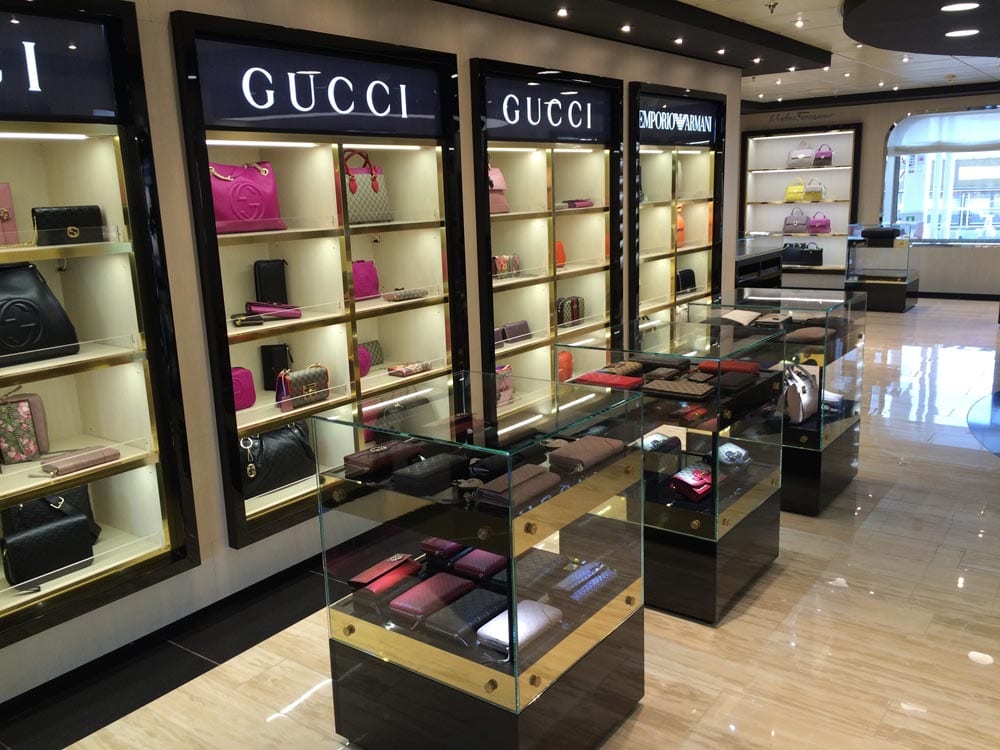
    Gucci-MSC-Lirica

    Gucci boutique onboard the MSC Lirica.

    “We currently operate 110 boutiques across our 12 ships selling watches, jewellery, liquor, tobacco & confections, P&C as well as own brand and luxury goods.”

    MSC started operating in the Chinese cruise market in Tianjin, China from May 2016 with the MSC Lirica, which currently sails to South Korea and Japan.

    “It has been a really positive first 10 months for us from a retail perspective with a unique and adapted offering…[It is run by] an entirely Chinese team and offers unique product ranges only requested by Chinese passengers, such as Korean cosmetics and Japanese Rice Cookers.

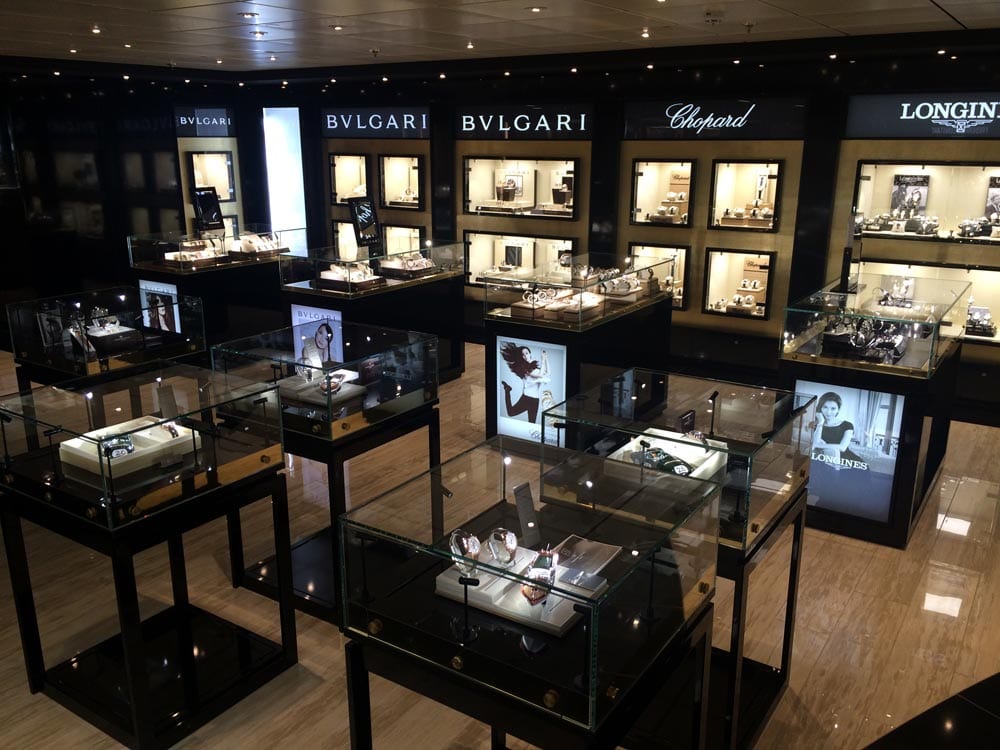
    Bulgari-MS-Lirica

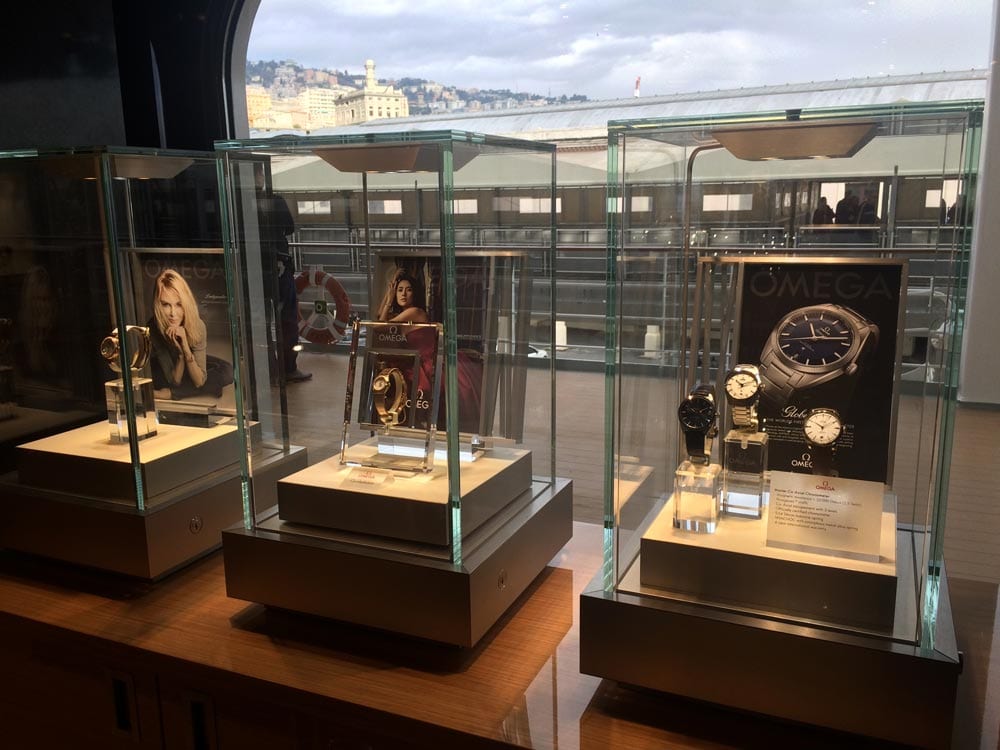
    Watches and jewellery brands on display onboard the MSC Lirica.

    “Alongside the many firsts we have seen we were also the first cruise line to offer Bally accessories and Tudor watches onboard. Alongside these unique elements we have over 150 brands such as Omega, Salvatore Ferragamo, Chopard, Lacoste, Coccinelle, Furla, Swarovski, Bvlgari and Longines.”

    Pittaway says the company was awarded the ‘Best Cruise Ship Shopping Environment’ and the China Cruise Awards in winter 2016 presented by the CCYIA.

  • SmarTone deploying smart robots at retail stores

    SmarTone deploying smart robots at retail stores

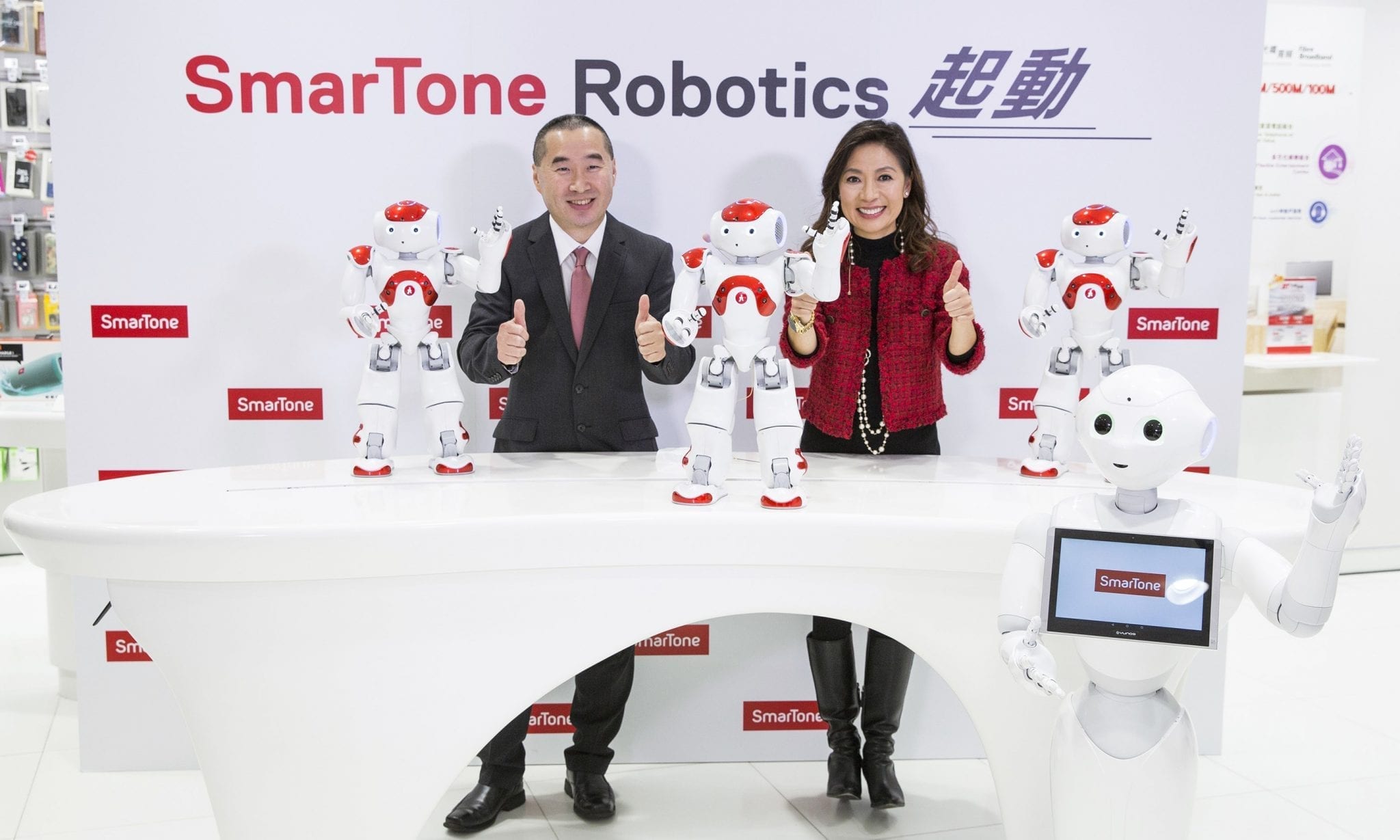
    Hong Kong’s SmarTone is deploying “smart robots” at its psychical retail stores to help enhance the customer experience. The initiative, launched last week on Valentine’s day, involves the leading mobile network operator in Hong Kong deploying the NAO robot at its stores.

    It marks the first time SmarTone is using actual robots for enhancing the customer experience. The idea is to streamline the customer experience while adding fun and improving engagement.

    At the launch ceremony at SmarTone’s apm store, NAO joined local Web-celebrity Lilian Kan to sing, dance and play games with customers while uttering words of love.

    Not to be outdone, Pepper, another smart robot, joined in the festivities as well. It was the first time both robots were pictured together.

    “SmarTone has always been pushing the frontiers of innovation, committed to innovating customer experience in the industry,” SmarTone head of marketing and sales Josephine Lam said.

    “The introduction of NAO will enable a fun and interactive experience, deepening in-store engagement with customers.”

    NAO can perform detailed actions and is multi-lingual. It offered details about the latest service plan offerings while providing recommendations on phone accessories.

    “Robotics is one of the hottest technologies and we know they will have a significant impact on our lives in the future,” SmarTone head of products and services Alex Kun said.

    “We will continue to seek ways to introduce the latest robotics technologies into our business as well as provide opportunities for local enterprises, organizations, and individuals to experience the technology.”

    SmarTone is not just looking to robotics to improve customer services and operational efficiency.

    The company is looking to improve overall robotics appreciation as a territory-wide effort. For example, it will include the introduction robot rental services and the organization of coding workshops to spur interest in robotics among the youth.

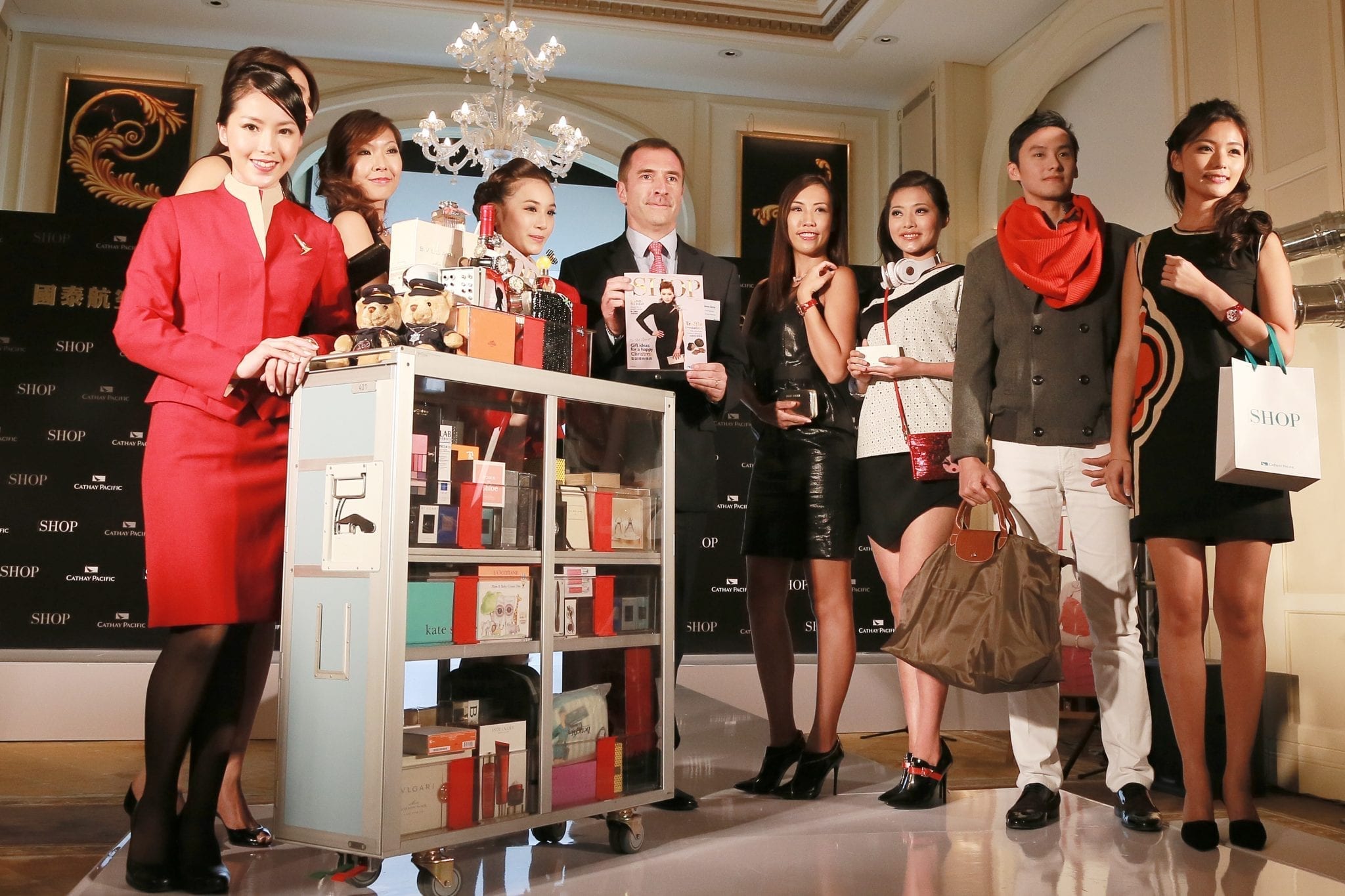
  • Inflight Sales Group secures five-year Philippine Airlines contract

    Inflight Sales Group secures five-year Philippine Airlines contract

    Inflight Sales Group (ISG) has been awarded a five-year contract by Philippine Airlines (PAL) following the airline’s recent inflight retail concessionaire tender. PAL chairman Lucio C Tan Senior took part in the official contract signing with ISG Group managing director Tony Detter at a ceremony held at the airline’s headquarters in Manila.

    The new agreement, which further builds on ISG and PAL’s existing strategic partnership — which began when PAL first outsourced its supply and marketing in 2011 — will take effect on April 1 2017. In addition to the services ISG already provides, it will also take over management of most elements of the operation from the airline, expanding its Philippine based team. It will also launch a new inflight retail tablet-based POS solution onboard.

    ISG’s Detter said: “It is a very exciting development for us to extend our relationship with PAL. ISG is extremely pleased about working with the airline more closely to build on the success we have had together over the last five years. We have a strong partnership, and our new model will offer greater synergies and a better-quality service to PAL’s passengers.”

    He added: “The Philippines is a market where we have seen positive sales growth over the past year and one where we believe we can leverage our success further. We will offer stronger and more creative, visible promotions, and some great deals for our customers.  While the inflight sector has seen a decline according to industry benchmarks, we have seen success with our strategy here and other markets.”

    Philippine Airlines Merchandising & Retail Duty Free Programme manager Kitinka Icalina-Bravo commented: “We are eager to start working with the ISG team to build on our success.  PAL is committed to supporting further growth by expanding our efforts with the cabin crew, offering them additional training, recognition and enhanced incentives.  Our company recognises our sales force is key to delivering a service that is high quality and genuinely warm and from the heart.  My background working within the crew community allows me to understand the challenges they face and advocate for the tools they need to be successful.”

  • Singapore’s Yoma and METRO join hands for wholesale distribution in Myanmar

    Singapore’s Yoma and METRO join hands for wholesale distribution in Myanmar

    A new entity, METRO Wholesale Myanmar Ltd aims to “address the evolving needs of the local professional customers” for those who demand quality supplies.

    Yoma Strategic will hold a 15 per cent stake in the new business and the remaining 85 per cent will be taken by METRO.

    “METRO Myanmar will leverage on METRO’s procurement capabilities and Yoma Strategic’s existing logistics, warehousing and fleet leasing businesses to fast track its growth,” as mentioned in the release.

    METRO Myanmar is looking at improving the whole supply chain in the country.

    They will be offering more than 3,300 food an non-food items to customers like hotels, restaurants and independent small retailers.

    In Myanmar, retailers need to source their products in different ways from local distributors and importers and METRO is looking at creating a one-stop wholesale distribution platform. One popular wholesale center is named as Gandamar wholesale and is said to be supported by military backed Union of Myanmar Economic Holdings. We are confident that our partnership with METRO will bring global know-how in modern wholesale distribution and contribute to bringing reliable and safe food to the people in Myanmar,” said Melvyn Pun, CEO of Yoma Strategic.

    The wholesale and food specialist company operates in 35 countries with sales reaching about Euro 37 billion in 2015-16.

    Their B2B wholesale division METRO Cash & Carry serves across Europe and Asia to hotels, restaurants, small retail and catering firms. Just in recent years, they started to upgrade their competence in the hospitality industry, specifically, in the food service distribution work.

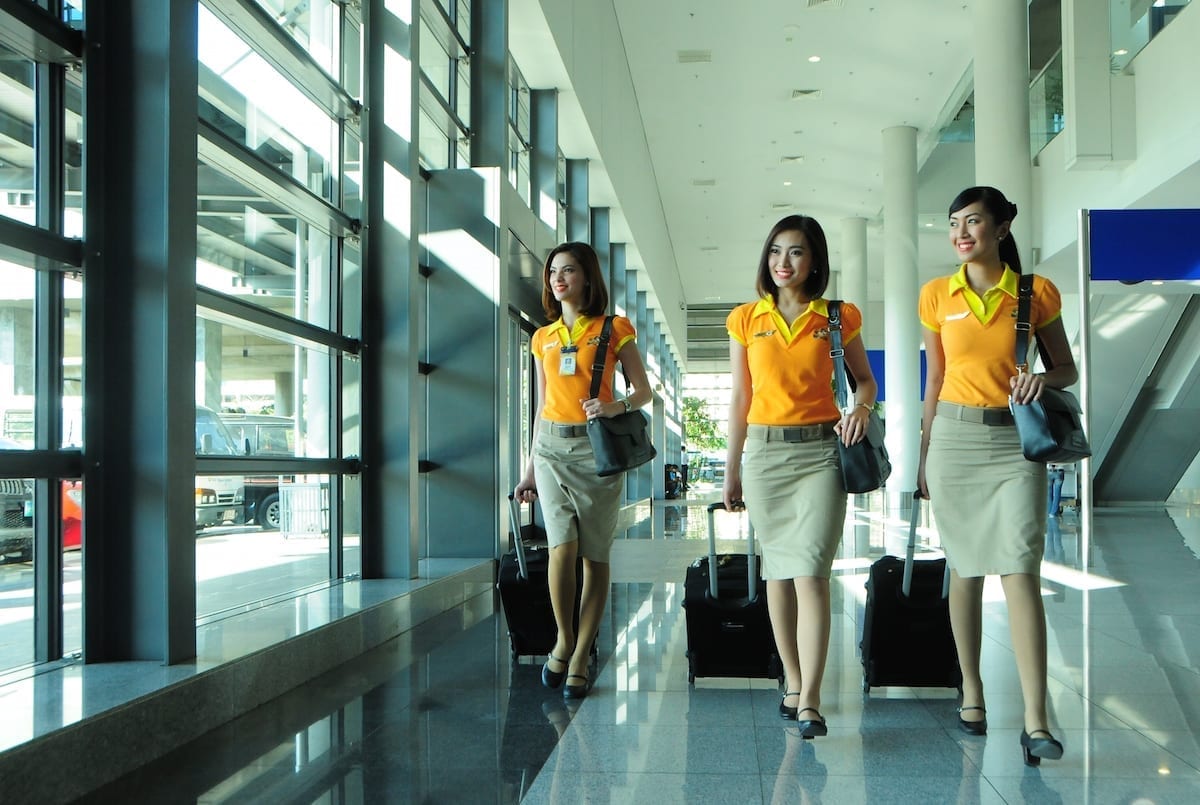
  • Cebu Pacific extends free additional 25kg baggage allowance to all its Middle East passengers

    Cebu Pacific extends free additional 25kg baggage allowance to all its Middle East passengers

    The Philippines’ largest carrier, Cebu Pacific (CEB), has announced a special promo exclusively for our valued guests in the Middle East.

    Starting February 13 to March 15, 2017, all passengers originating from Doha, Dubai, Kuwait and Riyadh travelling to Manila with pre-purchased baggage allowance of 40 kilograms will be receiving additional 25 kilograms baggage allowance, free-of-charge.

    The extra baggage allowance will be given upon check-in of the guest at the airport.

    For those guests with connecting flights to other domestic destinations, the additional 25kg will be carried over up to their next flight, given that their flight itineraries were booked under one reference number only.

    This promotion is not valid on return flights from the Philippines to the Middle East and on bookings with Cebgo connecting flights.

    “With the launch of this special promotion, CEB opens up more opportunities for its travelers across the Middle East region, most especially the Filipinos, to maximize their trip to the Philippines by allowing them to bring more items for their families and friends back home. Not only is CEB able to continuously make travel accessible and affordable to everyone through our  trademark low fares, but now providing another avenue for them to get the best out of their travel,” Atty. JR Mantaring, CEB Vice President for Corporate Affairs.

    CEB currently offers flights to a total of 37 domestic and 29 international destinations, operating an extensive network across Asia, Australia, USA, and the Middle East. Its 58-strong fleet is comprised of four Airbus A319, 36 Airbus A320, seven Airbus A330, eight ATR 72-500, and three ATR 72-600 aircraft. Between 2017 and 2021, CEB expects delivery of one more brand-new Airbus A330, 32 Airbus A321neo, and 13 ATR 72-600 aircraft.

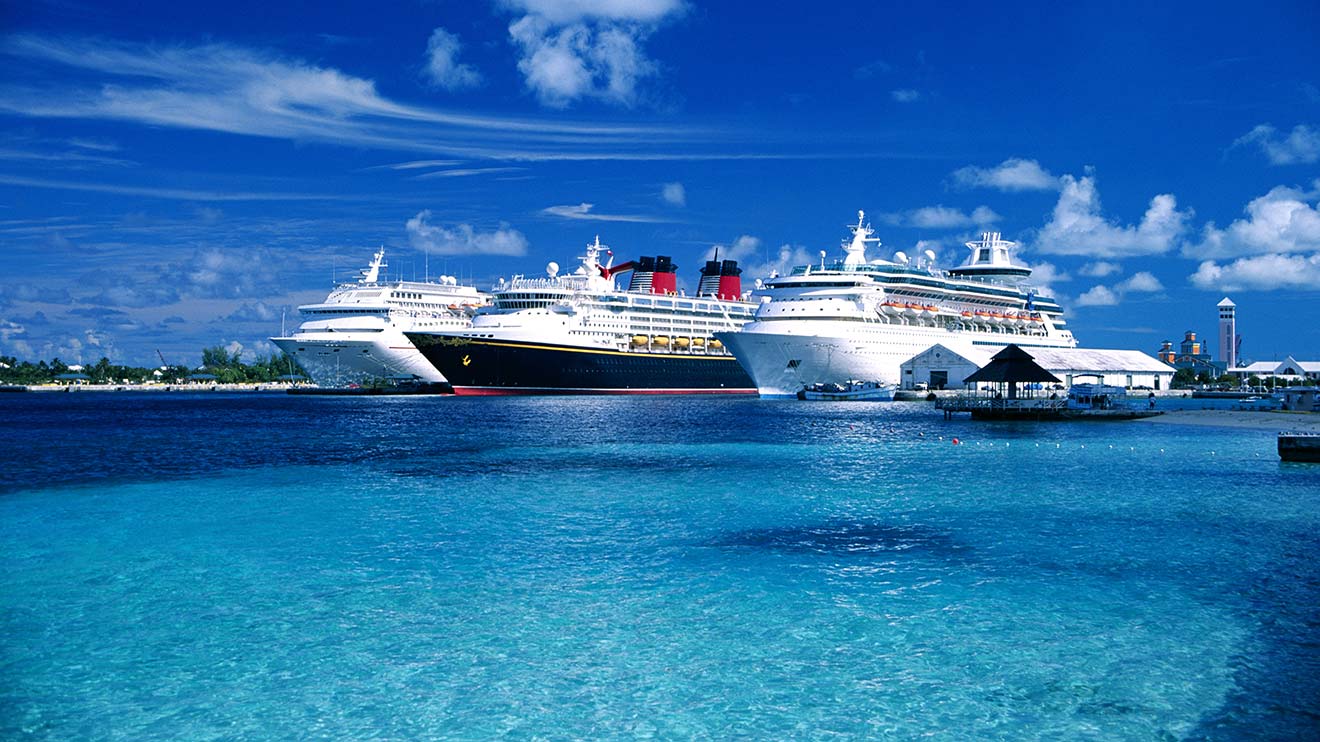
  • Asia’s middle classes fuelling global cruise travel, says SCC

    Asia’s middle classes fuelling global cruise travel, says SCC

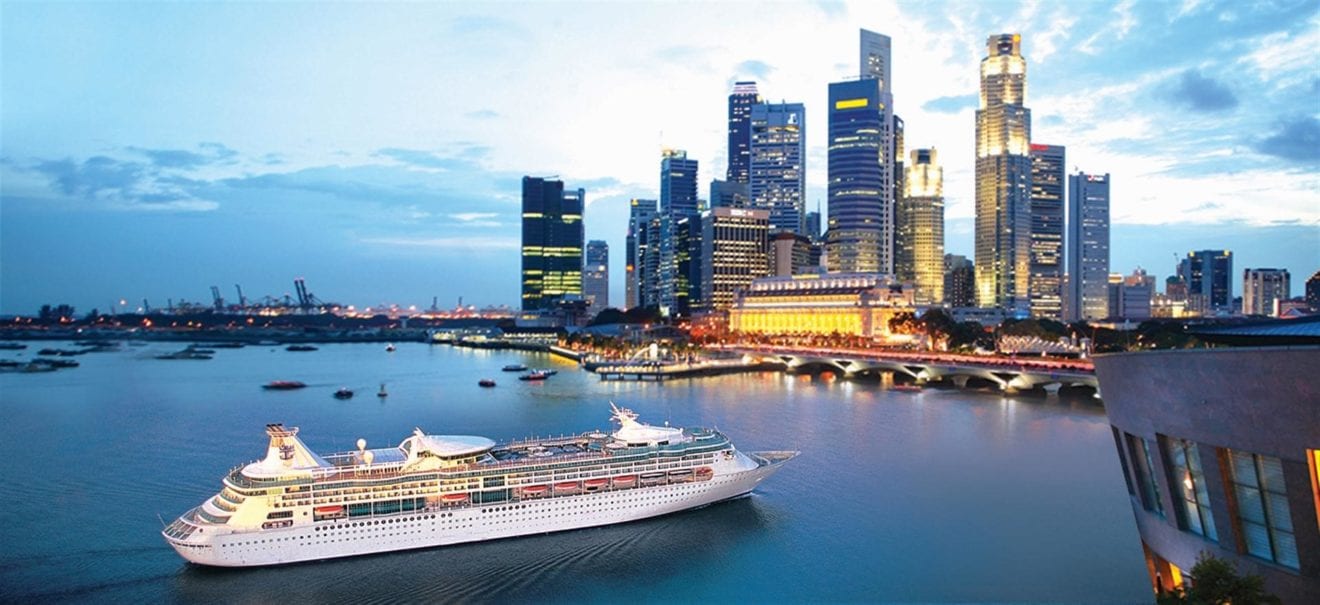
    Cruise travel worldwide will continue to grow at a ‘steady pace’ this year trumpeted by rising demand from Asia’s burgeoning middle classes and broadened vessel offerings, according to Singapore Cruise Centre (SCC).

    Christina Siaw, CEO of SCC, which manages and operates three ferry terminals and one international cruise terminal in Singapore, says: “We are particularly excited about the Chinese, Indian, South East Asian and Australian source markets, which have seen a surge of interest in recent years.”

    Last year, SCC’s HarbourFront Cruise and Ferry Terminal received 283 ship calls and handled more than 600,000 cruise passengers – a rise of 8% on 2015.

    It is set to welcome six new vessels in 2017, Pacific Dawn, Seabourn Encore, Pacific Pearl, Pacific Aria and AIDAblu.

    An estimated 25.3m passengers are expected to sail in 2017, up approximately +4.5% year-on-year, Cruise Lines International Association (CLIA) data indicates.

    In 2014, Australia broke the 1m passenger mark, while China’s market share accounted for roughly 986,000 of the 23m total market as demand for cruise travel in Asia continues to grow rapidly.

    Overall, cruising has increased by roughly 60% in the past decade, CLIA data suggests.

    DFS CONCESSION TO BEGIN IN APRIL

    As reported, DFS secured the master duty free and general merchandise concession to operate duty free stores at SCC’s HarbourFront and Tanah Ferry Terminals for the next five years, including a two-year optional extension clause.

    The contract covers a reconfigured main space at the arrivals and departure areas of the terminals, where the area is being expanded to cover around 6,000sq ft.

    SCC is consolidating several separate duty free concessions into one contract, with DFS currently operating departure transit and arrivals transit stores alongside Ocean Duty Free outlets, operated by Heinemann Asia Pacific.

    “DFS Group will deliver a seamless, one-stop and engaging shopping experience across seven outlets at SCC’s terminals for travellers visiting and departing from Singapore by sea,” Siaw updated.

    “SCC is working closely with DFS to execute their business proposal and we look forward to showcasing the fantastic new retail experiences at our terminals as soon as possible.”

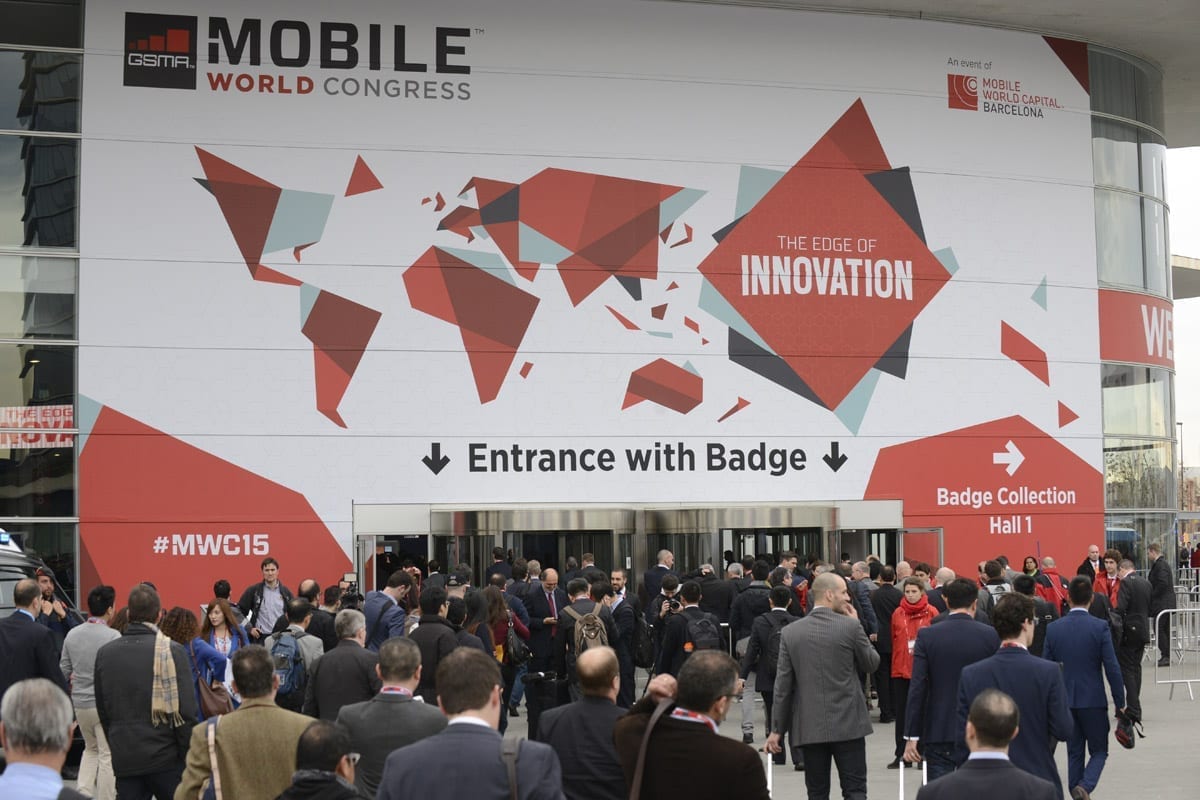
  • GSMA launches IoT, big data directory

    GSMA launches IoT, big data directory

    The GSMA has launched the IoT Big Data API Directory, which will make harmonized data sets from multiple sources worldwide available to developers and third parties, enabling them to create innovative new Internet of Things (IoT) services.

    The directory, which is the first of its kind, is designed to encourage a common approach to data sharing that will help the IoT to realize its full potential and encourage the development of new projects across transport, the environment and smart cities.

    Global mobile operators China Mobile, China Unicom, KT Corporation, Orange and Telefónica have already implemented solutions enabling them to share harmonized IoT data.

    “The IoT generates a huge amount of data that is currently retained in vertical silos. However, in order for the IoT to reach its full potential this data needs to be released and made available to developers and third parties,” said Alex Sinclair, CTO of GSMA.

    “A common, collaborative and interoperable approach to big data will remove the commercial and technical barriers to capitalizing on the IoT opportunity and usher in a new era of IoT solutions that will help the market to scale,” said Sinclair. “We encourage mobile operators to collaborate with the wider industry to benefit from the big data opportunity.”

    The IoT Big Data API Directory provides details of IoT and context data sets covering machines, devices, automotive, roads, environment, smart home and agriculture.

    All of the data sets are harmonized and can be viewed on github. A common approach to data sharing lowers costs and creates opportunities for IoT developers, data brokers and data providers.

    The IoT Big Data Framework defines how mobile operators can approach the delivery of IoT big data services. It is designed to enable industry participants to work together collaboratively to deliver big data services and support an ecosystem of third-party application developers.

    Mobile operators are seen as key participants in the delivery of an IoT big data ecosystem, although much of the IoT data that is collected will come from a range of data provider partners.

    The document provides a framework for the delivery of IoT big data services that recognizes the many different approaches towards the services that are offered and the technology choices that are made. The proposed architecture promises a degree of flexibility which allows IoT big data services to be offered in multiple ways.