Author: Mei Ling Tan

  • Juniper Networks forms new SDSN alliances

    Juniper Networks forms new SDSN alliances

    Juniper Networks has announced technology alliance partnerships with several security providers, covering areas including endpoint security, cloud access security and network access control.

    The companies joining Juniper’s existing alliances include Carbon Black, Netskope, CipherCloud, ForeScout and HPE’s Aruba.

    These partners will integrate their technologies with Juniper’s software-defined secure networks (SDSN) platform, allowing customers to create cohesive security infrastructures with easily managed and deployed best-in-class products for advanced threat intelligence sharing and prevention.

    Through the addition of these partners, Juniper aims to expand the platform’s protection against cyber threats on-premises as well as off-premises. This includes defense in the network, at the endpoint and in the cloud.

    By enabling the network to be the center of a modern security infrastructure, Juniper said it will bring simplicity to a complex network of disparate security products and ensure customers have the flexibility to use best-of-breed solutions to protect mission-critical IT and business assets.

    These partners will leverage Juniper’s APIs to integrate their security capabilities into the SDSN framework and deliver comprehensive protection across the cyber crime lifecycle.

  • Cebu Pacific flight soars from Masbate to Manila for 1st time

    Cebu Pacific flight soars from Masbate to Manila for 1st time

    The first and inaugural commercial flight of the Cebu Pacific connecting Masbate province to Manila flew on Tuesday morning, the Department of Tourism Bicol regional Director Maria Nini Ong-Ravanilla said.

    Seventy-six (76) passenger flights between Masbate and Manila have been flying daily since Feb. 15 (Wednesday), said Alexander Lao, CEO/President of the Cebgo,

    “This is the first time Cebu Pacific is flying Manila to Masbate (and vice versa). With this commercial flight, it will boost tourism, investment and business generation,” Ravanilla said on Wednesday.

    Two commercial airlines are now flying in Masbate.  The  other is Philippine Airlines.

    She said the additional flights would surely increase the tourist arrivals for Masbate. In 2015, Masbate hit the target of 262,850 tourist arrivals with a marked increase of six percent over previous records.

    “The data show that 300,000 are achievable with this development. Masbate is confident to hit its target of 350,000 tourist arrivals,” Ravanilla added.

  • 11street Thailand launched by SK Planet

    11street Thailand launched by SK Planet

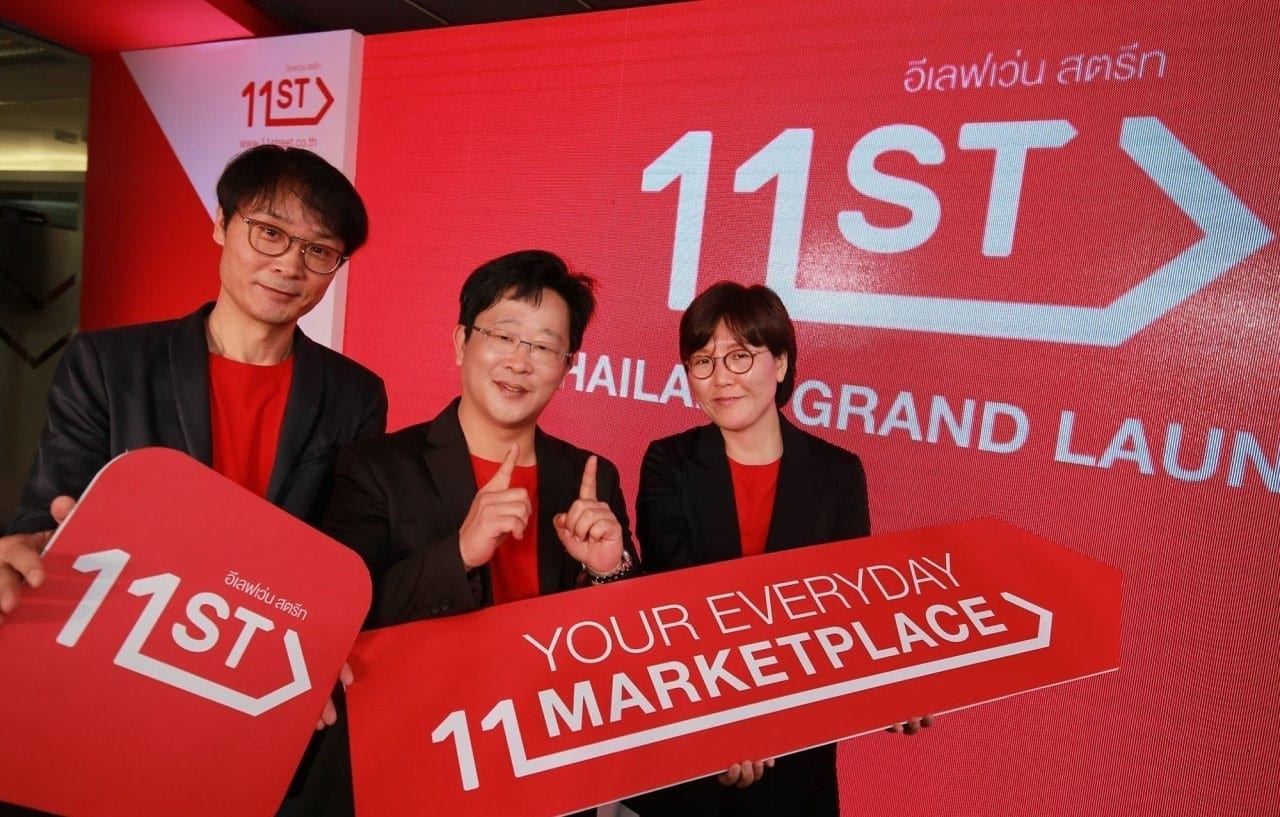
    Korean-headquartered online marketplace 11street has launched in Thailand.

    Parent company SK Planet says 11street Thailand is the first Korean-owned eCommerce marketplace to open in the Southeast Asian nation.

    An opening ceremony was held at Bangkok’s CentralWorld shopping centre this week, and prominent advertising livery has appeared on BTS stations to promote the brand.

    Korean actor Song Joong-ki and Thai actress Mew Nittha, who feature in marketing for the business, attended the launch event.

    Thailand is the fourth overseas market for SK Planet, a division of SK Telecom. It follows Turkey, Indonesia and Malaysia.

    11Street Thailand will offer “millions of trendy high-quality products at competitive prices,” the company said.

    “11Street will be a leading eCommerce firm that promotes the Korean wave in retail industry,” 11Street Thailand CEO Jeon Hong-cheol said. “We expect our entrance to Thailand will stimulate Korean manufacturers and ICT firms to make their presence felt in Southeast Asian markets.”

  • Vodafone India, Idea may announce a merger soon

    Vodafone India, Idea may announce a merger soon

    Vodafone India and Idea Cellular are reportedly on the verge of finalizing the terms of a major merger that would create India’s largest operator by subscribers.

    The operators are expected to finalize the agreement within a month and could be ready to announce a deal by the end of the week.

    Vodafone Group has brought in former India head Martin Pieters to work on the proposed merger, according to the report.

    But the proposed merger could be complicated by the fact that Indian regulations prohibit an operator from holding more than 25% of the total spectrum allocated in a single circle, 50% of the spectrum from a single band within a circle and 50% revenue or subscriber market share.

    The operators may therefore need to agree to divest certain spectrum and other assets to secure regulatory approval.

    A merger between the two operators would create an entity with a revenue market share of around 40% and a subscriber base of over 380 million, propelling the combined company ahead of current market leader Bharti Airtel.

    India’s crowded mobile industry is going through a consolidation phase, triggered by intensifying competition as a result of the entry into the market of disruptive and deep-pocketed newcomer Reliance Jio Infocomm.

    Aircel and Reliance Communications are reportedly also negotiating a merger, and Telenor India is said to be attempting to get in on the deal to make it a three-way merger. The combined company would be the second largest operator in the market behind Airtel, or the third largest in the event of a Vodafone-Idea merger

  • Zara, Gap, Body Shop slash Indian retail prices

    Zara, Gap, Body Shop slash Indian retail prices

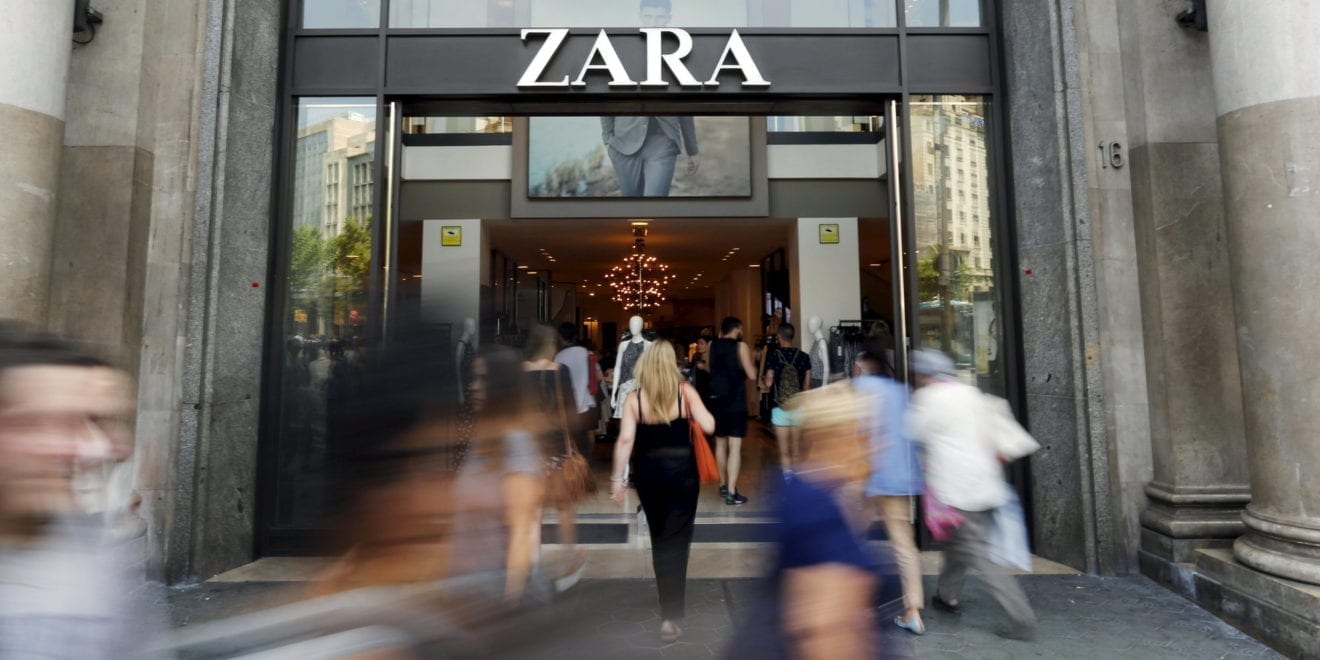
    Global brands like Gap, The Body Shop and Zara are slashing Indian retail prices to stay competitive in the heavily price-sensitive market.

    UK cosmetic brand The Body Shop slashed prices across categories in India by 20 to 30 per cent last week, and US fashion brand Gap is looking to have up to 40 per cent of its products made locally, which should allow prices to drop by 10 to 15 per cent.

    “The process has started,” says CEO J Suresh of Gap’s India franchisee Arvind Lifestyle Brands. The Indian-made items will be introduced next year.

    The Body Shop India COO Shriti Malhotra says its price cuts will make its products more accessible.

    Spanish fast-fashion brand Zara is also looking at slashing its prices to bring them closer to Swedish rival H&M.

    It quotes experts as saying price cutting is one of the most effective ways to boost sales and market share in India, particularly in highly competitive and fast-growing segments.

    “Most brands strategically lower prices for the value-conscious Indian consumer,” says CEO Devangshu Dutta of retail consultancy firm Third Eyesight.

    Inditex-owned fashion brand Zara reduced prices by up 15 per cent when H&M entered the Indian market in October 2015 with its global strategy of aggressive pricing. The move helped Zara record 17 per cent sales growth last year.

    When Arvind Lifestyle Brands took over the business of beauty and wellness retailer Sephora from former franchisee DLF Brands in September 2015, its first move was price correction. “We looked at pricing in Dubai and Singapore and kept it in the band of 5 to 10 per cent lower than that,” says Sephora India CEO Vivek Bali.

  • Manila hosts Sugar Factory Asia debut

    Manila hosts Sugar Factory Asia debut

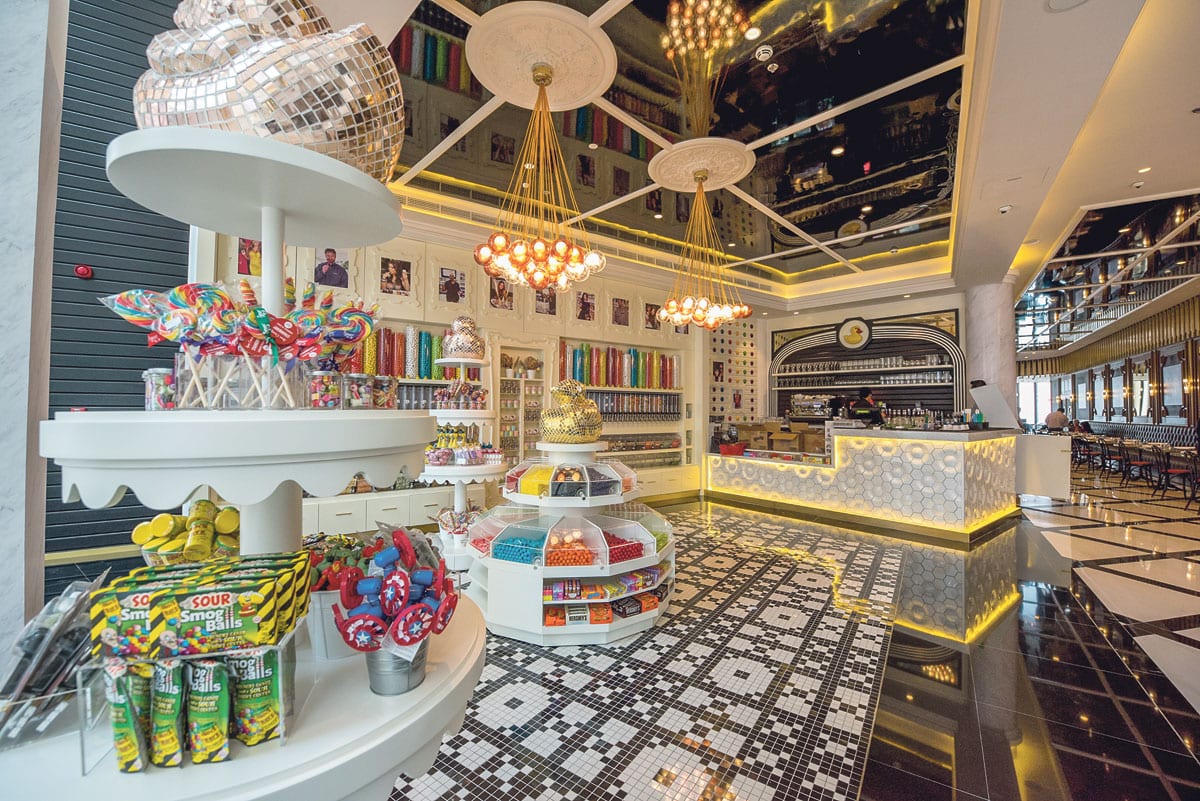
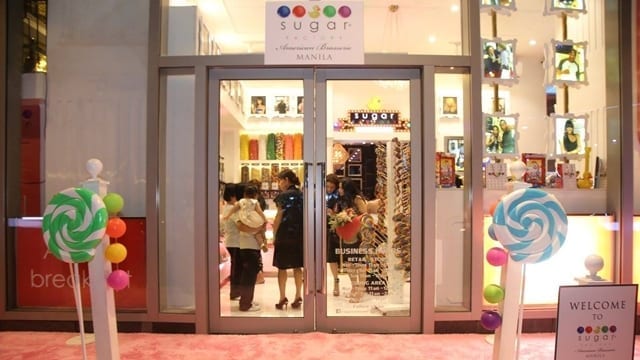
    Restaurant/bar/candy shop Sugar Factory American Brasserie has opened at Shangri-La at the Fort in Bonifacio Global City, Taguig.

    The Philippines is home to the first Sugar Factory Asia outlet, with more regional markets on the horizon.

    Following a soft opening four months ago, the Manila venue was officially launched with an exclusive party for VIPs, celebrities and media. Guests of honour, including Filipino Vice-President Maria “Leni” Robredo, billionaire businessman Fernando Zobel and his wife Kit, and dermatologist/TV personality Dr Vicki Belo, who all walked down a pink carpet.

    Sugar Factory’s menu includes pancakes, salads and burgers, while for adults the bar offers spiked beverages including the brasserie’s signature smoking candy goblets.

    The chain is known for its “couture pops”, sparkly lollipops that have been seen in the hands of such celebrities as Britney Spears, Carmen Electra and Eva Longoria. Other supporters of the restaurant include Charlie Sheen, Katy Perry, Kylie Jenner, Rihanna and Sting.

  • Huawei launches GigaHome smart home platform

    Huawei launches GigaHome smart home platform

    Huawei launched its new GigaHome solution at the FTTH Conference 2017 in Marseilles, France last week, to help operators build smart and high-performance home networks for customers.

    The GigaHome platform is designed to support multiple digital home applications to deliver smart home services that are efficient, secure and accessible.

    The E2E solution focuses on home gateways and supports flexible Wi-Fi extension through media including CAT5 lines, power lines and wireless repeaters.

    Huawei said the solution can provide smart home coverage with a Wi-Fi speed rate of up to 300Mbps. Under the solution, home gateways adopt dual cores and enable gigabit Wi-Fi access by using technologies including Wi-Fi hardware forwarding, dual-band, 802.11ac and 4×4 MIMO.

    Ultimately the solution is designed to help operators shift focus from providing traditional home broadband to smart home services capable of generating a higher ARPU.

    Huawei Access Network president Jeff Wang said the vendor plans to continue to focus on helping operators accelerate their digital transformation by supporting them in offering video and smart home services.

    “Focus on customer demand is the driving force for Huawei’s continued development and continuous innovation,” he said.

    “Huawei’s home network solution provides a full Wi-Fi coverage, and a good performance home network infrastructure, operable and manageable cloud-based management platform and open ecological system to enhance the home network experience, operational efficiency and bring new value-added services to operators.”

  • Tag Heuer on Tmall

    Tag Heuer on Tmall

    Swiss watchmaker Tag Heuer has launched a flagship store on Tmall.

    The opening of Tag Heuer on Tmall takes to five the number of LVMH units to have a presence on the Alibaba-owned site.

    The launch is the latest sign of luxury goods makers, faced with slower sales in the once-hot China market, embracing new sales channels and digital marketing in an attempt to reach the country’s internet savvy younger generation.

    Leo Poon, Tag Heuer’s GM for Greater China, called the move “a right decision, since Tmall is the largest B2C platform in China and can help us to reach our target customers.” More than 75 per cent of Alibaba users are 35 years old or younger. The company’s China retail marketplaces had a total of 443 million annual active buyers as of December 31.

    China’s share of the global luxury goods market declined slightly from 31 per cent to 30 per cent in 2016, according to a recent report released by consulting firm Bain. But the country remains an engine of growth for luxury goods as China’s middle class continues to increase in size and purchasing power. Tighter government controls on “grey market” imports are bolstering domestic consumption through legitimate sales channels; meanwhile, online shopping in China grew a brisk 26 per cent last year, according to China’s National Bureau of Statistics.

    Against this backdrop, luxury good makers are targeting a younger demographic through digital sales and marketing strategies.

    “If you want to win the future, you should establish a relationship with the young generation early,” said Liu Xiuyun, general manager of Tmall’s apparel division. “Confronted with the internet and e-commerce, conservative luxury brands will lose the future in China.”

    Tmall is not only a sales channel, Liu added. Because it is part of Alibaba’s online ecosystem, which includes mobile apps, social media and entertainment portals, merchants can engage consumers where they live online. Alibaba also has a wealth of data allowing merchants to more precisely target and cultivate individual customers as well as predict general consumption trends, “and this is exactly what luxury brands are looking for,” Liu said.

    In addition to Tag Heuer, other LVMH flagship stores on Tmall are cosmetics brands Make Up For Ever and Guerlain, beauty brands retailer Sephora and premium luggage brand Rimowa.

    LVMH’s venerable Louis Vuitton label has also partnered with Alibaba. Last year, Louis Vuitton invited members of Alibaba’s exclusive Apass Club – online shoppers who spend an average of $45,000 a year in Alibaba marketplaces – to visit the company’s headquarters in France. In addition, Louis Vuitton became one of the first international brands to join Alibaba’s recently launched Big Data Anti-Counterfeiting Alliance, an organisation set up to share industry and technical know-how in order to combat the online sale of counterfeit goods.

    At a February 13 ceremony marking the opening of their Tmall store, Tag Heuer unveiled a pair of his-and-her watches, priced at $,852 for both, as a special Valentine’s Day promotion in China. The launch ceremony, broadcast via Tmall’s mobile app, featured a livestream of Chinese actress Song Jia.

    -Susan Wang

  • IoT devices drive DDoS attack traffic in Q4

    IoT devices drive DDoS attack traffic in Q4

    Unsecured IoT devices continued to drive significant DDoS attack traffic in the fourth quarter of 2016, according to Akamai’s latest State of the Internet / Security Report.

    The fourth quarter report also revealed that attacks greater than 100 Gbps increased to 12 during the quarter, a 40% year-over-year increase.

    Seven of the 12 Q4 2016 mega attacks, those with traffic greater than 100 Gbps, can be directly attributed to the Mirai IoT botnet.

    But the largest DDoS attack in Q4 2016, which peaked at 517 Gbps, came from Spike, a non-IoT botnet that has been around for more than two years.

    The number of IP addresses involved in DDoS attacks grew significantly this quarter, despite DDoS attack totals dropping overall. The United States sourced the most IP addresses participating in DDoS attacks – more than 180,000.

    “With the predicted exponential proliferation of these devices, threat agents will have an expanding pool of resources to carry out attacks, validating the need for companies to increase their security investments,” said Martin McKeay, senior security advocate and senior editor of the report.

    “Additional emerging system vulnerabilities are expected before devices become more secure.”

    Of the 25 DDoS attack vectors tracked in Q4 2016, the top three were UDP fragment (27%), DNS (21%), and NTP (15%), while overall DDoS attacks decreased by 16 percent.

    Akamai started tracking a new reflection DDoS attack vector this quarter, Connectionless Lightweight Directory Access Protocol (CLDAP), which attackers abuse to amplify DDoS traffic.

    “If anything, our analysis of Q4 2016 proves the old axiom ‘expect the unexpected’ to be true for the world of web security,” continued McKeay.

    “For example, perhaps the attackers in control of Spike felt challenged by Mirai and wanted to be more competitive. If that’s the case, the industry should be prepared to see other botnet operators testing the limits of their attack engines, generating ever larger attacks.”

  • Nokia showcases LTE drones for public safety

    Nokia showcases LTE drones for public safety

    Nokia has conducted a demonstration showcasing the use of LTE-enabled drones to facilitate efficient rescue operations in disaster areas.

    The demonstration involved the creation of an instant LTE network using its Ultra Compact Network portable base stations to establish connectivity between camera-mounted drones and a control center.

    Nokia conducted the demonstration at the UAE Drones for Good Award event in Dubai. The company said the drones can be used to stream video and other sensor data in real time from the disaster site to a control center.

    At this control center, data is analyzed using Nokia’s video analytics technology to help emergency responders make informed decisions to ensure efficient and safe rescue operations.

    “Nokia always strives to expand the human possibilities of technologies for the benefit of mankind. We are committed to corporate social responsibility, and with ‘Nokia Saves Lives’ we want to use our technologies with drones to show efficient rescue operations in collaboration with NGOs and network operators,” Nokia head of Middle East Bernard Najm said.

    “The selection of this initiative by the UAE Drones for Good Award for a public demonstration in Dubai clearly shows usefulness of this innovative initiative for smart disaster recovery.”

  • PGEON delivers eCommerce orders to convenience stores

    PGEON delivers eCommerce orders to convenience stores

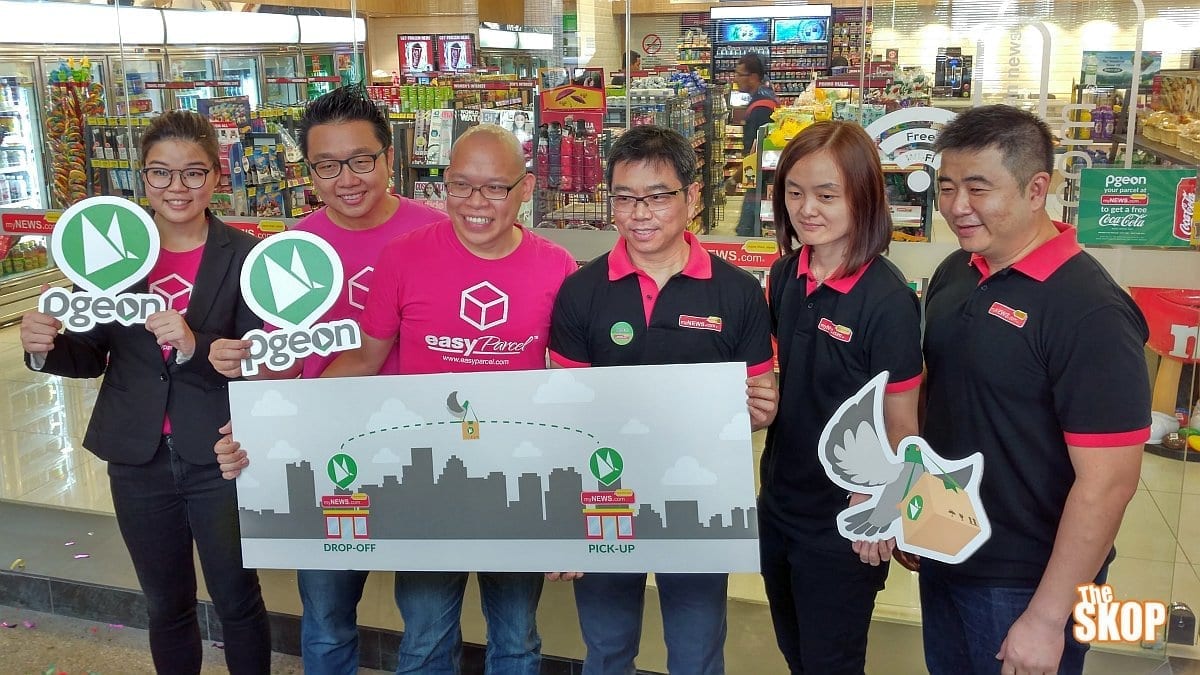
    Malaysian eCommerce customers have a new last-mile delivery service, PGEON, which lets them pick up their parcels at any MyNews.com convenience store.

    PGEON is a partnership between eCommerce delivery service EasyParcel and MyNews.com owner Bison Consolidated, which started out as a print media retailer. There are 320 MyNews.com outlets throughout Malaysia.

    Pgeon delivery. 1

    EasyParcel co-founder/CEO Clarence Leong says the need to deliver items quickly – ”on time” or “same-day delivery” – was the main reason for EasyParcel to initiate the partnership with MyNews.com.

    “We want to enable the mailing of their parcels with minimum stress or worries, allowing more flexibility for consumers to manage their deliveries,” says Leong. “More often than not, consumers are not home to receive deliveries.”

    PGEON is also a win-win for both courier companies and postal service users. Couriers do not need to go to individual doors to collect or deliver parcels, instead visiting only the designated MyNews.com outlet. This also ensures customer privacy.

    Pgeon delivery

    EasyParcel was launched by Exabytes in 2014 as Malaysia’s first integrated logistics service platform connecting logistics and shipping suppliers such as Airpax, DHL, Nationwide, Poslaju and Skynet to businesses and consumers.

    “Logistics plays a huge part in eCommerce,” says Leong. “It can be the defining factor for success for eCommerce companies.”

    Bison executive director/CEO Dang Tai Luk says the company is looking at opening 70 outlets in Malaysia by the end of this financial year. “A parcels pick-up and drop-off service will be a great addition to our outlets, as the eCommerce industry is growing in Malaysia.”

  • Canterbury New Zealand opens in Bangkok

    Canterbury New Zealand opens in Bangkok

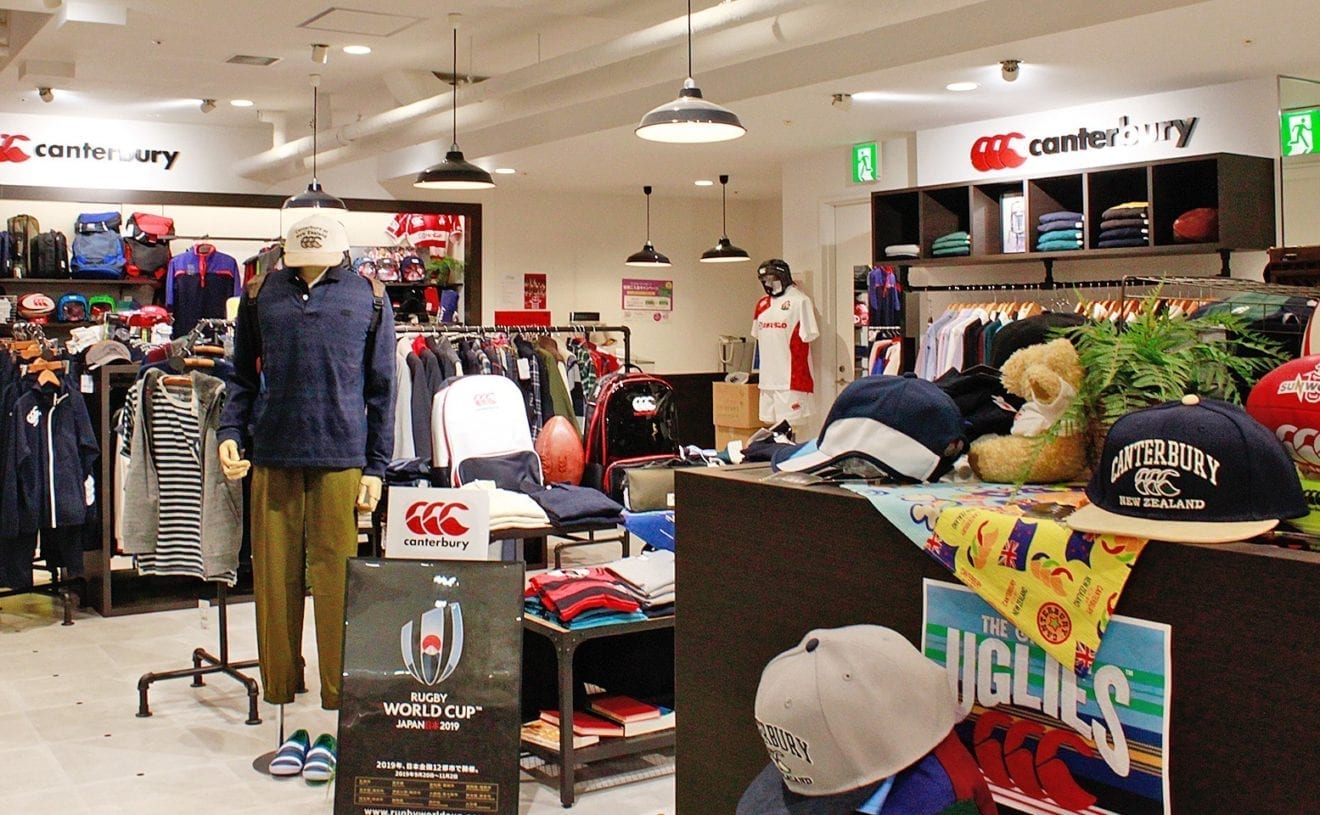
    Sports brand Canterbury New Zealand, established in 1904, has opened its first Thai flagship store in Bangkok.

    Located in the Phayathai Building, the 70 sqm shop offers 120 products in four major categories: men’s training, women’s training, on-field accessories and a British-Irish line. The retailer has kitted out some of the top sporting teams in the world.

    Silver Fern Holdings, the exclusive distributor for Canterbury in Thailand, has set a three-year expansion plan. This includes standalone stores in major tourist cities such as Chiang Mai, Hua Hin and Phuket, plus shop-in-shop outlets at major shopping malls in Bangkok including Emporium, Siam Paragon and The Emquartier.

    “We aim to increase annual sales of Canterbury products in Thailand from the Bt15 million [US$1.7 million] expected for this year to about Bt60 million in three years,” says Silver Fern Holdings MD Mark Bennett.

    The investment for standalone outlets will be about Bt1.5 million a store, each with about 70 sqm of retail space. Pop-up and shop-in-shop stores will have about 30 sqm of retail space.

    Canterbury claims to be the world’s original rugby brand, and is official kit supplier to a host of rugby teams globally. It says its clothing is designed for training, workouts and general fitness.

    “We see Thailand as a potential market for Canterbury sportswear products thanks to a growing middle class and the health-and-fitness trend,” says Bennett.

    The company will introduce its latest Control Gear and Compression Gear technologies into Thailand. Control Gear is engineered to optimise training performance, while the Compression Gear range provides graduated levels of constant compression in key zones to optimise sports performance.

    Canterbury products are also available through distributors in Japan, Hong Kong, Malaysia, Singapore and South Korea.

  • Ajinomoto becomes SEA Games sponsor as healthy eating promoter

    Ajinomoto becomes SEA Games sponsor as healthy eating promoter

    Japanese food company Ajinomoto has signed an agreement to become a top sponsor for the 29th Southeast Asian Games (SEA Games) and the 9th ASEAN Para Games in Kuala Lumpur this year.

    Ajinomoto Co., the parent company of Ajinomoto Vietnam, will provide support for both events as Platinum Sponsor. This is the first time a Japanese company has become an official sponsor for these regional events.

    Since 2003, Ajinomoto Co. has been working on the Victory Project®, which supports activities including sports nutritional guidance and amino acid conditioning for top-level athletes at international tournaments.

    The project provides top level athletes in Japan with Ajinomoto Group’s products and nutritional support through Kachimeshi® program, Ajinomoto’s sports nutrition meal program for building a winning physique.

    Being an official sponsor for the SEA Games and the ASEAN Para Games gives Ajinomoto Co. the opportunities to provide various supports through its subsidiaries in the Southeast Asian region based on a wealth of knowhow on nutritional support for athletes that the company has accumulated in Japan.

    Under the agreement, Ajinomoto Co. will provide products including seasonings, soups and coffee, depending on the cuisine of each country. It will also supply Amino VITAL®, the amino acid based product which aids in conditioning during extreme workouts, provides substantial muscle-building properties as a typical protein supplement and helps replenish energy during endurance sports.

    Ajinomoto Group representative inks deal making it the Platinum Sponsor of the 29th SEA Games and the 9th ASEAN Para Games.

    Ajinomoto Group representative inks deal making it the Platinum Sponsor of the 29th SEA Games and the 9th ASEAN Para Games.

    Founded in 1909, Ajinomoto is now operating in 28 countries and regions. It earned net sales of $9.87 billion in fiscal 2015.

    As a global manufacturer of high-quality seasonings, processed foods, beverages, amino acids, pharmaceuticals and specialty chemicals, Ajinomoto has for decades contributed to food culture and human health through wide-ranging application of amino acid technologies. Today, the company is becoming increasingly involved in finding solutions for improved food resources, human health and global sustainability.

    The company has established business bases in many Southeast Asian countries including Vietnam, Malaysia, Thailand, Indonesia, the Philippines and Singapore. The company has developed a consumer food business in these countries for many years, and thus has maintained a strong connection with the local food culture.

    Ajinomoto Co. established its Vietnam business in 1991. Ajinomoto Vietnam follows the mission of contributing to the growth of Vietnam, and to the happiness and good health of Vietnamese people through food culture and food resources development. The company specializes in “Delicious No.1” seasoning, food and beverage products.

    With the company’s specialty in food and health, Ajinomoto Vietnam is now taking initiatives in ASV, short for “Ajinomoto Group Creating Shared Value” which represents Ajinomoto Vietnam’s unchanging commitment to the creation of economic value and growth by contributing to the resolution of social issues, to create value together with the society and local communities.

    The company is now helping improve nutrition status for healthy living, develop food resources in agriculture sector and become model citizen in saving energy and natural resources.

    The Victory Meal as part of the Kachimeshi Program includes five dishes which provide nutritional balance with carbohydrates, protein and fiber.

    The Victory Meal as part of the Kachimeshi Program includes five dishes which provide nutritional balance with carbohydrates, protein and fiber.

    Under its School Meal Project, Ajinomoto Vietnam is collaborating with education and nutrition authorities to perform its social responsibility in the education sector. The project aims to improve the state of health among children and enhance their awareness of nutrition through primary school meals, to improve nutrition and health for the country’s next generation.

    The company’s expansion to the sports area aims to further its contribution to advances in food and health for general public as well as athletes in each country.

    The SEA Games and the ASEAN Para Games are held every two years to help forge strong regional cooperation, understanding and unity in the Southeast Asian community. They are the largest sports events in the region, attracting more than 600 million people each time.

    The 29th SEA Games and the 9th ASEAN Para Games are mainly held in Kuala Lumpur, Malaysia and hosted by Malaysia Organising Committee, with the participation of 11 nations: Vietnam, Brunei, Cambodia, East Timor, Indonesia, Laos, Malaysia, Myanmar, Philippines, Singapore, Thailand and Vietnam. The 29th SEA Games will take place between August 19-31, 2017 and the 9th ASEAN Para Games September 17-23.

  • Myanmar firm set for return to Ambiente next year

    Myanmar firm set for return to Ambiente next year

    Thanks to the firm’s satisfactory business performance over the past two years, Bella Interiors, which produces a spectrum of Myanmar crafted rattan furniture and accessories, hopes to return to the Ambiente, an annual global consumer-goods platform held in Frankfurt, next year.

    Stellabeth Swezin Le, business development director of Bella Interiors, said that the firm received some new clients at the recent Ambiente 2017, and also aroused the interest of big names during its second presence at the event.

    “As a market leader in Myanmar, we are proud to represent the country at such a mega fair again. We are confident that international branding will lead us to further growth in the long run,” she said.

    She is excited that the Netherlands will make a special presentation at the 2018 edition of the fair as the new Ambiente Partner Country. Following Denmark, France, Japan, the USA, Italy and the United Kingdom, the Netherlands will be the seventh partner country of the fair, which will be held from 9 to 13 February next year.

    Earlier this week, a total of 142,000 buyers from 154 countries made their way to Germany’s commercial hub for the fair, an increase of almost four per cent when compared to last year. There, 4,454 exhibitors from 96 countries presented the latest trends and innovations on 308,000 square metres (gross) in 27 exhibition halls.

    Top German and international decision makers were also better represented than in 2016, and this ensured good export business and a positive atmosphere in the halls. The top ten visitor nations after Germany were Italy, China, France, the United States, Spain, the United Kingdom, the Netherlands, Switzerland, South Korea and Turkey.

    More than 3,000 visitors came to Frankfurt from the United Kingdom, this year’s Ambiente Partner Country, an increase of around 200 over last year. There was also above-average growth in the number of visitors from China, Hong Kong, Taiwan and Vietnam, as well as the US, Canada, Australia, Russia, United Arab Emirates and South American nations such as Brazil, Uruguay and Argentina. Parallel to this, there was a significant upsurge in the number of visitors from Germany. 95 per cent of the visitors said they were satisfied with the fair.

    “It is also the number one for the German retail trade. Covering the dining, living, and giving sectors, it is the professional venue for numerous German retail outlets where they order large parts of their assortment. The trade had the opportunity to discover the main trends and order the latest products,” said Thomas Grothkopp, director general of German Home and Office Association.

    Matthias Schöffel, marketing manager of Schönwald, said that the event is indispensable for his firm, especially when it comes to international sales.

    “The whole world comes to Frankfurt and it is an excellent opportunity to meet the vast majority of our sales partners and potential customers from all around the globe. In addition to general marketing themes and discussions with customers, the fair is also of enormous importance for us with regard to trend developments,” he said.

    According to Arnold Maier, chief executive officer of AM Design, the halls are always full and that is a good sign.

    “In principle, the age of order fairs is past. Making new contacts is what it is all about nowadays,” he said.

    Lars Adler, chief executive officer of Hoff Interieur, said that they were very pleased with their business at the fair.

    “Both the number of customers and average sales are very encouraging. We even had some unexpected customers from countries such as Iceland, Finland and Sweden. We have been able to maintain our export quota and expect to finish with a slight increase over last year. Accordingly, we are highly satisfied,” he said.

    The top visitor nations on the firm’s exhibition stand were the Middle East, Lebanon and Turkey. There was a slight decline in the number of visitors from Italy. However, this was compensated for by increases from France and Spain.

  • Hotpot giant Haidilao set to enter Hong Kong soon

    Hotpot giant Haidilao set to enter Hong Kong soon

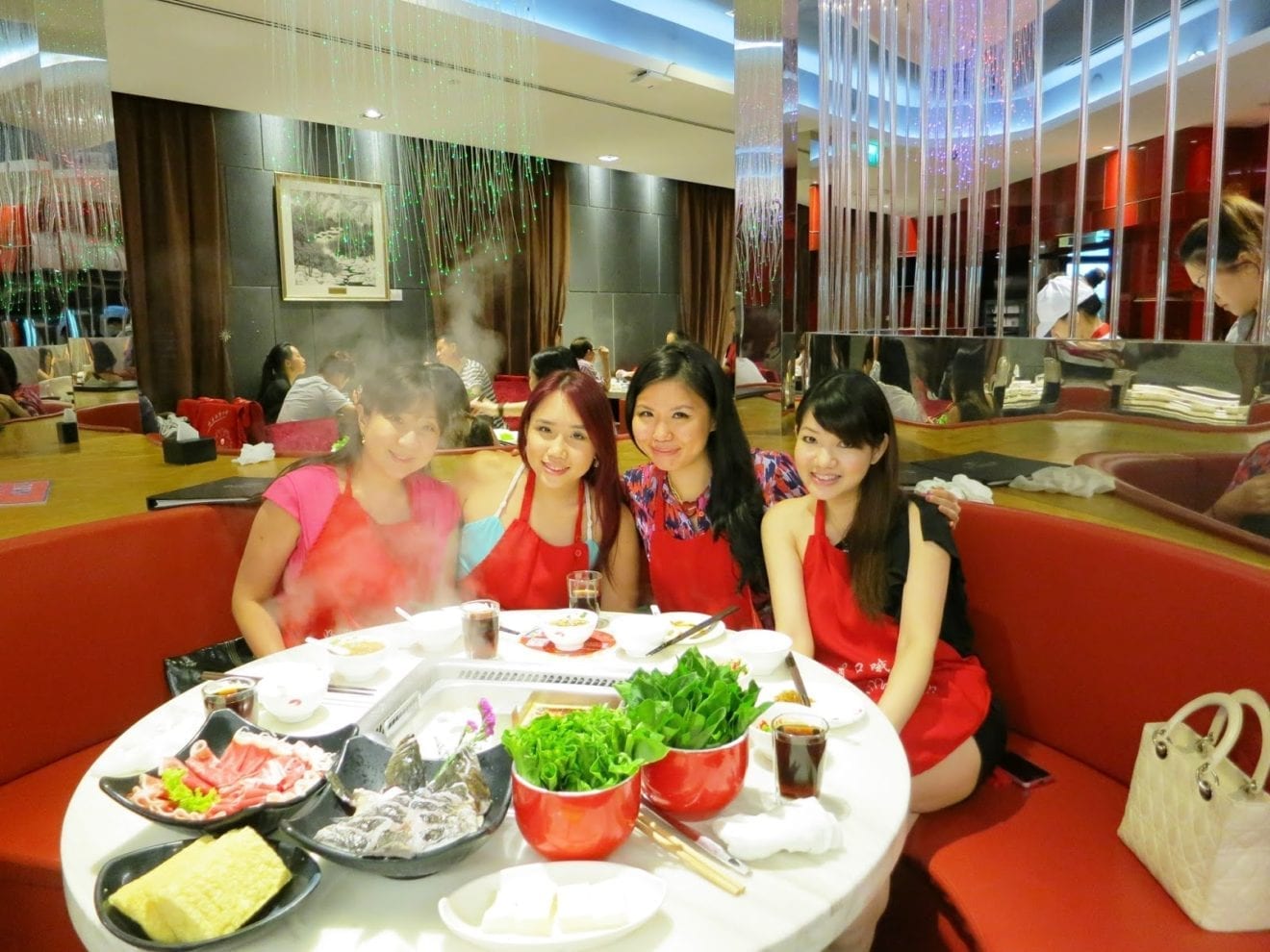
    Hotpot chain Sichuan Haidilao Catering is said to be making inroads into Hong Kong, joining a cluster of mainland counterparts whose business in Hong Kong has been chequered.

    Edwin Leong Siu-hung, founder of Tai Hung Fai Enterprise and one of Hong Kong’s largest retail landlords, confirmed that one of his company’s properties in Mong Kok had been leased to Haidilao and could be decorated within two months at the soonest.

    The Beijing-based restaurant operator also confirmed the news. It said that if everything goes according to plan, the company’s first restaurant in Hong Kong will open three months later.

    Reports of Haidilao’s expansion and initial public offering have been circulating since the end of 2015. Yihai International Holding Ltd, a hotspot seasonings producer and Haidilao’s exclusive supplier, was already a few steps ahead of it, having raised HK$861 million ($110 million) on the Hong Kong Stock Exchange in July.

    Haidilao would follow in the footsteps of rival hotpot chains such as Little Sheep, Simmer Huang and Xiao Yu Hotpot Restaurant in Hong Kong, a market the company said it bets big on.

    Those early comers, however, failed to get very far in the Hong Kong market. Inner Mongolia-based Little Sheep, which has operated in Hong Kong for more than a decade, only has one of the six restaurants it initially opened.

    Likewise, having entered Hong Kong no more than two years ago, Simmer Huang shut its one and only restaurant in Hong Kong at the end of last year.

    “As for Haidilao, this may be a good timing to enter the Hong Kong market, where the commercial rental market has been under sustained downward pressure for quite a time and is showing signs of hitting bottom,” said Hannah Li Wai-han, a strategist at UOB Kay Hian (Hong Kong).

    The hotspot chain will pay a monthly rent of HK$550,000 for the three-storey store.

    Founded in 1994, Haidilao is known for its spicy Sichuan-style food and impressive customer services, which include free manicure, shoe polishing and shoulder massage services, as well as noodle-pulling shows and dance performances.

    The restaurant chain now operates 168 outlets across 51 cities in Chinese mainland and has set up nine branches in Singapore, Los Angeles, Seoul and Tokyo.