Author: Mei Ling Tan

  • Ericsson launches its 5G platform

    Ericsson launches its 5G platform

    Ericsson has announced it has become first to market with its new 5G platform, comprising combined 5G core, radio and transport portfolios, as well as digital support systems, transformation services and security.

    The 5G portfolio supports federated network slicing for 5G roaming, network slice management, 5G policy and user data, distributed cloud architecture and 5G transformation services.

    “With this launch, we introduce our 5G platform to support the beginning of a huge change in network capabilities, allowing our customers to offer more advanced use cases and new business models to their customers. It is an important milestone enabling operators to continue their evolution journey to 5G,”

    SK Telecom and Ericsson separately revealed that they completed the first end-to-end demonstration of a 5G trial system at Ericsson’s lab in Kista, Sweden late last year.

    The live demonstration was based on joint development with SK Telecom. It used Ericsson’s Cloud Core, virtual RAN and over-the-air new radio/LTE interworking technologies.

    Nokia separately announced it has successfully conducted the first connection based on the pre-standard 5GTF interface.

    The trial at Oulo in Finland used commercially available 5G-ready Nokia AirScale radio access and AirFrame data center platforms. It used an Intel 5G mobile trial platform designed to support both sub 6-GHz and mmWave 5G bands.

    “This first 5G connection is a true landmark for the telecommunications industry, and yet another mark of Nokia’s capabilities in 5G,” Nokia head of 5G Harold Graham said.

  • Multi-million dollar tax arrears catch up to luxury car importers

    Multi-million dollar tax arrears catch up to luxury car importers

    At the end of December 2016, Mercedes-Benz Vietnam (MBV) paid VND101.65 billion ($4.46 million) in tax arrears.

    However, the firm continued to submit letters of complaint about its initial tax assessment.

    The Post Clearance Audit Department of Vietnam Customs under the General Department of Vietnam Customs, Ministry of Finance, previously in June 2016, issued a decision of post-clearance audit in MBV’s headquarter.

    The department then imposed arrears of VND101.65 billion ($4.46 million) on the firm. Right after, MBV submitted an urgent letter asking for reconsideration.

    In December 2016, the General Department of Vietnam Customs has requested the provincial and municipal customs departments to allow the company to register and import under customs procedures, as long as they paid 50 per cent of the amount up front and the rest by December 31, 2016.

    In December 26, 2016, MBV has paid the whole VND101.65 billion ($4.46 million) and continued to import goods under customs procedures.

    However, on December 30, 2016, MBV submitted a letter of complaint about the initial tax assessment.

    Tan Thanh Do Auto Corporation (Land Rover and Jaguar dealer in Vietnam) and Regal Motor Car Corporation (official Rolls Royce dealer in Vietnam) found themselves in a similar situation.

    In November, they were requested to pay additional tax arrears of VND719 billion ($31.56 million) and VND50 billion ($2.19 million), respectively, because they declared a lower value of their imports than the actual price.

    Besides, at the end of November 2016, the Ministry of Finance has requested the General Department of Vietnam Customs to suspend customs clearance for imported BMW automobiles (except for the BMWs imported under diplomatic privilege).

    At the same time, the Anti-Smuggling and Investigation Department has decided to take Euro Auto Company, the Ho Chi Minh City-based importer of BMW automobiles, to court for failing to supply required documents or supplying fake documents during customs clearance and selling cars before they are cleared at customs.

  • Funding Societies launches mobile lending app

    Funding Societies launches mobile lending app

    Funding Societies has launched FS Bolt – a mobile application designed to provide flexible working capital loans for Singapore SMEs.

    Complementing the government’s financing programs for SMEs, FS Bolt offers loans with quantum up to S$20,000 ($14,000) for companies incorporated in Singapore.

    Available on both iOS and Android devices, the application process takes two minutes to complete, claims the company.

    An automated credit assessment process enables decision time of two hours and disbursement within 24 hours – making FS Bolt a quick source of working capital loans in Singapore.

    FS Bolt also provides loan tenor flexibility – It charges no fees for early repayment, atypical of financial products in the market. With this feature, borrowers only pay interest while using the funds and are encouraged to repay their loan as soon as their finances permit.

    Addressing the underbanked SME concerns

    SMEs face many hurdles when seeking financing as they often lack credit history, collateral, and sophisticated financial documents required by most loan products. FS Bolt alleviates such issues by offering a credit product specifically targeted to answer SME needs. FS Bolt also incorporates automation and highly intelligent systems to include non-traditional datasets into the firm’s credit assessment processes.

    “Funding Societies’ vision is to help small businesses. Over the last year and a half, borrowers have indicated that they often need funds to tide over short periods of finance-related issues,” said Funding Societies co-founder Kelvin Teo. “The FS Bolt app was created to address these concerns. SME owners get peace of mind from the quick credit decision and they can opt to repay early without charges if they don’t need it anymore.”

    Funding Societies currently also provides bigger, longer-term SME loans and invoice financing services with quantum up to S$1 million. As the firm’s most recent innovation, FS Bolt expands the firm’s offerings and shows Funding Societies’ continued commitment to serve the Singapore SME sector by improving credit availability.

    At the Singapore Budget 2016, the government introduced “SME Working Capital Loans” to support SMEs with financing. The “SME Working Capital Loans” is a loan scheme provided under SPRING, an agency under the Singapore Ministry of Trade and Industry.

  • Digi.Com plans to raise $1.12b through Islamic bonds

    Digi.Com plans to raise $1.12b through Islamic bonds

    Malaysia’s Digi.Com has secured approval to raise 5 billion ringgit ($1.12 billion) through via sukuk (Islamic bond) programs.

    The company’s unit Digi Telecommunications will issue the bonds, and the proceeds will be used to finance the company’s capex, working capital and other funding requirements.

    In a statement to the local stock exchange, Digi said the company plans to use the funds to invest in data and digital growth opportunities, as well as expanding its LTE-Advanced network, the digitization of the core business as well as investments in spectrum and other strategic assets.

    The operator said the sukuk program will allow it to tap into opportunities in the debt capital market with a wider and more diverse base of investors.

    Malaysian bond market credit rating service provider RAM Holdings has assigned the sukuk programs a AAA/Stable rating.

    Digi.Com is 49% owned by Telenor Asia. The operator reported a net profit of 1.63 billion ringgit in 2016, down 5.2% from the previous year, and its total debt increased by 988 million ringgit to 2.3 billion ringgit, due largely to upfront spectrum costs.

  • Parkson Retail sales continue to slide

    Parkson Retail sales continue to slide

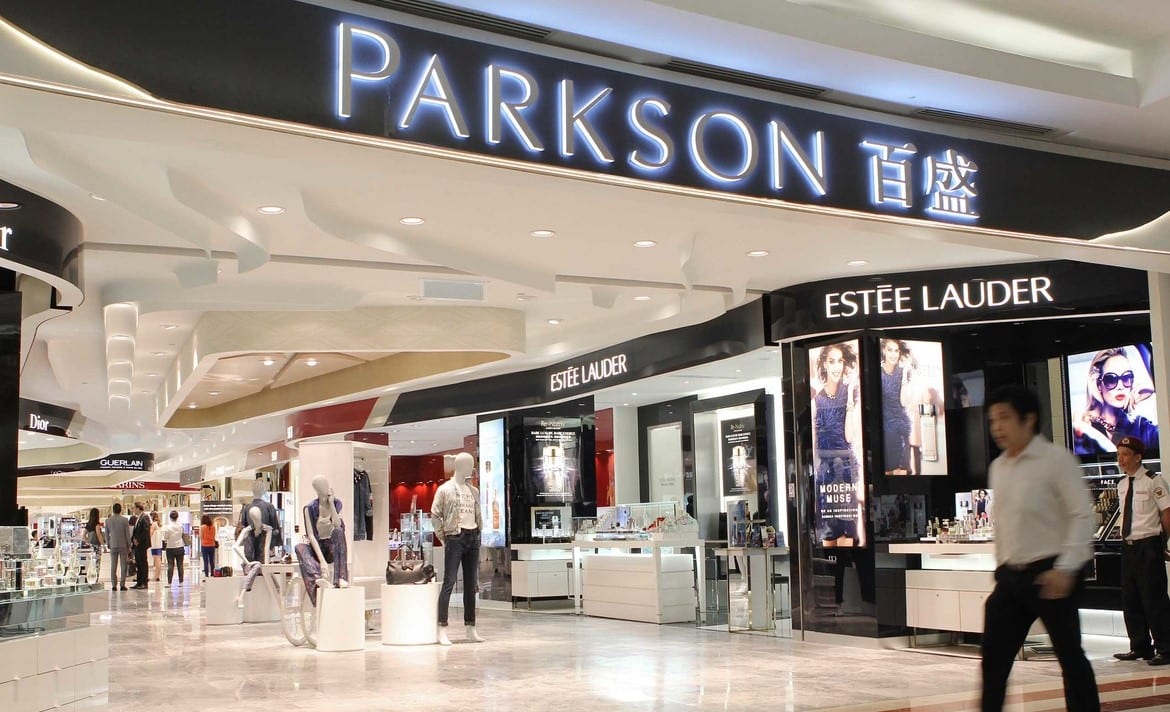
    Parkson Retail Asia has flipped from a S$2.9 million (US$2 million) net profit a year ago to a net loss of $2.23 million for its second quarter.

    This is despite a 7.4 per cent year-on-year rise in revenue to $111.14 million, with Parkson attributing its red ink to weak same-store sales growth as well as losses by some new stores and businesses.

    For the six months to December 31, the department-store group had a net loss of S$7.42 million, compared to a net profit of $52.36 million for the same period the previous year. Revenue rose 4.2 per cent to $204.48 million.

    Parkson Retail Asia says its performance in Malaysia will remain muted because of “fragile” consumer sentiment, while rising competition will make Vietnam challenging.
    Meanwhile, its business in Indonesia could be affected by the changing retail landscape in Jakarta, it says.

    In Myanmar, its store at FMI Centre in Yangon will be closed in the third quarter for property redevelopment by the landlord, with a replacement store scheduled to open later in the year.

  • Subway Vietnam frantically looks for franchise partners

    Subway Vietnam frantically looks for franchise partners

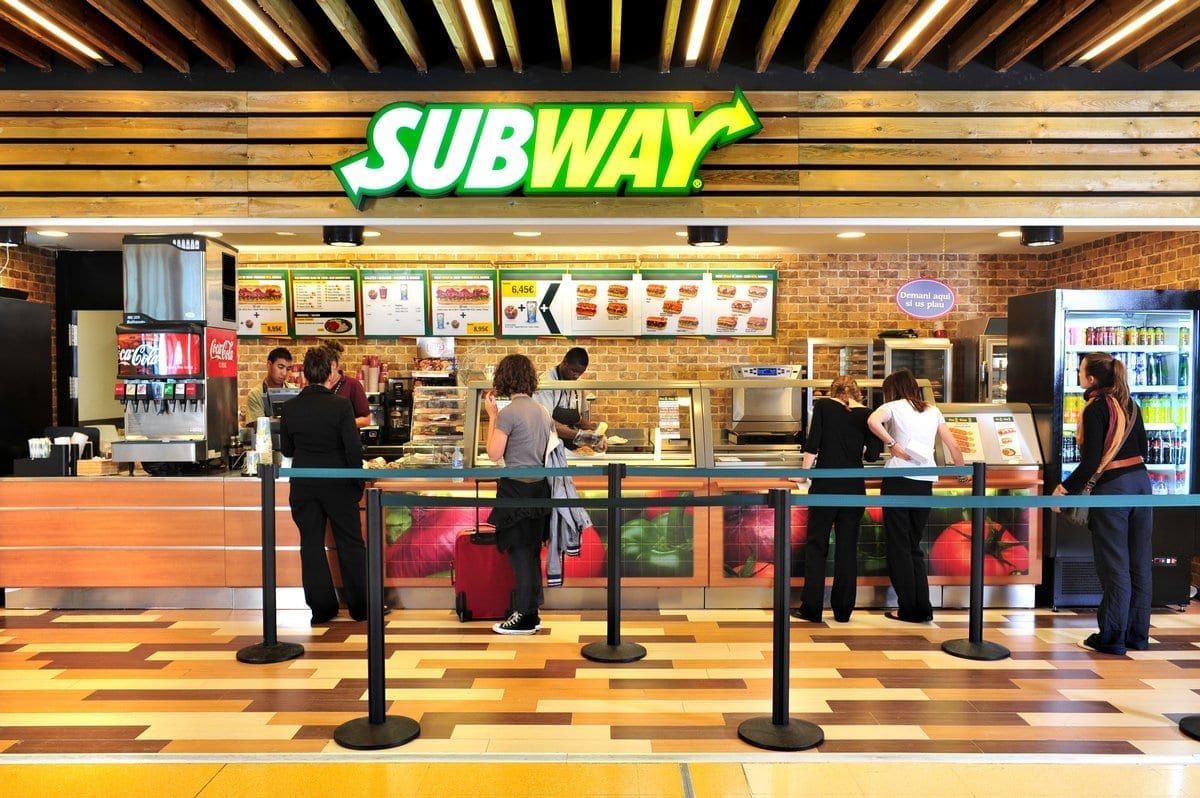
    Six years after entering Vietnam, Subway, the world’s biggest fast food brand, is increasingly looking for franchising partners to reach the ambition of opening 50 restaurants in this market.

    On February 15, Subway held a franchising partner recruitment meeting for investors in Ho Chi Minh City. At present, Subway is considered the world’s biggest franchising network. The company is ambitious to become the number one fast food brand in every market—and Vietnam is not an exception.

    Underwhelming pace

    Following other brands like KFC, Lotteria, and Jolibee, sandwich and salad restaurant chain Subway officially opened its first restaurant in Vietnam in February 2011, almost a year later than anticipated. Subway has cooperated with PepsiCo to start its first restaurant on the “Street of foreigners” Pham Ngu Lao Street, District 1 of Ho Chi Minh City. According to the arrangement, Subway is responsible for the sandwiches and PepsiCo provides the soft drinks.

    Upon arrival to Vietnam, Subway has set a goal of 50 franchise restaurants by 2015. However, at present, there are only six of them in HCMC.

    “Like other fast food brands, Subway entered into Vietnam late. Initially, we had to adjust our strategies to fit the culture as well as market trends. It takes time for us to adapt to the differences in the Vietnamese market to get the desired foothold here,” Mark Mason McGrath, general director of Subway Vietnam, explained.

    In 1985, 20 years since its establishment, Subway had 590 restaurants. Ten years later, there were 11,420 restaurants in the US and now there are 45,000 restaurants in over 100 countries. In Southeast Asia, Subway has opened 200 restaurants in Singapore, 100 in Thailand, and 40 in the Philippines. However, Subway has not reached its expected goals in Vietnam.

    Known as a healthy food provider over the world, Subway can enter into market segments untouched by other giants like McDonald’s and Burger King. However, the company has not been able to forge this into a comparative advantage in Vietnam.

    Seeking individual investors

    Entering a new market is an inevitable course to Subway. The company has been very successful in the US, but the market became saturated. Moreover, the international market holds real potential, placing expansion on top of Subway’s agenda.

    However, the first challenge that Subway had to face was building its brand and exploring its target customers’ desires. In the west, Subway’s products brought about a shift in fast food eating habits and reduced obesity, which was welcomed in western countries. However, the situation in the Asia-Pacific region is different.

    Relatively low obesity rates and a lack of health concerns associated with common foodstuff create a largely different playing field in the Asia-Pacific.. At the same time, KFC and McDonald’s have been present for longer and have been shaping consumption habits in the area. This is a reason why, despite the substantial market potential, the growth rate of Subway in Asia is still low.

    To overcome theobstacles, Subway is starting over to become the world’s biggest fast food franchise. The company will focus on enhancing customer experience. In Vietnam, Subway is looking for franchisees. In 2017, Subway is planning to expand outside HCMC through cooperation with other franchising brands. Nha Trang will be the next destination, and Subway is considering other potential cities and provinces.

    Nonetheless, the brand has a careful approach to expanding its network. “We do not want to cooperate with too big brands like other giants did when entering and expanding in Vietnam. The best way for us to expand our network is to cooperate with the individual investors in the long-term,” said McGrath and added that Subway brings a chance for fruitful investment and doing business for those who wish to be owners.

    Comparative advantages galore

    Compared to other competitors in the fast food industry, where investors have to pay dollar millions to become franchise partners, such as McDonald’s ($1-2 million) and KFC ($1.3-2.5 million), investors in Subway have to pay only a portion. The initial investment in a Subway restaurant in Vietnam ranges from $124,000 to 300,000, dependant on the location and the size of the restaurant.

    Of the amount, the franchising fee for the first Subway restaurant in Vietnam is about $10,000. From the second restaurant on, the fee is only $5,000. The total cost to launch and maintain a franchise restaurant like this is low and is considered an advantage and a big investment opportunity. However, according to Mcgrath, it is not the cost of investment, but investors’ low awareness of Subway’s value that hampers cooperation.

    Of all fast food brands, Subway has the comparative advantage of being able to fit in many different areas all over the world other than only traditional locations. Subway appears in universities, airports, hospitals, convenience stores, cinemas, hotels, zoos, casinos, museums, parks, stadiums, and near churches.

    Subway’s restaurant model fits in anywhere, even in narrow spaces, while its competitors cannot. This ensures Subway’s coverage all over the world, which significantly increases its number of restaurant. Besides, Subway also actively cooperates with small fast food brands in supermarkets. Two parties will share a space, staff, management, but still maintain their separate brand identity with different uniforms for wait staff, decorations, menu, and other specified colouring principles.

    Subway always offers its franchisees preferential conditions. Its linkage to local financial institutions to support franchisees is one of the reasons for investors to open Subway restaurants. “With all these comparative advantages over competitors, we expect investors to realise with time the opportunities we have to offer,” McGrath expects.


  • SmarTone 1H profit falls 2%

    SmarTone 1H profit falls 2%

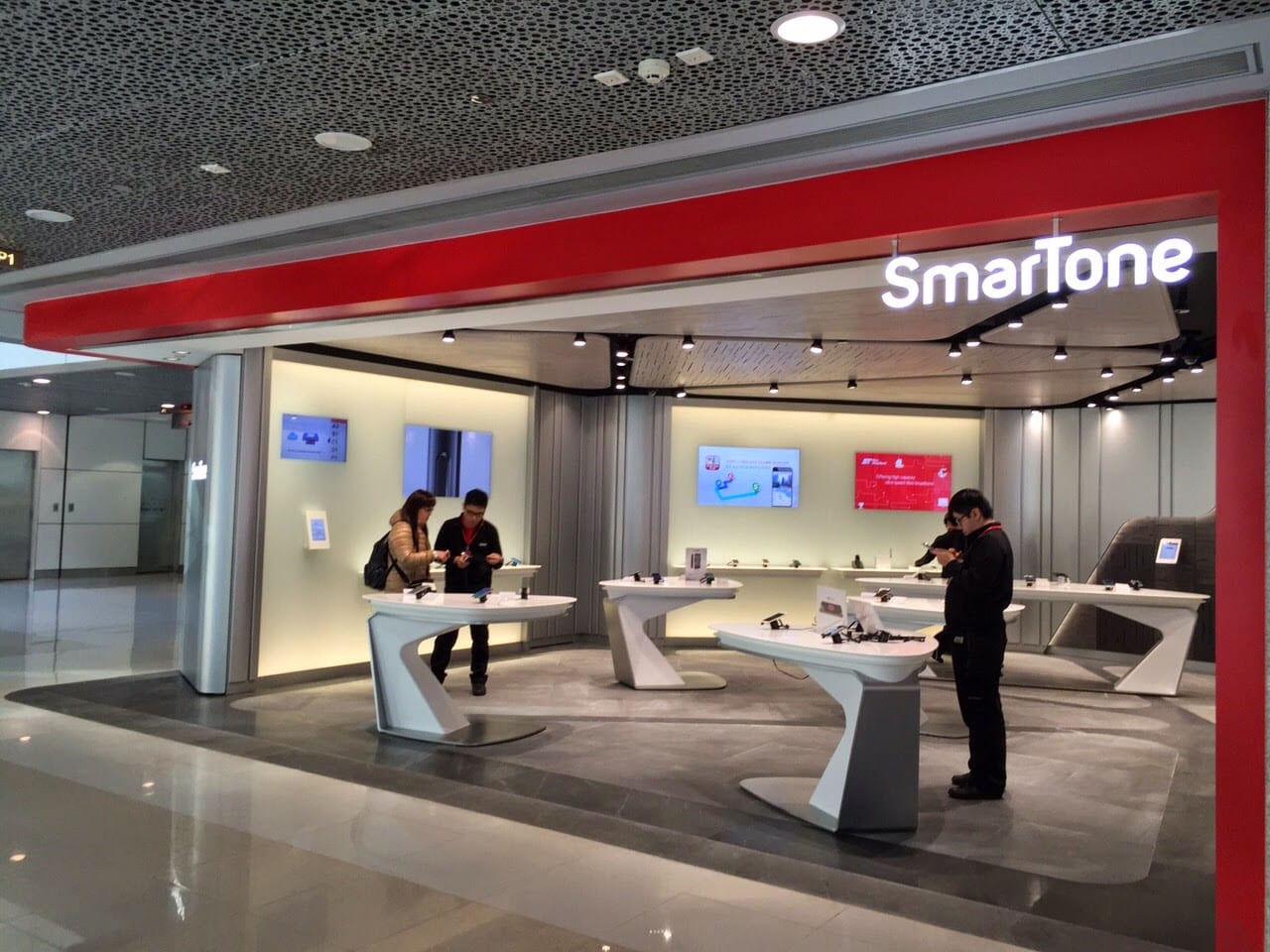
    Hong Kong’s SmarTone has reported a 2% year-on-year decline in net profit for the six months ending in December to HK$393 million ($50.6 million).

    Group service revenue fell 4% over the same period to HK$2.67 billion. SmarTone blamed the decline in part on on customers continuing to migrate to SIM only plans. This led to a 64% decline in handset and accessory sales to HK$7.45 billion.

    Other factors contributing to the decline included well as weakness in the prepaid segment of the mobile market, as well as ongoing OTT substitution impacting voice roaming revenues.

    SmarTone’s Hong Kong customer base grew to 2 million, with mobile postpaid ARPU stable at HK$299.

    Announcing its results, the operator said a strong focus on efficiency during the period helped the operator control costs – operating costs grew just 1% year-on-year despite substantial growth in customers’ data consumption.

    Looking ahead, SmarTone said it expects the pressures on profitability – including rising specrtum costs – to continue in the second half of the financial year.

    The company also joined PCCW’s HKT in urging the government to accelerate the release of more spectrum to the industry and provide a clear spectrum supply roadmap.

    HKT has expressed concern over the fact that no new spectrum is expected to be allocated for mobile use for the next three years, and has urged the government to start preparing now for the arrival of 5G.

  • Williams-Sonoma South Korean partner appointed

    Williams-Sonoma South Korean partner appointed

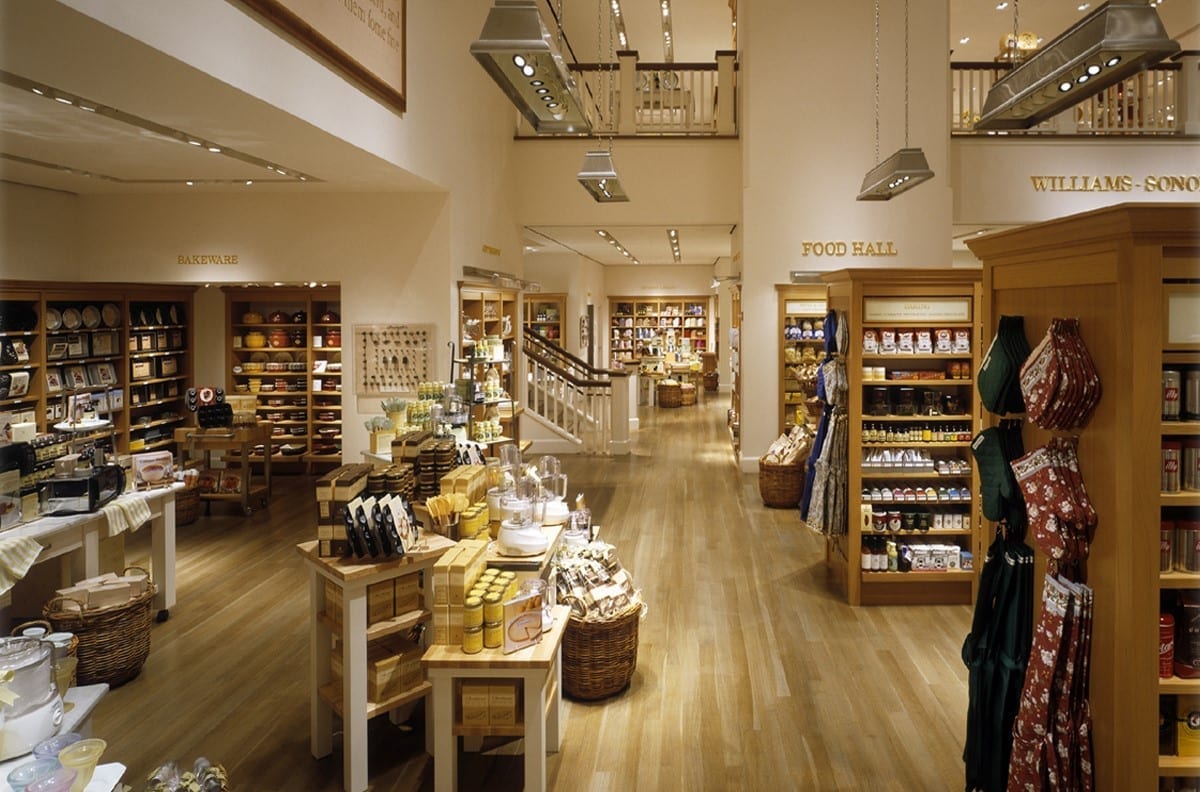
    Williams-Sonoma South Korea will launch in Spring after the US homewares brand appointed a local partner.

    Hyundai Livart Furniture, a leading Korean furniture manufacturer and distributor and an affiliate of Hyundai Department Store Group, will have exclusive rights to operate stores, shop-in-shops, and eCommerce sites for Williams Sonoma and sister brands Pottery Barn, Pottery Barn Kids and West Elm.

    Livart will open more than 30 stores in South Korea over the next decade across the four brands, the first of which are scheduled to open this spring, including a combined 924sqm Pottery Barn and Pottery Barn Kids store and a 700sqm West Elm store at the Hyundai City Mall Garden Five Mall, and a 297sqm Williams Sonoma store at Hyundai Department Store Mokdong.

    “We are pleased to announce our latest strategic global expansion with our new franchise partner, Livart,” said Laura Alber, president and CEO of Williams-Sonoma, Inc. “Livart’s market expertise and extensive retail footprint in South Korea will enable us to deliver the same high quality of service that we provide in the US and around the world. Livart is the best partner to help bring our brands to the Korean market,” she said

    Hwa-Eung Kim, representative director and CEO of Hyundai Livart Furniture, said the franchise agreement will help strengthen the company’s competitive advantage in the domestic premium home furnishings market by complementing existing Livart brands.

    “We plan to leverage our diverse distribution channels to expand strategically through Seoul and other major cities.”

  • Uniqlo Spain to launch in Barcelona

    Uniqlo Spain to launch in Barcelona

    Japanese casual apparel retailer Uniqlo Spain will open its first store in Barcelona this northern autumn.

    The move takes it into the home market of archrival Inditex, parent of the Zara brand, among others.

    On the Paseo de Gracia shopping streets, the store will have 1730 sqm of space across four levels and offer a full line-up of apparel under the brand’s LifeWear concept.

    “Barcelona is the perfect location to introduce our LifeWear concept – innovative, high-quality clothing that is universal in design and comfort, and made for everyone,” says parent company Fast Retailing chairman/president/CEO Tadashi Yanai.

    Since opening its first store in Japan in 1984, Uniqlo has built a network of more than 1800 outlets across 18 markets. Spain will be its sixth market in Europe following the UK (first store opened in 2001), France (2007), Russia (2010), Germany (2014) and Belgium (2015). It has 45 stores across the five markets.

  • FJ Benjamin’s losses almost double

    FJ Benjamin’s losses almost double

    Clothing retailer FJ Benjamin has deepened its losses after discontinuing some brands and businesses during its second quarter.

    Its net loss virtually doubled from S$3.7 million (US$2.6 million) in the same quarter a year ago to S$7.3 million. The group says the situation was worsened by a foreign exchange loss of S$3.2 million in the latest quarter due to the strengthening of the US dollar.

    For the three months to December 31, revenue fell 11.9 per cent to S$62.5 million.

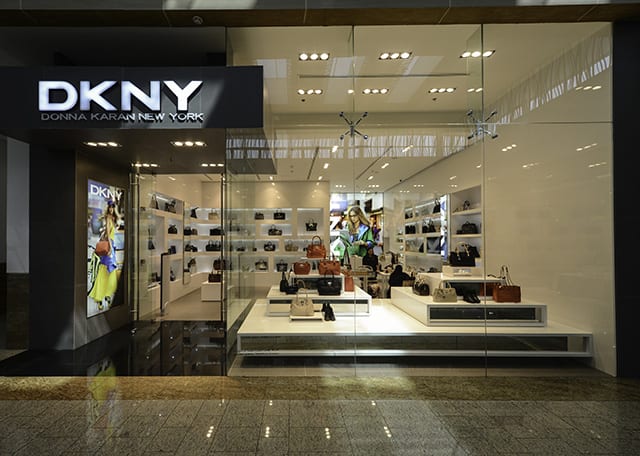
  • Future of DKNY India in doubt

    Future of DKNY India in doubt

    DKNY India may quit the market after failing to generate sustainable profits.

    While mall executives and DKNY store managers have confirmed the exit, India franchisee DLF Brands has denied the US fashion brand is completely leaving the country, says the Economic Times.

    DLF Brands head Timmy Sarna says the company has closed “a few” stores but will continue to run four outlets, all in DLF-owned malls in the National Capital Region.

    He says two loss-making stores have been closed, one in Kolkata and the other in Mumbai.
    However, Fashion Network says sources have told it that the DKNY outlet in DLF’s Mall of India in Noida is closing.

    It quotes another source as saying the outlet in DLF Place Mall in Saket is closing next month.

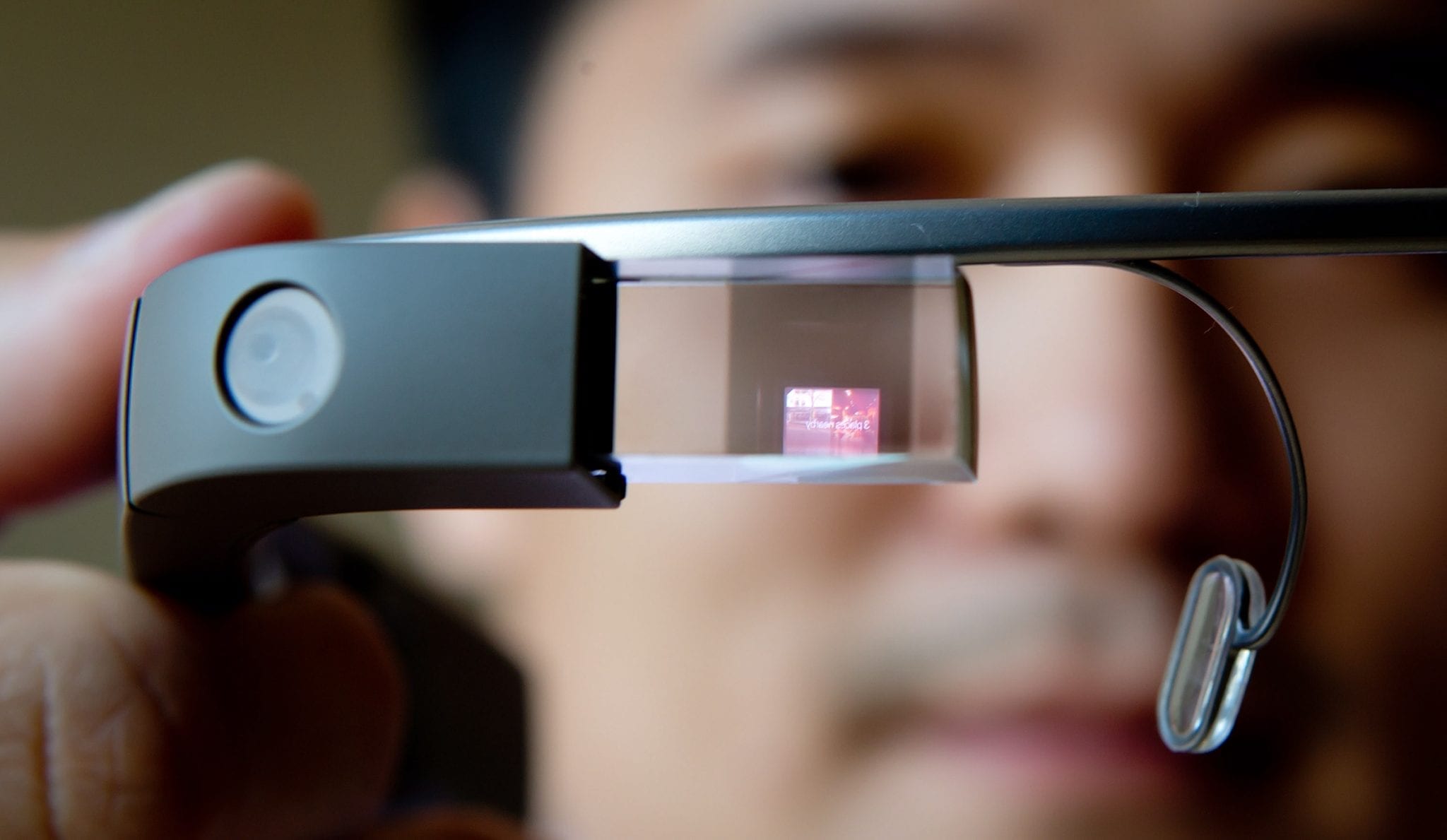
  • When wearable devices in China becomes the star

    When wearable devices in China becomes the star

    While 43 per cent of urban Chinese consumers would buy wearable devices for themselves, the figure rises to 48 per cent for the 20- to 24-years age bracket, says London-based research firm Mintel.

    Yet 32 per cent of the consumers it surveyed agree it is fashionable to use wearable devices in China, dropping to 27 per cent of those 20 to 24. Today, 52 per cent of urban Chinese consumers have a smart wristband and 42 per cent own a smartwatch. Furthermore, 69 per cent of smartwatch owners have also bought smart wristbands.

    Mintel’s research shows that smart wristbands are growing in popularity in China. Sales of the wristbands over the past two years are estimated to have grown by 109 per cent, while smartwatch sales dropped by 37 per cent. Overall, the total volume sales of smart wristbands and smartwatches is estimated to have grown by 66.8 per cent last year.

    “The wearable devices market is facing a challenge to sustain growth,” says Mintel senior technology analyst Terra Xu. “This is because of the lack of breakthrough products and the wide ownership of smartphones.”

    Pricing key

    As a result, innovation and low entry prices are becoming key to wearable devices in China, he says.
    Of Mintel’s survey respondents, 53 per cent say they find health-monitoring ability attractive, while half of them are interested in being able to track family members.

    Also, 45 per cent of urban males are more interested in connecting wearables to other devices such as smartphones and cameras, compared to 39 per cent of females. Of consumers between 20 and 24 years, 46 per cent are most attracted by wearables that can receive location-based information, while 45 per cent of those aged 40-49 years are more interested in satellite navigation.

    Mintel says high interest is being shown in virtual-reality (VR) applications. Its research shows that 97 per cent of urban Chinese consumers are “very” or “somewhat” interested in at least one type of VR application, with movies being the prime choice for 45 per cent of both genders.

    While males are more interested in playing VR games (39 per cent) and virtual test rides (31 per cent), females are attracted by VR applications that help with online shopping, such as viewing and buying goods in virtual shops (35 per cent) and children’s entertainment such as interactive videos or games (25 per cent).

  • Valentino Hong Kong opens flagship

    Valentino Hong Kong opens flagship

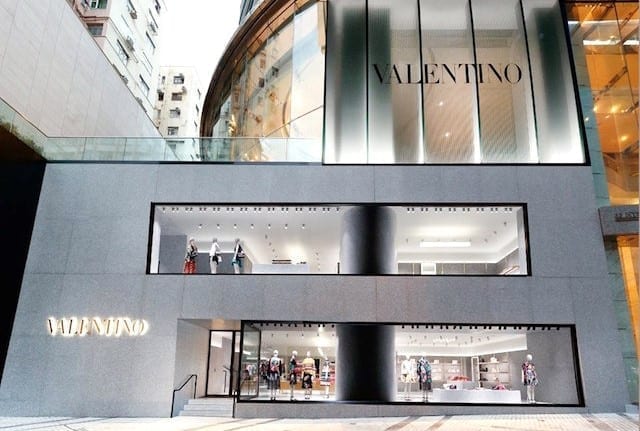
    Valentino Hong Kong has unveiled its new flagship store in the heart of Causeway Bay.

    Valentino Lee Garden one - HK 5

    Spanning 382 sqm at Lee Garden One, the Italian fashion brand’s two-storey boutique was designed by British architect David Chipperfield. Steering away from a pure showroom set-up, it combines old and new aesthetics to evoke a palazzo atmosphere. The architect has used such luxurious materials as Venetian terrazzo, Carrara marble and timber furniture.

    Valentino Lee Garden one - HK 1

    Valentino Lee Garden one - HK 7

    Three marble columns and a grand staircase set the tone for Valentino’s new global store concept.

    Valentino Lee Garden one - HK 2

    Valentino Lee Garden one - HK 6

    The flagship store carries all women’s products including ready-to-wear, accessories and fragrances.

    Valentino Lee Garden one - HK 3

    The new store follows the opening of a flagship at Landmark, and a store at Wynn Palace in Macau, reported last September.

  • Competition squeezes out Ookbee Mall

    Competition squeezes out Ookbee Mall

    Ookbee Mall Thailand will close its eCommerce business Ookbeemall.com next month, citing heavy competition.

    Launched in November 2015 with an initial investment of 150 million baht (US$4.2 million), Ookbee Mall is a JV between Japanese eCommerce investor Transcosmos and Thai e-book store Ookbee.

    Founder Natavudh Pungcharoenpong says the mall was launched as an experiment to see if the low customer-acquisition cost of digital business could convert to physical business. “It turns out it cannot.”

    He says eCommerce needs to be on a large scale, and global players use subsidised promotion strategies to acquire customers, which Ookbee cannot afford to do. “Our capital can be better used in other areas, mostly digital products.”

    Pungcharoenpong says the closing of the eCommerce business will not hurt Ookbee’s digital business (e-book store). “Many people in Bangkok panicked and called us to cancel their digital subscription, as they confuse eCommerce with our core business. Our core business is e-books, and will remain intact.”

    Ookbee Mall was established as a one-stop portal for books and magazines, beauty and cosmetics, and products sourced directly from Japan. Last month, Ookbee partnered with Chinese internet giant Tencent to build a user-generated digital content company, Ookbee U.

  • Garuda to Launch Jakarta-Moscow Flight in August 2017

    Garuda to Launch Jakarta-Moscow Flight in August 2017

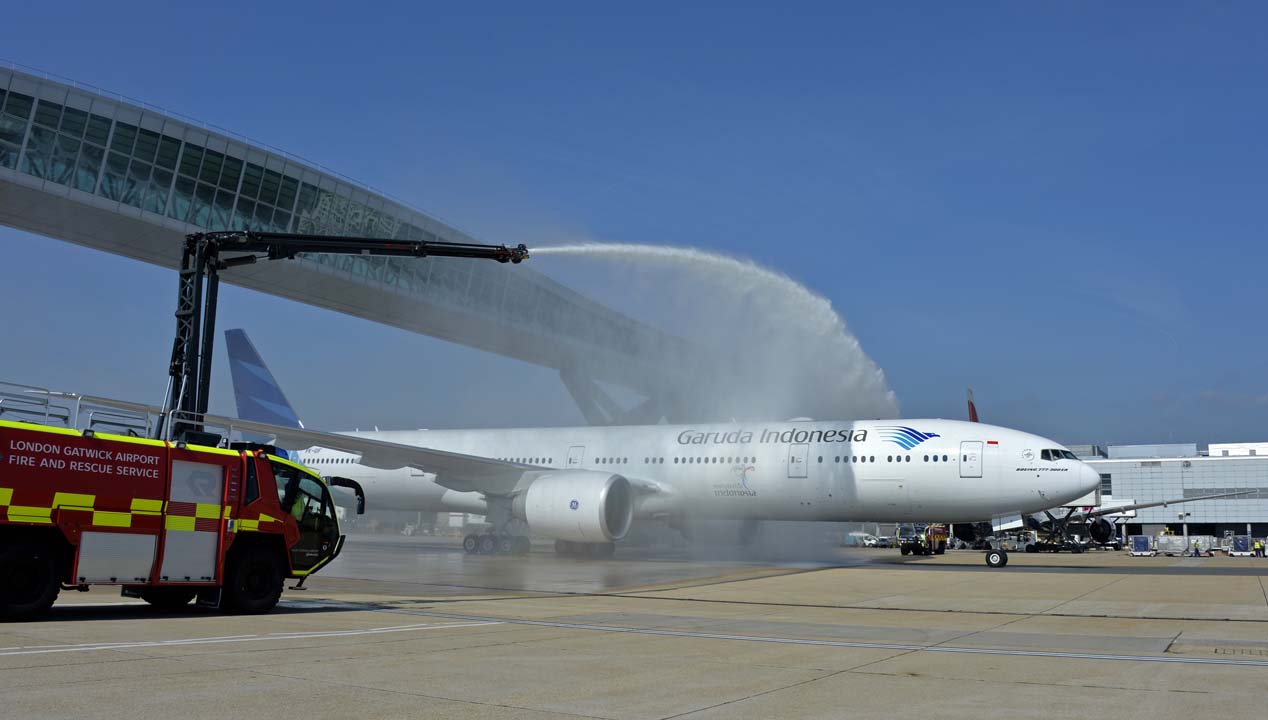
    The Indonesian flag carrier, Garuda Indonesia, will launch its Jakarta-Moscow direct flight route A330-200 aircraft, which is expected to be operational in August this year.

    The inaugural flight plan was established in a memorandum of understanding signed by a representative of the Indonesia Russia Business Council, Mikhail Kuritsyn, and the Director of Garuda Indonesia, Arif Wibowo, in the presence of Russian Ambassador to Indonesia, Mikhail Galuzyn, and Indonesian Ambassador to Russia, Wahid Supriyadi, on Tuesday (Feb 14).

    “We are trying to accelerate the plan to be realized in August. The flight will be available three times a week,” Arif said.

    He added that since the tourist traffic between the two countries continues to increase, the direct flight plan is expected to support Russias efforts to increase tourist arrivals from Indonesia to more than 100 thousand in 2017.

    The number of Russian tourist arrivals in Indonesia in the first half of 2016 increased by 14 percent, while the number of Indonesians visiting Russia was about 14,000 in 2015.

    Arif stated that the launch of the new flight route marks the beginning of a series of international flight network expansion programs by Garuda Indonesia in 2017.

    In addition to Moscow, Garuda Indonesia will also launch a flight from Jakarta to Los Angeles (USA) via Tokyo, Japan, by mid-2017.

    Meanwhile, Galuzyn noted that the direct flight would further boost the economy and tourism sectors of the two countries.

    “The direct flight has become one of our main priorities in the effort to enhance the number of tourists visiting Russia,” he asserted.

    We are optimistic that the new plan will open a positive opportunity not only for the tourism sector but also for the economic, social, and cultural sectors.

    In 2014, Garuda Indonesia officially joined the SkyTeam global airline alliance, in which the Russian airlines Aeroflot is also a member.

    Through the SkyTeam airline alliance network, all passengers can enjoy the Garuda Indonesia flight network services to more than 1,062 destinations around the world in 177 countries with 17,343 daily flights.

    SkyTeam airline network services currently serve more than 655 million passengers every year.