Author: Mei Ling Tan

  • Malaysia’s shooting-star bauxite industry faces burn-up

    Malaysia’s shooting-star bauxite industry faces burn-up

    Already under fire for widespread environmental damage, Malaysia’s once lucrative bauxite mining industry is facing a likely death knell from neighbouring Indonesia’s move to allow a resumption of exports.

    This time last year, Malaysia was the world’s biggest supplier of the aluminium-making raw material to top buyer China, but its exports tumbled after government action aimed at reining in the little regulated industry.

    The latest move could spell the end for a sector that only sprang to life in late 2014 after Indonesia banned ore exports, and illustrates the risks facing miners across South-East Asia from increasingly uncertain government policy.

    Copper giant Freeport-McMoRan Inc warned last week it could slash output from Indonesia amid a long-running dispute with the government, while the Philippines has ordered the closure of more than half the country’s mines on environmental grounds.

    “Policy risk is huge in mining right now,” said Daniel Morgan, mining analyst at UBS in Sydney. “In supplier policy, you’ve got changes to Indonesia’s mining policy, the Philippines and Malaysia.” A host of mining operations sprang up along Malaysia’s bauxite-rich east coast to fill a supply gap after Indonesia in 2014 barred exports of mineral ores in a bid to push miners to build smelters.

    In 2015, Malaysia shipped more than 20 million tonnes to China, well ahead of nearest rival Australia and up nearly 700% on the previous year. In 2013, it shipped just 162,000 tonnes.

    But the dramatic rise came at a cost as largely unregulated miners failed to secure stockpiles of bauxite. The run-off from monsoon rains turned rivers and coastal seas red, contaminating water sources and leading to a public outcry.

    The government imposed a mining moratorium in early 2016, and shipments to China from existing stockpiles fell to 165,587 tonnes in December, with little indication the government is set to change its mind.

    Malaysia’s natural resources and environment ministry said any decision to lift the moratorium would be based on how well miners follow regulations to preserve the environment rather than economic gain.

    Recent rains in Kuantan have caused some bauxite runoffs from existing stockpiles, minister Datuk Seri Wan Junaidi Tuanku Jaafar told Reuters.

    “The heavy rains proved that the mitigation was not adequate. Now by having this before me, I am not yet prepared to allow them to start the operations,” he said, declining further comment on the topic.

    Indonesia introduced new rules last month that will allow exports of nickel ore and bauxite and concentrates of other minerals in a sweeping policy shift, but did not specify when it would resume exports.

    The announcement could be the final nail in the coffin for Malaysia’s industry, as its miners expect China to switch to Indonesia’s better quality and cheaper ore, due to lower production costs.

    “Indonesian bauxite miners kept a lot of stockpiles … They can sell cheap,” said a miner from local company based in Kuantan, a key bauxite mining area in the state of Pahang.

    “If the volume coming out of Indonesia is over 10 million tonnes, Malaysia has to say goodbye.”

    Unlike recent ructions in nickel supply from Indonesia and the Philippines that pushed up prices, Malaysia’s near exit from bauxite has had little impact on the supply chain as new suppliers emerged, particularly in Guinea in West Africa.

    “Some of these commodities are pretty plentiful, like bauxite for instance,” noted UBS’s Morgan.

    “When we talk to aluminium companies in China, we haven’t detected that they’re worried about a bauxite shortage.” The greater effect may be on Malaysia’s export-based economy where bauxite surged to become a key mineral shipped to China, its largest trading partner. At a bauxite price of US$50 a tonne, Malaysia’s 2015 exports were worth over US$1bil.


  • The Trade Desk launches in Indonesia to capitalise on digital ad potential

    The Trade Desk launches in Indonesia to capitalise on digital ad potential

    The Trade Desk has launched into Indonesia, a market it believes has huge potential for growth in programmatic ad trading. The company has launched alongside partnerships secured with Unruly, Grapeshot, Spotify, Tapad and Mobilewalla.

    Matt Harty, SVP of Asia and Australia at The Trade Desk, told The Drum that with Zenith numbers claiming that Indonesia will be in the top 10 ad markets in the world within the next three years, it was important to establish local operations.

    “It’s compelling stuff, there’s a huge growth in middle class and it’s a boat I can’t see us wanting to miss. Boston Consulting figures suggest there will be 141 million Indonesian middle class by 2020, adding 8 or 9 million consumers buy big ticket items each year. I don’t think other markets will see a demand for 9 million new bikes each year, as first time buyers. It couldn’t be more exciting as a market,” he said.

    The office, which will be located in Jakarta’s central business district, will be the sixth for the ad tech company in Asia Pacific region. The office will launch with two members of staff, with the Singapore office still acting as its regional headquarters.

    The timing of the launch has been set to ensure that brands and agency planners have strategies in place ahead of Ramadan, which takes place in late May this year. Harty said that after taking a year to work out the Indonesian market last year, ahead of launch, a key learning was how important it was to plan ahead of the religious holiday.

    “Last year was the first year of real scale doing business in Indonesia, but from Singapore. We were taken by surprise about key things around Indonesian planning, so now we have boots on the street and are very well prepared and we time to be in place for Ramadan,” he added.

    The office marks one of the first new Asian markets for the company since it publicly floated on the stock markets last year. The company hit the headlines after its IPO was widely considered to have been a success.

  • Lippo Malls Indonesia Retail Trust posts 7.6% rise in Q4 DPU

    Lippo Malls Indonesia Retail Trust posts 7.6% rise in Q4 DPU

    Lippo Malls Indonesia Retail Trust (LMIRT) posted a distribution per unit of 0.87 cents for its fourth quarter 2016, an increase of 7.4 per cent from a year ago.

    Its net property income went up 10.9 per cent to S$44.6 million. For the full year ended 2016, LMIRT’s net property income rose 8.4 per cent to S$171.9 million.

    For Q4 2016, total gross revenue went up 9.1 per cent to S$48.7 million year on year, mainly due to positive rental reversion within the existing malls.

    The trust recently completed the acquisition of Lippo Mall Kuta, expanding its portfolio to 27 properties and asset size to S$1.9 billion.

    Viven Sitiabudi, executive director of the Reit manager, said: “With our shopping malls registering a consistently high occupancy rate of 94.3 per cent, we expect a stable stream of rental income going forward.”

  • SevOne, Google teamup for business agility

    SevOne, Google teamup for business agility

    SevOne has collaborated with Google to enable enterprises to leverage the critical network and operational data that SevOne collects with Google’s analytics platform to accelerate their business and IT initiatives.

    With the partnership, enterprises are now able to combine SevOne’s performance monitoring platform for data collection and operational insight capabilities with Google’s Cloud platform for rich analytics and machine learning.

    The engagement intends to ensure that organizations are able to drive faster and more effective business decisions as well as improve the performance of their current service offerings and accelerate the delivery of new network data services.

    “By leveraging end-to-end infrastructure visibility, valuable operational insights, and powerful analytics, organizations will be able to achieve unprecedented business agility,” said Jack Sweeney, CEO of SevOne.“Whether it’s rolling out new services or enhancing current offerings, this partnership will ensure they have the intelligence they need to win against their competitors.”

    Enterprises are promised the ability to unify their disparate data, normalize it, and analyze it effectively for intelligent decision-making across the organization to improve their operations.

  • SKT, DT, Ericsson demo 5G federated network slicing

    SKT, DT, Ericsson demo 5G federated network slicing

    SK Telecom, Ericsson and Deutsche Telekom have successfully built and demonstrated the world’s first intercontinental 5G trial network.

    The companies used federated network slicing for 5G roaming between trial networks in South Korea and Germany.

    The demonstration was hosted at SK Telecom’s 5G Testbed at the BMW driving center at Yeoungjong-do, as well as Deutsche Telekom’s corporate R&D center in Bonn, Germany.

    With 5G technology, network slicing will allow operators to configure end-to-end networks that provide the desired functionality and service parameters. Federated network slicing will extend this functionality to visited networks for roaming services.

    Implementing this will require enhanced cooperation between international operators, because it will require them to open their networks to host partner services.

    This will require pre-existing agreements covering aspects including network slice availability at the access layer, availability in the core network and connections to customer application services. The network slicing will be managed by edge cloud resources.

    “5G is not just a faster network. 5G will provide extreme user experience anywhere and anytime, even when the user roams across different operators globally,” SK Telecom CTO Alex Jinsung Choi  said.

    “Federated network slicing will enable seamless platform sharing among operators at a global scale for continuous and guaranteed user experience.”

    SK Telecom plans to show off federated network slicing functionality at Mobile World Congress 2017 in Barcelona later this month.

  • Longines ambassador Lin Chi-Ling attends Macau launch

    Longines ambassador Lin Chi-Ling attends Macau launch

    Longines Lin Chi-Ling, the Taiwanese model and actress, was a special guest at the grand opening in Macau of the Longines boutique at T Galleria by DFS, inside City of Dreams.

    Lin Chi-Ling, Longines ambassador of elegance joined DFS Group for the grand opening of the Longines boutique at T Galleria by DFS at the City of Dreams in Macau

    The Swiss watch brand used the occasion to launch the Longines Master Collection DFS Special Edition. This dial of this watch has a pattern inspired by Venice landmark The Doge’s Palace (the first DFS store in Europe was opened in the city of canals).

    Longines and DFS Group celebrate the opening of the Longines boutique with special guest, Longines Ambassador of Elegance Lin Chi-Ling. From left: Christophe Chaix DFS Group senior VP fashion, watches, jewellery and accessories; Walter Von Känel Longines president; Lin Chi-Ling Longines ambassador of elegance; Sibylle Scherer DFS Group president merchandising and consumer marketing; Benjamin Vuchot DFS Group region president, Asia North; Sunny Yu senior VP, entertainment and projects, Melco Crown Entertainment

    Created especially for DFS and cased in steel, the watch will be released globally from March 1.

    Covering more than 500 sqft (46 sqm), The Longines boutique features timepieces from the brand’s signature collections, and augments the 29 watch and jewellery brands in the newly expanded Watches and Jewelry Hall at T Galleria by DFS, City of Dreams.

    Marking the store opening was a ribbon-cutting and celebratory toast by Longines president Walter von Känel, Lin Chi-Ling, DFS Group president for merchandising and consumer marketing Sibylle Scherer, and DFS Group Asia north president Benjamin Vuchot.

    Lin Chi-Ling has been associated with Longines since 2005 and is officially Ambassador of Elegance. Apart from modelling, she is a television presenter, awards presenter and is about to make her movie debut in the John Woo film The Battle of Red Cliff.

    Less glamorously, Chi-Ling has also written a book, with the rather technical title Emissions of 2,2,4-trimethyl-1,3-pentanediol Monoisobutyrate from Latex Paint.

  • Chinese vendors dominate local smartphone market

    Chinese vendors dominate local smartphone market

    Top Chinese smartphone vendors are taking up a larger share of their domestic smartphone market, cornering 57% of sales in 2016, IDC estimates. This is up from 46% in 2015.

    The research firm said this shows the growing local acceptance of Chinese vendors in their home countries with the improvement in product features and better marketing messages seen in the past year.

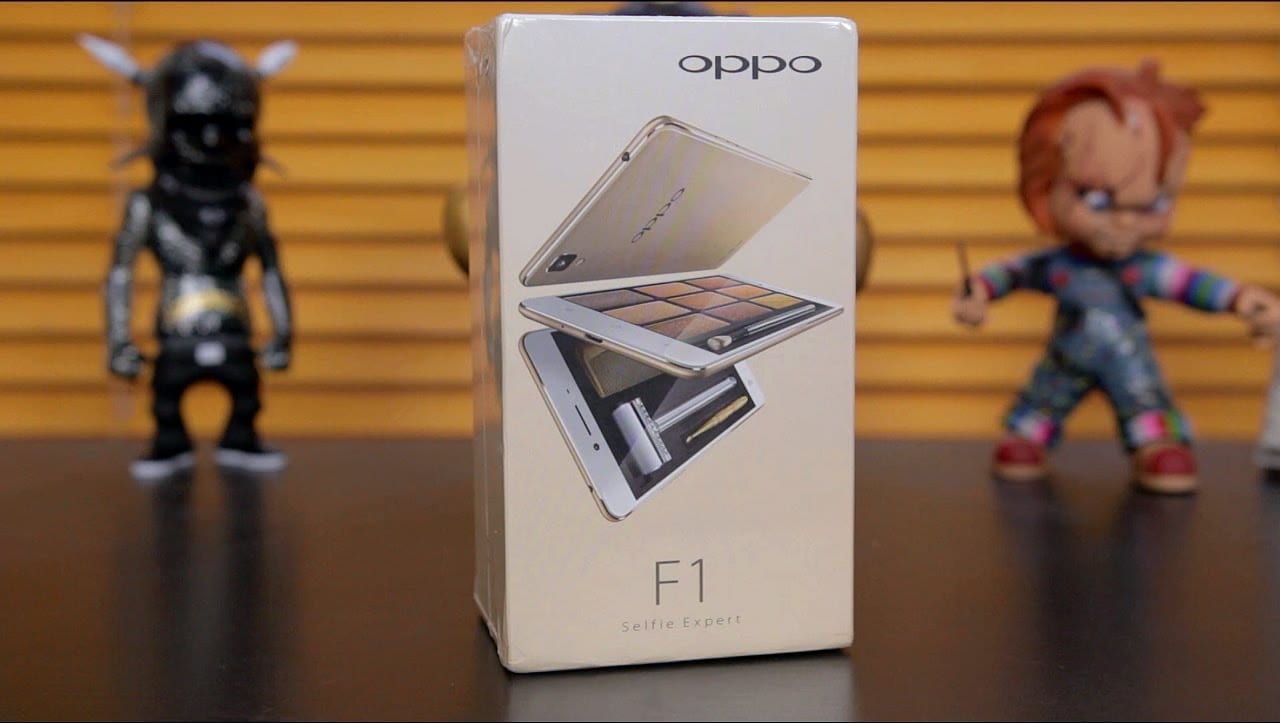
    “Increased dependence on mobile apps has led consumers to seek phone upgrades, thus helping drive the large growth in the fourth quarter. In lower-tiered cities, there was similar demand from consumers, which OPPO and Vivo met by aggressively pushing mid-range smartphones in these cities,” commented Tay Xiaohan, senior market analyst with IDC Asia-Pacific’s Client Devices team.

    A key trend that stood out in 2016, according to IDC, was the slowing growth of the online channel in China.

    “There is no longer a single channel that is seeing exponential growth for smartphones, unlike previous years. Most brands are now using a combination of channels to increase their shipments,” IDC noted.

    Xiaomi, previously focused on online channels, has opened more Mi Home stores to drive offline growth. Apple has also been aggressive in increasing its offline retail presence. Some vendors outside the top five vendor list in 2016, such as Gionee, also saw good growth in 2016 due to its expansion in the offline channel in the lower tiered cities.

    To differentiate itself from OPPO and Vivo – which predominantly target a younger audience – Gionee has been targeting professionals and executives, and hence found a niche market for itself to stand out against its two competitors.

    IDC also observed that for the first time Apple saw a year-over-year decline in the China market. The new iPhone 7 did not create as much of a frenzy compared to the past.

    Despite the decline, IDC does not believe Chinese vendors have actually eaten away Apple’s market share. Most Apple users are expected to be holding out for the new iPhone that will be launched this year, and that will help the brand to see growth in 2017. Apple’s 10-year anniversary iPhone will also likely attract some of the high-end Android users in China to convert to an iPhone.

    In 2017, IDC expects top vendors to continue to taking up a larger share of the market while smaller brands will begin consolidation. Chinese vendors will continue to focus on their international expansion plans. At present, out of the top three Chinese vendors in China, Huawei is the most successful with half of its shipments coming from markets outside of China in the fourth quarter of 2016.

    “We expect these vendors to increase their shipments in the international market, with India as a key target for these top Chinese vendors,” IDC said. “Similarly, Chinese vendors will be aggressive with other new technologies such as flexible screens, augmented reality, and other new areas.”

  • Japanese automakers consider leaving Vietnam due to weak supporting industries

    Japanese automakers consider leaving Vietnam due to weak supporting industries

    The companies are looking for bigger profits in nearby countries such as Thailand. Japanese automakers may be shifting their production away from Vietnam in the near future due to its poor supporting industries.

    Vietnam’s supporting industries have stood still for years and that might cause Japanese companies in the country to change their investment approach, said Takimoto Koji from the Japan External Trade Organization (JETRO), a Japanese government-related organization that works to promote trade and investment by Japanese businesses overseas.

    Several automakers intend to stop assembling cars in Vietnam and import whole cars from nearby countries like Indonesia, Malaysia and Thailand instead, Takimoto said.

    Car import tariffs between Southeast Asian neighbors are falling rapidly and the new approach will secure bigger profits, he said.

    Under a new free trade agreement among the 10 members of ASEAN, car import tariffs were cut from 50 percent to 40 percent last year and will go down to 30 percent next year before being scrapped in 2018.

    Japanese companies Toyota, Mazda, Honda and Suzuki are competing in Vietnam’s auto industry, which produces around 250,000 cars a year, a modest number compared to those in nearby countries such as Thailand’s two million cars.

    According to experts, an automobile production line only becomes profitable when it delivers more than 200,000 cars a year.

    Japan registered $2.58 billion in investments in Vietnam last year, accounting for more than 10 percent of the total FDI pledges made in the country and making it the second biggest foreign investor after South Korea, according to figures from the Ministry of Planning and Investment.

    Vietnam’s FDI inflow hit a record high of $15.8 billion in 2016.

  • Rakuten expands in-store payment system

    Rakuten expands in-store payment system

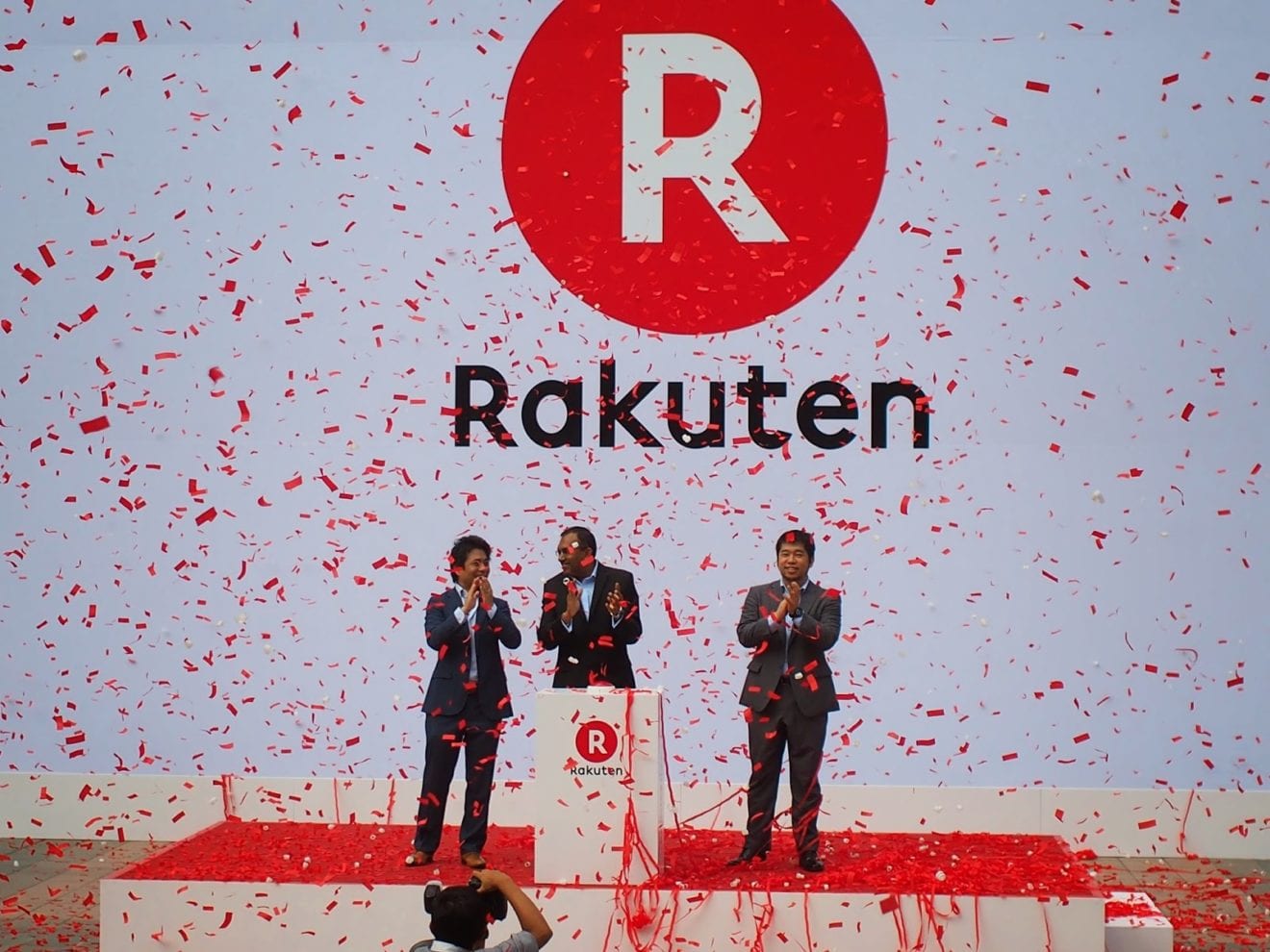
    Japanese e-commerce giant Rakuten is expanding its Rakuten Pay in-store payment system to support 14 major digital money brands and Android Pay.

    Rakuten Pay provides affiliated stores with a single payments service that supports a variety of payment methods, including credit cards, electronic money, and a smartphone app.

    It now accepts payments made through Rakuten Edy, the digital payment service provided by Rakuten Group, nine electronic money brands affiliated to transport organizations, including Suica, PASMO, and nanaco which can be used at Seven & i Holdings retailers across Japan; WAON,  the electronic money brand provided by the AEON Group (planned service launch in 2018), as well as QUICPay+TM  and iD*1.

    As the system supports Rakuten Edy, it is also compatible with Android Pay.

    In the future, Rakuten said it plans to make the service compatible with NFV payment services, such as Visa payWave, Mastercard Contactless, and J/Speedy, making it possible for affiliated stores to process payments made by foreign tourists visiting Japan as well.

    Moreover, the Rakuten Card & NFC Reader Elan will become available for purchase from March 6, 2017. This device is equipped with functions that enable payment through both credit cards and electronic money.

    For participating stores that already carry the older device and stores that wish to accept only major electronic money brands, the Rakuten NFC Reader Piu, an electronic money reader that is equipped with NFC functions, is scheduled to go on sale in the summer of 2017.

    Rakuten launched the Rakuten Pay in-store payment system, originally a settlement service for credit cards, in December 2012 to the Rakuten Ecosystem to brick-and-mortar stores. In October 2016, Rakuten began providing a smartphone app service through Rakuten Pay which utilizes the Rakuten Member ID.

  • 47% of mobile users still only call and text

    47% of mobile users still only call and text

    Despite the great strides being made to bring mobility services to the global population, recent research indicates that nearly half of mobile users worldwide still only use their devices to make calls and send SMS.

    The consumer research from GSMA Intelligence, covering 56 markets collectively representing 80% of the world’s population, found that 47% of adult mobile phone owners only make calls and send texts.

    But this segment is expected to shrink to 29% by 2030 as users across the developing world benefit from advances in mobile innovation, affordability and availability.

    The report ranked countries covered in terms of their citizens’ mobile engagement, or the frequency and diversity of use of mobile devices. South Korea and Qatar ranked equal first in terms of  engagement. The only other APAC nation to make it into the top 10 was Australia in seventh place.

    “In an era of mobile being near ubiquitous around the world and at the centre of people’s lifestyles, there is a growing need to measure mobile user engagement levels to identify future industry growth opportunities,” GSMA chief strategy officer Hyunmi Yang said.

    “Consumer behaviours are continuing to change as mobile devices get smarter, services grow richer and societies become more connected. The Global Mobile Engagement Index is a unique industry tool to help understand these shifting trends.”

    The research found that in some markets – such as Myanmar – smartphone ownership is relatively high but engagement remains low due to digital illiteracy and a lack of relevant local content.

  • Money laundering all too easy in Vietnam?

    Money laundering all too easy in Vietnam?

    On February 16, the Hanoi People’s Court will resume a trial over corruption and money laundering charges against Vinashin Ocean Shipping Co., Ltd. (Vinashinlines).

    In this trial, defendant Giang Van Hien (67, Ho Chi Minh City) has been charged with helping his son and former director of sales at Vinashinlines Giang Kim Dat (born 1977) to embezzle more than VND259.5 billion ($11.4 million). More specifically, to evade the authorities, Dat told Hien to open 22 foreign currency bank accounts to keep the embezzled money.

    Dat used this money to invest in domestic real estates and transfer it abroad. Investigators have verified the sources of these assets and either froze or seized 40 domestic real estate properties, including lands, apartments, villas as well as properties in Singapore and apartments in the UK.

    Money laundering is not a new crime in Vietnam, but prosecution has been challenging because of difficulties in proving the offender or the crime. Speaking to reporters on the sidelines of National Assembly meetings, Senior Lieutenant General Le Quy Vuong, Deputy Minister of Public Security, said the Giang Kim Dat case is a classic graft and money laundering case.

    In the Penal Code of 1999, this crime was defined in Article 251 as “laundering money and/or property obtained through the commission of crime,” but it was not until the modified Penal Code of 2009 that the term “money laundering” came into official use.

    The legal framework exists, but enforcement has been difficult. Experts said money laundering charges have been rare.

    Explaining this, Dr Dao Le Thu, director of the comparative legal research centre of Hanoi Law University, said the main reason was the difficulty in following the money trail. This is because financial transactions in Vietnam do not follow international standards and cash still plays a key role in the economy.

    Besides, regulations are still limited in several ways: there are no charges for self-laundering or for commercial entities, or the fact that the term “money obtained through crimes” in the penal code has not seen further clarification. Whereas other countries might categorise crimes by source or severity, Thu added.

    Article 324 of the 2015 Penal Code has defined money laundering behaviours more clearly  as “disguising the legal origin of the money or property obtained through one’s own criminal activities or that one knows to be obtained via another person’s criminal activities.” Therefore, proving money laundering could be easier than it used to be. However, the 2015 Penal Code’s entry into effect has been postponed.

    Item 1, Article 3 of Decree 74/2005/ND-CP dated June 7, 2005 on “prevention of money laundering” explains the concept of money laundering as the behaviour of individuals or organisations seeking to legitimise money or property through activities such as:

    • Joining directly or indirectly in a transaction involving money or property obtained through criminal activities

    • Acquiring, capturing, transiting, converting, transfering, transporting, using and cross-border transporting money or property obtained through the commission of crime

    • Investing in a project, a work, contribute capital to a business or find other ways to cloak or disguise or impede verification of origin, the true nature or location, the process of moving or ownership for the money or property obtained through the commission of crime

  • Telstra 1H profit falls 14.4% to $1.38b

    Telstra 1H profit falls 14.4% to $1.38b

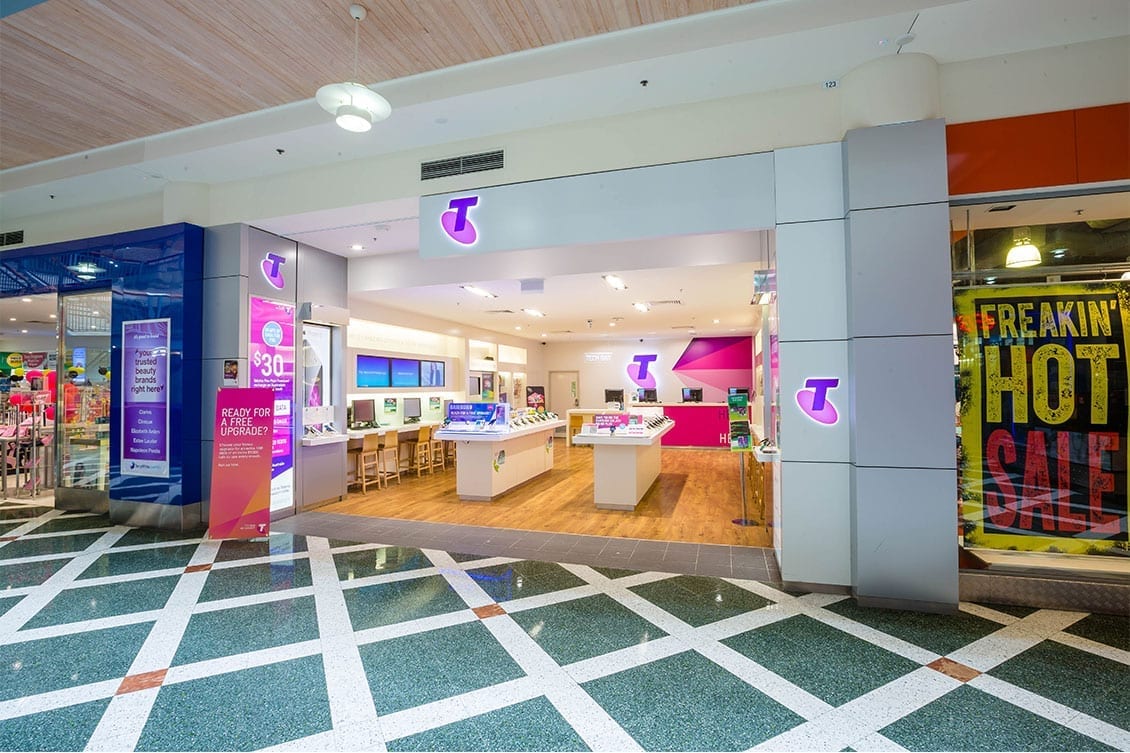
    Australia’s largest operator Telstra has reported a 14.4% decline in net profit for the first half of its financial year to A$1.79 billion ($1.38 billion), as the company dealt with an increasingly competitive market.

    Revenue for the six months ended in December fell 6.4% to A$12.8 billion, with fixed line revenue down 4.7% to A$3.3 billion and mobile revenue falling 8.7% to A$5 billion.

    Telstra added 200,000 new mobile subscribers, including 79,000 postpaid customers. Postpaid ARPU declined 2.6% but is showing signs of stabilizing, the operator said.

    On the fixed line side, Telstra acts as one of numerous retail resellers of services over the national broadband network (NBN). Telstra’s NBN customers grew by 292,000 to 792,000 giving the company a market share – excluding the small number of customers serviced by the NBN’s satellite service – of around 51%.

    Network applications and services revenue meanwhile grew 18% to A$1.5 billion due to higher revenue from cloud services as well as services provided to industry, including Telstra’s share of revenue from NBN commercial works.

    Telstra CEO Andrew Penn said the results indicate that the company performed relatively well in a tightly competitive environment.

    “It is significant that we were able to increase subscriber numbers in mobiles and retail fixed plans despite the increased competition,” he said.

    “We have a clear strategy to differentiate our products through the speed, coverage and reliability of our networks, innovative product design and new customer experiences, including access to media content. We are committed to improve the experience we provide our customers and as announced last year, we are investing up to $3 billion incremental capital expenditure in networks for the future and digitisation of the business.”

  • Logistics expected to make up 8-10 percent of Vietnam’s GDP by 2025

    Logistics expected to make up 8-10 percent of Vietnam’s GDP by 2025

    The target was set in an action plan on enhancing competitiveness and developing logistics services by 2025 recently approved by Prime Minister Nguyen Xuan Phuc.

    Under the plan, the logistics sector is expected to grow by 15 – 20 percent by 2025.

    The action plan also aims to make Vietnam one of the world’s 50 leading logistics service providers and to reduce logistics costs to 16 – 20 percent of GDP.

    To achieve the goals, the plan suggested improving policies, attracting more investment into logistics infrastructure and fostering cooperation between local logistics firms and international partners.

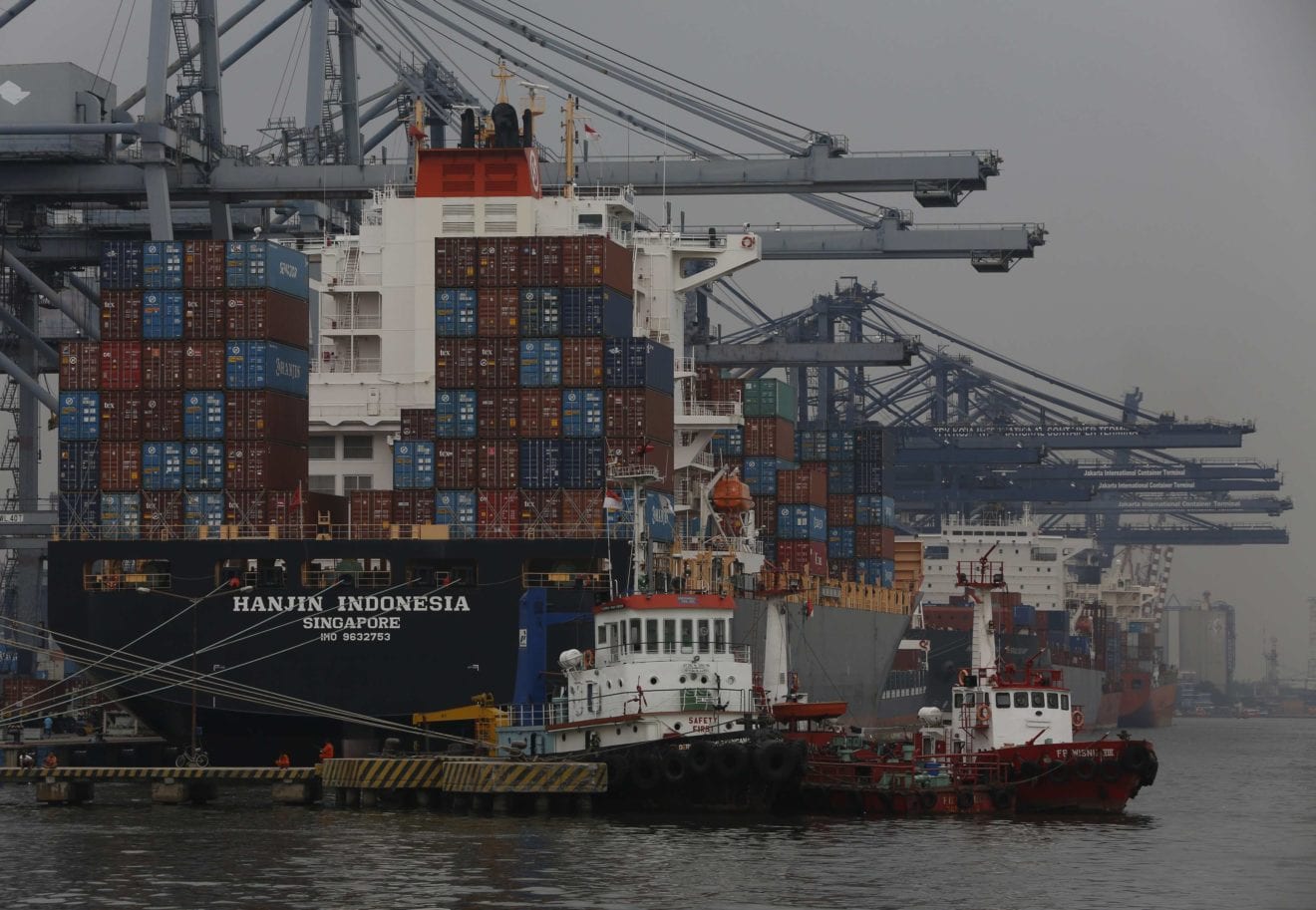
    It also hopes to enhance logistic infrastructure connectivity to link Vietnamese ports with neighbouring countries.

    According to the plan, investment is called for the construction of type I logistic hubs in Hanoi and Ho Chi Minh City and type II logistic centres localities such as Lang Son, Lao Cai, Hai Phong, Da Nang, Quy Nhon and Can Tho.

  • AirAsia to launch Manila-Caticlan flights

    AirAsia to launch Manila-Caticlan flights

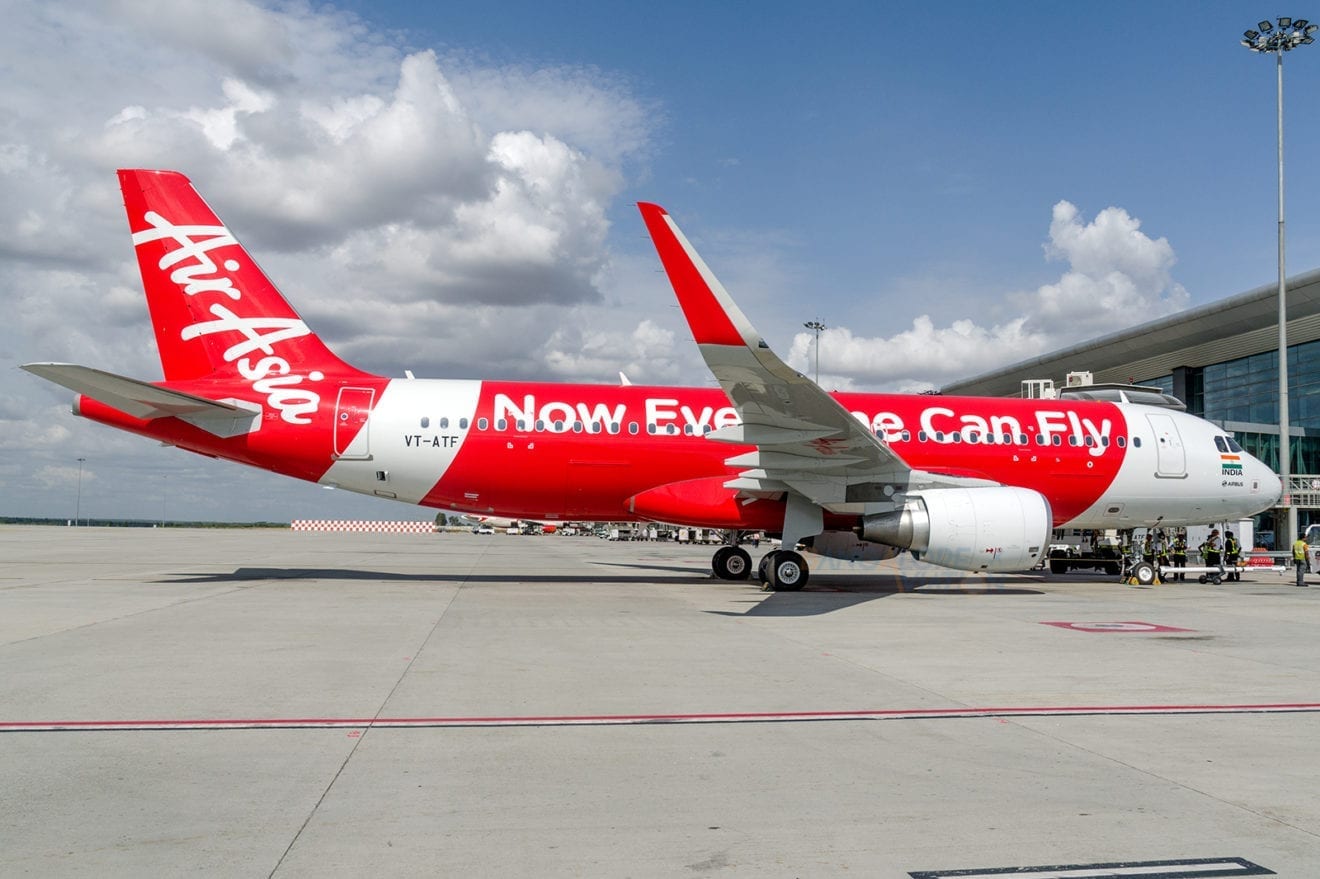
    In a statement, Philippines AirAsia said it will start offering twice daily flights from Manila to Boracay via Caticlan airport starting March 15, using the airline’s fleet of Airbus A320s that can accommodate up to 180 passengers.

    “It’s an exciting time to be in Boracay this summer with AirAsia’s signature low fares now available for direct flights to Caticlan airport. Our twice daily flights will significantly enhance connectivity to one of the world’s best island destinations,” Philippines AirAsia CEO Dexter M. Comendador was quoted as saying.

    AirAsia also maintains four times daily flights from Manila to Kalibo airport including international flights from Kuala Lumpur and Incheon/Seoul and has announced it will restart Clark-Kalibo flights starting March 27.

    With the introduction of Caticlan flights, AirAsia is offering promo fares from as low as P1,699 until Feb. 19. Travel period is between March 15 and June 18, 2017.

  • Stunning Herman Miller store at Marina Square

    Stunning Herman Miller store at Marina Square

    A stunning Herman Miller store-in-store at Marina Square uses ‘fabricwood’ to frame entrances and create impact.

    Herman Miller store

    Herman Miller store 3

    Herman Miller store 4

    The store is part of furniture and lighting retailer Xtra’s latest flagship and the ‘fabricwood’ effect is created by bending 280 panels of plywood into giant arches ranging from a low three metres at the entrance to a lofty eight metres at the opposite end. It was conceived by design director Pan Yicheng from Produce.

    “Occupying a 20m long, 7m wide space, the plywood surface stretches across the entire site like a sail of tensile fabric, with symmetrical qualities that take on the proportions of the Herman Miller logo,” reports Designboom in a designer-contributed article. “The minimal surface, which reminds one of German architect and structural engineer Frei Otto’s soap film experiments, contains a series of arches that frame the entrances and connections to the rest of Xtra, the street and the adjacent cafe.”

    After extensive research for the project, Yicheng was motivated by Herman Miller’s structural and material innovation.

    Herman Miller store 5

    “Indeed, the brand’s use of moulded plywood offers light and elegant furniture, while the study of comfort and ergonomic for their working chairs results in an elastic mesh material stretched at the back of the furniture to create a doubly curved and frameless suspended surface that supports a full range of seating postures.”

    Originally used for shaping fabric to fit the human body, Yicheng has exported the technique of ‘darting’ onto plywood. The darts and their respective angles determine the eventual curvature when closed. Circular cut-outs are used at converging points of darts to allow the plywood to bend and avoid tears.

    When assembled, fabricwood forms a naturally undulated surface. The most challenging part of the project has been to translate flat pattern drawings into three-dimensional modelling and vice versa. A combination of the latest computer simulation techniques and physical modelling has helped achieve the desired curvature. The elasticity of the plywood has played a major factor in shaping the skin, while the dart angles have been re-calibrated to accommodate any changes to the plywood material.

    More images and details about the fabricwood on Designboom.