Author: Mei Ling Tan

  • Citilink to concentrate on flights to eastern Indonesia

    Citilink to concentrate on flights to eastern Indonesia

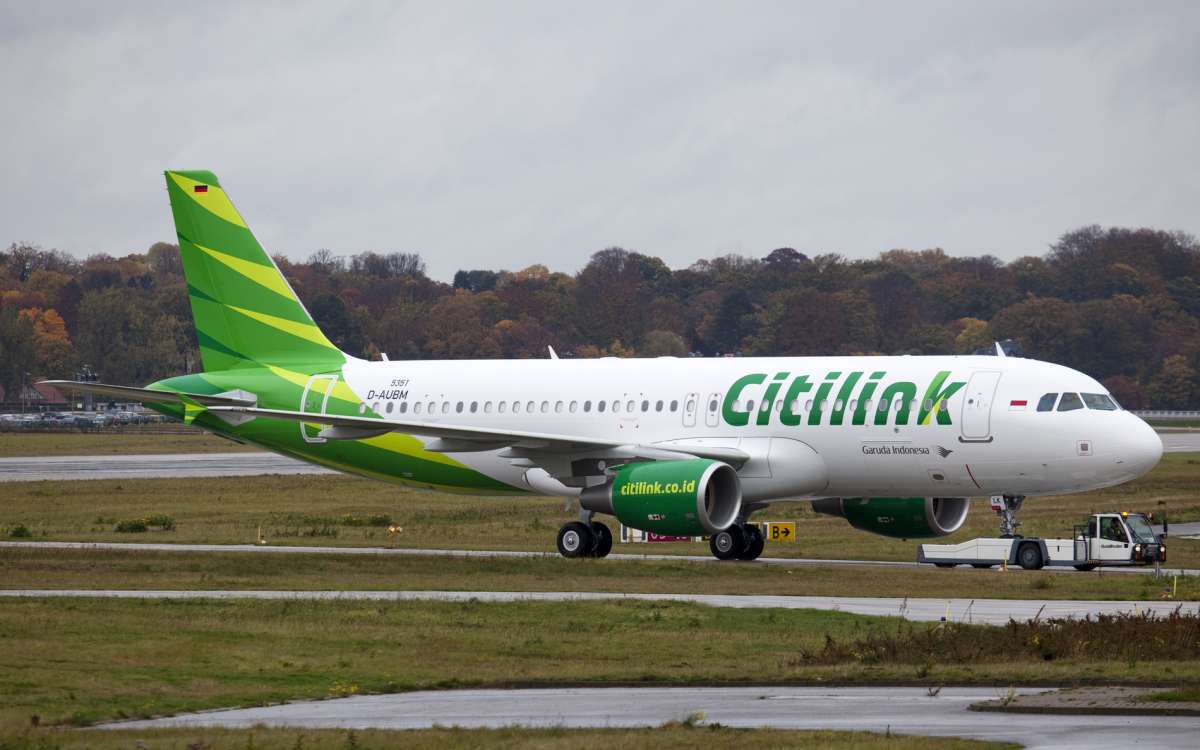
    Chief Executive of Citilink Indonesia Albert Burhan said the airline would focus on expanding flights to eastern Indonesia this year.

    Albert said there are potential routes to eastern Indonesia, which have not attracted other airlines.

    “There will be plan to open routes to other areas in Papua, but we start from Jayapura. In 2017 we want to focus on expanding flights to eastern regions of the country,” he said.

    He said he knew not all airports in eastern Indonesia could take wide bodied aircraft like Airbus, the main aircraft of the subsidiary of the nations flag carrier Garuda Indonesia.

    “Only a few could be used for Airbus A320. We might have to rely more on ATR aircraft to be safe,” he said.

    He said eastern Indonesia still needs more airlines to serve flight to and from eastern Indonesia.

    He said he was optimistic Citilink could chalk up quite high load factor in flights between Jayapura and Jakarta, although there are already a number of other airlines serving the route.

    “Our target is a load factor of 80 percent. In our first flight from Jakarta to Jayapura the load factor was almost 100 percent,” he said.

    Citilink Indonesia officially started serving the Jakarta Jayapura route on Monday using Airbus A320 with a seat capacity of 180 passengers.

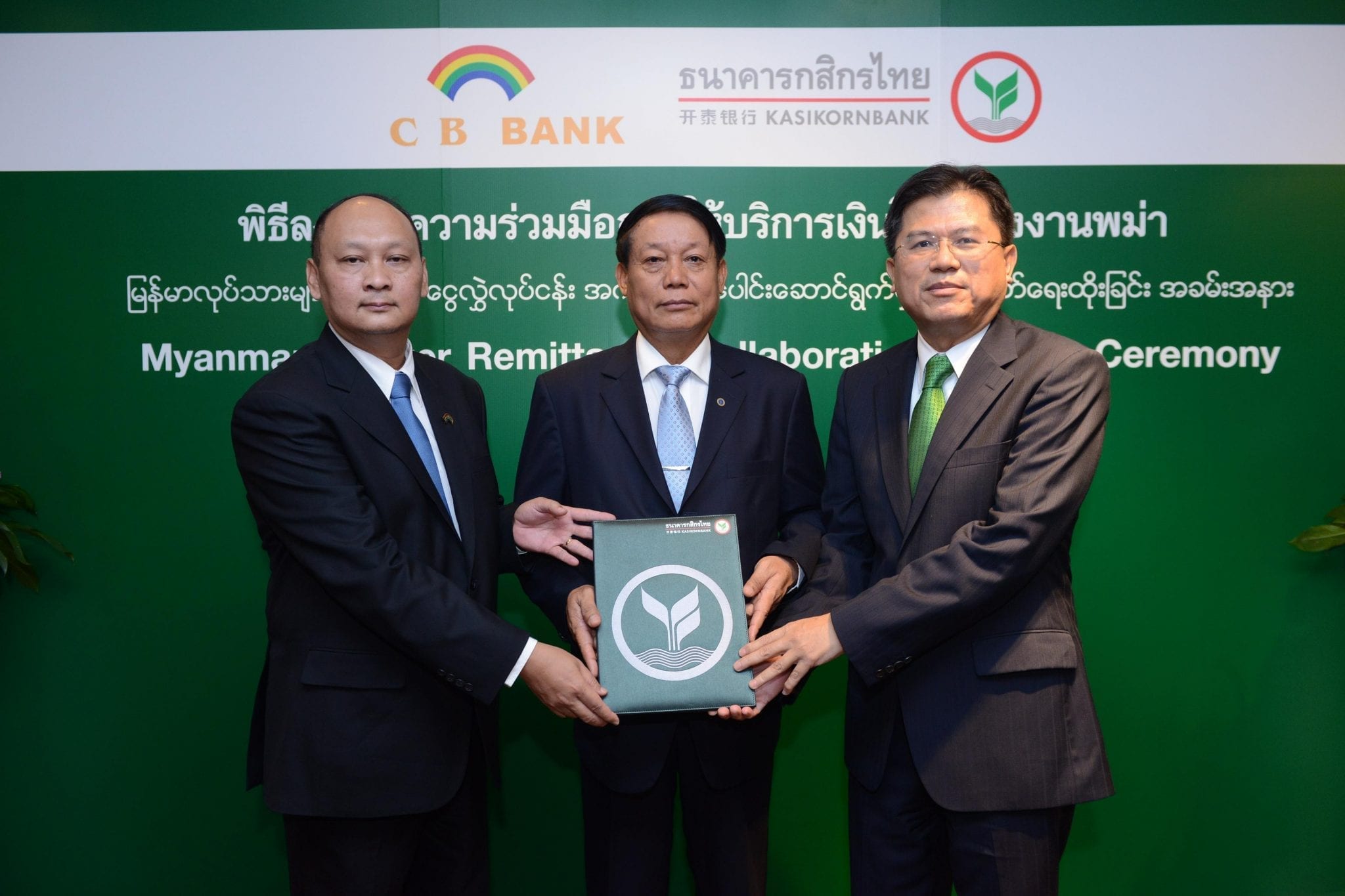
  • CB Bank pursues self-service banking in Myanmar

    CB Bank pursues self-service banking in Myanmar

    Cash remains the primary payment method in many parts of Southeast Asia. In Myanmar, competition to provide cash services is intense.

    Vikram Kumar, country manager for Myanmar at the International Finance Corporation, the private arm of the World Bank Group, recently told that domestic banks in Myanmar are under pressure “to prepare themselves to cope with the demands placed on them by the expected pace of economic growth. As a consequence, most banks have upgraded or are in the process of upgrading their technology capacity.”

    Myanmar’s Co-Operative Bank Limited (CB Bank) is the latest to upgrade its banking infrastructure. Sometime earlier the bank upgraded all its existing ATMs to more secure EMV chip card technology and obtain EMV certification with both VISA and MasterCard.

    More recently, the bank ordered 500 new ATMs and cash recyclers as part of a more extensive contract for systems, software and services to expand its self-service cash offerings beyond the country’s main commercial hub Yangon.

    Diebold Nixdorf is also assisting CB Bank with the implementation of cardless cash withdrawals at ATMs. Bank customers will be able to use their mobile devices to generate a one-time PIN to activate a withdrawal at an ATM either for themselves or for a third party without requiring a bankcard.

    The technology provides an innovative person-to-person payment service to consumers especially in developing markets, and underscores Diebold Nixdorf’s commitment to drive connected commerce and help bridge the digital and physical worlds.

    CB Bank has grander ambitions beyond just upgrading its infrastructure. According to U Kyaw Lynn, CEO and Executive Vice Chairman, at CB Bank, the bank aims to become one of Myanmar’s top banks offering secure, innovative and convenient cash services across our branch, online and mobile channels.

    The rollout will mean a total of 1,000 advanced cash systems across a network of 180 CB Bank branches. Completion is expected to be by the end of 2017.

  • Cash payment declines by 2% in 6 year

    Cash payment declines by 2% in 6 year

    Cash as a mode of payment has declined in the country by 2 per cent in the past six years, from 14.02 per cent in 2010 to the current 12 per cent.

    As per the State Bank of Việt Nam’s report released this week, the country currently has around 67.4 million bank accounts compared to 16.8 million accounts in 2010.

    Modern infrastructure and technology to facilitate non-cash payments, especially online payments, have developed significantly. The number of bank cards has increased by 11.36 per cent against the end of 2015, to around 111 million now.

    There are around 254,000 points of sales (POS) and 17,380 automatic teller machines (ATMs), up 13.77 per cent and 5.39 per cent, respectively, compared to end of 2015.

    The central bank has issued many policies relating to modern infrastructure and technology to boost non-cash payments, to protect customer interests, and ensure quality of service.

    It has instructed commercial banks to quickly carry out a plan to convert all magnetic cards into chip cards to prevent fraud. Under the plan, all ATM cards will become EMV-standard chip cards by 2020, to reduce risks in e-commerce for both buyers and sellers.

    To protect the interests of customers, in October 2016, the central bank issued Circular 30/2016/TT-NHNN, which requires credit card service providers to compensate card owners for loss not caused by the owners, starting November 28, 2016.

    The Government also recently approved a policy encouraging cashless transactions in Việt Nam in order to reduce the number of cash-based deals, improve electronic payment methods and control tax evasion.

    Under the plan, by 2020, cash transactions in the country will be account for less than 10 per cent of total market transactions. As per the plan, all supermarkets, shopping malls and distributors will accept credit cards; 70 per cent of water, electronics and telecommunication service providers will accept cash-free payments from households and individuals; and 50 per cent of the total urban households will use electronic payment for daily transactions.

    The policy also proposes the development of new payment methods for rural and remote areas in order to encourage financial inclusion and increase overall access to services. At least 70 per cent of Vietnamese citizens over the age of 15 will have bank accounts by the end of 2020. Social welfare and pensions will be paid through electronic payment methods.

  • Globe sets 2017 capex budget at $750m

    Globe sets 2017 capex budget at $750m

    The Philippines’ Globe Telecom has allocated a capex budget for 2017 of around $750 million as the operator invests to expand its data network.

    The operator will spend the majority of its capex budget for the year on data network expansion, including investing towards its target of providing ultra-fast fiber broadband to 2 million homes by 2020.

    Globe also plans to take advantage of the spectrum it acquired from the joint purchase of San Miguel Corporation’s telecoms assets last year by investing heavily in LTE.

    But the $750 million figure marks a significant planned reduction from the operator’s roughly $1 billion in capital expenditures last year.

    The report cites Globe CEO Ernest Cu as stating that the reduction marks a rebalancing from 2016, when the company needed to borrow money to fund its network spending.

    Cu told BusinessWorld Online that the operator’s priority with its capital investments will be revenue generation, which the company plans to achieve by focusing on high-value customers in order to improve ARPU.

    This will be important in light of the agreement Globe and rival PLDT signed with the government late last year to reduce their fixed and mobile voice interconnection rates.

  • AirAsia Returns to Europe, Slashes Fares

    AirAsia Returns to Europe, Slashes Fares

    AirAsia, the Malaysian low-cost airline, is returning to Europe this summer when it will add London and Frankfurt to its destinations.

    The airline’s chief executive, Tony Fernandes, told German news agency DPA at the World Economic Forum in Davos that he planned to launch two new routes, from Kuala Lumpur to London and Bangkok to Frankfurt.

    Tickets to Frankfurt will cost less than €200 ($214). “Honestly, I would like to offer them for even less. Because of the low oil prices, we could afford about €150,” Mr. Fernandes said. He’s keen to attract Europeans who want to go on holiday in Southeast Asia as well as Asians wanting to explore Europe: “We see this as a mutual market,” he said.

    AirAsia is based near Kuala Lumpur and offered connections to London and Paris in the past but abandoned these in 2012 because planes were too small and energy prices too high.

  • Power tariff likely to keep unchanged this year

    Power tariff likely to keep unchanged this year

    The Ministry of Industry and Trade (MoIT) has not yet decided to adjust power tariffs this year and has been calculating basic prices, the ministry yesterday announced at an electricity production cost conference in Hà Nội.

    The ministry said that EVN is required to build a basic price for the year of 2017 based on calculation of 2015 and estimates of 2016.

    Concerning those numbers, Electricity of Việt Nam’s (EVN) 2015 power turnover reached more than VNĐ234.3 trillion (US$10.32 billion) or equivalent to electricity retail price of VNĐ1,630 per kWh.

    Turnover from activities relating to power production and trading in 2015 was VNĐ2.5 trillion.

    According to Deloitte Việt Nam’s independent audit report, the losses which have not been calculated into EVN’s electricity production and trading in 2015 were up to VNĐ8.5 trillion. The losses came from the foreign exchange rate differences throughout the group’s wholly invested companies. Its foreign exchange rate difference at companies which EVN holding shares was over VNĐ1.3 trillion.

    EVN in 2015 therefore posted a slight loss in power production and continued to sell electricity lower than the production cost.

    Nguyễn Anh Tuấn, director of the ministry’s Electricity Regulatory Authority, said that in 2015 the prices of main fuels including coal, oil and gas affected the electricity production. The Ministry of Science and Technology in the same year promulgated a decision to increase gas prices sold to electricity production by 2 per cent while keeping coal prices stable.

    “The important factor in 2015 was that hydropower plants did not reach the set productivity due to unfavourable hydrological conditions. The power output from hydropower plants was reduced and EVN had to mobilise electricity from coal-fired and gas-power plants. This affected to production costs,” Tuấn added.

    He added that according to current regulations, construction costs of villas and tennis courts have not been calculated into power production cost. The construction has come from the EVN’s welfare fund, of which, turnover from EVN’s financial activities was around VNĐ1.01 trillion and those from its corporations was VNĐ194.3 billion. Turnover from dividend and profit was VNĐ60.95 billion.

    He said the losses from the foreign exchange difference would be gradually accounted into power tariffs.

    Đinh Quang Tri, EVN’s deputy general director said in 2015 that the group has itself avoided roughly VNĐ3.5 trillion in foreign exchange difference losses thanks to maximising costs and increasing profit. The remaining losses will be gradually accounted for.

    “Normally, the foreign exchange difference losses must be accounted in a year according to the accounting mechanism. However, the EVN asked the ministry and finance ministry to gradually handle the losses over five years due to its special characteristics. If the loss was accounted all at once, power tariffs would surge. The losses would be taken into account of power tariff or reducing production costs,” Tri said.

    “The ministry would review the basic prices. If there is a change of input prices such as fuel, foreign exchange and rates of power resources higher than 7 per cent, the power tariff would be adjusted,” he added.

  • Nepal Telecom to launch prepaid 4G on Feb 4

    Nepal Telecom to launch prepaid 4G on Feb 4

    Nepal Telecom signed up around 40,000 LTE customers in the first 15 days since launching Nepal’s first commercial 4G network.

    The state-owned operator launched LTE services in the Kathmandu and Pokhara areas on January 1, and has seen a growing trickle of 4G subscribers, MyRepublica reported, citing comments from managing director Kamini Rajbhandari to Nepal’s parliament.

    According to the report, 4G services will be enabled for iPhones shortly, and for prepaid customers from February 4. The operator is also targeting nationwide 4G services within a year.

    But the parliamentary committee pressured the operator to address commonly-cited problems including weak network quality and credit recharge problems within a month.

    The committee also instructed Nepal Telecom to provide internet services in rural areas through the Rural Telecommunication Development Fund.

    Nepal Telecom, the Ministry of Information and Communications and regulator the Nepal Telecommunication Authority (NTA) have also been instructed to amend the nation’s 20 year old Telecommunications Act, as well as the 2003 Telecommunications Policy.

  • Seafood exports to grow by 5%

    Seafood exports to grow by 5%

    Seafood exports are expected to increase by 5 per cent this year to around US$7.5 billion despite many possible hurdles, according to the Việt Nam Association of Seafood Producers and Exporters (Vasep).

    Speaking at a review meeting held in HCM City on Thursday, Ngô Văn Ích, Vasep chairman, said early last year many difficulties plagued exports before increased global demand enabled a recovery.

    Exports for the full year grew by 7.4 per cent to $7.05 billion, or 24 per cent of the country’s total agricultural, forestry and fisheries exports, he said.

    Shrimp and tra fish exports both rose by 7 per cent to $3.13 billion and $1.67 billion.

    The exports went to 161 countries and territories last year, with the US, EU, Japan, South Korea and China being the largest buyers.

    Trương Đình Hòe, Vasep’s general secretary, said this year the seafood sector would continue to face difficulties, including a fall in fisheries output due to the impacts of climate change.

    Import markets like the US, EU, Australia, and Japan are tightening hygiene and food safety norms for shrimp and applying regulations related to product origin, corporate social responsibility and others, he said.

    Vietnamese exporters are also expected to face fiercer competition from seafood exporters in India, Indonesia, and Thailand, and the increase in minimum wage and a labour shortage are causing difficulties to seafood processors and exporters, he said.

    “Despite difficulties, we believe seafood exports would increase by 5 per cent this year to $7.4 billion.”

    Exports to the US is expected to top $1.5 billion, an increase of 5 per cent, much less than last year’s 11 per cent growth.

    Due to political changes, the devaluation of the euro and slow market recovery in the EU, exports to the market would remain at last year’s level of $1.2 billion, he said.

    Exports to Japan would increase by around 4 per cent to more than $1 billion since the yen is appreciating, he said.

    With an increase in income, demand for seafood products, especially sugpo prawn, has increased in China, but its domestic shrimp production has not increased, he said.

    “China’s demand for imported seafood, especially shrimp, increased strongly last year and the trend would continue,” he said.

    Việt Nam’s exports to the market are expected to cross $1 billion this year compared to $829 million last year, he said.

    Deputy Minister of Agriculture and Rural Development Vũ Văn Tám said some countries tend to erect technical barriers to limit imports to protect their domestic production.

    Vietnamese businesses need to carefully study their target export markets to avoid risks, he added.

    Nguyễn Ngô Vi Tâm, general director of Vĩnh Hoàn Co., Ltd, said to enhance competitiveness, seafood firms need comprehensive policy support with markets, funding, and developing reliable raw material sources.

    Businesses at the meeting agreed that enhancing linkages from breeding to processing and export for both shrimps and tra fish is imperative to cut costs.

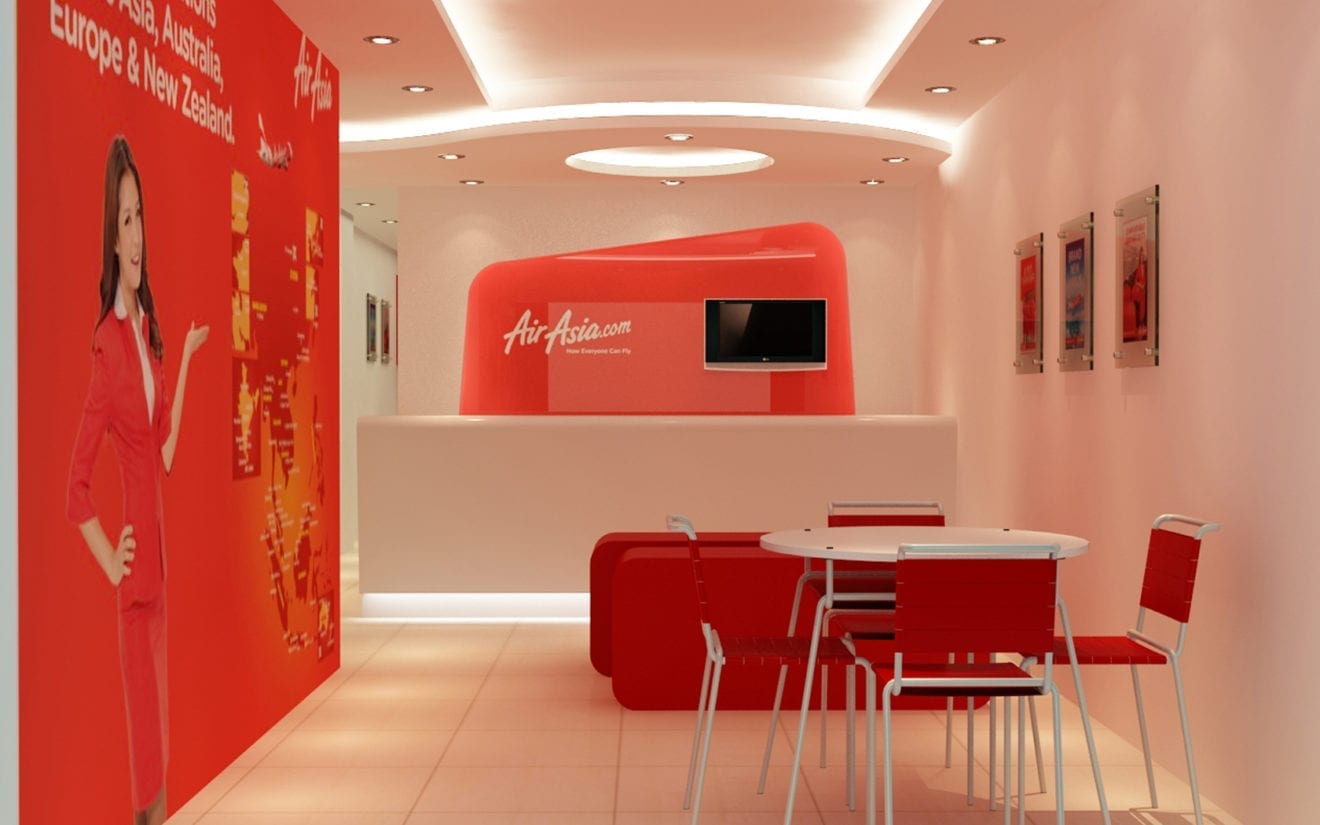
  • AirAsia to open Cambodia office

    AirAsia to open Cambodia office

    AirAsia, the Malaysia-based low-cost airline, will soon have an office in Cambodia to boost the number of tourist arrivals to the kingdom.

    The airline’s office will open soon, said AirAsia CEO Anthony Fernandes, after holding a meeting with Prime Minister Hun Sen in Switzerland on the sidelines of the World Economic Forum.

    Mr. Hun Sen said AirAsia’s presence would bring more tourists to Cambodia, adding that the airline has helped transport tourists to Cambodia from all over the world.

    Keo Sivorn, director general of the State Secretariat of Civil Aviation, said AirAsia’s decision to open an office in Cambodia was in response to the current demand of passengers and cargo to the kingdom.

    “It will help the company provide additional satisfied service to its passengers,” said Mr. Sivorn.

    “AirAsia has existing flight service operations to Cambodia. It will open an office here soon because it sees the demand of the aviation sector in Cambodia increasing thanks to the country’s high economic growth.”

    The new office is also in response to the number of local airlines operating in the kingdom, Mr. Sivorn said.

    Ho Vandy, secretary-general of Cambodia’s National Tourism Alliance, said AirAsia would bring more people from all corners of the world to Cambodia because of its popularity offering low fares.

    “It’s a reflection of the airline market. It will serve the high demand of passengers and tourists traveling by plane and it will meet the government’s ‘Open Sky’ policy,” he said.

    Two local airlines, which are expected to get off the ground this year, will push the total number of local airlines to six, according to Mr. Sivorn. The four now operating are Cambodia Angkor Air, Bassaka Air, Cambodia Bayon Airlines and Sky Angkor Airlines.

    “By this year, the two airline companies will hopefully start providing service. Due to economic growth and stable politics, the number of airlines is increasing,” he said.

    AirAsia is currently operating 67 flights per week out of Phnom Penh and Siem Reap international airports, according to Mr. Fernandes.

    AirAsia swung to a profit in the third quarter of 2016 from a net loss a year earlier. Net profit for the three months ended September 30 was 353.9 million ringgit ($79.62 million), versus a net loss of 405.7 million ringgit a year earlier. Revenue rose 11.2 percent to 1.69 million ringgit, the company said.

  • HBO tops SVOD customer satisfaction

    HBO tops SVOD customer satisfaction

    HBO Now ranks highest for customer satisfaction in 11 of 14 categories among subscription video on-demand (SVOD) services examined, a new report released by Strategy Analytics shows.

    The report measured customer satisfaction in 14 categories across three key areas — the number and availability of TV shows/films, how easy it is to find them, and the overall value of the service.

    HBO Now had the highest score for all but three of the categories examined – availability of children’s programming (Hulu scored top), content recommendations and the cost of the subscription (Netflix topped both).

    Hulu outscored Netflix in six of the 14 categories, while Amazon Prime was at the bottom in every one.

    When compared to the other three services, HBO Now scored particularly highly in the availability of current and past season’s TV shows as well as the number of hit movies and original programs.

    Wu Zhaowen, digital media strategies analyst at Strategy Analytics,  said that though HBO Now has a much smaller library than other SVOD services, it has more blockbuster movie and hit series such as “Game of Thrones” and “Westworld.”

    When subscribers were asked to give a single “overall” score for the services, however, Netflix came out on top, with Hulu very narrowly ahead of HBO.

    Michael Goodman, director of digital media strategies said people have been talking about it being a Netflix vs. Amazon battle in terms of which service viewers choose, with the others left to pick up the scraps.

    “However, if HBO continues on this vein, we’re more likely to see a situation where people will have one ‘blockbuster’ service like HBO or HBO Now and either a Netflix or Amazon in support,” said Goodman.

  • Microsoft and FPT develop strategic partnership

    Microsoft and FPT develop strategic partnership

    Microsoft and FPT last week signed an Enterprise Agreement focusing on digital transformations and cloud deployments. The agreement tightens the long-term strategic partnership that has been in place for almost 20 years between the two leading IT corporations.

    Specifically, FPT will be the first and largest business in Việt Nam to put in place Microsoft’s cloud computing for all operations of the corporation, in a bid to optimise operational efficiencies and improve competitiveness. FPT will also promote Microsoft’s advanced cloud services to the corporation’s clients.

    “As two global and local IT corporations, Microsoft and FPT want to continuously strengthen this long-term, sustainable relationship via cooperation in technology. The move to the cloud by Microsoft technology will surely help FPT further develop, complete its mission to adapt technology, and develop the knowledge to enable Việt Nam to reach its potential and partly address socio-economic issues,” stressed Vũ Minh Trí, CEO of Microsoft Việt Nam.

    In the first phase, FPT will adopt Microsoft Office 365 and move its entire system and all data to the cloud, at the same time deploying One Drive for Business and Skype for Business to optimise operating performances. In the next phase, FPT and Microsoft will develop the cloud to digitally transform their clients in Việt Nam.

    Nowadays, most of the world’s large tech companies have adopted cloud computing. However, in Việt Nam the majority of businesses are still reluctant to move their system and data to the cloud, particularly large companies.

    Such a large tech corporation as FPT, as it becomes a pioneer in adopting Microsoft Office 365 advanced cloud services for a large number of users, will contribute to encouraging other businesses to adopt cloud technologies. With the strength of Việt Nam’s leading provider of IT services, FPT and Microsoft will jointly develop the cloud market segment in Việt Nam and other countries.

  • Bright prospects seen for digital banking

    Bright prospects seen for digital banking

    Nguyễn Thanh Trúc in District 1 has just paid her monthly electricity bills via internet banking.

    “I have used the service for more than one year. This is a very convenient service and helps me save time from going to electricity bill collection points,” she said.

    In fact, more and more Vietnamese consumers are turning to computers, smartphones and tablets to do business with their banks. They have opted to make deposits online or online payments of electricity and water bills and even buy gold on their smartphones, according to experts.

    There is huge potential to develop digital banking in Việt Nam.

    According to a report discussed at a workshop held recently in HCM City, Việt Nam posts an internet growth rate of 9 per cent a year, ranking 15th in the world. The number of internet users accounts for 52 per cent of the country’s population.

    About 44 per cent of customers at commercial banks have used digital services.

    The fourth industrial revolution and Government policy to encourage credit card payment instead of cash have enlarged digital banking potential in the country.

    In the past, along with growth in internet and mobile device use, commercial banks in Việt Nam have been expanding and developing internet banking on mobile devices to offer better services to customers.

    To attract customers to use the Internet and mobile banking services, banks have launched promotions.

    LienVietPostBank, for instance, discounts 30 per cent of the transaction value to customers who pay bills for TV services or discounts VNĐ20,000 to customers who pay electricity or water bills using Ví Việt app until January 31.

    Similarity, at Viet Capital Bank, customers using the Payoo app to pay their TV bills of HanoiCab and MyTV Cần Thơ will be given back 30 per cent of the transaction value until January 31.

    Many banks, including VietinBank and VPBank, are offering bonus interest rates to customers who make online deposits.

    Banking finance expert Cấn Văn Lực said technology is the key to shorten the distance between banks and customers as well as help save big costs compared to traditional transaction methods.

    “Banks themselves also understand that if they do not invest in digital technology, they will be left behind. Customers today can actively perform transactions anytime, anywhere, via computer or smartphone with all types of products and services that they can conduct at a traditional banking branch,” Lực said.

    A general director of a joint stock bank, who did not want to be named, said: “A digital banking project can cost some millions of US dollars, but in the long-term, this investment is still cheaper than expanding branch networks.”

    Faster, more convenient and more secure electronic payment transactions were the targets that commercial banks were aiming for in the digital banking competition, he said.

    Lực said digital banking was certainly going to be a new way of banking for all banks.

    Transactions using digital technology would contribute 40 per cent of banking revenue in 2018, up 32 per cent compared to 2014, he said.

    “One of the factors in developing digital banking is to build trust and confidence among consumers about the security of online transactions,” he added.

    Online shopping boom

    Online shopping has been popular worldwide and Việt Nam is keeping up with the trend thanks to its active Internet use, according to a recent KPMG International’s survey.

    Chong Kwang Puay, managing partner and consumer markets lead of KPMG in Việt Nam and Cambodia, said with its high Internet penetration rate, Việt Nam would see online shopping surge soon.

    According to the survey, 18 per cent of consumers in Việt Nam and Cambodia purchased goods from an online-only retailer, such as Amazon, Lazada and Nhommua. Some 10 per cent purchased from the website of a retail shop, and only 3 per cent purchased directly from a manufacturer or brand’s website.

    The number one reason consumers gave for shopping online is the convenience of shopping. This is followed by having the ability to compare prices, or to find online sales or better deals.

    To gain consumer trust, companies and brands are recommended to improve online security and privacy protection. Most respondents (26.5 per cent) consider customer data and information protection to be of utmost importance, and 20.4 per cent consider food and product safety as the most important attributes.
  • Zalora Regional Headquarters Relocating to Tanjong Pagar

    Zalora Regional Headquarters Relocating to Tanjong Pagar

    Online fashion retailer ZALORA is relocating its corporate headquarters in Singapore. The company has signed a three-year lease occupying over 30,000 square feet across two floors in Keppel Towers, located in Tanjong Pagar in the heart of Singapore’s business district.

    Parker Gundersen, ZALORA CEO, commented, “We’re very excited to be relocating to Keppel Towers. It’s a beautiful space that offers a more efficient layout with spectacular views of the city and waterfront. The larger space supports our continued expansion needs and offers a more collaborative environment for the team. Tanjong Pagar is also a very vibrant part of Singapore with great restaurants and amenities. It’s a great next step for ZALORA.”

    Mr Tan Swee Yiow, President (Singapore), Keppel Land, said, “As a provider of premium office space, Keppel Land constantly seeks to partner exciting growth businesses that will drive the future economy. Zalora is one such company and we are very pleased to welcome them to Keppel Towers, and look forward to partnering them in their expansion in Singapore and the region.”

    ZALORA’s new office address is 10 Hoe Chiang Road #18-01 Keppel Towers Singapore 089315.

  • Cebu Pacific and Philippines AirAsia seek rights to India

    Cebu Pacific and Philippines AirAsia seek rights to India

    Cebu Pacific and Philippines AirAsia have applied for rights to serve India. Cebu Pacific has called for the country’s Civil Aeronautics Board to re-allocate Philippine Airlines’ (PAL) entitlements to India.

    Philippines AirAsia, meanwhile, wants to be designated as an official Philippine carrier on services to India. It is seeking to launch daily services on the Manila-Bangkok Don Mueang-New Delhi route.

    PAL launched direct services between Manila and New Delhi in 2010, but stopped after a year of poor performance. It then served New Delhi from Bangkok, but this was also stopped due to poor demand.

    FlightMaps Analytics shows that there are currently no services between Philippines and India.

  • JV aims to boost Muji brand in Philippines

    JV aims to boost Muji brand in Philippines

    Specialty retailer SSI Group has signed a JV agreement with Japan’s Ryohin Keikaku in a bid to boost the Muji household supplies brand in the Philippines.

    SSI Group’s board of directors has approved the JV between its wholly owned subsidiary Stores Specialists and RKJ, dubbed Muji Philippines. It is expected to launch on April 1 with the mandate to own and run Muji stores in the Philippines.

    SSI Group says the move will enable cost efficiencies.

    Stores Specialists owns and runs specialty retailing boutiques for a range of international brands covering luxury, casualwear, fast fashion, footwear, luggage and accessories as well as personal-care brands. RKJ is engaged in the planning, development, procurement, logistics and processing of goods under the brand name Muji, as well as running Muji retail stores and wholesaling Muji goods.

    The deal is pegged at P175 million (US$3.5 million), with Store Specialists holding a 51 per cent stake. Store Specialists is investing more than P89.2 million, while RKJ is injecting up to P85.7 million.