Author: Mei Ling Tan

  • Toyota adds 400 jobs to boost Princeton SUV capacity

    Toyota adds 400 jobs to boost Princeton SUV capacity

    Toyota said on Tuesday it would add 400 jobs at its Princeton, Indiana, vehicle assembly plant as part of a US$600m spend to meet “strong and growing demand” for the Highlander midsize SUV and modernise the entire factory.

    Funding will be used for retooling, new equipment and technology to make the plant more competitive.  The project is scheduled to begin in autumn 2019 and will add capacity for 40,000 extra vehicles annually.

    “This expansion project is part of Toyota’s localisation strategy to build vehicles where they are sold,” the automaker – recently criticised by President Trump for its new NAFTA Corolla plant under construction in Mexico – said in a statement.

    Toyota reiterated CEO Jim Lentz’s recent Detroit show announcement Toyota Motor North America would “invest an additional $10bn in the US over the next five years. This investment will be used to make the existing plants even more competitive”.

    Toyota responded earlier to Trump’s pre-inauguration criticism by emphasising its contribution to the US economy. “With more than $21.9bn direct investment in the US, 10 manufacturing facilities, 1,500 dealerships and 136,000 employees, Toyota looks forward to collaborating with the Trump administration to serve in the best interests of consumers and the automotive industry,” the company said previously.

    Toyota said its Tuesday announcement showed its commitment to continued US investment. The 20 year old Princeton plant produced a record 400,000-plus vehicles last year.

  • Mobile operators should embrace LTE Broadcast now

    Mobile operators should embrace LTE Broadcast now

    Mobile operators, especially those with multi-screen assets and ambitions of providing superior mobile video and data experiences to customers, should adopt eMBMS, or LTE Broadcast, more aggressively, says a new report by Strategy Analytics.

    Accessing mobile TV services, particularly live events, over the mobile network will only increase in future as competition drives larger data bundles to 4G users, the research firm predicts.

    To meet growing mobile video demand while maintaining performance for all users mobile operators must embrace LTE Broadcast to drive support from smartphone vendors such as Apple.

    The LTE Broadcast market has changed from optimism to caution in the last two years. No other mobile operators have launched commercial LTE Broadcast service since Verizon Wireless did so in 2015.

    Strategy Analytics believes two main impediments are holding momentum for LTE Broadcast back — the lack of a reliable monetization model and weak mobile device support.

    “Although LTE Broadcast is the best tool to deliver the same content simultaneously to multiple users using the broadcast channels, therefore ideal for covering live events, for example, sports or concerts, live video alone is not enough to make a paid for service,” says Wei Shi, analyst of wireless media strategies at Strategy Analytics .

    “However, the cost saved from offloading the traffic data, largely generated by mobile video consumption, from unicast to multicast will justify operators’ limited investment to upgrade the network,” adds Wei. “In addition to packaging LTE Broadcast as part of operators’ service portfolios, there are other non-live video opportunities for the technology, for example, batch software updates, public information dissemination, and supplementing terrestrial broadcasting.”

    Out of the 26,000 models tracked by Strategy Analytics’ SpecTRAX, more than 1,000 are using eMBMS capable chipsets, though very few devices are shipped with the feature enabled. None of the iPhone models, which account for a combined 15% of smartphone installed base, supports eMBMS.

    The launching and expanding of LTE Broadcast Alliance in 2016 is a positive sign that the industry, led by a group of leading operators and technology companies, is actively addressing the device support issue.

    “Leading mobile device makers have not rushed to equip a large number of their phones and tablets with the LTE Broadcast feature, the most obvious absence being Apple’s iPhones and iPads,” adds Nitesh Patel, the firm’s director of Wireless Media Strategies.

    “One of the main objectives of the Alliance is to shore up the mobile device support for LTE Broadcast. More important than the publicity, operators should take the lead to break the ‘no business therefore no device, no device therefore no business’ cycle,” notes Patel.

    “By embracing LTE Broadcast more seriously, operators will send a clear signal to the device makers, including Apple, that it is time they should bring the feature to a broader portfolio of their products.”

  • Indosat Ooredoo enters alliance with Thuraya

    Indosat Ooredoo enters alliance with Thuraya

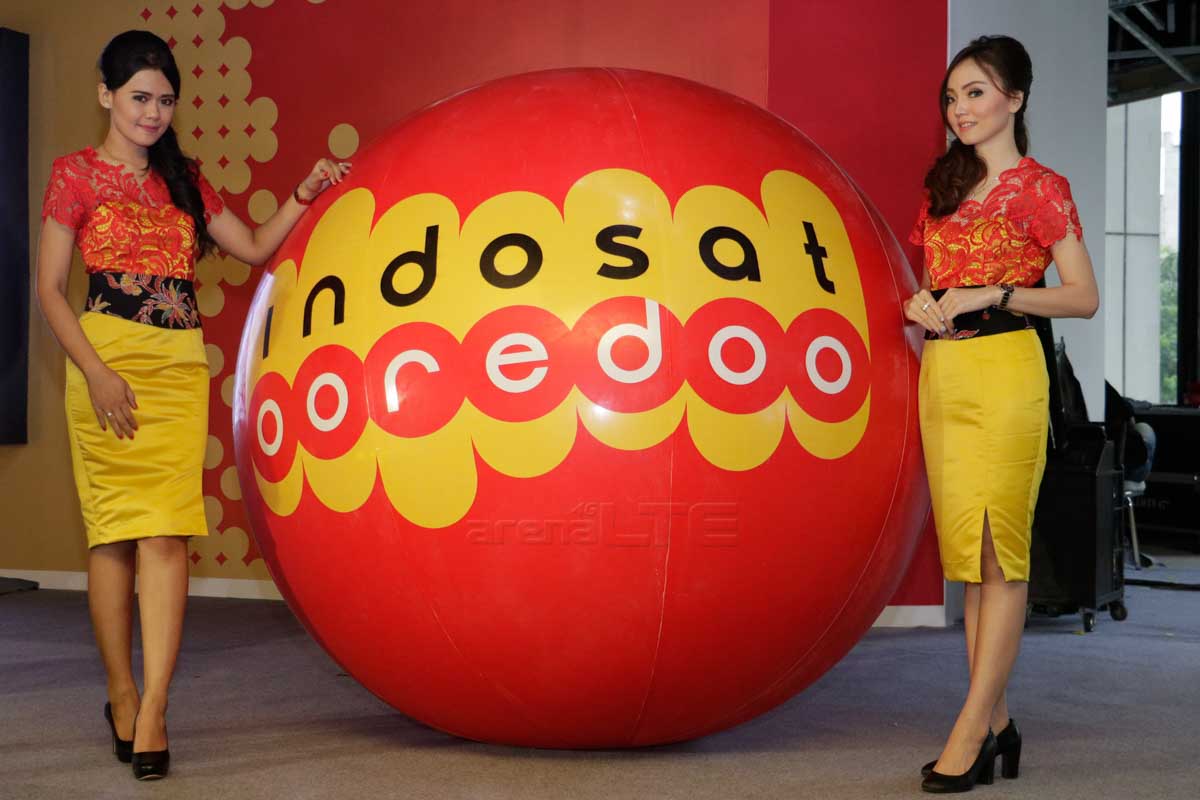
    Indonesia’s Indosat Ooredoo has entered an alliance to provide a range of enterprise services combining its products with satellite connectivity from Thuraya.

    Under the agreement, new services will be developed using Indosat SIMs roaming on the Thuraya network, as well as satellite services bundled with Indosat Ooredoo digital applications.

    In the near future, the partners said they plan to expand this alliance to cover new services for the fast-growing IoT market.

    Indosat will target the bundled products at market segments that benefit from remote connectivity extending beyond the reach of terrestrial networks and in a range of extreme environmental conditions. Examples include oil and gas, mining, military and police as well as boating and fishing.

    “We look forward to working with Thuraya to offer communication services beyond terrestrial reach,” Indosat Ooredoo director and chief of wholesale and enterprise Herfini Haryono said.

    “The cooperation will expand the reach of our digital services such as unified communications, and provide a truly seamless experience. By adding satellite connectivity from Thuraya to the Indosat Ooredoo Business portfolio we continue to deliver on our strategy to lead in digital transformation.”

    Thuraya chief commercial officer Bilal Hamouri added that the agreement is an important step towards a long-term collaboration between the two companies.

  • Mobile phone market recovers

    Mobile phone market recovers

    Mobile phone sales, which did not see the usual spike during last month’s festive season, seem set to surge in the run-up to Lunar New Year.

    “During Christmas and Western New Year, sales remained the same as in previous months, but the situation has improved and we expect sales to double from now through Lunar New Year,” Đoàn Văn Hiểu Em, mobile phone director of Thế Giới Di Động, was quoted as saying in the Thời báo Kinh tế Việt Nam (Việt Nam Economic Times) newspaper.

    Mai Triều Nguyên of Mai Nguyên in HCM City said December was for long the best month for mobile phone sales.

    “This year December sales were not high because the market did not have any striking product.

    “Besides, this year the western and Lunar New Year are so close to each other, and people were preoccupied with wrapping up their work that sales of everything, including mobile phones, were at a standstill.”

    According to FPT Shop, Iphone 7 and Iphone 7 Plus are the two top selling products followed by Galaxy J5 Prime.

    Iphones are also the bestsellers in smaller stores.

    At Thế Giới Di Động, the country’s largest telephone retailer, used Iphones top sales in terms of numbers though in terms of turnover Galaxy J7 Prime and Oppo F1s account for 60 per cent.

    At Di Động Việt, Iphones, Galaxy J7 Prime and Oppo F1s top sales while other brands are not in great demand.

    Refurbished and second-hand Iphones at good prices are in demand this season. A used Iphone 6 Plus 64 GB is offered at VNĐ8.8 million (around US$400), a price at which customers cannot get a luxury phone.

    Nguyên warned: “Customers should be careful when buying secondhand products. They should choose prestigious shops and check the product carefully before buying.”

  • Nike And Jordan Brand have opened a huge store in China

    Nike And Jordan Brand have opened a huge store in China

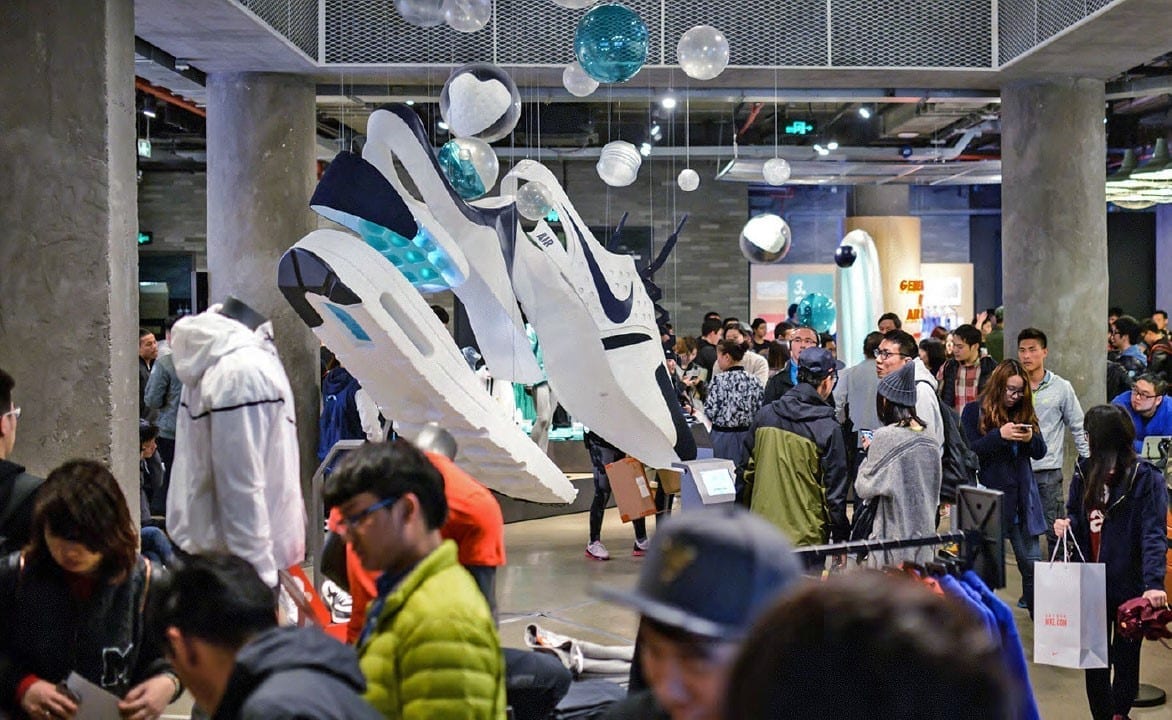
    Jordan Brand and Nike came together to open up a humongous store dedicated to basketball. China will now hold a 6,550-square-foot store located in Beijing’s EC Mall. The store will feature some of Nike basketball and Jordan brand’s latest basketball products with opportunities for personalized store experiences with NIKEiD. The space will also feature trailing zones for custom products which is called Nike+Basketball trial zone.

    “Our new Nike and Jordan Basketball Experience Store demonstrates Nike’s commitment to the sport and culture of basketball in China, and how we’re continuing to lead the future of sport retail,” said Dennis van Oossanen, Nike’s VP of direct to consumer efforts in Greater China.

    The store will also include huge appearances from athletes, in-store events and much more.  Check out the gallery below of the 6,550-square-foot store.


  • How does electronic waste get recycled?

    How does electronic waste get recycled?

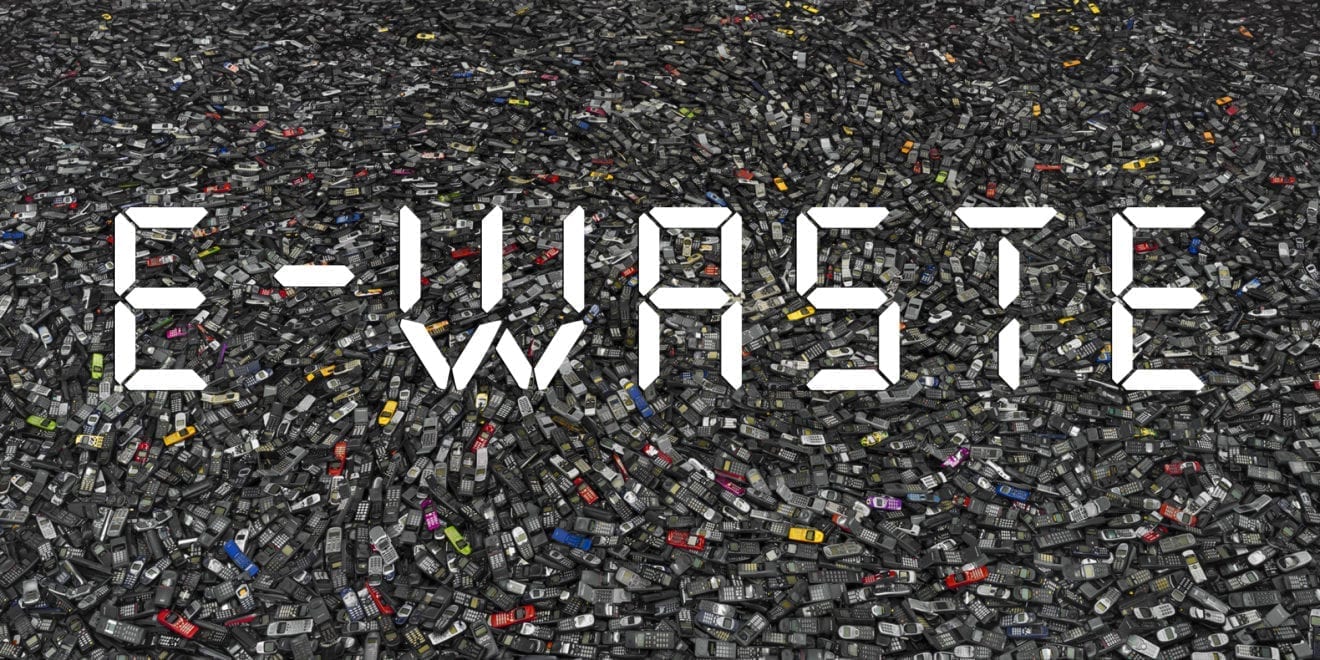
    The life cycle of electronics and electrical equipment (EEE) does not end when they stop working.If recycled properly, the precious metals found in electronic waste can go towards new EEE products.Discarded consumer electronics such as mobile phones, for instance, contain small amounts of precious and rare earth metals such as gold and silver.Scrapped cars and home appliances such as fridges and air conditioners also contain these rare metals, along with base metals of iron and zinc.In Singapore, there are several e-waste recycling initiatives for consumers.

    StarHub, for instance, partners recycling company Tes-Amm and logistics company DHL Delivery to place 328 specialised recycling bins in 277 locations under its Renew programme.Singtel has recycling bins placed at three of its shops for consumers to discard their used gadgets.Under the Project Homecoming initiative led by Canon and Epson, those with ink and toner cartridges can also drop them off at selected National Library Board locations.SORTED

    Once collected, the e-waste is sorted, labelled and dismantled according to their types – wires, LCD screens, hard disks and more.Measures, such as demagnetising hard disks, are taken to ensure data security.The e-waste is then exported to countries equipped to separate the metals through chemical processes.Once extracted, the metals are used in the manufacture of new products.

    Why recycle e-waste?

    When electronic waste is not disposed of properly, both the environment and public health suffer.This is because e-waste is very heterogeneous, National University of Singapore’s Associate Professor Tong Yen Wah explained.Apart from being made up of many types of components and materials, discarded electronics are also assembled in many ways, from simple devices like batteries to complex ones like smartphones.
    “All of these make e-waste very difficult to handle and recycle, and if their disposal is not done properly, these materials can get out and be circulated in the environment,” said the co-director of NUS’ Energy and Environmental Sustainability Solutions for Megacities programme.For instance, toxins from e-waste in landfills can seep into the groundwater that flows into rivers, causing water pollution.
  • Wahlburgers starts Asia expansion with 3 new restaurants in China

    Wahlburgers starts Asia expansion with 3 new restaurants in China

    US burger restaurant brand Wahlburgers is set to expand to Asia in 2017 through a joint venture with Cachet Hospitality Group (CHG), a Hong Kong-based international hospitality branding and management company.

    The first three restaurants are slated to open in Hangzhou, Wuhan, and Shanghai in China.

    Founded by chef Paul Wahlberg and celebrity brothers Mark and Donnie in Hingham, Massachusetts, Wahlburgers offers fresh burgers, housemade condiments, crispy haddock, seared chicken and vegetarian options. Other signature items include Mom’s Sloppy Joe, thin crispy onion rings, tater tots and thick creamy frappes and floats.

    Under the joint venture agreement with CHG, the restaurant will open 100 restaurants in China and the surrounding region over the next five years.

    CHG has signed major agreements with developers who have committed to including Wahlburgers restaurants in their projects. World Packaging Center, an existing CHG developer, agreed to sign the first restaurant in Hangzhou while Shanghai-based naked Hub has agreed to open 20 Wahlburgers in their office building complexes throughout Shanghai and Hong Kong.

    Thailand’s Big Ho Corporation will also open 20 Wahlburgers in its franchise location of Big C Supercenter stores throughout northern Thailand.

    “This is an excellent time to enter the Asia market, especially China, where dramatic growth in US-style destination malls with increasing space committed to restaurants as mall owners see both traffic and income rise dramatically,” said CHG CEO Alexander Mirza in a media statement.

    A third partner, the Arjomand Group, a holding company with businesses based in the Middle East and Africa regions, includes diverse industries such as real estate and manufacturing, is an investor in CHG and will add financial expertise and strength to the expansion plans.

    “We’re excited about this wonderful opportunity to grow in Asia,” said Wahlburgers CEO Rick Vanzura. “Having a savvy, financially strong partner is essential and we have a great partner in the Cachet Hospitality Group, which will bring an unprecedented level of service and strength to the Wahlburgers brand.

  • AEON in collaboration with Thai Airways launch “Journey of Happiness”

    AEON in collaboration with Thai Airways launch “Journey of Happiness”

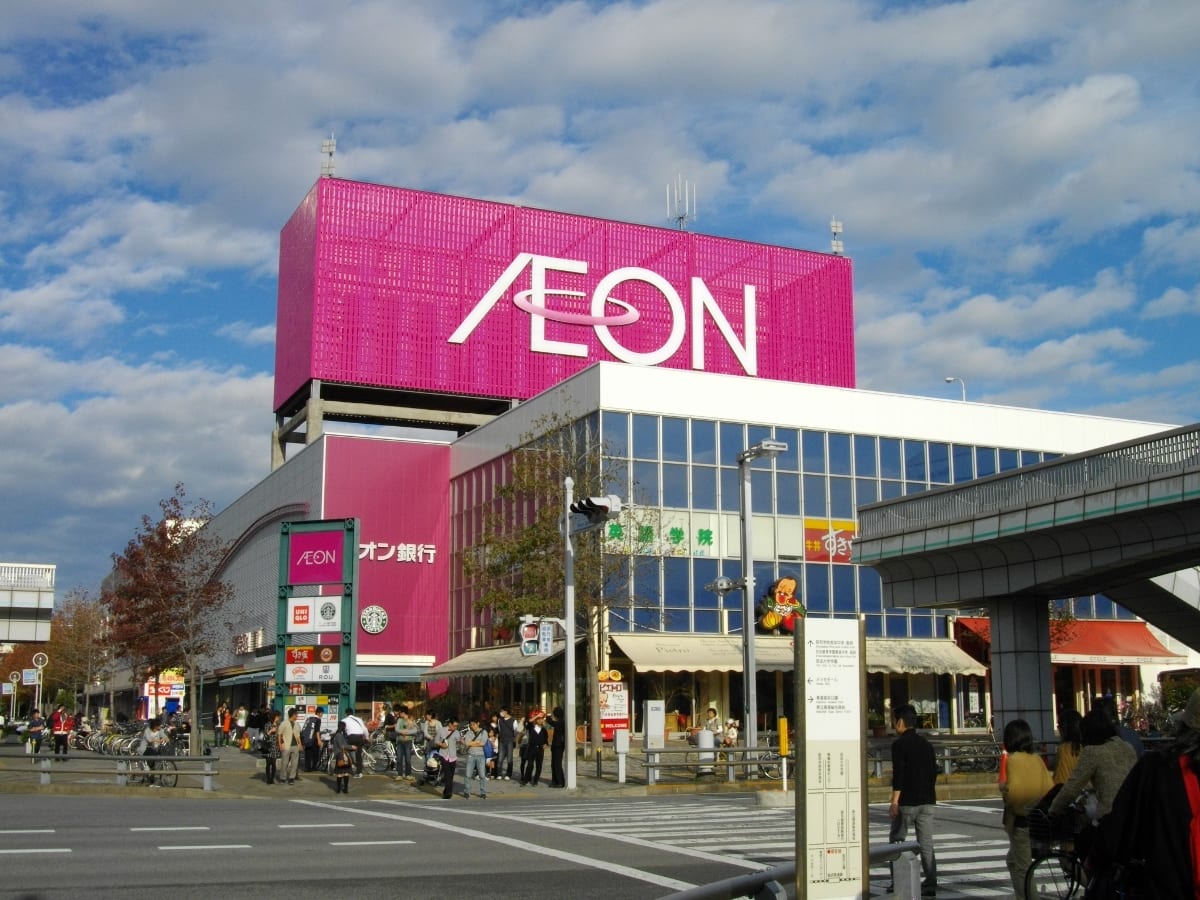
    AEON Thana Sinsap (Thailand) Public Company Limited together with Thai Airways International Public Company Limited launched “Journey of Happiness with Thai Airways 2017” campaign to offer privileges from AEON, Thai Airways and JCB partners such as special airfares from Thai Airways, great deals on tour packages from H.I.S and other special privileges from JCB partners to attendants. In addition, AEON Royal Orchid Plus Platinum cardholders, as well as other AEON credit cardholders, will be eligible for a credit refund of up to 10,000 baht on purchases made via AEON credit cards during the event. The event starts from 27-29 January at Fashion Hall, 1st floor, Siam Paragon.

  • Capsules serve up competition in Singapore’s coffee market

    Capsules serve up competition in Singapore’s coffee market

    These days, Ms Crystal Ling’s morning coffee comes in the form of a teal-coloured, bucket-shaped capsule.

    By popping it into a Nespresso machine in her office’s pantry, black coffee covered by a light caramel-coloured froth fills her espresso cup in about 40 seconds.

    “I like dark espresso that’s a bit bitter. There’s a café near my office that has what I want but at S$7 a cup, it’s not something that I should be having every day,” said the 27-year-old marketing executive, who is contemplating getting her own coffee machine.

    “Because these capsules need to be used with the Nespresso machine, I’m thinking of having one at home. My parents say it’s an expensive toy but I think ultimately, it will be cheaper than what I have been spending at cafes previously… The capsules cost less than S$1 each and for that price, it’s not bad.”

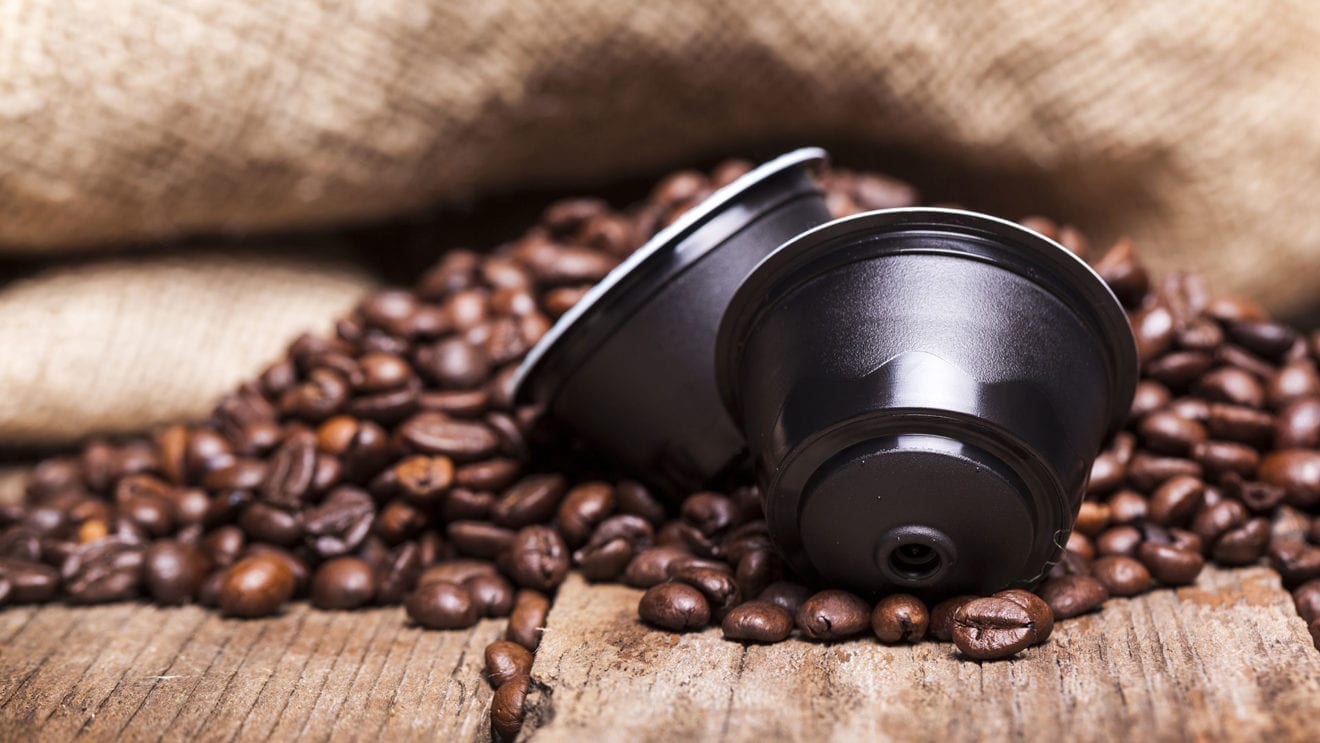
    Banking on novelty, convenience and an array of flavours, coffee capsules and machines, such as those from Nestle’s high-end brand Nespresso, are fast winning over local consumers like Ms Ling. According to research house Euromonitor, single-serve pods – including soft pods made from filter paper and hard pods that are often known as capsules – have been the fastest growing segment in Singapore’s coffee market since 2011, outpacing other segments with average year-on-year growth of nearly 5 per cent in terms of retail value. In comparison, the instant coffee segment grew an average of 2 per cent year-on-year during the same period.

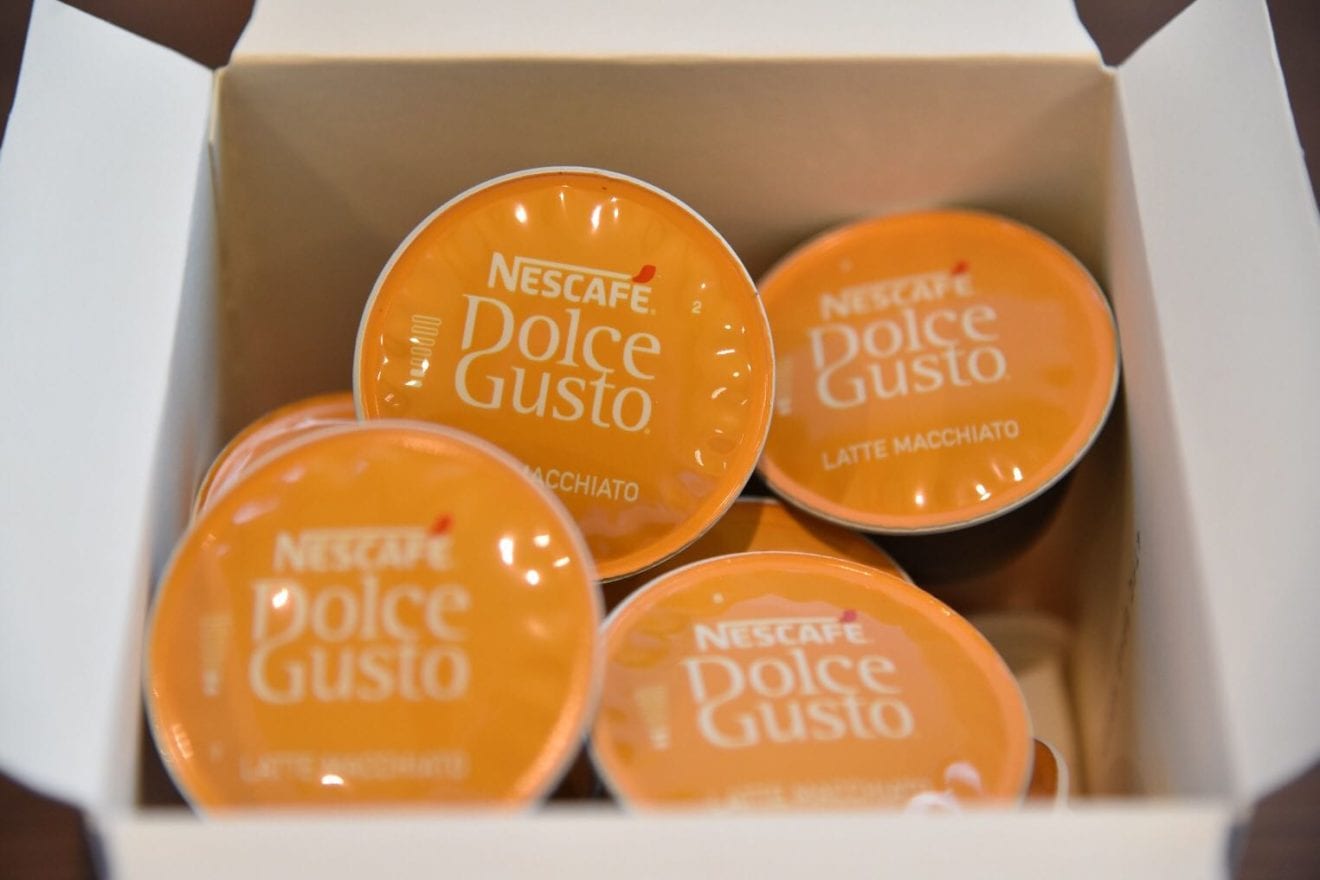
    Within this burgeoning segment, Nespresso, which first entered the local market in 2008, remains the dominant player. Nestle’s younger and cheaper range of single-serve coffee Dolce Gusto follows behind in terms of market share, helped by its lower pricing and wider variety of retail channels, noted Euromonitor’s research analyst Andrea Lianto.
    And even amid an increasingly sluggish economy, industry observers remain upbeat that the coffee-in-a-capsule segment will continue to outperform the broader coffee market in the upcoming years.

    “With higher disposable income, increased need for convenience and growing interest in high-quality coffee, coffee capsules still have room for growth in Singapore,” said Ms Lianto. “(Industry players) need to educate and convince consumers about the convenience and quality of capsules so that consumers are compelled to pay a premium for the product. The sustainability of capsules also depends on players’ efforts to maintain consumers’ excitement in the category, for example through new flavour launches.”

    This optimism is also shared by the market players.

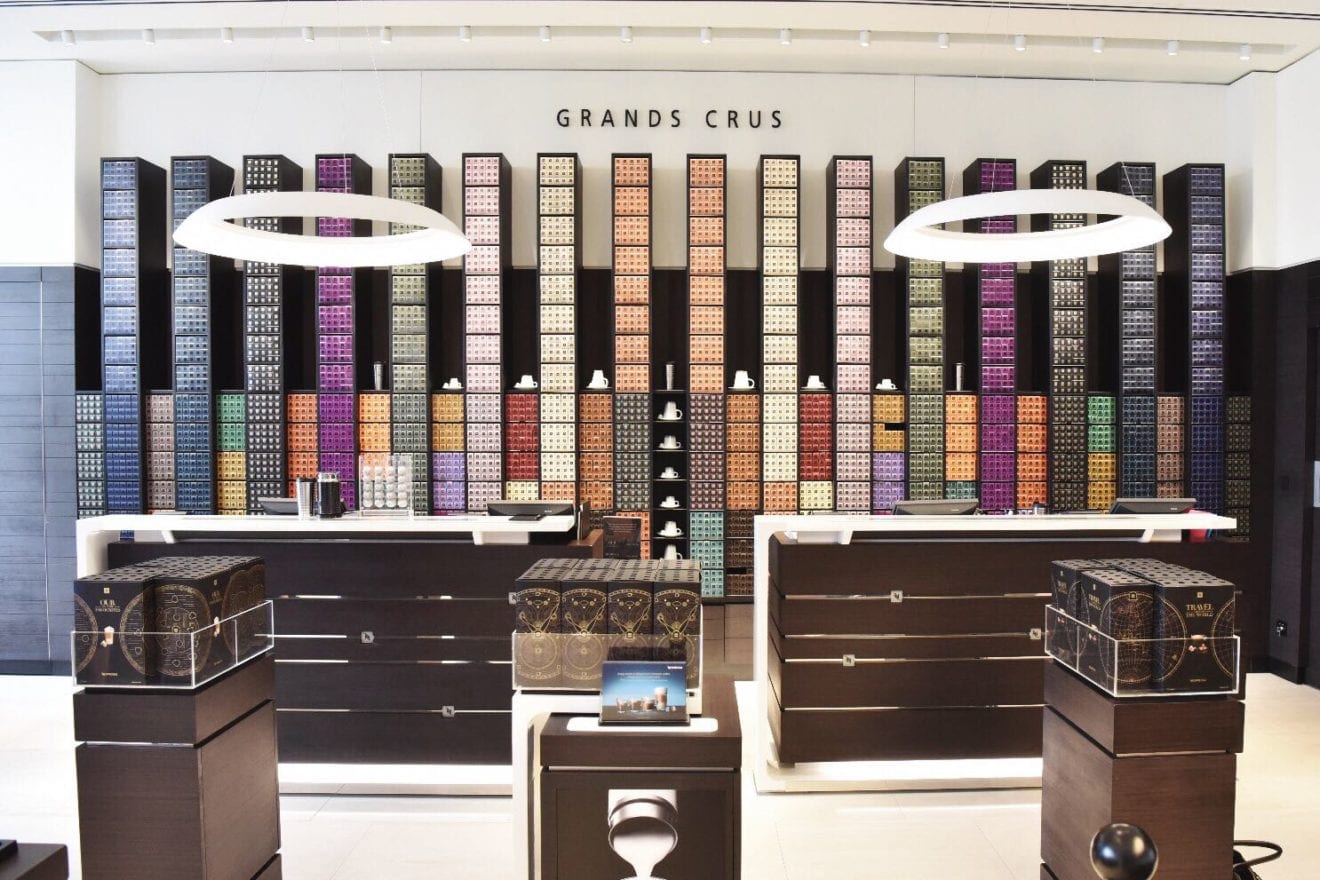
    Nespresso Singapore, for instance, believes that its price adjustment in November means that its capsules have become an “affordable luxury experience” that consumers can have on a daily basis.

    “Even with the slowdown, people will still want to enjoy life and have moments of indulgences… if you look at the new Nespresso capsule prices, you will realise that a cup of Nespresso coffee is now an affordable luxury that you can have every day,” country manager Matthieu Pougin told Channel NewsAsia. “This is what we see in our boutiques as well. Even with the economy slowing down over the past two years, people continued to shop at our boutiques.”

    Over at Nescafe Dolce Gusto, expectations remain for the brand to see more than 5 per cent growth in the coming years. The Nestle range, which stands for “sweet flavour” in Italian, has logged double-digit growth year-on-year since its foray into Singapore six years ago.

    “The Singapore economy is facing some of its toughest challenges now (but) for the coffee capsule segment, there should still be good growth,” said Mr Chow Phee Chat, the brand’s head of business in Singapore. “Currently, the capsule segment remains one of the smallest within the market so we do project that it will still be growing very fast.”
    BREWING COMPETITION

    But for these brands, a slowing economy that could tighten consumers’ purse strings is not just the only potential challenge looming ahead.

    While Nestle’s dual-brand strategy has continued to ensure its dominance in the Singapore capsule market, it is a different picture globally.

    Keen competitors such as US single-serve coffee company Keurig Green Mountain and other upstarts that have begun making less-expensive capsules compatible with Nespresso machines, have been eating into Nestle’s global market share. According to Euromonitor, the Swiss food giant controlled 11.1 per cent of the global coffee capsule market in 2015, down from 13 per cent in 2011.

    In Singapore, a handful of homegrown instant beverage makers like Owl International and Boncafé have rolled out their respective capsule ranges, and there are other brands of Nespresso-compatible pods that can be easily purchased online. While alternative options have emerged, Ms Lianto said the “minimal presence” of these selections means Nestle will likely be unrivalled for now.

    But that does not mean that local capsule coffee lovers have not begun exploring other options.

    Ms Lim Shiyun, who owns a coffee machine from Nespresso, has bought capsules from other brands such as local café chain The Providore. “I’m quite adventurous when it comes to coffee. Since these capsules work with my Nespresso machine, there’s no harm trying out new flavours,” the 29-year-old said.

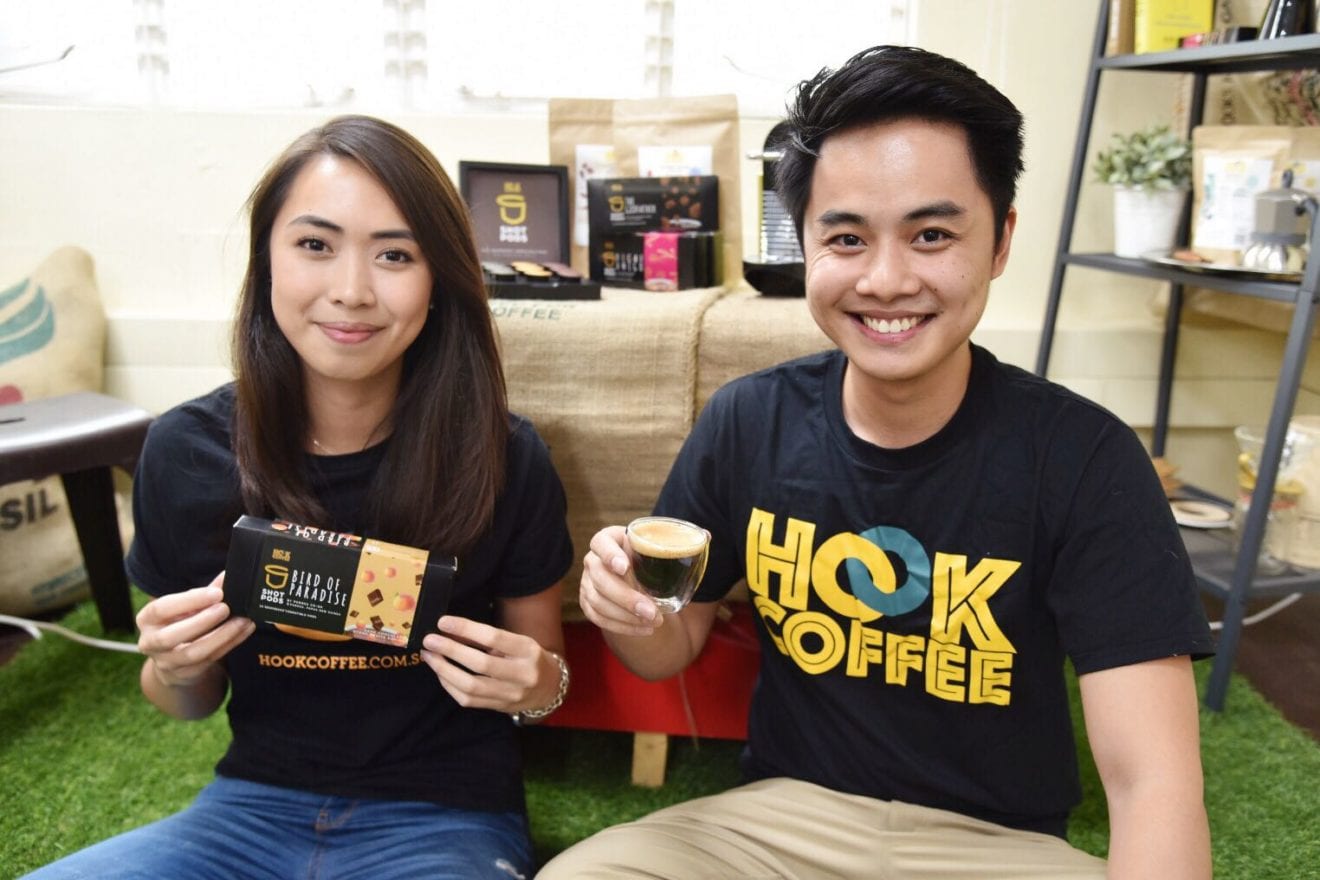
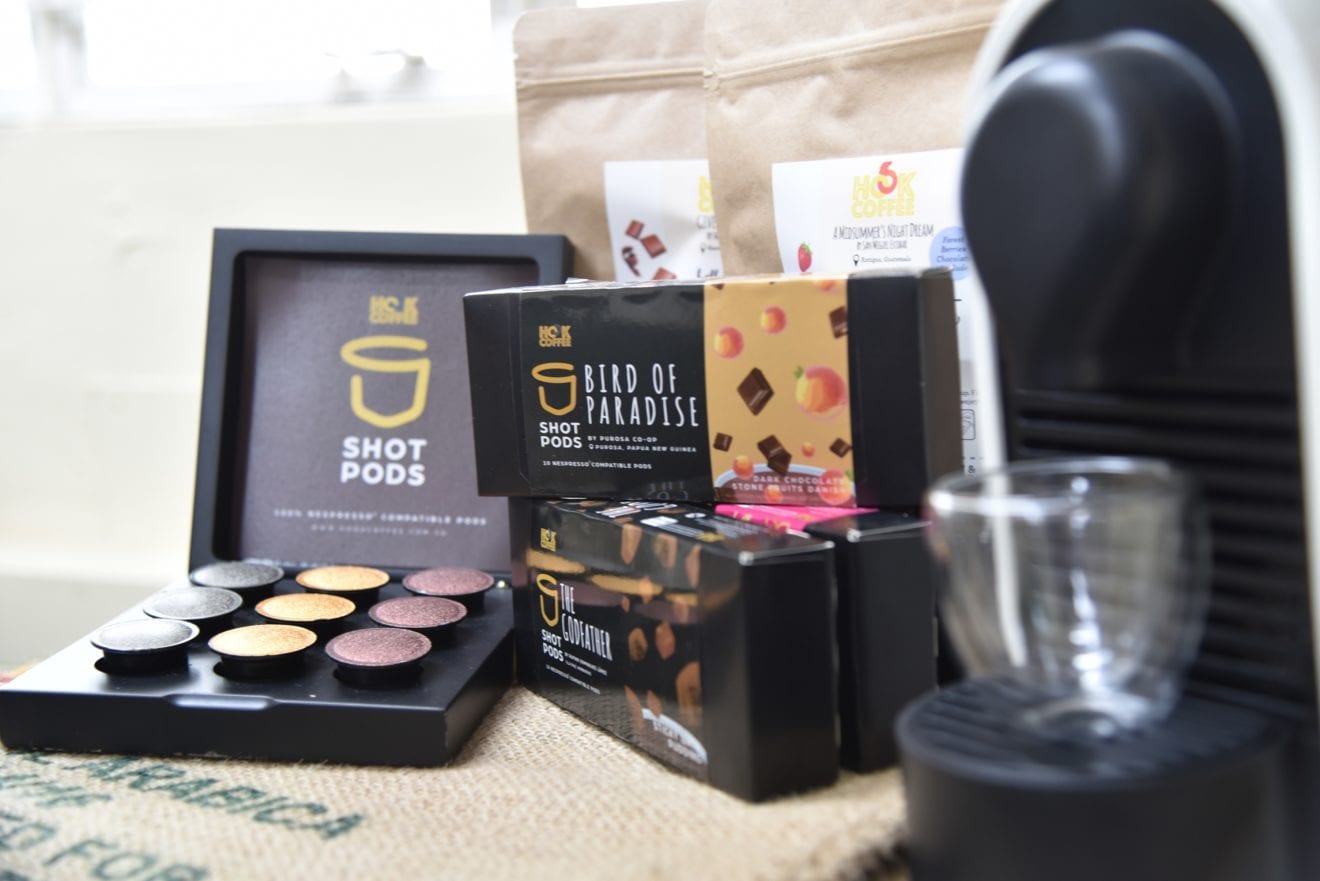
    Singapore-based Hook Coffee, for one, produces Nespresso-compatible capsules with sustainably-grown coffee beans sourced from around the world. Founded in early-2016, the online business also sells specialty coffee in other brewing methods such as French press and drip bags, and offers a coffee subscription service.

    Founders Ernest Ting and Faye Sit told Channel NewsAsia that they introduced capsules to their product line-up last June and since then, sales have been in line with expectations. Given rapid growth in the local capsule market, Mr Ting said the new venture was a no-brainer even if there were significant challenges involved for the young firm.
    For one, the production of capsules involved much more extensive research and development (R&D), compared to other brewing methods.

    “Each pod contains 5.5 grams of coffee and to get the same body and flavour in 30 seconds of extraction time, is very challenging. The roasting technique and the blends have to be precise; even the grinders are different so it’s a very complicated process and a huge amount of R&D investment that goes into making just one pod,” Mr Ting explained.

    That is why the introduction of new capsule flavours have been slower than other brewing options, which usually sees new additions once a month, he added.

    Meanwhile, to prevent wastage, an average of 10,000 capsules are filled during each production cycle. With such a large-sized production, it is crucial for the start-up to get things right before the release of every new flavour, Ms Sit told Channel NewsAsia. “Especially for a small market like Singapore, a large production batch is also tricky so we have to be really careful and do a lot of market research.”

    Despite the difficulties, the two young entrepreneurs still think their five-figure investment into capsules has been worthwhile and remain optimistic on sales, even as competition seems to have been turned up a notch after the market’s biggest player, Nespresso, lowered the prices of its coffee range.

    “Twenty per cent of our total sales right now are capsules. That’s the same as our drip bags and achieved within six months… As more people want convenient options, we think there will be an increase,” said Mr Ting.

    The 25-year-old added: “Interestingly, when Nespresso lowered their prices, we maintained ours but we didn’t see a drop in subscribers. In fact, it increased slowly so we think consumers are coming to us because we offer a more artisanal option.”
    PRICE CUTS, NEW PRODUCTS TO GET A SHOT IN THE ARM

    Still, industry observers said the nearly 30 per cent price reduction follows Nespresso’s recent adjustments in other markets, and will give the high-end brand a shot in the arm when it comes to competing with lower-priced rivals. For instance, Ristretto and Espresso capsules that were S$0.91 each are now S$0.68, cheaper than Dolce Gusto’s Espresso Intenso that retails at S$11.90 for a box of 16.

    Describing Singapore as a “unique market” where “coffee is part of the people’s DNA”, an increasingly discerning taste for coffee among local consumers has spurred Nespresso’s growth over the past eight years, said Mr Pougin. However, he denied that increasing competition was a catalyst for the recent price adjustment, adding that “Nespresso continues to grow in (Singapore) regardless of competition”.

    “We didn’t make the decision to decrease the price because of competition,” Mr Pougin told Channel NewsAsia. “The reason we did that is because we have been here for more than eight years and we now have the ability and want to offer the Nespresso experience to a bigger group of consumers.”

    Meanwhile, Nescafe Dolce Gusto said it has “no plans to relook (at) its pricing”, primarily because the brand’s competitive edge remains in its capsule beverages that go beyond coffee and its diverse retail locations such as supermarkets.

    “We have a place in the market. We offer a variety of beverages not just for coffee enthusiasts… (but) also tea and hot chocolate. We are a coffee system that not only offers good quality coffee, but beverages for the whole family,” said Mr Chow, who added that the brand’s new varieties including healthier options such as its unsweetened Latte Macchiato will continue to “surprise consumers”.

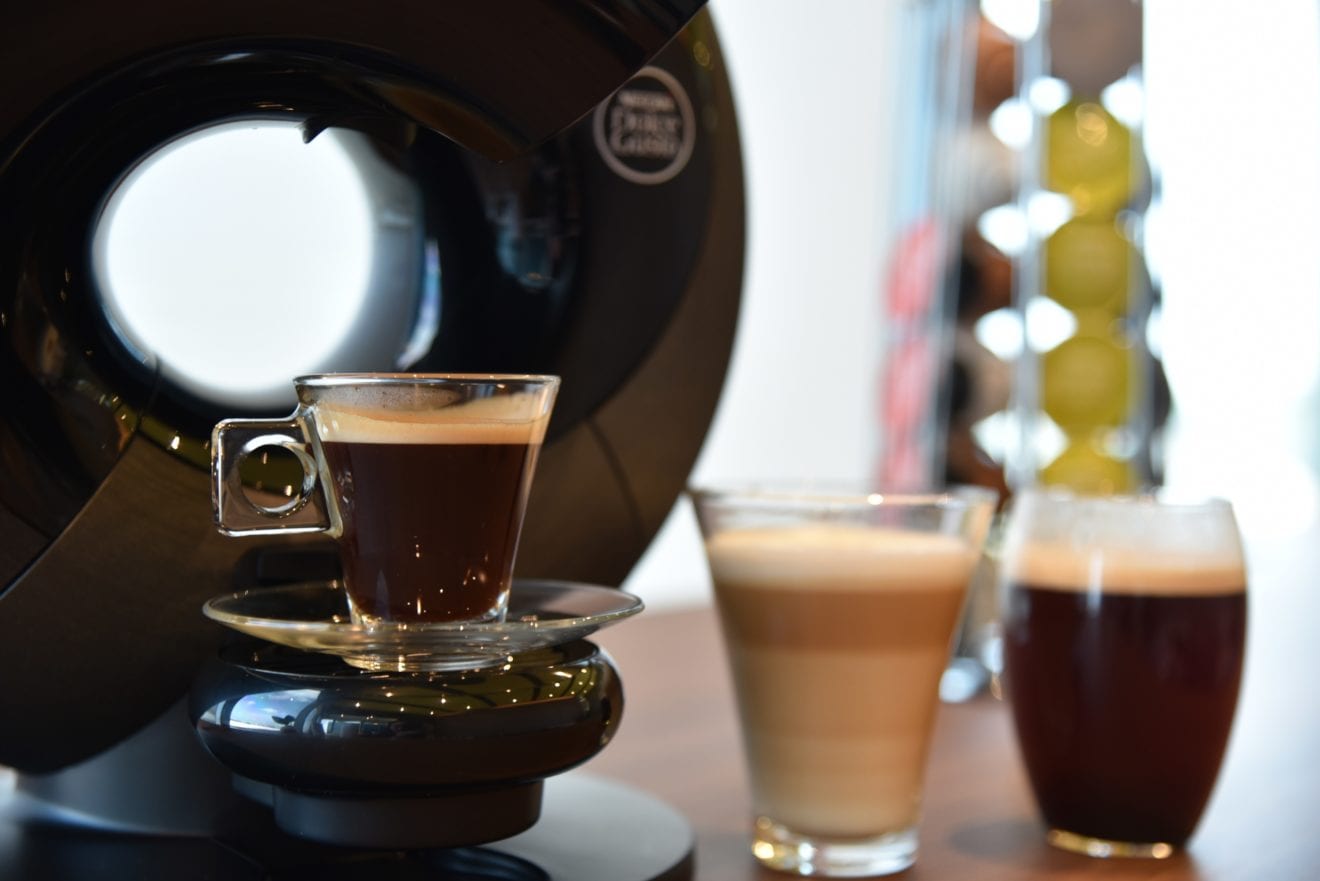
    In the meantime, Dolce Gusto is also betting on new coffee systems to help it keep up with competition. The brand’s latest “Eclipse” machine comes with an unconventional circular design and a touch screen interface.
    DIVERSIFY INTO CAPSULES? MAYBE NOT YET

    Still, there is at least one beverage maker who is opting to sit out of the hype for now.

    Mr Desmond Ng, managing director of local instant coffee brand Gold Kili, told Channel NewsAsia that the rising popularity of coffee capsules has had little impact on sales. The 32-year-old household brand also has no plans to follow in the footsteps of other homegrown beverage makers, given that coffee capsules remain “a non-mainstream option” for now and there are consumers who are not willing to splurge on a coffee machine. “As such, a packet of instant coffee, which is usually four times cheaper than a capsule costing around S$1, remains more attractive to price-sensitive consumers,” Mr Ng added.

    Gold Kili also prides itself on its traditional brew that is achieved by roasting a mixture of Arabica and high-caffeine Robusta coffee beans with sugar or caramel. Even amid the rise of Western-style coffee that uses just Arabica beans, Mr Ng believes that the traditional brew will continue to have its loyal following.

    Eurmonitor’s Ms Lianto agrees: “Instant coffee targets a different segment of consumers through a much lower price point than capsule coffee. On average, one serving of instant coffee costs less than one-third of one serving of capsule coffee.

    “As such, many instant coffee consumers, especially those who are price-sensitive, find themselves reluctant to shift completely to capsule coffee for their regular caffeine fix.”

    However, Gold Kili’s Mr Ng is not ruling out expansion plans to tap on new emerging trends in the local coffee market, such as coming up with specialty coffee bags to attract younger consumers.

    “Capsule machines remain expensive and with capsules far from being the mainstream option for consumers, we won’t be heading in that direction for now,” he told Channel NewsAsia. “But we are considering Western-style coffee bags to cater to the tastes of younger consumers. We think there’s still a gap in this market and there’s a business opportunity for us.”


  • T2 Singapore launches with kaya toast brew

    T2 Singapore launches with kaya toast brew

    For its first outlet in Asia, Australian tea chain T2 Singapore has launched with a new brew that pays homage to local breakfast staple kaya toast.

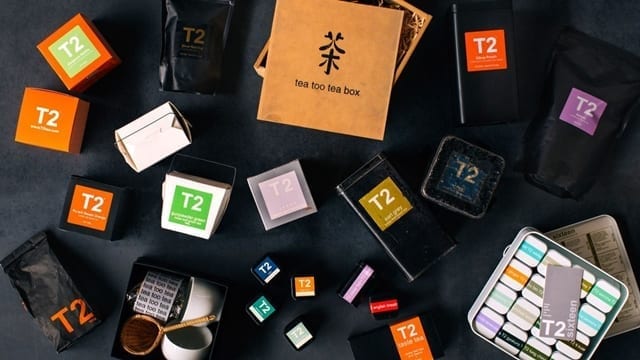
    Its Singapore Breakfast tea is a blend of pu’er (Chinese fermented tea), green tea, coconut flakes and roasted rice. It is among more than 150 types of teas at the new store, in the 313@Somerset mall.

    T2 CEO Nicky Sparshott says Singapore was picked for the company’s Asian debut because of its “strong tea-drinking culture with multicultural influences, from black tea dating back to the colonial period to Asian tea beverages such as teh tarik – Malay for pulled tea – and green tea”.

    Covering 550 sqft (51 sqm), the store offers myriad teas, from black, green and white to rooibos, and herbal and fruit-based tisanes.

    Bestsellers for the company include French Earl Grey, which has bergamot-infused black tea perfumed with rose and sunflower petals and hibiscus; Green Rose, green tea paired with mango, papaya and rose petals; and Fruitalicious tisane, a blend of cranberries, blueberries, dragon fruit and goji berries.

    t2-tea-c

    Singapore has been among T2’s top five markets in online sales over the past two years, and Sparshott hopes the country’s reputation as a tourism hub can expose the tea company to visitors in Asia.

    “Infinite possibilities”

    “Tea has moved from being a beverage for old people to having infinite possibilities … there is an appetite for new invention in teas,” she says.

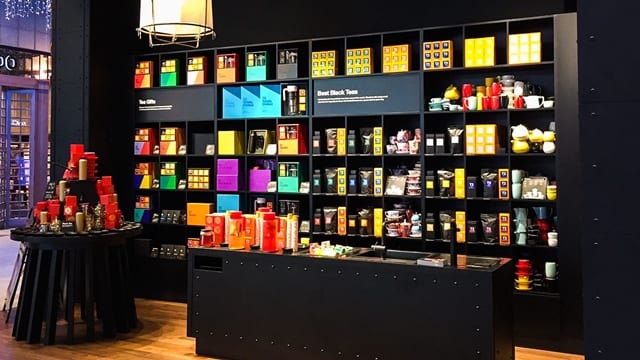
    Like its more than 75 outlets in Australia, New Zealand, the UK and the US, the T2 shop in Singapore has black floor-to-ceiling shelves lined with brightly coloured tea boxes, tea pots, cups and accessories. Taking centre stage is an island brew bar with tea-making apparatus, where six types of hot and iced tea beverages are brewed daily for customers to sample.

    Sparshott says customers can also attend regular tea masterclasses and tea-blending sessions through the tea community group T2 Society, which is free to join.

    She says T2 intends to open another three or four outlets in Singapore in the coming year.

    Started in Melbourne in 1996, T2 was acquired by Unilever in 2013, which owns such tea brands as Lipton.

    Other tea boutiques in Singapore include the TWG Tea chain and The 1872 Clipper Tea Company, which opened a tea retail shop-cum-bar in Ion Orchard last April.

  • Laduree Malaysia plans to open in Pavilion KL

    Laduree Malaysia plans to open in Pavilion KL

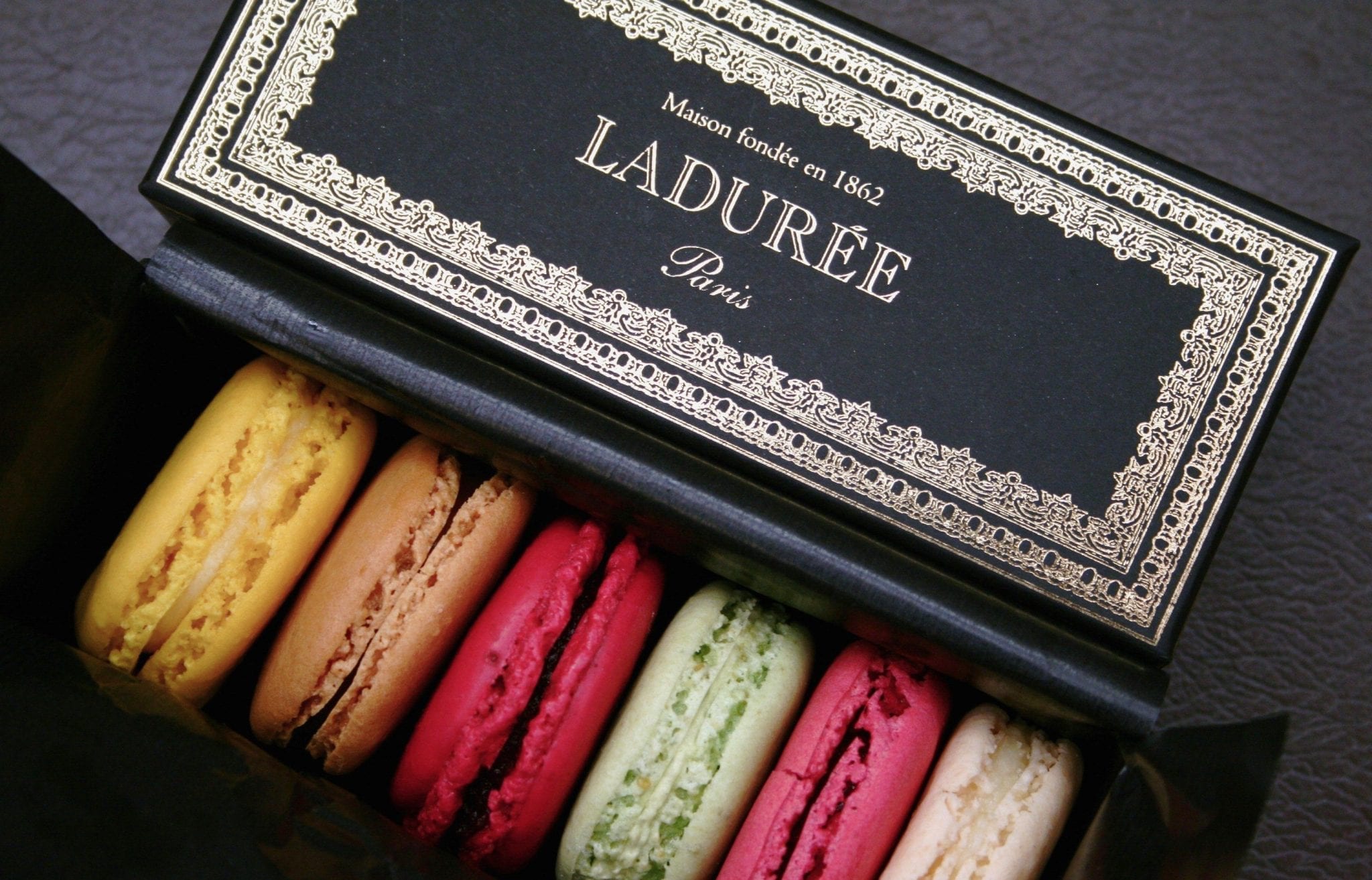
    Famed for its macaroons, luxury French bakery Laduree Malaysia is expected to launch soon with a store in Pavilion KL’s Couture Zone.

    No date has been set yet for the opening.

    laduree-malaysia

    With their ganache filling, Laduree macarons come in a variety of flavours, ranging from classics (chocolate, vanilla, lemon, coffee, salted butter caramel and rose petal) to seasonal (chestnut, Morello cherry, lime coconut and matcha).

    The brands beginnings go back to 1862 when Louis Ernest Ladurée, a miller from southwest France, opened a small bakery in Paris. In 1930, his grandson Pierre Desfontaines came up with the original idea of double-decker macaroons by sticking two shells together with a ganache filling. Since then, Ladurée has been selling around 20,000 macaroons every day all over the world.

    International expansion began in 2005 with London. Today, the brand has stores in 17 countries including Thailand, Hong Kong, Japan, the Philippines, Singapore, South Korea and Taiwan.

  • Ann Summers triumphs over turbulence

    Ann Summers triumphs over turbulence

    After a turbulent retail history Ann Summers had a stellar performance over the Christmas trading period.

    The UK lingerie and adult products retailer’s Christmas sales were enhanced by its collaboration with male cast members of The Only Way is Essex, which encouraged men to buy underwear for their partners as gifts. The campaign gained significant press coverage and led to last-minute gift purchases.

    Ann Summers should build on its existing wholesale partnerships with Asos and House of Fraser, which grew 72 per cent over the period, to help guarantee sales with minimal risk. Selling through other established retailers will also help Ann Summers compete with growing lingerie retailers such as Boux Avenue which also reported positive Christmas results, with like-for-likes rising 16.6 per cent, and have announced further store openings in the pipeline.

    Ann Summers

    The retailer’s online sales over the Christmas period were impressive at 54 per cent. However, Ann Summers faces increasing competition from online pureplays, such as LoveHoney, which are preferred by many consumers as online is a more discreet way to shop. Ann Summers can better compete with these retailers by lowering its £50 spend for free delivery online and allowing customers to select a discreet packaging option on its website.

    Ann Summers is expected to see a surge in sales in February as it benefits from Valentine’s Day and the release of the erotic film, 50 Shades Darker. However maintaining sales momentum through spring and summer without the boost from gifting occasions will remain a struggle for the retailer.

  • Singapore retail rents slipped in final quarter

    Singapore retail rents slipped in final quarter

    Singapore retail rents slipped 1.3 per cent in the last quarter of 2016, compared with the previous quarter.

    According to data from JLL Singapore, included in a pan-industry market review, retail rents were under most pressure in the Marina quarter where most of the new space coming onto the market in the quarter was concentrated.

    Despite positive net absorption of the opening of South Beach (60,000 s ft) and Tanjong Pagar Centre (100,000 sqft), rental corrections in the Marina submarket remained underpinned by the weak performance of retailers, with many of them seeking pre-termination of their leases, reports JLL.

    The average vacancy rate of suburban malls, including Reit-owned and strata-titled shopping centres, has more than doubled from less than 1 per cent in 2013 to 2.4 per cent in the fourth quarter of last year. Year-on-year, average monthly gross rents for prime retail space in suburban malls fell by 7.1 per cent in the quarter.

    Prime retail rents in Orchard Road have fallen 7.5 per cent over the same period.

    The quarter saw marginal year-on-year retail sales decline in October, (excluding motor vehicles), driven by poorer sales in computers and telecommunications equipment and watches and jewellery, “ indicating the persistence of weak consumer sentiment”.  And despite take-ups being dominated by the entry of new F&B operators, the F&B sales index also recorded a similar year-on-year decline.

    “Total retail investment sales value for the fourth quarter rose sharply from a quarter ago, driven by the interest in retail assets in the suburban submarket, likely due to the resilient rental income they provided,” reported JLL. “Jurong Point, one of the biggest suburban shopping centres, was put up for sale at a price of more than SG$2 billion and received considerable interest.

    “However, apart from the marginal compression of yields in the suburban submarket, overall yields remained relatively stable as the rate of capital value correction was in line with rental decline across the Orchard and Marina submarkets.”

  • Ashley Furniture Home Store opens in Penang

    Ashley Furniture Home Store opens in Penang

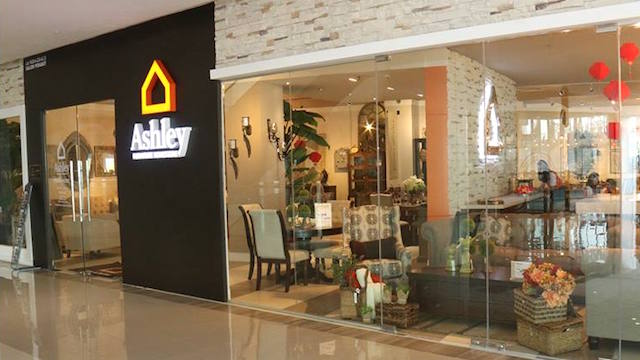
    US brand Ashley Furniture Home Store has opened in Penang, at Gurney Paragon Mall.

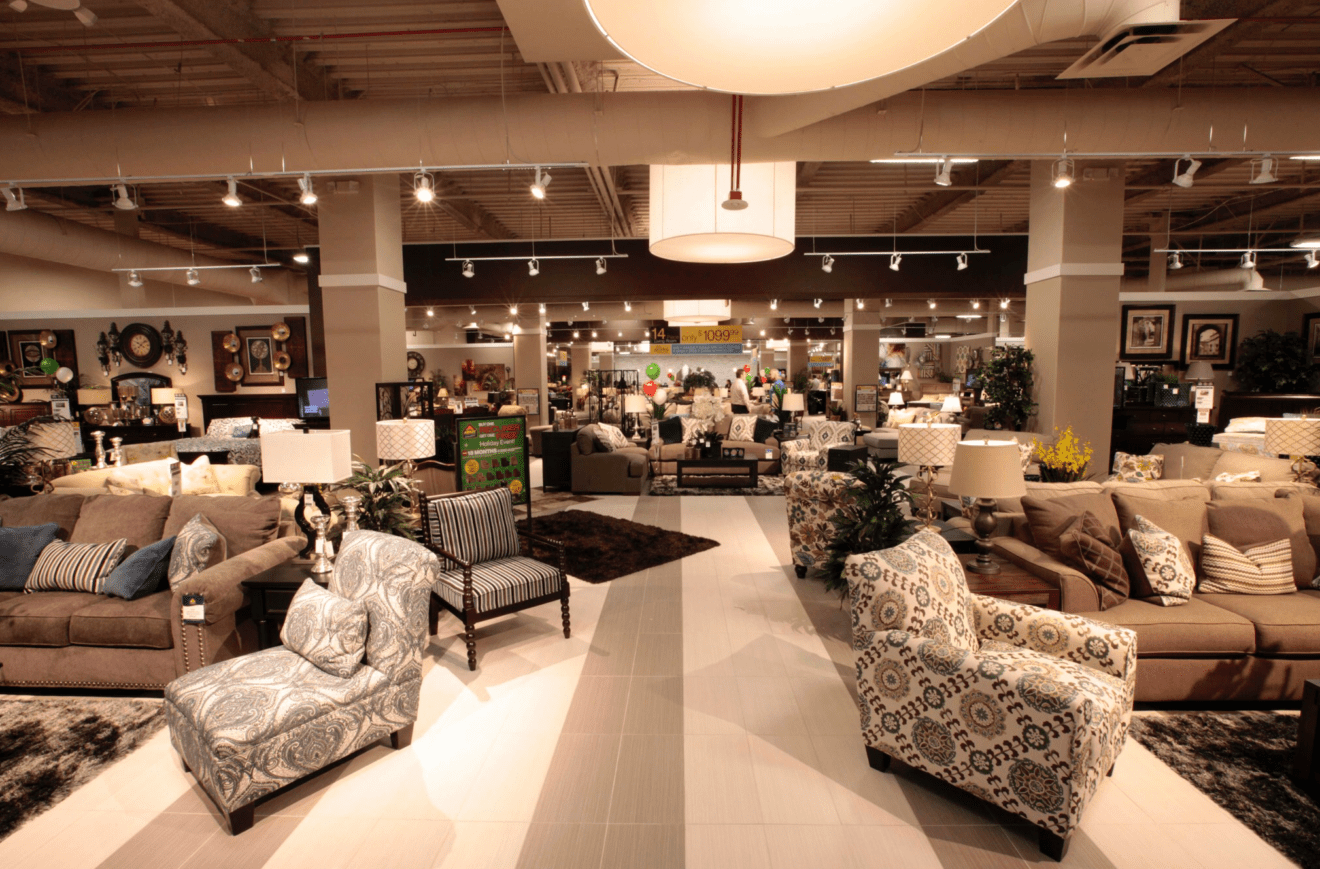
    The 870 sqm home furnishing outlet offers such items as bedding, mattresses, dining tables, dinnerware, lighting, sofa sets, recliner chairs and accessories.

    Featured are signature Ashley Lifestyle collections themed Vintage Casual, Urbanology, New Traditions, Contemporary Living and Family Spaces.

    “Our team is trained to offer customer service inspired by American charm and hospitality,” says founder/MD Ching Kok Cheong of Hauslife Furniture, the sole Malaysian licensee for Ashley Furniture, which has more than 695 locations globally.

    ashley-furniture-home-store-1

    Founded in Chicago in 1945, the company is the exclusive provider of products from Ashley Furniture Industries, the largest furniture manufacturer in North America.

    Penang’s outlet is the third in Malaysia following stores at Citta Mall and Bangi Sentral in the Klang Valley, which opened in 2015 and last year respectively.

    Ashley Furniture VP of sales for Asia Robin Lim sees the region as a key growth area following expansion into the markets in India and Brunei.

    Two more stores are planned to open in Malaysia this year, with a total of eight stores expected by 2022.
    For the Penang store’s official opening, VIPs took part in a ribbon-cutting ceremony following a drumming and lion-dance performance.

  • Making the most of Asia intra-regional trade

    Making the most of Asia intra-regional trade

    Global economic volatility might be worrying some companies in Asia Pacific, but the small- and medium-size enterprise (SME) sector is bucking the trend with strength and optimism for the year ahead.

    Even if trade deals take a new path, the many opportunities that Asia intra-regional trade brings to small business leaders are here to stay.

    In fact, SMEs in this region are bullish about the future. To start with, exports are looking good.

    Among Asia Pacific SMEs, global export revenue for 2016 held steady with the year before, and most SMEs believe that will continue or increase over 2017.

    Trade within Asia Pacific is sparking the most confidence. Intra-regional exports are the driving force of this stronger trend – a recent study found almost nine in 10 Asian SMEs sell goods to markets in Asia Pacific and are set to do so even more. Stronger regional ties and trade linkages are also contributing to the sense of optimism and resilience surrounding small businesses.

    In fact, FedEx-commissioned research found four in 10 Asia Pacific SMEs forecast an average double-digit growth of 20 per cent in intra-regional export revenue in the year ahead.

    In addition, Asia Pacific SMEs also generate the highest level of revenue from intra-regional exports among the four global regions in the study.

    The figures are supported by the latest Asian Development Bank (ADB) findings which show that intra-Asia trade now accounts for 57 per cent of total trade in the region.

    That’s impressive against a backdrop of wide ranging business challenges from higher production costs to increasing competition, along with slower trade growth worldwide.

    It is also welcome news that the crucial financing of SMEs is getting better all the time, with SME finance markets forecasting healthy growth in 2017, especially in Asia.

    Another aspect of SME optimism lies in the fact that small businesses today are now more technology-savvy, well-connected, agile and able to hold their own on the world stage.

    Whether it’s eCommerce, mCommerce, social commerce, the cloud, search engine optimisation, content management systems (CMS), ePayment technology or sophisticated logistics solutions, SMEs can quickly connect with more intra-Asia as well as global markets than ever before.

    So it’s no surprise that eCommerce is generating significant growth – a trend that is particularly pronounced in Asia Pacific, where 80 per cent of SMEs are generating revenue from eCommerce.

    In line with the boom in eCommerce, momentum is building behind two important trends – mCommerce purchases made using mobile devices, and social commerce purchases made via social media platforms.

    Just under 70 per cent of small businesses in the region are currently selling their products via mobile platforms and a similar number offer customers the option of buying via social media platforms such as Facebook.

    These new technologies are essential to attracting and retaining customers.

    So too is the necessity to have an efficient supply chain – in order to enhance customer experience, win new customers and improve bottom lines.

    As eCommerce drives demand for faster delivery, around two thirds of firms operating in eCommerce are prepared to pay more to get products more speedily to market.

    Maintaining high levels of customer satisfaction in a difficult business environment is tough, especially since over a third of Asia Pacific SMEs cite increasing competition with foreign rivals as a major challenge.

    That’s why investment in new technologies and an efficient supply chain is essential for small businesses in navigating and exploiting the ever-changing digital economy, and tapping into all the opportunities ahead in intra-regional trade.

    Karen Reddington, President of FedEx Express Asia Pacific