Author: Mei Ling Tan

  • Jack Wills fails to maximise Christmas opportunity

    Jack Wills fails to maximise Christmas opportunity

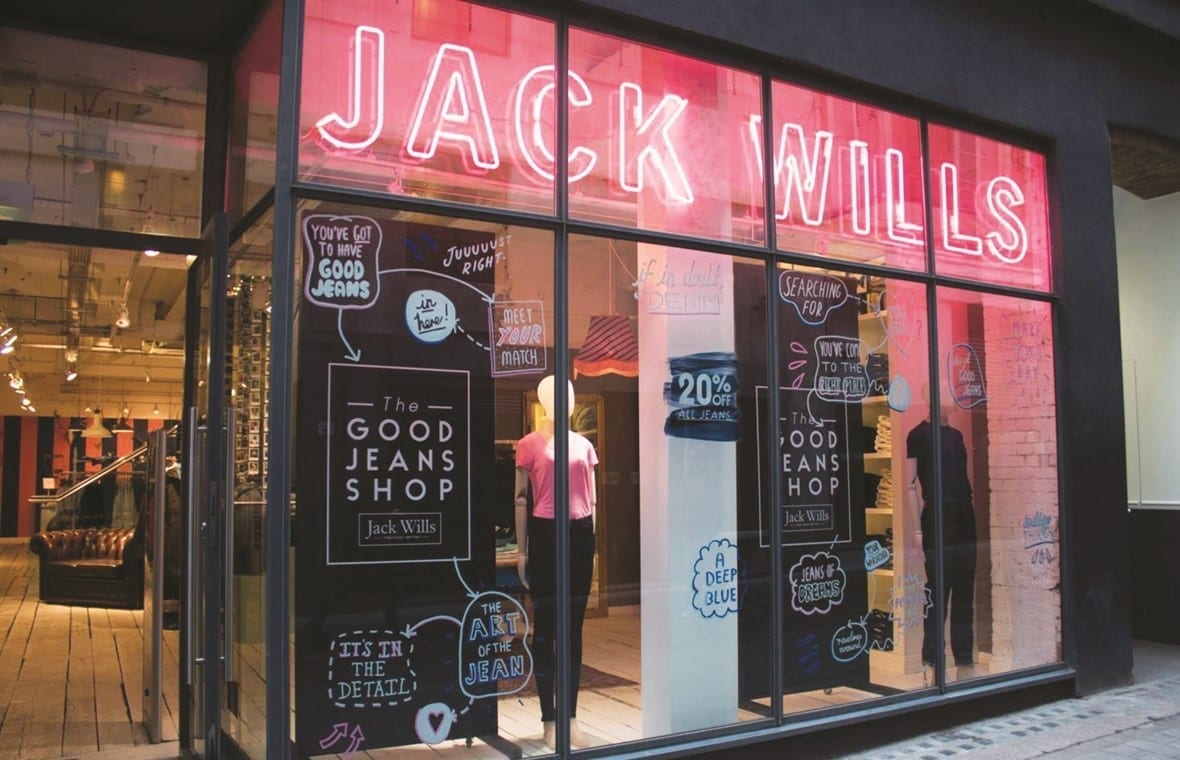
    Jack Wills, well known for its preppy style and predominant pink and navy colour palette, has reported an unexciting 1 per cent increase in like-for-like sales in December.

    However, back under the control of co-founder Peter Williams after a difficult few years, the chain’s profit margin increased by 6 per cent year-on-year after discounting was reduced.

    While other lifestyle brands such as Joules and Superdry have flourished over Christmas, Jack Wills has struggled to defend its place in the ever competitive market, indicating its appeal at home may be on the wane.

    Despite difficult trading conditions in the UK, the retailer’s international online sales doubled year-on-year, highlighting the brand’s potential in foreign markets, particularly in Asia. Jack Wills also saw mobile sales rise 60 per cent year-on-year, in line with other retailers’ growth for mobile, ensuring further investment to improve the mobile experience is a must to reduce pain points and drive conversion.

    Jack Wills’ bath and beauty category proved bountiful for the retailer, growing 44 per cent versus last year, and women’s loungewear and underwear also grew 20 per cent and 10 per cent respectively. The growth in these categories shows how the brand is a destination for premium gifting over the Christmas period, particularly for women. Jack Wills must now focus on further developing its menswear and grooming ranges in order to better capture the male gifting market.

    While the brand has recently launched its first activewear collection, capitalising on the athleisure trend, it is late to the party and Jack Wills must encourage existing, loyal customers to buy into its activewear offer for the first time. Jack Wills’ founder, Peter Williams, and private equity firm, BlueGem, will need to focus on driving destination appeal, especially as 2017 can be expected to be challenging with muted volume growth.

    -Charlotte Pearce
  • BCBG Maxazria plans restructure

    BCBG Maxazria plans restructure

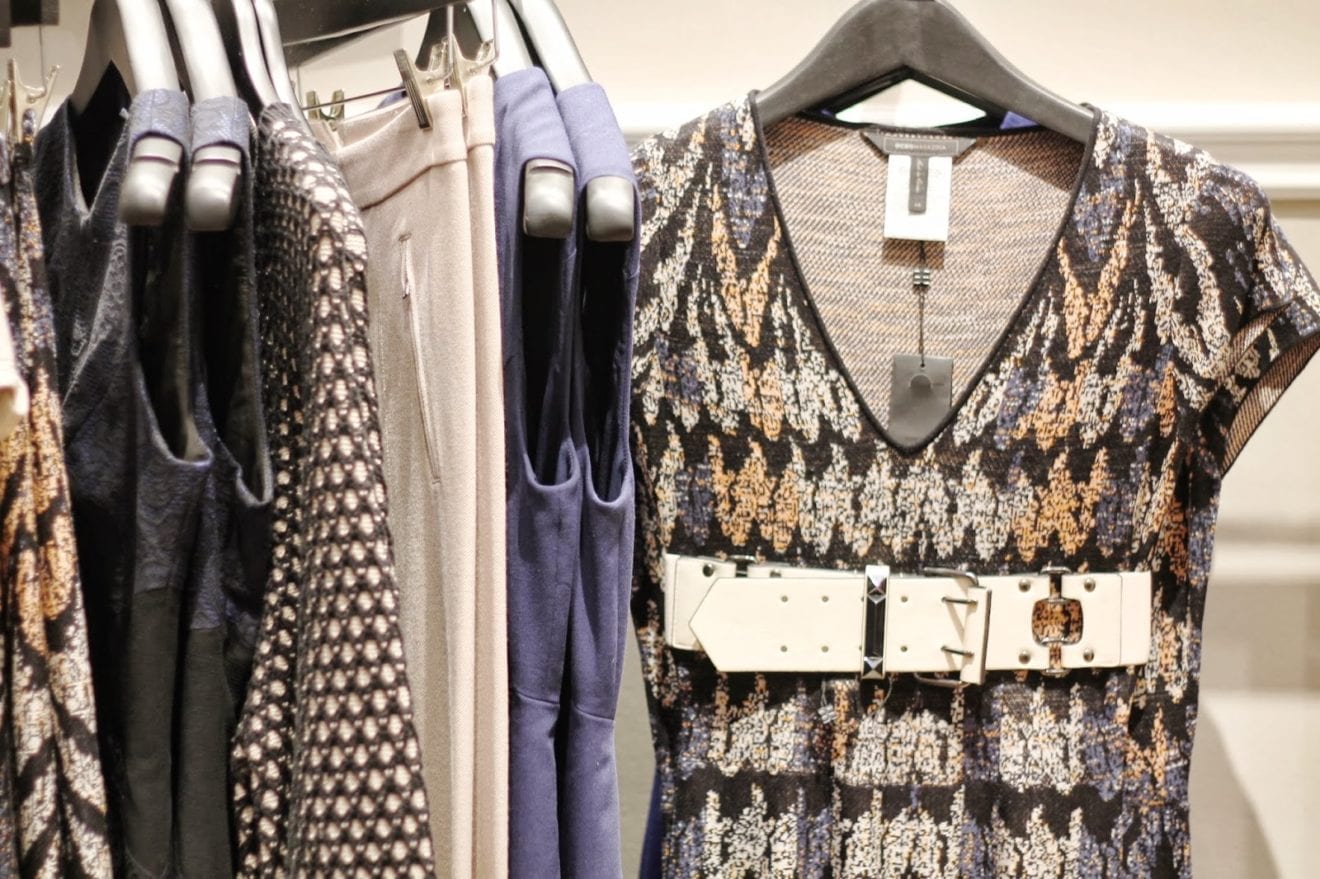
    Women’s fashion retailer BCBG Max Azria plans to close some of its stores to focus more on eCommerce, licensing and wholesaling.

    “BCBG has been negatively impacted by the growth in online sales and shifts in customer shopping patterns, and as a result has too large a physical retail footprint,” says PR company Sitrick & Co spokesman Seth Lubove.

    “To remain viable, the company must realign its business to effectively compete in today’s shopping environment.”

    BCBG hired AlixPartners consultancy, replacing Berkeley Research Group, to restructure its debt, reports Bloomberg.

    Many US retailers, especially department stores, struggled through the latest holiday season, including H&M and Target. Payless has announced it is restructuring to deal with its US$665 million debt, and department store Macy’s has cut more than 10,000 jobs as it closes branches and downsizes.

    BCBG has 570 global stores, with 175 in the US. It opened new stores in Munich and Paris last year, and plans to open a store in Quebec this year.

  • NTU Singapore launches seventh satellite

    NTU Singapore launches seventh satellite

    Nanyang Technological University, Singapore (NTU Singapore) has launched its seventh satellite, the AOBA VELOX-III, into space from the International Space Station (ISS) on 16 January.

    It is the first Singapore satellite to be launched from the ISS, the 110-meter habitable human-made satellite that orbits the Earth. Unlike the conventional way of launching a satellite directly into space from a rocket, the two-kilogram VELOX-III was shot into orbit around the earth using a special launcher by a Japanese astronaut at the ISS.

    The AOBA VELOX-III is a joint project between NTU and Japan’s Kyushu Institute of Technology (Kyutech), one of Japan’s leading universities for satellite research and engineering. It is now orbiting 400 kilometers above Earth and will be conducting several tests, including the made-in-NTU micro-propulsion system, a new wireless communication system developed by Kyutech and experiments to evaluate the durability of commercial off-the-shelf microprocessors in space.

    “The successful deployment of the AOBA VELOX-III is a testament to the strong satellite engineering expertise at NTU. Building up the local satellite talent pool and developing disruptive technologies like the micro-thruster in the AOBA VELOX-III is important for Singapore’s budding space industry,” said Lim Wee Seng, director of the NTU Satellite Research Center.

    He said the NTU will now be developing its second joint satellite with Kyutech, which could lead to small and maneuverable satellites being used as space probes in future.

    Professor Mengu Cho, Director of Kyutech’s Laboratory of Spacecraft Environment Interaction Engineering, said the launch of AOBA VELOX-III is the tangible result of research collaboration between Kyutech and NTU for the past three years. AOBA VELOX-III is an important milestone in the Japan-Singapore inter-university space exploration.

    “We are looking forward to another joint satellite that is under development and scheduled to be launched in 2018. The long-term goal of the Kyutech-NTU joint space program is to do a lunar mission using the technologies demonstrated by these two satellites.”

    Professor Yoon Soon Fatt, Chair of NTU’s School of Electrical and Electronic Engineering, said conducting real satellite missions are key to training local talents for Singapore’s future satellite industry.

    “Satellite technology is a field that requires strong expertise across several disciplines, from power systems and batteries to integrated circuits and wireless communications,” he said.

    “The actual designing, building and operating real satellites in space gives a huge boost to the learning journey of our students and is an unparalleled experience for those seeking careers in the space industry.“

    Lim added that these space experiments by AOBA VELOX-III will enhance the university’s satellite building capabilities, paving the way for the next generation of nanosatellites that are more advanced and reliable.

  • Australian Online Retailers Need to be Extra Vigilant

    Australian Online Retailers Need to be Extra Vigilant

    Thirty-nine of the world’s top 250 retailers now operate in Australia, up two from last year. Australian retailers are warned to be extra vigilant, with international retailers set to enter our retail market further in 2017, according to Deloitte’s 2016 Global Powers of Retailing report.

    With 16 percent of the world’s top 250 retailers currently operating in Australia, coupled with a relatively stable economy, significant discretionary spend and strong consumer demand for international products and brands, we can expect further disruption in the Australian retail market with new entrants highly likely.

    “Australian retailers will need to be vigilant in ensuring they are differentiating themselves from their competitors by offering the right product range and mix and delivering a service, in-store and online, that meets their customers’ expectations,” said David White, partner and national leader of Deloitte’s retail, wholesale and distribution group.

    At present, the Australian market remains relatively unsaturated by the world’s largest retail brands compared to the US and European markets, according to White. “In the last quarter of 2015 we learnt South African retailer Steinhoff  had secured a deal with UK department store Debenhams to sell a selection of its private label apparel through its Harris Scarfe stores. And, in its first venture outside of South Africa, Mr Price has entered the Australian fast-fashion market, branded MRP, with two stores in Melbourne.”

    Whilst new global retailers look to Australian shores, those already here continue to expand their operations, including Sephora and US retailer Williams-Sonoma, both set to continue their store expansion programs in 2016.

    Amazon, ranked 12th, is the number one e-commerce retailer globally according to the report, followed by Apple, China’s largest B2C online retailer JD.com and Walmart in the US. All but six of the Top 50 online retailers are based in the US (26 companies in total) or Europe (18). The majority of the e-50 (39 companies) are omnichannel with bricks-and-mortar stores as well as online and other non-store operations.

    China to Enter Soon

    With nearly half of the 39 Top 250 global retailers which operate in Australia based in the US, one country conspicuous by its absence is China. Whilst China has nine retailers in the Top 250, none currently operate in Australia.

    “Many of the products we buy are manufactured in China, however unlike other sectors we have yet to see Chinese retailers entering the Australian market directly,” said White. “The growth in the middle classes in China is already prompting a surge in consumer demand and Chinese developed brands. It is only a matter of time before we see these emerging retailers expanding their businesses more globally, including Australia.

    Deloitte’s retail report also highlights the impact of technology on the digital divide between online retail and in-store, and evolving consumer expectations. “Some retailers may underestimate the digital influence, while others recognise the real opportunity to capitalise on this ‘digital divide.’”


  • Cebu Pacific to open Cagayan de Oro-Bacolod flights

    Cebu Pacific to open Cagayan de Oro-Bacolod flights

    CEBU Pacific announced Monday that its Cagayan de Oro City-Bacolod City route will start on March 16. For this new route, the airline will have three flights per week specifically on Tuesdays, Thursdays and Saturdays. Cebu Pacific said in a press statement this is one of the two routes it is launching in the next two months.

    The other one is between Cagayan de Oro and Tagbilaran City starting March 15, with four flights weekly every Mondays, Wednesdays, Fridays and Saturdays. Both new routes will be using the new ATR 72-600 aircraft expected to arrive in early March. To introduce these routes, the airline said it is offering an introductory P799 all-in seat sale for those who will travel from March 15 to May 31. Travelers may now book their flights until January 27, or until seats last.

    The promo fare is inclusive of taxes and fees. Bags, meals, and other ancillaries may be added as preferred, it added. Alexander Lao, president and chief executive of Cebgo, said the new routes will open great opportunities for “every Juan” both business and leisure travelers, enabling them to visit the Visayas region more conveniently.

    At the same time, passengers from Tagbilaran and Bacolod will now be able to explore Mindanao without the hassle, through the gateway that is Cagayan de Oro, Lao said. “Cebu Pacific stays committed in providing the best connectivity options for our valued passengers at the lowest fare available in the market,” Lao said. After the sale period, the one-way trip from Cagayan de Oro to Bacolod would cost P1,806; and Cagayan de Oro to Tagbilaran, P1, 235. The airline remains devoted to exploring more routes to cater to more of our valued guests, and also to beef up economic, trade, and tourism in the destinations we operate in, its official added.

  • Lalique links with Singapore Airlines for elevated travel retail

    Lalique links with Singapore Airlines for elevated travel retail

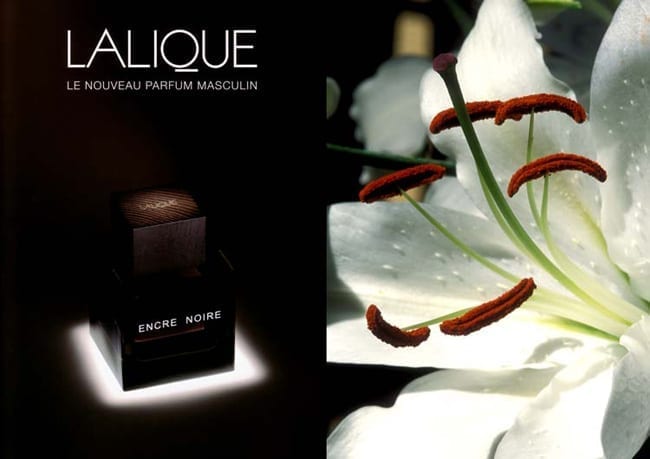
    French lifestyle brand Lalique is bringing its crystal wares to new heights through an alliance with Singapore Airlines.

    Through the partnership, the airline will retail co-branded in-flight products such as toiletries and glassware in its suites and first class cabins. For Lalique, this represents an opportunity to introduce its brand range to a captive audience of affluent travelers.

    In-flight branding
    Singapore Airlines (SIA) and Lalique have signed a memorandum of understanding, which reflects their shared goal of enhancing the on-board experience for suite and first class travelers. Together they will market a co-branded collection that includes loungewear, bedding, toiletries, amenity kits and glassware.

    The amenity kits available to these passengers will feature both lifestyle and crystal gifts. Additionally, travelers will be able to take advantage of special offers for Lalique’s manufacturing site, its five-star hotel Villa René Lalique and its two-Michelin star restaurant in France.

    SIA’s KrisShop Magazine will advertise Lalique items that can be purchased in-flight or via mail order from the consumers’ home.

    This partnership will launch with SIA’s next round of Airbus A380s starting in the second half of 2017. From there, the two companies are considering a long-term working relationship, with the possibility of additional collaborations and an exclusive agreement a possibility in the future.

    “We are very pleased to partner with Lalique to offer our premium customers exquisite luxury in the air,” said Marvin Tan, senior vice president, product and services at Singapore Airlines. “Both Lalique and SIA have a long heritage. Leveraging the strengths of both companies, we look forward to bringing the finest traveling experience to our customers through this co-brand initiative.”

    Department store chain Saks Fifth Avenue is similarly establishing in-transit placement by partnering with United Airlines’ newly redesigned business class experience.

    For the United Polaris front cabin passengers, Saks teamed with the airline to create a custom bedding. This first-of-its-kind collaboration represents an opportunity for Saks to be part of travelers’ flight experience, giving them a tactile interaction with the brand on their journey.

  • China’s beauty market has a new era

    China’s beauty market has a new era

    The total FMCG spending sees a slowdown in nearly everywhere across the globe in 2016 and significantly reached a 5-year low in China. However, China’s beauty market is booming and has been growing strongly and consistently on a double-digit rate for years, according to “Decoding beauty market for China” report released by Kantar Worldpanel.

    Premiumization, regime sophistication, omni-channels, mobile interaction and young consumers are the key growth drivers of Beauty market. Consumers are also buying across all price tiers, with premium items increasing the share of basket and contributing to 82% of total market growth.

    In the same way, in terms of regimen sophistication, the average number of cosmetic items purchased per buyer have increased continuously from 2012 to 2016. In that sense, facial masks have advanced from the 6th most important skin-caring regimen to the 4th in 4 years.

    Consumers are leading the changes in cosmetics channels in China. On average, Chinese consumers shop at 2.5 channels with 6.4 trips a year for cosmetics purchases, 23% of them are omni-channel users buying from at least 3 types of trade. Their average spending, RMB 1,314 a year and 15-29 year-old age group is key contributor, accounting for 58% of these omni shoppers.

    “These Omni shoppers are young and category heavy buyers. They choose different products in different channels as each channel has different expertise that meets different needs and purposes”, said Marcy Kou, CEO of Kantar Worldpanel Asia. ”For example, they shop online to try something new while going to cosmetics stores to try on makeups”. 

    Girls in their 20s play an important role for personal care sales, because in a 14.3% of total population, they contribute 38% of makeup sales value. They also have a clear profile showing that they use a variety of niche categories, like to try new products, are good at mix-and-match brands, purchase premium sectors, use omni-channel users and embrace e-commerce. 

    Finally, in spite of China’s beauty market experiencing a strong growth, it’s still far to reach Korea, an advanced market that serves as a good reference fort the beauty industry in the region. Now some of the trends in Korea are the situational care for micro moments, multi-function products are growing from 8% to 17% from 2011 to 2015, and formats and benefits keep diversifying. It is expected that the China beauty market picks up those trends as well.

    “Considering what is happening in China and in Korea, we believe that situational care leads the way to the future of beauty market, meaning that consumers will change their beauty routine according to the needs, events, mood and emotions at the moment”, said Marcy Kou, CEO of Kantar Worldpanel Asia. “Today, brands may still be able to get ahead by winning consumer’s loyalty, but in the future, only those who are able to breathe with consumers through highs and lows in life will win”.

  • AirAsia X flying to London, Frankfurt this summer

    AirAsia X flying to London, Frankfurt this summer

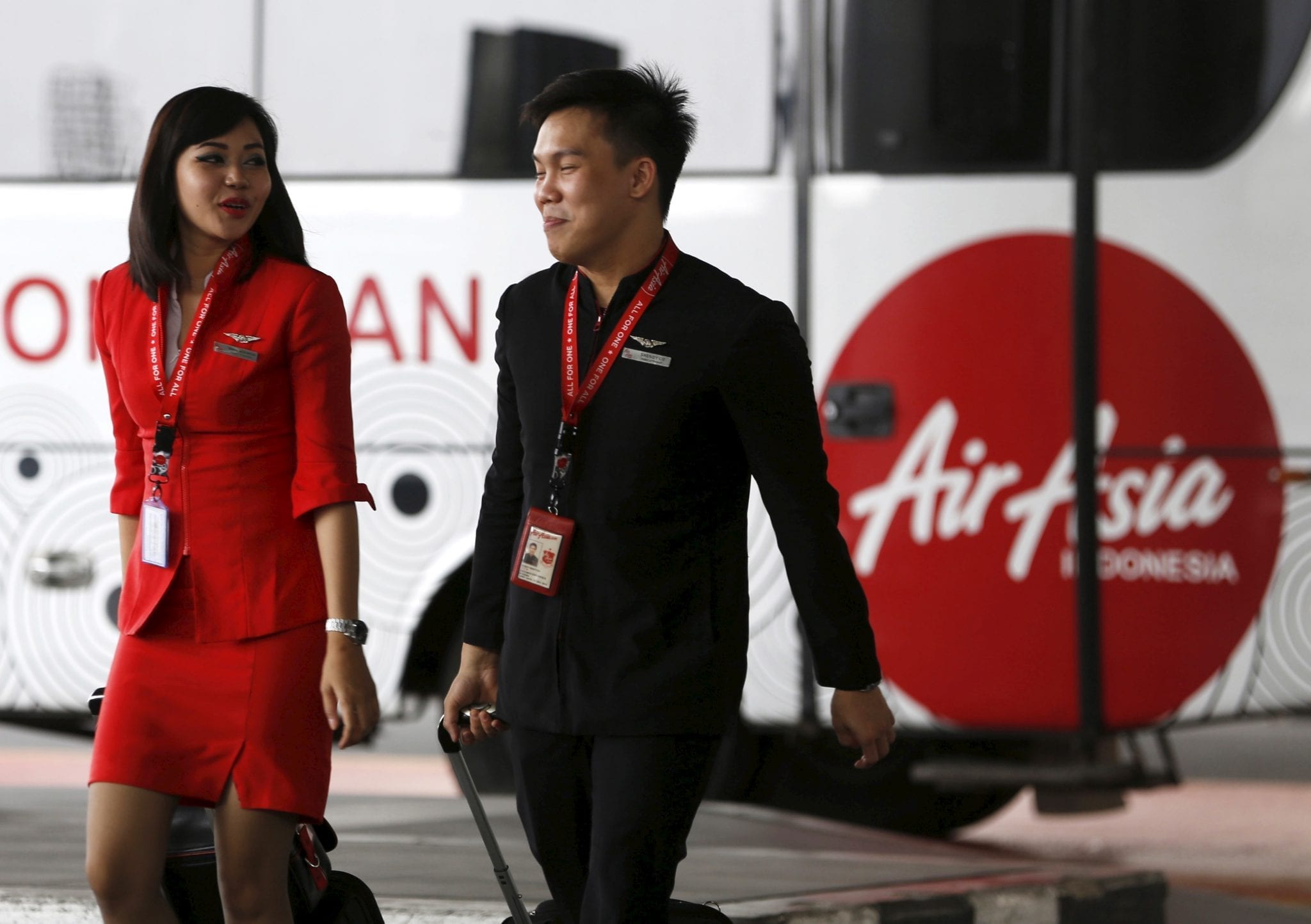
    AirAsia X will return to London this summer with direct flights out of klia2, AirAsia group CEO Tony Fernandes told media on the sidelines of the World Economic Forum in Davos, Switzerland last week.

    Additionally, Fernandes said that Frankfurt will be added to the list of destinations for the long-haul arm of the Malaysian-based low-cost carrier, but it will be a direct flight out of Bangkok.

    According to German news agency DPA, Fernandes said he hoped to set the airfare below €200 (RM953) for the Bangkok-Frankfurt flight.

    “I would like to offer them for even less. Due to the low oil prices, we could even afford to set the airfare as low as €150 (RM715).

    “We are keen on attracting more Europeans to come to holiday in Southeast Asia as well as to help Asians who wish to explore Europe. We see this as a mutual market,” he was quoted as saying by DPA.

    The airline had suspended all flights to Europe, including London and Paris, in March 2012, due to high operating costs. The Kuala Lumpur and London route was launched by AirAsia X in March 2009.

    AirAsia X currently flies to multiple destinations in China, India and Japan, as well as to a few Australian cities.

  • Hanoi seeks ideas to develop Red River banks

    Hanoi seeks ideas to develop Red River banks

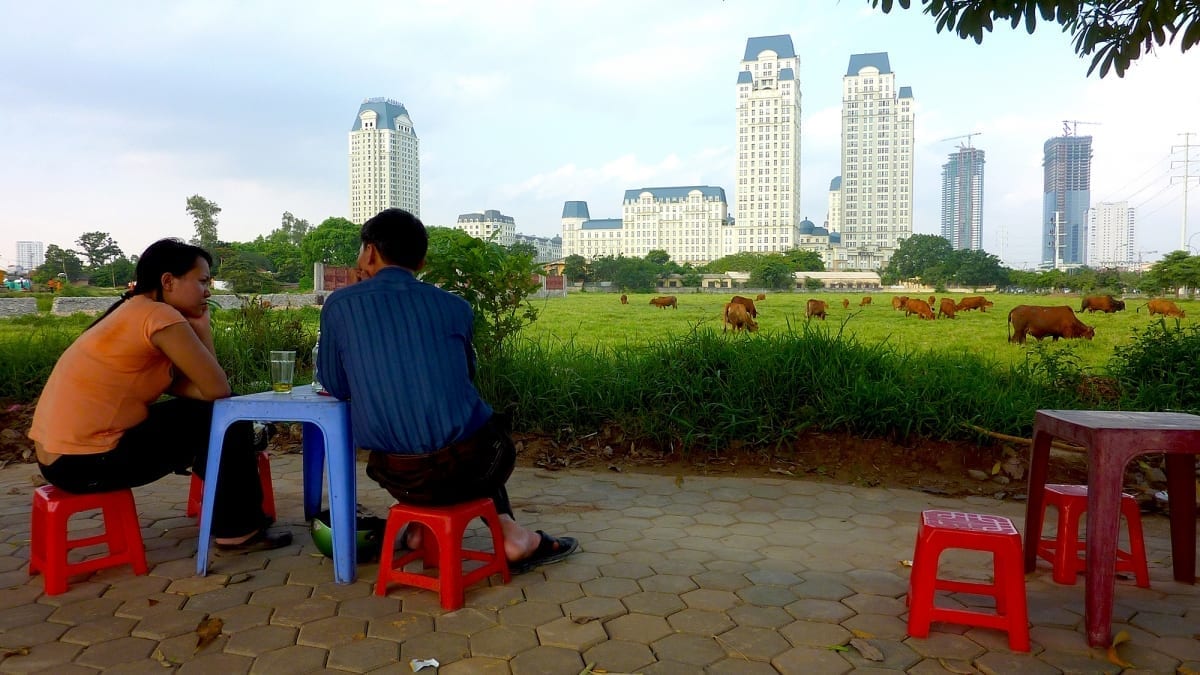
    Hà Nội authorities have asked three construction giants to devise planning schemes to develop the areas along the iconic Hồng (Red) River that flows past the capital city.

    According to the decision of the municipal authority, three investors — Sun Group, Vingroup and Geleximco — will each devise plans and submit them to the municipal authority for selection.

    They can invite designing consultancy units to collaborate in the project. The final design ideas will be selected by March 30.

    Nguyễn Đức Chung, chairman of the municipal People’s Committee, at a meeting with investors interested in the project, asked them to develop a scheme which ensures the city’s flood-resistant capability, effectively makes use of land funds and creates a modern urban area along the river.

    Additionally, the scheme should give priority to on-site resettlement for residents and to the development of waterway transportation and tourism.

    The city has suggested two options for the scheme.

    Option one is to build a new system comprising roads and dykes to replace the current dyke system. This will serve to protect the city from flood alarm level 3+, or emergency flood condition, which sees general and widespread uncontrollable flooding and severe damage to infrastructure.

    Option two is to build a new system of roads and dykes which can protect the city from flood alarm level 2 or dangerous flood condition. In addition, water reservoirs and canals will also be built to support the current dyke system, which is located further inland, to protect the city from flood alarm level 3+.

    The planning scheme will be divided into two phases, with the first one covering areas on the banks of the river from Thăng Long Bridge to Thanh Trì Bridge and the second one covering the remaining areas.

    The Red River, originating in China, flows past Hà Nội and several provinces in the north of Việt Nam before emptying into the Gulf of Tonkin. Besides being one of the main river systems that play a crucial role in irrigation and waterway traffic, the river is also seen as a symbol of the capital city.

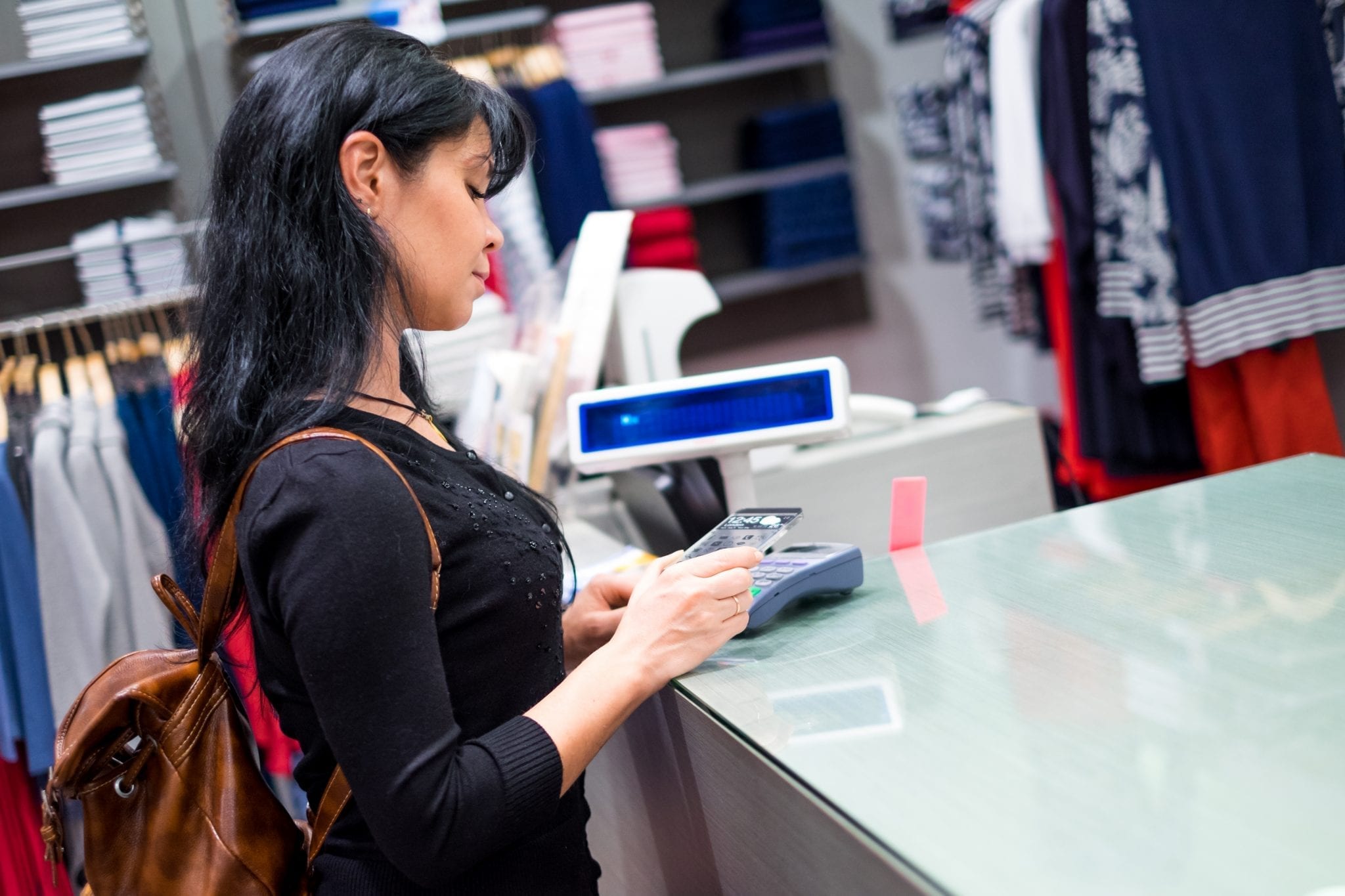
  • China’s m-payment market growing 142% annually

    China’s m-payment market growing 142% annually

    The total value of mobile payment transactions in China is expected to grow at an average annual growth rate of 142% over the next three years to reach 13,776.5 trillion yuan ($2,011.17 trillion) by 2020, according to Research and Markets.

    According to a new report by the research firm, mobile banking accounted for 83.1% of the value of mobile payment transactions in 2015, but this is expected to decline slightly to 80.4% in 2020.

    Among the banks, China Construction Bank had a 23.1% market share, followed by Industrial and Commercial Bank of China (20.0%) and Agricultural Bank of China (13.9%).

    Faced with fresh challenges from payment service providers, the banks are expected to strengthen competitiveness by introducing differentiated services and products, such as jointly-issued cards or support for large payments.

    Third-party mobile payment transaction values have been estimated at 21.96 trillion in 2015, with the market rapidly growing. Alibaba’s Alipay and Tencent’s Tenpay have captured 90% of the market.

    Market competition further intensified in 2016 as handset vendors and traditional enterprises stepped up their presence in the payment market.

    Research and Markets expects 2D QR code payment technology to continue to lead the market. More secure and advanced technologies such as near field communication (NFC), hosted card emulation (HCE), token authorization and biometric authentication will meanwhile mature more gradually.

  • When Xiaomi is dying for expansion

    When Xiaomi is dying for expansion

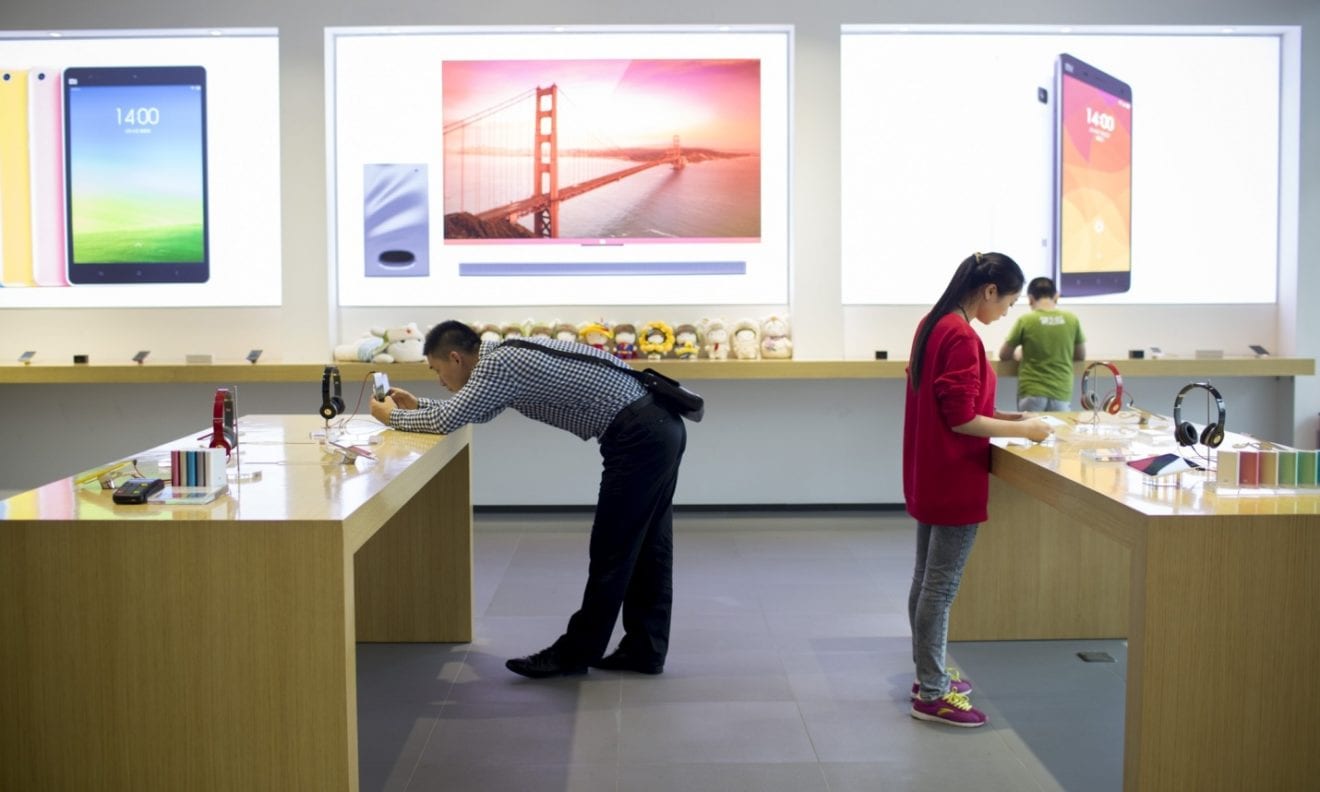
    Never mind smartphones – Chinese tech giant Xiaomi is now eyeing anything and everything as it broadens its investment portfolio.

    With the mobile handset market increasingly crowded globally, and offering diminishing returns, a new Xiaomi expansion strategy has been created: moving into new markets which offer growth potential.

    Co-founder Liu De has told Wired magazine he plans to extend the company’s business model of investing in companies and giving them access to its designers, marketing might and supply chain, to branch into other industries and different products. Xiaomi usually buys a 10 to 20 per cent stake in such companies, insisting on the rights to brand and market products made by these businesses.

    “We’re using our entire platform to lift these companies to the next level,” De told Wired.

    Four of the companies Xiaomi has invested in have already achieved market capitalisation greater than US$1 billion and the portfolio of companies have now collectively sold more than 50 million connected devices.

    The star product is the Mi Air Purifier, one of the most popular models in China.

    Xiaomi believes its investment approach will turn it into a so-called “Everything Company.”

    “It’s a unique model that I haven’t seen before and that I think is only viable for a company that comes from China,” Hugo Barra, the company’s outgoing global VP, said.

  • Vietnam rice exports set to face another tough year

    Vietnam rice exports set to face another tough year

    Despite facing difficulties, Việt Nam will strive to achieve rice exports of more than 5 million tonnes this year, the Việt Nam Food Association has said.

    Speaking at a meeting to review the VFA’s performance last year in HCM City on Monday, its secretary, Huỳnh Minh Huệ, said last year only 4.89 million tonnes were exported for $2.12 billion, a 25.5 per cent fall in volume and 20.57 per cent decline in value.

    There was excessive supply in the global market last year, and there has been a recent trend of major importing countries increasing domestic production to reduce imports, he said.

    Việt Nam’s rice exports are likely to face another difficult year as supply outstrips demand and global competition intensifies, he said.

    He quoted the US Department of Agriculture as saying global rice output in 2016/17 is estimated to increase by 1.6 per cent from last year to 480 million tonnes due to an expansion in the area under rice in many countries including Australia, Myanmar, Brazil, India, Indonesia, North Korea, Pakistan, Thailand, and the US, he said.

    Global exports are expected to rise by one million tonnes or 2.6 per cent to 40.6 million tonnes, he said.

    Stockpiles have been increasing for the last three years and are expected to reach the highest levels since 2001/02 crop, he said.

    Huỳnh Thế Năng, VFA chairman, said despite the hurdles, rice businesses would strive to export higher volumes than last year to ensure farmers can sell off as much of their outputs as possible.

    In the long term the domestic rice sector targets exports of high-value rice to affluent markets, he said.

    He said the Plant Protection Department and other relevant agencies should take measures to improve the hygiene and food safety of Vietnamese rice to enable more exports to choosy markets.

    The association said rice exporters should meet hygiene and food safety standards and strengthen linkages with farmers to ensure a steady source of the grain to meet market demand.

    Huệ called on the Ministry of Agriculture and Rural Development to build an international standard laboratory in Cần Thơ to help exporters check their rice quality, especially look for plant protection chemical residues, instead of sending to other countries for analysis as is done now.

    Năng said authorities in rice growing localities need to do more to instruct farmers in producing rice meeting safety standards, encourage them to use more certified rice seedlings and improve technical and financial support systems.

    Đỗ Hà Nam, chairman and general director of Intimex Group Joint Stock Company — one of the country’s 10 largest rice exporters — said while exports of other kinds were down, exports of Japonica and sticky rice went up by 136.95 per cent and 96.59 per cent.

    “But farmers have since rushed to grow more sticky rice, which [poses a] risk.”

    He said the Government should work with China to facilitate exports of Vietnamese rice to that country.

    “We face severe competition in terms of price from Pakistan and India.

    “There may be difficulties but if we choose to invest in varieties like fragrant rice and sticky rice, there will be opportunities.”

    Lê Thanh Tùng of the Crop Production Department said Việt Nam has the potential to boost exports of sticky, fragrant, Japonica and high-quality rice varieties.

    Besides improving quality, Vietnamese firms should also focus on building brands, he said.

    Rice stockpile

    The association on Monday called on the Government to approve a programme to stockpile rice temporarily from the winter-spring crop to ensure farmers do not lose.

    Tùng said the Ministry of Agriculture and Rural Development, based on rice production and consumption in February and March, would make specific recommendations for it.

    The quality in the 2016/17 winter-spring crop would be better than last year’s, he added.

  • CUG signs IPX peering deal with 3 APAC telcos

    CUG signs IPX peering deal with 3 APAC telcos

    China Unicom Global (CUG) has signed an IPX direct interconnection bilateral agreement with regional peers PCCW Global, Hutchison Global Communications (HGC) and Chunghwa Telecom.

    The direct IPX peering agreement will allow CUG to expand its mobile roaming coverage areas.

    In a statement, CUG said the agreement will also help provide mobile customers within the region reached by its new partners with high quality mobile voice and data roaming services as well as advanced IP services including VoLTE and HD video calling.

    CUG executive vice president Yuerui Ma said CUG IPX will become a critical platform for the operator’s international roaming data exchange.

    He said CUG aims to jointly promote direct-connection among mobile networks in Asia-Pacific by using IPX direct-connection. This would allow operators in the region to provide faster, stabler and more secure international roaming services for mobile customers.

    CUG, China Unicom’s wholly-owned international subsidiary, has a presence in 28 branches worldwide. Its main businesses include leased line, internet, system integration, cloud computing, data center, video conferencing and MVNE services.

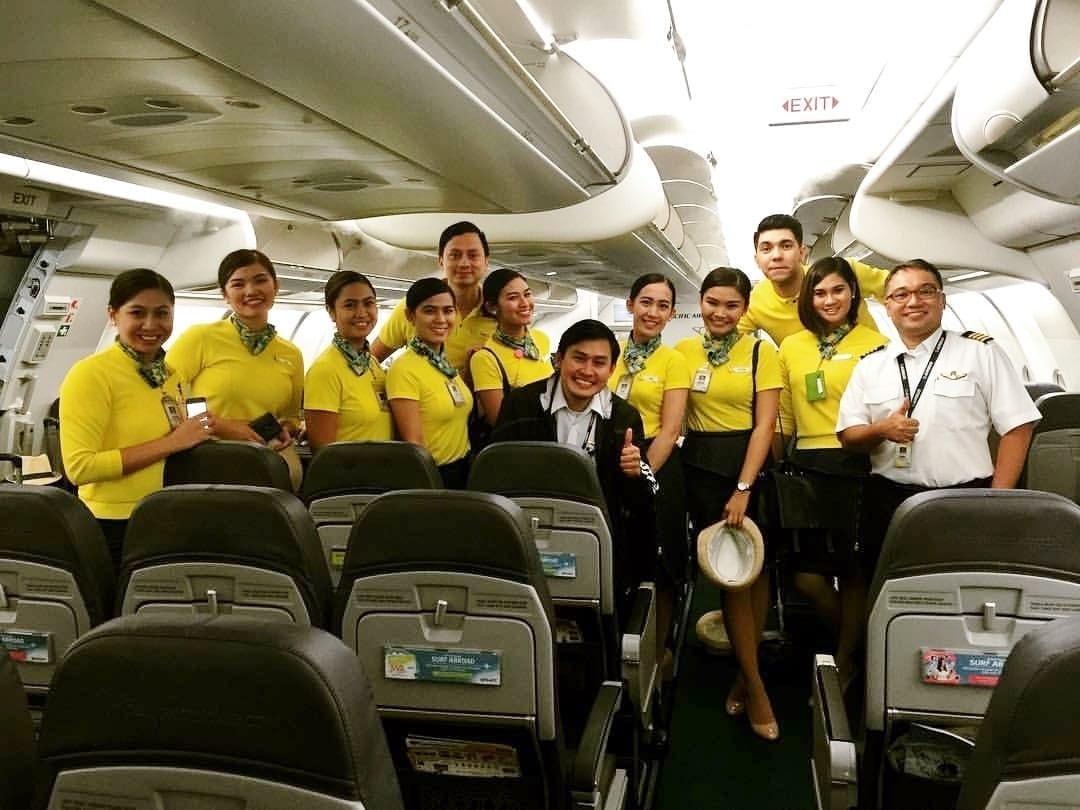
  • AirAsia X gets FAA clearance to fly to the US

    AirAsia X gets FAA clearance to fly to the US

    AirAsia X has received clearance from the Federal Aviation Authority (FAA) to fly to any destination in the the US, making its foray into an entirely new market as it looks beyond the Asia Pacific.

    “The airline is the first Asian low-cost carrier to secure approval to operate scheduled passenger flights to the US,” it said on Tuesday.

    AirAsia X is considering flights to several US states including Hawaii as part of its route expansion plans.

    Its group CEO Datuk Kamarudin Meranun said this was a major milestone for AirAsia X.

    “Our expansion up until now has concentrated on Asia, Australasia and the Middle East, and we are excited about our first foray into an entirely new market as we look beyond Asia Pacific.

    “I’m confident travellers will respond well to our award-winning service and the kind of connectivity we can offer with our Fly-Thru product. As part of our expansion plans, we are also looking to resume our very popular London route, and are working towards securing the necessary approvals.”

    Kamarudin said none of this would be possible without its Allstars, especially group chief operating officer Anaz Ahmad Tajuddin, who  passed away two weeks ago.

    “We wouldn’t be where we are today if he chad not laid the foundations with his blood, sweat and tears, and his bravery in the face of cancer showed us the true meaning of strength. This is for you, Anaz.”

    Fly-Thru allows guests to seamlessly connect to anywhere within AirAsia’s wide network with just one stop at Kuala Lumpur, Malaysia – Asia’s No. 1 low-cost carrier hub – and other convenient transit hubs in Thailand and Indonesia, without having to pass through immigration and with their baggage checked through to the final destination.

  • Vingroup to invest in HCM City sports complex

    Vingroup to invest in HCM City sports complex

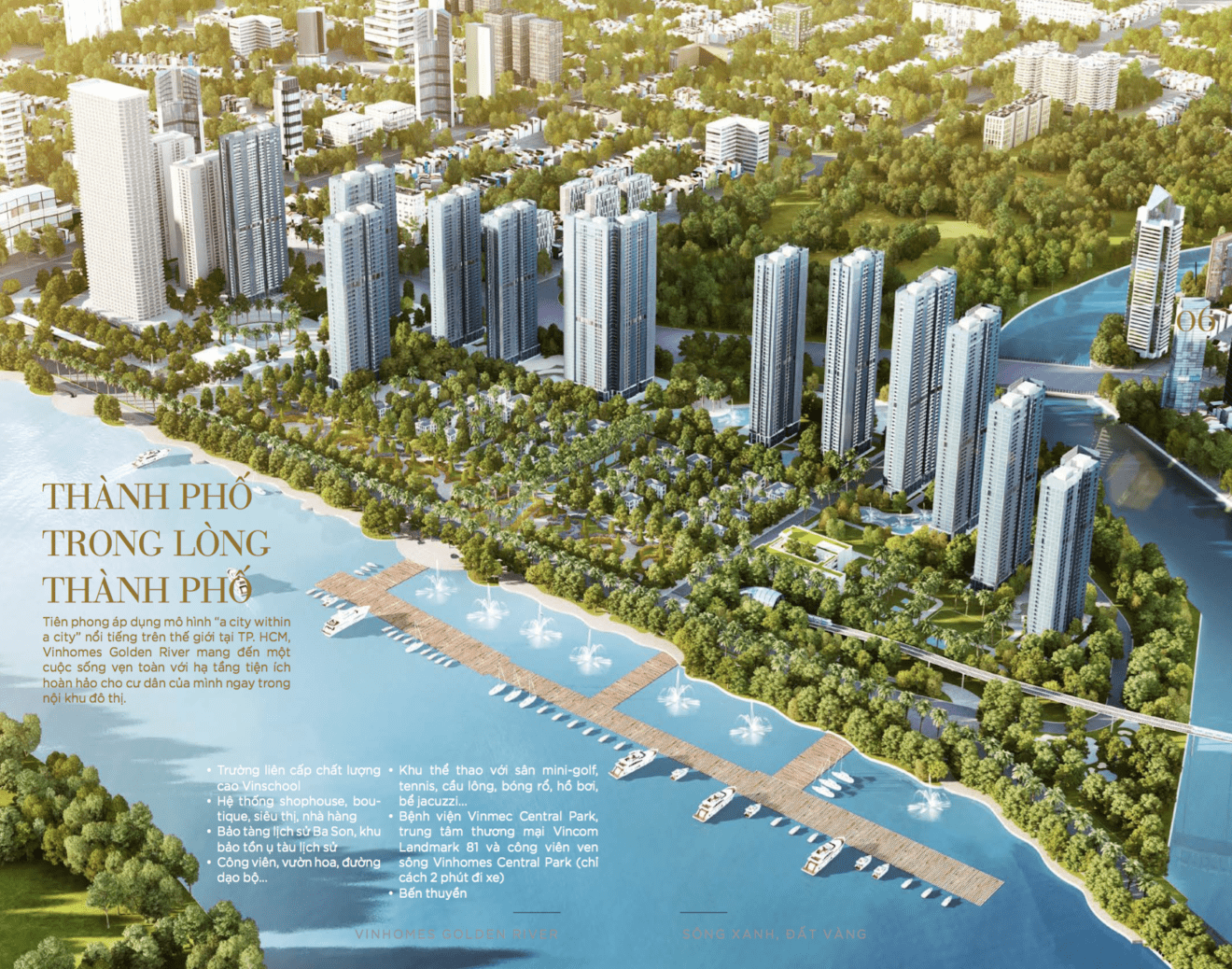
    HCM City’s People’s Committee had given Vingroup Joint Stock Company (Vingroup JSC) the go-ahead to invest in a sports and entertainment complex in District 2’s new Thủ Thiêm urban area.

    The complex would be located on 31.39 hectares, and the People’s Committee has approved a district planning scale of 1/2,000, the city’s department of planning and architecture (DPA) said on Monday.

    The project would require an estimated total capital of VNĐ6.77 trillion (US$305.1 million), excluding compensation for site clearance.

    So far, 99 per cent of the land in Thủ Thiêm urban area had been cleared, with 382 hectares set aside for residential purpose and another 334 hectares for commercial purpose. Once Thủ Thiêm had been developed, it would be able to house 150,000 residents and attract 220,000 workers.

    Vingroup JSC had acquired approval to build the complex as part of the second functional area in Thủ Thiêm and An Lợi Đông wards, Disctrict 2. The total construction is expected to take 36 months; the project utility period would be 50 years.

    Vingroup JSC’s sports complex would have infrastructure so it could be used as a multifunctional sporting halt and an amusement park. It is considered to be one of the key high-value projects in the planning of Thủ Thiêm urban area.

    Recently, many domestic and foreign investors had expressed interest in putting money into housing, commercial and office projects in Thủ Thiêm.