Author: Mei Ling Tan

  • SSI partners with Muji operator to bring Japan brand to Philippines

    SSI partners with Muji operator to bring Japan brand to Philippines

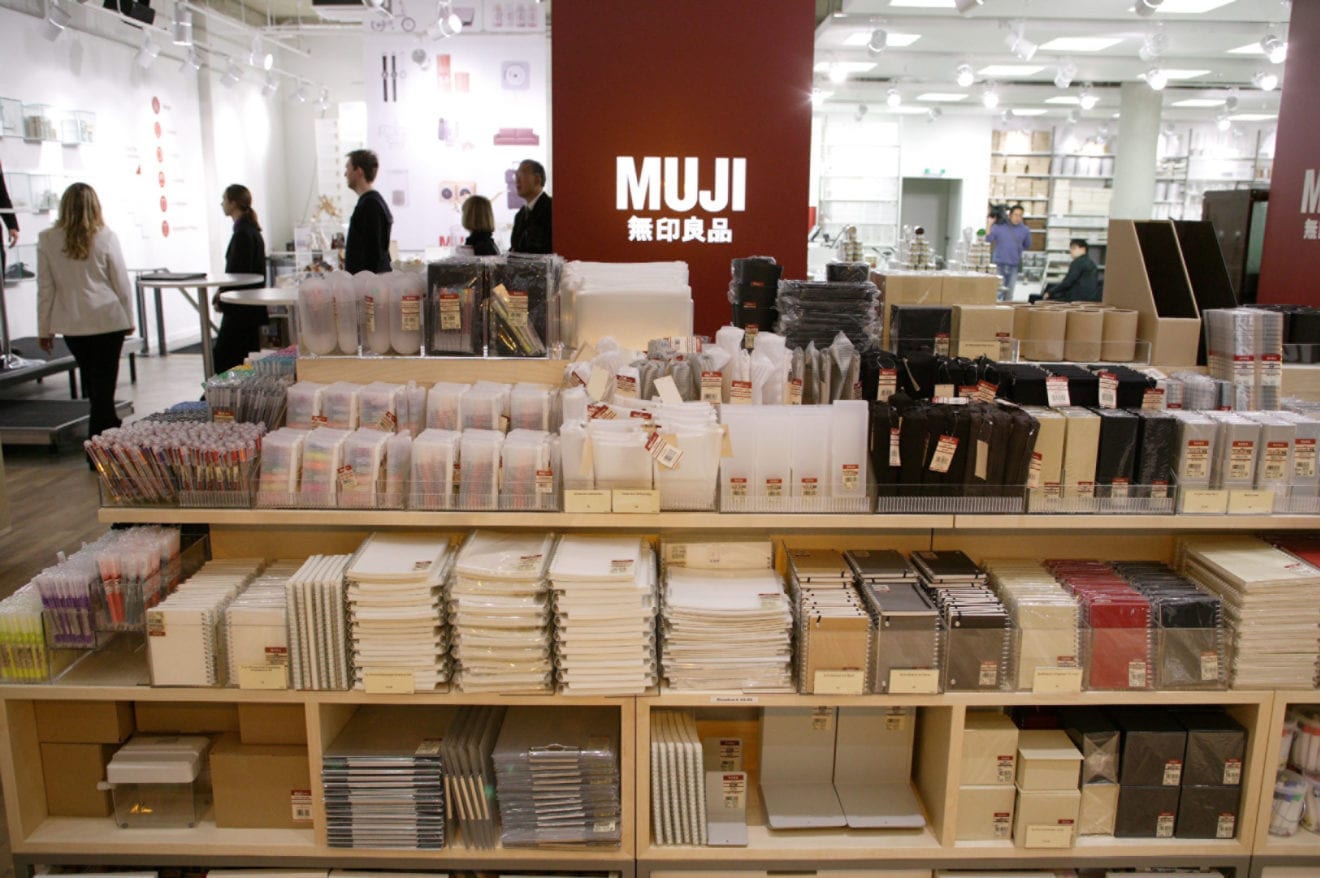
    Speciality stores operator SSI Group has signed a joint venture deal with a Japanese company to bring the Muji retail brand to the Philippines. SSI Group, through its wholly owned subsidiary Stores Specialists Inc. (SSI), entered an agreement with Japan’s Ryohin Keikaku Co. Ltd. (RKJ) to form a joint venture company called Muji Philippines, which will own and operate Muji stores in the Philippines.

    “The joint venture with RKJ is expected to strengthen the Muji brand in the Philippines and enable cost efficiencies,” SSI said in a disclosure to the Philippine Stock Exchange.

    Muji is a Japanese retailer which operates some 420 stores in Japan and 390 stores internationally as of October 2016.

    SSI will have a 51-percent stake in the joint venture while RKJ will hold the balance of 49 percent. SSI will infuse P89.25 million in Muji Philippines while RKJ will invest P85.75 million.

    Muji Philippines is expected to commence operations on April 1.

    “Any profits from the joint venture company shall be distributed pro-rata to the ownership in the company of each of SSI and RKJ,” SSI said.

    “SSI shall provide the joint venture company with operational knowledge and apparel and retail sales expertise specific to the Philippines, while RKJ shall provide the brand management expertise and retail experience specific to the Muji brand,” it added.

    One of the conditions needed for the closing of the transaction is for RJK to obtain a certificate of pre-qualification as a foreign retailer from the Board of Investments, the statement said.

    Specialty retailer SSI Group also has a presence in the convenience store segment through its joint venture with Ayala Land Inc. (ALI) and Japan’s Itochu Corp. to bring the FamilyMart convenience store chain into the country.

    In March last year, SSI and its joint-venture partner ALI sold Wellworth department stores at Fairview Terraces Mall and UP Town Center Mall to Gaisano-led Metro Retail Stores Group Inc. (MRSGI) for P499 million to minimize operating losses.

  • Indonesian mall integrates tech in the shopping experience

    Indonesian mall integrates tech in the shopping experience

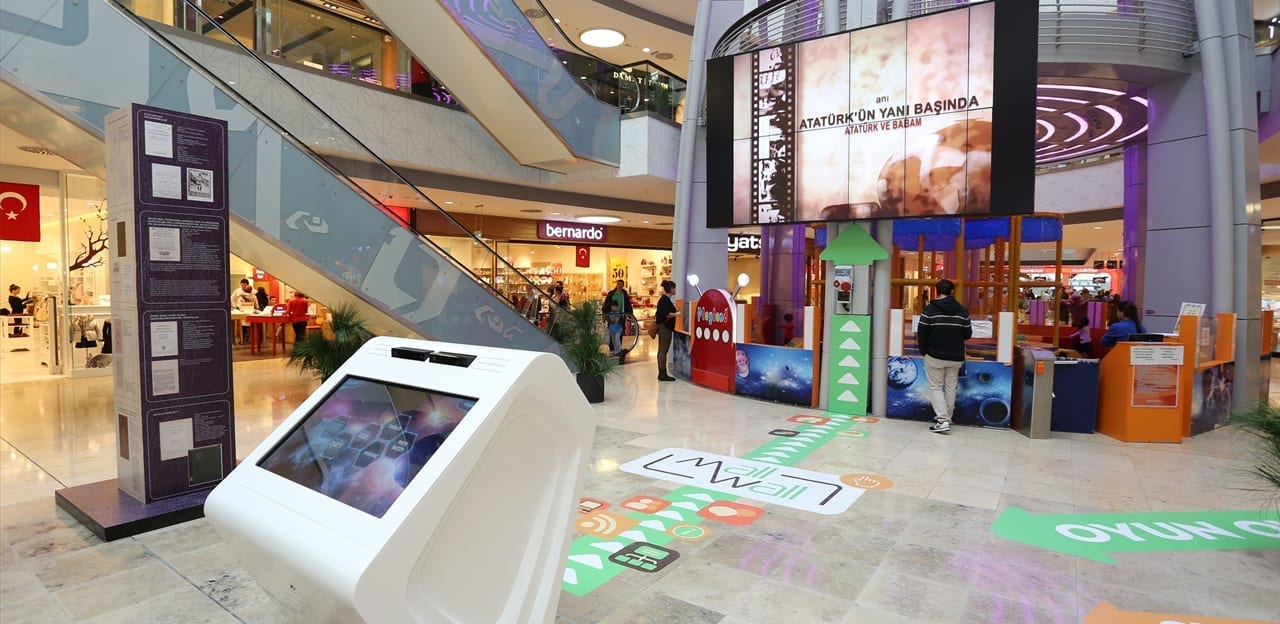
    Supermal Karawaci, one of the largest mall entertainment center in Western Jakarta, has launched an interactive mobile application that would allow retailers to offer personalized content and engage with customers better.

    The 125,000-square-meter retail destination in Banten Province, West of Jakarta has over 1,000 retail stores and outlets, three cinemas and the largest Timezone arcade in Southeast Asia.

    The app, which was built on the shopper engagement platform of Singaporean technology firm Sprooki, is integrated with Supermal Karawaci’s touchpoints and mobile apps. Using location and contextual data, retailers would be able to offer individualized content such as vouchers, special offers, event alerts and store information.

    The system allows social sign-in and content sharing on platforms, including Facebook, which has more than 76 million users in Indonesia as of end 2016 and projected to grow to 86.4 million by end of 2017, according to eMarketer. The service will also be available in both English and Bahasa.

    Pipih Tjandra, Supermal Karawaci Marketing and Leasing General Manager, said the Sprooki platform would help keep the shopping hub at the cutting edge of technology, which customers had come to expect.

    “Supermal Karawaci works every day to be in tune with what today’s consumers want and expect through innovative marketing strategies. By implementing the Sprooki platform, our mall will be one of the first shopping precincts in Indonesia to incorporate a data-driven mobile platform to improve shopper experience, helping our tenants to increase in-store traffic and sales,” he said in a news release.

    Pablo Amante, Sprooki’s Head of Marketing, said in an email interview that the Indonesian market is ready to start adopting location-based and engagement technologies to help retailers and business to engage their shoppers, making the Indonesian retail industry much more competitive.

    The latest report from eMarketer shows that the number of smartphone users in Indonesia will rise from 55 million in 2015 to 92 million in 2019 and would be the third largest smartphone market in the Asia-Pacific.

    According to Lee Kang, the Vice Chairman of the Indonesian Cellular Phone Association (APSI), number of smartphone users in Indonesia has been growing between 30 and 50 percent each year and this growth momentum will remain intact due to the availability of affordable 4G smartphones on the Indonesian market and further development of Indonesia’s 4G network.

    “Based on these figures, retailers, shopping malls, and all companies focused on engaging their customers through mobile will see in our software a powerful tool to optimize their sales and marketing strategies, based on real data about their customers’ behavior,” Amante said.

    Cloud-based platform

    The Sprooki software is a cloud-based platform that analyzes physical and digital shopper behavior detected inside and outside stores. The platform is an analytics and contextual engine that algorithmically analyzes digital and physical data and predicts what shoppers are most likely to respond to, offering shoppers most relevant products at the best moments and locations.

    “Mall’s retailers benefit most from Sprooki platform, which gives them the possibility of engaging mobile shoppers in context and personalized ways; driving footfall to their stores; rewarding their top customers; making data and insights actionable through integrated reporting and predictive recommendations, and all these by using only one platform, saving time and efforts, so retailers and malls can focus on their marketing and sales strategies,” Amante explained.

    The software can be integrated either in mobile apps or websites. In these environments, consumers are always able to opt out or not sign in. The challenge, however, is to provide highly targeted and relevant content in a way that shoppers appreciate the added value of having access to these offers, campaigns or rewards.

    “When our customers provide to its shoppers with contextual and personalized offers, general response by consumers is very positive, as the shopping experience is different for each one and it’s relevant according to their likes and what they are looking for,” Amante added.

    While this is the first implementation of Sprooki technology in Indonesia, its customers are already spread across Southeast Asia.

    Amante said some of its customers include the 313@somerset iconic mall at Orchard Road in Singapore where the company implemented Sprooki Campaigns module, which allows shoppers to access to exclusive offers and coupons through vouchers. At Far East Organization /Shop Far East Asia (Singapore), it has also implemented Sprooki Rewards, a module that allows the mall to offer a card-less loyalty program to its shoppers.  In Vietnam, the technology allows location-based features and beacon technology to work both outside and inside the Crescent Mall to collect strategic data, providing a unique experience to shoppers.

    At this stage, Supermal Karawaci shoppers are exploring this new way of access to exclusive offers, and the response has been more than positive, with a high rate of voucher downloads since its launch last December 15.

    “Sprooki is delighted to enable Supermal Karawaci with the most advanced technology for engaging with customers and understanding their behavior. Our mobile platform will give the precinct’s retail tenants an effective way to drive frequency of visits and increase sales conversions,” said Sprooki CEO and Co-founder Michael Gethen in a media statement during the launch.

    Retail challenges ahead

    Sprooki is confident that location-based, data-driven mobile services are the present and the future for the retail industry.

    “After the struggles that retailers have suffered in the last years due to the e-commerce and online shops, the game is again on for big retailers and shopping malls that want to bring shoppers back to the physical stores. And the only way to make this happen is by providing a new shopping experience, based on offering what the digital world already offers (personalization, analytics, related purchases, recommendations, rewards, etc.),” Amante said.

    Shoppers nowadays also expect more from their brands in terms of product offerings, customer services, efficiency, and engagement. That is the reason why features such as ‘click and collect’, digital voucher redemption, scan receipts, faster and easier payment methods are raising, in order to meet consumers’ expectations.

    Taking a look at the region and the challenges that retailers are facing in Southeast Asia, Sprooki sees a lot of opportunities.

    “Retailers nowadays have a big gap in terms of what they know about their shoppers, and how they behave in their shopping journey. Even the most advanced retailers that work already with big data haven’t found an effective and sustainable way to manage all these data without the need of investing a lot of money and time,” Amante said.

    Sprooki today is currently based in Singapore, and has offices in Hong Kong and Australia, with local contacts in Indonesia, Malaysia, Philippines, and Vietnam.
  • Digital transformation and what it means for Indonesia

    Digital transformation and what it means for Indonesia

    Digital transformation will attain macroeconomic scale in Indonesia over the next 2-3 years, according to new predictions from IDC.

    The analyst firm says this will change the way enterprises operate and reshape the global economy. IDC calls this as the dawn of the DX Economy.

    “As digital transformation reaches macroeconomic levels, a DX economy will emerge and will become the core of what industry leaders do and operate,” says Mevira Munindra, research manager, Consulting of IDC Indonesia.

    “Essentially, to succeed, Indonesian enterprises must begin to think of the relevancy of their business in 10 years, and how they should react in the face of disruptive forces,” Munindra explains.

    Munindra also revealed the strategic top predictions that will unfold in 2017 and beyond and make the biggest impact to organisations in Indonesia:

    1. By 2019, 50% of IT organisations will create new customer-facing and ecosystem-facing services to meet the business DX needs.

    2. By 2018, lack of vision, credibility, or ability to influence will keep 80% of IT executives from attaining leadership roles in enterprise DX.

    3. By 2020, Indonesian firms will use open innovation to allocate expertise to 15% of new projects, aiming to increase their new product introduction success rates by over 50%.

    4. By 2020, nearly 20% of operational processes will be self-healing and self-learning — minimising the need for human intervention or adjustments.

    5. By 2018, online brand ambassadors and social media influencers will have more marketing power than traditional digital advertising, although this will subside through 2019 and beyond.

    6. By 2019, digital transformation investments will double, drawing funds away from store capital and profoundly changing the retail industry.

    7. By 2019, only 30% of manufacturers investing in digital transformation will be able to maximize the outcome; the rest are held back by outdated business models and technology.

    8. By 2019, cloud adoption will reduce infrastructure spend by 25% among top-tier banks.

    9. By 2019, 20% of local and regional governments will use IoT to turn infrastructure like roads, street lights, and traffic signals into assets instead of liabilities.

    10. By 2017, 90% of Indonesian cities will fail to take full advantage of Smart City data and digital assets due to a lack of process, project management, and change management skills.

    “In Indonesia, Digital Transformation is still not adequately represented within the enterprise, and this disparity in leadership will lead towards a delayed response towards market changes that will adversely impact business,” says Sydev Bangah, country manager at IDC Indonesia.

    “Timing is critical, and archaic thinking of riding-out trying economic times is no longer relevant, and should be addressed with process-led innovation,” Bangah  adds.

  • BNI prepares Indonesia-Hong Kong worker card

    BNI prepares Indonesia-Hong Kong worker card

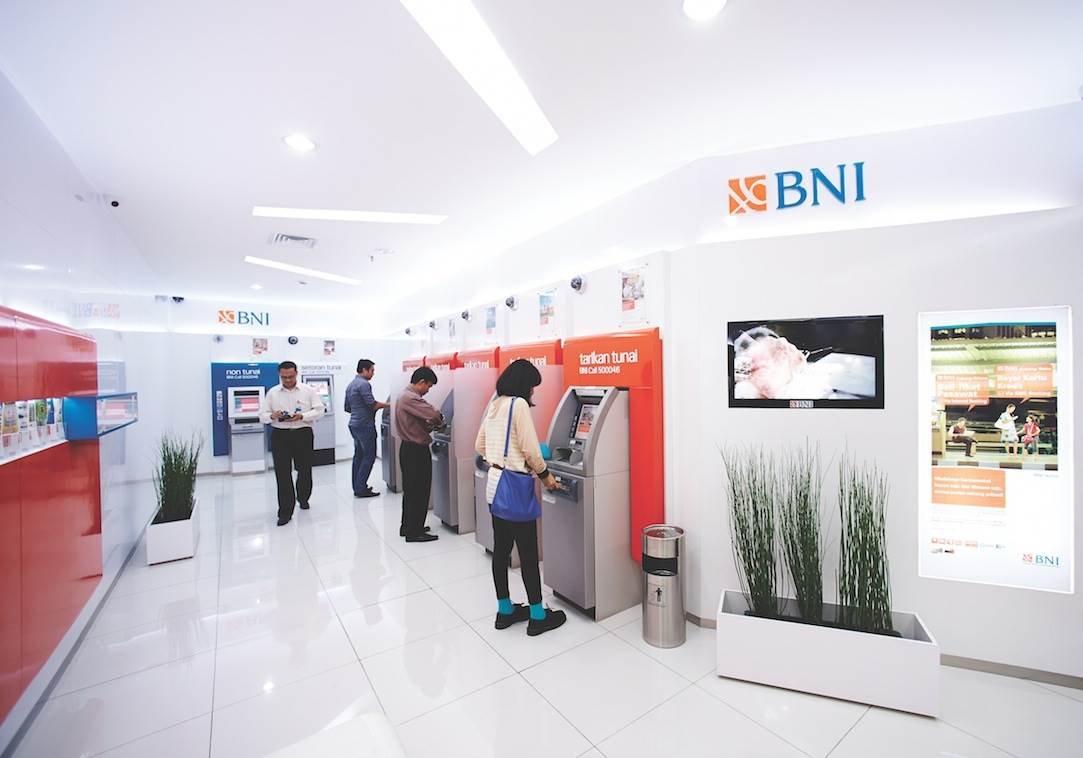
    State-owned PT Bank Negara Indonesia (BNI) will be launching Indonesia-Hong Kong Worker Card (KPIH), a multi-function card for Indonesian employees in Hong Kong.

    The Bank had previously launched Indonesia-Singapore Worker Card (KPIS) in November 2016.

    The dissemination and soft launching event of the card was carried out in the presence of 500 Indonesian migrant workers in the Banks Hong Kong branch on Jan 22, and was attended by BNIs Vice President Suprajarto.

    “There are savings acquisition potentials, which reached 25 thousand Indonesian migrant workers in Hong Kong. This card has many functions. Apart from being a debit card, it can also act as a Worker Identity Card,” Suprajarto said in an official statement received by Antara here on Monday.

    The cards functions include Internet/Mobile/SMS banking facilities that ease transaction processes, access to the Banks programs information and remittance and/or bill settlement to Indonesia through BNIs Hong Kong branch or ATM machines.

    The card can also be used as a shopping card in stores with a MasterCard logo in their EDC s.

    Card holders also get a chance to join an entrepreneurship training program called “KAMI bersama BNI” (We are with BNI), as well get home credit facilities for new residential purchases or renovations through BNIs Hong Kong branch.

    As an appreciation to the Banks consumers, BNI is having a remittance fee discount program for money wiring services through the Hong Kong branch, in which transfer costs are being exempted for transactions among BNI accounts, he continued.

    Customers can also move their savings balance into a deposit account once the amount is considerably high, and they can also propose for the Worker Retirement account and auto-debit system for health and work insurances.

    For migrant workers who wish to start their own business in Indonesia, BNI also offers financial support through their Peoples Business Credit (KUR) program.

    They can simply contact the Banks small credit centers across Indonesia to submit their proposal.

    One of the programs selling points lies in its low interest rate, which is noted to be at 9 percent annually as per 2016.

    Until the end of 2016, BNI had given out credits to 386 migrant workers in Hong Kong through seven credit centers, with the loan reaching Rp5.3 billion.

    The loan is also being disposed to migrant workers who had been employed in Singapore, Japan and Taiwan.

    As of December 2016, there are 2,463 debtors, with the total amount reaching Rp38.9 billion.

  • Alibaba buys into retail stores strategy

    Alibaba buys into retail stores strategy

    Alibaba’s $2.6bn plan to take leading domestic department store Intime private underlines the dilemma being faced by the hoards of disrupters: how to blur the lines between online and offline shopping, and create a model that keeps the fun and feel of shopping, while letting retailers and brands collate the big data that enable them to sell more goods, more quickly and more profitably.

    “Today we cannot just separate online and offline,” Daniel Zhang, Alibaba chief executive, told a panel at Davos last week. Even when people are shopping in malls, he pointed out, they are on their phones — literally on and offline simultaneously.

    Alibaba, which already boasts investments in offline players such as retailer Suning and white goods manufacturer Haier, is not the only ecommerce name going back to bricks and mortar. Last month, Amazon launched its checkout-free Amazon Go store. Other crossover innovations are springing up. Panasonic is shopping its “intelligent baskets”, which will price items as they are placed inside.

    “To say that bricks and mortar is dead is wrong,” says Tom Birtwhistle, senior manager in PwC’s digital strategy division in Hong Kong. “It just needs to evolve, into smaller-format stores, for example, and embrace in-store digital technology.”

    It is a lesson start-ups are also learning. Luke Grana, who set up his eponymous Grana clothing company in 2014, was forced into a U-turn on his original ecommerce-only plan — introducing pop-up “fitting rooms”.

    “We realised we needed offline presence to increase brand awareness and push people online,” he says. “And lots of people want to try before they buy to get the fit right.”

    Customers can try on clothes in-store but still order online via iPads — “there are no cashier tills” — and have their purchases delivered. These partially offline purchases now account for 10 per cent of sales.

    It is a sentiment echoed by Alain Bejjani, chief executive of mall, retail and leisure operator Majid Al Futtaim Holding, who talks about stores as showrooms. “It’s not just products and price,” he told the Davos panel. “It’s about the seamlessness of the journey, and total integration between online and offline.”

    Alibaba, which represents more than one-tenth of China’s total retail sales and about 75 per cent of those made online, according to HSBC, takes that literally. Its apps enable shoppers to navigate China’s sprawling malls, some of which span more than 1m sq ft, and find where their cars are parked when they emerge hours later.

    Amazon unveiled its checkout-free grocery store last month

    But it is also rewriting the rules on the well-rehearsed “click and collect” model and corralling big data to loop back to retailers, allowing them to manage their inventory more efficiently.

    “Alibaba and Amazon have the same two goals. Two billion customers and a reinvention of the retail model and experience,” says Michael Zakkour of Tompkins International.

    “Much in the same way department stores, chain stores, malls, Big Boxes and ecommerce have reinvented retail in the past, Alibaba is using technology, big data and imagination to connect offline and online so that there is only a unichannel retail experience.”

    Mr Zhang talks about collapsing the traditional vertical system that sees manufacturers pass goods to a handful of large distributors, who in turn pass them on to smaller ones, who sell to retailers before the goods finally reach the consumer.

    Before, he says, a consumer could order a drink and have it delivered to their home. “Now you can order it and it’s delivered to your next stop.” That means inventory can no longer be managed by distributors, who lack the full picture, but requires the whole chain to be digitised and shops to become mini fulfilment centres.

    This is where Alibaba takes integration a step further — or rather, a step back, into what founder Jack Ma has called “new manufacturing”, where data can be used to tell the makers in advance what consumers want to buy.

    Manufacturers are also waking up to a flatter system and seeking ways to move closer to shoppers. Unilever, the Anglo-Dutch consumer goods manufacturer, last July paid $1bn for Dollar Shave, which sells razors and grooming products direct to consumers using home delivery.

    This month Coty, maker of perfumes and lipsticks, bought a majority stake in Younique, an online cosmetics retailer. And the crossover between internet and manufacturers can also be spotted in personnel shifts: US toymaker Mattel tapped Google executive Margaret Georgiadis as its next chief executive.

    Some question whether predictive data are enough to dictate fashion trends. “They’re not going to be on the back streets of South Korea looking at styles or pieces of fabric,” says one player.

    Others point to conflicts. Alibaba prides itself on being a platform rather than an asset-heavy ecommerce player such as Amazon, yet the Intime acquisition will see it integrate a bricks-and-mortar business into its asset-light ecosystem.

    Alicia Yap, analyst at Citigroup, is “cautious” about the future integration and about how Alibaba “would manage the potential conflicts between Intime vs other merchants and brands on its platform”, she writes in a research note.

    Others note that China’s online/offline models differ from the west, where platforms are mainly owned by the retailer or brand. Instead, China ecommerce is dominated by third party platforms, be it Alibaba’s Tmall or JD.com.

    “If customers are buying through a third party you are never going to get the same level of data granularity on the customer as if it was yours. That’s what all the big [multinational corporations] are beginning to grapple with,” says Mr Birtwhistle.

    “So linking data between on and offline is difficult. Solving that problem is the multi-billion-dollar question. No one has really got an answer to that yet.”

  • Singapore’s consumer prices rise for first time in 2 years

    Singapore’s consumer prices rise for first time in 2 years

    After a record two years of negative inflation, consumer prices in Singapore finally rose in December last year, with headline inflation coming in at 0.2 per cent.

    The rise in the consumer price index (CPI) was due to a larger increase in private road transport cost, which rose by 1.7 per cent in December following a 0.2 per cent rise in November. The rise was the result of higher petrol prices and car park fees, said the Monetary Authority of Singapore (MAS) and Ministry of Trade and Industry (MTI) on Monday (Jan 23).

    Services inflation edged up to 1.6 per cent from 1.5 per cent in November, mainly due to a faster pace of increase in holiday expenses, which more than offset the larger contraction in telecommunication services fees.

    Food inflation was 2 per cent, unchanged from the previous month. Accommodation costs fell by 3.8 per cent in December, similar to the previous month, reflecting continued softness in the housing rental market, MAS and MTI said.

    Overall retail goods inflation eased to zero per cent in December from 0.2 per cent in November, largely on account of a fall in the prices of personal care products.

    December’s increase comes after the headline consumer price index stayed flat in November from a year earlier, coming off a deflationary trend for the first time in two years.

    For the whole of 2016, headline inflation came in at -0.5 per cent for the second consecutive year.

    Core inflation, which excludes the cost of accommodation and private road transport, was slightly lower at 1.2 per cent compared to 1.3 per cent in November. The decline was mainly due to a fall in retail goods inflation more than offsetting an increase in services inflation, MAS and MTI said.

    For the whole of 2016, core inflation rose to 0.9 per cent, from 0.5 per cent the year before.

  • Urban Revivo opens first international store

    Urban Revivo opens first international store

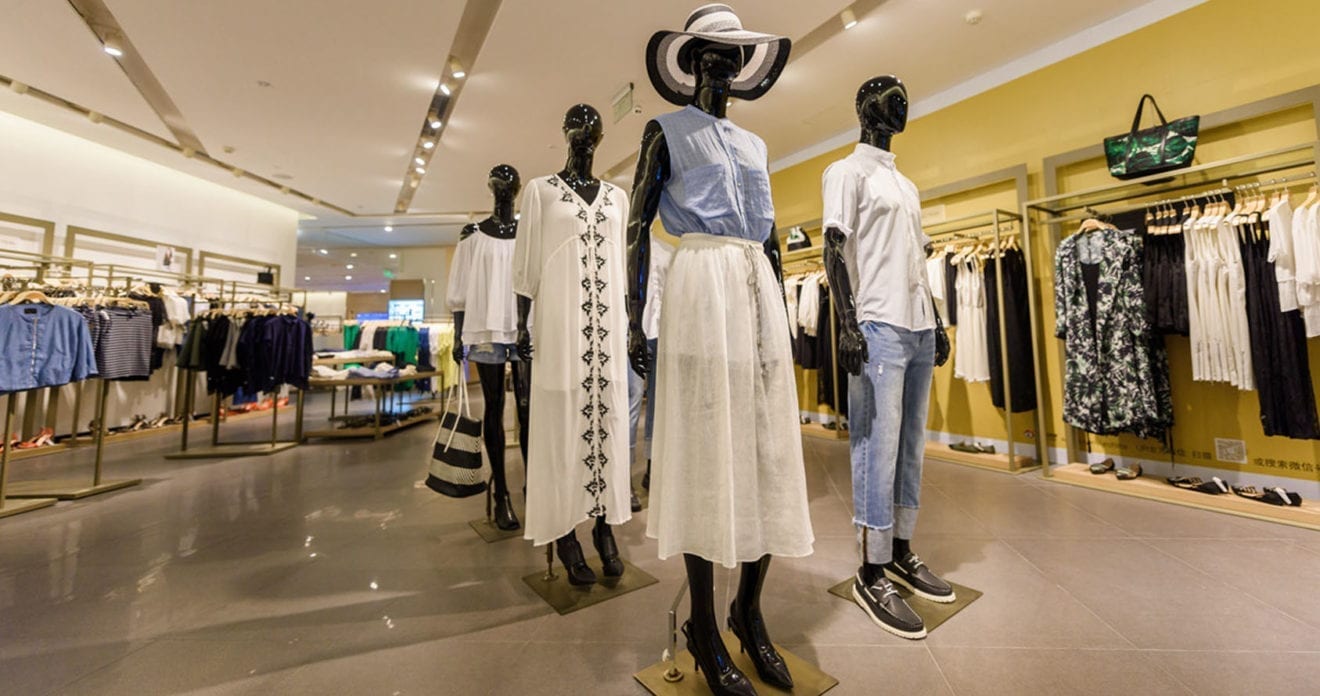
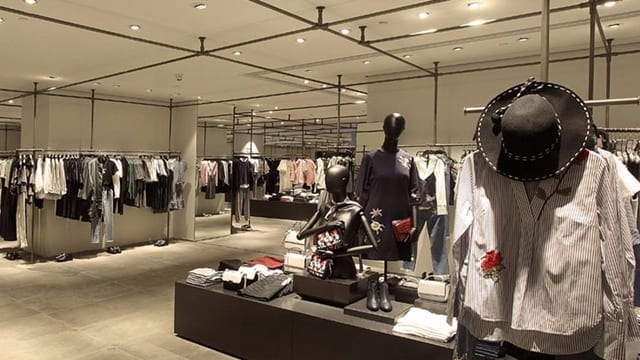
    Chinese fashion brand Urban Revivo has opened its first international store, at Singapore’s Raffles City Shopping Centre.

    Launched in 2006, Urban Revivo specialises in contemporary clothing and accessories for both men and women. It has 150 stores across about 60 cities in China, including Beijing, Chengdu, Guangzhou and Shanghai.

    While the brand refreshes its stores with up to 12,000 new styles every year, all its designs are available in only 12 pieces per store, reports Her World Plus, which features this video tour of the new store:

  • Dolce & Gabbana pop-up opens in Vietnam

    Dolce & Gabbana pop-up opens in Vietnam

    Italian luxury fashion brand Dolce & Gabbana has opened its first Vietnam pop-up store at Rex Hotel, Ho Chi Minh City.

    dolce-gabbana-vietnam-3

    Designed by Milan-based designers Giovanni Bressana, with red as the theme colour, the Dolce & Gabbana pop-up offers the label’s latest women’s collections to Vietnamese shoppers.

    dolce-gabbana-vietnam-2

    The brand has been brought to Vietnam by the IPP Group that also distributes other luxury brands there, including Burberry, Chanel, CK, Salvatore Ferragamo.

    dg-ho-chi-minh

    According to Le Hong Thuy Tien, CEO of IPP, the pop-up store will precede an official flagship scheduled to open in May.

    dolce-gabbana-vietnam-1

  • Economy Vietnam Airlines’ NASCO to list on UPCoM

    Economy Vietnam Airlines’ NASCO to list on UPCoM

    The Nội Bài Airport Services Company (NASCO) will list its 8.3 million shares on the Unlisted Public Company Market (UPCoM) under the code NAS, according to the Hà Nội Stock Exchange.

    NASCO, an affiliate of Vietnam Airlines, the country’s largest aviation corporation, has a chartered capital of VNĐ83 billion (US$3.7 million). Currently, its parent company Vietnam Airlines holds 51 per cent of NASCO’s capital and Saigon Thương Tín Commercial Joint Stock Bank (Sacombank) holds another 10 per cent.

    The company, which is headquartered at Nội Bài airport in Hà Nội, offers various services at airports such as duty-free shops, restaurants, VIP lounge, and travel and transport services.

    In the first nine months of 2016, NASCO’s revenue touched around VNĐ400 billion, down 8 per cent year-on-year. Its post-tax profit was around VNĐ24.5 billion, roughly the same as in 2015.

    Of its total revenue, the income earned from the transport service segment was the highest at VNĐ200 billion. Though the revenue gained from restaurants was lower, its profit accounted for half of the company’s total profit.

    NASCO is currently the only firm at Nội Bài airport that offers a business-class lounge with its interiors meeting 4-5 star standards.

    In 2016, NASCO faced business challenges after Terminal 2 became operational at Nội Bài airport as it affected the number of tourists using its services. The restructuring and upgradation of T1 has narrowed NASCO’s spaces at the airport, as well as thrown up fierce competition from new rivals.

    Two other companies that operate in Việt Nam’s airport service sector are Tân Sơn Nhất Airport Services Joint Stock Company (SASCO) and Đà Nẵng Airport Service Joint Stock Company (MASCO), both subsidiaries of Vietnam Airlines.

  • YCH Group to develop high-tech DistriPark in Nantong

    YCH Group to develop high-tech DistriPark in Nantong

    YCH Group, Asia Pacific’s leading integrated end-to-end supply chain management and logistics partner signed a Memorandum of Understanding (MOU) with CPC Nantong Northern New Town Management Committee to develop a DistriPark within the Nantong Integrated Logistics Park to support urban development of logistics infrastructures in Nantong City.

    As a key port and economic centre in the Jiangsu Province, Nantong City is a fast-growing coastal city strategically located along the Yangtze River Delta.  According to a report published by Milken Institute in September 2016, Nantong City is one of the top ten Best-Performing 3rd tier cities in China, characterised by its rapid development and growth of wages, jobs, GDP & FDI in the city.

    The new DistriPark will help to fill development gaps and intensified the growth of logistics infrastructure and capabilities, supporting the rapid urbanisation of Nantong City. The hub will also boost connectivity between the coastal and inland cities of China through the “One Belt, One Road” initiative, bringing further development prospects to China’s inland cities.

    “The DistriPark is strategic and instrumental to YCH’s expansion in the coastal and inland cities of China. With the rapid development and growth of second and third-tier cities in the country, the new facility will provide immediate access to the best-in-class Supply Chain solutions for our clients in the region.” said Dave Lim, Chief Executive Officer of YCH China.

    “The Nantong Integrated Logistics Park was designed to support the rapid growth of consumerism and urbanisation in Nantong City. We are delighted to collaborate with YCH, a notable Singapore company, who will add value in our efforts to develop Nantong into the next major economic centre of China.” said Zhou Yong, Director of CPC Nantong Northern New Town Management Committee.

    YCH has built a comprehensive network in Greater China since the mid 90s, expanding its growing presence in key cities such as Shanghai, Beijing, Tianjin, Hangzhou, Suzhou, Kunshan, Nantong, Chengdu, Xiamen, Shenzhen, Guangzhou, Macau and Hong Kong. In addition to this MOU signing, YCH has also recently launched a Retail Hub in Xiamen, and implemented its EduRISE Talent Development Programme at Jiangsu Vocational College of Business earlier this month.

  • Youku picks Nokia for 3D 360 VR content

    Youku picks Nokia for 3D 360 VR content

    Youku in China has chosen the Nokia OZO VR ecosystem of technologies “to bring the most immersive” VR content to the more than 500 million monthly active users engaged in its online video platform which has daily views of more than 1.1 billion.

    Youku users and content creators are promised the ability to experience and share the highest quality VR content including natively captured spatial audio.

    “China is one of the most progressive VR markets in the world with an appetite for high-quality virtual reality experiences that is enormous and growing,” said Paul Melin, VP of digital media at Nokia Technologies.

    Youku will use the entire OZO VR solution, which includes the OZO Camera, OZO Software Suite, OZO Live and OZO Player SDK in the creation and distribution of content ranging from film and television to news and documentary, as well as professional user-generated content featuring Youku’s top talent.

    Youku will be the first Chinese content producer and distributor to have fully integrated the Nokia OZO ecosystem of technologies.

    Also, Youku will integrate Nokia’s OZO Player SDK and OZO Audio solutions, which are designed “to deliver a superior consumer experience,” into all its platforms, mobile apps and consumer offerings, enabling its enormous audience to enjoy 3D 360 degree VR.

    The OZO Player SDK allows VR professionals to create amazing VR app experiences on most major platforms with a single, unified development interface. Full-featured reference players are also included in the SDK for all supported platforms.

    The multi-platform OZO Player SDK is now available in a free version as well as a Pro tier with more features and larger deployment options.

  • Bitcoin penetrates deeper into Indonesian market

    Bitcoin penetrates deeper into Indonesian market

    Bitcoin, a cryptocurrency that uses cryptography to make transactions anonymous, has penetrated deeper into the Indonesian market even though there is currently no legal umbrella for the currency’s use in the country.

    Bitcoin Indonesia currently has 250,000 members, up from 80,000 at the end of 2015, with a daily transaction value of Rp 20 billion (US$1.48 million).

    Bitcoin Indonesia business development manager Suasti Atmastuti Astaman said it was natural to see such a positive trend as Bitcoin had successfully gained global trust, especially following the recent Russian government’s decision to legitimize Bitcoin as an official currency at the end of November 2016.

    “Bitcoin’s value completely depends on supply and demand in the market. At present, as more and more countries have relaxed their stances on digital currency, including the United States, China and Russia, more and more people are putting their trust in it. That’s why Bitcoin’s value has been rapidly surging,” Suasti said.

    However, Suasti also said the Indonesian government might need more time to learn the know-how of Bitcoin, while waiting for its real impact in other countries that had legitimized the digital currency. “So, if someone asks when will Indonesia make Bitcoin an official currency, only God knows,” she said.

    As of Monday, Bitcoin was priced at $1,018 with a market capitalization of $16.36 billion, seeing an annual increase of 151.7 percent, according to CoinMarketCap.

  • Online Tết shopping a boon for busy pros

    Online Tết shopping a boon for busy pros

    Lan Anh, an accountant living in District 3, HCM City, is over-worked as the Lunar Year draws to a close.

    She has plenty of reports to finish and very little time to spare for shopping, even for the most traditional, must-have food items for Tết (Lunar New Year), the most important festival celebrated in the country.

    For professionals like her, online shopping is a boon. Ordering and paying have become easy and convenient, although problems of quality and authenticity have also surfaced.

    Many consumers have said that the hectic year-end schedule keeps them so busy that they can’t go shopping, but the development of e-commerce and e-payment is helping them avoid going to stores or supermarkets by themselves. Now, without leaving their office or home, they can place orders online and wait for goods to be delivered at home.

    “To prepare for the New Year, I have ordered some traditional dishes from the central region, like pickled scallion, salted figs and papaya shrimp sauce,” Lan Anh said.

    With Việt Nam boasting a large Internet community and a young, digital-savvy population, the domestic e-commerce market is buzzing with activity ahead of the upcoming festival.

    Xuân Hòa, a resident in HCM City’s Bình Thạnh District, said he had purchased some products via Facebook after seeing many sellers advertise their goods on the social network.

    “I bought green grapefruit and bánh chưng cake for the upcoming holiday. Thanks to Facebook, I can shop and complete my work at the same time as all the transactions are conducted online. I just wait for the bills and goods brought to my house,” Hòa said.

    As the nation pushes its way to modernisation and deeper international integration, online shopping is set to become a habit for many. This is facilitated by several factors including diversified services and products, fast transaction speeds, quick payment and attractive promotions.

    Many large e-supermarkets and social networking sites have announced that they have carefully prepared to ship a large quantity of goods to serve a huge, growing demand, apart from launching various promotions to attract more buyers.

    Hotdeal.vn, one of Việt Nam’s largest e-commerce sites, has launched special shopping programmes for the holiday, providing customers with a wide range of selection of tasty and delicious Tết dishes from common foods to specialities like natural dried dates, pasteurised pennywort powder and hand-made meat pies.

    At e-commerce site adayroi.vn, customers can choose diverse food products, from confectionery, snacks, dried food, beverage and soft drinks to vegetables, fruits as well as provisions like rice, sugar and groceries.

    A representative of an e-commerce business said that with much lower overheads than traditional shopping channels, online shopping centres are able to offer multiple promotions and discounts.

    Some popular sites like sendo.vn, lazada.vn, chodientu.vn, hotdeal.vn, tiki.vn and zalora.vn are offering discounts up to 50 per cent on all types of products, especially those related to fashion and beauty, like shoes, handbags, watches and eyeglasses.

    With foodstuff is most in demand for this holiday, these items are advertised widely on the Internet with many discount programmes. Although the percentage discounts are not high compared to other consumer goods, people can still buy some items like confectionary, soft drinks and noodles for discounts of up to 39 per cent.

    Meanwhile, big supermarket chains in the country, are only accepting delivery orders by phone, while a prominent wholesaler allows only registered business owners to make online purchases.

    Quality question

    While online buying has grown significantly, consumers aren’t completely convinced of the benefits because the platform presents a number of risks and problems for users. Many e-commerce businesses have exploited legal loopholes in e-commerce transactions to swindle customers.

    Thanh Hà, a resident of HCM City’s Tân Phú District, said a very attractive spicy dried chicken has appeared on the e-market this year. After researching social networks, she chose a seller who seemed trustworthy and ordered a small amount to taste the product first.

    After checking and liking the dish, she ordered a larger amount to present to her relatives as Tết gifts. However, the second order turned out to be of bad quality. Hà still had to pay for the goods as it was the very last days of the year and the return process required many complicated steps, she said.

    Several websites are selling what they claim Nike and Adidas brand sports shoes for around VNĐ350,000, much lower than the official prices listed on the brands’ original websites. A pair of Converse brand shoes are being advertised online for just VNĐ100,000- 200,000, while the price of a pair on the official website is between VNĐ1 and 2 million.

    Lawyer Nguyễn Văn Viễn, Chairman of the Intellectual Property Association of HCM City, said punishing violations relating to counterfeit goods would be easier if the affected brand belongs to Vietnamese firms as they can confirm whether the goods are authentic or not.

    It is difficult to get confirmation of pirated products from overseas brand owners, Viễn said, adding that the Government and relevant agencies have to tighten management of online goods. The unprofessional and disreputable behaviour of some e-commerce businesses have badly affected the reputation of authentic companies, he said.

    Nguyễn Thanh Hưng, chairman of Việt Nam E-commerce Association (VECOM), also said that as the country’s e-commerce sector developed rapidly, legal issues were posing a big challenge.

    He said Việt Nam still did not have specific guidelines on the operation of the e-commerce market, thus there is no basis to determine the operational model and management direction for this potential growing market.

  • Cebu Pacific opens 2 new Mindanao routes with seat sale

    Cebu Pacific opens 2 new Mindanao routes with seat sale

    Cebu Pacific, the country’s largest airline, said Monday it was launching two new routes from Cagayan de Oro City, as it expands in Mindanao.

    Cebu Pacific said it would fly four times weekly (Monday, Wednesday, Friday and Sunday) between Cagayan de Oro and Tagbilaran City from March 15, and thrice weekly (Tuesday, Thursday and Saturday) between Cagayan de Oro and Bacolod starting March 16.

    The airline said it was offering an introductory P799 all-in rate for travel from March 15 to May 31.

    New ATR 72-600 aircraft for the two routes, Cebu Pacific said.

  • EZ Link launches contactless payment wearables

    EZ Link launches contactless payment wearables

    Singapore’s EZ-Link, the market’s largest issuer of CEPAS-compliant cards, announced the launch of EZ-Link Wearables.

    Launched in collaboration with Watchdata Technologies and Garmin, the ez-link CEPAS purse will be enabled on the Batman v Superman Fitness Tracker X EZ-Link and the Garmin vívosmart HR with EZ-Link smartwatch.

    The devices will support contactless payments on public transit and at more than 30,000 ez-link acceptance points island-wide.

    While offering support for contactless payments, the devices remain smart health and fitness devices that monitor and record daily activities to support a healthy lifestyle.

    “Last year, we integrated a similar contactless chip into the vívosmart HR band in Taiwan which lets users pay for train rides, bus trips and retail purchases via the I-Pass electronic wallet stored within the chip,” Garmin South Asia GM Al Sundoro said.

    “This collaboration with EZ-Link puts Singapore on the road map as the first country in South-east Asia to offer a contactless payment solution where you can pay for public transport rides with a tap of your wearable on your wrist.”