Author: Mei Ling Tan

  • Vietnam OKs casino gambling for locals

    Vietnam OKs casino gambling for locals

    Citizens over 21 years old with a monthly income of at least $445 will be allowed to enter local casinos from mid-March. Betters in gambling-mad Vietnam will soon be allowed to stake their fortune in some casinos across the country, the government said Friday, in a pilot scheme aimed at opening up the lucrative industry.

    The government has long-banned locals from gambling in casinos, despite their popularity among foreigners and hot demand from Vietnamese.

    The government said Friday it would allow citizens over 21 years old with a monthly income of at least 10 million dong ($445) to hedge bets in local casinos from mid-March under a three-year pilot program. Vietnam’s average annual income was around $2,200 last year.

    “After three years… the government will decide whether to continue Vietnamese people’s access to casinos,” a statement on the government website said.

    International casino developers, for whom Asia has become a global gaming engine following the stagnation in the U.S., have been circling Vietnam for some time now.

    With a population of nearly 92 million, analysts said that by lifting the gambling ban, Vietnam could reignite interest in investors who had previously pulled out of casino projects due to tough entry barriers.

    A study by Augustine Ha Ton Vinh, an academic who has researched Vietnam’s gaming industry extensively, showed the country is hemorrhaging as much as $800 million a year in tax revenue from gamblers who cross the border to Cambodia. Vietnamese authorities have endorsed this study.

  • Vietnam puts $860-million upgrade plan at Saigon airport on the runway

    Vietnam puts $860-million upgrade plan at Saigon airport on the runway

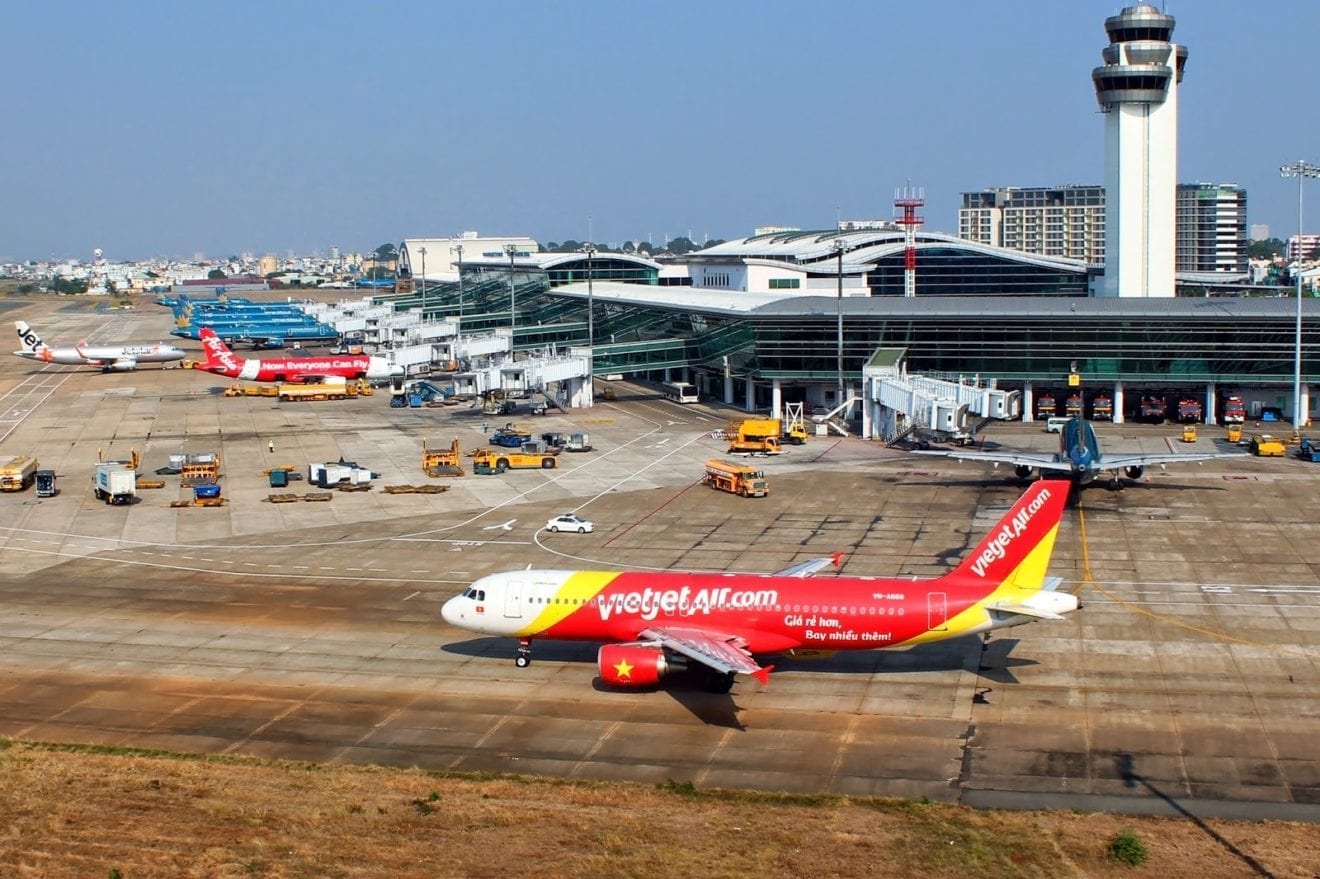
    The plan will allow Tan Son Nhat to handle 45 million passengers annually. Vietnam’s Deputy Prime Minister Trinh Dinh Dung has agreed with a proposal to invest around $860 million to upgrade the congested Tan Son Nhat International Airport in Ho Chi Minh City.

    In the fifth meeting to discuss the airport upgrade on Friday, Dung asked the Ministry of Transport and other relevant ministries to submit a complete report on the proposal to Prime Minister Nguyen Xuan Phuc for consideration by February 25.

    Under the proposal, two more terminals, capable of handling 10 million passengers each per year, will be constructed to the south of the airport. The new terminals, along with other proposed infrastructure projects, would need total investment of VND19.7 trillion ($860.6 million) and would take three years to complete.

    When complete, the new Tan Son Nhat would be able to handle 43 million-45 million passengers annually, up from its overloaded capacity of 28 million in 2016.

    According to state-owned consultancy firm Airport Design and Construction Consultancy One Member Limited Liability Company (ADCC), the proposed upgrade project will use land currently owned by the airforce, which will help reduce site clearance costs and time.

    Vietnam’s airline market is growing at the third fastest pace in Asia-Pacific, and the country is grappling with an acute dearth of airport capacity.

    Tan Son Nhat is the country’s main airport and is designed to handle 25 million passengers by 2020. But due to a surge in passengers, it was mobbed by 28 million passengers last year.

    Meanwhile, Vietnam Airlines, Jetstar Pacific, VietJet and the newly founded Vietstar are planning to expand their fleets in the next four years.

    The country is working on a design for a massive airport in Dong Nai Province to share some of the heavy load on Tan Son Nhat, but construction could take years.

  • Lippo explores investment possibilities in border with Timor Leste

    Lippo explores investment possibilities in border with Timor Leste

    Lippo Group is exploring investment possibilities in the eastern province of Nusa Tenggara, which borders Timor Leste, to generate development and improve living standards in the region.

    “Increased investments in the border region is very important as it can help to improve the welfare of the local population. We are now studying the regions investment potential,” said Lippo Group President Theo L Sambuaga on Saturday (Jan. 21).

    He added that explorations to see if the region had any investment potential would be done in the districts of Timor Tengah Utara, Belu and Malaka.

    Businesses under the Lippo Group include those in education, health and the retail sector.

    Sambuaga stated there are possibilities of establishing a world-class health service, as well as a BPJS (government-subsidized health insurance scheme) scheme for poor people that live along the border region.

    With regards to the education sector, he added that Lippo are planning to provide scholarships for promising university students from the region.

    “We have already offered scholarships to students at State Timor University (Unimor) in Kafemenanu totaling Rp150 million, this was announced to the university on Friday,” he said.

    The Lippo Group also has an education division that was involved in the building of 340 schools across the country, as well as a health division that has built several general hospitals.

    “We have one hospital in East Nusa Tenggara province and also one in Kupang and another one in Labuan Bajo. We are still exploring the possibilities of building others in the border regions, such as in Timor Tengah Utara and Belu,” said Sambuaga.

    With regards to the retail sector, Lippo Group includes a chain of Hypermarts and Matahari Department Stores, which they claim to be a boost for local economies.

    Its chain of Hypermarts are located across the region, totaling up to 120 stores. There is also a possibility that the company may set up more in Kafemenanu in Timor Tengah Utara or Atambua in the Belu district. The group also has 150 department stores across the country.

    “The investment possibilities are there in view of our capacity, in addition to the positive impact our investments will bring for the development of the welfare of the people in the border region,” added Sambuaga.

    As one of its major stakeholders, he also stated that the Indonesian government shares the same level of responsibility with Lippo in improving the welfare of the local people.

    “This is about shared responsibility and I hope that this could motivate other parties to join our efforts. Cooperation between the government and the public is a must,” he said.

  • Burger King to launch mobile app this spring

    Burger King to launch mobile app this spring

    The parent company of Tim Hortons and Burger King plans to launch an app Canada-wide this spring that would allow customers to order and pay in advance on their smartphone without lining up to pay a cashier.

    The move by Restaurant Brands International follows a similar one by Starbucks and is the latest push towards more automation in the food service industry.

    In the fall of 2015, RBI acquired Brewster App and tasked the startup’s dozen staff to develop the app.

    “The first feature we’re going to be introducing is the ability for a customer to have Tim Hortons (and Burger King) in their pocket,” said Steve Greenwood, RBI’s head of digital.

    Since late December, the app has undergone testing in 25 Tim Hortons cafes in Ontario and 25 Burger King restaurants in Miami. The expansion would see the app rolled out to the roughly 4,000 Tim Hortons and Burger King locations across Canada.

    In October 2015, Starbucks Canada launched a similar app at 300 stores in the Toronto area. The service is now available at various locations in the country, excluding Quebec and New Brunswick, according to the company’s website. The technology is not yet available for users of its French-language app.

    Automated customer service is part of a general trend as people become increasingly accustomed to going online to access services, such as making reservations or pre-selecting movie theatre seats, said David Hardisty, an assistant professor at the Sauder School of Business at the University of British Columbia in Vancouver.

    Mobile order-and-pay applications make shopping faster and more convenient by allowing customers to bypass lines – and for those immersed in their own world, possibly avoid unwanted human interaction, Hardisty said.

    The push towards greater automation could result in cashiers being laid off or put into different roles, but Hardisty said he doesn’t expect such jobs to be eliminated outright.

    “Mostly everybody just uses ATMs and automated stuff all the time, but they still have tellers there,” he said. “Stuff comes up that’s just really hard for a completely automated system to handle.”

    In 2015, self-service kiosks started showing up at McDonald’s restaurants in Canada. Many grocery stores and other retailers also offer self-serve checkouts.

    For RBI, the app could pave the way for other developments, like self-service kiosks, Greenwood said.

    The company already operates self-service kiosks in Burger King restaurants in several international markets and they’re being tested in the U.S., Shannon Hall, an RBI spokeswoman, said in an email.

    Hall said individual franchisees make staffing decisions, but the goal of the app is to drive sales, which should result in more employment opportunities.

    Apps also provide companies with an opportunity to build data on consumer habits and offer promotions and loyalty point programs to customers, Hardisy said.

    “Once you, you’re drawn in for one thing, you also get involved in other things.”

  • Festive feasts, online deals bring smile to China retailers

    Festive feasts, online deals bring smile to China retailers

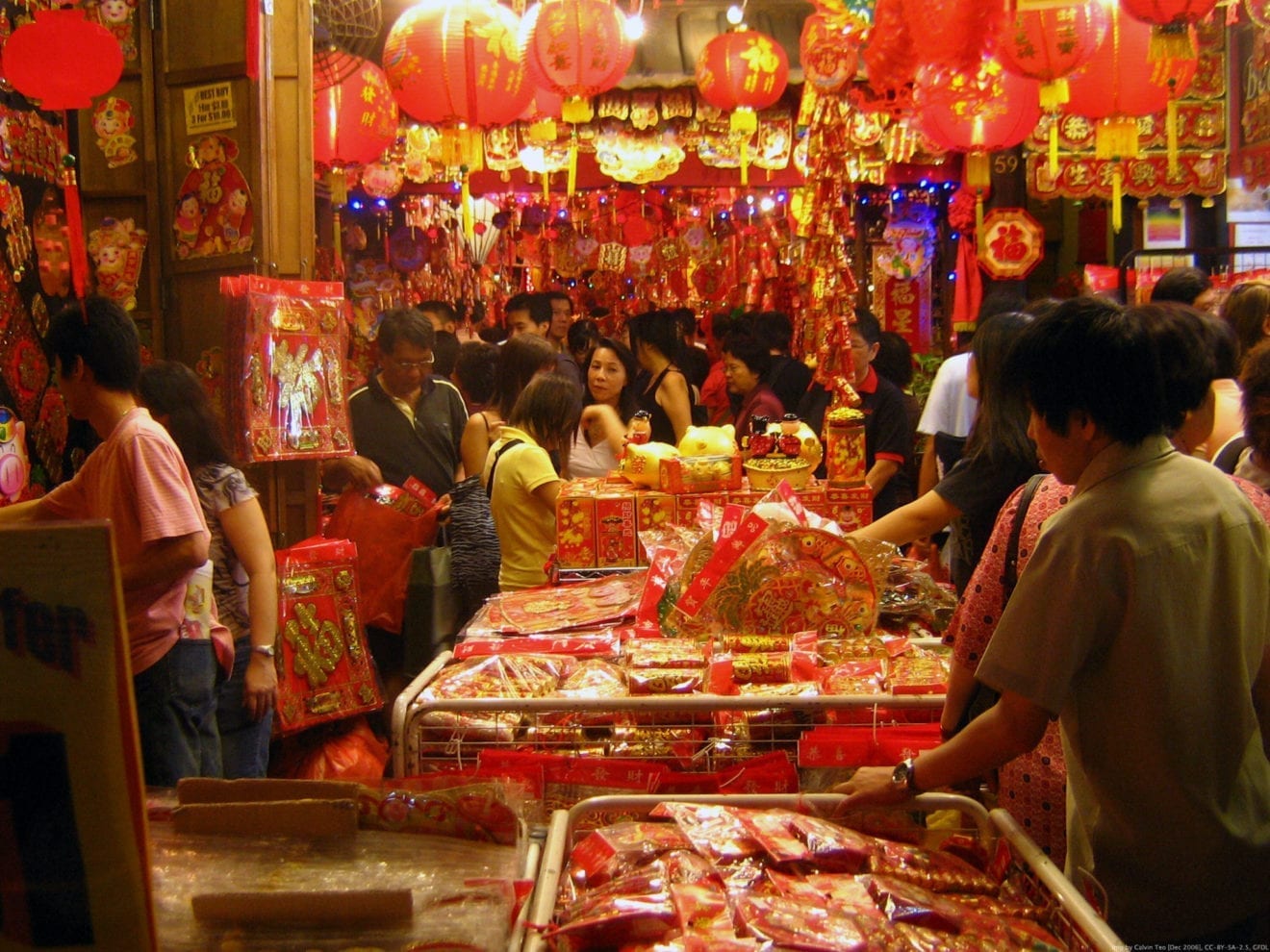
    Retail sales hit their year high in December, buoyed by the festive mood in the food and beverage sector and continued surge in online shopping. Still, inflationary pressures are making themselves felt in consumers’ pocketbooks, climbing to their highest in 30 months.


    Higher prices on shop stickers nationwide played a major role in the 0.1 percentage uptick last month to 10.9%, with price-adjusted sales growth steady at 9.2%.

    Diners notched up 335.2 billion yuan (US$48.8 million) in bills, up 10.6% from a year earlier and an improvement on November’s 10.1% year-on-year gain — perhaps driven by Chinese homeowners celebrating their good fortunes in the property market.

    Consumer goods sales rose 10.9% in December from a year ago, the same as in November but well ahead of gross domestic product growth of 6.7% for the year.

    Vehicle sales jumped 14.4% from 13.1%, and clothing to 7.1% from 5.1%. Food products, another major component, rose 8.6% from 8.8% in November.

    E-commerce for the full year totalled 5.16 trillion yuan, 26.2% up on 2015, and accounting for 12.6% of overall retail sales in China. The percentage was just 9.7% during the first half of 2015.

    A key indicator of consumer spending, China’s retail sales grew 10.4% in 2016, the same as in the first three quarters. After deducting price changes, retail sales clocked in at 9.6%, according to National Bureau of Statistics. Total retail sales were 33.23 trillion yuan in 2016.

  • Cebu Pacific-Visa tie up for exclusive international seat sale

    Cebu Pacific-Visa tie up for exclusive international seat sale

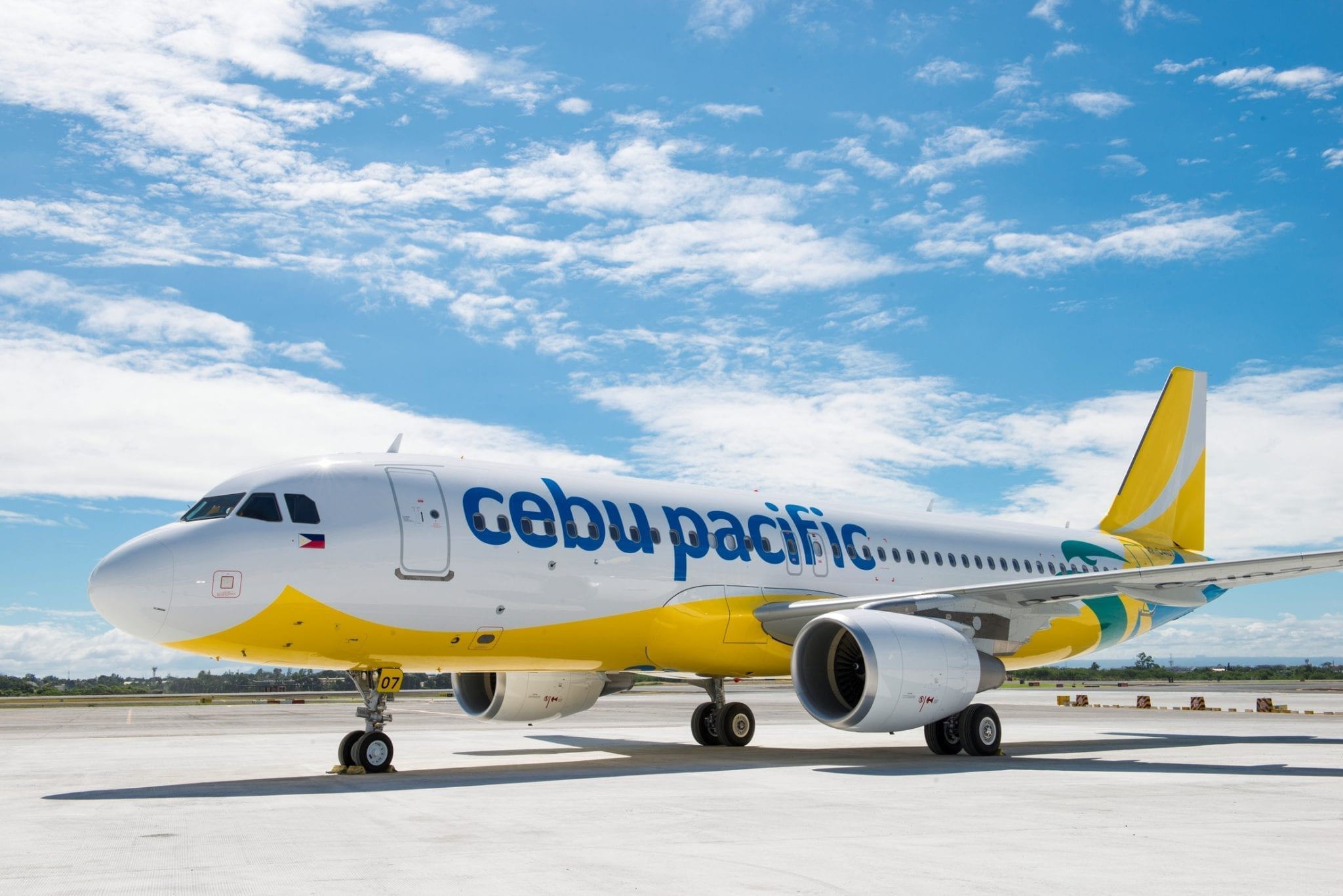
    Cebu Pacific (CEB) allies with Visa to offer all-inclusive seat sale fares to some of the most popular international destinations within its extensive flight network.

    The seat sale exclusive for Visa cardholders, started last January 16, 2017 and will be available until January 22 (or until seats last). Flights will be for travel from May 1 to September 30, 2017.

    Cardholders who wish to make the most out of this year can still catch the last few days of the sale and book flights from Manila to Hong Kong for as low as P1, 599. Seats from Cebu, Clark, Davao and Iloilo to Hong Kong and Singapore are also available at the same low fare.

    Those who want to visit Busan and Incheon from Manila can avail of flights for as low as P2, 099. Flights to Incheon from Cebu and Kalibo and flights to Singapore, Guangzhou and Xiamen from Manila are also up for grabs at the same all-in fare. Passengers can also fly from Manila to Beijing and Shanghai (P2, 599), Guam (P3, 099) or Sydney (P4, 199).

    All fares quoted are for one-way flights, and are inclusive of country-specific taxes, web admin fee and terminal fee. Baggage allowance, meals, travel insurance and other ancillaries may be added to the fare per the passenger’s preference.

    To avail of this exclusive seat sale, Visa cardholders only need to input the promotional code “VISA” through www.cebupacificair.com. Terms & conditions apply.

    CEB currently offers flights to a total of 37 domestic and 29 international destinations, operating an extensive network across Asia, Australia, the Middle East, and USA. Its 57-strong fleet is comprised of four Airbus A319, 36 Airbus A320, seven Airbus A330, eight ATR 72-500, and two ATR 72-600 aircraft. Between 2017 and 2021, CEB expects delivery of one more brand-new Airbus A330, 32 Airbus A321neo, and 14 ATR 72-600 aircraft.

  • New law to stop minors in Hong Kong buying alcohol from shops

    New law to stop minors in Hong Kong buying alcohol from shops

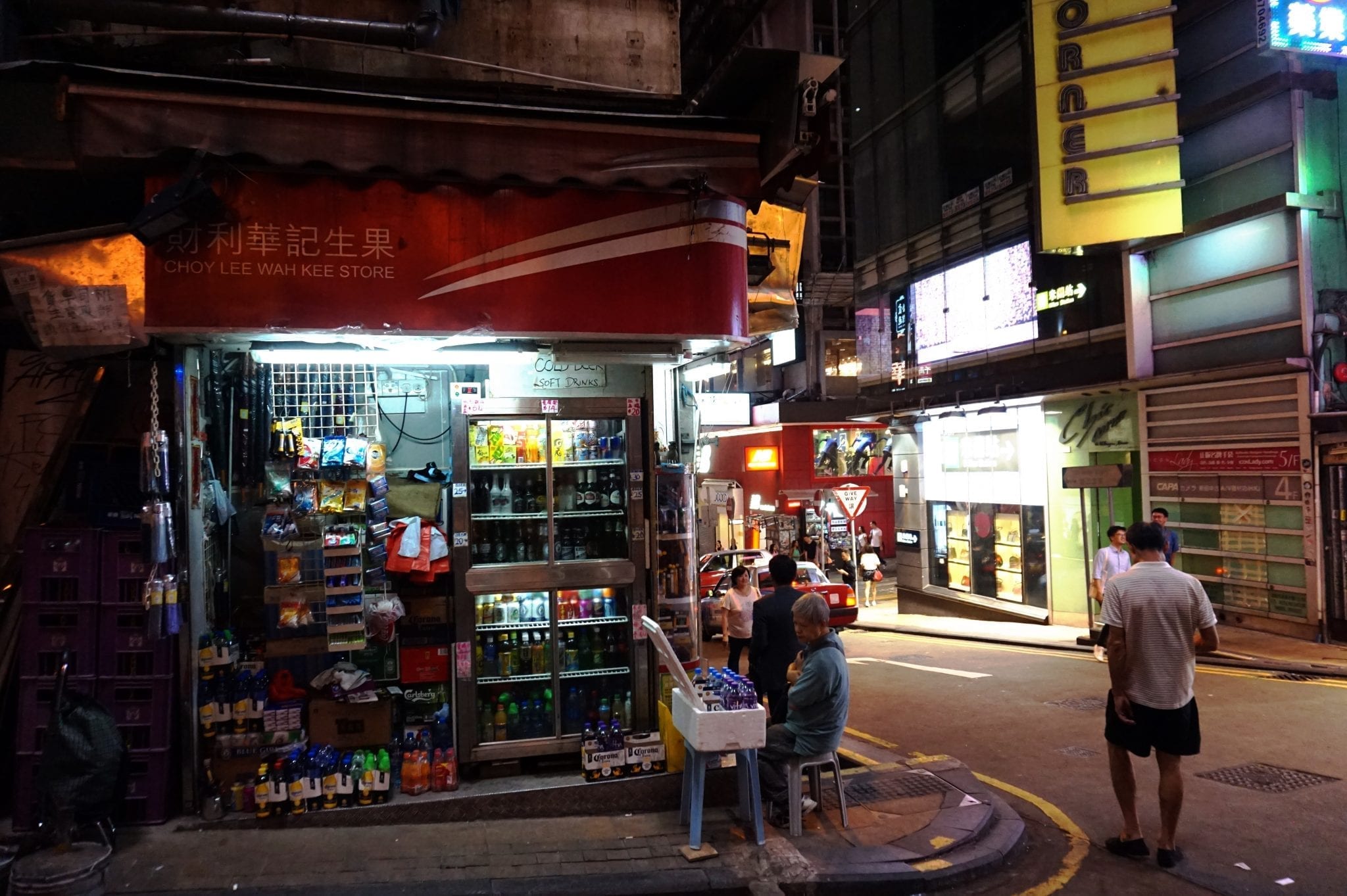
    Convenience stores and shops across Hong Kong will be banned from selling alcohol to minors under new legislation to be proposed by the government this year as it steps up efforts to tackle a rise in underage drinking.

    The law, if passed by the Legislative Council, will prohibit retailers from selling liquor to anyone under the age of 18 – the same as the current restriction on the sale of tobacco.

    Although the city’s bars and clubs are already banned from serving or selling alcoholic drinks to minors, retailers do not have to follow the rule. Leading retail chains such as 7-Eleven have agreed ­voluntarily to refuse to sell liquor to anyone below 18, but staff seldom bother to check the age of customers. This is a problem that has been confirmed by various studies and demonstrated in a test conducted.

    The new move by the Food and Health Bureau comes amid criticism that Hong Kong is slipping behind other developed cities in its handling of underage drinking, and that it remains easy for teenagers to enjoy a tipsy night.

    “The proposed statutory regulatory regime will cover all forms of commercial sale and supply of alcohol, including internet sale … and from the vending machine,” a spokeswoman for the bureau said, confirming the plan to table the legislation this year.

    Sellers will also have to display signs stating that no alcohol may be sold or supplied to anyone aged below 18.

    A government poll in 2014 found that 56.2 per cent of the city’s students had tried alcohol, with 21.9 per cent of those aged 10 or below saying they had done so.

    Last year the Centre for Health Protection found that 43.1 per cent of 1,630 people polled had taken their first sip of alcohol before the age of 18. It also showed a worrying rise in binge drinking among students.

    The Medical ­Association, the city’s largest doctors’ group, said 77 per cent of the 1,003 people it polled supported banning the sale of alcohol to those below 18.

    Allan Zeman, ­chairman of the Lan Kwai Fong Group, supported the move, saying anti-social behaviour among the young at nightspots might damage Hong Kong’s image abroad.

    “Some of the retail chains are very powerful here. I think we should look at what other cities in the world have done and get tough about this,” Zeman said.

    A 7-Eleven spokesman said the chain supported legislation banning the sale of alcohol to those aged below 18.

    The Hong Kong General Chamber of Wine & Spirits has previously said it supports an age limit on the sale of alcohol, but it should be set at 16.

  • Qoo10 bridges the gap between online and offline retail in Singapore

    Qoo10 bridges the gap between online and offline retail in Singapore


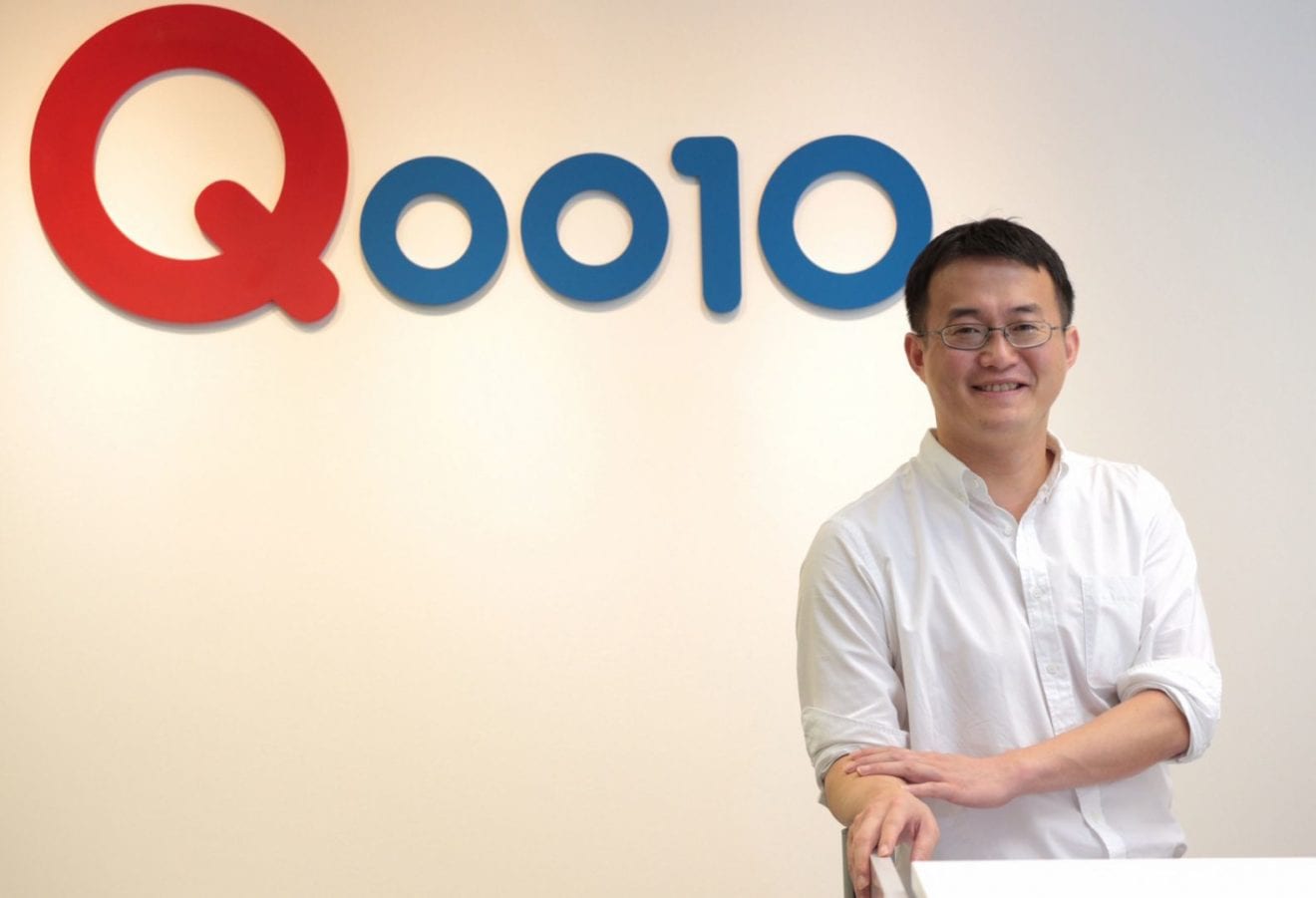
    Asia’s e-commerce platform, Qoo10, has launched a GPS-enabled mobile game called MameGo! in Singapore. The game, which was developed by Qoo10, is available on Qoo10’s online marketplace as well as its Qoo10 and Live10 mobile apps.

    Nearly similar to Pokemon Go!, the game issues three Mameballs to Qoo10 shoppers on a daily basis to unlock and catch Mamemons, which can be exchanged for discounts, super sale coupons or Qpoints. Mameballs can also be collected through electronic direct mailers (eDMs), mobile pushes and various loyalty programmes.

    According to Qoo10, brick-and-mortar retailers can use MameGo!’s GPS feature to attract shoppers to visit their physical stores. This method thus bridges the gap between brick-and-mortar outlets and e-commerce platforms.

    “The future of retail is no longer divided between online and offline, but one converged platform offering consumers an end-to-end shopping experience. As consumers’ shopping appetites continue to become more sophisticated and as they demand more personalised experiences, it will take a concerted effort to boost Singapore retail sector,” said Jacob Yu, Brand Manager and PR, SEA, Qoo10.

    To help retailers leverage the game to increase brand awareness, MameGo! offers exclusive branded Mamemon characters, also known as Brandmons. Currently, more than 100 retail brands are exploring the adoption of MameGo!, each with their own personalised Brandmons.

    “Singapore remains a key growth market for us, and initiatives such as Mame Go! are aligned with our mission to create a marketplace that benefits everyone – not just customers, but also the retail ecosystem as a whole,” concluded Yu.

  • Two enterprise technology predictions for 2017

    Two enterprise technology predictions for 2017

    1. Retailers build competitive advantage through the Internet of Things

    With Hong Kong retailers still struggling in the face of falling tourist numbers, restricted spending from Mainland Chinese shoppers and fierce competition from e-commerce channels, I believe that bricks and mortar operations will focus on building competitive advantage through the Internet of Things (IoT) in 2017.

    Connected devices such as beacons and retail sensors are already helping some shopping mall operators to track footfall and visitor flow in order to determine optimal mall and store layouts, and to maximise rent yields.

    IoT technology also has the potential to enhance customer loyalty.  For customers that have opted in, there’s an opportunity for retailers to send personalised coupons or limited-time deals that bring more value to the traditional, in-store shopping experience.

    As more retailers explore the possibilities of IoT, consumers will no doubt take an interest in what personal data companies are accessing and how they plan to keep it safe. Already, there have been major news stories about security vulnerabilities in IoT devices.  Smart retailers will embed security protocols at the heart of their IoT services and processes to protect the data they harvest.

    As the need for IoT security emerges, businesses may also reconsider other cybersecurity vulnerabilities in terms of operations, finance and more. Many enterprises are not yet prepared for unexpected, malicious attacks, and might consider outsourcing cybersecurity management and adopting trusted cyber insurance solutions to stay one step ahead of the threats.

    2.  Blockchain drives financial service innovation

    In 2017, we can expect blockchain to firmly establish itself as a financial technology worth getting excited about, distinct from the hype – and the hitches – of bitcoin.

    Blockchain is a simple and elegant technology that can track the movement of money, authenticate transactions and validate ownership of financial assets. At its core, blockchain is a distributed database composed of blocks of transactional information, each one containing data about every transaction that came before, to form a chain. Fast and efficient, it’s also secure by design – a hacking event might affect one block, but the chain won’t be broken.

    In the coming year, I expect entrepreneurs – especially in the financial services industry – to look more closely at the type of businesses that can be built on blockchain.

    The Hong Kong Monetary Authority (HKMA) is already leading the way with its FinTech Supervisory Sandbox initiative, announced in September 2016. By promoting an experimental space with less regulation, the HKMA is opening up new possibilities for Hong Kong innovators to spearhead pioneering fintech services. Commercial centres in Asia and worldwide are already positioning themselves to be at the forefront of fintech, making 2017 an important year for Hong Kong to assert its own leadership in this space.

  • US Beef Market Share Grows in South Korea

    US Beef Market Share Grows in South Korea

    Despite a regain in consumer interest for imported pork, ostensibly because of bird flu, South Korea’s pork imports slightly decreased over the past year, both overall and from the U.S.

    Contrastingly, beef imports volumes have surged, with the U.S. product the main beneficiary.

    Korea Customs Service figures provided by Meat Export Federation South Korea director Ji-Hae Yang show South Korea’s January-November overall pork imports very slightly dipped from 422,766 to 421,123 metric tons. During the same period, imports from the U.S. went down 4% from 129,224 to 124,093 tons. December 2016 import figures are not available yet.

    South Korea is highly self-sufficient in pork, and domestic production continues to rise, Yang says, explaining the stagnancy of imported product volumes.

    However, it appears consumers have gained interest in imported pork, even if that has not been reflected yet in import volume figures. Sales of imported pork rose 8.7% year-on-year from January to November 2016 at South Korea’s largest retail discount chain E-mart, The Korea Herald reported. The newspaper explained the rise as being a result of declining consumer interest in chicken because of bird flu.

    Things were bright on the beef side, though, with an overall import rise of 25% from 276,852 to 346,878 tons. U.S. beef fared even better, rising 47% from 98,712 to 145,376 tons. U.S. beef market share also rose 6.2% from 35.7% to 41.9%.

    Meanwhile, although beef imports from the U.S.’ main competitor, Australia, rose 10% from 158,080 to 173,104 mt, Aussie beef suffered an almost 8% market share loss, from 57.1% to 49.9%.

    U.S. beef has benefited both from record-high prices and a production decline of South Korea beef, as well as drought in Australia, which has reduced numbers of grazing and feedlot cattle there. “We had drought in the U.S. three to four years ago and we have recovered completely, so that is why we are at an advantage this year,” Yang said.

    Another reason for the import increase of U.S. beef is recovery of consumer confidence in the product’s safety, Yang said. MEF South Korea measures South Korea consumer confidence in U.S. beef with Gallup South Korea every six months. The latest survey, done in December, showed a 52% confidence point, she said.

    In comparison, the March 2012 survey showed confidence at only 15.4%, but still up from a very low 5.3% two years earlier, Yang said.

  • China bans imports of South Korean air purifiers

    China bans imports of South Korean air purifiers

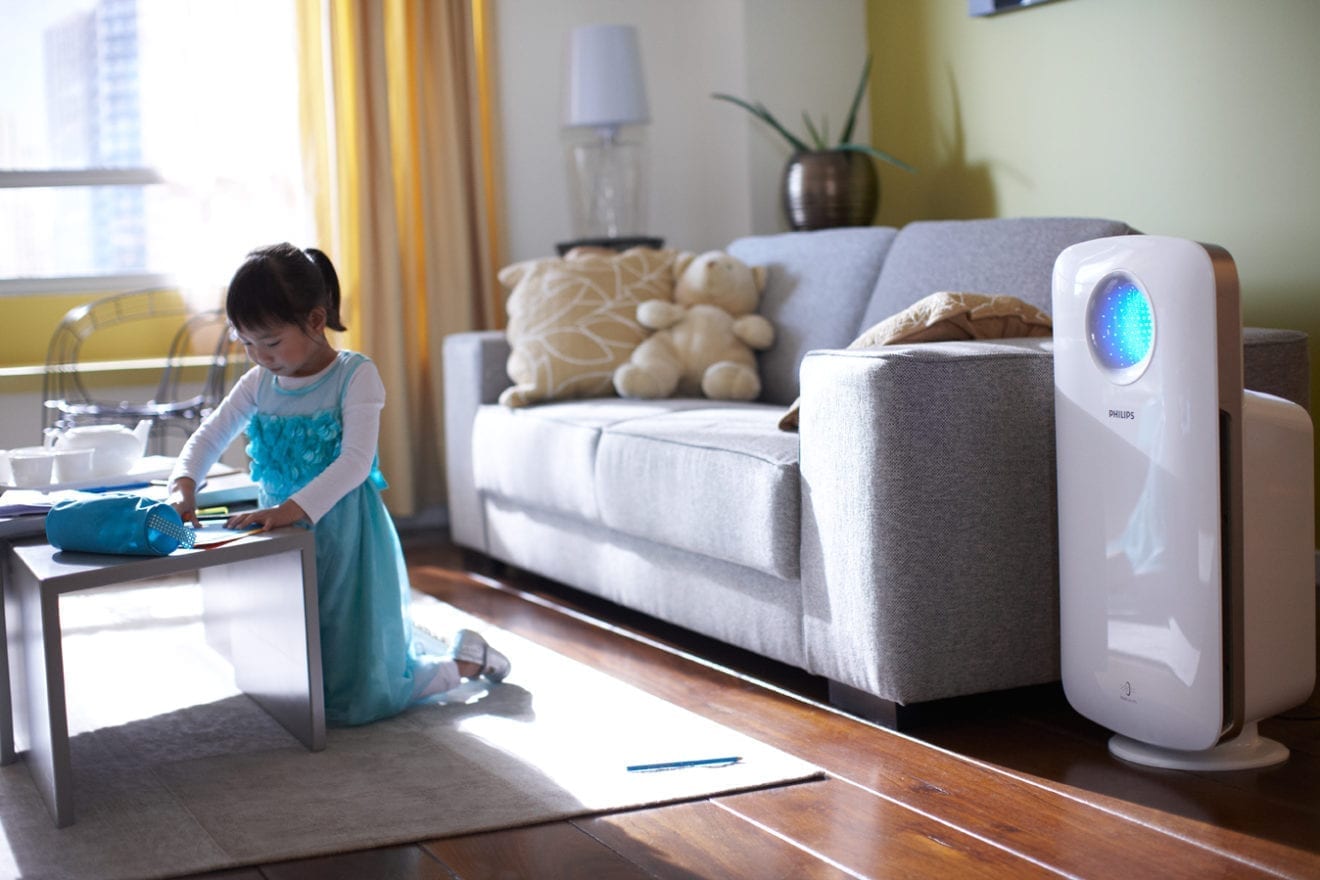
    China has banned imports of South Korean air purifiers, industry sources said Friday, amid growing concerns Beijing is retaliating against Seoul’s move to install an advanced U.S. missile defense system.

    Air purifiers made by LG Electronics Inc., Shinil Co. and two other South Korean firms were listed as disqualified by Chinese authorities on Dec. 20, along with air purifiers produced by four other foreign manufacturers, due to safety problems and poor performance, the sources said.

    China is believed to be economically retaliating against Seoul’s decision in July to have the Terminal High Altitude Area Defense (THAAD) system deployed on South Korean soil late this year. South Korea says the missile system will not target China but only counter threats from North Korea.

    China recently rejected shipments of bidets made by 22 South Korean manufacturers, citing poor power connection and instructions.

    China has also banned imports of South Korean cosmetics that are widely consumed by Chinese women influenced by the popularity of Korean pop culture in the world’s most populous country.

    Several Lotte Department Stores and its affiliated outlets in China have been under strict tax, safety and hygiene inspections since November, although Chinese authorities have denied any connection to THAAD.

    Lotte, a South Korean retail giant, is expected to conclude a deal soon for the swap of a golf course in Seongju County, North Gyeongsang Province, for a piece of land near Seoul owned by the Defense Ministry for the deployment of THAAD.


  • Trading brightens for Luk Fook Holdings

    Trading brightens for Luk Fook Holdings

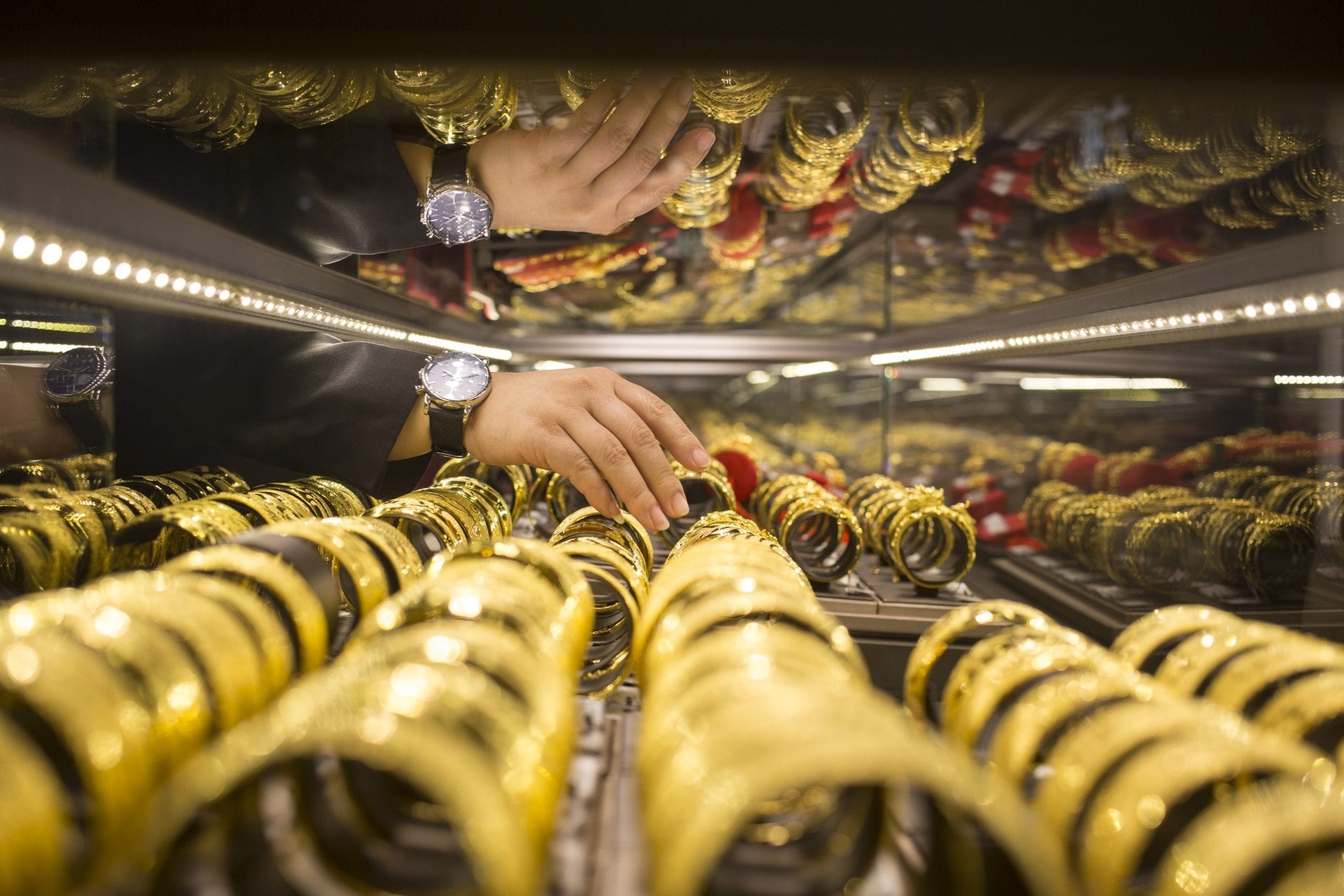
    Jeweller Luk Fook Holdings (International) reports a turnround to positive growth in its same-store sales for its third quarter, ended December 31.

    With a relatively low base, the same-store sales growth for the period recorded a “substantially narrowing decline” of 10 per cent from 37 per cent in the second quarter.

    Since September, same-store sales of gemset jewellery products in Mainland China have achieved double-digit growth for four consecutive months.

    Luk Fook’s same-store sales for the quarter turned into a positive growth of 20 per cent from a decline in the previous two quarters. Together with the 2 per cent growth of same-store sales in gold products, mainland sales for the quarter started to see positive growth (5 per cent) for the first time in the current fiscal year.

    The group ended the quarter with 11 new shops – nine in Mainland China and two in Kuala Lumpur. However, it closed an outlet in Macau.

    There was also an increase in its licensed shops in China, with 28 at the end of December. There were 195 own-brand shops – 129 in China, 47 in Hong Kong, 10 in Macau and nine in other countries.

    Together with 1297 licensed shops in China and one in Korea, there were 1493 Lukfook outlets worldwide, of which 1426 shops were in China.

  • Japan’s bakugai phenomenon fading fast

    Japan’s bakugai phenomenon fading fast

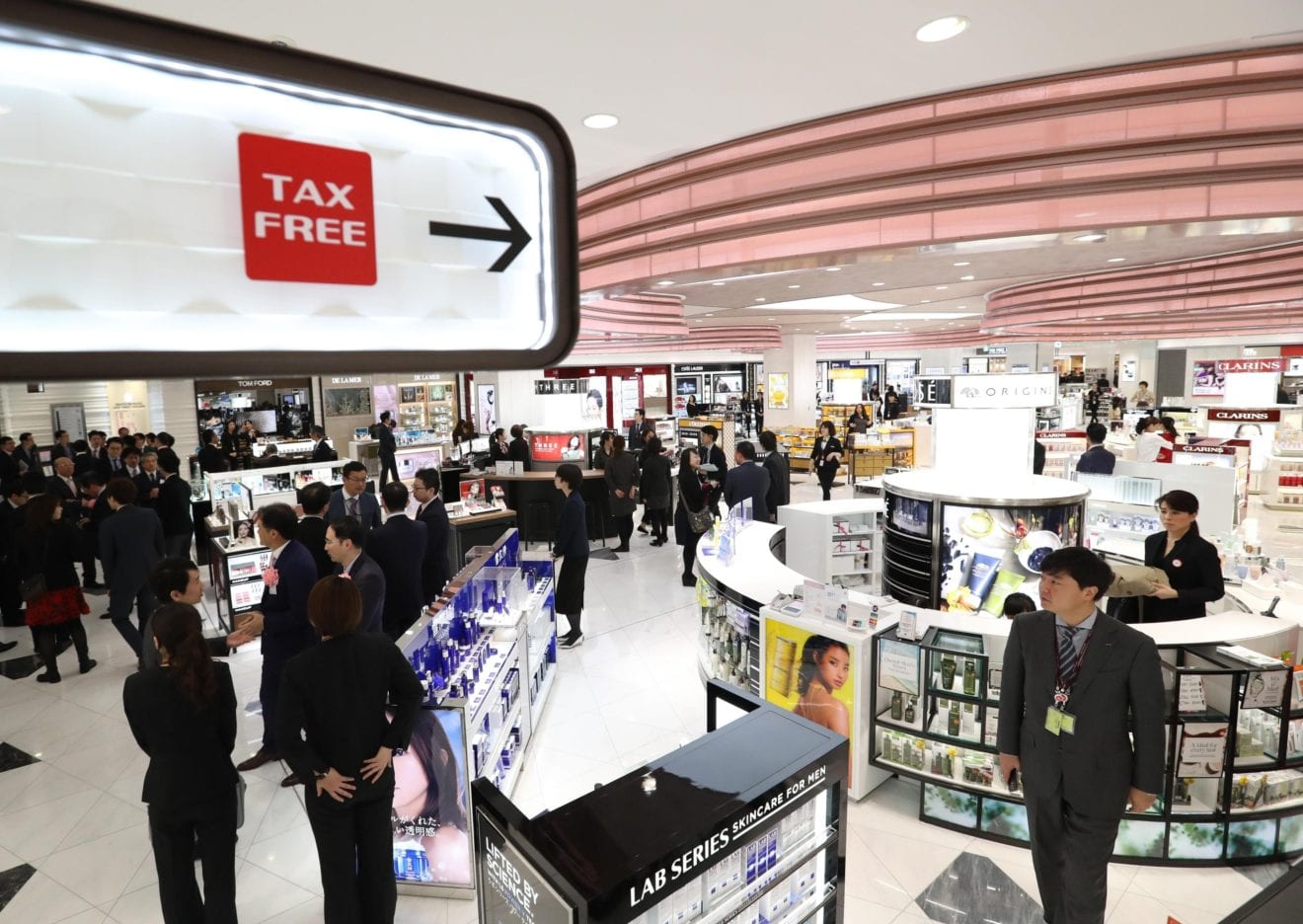
    The drastic slowdown of the Chinese duty-free shopping phenomenon known as bakugai (“buying explosion”) continues to hit Japanese tax- and duty-free retailers, with several companies having sharp revenue falls in recent months.

    As a result of the slowing market, South Korean travel retailer Lotte Duty Free and its partners Bic Camera and New Kansai International Airport Company have pulled out of a planned downtown duty-free shop proposed for Osaka.

    The “bakugai” trend began in Japan in 2015 as travelling shoppers from China poured into Japan in waves, says The Moodie Davitt Report. This led to a proliferation of government-backed tax- and duty-free stores, and like all bubbles this one appears to have burst. Read more.

  • Thailand’s CP All bidding for Polish retail chain

    Thailand’s CP All bidding for Polish retail chain

    Thailand convenience-store chain CP All and three private equity funds are competing to buy Polish retail chain Zabka from Mid Europa Partners in a deal valued at up to €1.5 billion (US$1.59 billion).

    Zabka’s sale comes at a time when some policies of the ruling conservative Law and Justice party in Poland are considered an investment risk, says Deal Street Asia. CP All, which runs 7-Eleven stores, is up against CVC Capital Partners, TPG and Hellman & Friedman. The deadline for binding offers is mid-February.

    London-based private equity firm Mid Europa Partners, which focusses on central and eastern European investments, bought Zabka in 2011 for €400 million. Zabka, with 3400 stores, had sales of 5.75 billion zlotys (US$1.39 billion) in 2015.

    In November, Mid Europa Partners bought Romanian supermarket chain Pro from Polish Enterprise Investors fund for €533 million.

  • Burberry China sales recover

    Burberry China sales recover

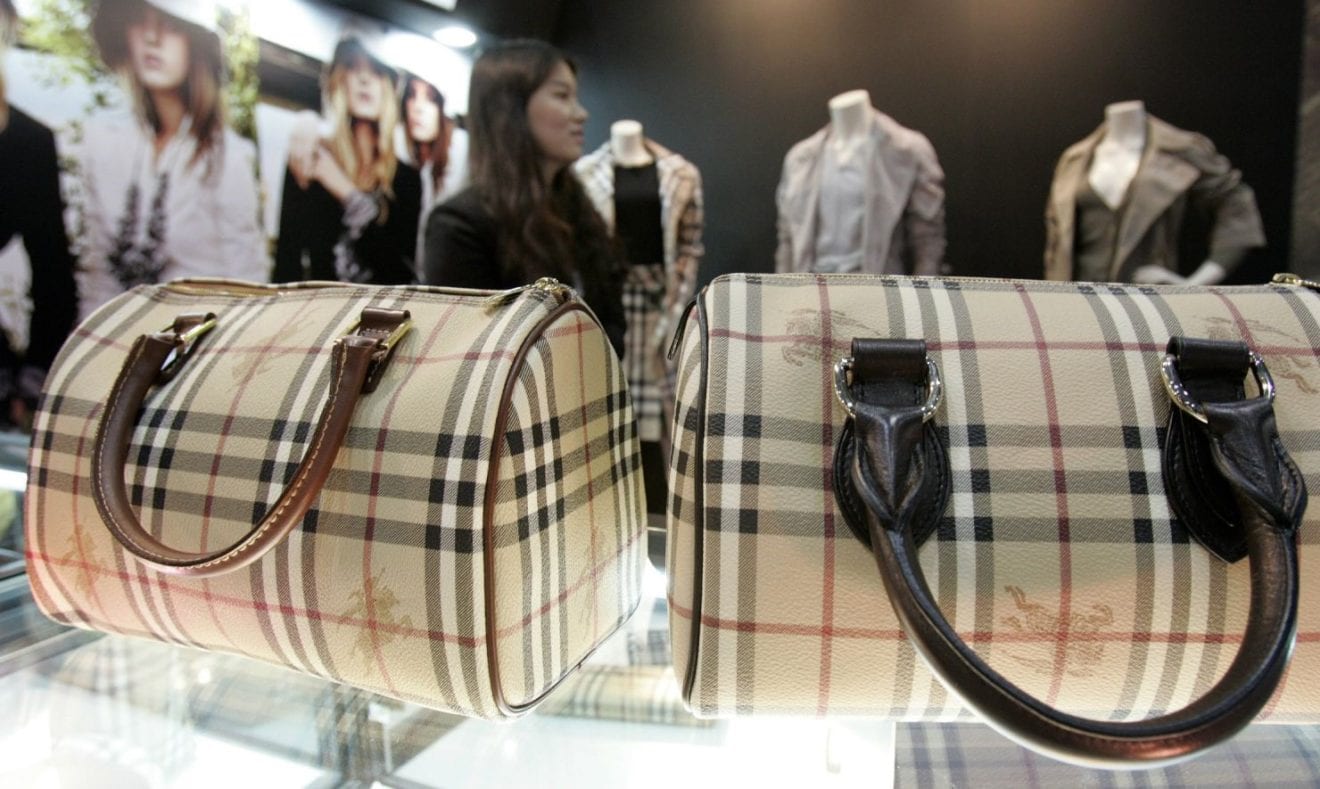
    Burberry says sales in its core China market have improved in the latest quarter, ending a long run of declines.

    And while Hong Kong stores posted yet another like-for-like drop due to weaker footfall, the decline is now in the low single digits.

    Globally, Burberry achieved a 4 per cent increase in wholesale and retail sales for the three months to December 31, totalling US$1.19 billion. This was largely underpinned by an “exceptional” 40 per cent increase in same-store sales in its UK home market.  UK media report the boom was down to Chinese tourists taking advantage of the cheaper pound in high street flagship stores in London, where staff estimate some 70 per cent of customers are from China.

    Globally, retail revenue rose 22 per cent to £735 million.

    The luxury fashion brand singled out Burberry China and Hong Kong sales, reporting Asia-Pacific had returned to growth during the quarter, hitting low single-digit percentages, driven by acceleration in Mainland China and improvement in Hong Kong.

    American trade experienced a low single-digit percentage sales decline, similar to sales trends in the first half, although the company reported an increase in American customer spending globally.

    “With a record number of views of our festive film and strong demand for new products in our collections, this third quarter improvement reflects early progress from our plans to drive Burberry’s performance for the long term,” said Burberry CEO Christopher Bailey.

    Verdict Retail analyst Charlotte Pearce said that although the company’s results have been chequered in recent times, its strong performance is a sign the changes the company is making are working.

    “Burberry’s double digit growth in EMEIA is most notable in Q3, with the retailer reporting continued strong trading in the UK, thanks to the weak pound which has encouraged tourism spending.

    Meanwhile, the innovation and newness of its products aided strong performances in bags, accessories and apparel, with items such as rucksacks and buckle totes standing out,” she said.

    “The brand continues to focus on its presence in the digital space through growing its online business, where mobile has been the driver due to improved payment methods, as well as developing an app, which is currently in its testing phase, in order to build Burberry’s connection with customers.”

    Pearce said the Asian results bode well for Burberry’s recovery.

    “Historically, sales in Asia Pacific have been a source of strength for the renowned British brand, accounting for 38 per cent of retail and wholesale revenue in 2015/16, so the brand should look to identify new markets within the region which indicate fast growing affluence and urbanisation.”