Author: Mei Ling Tan

  • Hyundai Department Store plans CoEx duty-free outlet

    Hyundai Department Store plans CoEx duty-free outlet

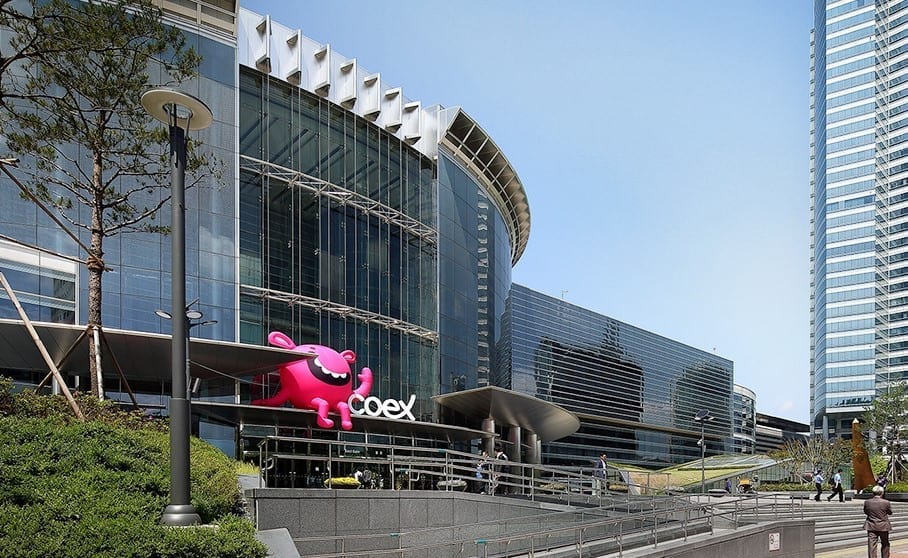
    Hyundai Department Store Group plans to open a 14,005 sqm duty-free store in the CoEx Convention and Exhibition Center in Samseong-Dong, Seoul, late this year.

    Hyundai joined rivals Lotte Duty Free and Shinsegae in securing five-year licences last month to run downtown duty-free stores in Seoul. The SME licence went to TopCity, with Alpensia and Busan Duty Free winning licences for stores in Gangwon Province and Busan.

    Hyundai Duty Free merchandising manager Hyunjin Lee says CoEx attracts independent travellers who are willing to experience Korean culture (K-wave).

    “This place will grow into a worldwide landmark in a few years when there is a Hyundai Global Business Center, underground transit complex and the Jamsil Sports Complex extension,” says Lee.

    “We will provide a differentiated duty-free store with luxury boutiques and customer lounges.”

    A wide selection of luxury items and Korean cosmetic products will be offered, says Lee. “We also plan to develop Kangnam tourist attractions, co-operating with entertainment companies and local government.”

    A key element in Hyundai Duty Free’s licence proposal was agreeing to a memorandum of understanding with the government to invest in tourism infrastructure development plus a commitment to contribute US$50 million in social welfare funds.

  • The Battle Between iPhone and Galaxy to Begin in South Korea

    The Battle Between iPhone and Galaxy to Begin in South Korea

    Apple has confirmed that it plans to open its first South Korea retail store moving into the backyard of its biggest rival for smartphones Samsung Electronics.

    Apple, which this year celebrates its 10th anniversary of the iPhone said on Friday that it is very excited about having its first retail Apple Store in South Korea. The Cupertino, California based tech giant praised Korea as one of the leaders in technology and telecommunications.

    A spokesperson for Apple did not comment when asked when the store would be opening or where any of the Apple stores would be opening across South Korea.

    However, those people who are familiar with the opening, said the company looked at different sits in Gangham, an upscale neighborhood of Seoul.

    One of the possible locations is a short distance from the longtime headquarters of Samsung in Gangham, where the consumer electronics giants has a flagship store for its global products that is three stories high, said those familiar with the situation.

    The same people said that Apple was looking for a site on the fashionable shopping street of Garosu-gil in the same neighborhood.

    A representative from Samsung did not respond when contacted for a comment.

    South Korea, which is the fourth largest Asia economy, has been a difficult market for a long time for Apple. Sales of smartphones are dominated by Samsung and local rival LG Electronics. The popular hometown favorites together hold close to 80% of the overall smartphone market across the country.

    Apple does not even have a break down for sales in the country.

    The breakdown of smartphone sales in Korea is approximately 40% each for Samsung and LG and between 10% and 15% for Apple. That means South Korea is the only developed country that does not have a large iPhone user base.

    Apple, in South Korea, relies on different carrier partners as well as third party retailers. Those groups apply for a license to operate as Apple authorized vendors.

    On Friday, the company posted new job openings for 15 new positions on its website for South Korea, which included a store leader.

    A spokesperson for Apple said in a prepared statement released on Friday by the smarpthone maker that the company was now hiring its team that will offer customers in the capital of South Korea the education, entertainment and service that is loved by millions of Apple customers across the globe.

  • Hong Kong Fashion Week for Fall/Winter Closes

    Hong Kong Fashion Week for Fall/Winter Closes

    he 48th edition of Hong Kong Fashion Week for Fall/Winter ended today at the Hong Kong Convention and Exhibition Centre. The four-day fashion fair (16 to 19 January), organised by the Hong Kong Trade Development Council (HKTDC), welcomed some 15,000 buyers from 77 countries and regions.

    HKTDC Deputy Executive Director Benjamin Chau noted that the fashion industry is facing immense challenges amidst economic and political uncertainties and lacklustre retail sales. “In spite of that, Hong Kong companies are versatile and with e-commerce developing steadily, companies can capture the opportunities to turn the situation around. At this year’s Fashion Week for Fall/Winter, buyer numbers from Italy, Iran, Germany and Israel saw good growth. This shows that buyers from certain regions are not as cautious as expected and their sourcing sentiment is gradually improving.”

    Buyers from emerging markets more upbeat

    In general, buyers from emerging markets demonstrated a more positive sourcing sentiment during the fair. Muhammad Yasin, owner of United Arab Emirates’ company Imperial Clothing FZE, said he had visited more than a hundred exhibitors on just the first day of the show, and had identified about 15 potential suppliers from Hong Kong, the Chinese mainland, Vietnam and Pakistan. He expected to work with two of the companies and initial orders would be worth about US$10,000.

    Israeli buyer Moshe Silverstain said that, after the fair, he would visit some of the supplier’s factories in Nanjing. He expected to place orders for 12,000 raincoats and 20,000 denim trousers.

    Russian company Forward Ltd, which supplies sports uniforms for Russian national teams, visited the fair. The company’s Head of Logistics Department, Ruben Nariyants, said his company had found three potential suppliers from the mainland. To facilitate smooth delivery to Russia, Mr Nariyants said his company is willing to offer logistics assistance; and he expected to finalise cooperation arrangements soon.

    Hong Kong’s designer collections in demand

    Hong Kong Fashion Week has long been a launch pad for up-and-coming young designers to showcase their designs to international buyers. This year, the HKTDC organised two FASHIONALLY COLLECTION shows to spotlight emerging local designers from 14 fashion labels. Buyer Takayuki Kubota from renowned Japanese fashion group H.P. France said he had found suitable Hong Kong designer collections through the FASHIONALLY COLLECTION shows and expected to place initial orders of five to ten styles per brand. He was glad that Hong Kong designers were willing to accept small-quantity orders.

    Yi Gao, owner of Shenzhen designer brand store MR. TOP, found Hong Kong designer brand Lapeewee’s designs fashionable and wearable. He said his company is likely to conclude business deals with the brand very soon.

    Singaporean buyer and designer Samuel Wong said customers in Singapore are receptive to designer brands. He attended the fair to source designer collections and was in talks with Hong Kong label MODEMENT for its women’s and men’s apparel.

    Online store buyers becoming a new force

    Online shopping has been growing in popularity in recent years and there has been an explosion of fashion e-shops, which are becoming a new force driving consumption. Korean department store Shinsegae has opened an e-shop to capture the opportunities in online shopping. Mae Hong, the company’s Buying Manager, said she came to Hong Kong Fashion Week for the first time to look for blouses and knitwear for kids and adults. She had found three potential suppliers on the first day and was in advanced talks with them. If her requirements were met, she would buy at least 1,000 pieces per item.

    Nitin V Tewari, Senior Manager of Flipkart, a leading e-commerce company in India, also visited the fair for the first time. He claimed that fashion is one of their biggest business segments. Through the fair, he hoped to find new brands and OEM manufacturers and he had already identified a number of suitable bags and sportswear brands. He anticipated the purchasing amount would be between US$50,000 to US$100,000 per order, after further discussions.

    Online shopping is also popular in Central Europe. Iva Tureckova, Project Manager of Czech company SLK Trade s.r.o, said her company is a young but fast-growing e-tailer selling women’s underwear in Central Europe. She said she came to Hong Kong to source different underwear brands and to seek opportunities to expand their business by becoming the distributor of brands from Hong Kong and other countries. Through the HKTDC’s business matching sessions, the company had found two potential underwear suppliers and would pursue negotiations with them.

    Fashion seminar explores “Omni-Channel Retailing” opportunities

    ZALORA’s Head of Acquisition, Giovanni Maria Musillo, spoke at the seminar titled “ZALORA: Navigating the Wave of Omni-Channel Retailing” and shared their keys to success and the opportunities in omni-channel retailing. He said ZALORA is a leading fashion e-tailer in Asia with a presence in Hong Kong, Australia, Taiwan, Malaysia, Brunei, Singapore, the Philippines and Indonesia. The website attracts some 30 million visits each month. “Localisation is key to ZALORA’s success. We offer different languages and interfaces to suit different markets’ needs,” he said. “We also ensure that consumers from different countries and regions can settle payments efficiently. These have helped to accelerate ZALORA’s growth.

    “Smart phone penetration in Southeast Asia is set to exceed 100 per cent by 2019 and that is conducive to e-commerce development. It is also expected that the market share of fashion in e-commerce would double from four per cent in 2015 to eight per cent in 2019. All these signify immense business opportunities. With the ‘Korean wave’ sweeping across Asia and Europe in recent years, ZALORA is also actively sourcing different Korean brands to further capture the opportunities.”

    HKTDC’s CENTRESTAGE to return in September

    Hong Kong Fashion Week for Fall/Winter gathered more than 1,500 exhibitors from 21 countries and regions to showcase the latest fashion collections of international brands, garment, accessories, fabrics and sewing supplies. More than 20 fashion events were organised during Fashion Week, including 10 fashion shows as well as industry seminars and networking activities. The Hong Kong Fashion Week for Spring/Summer will be held from 10 to 13 July, while the second edition of CENTRESTAGE will run from 6 to 9 September. CENTRESTAGE aims to provide an ideal promotion platform for Asian and international fashion brands and designers, further solidifying Hong Kong’s position as a fashion capital in Asia.

  • Australian egg farmers have sent the first shipment of eggs to South Korea

    Australian egg farmers have sent the first shipment of eggs to South Korea

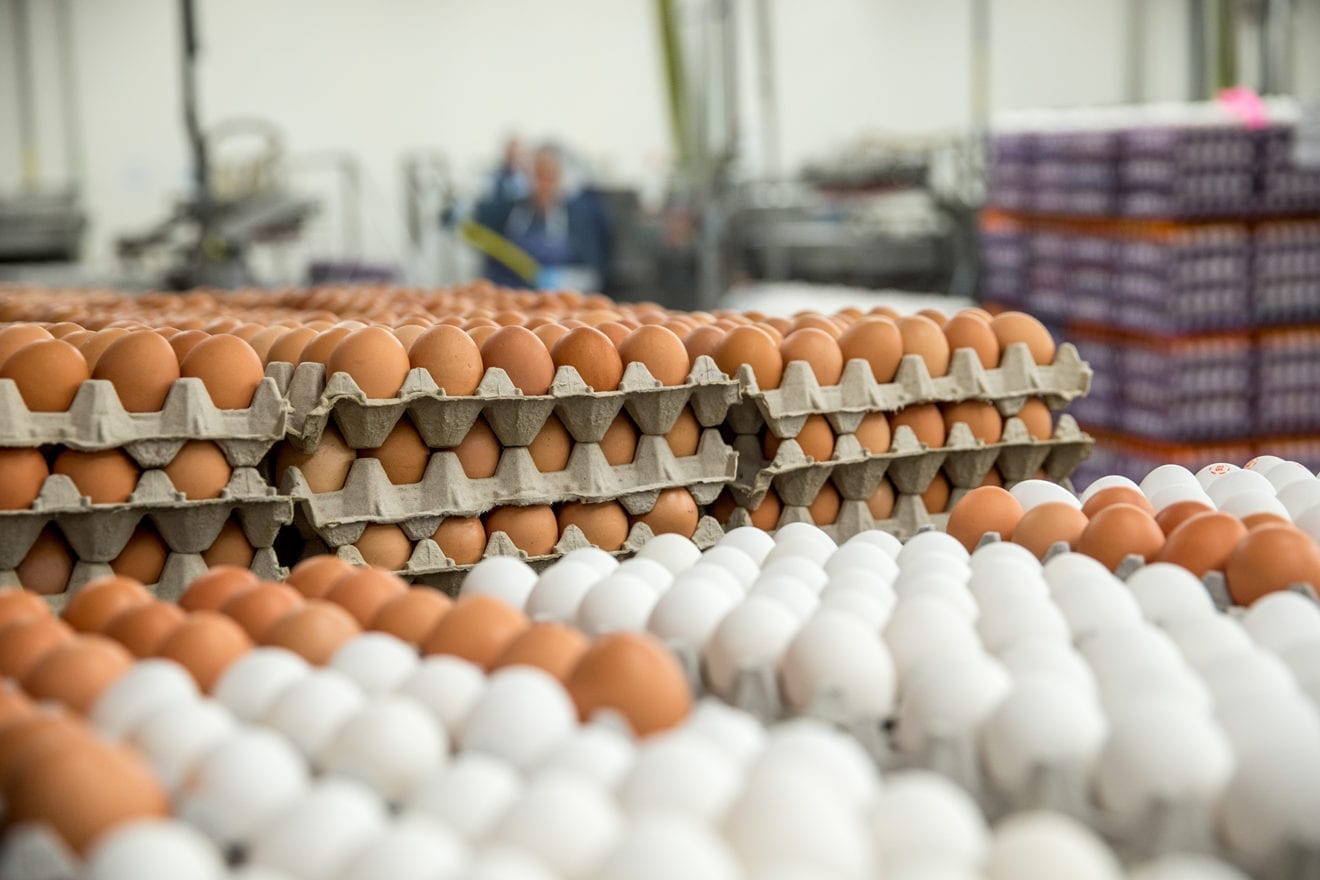
    Australian egg farmers have sent the first shipment of eggs to South Korea, to help ease a major shortage caused by an Avian influenza outbreak.

    Approximately 30 million birds have been culled to stem the spread of the disease, causing a shortfall of around 15 million dozen eggs each week.

    Prices of eggs and other poultry products have soared as a result, with retail egg prices rising by around 21.5 per cent to $2.50 (2,207 KRW) for 10 eggs.

    But at the farm gate, farmers have raised the price of eggs they are selling by 50 per cent to $1.75 (1,551 KRW).

    The outbreak is the first in seven months, caused by a highly contagious new strain, H5N6.

    Huge shipments of white eggs are already arriving from the USA, but Koreans have a preference for brown eggs, and that is where Australian farmers are stepping in.

    It is estimated around $20 million worth of eggs will be sent to South Korea, aided by a recently inked export agreement approved by South Korea, which permits the sale of Australian eggs.

    Industry body, the Australian Egg Corporation Limited managing director Rowan McMonnies said the urgency of the situation had help negotiations between the Australian Department of Agriculture and Water Resources and the South Korean government.

    “South Koreans are some of the biggest egg consumers in the world,” Mr McMonnies said.

    In comparison, Australians east around 227 eggs per person annually, the British consume 182 and South African eat 150 each per year.”

    All tariffs on imported eggs have been suspended until at least 30 June 2017.

    The first shipment of eggs left Australia by air last week, and further shipments will be sent by sea in the coming months.

    Mr McMonnies said the export of eggs to South Korea would not impact domestic supplies.

    “The Australian egg market is very large and Australian egg farmers are always seeking to balance supply and demand.

    “If anything this represents an opportunity for the expansion of the industry.”

  • Vietinbank successfully issues bonds at low interest rate

    Vietinbank successfully issues bonds at low interest rate

    Vietnam Joint Stock Commercial Bank for Industry and Trade (Vietinbank) announced it successfully issued non-convertible five-year bonds worth VNĐ2 trillion (US$88.1 million) at annual interest rate of 5.8 per cent.

    Compared with the interest rates of other bond issued recently, the 5.8 per cent rate is considered the lowest rate. It is even lower than the interest rate of 7 per cent per year applicable for deposits of over three years in Vietinbank.

    Previously, in December 2016, Vietinbank also issued 10-year bonds worth VNĐ2.9 trillion at interest rate of 7.5 per cent in the first five years.

    Vietinbank reported a high profit of VNĐ8.25 trillion in 2016, 4 per cent higher than the target set at the bank’s general meeting of shareholders.

    As of December 31, 2016, the bank’s total merged assets were estimated at VNĐ947 trillion, up 22 per cent from the previous year.

    Also in 2016, the bank’s total outstanding loans were VNĐ720 trillion, a year-on-year rise of 18 per cent, while total mobilised capital reached VNĐ862 trillion, up 21 per cent. By the end of 2016, the bank continued to effectively manage the quality of assets with bad debt ratio of less than 1 per cent.

    The bank in 2017 has set a target of a 15-17 per cent rise in total assets and an 18 per cent increase in outstanding credit.

  • Videocon to complete mobile market exit on Feb 15

    Videocon to complete mobile market exit on Feb 15

    India’s Videocon will complete its withdrawal from the mobile market next month, shutting down its network in its one remaining telecoms circle on February 15.

    Videocon’s 3 million remaining customers in the Punjab area have been asked to switch to a new provider to avoid losing connectivity.

    The operator’s licenses and spectrum in 17 circles were revoked following the 2G spectrum scandal in 2012, which involved a former telecoms minister allegedly granting favorable treatment to preferred operators during the allocation. A court revoked 122 telecoms licenses in the wake of the scandal.

    Videocon subsequently bid for and won back spectrum in six circles, but last year the company sold these spectrum assets to Bharti Airtel and pulled out of the mobile market in these areas, leaving Punjab as its last remaining mobile operation.

    But Videocon’s mobile license in Punjab is due to expire shortly, after the company was denied permission to have the license validity extended until 2027.

    According to the report, Videocon has decided to exit the mobile sector due to the high cost of mobile spectrum in light of its recent experiences.

    The company is concentrating on businesses including broadband, surveillance and security as well as enterprise services.

  • China’s BYD plans to sell passenger cars in U.S. in 2-3 years

    China’s BYD plans to sell passenger cars in U.S. in 2-3 years

    BYD plans to sell electric passenger cars in the United States in about two to three years, an executive said on Thursday, as it races to be the first Chinese automaker to sell cars to American drivers.

    BYD, backed by Warren Buffett’s Berkshire Hathaway, specializes in electric and plug-in petrol-electric hybrid vehicles. At present, its U.S. presence is limited to producing buses and selling fleet vehicles such as taxis.

    Li Yunfei, BYD’s deputy general manager for branding and public relations, said its passenger car plan was not fixed as entering the U.S. was a complicated process.

    “It could be adjusted,” Li said at an event in Beijing. “Now we can only say roughly 2 to 3 years.”

    China’s government has used a raft of policies, including billions of dollars in subsidies, to spur a boom in electric and plug-in hybrid sales since 2015. The U.S., meanwhile, has lagged.

    BYD has had false starts in the U.S., with Chairman Wang Chuanfu previously saying the automaker would begin selling in the U.S. in 2010. Other Chinese peers have also encountered delays in entering the market.

    GAC Motor, a subsidiary of Guangzhou Automobile Group, displayed three models at the Detroit Auto Show earlier this month, stating it would enter the U.S. by 2019 instead of a previous goal of 2017.

    A GAC Motor spokeswoman declined to elaborate on the delay.

  • City begins programme to trace vegetable origins

    City begins programme to trace vegetable origins

    Consumers in HCM City can now use a smartphone app to trace the origin of vegetables sold at Co.opmart, Lotte Mart, Big C and AEON supermarkets under a programme run by the city Department of Agriculture and Rural Development and the Digital Agriculture Association.

    Huỳnh Thị Kim Cúc, the department’s deputy director, said customers could use Zalo on Android or QR code scanning apps to scan the labels on the packages.

    The information they contain includes where and when the vegetables are grown, packaged and distributed and the types of pesticides and fertilisers used, she said.

    The initiative followed growing concerns about food safety, she said.

    The department and the association has surveyed and collected data on vegetable farming models since May last year.

    Now only two co-operatives – Phước An Co-operative in Bình Chánh District and Phú Lộc Co-operative in Củ Chi District – are part of the programme, and they are supplying 18 items, including cabbage, cucurbit, cucumber, bitter melon, broccoli, sweet potato buds, water spinach, and amaranth.

    The programme would be piloted at select supermarkets and VietGap-certificated vegetable co-operatives until March before being expanded to all VietGap-certified co-operatives and more retailers, Cúc said.

    She said her department and other relevant agencies would closely monitor vegetable quality, carrying out surprise tests and quick tests.

    Nguyễn Phước Trung, the department’s director, said a million tonnes of vegetables are consumed in the city every year, with 24 per cent supplied by farms in the city around and the rest by those in other provinces.

    The department said the city was paying more and more attention to the safety of vegetables, resulting in plant protection drug residues decreasing year after year.

    In fact, last year authorities did not detect any plant protection drug residues exceeding permissible levels in key growing areas, down from 1 per cent in 2015, it said.

    Last month, the city launched a programme to enable consumers to trace pork origins at nearly 350 modern outlets by downloading the QR Code decoding application from www.te-food.com to their devices.

  • AirAsia X enhances entertainment for Aussies

    AirAsia X enhances entertainment for Aussies

    Malaysian carrier AirAsia X has upgraded its in-flight entertainment option for Australian passengers.

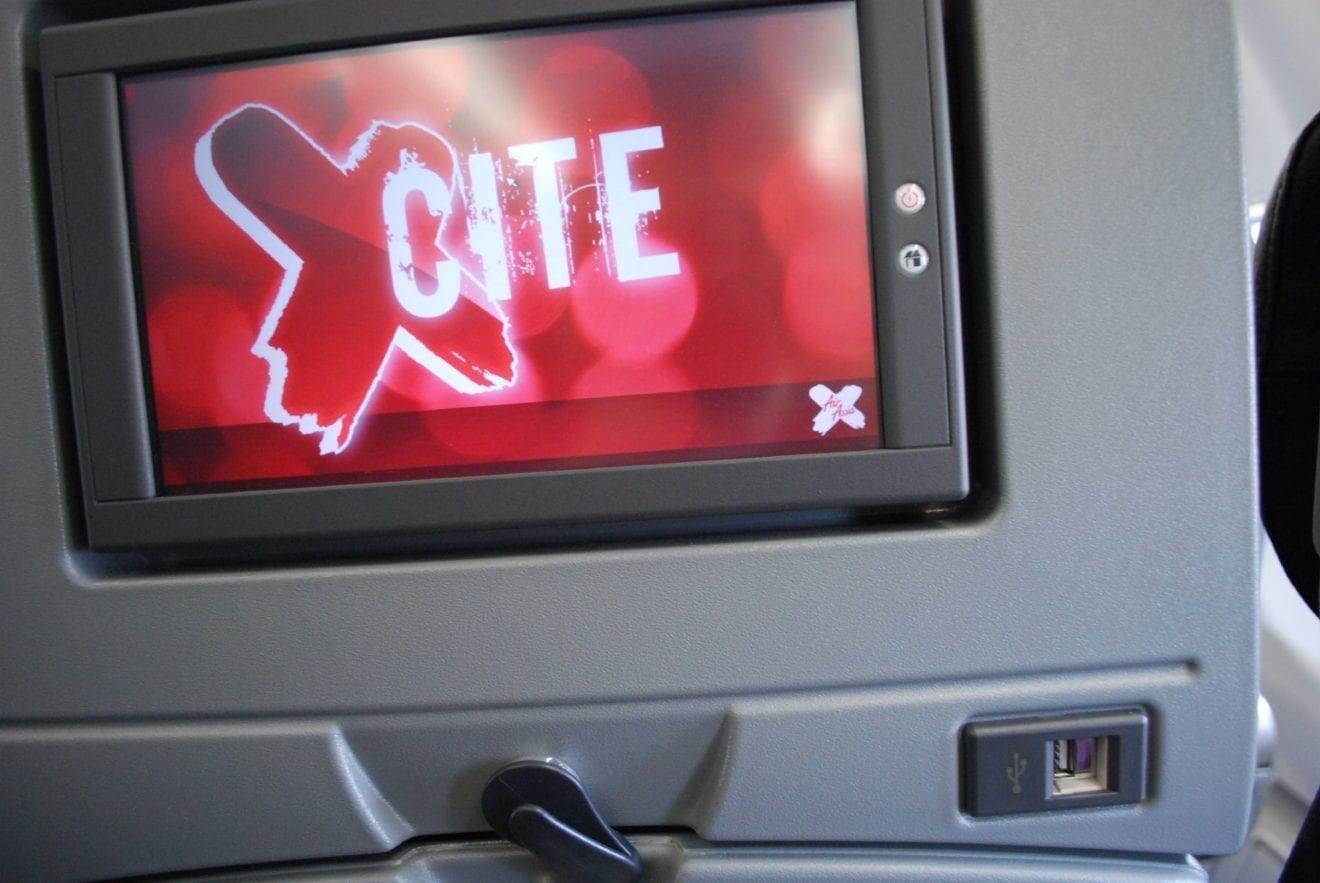
    The new Xcite Inflight Entertainment tablet is a Huawei Mediapad 2, equipped with a 10.1″ HD widescreen display, Harman Kardon audio technology and headset.

    Guests travelling aboard AirAsia X (flight code D7) services to and from Australia can pre-book these devices for about $AU15 (RM49) or rent them on-board for about $18 (RM60).

    The new tablets support five languages (English, Bahasa Malaysia, Mandarin, Korean, Japanese) and the service is complimentary for all Premium Flatbed customers.

    AirAsia X CEO Benyamin Ismail says device content will be regularly updated with the latest Hollywood blockbusters, as well as other international and local movies.

    Currently Xcite is showing X-Men: Apocalypse, The Maze Runner, 21 Days Under the Sky, Storks, The Drop and more. However, no television shows or series are available on the devices at this point.

    There’s also plenty of music, games and magazines to read, plus passengers can shop while they fly, as the AirAsia BIG Duty Free catalogue is also included.

    Previously, the airline offered Samsung Galaxy Tab devices for rental on all its Australian flights.

    AirAsia X flies out of Sydney, Melbourne, the Gold Coast, Darwin and Perth.

    Xcite Inflight Entertainment will not be available on flights to/from Auckland, Jeddah and Kathmandu.

  • DBS offers cardholders dynamic currency conversion on overseas shopping

    DBS offers cardholders dynamic currency conversion on overseas shopping

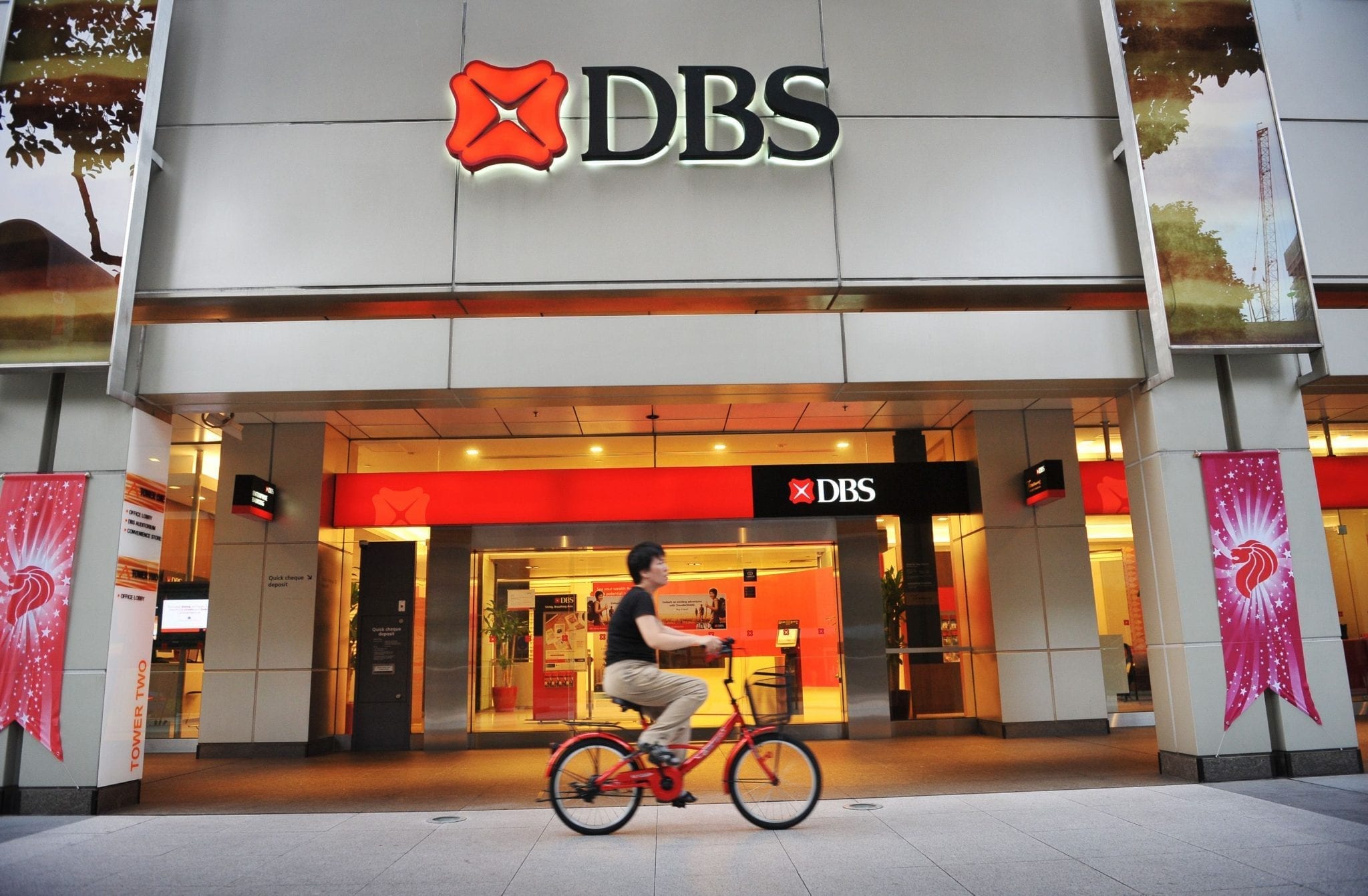
    In a game-changing move, DBS Bank today unveiled its plans to help customers save on their overseas spending by avoiding high foreign exchange (FX) and conversion fees.

    Starting today, customers with a DBS Visa Debit Card linked to a DBS Multi-Currency Account (MCA)* can use their card to spend overseas in the country’s given local currency** without any additional charges. This scheme is the first of its kind in Southeast Asia.The savings will be greatest for Singapore customers who shop in overseas-based online stores or who perform credit/debit card payments overseas and choose to pay in SGD. When they pay in SGD overseas, their payment undergoes a process called “Dynamic Currency Conversion” (DCC), and customers can incur additional merchant charges of between 7% to 15%. In 2016, around 10% of payments by DBS Visa Debit cardholders were overseas transactions made in SGD.

    Customers who choose to pay in the country’s local currency also get to avoid any additional charges such as FX fees and any other conversion charges. For example, a Singapore traveller who intends to visit the U.S. can change currencies via their DBS MCA account (e.g. from SGD to USD), which offers competitive FX rates. This can be done on-the-go or when rates are favourable via DBS mBanking or iBanking. When spending in the U.S., the traveller can simply use their DBS Visa Debit Card to pay for purchases in USD. The amount is then directly deducted from their DBS MCA’s USD balance with no other charges incurred.

    “With travel and ecommerce expenditure rising rapidly in Singapore, we decided to be on the front foot and introduce a game-changing scheme for customers and the industry. With the DBS MCA and DBS Visa Debit Card, customers can convert their currencies at a competitive rate using DBS iBanking or mBanking without needing to make a trip to the money changer. They will also get to skip FX fees and conversion charges for their overseas spends. Our hope is that this will incentivise Singaporeans move towards the security and convenience of cashless payments,” said Jeremy Soo, Head of Consumer Banking Group (Singapore) at DBS.

    DBS’ introduction of the scheme is particularly timely given that it has witnessed close to a 30% increase in foreign currency payment volumes – which includes foreign currency eCommerce and point-of-sales payments – from debit cardholders since 2014. For DBS Visa Debit cardholders in particular, foreign currency payments make up more than 20% of total payments. DBS also sees some SGD560 million in overseas cash withdrawals every year by customers.

    “Travel is becoming increasingly popular amongst Singaporeans and based on the Consumer Travel Poll jointly conducted by Visa and DBS, more than half of them take two to four leisure trips a year. Visa cardholders are increasingly using their payment cards when they travel and cross border transactions by Singapore debit cardholders is growing close to 15% year-on-year. Today, 95% of Singaporean travellers change money into foreign currencies before they travel and the main reason is because they want to avoid the uncertainty of foreign exchange costs. The introduction of this first in market product in Southeast Asia by DBS and Visa supports Singapore’s move to be truly cashless,” said Ooi Huey Tyng, Visa Country Manager for Singapore and Brunei.

    To enjoy the benefits of the scheme, customers will need to sign up for both the DBS MCA and DBS Visa Debit Card. In addition, the customer’s DBS MCA must be linked to their DBS Visa Debit Card as a primary account. Further details on how to be eligible for the scheme’s benefits are available at go.dbs.com/sg-mca. Launched in 2013, the DBS MCA has rapidly built up a large base and has some 200,000 account holders today. In 2015, DBS made the DBS MCA a standard account for new customers to ensure customers will always have ready access to currency exchange. The DBS MCA is also the only multi-currency account in Singapore that allows exchanges in twelve key currencies (including SGD)*** – by far the most here. In addition, there are some 800,000 DBS Visa Debit cardholders here.

    The scheme, focused on helping customers who are frequent travellers avoid the hassle of carrying large amounts of cash overseas, is part of DBS’ larger plan to drive cashless payment behaviour and to bring innovation into financial services. This is something the bank is uniquely positioned to do given that it banks most of Singapore and is the nation’s largest credit and debit card provider, with some five million cards in circulation here.

    Over the last few years, the bank has launched several large-scale and game-changing offerings to help Singaporeans reduce their reliance on cash. This include innovations such as DBS PayLah! (for small merchants and micropayments), DBS FasTrack (for F&B SMEs), POSB Fare Free Friday (for public transport-related transactions); POSB Smart Buddy (for school kids) and more. The bank was also one of the first in Singapore to adopt all three mobile payment platforms – Apple Pay, Samsung Pay and Android Pay.

  • NEC pushes interoperability of smart city tech

    NEC pushes interoperability of smart city tech

    NEC Laboratories Europe has teamed up with four other ETSI members to initiate a new ETSI Industry Specification Group on Context Information Management (ISG CIM), together with the Open & Agile Smart Cities (OASC) organization.

    The ISG CIM will specify open standards for the context information management layer, running “on top” of IoT platforms, enabling implementation of context-aware behavior in smart applications.

    This context information management layer accesses and updates information coming from different sources (IoT networks and information systems) that comprise the semantics of information, including data source, time of validity, ownership and many more.

    This will extend the interoperability of applications, helping smart cities to integrate their existing services and enable new third-party services.

    Cities are striving to use digital services to advance the quality of life of their residents, the efficiency of their operations, the growth of their economies and to increase their sustainability.

    At the moment, telecommunication systems, city infrastructure databases, car traffic management systems, and new Internet of Things (IoT) solutions all have their own specifications, and smart cities are held back by lack of interoperability for exchange of information between these platforms — which the new ISG CIM aims to overcome.

    A focus of the group will be collaboration with other standardization activities in related areas, including ETSI TC SmartM2M and ETSI PP oneM2M. Groups such as EIP-SCC, W3C or ITU-T, and open source IoT software platforms such as FIWARE and OM2M will be closely consulted.

    The goal is to interoperate and to re-use existing work as much as possible. The ISG CIM work is intended to align with the EU’s standardization policies for the Digital Single Market.

    The five ETSI members of the new ISG CIM are Easy Global Market, imec, NEC, Orange and Telefonica. Beyond the initial focus of smart cities, the approach will be transferable to other applications, such as smart agriculture and smart industry.

    Organizations from all areas are welcome to join the ISG CIM initiative — non-ETSI as well as ETSI members, including research organizations, software houses and system integrators, SMEs, industrial partners, city groups and other stakeholders.

  • Vietnam’s online market: Some shut down, others pocket big money

    Vietnam’s online market: Some shut down, others pocket big money

    The online retail market is considered very attractive with 9 out of 10 Vietnamese consumers having smartphones as shown by a Nielsen report.

    Meanwhile, Trang Bui from JLL Vietnam commented that the number of credit card holders is increasing, which is a factor that will change consumer behavior.

    However, despite the attractive factors, many online retailers still fail. In August, Lingo.vn suddenly shut down without any notice in advance.

    After receiving investment from Yellow Star Investment, Lingo once set the target of becoming the No 1 e-commerce website. However, within a short time, Lingo incurred a loss of VND150 billion. The ‘sad ending’ for Lingo also happened to Deca.vn, Beyeu.com, Lamdieu.com and Foreva.vn.

    Zalora and Lazada, which are listed as the most redoubtable rivals in the market, are experiencing tough days. In April 2016, Rocket Internet, the owner of Zalora Vietnam, sold Zalora to Central Group from Thailand. In a similar move, Alibaba from China has taken over Lazada in SE Asia after a $1 billion deal.

    One of the reasons for the failure of e-commerce websites was the boom of Facebook. Everyone can do business and sell goods via the social network without paying a fee.

    Facebook has become involved more deeply in e-commerce after launching an app allowing users to exchange and buy/sell goods with others in the community.

    The company doesn’t intend to collect fees from transactions, which gives it an outstanding competitive edge over its rivals.

    However, while many investors have to leave the market silently, others pocket money.

    A report from The Gioi Di Dong, a large high-tech product distributor, showed that iPhone 7 sales on its website have increased by three times, while online revenue in the first 11 months of 2016 reached VND2.944 trillion.

    Meanwhile, Vingroup’s adayroi, FPT’s Sendo and Tiki have been running a race to expand the market.

    In December 2014, Sendo received strategic investment from Japanese investors. It now has 80,000 shops which retail 3 million products in 14 different branches.

    Tiki has received huge investment of $18 million. The once ‘online bookstore’ has been enlargng rapidly, now distributing 100,000 product items in 10 categories of goods.

    The opportunities for online sellers remain very great. According to Tran Trong Tuyen, CEO of DKT, 75 percent of e-commerce market share is in Hanoi and HCMC, while the remaining 25 percent in the other 61 provinces and cities. If the 61 provinces and cities can develop like Hanoi and HCMC in 3-5  years, the e-commerce market scale would be 3-5 times larger.

  • Axiata to sell 34.1% of tower unit for $600m

    Axiata to sell 34.1% of tower unit for $600m

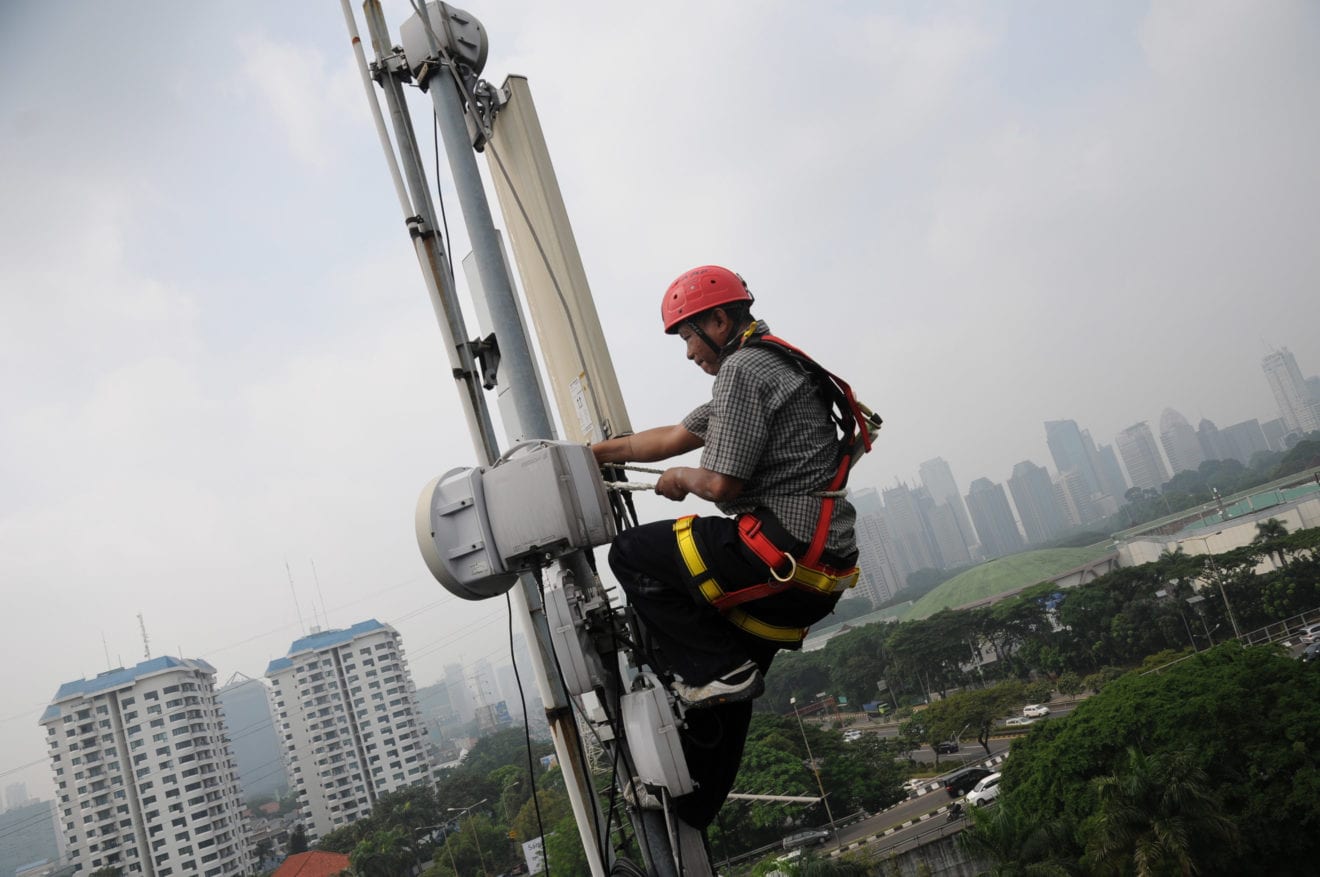
    Malaysia’s Axiata Group has arranged to sell a 34.1% stake in its wholly-owned telecommunications infrastructure services division edotco Group for $600 million.

    The operator will place $400 million worth of primary shares with Innovation Network Corporation of Japan, and $200 million in secondary shares with Khazana Nasional Berhad.

    The placement is expected to close by the end of January. It values edotco at close to $1.5 billion, with an enterprise value to FY16 ebitda multiple of 12.5x – roughly comparable to the company’s regional peers.

    The valuation takes into account the potential future injection of tower assets from Axiata’s Cambodian and Sri Lankan operations, which would further increase Axiata’s shareholding in edotco.

    “Our lead investors and new shareholders, INCJ and Khazanah, are both long-term investors who will provide strategic value-add to edotco’s growth strategy, open doors to further strategic collaborations, as well as enhance and diversify our shareholder base,” edotco CEO Suresh Sidhu said.

    Axiata CEO Jamaludin Ibrahim added that edotco achieved a comparatively strong valuation during the placement due to its robust recent business growth.

    “We are determined to make edotco a world-class business and one of the world’s largest independent tower companies by 2020. The successful placement exercise is yet another step – financially and symbolically – towards facilitating this aspiration.”

  • HACTL Achieves 1,6% Tonnage Cargo Growth in 2016

    HACTL Achieves 1,6% Tonnage Cargo Growth in 2016

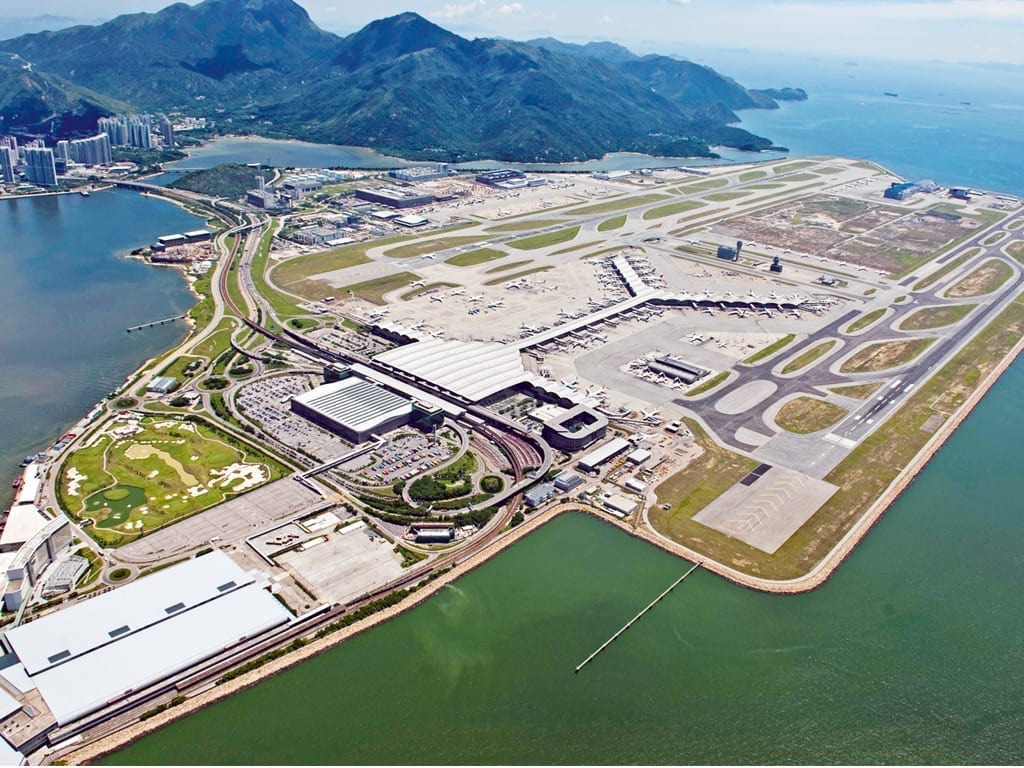
    Hong Kong Air Cargo Terminals handled a total of 1,653,938 tonnes of cargo in 2016, an increase of 1.6% compared to 2015. “From a disappointing start, 2016 shaped up to be a very satisfactory year for Hactl and its airline customers,” said Mark Whitehead, chief executive of Hactl.

    “The best results showed in the second half, and are hopefully indicative of a more settled picture for global air cargo that will continue into 2017. Particularly gratifying is the continuing growth of our ramp-handling business. We ascribe this both to the attraction of Hactl’s unique ability to provide combined terminal and ramp handling in Hong Kong, and to our recent investment in streamlining through the use of mobile computing; this has enhanced productivity and service standards.”

    According to Hactl, transhipments performed most strongly, having grown 29.6% year-on-year. Mail, courier and express traffic grew 8.4% and exports grew 2.1%. Imports declined 8.3%.

    Self Photos / Files - Hactl [2]

    The company’s SuperTerminal 1 set a new weekly record when it handled 41,926 tonnes of cargo from November 28 to December 4, 2016. The ramp-handling business also set new all-time daily, weekly and monthly records.

    Hactl handled 101 freighters on November 23, breaking the previous record of 98 which was set 19 days earlier. From November 28 to December 4, the company handled 628 freighters, beating the previous week’s record of 609. Hactl handled 2,579 freighters in November 2016. The previous record of 2,242 was set in November 2015.

    SuperTerminal 1 is the largest cargo facility at Hong Kong International Airport and is capable of handling 3.5 million tonnes per year.

  • BSP Approves New Bank Service Channels

    BSP Approves New Bank Service Channels

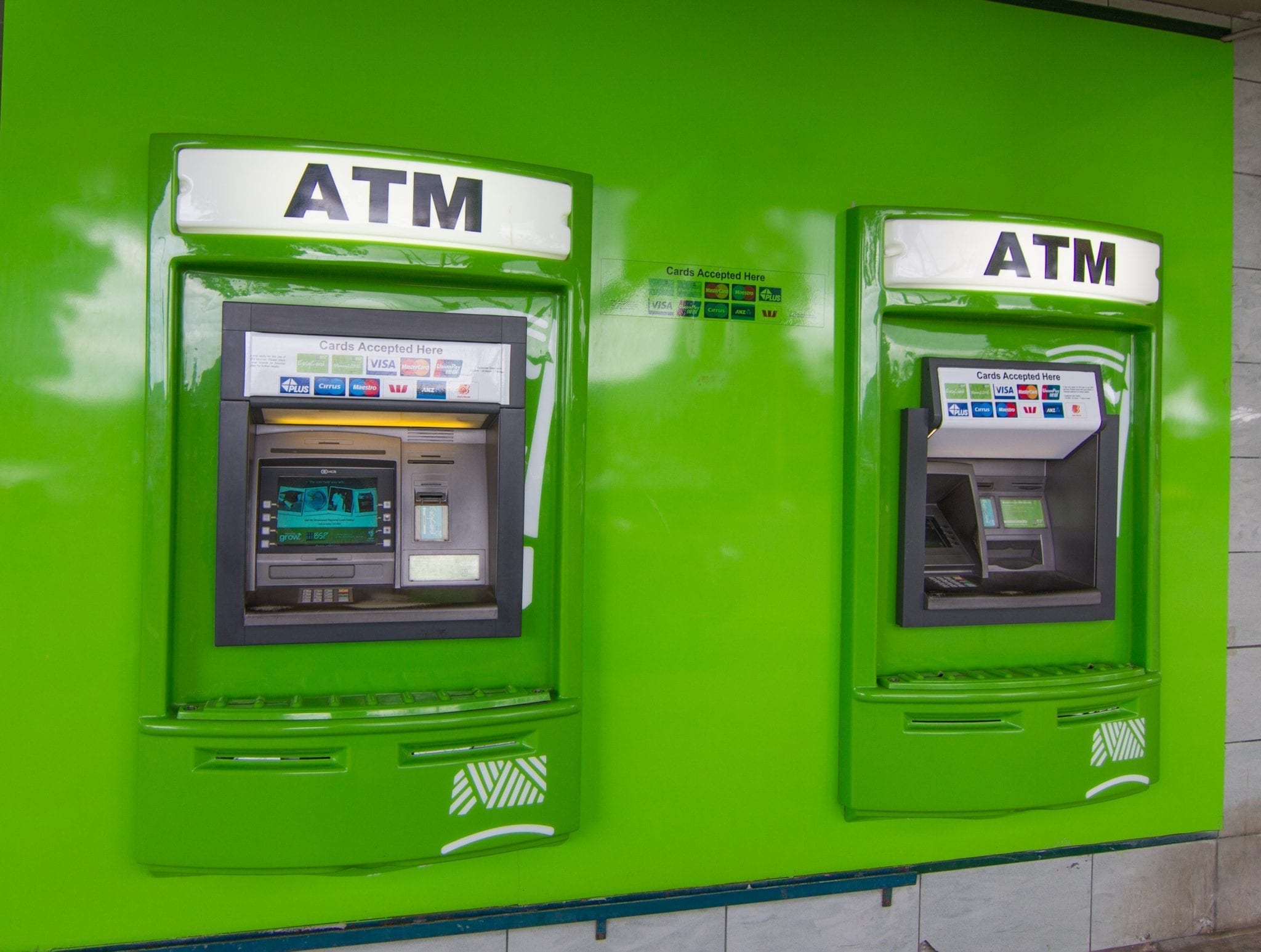
    The Bangko Sentral ng Pilipinas (BSP) has relaxed rules governing service channels for banks and deposit taking activities outside bank premises.

    BSP Deputy Governor Nestor Espenilla Jr. said in a chance interview the changes would allow banks to expand their reach and serve clients more efficiently.

    Under the newly approved regulations, banks are now allowed to serve clients through cash agents. Cash agents will accept and disburse cash on behalf of the banks, facilitating online self-service deposits, withdrawals and fund transfers, as well as bills payment.

    Furthermore, cash agents can also perform Know-Your-Customer procedures as well as collect and forward application documents for loan and account opening.

    They may also sell and service insurance products as authorized by the Insurance Commission.

    Cash agents are typically cash-rich third-party entities with many outlets that conduct regular business in fixed locations anywhere in the country, such as convenience stores, pharmacies and other highly accessible retail outlets.

    The BSP said the cash agents enable banks to leverage on innovative digital solutions to serve a wider client base, particularly in the low-income and rural areas where the commercial incentives to set up a full branch or even a micro-banking office are limited.

    The new regulations are seen to help serve the large base of unbanked and low-income segments.

    Data from the BSP shows more than 36 percent of all the municipalities in the country have no banking presence although most of these are served by a variety of non-bank financial institutions like pawnshops, cooperatives and lending investors.

    Likewise, the BSP also relaxed existing regulations on offsite deposit servicing. This was done by removing highly prescriptive operational requirements and conditions for banks.

    With the new rules, banks have more flexibility in designing appropriate and cost-efficient ways to render deposit pick-up and delivery services and as a result, enhance client experience.

    However, despite the relaxed rules, the BSP said banks must ensure the safety and soundness of the banking system as well as uphold consumer protection.

    It said the recently approved guidelines emphasize banks’ responsibility for ensuring the adequacy of risk management and internal control systems for the liberalized deposit servicing activities.

    As such, the BSP would evaluate the quality and sufficiency of the risk management