Author: Mei Ling Tan

  • Azoya Launch Satisfies Chinese Shoppers’ Cravings for US Products

    Azoya Launch Satisfies Chinese Shoppers’ Cravings for US Products

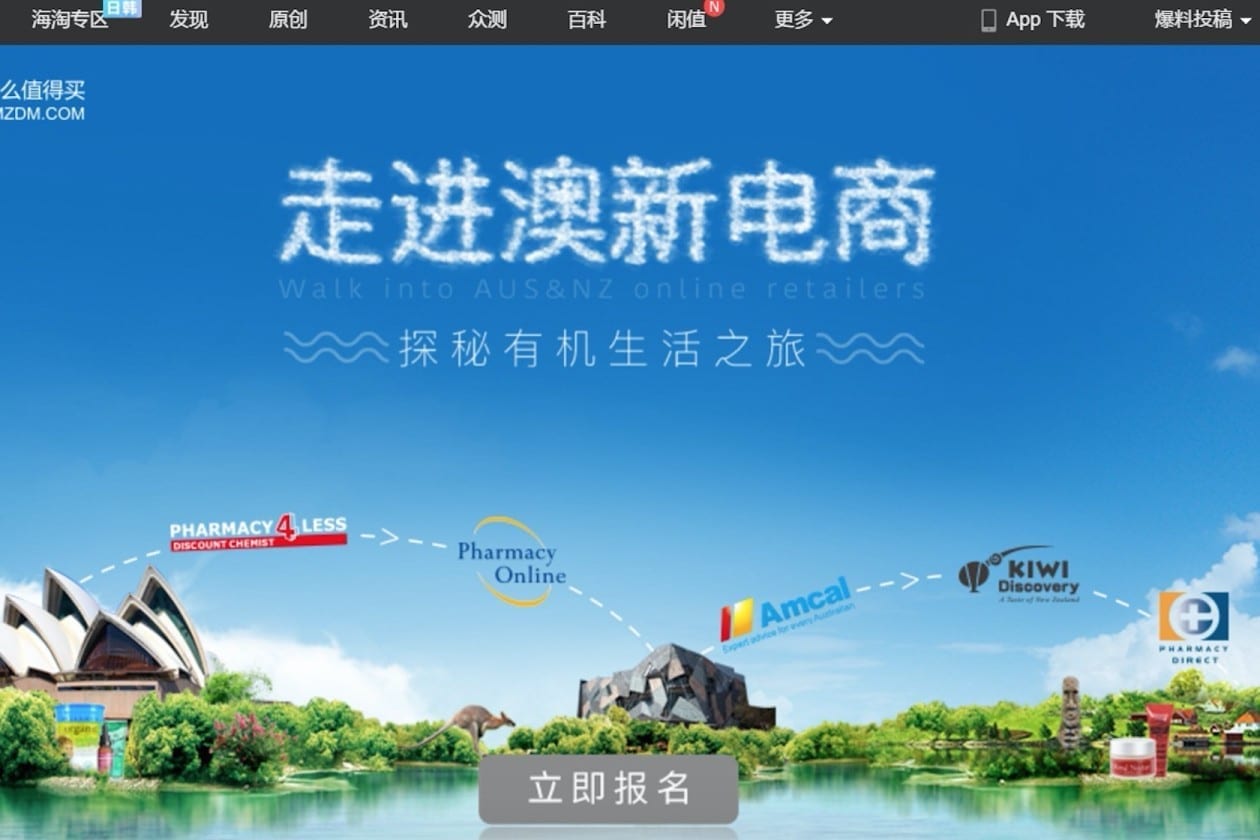
    Today marks the official U.S. launch of Azoya, an integrated turnkey e-commerce solution provider, which will help U.S. retailers and manufacturers break into the Chinese market with less risk in 2017 through fully-managed cross-border e-commerce. Azoya made the announcement to open the National Retail Federation (NRF) annual Big Show, January 15-17, 2017, at Jacob K. Javits Convention Center, New York City, Booth #344.

    As the world’s largest e-commerce market, China is lucrative, growing and ravenous for U.S. products. In 2015, cross-border consumer e-commerce reached $40 billion in 2015 with an annual growth rate of 50 percent.1 Top-selling categories include cosmetics and skincare, baby and mom products, healthcare products, fashion apparel, and groceries.

    “To simplify foreign expansion and ensure long-term growth in China, we build an e-commerce ecosystem for U.S. retail companies,” says Franklin Chu, Managing Director, Azoya International. “Our behind-the-scenes work means Azoya is invisible to Chinese customers who prefer to buy products directly from the U.S. retail company.

    Established in 2013, Azoya International is a leading solutions provider in cross-border e-commerce to China. To date, over 35 retailers in 12 countries have partnered with Azoya to expand into China with ease, including French fashion retailer La Redoute and Feelunique, the largest online beauty retailer in Europe.

  • Vietnam airport operator misses out on retail business opportunities

    Vietnam airport operator misses out on retail business opportunities

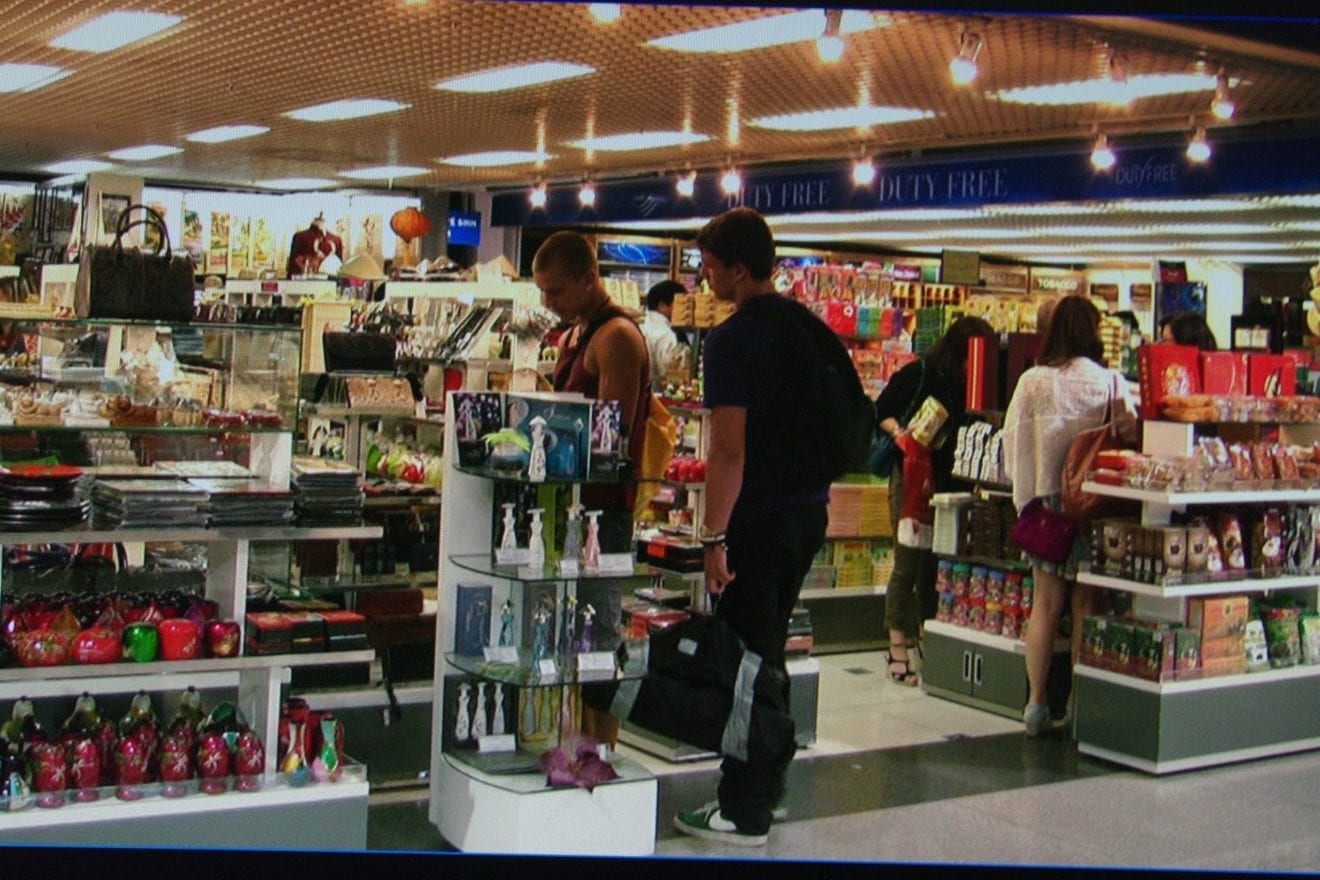
    Despite robust growth in passenger numbers, the state-owned Airports Corporation of Vietnam (ACV), which operates the country’s civilian airports, generated only $81 million from non-aeronautical businesses such as airport retail in 2016, or 15 percent of the annual target.

    Industry experts said the airport operator’s revenue mainly comes from the aeronautical sector such as landing fees and passenger service charges. Meanwhile it hasn’t focused enough on non-aeronautical business, especially the airport retail business.

    The operator estimated its revenue from retail at $1 per passenger last year, far below the average of other airport operators in Asia that reached up to $12.

    Thailand’s AOT and Malaysia’s BHD raked in $4-5 per passenger last year.

    The ACV, which operates 22 civilian airports in Vietnam, recorded significant growth in passenger traffic in 2016 to an estimated 81 million, with Vietnam’s airline market developing at the third-fastest pace in the Asia-Pacific region.

    According to market research group Nielsen, Vietnam’s airline market will be fueled by the middle and affluent class which is forecast to rise from 12 million people in 2014 to 33 million by 2020.

    However, ACV revenue lags behind it’s Thai counterpart even after factoring differences in passenger traffic. As of the end of the third quarter of 2016, the ACV’s annual revenue was only equal to 40 percent of Thailand’s airport operator AOT while passenger traffic made up as much as 68 percent.

    The proportion of international arrivals at Vietnam’s airports is about 30 percent of total passenger traffic, compared to 58 percent in Thailand and 48 percent in Malaysia, while service charges on international travelers are higher than those for domestic passengers. That partly explains why the ACV is so far behind many of its competitors in the region in terms of revenue.

    Airports Corporation of Vietnam, which is currently valued at $1.2 billion, is one of Vietnam’s biggest state-owned enterprises.

    Last year, the ACV raised $51.6 million by selling a 3.47 percent stake in an initial public offering where foreigners snapped up 82 percent of the shares on offer.

    France’s Aeroports de Paris SA has emerged as the front-runner to buy a 20 percent stake in the Ho Chi Minh City-based company, according to the Transport Ministry. The deal is scheduled to take place in March.

  • University of Hong Kong sees increase in Indonesian student applications

    University of Hong Kong sees increase in Indonesian student applications

    Shopping, entertainment and leisure may be the three words synonymous with Hong Kong. However, those are no longer the only reasons for Indonesians to visit the region as it has become a destination to pursue higher education.

    Phillip Beh, chairman of the University of Hong Kong (HKU) Undergraduate Admissions Committee told on Saturday that the university had seen an increase in applications from Indonesian students since it opened its first undergraduate admission interviews in Indonesia in the academic year of 2014/15.

    Beh said on average 200 applications are received from Indonesian students annually. However, applicants face tight competition as only 400 international students are accepted into the university each year. At present, there are about 90 Indonesian students enrolled in HKU, mostly majoring in Food and Nutritional Science and Risk Management.

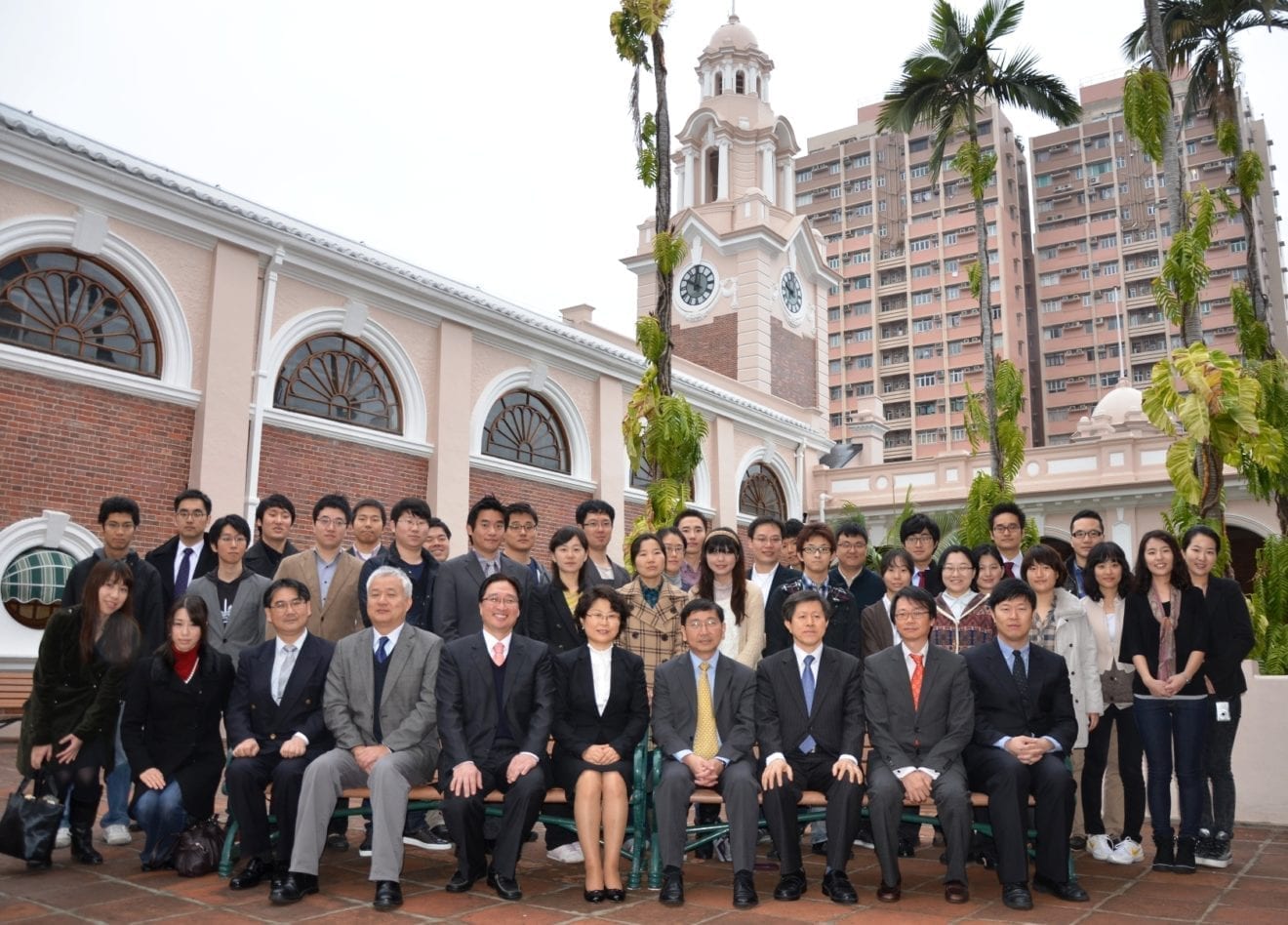
    Pinto ‘Pipin’ Rasika Tasdyata (center-left) and Jelita Amidjaja (center-right) talking with other Indonesian students who act as observers in HKU’s open house, undergraduate admission interviews at South Jakarta, Saturday.(JP/Masajeng Rahmiasri)

    Jelita Amidjaja, alumni of BPK Penabur 1 High School Jakarta currently studies Actuarial Science in HKU. She chose Hong Kong mainly because of its reputation as the melting pot of Asian and Western culture, besides its proximity to mainland China which allows her to study Chinese culture. “Right now, China is a strong country, so you would want to learn about the culture,” she said.

    Pinto “Pipin” Rasika Tasdyata studies Business Administration (Internal Business and Global Management) in HKU.  She said that what appealed to her about Hong Kong apart from its culture was the business prospects of the region. “It is the business hub that people recognize. I know Hong Kong and China will grow,” she said.

    Global university ranking publication, QS World University Rankings ranked HKU at 27th place in its 2016 world rankings, while UK-based education publication, Times Higher Education puts HKU in third position in its international outlook in 2016. Apart from its academic reputation, Indonesian students Pipin and Jelita also aim to gain future opportunities via HKU’s connections.

    “It is a very connected university. There are opportunities that I can get from there, from internships, overseas partners, and many more,” Pipin said, adding that the university also sends daily emails to students containing news about internships and various opportunities.

    Indonesian parents who send their children to HKU take into consideration the relative tuition fees. Taman Djojomitro, a parent who accompanied his son to HKU’s open house last Saturday highlighted the study cost comparison with the United States, “It’s quite expensive to study in America, especially when the exchange rate is Rp 13,000 to the dollar now.”

    Yearly tuition fees for international students in HKU start from HK$146,000 (US$18,824). With accommodation fees within the range of HK$12,000 to HK$26,000 plus living costs of approximately HK$40,000 per year, it is a significant difference to what normally constitutes average spending when studying abroad. According to QS World University Rankings, the average total cost of studying in a public university in the US currently averages $39,890 for international students.

  • CapitaLand Vietnam to build Ho Chi Minh City mall

    CapitaLand Vietnam to build Ho Chi Minh City mall

    Singapore developer CapitaLand plans to build a 240 metre tall office tower in downtown Ho Chi Minh City, apparently anchored by at least four storeys of shopping mall.

    artists_impression_of_capitalands_first_grade_a_office_development_in_hcmc

    While CapitaLand has already established a strong presence in Vietnam in the accommodation and serviced apartment sectors, this tower would mark its first foray into retail. Fellow Singapore developers Keppel and Mapletree have both built shopping centres in Ho Chi Minh, Vietnam’s most-populated city.

    CapitaLand Vietnam released an artist’s impression of the new building on Tuesday which clearly shows a strong retail component. In the statement it said the building would incorporate “exciting retail offerings, including some of the city’s best restaurants and cafes, lifestyle and entertainment outlets” on levels above and below ground.

    But when approached for more details, a CapitaLand spokesman declined to reveal further details.

    Also apparently secret is the precise location of the new development, other than it is in the heart of District 1, the CBD, and on the riverfront. CapitaLand says construction will commence in the first quarter – but refused to reveal the exact location of the 0.6ha site it has acquired.

    The development – of an unspecified number of storeys – will be built by CapitaLand’s wholly-owned subsidiary CapitaLand Vietnam Holdings. It will be the company’s first international Grade A office tower in Vietnam and connected with the metro railway line currently under construction. Both are expected to open in 2020.

    Lim Ming Yan, president & group CEO of CapitaLand said in a statement that the acquisition and development of the project serves to diversify CapitaLand’s portfolio and strengthen its foothold in Vietnam.

    “It is also in line with our plan to establish a US$500 million investment fund to focus on commercial properties in Vietnam. CapitaLand has a 22-year track record in Vietnam which has delivered to-date, 22 serviced residences, nine residential developments and now, a prime commercial property. Given its strong growth outlook and positive market sentiments, we are excited to be a long-term player in Vietnam’s growth story and will continue to look out for opportunities to grow our footprint.”

    An eye-catching feature of the building will be lush open terraces towards the top of the tower, “bursting with greenery where tenants can meet, network or relax while enjoying unobstructed views of the Saigon River and the city”.

    It is within walking distance to the city’s vibrant shopping and entertainment area, and CapitaLand’s Ascott Waterfront Saigon – a 222-unit luxury serviced residence due to open in July 2017.

    Vietnam is CapitaLand’s third largest market in Southeast Asia, after Singapore and Malaysia. Last November, CapitaLand announced plans to set up a US$500 million fund to invest in commercial properties in Vietnam; its second one after a US$200 million fund launched in 2010 which has been fully invested in the development of three residential projects in Ho Chi Minh City and Hanoi.

  • Stadium Goods finds growth in China

    Stadium Goods finds growth in China

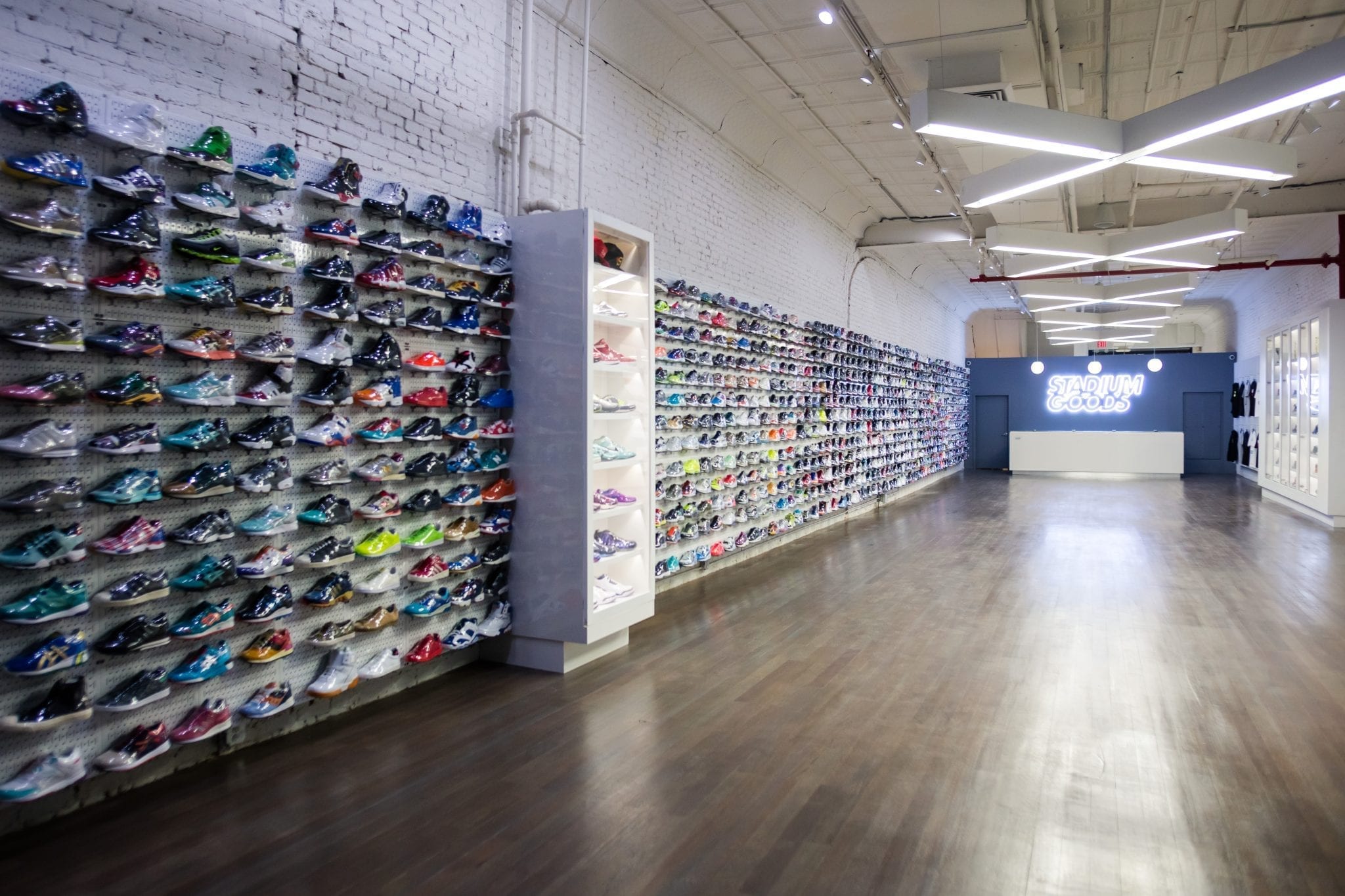
    With ambitions to “scale rapidly”, US sneaker and apparel marketplace Stadium Goods has expanded into China through an exclusive partnership with Tmall Global, an extension of Alibaba Group’s B2C Tmall.com business.

    Stadium Goods co-founder/MD Jed Stiller says the company had already had “tremendous growth” in China.“More importantly, we have helped legitimise the resale model by making it more relevant and accessible to all types of consumers.

    “We’re thrilled to have found the perfect partners in Forerunner Ventures and The Chernin Group, among others, to build on our successes to date as we look to innovate and scale rapidly.”

    Meanwhile, Stadium Goods has just raised more than $4.6 million in fresh equity funding. This will help fuel its expansion into the mainstream footwear market.

    Founded by Still and John McPheters in late 2015, Stadium Goods unveiled StadiumGoods.com and its Soho retail location in New York City, offering sneaker consumers around the world a service-focussed approach to buying and selling collectible footwear, apparel and lifestyle goods.

    “Stadium Goods has transcended a seemingly niche market, proving it can be a critical player in the larger global athletic footwear retail market,” says Forerunner Ventures founder Kristen Green. “There hasn’t been a company of its kind offering this level of aesthetic, product mix or services to date, so we’re very excited to partner with it.”

  • Five E-commerce Business Models Destined to Rule Thailand in 2017

    Five E-commerce Business Models Destined to Rule Thailand in 2017

    2016 predicted Thailand’s e-commerce boom and it has been forecasted that in 2017, internet users in Thailand will make up 50 percent of the population compared to last year’s 43 percent.

    Once plagued by a shaky foundation of uncertain payment settlement systems and a faltering mobile infrastructure, it seems Thailand has overcome that hurdle and in 2016 became Southeast Asia’s fastest growing e-commerce market.

    With a retail market that is expected to reach 3.21 billion by 2020 – according to Euromonitor International, Thailand is without a doubt carving its niche within the world of e-commerce.

    Fueled further by the launch of 4G services, it seems a path has been paved for numerous online retailers to up their game and offer greater formats of product distribution to an internet-savvy pool of consumers.

    Here are five types of e-commerce business models that are currently taking Thailand by storm.

    Meal Delivery Sites

    With the clean eating craze going strong – particularly in cities – healthy food delivery websites are becoming an increasingly popular business model. Offering healthy alternatives that run from organic to vegan to low-calorie and non-processed foods, the success of these websites can be attributed to the fact that they offer to take away the hassle thought to encompass healthy eating, aka grocery shopping etc. By eliminating these factors, the popularity of meal delivery sites can only grow exponentially.

    Online Deal Platforms

    Capitalising on the Thais’ love for a great deals, the humble coupon is back and stronger than ever. With online deal platforms such as Saleduck offering coupons and deals from powerhouse retail websites like Lazada and Expedia, consumers are able to find money-saving deals on everything from electronics to groceries to first-class airline tickets going for up to 80% off. To set themselves apart from competition, deal and couponing platforms often work closely with their partners to release exclusive codes to provide even greater savings to their customer base and the fact that most of these codes can be accessed without a fee is the icing on the cake.

    Social Media Shopping

    In 2016, PWC’s Total Retail survey noted that 51 percent of online shoppers in Thailand shopped directly through social media platforms such as Facebook and LINE citing interactivity as a strong motivator. Whilst price and convenience play a significant role, the driving force behind social media shopping can be linked to the stream of human connectivity that takes its form in reviews, comments and feedback that comes via social media. 53 percent of social media consumers said that customer reviews are what influences their buying decision.

    C2C Mobile Shopping

    Following in the same vein as social media shopping, C2C is also cited as one of the next big things to emerge in Thailand’s e-commerce ecosystem. The person to person interaction is an element that serves as the heartbeat of successful C2C platforms such as Pantipmarket and Tarad.com. Over 50% of online transactions being performed via mobile phone in Thailand, this is expected to further push consumer-to-consumer shopping further into the limelight.

    Digital Content Websites

    From mobile gaming to SVOD, Thailand’s digital revolution has certainly altered the ways in which people consume content. With over 10 different paid platforms for Thais to choose from including iflix and Doonee, Thailand’s affinity for mobile internet use plays a role in how we choose to consume content via digital platforms. In the world of gaming alone, major telecom operators in Thailand have announced strategies in acquiring digital content and games in an effort to meet the rise in demand.


  • TCL Electronics pictures broader appliances market beyond TVs in Thailand

    TCL Electronics pictures broader appliances market beyond TVs in Thailand

    TCL Electronics, a Chinese electrical appliance manufacturer that sells televisions in Thailand, is considering expanding its product range in the country. The company is conducting a market study that may pave the way for it to sell other home appliance products, including air-conditioners, refrigerators, and washing machines. Such a move would reduce TCL’s reliance on only one product line in the Thai market.

    Thailand’s overall consumer electronic market dropped 3 per cent year on year to Bt34.5 billion in the first 11 months of last year. Sales of flat-screen and plasma televisions dropped slumped by 8 per cent |over the period to about Bt23.3 billion.

    In contrast, overall sales of home appliance products, such as refrigerators, air-conditioners, and washing machines, increased by 6 per cent to Bt54 billion in the first 11 months of 2016.

    Sandy Zhou, head of marketing at TCL Electronics (Thailand), said TCL Thailand was keen to add a broader range of electrical appliances to its offerings in Thailand, meeting rising consumer demand in the segment. The strategy also would help TCL to improve its operational efficiency and lower management risk.

    She said that TCL Thailand achieved sales of Bt2.5 billion last year, maintaining its position as a top-three TV player in Thailand with 8 per cent market share.

    Zhou said TCL’s main income is derived from products such as Smart TV and QUHD TV, which cover the mid to premium ends of the market. TCL’s customer base can be categorised as 45 per cent in Bangkok, with 55 per cent in the rest of the country.

    “TCL Thailand expects to increase our market share in the local TV market to 10 per cent or approximately 300,000 units (Bt3.2 billion in sales value) this year. For other home appliances, our products will be launched on the market in the third and fourth quarters of this year,” she said.

    “We however have no plan to set up a manufacturing facility for our consumer electronic and home appliance products in Thailand at this moment,” said Zhou.

    TCL Thailand has been established in Thailand for more than 13 years, building up a brand loyalty and good teamwork in its workforce.

    “For this year, our strategy is to expand our sales channels domestically. We plan to increase the number of our dealers here by 30 per cent, and by 15 per cent for the number of modern retail stores. We also plan to adjust the image of our existing 100 showrooms in the Kingdom to be under the ‘Creative Life’ concept,” she said.

    Zhou said that TCL had 75,000 employees throughout Asia, the Americas, Europe and Oceania, with sales organisations in more than 80 countries and regions, and 23 research institutions and 21 manufacturing and processing bases worldwide.

    “TCL Thailand will focus on Thailand only. TCL Group also has offices in the Philippines, Vietnam and Indonesia,” she added.

    TCL Thailand pursues its business with customer- and product-oriented strategies. Core strategies include a focus on brand awareness and price performance through maximising product value and performance efficiency.

    Wannapong Tawara, associate director of GFK Retail and Technology, a market research company in Thailand, said Thailand’s TV market value in 2017 should be similar to that of 2016, considering consumers are still cautious on discretionary spending.

    However, electrical appliances including TVs that are designed to be connected with other applications appeared to be in high demand, tapping into new consumer lifestyles, Wannapong said. With this in mind, electric appliance makers should consider introducing a variety of products that offer complex entertainment and service options and are well priced and easy to use, while coming with good after-sales service.
  • Ford posted record sales in Philippines in 2016

    Ford posted record sales in Philippines in 2016

    Ford Philippines said it posted new record sales in 2016, the fourth in a row, with sales rising 33 percent to 33,688 vehicles, driven by continued strong demand for EcoSport, Everest and Ranger.

    The company said it also had the best-ever December performance in the Philippines with sales increasing 13 percent year-on-year to 3,198 vehicles.

    “Our big three nameplates – Ranger, Everest and EcoSport – continued to lead the charge throughout the year and further solidify the Ford brand as a top choice among Filipinos,” said Ford Philippines managing director Lance Mosley.

    The Everest became Ford’s best-seller in the Philippines in 2016 with full-year sales rising 152 percent year-on-year to a record 12,453 vehicles, finishing the year with a 6-percent rise in December sales to 1,066 vehicles.

    The EcoSport compact SUV also turned in its best-ever full-year performance with retail sales rising 15 percent to 10,010 vehicles, capping the year with December sales rising 40 percent to an all-time monthly record of 1,123 vehicles.  The Ranger, on the other hand, finished 2016 as the second best-selling pickup truck in the Philippines with total retail sales of 8,158 vehicles.

  • Cambodia’s property market continues to trend upwards

    Cambodia’s property market continues to trend upwards

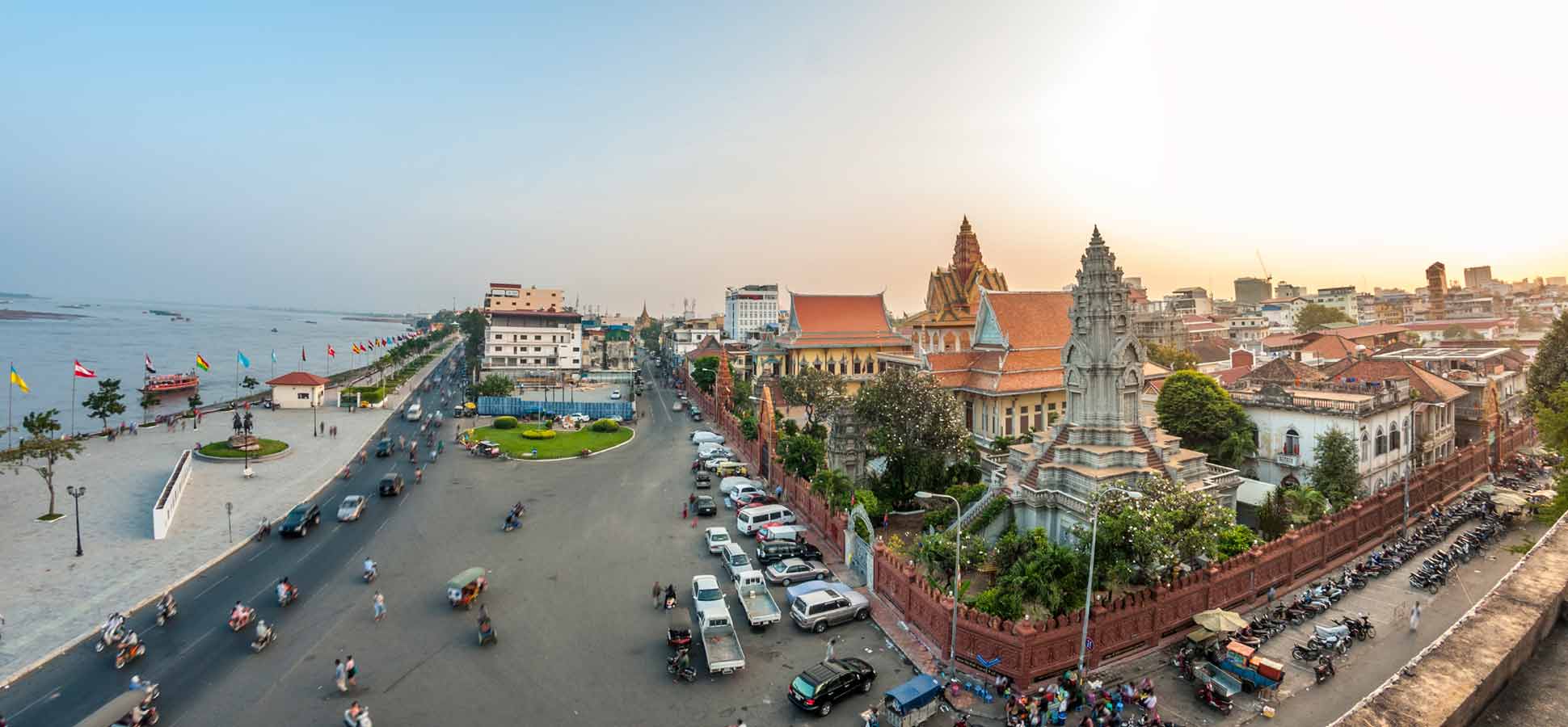
    Cambodia’s property market has developed at an increasingly fast pace over recent years which has provided foreign investors with a range of opportunities. Some insight from Simon Griffiths, the senior associate director for CBRE Cambodia, to see what lays ahead for property and foreign investment in 2017.

    2015 saw a spike in foreign direct investment (FDI), and the property sector was a big benefactor of these investments both in terms of headline investments in new development projects, and also from foreign individuals investing in one or numerous condos, SoHo units or strata office.

    2016 saw the physical manifestation of this wave of development investment in the form of large-scale buildings rising out of the ground across Phnom Penh. However, there was also a slowdown in foreign private individual sales and/or investments.
    This led to developers and individual investors to be more cautious in 2016 as everyone took stock of the market.

    Nevertheless, a palpable appetite for further development still existed with developers actively seeking out opportunities away from the ubiquitous condo template by innovating on residential design or looking at new sectors and geographies all together.

    There was evidence that private individual foreigners were still buying real estate in Cambodia late in 2016 and that private investors were particularly attracted to guaranteed yields, developers with strong reputations and new or innovate products/design.  Consequently, FDI in property/real estate remained strong in 2016 but not equal to 2015’s.

    Looking ahead for 2017, it is likely FDI will remain high but not in the same sectors or geographies as experienced in 2015 and 2016.

    If Phnom Penh is a cup, then that cup is brimming with development. That does not mean there will not be further foreign investment in Phnom Penh in 2017, but expect to see foreign investment move towards entertainment, hotels, condo-hotels and retail in 2017 rather than in 2015 and 2016 where the focus was largely on the residential sector.

    For 2017, as a foreign private investor, it is an interesting time. 

    With greater competition, developers shall increasingly offer better guaranteed yields and deals to foreign (and local) buyers.  Against the back-drop of stagnant low interest rates in developed economies, guaranteed yields of five percent and above represent ways to appreciate wealth rather than in real terms losing it as it sits in the bank – but crucially only if the private foreign investors trust the developer and the investment holds its value.

    That brings me to another sector and geography that shall +see significant FDI, and that is Sihanoukville.  Traditionally, only low-scale, low-rise tourism expect big announcements about mega resorts above 1,000 hectares and significant foreign FDI in this province.

    Whether or not all the FDI will be in 2017 is difficult to predict, but it is looking likely the next real estate boom may well be in Sihanoukville.  Expect more tourism, hospitality and entertainment investment but also residential investment, and, interestingly, that residential foreign investment may not just be in condos but also on the ground.

    The details are not known but there is a possibility Sihanoukville may gain a ‘Special Status’ and this special status may permit foreigners to buy land within specially licensed areas within the province.

    Whether this would apply to industrial units such as the Thai Special Economic Zone model or include holiday homes for foreigners is not yet clear, but either or both will lead to significant FDI in the province and be an engine for growth and investment should such a status come to fruition.

  • Burberry reports positive Q3, retail sales up 4 percent

    Burberry reports positive Q3, retail sales up 4 percent

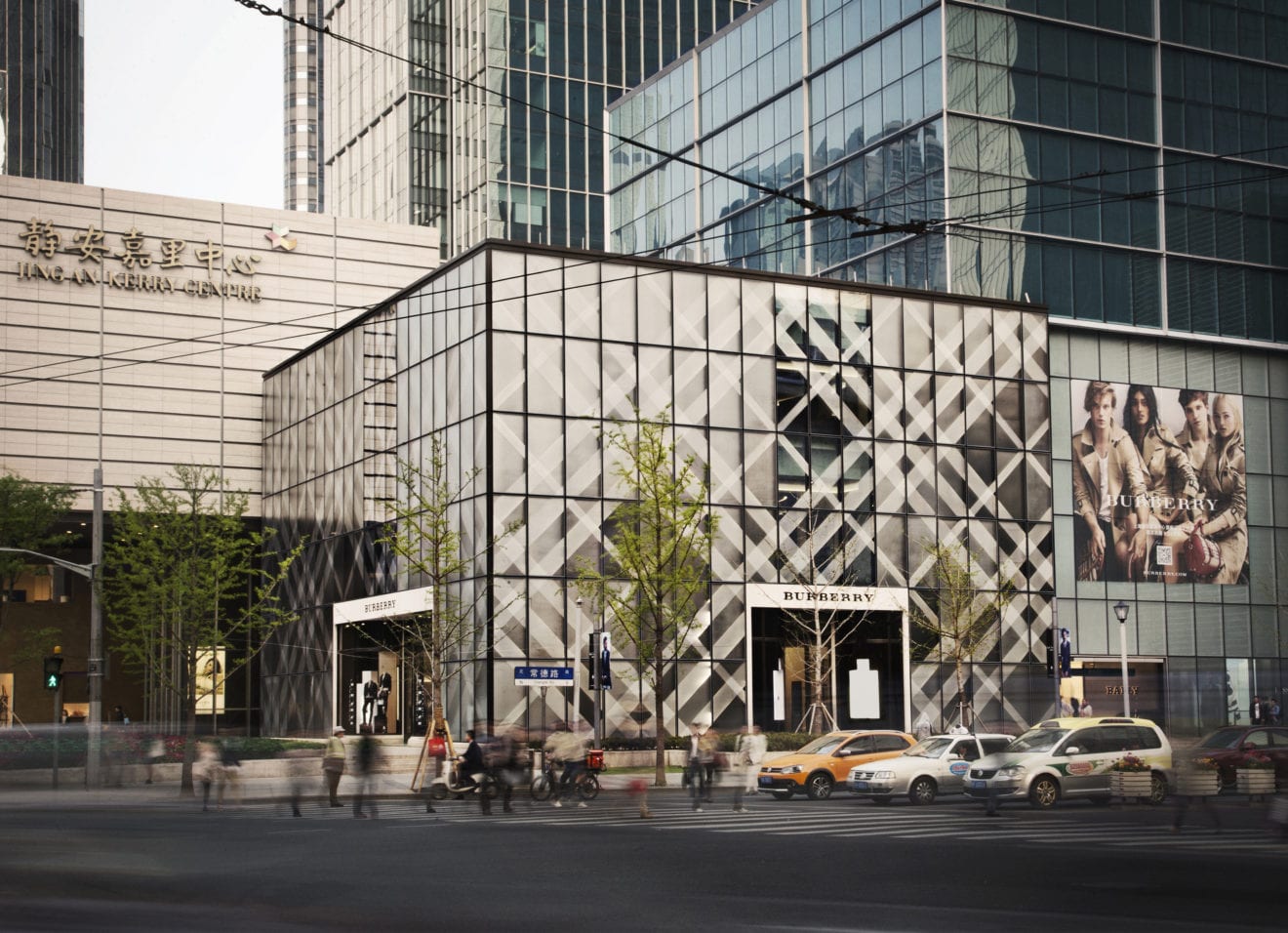
    For the three months to December 31, 2016, Burberry retail sales of 735 million pounds (907 million dollars) improved 4 percent underlying and 22 percent at reported FX. Comparable sales for the period increased 3 percent. The company expects FY17 adjusted PBT to be in line with current market expectations.

    Commenting on the third quarter trading, Christopher Bailey, Chief Creative and Chief Executive Officer, said in a statement, “With a record number of views of our festive film and strong demand for new products in our collections, this third quarter improvement reflects early progress from our plans to drive Burberry’s performance for the long term.”

    The company reported low single-digit percentage growth in Asia Pacific with acceleration in Mainland China, which posted a high single-digit percentage comparable sales growth, despite the impact of the elevation of the store portfolio in Beijing. Hong Kong, the company said, improved to a low single-digit percentage comparable sales decline, with positive conversion offsetting the majority of the footfall decline.

    EMEIA region witnessing a double-digit comparable sales growth, continued exceptional performance in the UK with comparable sales growth of around 40 percent. While Continental Europe remained weak, France saw some improvement compared to Q2. Americas posted a low single-digit percentage decline in the Americas with domestic and travelling luxury customer demand remaining uneven in the United States.

    Burberry said, fashion again outperformed replenishment and led growth across all categories and accessories outperformed, led by strength in bags.

  • Indonesia seen holding rates on rupiah, inflation concerns

    Indonesia seen holding rates on rupiah, inflation concerns

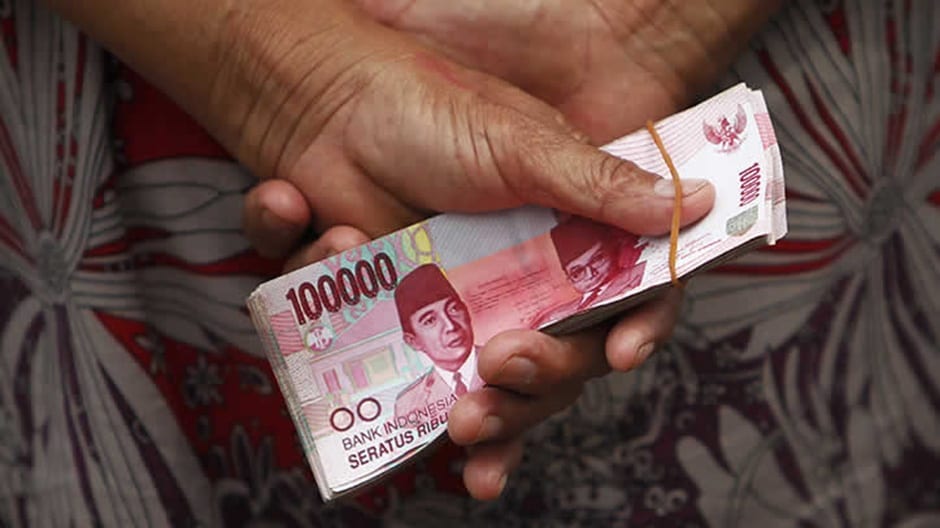
    Indonesia’s central bank is widely expected to keep its benchmark policy rate unchanged on Thursday as it monitors the rupiah’s movement at a time of global uncertainty and price pressures at home.

    Bank Indonesia (BI) cut its benchmark six times last year, by 150 basis points, to 4.75% to aid economic growth. During 2016, the inflation rate was low, current account deficit comfortable and the rupiah relatively stable.

    All 22 analysts in a Reuters poll predicted the central bank will leave the main rate unchanged on Thursday.

    “BI’s monetary policy easing cycle may have come to an end,” the World Bank said in a report published on Tuesday.

    It said the space for easing is more constrained than in October – when BI made its last trim – “given US interest rate normalisation and downward pressure on the rupiah”.

    Capital Economics said BI is also likely to consider risks of higher inflation due to government plans to hike some liquefied petroleum gas prices and electricity tariffs.

    “BI expects this to push inflation towards the top of its target range, weakening the case for further monetary loosening,” the consultancy wrote on Monday.

    Higher Inflation Seen

    Earlier this month, BI deputy governor Perry Warjiyo said that although the central bank has room for more easing, it needs to “calibrate” an expected acceleration in inflation when deciding its main rate.

    He said inflation may rise to 4.6% in 2017 due to adjustments in administered prices, from 3.02% in December.

    Warjiyo, hinting at a hold on Thursday, said BI may prefer to use liquidity management tools to support economic growth, while its main policy rate will be used to maintain financial market stability.

    Some analysts said South-East Asia’s largest economy still needs loosening to lift sluggish growth, which slowed to 5.02% in the third quarter and may slow again to 4.97%, according to BI’s forecast.

    Out of seven analysts who gave views for the benchmark at the end of March, three saw BI making a 25-basis-point cut to 4.50% while the other four projected no change.

    Taimur Baig, Deutsche Bank’s chief Asia economist, said “Indonesia’s economic turnaround, which seemed apparent in the first half of last year, appears to have stalled” and that might prompt BI to cut before April.

    DBS economist Gundy Cahyadi also sees a cut, but not until 2017’s second half.

  • SM Prime Holdings: four malls this year

    SM Prime Holdings: four malls this year

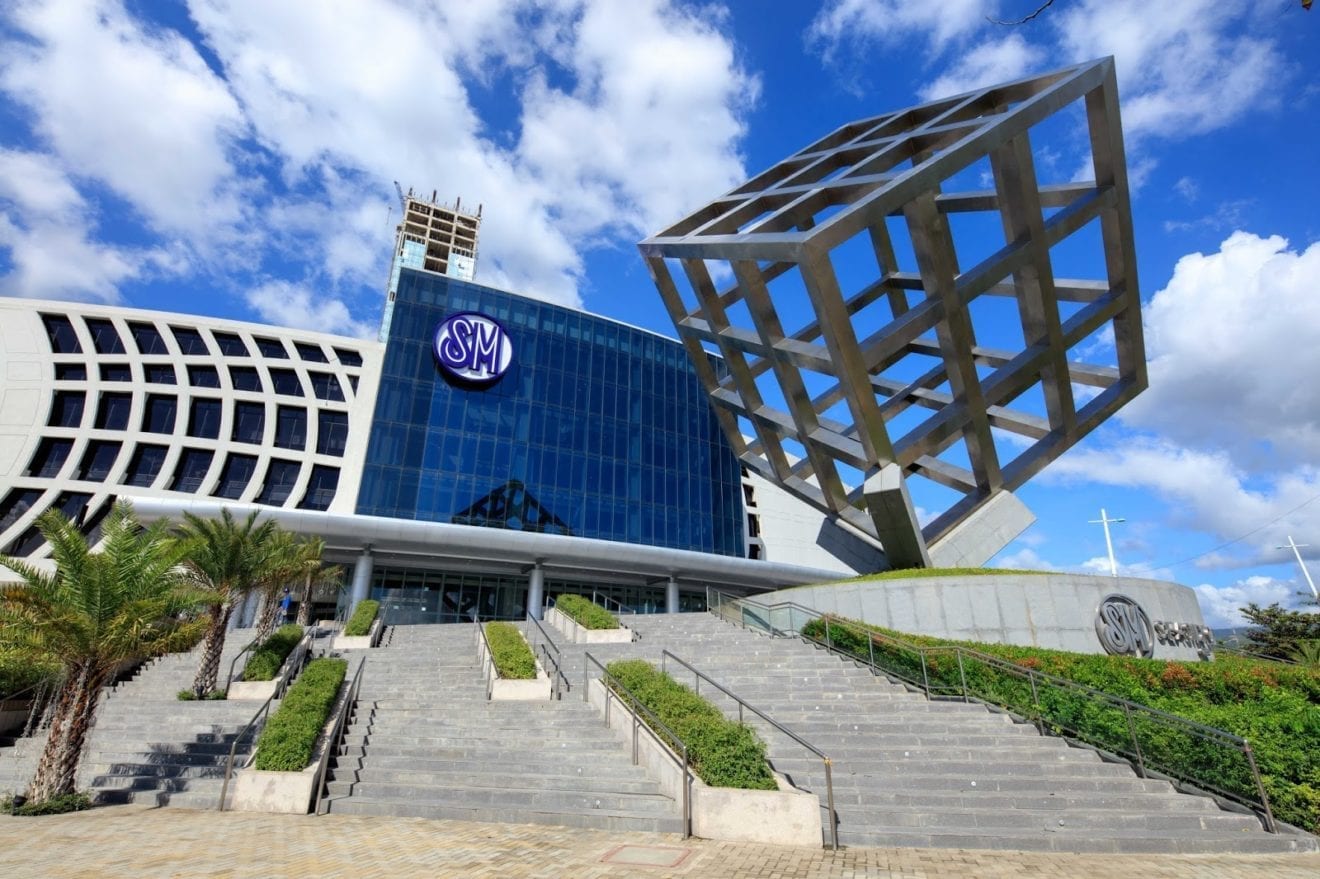
    Property giant SM Prime Holdings aims to open four shopping malls with a combined gross floor area of 292,000 sqm in the Philippines this year.

    SM Prime ended last year with 60 malls across the country, as well as six malls in China.

    President Jeffrey Lim says the company’s focus this year will be on shopping malls and residential space.

    SM Prime’s VP for investor relations, Alexander Pomento, says the malls to open this year are SM Tuguegarao (Cagayan Valley), SM Puerto Princesa (Palawan), Cherry SM Antipolo (Rizal) and SM Premier Cagayan de Oro. Their gross floor area would be 40,000 sqm for Tuguegarao, 70,000 sqm for Puerto Princesa, 30,000 sqm for Antipolo and 152,000 sqm for Cagayan de Oro.

    Pomento says that about 370,000 people are employed in SM Prime’s 60 shopping malls.

    Its latest shopping mall in the Philippines is the 80,000-sqm SM City East Ortigas, which targets customers in the eastern part of Metro Manila.

    In the first nine months of last year, SM Prime grew its consolidated net income by 13 per cent year-on-year to P17.5 billion, buoyed by higher shopping-mall, office and residential development plus hotel revenues.

    For the third quarter alone, SM Prime’s net profit rose by 15 per cent year-on-year to P4.9 billion, supported by a 14 per cent expansion in revenue to P18.5 billion.

    Philippine shopping mall revenue grew by 9 per cent year-on-year to P32.1 billion in the first nine months, while mall rental income expanded by 11 per cent to P26.9 billion.

    In the past two years the group has expanded its shopping mall GFA by 1 million sqm.

    Meanwhile, mall revenue from China rose by 5 per cent year-on-year to P3.1 billion in the first nine months while operating income grew by 6 per cent to P1.5 billion.

    SM has just opened its seventh mall for China in Tianjin.

  • Tourist arrival number 32m sets new Thai tourist record

    Tourist arrival number 32m sets new Thai tourist record

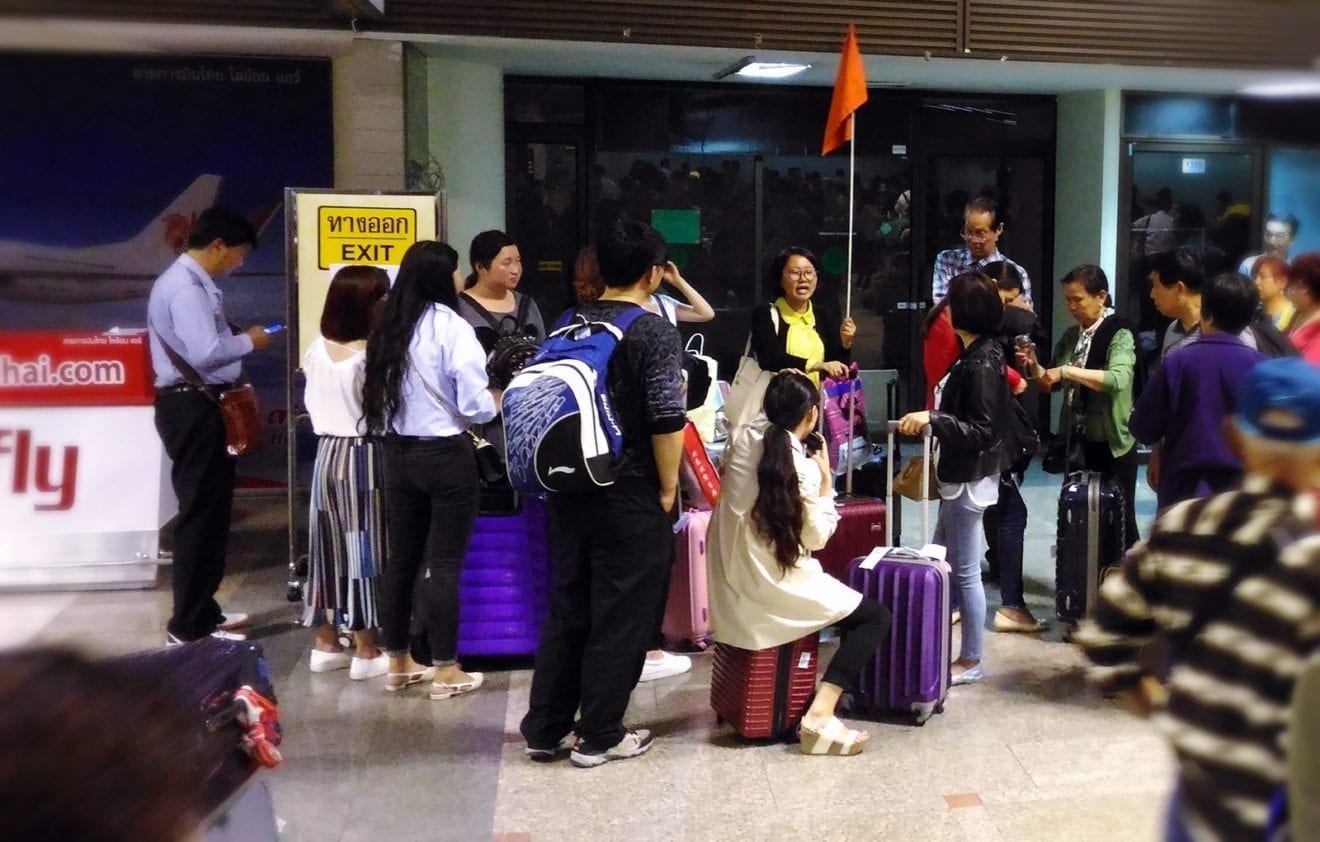
    The Tourism Authority of Thailand (TAT) says a new record was broken at the end of December when it received its 32-millionth visitor. The red carpet was laid out to welcome the fortunate arrival as part of ’Thailand’s Luckiest Visitor’ campaign which was originally started in 2015 to recognise and reward every millionth visitor to Thailand, from the 13 millionth to 29 millionth during June to December.

    TAT says that this campaign has subsequently proved to be hugely popular, with both tourists and media helping to enhanced Thailand’s brand image.

    So much so, that Thailand is expecting to earn total international tourism revenue of around Baht1.62 trillion (US$46bn) in 2016, representing a year-on-year increase of 11.68% compared to 2015.

    BIG PUSH TO ENCOURAGE MORE ARRIVALS

    To boost these numbers further, TAT says that several initiatives have been put in place to encourage more tourist arrivals, including visa waiver fees for visitors from 19 countries from 1 December, 2016, to 28 February, 2017 and a halving of visa-issue fees on arrival over the period.

    Meanwhile, the Tourism Authority of Thailand and the Tourism Ministry have announced newly revised tourism revenue targets for 2017 Bt2.71 trillion ($76.1bn) which represents an 8.2% rise on 2016.

    This follows earlier statements suggesting that Thailand’s tourist numbers for 2016 are now expected to total around 32.6m when the final count is in – an increase of around 8%.

    In addition, TAT has confirmed that it is bringing back its Thailand Tourism Festival (TTF) to coincide with Chinese New Year 2017 between 25-29 January this month. It is hoping his will attract more than 650,000 visitors.

  • Cebu Pacific suspends Manila-Laoag flights temporarily

    Cebu Pacific suspends Manila-Laoag flights temporarily

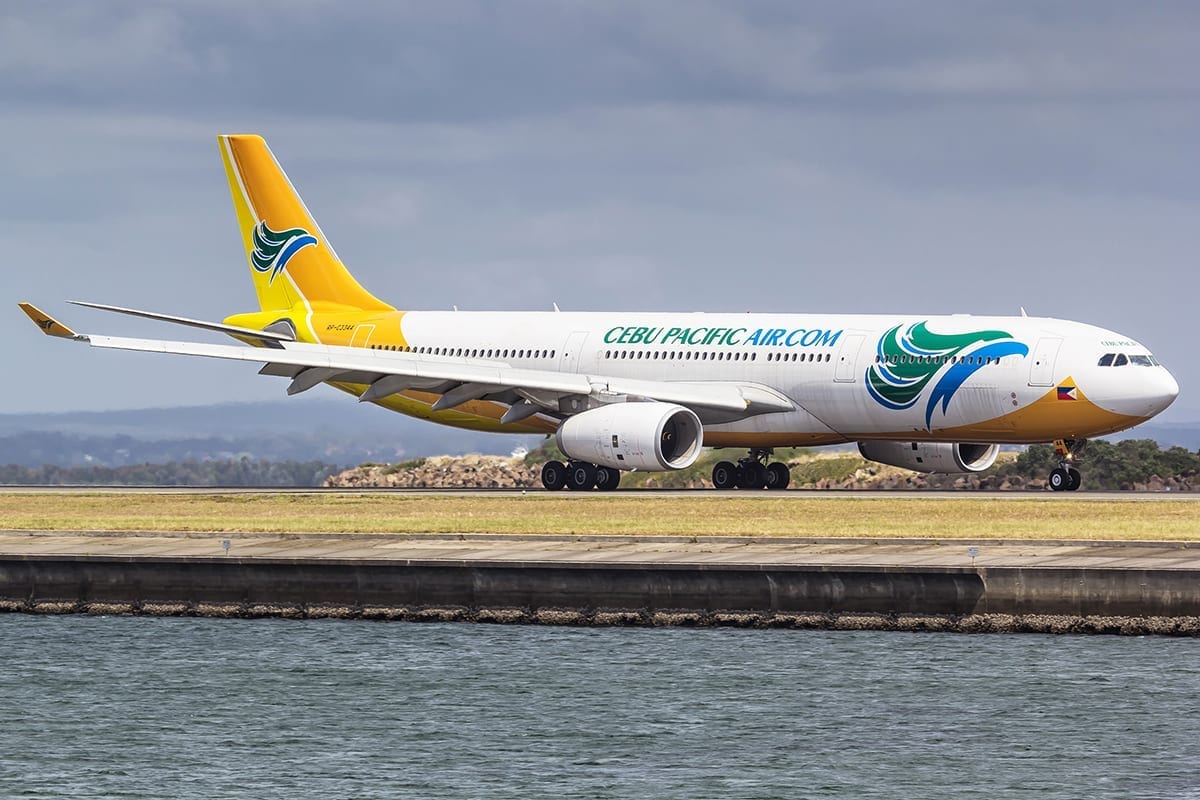
    Cebu Pacific, the country’s largest carrier, has temporarily suspended flights between the capital and the northern city of Laoag, a government spokesman said Monday.

    The company did not give a reason for its decision, Civil Aviation Authority of the Philippines spokesman Eric Apolonio told.

    Cebu Pacific did not immediately reply to requests for comment. Separate searches on the carrier’s website and mobile app showed no available flights between Manila and Laoag this week.

    “They (Cebu Pacific) advised CAAP that they are temporarily suspending flights. That’s their exact word. We don’t know the reason yet because it’s internal,” Apolonio said.

    Passenger traffic in the Manila-Laoag route reached 204,550 in 2015 and was poised to have risen slightly last year after traffic hit 109,550 in the first six months of 2016, before the peak holiday travel period, Apolonio said citing CAAP data.

    With Cebu Pacific suspending flights, the route will be left to Philippine Airlines and its low-cost unit PAL Express.

  • Vietnam unemployment rate at 2.3%

    Vietnam unemployment rate at 2.3%

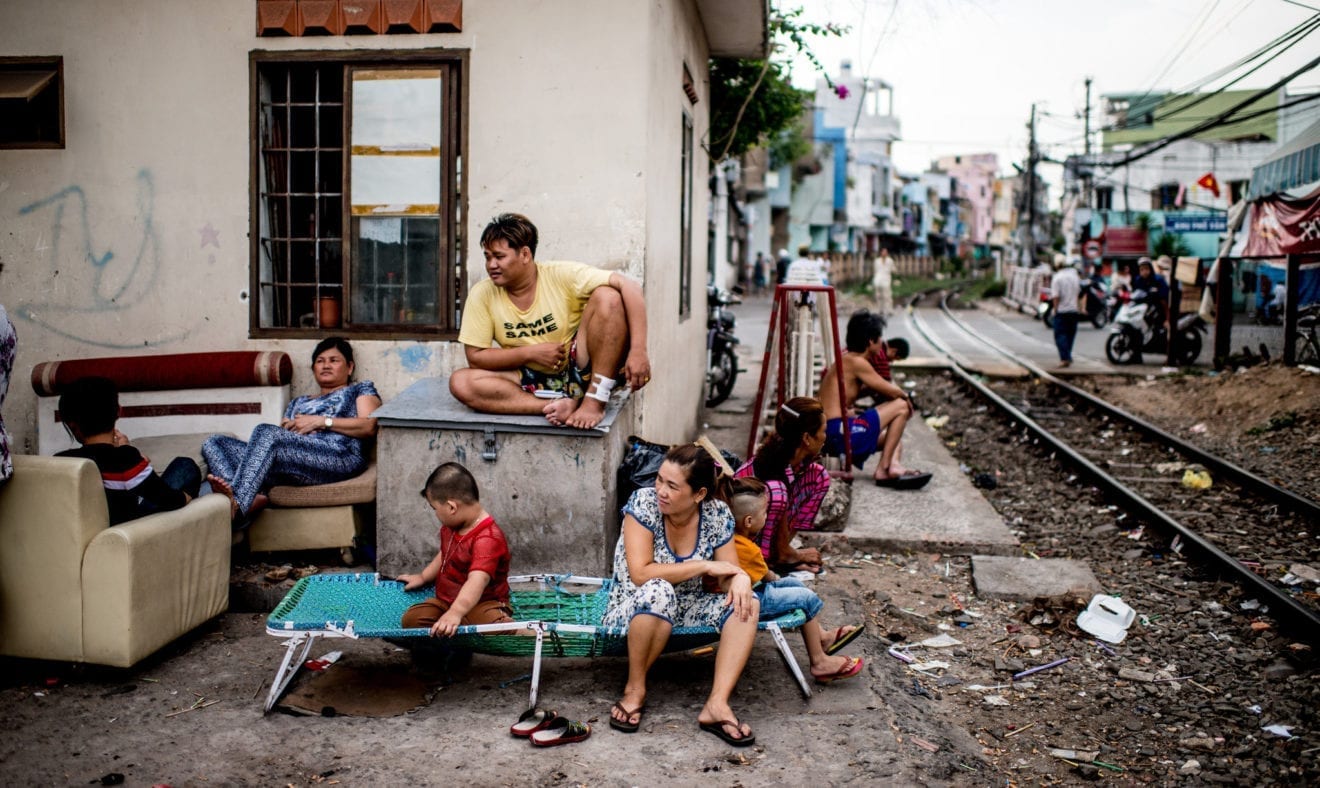
    The Ministry of Labor, Invalids and Social Affairs said in its report that the ministry has focused efforts on looking for solutions to develop the labor export market as the domestic market is having trouble.

    Around 1.6 million people were offered jobs last year, a 1% year-on-year increase. Of which some 1.5 million employees earned jobs in the country, up 0.3%, and 126,000 were sent overseas as guest workers, up 9.6%. The unemployment rate was 2.3%, broken down into a high rate of 3.18% in urban areas and 1.86% in the countryside.

    However, there are still many shortcomings in creating jobs, especially for young adults and fresh college and university graduates. The third quarter of last year saw 202,000 with university or higher degrees unemployed. The number of students enrolled in vocational schools was still limited.

    In addition, the number of Vietnamese working overseas illegally after the expiration of their work contracts has declined but still quite high in South Korea and Taiwan.

    The number of workers sent overseas for guest work in 2016 grew by over 9%. However, Deputy Prime Minister Vu Duc Dam warned there should be stringent regulations towards Vietnamese employees working overseas. Otherwise, potential and major markets like Japan and South Korea will reject Vietnamese workers in the future.