Author: Mei Ling Tan

  • Authenticity listed as top consumer value

    Authenticity listed as top consumer value

    Authenticity is the standout consumer value this year, according to market research company Euromonitor International’s Top 10 Global Consumer Trends for 2017 report.

    It cites such examples as AirBNB’s Guidebooks feature, which lets owners share local information, food apps that help consumers know more about what they are buying, and tour companies that promote “unplugged” vacations to help consumers escape the digital world.

    “Consumers are now more demanding of products, services and brands than ever before, and are using digital tools to articulate and fulfill their needs,” says Euromonitor International’s consumer trends editor Daphne Kasriel-Alexander. “They want authenticity in what they buy and expect elements of personalisation in mass-produced as well as upscale items.”

    Healthy living is becoming a status symbol as more consumers opt to flaunt their passion for wellness through paying for boutique fitness sessions, “athleisure” clothing, food with health-giving properties and upscale health and wellness holidays, says Kasriel-Alexander.

    “This is reflected in a thriving menu of more esoteric, boutique fitness workout choices in urban hubs and spas.”

    She says healthier eating options and fitness supplements are part of the trend, which even embraces pet food.

    Highlighted trends include…

    + Ageing: a changing narrative
    + Consumers in training
    + Extraordinary
    + Faster shopping
    + Get real: the allure of authenticity
    + Identity in flux
    + Personalise it
    + Post-purchase
    + Privacy and security
    + Wellness as a status symbol
    The free report can be downloaded from Euromonitor’s website.

  • Chinese government clamping down on app stores

    Chinese government clamping down on app stores

    China’s government has issued an order for all app stores on the mainland to be registered.

    In a notice on its website, the Cyberspace Administration of China says its offices should ensure that records are kept on the country’s many app stores.

    “Many apps have been found to spread illegal information, violate user rights or contain security risks,” says the post.

    Unlike in the west, China’s app store market is very fragmented with as many as 150 vying for customers, including market leaders Google Play and Apple’s App Store.

    Registration is necessary, it says, to ensure it is clear who takes responsibility if apps, or app stores, are found to engage in illegal practices.

    Three weeks ago, Apple removed the English- and Chinese-language news apps of The New York Times from its China app store. The US tech giant says the government had told it the apps violated local regulations.

    Google’s store for apps using its Android operating system is blocked in China, with third-party stores taking its place. Most of China’s biggest app stores are controlled by internet and smartphone companies such as Alibaba, Baidu, Qihoo 360, Tencent and Xiaomi, as reported.

    It says Chinese laws are often intentionally broad and open-ended to allow regulators discretion in enforcing them. Concrete steps like the new order for registrations can indicate how laws will be carried out in practice.

  • John Lewis fashion sales soar

    John Lewis fashion sales soar

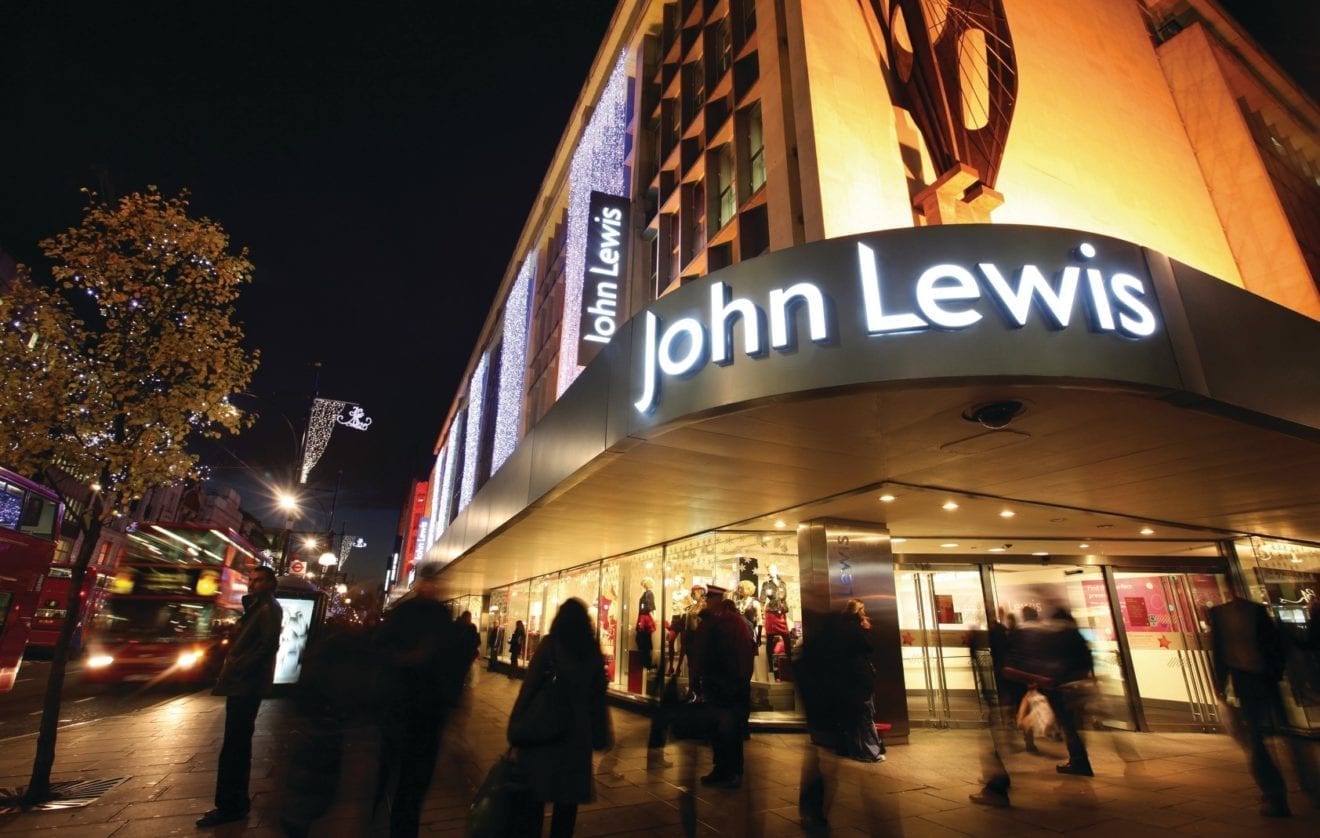
    John Lewis fashion sales rose a tremendous 7.2 per cent over Christmas – eclipsing the UK department store’s rivals, even robust performances by Debenhams, M&S and House of Fraser.

    Own brand collections continued to strengthen throughout 2016, with the inclusion of Modern Rarity filling a gap in its private label brand portfolio by appealing to a stylish, design-led shopper and taking Cos on as a direct rival. John Lewis should consider taking this brand into menswear, given the outperformance of menswear in 2017 versus other clothing sectors, and the current gaps in the market for brands targeting the 30-45 year old male shopper.

    Its Electricals Home & Technology division was up against the strongest comparative, rising 4.8 per cent against a 9.6 per cent rise last Christmas. The department faced huge discounting pressure from rivals Amazon, Argos and Dixons Carphone, particularly over Black Friday when promotions were offered over a week ahead of the main event. However, John Lewis’ strategy of selling the latest models across technology categories will have limited its exposure to the breadth of discounts available elsewhere.

    As one of the leading players in selling affordable smart home technology, John Lewis can expect to see a greater uptake in demand in 2017 following its significant investment in the department during 2016 and increasing consumer awareness.

    Home reported the slowest sales growth at 2.7 per cent against a 5.1 per cent rise last year, though this is outperforming both the home and furniture markets and is resilient given the fall in housing transactions.

    Paula Nickolds takes over the reins this month from Andy Street, marking the start of a new era for the department store. Nickolds’ understanding of the business will ensure Street’s legacy and strategy will be carried forward, but her new appointment begins at the start of what will be a challenging and unpredictable three year (at least) period, so new initiatives will be important to stimulate demand.

    -Honor Strachan

  • Alibaba joins forces with counterfeited brands

    Alibaba joins forces with counterfeited brands

    Chinese eCommerce giant Alibaba has teamed up with some of the world’s most-counterfeited brands to fight against copycats.

    Collaborating with such global brands as Louis Vuitton, Samsung and Swarovski, Alibaba will provide its members with big data and other support to help them block, identify and even take down listings from its marketplaces such as Taobao and Tmall. Those two sites boast 1 billion product listings at any given time.

    In return, the brands have committed to share their anti-counterfeiting data with Alibaba.

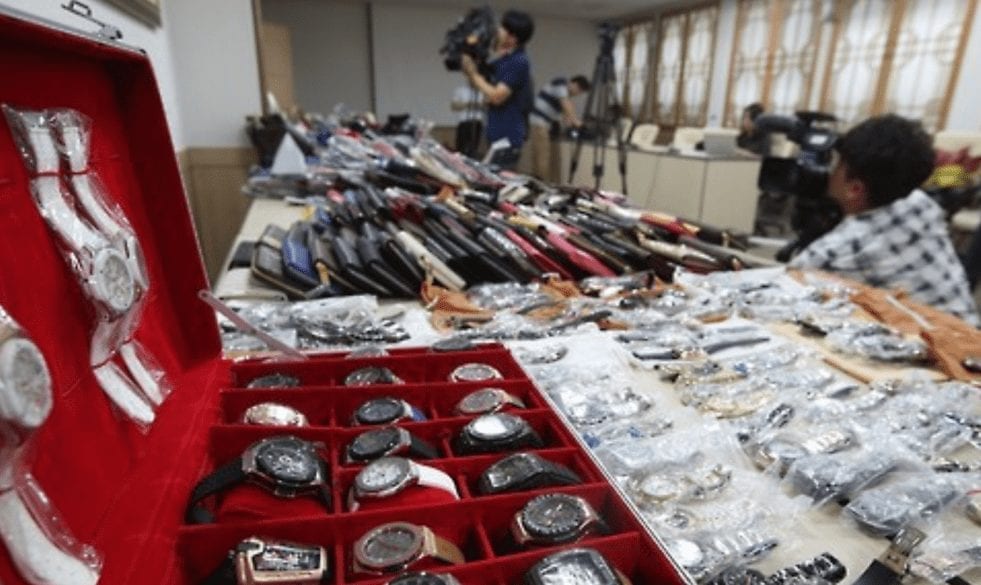
    The move follows a lawsuit filed by the internet powerhouse against two vendors selling knock-off Swarovski watches from their online shopping bazaars on Taobao, claiming 1.4 million yuan (US$202,950) in losses. Taobao is the retail platform for smaller merchants.

    “The most powerful weapon against counterfeiting today is data and analytics, and the only way we can win this war is to unite,” says Alibaba’s chief platform governance officer Jessie Zheng.

    “Alibaba welcomes brands and other organisations to join us in what we believe is the world’s first ‘big-data anti-counterfeiting alliance’.”

    Taobao was returned to the US government blacklist of “notorious markets” last month for hosting fake items, four years after Alibaba lobbied American trade officials to drop the platform from the list.

    Listings removed

    Alibaba says it is disappointed by the decision, noting it has “proactively removed more than double the number of infringing product listings than in 2015”. The company employs 2000 permanent staff and 5000 volunteers devoted to spotting fake goods.

    According to the International Anti-Counterfeiting Coalition, a nonprofit watchdog overseeing piracy concerns, China is the biggest market for knockoffs globally with handbags, footwear, watches and iPhones topping the list of most-faked items.

    Louis Vuitton, Nike, Ray Ban and Rolex are among the labels that seem to be more intensely targeted by counterfeiters, says a report by the Organisation for Economic Co-operation and Development (OECD).

    Domestic brands also have fallen victim. Chinese liquor maker Kweichou Moutai has confiscated 300 tonnes of fake Moutai in a three-year drive against bootleggers, whose products can feature packaging identical to genuine products.

    Chinese authorities have also stepped up efforts to root out people involved in marketing fake goods, staging raids and arresting thousands of suspected offenders.

  • Fuel prices increase at pumps in Cambodia

    Fuel prices increase at pumps in Cambodia

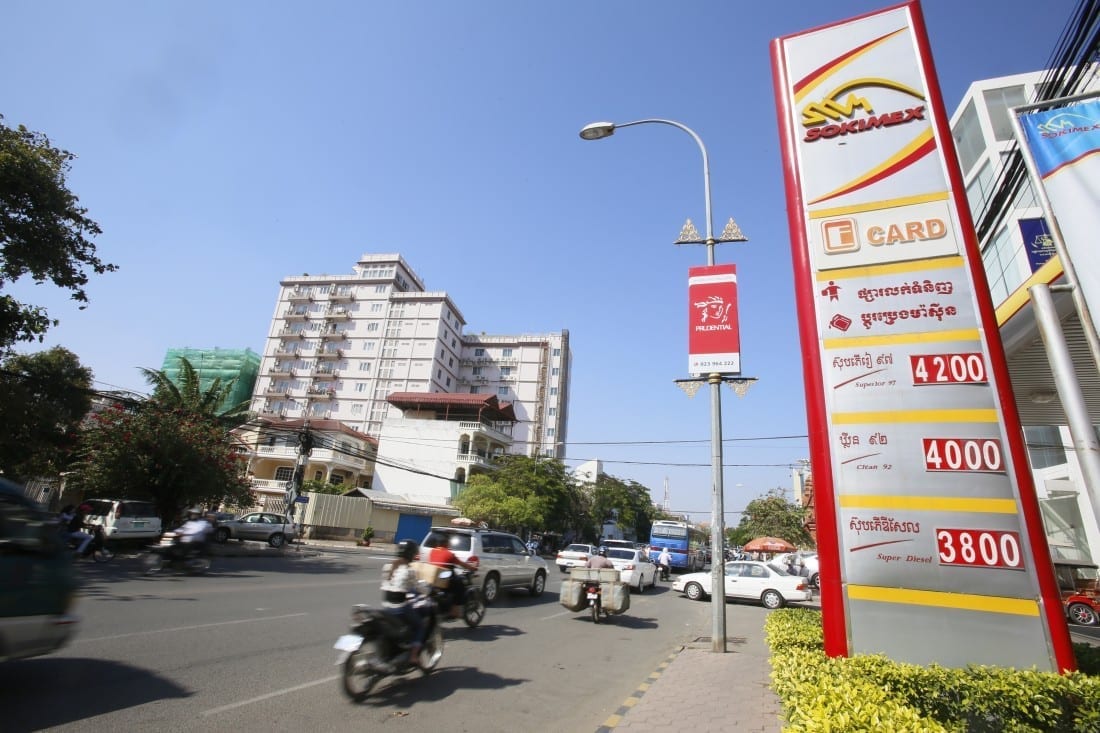
    Road users can expect to pay up to 500 riel ($0.12) more per liter of fuel due to the increase in global crude oil prices after the government last March pegged local prices to that of the international market, a Commerce Ministry official said yesterday.

    From today until January 21, drivers can expect to pay 3,850 riel ($0.95) per liter for Gasoline 95, up 500 riel ($0.12), 3,750 riel ($0.93) per liter for Gasoline 92, up 450 riel ($0.11), and 3,450 riel ($0.85) per liter for diesel, up 450 riel ($0.11).

    “Please understand that the mechanism is just to prevent gas prices from increasing higher than that of the global gas price or when global gas prices go down, all local retail gas stations in Cambodia are also compelled to bring down the prices,” Commerce Ministry spokesperson Soeng Sophary said.

    “This formula is not intended to keep gas prices in Cambodia low even when global gas prices are on the rise.

    “We just want to prevent retailers from increasing their prices beyond that of global prices. We will follow the global market price,” she explained.

    Gas prices have been steadily increasing since November last year.

    The government last March announced that it would be standardizing retail gas prices in Cambodia by pegging them to world oil prices in the wake of the plunging global crude oil price the year before.

    The Commerce Ministry was tasked with releasing updated prices to all retail stations every 10 days, on the first, 11th and 21st of each month.

    Ms. Sophary attempted to quell dissatisfaction over the increase in prices by explaining that the new mechanism of calculating prices made Cambodia susceptible to world oil prices, which fluctuate according to global markets.

    “We are easily affected if there is any issues going on within those larger economies,” she said. “We cannot ask to lower gas prices when the global economic system is always changing since we have to follow the global situation.

    “The price could go down after US President-elect Donald Trump takes office later this month or it could increase if there are any issues in the EU or if there is ongoing terrorism in Turkey,” she said, adding that Cambodia would only be able to experience consistently low gas prices if it could produce its own refined product.

    PTT (Cambodia) deputy managing director Bin Many Mialia told yesterday that he understood the price hike given the new pricing mechanism, but remained optimistic as given the uncertainty of the global political climate, world oil prices could see a reduction next month.

    “The price for gas in Cambodia goes up and down since we are solely, 100 percent dependent on international gas prices. We cannot adjust the price, increase it or lower it, we cannot predict what the gas price will be. It’s up to the international market price,” Mr. Many Mialia said.

    “Now we see the trend of the oil price being high, but we will wait and see next month whether it continues to increase or if it will fall. All the countries don’t know what the US policy will be like or what the regional situation will be,” he added.

    According to a report from the Cambodia Import-Export Inspection and Fraud Repression Directorate-General, oil imports to Cambodia increased by one percent in the first 11 months of 2016, while the value of oil imported dropped by about 28 percent.

    The report showed that from January to November 2016, Cambodia imported 1.5 million tons of oil, compared with 1.49 million during the same period in 2015.

    Gas prices decreased by 16 percent, while diesel and petroleum prices dropped 19 percent and 28 percent respectively.

    The value of the oil imported throughout those 11 months last year stood at $615 million compared with $858 million the year before.

  • Vietnam’s ‘bikini airline’ put to the test

    Vietnam’s ‘bikini airline’ put to the test

    VietJet Air has gone from start-up to Vietnam’s largest private airline in five years. Now it is pushing overseas to keep up that growth and absorb a bumper order of more than 200 planes – no easy task in a cutthroat Asean market.

    The airline, which was set up in 2011, grabbed headlines with its bikini-clad flight attendants. It tapped a rich vein – a fast-growing economy and a young population that was starting to travel more.

    But VietJet’s next step will be more challenging, industry analysts and executives say, as it expands further beyond Vietnam into choked Asean, competitive China or Russia, where VietJet’s fleet of narrow body jets would confine it to the country’s east.

    Infrastructure in the region is clogged and new airport slots are rare. Even Kuala Lumpur, a less crowded airport, is highly competitive, thanks to airlines like Air Asia.

    That has raised questions about VietJet’s ability to absorb one of the region’s largest aircraft orders. “VietJet have been extremely successful in the first five years but what they have done has been entirely domestic,” said Singapore-based analyst Brendan Sobie at consultancy CAPA.

    “The domestic market will start to slow and it is more difficult to expand internationally – some people doubt that they can continue growing at the current rate.”

    According to CAPA, Vietnam’s domestic aviation market grew 30 percent in 2016 to 28 million passengers – nearly five times the growth rate of the broader economy.

    At VietJet’s gleaming offices in Ho Chi Minh City, its chief executive and founder, Nguyen Thi Phuong Thao – also Vietnam’s first female billionaire – outlines plans to push into China, Australia and Russia, where she studied and first worked.

    She dismisses concerns of excess competition, even in China, where local airlines have boomed. More than 10 Chinese carriers have begun flying since the aviation regulator relaxed a six-year suspension on new airline licenses in 2013.

    “Other countries are still doing business with China and VietJet also has its own advantages,” she told.

    “We can ally with Chinese airlines when wanting to expand in the country’s local market.”

    Unlike other new generation carriers in the region who have sought to set up alliances to gain clout without merging, VietJet has resisted.

    Among the airline’s most imminent concerns will be its large aircraft order – more than 200 planes, including more than 100 Airbus A320 family aircraft and 100 Boeing 737 Max 200s – a mixed approach rarely taken by low-cost or new generation airlines, who prefer to streamline engineering needs.

    The Boeing order in particular, announced during a visit by US President Barack Obama, prompted questions over whether the order was placed for political reasons. Ms. Thao dismissed this.

    Industry sources, however, say some of the 200 planes on order may be subject to reconfirmation or other get-out clauses.

    Ms. Thao says the airline has support to finance its orders, worth over $20 billion, but has given no detail. The group has five trillion dong ($221 million) in debt.

    A Boeing spokesman said it had no change to its order. Airbus, which analysts say is most exposed to budget airlines in Southeast Asia including VietJet, declined to comment.

    VietJet ended 2016 with some 40 aircraft but is targeting more than 200 by 2023.

    And it is not without growth potential. Asia Pacific passenger growth is the fastest in the world. The carrier’s pre-tax profit almost doubled last year to over $100 million and it sees its bottom line rising by almost a third this year, thanks to a low cost base.

    An initial public offering to raise $170 million valued VietJet at $1.2 billion. Shares start trading in February.

    “So far, so good,” said analyst Shukor Yusof of Endau Analytics, describing growth so far as “a feat.”

    “But I’m a bit skeptical if this rapid growth can be sustained without affecting the airline’s bottom line.”

  • Krungthai Bank to transfer tax refunds via Prompt Pay

    Krungthai Bank to transfer tax refunds via Prompt Pay

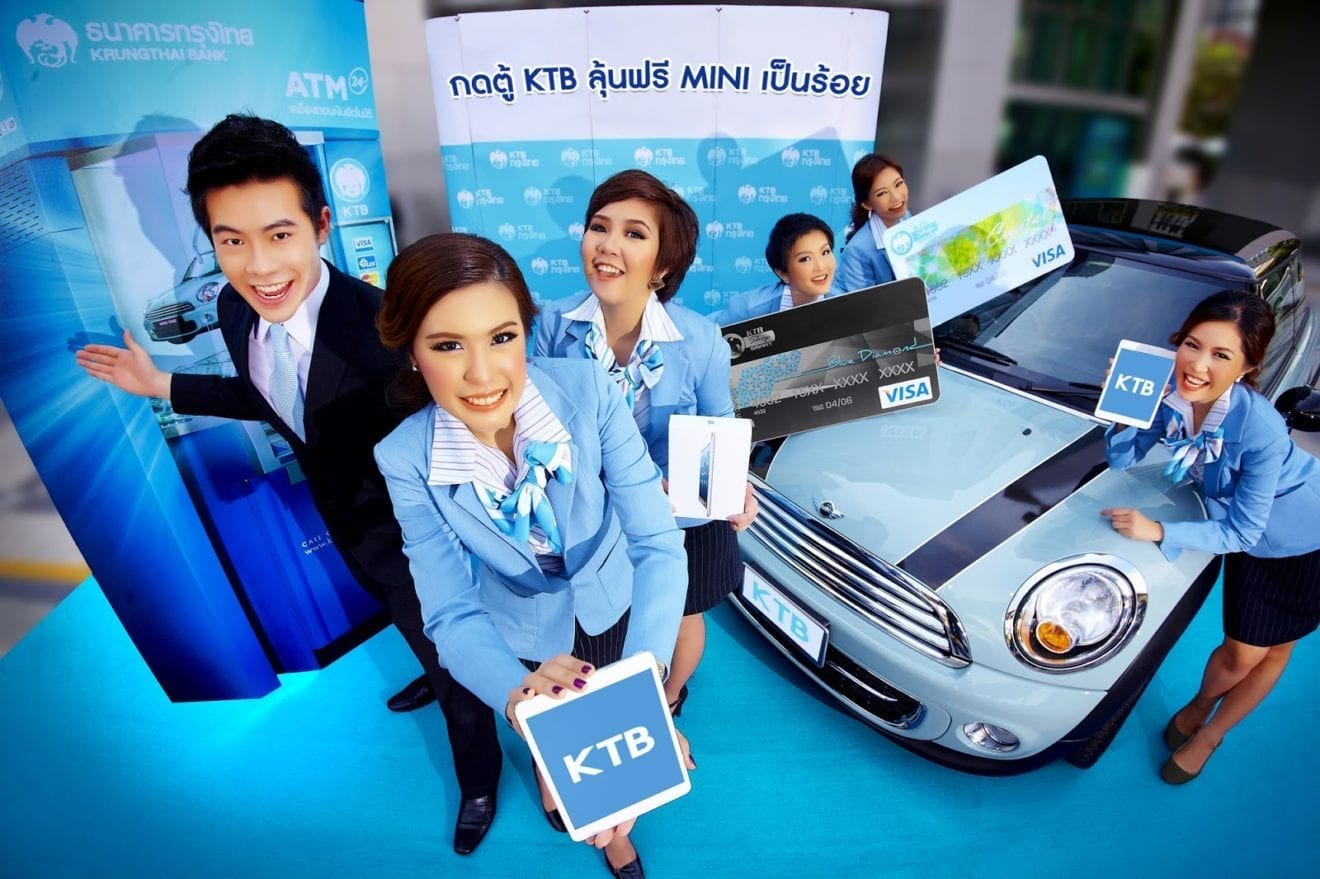
    Krungthai Bank has announced it is now fully ready to utilize the National E-Payment system ‘Prompt Pay’ and will starting January 4, 2017 use it to transfer senior citizen and disability stipends as well as tax refunds for the public.

    Vice President for Business Finances at Krungthai Bank Songpol Cheewpanyaroj has announced that from January 4 2017 onward, Krungthai, as the bank tasked by the Revenue Department with forwarding tax refunds to citizens signed on to the Prompt Pay system, will begin doling out the funds through the e-payment method. He noted that citizen can continue to register for the system between January 1 and March 31 so that they may use it to receive their refund.

    In February, the bank will also be using Prompt Pay to distribute government stipends to the elderly and disabled and urged those eligible for the assistance to register for Prompt Pay soon.

    At present, over 2.2 million citizens are in the Prompt Pay system, which was already used to disperse low-income earner aid to some 300,000 people.

  • Has Starbucks met its match?

    Has Starbucks met its match?

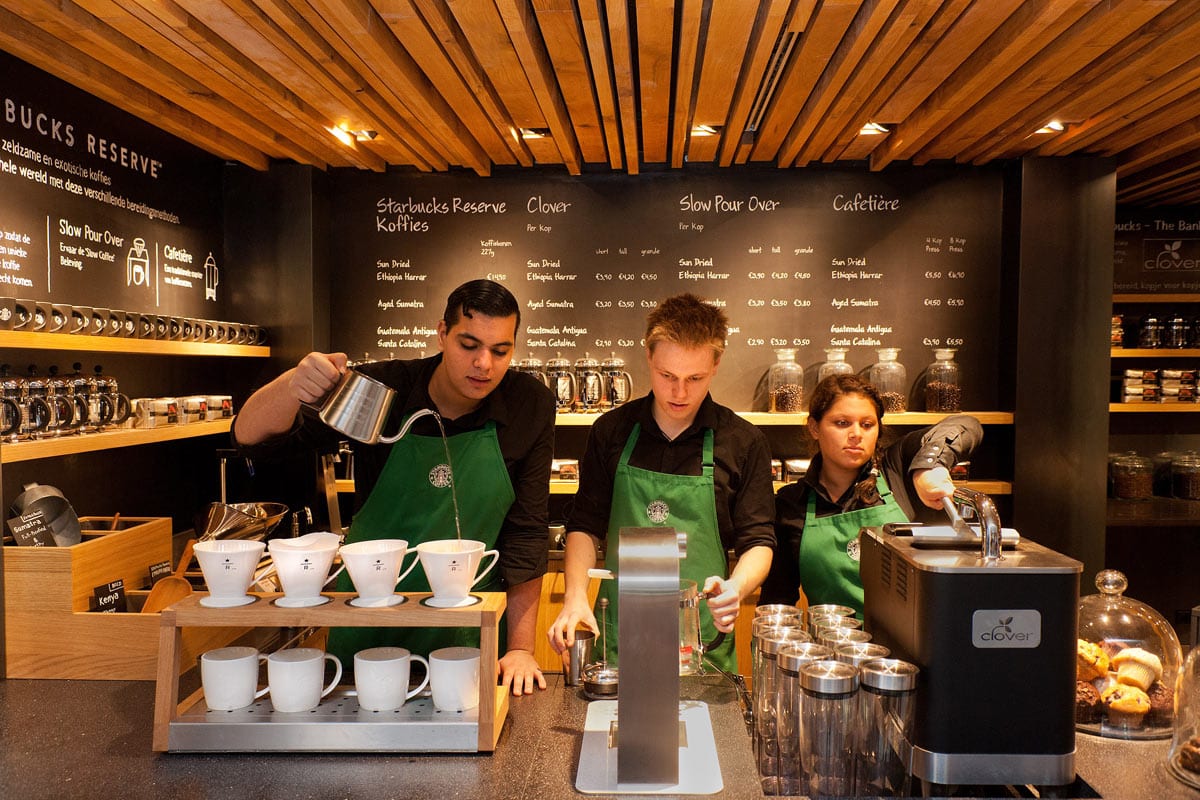
    Vietnam – known for its deep-rooted coffee culture – has become one of the most diverse markets in Asia for the uplifting beverage, with scores of global giants, local chains and small cafés severing a wide variety of freshly roasted beans.

    Domestic chains are competing well against international brands including coffee giant Starbucks, which has opened 24 outlets across Vietnam since its debut in the country four years ago.

    Not long after Starbucks entered Ho Chi Minh City, the country’s southern business hub where people drink coffee from sunrise to sundown, local chain Phuc Long stepped up its game and presented a direct challenge to the global giant.

    At a main intersection at the heart of the city, a Starbucks shop is under fierce competition from two Phuc Long stores just a few steps away.

    Phuc Long has shown a determined attempt to take on international brands like Starbucks by building up its presence in busy downtown areas across Ho Chi Minh City that are densely crowded with office buildings and shopping malls.

    Where there’s a Starbucks outlet, there’s a Phuc Long store to draw in those who otherwise would be Starbucks clients, mostly upper- middle class consumers willing to pay a few extra bucks for a cup of premium-branded coffee.

    “We are not overwhelmed by international brands as we have targeted young consumers who enjoy international products at reasonable prices,” said a Phuc Long executive.

    Phuc Long is definitely not the only local coffee chain going head-to-head with foreign players.

    A survey conducted by Financial Times Confidential Research of 1,000 consumers in each of the five biggest economies in Southeast Asia found that Vietnam was the only country where Starbucks was not as frequently visited by local coffee lovers as local brands Trung Nguyen and Highlands Coffee.

    There remains far more growth potential, with more homegrown chains entering the market.

    Saigon Café opened its first shop in July last year. Since then the domestic chain has reportedly invested about $50 billion ($2.2 million), excluding rental costs, in 10 outlets across the city.

    “Despite increasingly fierce rivalry from international brands, we started generating a net profit not long after our first store opened,” said a Saigon Café executive. “Currently, each outlet is reporting monthly revenues of VND1.5 billion on average. Our estimate is that net profit can range between 20 and 25 percent.”

    Despite the fact international coffee chains such as Starbucks and The Coffee Bean & Tea Leaf have been well received in the Southeast Asian country, there has been a surge in the establishment of homegrown brands.

    On one hand, local coffee chains are confident that locals will stick to the strong taste of Vietnamese coffee. On the other, they have been responsive to the demands of a growing upper-middle class urban population who are more interested in sampling the ambiance of the store than the taste of coffee.

    According to Euromonitor International, a U.K.-based market research organization, annual growth of coffee franchises in Vietnam is currently standing at 7 percent.

  • Vietnamese franchise market in early stage of development

    Vietnamese franchise market in early stage of development

    The 2015 report of the International Franchise Association showed that the total value of franchise contracts in 2014 was $3.8 trillion. Of this, the contracts in the US made up $2.4 trillion and only $600 billion was from Asia. However, the future will belong to the continent.

    Asian countries have made heavy investments to franchise their brands in other countries. The Malaysian government runs a $2 billion program to support its businesses to franchise their brands.

    Meanwhile, in Vietnam, the franchise industry is still underdeveloped.

    At an international trade fair on retail and franchising held in Vietnam in June 2016, Sean Ngo, director of VF Franchise Consulting, which specializes in giving advice to foreign companies to franchise their brands to Vietnamese partners, said only 144 foreign brands have been franchised in Vietnam so far.

    A survey conducted by Euromonitor showed that in 2015, every household in Vietnam spent less than $4,000, the spending level which is just above Myanmar among 10 ASEAN countries. Meanwhile, the average spending of one family in Singapore was $73,704.According to Nguyen Phi Van, the founder of World Franchise Associates in South East Asia, international brands in Vietnam are still ‘sowing’, and cannot ‘harvest’ because the market is too small.

    Vietnamese brands are just beginning trial franchising in the domestic market. Van commented that if they don’t have good consultants, they will have to learn for three to five years to become experienced in franchising.

    In fact, there are many food and retail chains run by Vietnamese, but they just run their own chains, while there are few franchised chains.

    Meanwhile, of the top 10 leading food chains globally, only two brands – Starbucks and Darden – own more than 50 percent of their branches.

    In 2008, Burger King owned 12 percent of branches bearing Burger King brand, but the figure fell to 0.4 percent in 2013. Subway doesn’t own any Subway shop.

    According to Van, most of the brands franchised will be in food, education and healthcare sectors. Vietnamese will mostly franchise food brands.

    However, Vietnamese traditional food brands franchised such as pho (noodles served with beef or chicken), banh mi (sandwich) and banh cuon (steamed rolled rice pancake) are not from Vietnam. Pho Hoa, for example, with 80 branches in seven countries, is from the US.

    Van thinks that after five years, when the spending level increases sharply and businesses have better knowledge about franchising, the Vietnamese franchise market will boom.

  • Massive Failure of KBANK before New Year

    Massive Failure of KBANK before New Year

    Kasikorn Bank says it is working to fix the complete outage of its services Friday before New Year, which comes just before a bank holiday.

    On a day many say they need access to their money the most, K-Bank’s ATMs as well as online and mobile banking systems have been offline since Friday morning and were still unavailable as of 5pm.

    The bank has yet state the cause of the error, but responded to complaints on its Facebook page and Twitter account it was trying to solve the problem.

    The bank said it could not provide the specific time its website and application services would be working again.

    K-Bank’s mobile system was also disrupted briefly Thursday evening.

  • FedEx Trade Networks expands in Malaysia

    FedEx Trade Networks expands in Malaysia

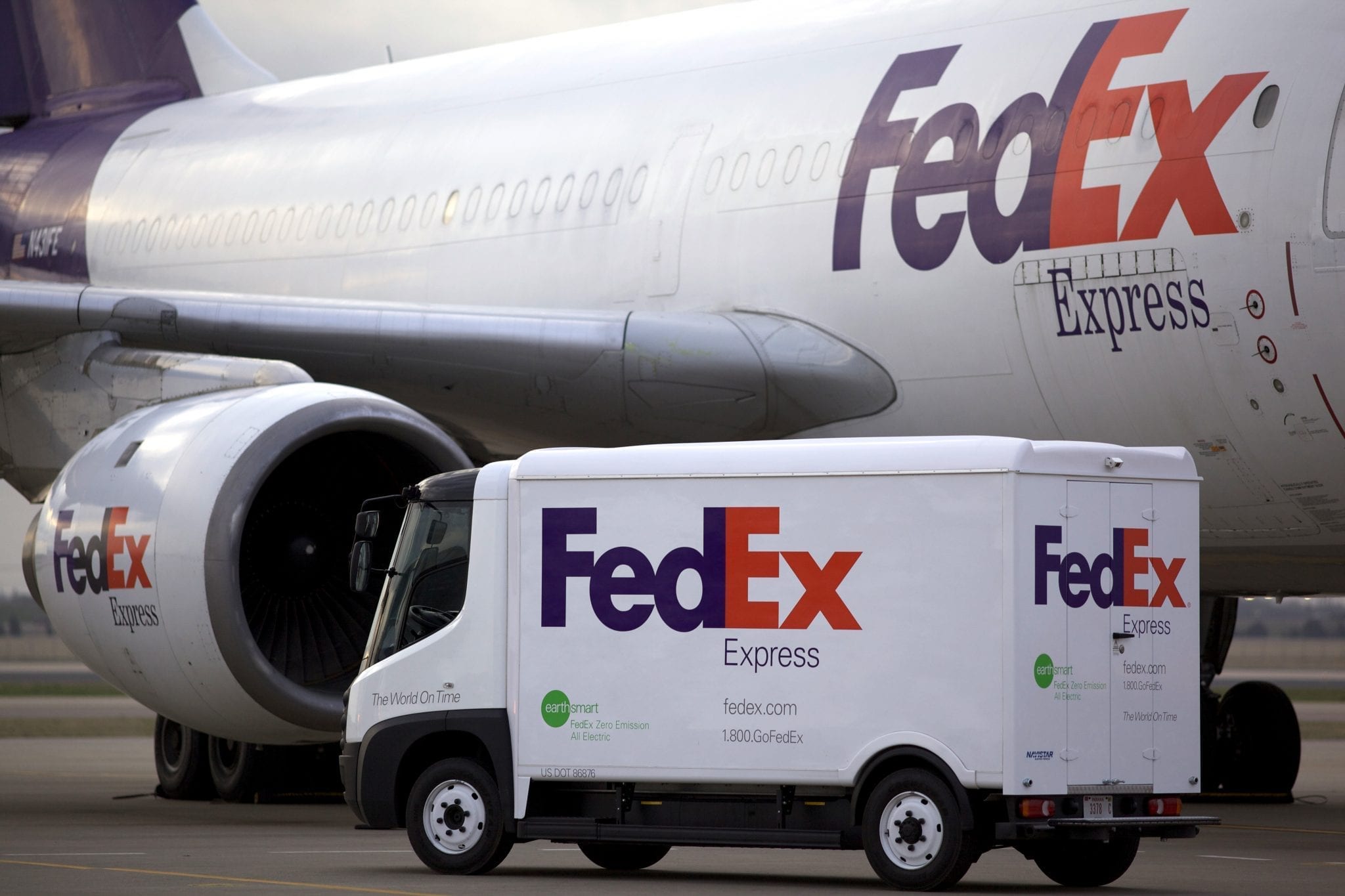
    FedEx Trade Networks, a premier international freight forwarder, announced the opening of a new office in Malaysia. Based in Penang, the additional facility highlights the continued expansion of FedEx Trade Networks to meet the growing market demand.

    “With our network stretching into Malaysia, we are well positioned to proactively respond to customer needs and support them in simplifying the complexities of international shipping,” said Udo Lange, executive vice president and COO, FedEx Trade Networks.

    The new FedEx Trade Networks office is strategically located in Penang’s central business district, with close proximity to the airport and the seaport as well as the city’s key infrastructure facilities. FedEx Trade Networks offers a comprehensive portfolio of services, covering e-commerce, international air and ocean freight forwarding, surface transportation (domestic and cross-border), customs brokerage, trade and customs advisory services as well as other value-added services, including My Global Trade Data, the company’s online suite of information management tools.

    “The world requires a new type of freight forwarder that understands how to turn global logistics into strategic advantages,” said Lange. “FedEx Trade Networks makes the complexities of global shipping simple, striving to provide customers with unparalleled supply chain visibility and logistics transparency to help move their businesses forward.”

    Penang is one of the most urbanised and industrialised states in Malaysia with a high concentration of key industries and sectors, including high tech, electronics and electrical products, industrial goods as well as aerospace, retail and e-commerce. Home to multinationals as well as small and medium enterprises, the city is one of the leading industrial sectors in the world.

  • Aeroports de Paris to hold 20 percent of Vietnam’s sole airport company

    Aeroports de Paris to hold 20 percent of Vietnam’s sole airport company

    Airport Corporation of Vietnam (ACV), which manages the 22 airports across the country is basically done negotiating the sale of a 20 per cent stake to Aeroports de Paris (ADP). According to a source of VIR, the two companies are on their way to sign the sales agreement by the end of this month, ending nearly one year of negotiations.

    The Ministry of Transport (MoT) in principle agreed to ADP becoming the sole strategic shareholder, holding at most 20 per cent of ACV. ADP will let ACV decide the price of services not related to air transport

    on the basis that ACV will keep rental prices at airports and necessary services within the limit prescribed by the government. In addition, the prices of the services will have to be publicised by ACV.

    The negotiations started in January 2016. ADP was the first investor to approach ACV after the prime minister approved the equitisation plan of ACV.

    At the moment, there is little information on the price, but earlier ADP sought to buy ACV shares at the minimum auction price  in ACV’s initial public offering, which is VND13,100 ($0.58). At this price, ACV

    expects to collect between VND2.8 trillion ($125.5 million) and VND3 trillion ($134.5 million) from the sale.

    ACV reported a revenue of VND14.5 trillion ($650 million) in 2016, up 25 per cent on-year, and a pre-tax profit of VND4.075 trillion ($182.7 million). The shares of the company, currently listed on the UPCom

    platform, closed at VND48,700 ($2.2) on January 16.

    According to ACV’s prime minister-approved equitisation plan, the government is going to hold 75 per cent of ACV, a strategic investor 20 per cent, and other investors the rest.

  • China, Europe drive shift to electric cars

    China, Europe drive shift to electric cars

    Electric cars will pick up critical momentum in 2017, many in the auto industry believe – just not in North America.

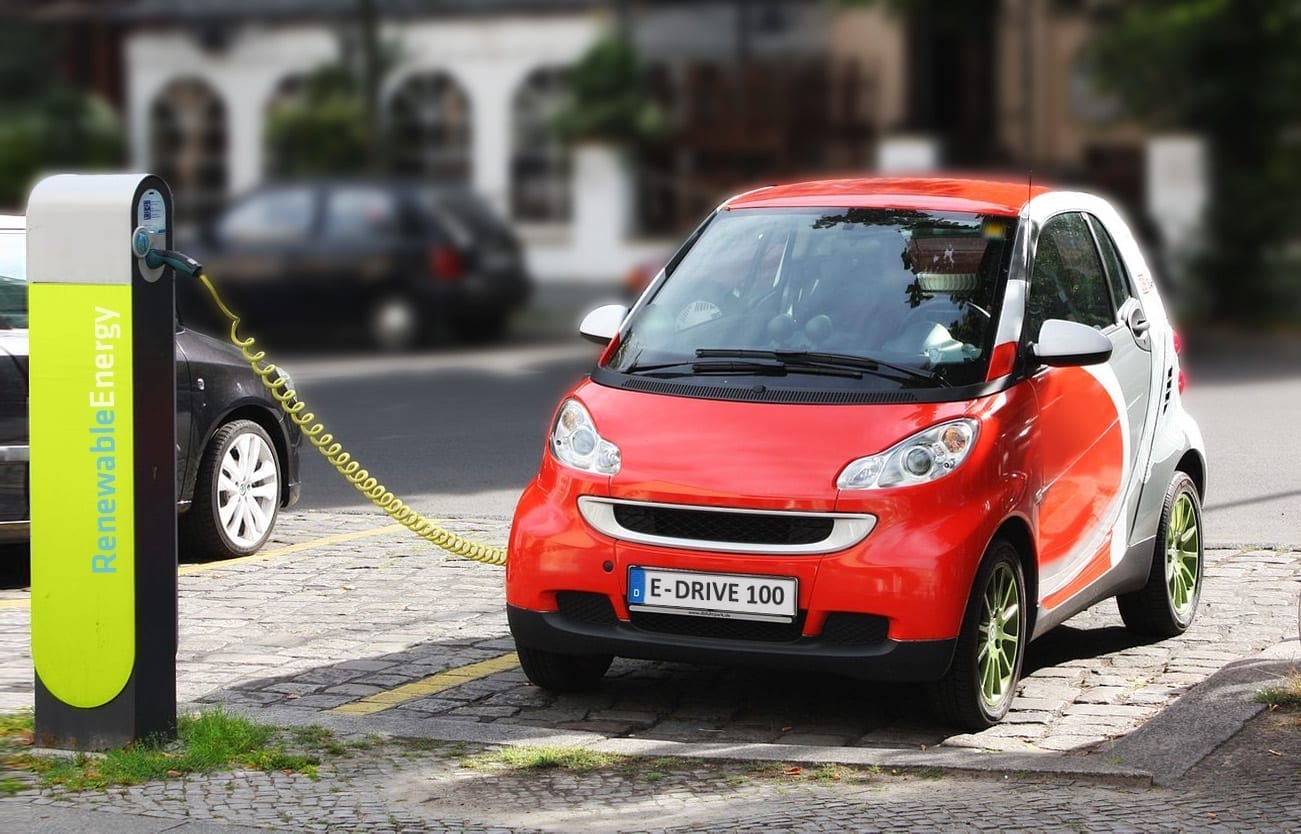
    Tighter emissions rules in China and Europe leave global carmakers and some consumers with little choice but to embrace plug-in vehicles, fuelling an investment surge, said industry executives gathered in Detroit this past week for the city’s annual auto show.

    “Car electrification is an irreversible trend,” said Jacques Aschenbroich, chief executive of auto supplier Valeo, which has expanded sales by 50 percent in five years with a focus on electric, hybrid, connected and self-driving cars.

    In Europe, green cars benefit increasingly from subsidies, tax breaks and other perks, while combustion engines face mounting penalties including driving and parking restrictions.

    China, struggling with catastrophic pollution levels in major cities, is aggressively pushing plug-in vehicles. Its carrot-and-stick approach combines tens of billions in investment and research funding with subsidies, and regulations designed to discourage driving fossil-fueled cars in big cities.

    The road ahead for electric vehicles (EVs) in the United States, however, could have more hairpin curves.

    Regulators in California and a group of other U.S. states are pushing ahead with state-level rules mandating rising quotas for electric, or “zero emission” vehicles.

    But plug-in registrations in the United States fell in 2015, and the market share of electric-only vehicles declined further to 0.37 percent in 2016, as cheap fuel drove demand for gas-guzzling sport utility vehicles and pickup trucks.

    President-elect Donald Trump has pledged to roll back environmental and climate rules. Groups representing established automakers asked Trump to review Obama administration fuel economy targets out to 2025, even before the outgoing administration formally signed them into effect on Friday.

    Automakers have also asked Trump to work toward a single, national set of rules to govern automotive greenhouse gas emissions, a move that could spark legal challenges to electric car quotas in California and other states on grounds they present a separate standard.

    “THE WORLD IS GOING ELECTRIC”

    Still, industry executives in Detroit said hitting the brakes on electric vehicles in the United States would not relieve the pressure to bring them to market, because China and Europe are forging ahead with policies to expand sales of plug-in cars.

    That is why Ford (F.N) is moving forward with previously announced plans to invest $4.5 billion for plug-in vehicles by 2020, Chief Executive Mark Fields said earlier this month.

    “The industry is changing, the infrastructure’s starting to build, and that’s why our view is (that) within the next 15 years we’ll see more electrified offerings … than we’ll see gasoline-powered,” Fields said as he unveiled a $700 million plan to build a battery SUV and other plug-in vehicles in Flat Rock, Michigan.

    To drive the shift to electric, industry executives said they needed more help from governments. In China, Europe and the United States, automakers are advocating new infrastructure money go to public electric car charging networks.

    In the United States, EV manufacturers are pushing for the continuation of a $7,500 federal tax subsidy for consumers who buy a fully electric car. Even if Trump were to try to eliminate it, it would take time as Congress would have to act.

    “There is not a disagreement that the world is going electric,” California Air Resources Board Chair Mary Nichols said on the sidelines of the auto show, noting that all vehicle makers were now investing in electric models across their entire product lines. The debate, she said, was “over timing, not the goal.”

    The Chinese electric car market cast its shadow over the Detroit auto show, where manufacturers showed off plug-in hybrid and electric models that will likely do scant business in the United States.

    IHS Automotive predicts Chinese plug-in deliveries will hit 1 million in 2019, four years before the United States. China pulled ahead in 2015 with a fourfold sales surge before adding 55 percent last year to 348,000 vehicles, with the United States at 138,000.

    “Look to China rather than the U.S. for the future of electric cars,” Gerard Detourbet, a Renault-Nissan executive leading low-cost plug-in development, said recently. “China is compelled to act – that’s the main difference.”

  • AirAsia increasing flights for Chinese New Year

    AirAsia increasing flights for Chinese New Year

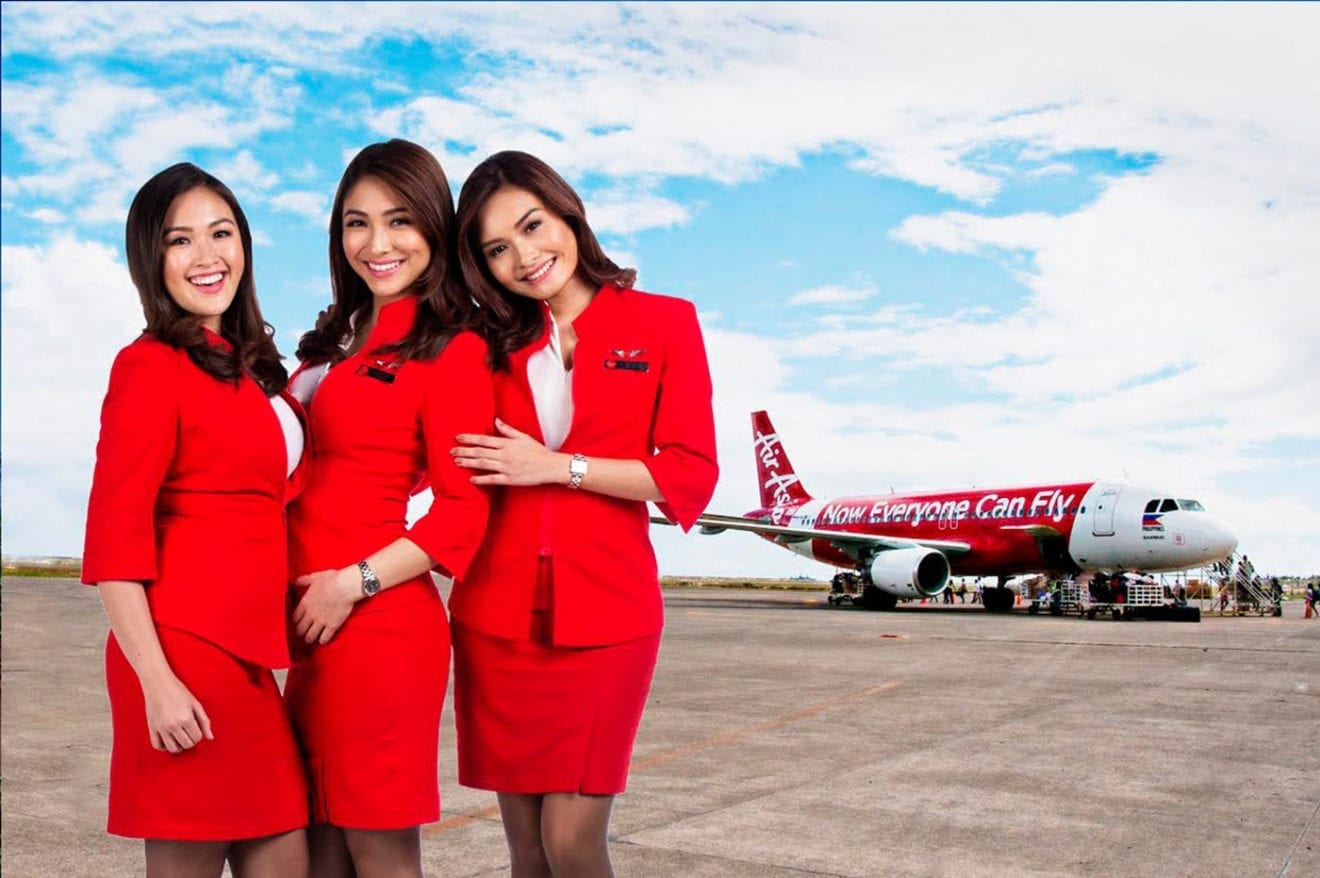
    AirAsia is increasing its flights for the Chinese New Year (CNY) period, offering 84 additional domestic and international trips. In a statement here yesterday, its Head of Commercial, Spencer Lee, said CNY has always been one of the busiest periods for the company as guests would travel back home or go for a short getaway during the long weekend.

    “As part of the airline’s festive promotions to welcome the Year of the Rooster, we have launched ‘#AyamComing’ campaign, offering all-in-fares from as low as RM29 (one-way), festive inflight meals and online pre-booking discounts at its duty-free shop,” he said.

    He said the special low fares would be available for booking starting from today until Jan 22, for travel up to July 31, 2017.

    “Aside from adding more flights to meet the demands, we want our guests to enjoy the exceptional connectivity of our flights,” he said.

    Lee said AirAsia X, the company’s long-haul affiliate, introduced 12 new routes last year, nine of which were exclusively operated by AirAsia and AirAsia X.

    As part of the promotion, Big Duty Free, AirAsia’s online duty-free shop, is offering 38 per cent discounts on all items from now until Feb 12, he said.

    “Guests can also spend and earn eight times AirAsia BIG points (loyalty programme) when they shop online,” he said.

  • South Korean prosecutors on the hunt for Samsung heir

    South Korean prosecutors on the hunt for Samsung heir

    The Samsung heir is accused of spending corporate funds on under-the-table deals. South Korean prosecutors on Monday sought the arrest of the heir to giant conglomerate Samsung for bribery in connection with a political scandal that has seen President Park Geun-Hye impeached.

    Samsung, the world’s largest smartphone maker, is already reeling from the international debacle over its Galaxy Note 7, which was recalled after some devices caught fire.

    In a statement, prosecutors investigating the political scandal said they asked a Seoul court to issue an arrest warrant for Lee Jae-Yong, the son of the Samsung group chairman Lee Kun-Hee.

    Samsung — the South’s biggest business group by revenue, which is equivalent to a fifth of the country’s GDP — has dozens of units including flagship Samsung Electronics.

    Lee’s arrest could have an “important” impact on the South Korean economy, a spokesman for the prosecutors acknowledged. “But we believe that achieving justice is more important,” he told reporters.

    The scandal centers on Park’s secret confidante Choi Soon-Sil, who is accused of using her ties with the president to coerce top local firms into “donating” nearly $70 million to dubious non-profit foundations which Choi then used as her personal ATMs, in exchange for political favors.

    Samsung is the single biggest contributor to the foundations and separately paid Choi millions of euros, allegedly to bankroll her daughter’s equestrian training in Germany.

    Lee, 48, is the vice chairman of Samsung Electronics and is accused of approving decisions to pay Choi large sums of money in a bid to win political favours.

    Samsung’s bribes totaled 43 billion won ($36.4 million), the prosecution spokesman said, adding Lee was also accused of embezzlement for spending corporate funds for bribery.

    In addition, he faces charges of perjury after he told a parliamentary hearing that he did not seek any preferential treatment in return for donations.

    The Seoul Central District Court said it would rule on the prosecutors’ request on Wednesday. If it approves the move, Lee — who was questioned by prosecutors for a marathon 22-hour session last week — will be the first senior executive arrested in connection with the scandal.

    In a statement Samsung said the prosecutors’ decision to seek his arrest was “hard to understand”.

    “There was no support that sought something in return,” it said. “We believe that a court will make a good judgment on this.”

    ‘Personal matters’

    Prosecutors are in particular probing whether Samsung’s donations and payment to Choi were aimed at securing government approval for a controversial deal it sought in 2015.

    The merger of two Samsung units, textile manufacturer Cheil Industries and construction arm Samsung C&T, was seen as a key step towards ensuring a smooth third-generation power transfer to Lee.

    The deal was opposed by many investors who said it willfully undervalued Samsung C&T’s shares. But the National Pension Service, a major Samsung shareholder, approved the transaction, which eventually went through.

    A former welfare minister, Moon Hyung-Pyo, who oversaw the operations of the pension fund at the time, was formally charged Monday with abuse of power for pressuring its managers to approve the merger.

    Park, accused of colluding with Choi to extract money from the firms and letting the friend meddle in a wide range of state affairs, was impeached by parliament last month.

    South Korea’s constitutional court is deciding whether to uphold the impeachment. If it does, Park will immediately lose her executive immunity from prosecution and an election to pick her successor will be held within 60 days.

    Both women have denied any wrongdoing.

    Choi, who is currently on trial for coercion and abuse of power, appeared at the Constitutional Court proceedings for the first time on Monday.

    She admitted visiting the presidential Blue House several times to help Park handle “personal matters” and had shared an e-mail account with a senior presidential aide to edit some of Park’s official speeches. But she denied seeking any financial favours using her presidential connections.