Author: Mei Ling Tan

  • AirAsia launches Early Bird Sale with tickets starting at Rs 99

    AirAsia launches Early Bird Sale with tickets starting at Rs 99

    AirAsia has launched an Early Bird sale with the base fare of tickets to select domestic routes starting at Rs 99. International flights to select destinations start at a base fare of Rs 999.

    The sale, now underway, will go on till January 22, 2017, and you can book tickets for travel time between May 1 2017 and February 6, 2018.

    The sale will be applicable on direct flights from Hyderabad to Bengaluru, Goa and Kochi.

    While on international routes, the sale will be applicable on flights from Kochi, Hyderabad, New Delhi, Tiruchirappalli to Kuala Lumpur and Bangkok.

    AirAsia said airport taxes and other charges will be extra.

  • Cambodia to Build the World’s Tallest Twin Towers

    Cambodia to Build the World’s Tallest Twin Towers

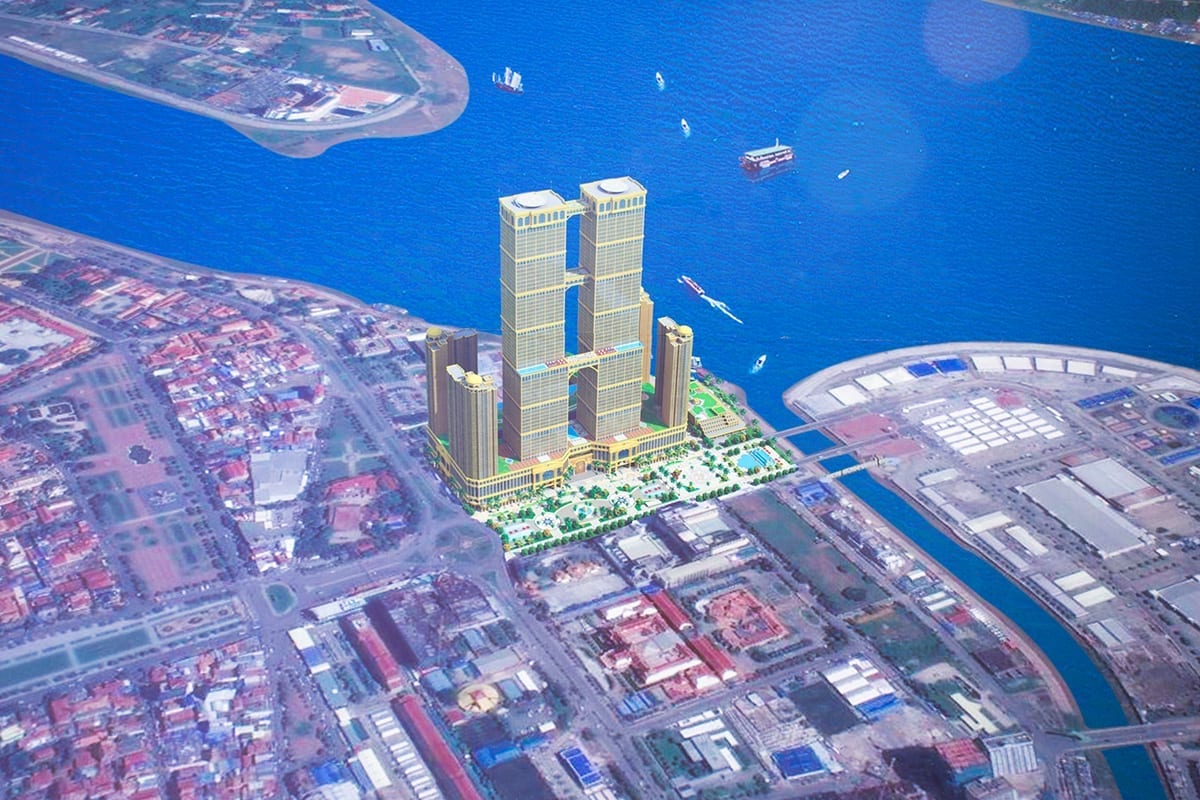
    The world’s tallest twin towers will be built in Cambodia’s capital of Phnom Penh but doubts about the building’s commercial viability are casting a pall on its prospects this early in the game.

    The “Thai Boon Roong Twin Tower Trade Center” is being jointly developed by Cambodian firm, Thai Boon Roong and Chinese contractor, the Kia Nip Group.

    The mixed-used tower complex will be 560 meters high and include 133 floors. It will be worth over $1 billion. Thai Boon Roong Twin Trade Center will become Asia’s tallest tower, and a new icon for Phnom Penh, said the company.

    It will be located on the five-hectare Dream Land plot in the Tonle Bassac commune in Phnom Penh. It will feature a hotel, commercial office spaces, a cultural center, retail and shopping centers, entertainment facilities, residential areas, exhibition halls and a four-floor underground parking lot.

    A consortium led by Sino Great Wall International Engineering won a $2.7 billion contract last week to build Thai Boon Roong Twin Tower Trade Center. Sino Great Wall said construction is expected to take some 60 months.

    Sino Great Wall International Engineering is a leading Chinese property construction contractor and a subsidiary of Sino Great Wall.

    The project will begin once the consortium of Sino Great Wall International and another Chinese company, Wuchang Shipbuilding Industry, finalize the funding.

    The current tallest twin towers in the world are the Petronas Towers in Kuala Lumpur, Malaysia. Petronas has 88 floors and is 452 meters high.

    Doubts over the financial future of the project stems from the Thai Boon Roong Group being owned by “trigger happy” Chinese-Khmer businessman Teng Bunma. The hot-headed Teng is notorious for pointing guns at his opponents during disputes.

    He’s also banned from entering the United States for being a suspected international drug smuggler.

    Thai Boon Roong also owns Cambodia’s tallest building (the 39-storey Vattanac Capital Building), which has had huge occupancy problems. Vattanac Capital had an occupancy rate of only 30 percent by mid-2016.

    The fortunes of this building do not bode well for the future of Asia’s tallest twin towers — which might well become a “White Elephant” — despite the rapid growth of office, retail and condominium projects in Phnom Penh.

  • E-commerce firms face rivals from Japan, Thailand, China, South Korea

    E-commerce firms face rivals from Japan, Thailand, China, South Korea

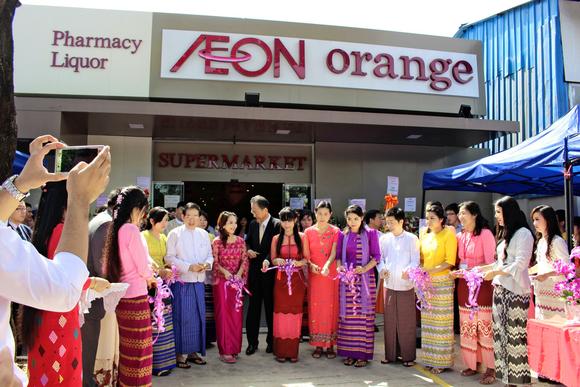
    Aeon, a Japanese e-commerce group, has launched aeoneshop. The website began its operation on January 1, 2017, mostly distributing the products from Japan and the ones bearing Topvalu, an Aeon’s private band. In Vietnam, nearly 1,000 products bear the brand.

    Of the products it distributes, Aeon hopes ‘Me va Be’ (mother and babies) products will be popular with Vietnamese mothers who like Japanese goods.

    Initially, Aeon will only delivery goods in HCMC. Like other e-commerce websites, Aeon will provide free deliveries to orders worth at least VND300,000.

    Analysts said that Aeon’s policies on goods purchases, payments and exchanges are nearly the same as other e-commerce firms.

    With Aeon in Vietnam, the market now has the most powerful rivals in the region. Two months ago, South Korean Lotte launched the Lotte.vn website, hoping for an ambitious plan to hold 20 percent of market share and become a top player in the market.

    Meanwhile, Jack Ma of China, a billionaire who owns Alibaba, has taken over Lazada in Vietnam, while Thailand’s Central Group bought Zalora Vietnam through Nguyen Kim, of which it holds a large capital stake.

    The Vietnamese e-commerce market is known as a ‘money burning machine’, meaning that investors pay big money even though profits are unpredictable.Competing against the four big players from Japan, South Korea, Thailand and China are three Vietnamese groups – Adayroi (Vingroup), Tiki (VNG) and Vuivui (The Gioi Di Dong).

    Lingo, Beyeu and Deca all have left the market because they ‘did not have enough money to burn’. Tiki has reported a loss of VND160 billion in the last eight months since it received investment from VNG.

    Analysts believe that those who have more powerful financial capability will win the battle, leaving the field to foreign companies.

    Commenting about the competitiveness of aeoneshop.com and Lotte.vn, Nhip Cau Dau Tu said they had the advantage of confidence. Lotte.vn focuses on cosmetics and fashion products because ‘South Korean cosmetics’  are popular in Vietnam.

    Aeon focuses on electronics and children’s products because products from Japan have a good reputation among Vietnamese.

    The second advantage is the large store network. Aeon, for example, besides the four shopping malls in HCMC and Hanoi, also has 18 Fivimart shops in Hanoi and 66 Ministop shops in HCMC after acquiring 30 percent of Fivimart and 49 percent of Citimart stakes.

  • Volkswagen won’t make Audi cars with SAIC in China before 2018

    Volkswagen won’t make Audi cars with SAIC in China before 2018

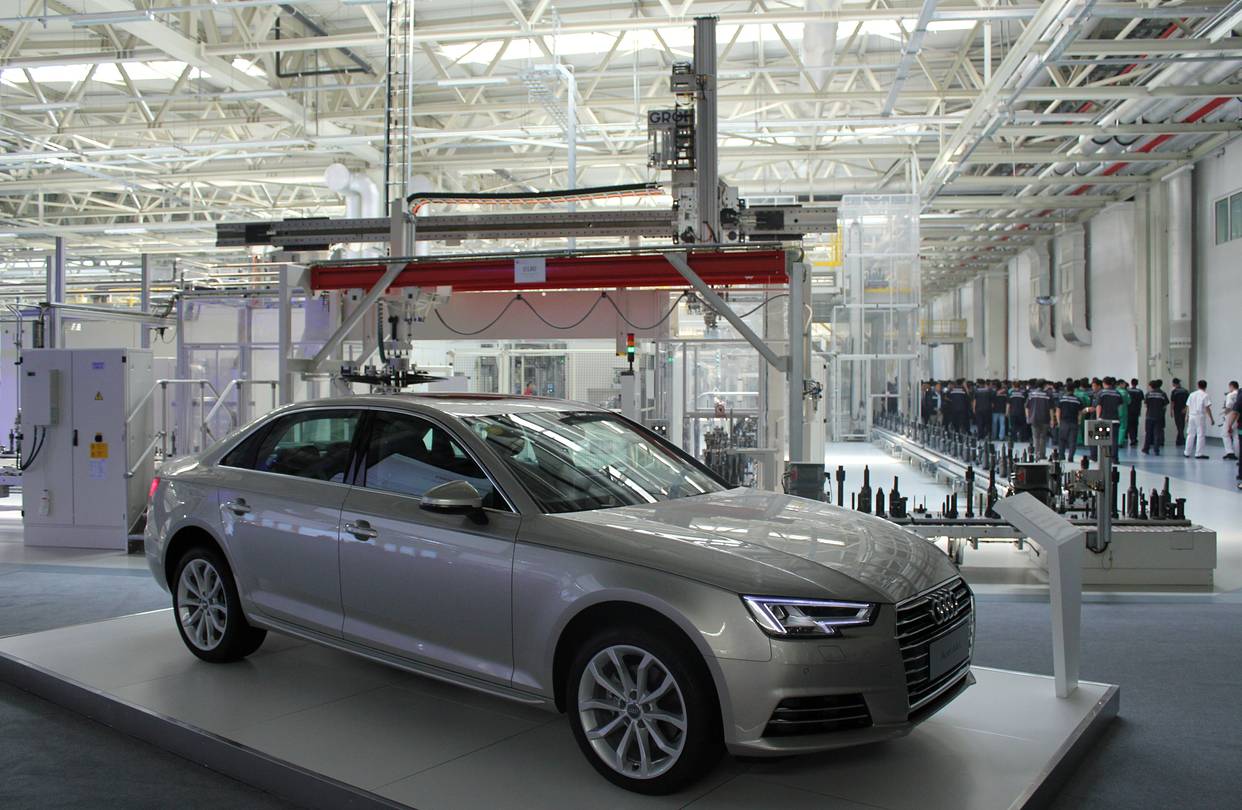
    German carmaker Volkswagen said on Wednesday it would not produce or sell any Audi cars with SAIC Motor until at least 2018, seeking first to strengthen ties with existing Audi partner China FAW Motor Corp .

    VW announced in November a non-binding agreement with SAIC to discuss a partnership regarding Audi AG, which is the best selling premium brand in China.

    Tying up with SAIC, China’s largest automaker, could boost slowing sales for the premium Audi brand as Daimler’s Mercedes and newer entrants such as General Motor’s Cadillac eat into its market share.

    “No sales, no production, nothing this year (2017),” state-owned China Daily on Wednesday quoted VW China chief Jochem Heizmann as saying.

    A VW spokesman confirmed Heizmann’s remarks, saying talks with SAIC were ongoing but that nothing “operational” would happen before 2018.

    “An agreement (with SAIC) could be reached in 2017 and there will be preparation with all the points for sales and production and so on,” an Audi spokeswoman told Reuters.

    “As soon as there is an agreement, there will be measures to fulfil this agreement, but right now we are just in talks and we have no agreement.”

    She added that while larger talks were ongoing, discussions about sales with SAIC were on hold until an agreement is reached resolving concerns of existing FAW dealers.

    Volkswagen gets a larger proportion of the proceeds from the 50-50 tie-up with SAIC than from its 40 percent stake in the venture with FAW.

    Joint ventures with VW and Audi have given FAW a lifeline as it struggles to create successful brands of its own.

    Existing dealers of Audi cars in a letter to the German firm last year said creating a new sales network would further damage an already tenuous situation as existing dealers suffer from slowing sales and generally operate at a loss.

    The Volkswagen spokesman said the priorities were first to strengthen ties with FAW, including with a recently agreed 10-year joint plan, second to resolve concerns of existing Audi dealers, and last, to move forward with a cooperation with SAIC.

    Audi said on Tuesday that its joint venture with FAW would introduce five more plug-in electric cars in China in the next five years, following on FAW and VW agreeing to a 10-year roadmap for the venture.

  • Telstra, Ericsson demo 10G intercontinental encryption

    Telstra, Ericsson demo 10G intercontinental encryption

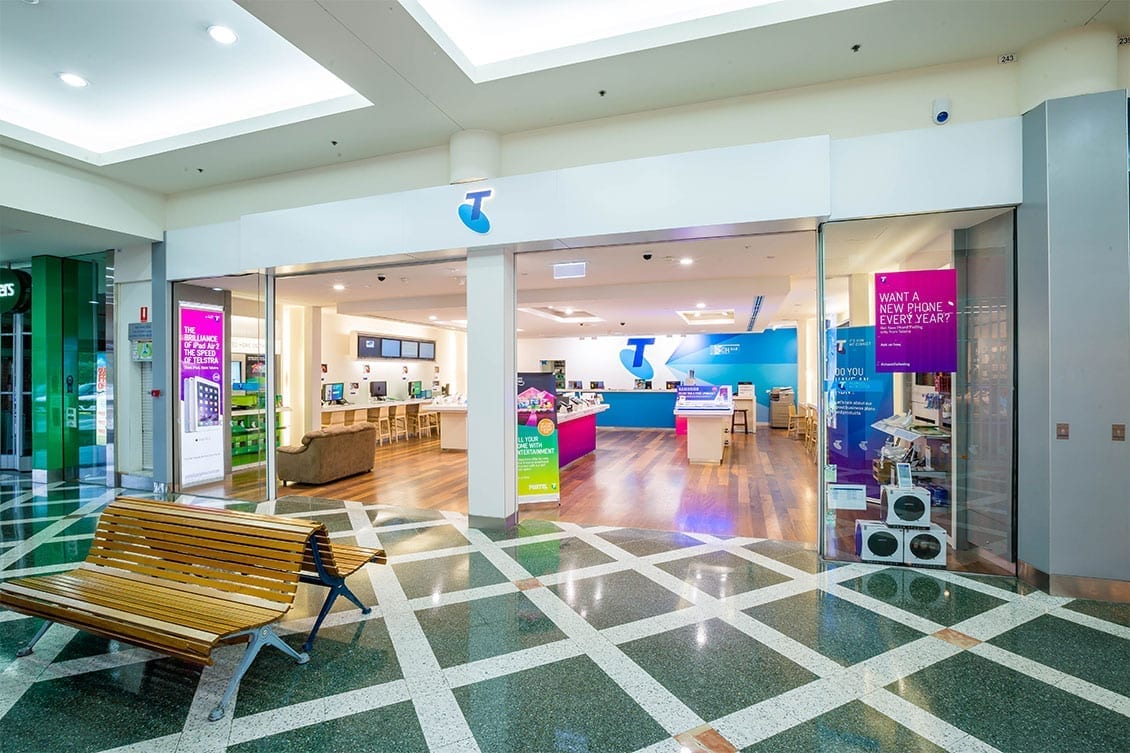
    Australia’s Telstra and Ericsson have separately demonstrated secure end-to-end encryption over  10Gbps intercontinental link.

    The companies encrypted data in transit at 10Gbps between Los Angeles and Melbourne, Australia using Ciena’s ultra-low latency 10G wire-speed encryption technology.

    The companies said the trial demonstrates that data can be encrypted in transit – beyond the walls of a data center – at high speeds without any impact to performance.

    “The outcome of this test shows that data can now be encrypted while in transit across a long distance, while maintaining the speed and reliability our customers have come to expect from our international network,” Telstra executive director of international operations and services Darrin Webb said.

    “We will continue to work with Ericsson and Ciena to take this trial to the next level with a 100Gbps encryption test.”

    “This time last year Telstra and Ericsson achieved an encryption trial between Melbourne and Sydney. We have now extended the distance from Melbourne to Los Angeles with data in transit encryption at 10Gbps, which is the typical speed used today over these distances without encryption,” Ericsson head of customer unit Australia and New Zealand Emilio Romeo added.

    Ericsson and Telstra next plan to demonstrate 100Gbps encryption over the same intercontinental route in the first half of the year.

  • Vietnamese invest heavily in Australian cattle industry

    Vietnamese invest heavily in Australian cattle industry

    Meat and Livestock Australia (MLA) has unveiled that the first large-scale purchase of an Australian cattle ranch – for beef production – by a Vietnamese company has been made, in the Northern Territory, south of Katherine.

    The purchase of the US$13.6 million cattle ranch by An Vien Pastoral Holding and Agriculture Company is the first far-reaching Vietnamese agricultural investment in the land down under on record, says MLA.

    Per MLA, Pham Nhat Vu, chair of the An Vien Media Group holding company, was listed the official successful bidder of record for the purchase of the 200,000-hectare cattle ranch.

    The deal includes the purchase of 10,000 head of Brahman cattle.

    Commenting, an MLA spokesperson said: When you see high-net-wealth individuals and global corporations making beef investments in Australia, it shows confidence in the Australian beef industry and gives confidence that they believe the consumption of red meat globally is strong.

    Though An Vien did not initially respond to requests for comments on the deal by GlobalMeatNews, says MLA, it is widely speculated the impetus for the investment is that it is much easier for Vietnamese to invest in big ranches in Australia than procure the large amounts of land needed in the Southeast Asian country.

    It is a very complicated undertaking in Vietnam to get even a 100-hectare size plot of land, which is the bare minimum necessary to operate a large-scale ranching operation, says a local Vietnamese rancher.

    For comparison purposes, there are many cattle operations in Australia that cover thousands of hectares each, he says, adding that the move makes good strategic business sense.

    Even though Australian taxes are much higher compared to those in Vietnam, weather and market conditions are more favourable and even a comparatively small US$4 million investment could provide a solid rate of return.

    While Vietnam is better known for receiving foreign direct investment rather than providing it, in recent years, forward thinking Vietnamese companies have been looking to invest in numerous countries— from Laos to Russia, and Australia.

    A spokesperson for the Australian Trade and Investment Commission (Austrade) disclosed that in 2015, Vietnamese outward foreign direct investment into Australia was US$348 million, while Australian investment into Vietnam was an estimated US$1 billion.

    Vietnamese also are acquiring a growing taste for beef, and the An Vien Pastoral Holding and Agriculture Company might be targeting exports back to their home market.

    An Austrade spokesperson said there had been an exponential growth in the number of cattle exported by Australia to Vietnam over recent years, with a peak in 2015 of 360,000 head.

    He forecasts that 200,000-live head of cattle would be imported into Vietnam from Australia in calendar year 2017, in part fuelled by the lack of import tariffs from Australia to Vietnam.

    In addition, the Austrade spokesperson noted that the Vietnam government considers live cattle as a useful input that can have added value within Vietnam through slaughtering and processing.

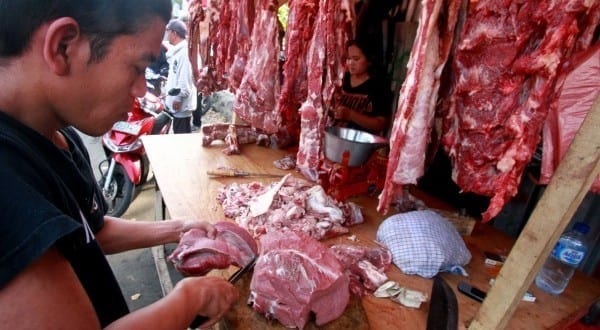
    Beef consumption per capita per year in Vietnam, according to official sources, currently stands at 2.5 kilograms in a nation of an estimated 95 million people, which is expected to grow in coming years.

  • Samsung Elec to supply Exynos processors for Audi vehicles

    Samsung Elec to supply Exynos processors for Audi vehicles

    Tech giant Samsung Electronics said on Wednesday it will start supplying Volkswagen’s Audi with Exynos processors for the carmaker’s infotainment systems, expanding its chip sales for the auto business.

    Samsung said in a statement its Exynos processors will power up to four in-vehicle displays for Audi’s next-generation infotainment system without elaborating on the contract value or what vehicles Audi will use the chips for.

    Car Infotainment systems for cars are for displaying information such as navigation and playing audio or video. The systems also increasingly allow drivers to connect their phones to their vehicles.

    The world’s top maker of smartphones and memory chips has been trying to boost sales of components for automobiles to boost growth. Samsung already supplies memory chips to Audi.

  • Myanmar’s fourth cellco to use the brand name Mytel

    Myanmar’s fourth cellco to use the brand name Mytel

    Myanmar’s newly-licensed fourth mobile operator will use the brand name Mytel, and will aim to differentiate by targeting rural areas and competing on price.

    The joint venture between Vietnam’s Viettel, the consortium of local ICT companies that make up Myanmar National Telecom Holding Public and Star High Public Company was awarded a telecoms license last week.

    The new company’s external relations officer as stating that Mytel will make use of the telecoms assets used by Star High Public Company’s state-owned parent company Myanmar Economic Corporation (MEC). MEC owns MECtel, a state operator with access to extensive tower and fiber assets.

    Mytel also plans to utilize capacity on the Asia-Africa-Europe 1 (AAE-1) subsea cable, which lands in Myanmar. According to the report, state operator MPT acts as a co-landing party for the connection but does not participate directly in the project.

    The operator plans to offer 2G, 3G and 4G services with a focus on extending coverage in rural areas, and offering services at a lower price than rivals Telenor Myanmar, Uninor Myanmar and the joint venture between MPT and KDDI.

  • 5G value chain to generate up to $3.5tr in 2035

    5G value chain to generate up to $3.5tr in 2035

    A new study commissioned by Qualcomm projects that 5G technology has the potential to create 22 million jobs worldwide and produce up to $12.3 trillion worth of goods and services by 2035.

    The landmark study into the potential economic and social impact of 5G worldwide projects that by this time, 5G’s full economic benefit should be realized across the globe.

    The 5G Economy study was jointly conducted by research firms IHS Markit, PSB and UC California economist Professor Dr David Teece.

    According to the study, the 5G value chain itself is anticipated to generate up to $3.5 trillion in revenue in 2035.

    Over time, 5G will boost real global GDP growth by $3 trillion dollars cumulatively from 2020 to 2035, which would be the quivalent in today’s dollars of adding a new economy the size of India to the world.

    “I’ve spent many years studying the impact of general purposes technologies, and it’s clear that 5G will propel mobile into that category, assuring the technology’s long-term impact on society and continued growth for decades,” Teece said.

    Polling research conducted in tandem with the economic study also suggests that  business decision makers and opinion leaders around the globe overwhelmingly agree than 5G will enable new products, services and use cases that have not been conceived yet.

  • Alibaba Cloud to help boost Singapore’s digital economy

    Alibaba Cloud to help boost Singapore’s digital economy

    Alibaba Cloud the National University of Singapore (NUS), and EZ-Link, Singapore’s largest issuer of Contactless e-Purse Application (CEPAS) compliant cards, have teamed up to boost Singapore’s smart computing and data-driven capabilities.

    The three organizations have signed a memorandum of understanding aimed at bolstering the University’s data science curriculum and paving the way for a pilot data analytics project with EZ-Link.

    The collaboration is also aimed at helping build local IT skillsets, meet enterprise demands and support the research and development of advanced technologies in the big data era.

    Ethan Yu, Vice President of Alibaba Group and General Manager of Alibaba Cloud Global said, “Singapore has been a pioneer in fostering innovation and technological disruption in Asia, and we are proud to contribute to the nation’s development through our partnership with NUS and EZ-Link.

    By leveraging the expertise of academia, the government and enterprises, we intend to raise the bar in nurturing talent, business and communities to reach new frontiers of the digital economy.”

    Alibaba Cloud will contribute $500,000 in cloud credits towards the use of its cloud platform and data centres by students and researchers from NUS for academic and research purposes. IT experts from Alibaba Cloud will also offer hands-on lessons on the use of Alibaba Cloud’s platform for NUS staff and students.

    In addition, Alibaba Cloud and NUS will collaborate in the areas of cloud computing, big data analytics, artificial intelligence, cybersecurity, quantum computing, and interactive digital media, as well as identifying opportunities for joint research projects and information exchange.

    “NUS contributes to Singapore’s vision of becoming a digital economy through our University’s strengths – creating value through fundamental and applied research, and training the next generation of digital talent,” NUS deputy president for research and technology  Professor Ho Teck Hua said.

    “By working with Alibaba Cloud, a global cloud leader, we can tap into its extensive ecosystem and technology capabilities for these efforts. The partnership with Alibaba Cloud and EZ-Link further demonstrates the close collaboration between academia and industry in solving real-world problems, and will help contribute towards a future, cashless Singapore.”

    Alibaba Cloud and NUS are currently working with EZ-Link to analyze card usage patterns across the EZ-Link card schemes, service touch points, and customer segments to improve customer experience and create better services via real-time insights.

  • Vodafone Australia names new CBU director

    Vodafone Australia names new CBU director

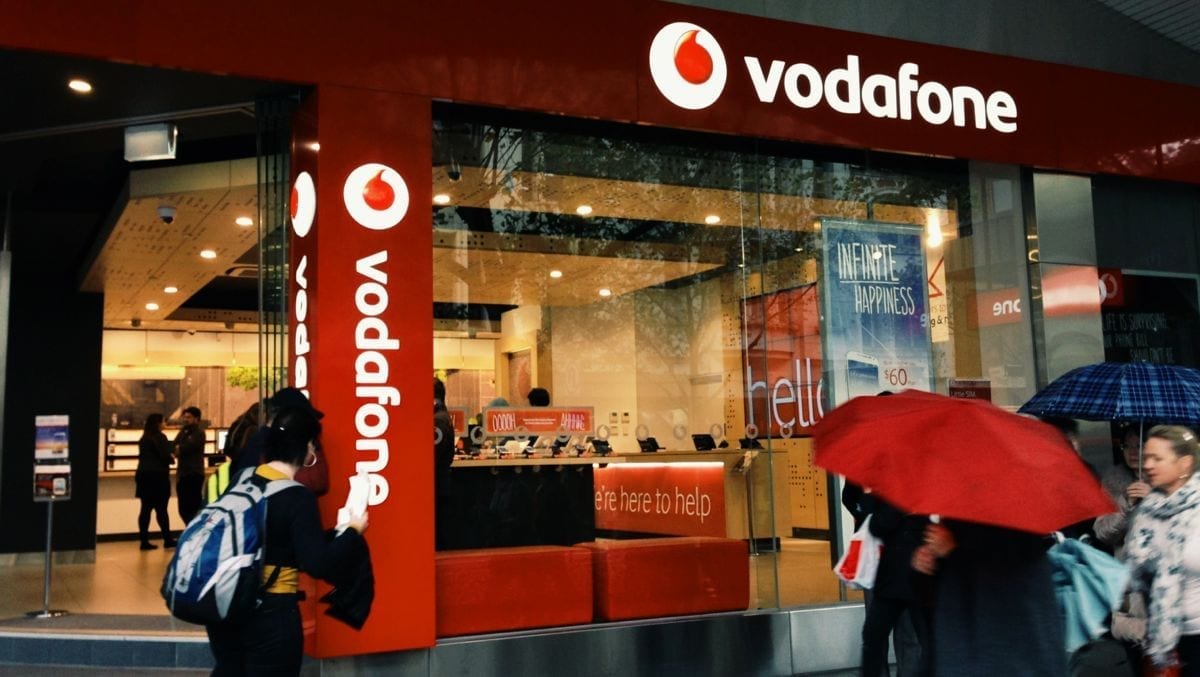
    Vodafone Australia has promoted its director of sales, Ben McIntosh, to the newly created position of consumer business unit (CBU) director.

    Chief executive officer Iñaki Berroeta said the new position merges the existing sales director and marketing director roles, following a decision by chief marketing officer Loo Fun Chee to return to Malaysia for family.

    “This new unit will see sales and marketing activities come under one leader and one team, creating a streamlined structure and simple and seamless end-to-end processes” said Berroeta.

    “The consumer business unit will drive our ambition to deliver the very best product, service and experience for our customers. Ben will bring great energy, experience and market knowledge to the role.”

    He said Vodafone’s brand had seen improvements in its awareness since Chee took on the leadership role two years ago.

    “Amongst the successes under her leadership are the launch of innovative market leading products such as MyMix. We’ve also seen the Vodafone brand strengthen in the Australian market and a dramatic improvement in Net Promoter Score which shows our customers are increasingly happy with their Vodafone experience,” the executive commented.

    McIntosh joined Vodafone Australia in 2014 as director of sales after a 17-year career at consumer products retailer Harvey Norman as general manager for technology and entertainment retail.

    McIntosh will officially start in his new role as CBU director on January 30.

    Former Microsoft executive and AI expert joins Baidu

    Chinese search giant Baidu has hired former Microsoft executive Dr Qi Lu as its group president and chief operating officer, effective immediately.

    In this new role, Lu will be responsible for Baidu’s products, technology, sales, marketing and operations.

    Lu joins Baidu from Microsoft, where he served most recently as global executive vice president responsible for its Office business.  He joined Microsoft in 2009 as president of its online services group and was promoted to global EVP in 2013.

    Lu holds a PhD in computer science from Carnegie Mellon University and has over 40 US patents in his name.

    “Dr. Lu possesses a wealth of leadership and management experience, and is a leading authority in the area of artificial intelligence. I am confident that Dr. Lu will make major contributions to the overall strength of our management and technology,” Robin Li, Baidu’s chairman and group CEO, said in a statement.

    “To achieve our goals, especially in artificial intelligence, which is a key strategic focus for the next decade, we will need to continue attracting the best global talent. With Dr. Lu on board, we are confident that our strategy will be executed smoothly and Baidu will become a world-class technology company and global leader in AI,” Li added.

  • Essilor and Luxottica to create global eyewear powerhouse

    Essilor and Luxottica to create global eyewear powerhouse

    France’s Essilor and Italy’s Luxottica have agreed to terms of a 46 billion euro (US$49 billion) merger, creating a global eyewear powerhouse with annual sales of  more than 15 billion euros.

    Essilor and Luxottica said they will be focusing on boosting sales in Asia and Latin America as well as building their eCommerce presence.

    Essilor is the world’s largest lens maker and Luxottica the world’s largest frame maker and vendor which owns extensive retail chains, such as Sunglass Hut, Australia’s OPSM and brands including Ray-Ban, Oakley and Persol.

    “Finally, two products which are naturally complementary – frames and lenses – will be designed, manufactured and distributed under the same roof,” said Luxottica’s founder Leonardo Del Vecchio, 81, in a statement.

    The two companies are battling slowing growth internationally, but believe there is massive potential in the market with an estimated 2.5 billion of the world’s population suffering from uncorrected eyesight issues.

    Once complete, the merger of the two companies could add as much as 600 million euros to their combined bottom line.

    The new entity will be headquartered and listed in Paris and have a staff of more than 140,000 across the globe.

    It will be jointly headed by Del Vecchio and Essilor CEO and chairman Hubert Sagnieres. Del Vecchio will be CEO and executive chairman and Sagnieres, 61, executive vice-chairman and deputy CEO – but the pair will have equal powers.

    “We have and share the same values, we have and share the same vision, we have and share the same interest in the product…,” Sagnieres said in a conference call to discuss the merger. “If we really want to provide consumers with the best product, Leonardo and I will have to co-manage.”

    “This marriage will take place and will work,” Del Vecchio added.

  • Indian fashion platform Fynd looks to SE Asia

    Indian fashion platform Fynd looks to SE Asia

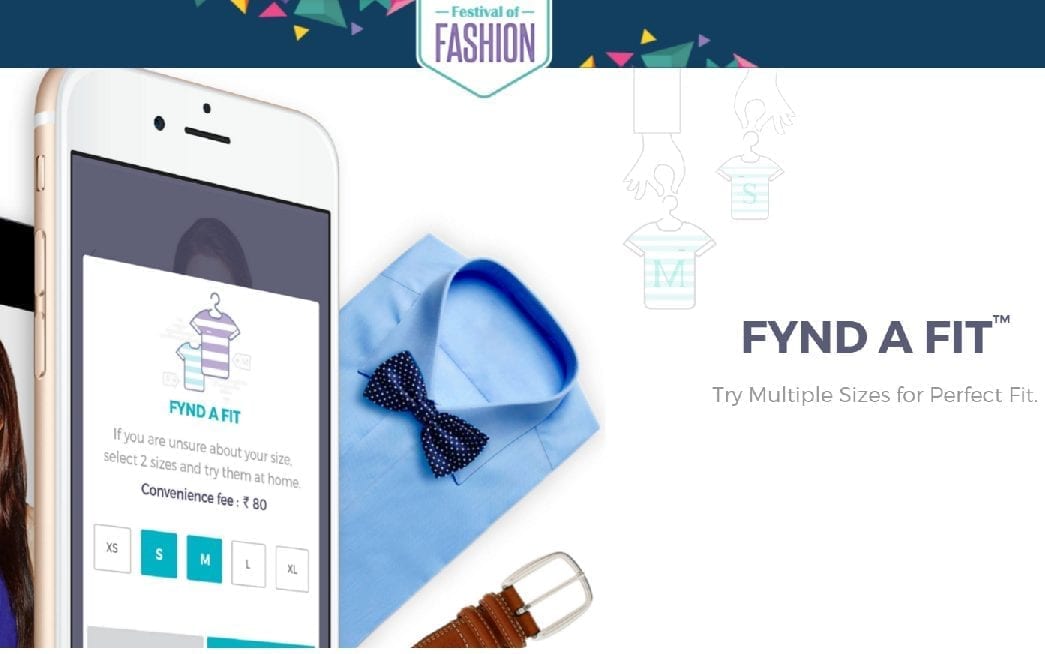
    Indian fashion eCommerce platform Fynd plans to expand in Southeast Asia from April, which could include the Philippines.

    It also plans to expand beyond clothing, footwear and accessories to childrenswear, decor and furnishing.

    Fynd is run by Shopsense Technologies, which has among its investors Facebook executive Anand Chandrasekaran, Arvind Sports chief executive Rajiv Mehta and Snapdeal founders Kunal Bahl and Rohit Bansal. It offers same- or next-day delivery in 11 cities in India, and has tied up with about 250 brands. Its platform is both app- and webpage-based.

    This month Fynd deployed an omni-channel in-store product, Fynd Store, that lets customers browse all products of a particular brand on screens inside the brand’s physical outlet. If a customer cannot find a product or a size at that outlet, it can be ordered and delivered via Fynd Store.

    It is Fynd Store that the company plans to take to international markets.

    In-store initially

    Founded by Farooq Adam, Sreeraman MG and Harsh Shah, Fynd launched in 2012 as an in-store engagement provider, then branched out to an eCommerce platform before evolving into an omni-channel or online-to-offline retail firm.

    “This model would work in the international market, primarily in the areas where the customer is brand conscious and is clear he wants a particular product, whether it be size or colour,” says Shah.

    “Many times when customers shop and cannot find products in their size they settle for something that is one level lower in their liking hierarchy. Fynd is trying to solve this problem.”

    The company’s strategy for international markets will be the opposite of what it did in India — it will first deploy its omni-channel Fynd Store product before launching its eCommerce Fynd app.

    “In India we started with eCommerce then got into omni-channel. The reasoning was that with the retailer, sales is the holy grail. With eCommerce you can immediately show sales. With omni-channel you need to build it up – there’s the training in store and things like that.

    “Internationally we’ll start with Fynd Store because we need to develop delivery infrastructure and then get on to Fynd app,” says Shah.

  • Tourists drive Sa Sa sales

    Tourists drive Sa Sa sales

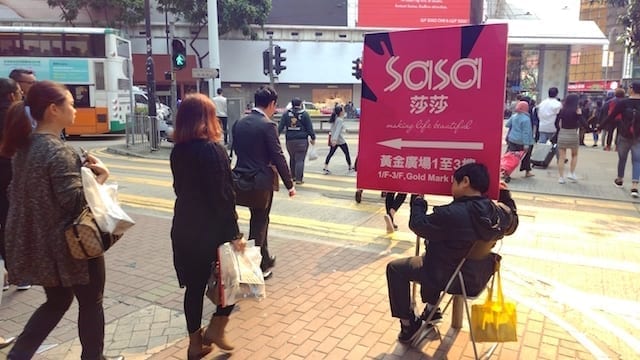
    Sales performance has improved marginally for cosmetics chain Sa Sa International Holdings for its third quarter, to the end of December.

    This was mainly a result of a rise in numbers of mainland customers driving a 5.4 per cent increase in the number of transactions in Hong Kong and Macau while local trade remained flat. However, the average sales per transaction of local customers increased by 0.2 per cent while for mainland customers there was a 3.6 per cent drop.

    Sa Sa sales growth is a result of the group’s ongoing efforts to adjust its product offerings to adapt to the market demand for trendy products, the company says. This also resulted in continued downward pressure on gross profit margin for the quarter.

    For the quarter, the group’s retail and wholesale turnover eased up by 0.9 per cent year-on-year, while the figures for other markets outside Hong Kong and Macau – including China, Malaysia, Singapore, Taiwan and online – were flat.

    Following the gradual tapering of year-on-year retail sales decline in the first and second quarters in Hong Kong and Macau, same-store Sa Sa sales in the third quarter fell by 2 per cent while retail sales rose by 1 per cent.

    Sa Sa had 290 outlets in total at the end of December, up from 283 as at September 30. For Hong Kong and Macau, there were 115 outlets, up by two; China had three more stores for a total of 56; Singapore lost two stores to finish the year with 21; Malaysia gained five outlets for 73; and Taiwan lost a store to end the year with 25.

  • Easyship Fuels Its Growth By Expanding Into Singapore

    Easyship Fuels Its Growth By Expanding Into Singapore

    Easyship is a tech company that helps eCommerce businesses saving time and money on worldwide shipping. After a rapid growth in Hong Kong, it is now expanding its operations to Southeast Asia with Singapore as its first location. With Singapore being a major logistics hub for Southeast Asia, the company hopes to take advantage of its infrastructure and networks to aid its expansion plans in the region.

    Since launching in 2015, the company has experienced exponential growth, becoming the first choice for businesses that want to expand their sales worldwide. Easyship powerful API, allows eCommerce merchants and marketplaces to integrate a seamless shipping gateway to their shipping cart, allowing them to expand their sales worldwide seamlessly. For each order, Easyship compares all shipping couriers, and gives visibility to the buyer on delivery time, shipping cost, and taxes.

    Easyship integrates with more than 80 different shipping services including those from leading couriers such as DHL, FedEx and UPS, at prices discounted up to 70% compared to retail. This helps buyers to choose the best available option for a particular destination based on item specifications (type, weight and dimension) and provides visibility on delivery time, cost, reliability, and tracking. Easyship guarantees taxes & duties for shipments worldwide based on the type of item and its customs value – making sure that eCommerce sellers never experience unexpected costs or delays with international shipping.

    Since launching, Easyship has helped its clients to save up to $5,000 USD per month on shipping fees. It is completely free – customers pay only for their shipments and the platform generates all the necessary paperwork automatically.