Author: Mei Ling Tan

  • Vietnam’s Mobile World plans 300 grocery stores

    Vietnam’s Mobile World plans 300 grocery stores

    Vietnam’s Mobile World – the electronics retailer – says it plans to open 300 more grocery stores under the Bach Hoa Xanh banner this year.

    The convenience store chain targets time-poor Vietnamese housewives who prefer small stores to crowded supermarkets or hypermarkets.

    bach-hoa-xanh-inside

    With 50 stores in Ho Chi Minh City’s Binh Tan district alone, Bach Hoa Xanh stores each achieve more than VND1 billion (US$44,300) in monthly sales, prompting the rapid expansion strategy.

    Nguyen Duc Tai, chairman of Mobile World, expects Bach Hoa Xanh stores to replace wet markets and become the leading player of this grocery sector, a market worth an estimated $60 billion annually.

    Mobile World Is Vietnam’s third-largest retailer, behind only supermarket Coop Mart and hypermarket chain Big C.

  • Telstra debuts assured availability on two APAC links

    Telstra debuts assured availability on two APAC links

    Australia’s Telstra will introduce assured availability on two of Asia-Pacific’s busiest subsea cable routes,  Hong Kong to Singapore and Japan to Hong Kong.

    The company announced its new Always On service guarantee at the Pacific Telecommunications Council (PTC) conference in Hawaii on Monday.

    Telstra will use its significant APAC cable network to guarantee connectivity in the event of a cable cut or damage due to natural disasters. Telstra’s subsea cable network accounts for up to 30% of active intra-regional capacity in Asia-Pacific.

    Customers will be guaranteed connectivity for their subscribed bandwidth over one primary path and two protection paths through different cable systems along the same routes.

    Telstra’s executive director of global sales Ellie Sweeney said subsea cable damage can take weeks – or in extreme cases months – to fix.

    “With Telstra’s Always On service guarantee, customers will be rerouted to a protection path within a matter of hours initially and with automation we expect to bring this down to a few minutes in the future,” she said.

    “Connectivity is vital to the modern economy, with many consumers and businesses now relying on being able to connect anywhere at any time. Meeting customers’ expectations can be difficult when it comes to international connectivity, with cables at risk of service disruptions due to cable cuts caused by boats, earthquakes and typhoons.”

  • Banks post higher performance for 2016

    Banks post higher performance for 2016

    Several commercial banks have in the early days of 2017 posted positive business performance for 2016, with profits much higher than the previous year.

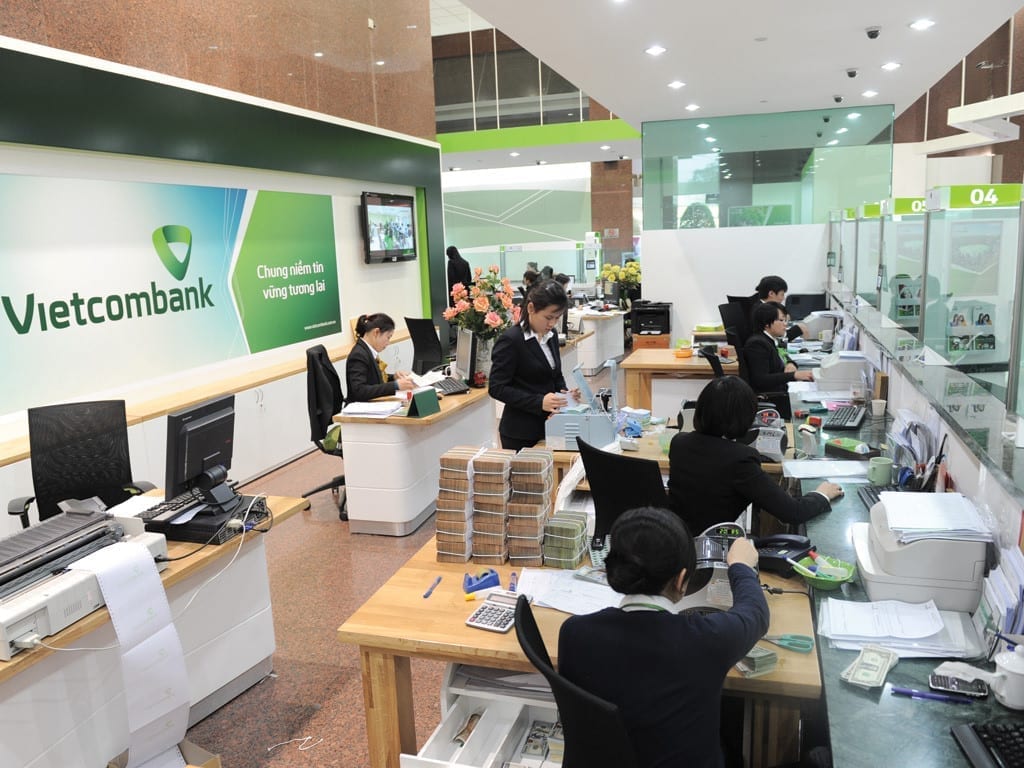
    The Bank for Foreign Trade of Vietnam (Vietcombank) was the first bank to report pre-tax profit in 2016, which hit a record high of 8.2 trillion VND (362 million USD). Its profit surged by 23.4 percent against 2015 and also exceeded the bank’s target for the year by 2.7 percent.

    In 2016, Vietcombank mobilised nearly 600 trillion VND from its depositors, up 19.4 percent from the previous year, while lending an estimated 470 trillion VND, up 18.9 percent.

    Vietcombank Chairman Nghiem Xuan Thanh said in 2016 the bank brought its rate of non-performing loans (NPLs) to 1.44 percent, down four basis points compared with the end of 2015.

    The bank’s capital adequacy ratio, which measures its capital to its risk, was 10.29 percent, higher than the minimum of 9 percent set by the State Bank of Vietnam.

    On solid ground in 2016, Vietcombank has targeted a pre-profit figure of 9.2 trillion VND in 2017, 12 percent higher than last year.

    The bank also expects its total assets to rise by 11 percent in 2017, while it has forecast that its credit growth and capital mobilisation will be 18 percent and 15 percent, respectively. The bank aims to keep its NPLs under 1.5 percent.

    The Vietnam Joint Stock Commercial Bank for Industry and Trade (Vietinbank) also reported a high profit of 8.25 trillion VND in 2016, 4 percent higher than the plan set by the bank’s general meeting of shareholders.

    Nguyen Van Thang, Vietinbank Chairman, said that as of December 31, 2016, the bank’s total merged assets were estimated at 947 trillion VND, up 22 percent from the previous year; while total mobilised capital reached 862 trillion VND, up 21 percent.

    Also in 2016, the bank’s total outstanding loans posted 720 trillion VND, a year-on-year rise of 18 percent, fulfilling the set target. Credit structure witnessed positive transfer with credit for prioritised industries growing 22.4 percent, higher than the common credit growth of the whole system.

    By the end of 2016, the bank continued to effectively manage the quality of assets with bad debt ratio of less than 1 percent.

    Le Duc Tho, General Director of Vietinbank, said in 2017, the bank set a target of a 15-17 percent rise in total assets and an 18 percent increase in outstanding credit.

    In addition, it strives to control the quality of debts, manage the bad debt ratio and ensure profit growth to achieve or exceed the year’s plan set by the general meeting of shareholders.

    The Bank for Investment and Development of Vietnam (BIDV) also estimated a pre-tax profit of 7.5 trillion VND in 2016, a rise of 7 percent against the previous year despite its deduction for the risk provision fund being quite high. In the first nine months of 2016, BIDV spared nearly 7 trillion VND for the fund, jumping 80 percent year-on-year.

    Positive results of BIDV in 2016 came from optimistic credit growth. Its total loans reached over 935 trillion VND, in which 758 trillion VND was offered to economic institutions and individuals, up 17.85 percent compared with 2015, while its deposits totalled 939 trillion VND, up 20.45 percent. The bank could control its bad debt ratio to 1.47 percent of total outstanding loans over the past year.

    Meanwhile, many other banks also surpassed their 2016 pre-tax profit targets, such as ACB, VPBank, Techcombank and VIB.

  • Vinatex and Itochu sign strategic co-operation agreement

    Vinatex and Itochu sign strategic co-operation agreement

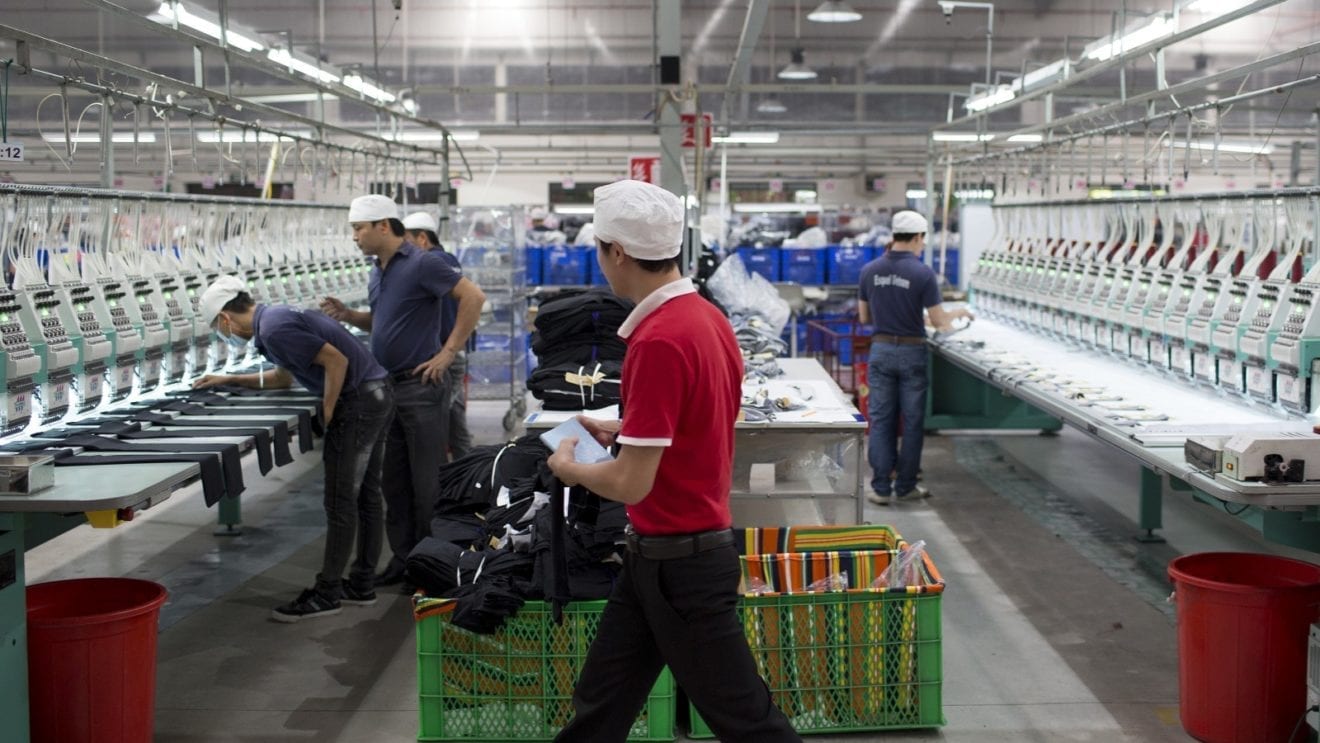
    Viet Nam Textile and Garment Group (Vinatex) on Monday signed a strategic co-operation agreement with Japanese firm Itochu, witnessed by PM Nguyen Xuan Phuc and his Japanese counterpart Shinzo Abe in Ha Noi.

    Itochu is expected to help Vinatex make a change in textiles and garment production and business method from Cut—Make—Trim to Free on Board, developing a sustainable retail distribution network to enjoy long-term benefits.

    Under the agreement, trading firm Itochu will assume the role of a consulting partner for Vinatex and its member companies in developing the textiles and garment supply chain from fibre to thread, fabric and sewing, retail distribution, co-operation and introducing domestic and foreign partners.

    Shuichi Koseki, senior managing executive officer, manager of CP·CITIC Strategy Office, president of Textile Company and representative director, said Viet Nam’s textiles and garment were an important part of Itochu, therefore it wanted to develop this area with Viet Nam, so that Vinatex could become its number one partner.

    In the near future, he said Itochu would boost co-operation between the two sides to develop textiles and garment products and supply them globally.

    Speaking at the signing ceremony, Le Tien Truong, general director of Vinatex, said the two sides would discuss in detail the co-operation plan and implement actions immediately to make a change in Vinatex’s textiles and garment production and business method from Cut—Make—Trim to Free on Board, developing a sustainable retail distribution network to enjoy long-term benefits.

    Itochu signed a framework agreement to support several projects in dyeing and materials production in Viet Nam, training in the country’s dyeing sector and utilising the capacity of Vinatex’s dyeing factories in the central region in 2015.

    At that time, Itochu owned five per cent stake in Vinatex through a subsidiary company.

    Itochu, one of the leading economic groups in Japan operating in various areas, including textiles and garment, has co-operated with some 100 textiles and garment companies of Viet Nam.

  • Singapore Airlines and Scoot take flight with ShopBack

    Singapore Airlines and Scoot take flight with ShopBack

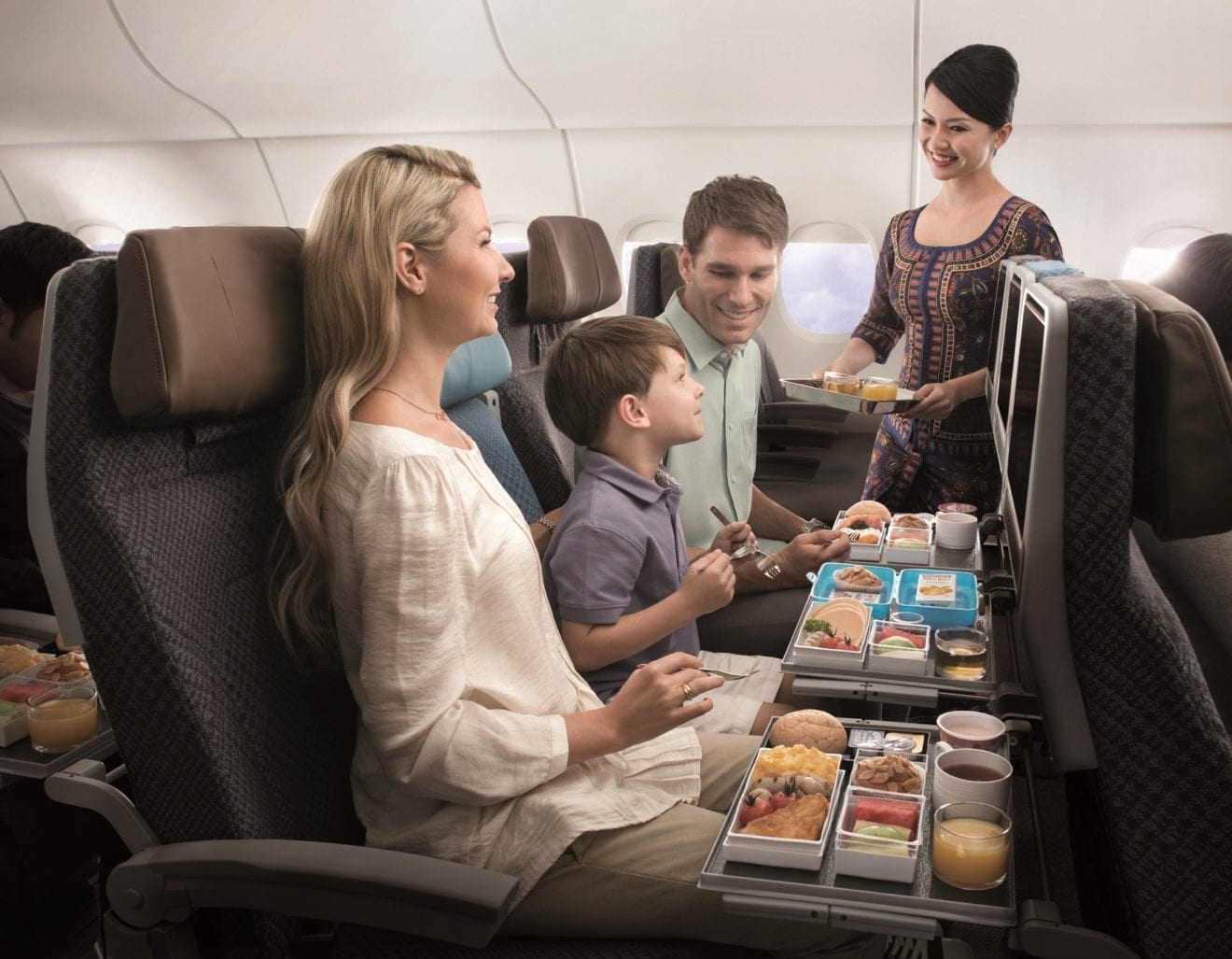
    Homegrown start-up ShopBack takes off the year with Singapore Airlines (SIA) and Scoot on board as its Flight vertical partners. The collaboration strengthens the runway for the smarter way to shop. All travellers can now access air tickets befitting their budget, elevated with Cashback from ShopBack all year round.

    The checking in of SIA and Scoot adds significant weight to ShopBack’s Flight vertical as it widens the runway of travel options for travellers, from first-class to budget.

    The start-up’s suite of top three world-class airlines (Source: Skytrax World Airline Awards) – Emirates, Qatar Airways and SIA – is now complete. With ShopBack, affluent travellers are empowered with a fuss-free way of spending and saving with poise.

    Scoot, the Best Low Cost Airline (Asia Pacific) as named by AirlineRatings.com for three consecutive years, is the first budget airline onboard. With ShopBack, cost-sensitive travellers are able to maximise the worth of their dollars with Cashback stacked atop credit card rebates and miles. 

    “For a two-year-old start-up, being able to have the chance to soar to greater heights with long established aviation partners might sound impossible,” said Mr. Joel Leong, Head of Merchants and Partnerships, ShopBack. “But with the belief that we can overcome disparity in company age and size with concrete data-backed results, our team pursued the golden ticket relentlessly and pushed boundaries to seal the deal for consumers.”

    Available on web, desktop and mobile (iOS and Android apps), ShopBack currently powers user’s online transactions with a stackable layer of savings in the form of Cashback, which translates to actual cash transferrable to either user’s bank or PayPal account.

    Consumers can enjoy 1.0% Cashback from ShopBack for their air tickets purchased from the SIA x VISA as well as Scoot site. For those who prefer to buy on the go, both airlines are also available on ShopBack mobile app.

    SIA and Scoot join ShopBack Singapore’s fleet of over 500 online retailers, including Uber, Cathay Cineplexes, Expedia, ASOS, Muji and more, to give consumers uplift in their savings through Cashback.

  • Huawei, Unicom complete FDD Massive MIMO field trial

    Huawei, Unicom complete FDD Massive MIMO field trial

    Huawei and China Unicom have completed field verification of what they are billing as the industry’s first FDD-based Massive MIMO technology.

    The field test used the existing two-antenna receiving terminal on the 20MHz spectrum and an FDD LTE commercial terminal to achieve a peak network rate of 697.3Mbps, nearly five times that of traditional FDD LTE.

    Huawei said the joint test demonstrated that the average mobile phone rate grows up to 87Mbps, enough for the smooth streaming of 4K HD video.

    Massive MIMO architecture requires large-scale antenna array elements and RF transceiver channels. Huawei’s solution uses it AAU technology, which integrates RF and antenna elements. The technology also uses 3D user-level beamforming to improve coverage and reduce interference.

    Huawei president of FDD products Cao Ming said when end-user devices supporting the 3GPP Release 10, 13 and 16 protocols – which define eight, 16 and 32 port multi-antenna technology respectively – become available, the spectral efficiency of Massive MIMO will improve further.

    He said Huawei will continue to drive the development of the FDD LTE Massive MIMO industry chain.

    “Our goal is to bring considerable commercial value to operators through innovative technology,” he said.

    “This successful field verification between Huawei and China Unicom, once again demonstrated the innovative capability of Huawei’s 4.5G Evolution technology. Huawei’s Massive MIMO product has the ability to evolve to 5G to protect the operator’s investment in the coming 5G era.”

  • Ford recalls Kugas after cars burst into flames

    Ford recalls Kugas after cars burst into flames

    U.S. auto-maker Ford will recall 4,500 Kuga SUVs sold in South Africa after dozens of reports of the vehicles catching fire spontaneously, the head of the company’s South Africa unit said on Monday.

    In a joint statement with the National Consumer Commission (NCC), Ford’s Southern Africa President and chief executive Jeff Nemeth said the company could confirm 39 incidents of the cars catching fire.

    “We are not aware of any injuries that have resulted from our engine compartment fires,” Nemeth told a media briefing.

    He said early investigations revealed that fires in the Kuga 1.6 liter model, imported from Spain, were likely due to overheating caused by a lack of coolant circulation which could lead to a crack in the cylinder head and oil leaks.

    If oil reached a hot engine component it could catch fire, Nemeth said. Ford officials said at the briefing that hot weather in South Africa could be a contributing factor.

    The voluntary recall of the 4,500 cars is down from a previous estimate of 6,300, and will only affect Kuga models built between December 2012 and February 2014.

    Nemeth refused to reveal the cost of the recall to Ford, which will replace affected components on the cooling system, update software and conduct tests on cylinder heads.

    In October, the company’s North American arm recalled 400,000 units of the Ford Escape – the U.S. version of the Kuga – also due to engine problems.

    “A product that poses any risk to our consumers does not have a place in our market place,” NCC commissioner Ebrahim Mohamed said at the briefing.

  • AirAsia is hosting its first hackthon

    Budget airline AirAsia is the latest corporate to get into hackathons. The company just revealed plans to host its first-ever hack event on March 18 at its headquarters in Kuala Lumpur, Malaysia.

    AIRVOLUTION 2017” — yes, all caps and a cheesy name ? — is, as you’d expect, focused on air travel and related themes although the final challenge will be announced on the day of the event. The top prize RM 25,000 (around $5,600) in cash alongside five sets of return flights to any AirAsia destination, and 100,000 of the company’s “Big” loyalty points.

    There’s space for 20 selected teams to compete, with the only stipulation being that they must be from one of the 26 countries covered by AirAsia flights. Applications are open from now until 19 February 2017. Selected teams will be notified 3 March and those based outside of Malaysia will have their flights covered by AirAsia.

    The event, which includes Microsoft among its sponsors, is aimed at injecting fresh ideas and thinking into the 13-year-old airline, according to CEO Tony Fernandes, who last year said he wanted to make AirAsia a “digital airline.”

    “This year marks the emergence of AirAsia as a digital airline, and I believe this event can spur the kind of radical, creative thinking that will ensure AirAsia remains on the leading edge,” he said in a statement.

    AirAsia is by no means the first travel company, or even airline, to embrace hackathons. Emirates, Singapore Airlines and Malaysia Airlines all run events, while British Airways has gone one step further with its own in-flight hackathon in 2013.

  • Ericsson, Cisco to virtualize VHA’s core, IP network

    Ericsson, Cisco to virtualize VHA’s core, IP network

    Vodafone Hutchison Australia (VHA), operator of the Vodafone Australia brand, has engaged Ericsson and Cisco to evolve and virtualize the operator’s core and IP network.

    Ericsson has won a contract to lead the transformation program, building the infrastructure as well as delivering an end-to-end operational system.

    The vendors will deliver a joint architecture solution comprising an Ericsson hyperscale data center system and software components, as well as Cisco’s WAN automation engine, network service orchestrator, IP network VNFs and security gateway.

    Through the project, VHA plans to simplify its network and infrastructure to enable the operator to become more agile and proactive in the way it brings services to market. The transformation also promises to reduce opex and capex and ultimately improve the customer experience.

    The deal marks the first major collaboration between Ericsson and Cisco on telecoms cloud infrastructure, and comes as part of the global business and technology partnership the two vendors formed in November 2015.

    “Ericsson and Cisco are our existing providers of core and routing functions making

    them good partners to move into a virtualized environment,” VHA CTO Kevin Millroy said.

    “This transformation allows us to introduce new applications to drive innovation and improve customer services and user experience. The new infrastructure opens the door to new business models and markets – such as IoT for Vodafone. We are excited about the future prospects this partnership offers.”

  • DHL eCommerce has launched its fulfillment centre in Sydney

    DHL eCommerce has launched its fulfillment centre in Sydney

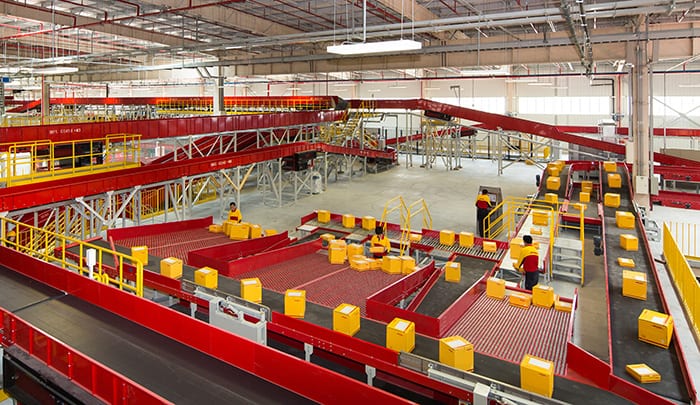
    “E-commerce has gone borderless, and order fulfillment needs to do the same,” said Charles Brewer, CEO of DHL eCommerce. “Our Australian facility adds another node to our standardized global network of fulfillment centres located in the US, Mexico, India, Hong Kong and Central Europe, eliminating the need for e-commerce merchants to hunt for new logistics partners as they look to expand their global reach.”

    According to DHL, the new facility integrates inbound freight, inventory and last-mile delivery into a single consolidated service, operating under the same service level agreements, management platforms and customer support as the rest of the DHL eCommerce fulfillment network. All services will be offered on a pay-per-use basis.

    “Australian shoppers are the second-most likely in the world to buy online from overseas merchants, and the significance of their purchasing power will only increase as cross-border e-commerce grows at an average of 29% per year until 2020,” said Damien Sheehan, managing director of Australia at DHL eCommerce. “Online retailers need to overcome the traditional problems associated with overseas expansion — finding new suppliers in each market, delivering shipments within days not weeks, and keeping costs in check — if they want to stay competitive in this borderless future. The launch of our Australian fulfillment centre gives our customers immediate access to one of the world’s most mature and fastest-growing e-commerce markets, with the scalability and quality needed to reach Australia’s highly savvy online shoppers.”

    Malcolm Monteiro, CEO of Asia Pacific at DHL eCommerce, said that cost-effectiveness and scalability are the most critical issues for online retailers in Australia because the value of the country’s e-commerce sales is expected to grow by almost 50% between now and 2020.

    “Whether it’s extending into new channels, offering more delivery options, or simply increasing inventory and warehouse capacity, global brands need fulfillment solutions that can adapt to their needs without requiring hands-on intervention every time a change occurs,” he said. “Global e-tailers can access our latest fulfillment centre for simplified nationwide inventory and last-mile delivery and also as part of a rapid and painless global expansion.”

  • Hawaiki completes route survey for subsea cable

    Hawaiki completes route survey for subsea cable

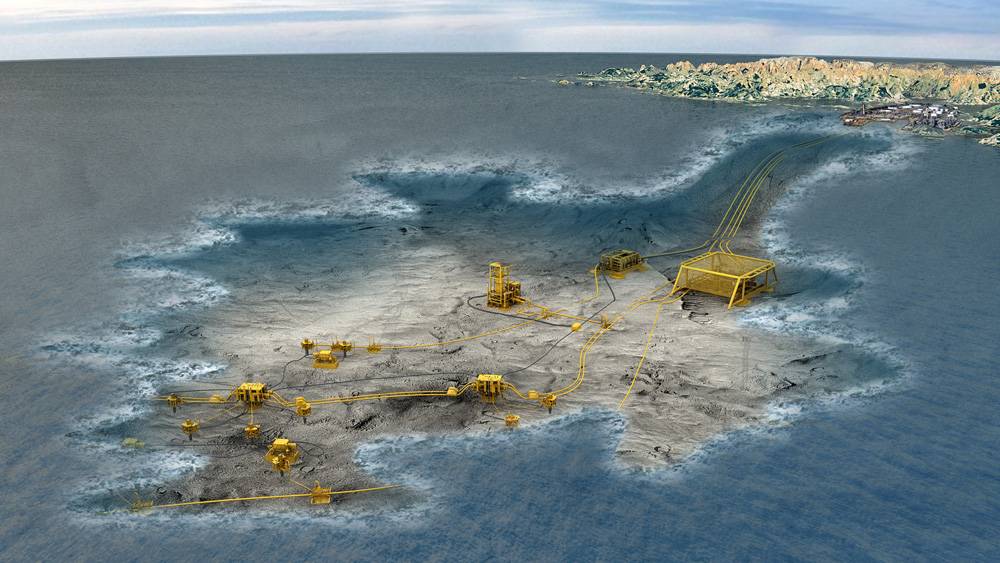
    Hawaki Submarine Cable and TE SubCom have completed the route survey for the 14,000km Hawaiki transpacific cable system linking Australia and New Zealand with mainland US.

    With the successful completion of the survey, the companies remain on track to complete the deployment of the cable in mid-2018.

    Once complete, the carrier-neutral cable system will be the highest cross-sectional capacity link between the US and Australia/New Zealand. It will also link to Hawaii and American Samoa, with options to expand to several other South Pacific islands including New Caledonia, Fiji and Tonga.

    TE SubCom meanwhile continues to manufacture the cable, with more than 4,500km of cable and over 25 repeaters completed.

    “The start of 2017 finds the Hawaiki cable system closer and closer to ready for service,” Hakaiki CEO and co-founder Remi Galasso said.

    “The information garnered from the recently completed deep water route survey will be instrumental in ensuring the long-term viability of the cable system, and we are thrilled with the progress on the cable and repeater manufacturing efforts. Installation will begin later in 2017 and a fully lit system that should positively impact the entire region is soon to follow.”

  • Jessica Hart leads Triumph bra campaign

    Jessica Hart leads Triumph bra campaign

    Australian model/entrepreneur Jessica Hart heads the new global spring/summer campaign for the Triumph bra brand.

    She was shot by British fashion photographer Rankin for the campaign, “Find the One for Every You”, which tells the story of the modern woman’s multifaceted life: athlete, business woman, mother. The concept is to show how Triumph bras support women whatever they do, and to help them “find the one” for every age, shape, size and occasion.

    Hart and supporting models are depicted in various roles, with the campaign playing on real personalities rather than an idealised image. Rankin says the most exciting thing about working on the campaign is that the brand is moving in a different direction.

    “The images are modern, accessible and incredibly confident. We’re really pushing the fact that it’s not just for the ‘perfect’ woman, Triumph is for every woman.”

    Hart says she is excited to be part of change, “representing this playful side of Triumph that speaks to all women”.

    The campaign spotlights the brand’s diverse styles, from the feminine Amourette 300, confidence-enhancing Magic Boost and innovative Triaction.

    Hart has also been a Victoria’s Secret model.

  • McDonald’s Japan stake for sale

    McDonald’s Japan stake for sale

    McDonald’s has reportedly invited bids for a “significant stake”  in its McDonald’s Japan unit.

    The Wall Street Journal has quoted “people familiar with the matter” saying the company is looking for buyers for up to 33 per cent of the shares, from its nearly 50 per cent stake in the listed Japanese company.

    The report said initial bids were due to be lodged this week and that a number of private-equity firms are considering the opportunity.

    Last week McDonald’s released terms of its sale of 80 per cent of its China and Hong Kong business, giving 20-year rights to the brand to state-backed Citic Ltd and private equity company Carlyle Group.

    The beleaguered Japanese business last February reported its first increase in customer numbers in nearly three years after a tumultuous period in which sales plummeted and the store network was heavily rationalised.

    Internal company figures showed footfall at stores open for more than one year rose by more than 10 per cent Japan-wide. Better yet, same-store sales rose by as much as 30 per cent, according to a report by Reuters.

    McDonald’s Holdings Co (Japan) has projected a net profit of about 1 billion yen (US$8.47 million) for the year to December 2016 – which would mark its first time out of the red in three years since a food safety scandal relating to expired chicken hit the brand in 2014. In January 2015 sales plunged 38.6 per cent, customer ranks depleted by 28.5 per cent.

    In April 2015 the company unveiled a plan to cull its restaurant network and revamp remaining stores after a US$319 million loss.

    It also revised its menu, adding salads which has clearly drawn customers back to restaurants.

  • Real Singapore retail sales slide

    Real Singapore retail sales slide

    Real Singapore retail sales fell 2.1 per cent in November in a disappointing month for the sector.

    sg-sales-11

    Month-on-month they slipped 0.3 per cent.

    Sales of motor vehicles helped drive the topline figure to an increase of 0.5 per cent.

    According to Statistics Singapore, total retail sales in November 2016 were estimated at $3.6 billion, similar to that in November 2015.

    Year-on-year, the computer & telecommunications equipment sector was the worst performer, declining 13.5 per cent

    Sales of watches & jewellery, wearing apparel & footwear, furniture & household equipment, supermarkets, food & beverages, department stores, mini-marts & convenience stores and petrol service stations fell between 1.1 per cent and 6 per cent during the period.

    Bucking the trend medical goods & toiletries, recreational goods and optical goods & books, which increased by between 0.3 per cent and 4.4 per cent.

    Food and beverage

    sg-fb-sales-11

    Turnover of restaurants decreased 11.9 per cent in November 2016 compared to November 2015. In contrast, sales of food caterers, fast food outlets and other eating places increased between 5 per cent and 7.5 per cent during the period.

    Sales of restaurants and other eating places (such as cafes) declined 6.4 per cent and 0.5 per cent respectively month-on-month. Conversely, turnover of fast food outlets and food caterers rose 8.1 per cent and 0.2 per cent.

    The total sales value of food & beverage services in November 2016 was estimated at $650 million, $9 million less than in November 2015.

  • James Dyson seeks single-brand stores in India

    James Dyson seeks single-brand stores in India

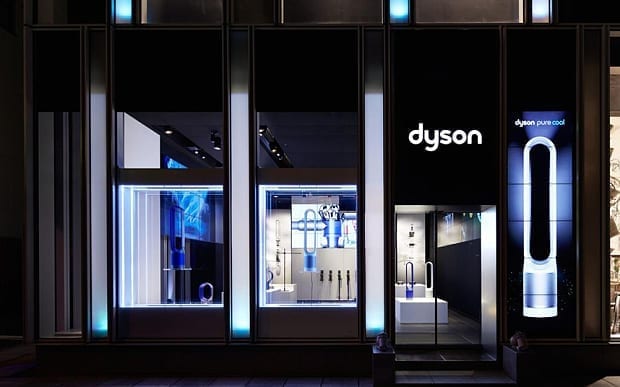
    Appliances innovator Dyson is seeking Indian government approval to open single-brand retail stores.

    But the company faces a challenge is getting the government to relax the mandatory local sourcing requirements, arguing its products as “state-of-the-art”. Such goods are exempted from the usual norms, according to Indian media.

    Dyson

    Dyson revealed plans to enter India last November.

    “We will invest 150 million British Pounds in next three to five years to open stores and set up retail network here,” founder and chief engineer Sir James Dyson said.

    “Our first store would open in the middle of next year, if we are allowed to.”

    Dyson designs, manufactures and sells appliances such as vacuum cleaners, hand dryers, bladeless fans and heaters. It has filed 7500 patents worldwide.