Author: Mei Ling Tan

  • Thai electric car rolls out

    Thai electric car rolls out

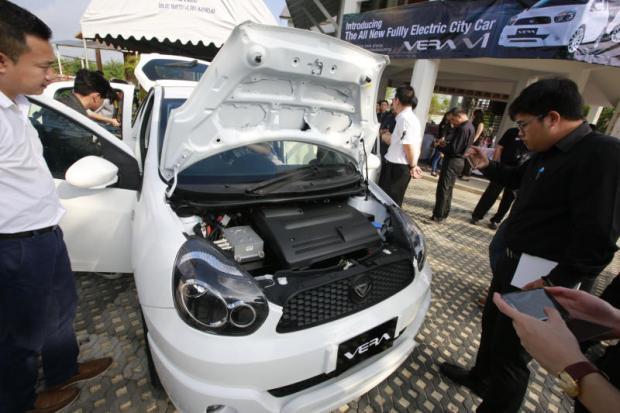
    Thailand’s first electric car brand has made its debut amid scepticism from an industry expert about its commercial viability. Vera Automotive, founded on Oct 7, 2015 by five Thai engineers from King Mongkut’s Institute of Technology Ladkrabang (KMITL), yesterday introduced the Vera V1 battery electric vehicle (BEV), powered with a battery capacity of 22 kilowatts per hour, which can be registered with the Land Transport Department as a passenger car.

    The maximum speed of the Vera V1 is up to 105 kilometres an hour. It can run up to 180km per charge, which takes six hours to complete.

    Co-founder Wanchai Meesiri said all Vera cars are designed by Thai engineers under the Thai brand, but the company has hired the Chinese carmaker Geely Automotive to produce the BEVs. The company imports the cars as completely built-up (CBU) vehicles to Thailand.

    Vera V1 is subject to all related taxes similar to other imported vehicles, including an 80% import duty, a 10% excise tax for all types of electric vehicles, a 10% interior tax and a 7% value-added tax.

    Yossapong Laoonual, chairman of the Electric Vehicle Association of Thailand (Evat), said it’s a good sign for the country to create its own electric vehicles, even if the vehicles are made by foreign firms.

    A retail price below 1 million baht is affordable for Thai customers, he said.

    But Asst Prof Yossapong warned that any startup that is selling electric vehicles has to plan its marketing strategy carefully, as the Thai car market has many dimensions for consumers to consider, including brand, service and trust.

    “Electric vehicles for Thailand remain very new, and they’re unlikely to become popular or proliferate in the short term,” he said. “If you are a new company or brand, the best solution is to sell electric vehicles as a fleet to other agencies, which are easier to provide after-sales services for.”

    Mr Wanchai said the primary purpose for establishing Vera Automotive is to make Thai BEVs for the local market.

    Managing director and co-founder Werachet Khan-ngern said Vera vehicles aim to capture only a niche market.

    He expects to sell about 100 units of Vera this year.

    “We hope in the foreseeable future the government will come up with clearer policies and supporting measures once the number of electric vehicles increases,” Mr Werachet said.

    He said the firm will provide after-sales services at its head office on Ladprakao Road.

  • Malaysia Airlines’ recovery plan on track

    Malaysia Airlines’ recovery plan on track

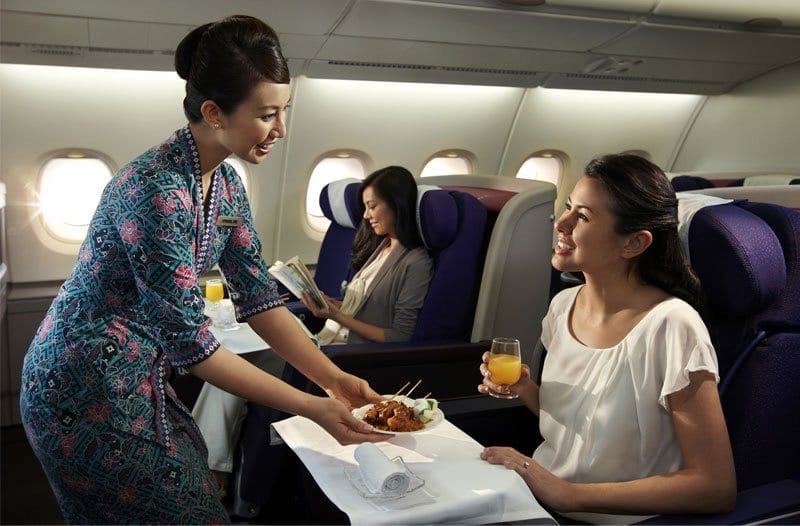
    Malaysia Airlines Bhd (MAB) has performed well in 2016 and the momentum is expected to continue in the year ahead, backed by its 12-point MAS Recovery Plan (MRP), said Khazanah Nasional Bhd.

    Managing director Tan Sri Azman Mokhtar expressed confidence that the five-year recovery plan, after its 28 months of implementation, was on track and on schedule.

    “They (MAB) are making good progress. Insya Allah (God willing), next year or the year after, (even MAB) have come out publicly to say they are on track to break even and be profitable,” he told a press conference on Khazanah’s financial and strategic performance for 2016 and outlook for 2017 in Kuala Lumpur on Friday.

    Khazanah is the sole shareholder of MAB.

    In August 2014, the Government investment arm unveiled its RM6bil MRP in the quest to return MAB to sustained profitability and revive the flag carrier of Malaysia.

    The plan included cutting 30 per cent of its workforce of 20,000 employees and introducing a new restructured entity which is now called MAB.

    On July 1, 2016, MAB appointed its chief operating officer, Peter Bellew, to replace Christoph Mueller as chief executive officer.

    On the ringgit performance throughout 2016, Azman believes that the currency is “clearly undervalued”.

    “Whether (the depreciation rate is) 10%, 8% or 12%, we believe that our ringgit is undervalued,” he said, adding that Khazanah had also undertaken internal research on the currency performance.

  • AirAsia’s group COO dies

    AirAsia’s group COO dies

    AirAsia has confirmed that its Group Chief Operating Officer, Anaz Ahmad Tajuddin, 43,  passed away at 5.50am today after battling cancer.

    In a statement, the budget airline said he would be buried at the Tanah Perkuburan Raudhah, Kota Seriemas, Negri Sembilan, after after Friday prayers at the Masjid Kuarters KLIA.

  • Viettel-led consortium gets Myanmar telecoms license

    Viettel-led consortium gets Myanmar telecoms license

    Myanmar has formally awarded its fourth and final nationwide telecoms license to a joint venture consisting of Vietnamese military-run operator Viettel and local ICT companies.

    The consortium has been awarded a 15-year license to offer nationwide services in a move sure to heat up competition in the burgeoning market.

    The joint venture will be named Myanmar National Tele & Communications, and will compete against existing operators Telenor Myanmar, Ooredoo Myanmar and the joint venture between Myanmar Post and Telecom and Japan’s KDDI.

    Viettel was selected as the foreign partner for the new telecoms consortium in March last year, but the license has only now been allocated.

    Under the terms of the consortium agreement, Viettel will hold a 49% stake, while local companies Myanmar National Telecom Holding Public and Star High Public Company will own 23% and 28% respectively. Viettel has committing to investing around $1.5 billion in Myanmar’s telecoms sector.

    The report cites Myanmar’s Minister for Transport and Communications Thant Sin Maung as stating that the new operator “will help advance telecommunication in townships, rural mountain towns and will contribute to improving transportation, healthcare and education necessary for the people living in rural areas.”

  • Goodman secures five new customers signing at Goodman Pudong Airport Logistics Park

    Goodman secures five new customers signing at Goodman Pudong Airport Logistics Park

    Goodman Group (Goodman or the Group) is pleased to announce that it has secured five new major customer commitments totalling 98,120 sqm at the Goodman Pudong Airport Logistics Park (GPALP). The leasing success achieved reflects the continued robust demand for well located, high quality warehouse and distribution facilities in and around key gateway cities like Shanghai.

    Located next to the Pudong International Airport’s third runway, which is designated for airfreight only, the park is well serviced by strong transportation infrastructure. It comprises two-storey ramped up warehouses with sustainable features such as LED lighting, low-e glass curtain walls and steel structures made out of recycled materials.

    The five customers who have recently committed to GPALP are:

    • China Postal Express & Logistics, China’s leading postal services provider
    • DSV, a Danish transport and logistics service specialist
    • NTS Logistics Management Company, a leading Chinese integrated transportation firm
    • Shi Hao Vehicle Logistics Solutions, a Chinese vehicle logistics company
    • Success Master Consultancy Co. Ltd., an automobile pre-delivery inspection service provider

    Kristoffer Harvey, Chief Executive Officer, Greater China, Goodman said, “The strong demand for space at the Goodman Pudong Airport Logistics Park underscores our commitment to making it the preferred choice for companies wanting to locate in excellent proximity to China’s second busiest airport. We are pleased to welcome so many renowned customers to this facility and to be able to meet their requirements with our modern logistics solutions and high quality customer service.”

    China Postal Express & Logistics, one of the park’s new customers, committed to a total of 19,769 sqm.

    Wang Aiping, General Manager, Shanghai Branch, China Postal Express & Logistics said, “Shanghai Postal Express & Logistics is a modern and integrated state-owned express delivery and logistics company that professionally operates and manages Shanghai’s postal express and logistics services. Our business covers all of China and more than 200 countries overseas. Goodman has a strong reputation in the market due to the high quality of its warehouses, as well as its excellent property management capabilities.

    “We are very honoured to occupy Goodman’s best-in-class facility, which has been built in line with the highest standards. The adequate amount of space provided by the Goodman Pudong Airport Logisitics Park will play a key role in helping Shanghai Postal Express & Logistics improve its management and operational capabilities, boost its efficiency and provide integrated customer services. Meanwhile, Shanghai Postal Express & Logistics will also offer convenient, rapid, safe and reliable express delivery and logistics services to all segments of society.”

  • Bangkok to get 14 new malls as Thailand gets the shopping bug

    Bangkok to get 14 new malls as Thailand gets the shopping bug

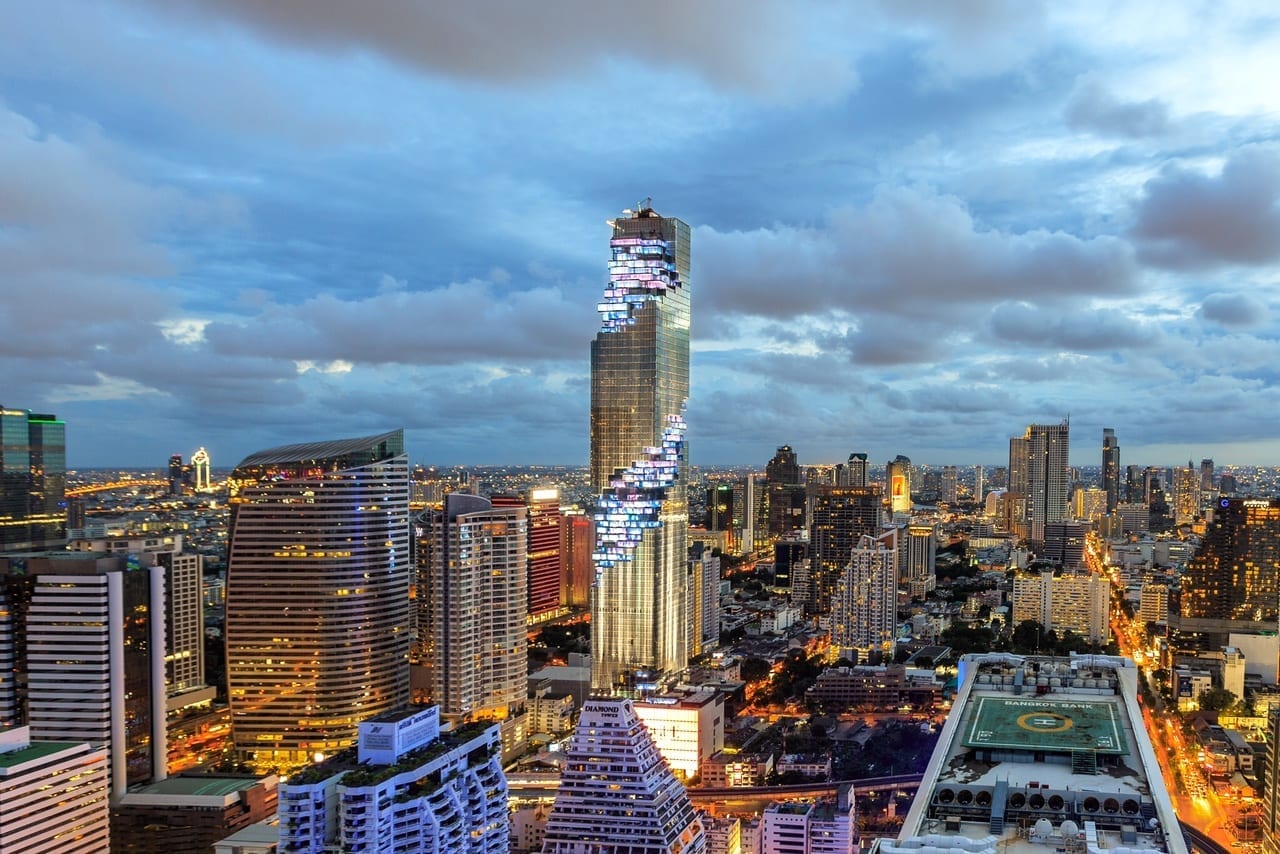
    Retail space, in particular shopping malls, will continue to grow this year, with health, beauty and pharmacy stores becoming the new retail battlefield.

    Fourteen retail projects will open in Bangkok and its suburbs this year, adding a total of 272,800sqm of space, said Mr Surachet Kongcheep, associate director of Colliers International Thailand. Of the total, five are shopping malls totalling about 178,640sqm, seven community malls totalling 51,850sqm, one department store of 36,000sqm, and one retail plaza with 6,310sqm in an office building.

    Colliers said the seven community malls due to open in Bangkok this year are We Retail Nana with 2,100sqm on Sukhumvit Road, ZY Walk Chula Soi 5 (4,500sqm) on Banthadthong Road, Happy Avenue Don Muang (4,053sqm) on Songprapa Road, Canapaya (17,094sqm) on Rama III Road, Landmark Mahachai (5,000sqm) on Rama II Road, Muang Thong City Park (phase 1, 17,000sqm) on Chaeng Watthana Road, and Hyde Sukhumvit (2,100sqm) on Sukhumvit Road. Fewer community malls are opening this year compared to the past few years, following the lacklustre performance of some community malls in the past one to two years.

    The five shopping complexes to open are Iconsiam, a luxury retail project developed by a joint venture between Siam Piwat Co, the operator of Siam Center and Siam Discovery, and Magnolia Quality Development Corp, the real estate developer under Charoen Pokphand Group, on Charoen Nakhon Road with 51,500sqm, Show DC on Rama IX Road, Ikea@CentralWestgate in Nonthaburi’s Bang Yai district, Gaysorn II near Ratchaprasong intersection with 6,000sqm and G Tower with 7,140sqm on Ratchadaphisek Road. Meanwhile, one department store to be opened this year is Iconsiam with 36,000sqm. Pearl Bangkok is a retail plaza on Phahon Yothin Road with 6,311sqm.

    Outside of Bangkok, several retail projects are set to open upcountry this year. Central Pattana Plc plans to open at least three shopping complexes with one each in Samut Sakhon’s Maha Chai district, Nakhon Ratchasima and Phuket. Robinson Department Store Plc plans to develop three new branches this year. Two are lifestyle shopping complexes in Phetchaburi and Kamphaeng Phet provinces, and the location of the third has not been disclosed.

    TSCA president Wallaya Chirathivat said new investment in shopping malls during 2016-17 has declined to 70 billion baht (S$2.83 billion), down from 100 billion over the past four to five years. Retail investment slowed due to economic slowdown at home and abroad.

    Mr Chatrchai Tuongrattanaphan, adviser to the Thai Retailers Association, said he believes consumer purchasing power will gradually improve this year.

    “The health and beauty sector will be the new retail battlefield this year because Thailand is gearing towards an ageing society, and when people earn more, demand for health and beauty products also rises,” he said.

    The local health and beauty business in 2016 is expected to be valued over 280 billion baht. Health and beauty store chains are Boots, Watsons, Tsuruha, Pure and Matsumoto Kiyoshi.

    Siam Makro Plc, the operator of Makro cash-and-carry stores under CP Group, will slow the opening of new stores in Thailand and shift focus to nearby countries instead. Siam Makro recently set up a subsidiary, Makro Ros, to operate its cash-and-carry store operations in Cambodia. The opening of Makro stores in Cambodia will be under a joint venture with a local partner.

    Domestically, Siam Makro will focus on opening Makro Food Service stores to cash in on the continuing growth of the hotel, restaurant and catering business.

    Meanwhile CP All Plc, the operator of 7-Eleven convenience stores, is expected to open some 700 new stores this year, on a par with last year. Mr Chatrchai said he expects Thailand’s retail market — currently worth 3.4 trillion baht — to grow by 3 per cent last year, and growth in 2017 will probably be higher.

  • Russian Railways eyes high-speed Europe-China cargo trains

    Russian Railways eyes high-speed Europe-China cargo trains

    The president of Russian Railways, Oleg Belozerov, proposed a high-speed cargo railway connection between Europe and China, allowing transport of goods to take as little as two days.

    “We plan to reach China via Kazakhstan and to carry special, high-profit cargoes to Europe via Russia, because a ship sails now 60 days, which is a long time. It sails round India and only then arrives to Europe. With a high speed rail transport we will be able to deliver goods in two days, and to earn extra money for our country,” Belozerov told a United Russia party meeting recently according to an Executive Intelligence Review News Service (EIRNS) report.

    Earlier Russian Railways said it was working on developing a cargo train capable of carrying from 300 to 600 tonnes of cargo at speeds up to 300kph.

    The China-Europe cargo line will be part of the Moscow-Kazan high-speed railway, whose construction should begin in 2017, Belozerov said. With a distance of some 770 kilometers, and a speed of of 350-400 kph, the rail route will cut the time between the two cities to as little as 3-3.5 hours; the current time is 14 hours. The line could be commissioned before 2022-2023.

    The US$16.8 billion railway project could later be extended to China, connecting the two countries across Kazakhstan. The Moscow-Beijing railroad will be 7,769 kilometers, with a travel time of 32.8 hours — four times faster than the current 130.4 hours. The average annual passenger traffic is estimated at 195 million people.

    China is committed to providing $6.5 billion as a credit for 20 years and $1.6 billion as a contribution to the charter capital of the special-project company. The German Initiative Consortium (includes Siemens, Deutsche Bank, Deutsche Bahn, and other companies) is ready to allocate €2.7 billion to finance the construction of the high-speed railway line and to attract up to €800 million for the project.

  • Laos teams with Microsoft on digital transformation

    Laos teams with Microsoft on digital transformation

    The government of Laos has teamed up with Microsoft to advance the adoption of emerging technologies for sustainable economic development, with focus on projects with social impact.

    At a Government Solution Day event held in collaboration with the Laos Ministry of Post and Telecommunications (MPT) and attended by key government officials and partners, Microsoft showcased how the government can use technology to digitally transform and support economic development.

    Vivek Puthucode, GM for the public sector for Microsoft Asia-Pacific, said the benefits of the digital economy remain out of reach for many in emerging markets despite the enormous untapped opportunities across various industry sectors.

    “As part of Microsoft’s National Empowerment Plan, our approach is to work closely with governments and public sector agencies to support them in overcoming challenges and building more cloud-enabling environments to accelerate their competitiveness, productivity and modernization of operations through trusted technology,” he said.

    This cloud-based, digital transformation roadmap is especially aimed to enable emerging markets, such as Laos, harness the power of technology to embark on a digital transformation journey, aligned with their national priorities.

    “Embracing trusted technology, particularly the power of emerging ICT, will be key to enabling Laos’ growing economy to take a giant leap forward, propelling our nation into a digital enabled community and economy,” said Dr. Thansamay Kommasith, minister of post and telecommunications of Lao PDR.

    “Government Solution Day affirms our vision to drive inclusive growth, a smart government, and transform the way both public and private sectors operate – not only by ensuring accessibility of tools, but also by establishing the right processes and building the digital skills of our citizens,” he added.

    Besides having access to the right tools, people must also know how to use them, according to Michelle Simmons, Microsoft APAC’s GM for new markets in Southeast Asia.

    “Looking ahead, what will be critical for Laos to thrive is digital literacy. We are working with the government to not only deliver educational programs, but also to support the educators themselves with the right resources to impart science, technology, engineering, and mathematics (STEM) skills to local youth, preparing them for jobs of the future,” she said.

    Microsoft had previously inked a memorandum of understanding (MoU) with the Ministry of Education and Sport in Laos to develop a holistic plan to leverage technology for education, covering a range of programs that will support the development of 21st century skills and employability of students.

  • Hong Kong Fashion Week for Fall/Winter Kicks Off Today

    Hong Kong Fashion Week for Fall/Winter Kicks Off Today

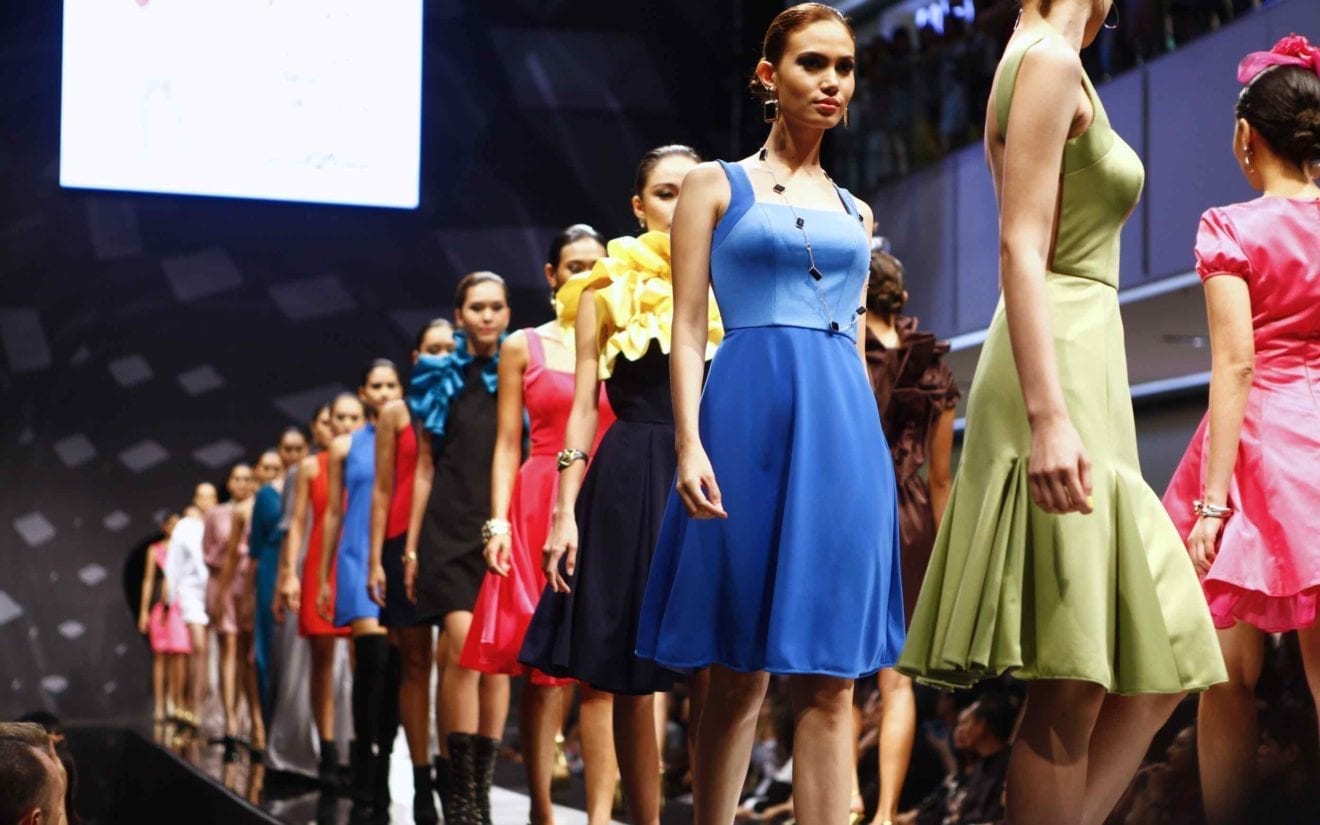
    The 48th Hong Kong Fashion Week for Fall/Winter, a superb fashion sourcing platform in Asia, opened today at the Hong Kong Convention and Exhibition Centre. The four-day show (16 to 19 January), organised by the Hong Kong Trade Development Council (HKTDC), features more than 1,500 exhibitors from 21 countries and regions, showcasing the latest fashion designs, garment, accessories, fabrics and sewing supplies.

    Under the theme “Hall of Games”, this year’s Fashion Week for Fall/Winter incorporates board game elements throughout the fairground to enhance the ambience.

    With healthy living becoming a priority among consumers, the demand for sportswear and fitness clothing is on the rise. To help buyers identify relevant products and suppliers, the HKTDC has added two new zones to this year’s show: Fashionable Sportswear and Denim & Casual Wear. The former showcases the hottest styles for various sports activities, including fitness and yoga while the latter focuses on trendy designs for a relaxed lifestyle.

    There are five pavilions at the fair from India, Indonesia, Japan, Macau and Pakistan. Companies from Italy, Sweden and Pakistan are fair debutants this year, bringing along names such as Italian brand Salto, displaying its eco-leather silver pleated skirt; Swedish company Yves Lansac, showcasing its colourful and fashionable watch and handbag collections; and Pakistani exhibitor Umar Garments Printing, introducing its automated screen printing technology that allows high flexibility and accuracy for producing simple to complex designs with advanced inks.

    Other product zones at the fair are: Cashmere, Wool and Thermal Clothing, Fabrics & Yarn and Men in Style. In addition, Emporium de Mode presents exquisite and distinctive brands, while the International Fashion Designers’ Showcase features collections from scintillating designers such as Mim Mak, Jean Du Che and Mountain Yam.

    As a global fashion sourcing hub in Asia, Hong Kong is a hotspot for many international trading houses and premier retailers. The annual Hong Kong Fashion Week for Fall/Winter is an important platform for buyers to discover the latest fashion products and accessories. To create more business opportunities for exhibitors, the HKTDC has arranged 90 buying missions from 43 countries and regions bringing more than 3,770 companies to the show. Among the participants are representatives of famous fashion labels, mega chain stores and distributors from both traditional and emerging markets, including Spain’s Beni Room, Japan’s H.P. France, Thailand’s Jaspal and the Chinese mainland’s The Fashion Door.

    Fashion shows showcasing creativity

    More than 20 fashion events are taking place during the four-day Hong Kong Fashion Week for Fall/Winter. In addition to trend forecasting seminars, thematic forums and networking receptions, a total of 10 fashion shows including designers’ collection and brand collection shows are being staged.

    Hong Kong Fashion Week has long been a launchpad for up-and-coming local young designers. To spotlight Hong Kong’s design talent, local fashion website FASHIONALLY presented two fashion shows today featuring the collections of 14 fashion labels by emerging local designers. Participants included established names as well as first-time participants, including Jane Ng, Yeung Chin, Kenson Tam, Winnie Chen and Key Chow.

    FASHIONALLY COLLECTION #8 featured chic womenswear for Fall/Winter 2017. It was a display of contemporary reinterpretations of feminine aesthetics. The design units that took part in the show were 112 mountainyam (Designer: Mountain Yam), FromClothingOf (Designer: Shirley Wong), phenotypsetter (Designer: Jane Ng), KEVIN HO, Lapeewee (Designer: Yannes Wong), Blind by JW (Designers: Walter Kong and Jessica Lau) and HANG (Designer: Mim Mak).

    FASHIONALLY COLLECTION #9 presented avant-garde designs for Fall/Winter 2017 that challenge the status quo for designs for both men and women. Participating brands included MODEMENT (Designer: Aries Sin), YEUNG CHIN, KENSON (Designer: Kenson Tam), SHERMAN KWAN, DEMO (Designer: Derek Chan), Winnie Witt (Designer: Winnie Chen) and Ka Wa Key (Designer: Key Chow).

    Tomorrow, local collections will be featured at the Brand Collections’ Show, including those from Ika Butoni and Artistic Palace, a house brand of Chinese Arts & Crafts. Renowned for their traditional workmanship, Chinese Arts & Crafts will display their exquisite cheongsam, traditional Chinese clothing and high-end bespoke collections.

    The Designers’ Collection Show will be held on 18 January. It will showcase the latest collections of such brands as Ophee’s (by Hong Kong designer Agnes Wong), ENGELEENA (by New Zealand designer Engeleena Padyachi), Vanilla Gate-Gala (from Thailand) and Bernadette Chan (Hong Kong designer brand).

    An ideal platform for exchange and collaboration

    To help industry players exchange and obtain market intelligence, the HKTDC has invited industry experts to share their insights and ideas on the latest trends and topics at a series of events, including trend forecasting seminars, thematic forums and networking receptions.

    Leading international fashion forecaster Fashion Snoops shared their forecast and analysis on “The Key Trend Stories for Men’s and Women’s Wear for S/S 2018”. Tomorrow, the HKTDC and The Hong Kong Research Institute of Textiles and Apparel (HKRITA) will host a seminar on “Knitting Tech – From Materials to Finishing”. On Wednesday, Asian e-tailer giant Zalora will explore the latest business opportunities of Omni-Channel Retailing, while The Woolmark Company, an authority in the wool industry, will host the “The Wool Lab S/S 18” seminar to discuss the leading trends for Spring/Summer 2018 and introduce purchasing guides to the best wool fabrics and yarns.

    This evening’s networking reception also provides an opportunity for industry players to expand their networks and explore collaboration opportunities.

  • Improving outlook for online shopping

    Improving outlook for online shopping

    More shoppers seen migrating to virtual stores as economy slows down

    AS consumers hold on tighter to their wallets and purses amid a slowing economy, online shopping is expected to be more prominent in the Malaysian retail scene with more brick-and-mortar retailers offering online shopping facilities to customers.

    As in many other countries around the world, the trend of online shopping is gaining a sizeable market share in the Malaysian retail space, according to leading retail consulting firm Retail Group Malaysia (RGM).

    Commenting on this trend for 2017, its managing director Tan Hai Hsin said that although this trend is fast catching up in the country, it is not expected to replace physical stores anytime soon.

    “Malaysians are active in online shopping.

    “But the transaction amount is still low compared to the entire retail industry.

    “Online retail sales only account for less than 2% of total retail sales in Malaysia.

    “Services like telecom services, banking services, movie tickets, government services, etc account for the largest portion of online shopping.

    “More and more brick-and-mortar retailers in Malaysia offer online shopping facilities.

    “This trend covers almost all retail sectors – international luxury brands, clothes, fashion accessories, gifts, toys and books, etc.

    “At the same time, more online retailers in Malaysia are setting up physical stores. Zalora.com.my has a permanent (shop) at Mitsui Outlet Park,” he adds.

    The popular Christy Ng Shoes has set up a showroom in Damansara Utama.

    Popular Facebook Fatbaby has also set up an ice cream parlour in Subang Jaya.

    F Block and Aurora are two good examples of retailers offering both physical stores and online shopping sites at the same time, Tan notes.

    RGM provides retail research and shopping centre consultancy services to retailers, shopping centre developers and shopping centre managers in Malaysia as well as in the region.

    RGM is projecting a 5% growth rate in retail sales this year and has revised downwards the growth rate from 3.5% to 3% for last year or to RM 99.1bil in retail sales value.

    This year will remain a challenging year for Malaysian retailers as significant recovery will only be expected during the second half of 2017, according to the firm.

    As the economy is not expected to recover strongly in the immediate term, Malaysian consumers are expected to hold back on their spending during the first half of this year.

    The continued weakening of the ringgit will impact the costs of retail goods, RGM says, adding that retailers may be forced to raise prices again during the first six months of this year.

    Meanwhile, Malaysia Retail Chain Association (MRCA) president Datuk Garry Chua agrees e-commerce will be the trend to watch out for in the retail space with the government’s initiative to diversify the country’s economy in the e-commerce domain via the setting up of the Digital Free Trade Zone.

    This will help the retail industry in Malaysia to grow and towards this end, he adds MRCA has formed a committee to work closely with the Government pertaining to the Digital Free Trade Zone.

    Alibaba founder Jack Ma has been appointed as the digital economy adviser to the Government for this initiative.

    MRCA is forecasting retail sales growth to improve this year at 5% to 6% compared with about 4% growth for 2016.

    Chua says the higher growth rate in retail sales for this year can be partly attributed to arrival of tourists, especially from China.

    “This year about one million Chinese tourists are expected to arrive in Malaysia which is a boon to the retail industry.

    “Each trip to the country, RM3,500 to RM4,000 will be spent by each individual during shopping. This will lift retail sales amid some challenges in the retail arena,’’ he says.

    Chua says one of the major challenges which may impact the growth of the retail sector is the requirement for employers to pay the levies of their foreign workers under the newly introduced Employer Mandatory Commitment.

    He feels the government should do away with the payment of the levy as it will affect the cost of production and pricing.

    Another challenge for the sector is the escalation of rental rates in prime areas which has put pressure on retailers operational costs, he notes.

    Tan reckons the retail sales performance in 2017 will have a direct impact on the occupancy rates of shopping centres. Many shopping centre owners have introduced rental rebates or reduce rental rates in order to retain existing tenants, he says.

    “Shopping centres that suffered from low occupancy rates in 2016 will still face the same challenges this year. In addition, many new shopping centres will still face difficulty to secure new tenants to take up their retail shops if the purchasing power of Malaysians do not improve by the second half of this year. Numerous shopping centres in Klang Valley scheduled for opening last year have been delayed to this year,” he says.

  • House of Fraser sales plummet under Chinese owner

    House of Fraser sales plummet under Chinese owner

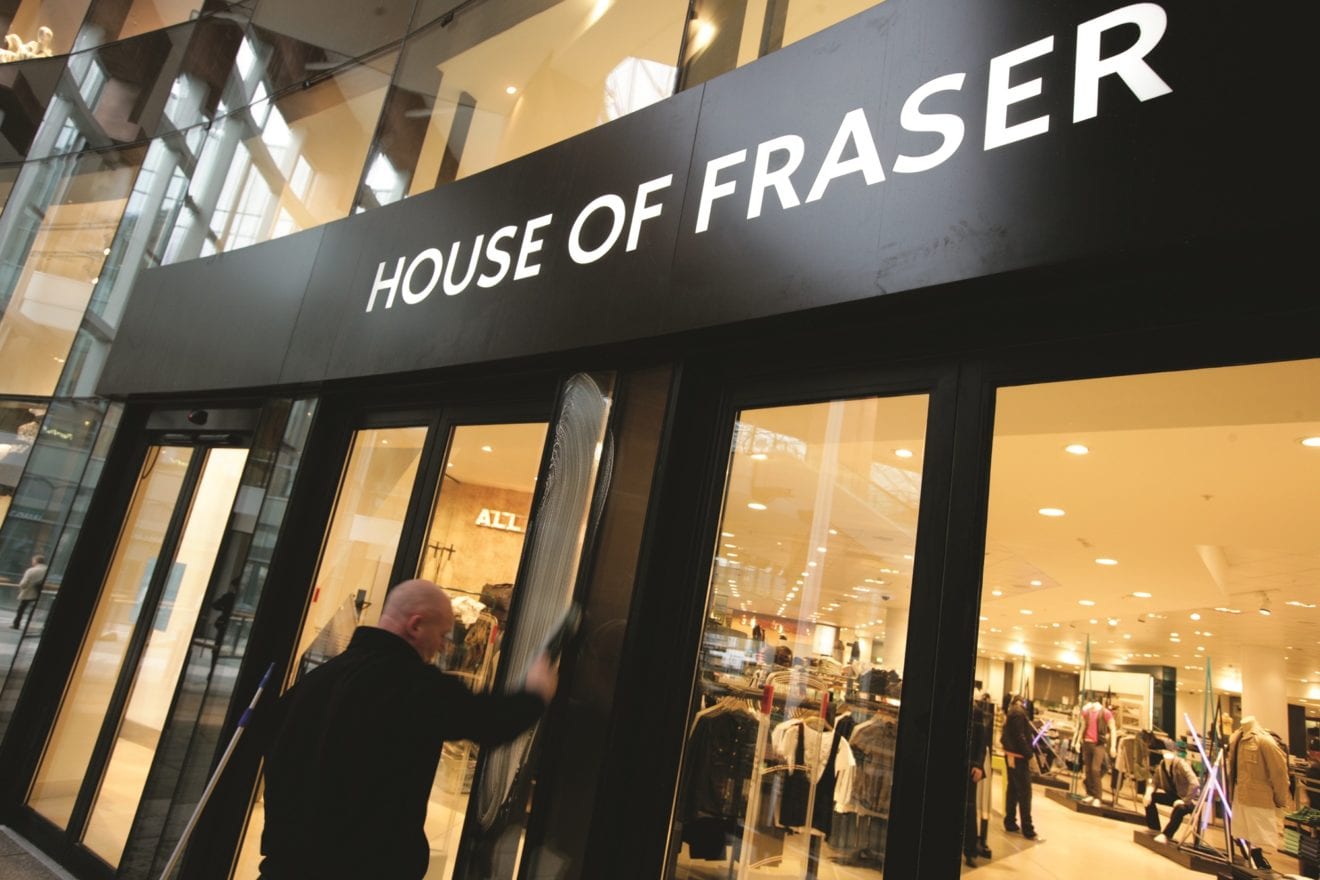
    The global ambitions of House of Fraser’s new Chinese owners have fallen flat, management is disgruntled and profits have dived nearly 50 per cent in the first half year.

    That’s the analysis of Verdict Retail senior analyst Emily Stella, who says the department store’s fate is “being closely watched”.

    Unseasonable weather and consumer uncertainty were factors in the decline, she adds.

    But the news is not all bad.

    “House of Fraser has reported a positive set of results for the Christmas period: the beauty category performed particularly well, with an increase in gifting and the onset of party season. [In the UK] House of Fraser’s Black Friday results were also commendable, with sales rising 2.7 per cent on last year – driven primarily by strong online demand, which represented 41 per cent of total sales across the week-long event.”

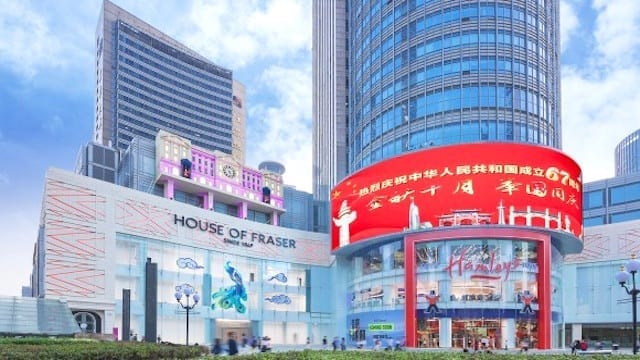
    After repeated postponements, House of Fraser opened its first standalone store in China in Sanpower Plaza in Nanjing in December.  The company is owned by Chinese conglomerate Sanpower Group, whose affiliate C.banner International owns British toy giant Hamleys, which has opened a store in the same centre.

    House of Fraser chairman Frank Slevin said at the opening that the chain will look to benefit from the strong demand by Chinese consumers for UK brands.

    Meanwhile, Stella says the retailer has rightly invested in refurbishing its existing UK stores.

    “These stores have been the retailer’s top performers over the Christmas weeks and supported like-for-like sales growth. Continued investment in its online platform and store estate, as well as offering consumers a broad range of brands will be critical as the retailer faces tougher market conditions in 2017.”

    The true performance of House of Fraser over Christmas will be able to be assessed when rivals M&S, Debenhams and John Lewis reveal their results tonight, providing a benchmark for all.

  • Sharetea bubble tea arrives in Vietnam

    Sharetea bubble tea arrives in Vietnam

    Taiwanese bubble-tea brand Sharetea has launched into Vietnam with a store on the walking street of Nguyen Hue in central Ho Chi Minh City.

    Sharetea has more than 450 stores in more than 18 countries. Its drinks are made from tea leaves and ingredients shipped directly from Taiwan.

    It says its customers’ favourite drinks include coffee milk tea, kiwifruit tea, whole-lemon green tea and pearl black milk tea.

    Vietnam’s bubble-tea market has yet to reach its potential, say business owners in the sector. Sharetea is competing with other overseas brands like Chatime, Gong Cha and Koi.

  • Fast retailing bright faith

    Fast retailing bright faith

    Both consolidated revenue and profit rose for apparel retailer Fast Retailing Group in the first quarter of its latest fiscal year – the three months to November 30.

    Consolidated revenue rose 1.6 per cent year-on-year to reach ¥528.8 billion (U$4.6 billion), while profit soared 16.7 per cent to reach ¥88.5 billion.

    The gross profit margin held steady as the company continued its group-wide cost-cutting drive initiated in fiscal 2016.

    With the group recording a foreign exchange gain of ¥15.6 billion, the consolidated profit rose considerably in the quarter, with profit before taxes increasing by 34.2 per cent to ¥104.2 billion, and profit attributable to the owners of the parent expanding by 45.1 per cent to ¥69.6 billion.

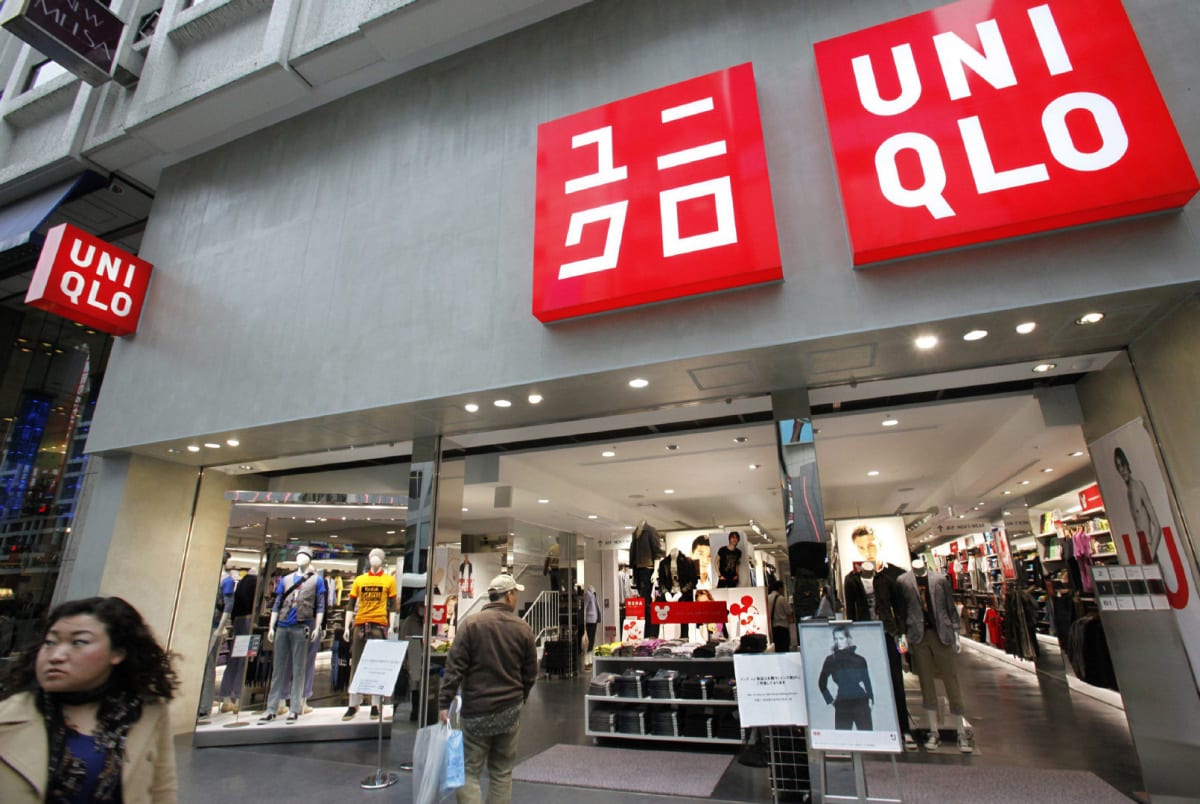
    Breaking down the first-quarter performance into the three individual business segments, Uniqlo Japan increased both revenue and profit, Uniqlo International had a fall in revenue but a rise in profit, and Global Brands had a rise in revenue but a fall in profit.

    With its medium-term vision to become the world’s No. 1 apparel digital retailer, the group is focussing its efforts on expanding Uniqlo International and its low-priced GU casual-fashion brand.

    It is continuing to grow Uniqlo store numbers in each country where it has a presence, opening global flagship stores and large-format stores in major cities. It is also expanding GU, which has grown into a second-pillar brand for the group. It has opened more GU stores within Japan and has been accelerating the brand’s development and store numbers in overseas markets.

    “Another medium-term goal is to revolutionise our entire supply chain, spanning all procedures from planning to design, raw materials procurement, manufacturing and retail into a new supply chain system that can fully satisfy the needs of today’s digital era.

    “The customer-centric, information-driven supply chain is designed to support a comprehensive new digital retailing business model for the Fast Retailing Group.”

    Next month, the group will move all Uniqlo product-related and commercial activities to its central Ariake headquarters.

    Uniqlo Japan

    For the quarter, Uniqlo Japan increased revenue 3.4 per cent to ¥238.8 billion, and profit by 1.8 per cent to ¥45.6 billion. Same-store and online sales grew 2.5 per cent.

    During the period, the number of stores was reduced by six to 800 (excluding 41 franchise stores) at the end of November. Three stores shifted from being directly run to become employee franchise stores.

    Same-store sales declined in September and October because of unseasonal warm weather affecting demand for fall/winter items. Once temperatures dropped in November, same-store sales picked up.

    Uniqlo International

    Revenue eased 0.2 per cent to ¥196.5 billion for Uniqlo International, but there was a 44.6 per cent rise in profit. The fall in revenue was mainly because of the effect of the stronger yen, which pushed down yen-based sales by an average 16 per cent. However, in terms of local currencies, sales rose overall.
    Profit contributions from Uniqlo Greater China and Uniqlo Southeast Asia and Oceania were especially strong.

    Fifteen years after the first Uniqlo store outside Japan opened, the international network surpassed 1000 outlets, settling at 1009 stores at the end of November, an increase of 145.

    Global Brands

    For Global Brands, revenue rose 1.1 per cent to ¥92.7 billion while profit dropped by 22.7 per cent to ¥9.5 billion. The GU casual fashion brand grew revenue but had a profit fall after unseasonal warm weather. GU same-store sales expanded only marginally over the quarter as a whole.

    The group’s Princesse Tam.tam label in France and its J Brand premium denim label in the US continued to lose money, while fashion brands Comptoir des Cotonniers and Theory had steady profits. 

    Humanitarian aid

    In October, Fast Retailing Group decided to donate US$1 million to humanitarian aid efforts in south Sudan.

    In its “All-Product Recycling” initiative, the group delivers clothing collected at Uniqlo and GU stores to refugees and displaced persons, and in November head-office employees visited Myanmar to donate about 60,000 items of clothing. The beneficiaries were internally displaced persons in the Kachin and Rakhine states.

  • Movie company VShine Brothers opens oyster bar

    Movie company VShine Brothers opens oyster bar

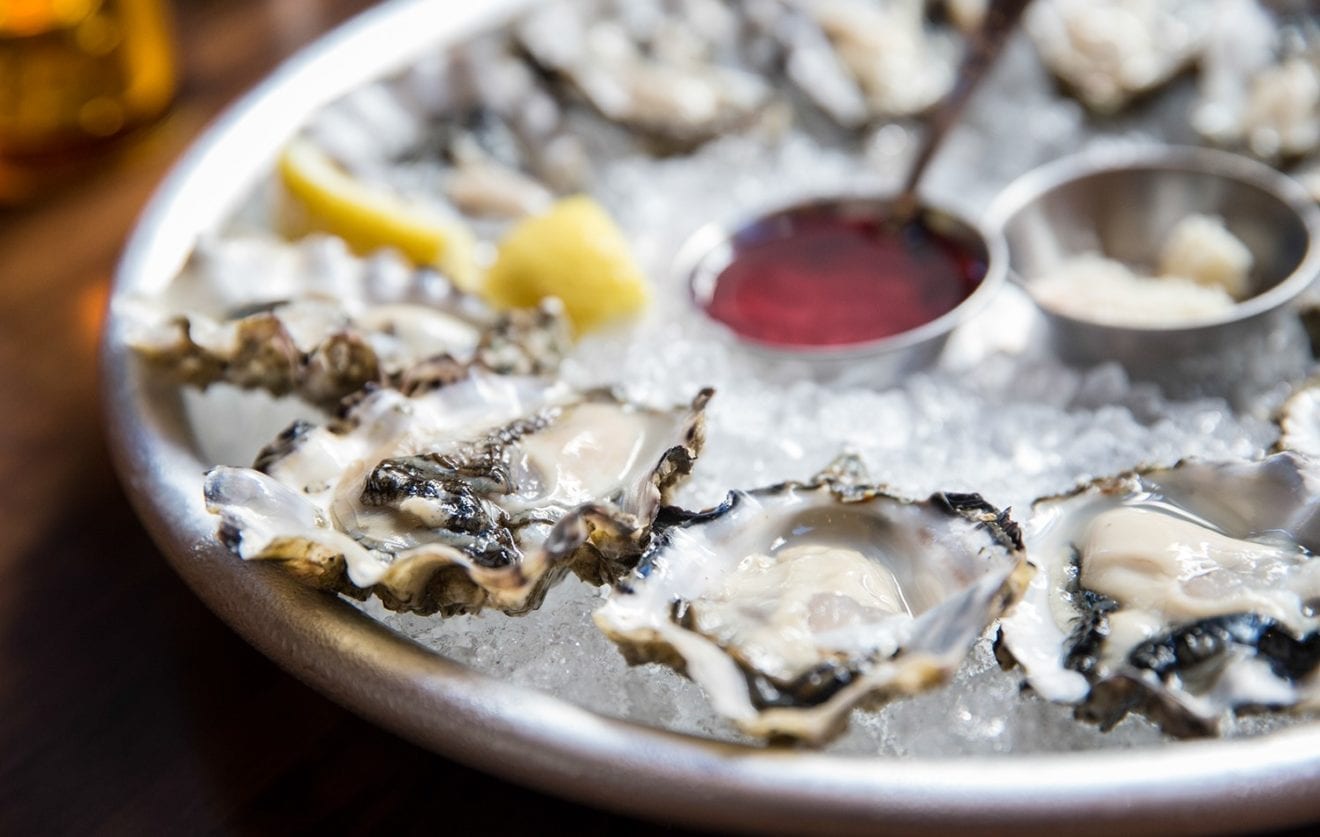
    Movie investment and production company VShine Brothers has opened an oyster bar in Beijing.

    Its VShine Oyster Bar features interior design by A+A Workshop Design, Beijing, inspired by a marine concept.

    A+A Workshop Design says the aim was to create “historical charm” from the 1930s-1940s era. “We use some marine elements such as a cruiseship door, a scuttle, reef stone … the materials used include brass, brick wall, walnut timber wall panels and ceramic tiles.”

    The floor combines marble mosaic and wood, while the ceiling is made of vintage tin-tiles.

    There is a sculptural installation at the entrance – a fake reef stone made of concrete studded with oyster shells.

    At the end of a corridor is a hidden door, which leads to a cigar room with industrial pendant lighting and a vintage Chesterfield sofa as decoration.

    Another touch is glass display cabinets with items including a full suit of armour.

    VShine Brothers was established as Wei Shi Brothers in 2011 and is now a group of companies working in the movie, television and internet sectors. It even has a clothing brand with movie star endorsements.

  • Jennifer Lopez’s footwear steps out with Giuseppe Zanotti

    Jennifer Lopez’s footwear steps out with Giuseppe Zanotti

    Jennifer Lopez’s footwear collection debut with Italian designer Giuseppe Zanotti, christened #GiuseppexJennifer, will hit the brand’s website and US stores on January 23.

    Comprising six designs, the collection channels the singer/actress’s flashy personal style, reports CPP-luxury.com. The star piece looks set to be a pair of lace-up, bejewelled stiletto boots in metallic silver, echoed by a pair of gladiator sandals.

    jennifer-lopezs-footwear-giuseppe-zanotti

    Photos released by the star in July, when the collaboration was announced, showed Lopez trying on a pair of knee-high snakeskin-heeled sandals.

    The project marks Zanotti’s first major celebrity collaboration, and it is also Lopez’s first high-end fashion series following a long-standing partnership with budget retailer Kohl’s, which featured her first collection in 2011.

    Meanwhile, the star is busy this year with a music collaboration with rapper Drake, a Spanish-language album, her Las Vegas residency show All I Have running through October and the second season of her TV show Shades of Blue premiering on NBC in March.