Author: Mei Ling Tan

  • Trump’s Indonesian Business Partner to Attend Inauguration

    Trump’s Indonesian Business Partner to Attend Inauguration

    The Indonesian business partner of President-elect Donald Trump will be attending next week’s inauguration and also plans business meetings with Trump family members, his spokesman said Friday.

    Trump’s ties to Hary Tanoesoedibjo are among the many conflicts of interest he could face as the 45th U.S. president. The property billionaire’s presidency is shaping up to have unprecedented potential to muddy U.S. national interests with his personal business interests.

    Tanoesoedibjo, usually known as Tanoe, is the founder of media and real estate conglomerate MNC Group and also has political aspirations in Indonesia.

    The ethnic Chinese and Christian businessman has founded a political party and has said he wants to be president, though that is unlikely in Muslim-majority Indonesia because of historical antipathy to its tiny Chinese minority and the country’s current climate of rising religious intolerance.

    MNC’s corporate secretary Arya Sinulingga said that Tanoe and his wife were invited to the Jan. 20 inauguration and before that will have business meetings including with Trump’s two oldest sons.

    “He will meet his business partners ahead of the inauguration to bolster some business deals,” Sinulingga said.

    Tanoe’s company plans to start building two resorts in Indonesia this year that Trump’s business is associated with through management and licensing deals.

    A planned “six star” luxury resort on the tourist island of Bali would be the first hotel in Asia under the Trump Hotel brand. The second planned resort is in West Java’s Sukabumi, about 100 kilometers (62 miles) southwest of the capital Jakarta.
  • Thai NBTC to relax per-second 4G billing condition

    Thai NBTC to relax per-second 4G billing condition

    Thailand’s telecoms regulator has relaxed an earlier directive requiring per-second billing for 4G services to only require operators to bill half of a service on a per-second basis.

    The National Broadcasting and Telecommunications Commission’s (NBTC) telecoms committee has decided to change the directive to no longer require operators to charge entirely on a per-second basis.

    Although the initial per-second requirement was introduced May last year, the NBTC has yet to enforce it because it has proven unpopular with affected operators.

    Operators have been resisting the move to per-second billing on the grounds that it would unfairly penalize customers that have signed up to fixed allocation or unlimited call or data plans, stating that charging per second would cost heavy usage customers more than the bucket plans.

    The NBTC requirements would cap 4G tariff rates at 1.13 satang ($0.0003) per second. The requirements were a condition of the 4G mobile broadband licenses issued to AIS and TrueMove last year. Second-ranked Dtac is not required to comply.

    AIS has reportedly warned that the company would have to abolish their existing tariff plans if the directive is enforced, while True Move is appealing the directive in court.

  • Central province boosts tourism

    Central province boosts tourism

    The central province of Thừa Thiên-Huế expects to see a surge of investment in tourism this year in light of interest expressed by investors last year.

    Lê Văn Thu, director of the investment promotion and support centre of Thừa Thiên-Huế, said the province will conduct  more investment promotion to attract investors in 2017.

    In 2015, the province granted only nine Foreign Direct Investment (FDI) projects for a total of $451 million. In all, the province attracted 88 foreign direct investment projects with total investment capital of US$2.1 billion from 2000 to 2016.

    Thu said the PSH Group from Spain is eyeing development of a resort in Vinh Thanh with a registered capital of $145 million, while the BRG Group has approached authorities with plans to develop a resort and golf course complex in Vinh Thanh-Vinh Xuân with an investment of VNĐ2 trillion ($88.5 million).

    Bitexco also plans to invest VNĐ545 billion ($24.1 million) in the hot-spring resort in Mỹ An.

    According to the centre, Bitexco Group was granted an investment license for an eco-resort and an urban project in Lập An lagoon with a registered capital of VNĐ3.3 trillion ($146 million).

    The My Way Hospitality company also plans to invest in Bạch Mã resort with an estimated investment of VNĐ1.5 trillion ($66.4 million).

    Thu said the province is seeking investment in high-tech, tourism, logistics, health care and high-tech agriculture, offering competitive labour and land costs.

    Several financial incentives have been provided to attract investors, such as tax exemptions for the first four years of operation, a 50-per cent tax reduction for the next nine years, and a 50-per cent tax rate reduction for high-income employees, according to Thu.

    He said one of the largest planned tourism projects is a $875-million complex being financed by the Banyan Tree Group of Singapore.

    The Huế City area has 128km of coast and 22,000ha of lagoon for tourism development in connection with UNESCO-recognised world heritage sites in the central region.

    The province has developed six industrial zones to attract garment, industry, food processing and mining, projects and create nearly 14,000 jobs.

  • Household consumption key to achieving economic growth in 2018

    Household consumption key to achieving economic growth in 2018

    The head of Indonesias National Development Planning Agency (Bappenas), Bambang Brodjonegoro, has said household consumption and inflation will be the key to achieving higher economic growth in 2018.

    “To ensure consistent growth, the best recipe is to maintain the rise in household consumption, while keeping the growth at five percent or more,” Bambang said as he provided directives at a Bappenas consultation gathering in Jakarta on Friday.

    According to Bambang, household consumption will rise only when consumers have confidence about economic outlook and spend money.

    Bamang stressed that the central and regional governments should be able to ensure a perception of a normally-running economy so that people are willing to spend money.

    “If people spend money (to shop), it means household consumption is increasing, which boosts economic growth. When people shop, retail trade increases, large trade also rises, and the economy registers growth,” explained Bambang.

    Meanwhile, inflation itself should be kept as low as possible. According to Bambang, controlling inflation was the most effective way of maintaining purchasing power.

    If inflation is allowed to erode purchasing power, he added, the growth in household consumption will also be affected.

    When it comes to inflation itself, three factors can have an impact. These are a rise in food prices, change in government-set (administered) prices and core inflation. As far as core inflation is concerned, it is the task of Bank Indonesia to control the availability and demand for money. The administered price falls under the central governments authority.

    Bambang reminded that at times, two aspects can be controlled but food prices can become volatile. As a result, inflation seems higher than it should be.

    “This becomes a matter of concern in the region. Of course, there are no specific instances in the region about dealing with inflation, and response should be coordinated. But it needs to be consistently ensured that inflation should be kept as low as possible by maintaining food price stability and meet the peoples food needs,” Bambang concluded.

  • Internet in Việt Nam expected to be slow until Tết

    Internet in Việt Nam expected to be slow until Tết

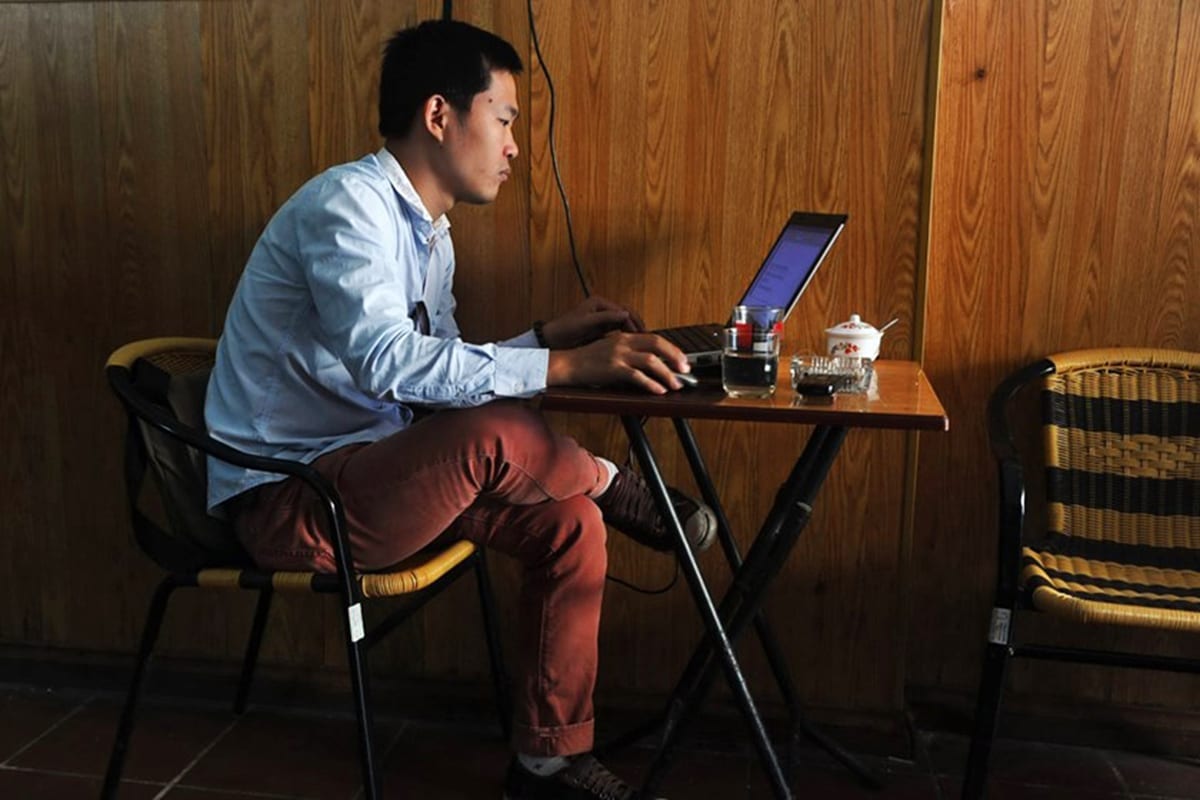
    Internet connectivity in Việt Nam will remain slow for the next two weeks. The Asia-America Gateway (AAG) submarine cable broke once again on Sunday, causing bandwidth loss from Việt Nam to Hong Kong, Singapore and the US.

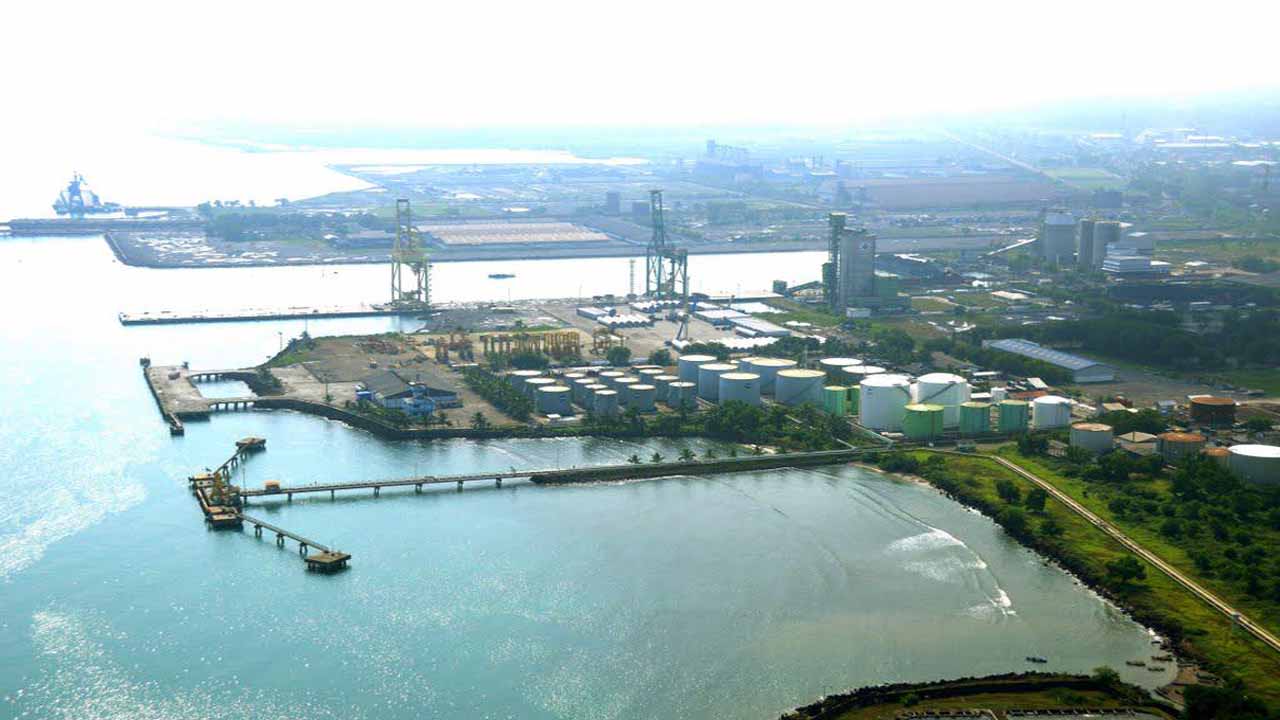
    The line that snapped on Sunday was 98 kilometres off the coast of southern Bà Rịa-Vũng Tàu Province.

    The repair ship will not be able to access the waters where the damaged cable is located till January 23, VietnamPlus reports.

    Welding is expected to start on January 25 and last until January 28.

    The cable will be buried and the connection will recover by January 29. However, the repairs may last longer if the weather is bad.

    In 2016, the 20,000km-long AAG cable was disrupted four times and maintenance work had to be undertaken in March, June, August and September.

    The AAG, one of the four intercontinental internet cable systems of Việt Nam and the largest, is used by major local providers, namely, FPT Telecom, VNPT, Viettel and SPT.

    The AAG cable came into use in November 2009, directly connecting Southeast Asia and the United States. It also links Southeast Asia with Europe, Australia and Africa.

    Previously, the Intra Asia cable system snapped and the damage was spotted near Hong Kong on Tuesday. However, the issue was resolved the same day.

    However, the system faced trouble again on Wednesday causing discontinuation in connection from Việt Nam to Hong Kong, Singapore and the US, affecting Internet speed in Việt Nam.

    Network providers will expand transmission channels to ensure connectivity this year. The Asia-Pacific Gateway undersea cable system is expected to help double the country’s internet traffic to other countries.

    The Asia Africa Euro 1, connecting Asian countries to Europe and Africa, is also under construction and is expected to become operational this year.


  • DHL named Dell EMC 2016 Best Global Innovative Partner

    DHL named Dell EMC 2016 Best Global Innovative Partner

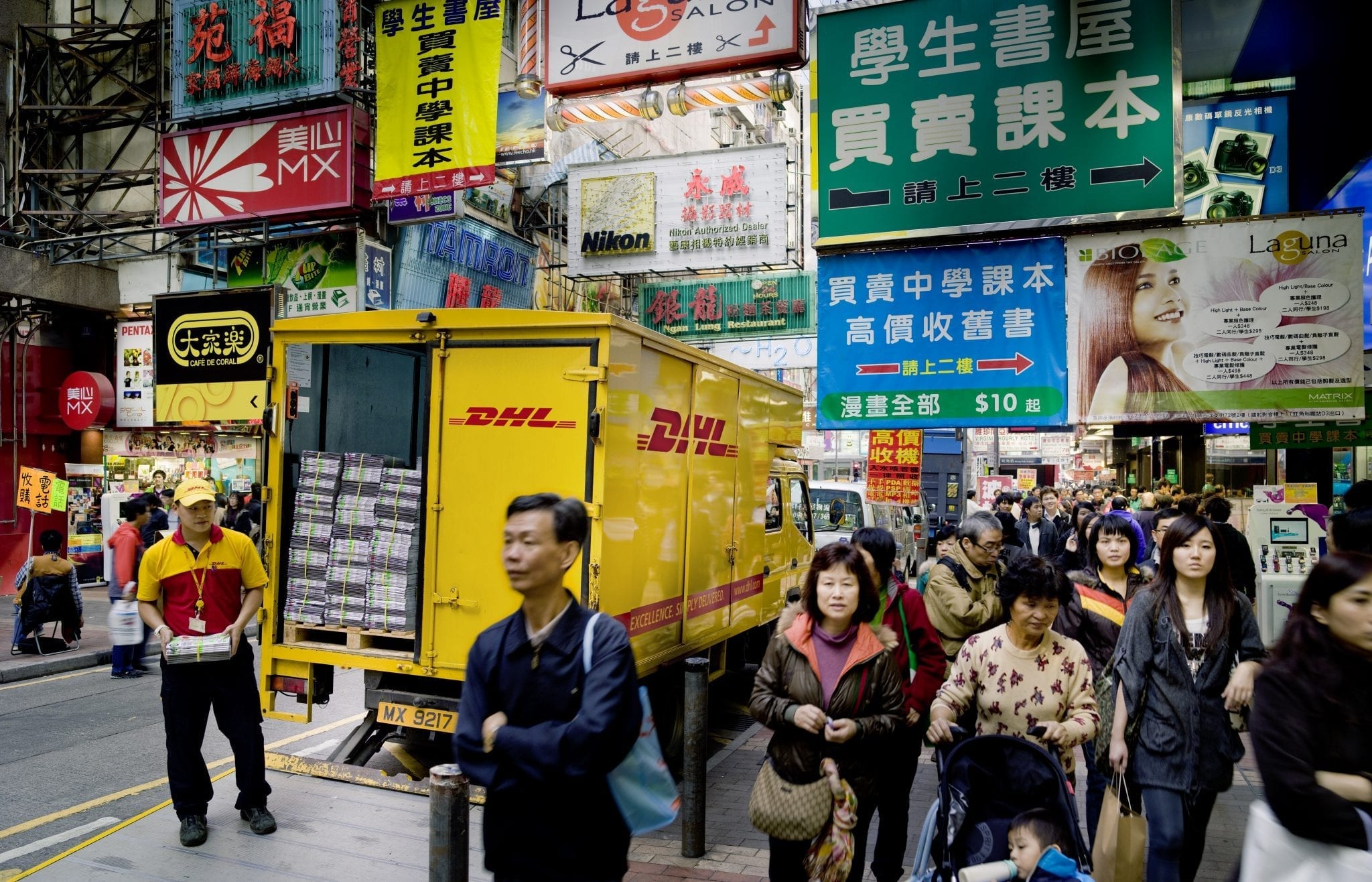
    DHL, the world’s leading logistics provider, announced it has been named a winner in Dell EMC’s 2016 Partner of the Year Awards.

    Presented by Dell EMC, the annual awards honor Dell EMC channel partners for delivering commendable solutions for their customers and were presented at the Dell EMC Global Partner Summit in Austin, TX. Award winners are selected from a group of nominations, based on their dedicated use of Dell EMC technologies to provide solutions for their customers’ needs.

    “We are extremely excited that our regional and Singapore teams have been presented with the Dell EMC 2016 Best Global Transport Logistics Partner and Best Global Innovative Partner of the Year awards respectively,” said Terry Ryan, CEO, DHL Supply Chain Asia Pacific. “It is an honor for our warehousing and transport solutions, including bulk transportation capability, to be recognized for excellence in quality and cycle time performance. At the same time, the recognition for our innovative solutions – from an advanced storage and retrieval system to award-winning design, construction, operation and maintenance of ‘green buildings’ – is further acknowledgement of our efforts toward innovation and sustainability.”

    “We congratulate DHL on receiving Dell EMC’s 2016 Best Global Innovative Partner and Best Global Transport Logistics Partner of the Year Awards, which recognizes partners that have exhibited an exemplary commitment to Dell EMC and our joint customers throughout the year,” said John Byrne, President, Global Channels, Dell EMC. “Dell EMC’s partners are an important part of the Dell EMC ecosystem and provide customers deep expertise and exemplary support on their Digital Transformation journey.”

    As a Dell EMC Innovative and Logistics Partner, DHL provides a robust transportation and logistics infrastructure, which in tandem with Dell EMC’s expertise in hardware, software and services, helps to eliminate IT complexity for customers and create greater efficiencies.

    Through its partner program, Dell EMC offers partners like DHL greater value and choice to their customers, while rewarding investment in key Dell EMC solutions that will help drive business growth.

  • 1-Net, Burst plan Singapore-Myanmar DC corridor

    1-Net, Burst plan Singapore-Myanmar DC corridor

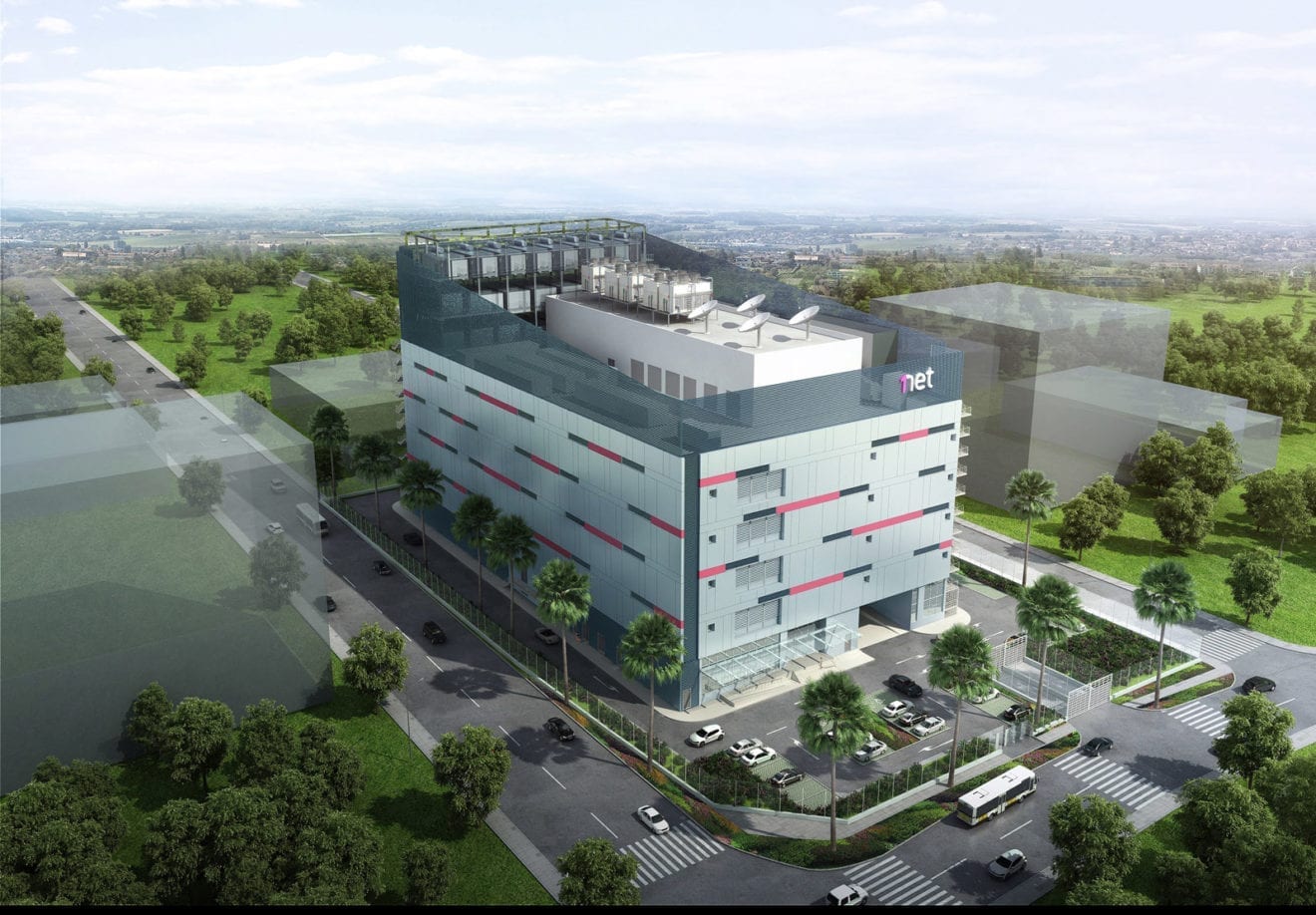
    1-Net and Burst Networks are collaborating to develop network connectivity between 1-Net’s data center in Singapore and Burst’s data center in Myanmar.

    The two data centers will be connected by a network operated by Campana Group consisting of two subsea and terrestrial routes.

    “This high-speed data center corridor is unprecedented and will support many value-added services on this platform. With this seamless connection and one network model both Burst and 1-Net are able to achieve the lowest latency and highest quality link for their customers,” Campana Group CEO Dr Myo Ohn said.

    Burst will also serve as Myanmar’s first Internet Exchange, connecting international networks to local operators and ISPs.  This exchange known as “Burst Connectivity Hub” will also support a Transmission Facility designed to host satellite and cable termination facilities and fully redundant systems as well as C-Band and Ka-Band satellite facilities.

    The projects form part of a wider agreement for 1-Net to provide operational support for Burst Networks’ Uptime Institute certified Tier IV data center at Thilawa Special Economic Zone (SEZ) on the outskirts of Yangon, the largest city in Myanmar.

    The aim is to support Burst Networks by providing the highest level of data center security, network best practices and reliability when they deliver their services to their clients’ mission-critical operations.

    “We are glad to work with Burst Networks to support their data center operations in Myanmar. It is 1-Net’s inaugural collaboration in Myanmar and we see the immense potential for data center business in this emerging market,” 1-Net Singapore managing director Wong Ka Vin said.

  • Indonesia expects more investment from Japan

    Indonesia expects more investment from Japan

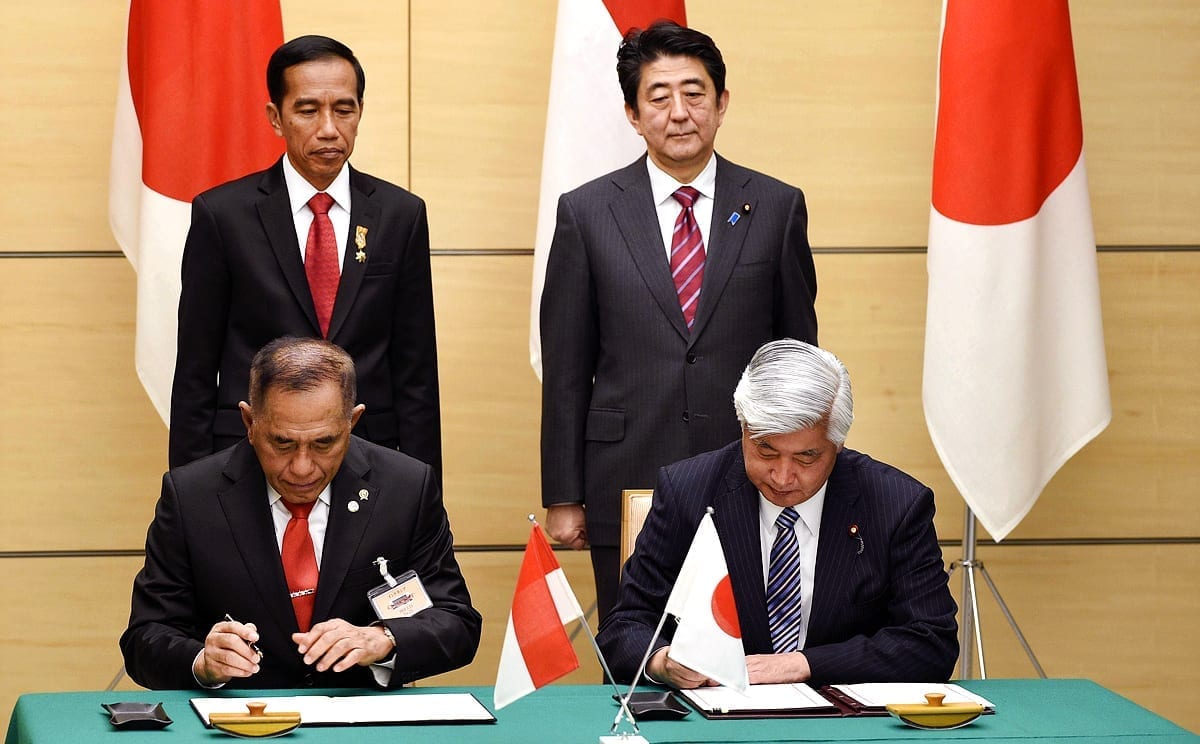
    Indonesia is hoping for more investment from Japan after the scheduled meeting between President Joko Widodo and Japans Prime Minister Shinzo Abe.

    This was said by Thomas Lembong, the chief of the Indonesian Investment Coordinating Board (BKPM), here on Friday.

    Shinzo Abe is scheduled to arrive in Indonesia for a two-day state visit on Sunday and Monday.

    The BKPM chief said Japan has so far been the countrys second biggest investor, focusing mainly on the infrastructure sector.

    “Projects such as power plants and Jakartas mass rapid transport system are funded by Japanese investment. In terms of investment, Japan is indeed one of our important clients,” he said in a press statement.

    Thomas Lembong said investment relations between the two countries have so far been going very well.

    “I think the Japanese premiers visit will be good for us. I also visited Japan five weeks ago and met with Japanese representatives from their chamber of commerce as well as many investors. Both countries have close relations. Japan has been an investor in Indonesia for decades now, and has been the second or the third biggest investor in the country,” he added.

    He stressed that Japanese investors have been involved in many infrastructure projects in 2016, such as power plants and the Surabaya-Sorong sea toll road project, both operational now.

    In 2017, Japanese investors plan to also invest in the real estate and property sectors.

    “Discussions have been also on about starting a medium-express train service from Jakarta to Surabaya in East Java and Japan seems interested in it. A Patimban port development project located towards the east of Jakarta and close to the automotive industrial cluster is also on the anvil. All Japanese automotive industries are there. If a big port is available there, it will make our automotive exports more efficient. The Patimban project will also be funded by the Japanese investment,” he revealed.

    Saribua Siahaan, the BKPM Japan investment promotion official, explained that a Japanese company operating in the property sector is cooperating with a local partner to realize its plan to develop housing projects across Indonesia.

    The low-cost residential development program will cater to low-income people and will match the governments one-million houses development program.

    He pointed out that Japanese investors entering the real estate and property sectors will have different market targets.

    “Some plan to carry out property development particularly catering to expatriates and middle-class and higher strata, while others target workers in industrial zones. Right now, we are still coordinating with the BKPM office in Jakarta to facilitate a big Japanese group that has signed an agreement with a housing company in Indonesia,” he informed.

    Besides discussing investment in the manufacturing sector, Japanese Prime Minister Abe would also discuss investment in the Indonesian governments other prioritized sectors.

    PM Abe plans to bring along a number of executives from companies wishing to invest in Indonesia.

    Based on BKPM data, Japan had invested US$1.6 billion in 425 projects until the third quarter in 2016 to make it the second biggest investor in Indonesia.

    This was a significant increase from US$917.27 million in 399 projects in the same period in 2015.

    Cumulatively, from January to September 2016, Japans total investment realization had reached US$4.4 billion.

  • How a T-shirt helped a man become a millionaire

    How a T-shirt helped a man become a millionaire

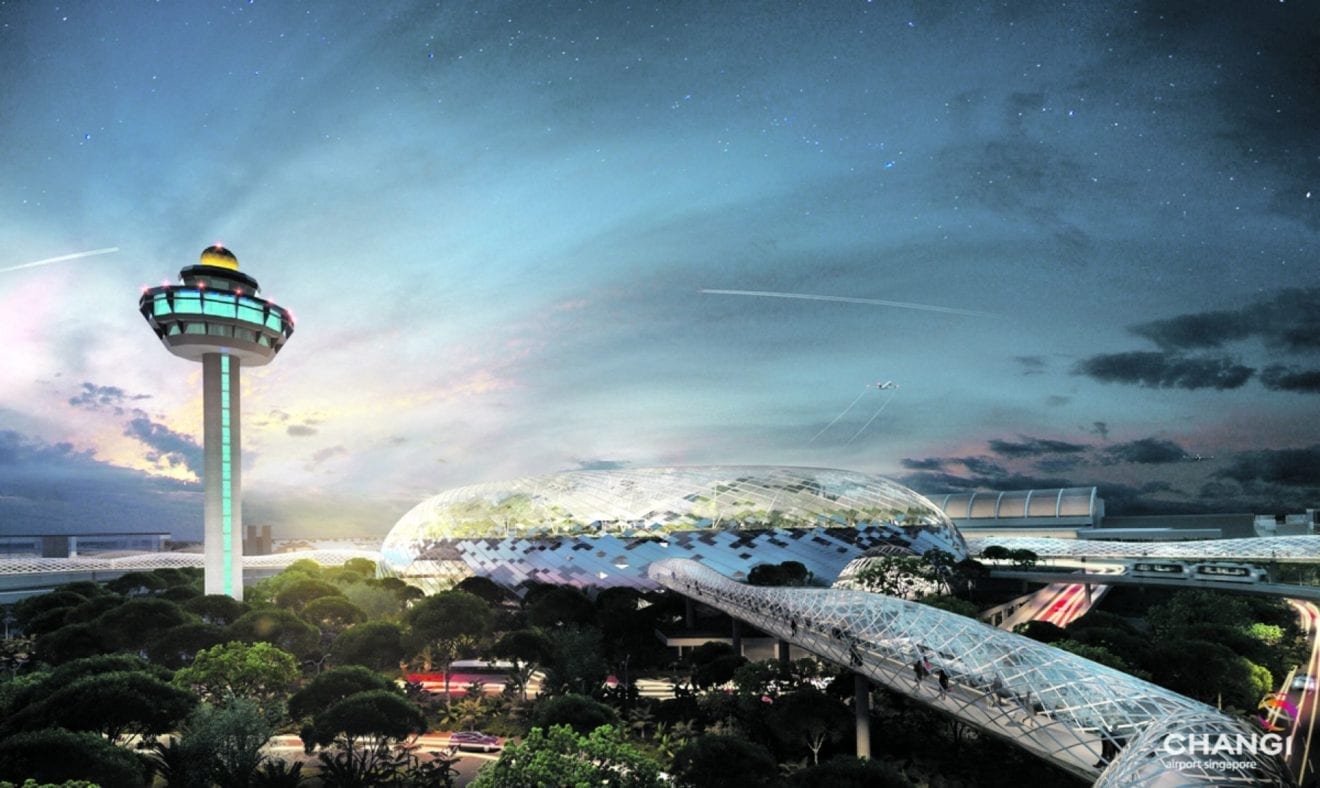
    He helped a friend buy a S$51 Adidas T-shirt last year — and netted himself S$1 million on Sunday (Jan 15) in Changi Airport’s Be a Changi Millionaire draw.

    As a bonus, Mr Ade Iskandar Roni, 39, a procurement officer from South Jakarta, drew the name of his best friend in the Guess the Changi Millionaire lucky draw, winning his friend S$500 for picking the right millionaire out of eight finalists.

    Although the chances of winning increase exponentially with the amount spent at Changi Airport’s retail stores, Mr Ade’s purchase was the least expensive among the items picked up by the eight finalists in this year’s event — four of the other seven finalists, who hailed from Australia, China, India, Indonesia, Malaysia and the United Arab Emirates, bought liquor.

    An elated Mr Ade shed tears of joy when he was announced the winner. Mr Ade, who has five children aged 2 to 12, said he plans to use his windfall to bring his extended family for a visit to the Muslim holy cities of Makkah and Madinah, and perhaps buy a new car and house.

    “I didn’t think I would win, I cannot imagine how much this money is in Indonesia,” said Mr Ade through a Bahasa Indonesian interpreter.

    Into its seventh run, the 2016 edition of the retail promotion drew close to 1.2 million entries from 225 nationalities, primarily Singaporeans, Chinese, and Indonesians.

    To enter the draw, passengers and visitors to the airport must spend at least S$50 in a single receipt shopping or dining at Changi Airport. The eight finalists emerged after three rounds of elimination and gathered on Sunday to compete through several rounds of games to win the grand prize.

    Changi Airport Group (CAG) also shared on Sunday that sales at Changi Airport reached a record high of S$2.3 billion last year, up 5 per cent from the previous year.

    Online sales via the iShopChangi portal showed particularly strong growth of 76 per cent from the previous year.

    Chinese and Singaporeans were the strongest shoppers across platforms, contributing to half of overall retail sales.

    Travellers from Indonesia, India and Australia made up the next largest customer groups last year.

    The three most popular product categories were cosmetics and perfumes, liquor and tobacco, and luxury goods, contributing collectively to 70 per cent of sales.

    These were followed by electronic gadgets, and chocolates, candies, and delicatessen items. Online purchases comprised mostly beauty products, electronics, and alcohol.

    CAG executive vice president of commercial Lim Peck Hoon said high concession sales help to keep aeronautical charges — such as charges for landing, parking, and aero-bridges — competitive.

    The opening of second DFS Wines & Spirits Duplex at Terminal 2 — which houses a cigar room and whiskey house — and the Pokemon at Changi celebrations are examples of how the operator has tried to keep its retail strategy “innovative”, she added.

  • Maybank Indonesia sells stake in WOM Finance to Reliance Capital Management

    Maybank Indonesia sells stake in WOM Finance to Reliance Capital Management

    Private lender Maybank Indonesia has sold all stakes in motorcycle financing firm Wahana Ottomitra Multiartha (WOM Finance) to Indonesian financial services provider Reliance Capital Management in a deal worth Rp 673.8 billion (US$50.71 million).

    Maybank announced on Thursday that it had signed a conditional share purchase agreement with Reliance Capital Management on Jan. 11 to sell 2.39 billion shares—equal to 68.55 percent stake—in WOM Finance.

    “The transfer of shares is one of the company’s strategic initiatives to maximize the company’s capital allocation and to streamline customer segmentation, so they can contribute to the optimization of the company’s resources,” Maybank wrote in a statement submitted to the Indonesia Stock Exchange (IDX).

    The share transfer is expected to be completed in the first quarter of 2017, after both companies fulfill all terms listed in the agreement.

    Data from Maybank said the automotive slowdown in the past few years had dragged down its own financial performance, as WOM posted poor results.

  • Banten`s exports up 28.43% in value

    Banten`s exports up 28.43% in value

    Banten recorded a 28.43% increase in exports to US$941.27 million in November 2016 from the same period a year earlier.

    The increase was attributable mainly to 27.08 percent in the exports of commodities other than oil and gas, according to the regional office of the Central Bureau of Statistics (BPS).

    The exports in November also rose 20.01% from US$784.34 million in October that year, head of the regional BPS office Agoes Soebeno said here on Friday.

    Cumulatively, exports in the first 11 months of 2016 were valued at US$8,387.89 million, up 0.91% from the same period in 2015. Exports of oil and gas rose 89.82% and those of commodities other than oil and gas rose 0.71%.

  • Bank Indonesia forecasts current account deficit at 1.8% of GDP

    Bank Indonesia forecasts current account deficit at 1.8% of GDP

    Bank Indonesia (BI) had forecast that the countrys current account deficit last year would fall to 1.8 percent of the national gross domestic product (GDP) as compared to 2.06 percent a year earlier.

    The decline in the current account deficit would chiefly be the result of steady trade surplus, BI Deputy Governor Perry Warjiyo stated here on Friday.

    According to the Central Statistics Agency, the country had recorded a trade surplus of US$840 million in November 2016, although it fell from $1.21 billion a month earlier.

    “Hence, we forecast the current account deficit in the fourth quarter of 2016 to reach 1.9 percent of the GDP,” Warjiyo remarked at the BI Head Office.

    Current account is an indicator of the exports of goods and services from a country to other nations and vice versa. Current account is divided into current accounts of goods and services.

    When current account is in deficit, it means that imports are larger than exports. If the current account deficit steadily falls, exports and imports are improving.

    On the other hand, the declining current account deficit will improve the balance of payment (NPI), which comprises current account, capital and financial account, and foreign exchange reserves.

    “Indonesias foreign exchange reserves at the end of December 2016 rose to $116 billion, suggesting that the NPI will be positive (surplus), coupled with large foreign capital inflows,” Warjiyo added.

  • Public Bank and UnionPay International Launch PB UnionPay Lifestyle Debit Card

    Public Bank and UnionPay International Launch PB UnionPay Lifestyle Debit Card

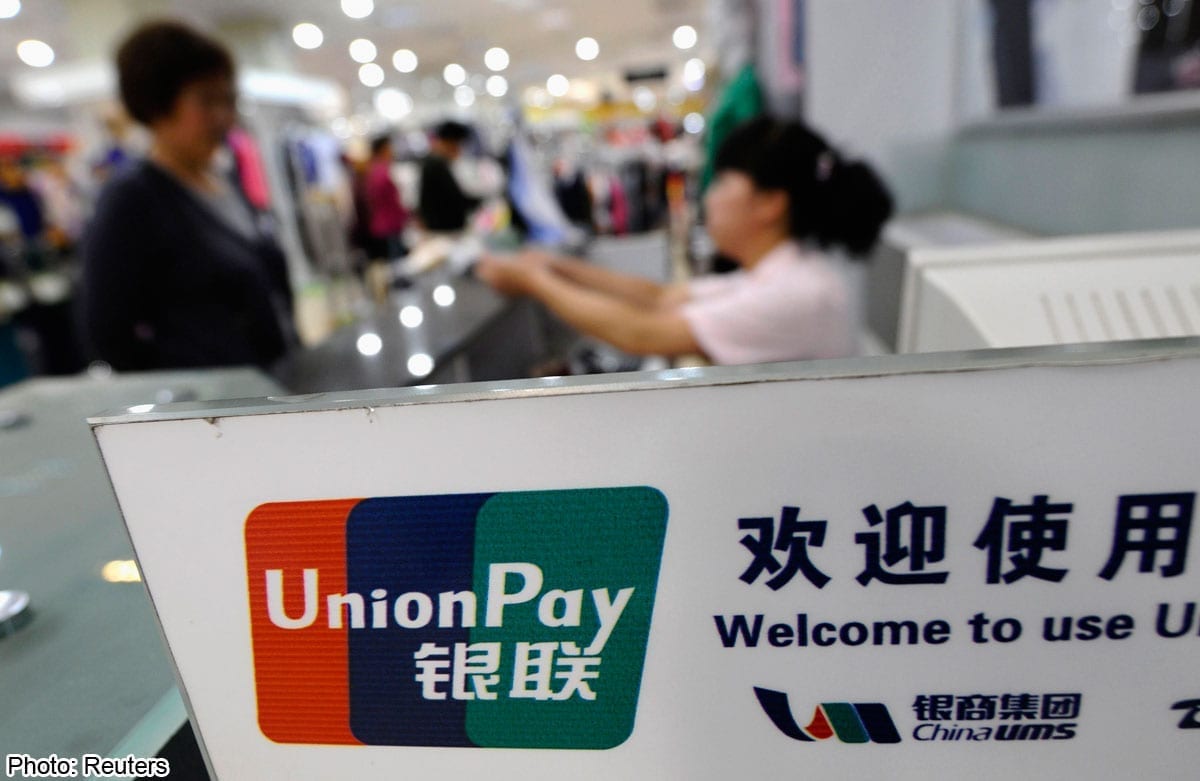
    UnionPay International (UPI), a global payment network, has reaffirmed its presence in Malaysia by inking a first-of-its-kind partnership with Public Bank (PB), the third largest bank in Malaysia. The two collaborated to launch the PB UnionPay Lifestyle Debit Card in December 2016, targeted at customers and businessmen who are frequent travelers to Asia. 

    Poised as the best travel companion, the PB UnionPay Lifestyle Debit Card which is issued upon opening of a PB UnionPay Savings Account, will give Cardholders access to a range of perks and benefits. A PB UnionPay Lifestyle Debit Cardholder can access the Priority Lane at the Chinese Visa Application Service Centre in Kuala Lumpur and Kuching, to expedite the submission and processing of visa applications. Besides, discounts of up to 10 percent are  offered to these Cardholders at duty-free shops in 100 participating international airports. PB UnionPay Savings Account offers a flat interest rate of 0.5 percent per annum, and a monthly cash rebate of RM10 (S$3.21) for accounts with a minimum of RM10,000 (S$3,221) month-to-date average balance and no over-the-counter transactions for the month. 

    In conjunction with the launch, Public Bank is offering complimentary access to Plaza Premium Lounge Malaysia so visitors can partake in a host of facilities that will make traveling more comfortable and satisfying. A panda neck pillow and eye mask resembling the card design will be given to new PB UnionPay Savings Account holders with a minimum deposit amount of RM2,000 (S$643) which is earmarked for three months. Gifts are available while stocks last.

    Public Bank is the third largest banking group in Malaysia. Headquartered in Kuala Lumpur, Malaysia, the Bank entered its 50th year of operations in 2016 with a total group asset size of RM363.76 billion (S$116 billion) as of end 2015. With an extensive reach to its customers via a network of 259 well distributed branches and over 2,000 self-service terminals in Malaysia, this partnership between UPI and PB aims to provide PB customers with greater mobility within the region through the use of its high quality and secure cross-border payment services.

    ӡWe are excited to have Public Bank on board as our strategic partner for our issuing in Malaysia,ӱ said Mr. Wenhui Yang, General Manager of UPI Southeast Asia. ӡUnionPay International is fully aligned with Public BankӮs focus on providing the most efficient services to its customers through the innovation of new banking services, and we believe that this partnership will put us in a good position to serve the needs of consumers and businesses in Malaysia.ӱ

    ӡWe are proud to be the first local bank in Malaysia who had launched UnionPay Card which offers various solutions to fit our customersӮ financial and lifestyle needs. With the expanding business alliances between China and Malaysia, Public Bank continues to progress and expand in order to become the first choice of expatriates and students from China for their banking service needs as this card serves them well whenever they are in China, Malaysia or any other 160 countries and regions that accept UnionPay Cards.ӱ said Y. Bhg. DatoӮ Chang Kat Kiam, Deputy Chief Executive Officer of Public Bank.

  • Indonesia’s seaweed exports estimated to shrink 30 percent in 2016

    Indonesia’s seaweed exports estimated to shrink 30 percent in 2016

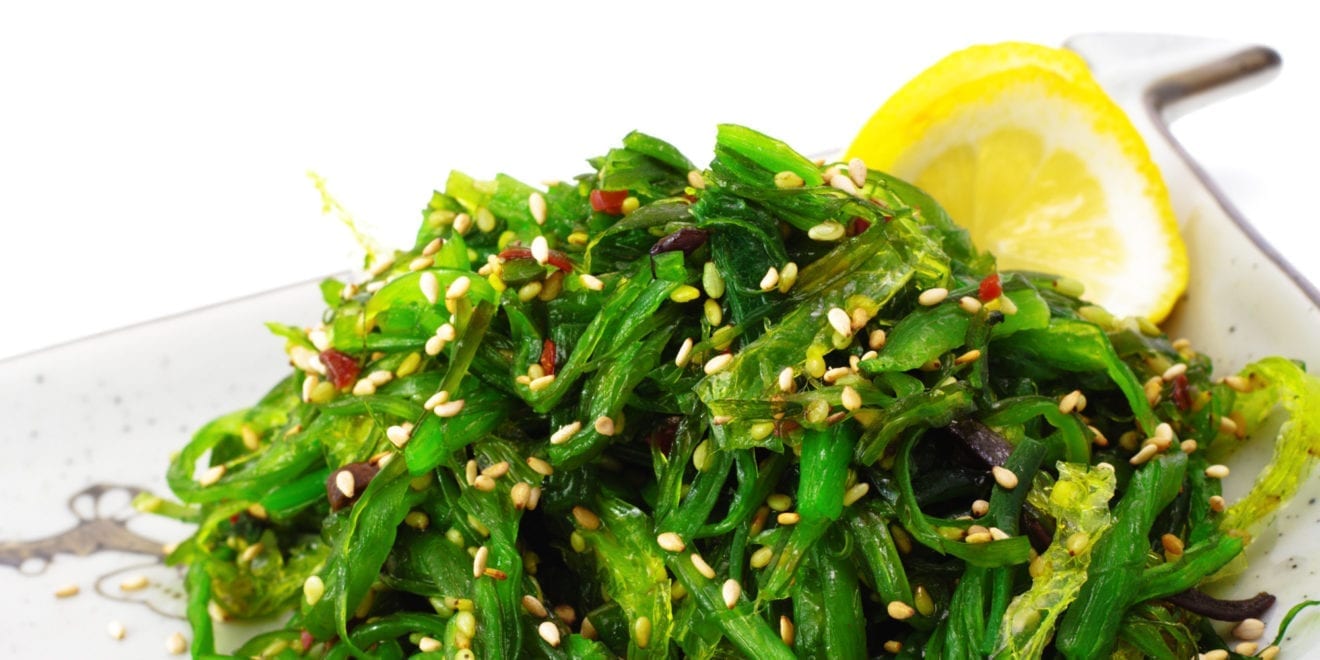
    The Indonesian Seaweed Association (ARLI) estimated that the countrys exports of seaweed shrank 30 percent in value from US$205.4 million in 2015.

    ARLI general chairman Safari Azis attributed the decline to weak demand amid the global economic crisis and U.S. policy in organic products.

    “In 2016, (seaweed exports) dropped around 30 percent . There was issue in 2016 that the United States would exclude processed seaweed from its list of organic products,” Safari said in a discussion here on Tuesday.

    Based on statistic data at the Marine and Fisheries Ministry, the countrys production of seaweed totaled 1.12 million tons in 2015. Around 21 percent or 236,900 tons of the production were exported to various countries including 97 percent in raw material and 3 percent in processed products.

    The exports of raw seaweed were valued at US$160.4 million and exports of finish products of seaweed was worth US$45 million or 22 percent of the total value.

    In 2016 , in the first 8 months , exports of raw seaweed totaled 121,500 tons valued at US$80 million ; and exports of processed products of seaweed totaled 4,000 tons valued at US$25.4 million.

    Apart from the report that the United States would exclude processed products of seaweed from its list of organic products, there are many factors hampering exports of that commodity, such as export restriction and plan to slap export tax on seaweed.

    “The government plans to impose an export tax of 20-40 percent on raw seaweed . The plan, however, has been shelved. The export tax was planned without consultation with the business players,” Safari said.

    The government is expected to offer incentives for the business players especially investors in seaweed cultivation and industry, he said.

    ARLI predicted that in 2017, exports of seaweed would increase both in raw material and processed products.

    ARLI also hopes more support from the government to develop and boost business in seaweed in the upstream as well downstream asn integrated industry.

  • Unilever Indonesia stocks see tenfold increase in 35 years

    Unilever Indonesia stocks see tenfold increase in 35 years

    Publicly listed consumer goods giant Unilever Indonesia has seen it stock value skyrocket by more than a thousand percent over the 35 years it has been listed on the bourse.

    If an investor bought 1,000 shares at our initial public offering IPO, which [at the time] were worth Rp 3,175 (24 US cents) apiece, its current investment value would be worth Rp 5 billion today, Unilever Indonesia president director Hemant Bakshi said before opening the bourse’s trading day on Wednesday.

    “We truly believe that our fortune has been closely linked with the country,” he said.

    Shares of Unilever Indonesia, the local arm of—Anglo-Dutch multinational company Unilever NV and Unilever Plc, opened the trading day at Rp 40,500, an increase of almost 1 percent from its previous close.

    The firm’s assets stood at Rp 16.75 trillion as of September last year compared to Rp 140.4 billion recorded during its initial public offering (IPO) in 1982, while sales had soared to Rp 30.1 trillion from Rp 159 billion.

    “We believe we will be in the country for more than the 35 years we have reached now, doing even better and bigger business,” he said.

    The Jakarta Composite Index (JCI), the IDX’s main gauge, opened at 5,316.15 on Wednesday or 0.12 percent higher than its previous close.