Author: Mei Ling Tan

  • China is Ted Baker’s savior

    China is Ted Baker’s savior

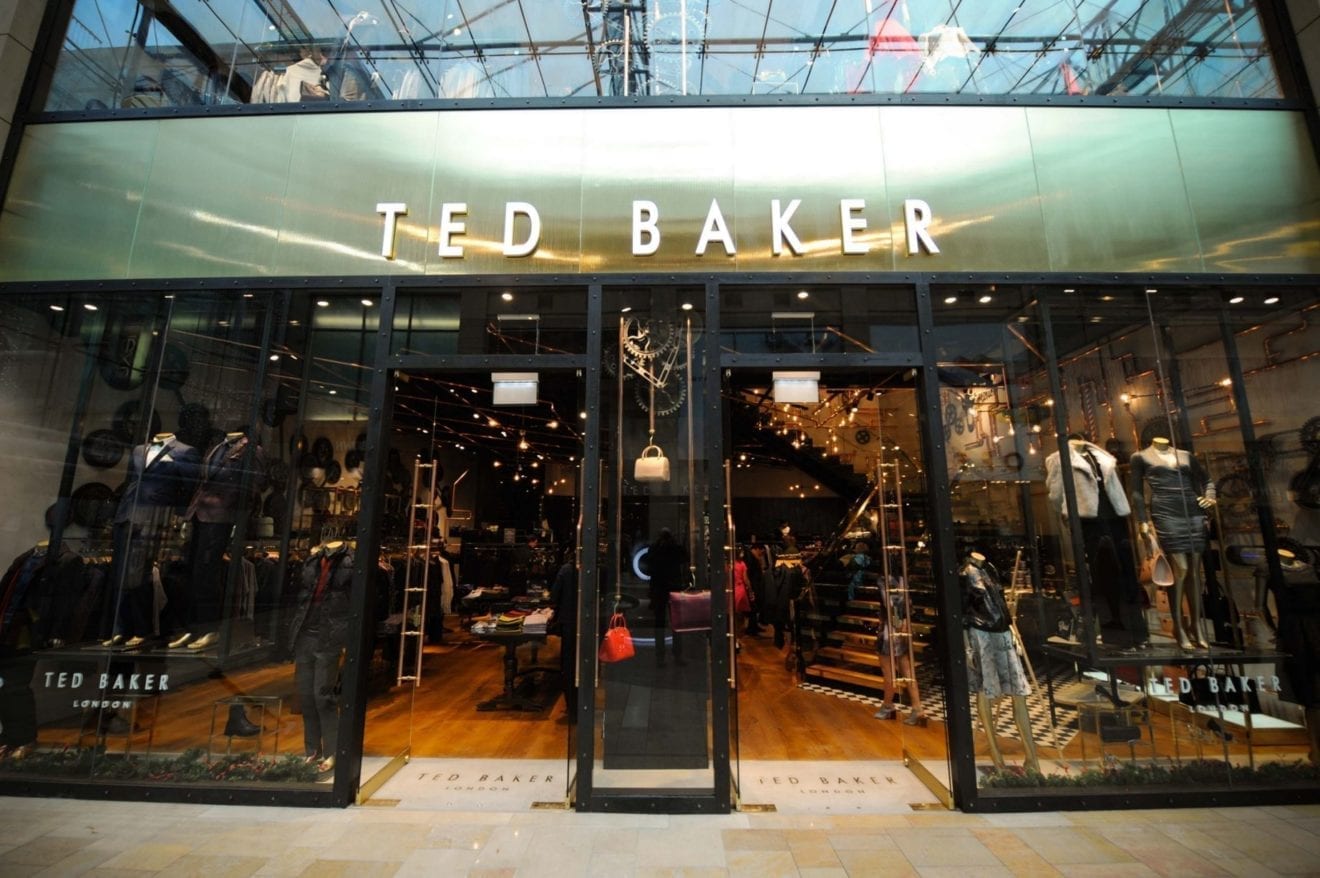
    China has helped drive a solid half year for men’s fashion retailer Ted Baker.

    The UK-based chain has been rolling out concessions in the mainland with a local partner. That helped the company’s average retail square footage to rise by 8.5 per cent over the period to reach 386,252 sqft. Store openings in Indonesia – and its newest market, Bahrain – also helped.

    Additionally Ted Baker’s website now delivers to over 200 countries with the retailer rolling out language specific websites – helping to drive impressive online growth and broaden its global reach.

    Fiona Paton, an analyst with Verdict Retail, describes Ted Baker as a go-to destination for Christmas gifting and self-treating due to its stylish designs, distinctive collection of partywear and its range of high-quality accessories and leather goods which appeal to aspirational shoppers. “It is therefore no surprise that Ted Baker has reported another impressive performance this Christmas.”

    UK retail sales will benefit from Ted Baker’s increasing international brand awareness, as the retailer becomes front of mind among tourists wanting to take advantage of the weaker pound and buy into British brands and premium goods while visiting the UK, says Paton.

    “Over the next five years menswear is going to be the fastest-growing clothing sector in the UK. Ted Baker benefits from a unisex brand appeal so should capitalise on this and invest in its menswear proposition to increase its appeal among new 25-34 year old shoppers looking to graduate from Topman and River Island, and who are prepared to spend more on their clothing.”

    She says refreshing its designs and increasing the frequency of newness in collections will also help protect Ted Baker against emerging competitors, such as Superdry, which launched a premium menswear collection with Idris Elba in 2016, Whistles and Jigsaw.
  • Shu Uemura withdrawing from Philippines

    Shu Uemura withdrawing from Philippines

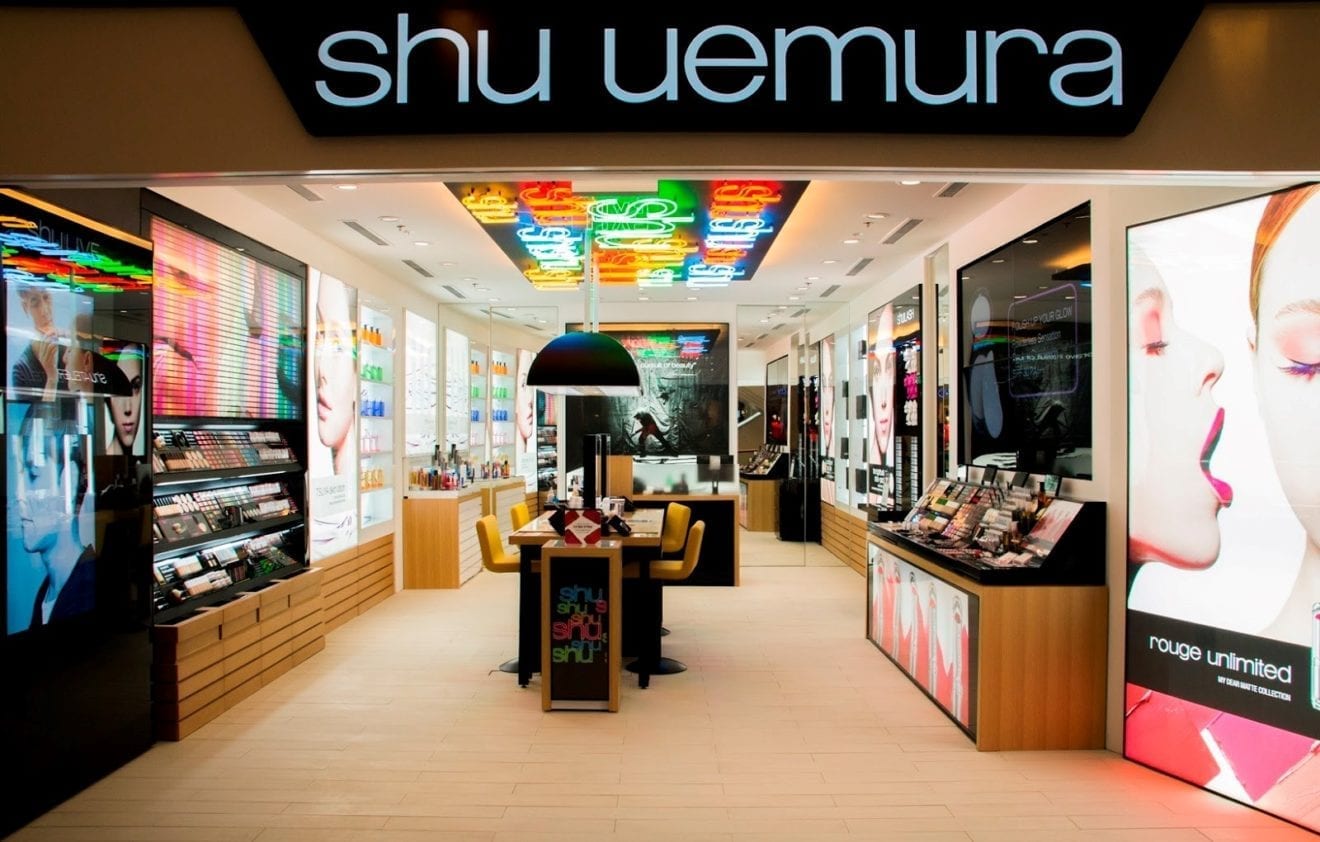
    Japanese cosmetic brand Shu Uemura is withdrawing from the Philippines.

    L’Oreal Philippines has confirmed that all branches and counters of the make-up line will be shut down by the end of April.

    While officially distributed by L’Oreal Philippines, the brand believes the closing of its Philippines outlets will be beneficial in the long term.

    Shu Uemura is known for its quirky collaborations and neon-filled palettes. One of its most famous collaborations was with iconic designer Karl Lagerfeld.

    Brand founder Shu Uemura went to Hollywood in the 1950s and started working as a makeup artist, becoming in demand after working on the Paramount movie My Geisha in 1962 with actress Shirley MacLaine.

  • Poh Kong Holdings plans five more stores

    Poh Kong Holdings plans five more stores

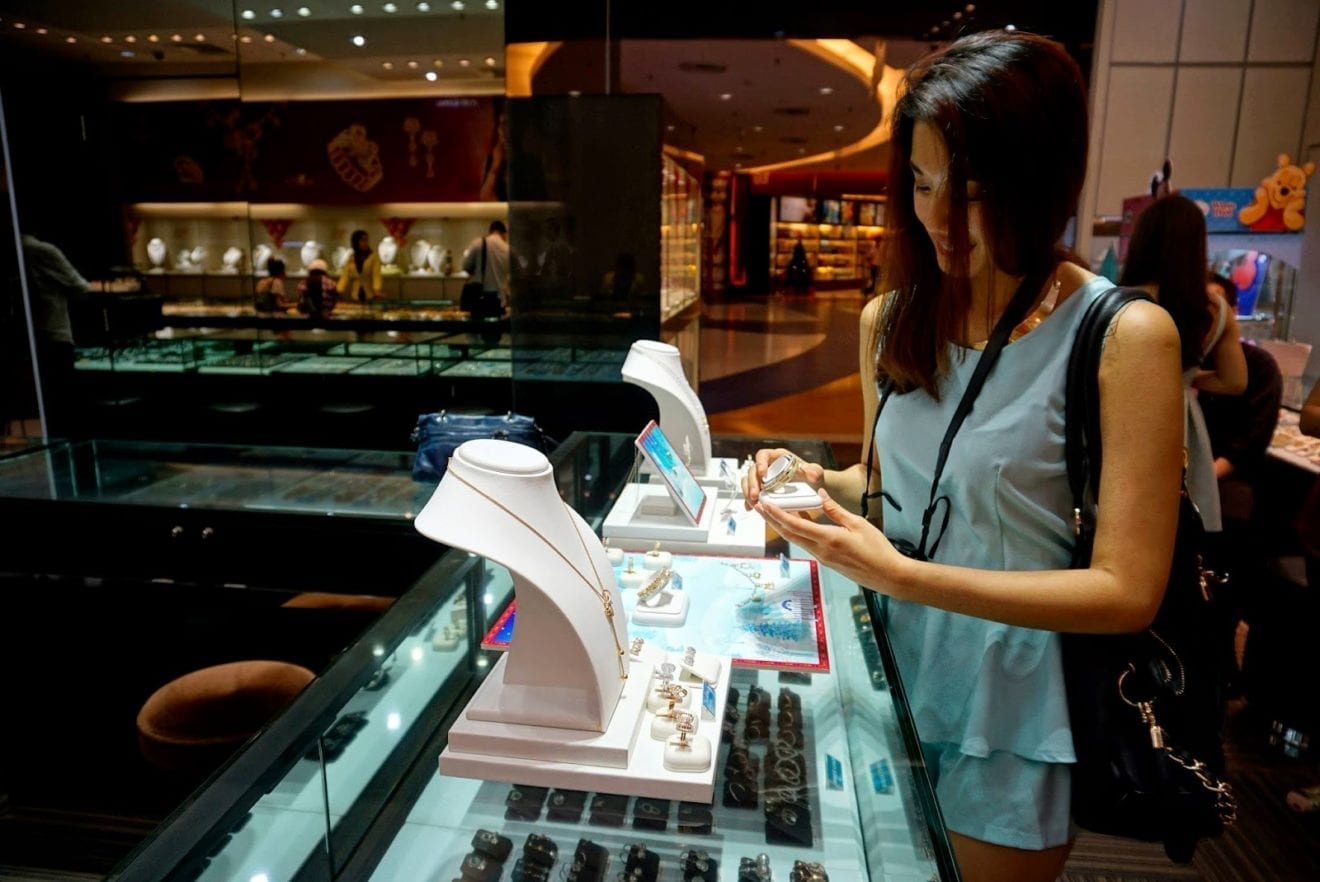
    Malaysia’s largest jewellery retailer, Poh Kong Holdings, plans to spend up to RM25 million (US$5.6 million) to open five more stores in Malaysia this year.

    The company says two of the outlets will be in Johor, a state with an appetite for gold and gemset jewellery.

    Each outlet costs up to RM5 million to set up, including inventories, says Poh Kong business development manager Edison Choon.

    poh-kong-jewelry-store

    He declined to reveal the locations of the other three possible stores.

    By year end, he says, the company aims to have at least 100 stores (there are now 97 outlets, all in peninsular Malaysia).

    At the moment, 71 per cent of Poh Kong’s revenue is generated in the Klang Valley. Analysts say the company has 16 to 20 per cent share of Malaysia’s gold jewellery market, which is estimated to be worth RM5 billion.

  • Social media drives Asos success

    Social media drives Asos success

    The first quarter was an especially promotion-abundant period for pureplay UK-based online retailer Asos.

    Blanket discounts of 20 per cent for Halloween and Asos’ five-day Black Friday period as well as 30 per cent off selected categories in the run up to Christmas drove sales growth of 52 per cent.

    Asos’ promotions clearly resonated well with UK shoppers, as first quarter UK retail sales grew to an impressive £244 million. Asos should use the wealth of data it has on customers to offer customers tailored discounts on products they are likely to buy rather than blanket discounting.

    Part of the reason behind the consistent Asos success is the way it successfully targets customers with creative email and social media marketing on platforms such as Twitter and Instagram. The retailer also offers attractive delivery options such as Asos Premier, costing £9.95 for 12 months of unlimited next-day delivery; this encourages consumers to choose Asos over other online retailers over this period. Asos.com is regularly updated with new fashion ranges and featured brands such as 3INA and Young Bohemians, all of which encourage repeat spend and maintain customer loyalty which is vital over the peak trading period.

    Asos is continually future-proofing the business, ensuring it can cope with increased demand as it expands globally. The strong growth in international sales, particularly in the US as a result of the weak pound, means Asos will have to keep up with order fulfilment as the retailer expands. This will be imperative as rival retailer boohoo.com seizes market share away from Asos (which stands at 6.6 per cent for the UK online clothing & footwear market in 2016) through its own global expansion.

    The decision from CEO Nick Beighton in January 2017 not to raise prices should help Asos stay competitive in a busier-than-ever online fashion pureplay market.

  • Old Chang Kee expansion to UK

    Old Chang Kee expansion to UK

    Singapore F&B chain Old Chang Kee is forming a JV in the UK so it can expand and build its brand there, primarily in London.

    With Singapore company 13 Wonders, which is mainly involved in the general wholesale trade and food retail, it is forming Old Chang Kee UK (OCK UK), which will be a direct subsidiary of Old Chang Kee. Its initial paid-up share capital of £500,000 (US$608,400) comprises 500,000 shares.

    Under the agreement, Old Chang Kee and 13 Wonders will hold 60 and 40 per cent respectively of the shareholding interest in OCK UK, which will run food retail outlets as well as manufacture, distribute and trade food products in the UK.

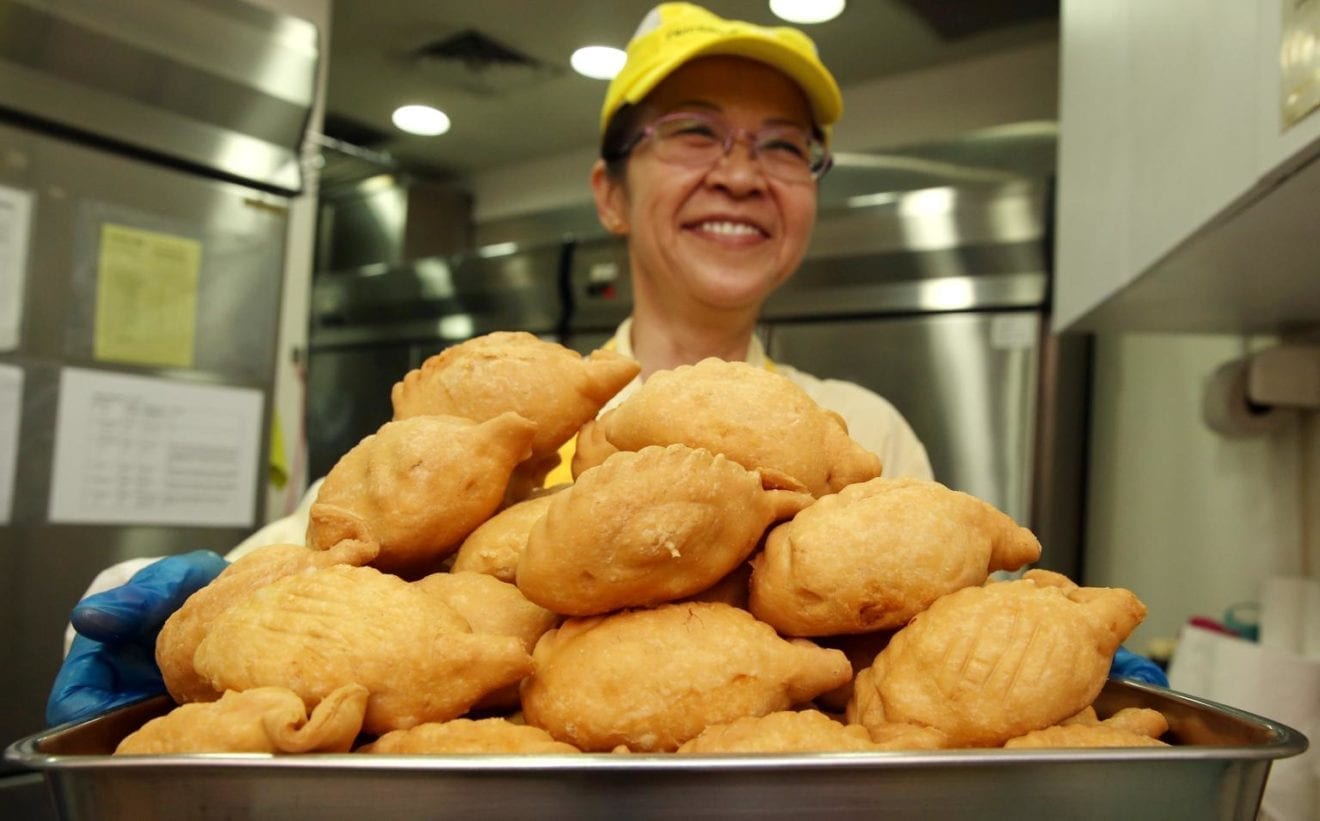
    Old Chang Kee started in 1956 in a stall in a coffee shop near the former Rex Cinema in Mackenzie Road, attracting people from all over Singapore with its curry puff. The brand was bought in 1986 by Han Keen Juan who evolved it into a fast-food chain with its own production factory. Old Chang Kee now markets its range of snack products, including its signature curry puffs, through kiosks and retail outlets at petrol stations and shopping malls.

  • Burberry Korea price cut is needed

    Burberry Korea price cut is needed

    Burberry Korea is under fire for cutting prices “too little, too late”.

    It’s not the first time Burberry has been criticised for its Asian pricing strategy. Last May,

    Jack Chuang, a partner with Hong Kong-headquartered OC&C Strategy Consultants, said that of all the luxury brands, Burberry is the one with the most significant price gap between Asian and European markets.

    “Prices in Mainland China are almost 40 per cent higher than in UK, while in Hong Kong, it is 20 per cent higher.”

    The South Korean office of Burberry recently marked down the price of some of its products to reflect the fallen value of the British pound, but only by a small margin compared with the currency’s depreciation, fashion industry officials said Wednesday.

    Burberry Korea dropped the local price by an average 9 per cent as the pound fell after Britain’s decision to leave the European Union in June last year. Industry officials say the markdown, however, falls far short of the 17 per cent fall of the British currency against the US dollar. The pound’s exchange rate against the South Korean won dropped 17 per cent from 1765.90 won in February last year to 1468.13 won as of January 9.

    The price adjustment in Korea also falls behind Burberry’s decision for Hong Kong, where the fashion brand’s product prices were taken down 10-15 per cent in September. Some of the products were down by 20 per cent. The markdown rate was more than the 9.75 per cent fall of the pound against the Hong Kong dollar at the time.

    Burberry Korea declined to talk on the matter despite repeated calls by news agency Yonhap.

    Consumer groups have long complained that foreign brands often take advantage of their popularity in South Korea to push demands they do not make in other countries or exclude South Korea from their market action.

    Swedish furniture maker Ikea caused ire last year when it kept selling dressers in South Korea that were recalled in the US and Canada after reported accidents involving children that resulted in deaths. The company had argued that the dressers meet local safety regulations. Volkswagen, who already settled on compensation to its consumers in the US from faked emissions tests, has yet to carry out full recalls or offer compensation steps in South Korea.

    US credit card company Visa in May came under fire for deciding to raise the processing fee by 10 per cent for overseas transactions, effective in South Korea but not in Japan or China.

    Such discriminatory actions are more stark at duty-free shops, industry officials say, who fiercely compete to host highly sought brands.

    “In case of popular brands, they often insist on excessive requirements, such as the cost of interior decorations when deciding to open their store,” an official at a Seoul duty-free shop said. “The retailers have to be compliant because of the brand power and because they have to attract customers, and they end up having to accommodate the demands.”

  • Bauhaus International sales drop 10 per cent

    Bauhaus International sales drop 10 per cent

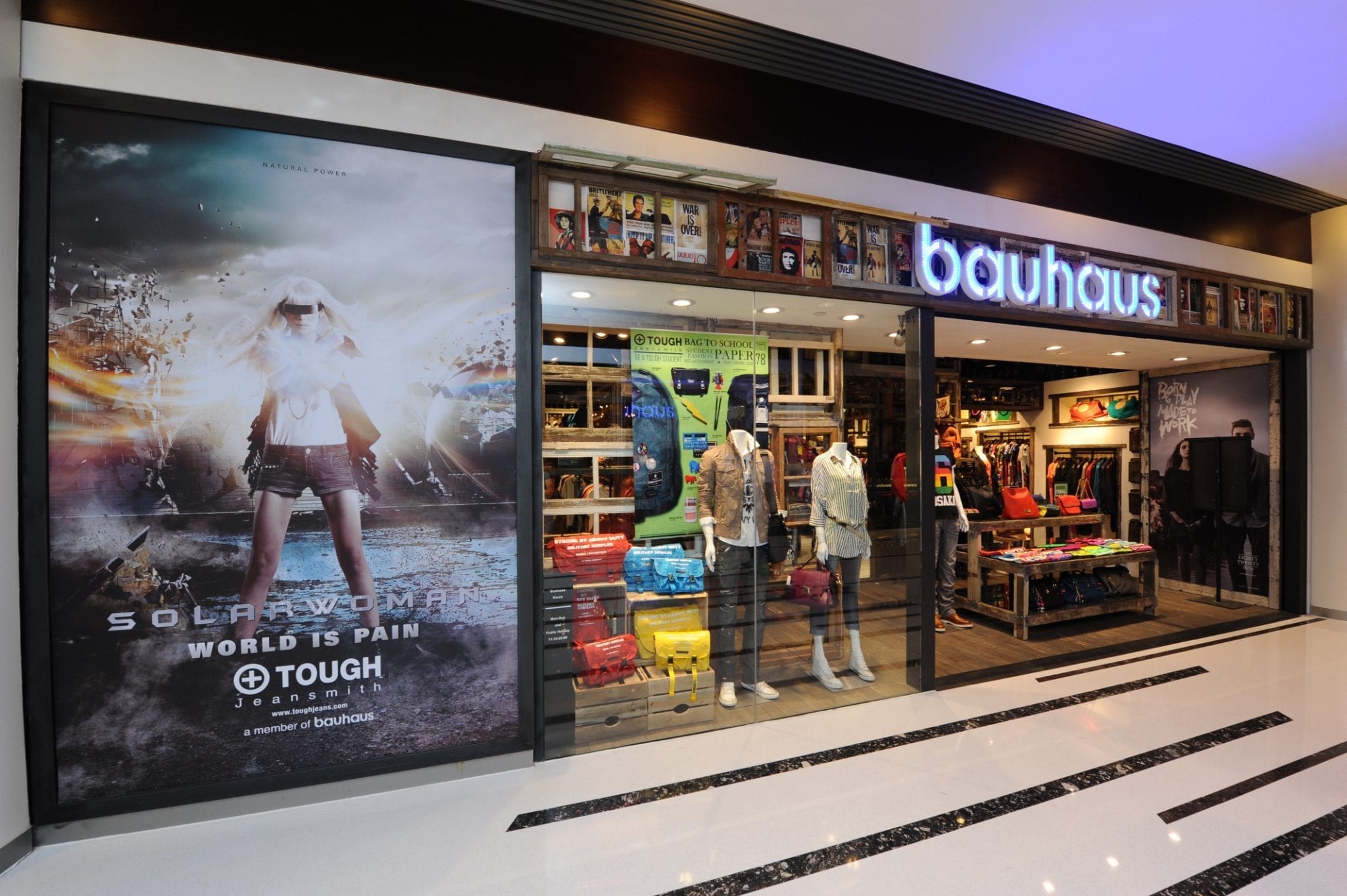
    Same-store sales for clothing retailer Bauhaus International in Hong Kong and Macau have dropped 10 per cent year-on-year for the three months ended December 31.

    The streetwear retailer designs and makes apparel and accessories which it wholesales and retails under its brand names including Bauhaus, Salad and Tough, as well as third-party labels, including Superdry.

    Sales in Mainland China decreased 4 per cent compared to the same period last year, according to its filing with the Hong Kong Stock Exchange.

    The three-pronged decline in sales helped drive down the company’s overall same-store sales by 3 per cent year-on-year. Nevertheless, its same-store sales in Taiwan grew by 12 per cent.

    Bauhaus International did not release the related financial figures in its filing.

    At the end of last month, nine months into its fiscal year, its total sales had fallen by 9 per cent year-on-year; in particular, those generated in Hong Kong and Macau had dropped 14 per cent.

    The company ended last year with 203 shops, of which 82 were in Hong Kong and Macau, 93 in Taiwan and 28 in China.

    At the end of September, halfway through its fiscal year, the company had turnover of about HK$501.4 million (US$  million). Turnover in Hong Kong and Macau fell 18.5 per cent year-on-year, amounting to HK$348.1 million.

    It also saw its interim net loss expand to HK$60 million from HK$26.6 million a year earlier. The company attributed this to the “adverse performance” of its retail business in Hong Kong.

  • Trans Retail Indonesia eyes expansion

    Trans Retail Indonesia eyes expansion

    Grocery retailer Trans Retail Indonesia plans to open dozens of stores this year in a challenge to the online retail industry.

    This year it will open 30 stores under the Transmart Carrefour brand, says corporate communications GM Satria Hamid, without revealing costs.

    Trans Retail Indonesia, part of business tycoon Chairul Tanjung’s CT Corp, has decided to go head to head with the burgeoning eCommerce scene, reports The Jakarta Post.

    The retailer says it is determined to be more creative by way of promotional activities, intensive marketing and fresh products to lure customers to its stores.

    “We will refresh several stores with a new concept,” says Satria, citing a combination of retail and culinary experiences, and play areas for children.

    Trans Retail has 94 Carrefour stores nationwide, of which 15 stock the Transmart Carrefour brand. The house brand will be gradually rolled out to the other stores.

  • Global brands should grow in Philippines

    Global brands should grow in Philippines

    With retail rents still affordable compared to other Asia Pacific countries, the Philippines should be attracting more international brands, says a property analyst.

    This would further fuel the growth of the retail property market this year, says Jones Lang LaSalle Philippines (JLL) regional director Sheila Lobien, who is also the company’s head of project leasing markets.

    She says that while rental rates for ground-floor retail in the Philippines are rising because of high market demand, regionally the country is still the cheapest.

    “If you look at the rental rates in Asia Pacific, Manila is the cheapest. Hong Kong is the most expensive, Singapore may be in the middle and even Kuala Lumpur is twice as high as us,” says Lobien. “So the Philippines is still the cheapest, though the rental is already increasing for ground-floor space.”

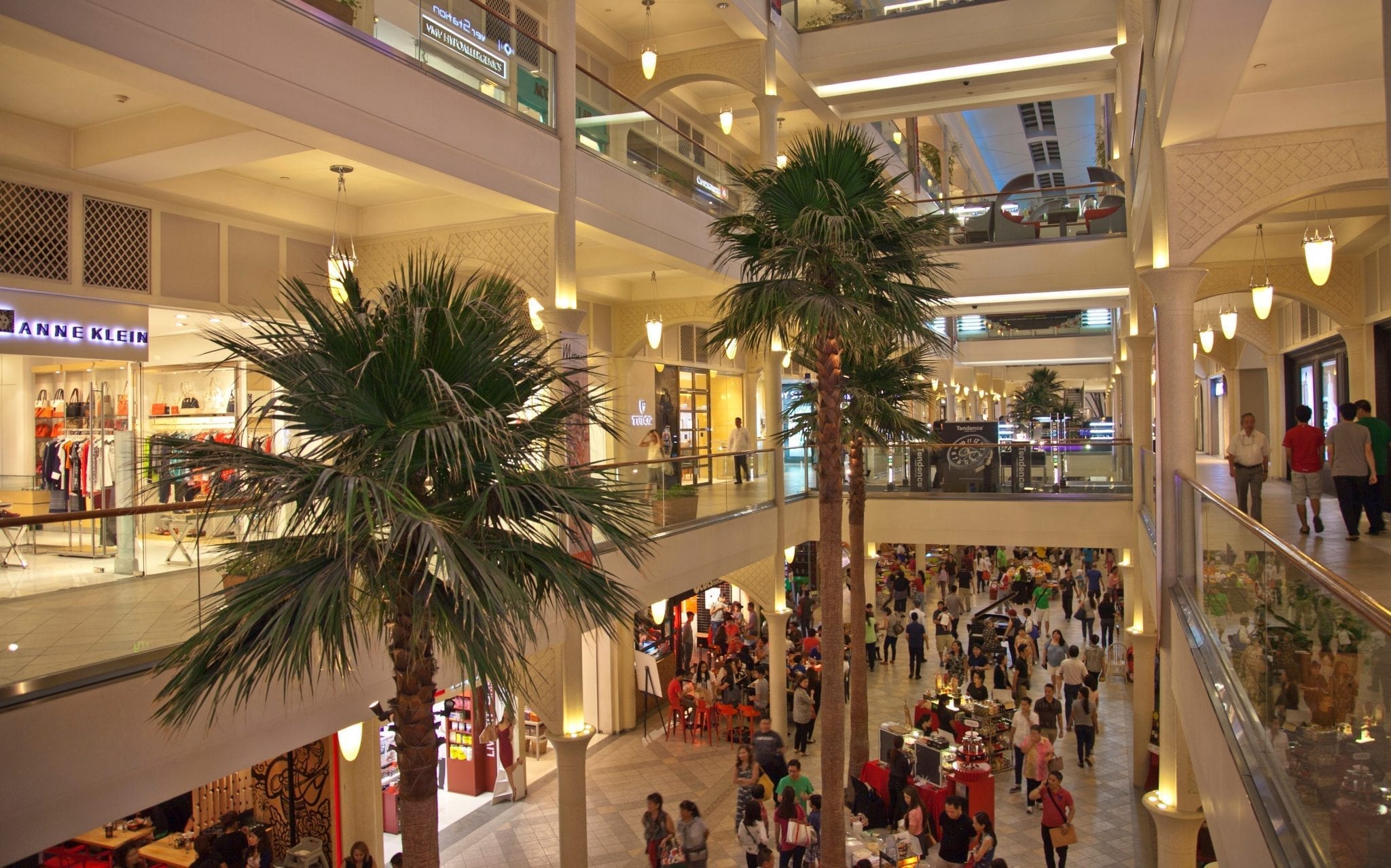
    Based on JLL figures for 2015, Manila continues to offer the most affordable shopping centers in the region at US$555 a square meter per annum. In contrast, Hong Kong commands the most expensive retail rents at US$15,661 a square meter per annum.

    Rising incomes

    As well as the lower retail rates attracting more international brands, the rising income of Filipinos is also a magnet.

    “Almost all the big brands that are in Singapore, Hong Kong and even the US are now here,” says Lobien. “We see Forever21, H&M and all the other big brands. Even brands as prestigious as Apple are looking at the Philippines now.”

    According to Jones Lang Lasalle’s Global Cross Border Retailer Attractiveness Index 2016, Manila is classified as a growth retail city, ranking 29th on the list of 50 top cities attractive for retail.

    “Strong retail sales growth is driven by an expanding population, rapidly rising middle classes and fast-track urbanisation,” says JLL.

    Lobien says the Filipino consumer market is becoming more sophisticated and is being more exposed to what is happening abroad, as travelling has become less expensive. “We didn’t know those brands before. Nowadays, we are familiar with all the international brands and we’re looking for them in the Philippines.”

    International brands that have entered the Philippines lately include Fatburger, Morganfield’s, Sugar Factory, Tokyo Milk Cheese Factory and Vera Wang, says JLL.

    To enter the Philippine market, foreign brands need a local retail partner, says Lobien, citing SM, which has partnered with Forever21 and H&M. “There are a lot of others like the Bench Group, which has international brands also.”

  • Lalamove to expand to 100 Asian cities

    Lalamove to expand to 100 Asian cities

    Hong Kong-based logistics startup Lalamove has raised US$30 million in Series B funding to enable it to push into more than 100 cities in Asia by the end of the year.

    It is already established in 45 cities across China and Southeast Asia.

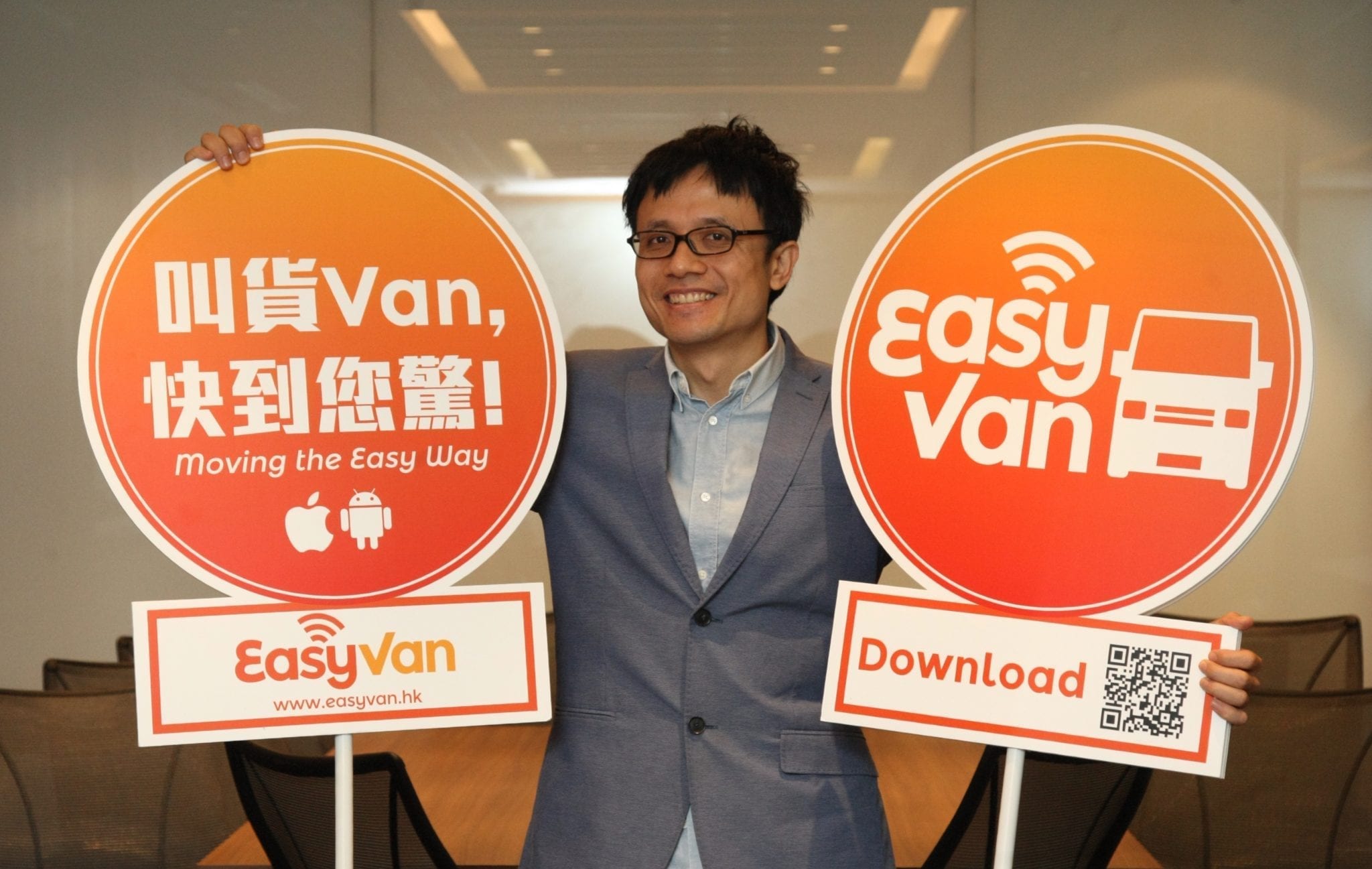
    Since it launched as EasyVan in 2013, the company has raised a total US$60 million in funding, with its latest round being led by Xianghe Capital from Beijing, with Blackhole Capital participating as a new investor. Previous investors Crystal Steam and Mindworks Ventures also contributed.

    Lalamove MD Blake Larson says the company is close to being profitable.

    Lalamove says it already has the largest service area for intracity deliveries in Asia with more than 500,000 drivers using the platform. More than 5 million people have used the service.

    Founder/CEO Shing Chow said he believes the logistics industry is underpenetrated by mobile platforms, citing the US$1.7 trillion market in China as an example.

    “The evolution of the logistics industry has not been as rapid as some other markets like communication, but we believe we are at a tipping point where transformation will now happen very rapidly.”

    Dubbed the “Uber for logistics” because it applies the on-demand economy to the delivery industry, Lalamove lets users choose pick-up and drop-off points, type of vehicle and either “advance booking” or “immediate delivery”.

    A company can schedule up to 20 stops per order, customise an account with “favourite drivers” and use one-click optimised routing to save time, reports E27.

    In Thailand, Lalamove partnered with Japanese chat company Line to set up Line Man so its user base could buy and deliver documents, packages, groceries and food items.

    In November, the company expanded into the Philippines, where its option to request round-trip deliveries for cash-on-demand was important.

    The company rebranded from EasyVan in November 2014, ahead of its Bangkok launch.

  • McDonald’s Malaysia bans non-halal foods

    McDonald’s Malaysia bans non-halal foods

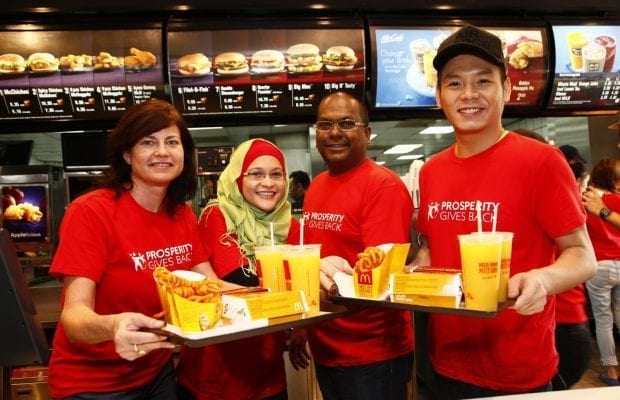
    McDonald’s Malaysia has decided to ban customers taking products that are not halal-certified into its restaurants.

    The fast-food restaurant chain says the measure is necessary to safeguard its own halal status, reports the Malay Mail.

    “This is in line with fulfilling requirements of our halal certification,” company official say.

    The new policy came to notice after an announcement was made in one of its restaurants that birthday cakes taken onto the premises must have halal certification or logo.

    McDonald’s Singapore and Malaysia franchise rights were sold last month to Saudi Arabian company Lionhorn as part of a broader plan by the US company to move away from direct ownership in Asia.

  • Chatime Malaysia master franchisor axed

    Chatime Malaysia master franchisor axed

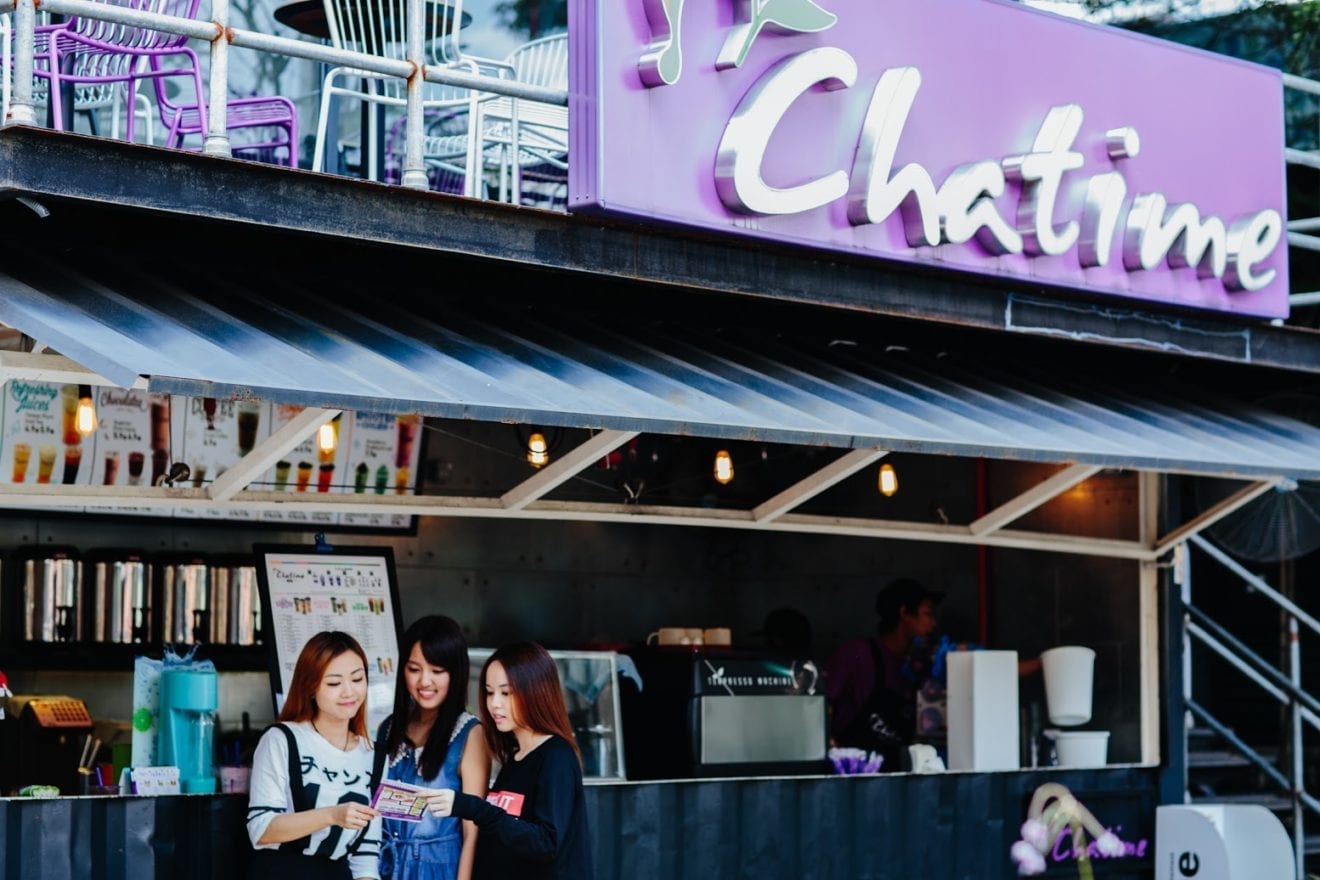
    Loob Holdings, which owns and runs the Chatime Malaysia outlets, says it will seek legal advice in response to news of a purported termination of the franchise agreement with La Kaffa International of Taiwan.

    Loob CEO Bryan Loo says that while the franchisor owns the brands, all Chatime outlets in Malaysia are owned and run by his company, either through direct ownership, sub-franchisees or joint ventures with sub-franchisees.

    While awaiting the legal process, he says all 165 Chatime outlets in Malaysia will be open as usual with Loob as master franchisee.

    Earlier, La Kaffa chairman Henry Wang announced the termination of Loob Holdings’ Chatime master franchisor contract, which it has held for six year, because of disagreements in the direction of business operations.

    Wang said La Kaffa would take over the Chatime business in Malaysia, assuring franchisees they would continue to receive support from the company.

  • Vietnam’s low-skilled labor force threatened by robots

    Vietnam’s low-skilled labor force threatened by robots

    86 percent of garment workers could lose their jobs in the coming decades, according to the International Labor Organization. Vietnam’s workforce is made up largely of untrained and low-skilled workers who are at high risk of being replaced by automation and robots in the near future, labor experts said at a conference in Hanoi on Tuesday.

    Dao Hong Lan, vice minister of labor, said Vietnam currently has 54.36 million workers but nearly 80 percent of them have not received any training or degrees for their jobs.

    The country’s labor force is expected to grow to 62 million in 2025, posing a very difficult task for the country to create more than 700,000 thousand jobs every year.

    “Globalization and technological revolution are posing increasingly greater challenges for Vietnam’s economy,” Lan said.

    Skill enhancement must be a priority to secure Vietnam’s labor market ahead of the time when low-cost labor will no longer be competitive, officials said at the National Policy Dialogue on Future of Work held by the labor ministry and the International Labor Organization (ILO).

    David Lamotte, ILO deputy director for Asia and the Pacific, said: “It will certainly shift in the coming years as technology costs decline while labor costs increase.”

    A recent ILO study found that workers in Vietnam’s two major and growing production sectors – garments and electronics – are at risk.

    In the garments sector, 86 percent of workers face increased automation, while about 75 percent of workers in the electronics sector could be replaced by robots in the coming decades, it found.

    The sectors provide the country’s key exports and account for around 40 percent of the nation’s manufacturing jobs, but productivity and the application of technology in the workplace are much lower than in other Southeast Asian countries.

    Productivity in Vietnam’s garments sector, for example, is only 20 percent of Thailand’s and nearly the same as Cambodia.

    Garment production in Vietnam currently relies on a large number of workers rather than highly-skilled employees while the electronics sector targets low-value production and low-skilled assembly work, according to the ILO.

    The ILO said young people in Vietnam should pursue courses in science, technology, engineering and mathematics to meet employment demands in the age of technology.

    “This is important, particularly among girls and young women who are more susceptible to job loss than men, when automation becomes more popular in manufacturing industries,” said Lamotte.

    A recent survey by the Institute of Labor Sciences and Social Affairs at the ministry also named creativity, foreign languages, teamwork and problem solving as the core competencies needed to survive the modern workplace.

    Both the ILO and the institute called for better connections between Vietnam’s policymakers, employers and training institutions to adapt to the changing workplace and technological innovations.

    The current link between businesses and training institutes mainly comes in the form of internships while their cooperation remains weak when it comes to training and planning for skilled workers.

  • International MVNE to launch on ASX tomorrow

    International MVNE to launch on ASX tomorrow

    Australia-based international MVNE United Networks will list on the Australian securities exchange (ASX) tomorrow after completing an A$7.1 million IPO.

    United’s main product is a white label global roaming service operating over cellular, Wi-Fi and GPS networks worldwide, targeted at corporate customers including insurers, airlines, banks and travel agents. The company also offers data and value added services.

    This month, United launched a white label Wi-Fi application connecting users to unlimited data in over 57 million hotspots across 120 countries.

    The company also offers a location based services platform that has recently been used to provide location and alert services for major events such as natural disasters and terrorist attacks.

    United plans to use the proceeds from its IPO to expand the strength and coverage of the United network to help broaden its customer base and product range.

    “The success of United’s white labelling has come from it being an attractive low cost customer acquisition program for corporates, as well as offering them a chance to convert this cost into a revenue earner,” United CEO Nicholas Ghattas said.

    “With the launch of the Wi-Fi app we have streamlined the use of the global roaming product and we expect it to be the basis for its growing appeal among new and existing corporate customers.”

  • OTT substitution to cost operators $104b this year

    OTT substitution to cost operators $104b this year

    Operator voice and text revenues will continue to be eroded by competition from OTT messaging services and social media, with the consumer migration to these services costing network operators nearly $104 billion this year, according to Juniper Research.

    The impact of OTT substitution will be the equivalent to 12% of operators’ service revenues, the research firm said.

    In a new report, Juniper Research said the major success of several platforms have substantially impacted operator margins, noting that WhatsApp alone now generates nearly three times as much daily traffic as SMS.

    While the threat to operator revenues posed by OTT substitution is nothing new, the report also notes that OTT messaging platforms are now trialing or incorporating multiple new communications options, such as group voice and video chat. This is likely to ensure continued erosion of traditional telecoms traffic levels in the future.

    But Juniper Research said there are a number of measures operators can introduce to stem the decline in core revenues and develop new sources of income.

    These include implementing big data and analytics packages for consumer and IoT devices, introducing carrier billing payment options or mobile money services, and developing mobile identity services for consumers.

    With operators increasingly deploying mobile as part of a quad-play offering for subscribers, report author Dr Windsor Holden added that it is essential for operators to provide consumers with attractive, original content to differentiate themselves from the competition.

    With mobile devices now regularly used for primary consumption of video content as well as snacking, operators providing popular film, drama and exclusive sports events over multiple channels are at a distinct advantage,” he said.