Author: Mei Ling Tan

  • Tata Sky offers 600 channels and services

    Tata Sky offers 600 channels and services

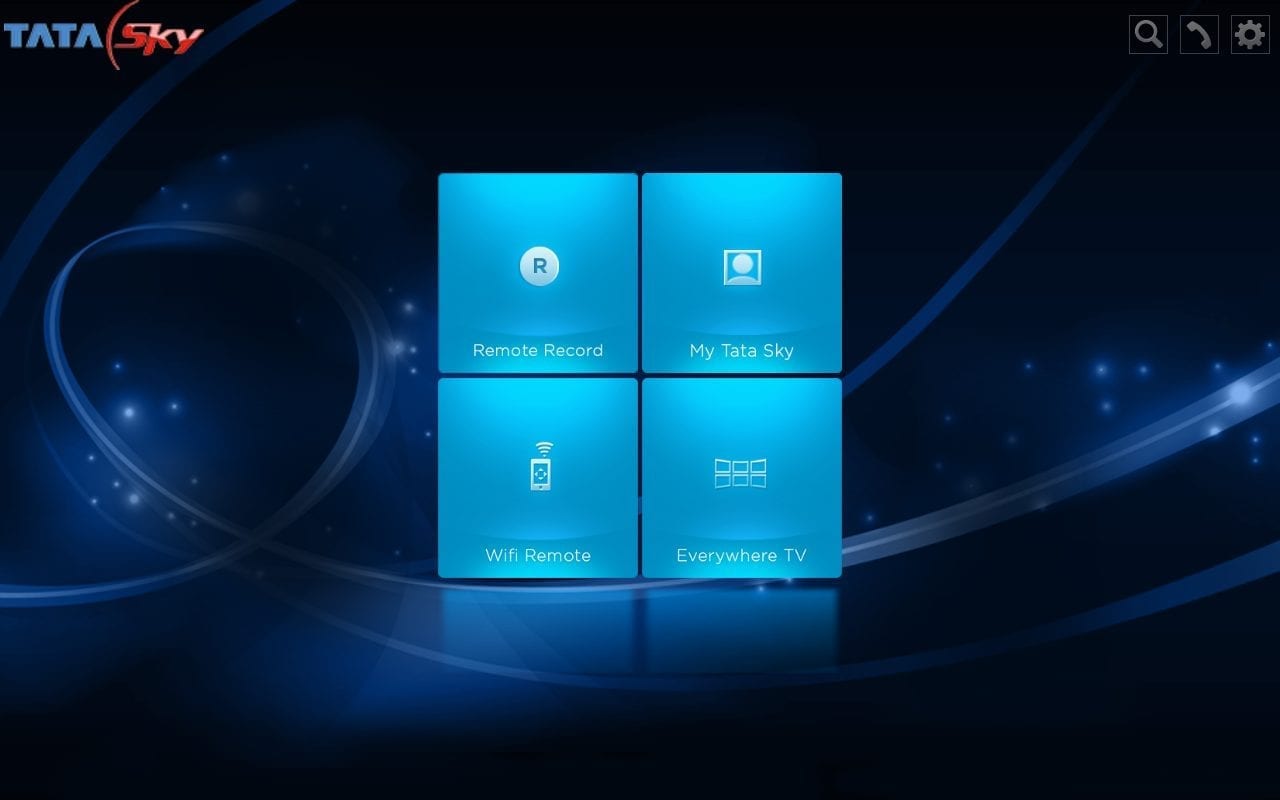
    Tata Sky in India has unveiled its offerings #MaxJingalala of 600 channels and services, which is said to be the highest ever in the DTH sector.

    Tata Sky today is a market leader in HD channels along with maximum number of Tamil, Telugu, Kannada, Malayalam, Marathi, Bengali, Oriya, Punjabi and Assamese channels on offer.

    As of December 2016, Tata Sky is offering an unprecedented 76 HD (highest in the industry) and 483 SD channels. The bouquet of 31 value added services, 15 SD & HD movie platforms specials, 9 exclusive +1 channel feeds, have been a clear differentiator and a key focus area for the brand.

    “Consumers in India consider the number of channels provided by an entertainment platform to be among the second-biggest reason to make their purchase decisions,” said Malay Dikshit, Chief Communications Officer of Tata Sky. “Tata Sky is leaving no stone unturned to offer the maximum number of channels and services to its subscribers. Hence offering Sabse Zyada Manoranjan catering to every member of the family is key to the Tata Sky offering.”

    Throughout 2016, Tata Sky has pioneered in the Pay TV sector with offerings ranging from enabling internet browser application on the Set Top Box, introducing Kids Showcase, Bengali & Punjabi movies MAMI films, m-Visa payment option to first of its kind interactive services such as Comedy, Devotion, Music + and Gurus.

    The year also saw popular campaigns from Tata Sky such as Pyaar Jingalala (13 series ad films), Das Saal Jingalala and Family Jingalala (starring Amitabh Bachchan).

    Some of the other first-ever in the sector that Tata Sky has under its hat are the launch of 4k Set Top Box in India, Karaoke service on STB, unique interactive services Classroom and Smart manager and the world’s first Daily Recharge option.


  • Jaguar Land Rover sells record 583,313 cars in 2016

    Jaguar Land Rover sells record 583,313 cars in 2016

    Britain’s biggest carmaker Jaguar Land Rover sold a record 583,312 cars last year as the Indian-owned firm continues its rapid expansion with the aim of building 1 million vehicles a year at the turn of the decade.

    Sales were up 20 percent from the previous year, although sales growth slowed to 12 percent year-on-year in December, the carmaker said.

    The automaker, which spent years in the doldrums before being bought by India’s Tata in 2008, has since invested heavily in new models and expanded production with plants in China and Brazil and construction of a new site in Slovakia under way.

    Sales of luxury Jaguar models rose 77 percent to 148,730 units in 2016 due to strong demand for a range of new high-end products including the F-PACE, the brand’s first off-roader which was launched last year.

    Europe was the carmaker’s biggest overall market, accounting for almost a quarter of total demand.

    The firm said its line-up will continue to expand but it has warned about the negative effect any tariffs on its business imposed as part of a Brexit deal could have if Britain were to lose unfettered access to the single market.

    Its annual profit could be cut by 1 billion pounds ($1.23 billion) by 2020 if Britain returned to World Trade Organization rules for trade with the continent, two sources told Reuters last year.

  • Vietnam telecom giant to scrap roaming fees with Laos, Cambodia from 2017

    Vietnam telecom giant to scrap roaming fees with Laos, Cambodia from 2017

    The company expects to lose $1 million a month but hopes to boost connections in Indochina. Vietnam’s biggest telecom firm Viettel has announced it will abolish roaming charges between Vietnam and neighboring Cambodia and Laos, where it has also developed strong networks.

    Nguyen Manh Hung, general director of the company, said that starting from next year its subscribers in the three countries will be able to phone each other at domestic call rates, local media reported. Viettel has developed the Metfone network in Cambodia and Unitel in Laos.

    Hung said the initiative is to facilitate cultural and trade connections in Indochina, but the company will lose around $1 million a month.

    In October last year, members of the European parliament also voted to scrap mobile roaming charges from mid-2017 to save holidaymakers among member countries from racking up massive phone bills.

    ASEAN ministers of communications raised the idea of abolishing roaming fees thoughout the bloc back in 2013, but no agreement was finalized.

    Besides Vietnam, Viettel operates mobile networks in ten countries in Southeast Asia, South America and Africa.

    Its brand value has been estimated at $973 million by UK-based intangible asset valuation consultancy organization Brand Finance. It is ranked seventh in Southeast Asia and 93rd globally.

  • KBZ and Kasikorn Banks Introduce Remittance Services in Rangoon

    KBZ and Kasikorn Banks Introduce Remittance Services in Rangoon

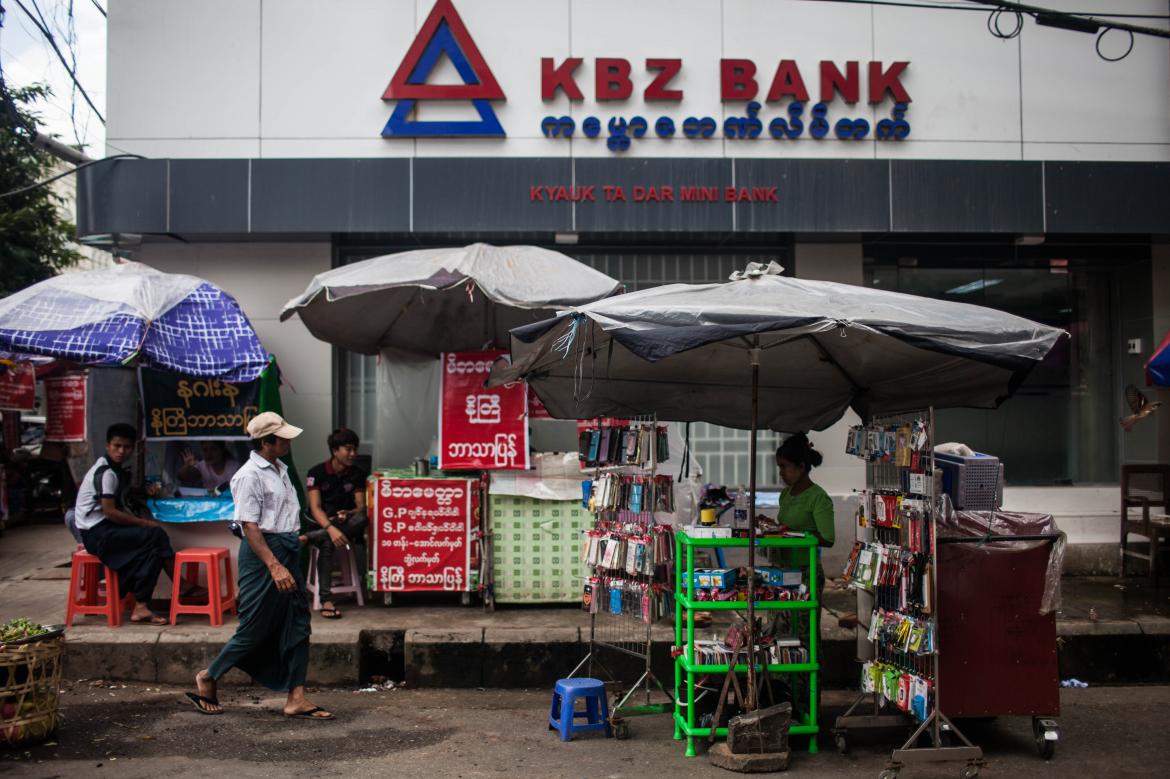
    Burma’s Kanbawza Bank (KBZ) signed a memorandum of understanding with Thailand’s Kasikorn Bank in Rangoon on Wednesday to introduce remittance services for migrant workers in both countries.

    Worawut Wesaratchakit, senior vice president of Kasikorn Bank, told the Irrawaddy that the remittance service was expected to begin during the first quarter of 2017 as further details needed to be discussed.

    “Most migrants have to go to bank branches to send money, which is not convenient. They use agents, which is unregulated, unsafe, and costs at least 10 percent of the money being sent,” he said.

    He added that the new service would be easier and cheaper than the one currently used by agents.

    There are an estimated 3 million Burmese migrant workers in Thailand.

    Many of those workers currently use informal channels to send money home, bank officials said.

    U Win Lwin, managing director of KBZ’s international banking division, said the new service will pose less risk for migrant workers.

    “By partnering with Kasikorn Bank, we can ensure the protection of people’s remittances,” he said.

    The transfers will be arranged via a mobile application. According to Kasikorn Bank, senders will be able to monitor transfers and clearly see when the money reaches the receiver’s account.

    The service will be linked to the full features of KBZ’s online banking system and a savings scheme as well.

    One of the largest private commercial banks in Burma, KBZ Bank was established in 1994 in the Shan State capital, Taunggyi. International representative offices have opened in Thailand and Singapore currently. KBZ opened a representative office in Bangkok in May.

    Thailand’s Kasikorn Bank was founded in 1945 and operates more than 1,000 branches across Thailand and 16 overseas offices.

  • Vietnam to develop legal framework for Bitcoin

    Vietnam to develop legal framework for Bitcoin

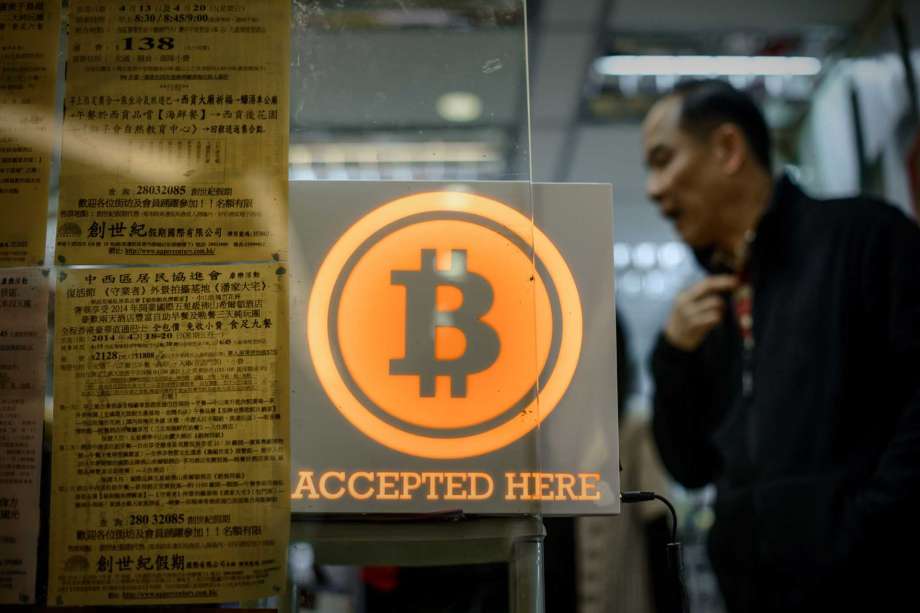
    The government is looking to cash in on taxes from the virtual money. Amid concerns that Bitcoin can be used for money laundering, creating chaos in the financial markets, Vietnamese regulators, rather than banning Bitcoin, are looking to manage the virtual money through a new legal framework.

    Since Bitcoin transactions are mainly conducted on the internet, it makes it difficult for the government to collect taxes. This means losses to the budget revenue due to tax evasion, said a recent government proposal.

    The proposal also pointed out that Bitcoin can be used to launder money, purchase illegal weapons and arms, and enable corruption and bribery.

    The justice ministry, along with the central bank, the information ministry and the trade ministry, has been tasked with bringing a regulatory framework to the table by the end of next year.

    Vietnamese lawmakers admit that they are behind other countries when it comes to defining virtual currency and how it can be regulated.

    They are also aware that electronic payments are on the rise in Vietnam, with over 2.2 million electronic wallets currently active across the country.

    Besides, as Vietnam is experiencing an e-commerce boom, Bitcoin and other types of virtual money could be used as non-cash payments in the future.

    Vietnam expects revenue from online retail to hit $10 billion by 2020, accounting for 5 percent of total nationwide revenue from sales of goods and services, according to the government’s e-commerce development plan for 2016-2020.

    The Southeast Asian country forecasts rapidly growing demand for online shopping with 30 percent of the population buying goods and services over the internet.

    The justice ministry said that there are no rules in place to regulate Bitcoin as well as other electronic forms of money, and this must change.

  • Kasikornbank expands in China with local incorporation

    Kasikornbank expands in China with local incorporation

    Kasikornbank will soon be Thailand’s second bank to be locally incorporated in China, with hopes of cashing in further on the growing trade between the two countries.

    Thailand’s fourth largest bank by assets is currently going through the final procedures with the Chinese authorities, with official approval to be completed by mid-2017, Chairman Banthoon Lamsam told reporters on Thursday. Incorporation in China will enable Kasikornbank to operate on the same conditions as a local bank, including offering full-scale renminbi services to local clients. It would become the second Thai bank to incorporate in the country after Bangkok Bank.

     Also in 2017, the bank will open a new branch in Shanghai, its fourth in Chinese territory after those in Chengdu and Shenzhen on the mainland, and one in Hong Kong.

    “China is a super power country, especially at a time when so much change is going on in the global political landscape,” Banthoon said. He added: “The trading power of the West will be more difficult to rely on. We must lead on the East in which China stands as an important country.”

    Neither the economic slowdown nor the massive shadow banking industry in the country seems to bother Banthoon. “China does have its own problems but they have the system to adjust and control so the situation will remain manageable and can go on,” he said.

    Currency settlement

    Additionally, Kasikornbank on Thursday signed an agreement with Chinese fintech firm International Business Settlement to develop a baht-yuan cross-currency settlement system using blockchain technology.

    It will be based on an IBS platform which the Chinese company claims will be a cheaper, quicker and safer alternative to the dominant SWIFT settlement system. IBS Chairman Luo Feng said that his company is working with central banks in Europe and other regions in the world to develop the new settlement and clearing network.

    “IBS has the technology and network to facilitate international settlement that is not based just on the U.S. dollar, at a time when the yuan’s international presence is increasing,” Banthoon said.

    The system IBS is developing will enable direct settlement of transfers between baht and yuan, without the need to use U.S. dollar conversions at any point in the procedure.

  • Nvidia launches AI-focused incubator in India

    Nvidia launches AI-focused incubator in India

    American graphics processing unit (GPU) technology giant Nvidia has launched the Nvidia Inception program in India, in recognition of the country’s budding innovation ecosystem surrounding Artificial Intelligence (AI).

    Inception is a virtual incubator program to support startups with revolutionary ideas in AI. Members will receive a custom set of benefits, from hardware grants and marketing support to access to the latest Nvidia deep learning technologies and training with deep learning experts.

    The Inception Program was launched in India at the inaugural Nvidia Emerging Companies Summit India, part of the GPU Technology Conference (GTCx).

    The momentum around AI among Indian innovators is so significant that, at launch, the Inception Program already has close to 100 Indian startups as members.

    “Artificial Intelligence has gone from science fiction to reality thanks to a new computing model: GPU-accelerated deep learning,” Nvidia MD for South Asia Vishal Dhupar said.

    “We believe the next generation of breakthroughs in technology and business will be driven by the AI startup community. Young India’s aspirations, ideas and potential are global in scale, and we are excited to amplify the imagination and intelligence of the country’s brightest minds.”

  • Why Vietnam should care about how much Chinese tourists splurge

    Why Vietnam should care about how much Chinese tourists splurge

    More spending by Chinese visitors can boost Vietnam’s GDP by 1 percentage point. As more Chinese travel around the world, they leave bigger impacts wherever they go. Now experts say for countries that receive a large number of Chinese arrivals, including Thailand and Vietnam, their economic growth will be influenced by the spending habits of these visitors.

    A 30 percent increase in spending by Chinese tourists would boost Vietnam’s gross domestic product by nearly 1 percentage point, citing Credit Suisse. For Thailand, that would be around 1.6 points.

    Vietnam’s economy is expected to expand 6 percent this year, before speeding up to 6.8 percent next year.

    Mainland China accounted for 30 percent of all tourists to Vietnam, with more than 2.48 million coming in the first 11 months this year, up 54 percent from the same period last year. It was the biggest source market, and only came after Hong Kong in terms of growth.

    In October, the Chinese Tourism Administration released a top 10 list of favorite destinations for Chinese travelers, ranking Vietnam at seventh.

    Edward Lee, an economist with Standard Chartered Plc in Singapore, said that tourism in Southeast Asia will benefit from the growing Chinese demand.

    The number of Chinese tourists into Asia as a whole has grown tenfold since 2000, Lee said. They now account for a quarter of tourists in Thailand, which came first in the China’s list of top 10 favorite destinations.

    “Chinese tourism is pretty big for ASEAN now, and all the countries rely on Chinese visitors to keep coming and keep spending,” Lee was quoted as saying.

    Many direct flights are serving Vietnamese major cities from China. A large number also entered via northern border provinces, particularly Quang Ninh, home to the much loved Ha Long Bay.

    Quang Ninh has announced that it will ease visa requirements for Chinese visitors from January 1, allowing groups of Chinese travelers to stay for up to three days without a visa.

    Harry Sa, a research analyst at the S. Rajaratnam School of International Studies, told that “China can do wonders for the economy and the countries in the region understand.”

    Most countries welcome that, even those that have tensions with China, he said, referring to the overlapping claims in the South China Sea (which Hanoi calls the East Sea) that involve Malaysia, the Philippines and Vietnam.

  • Vinamilk stake sale set to flop after Vietnam imposes investment caps

    Vinamilk stake sale set to flop after Vietnam imposes investment caps

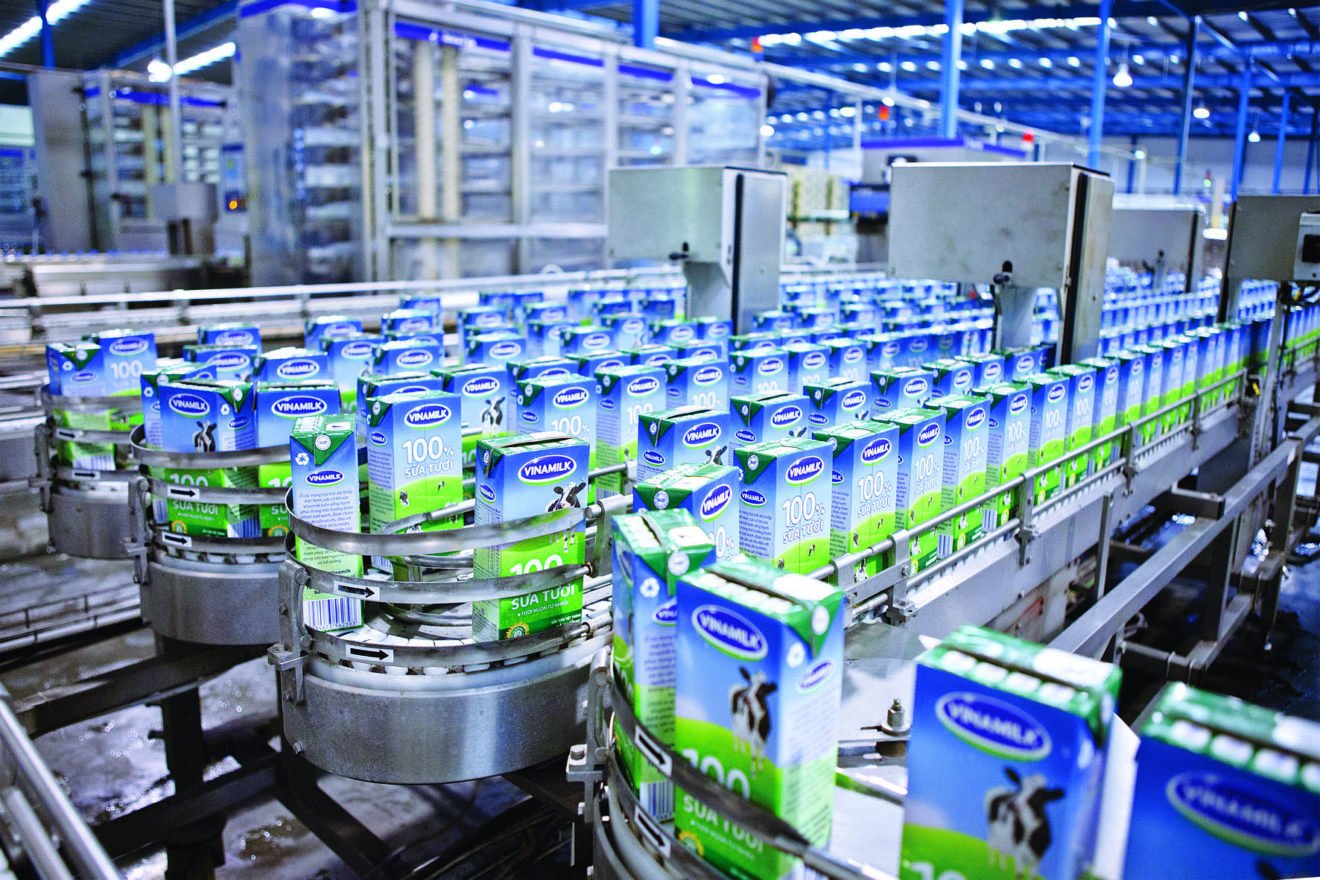
    The market has been surpised by news that each investor could only buy up to 2.7 percent of the dairy giant’s shares. The Vietnamese government will likely fail to sell much of the 9 percent stake it has offered in dairy firm Vinamilk, one of its most attractive assets, with investors put off by highly restrictive investment caps and unfavorable market conditions.

    The State Capital Investment Corporation (SCIC), which represents the government’s 44.7 percent ownership in Vinamilk, took the market by surprise last month when it announced each investor could only buy up to 2.7 percent of Vinamilk’s shares.

    That has helped result in just two bids, worth a combined $500 million, by wholly owned units of Thailand’s Fraser and Neave Ltd for the shares due to sold on Monday. One of the units is already Vinamilk’s second-biggest shareholder with a 10.95 percent stake.

    The muddled sale process has underscored Vietnam’s relative inexperience and investor wariness about state control as the government seeks to push forward with a major privatization drive, one that already been hampered due to the small stakes on offer and concerns about vested interests.

    Also detering investors has been a drop in Vinamilk’s share price below the minimum bidding price set by the government of VND144,000. The stock has been hit by a sell off in Vietnamese shares as investors shun emerging markets amid uncertainties after the U.S. presidential election and a potential rates hike by the Federal Reserve.

    Lessons learned

    “The minimum bidding price of VND144,000 is actually not expensive for a strategic investor in Vinamilk, but the issues are the timing and the restrictions that come with it,” said Nguyen Thanh Lam, deputy manager at Maybank Kim Eng Securities in Vietnam.

    Vinamilk, Vietnam’s top listed firm by market value, is seen as one of the country’s most attractive companies as it commands around half of domestic market for dairy goods and has seen steady earnings growth.

    Its shares have jumped 20 times in value since its debut on the Ho Chi Minh City Stock Exchange 10 years ago.

    Other shares offerings coming up include an initial public offering of budget carrier VietJet Air, which is expected to raise up to $194 million, and the sale of government shares in Vietnam’s top brewers Sabeco and Habeco.

    Fiachra Mac Cana, managing director and head of research at Ho Chi Minh Securities, said the Vinamilk share sale did not necessarily bode ill for other asset sales.

    “I feel that the sale is actually a good initial step with a few lessons learned as to how to do better next time,” he said.

    “In any event, the government hasn’t been doing this for that long so in a way we should expect them to be learning as they go.”

  • Toyota to invest $10 billion over the next five years

    Toyota to invest $10 billion over the next five years

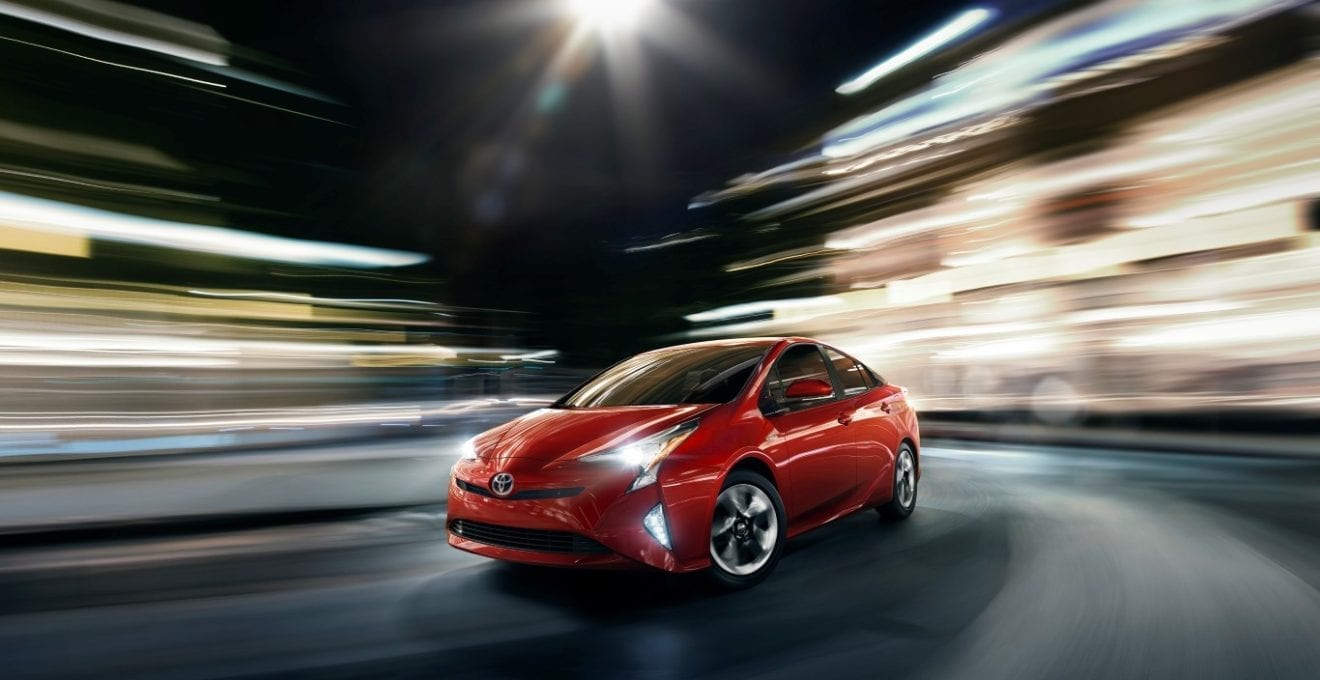
    Toyota Motor will invest $10 billion in the United States over the next five years, the same as in the previous five years, North America Chief Executive Jim Lentz said on Monday, to meet demand and upgrade plants to build more fuel-efficient models.

    The Japanese automaker has come under fire by President-elect Donald Trump for its plans, announced in 2015, to shift production of its Corolla to Mexico from Canada.

    Lentz said in an interview at the Detroit auto show the decision was not in response to Trump’s remarks made in a recent tweet, but was part of Toyota’s business strategy to invest in the United States, where it has 10 plants in eight states.

    Planning for the new Mexico plant began about two years before it was announced in 2015, said Lentz, describing such decisions as long-term ones.

    Lentz said he had not spoken with Trump.

    The $10 billion includes Toyota’s new North American headquarters in Texas that is under construction and major improvements to its plants.

    Toyota plans to expand some of its U.S. plants over the next five years, said Lentz, declining to say if that effort would boost jobs. Toyota, which employs 40,000 in the United States, added more than 5,000 U.S. jobs over the last five years, he said.

    Toyota President Akio Toyoda appeared at the show later on Monday to tout the company’s investment plans and its updated flagship Toyota Camry that is built in Kentucky.

    “We are deeply grateful to the millions of customers who have made Camry the number one selling car in America for the last 15 years,” Toyoda said.

    Lentz said “everyone” agrees with Trump’s goals of boosting manufacturing and U.S. employment, in part because “it helps us sell more cars.”

    “We have to run our business as a global business,” he said. “I have to make sure that we are competitive.”

    The company is focused on reminding policymakers in Washington about its extensive U.S. manufacturing operations, Lentz said.

    Lentz said Vice President-elect Mike Pence, who was Indiana governor, knew Toyota well because of its manufacturing operations in the state.

    He warned that a “border adjustability tax,” like the one proposed by Trump if the carmaker builds the Corolla in Mexico instead of the United States, could hike the price of cars and hurt auto employment.

    Such a tax could add $1,000 to cost of a Kentucky-built Camry because of some foreign-made parts.

    After the critical tweet from Trump, “you have to respectfully state your position and then move on,” he said.

  • Heineken expands production, buys into local top brewer in Vietnam

    Heineken expands production, buys into local top brewer in Vietnam

    The beer maker is aggressively pouring money into Vietnam, one of the biggest markets in Asia-Pacific. As Heineken considers Vietnam a vital driver for its business growth in Asia-Pacific, the Dutch beverage giant is trying to grasp more market share.

    Heineken in July took over a facility from rival Carlsberg in the southern port city of Vung Tau in an attempt to boost its brewing capacity to satisfy the thirst of local drinkers who, according to Euromonitor International, are expected to consume more than 4.04 billion liters of beer this year, the most in the region and up from 3.88 billion liters last year.

    The Amsterdam-based company has planned to boost its capacity at the Vung Tau facility to 610 million liters from 50 million liters, the Nikkei Asia reported.

    Heineken, which entered Vietnam in 1991, currently operates in the market through two companies, including wholly-owned Asia Pacific Breweries and Vietnam Brewery, in which Heineken has a 60 percent stake.

    It is now the second biggest brewer in Vietnam controlling 25 percent of the local beer market, after dominant player Sabeco, which has 40 percent of the market.

    Heineken, which positions itself on the market as the brewer of high-end beers, has increased its annual output by 14 percent since 2012, which is more than twice the output growth rate of Sabeco, the Nikkei Asia reported, citing data from local securities company Viet Capital.

    Heineken produced 729 million liters last year, compared to Sabeco’s 1.38 billion liters.

    As part of its expansion plan, Heineken plans to buy into Sabeco as the government is divesting from the top local brewer.

    Heneiken is seen among potential investors keen to aquire more shares in Sabeco, a 90 percent state-owned company due to be listed in Ho Chi Minh City on December 20 at the latest. Heineken is reported to have already owned 5 percent in Sabeco.

    The Vietnamese government on July 20 scrapped a long standing foreign-ownership cap in many listed companies, but the 49 percent limit stays put for Sabeco.

    In the latest privatization push, the government will sell a 53.6 percent stake in Sabeco this year and the remaining in 2017.

  • Prompt Pay to revamp e-banking in Thailand

    Prompt Pay to revamp e-banking in Thailand

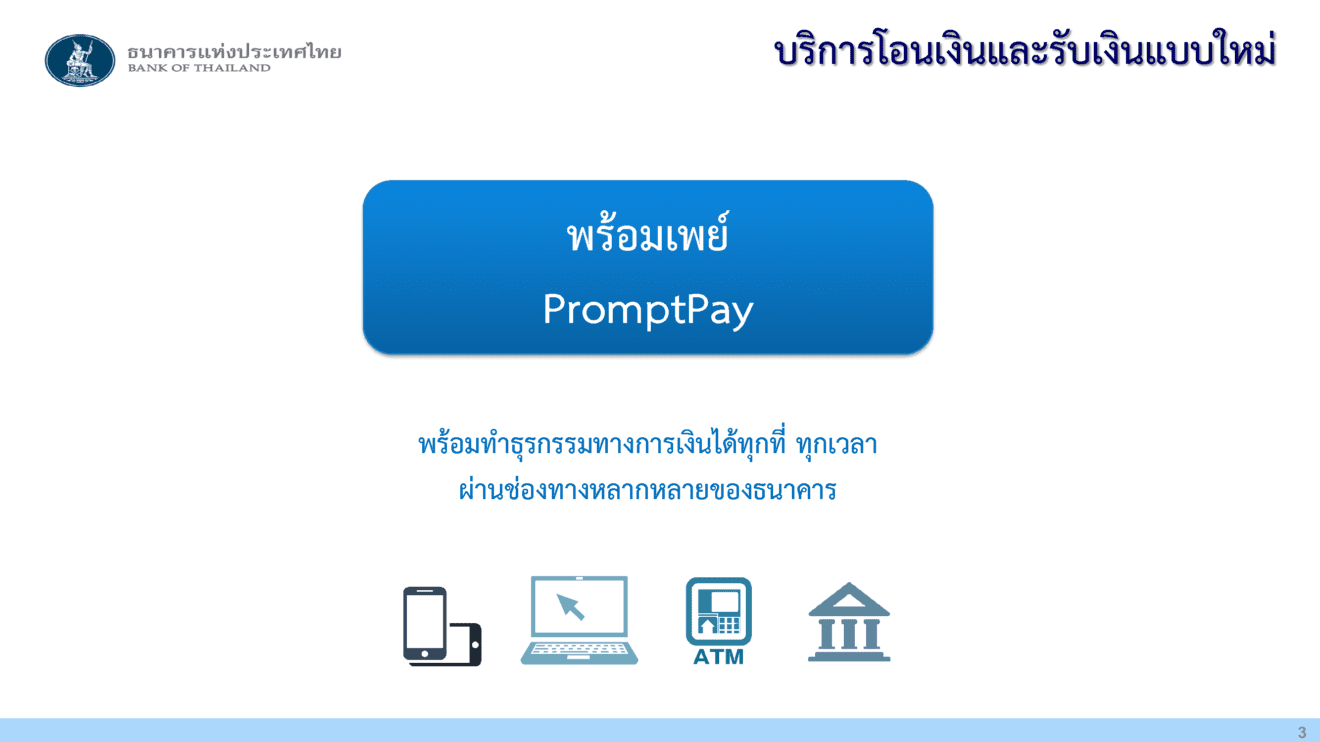
    The digitalization of banking remains a top priority for banks across Asia, including in Thailand. In January 2016, the Thai Bankers’ Association announced plans to develop a new five-year strategy that included digitization and next-generation payment infrastructure, financial inclusion, contribution to society, regional integration, and legal and regulatory enabling.

    Chief among the ambitions of digitization is see between 50-60% of transactions becoming cashless by 2020, up from 25% in January 2016. One of the beneficiaries of this over-arching initiative is e-Payments, which is forecast to account for up to 70% of total transactions by 2020, up from the current 30%.

    According to the Oxford Business Group report “Banking in Thailand goes increasingly digital” three initiatives have been planned to help meet these targets: the development of a payment system roadmap, publication of common standards and establishment of shareable payment infrastructure.

    In July 15, 2016, the Bank of Thailand announced plans to roll out a national e-payment service in partnership with a number of commercial banks as well as four institutions owned by the government. The aim of the project is to further transition Thailand into a cashless society.

    In November 2016, market research firm YouGov polled 1,022 Thai netizens’ views on the service several months after the announcement and subsequent marketing of the service, including a highly public delay of the service in October.

    According to the poll, 74% of polled netizens confirm intent to use the service, suggesting consumers view the service as a welcome advancement to current payment options. Only 7% of those polled have not heard of the service.

    Over half (54%) of those polled see Prompt Pay as enabling them to make payments across multiple channels with internet banking as the most popular option. But 20% intend to use Prompt Pay solely for internet banking, and 15% say they plan to use Prompt Pay for mobile banking.

    The YouGov poll suggests that e-payment services are growing in popularity. About 53% of those polled identified True Money as a service they have recently in the past month compared to 38% over the past 3 months. Linepay and Rabbit were alternative e-payment services also popular among those polled at 17% and 15% respectively.

  • Global ad revenue on pace to $590b in 2017

    Global ad revenue on pace to $590b in 2017

    Big brand budgets and quadrennial events such as the Olympics, European Football Championship and US presidential election will drive 2016’s global advertising revenue growth to $532 billion.

    The advertising industry is about to turn the corner thanks to the global economy getting back on track, according to a new report released by IHS Markit.

    Advertising revenue will grow 7.1% in 2016 to $532 billion. Strong growth in global real private consumption also buoyed advertising revenue as brands tried to take advantage of heightened consumer spending. Advertising revenue accounted for 0.69% of global GDP in 2016, up from 0.66% in 2015, the report said.

    Top 10 markets

    The top 10 markets make 75% of the global revenue figure. The top 10 markets still account for the lion’s share of global advertising revenue. However, their collective power has dropped due slowdowns in the Chinese and Brazilian economies, which were the rising stars in the top 10 in 2015.

    The top 10 accounted for 76% of global ad revenue in 2015; it dropped to 75% in 2016.

    Four out of the five fastest growing countries in 2016 were in Africa. Ghana and Kenya have been high on the list of many media companies’ expansion plans, and we are seeing growth above 20%. These markets are still growing from a low base, but the sheer size of their populations means they are becoming interesting targets for big brands.

    TV remains number one, but online will overtake by 2020

    TV was the number one medium globally for advertising revenue, accounting for $192 billion, or 36%, of global revenue. Despite the incredible growth of online giants like Facebook, Google and Snapchat, the TV market continues to benefit from big brand budgets. Quadrennial events such as the Olympics, the European Football Championship and the US elections helped keep TV on top.

    However, revenue from online advertising will overtake TV within the next five years. In some countries such as the UK, online already accounts for almost 50% of total advertising revenue and will only keep getting stronger.

  • Japan tightens inspections on shrimp shipments from Vietnam

    Japan tightens inspections on shrimp shipments from Vietnam

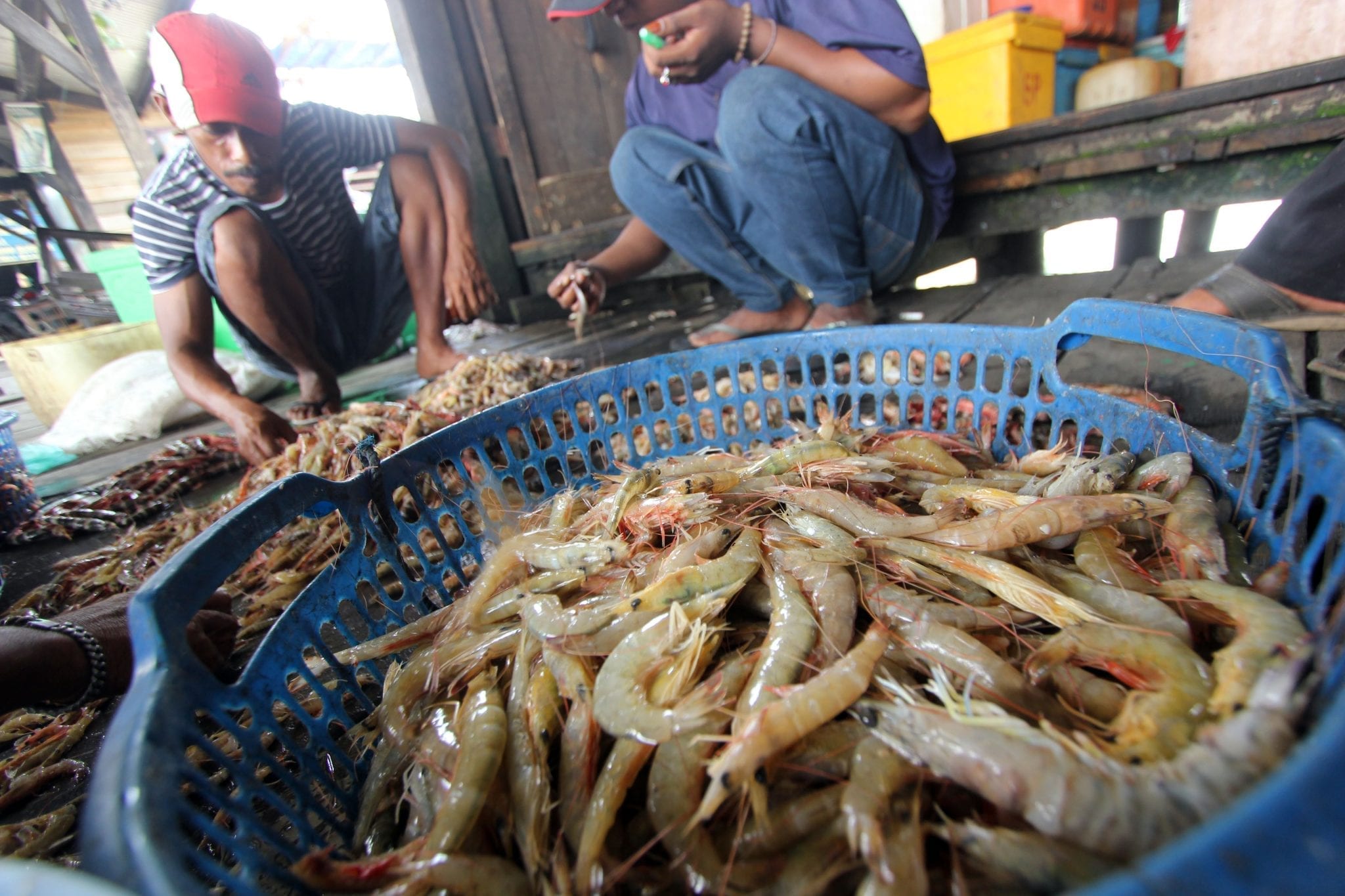
    The island nation now screens every last shrimp export for a banned antibiotic. Japan now screens every shipment of Vietnamese shrimp for a banned antibiotic, according to NAFIQAD Vietnam’s seafood quality control.

    Vietnam does not consider the substance fit for use as a direct food additive in foods for human consumption, according to the Vietnam Association of Seafood Exporters and Producers (VASEP) which reported that Japan raised its shrimp sampling from 30 to 100 percent of imports on December 12.

    Local shrimp exporters have been warned to keep antibiotic sulfadiazine residues below 0.01 parts per million, said Le Hong Phong, deputy head of NAFIQAD.

    By September, the E.U. had rejected 2.2 times more shrimp than the entire preceeding year, according to NAFIQAD, which called for special scrutiny of seafood coming out of the four central provinces affected by Taiwan Formosa Plastics Group’s discharge of toxic waste in April.

    The following month, the European Union reported having rejected 11 shipments of shrimp in the past nine months due to high levels of heavy metals. The European Commission Rapid Alert System for Food and Feed found the shipments contaminated with mercury and cadmium.

    Vietnamese trade commissions in the EU, Japan, and the United States have received roughly 180 warnings about seafood contaminated with dangerous levels of antibiotic and chemical residues so far this year.

    Australia, which remained Vietnam’s largest shrimp importer for the past five years, now requires every seafood shipment from Vietnam to be scrutinized for biological toxins and bacteria.

    During the first eleven months of the year, Vietnam’s seafood exports had edged up 6.9 percent from 2015 to nearly $6.4 billion, customs statistics showed.

    At the start of the year, Vietnam announced plans to export $8 billion worth of seafood this year after reporting $6.6 billion in seafood exports in 2015.

  • Vodafone said to consider merger for Indian unit

    Vodafone said to consider merger for Indian unit

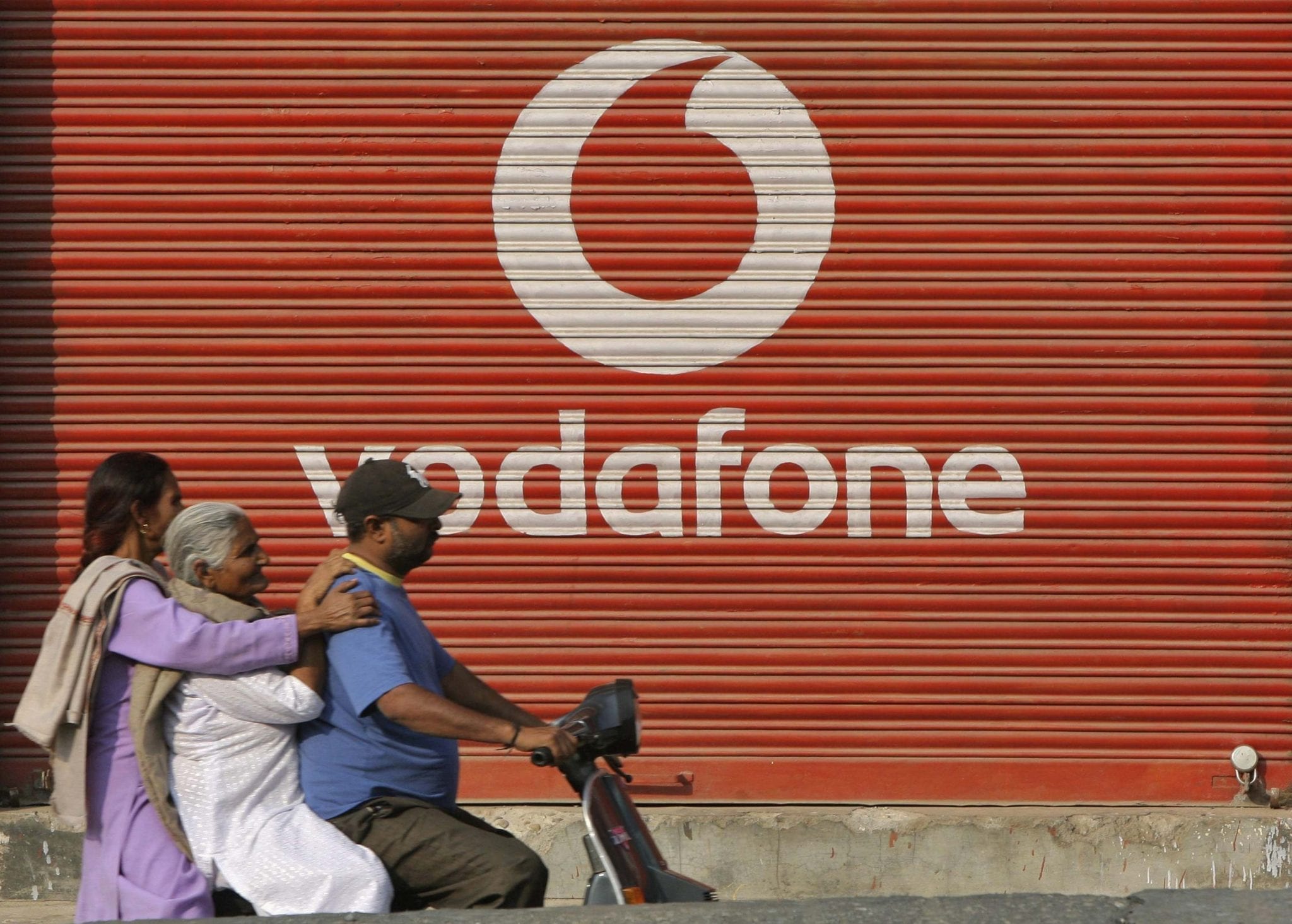
    Vodafone is reportedly considering pursuing a merger of its Indian mobile business with a rival operator to help better compete in the intensively competitive market and survive the price war triggered by the entry of Reliance Jio Infocomm.

    The operator is looking into a potential merger with either Jio or major rival Idea Cellular, sources told.

    Vodafone has also put on hold plans to float Vodafone India on the Bombay Stock Exchange until the price war triggered by Jio’s entry is over, the sources said.

    Reliance Jio launched a pan-India 4G network on September 5 last year, offering effectively unlimited data, voice and SMS services as an initial promotion. The operator recently extended this free services promotion until March 31.

    This aggressive pricing strategy has helped the operator sign up over 58 million customers since launch – including 19.6 million in October, its first full month of operation – data from regulator Trai indicates.

    Besides incentivizing major operators such as Vodafone to pursue consolidation, smaller operators including Telenor India and Tata DoCoMo have been offering themselves for sale to the incumbents in response to the destructive price war, the report adds.