Author: Mei Ling Tan

  • AirAsia named “Most Influential Airline in China” at Beijing awards ceremony

    AirAsia named “Most Influential Airline in China” at Beijing awards ceremony

    AirAsia was named The Most Influential Airline in China at the 2016 New Power of Travel Awards held in Beijing on Friday.

    The awards, hosted by Sina Travel and Youku Travel websites, review the development and trends of China’s travel industry.

    In statement today, AirAsia said Sina is the world’s largest Chinese-language web portal, while Youku is one of China’s top video and online streaming platforms.

    “The two websites evaluate travel-related companies and products based on the content and readership by over 800 million people who visit it.

    “The awards honour outstanding companies and products as voted by users, and provide travel guides on airlines, hotels and destinations for travellers.

    “The awards committee said AirAsia had influenced free and independent travellers in China with its young, passionate and creative brand image since entering the market,” it added.

    Meanwhile, AirAsia North Asia President Kathleen Tan said the airline is focused on presenting the very best content on Chinese social media, as the country is a very important market for it.

    “China is an incredibly dynamic market and we want to deliver an even better travel experience to our fans in China. This includes information on where to find the best food, hidden gems and great travel destinations where amazing memories can be made.

    “In line with this, we are working hard with our travel tourism partners and local governments to bring the world to China and vice versa,” she added.

  • McDonald’s China and Hong Kong deal formally announced

    McDonald’s China and Hong Kong deal formally announced

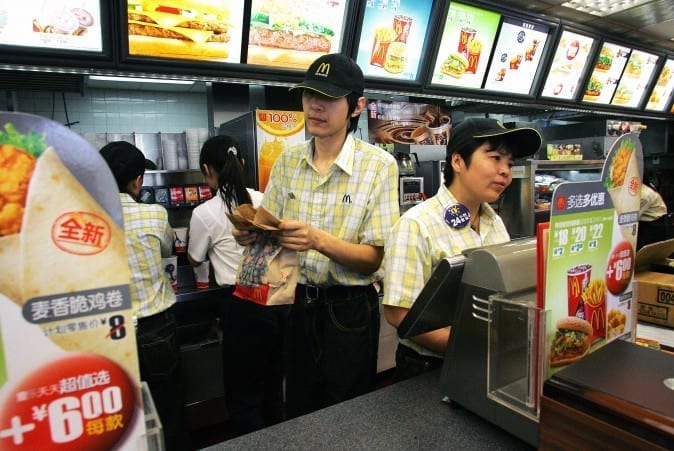
    McDonald’s has confirmed the sale of its China and Hong Kong operations to an investment consortium for US$2.08 billion (HK$16.14 billion).

    Under the deal, the purchasers, Citic Limited, Citic Capital and The Carlyle Group, will open 1500 new outlets.

    Phyllis Cheung, CEO of McDonald’s China, says the Beijing-based Citic companies will together hold a majority 52 per cent stake in the spun-off business and US-based Carlyle and McDonald’s will hold 28 per cent and 20 per cent, respectively. The consortium will run the business for 20 years.

    McDonald’s says it will now re-franchise all its 2600+ stores in Mainland China and Hong Kong to improve sales performances, part of a global effort to cut costs.

    Cheung told China Daily the new company will use its Citic’s strategic relationship with SF Express and Tencent Group Holdings (the owner of WeChat) to facilitate delivery, enhance restaurant convenience and boost its “retail digital leadership and menu innovation”.

    “China and Hong Kong represent an enormous growth opportunity for McDonald’s,” said McDonald’s CEO Steve Easterbrook in a statement confirming the deal, which has been an open secret for some weeks.

    “This new partnership will combine one of the world’s most powerful brands and our unparalleled quality standards with partners who have an unmatched understanding of the local markets and bring enhanced capabilities and new partnerships, all with a proven record of success,” he said.

    The deal will be finalised in mid-2017.

  • Lingerie startup Boux Avenue surges into top 15

    Lingerie startup Boux Avenue surges into top 15

    In just five years, British lingerie retail startup Boux Avenue has made it into the top 15 brands in women’s underwear.

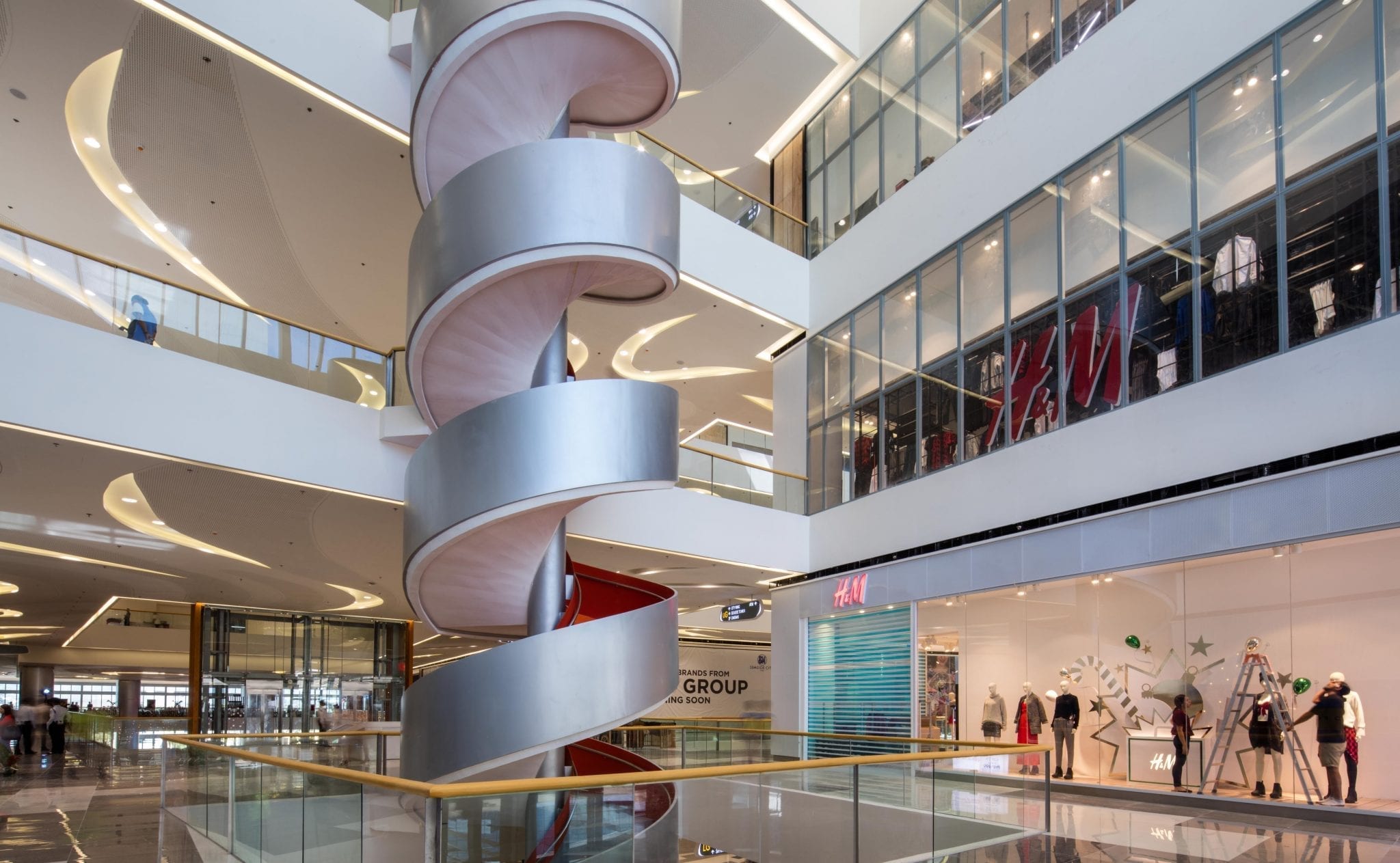
    Despite facing growing pressure from Primark and H&M, following significant range expansion and improved design and quality in their underwear and nightwear collections, Boux Avenue continues to build a loyal customer following and differentiate its proposition from the value segment of the market.

    As a result, full year 2015/16 UK sales reached £44.4million – entering the lingerie specialist into the women’s underwear Top 15 with a market share of 1.3 per cent in 2016.

    boux-avenue-store

    Despite pressures on the high street to discount, Boux Avenue has maintained a strict stance on full-price trading and strategic promotions, which has been essential in justifying its mid-market prices and encouraging consumers to buy into the brand all year round rather than wait for sale periods. While midmarket rival M&S remains the UK market leader, it is losing share and traction among a younger shopper base. This provides Boux Avenue with a ripe opportunity to lure M&S’s customers in the 16-30 age bracket away, via investment in trend influenced designs, specialist customer service, and enhanced product fit and innovation – particularly in shapewear where M&S continues to excel in.

    For a young retailer, Boux Avenue has approached physical expansion cautiously, operating 28 UK stores after five years of trading. This has allowed it to build consumer awareness on the high street, but ensures that it is not overexposed during periods of restricted discretionary spending and as consumer spend continues to shift online.

    Improving brand accessibility via selling through third party online channels including Asos and Very will fuel further sales growth and win the appeal of new customers in 2017.

  • Chinese cross-border eCommerce rankings revealed

    Chinese cross-border eCommerce rankings revealed

    Surprisingly, Asia does not feature in the top 10 destinations of Chinese cross-border eCommerce during the holiday season.

    First to market, DHGate.com, a B2B transactional crossborder eCommerce marketplace, has released lists of the 10 destinations accounting for the largest volumes of shipments during the holiday season.

    The data includes the highest-selling product categories, the top countries for GMV (gross merchandise volume), the best-selling products, and the product categories with the largest increase in sales…

    Top 10 product categories
    1. Cell phones and accessories
    2. Consumer electronics
    3. Home and garden
    4. Health and beauty
    5. Sports and outdoors
    6. Shoes and accessories
    7. Apparel
    8. Toys and gifts
    9. Baby/children/parenting products
    10. Lights and lighting

    Top 5 products
    1. Holiday projector using LED lights to project Christmas images
    2. Baby shoes with LED lights
    3. Children’s building blocks, mini-figures
    4. Christmas-themed sequin cushion covers
    5. Nail-art stickers and tools

    Largest increase in sales
    1. Home and garden
    2. Health and beauty
    3. Shoes and accessories
    4. Apparel
    5. Baby/children/parenting products

    Top 10 countries for GMV
    1. US
    2. UK
    3. Canada
    4. Australia
    5. France
    6. Spain
    7. Italy
    8. Holland
    9. Germany
    10. Mexico

    Founded in 2004, DHgate.com services about 10 million global buyers from 230 countries and regions, with 1.4 million global sellers offering 40 million products.

  • Too many Philippine provincial malls, expert warns

    Too many Philippine provincial malls, expert warns

    There is not enough spending power to support the number of Philippine provincial malls being developed, warns a real estate expert.

    This follows a “fantastic” year for the property sector during which most major developers opened malls.

    “Retail has had an incredible expansion in route,” says CEO David Leechiu of Leechiu Property Consultants (LPC) has told The Manila Times.

    Ayala, DoubleDragon, Filinvest, Puregold, Robinsons, SM and Villar all opened malls in new sites, which Leechiu says is unprecedented.

    According to Colliers International Philippines, about 118,000 sqm of retail space was added to Metro Manila’s retail stock in the third quarter of last year, taking the total stock to 6.32 million sqm.

    For Metro Manila alone, total retail stock is forecast to rise by 7 per cent to 6.76 million sqm by the third quarter of this year, says Colliers. Meanwhile, retail vacancy levels have remained low at just 0.57 per cent.

    But Leechiu says it is a different story for the provincial retail market.

    “I think rents are softening because some areas might be ‘over-malled’ now,” he says. “The purchasing power is not there yet.”

    In particular, these Philippine provincial malls cater to the middle-income market. However, he believes the situation will be “very temporary’, with changes and improvements in two to three years’ time as purchasing power continues to grow.

  • Alipay users set spending record

    Alipay users set spending record

    Users of China mobile wallet app Alipay hit spending records last year both online and in stores.

    Of the app’s 450 million users, most are in Shanghai, paying out an average US$20,400 last year, says the Alibaba spin-off company. This was 1.5 times more than they spent the previous year.

    While the average middle-class wage in Shanghai is $35,000, this does not account for undisclosed income such as from rented property.

    These figures have been released just weeks after the app hit a record 1 billion transactions in a single day.
    Other highlights from Alipay’s year:

    • 71 per cent of Alipay transactions were on mobile devices, up from 2015’s 65 per cent
      Cash-strapped millennials, in China classified as those born in the 1990s, spent an average of $1080 through the app
    • Gen Y, those born in the 1990s, averaged $1590
    • The top 10 destinations outside China where Alipay was used for in-store shopping were South Korea, Hong Kong, Thailand, Macau, Taiwan, Japan, Australia, Singapore, New Zealand and Germany
    • Its single biggest overseas spender splurged $38,900.

    Meanwhile, the company has been signing up airports, major malls and top restaurants so China’s record 133 million overseas tourists can still use the app.

    About 2.3 billion Alipay transactions were chalked up using the built-in Ant Credit Pay, allowing for payment in installments, up 344 per cent from 2015.

    Alipay’s small loans service, Jiebei, issued loans worth $43.4 billion to 12 million users.

  • Yoyo Cao plans pop-up for Tang Plaza

    Yoyo Cao plans pop-up for Tang Plaza

    Womenswear label Exhibit, established by Singapore designer/street-style star Yoyo Cao, plans to open a month-long pop-up store.

    At Tang Plaza from February 2, it features items from the brand’s latest collection, including exclusive pieces from S/S ’17.

    Cao’s signature boyish style includes tops with oversized sleeves and bell-bottom trousers.

    Buyers will receive Nars beauty products with every purchase.

  • DHL Express invests in infrastructure in Chandigarh

    DHL Express invests in infrastructure in Chandigarh

    Aimed at supporting the growth of export and import demands of customers especially SMB’s in the Northern region,  logistic service provider-DHL Express India, opened its new modern service facility in Chandigarh. The new facility will serve as a pick-up, delivery, sorting center etc., with a shipment handling capacity of over 100,000 shipments a year and will cater to the logistics needs of customers-based at Chandigarh and its vicinity namely Dera Bassi, Mohali, Panchkula, Zirakpur, Baddi, Parwanoo etc.

    Speaking to Business Standard, RS Subramanian, Senior Vice President & Managing Director, DHL Express said, “In the recent past, due to rapid industrialization, the tricity namely Chandigarh, Mohali, Panchkula and nearby areas like Zirakpur, Baddi, Parwanoo etc. has grown in prominence as an industrial hub. Through the service center facility, we are strengthening our infrastructure and capabilities to support our customers’ growing business. We will now be able to move shipments faster and with greater efficiency, providing superior service quality.

  • Saigon-Hanoi ranks 7th among world’s busiest air routes

    Saigon-Hanoi ranks 7th among world’s busiest air routes

    The country’s aviation market is growing at the third fastest pace in Asia-Pacific as air travel has become more affordable. About 4.1 million passengers are estimated to fly from Ho Chi Minh City to Hanoi this year, putting the route among the world’s most busiest, according to the U.K.-based air travel company OAG.

    Latest data from the company showed that the northbound route came in at the seventh place in the list of global busiest air routes, up five spots from a year ago.

    The route accounts for about 35 percent of the country’s air traffic, with up to 700 daily flights carrying passengers.

    Huge numbers of passengers traveling between the two largest cities have also strained Tan Son Nhat airport in Ho Chi Minh City.

    Lai Xuan Thanh, director of the Civil Aviation Administration of Vietnam, said that there were times dozens of flights had to fly around, waiting for 15-60 minutes before they could land.

    The airport is expected to handle 31 million passengers this year, far beyond its maximum capacity of 25 million.

    Thanh said that the situation is likely to worsen in the next four years as domestic carriers plan to expand to meet the local travel boom.

    National flag carrier Vietnam Airlines, low-cost Jetstar Pacific and VietJet Air, and newly-founded Vietstar had raised the total number of airplanes to 141 by the end of the third quarter, up 50 percent against five years ago.

    They are planning to expand their fleets to a combined 263 aircraft by 2020. Vietstar has not been licensed to fly.

    To handle the problem of overcrowded airports, authorities are considering increasing the number of night flights and putting a cap on the number of new planes local airlines can buy.

    Vietnam’s aviation market is growing at the third fastest pace in the Asia-Pacific region, according to the aviation administration.

    It is estimated that the number of passengers, including international ones, in 2016 will jump by 29 percent to hit about 52.2 million.

  • Baiduri receives ‘Bank of The Year’ award

    Baiduri receives ‘Bank of The Year’ award

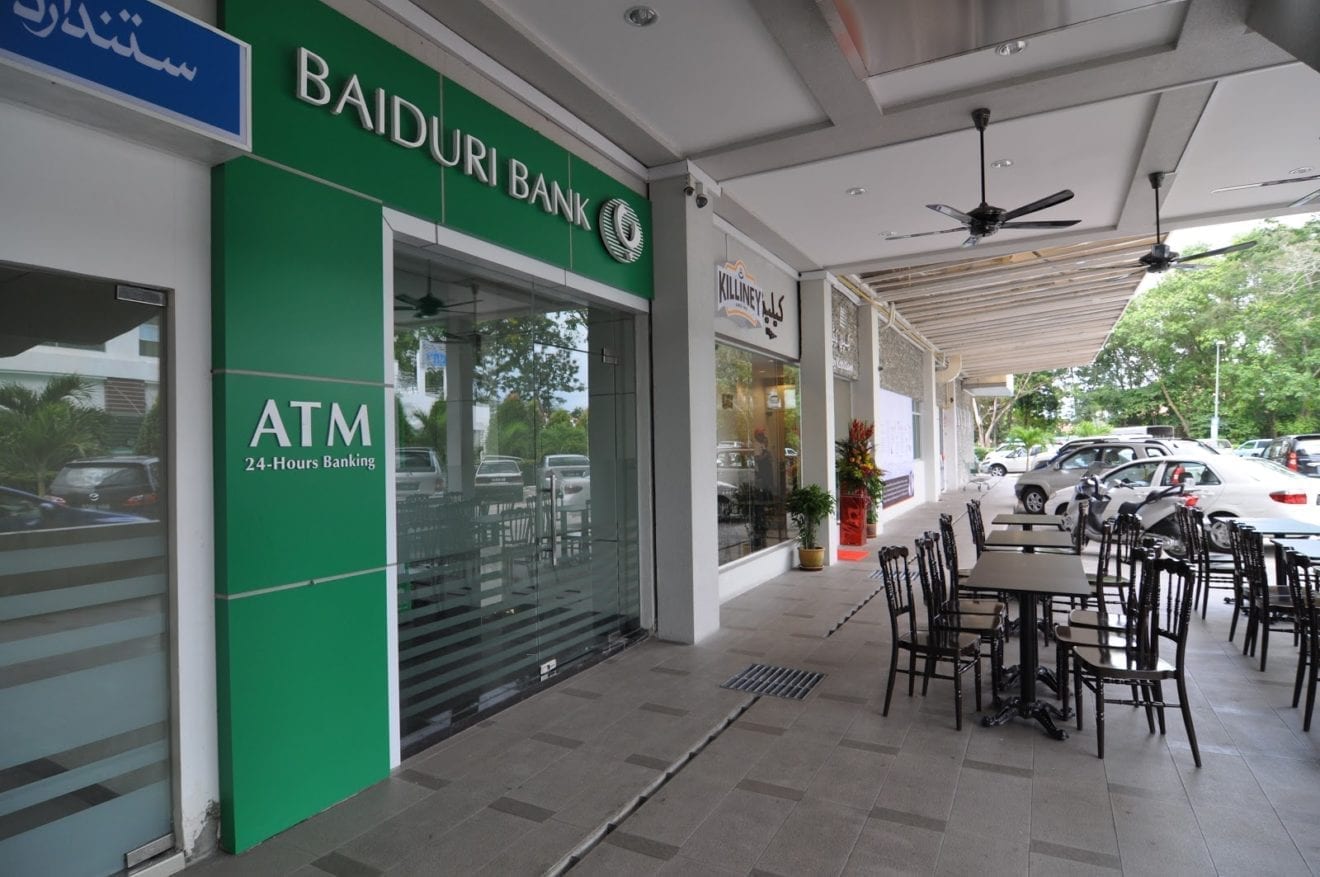
    Baiduri Bank received the coveted Bank of The Year award from The Banker magazine, during an award ceremony in London.

    This achievement marks the fourth international banking award this year for Baiduri Bank. This is also the eleventh time that the bank has received this particular award. The Banker’s 17th annual Bank of The Year awards were presented at a gala black-tie dinner at the Hilton London Bankside, London on Wednesday, December 7. On hand to receive the award was Ti Eng Hui, Deputy CEO of Baiduri Bank.

    This year, The Banker Awards took on a special meaning as it celebrated it’s 90th anniversary, making The Banker the longest running international banking title in the world.

    The Bank of The Year awards goes beyond data and figures as it looks for evidence of banks setting new standards for their local industries.

    The recognition of being named Bank of the Year in the country by The Banker is testament to the strong management, sound business model and prudent risk approach of the bank.

    Speaking on receiving the accolade, Ti Eng Hui said, “We are proud to be recognised as the Bank of the Year for Brunei from The Banker for the 11th time.

    Ti Eng Hui (centre), Deputy CEO of Baiduri Bank, after receiving the ‘Bank of The Year 2016’ award. - BAIDURI BANK

    Ti Eng Hui (centre), Deputy CEO of Baiduri Bank, after receiving the ‘Bank of The Year 2016’ award. –

    “We are delighted to conclude 2016 with this wonderful achievement. This year, we have made strides in the banking industry through our innovation and strong commitment, but it is because of our faithful employees as well as our loyal customers and partners that we are able to be the bank we are today.”

    The Banker Awards was attended by representatives from 149 countries, a reflection on the importance and significance banks put on winning The Banker’s Bank of The Year awards.

    In 2016, Baiduri Bank received three other international awards, the ‘Domestic Retail Bank Brunei 2016’ from the Asian Banking and Finance magazine, the ‘Best Banking Group 2016’ from World Finance magazine and the ‘World’s Best Emerging Markets Bank in Asia-Pacific for Brunei 2016’ from Global Finance.

    Baiduri Bank is proud to be associated with these leading international banking awards, the bank said in a statement.

  • Former Petronas regional marketing head to Pizza Hut as CMO

    Former Petronas regional marketing head to Pizza Hut as CMO

    QSR Brands, one of the largest quick service restaurants operator in Malaysia as well as a leading brand in the Southeast Asia region, is promoting Merrill Pereyra to chief executive officer.   Along with Pereyra’s promotion, it is also appointing Jean Ler as chief marketing officer for Pizza Hut Malaysia.

    Ler will head up marketing, including brand management, innovations and consumer insights to rejuvenate the Pizza Hut brand in Malaysia. She will look to strengthen the relevance and connection to consumers by bringing them delicious products, renewed marketing communications and exciting enhanced experiences.

    Ler has a marketing career that spans 20 years across various reputable local and multinational food & beverage companies. She was most recently regional head of Marketing for Petronas Lubricants AsiaPac following various positions of increased responsibility at Dutch Lady and KraftFoods/Mondelez where she successfully regained market leadership position for the Dairy and Biscuits portfolio of the respective brands.

    Meanwhile, CEO Pereyra joined QSR Brands in June 2016 as COO to further shape the company’s growth story in the region. His current CEO role includes leadership of KFC and Pizza Hut in Malaysia, Singapore, Brunei, and Cambodia. His promotion follows the departure of Rohan St. George who helmed QSR Brands from 2013 to 2016.

    With over 25 years of years of innovative and energetic leadership in the Middle East, South Pacific, Australia and Asia, Pereyra is renowned for leveraging global resources, capabilities, and relationships to promote growth of brands in new markets. He has a successful track record in setting up new businesses in six countries, in developing and implementing strategic business plans as well as fast tracking high potential employees to leadership positions.

    Over the last 30 years, Pereyra has assumed senior leadership, sales and marketing positions at various leading quick service restaurants such as Domino’s, Healthy Habits and McDonald’s. In his last two roles, he was CEO of Domino’s and managing director of Healthy Habits in Australia. Prior to that, he spent 23 years at McDonald’s in four different countries.

    Eric Leong has also been appointed as GM for Pizza Hut and will oversee the planning, coordinating, and managing field activities including restaurant and delivery management, quality assurance, and implementing special projects. This is in line with Pizza Hut’s drive for superior customer service and operational efficiencies to cement a solid foundation for ambitious business growth.

    He brings more than 27 years of experience in the food and beverage industry, with extensive experience in sales and retail. Prior to joining Pizza Hut Malaysia, he was the managing director at Minor Food Group Singapore, which is part of Minor International, one of the largest leisure, F&B and retail companies in the Asia Pacific.

    He was also supervising director and general manager at Berjaya Corporation Berhad in 2012, holding both portfolios comprising Papa John’s Pizza Malaysia and Philippines, as well as Wendy’s Malaysia.

    Both Ler and Leong witll report to  Pereyra in his new role as CEO.

    Pereyra said, “At the heart of everything we do at QSR Brands, is our consumers. This is something Eric and Jean truly understand and embody. They both bring a wealth of experience and a fresh perspective to Pizza Hut.” “I look forward to working closely with them to deliver our plans for 2017 and beyond to improve our brand value and provide Malaysians with new and exciting dining experiences that appeal to their tastes and hearts.”

    This year Pizza Hut celebrates its 35th anniversary in Malaysia

  • Samsung Vietnam reports massive loss following Galaxy Note 7 scandal

    Samsung Vietnam reports massive loss following Galaxy Note 7 scandal

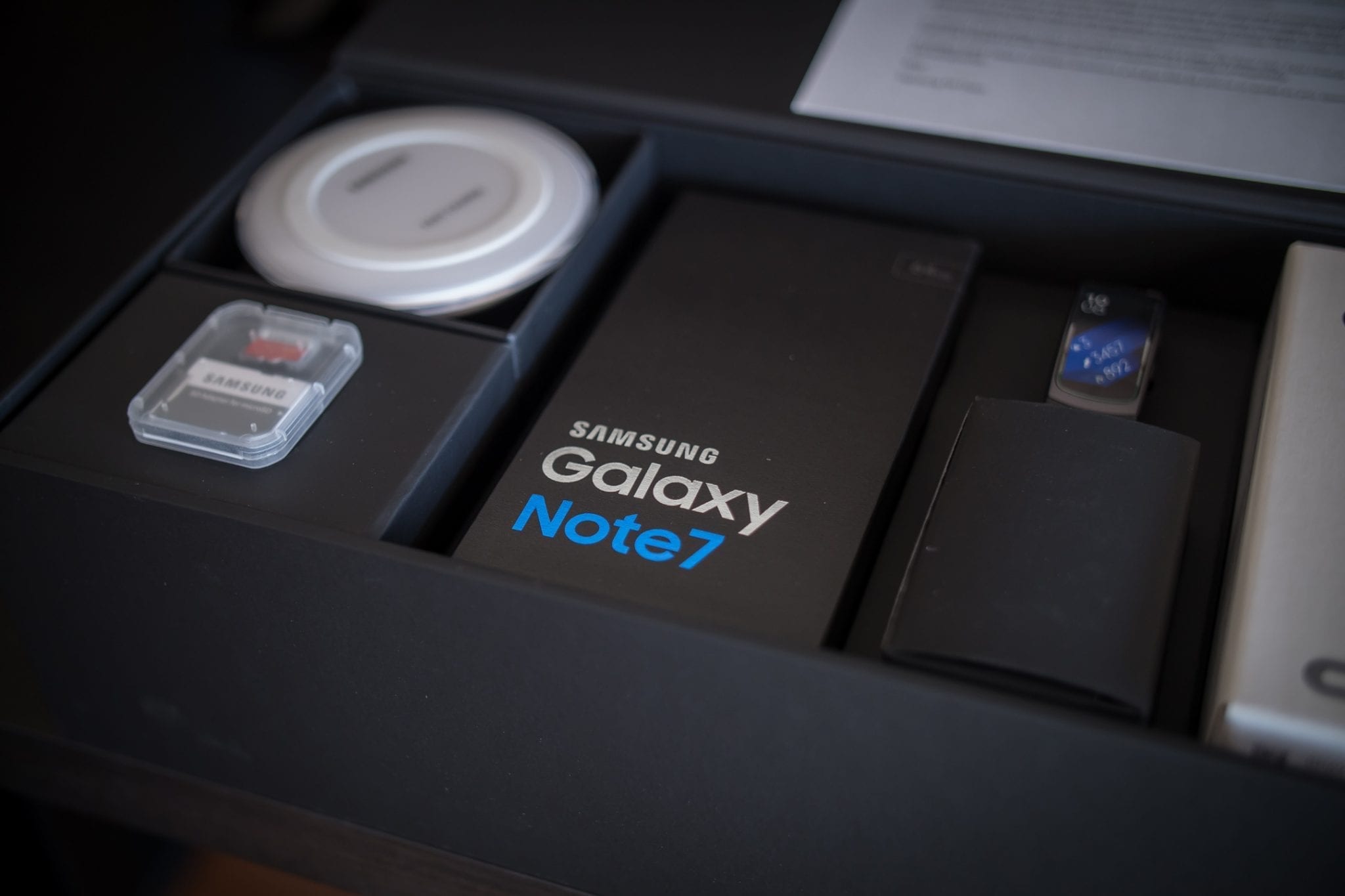
    Samsung was forced to recall 2.5 million units globally. Samsung Electronics Vietnam (SEV), which produces the notorious Galaxy Note 7 in northern Vietnam, has reported a loss in the third quarter, coinciding with the withdrawal of the latest model of its smart phone.

    SEV, based in the northern province of Bac Ninh, incurred a loss of $122.6 million in the third quarter, down sharply from a net profit of $490 million a year ago, according to a recent statement from parent company Samsung Electronics.

    Samsung’s profits were hit following battery explosions on the Galaxy Note 7, causing the firm to suspend global sales and withdraw the smart phone from the market.

    A representative from SEV said the affects of the scandal were inevitable but declined to give further comment.

    In October, Samsung Vietnam said it had no plan to lay off employees in 2016 as a result of the parent company’s crisis and predicted the value of its exports would grow further from last year’s $32.7 billion.

    From January-September, SEV made a net profit of $1.04 billion, down 18.7 percent on-year.

    The South Korean giant also runs Samsung Electronics Vietnam Thai Nguyen in the northern province of Thai Nguyen and a number of other subsidiaries, which reported significant growth in the Southeast Asian nation in the third quarter.

    Phone exports are significant to Vietnam’s exports, with the value of 2015 shipments up by 27.8 percent at $30.17 billion, or 19 percent of the country’s total exports, customs data show.

    Just weeks after the roll-out of the Galaxy Note 7 “phablet” in September, Samsung was forced to recall 2.5 million units globally following complaints its battery was exploding while charging.

    With images of charred phones flooding social media, the unprecedented recall was a humiliation for a firm that prides itself as an icon of innovation and quality, and the timing of the crisis could not have been worse.

  • Vietnam’s textile exports fray to 10-year slump in 2016

    Vietnam’s textile exports fray to 10-year slump in 2016

    A strong Vietnamese dong and sluggish demand from key markets have dragged on textile exports this year. Vietnam’s exports of textiles and garments are projected to increase by 7 percent this year to $29 billion, according to Vinatex, the country’s top textiles manufacturer, far below the trade ministry’s previously-targeted $31 billion and the lowest growth in the last decade.

    Customs statistics show that Vietnamese textiles and garment exports hit about $21.56 billion from January to November, up 4.6 percent from the same period last year.

    Vietnam, the world’s fifth largest garment exporter, has maintained double-digit growth, ranging on average from 10 percent to 36 percent, since 2001 when the country earned $2.2 billion from exporting textiles and garments.

    The investment ministry, in a recent report, attributed the downturn to sluggish demand from key markets, including the U.S., the European Union and Japan.

    Customs figures show that from January to November this year, Vietnam’s textiles and garment shipments to the U.S., which accounted for 47.9 percent of the total during the period, edged up 4.7 percent from a year ago to about $10.33 billion.

    Besides, the State Bank of Vietnam has so far this year managed to keep the dong from weakening against other major currencies, said clothing exporters, adding that a stronger dong was the final straw that broke the camel’s back for their businesses.

    Garment exporters are also faced with increasingly intense competition from outsourcing hubs Cambodia and Bangladesh, which are currently subject to import tariff breaks in the U.S. market. Market access for Vietnam’s clothing in the U.S. is limited by an average tariff of about 11.1 percent, with tariffs on some textile and apparel products nearing 30 percent.

    About 85 percent of Vietnamese enterprises in the textile industry are focused on labor-intensive cutting and sewing, making the country an outsourcing hub for foreign fashion companies, said Le Tien Truong, chief executive of Vinatex.

    However, foreign investors are eying emerging hubs such as Myanmar, Bangladesh and Sri Lanka where labor costs are lower than in Vietnam.

    Vietnam has four regional minimum wage brackets currently ranging from VND2.4 million to 3.5 million (from $105 to $154). The regional minimum wage has increased by about 12-15 percent on a yearly basis between 2014 and 2016, and is forecast to go up by 7.3 percent next year.

    Vietnam’s exports rose an estimated 6.7 percent on-year in the first nine months to $128 billion, well below the 10 percent growth target set by the government.

    The economy, widely seen as among the most resilient in a turbulent Asia, expanded by 5.92 percent from January to September, much lower than 6.53 percent a year ago, said the General Statistics Office.

    The annual growth forecast for this year has been lowered to between 6.2 and 6.5 percent from the 6.7 percent previously targeted, according to Prime Minister Nguyen Xuan Phuc.

  • Fierce competition takes heavy toll on smartphone market in Bangkok

    Fierce competition takes heavy toll on smartphone market in Bangkok

    Thailand’s increasingly crowded smartphone market has wreaked havoc on handset companies’ profit last year, with Japan’s Sharp Corp becoming the latest victim to be quietly forced out of the market.

    Chinese handset maker ZTE Corporation, meanwhile, disputed rumours that the company has decided to pull out of the Thai smartphone market due to stiff competition.

    However, industry veterans believed more intense competition is around the corner this year.

    Sharp confirmed that the company is now inactive in the Thai smartphone market without providing a reason after resuming its presence here just one month ago through Commtiva Technology, a Taiwan-based distributor of wireless communication products.

    Oran Rungsereechaitrakul, former marketing manager of Commtiva (Thailand), said the company had just been verbally informed by its parent firm Commtiva that the group stopped selling Sharp mobile phones from Dec 30 last year.

    Lorna Liang, country manager for device of ZTE Thailand, said the company remains strongly committed to the Thai market despite facing fierce competition.

    “We are continuing business as usual. We have set long-term strategic plans to expand our presence in Thailand after entering the country less than two years ago,” she said.

    ZTE will still focus on the smartphone segment priced 3,000-7,000 baht apiece, where it has a particularly strong presence in Thailand, through distribution channels with mobile operators and retail shops.

    ZTE will roll out 2-3 smartphone models by March.

    Ms Liang also threatened to take legal action against those who spread or publish rumours regarding the company’s alleged business closure before checking with the company, saying spreading false information will cause consumers to lose trust and confidence in the company.

    According to internal reports by Huawei and Oppo, Samsung is clearly dominating the local smartphone market with a 40% share, followed by Apple with an estimated share of less than 15%, with Chinese brands Oppo and Huawei having a 12% and 8% market share, respectively.

    The growth of Oppo was particularly impressive as it rose quickly to become the third largest smartphone brand in Thailand in terms of sales volume for 2016.

    Consumers in this massive market are rapidly being won over by Chinese and household brands that incorporate much of the functionality of an Apple iPhone or Samsung Galaxy, but at a fraction of the price.

    Handset makers are also facing an undeniable shift in consumption trends in the digital lifestyle age.

    Samsung stayed on top of Thailand’s smartphone market last year, despite being battered by the Galaxy Note7 recall and increased competition from China.

    The Korean company recalled the Note7 in September last year after reports of overheating lithium-ion batteries. Replacement phones also ran into similar problems, leading the company to halt production of the smartphone in October.

    Samsung will continue facing stiff competition from Apple in the high-end smartphone market, while simultaneously facing pressure at the lower-end from Chinese makers.

    Overall, the Thai handset market grew by only 2% to 22 million units in 2016 — the smartphone industry’s slowest growth rate for a year.

    Chinese brands Oppo, Huawei and Vivo posted strong growth rates in sales even as Samsung and Apple saw their volumes drop. Other smaller players and newcomers like Asustek, Motorola, Lenovo, ZTE and France’s Wiko will pose competition to the giants this year, which would need to take measures to survive in the market.

    Taiwan’s HTC has already been forced out of the Thai smartphone market, while Sony and LG announced they will sell selective models here.

    Pairoj Thavornsapanant, assistant managing director of TG Cellular World, a leading mobile distributor, said product design and quality as well as strong sales and distribution networks are becoming critical for smartphone companies to succeed and survive in the country’s mature market.

    “Consumer acceptance of a smartphone brand is another vital factor in business success,” he said, adding that consumer acceptance is expected to take 3-5 years.

    Leo Zhao, sales director of Oppo (Thailand), said the local smartphone market has already reached a mature stage as the smartphone has become a must-have device in the digital era.

    Thailand’s smartphone market is expected to grow at the same pace as last year’s 2-3% to reach 25 million units in 2017, he said.

    Mr Zhao said the handset replacement cycle will be faster with Thais expected to replace their mobile phones every 10 months this year, compared with 12-15 months in 2016, because consumers take advantage more quickly of smartphone advances.

    The middle to high-end markets will continue growing faster than the entry smartphone market because consumers prefer superior user experience, faster connection and high-end specifications.

    High-end smartphones priced over 15,000 baht accounted for 6% of total sales in 2016, up from 3.5% in 2015.

    Entry level smartphones priced below 4,000 baht made up 40% of total sales last year, down from 50% in 2015.

    “Thailand’s smartphone industry will see more consolidation over the next few years and there will be less than 10 survivors in the local market,” said Mr Zhao.

  • Standard Chartered to Exit Thai Retail Banking Next Year

    Standard Chartered to Exit Thai Retail Banking Next Year

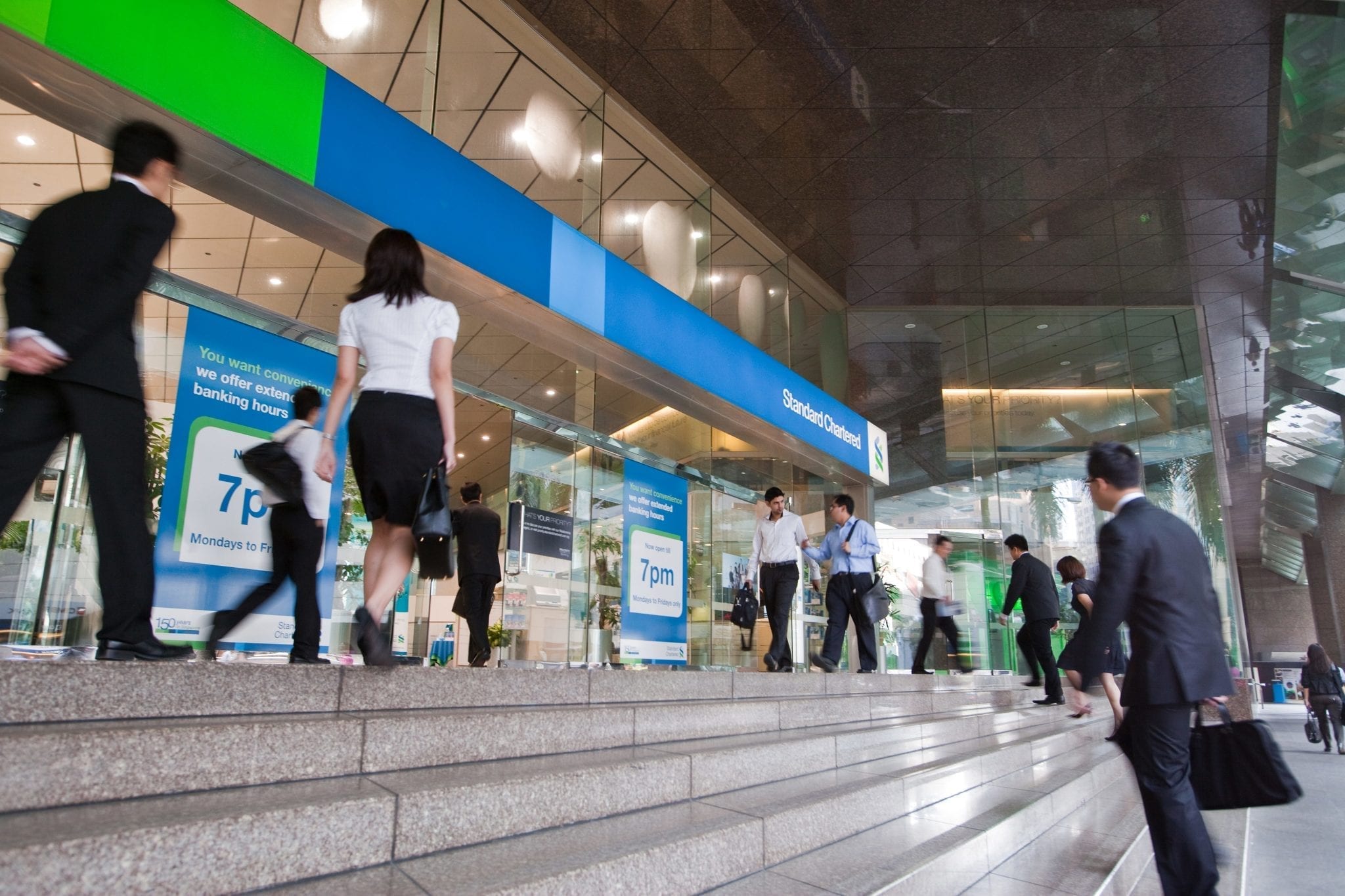
    Standard Chartered Plc plans to transfer its Thai retail-banking business to Thailand’s Tisco Financial Group Pcl next year, exiting an operation that the U.K. lender said lacked the scale to generate adequate returns.

    The net asset value is about 5.5 billion baht ($153 million), according to a stock exchange filing by Tisco on Thursday, which didn’t disclose a price for the deal. Tisco shares climbed to a record.

    Standard Chartered will continue to operate corporate, institutional and commercial banking businesses in Thailand, but the small size of the retail operation made it “increasingly difficult to achieve the returns that we aspire to,” the lender’s Thai head, Plakorn Wanglee, said in a press release.

    “It’s very tough to survive in Thailand’s retail-banking business for small players with very fierce competition,” Isara Ordeedolchest, an analyst at SCB Securities in Bangkok, said by phone. “The outlook for banks should improve significantly in 2017 as a consumption recovery and higher government spending will spur economic growth.”

    The Asia-focused Standard Chartered is targeting a turnaround after last year posting its first annual pretax loss since 1989. In a sign that the Thai operations were not a bright spot, the bank in February recorded a $126 million goodwill impairment on its business in the country.

    One unit of Tisco Financial, Tisco Bank Pcl, will take over operations including personal lending, mortgages and deposits, while another, All-Ways Co., will take over the credit-card business, the exchange filing said. The deal is subject to approvals.