Author: Mei Ling Tan

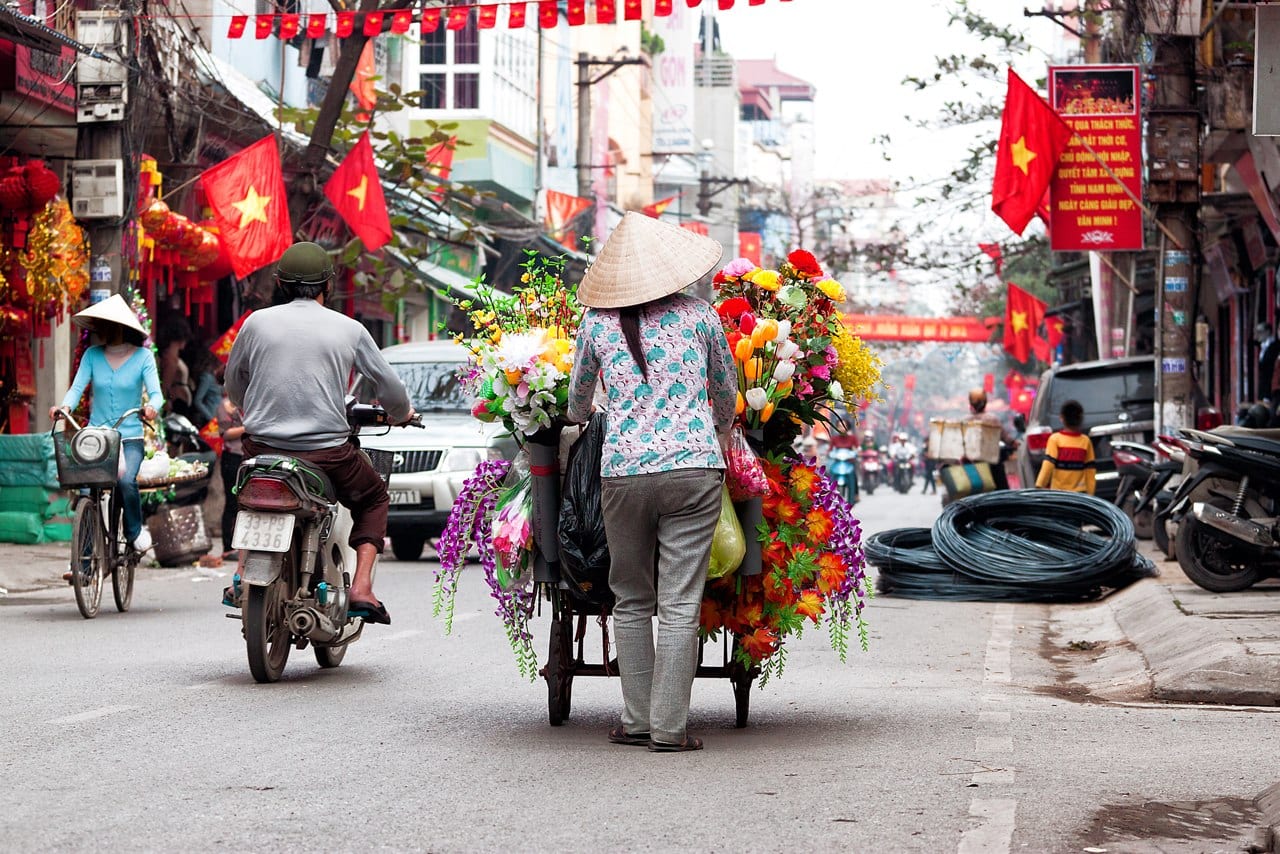
  • Hanoi announces transport plan to 2030

    Hanoi announces transport plan to 2030

    According to the plan, from now to 2030 Hanoi will develop a system of highways with 4-8 lanes linking Hanoi-Lang Son, Hanoi-HCM City, Hanoi – Thai Nguyen, Ha Noi – Hai Phong, Hanoi – Ha Long, Hanoi – Hoa Binh, Tay Bac – Highway 5, Hanoi-Ho Chi Minh Highway, and turn Thang Long Boulevard and Phap Van – Cau Gie Highway into urban highways.

    From now until 2030 Hanoi will also complete its belt roads and build 18 bridges crossing the rivers of Red, Duong, Day and Da.

    The city will give priority to developing public transport systems, which aims to serve up to 50-55% of the travel demand in the inlying areas and 40% in the suburbs.

    The plan also specifies that about 33,237 hectares of land will be devoted to traffic system development and the total funding needed for this plan is estimated at over $55 billion.

    The capital is expected to come from the state budget, ODA loans, and from private investors through transport projects in the forms of BT (build-transfer), BOT (build-operate-transfer), PPP (public private partnership), and BOO (build-own-operate).

    The capital city of Hanoi was extended in accordance with Resolution No. 15/2008/NQ-QH12 on May 29, 2008 of the National Assembly with a total area of more than 3,344 sq.km. However, its transportation system has fallen short of requirements for urban development at present and for the future.

    In late 2012, Hanoi submitted to the Ministry of Construction a Master Transport Plan for 2030, with a vision to 2050, and the master plan was approved by the prime minister on March 31, 2016.

    Accordingly, the population of Hanoi is forecast to grow to 7.44 million by 2020, around 9.2 million by 2030, and 10.8 million by 2050. The plan sets a target to increase the public transit share to over 30-35% by 2020, 50% by 2030, and 70% after 2030.

  • Dusit International signs flagship project in Myanmar

    Dusit International signs flagship project in Myanmar

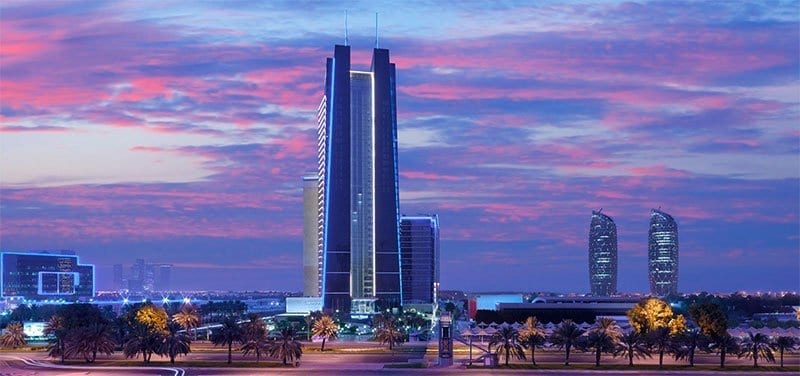
    Leading global hospitality company Dusit International has signed a management agreement with Myanmar V-Pile Group to operate the Dusit Thani Yangon, according to a statement on 13 December.

    Located just 15 minutes by car from Yangon International Airport, and approximately 20 minutes’ drive from the city’s main tourist attraction, the Shwedagon Pagoda, the new property sits at the heart of land earmarked by the Myanmar government to become the former capital’s new Central Business District.

    Dusit Thani Yangon will be positioned as a five-star corporate and MICE city hotel within a pioneering mixed-use development incorporating a convention centre, offices, retail and residential units. The hotel will comprise 338 rooms and feature one all-day-dining restaurant, one specialty Thai restaurant, and one rooftop restaurant and bar. Meeting facilities will include a 400-seat ballroom with adjoining conference rooms. Guests will also have access to a swimming pool, spa and gym.

    Ms Suphajee Suthumpun, Group CEO of Dusit International, said: “Myanmar is a fast-emerging market and we are delighted to partner with Myanmar V-Pile Group for this very special project. Being one of the first five-star corporate and MICE city hotels within Yangon’s new Central Business District gives us a great opportunity to showcase our unique brand of gracious Thai hospitality in one of the ASEAN Economic Community’s largely untapped markets. This should set us up perfectly for further expansion within the country, including key destinations such as Bagan, Mandalay, and Inle Lake, as well as throughout Southeast Asia in general, where we already have over 20 properties in the pipeline.”

    Dr Sone Han, Chairman of Myanmar V-Pile Group, said, “As Myanmar is the last frontier market in Asia, and the hotel and tourism industry is growing very fast, our group is very excited to commence our first phase of the Secondary Central Business District (Mindhama) project, which will include the five-star Dusit Thani Yangon together with the new, international standard Myanmar Convention Centre. We are delighted to partner with Dusit International, and we believe that Dusit Thani Yangon will very much work in synergy with our Second CBD project while delighting visitors with the gracious hospitality for which Dusit is renowned.”


  • Flappy Bird creator lends a wing to Vietnamese startups

    Flappy Bird creator lends a wing to Vietnamese startups

    ‘Just propose those projects to me, no matter how bad it is,’ Nguyen Ha Dong writes on Facebook. The overnight success of mobile game Flappy Bird has turned its creator Nguyen Ha Dong into a star of the local startup scene.

    The game, hailed by the industry as one of the milestones of Vietnam’s startup history, has brought Dong great fame and fortune, all within a short period of time.

    Now Dong is making a pledge to pay it forward and fund Vietnamese startups in the fields of robotics, artificial intelligence, social services, community development and education.

    “Just propose those projects to me, no matter how bad it is,” he wrote on his Facebook page.

    He did not give specific details about mentoring and funding.

    Flappy Bird was released in May 2013 with little fanfare. By February 2014, the sleeper hit topped the charts in more than 100 countries and had been downloaded more than 50 million times. Dong reportedly earned an estimated $50,000 a day.

    The Vietnamese government has seen successes like Flappy Bird as an encouraging sign. It is trying hard to cultivate a startup scene where tech entrepreneurs can create products and services that will go global.

    Unlike the well-developed startup ecosystem in most other countries, where there are venture capitalists and a strong network of entrepreneurs working together, the system in Vietnam is at a fledgling stage, with many funding difficulties.

  • Ippudo restaurant owner applies for listing

    Ippudo restaurant owner applies for listing

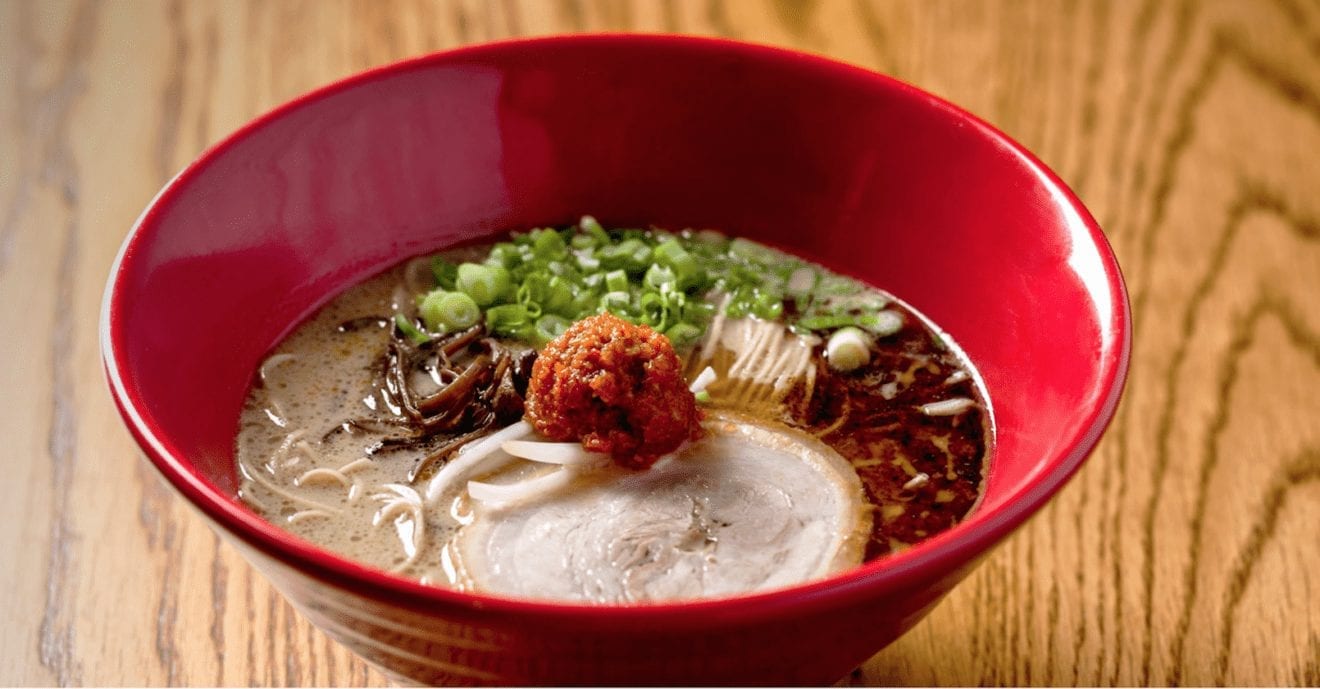
    Ramen restaurant chain Ippudo’s owner is expected to list shares on the Tokyo Stock Exchange as early as March.

    The total market value of the initial offering is projected to be around 30 billion yen (US$259 million).

    Chikaranomoto Holdings has about 60 Ippudo restaurants as well as other brands outside of Japan. It filed an initial listing application in December, which means approval could come next month. The listing is expected to let the group accelerate expansion in domestic and overseas markets.

    Company founder and chairman Shigemi Kawahara opened his first ramen shop in 1985 in Fukuoka Prefecture in southwestern Japan. The company posted group sales of 20.8 billion yen for the year through to March 2016, up 17 per cent from the previous year.

    Ippudo began expanding into foreign markets in 2008, establishing itself first in New York. The chain now has shops in China, France and other countries, and will open its first outlet in Myanmar soon.

    Inspired by New York’s cocktail bars, Chikaranomoto Holdings opened standing-style ramen shops in Tokyo and nearby areas last year, and it plans to open more in Kyushu soon.

    Ippudo also has five branches in the Philippines.

  • Myanmar smartphone shipments up to 26% YoY

    Myanmar smartphone shipments up to 26% YoY

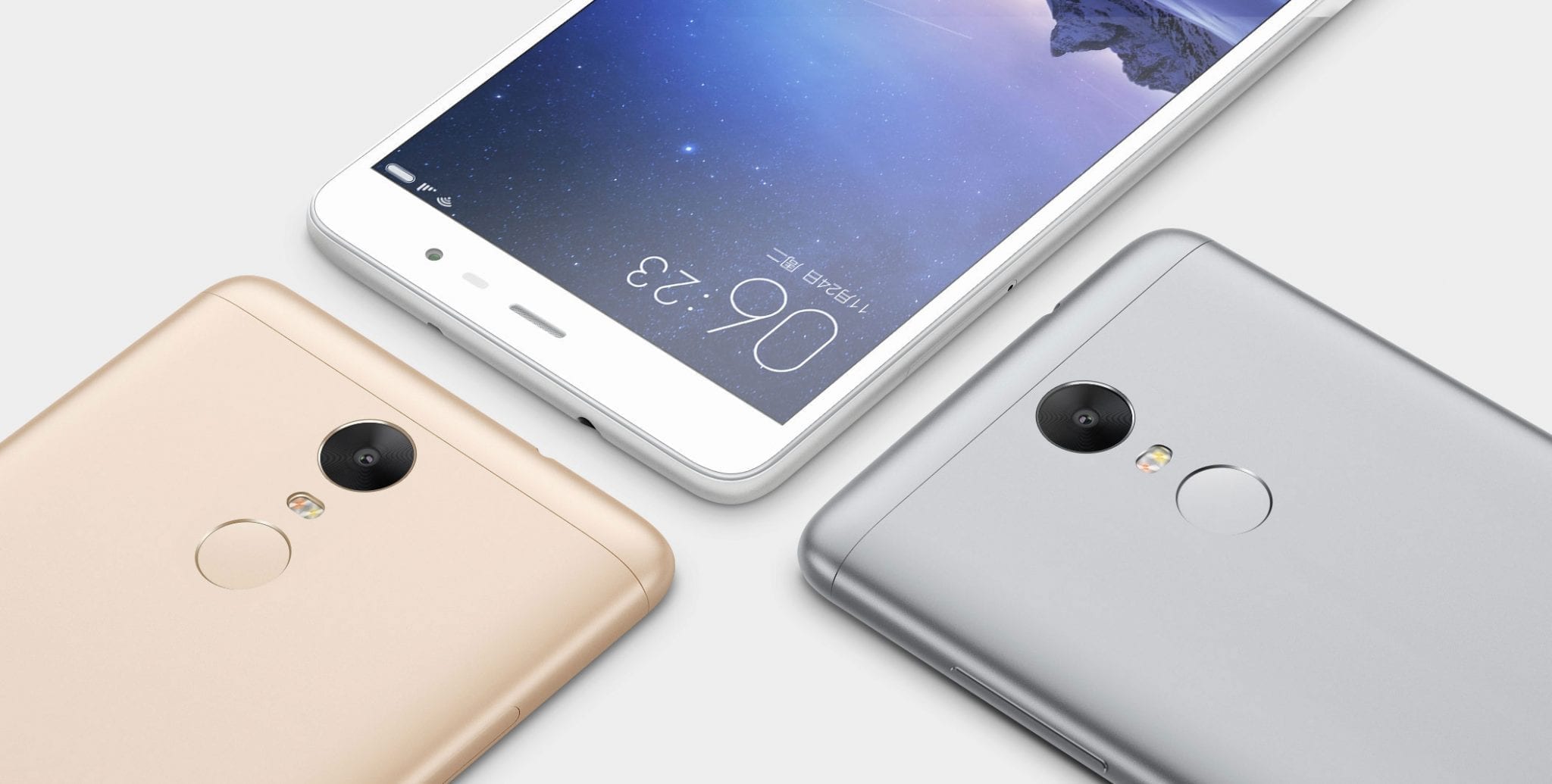
    According to the latest International Data Corporation’s (IDC) Asia/Pacific Quarterly Mobile Phone Tracker, a total of 2.5 million smartphones were shipped to Myanmar in 2016Q3, reflecting a 26% (year-on-year) YoY growth, IDC said in a statement on 25 December. This has been the strongest YoY growth seen in Myanmar’s budding smartphone market since 2015Q3. Sequentially, shipments declined 10% from 2.7 million in 2016Q2 as soft retail sales and the typhoon season negatively impacted smartphone buying in the country.

    “Despite years of hypergrowth in Myanmar’s emerging smartphone market, channels are now starting to lament about a looming slowdown as retail sales show signs of softening, causing inventory buildup across the board,” says Jerome Dominguez, Market Analyst for Mobile Devices, IDC Asia/Pacific.

    IDC maintains a positive outlook for Myanmar’s smartphone market in 2017, although growth is expected to be tamer compared to previous years.

    “IDC expects Myanmar’s smartphone market to grow by 9% this 2017 off the back of relatively low smartphone penetration rate and rising disposable income. This is already a lowered forecast to account for the slower consumer market and political instability in some parts of Myanmar,” adds Dominguez.

    Myanmar’s projected growth for smartphones in 2017 still stands higher than the 6% growth expected in the whole ASEAN region for next year.

    Myanmar Smartphone Vendor and Market Highlights, 2016Q3

    Samsung continued to keep its lead, owing it largely to the good reception of its budget-friendly J-series. Huawei came in at 2nd place and while finishing with a flat quarter, its sales and distribution were still going strong across Myanmar. Vivo spiked last quarter, coming in at 3rd place as it further penetrated tier 2 and tier 3 cities. Xiaomi dropped to the 4th spot although its volume remained high and consumer response stayed positive as it continued to offer smartphones perceived as good value for money. OPPO held the 5th place, maintaining its stronghold in the urban sites of Yangon and Mandalay although its overall shipments dropped quarter-on quarter (QoQ) due to inventory build-up.

    As with many developing countries, low-cost smartphones continue to thrive in Myanmar. In 2016Q3, 89% of smartphone shipments to the country fall below US$225. “Smartphones priced at US$50<US$150 still holds the sweet spot among Myanmar consumers. However, handsets in the US$150<US$250 price band are also on a growth track due to the influx of mid-range handsets from Chinese vendor Vivo,” adds Dominguez.

    Despite being a budget market for devices, Myanmar’s feature phone market remains very small, unlike other emerging markets, accounting for only 20% of total mobile phone shipments in 2016Q3. “Channels in Myanmar are not expecting the feature phone market to pick up anytime soon based on the rather progressive device adoption in the country, where most consumers would typically opt for a smartphone as their first mobile phone,” states Dominguez.

    In terms of screen size preference, smartphones in the <4.5“segment are now starting to diminish as Myanmar consumers go for larger screen sizes. 5” <5.5” handsets continue to gain traction, growing 44% YoY. Phablets (5.5” <6.99”) also saw a huge annual growth of 160% last 2016Q3, particularly driven by the rise in the 5.5”<6” segment. Huawei and Vivo lead the 5” <5.5” band while Xiaomi and Samsung reign supreme in the phablet category. “Myanmar’s increasing appetite for bigger screens is driven by the rising popularity of content consumption on social media, particularly on Facebook,” says Dominguez.

    4G LTE has just been recently introduced to Myanmar but as of October 2016, all 3 telcos have already been able to roll out 4G LTE services. Concurrently, 4G-capable devices have also shown a spike in 2016Q3, growing 41% QoQ, with market leaders Samsung, Huawei, and Xiaomi leading the wave. “IDC has raised its 4G smartphone shipment forecast in Myanmar for 2017 to account for the positive uptake of 4G smartphones in the country and vendor direction to focus on this air interface moving forward,” says Dominguez.

  • Cebu Pacific to hold cabin crew grand recruitment

    Cebu Pacific to hold cabin crew grand recruitment

    The recruitment fairs will be held in the following cities: Manila (Cebu Pacific Building, Pasay City) on January 14; Dumaguete City (La Residencia Almar Hotel, Rizal Blvd., Dumaguete City, Negros Oriental) on January 28; and Tagbilaran City (Metro Centre Hotel and Convention Center, C.P. Garcia Ave., Tagbilaran City, Bohol) on January 29.

    More opportunities for interested applicants will be made available all throughout 2017, as CEB will be conducting more recruitment fairs on later dates at chosen areas in Luzon, Visayas and Mindanao.

    “Last year’s recruitment fair in Manila alone was visited by about 1000 aspiring Juans. This year, we aim to make the fair even bigger by reaching out to more areas in the Philippines. We encourage everyone to take on the challenge to be part of the Philippines’ leading airline and contribute to bringing people together through safe, affordable, reliable and fun-filled air travel,” said Atty. JR Mantaring, CEB Vice President for Corporate Affairs.

    CEB will process the applications on the same day, between 9:00 A.M. to 3:00 P.M. Acceptance of updated curriculum vitae (CV) with 2×2 photo will be until 1:00 P.M. only. Applicants must possess a dynamic personality, height of at least 5’3” for female, and 5’7” for male, weight that is proportional to height, clear complexion, good eyesight and a catchy smile, among others. Responsibilities include guaranteeing the safety of guests on board the aircraft, and ensuring that guests have a fun and pleasant flying experience.

    The detailed job descriptions and qualifications can also be found on www.cebupacificair.com or CEB’s page on jobstreet.com.ph.

    CEB currently offers flights to a total of 38 domestic and 30 international destinations, operating an extensive network across Asia, Australia, the Middle East, and USA. Its 57-strong fleet is comprised of four Airbus A319, 36 Airbus A320, seven Airbus A330, eight ATR 72-500, and two ATR 72-600 aircraft. Between 2017 and 2021, CEB expects delivery of one more brand-new Airbus A330, 32 Airbus A321neo, and 14 ATR 72-600 aircraft.

  • Vietnam lottery firms hike prizes amid tough competition

    Vietnam lottery firms hike prizes amid tough competition

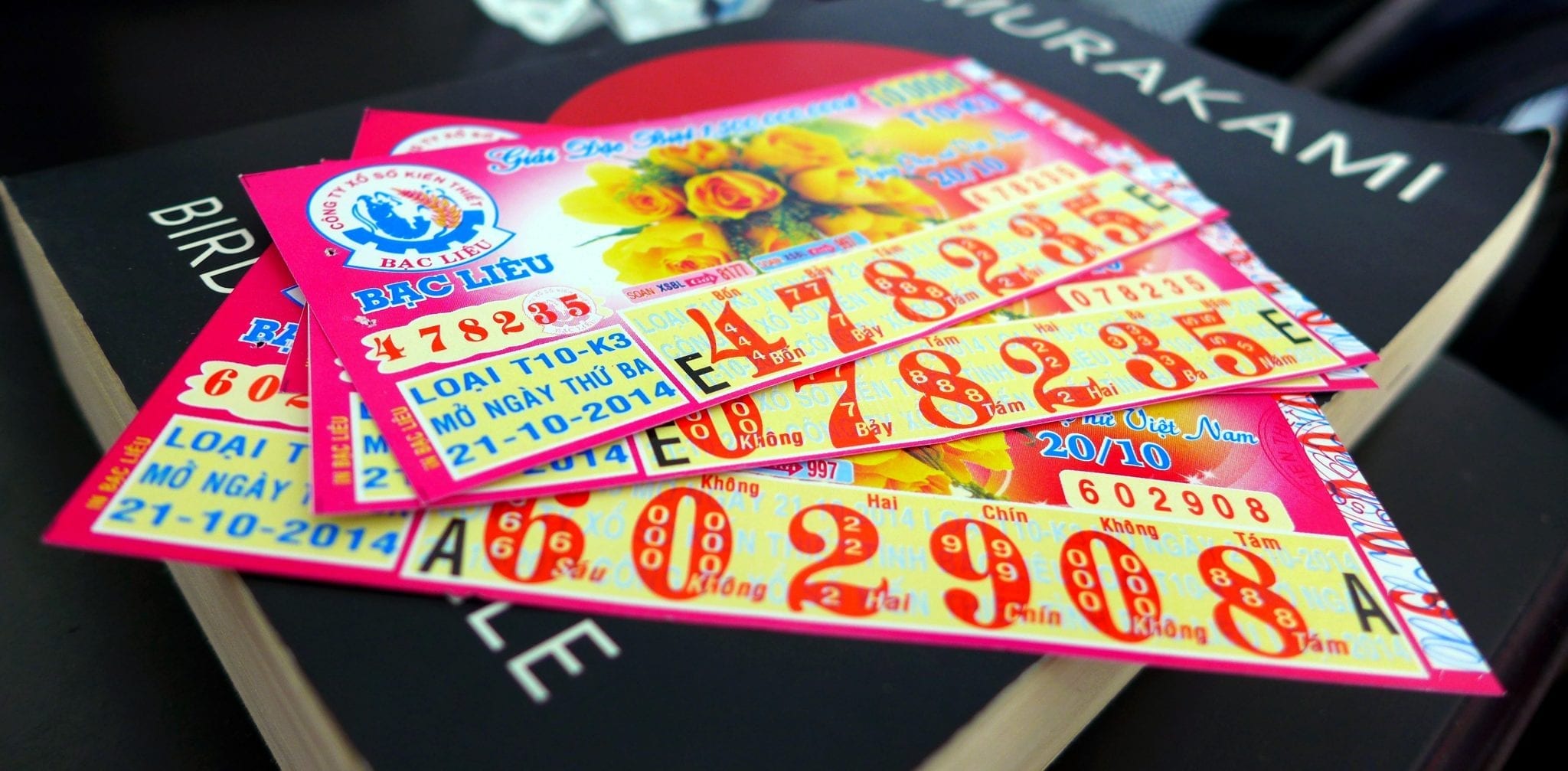
    Traditional lottery companies throughout Vietnam’s south have officially raised their top prizes by a third in an effort to compete with a new emerging American-style jackpot.

    Effective January 1, the firms increased their top prizes to VND2 billion (nearly $86,100), up 33.3 percent from VND1.5 billion ($64,600).

    The hike was based on a decision made by the Southern Lottery Council in October of 2016. Prior to that, traditional lottery prizes in Vietnam topped out at VND1.5 billion ($64,600). Companies who sold the numbered tickets have complained that the mega jackpots have eaten up their businesses.

    A manager at a traditional lottery in Ho Chi Minh City told VnExpress in early October that the number of tickets sold in recent months had declined by about 10-30 percent due to competition from Vietlott.

    On Christmas day, Vietlott, the operator of the American-style lottery, announced that two winners had split a $7 million jackpot–the largest to date. The pair represented the seventh and eighth winners of the lottery, which began two months prior.

    Vietnam’s annual average income was around $2,100 in 2015, according to the World Bank.

    Vietnam generally does not allow its citizens to gamble, but lottery tickets are popular across the country.

  • Global device sales set to stay flat until 2018

    Global device sales set to stay flat until 2018

    Worldwide combined shipments of PCs, tablets, ultramobiles and mobile phones are projected to remain flat in 2017 with 2.3 billion units, according to Gartner.

    There were nearly 7 billion phones, tablets and PCs in use in the world by the end of 2016. However, Gartner does not expect any growth in shipments of traditional devices until 2018, when a small increase in ultramobiles and mobile phone shipments is expected.

    “The global devices market is stagnating,” said Ranjit Atwal, research director at Gartner. “Mobile phone shipments are only growing in emerging Asia-Pacific markets, and the PC market is just reaching the bottom of its decline.”

    Atwal said that aside from declining shipment growth for traditional devices, average selling prices are also beginning to stagnate because of market saturation and a slower rate of innovation.

    “Consumers have fewer reasons to upgrade or buy traditional devices,” he said. “They are seeking fresher experiences and applications in emerging categories such as head mounted displays (HMDs), virtual personal assistant (VPA) speakers and wearables.”

    Gartner sees the PC market benefiting from a replacement cycle toward the end of this forecast period, returning to growth in 2018. Increasingly, attractive premium ultramobile prices and functionality will entice buyers as traditional PC sales continue to decline.

    The mobile phone market will also benefit from replacements. There is, however, a difference in replacement activity between mature and emerging markets.

    “People in emerging markets still see smartphones as their main computing device and replace them more regularly than mature markets,” said Atwal.

    Device vendors are increasingly trying to move into faster-growing emerging device categories.

    “This requires a shift from a hardware-focused approach to a richer value-added service approach,” said Atwal.

    “As service-led approaches become even more crucial, hardware providers will have to partner with service providers, as they lack the expertise to deliver the service offerings themselves.”

  • China has launched its first UK-bound freight train

    China has launched its first UK-bound freight train

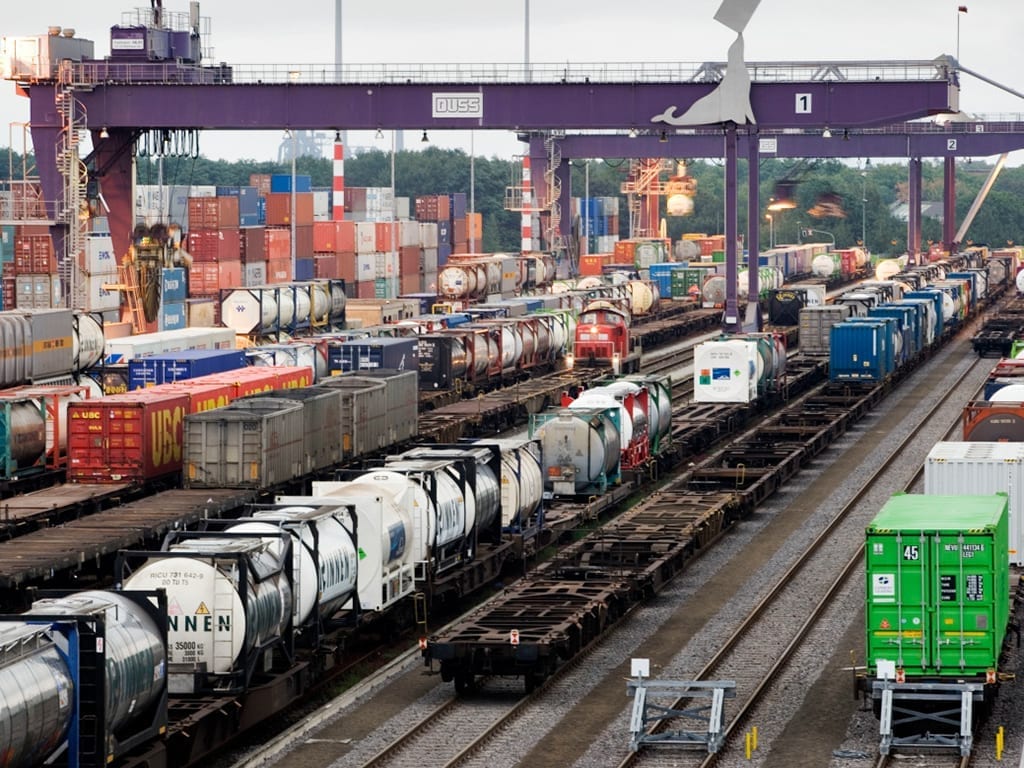
    China has launched its first UK-bound freight train from the city of Yiwu in Zhejiang province to London. The train, which is jointly operated by the Yiwu government and China Railway Container Transport Corp., Ltd., a subsidiary of the state-owned China Railway Corporation, set off from Yiwu West Station and will leave China at Alanshankou, passing through Kazakhstan, Russia, Belarus, Poland, Germany, Belgium, France and the English Channel before arriving at Barking in East London.

    The journey, which is over 12,000km long, is expected to take approximately 18 days.

    According to China Railway, goods carried on the train include household commodities, apparel, textiles and suitcases.

    Yiwu is also the origin of various China-Europe and China-Central Asia trains.

    The new link to the UK is part of China’s Belt and Road initiative and will strengthen trade ties between China and West Europe, according to China Railway.

  • Mercedes-Benz to overtake BMW as largest premium carmaker

    Mercedes-Benz to overtake BMW as largest premium carmaker

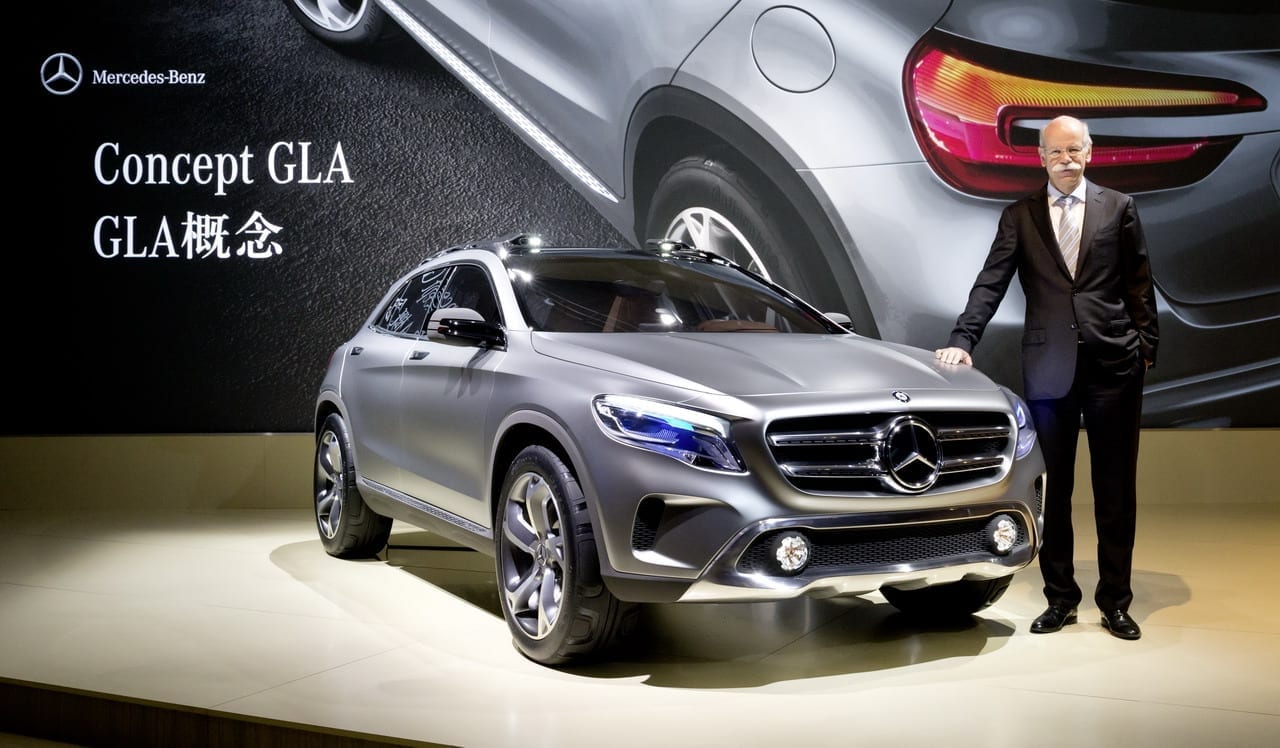
    Mercedes-Benz is expected to reach its goal of becoming the largest premium carmaker four years early – a feat achieved, ironically, only after it stopped chasing market share and focused on making stylish high-tech cars loved by consumers.

    Introducing an elegant, sporty design and establishing itself as a pioneer in new technologies like autonomous driving has helped revive the Mercedes brand which analysts say will help keep the Stuttgart-based carmaker ahead of the pack.

    The achievement is a coup for Daimler Chief Executive Dieter Zetsche, who struggled to revive the company following a messy divorce from mass market brand Chrysler in 2007. Less than four years ago Zetsche faced restive shareholders, worried that the automaker was lagging behind rivals BMW and Volkswagen AG’s Audi brand.

    “We had some deficits, cost and quality problems. Design was not top-notch. And with Chrysler we were no longer a pure premium carmaker,” Zetsche told Reuters in an interview held late in 2016 in his office at Daimler’s headquarters in Stuttgart, Germany.

    On Sunday, Daimler said it had sold 2.08 million Mercedes-Benz branded passenger cars in 2016, a lead that BMW, which has held the premium sales crown since 2005 and is due to release annual sales figures on Monday, is not expected to beat.

    Including sales of the Smart brand, Daimler sold 2.23 million passenger cars last year, the company said.

    Zetsche has presided over a renaissance in the design and technology of Mercedes vehicles, refocused the company on technological superiority instead of short-term sales goals, and adapted the entrepreneurial mindset of Silicon Valley to the traditionally risk averse culture of Stuttgart.

    Daimler is also preparing for a new era when the auto industry’s business model moves beyond manufacturing and selling cars, to lure customers interested in pay-per-minute transport solutions provided by autonomous cars.

    Zetsche set the goal of making Mercedes the best-selling luxury carmaker by 2020 at the company’s 125th anniversary in 2011, a year when even Audi sales overtook those of Mercedes, pushing it into third place.

    “Since then we worked hard and today we are leading or among the leaders when it comes to innovation, quality, design and security,” Zetsche said.

    Daimler traditionalists were shocked by the volume target, fearing that selling too many vehicles may dilute the exclusivity of their cars and reduce the appeal of the Mercedes brand in the long run.

    But consumer electronics companies like Apple had already proven that the pull of their brand did not suffer with increased volume sales so long as they offered the best customer experience.

    Audi was gaining traction with customers thanks to cool designs, so Zetsche appointed a young designer, Gorden Wagener to head up Mercedes design. He introduced an elegant and sporty style to spruce up Stuttgart’s Teutonic limousines. Mercedes cars were also equipped with state-of-the-art digital display technology, luring smartphone savvy customers.

    It was a change for Mercedes where engineers always believed they were producing the best cars in the world, but measured quality mainly using technical or engineering criteria, a strategy which often led to powerful cars with expensive and complex technical innovations.

    Today, Mercedes-Benz follows its motto “the best or nothing” by thinking about whether customers would notice or benefit from a new technological innovation, and by benchmarking the brand against competitors, Zetsche said.

    The company’s renaissance began in earnest in May 2013 with the launch of a new flagship S-class. To burnish its credentials as a technology leader, Mercedes developed a prototype version which drove around 100 kilometres (62 miles) autonomously the same year.

    Rather than designing a limousine which appealed mainly to rear seat passengers, the new S-Class featured large digital display screens on the dashboard, a deliberate attempt to appeal to a younger, driver-focused audience.

    The same youthful design approach was used for the new C-Class and E-class designs, which are now the company’s volume sellers.

    Mercedes also revived the Maybach brand, a marque targeting the ultra-luxury sector which the company had stopped making after the prior bespoke design failed to gain traction, leading the car to sell only 200 times in its final year of production.

    Since Maybach’s latest revival in February 2015, Daimler has sold 15,000 cars.

    “The rewards we are reaping today are the logical consequence of careful preparation,” Zetsche said.

  • Vietnamese airlines approved for 1,270 additional domestic flights during Tet

    Vietnamese airlines approved for 1,270 additional domestic flights during Tet

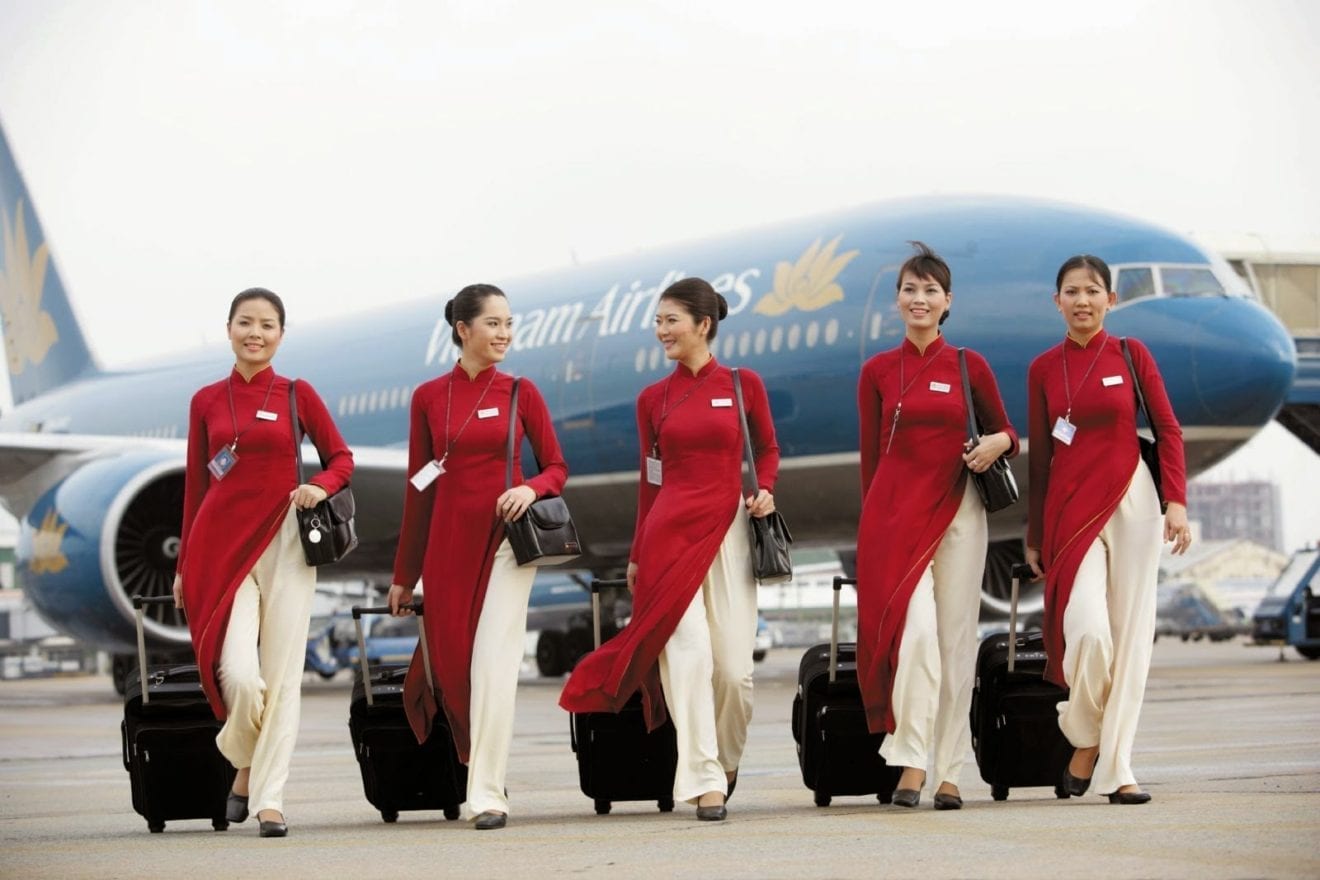
    Vietnam’s aviation watchdog has approved several proposals from local airlines to increase flight frequency to meet spiking demands during the upcoming Tet holiday, though only half the requested additions were approved.

    Tet, the Vietnamese Lunar New Year holiday, falls in late January, though city residents typically begin flying back to their hometowns weeks before holiday to begin festivities with friends and family.

    Local airlines, national flag carrier Vietnam Airlines and budget airlines Vietjet and Jetstar, sought permission to collectively add 2,486 flights, with only 1,270 of the proposed flights actually gaining approval from the Civil Aviation Authority of Vietnam (CAAV).

    In a report submitted to the Ministry of Transport on Thursday, the CAAV said the three would be allowed to run the additional domestic flights between January 16 and February 12, an 8.5 percent increase in flights typically running during the period.

    Vietnam Airlines is permitted to add 380 flights, totaling 76,758 seats, during the Tet season, while Vietjet and Jetstar will add 560 flights (100,800 seats) and 330 flights (59,400 seats), respectively.

    Approximately 1,067 of the approved extra flights will depart or land in Tan Son Nhat International Airport, the country’s busiest airdrome, already operating beyond its design capacity.

    Despite potential overload issues, during the Tet holidays the Ho Chi Minh City-based airport will serve 807 flights per day during peak time, a 7.7 percent increase from the usual schedule.

    Vietnam Airlines is the only of the three carriers happy with the CAAV decision, with nearly 100 percent of their extra flight plan approved, meanwhile Vietjet will only be able to offer half of its proposed additional services while Jetstar was approved for 30 percent of its requests.

    Under the CAAV decision, the three carriers will collectively be forced to cut 230,000 seats from their previously planned Tet services.

    With some airlines allegedly selling tickets for the extra flights before having obtained approval from the CAAV, passengers with booked tickets are sitting on hot bricks, fearing they will not be able to return home for Tet celebrations.

    Ho Quoc Cuong, head of aviation transportation under the CAAV, said the air carriers may not sell tickets for all of the planned extra services, so there is little chance passengers with purchased tickets will miss flights.

    “If it is really the case, carriers must compensate and take full responsibility for the passengers,” he said.

  • Vietnamese expected to drink up this Tet

    Vietnamese expected to drink up this Tet

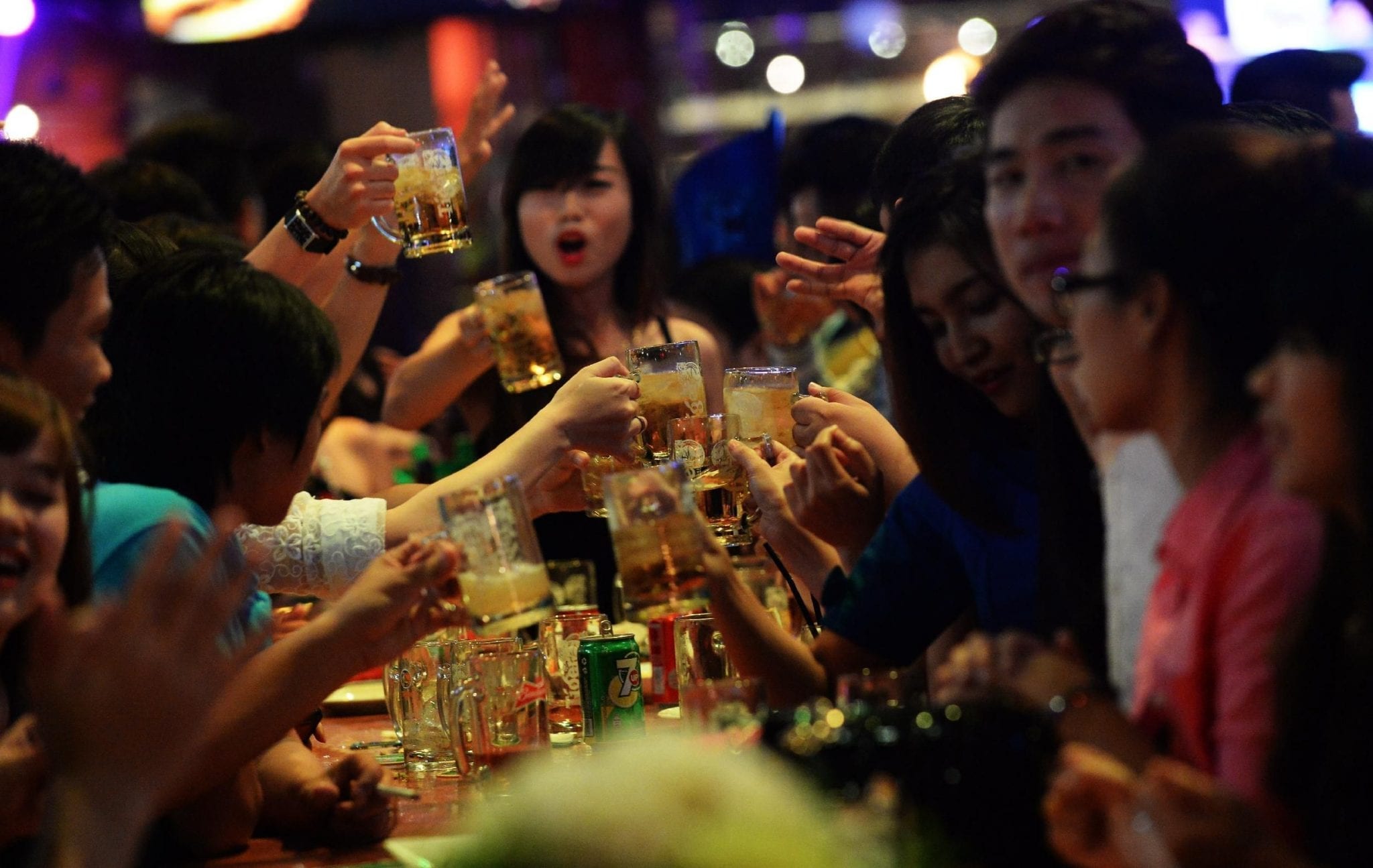
    Top brewer Habeco expects sales of nearly 147 million liters of beer during the biggest holiday, up 6.1 percent year on year. Vietnam’s brewers are gearing up for a massive drink-up this Lunar New Year holidays, or Tet.

    Hanoi-based top brewer Habeco plans to churn out 146.8 million liters of beer during the Lunar New Year, up 6.1 percent from the same period last year, according to the Ministry of Transport’s official mouthpiece Bao Giao Thong.

    Meanwhile, beer consumption in Ho Chi Minh City is projected to jump 30 percent (from last year) to around 40 million liters during Tet, according to estimates released by the municipal Department of Industry and Trade.

    The cities will provide the country’s key booze markets this Lunar New Year, which falls on January 28.

    The Vietnam Beer Alcohol Beverage Association expects beer production to grow by 25 percent, annually, before hitting 4 billion liters in 2020.

    Over the past five years, Vietnam has doubled its consumption of beer to more than 3 billion liters per year. Each Vietnamese person drinks an average of 27.4 liters, placing them squarely in the world’s top 25 beer drinkers.

    In 2015, Vietnam produced an estimated 3.4 billion liters of beer and 300 million liters of liquor.

  • Apple plans to set up own stores in India

    Apple plans to set up own stores in India

    Hoping to replicate its success in the Chinese market, Apple is looking at setting up its own wholly owned stores in India. Currently, the company sells its products through distributors such as Redington and Ingram Micro.

    India’s smartphone market has been witnessing significant growth. Earlier in 2016, India surpassed the United States as the second-largest smartphone market with 220 million smartphone users. While smartphone users still account for about 22% of the roughly 980 million mobile users in India, there is tremendous opportunity for growth over the next few years.

    Little wonder that the company is looking at India as a lucrative market for setting up production. Apple has also announced plans to make iPhones for the Indian market in Peenya, Bengaluru in association with Wistron, a Taiwanese OEM manufacturer for Apple. Production will start by April 2017.

    With local manufacturing facilities, Apple would be able to price its phones more competitively in India. The steep price for the phones is a deterrant for the price conscious Indian consumer. The phones attract 12.5% additional duty on imports.

    According to media reports, Foxconn, the biggest contract manufacturer for Apple has also been roped in to set up a manufacturing unit in India. Foxconn is adopting a model of setting up smartphone assembly lines in multiple cities across India, with a second iPhone facility coming up in Gurgaon.

    An announcement is likely to be made during the Vibrant Gujarat Global Summit 2017 to be held on January 10 at Gandhinagar. Apple has announced that it would open its brand-owned stores, besides a 4,000-people facility in Hyderabad for its mapping unit.

    Reports suggest that the iPhone maker has requested for concessions such as relaxation in labelling rules, so it doesn’t have to print product info on its devices, and tax incentives in return for setting up a manufacturing unit in the country. The Department of Industrial Policy and Promotion (DIPP) has forwarded Apple’s request to the Department of Revenue and Ministry of Electronics and Information Technology (MeitY) in November. Government officials are yet deliberating on the company’s request.

    In May last year, Apple’s CEO Tim Cook visited India and met Prime Minister Narendra Modi as well as key industry leaders like Sunil Bharti Mittal and veteran banker Chanda Kocchar. Apple also announced plans to set up a design and development accelerator to support Indian developers creating innovative applications for iOS and opened a new office in Hyderabad to accelerate maps development.

    During his May visit, Cook had discussed issues including manufacturing and setting up retail stores in the country with Modi.

    An inter-ministerial meeting, scheduled for next month, will discuss and deliberate certain incentives sought by tech-giant Apple Inc to set up a manufacturing unit in the country to be able to ‘make in India’. The meeting will be attended by senior officials from the ministries of finance, commerce, revenue, environment and forest, electronics and information technology, among others.

    The government, however, believes Apple shouldn’t seek additional support to set up manufacturing plants.

    “Several companies in India are manufacturing mobile phones in India. Nobody is asking for additional incentives. Currently, the government provides sufficient support to boost electronic manufacturing,” PTI quoted government sources as saying.

    The tech giant proposed to bring used smartphones and assemble them locally. This was rejected as it did not constitute the Make in India model envisioned by the government. Nevertheless, it got local sourcing norms relaxed from the Department of Industrial Policy & Promotion to open its stores in the country.

    In a report published recently, government sources have said that it may agree to some of Apple’s demands for setting up a manufacturing unit in India if the maker of iPhones promises a huge investment and commits to generating hundreds of thousands of jobs.

  • Asia’s Largest Toys & Games Fair Opens

    Asia’s Largest Toys & Games Fair Opens

    The HKTDC Hong Kong Toys & Games Fair, HKTDC Hong Kong Baby Products Fair and the Hong Kong International Stationery Fair opened today at the Hong Kong Convention and Exhibition Centre (HKCEC). The four-day fairs will continue through 12 January and gather a total of more than 2,900 exhibitors from all over the world to showcase a wide range of innovative and smart products to global buyers.

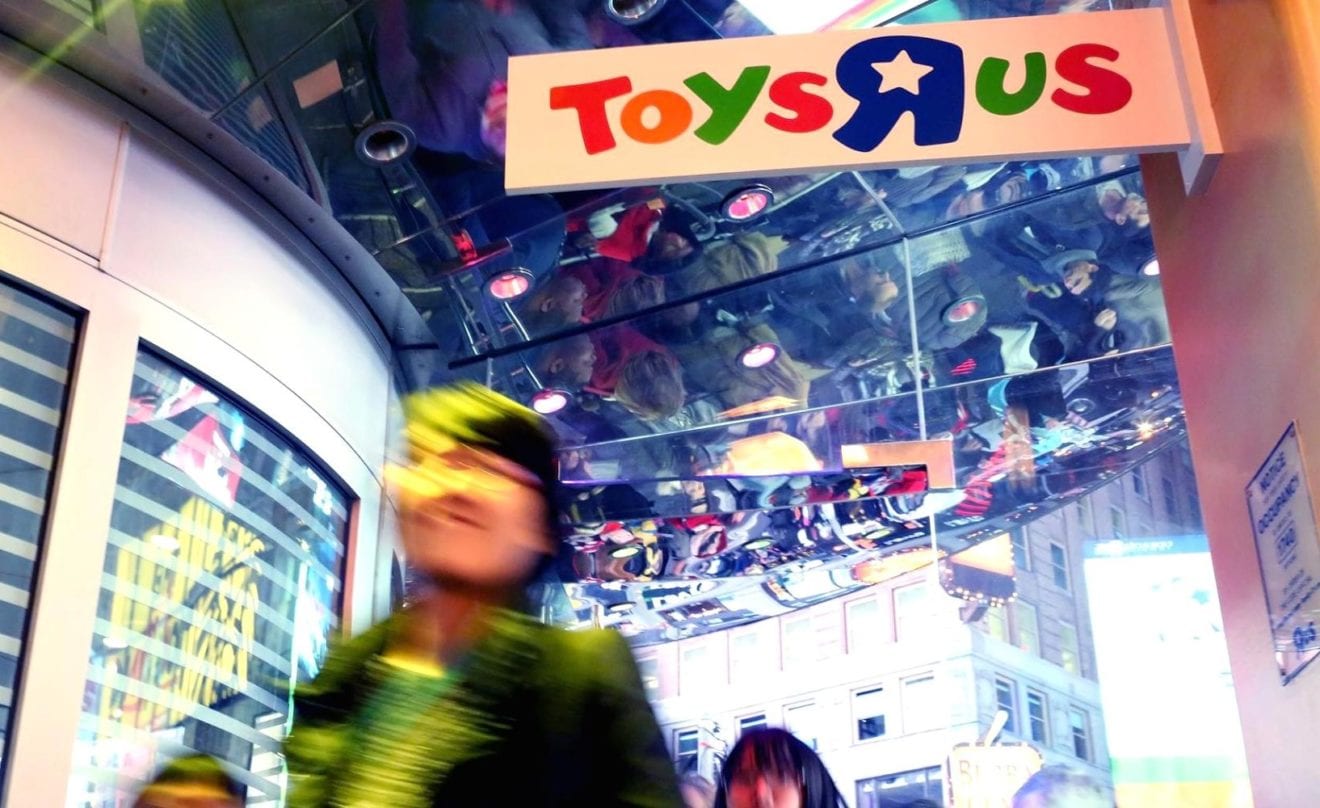
    The Hong Kong Trade Development Council (HKTDC) has organised close to 120 buying missions from 65 countries and regions, with some 9,000 buyers from around the world to visit and source at the three fairs. These include department stores, specialty stores and retail chains such as Toys”R”Us, Hamleys from the United Kingdom, Tomy Company Ltd. and Aeon Stores from Japan as well as Shinsegae Co. Ltd. from Korea. Besides, buyers representing e-tailers like JD.com, Suning Redbaby and beibei.com from the Chinese mainland and local enterprises including Watsons and Ocean Park offer ample business opportunities for the exhibitors. To facilitate different sourcing requirements, the fairs continue to feature the hktdc.com Small Orders zone with its Online Transaction Platform (https://smallorders.hktdc.com) and offer on-site business matching services.

    Benjamin Chau, Acting Executive Director, HKTDC, said: “The three fairs are presenting a comprehensive line-up of innovative products, including STEM toys that strengthen the learning of science, technology, engineering and mathematics for youngsters. Together with various licensed products, toys that incorporate Virtual Reality (VR) and Augmented Reality (AR) technologies, smart baby products as well as stationery items, the fairs will surely satisfy the sourcing needs of global buyers.”

    Asia’s largest toys & games fair features a record of 2,100+ exhibitors

    The 43rd edition of the HKTDC Hong Kong Toys & Games Fair features a record of more than 2,100 exhibitors from 42 countries and regions, forming the largest event of its kind in Asia, and the second-largest in the world. Among the many exhibitors are newcomers from Bangladesh, Bulgaria and Denmark.

    Six group pavilions from the Chinese mainland, Korea, Spain, Taiwan, the UK, together with the “World of Toys” pavilion featuring mainly European exhibitors, are mounted at the fair this year to present a wide variety of toys and games from around the world. Among them, the UK pavilion has doubled its exhibition space with 17 exhibitors, offering buyers more selections. The signature Brand Name Gallery gathers over 220 renowned brands from 15 countries and regions, such as 4M, Bburago, Eastcolight, Hape, VTech, as well as new exhibitors including the Japanese building block brand nanoblock.

    The Smart-Tech Toys zone showcases various toys and games applying innovative technologies, such as the increasingly popular AR and VR technologies and products operated via mobile apps. As the demand for STEM toys grows, a new STEM Toys Products Display is set up at the fair to help visitors check out the latest educational toys. Two new zones, Pet Toys and Fireworks, also debut at the fair. Pet Toys zone showcases toys and daily supplies for pets, while the Fireworks zone introduces display shells, firecrackers, toy fireworks as well as stage fireworks suitable for use in different events.

    Concurrent Baby Products Fair to maximise synergies

    Now in its eighth edition, the HKTDC Hong Kong Baby Products Fair hosts a record of about 540 exhibitors from 27 countries and regions, with first-time exhibitors from Qatar and Turkey. This year, the Korea pavilion gathers 32 exhibitors, an increase of more than 80 per cent compared with the last edition. Brand Name Gallery features close to 50 renowned brands from 14 countries and regions, including Biba, Evenflo, Joovy and Pali. Another fair highlight, Baby Tech zone, gathers 22 exhibitors of trendy products including those that incorporate high tech and smart home elements. Other special zones include Disposable Baby Products, Baby Learning Toys, Baby Food and Healthcare Products, Baby Bedding Items and Furniture, Baby Fashion Avenue, Baby Gift Sets and Souvenirs, Feeding, Nursing and Maternity Products, Nursery Electrical Appliances as well as Strollers and Gear.

    Diversified events to unveil industry trends

    A series of industry events are organised during the fair period. This year’s Hong Kong Toys Industry Conference (10 January) adopts the theme of “Grasp the Chance: What’s New in the Market and Our Industry?” to explore trends and opportunities in the global market and especially the Chinese mainland market. Seminars featuring industry experts include “STEM Toys – Next Big Wave” (9 January), “A Closer Look into the Key Influencers in Baby Product Trends” (9 January) and “The New Epoch of Virtual Toys” (10 January) to help the industry keep abreast of the latest trends.

    To provide more promotional channels and facilitate industry cooperation, a number of product demonstrations and launch pads, as well as buyer forums are organised. The Hong Kong Toys and Baby Products Awards 2017 Presentation Ceremony takes place this evening, followed by tomorrow’s winning products presentation. The Awards honour outstanding toys and baby products with exquisite designs, creativity and high quality, as well as promote the industry’s distinguished achievements. The winning products are on display at Hall 3F-G concourse during the fair period, promoting innovative designs to global buyers.

    International Stationery Fair brings in innovative items

    The 17th Hong Kong International Stationery Fair, jointly organised by the HKTDC and Messe Frankfurt (HK) Ltd., features five themed zones, including DIY Supplies, Gift Stationery, Kids & School, Pen & Paper and Smart Office. Over 250 exhibitors from 18 countries and regions are showcasing art supplies, kids’ stationery, school stationery supplies, paper products and printing, office supplies, DIY supplies, promotional stationery and more.

    The challenges and business opportunities of the stationery industry under the digital age are spotlighted at today’s seminar “Unfold Opportunities for Retail Digital Age” with representatives from DimBuy and Pinkoi sharing their insights. Another key seminar tomorrow, “A Glimpse into the Forthcoming Design Trend”, will analyse stationery design and market trends. Heavyweight speakers include the “Stationery King”, Masayuki Takabatake, the three-year winner of the Japanese variety show “TV Champion”; an expert from one of Japan’s biggest stationery brands KOKUYO; and a moderator from city’super.

    Joint Opening Ceremony with Licensing Show

    The HKTDC Hong Kong International Licensing Show (9-11 January) is taking place alongside the Toys & Games Fair, Baby Products Fair and International Stationery Fair, generating more cross-sector business opportunities. A joint opening ceremony for the Toys & Games Fair, Baby Products Fair and International Licensing Show was held this morning, officiated by the Honourable Gregory So, Secretary for Commerce and Economic Development, HKSAR Government; Li Jiangang, Deputy Director General, Department of Hong Kong, Macao and Taiwan Affairs, Ministry of Culture of the People’s Republic of China; Benjamin Chau, Acting Executive Director, HKTDC; Lawrence Chan, Chairman, HKTDC Toys Advisory Committee, and Tommy Li, Chairman, HKTDC Design, Marketing and Licensing Services Advisory Committee.
  • ANZ share rating still retained

    ANZ share rating still retained

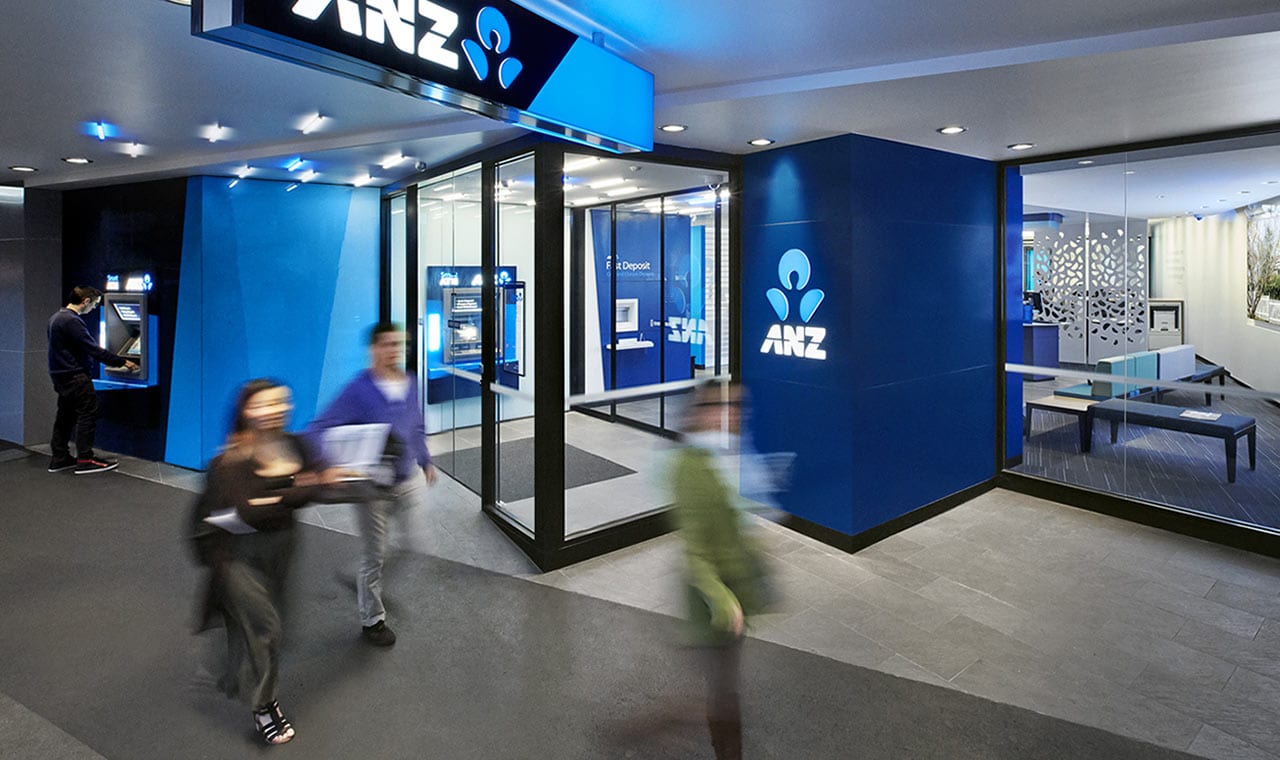
    The divestment was consistent with the bank’s strategy of simplifying its business and narrowing the focus of its Asian operations on institutional business, analyst David Ellis said in a research note released yesterday.

    The sale followed those of five Asian retail and wealth businesses in Singapore, Hong Kong, China, Taiwan and Indonesia at the end of October last year.

    Mr Ellis expected ANZ’s four remaining retail and wealth businesses in the Philippines, Vietnam, Cambodia and Laos, which were under review, to eventually be sold.

    Following the sale of Shanghai Rural, ANZ would have minority stakes in three Asian financial services groups in Malaysia, Indonesia and China with a combined book value of about $A3billion ($NZ3.13billion).

    ”We would not be surprised if these investments were also divested,” Mr Ellis said.

    ANZ deputy chief executive Graham Hodges said the bank had sold its 20% share in Shanghai Rural to China Cosco Shipping and Shanghai Sino-Poland Enterprise Management Development Corporation for $A1.84billion.

    ANZ had invested a total of $A568billion in Shanghai Rural. Since 2007, ANZ had recognised $A1.3 billion of equity-accounted earnings and received $A178 million in dividends.

    ”This partnership has been beneficial for both ANZ and for Shanghai Rural. Shanghai Rural is now a strong, successful bank with a prosperous future.”

    Mr Ellis assigned a wide commercial advantage (economic moat) rating to ANZ, mainly because of its sustainable structural advantages of the Australian and New Zealand banking sectors.

    The wide moat rating recognised the structural and superior competitive advantages Australia’s four banks possessed.

    ”The four major banks dominate a regulated and rational oligopoly, bestowing structural advantages that are strong and durable.”

    New Zealander Shayne Elliot started as ANZ chief executive on January 1, 2016 and wasted no time making changes to strategy, organisational structure and the senior leadership team, Mr Ellis said.

    Mr Elliot was an ”excellent choice” to lead the group through the next stage of its growth phase.