Author: Mei Ling Tan

  • Fossil wearables offering doubles

    Fossil wearables offering doubles

    Fossil Group will double its Fossil wearables production this year to 300 new products, plus add new brands.

    • Fossil Group has announced it will double its Fossil wearables production this year to an unmatched 300 new products, plus add new brands.
    • New connected products were also revealed by the US group’s brands…
      Armani Exchange has entered the wearables market with Armani Exchange Connected, a collection of hybrid smartwatches.
    • Fossil has extended its Fossil Q hybrid smartwatch line with Fossil Q Accomplice, with the brand’s slimmest case to date.
    • Skagen has introduced Hald and Jorn hybrid smartwatches, offering thinner cases.
      Misfit has unveiled Vapor, the brand’s first touchscreen smartwatch featuring heart rate, GPS and standalone music access.

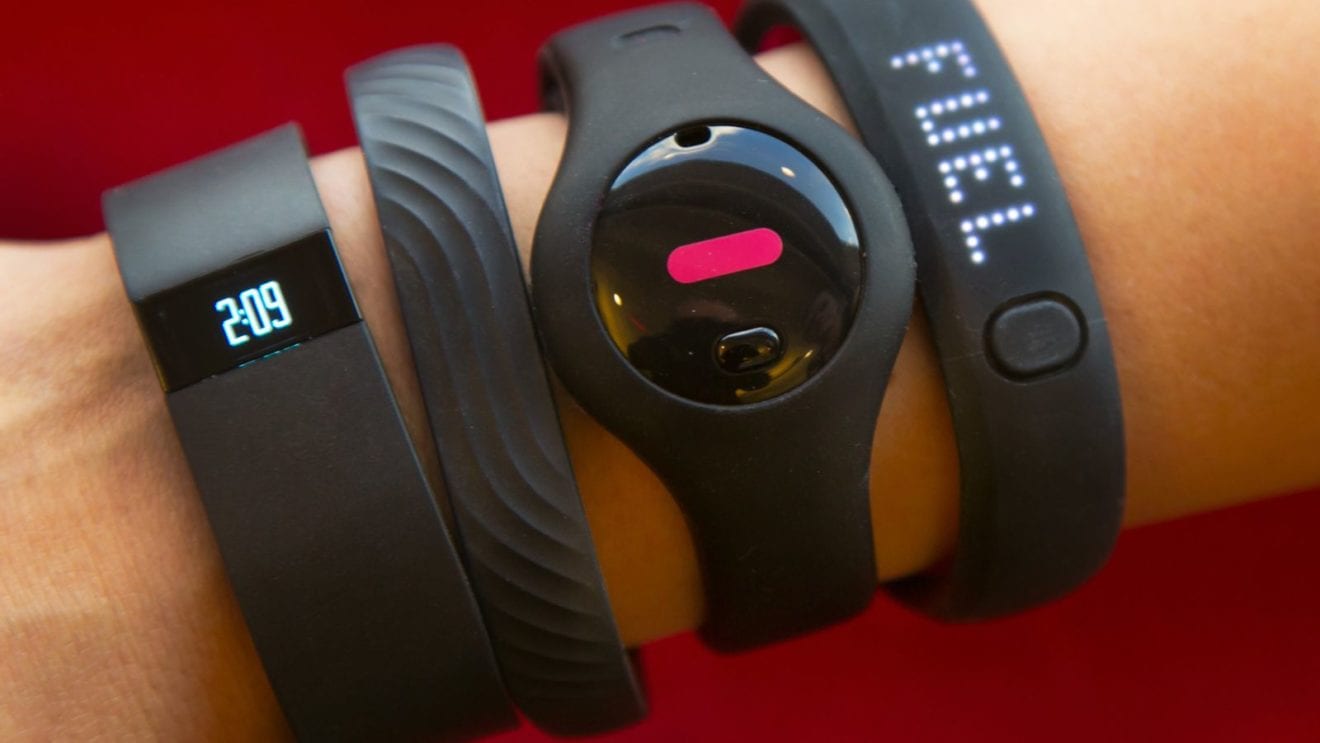
    Fossil Group’s wearables include touchscreen smartwatches, hybrid smartwatches and activity trackers.

    “Customers crave connectivity that doesn’t compromise style,” says Fossil Group chief strategy and digital officer Greg McKelvey. “We’re creating more options to seamlessly integrate desired tech features into our customers’ style and lifestyle.

    He says the group’s design, scale, speed to market and portfolio of fashion brands, coupled with its cloud and app platform plus tech and hardware innovation “have pulled us ahead of the wearables pack”.

    Fossil Group last year launched more than 140 wearables across Chaps, Diesel, Emporio Armani, Fossil, Kate Spade New York, Michael Kors, Misfit and Skagen brands throughout 40 countries and in 20 languages.

    “The success of our hybrid smartwatches has proven that our consumers want a balance of function and fashion,” says McKelvey. “We’ve effectively filled that gap in the market. Hybrids pack the power needed to efficiently accomplish daily tasks in a beautifully crafted timepiece.”
  • 1,300 more domestic flights to operate for Tet

    1,300 more domestic flights to operate for Tet

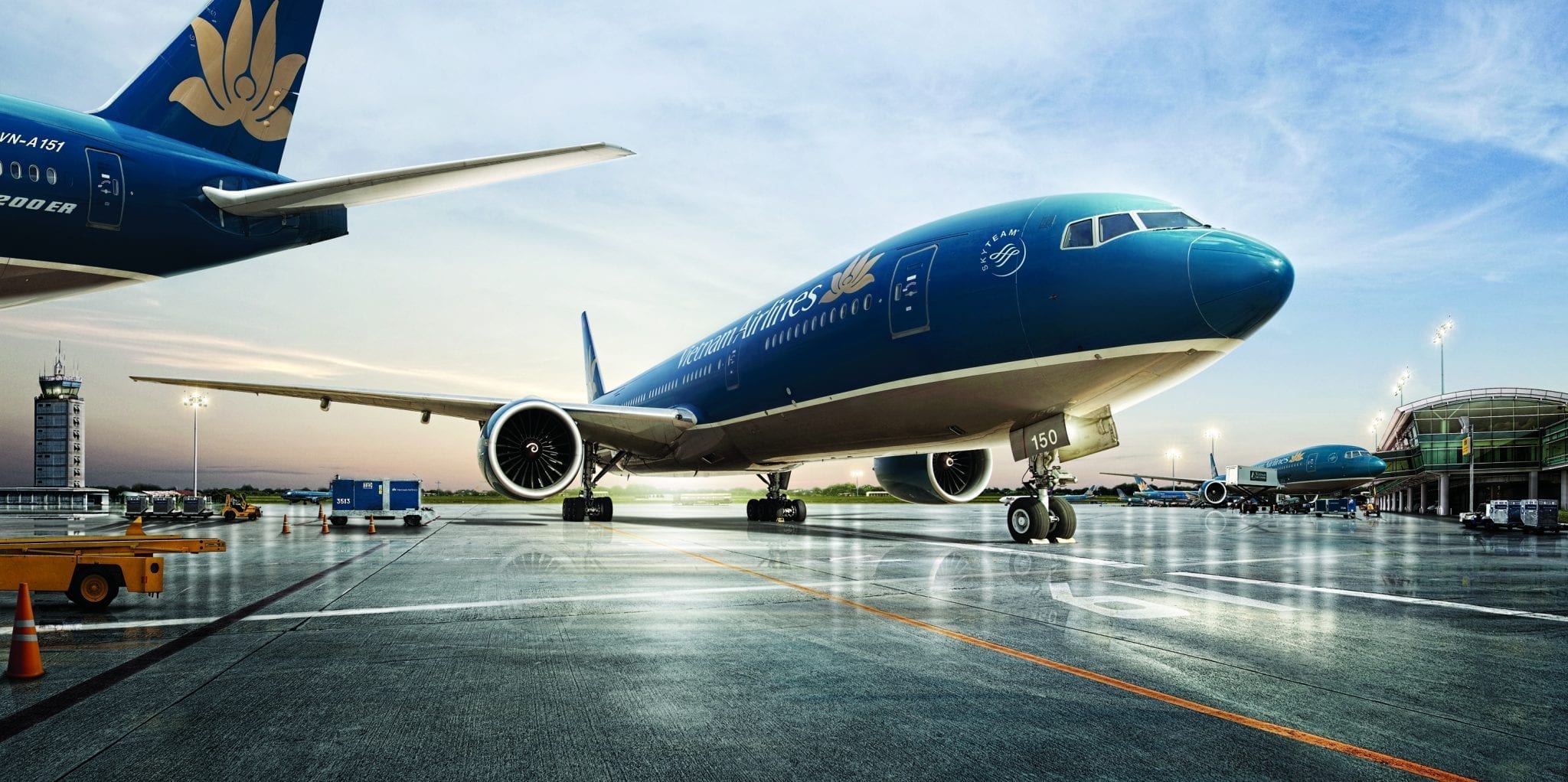
    Special flights will be introduced from January 16 to February 12, the Civil Aviation Authority of Viet Nam (CAAV) said.

    Vietjet has been allowed to increase its number of flights by 8.9 per cent, so it will operate 560 flights, or 100,800 seats. National carrier Vietnam Airlines will offer 330 more flights, or 76,785 seats. Jetstar Pacific will have an additional 330 flights, or 59,400 seats.

    HCM City’s Tan Son Nhat International Airport, which is the busiest airport among the 21 airports nationwide, is estimated to receive 1,065 extra flights during the holiday season, 7.7 per cent more than its normal schedule.

    The flights will be operated in the slots or the duration during which the aircraft usually remain grounded at airports. It is estimated to have 38 flights per day.

  • Samsung Malaysia launches Galaxy A5 and A7 2017 with IP68 rated dust and water resistance

    Samsung Malaysia launches Galaxy A5 and A7 2017 with IP68 rated dust and water resistance

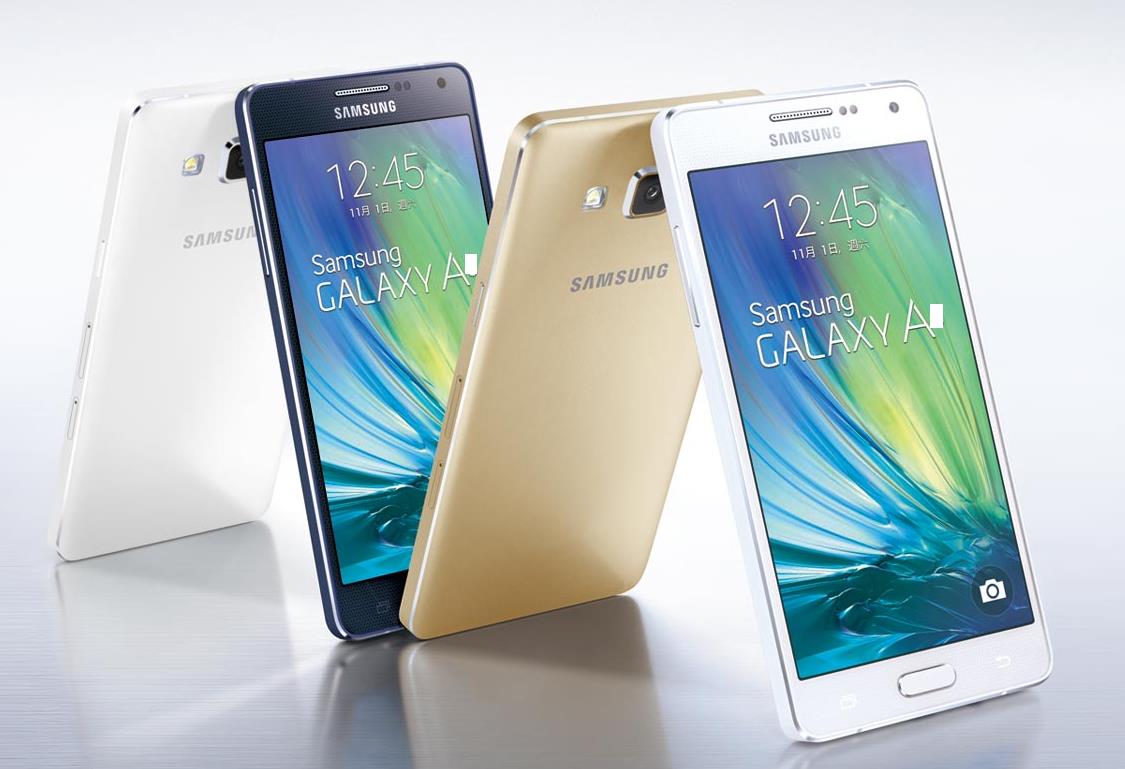
    Samsung Malaysia has announced the latest 2017 version Galaxy A lineup for the local market that features IP68 certified water and dust resistance along with built-in Samsung Pay function.

    The all-new Galaxy A series 2017 that was introduced include Galaxy A5 and Galaxy A7. The main differences between the two are the screen size and battery capacity. The Galaxy A5 comes with a 5.2 inch Full HD Super AMOLED display with a 3,000 mAh size battery. Galaxy A7 on the other hand features a 5.7 inch Full HD Super AMOLED display with a 3,600 mAh size battery.

    galaxy-a5-a7-01

    Apart from the above dissimilarities, both devices share similar components such as a 1.9GHz octa core SoC, 3GB RAM, 32GB expandable storage (up to 256GB), front-facing fingerprint scanner, 16 megapixel f/1.9 for both front and rear cameras as well as fast charging support via USB Type-C.

    It is worth noting that Samsung has separated the dual SIM card slots from the microSD card slot which means you won’t have to choose between using dual SIM card or one SIM card with a microSD card. We are also slightly disappointed that both the Galaxy A 2017 devices will be running Android Marshmallow OS instead of the latest Android Nougat.

    The local retail price for both Galaxy A5 2017 and A7 2017 are RM1,699 and RM1,899 respectively. Pre order starts from the 6th to 15th of January 2017 at selected Samsung outlets. If you make your pre-order during this period, you will receive a pair of Samsung Level U Pro wireless headphones worth RM399 for FREE!

  • House of Chivas pours Regal Ultis to Qantas First Class customers

    House of Chivas pours Regal Ultis to Qantas First Class customers

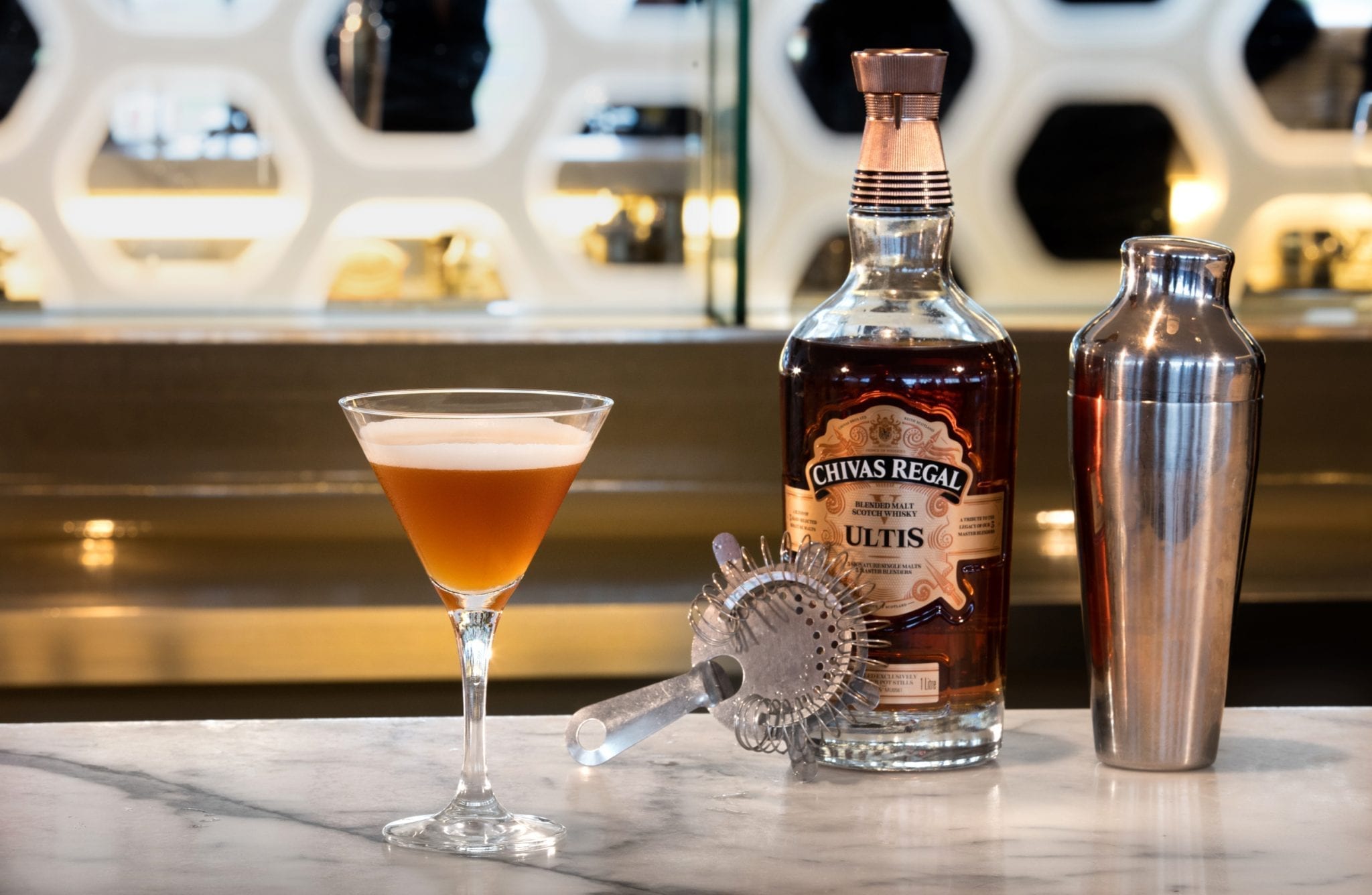
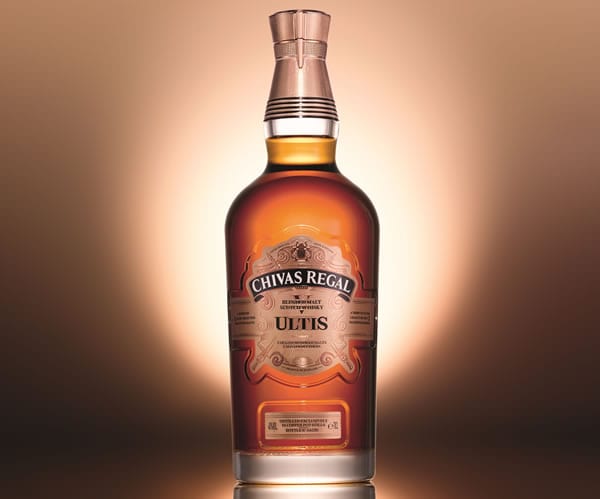
    To celebrate the launch of Chivas Regal Ultis, Pernod Ricard Travel Retail Asia Pacific is offering the blended malt Scotch whisky to Qantas First Class customers until March.

    Chivas Regal Ultis features on the summer menu in the Sydney and Melbourne First Lounges and in a bespoke cocktail called ‘Fine St Blend’. First Class Qantas passengers will also be offered the spirit onboard and can buy it through Qantas epiQure and Qantas inSky shopping pre-order sites.

    Pernod Ricard Travel Retail Asia Pacific Senior Brand Manager Katie Gee said: “We know our Chivas Regal drinker travels frequently and is always discovering and seeking out new experiences. Showcasing our new product, Chivas Regal Ultis, with Qantas is a fantastic platform to connect with whisky enthusiasts along their journey.”

    To further promote the Chivas Regal Ultis launch in the region, Pernod Ricard Travel Retail Asia Pacific has partnered with duty free retailers to create large scale promotions in airports. Tasting bars, ambassador appearances and gifts-with-purchase were featured in December and will continue in selected locations throughout January.

    Chivas Regal Ultis is available now in global travel retail and in selected domestic retailers. The Scotch is also available through Qantas epiQure and Qantas inSky shopping pre-order channels in Asia Pacific.

  • Retailers to raise prices of alcoholic beverages

    Retailers to raise prices of alcoholic beverages

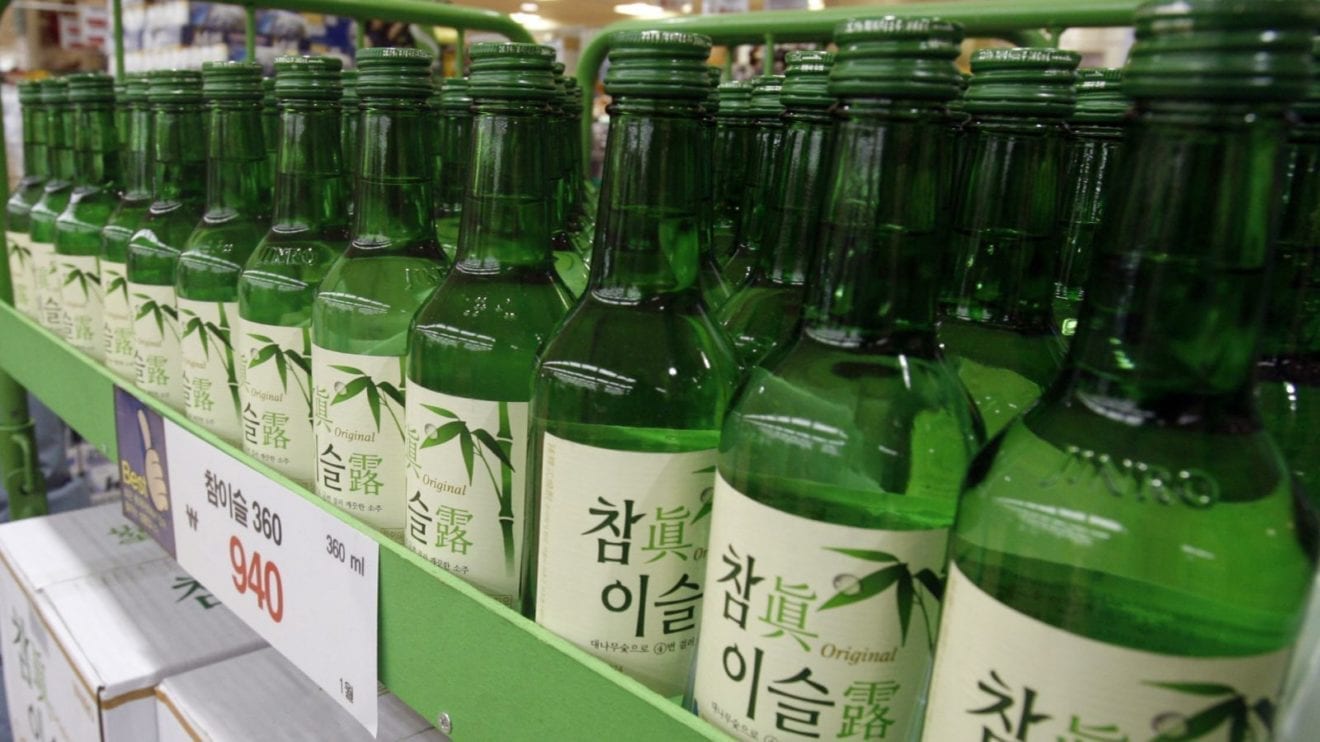
    South Korea’s discount chains and convenience stores said Thursday they will raise prices of beer and soju, a popular Korean distilled beverage, beginning next week.

    CU, a major South Korean convenience store chain, is set to raise prices of two brands of 360 milliliter soju bottles — Hite Jinro’s Chamisul and Lotte Chilsung Beverage’s Chum-Churum — to 1,700 won (US$1.4) from 1,600 won.

    The convenience store also plans to raise prices of Oriental Brewery’s Cass and its rival Hite Jinro’s Hite to 1,900 won each from 1,850 won and 1,800 won, respectively.

    GS25 and Seven Eleven, two other major convenience store chains, also plan to follow suit.

    E-Mart, the No. 1 discount store chain in South Korea, is also set to sell a 500 ml beer bottle for 1,410 won, up from 1,330 won. It will also raise soju prices to 1,220 won from 1,140 won.

    Lotte Mart, a discount store chain operated by South Korea’s retail giant Lotte Group, said it will raise prices of a 640 ml beer bottle to 1,830 won from 1,750 won.

    The planned price hike came in response to a recent government decision to raise a subsidy for empty bottles of beer and soju.

    Consumers can now receive 100 won from retailers in return for handing over an empty soju bottle, compared with 40 won in the past. In case of beer, consumers can receive 130 won, up from 50 won when they return an empty bottle of beer.

    The price hike came just months after Oriental Brewery Co. and Hite Jinro raised their beer prices by an average 6 percent and 6.33 percent, respectively.

    AB InBev, the world’s largest beer producer, purchased Oriental Brewery Co., South Korea’s biggest brewer, in 2014.


  • Vietnam urges retailers to ditch cash for plastic

    Vietnam urges retailers to ditch cash for plastic

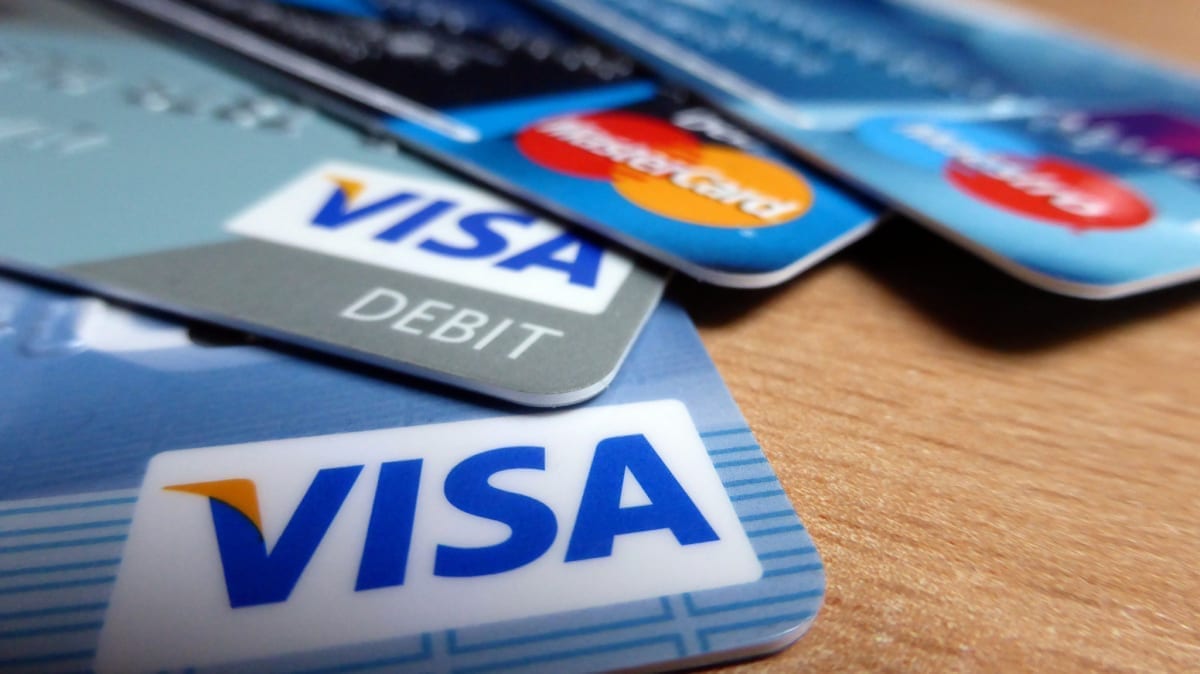
    With online sales booming in the country of 93 million, it’s time for shoppers to embrace e-commerce. Vietnam is trying to convince at least 70 percent of its citizens aged 15 and over to open bank accounts and about 50 percent of urban residents to switch to non-cash payments via debit and credit cards by 2020.

    Online retail revenue is forecast to hit $10 billion in the next four years, accounting for 5 percent of the country’s total retail market, which grew 10.2 percent last year to $118 billion.

    The government has officially rolled out its e-commerce development plan for 2016-2020 to tap into the fast-growing consumer population with a huge demand for online shopping.

    According to one estimate, about 30 percent of the population will buy goods and services over the internet and spend an average of $350 per year online by 2020.

    In 2015, Vietnamese shoppers spent $4.07 billion online, a jump of 37 percent from the previous year, according to the Vietnam E-commerce Report, adding that revenue from online retail accounted for 2.8 percent of the country’s revenue from the sale of goods and services in the same year.

    With a population of 93 million, Vietnam was ranked as the smallest e-commerce market in Southeast Asia in terms of sales just three years ago. Now online retail is gaining momentum with the country’s 49 million internet users increasingly turning to online shopping.

    According to Internet World Stats, Vietnam is currently ranked 18th in the world in terms of the number of internet users, with mobile subscription rates as high as 40 percent.

    In order to increase non-cash transactions, the government will require all supermarkets, shopping malls and convenience stores to accept payments via credit and debit cards.

    It is forecast that in the next four years the number of supermarkets will nearly double to 1,300 and shopping malls to 300, according to the government’s plan.

    Spending at supermarkets, convenience stores and shopping malls is expected to rise to 45 percent of total consumer spending by 2020, up from 25 percent now, government data shows.

    The government also wants 70 percent of utility service providers including telecommunications companies and electricity and water suppliers to move their billing online.

  • Vietnam coffee exports grew in 2016 despite drought

    Vietnam coffee exports grew in 2016 despite drought

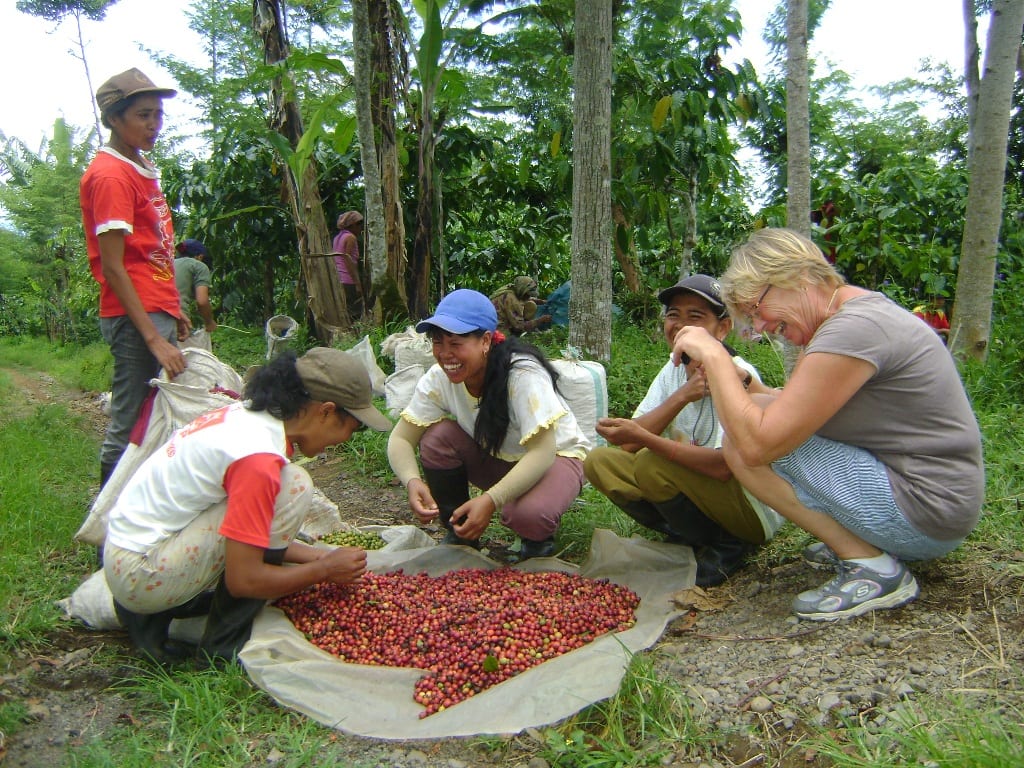
    Vietnam’s coffee exports have rebounded, notching up double-digit growth this year after being hit by the most-severe drought in almost a century.

    Coffee exports grew, on-year, by 33.6 percent in terms of volume, reaching nearly 1.8 million tons.

    The Ministry of Agriculture and Rural Development said Vietnam’s coffee industry regained its momentum after seeing exports decline by more than 20 percent on-year in 2015.

    Germany and the U.S. remained the two largest buyers of Vietnamese beans and, this year, sales to the two markets grew by 42.4 percent and 49 percent, respectively.

    Exports of coffee also saw impressive increases in emerging markets like the Philippines (83 percent), Algeria (68 percent) and China (50 percent).

    Analysts fear ongoing El Nino conditions could result in a 20 percent decline in coffee production during the coming year.

    Roughly a fifth of Vietnam’s total plantations had been damaged by water shortages, according to the Association of Coffee and Cacao (VICOFA).

    Flooding struck the Central Highlands’ coffee belt in November, making harvesting and drying rather difficult.

    VICOFA chairman Luong Van Tu, however, says Vietnamese enterprises should shift their focus to processing coffee rather than increasingly the amount of raw materials shipped abroad.

    He said new free trade agreements will slash tariffs on coffee sales to the E.U. and South Korea from 15 percent to under five in the coming year.

  • After Soaring, AirAsia Hits Some Turbulence

    After Soaring, AirAsia Hits Some Turbulence

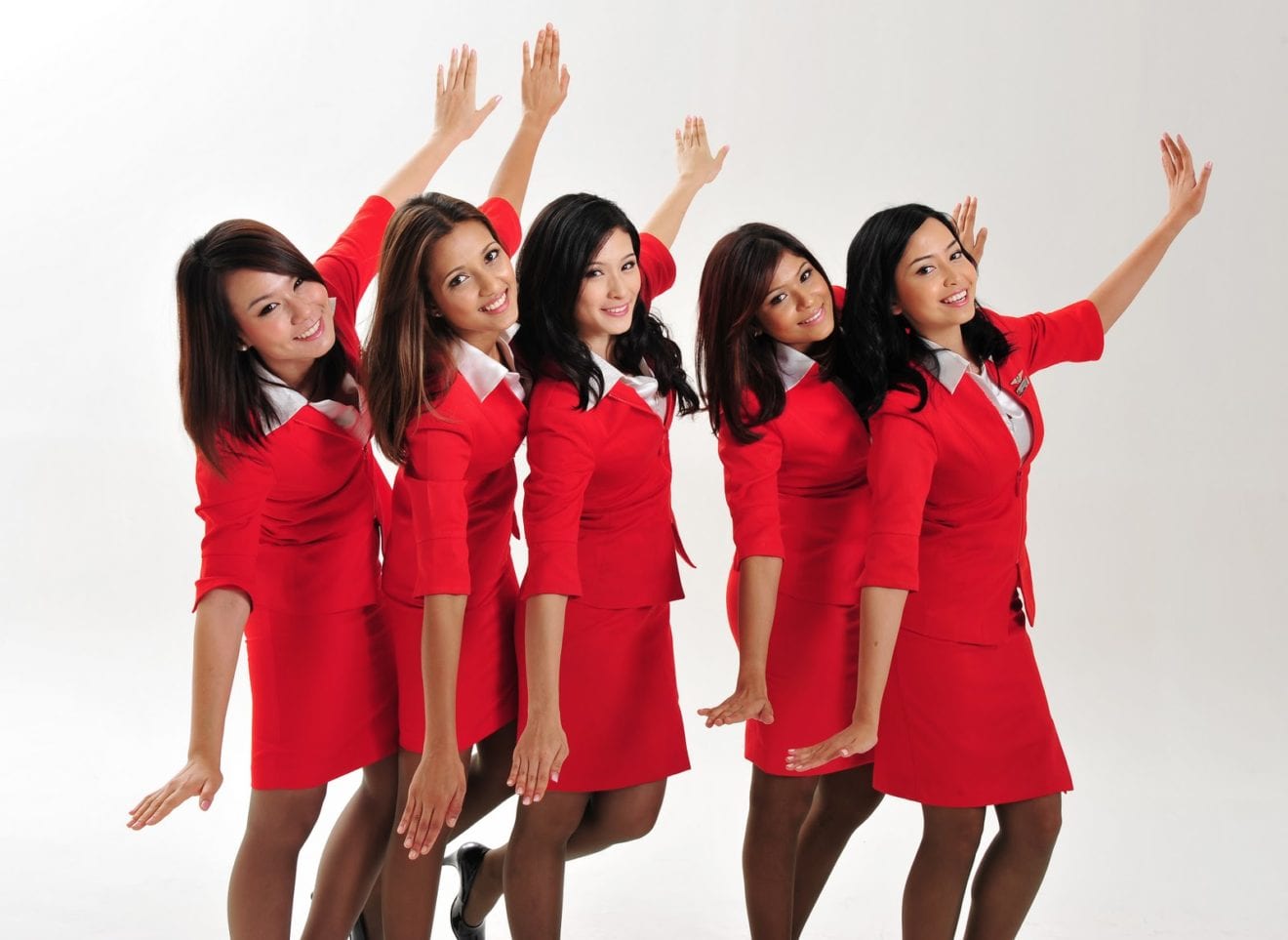
    Malaysia’s AirAsia, which operates budget flights across Southeast Asia, had a stellar 2016. But the catalysts that fueled the airline’s ascent by as much as 130% by August are no longer there. This stock could fall another 20%.

    AirAsia is a play on the Malaysian ringgit. Its share price started to slip in late August, coinciding with the ringgit’s decline. Since then, the ringgit has fallen some 11%, to $4.50, and AirAsia has tumbled more than 30%. The stock still managed to return over 80% in 2016, however.

    A weaker ringgit hurts AirAsia’s operating margins. Deutsche Bank ’s Joe Liew estimates that half of the airline’s operating costs last year were related to the dollar, in part because 90% of its debt is denominated in greenbacks. The airline says that two-thirds of its dollar debt was hedged at about 3.23 ringgits to the dollar. Still, Deutsche estimates that for every 5% decline in the ringgit, AirAsia’s operating profit falls by 7.1%.

    More importantly, over half of AirAsia’s shareholders are foreigners, who are more likely to unload the stock when Malaysia’s currency policy gets unsteady. The ringgit “keeps us awake at night,” says Credit Suisse’s strategist Tan Ting Min, because China is Malaysia’s largest exporter and the currency is viewed as a yuan proxy. It’s also sentiment-driven because foreigners hold about half of Malaysian government bonds, 50% more of which are maturing this year. In addition, Malaysia’s central bank unnerved investors during the Trump tantrum—the selloff of emerging market bonds and currencies after the U.S. election—by asking foreign banks to stop trading ringgit in the offshore nondeliverable forwards market, a popular way for foreigners to hedge against its decline.

    There are other head winds. Fuel prices have begun to rise. At the end of December, jet fuel was trading at $67 a barrel, 48% above a year ago, according to Platts. While AirAsia hedges 74% of its jet-fuel costs at $60 a barrel, expensive fuel still affects its earnings. Deutsche says that for every 5% rise in jet-fuel prices, AirAsia’s net profit falls by 6.6%.

    COMPETITION IS ALSO HEATING UP

    Again in Malaysia. Malindo, which started operations only in 2013, bought 16 new aircraft in 2016 and operates 42 in total, about a third the size of AirAsia Malaysia. Meanwhile, market leader Malaysia Airlines, which has been in cost-control mode for the past two years after the crash of the MH 370 in March 2014, is looking to expand again. It is starting nine new routes to China this year.

    AirAsia said in August it would divest itself of Asia Aviation Capital, which provides aircraft-leasing services to the airline. AirAsia said the unit could fetch $1 billion. At the end of September, Asia Aviation had only $59 million in equity on its balance sheet. “We struggle a little to understand how that [$1 billion] number is derived, given the balance-sheet numbers,” wrote Deutsche in a note last week.

    Deutsche Bank last week downgraded AirAsia to Sell with a price target of 1.75 ringgit, or another 20% downside. It values AirAsia at five times enterprise value to earnings, in line with full-service airlines Cathay Pacific (293.Hong Kong) and Singapore Airlines(C6L.Singapore). Both of these airlines are suffering from excess capacity, and Deutsche is betting that AirAsia will be operating in a similar environment a year from now.

  • Vietnam to lose 2.08% of daylight working hours by 2025

    Vietnam to lose 2.08% of daylight working hours by 2025

    In 1995, when temperatures rose 0.74C, Vietnam lost 0.8 per cent of daylight working hours. In 2085, if temperatures were to rise 1.5C, 2.58 per cent of daylight working hours would be lost. If temperatures were to rise 2.4, 2.7 or 4C, Vietnam would lose 5.09, 6.31, and 12.72 per cent of daylight working hours.

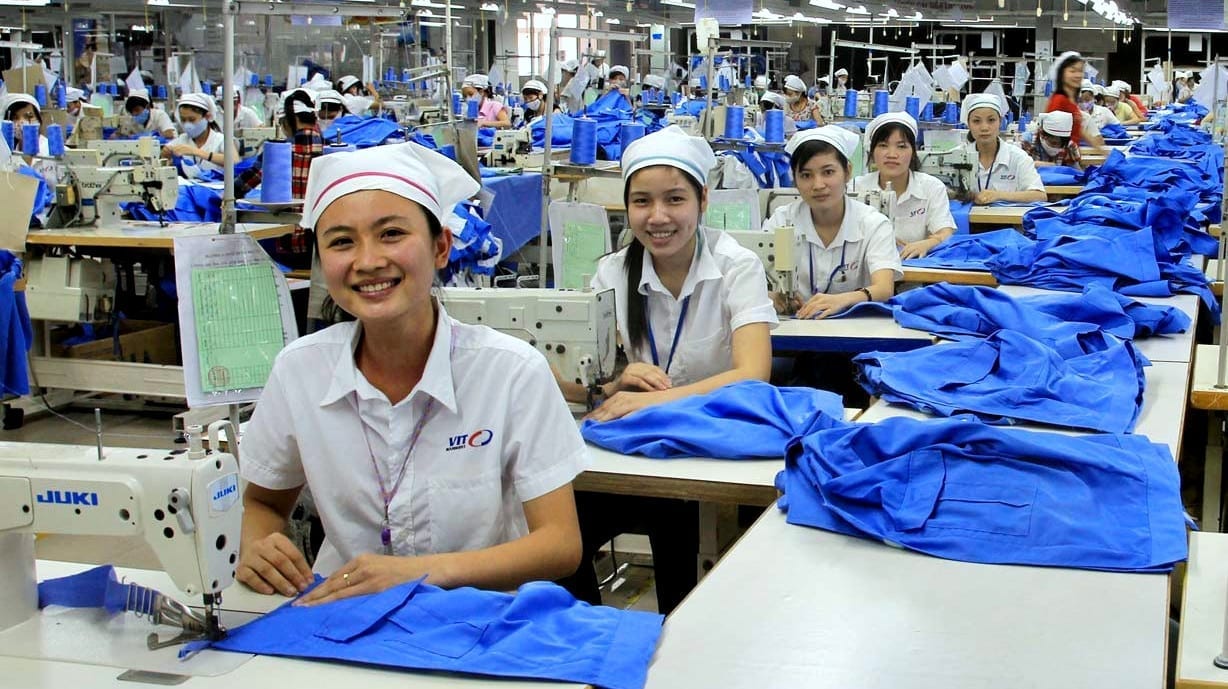
    “The lowest income-bracket work – heavy labor and low-skill agricultural and manufacturing jobs – are among the most susceptible to climate change,” the report noted. Factories are limited in providing cooling systems at the workplace, it added.

    In November 2015 the International Labor Organization (ILO) introduced guidelines for governments and other labor organizations to address the health and safety ramifi­cations of climate change, but no international organization has established a program to assist countries vulnerable to the challenges of climate change for the workplace, according to the report.

    “Actions are needed to protect workers and employers now and in the future, including low-cost measures such as assured access to drinking water in workplaces, frequent rest breaks, and management of output targets, carried out with protection of income and other conditions of Decent Work,” the report urged.

    “Modeling the Impacts of Climate Change on Future Vietnamese Households”, a research working paper from the World Bank released in July said that it is not hard to imagine that if most workers work outside or without air conditioning then the impact of temperature increases on labor productivity will be stronger than if there is a fast structural change away from agriculture and towards services and industry, together with the greater prevalence of air conditioning.

    As for the impact of high temperatures on labor productivity, people working outside or without air conditioning will lose between 1 and 3 per cent in labor productivity due to changes in climate compared with a baseline of no climate change, the World Bank paper said.

    “Our results show that the temperature impacts of climate change are severe in the poverty scenario: 270,000 people would be pushed into poverty in 2030 and 700,000 would be pushed below $4 per day,” the paper said.

    The researchers, led by Tord Kjellstrom from the Health and Environment International Trust in New Zealand, announced in July that Vietnam and 42 other countries will be affected by temperature increases.

    It estimated that 5.7 per cent of Vietnam’s GDP would be impacted by rising temperatures.

    From 15 to 20 per cent of annual working hours in Southeast Asia have already been lost in heat-exposed jobs and this may double by 2050 as global warming continues.

    Other Southeast Asian countries such as Indonesia, Thailand, the Philippines, Malaysia and Cambodia will also lose GDP due to rising temperatures.

    The researchers said that Indonesia and Thailand will both lose 6 per cent by 2030, the Philippines and Malaysia 5.9 per cent, and Cambodia 5.7 per cent.

  • Macy’s to close stores, cut jobs amid weak sales

    Macy’s to close stores, cut jobs amid weak sales

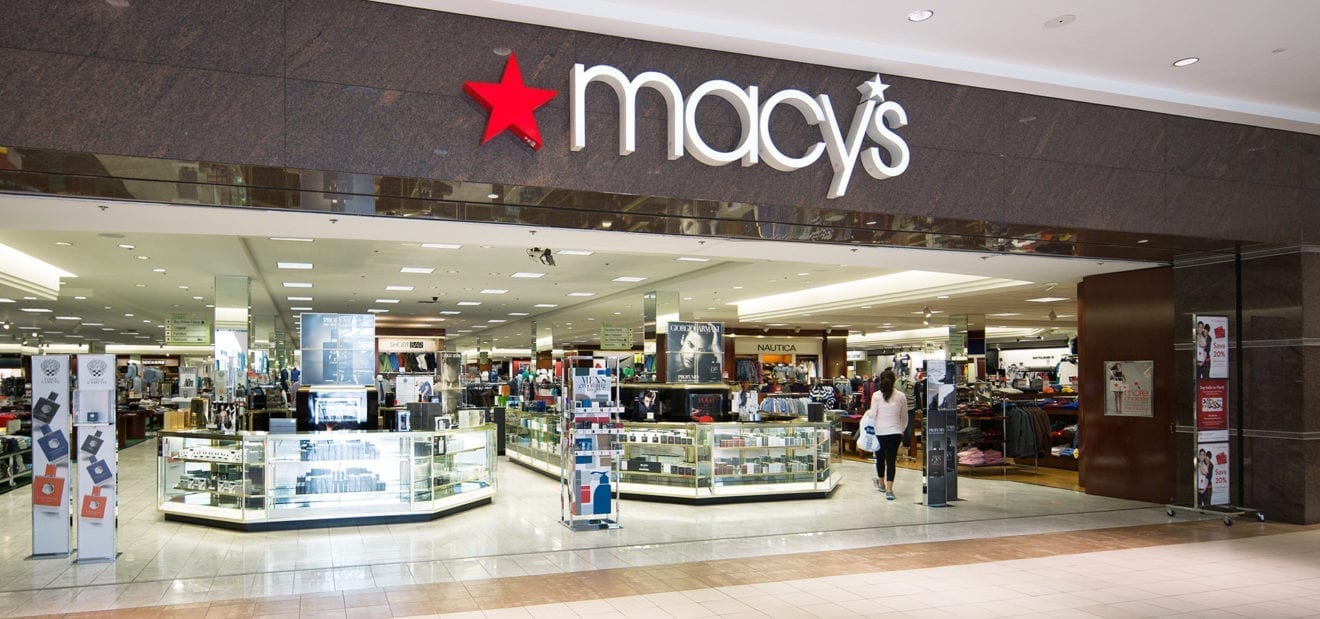
    Macy’s said the 68 store closures, which span the nation, are part of the 100 closings it announced in August. Of the 68, three were closed by the middle of 2016, 63 will close in the spring and two will be closed by the middle of 2017.

    Some employees may be offered positions at nearby stores, but Macy’s estimates that 3,900 employees will be affected by the closures.

    Macy’s also said it plans to restructure parts of its business and sell some properties. This will lead to the reduction of 6,200 jobs. The moves are estimated to save $550 million annually.

    The company, which has been under pressure from investors to sell some of its valuable real estate, is selling or has sold three locations. It is leasing the properties back and will keep operating those stores.

    Overall, Macy’s said, the job reductions represent about 7 percent of its workforce.

    The company, which owns the Macy’s and Bloomingdale’s brands, has been struggling with declining traffic in its stores, where the bulk of its business is still conducted.

    Longtime CEO Terry Lundgren, who is stepping down early this year and will be succeeded by Macy’s President Jeff Gennette, said in a statement the company is closing stores that are “unproductive or are no longer robust shopping destinations” as well as selling those with highly valued real estate.

    Macy’s has seen sales growth slow as it and other traditional department store chains face competition from online and off-price rivals. It has tried new ways to attract shoppers, such as by offering more exclusive products, designating areas featuring “smart watches” and launching an Apple shop at its flagship New York store in Herald Square.

    The company said Wednesday it plans to invest some of its savings in growing its digital business.

    It said it now expects to earn between $2.95 and $3.10 per share on an adjusted basis for its 2016 fiscal year, versus its prior forecast of $3.15 to $3.40 per share. The company is scheduled to report full results in February.

    Shares in Macy’s fell more than 10 percent to $32.20 in after-hours trading.

    Kohl’s shares fell almost 15 percent to $44.15 after it cut its earnings guidance for fiscal 2016. It now expects $3.60 to $3.65 a share on an adjusted basis, down from its previous forecast of $3.80 to $4.00 per share.

  • Ericsson, Cisco to launch joint Wi-Fi solutions

    Ericsson, Cisco to launch joint Wi-Fi solutions

    Ericsson and Cisco have announced an expanded partnership covering the delivery of a new Wi-Fi solution for mobile, cable and other industries’ customers.

    The new Evolved Wi-Fi Networks (EWN) offering combines Ericsson’s 3GPP access and core network technologies with Cisco’s Wi-Fi portfolio.

    The offering will cover pre-integrated solutions including indoor small cells and operator Wi-Fi over Ericsson outdoor access networks and Ciso WLAN.

    Integrating Cisco WLAN with Ericsson macro or indoor access networks will also allow operators to steer users between mobile and Wi-Fi access networks to ensure a superior end-user experience.

    In addition, core network integration will allow operators to offer all their core network services over Wi-Fi for multi-mode devices.

    Design and deployment of new products based on the offering will be handled by Ericsson’s services organization, and the solutions will be bundled with Ericsson managed services as well as customer support, design and deployment services.

    “Our strategic partnership brings together the capabilities of two leading players in networking, mobility and cloud, creating the best end-to-end solutions and opportunities for our customers,”

    Ericsson Head of Region North America Rima Qureshi said.

    “By adding Wi-Fi solutions into the partnership, we will enable our customers to offer best-in-class Wi-Fi in their networks, complemented by our leading 3GPP portfolio and services organization.”

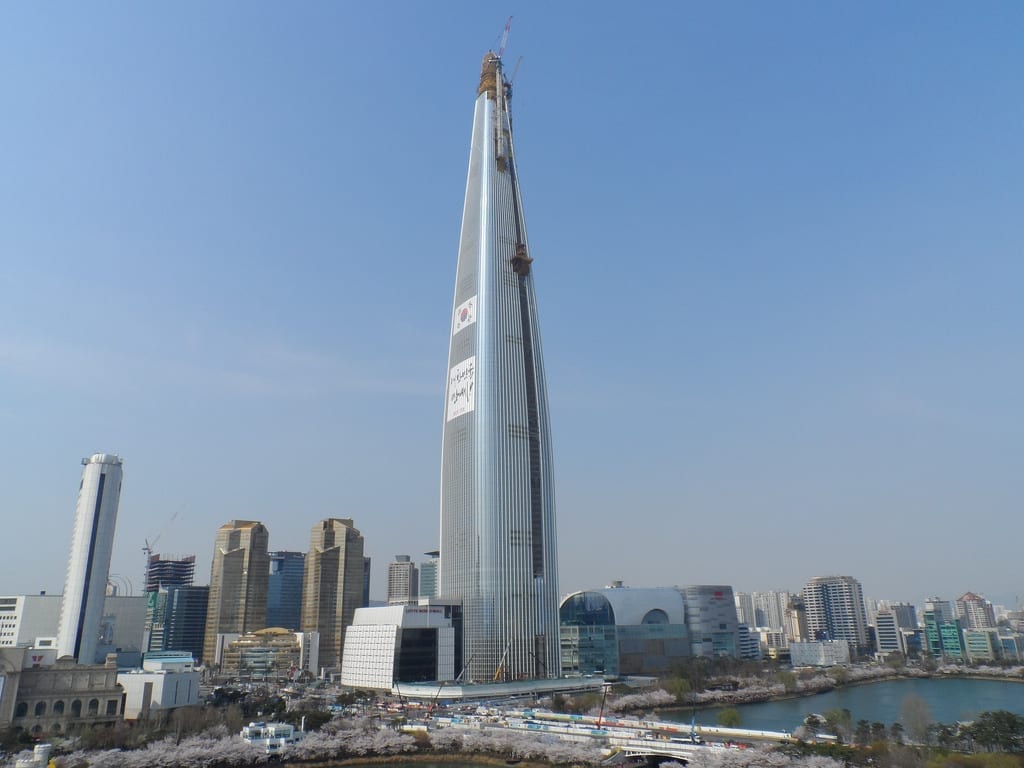
  • Lotte World Tower duty free store has reopened

    Lotte World Tower duty free store has reopened

    As expected, Lotte Duty Free opened its World Tower flagship duty free outlet yesterday, following a six-month period of uncertainty caused by last June’s closure of the duty free section in the building.

    The opening follows the well-publicised and controversial shock loss of Lotte’s duty free operating license for this store back in November 2015.

    As reported, the Korea Customs Service (KCS) awarded the 10-year duty free license to Lotte Duty Free on 17 December 2016. However, it has clearly stated since that if the operator is subsequently found guilty of any wrongdoing in its ongoing investigations related to a contributions scandal, then it will revoke the award.

    INVESTIGATIONS CONTINUE OVER ALLEGED CASH FOR FAVOURS

    As reported, this ongoing investigation surrounds requests for multi-million dollar equivalent monetary contributions for foundations, which were made to Lotte and other companies by President Park Geun-hye’s former close friend Choi Soon-sil, who is presently under arrest.

    Park’s relationship with Choi – a friend for 40 years – was also one of the key factors which led up to her impeachment last month, although Choi denies all the charges related to abuse of power and fraud.Park also maintains that she has not been involved with Choi in any wrongdoing, although she has publicly expressed regret at allowing Choi to get too close to matters of government.

    Meanwhile, Lotte has given several bold undertakings to attract foreign tourists and create new jobs alongside the award of this new contract, which the Korean Customs Service – itself under pressure – will doubtless expect it to meet.

    MASSIVE INVESTMENT PROMISES

    As reported earlier this month, Lotte has pledged to invest Won2.3 trillion ($1.97bn) on tourist-related investments in the upmarket Gangnam quarter of Seoul between 2017 to 2021.

    Lotte Duty Free spokesman Jihyun Ethan Choi also formally confirmed to TRBusiness (2 January) that the duty free reopening has naturally come as a huge relief to Lotte’s staff.

    They have had to endure a six-month wait to find out whether they would have jobs or not at the World Tower – subject to winning the license or not. (Lotte employs around 1300 individuals at the World Tower).

    CHINESE TOURIST ARRIVALS CONCERNS

    At this time, Lotte and all other duty free operators in South Korea will also be keenly monitoring the levels of Chinese tourist arrivals over the next few months, since their biggest overseas duty free customers (in sheer spending power terms) registered only +1.8% growth – or 516,956 visitors – in November 2016. This was a big drop from previous double-digit numbers, according to the Korea Tourism Organization (KTO).

    Many commentators are not surprisingly pointing to pressure on Chinese tourists to cool their enthusiasm for South Korea in the wake of its government decision to site a US-built missile defence system on the border with North Korea. China says this system has the ability to gather data on surrounding terrain in the region.

  • Idea may offer unlimited free 4G data

    Idea may offer unlimited free 4G data

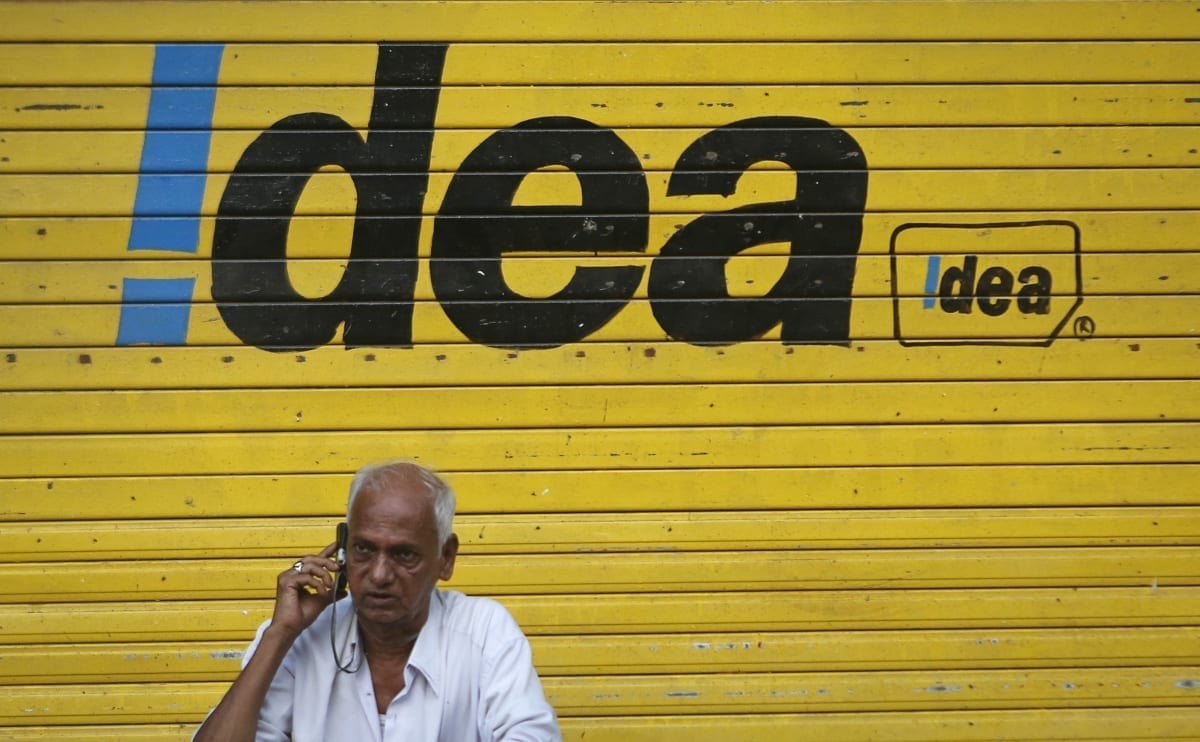
    India’s Idea Cellular is reportedly considering launching its own unlimited free 4G data offer to compete against disruptive new market entrant Reliance Jio Infocomm.

    Idea is considering offering unlimited data in certain plans with a validity of 1 to 1.5 years, potentially only for 4G customers, citing sources.

    According to the report, Idea may also introduce free incoming calls for international roaming and new loyalty plans for existing customers.

    The entry of pan-Indian 4G operator Reliance Jio has shaken up India’s telecoms market, due in part to the operator’s decision to offer free services for customers for its first six months of operation, ending in March 31.

    Rival operators have been pressed to respond with their own offers to attract and retain customers. Bharti Airtel recently introduced an offer for 3GB of extra data per month until December this year.

    In line with this development, Vodafone India has introduced a new prepaid plan offering unlimited 3G or 4G data roaming for an hour for just 16 rupees ($0.235). The company will also offer unlimited in-network local voice calls for an hour for 7 rupees. Vodafone’s 2G customers will be able to buy an hour of unlimited data for 5 rupees.

  • Affin Hwang Research retains Neutral on consumer sector

    Affin Hwang Capital Research is retaining its Neutral sector rating on the consumer sector and recommends stocks with solid track records and high yields, with Heineken as its top pick.

    It said on Monday while the Q3, 2016 earnings mainly disappointed,  it believes consumer spending will recover slowly in 2017 as the consumer sentiment index should pick up, backed by positive government initiatives.

    “Sector net profit fell by 26% YoY, with six of nine of our companies below expectations. We changed two ratings this round: we upgraded BAT to Hold on a share-price retraction which brought about more attractive dividend yields; and we downgraded MSM to Sell, as raw sugar prices have risen strongly, hurting margins.

    “We also recently upgraded Hai-O to Hold on better-than-expected growth in its multi-level marketing (MLM) division,” it said.

    Affin Hwang Research pointed out that while the Malaysian Institute for Economic Research (MIER) consumer sentiment remained low at 73.6 in 3Q16 – a slight pickup from an all-time low of 63.8 in 4Q15 since the global financial crisis – it was still below the 100-point threshold.

    According to Nielsen, Malaysian consumers are among the least confident in Asia Pacific. Given potentially higher transport costs and food prices partly due the removal of the cooking oil subsidy, it forecasts a higher full-year inflation rate of 2.7% in 2017 (vs. 2.2% in 2016E).

    Comparatively, MIER’s retail trade index improved to 111.6 in Q316, above the 100-point threshold, which seems to indicate that expected sales and business conditions will strengthen.

    Retail Group Malaysia forecasts 5% on-year growth in 2017 (vs 3% on-year  in 2016E and 1.4% on-year in 2015), expecting a boost on increased tourist arrivals. Budget 2017’s key initiative to increase government aid under the BR1M scheme by as much as 20% with an allocation of RM6.8bil and special assistance of RM500 to all public servants should also help boost consumer spending.

    “Nonetheless, the retail sector remains challenging, with earnings before interest and tax (EBIT) margins and same-store-sales growth in a downturn. The F&B segment will likely be hit by higher raw material prices moving forward.

    “While the tobacco segment lacks positive catalysts, BAT’s share price has come down and now offers dividend yields of 5% or more, on our estimates.

    “We are generally still positive on the brewery sector, which had done well in previous quarters, and we like our two stocks, Heineken and Carlsberg, for their dividend yields.

    “We expect domestic consumer spending to recover slowly in 2017, as consumer sentiment is expected to improve from its low base, supported by stable labor market conditions and a large young population. Maintain Neutral. We advise investors to focus on companies with defensive characteristics and attractive dividend yields,” said Affin Hwang Research.

  • Vietnam seeks to establish another airline for taxi, rescue services

    Vietnam seeks to establish another airline for taxi, rescue services

    The military-owned company will have to compete with four others in the general aviation service sector. Vietnam’s aviation authorities are seeking a license for fifth airline to offer chartered domestic and rescue flight services.

    The Civil Aviation Administration of Vietnam (CAAV) has formally petitioned the government to grant the military-owned Saigon Newport Corporation in Ho Chi Minh City an aviation business license.

    According to a business plan submitted to CAAV, the marine and port service company expects to establish a firm to operate two tourist aircraft in south-central Vietnam in 2018.

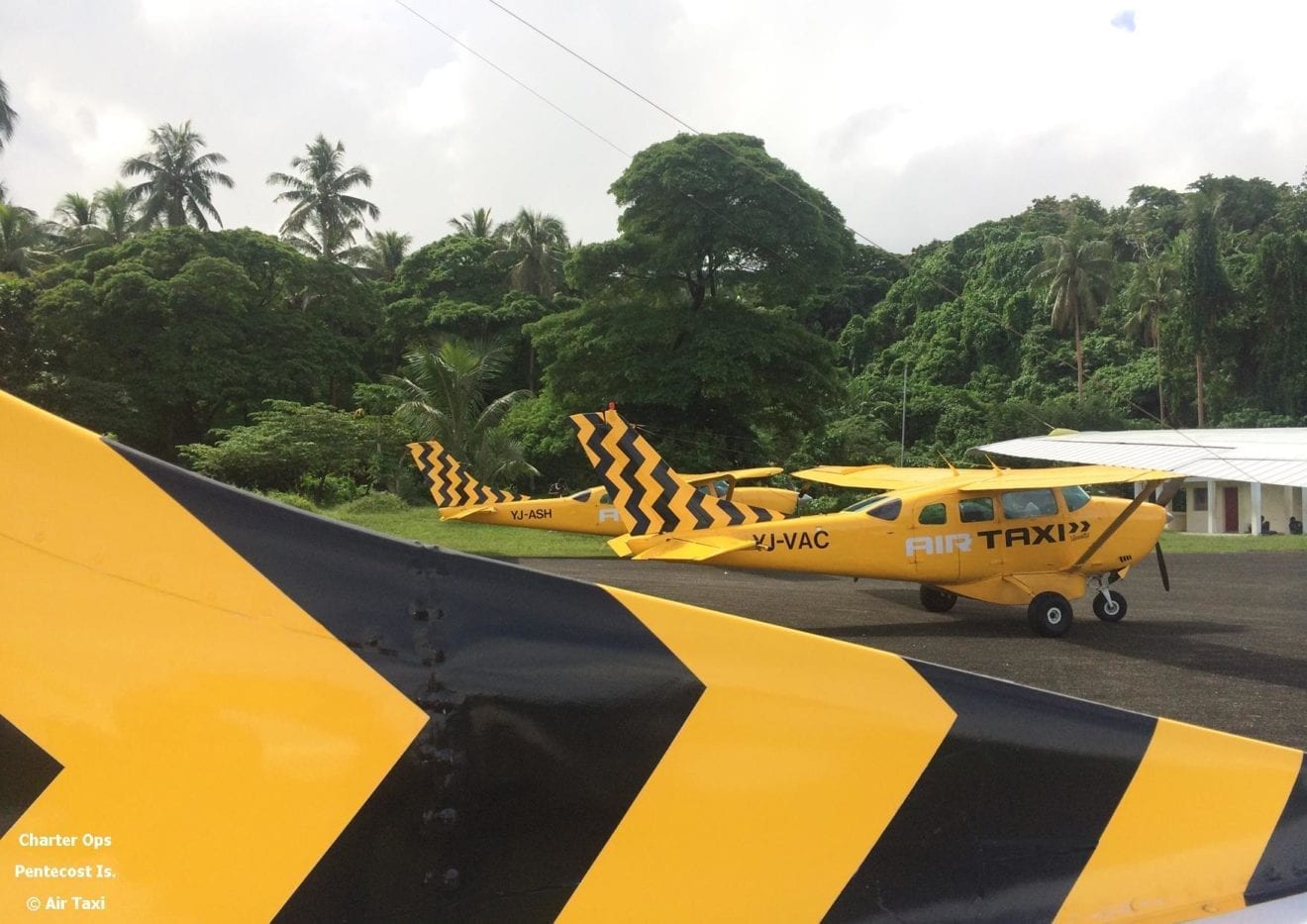
    In the long term, the company will provide air taxi services, geological surveillance, aerial filming and air ambulance services.

    If licensed, Tan Cang will have to compete with four other companies in the general aviation service sector, including state-owned Vietnam Air Service Company and Vietnam Helicopter Corporation.

    Vietnam defines “general aviation” activities as flying operations in the service of industry, agriculture, forestry, fishery or for the purpose of search and rescue, scientific research, flight training, and other civil ends.

    The operator would be permitted to offer various commercial and civil services, but cannot offer scheduled passenger flights.