Author: Mei Ling Tan

  • Prada Japan opens airport store

    Prada Japan opens airport store

    Italian fashion brand Prada Japan has opened a store in Narita International Airport’s Terminal, Tokyo.

    Covering about 200 sqm, the outlet offers women’s and men’s leather goods and accessories.

    Its facade on three sides is clad in black Marquinia marble, framing the light boxes. On the two opposite sides there are two large entrances.

    The three areas in the interior are defined by the signature black-and-white marble checkered flooring as well as a deep-green watercolour-painted canvas wall covering into which green marble shelves and glass display cabinets are set.

    A sitting area offers green velvet sofas and polished-steel and glass display counters.

  • Vietnam retail sales soar in 2016

    Vietnam retail sales soar in 2016

    Vietnam retail sales reached $117.6 billion in 2016, according to the General Statistics Office.

    Sales rose 10.2 per cent year-on-year, thanks to foreign investment from overseas, especially Thailand, Japan and South Korea.

    Ranked among the 30 global retail markets with best opportunities by American management consulting firm AT Kearney, Vietnam witnessed major mergers and acquisitions in the retail sector in 2016.

    Retailers from Thailand – with Central Group and Berli Jucker the pioneers – gained a strong foothold in the Vietnam market with Central’s stakes in Nguyen Kim and Big C and BJ acquiring Metro. Central plans to double its network to 70 supermarkets and 13 shopping malls by 2021.

    Japanese retail operator Aeon joined the race with 30 per cent stake in Hanoi-based Fivimart and 49 per cent of Ho Chi Minh City-based Citimart. Department store operator Takashimaya stirred the market, opening its first Vietnam department store inside the Saigon Center in Ho Chi Minh City.

    Korean conglomerate Lotte Group introduced its first online store Lotte.vn, and plans to open 60 new supermarkets in Vietnam by 2020.

    A young population and a rapidly rising middle class are driving retail growth. Sixty per cent of the country’s 90 million people are aged under 35 and are familiar with global trends and brands. The average Vietnamese income has risen from US$433 to $2200 in just five years, allowing Vietnamese consumers to afford products and services from international brands.

    There are currently 800 supermarkets and 160 department stores and shopping malls across the country, a number forecast to double in the next four years, thanks to government-backed development plans.

    Supermarkets, convenience stores and shopping malls account for 25 per cent of total consumer spending – and that is expected to rise to 45 per cent in the near future. The last three days before New Year holiday in Ho Chi Minh City saw a rise of 20 per cent in purchasing in all commodities with food, confectionery and beverages driving growth. The rise was partly due to promotional and discount programs, and is predicted to continue to grow in the few weeks ahead before Lunar New Year.

  • Apple is setting up shop in Samsung territory

    Apple is setting up shop in Samsung territory

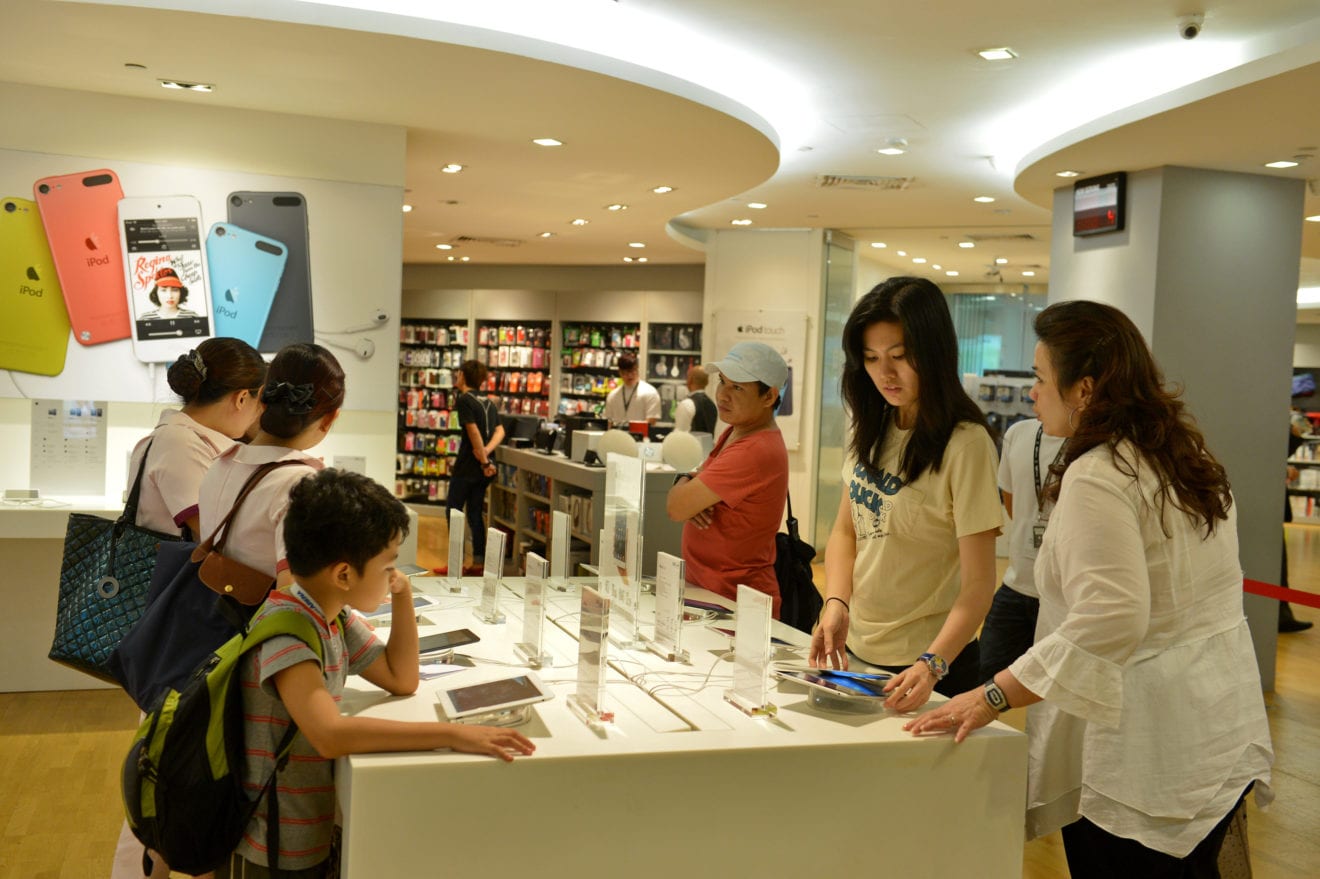
    Apple announced it plans to open its first store in South Korea — an aggressive move, considering its main rival in the smartphone space, Samsung, is headquartered there. To that end, it’s hiring 15 staff members in the region and has stated publicly how excited it is by the prospect.

    We know that the store is set to open up in the nation’s capital, Seoul, but Apple has yet to make it clear exactly where within the city. However, South Korean media has commented that it should appear somewhere in the southern district and that work is expected to begin shortly, completing at some point before the end of November.

    To make sure its new store is staffed properly, Apple’s new positions range from store leader to business manager. While the listings don’t specifically state that they will be working at the Seoul store, it seems like an awful coincidence if they aren’t set to work there.

    The opening of a facility in South Korea is somewhat of a statement to Samsung also. With the big Android manufacturer taking a bit hit to its brand at the tail end of 2016 due to problems with its Galaxy Note 7 phone, it could be that Apple smelled blood in the water. However, it is also worth pointing out that it faces a lot of competition in Asian markets now from lower-end device manufacturers, many of them originating in China.

    Apple could be looking to put a stamp on the region and maintain a foothold in what is quickly becoming one of the most hotly contested regions. Targeting South Korea is a smart move too, as it is geographically near to some of the biggest smartphone industry growth in the world but well within the borders of an economically prosperous country.

  • Cebu Pacific carries 17.5 M passengers in 11 months

    Cebu Pacific carries 17.5 M passengers in 11 months

    The number of passengers carried by Cebu Pacific and subsidiary Cebgo rose five percent in the first 11 months of last year.

    Latest operating statistics data available showed the group served 17.48 million passengers in the 11-month period last year, up from the 16.68 million passengers carried in the same period in 2015.

    The group’s capacity was unchanged at 20.32 million as of end-November, while seat load factor climbed 3.9 percentage points to 86 percent last year from 82.1 percent in 2015.

    Despite the higher passenger volume for the January to November period, the group’s total number of flights declined slightly to 120,617 in the 11-month period from the previous year’s 121,009.

    For the month of November, the Cebu Pacific group had a total of 1.48 million passengers last year, an uptick of 1.2 percent from the 1.46 million passengers in 2015.

    Cebu Pacific group’s capacity declined to 1.70 million in November last year from 1.71 million a year earlier, while seat load factor went up to 87.1 percent last year from 85.7 percent in 2015.

  • Myanmar needs to stub out growing tobacco usage

    Myanmar needs to stub out growing tobacco usage

    Myanmar is experiencing tremendous economic growth. With a young, growing population and a liberalised economy, it has been slated as one of 20 ‘markets of the future’ that will offer the most opportunities for consumer goods companies.

    Tobacco has been identified as one of Myanmar’s top 20 key industries. Its market size is worth an estimated US$450 million — up there with dairy products and dried processed foods. The compound annual growth rate from 2013–18 for tobacco is 16 per cent, overtaking apparel (14 per cent) and consumer appliances and electronics (15 per cent).

    With market liberalisation, British American Tobacco (BAT) re-entered Myanmar in 2013 a decade after it exited the country. When re-establishing itself in the country, it announced that it will invest US$50 million in a tobacco manufacturing factory. BAT already has a significant 22 per cent market share in the growing cigarette market.

    Myanmar currently has over 6 million smokers. Like other Asian countries, a high percentage — 44 per cent — of adult men smoke. This number is set to increase given the growing adolescent smoking population.

    In 2010 cigarette sales in Myanmar were about 13 billion sticks, but these sales are projected to almost double to 25 billion sticks in 2018. Myanmar’s projection is the highest increase among all ASEAN countries. This is bad news for the public health system given that Myanmar already has more than 70,000 tobacco-related deaths annually. Myanmar also has the lowest Human Development Index among Asian countries with a global ranking of 148 out of 188 and public health expenditure is a low 1.8 per cent of GDP.

    Myanmar is a typical developing country in that the bulk of smokers are from the lower-income category. Cigarettes are also extremely cheap in Myanmar and within easy reach for the poor. The most popular pack of cigarettes costs only US$0.57. A survey on smoking indicates that about 40 per cent of Myanmar’s youths can purchase cigarettes from a store. Even more worrying is that 15 per cent of non-smoking youths have indicated that they intend to start smoking next year — again the highest percentage in the ASEAN region.

    Myanmar has some basic tobacco control measures in place to address the problem. Since ratifying the global tobacco treaty in 2004 — the WHO Framework Convention on Tobacco Control (FCTC) — the country has passed legislation banning all tobacco advertising and making public places smoke-free, but there is still plenty of room for improvement.

    Myanmar needs to further increase taxes on tobacco products and put it out of reach for the poor and youths. While tobacco advertising and promotions are banned, there are loop holes that can be exploited. Myanmar faces sleek marketing tactics from transnational tobacco companies who take advantage of government officials’ inexperience.

    For example, in 2016 Myanmar passed legislation requiring a 75 per cent pictorial health warning on tobacco packs, making it the second largest health warning in the region after Thailand’s 85 per cent. Japan Tobacco International placed an ‘announcement’ in a major newspaper (Myanmar Times) in October on how it will be complying with the Health Ministry’s requirements. The announcement showed photos of all its packs with and without the pictorial health warnings —  an outright advertisement for its brands.

    Penalties for violations are miniscule for wealthy tobacco companies. Even if authorities act against a company for non-compliance of pictorial health warnings, the fine is a paltry US$7.95 for the first offence.

    This is where civil society groups come into play, they should play a more prominent role in exposing the unethical and exploitative practices of transnational tobacco companies operating in Myanmar.

    It is important for Myanmar to keep abreast of ASEAN countries’ achievements on tobacco control measures. Most countries have already banned advertising at points of sale. Brunei, Thailand and Singapore have banned pack displays at retail outlets. These are the next steps for tobacco control in Myanmar.

    But Myanmar lacks the resources needed for enforcement — particularly staff. It is the only country in the ASEAN region that has not committed national funds for tobacco control efforts. Strengthening tobacco control measures and allocating more resources to enforcement will send a strong message to the public and private sector that the government is serious about protecting public health from the ravages of tobacco.

  • Qualcomm unveils Gigabit-class connected vehicle platform

    Qualcomm unveils Gigabit-class connected vehicle platform

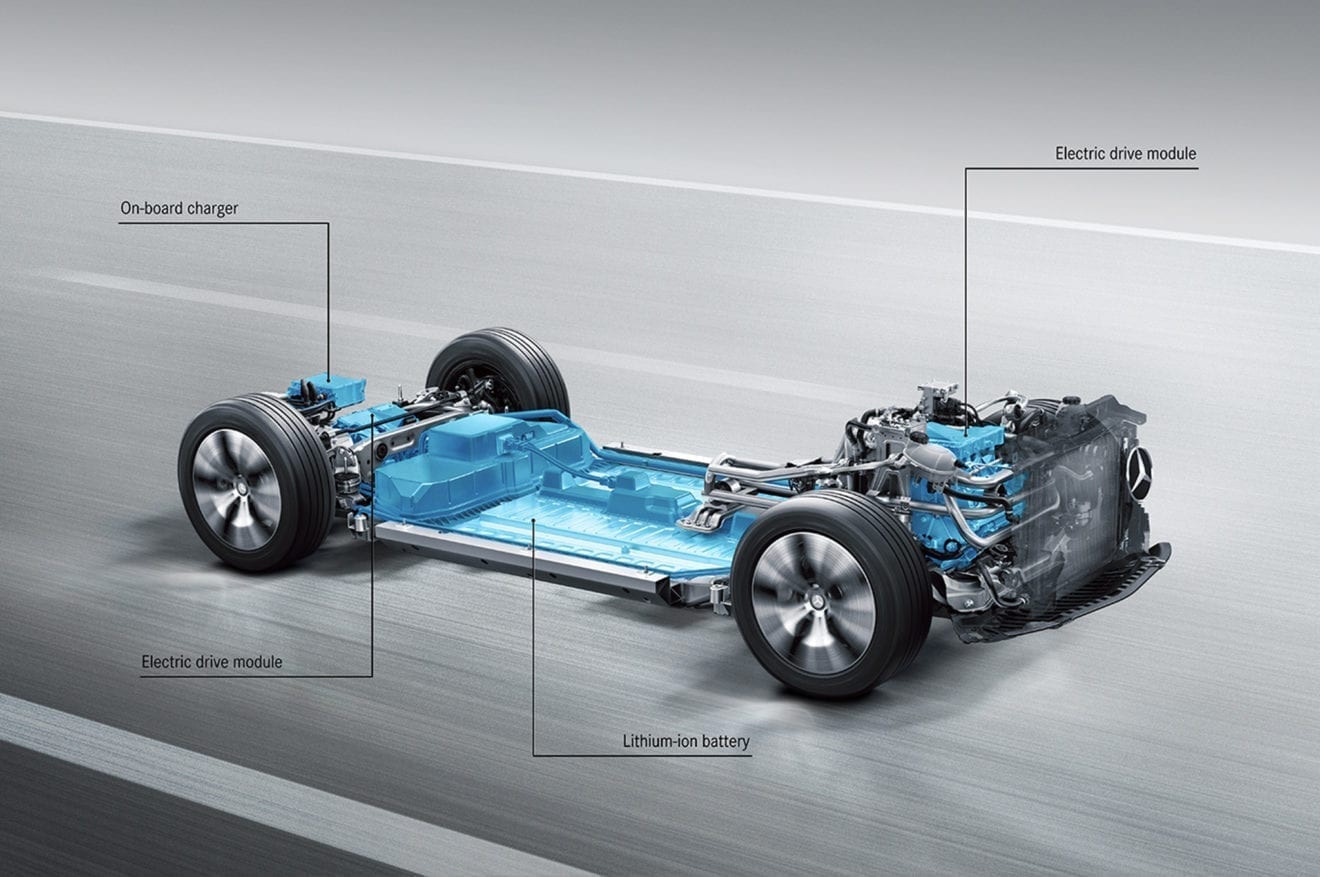
    Chipmaker Qualcomm has announced the launch of a new version of its connected car reference platform that incorporates a a Gigabit-class LTE modem.

    The new reference platform is designed to allow carmakers to easily integrate new wireless and networking technologies into their vehicles, including Wi-Fi, Bluetooth, BLE and global navigation satellite system (GNSS).

    Qualcomm has also developed a reference hardware module in two band configurations, one for North America and one for the rest of the world.

    The module design can support up to four antennas to take advantage of the 4×4 MIMO capabilities of the integrated modem.

    “Connected cars are becoming intelligent sensors on the road, not only using data for consumer use cases such as Wi-Fi hotspots and video streaming, but also collecting and transmitting critical, rich real-time information about road conditions, map updates and driver status,” Qualcomm SVP and GM for automative Patrick Little said.

    “As a leader in car connectivity, Qualcomm Technologies is well positioned to address the tremendous data demand, helping automakers integrate the broad set of technologies required by a new generation of connected vehicles.”

    Qualcomm separately announced it has established a new consortium with SWARCO Traffic Systems and the University of Kaiserslautern to carry out the first Cellular-V2X (Vehicle to Everything) trial based on the 3GPP Release 14.

    The trial will focus on Vehicle-to-Vehicle (V2V), Vehicle-to-Infrastructure (V2I) and Vehicle-to-Pedestrian (V2P) direct communication, as well as Vehicle-to-Network (V2N) wide area communications.

    The new Connected Vehicle to Everything of Tomorrow (ConVeX) consortium will conduct the trial with funding from the participating organizations as well as the German Federal Ministry of Transportation and Digital Infrastructure.

  • Vodafone India hands Nokia managed services deal

    Vodafone India hands Nokia managed services deal

    Vodafone India has reportedly handed Nokia a multi-year contract extension worth €200 million ($210.5 million) covering the delivery of managed services in multiple telecoms circles.

    The scope of the contract has been expanded to cover managed services for 14 of India’s 22 telecoms circles, and field operations in the remaining eight, citing a person familiar with the matter.

    The source also said the contract has been expanded to cover the core as well as radio network.

    As part of the contract, Nokia will provide managed services, maintenance, system integration and other services. It represents a significant win for Nokia’s Indian operations, which cover the management of around 200,000 base stations across the country.

    Vodafone also recently awarded Huawei a three-year managed services contract worth between $180 million and $220 million covering three circles, as well as network operations in two circles, the report adds. In February, the operator contracted Ericsson to manage its fiber assets in 10 circles.

  • AirAsia comes under CBI lens

    AirAsia comes under CBI lens

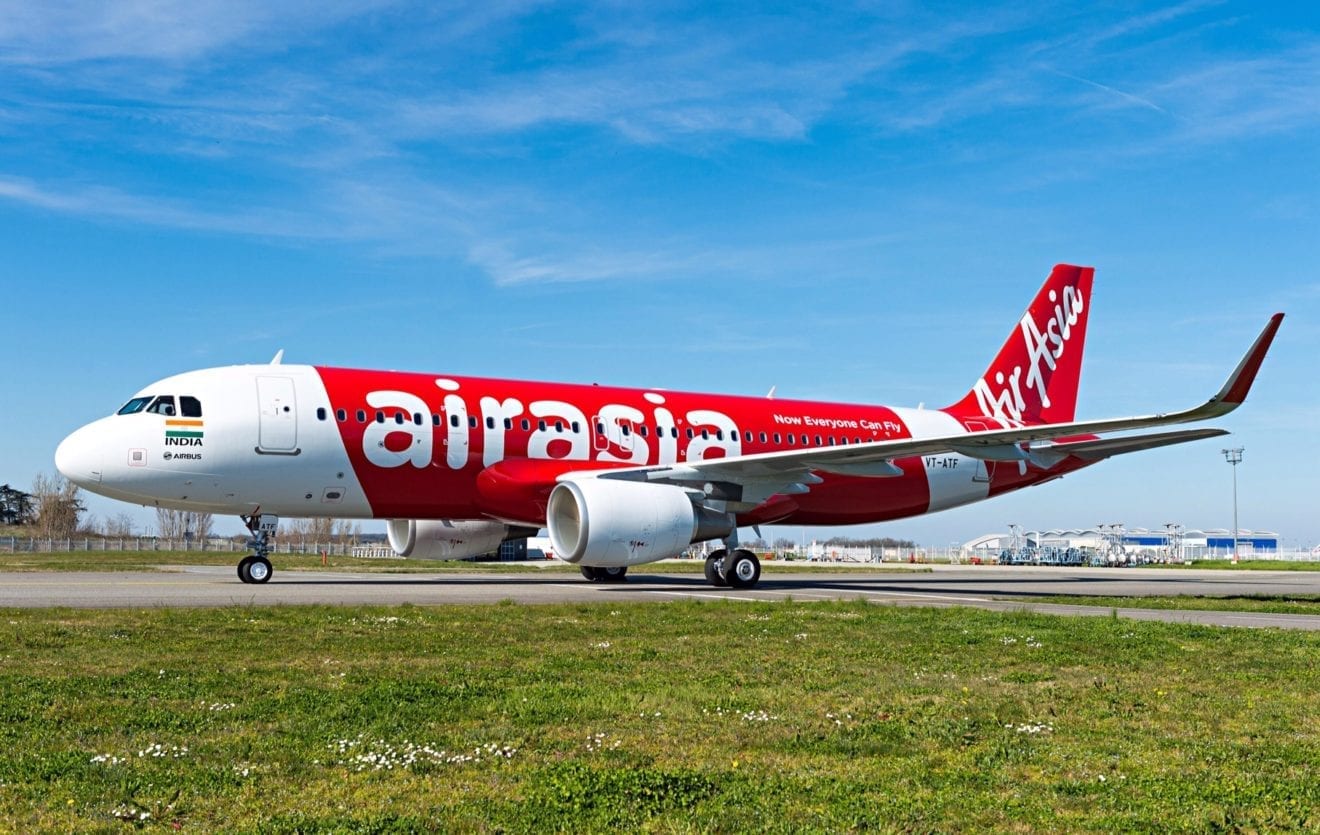
    A month after Enforcement Directorate registered a case of foreign exchange violations against AirAsia India, the Central Bureau of Investigation on Thursday claimed that it is also examining the matter in which there are allegations of fraudulent transactions of Rs 22 crore involving non-existent entities in India and Singapore.

    Sources in the CBI said that they have not registered a preliminary enquiry or regular case (FIR) in the matter but they are looking into the matter to see if it calls for registering a criminal case. “We are scrutinising the AirAsia documents right now,” said the CBI officer. When contacted, an AirAsia India spokesperson said, “AirAsia India has not heard from the CBI. Should we receive a call from CBI, AirAsia India will furnish all information that they seek. As you are aware, the airline has already put it in the public domain that it is pursuing the ongoing investigation. AirAsia India subsequently filed a private complaint with the Bangalore police in this regard.”

    The issue was flagged by ousted chairman of Tata Sons Cyrus Mistry soon after he was replaced on October 24. He wrote in his let ter to Tata Sons board and trustees of Tata Trusts that, “Board members and trustees are also aware that in the case of AirAsia, ethical concerns have been raised with respect to certain transactions as well as the overall prevailing culture in the organization. A recent forensics investigation revealed fraudulent transactions of Rs 22 crore involving non-existent parties in India and Singapore.”

    Presently, ED is probing the matter under FEMA (foreign exchange management act) and has already sought documents from the company. It is looking into a specific transaction of over Rs 12 crore, out of Rs 22 crore, made to a Singaporean firm.

     Mistry had alleged that “executive trustee Mr Venkataraman, who is on the board of Air Asia and also a shareholder in the company , considered these transactions as non-material and did not encourage further study”. It was only at the insistence of the independent directors, one of whom immediately submitted his resignation, that the board decided to belatedly file a FIR, Mistry had said in his letter.
    He claimed it was Tata who had completed negotiations with AirAsia, but early in his tenure as the chairman of Tata Sons he (Mistry) was asked to table a proposal for the JV with AirAsia at a Tata Sons board meeting. In 2013, Tata Sons had joined hands with Malaysian carrier AirAsia and Arun Bhatia’s Telestra Tradeplace to start low cost carrier AirAsia India. The carrier had to wait for nine months before taking off.
  • Multivo – The all-in-one revolution in shelf management to boost your profit

    Multivo – The all-in-one revolution in shelf management to boost your profit

    After 2009 when the financial crisis hit most part of the world, labor productivity has fallen in many countries while minimum wages have increased steadily. As a consequence, many retailers and brands owners are experiencing pressure on already low margins, which put larger focus on improving retail store efficiency. Volumes are relatively flat, though in some studies have indicated that the basket size maintains itself but the number of visit per year decreases. Improving store traffic is high up on most retailer’s agenda.

    The questions now emerge, how to create differentiation between retailers and brands, how to increase the sales, and how to reduce the labor costs?

    This leads the retailers and brands owners need to continuously innovate, not for novelty but to bring about change for the better. With the extensive knowledge of retail environment and customers’ needs and challenges, HL Display Indonesia are now launching a new innovation within shelf management system named Multivo™.

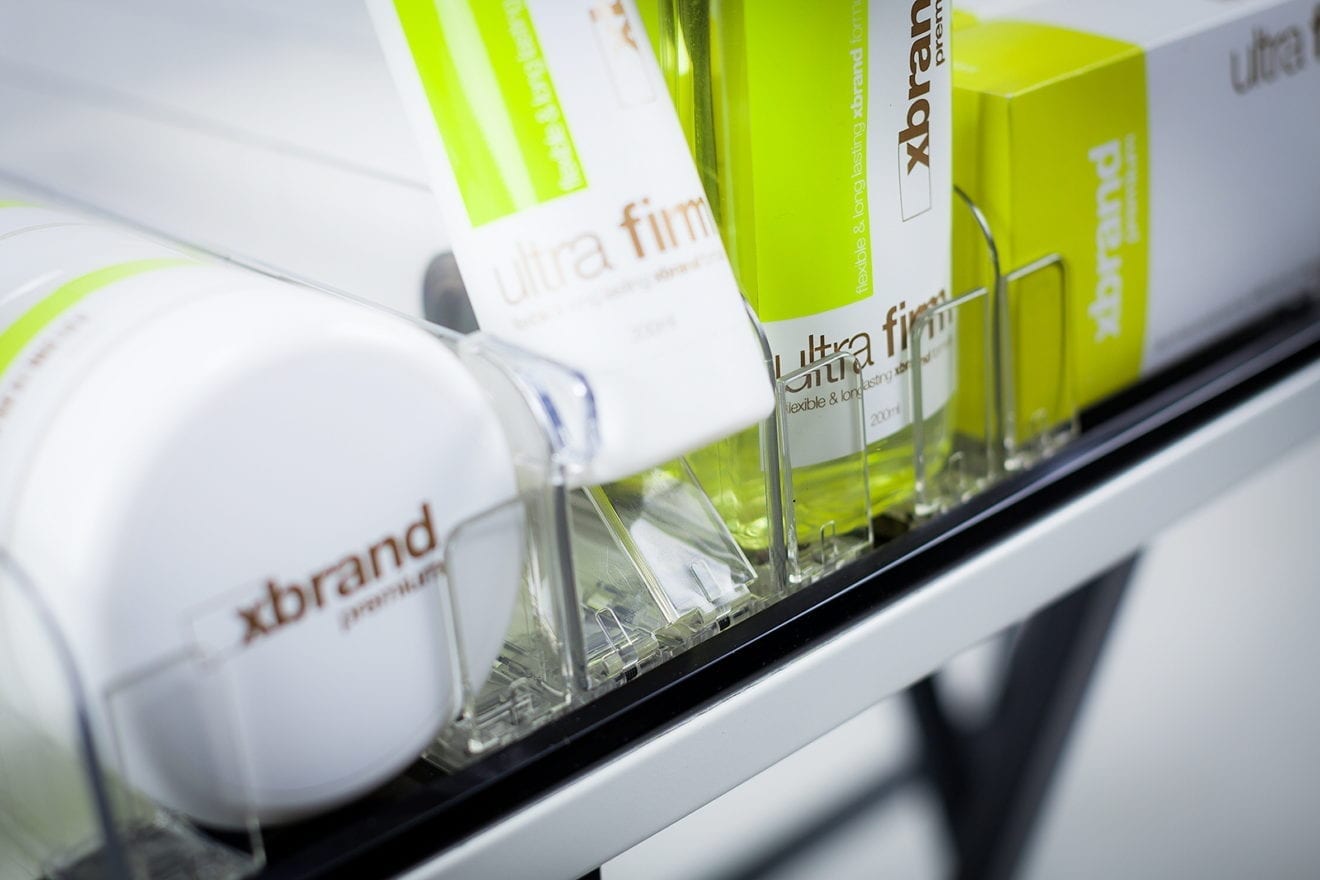
    Multivo™ is the newest shelf management system that makes the daily work of refills, front facing and planogram changes easier and faster than ever. The system is especially suited for health and beauty category but can also be used for multiple products and pack types. The solution allows automatic fronting of more pack types than ever before.

    https://www.youtube.com/watch?v=Nrfb8iFAO8o

    Having a good visibility is proven to drive sales. Reducing time spent of fronting, refill and planogram changes is a key for today’s retailers and brands owners. Multivo™ maintains products faced up and ensures that shelves always look attractive and well-stocked without staff having need to invest too much of their time keeping the shelves in order.

    For further information, HL Display Indonesia is based in Jakarta office can be directly contacted during office hour at +622179186024 / +622179198613 with the attention to Ms. Sharania Pangalila, or e-mail to [email protected] or  [email protected].  Visit the company website at www.hl-display.com/asia.

  • Alcatel-Lucent Enterprise restructures for growth

    Alcatel-Lucent Enterprise restructures for growth

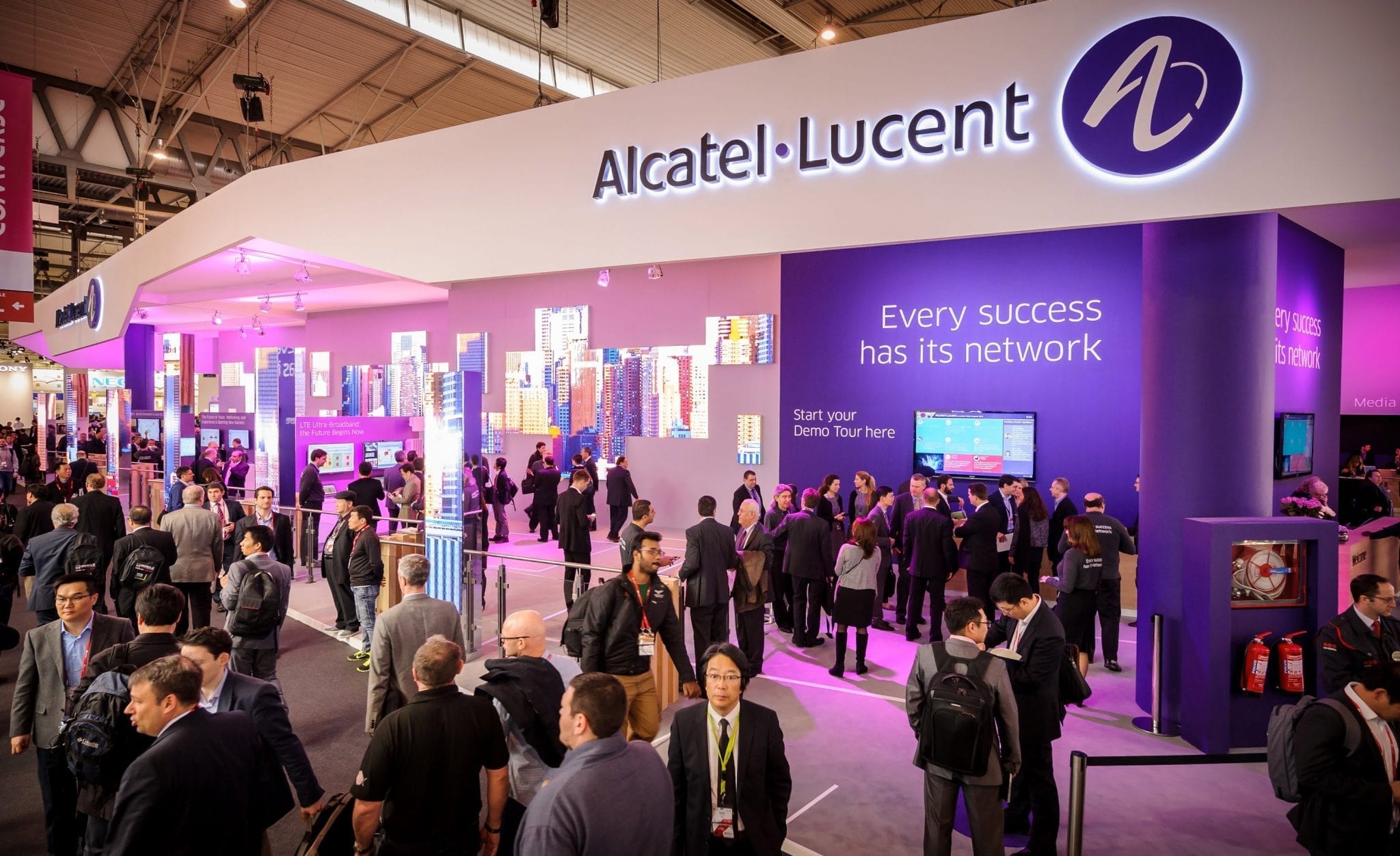
    Alcatel-Lucent Enterprise is forming four regional sales organizations to better serve its partners, customers and their markets.

    Each of the four regions will have its own dedicated sales staff supporting its defined industry-specific sales strategy, cloud sales strategy and channel strategy, with a complementary sales enablement and services delivery.

    With the restructuring the vendor aims to place a focus on specific market segments for growth and accelerate the shift to new business models.

    Expanded teams will focus on cloud-based services and offers to deliver innovative technology and business models that simplify IT and enable new digital business environments.

    Regional strategy better serves customers and channel partners with focus on local trends, according to the company.

    Matthieu Destot will head up the APAC region until a new leader is announced. He will be leading the formation of the new go-to-market strategy for APAC (including the former APAC and Greater China regions).

    Amit Raj Bathla will continue to lead the combined APAC Marketing team. He will report to James Taylor, Global Head of Marketing.

    These appointments are effective January 1, 2017.

  • Chinese E-commerce Giant Suning Makes Debut Appearance at CES

    Chinese E-commerce Giant Suning Makes Debut Appearance at CES

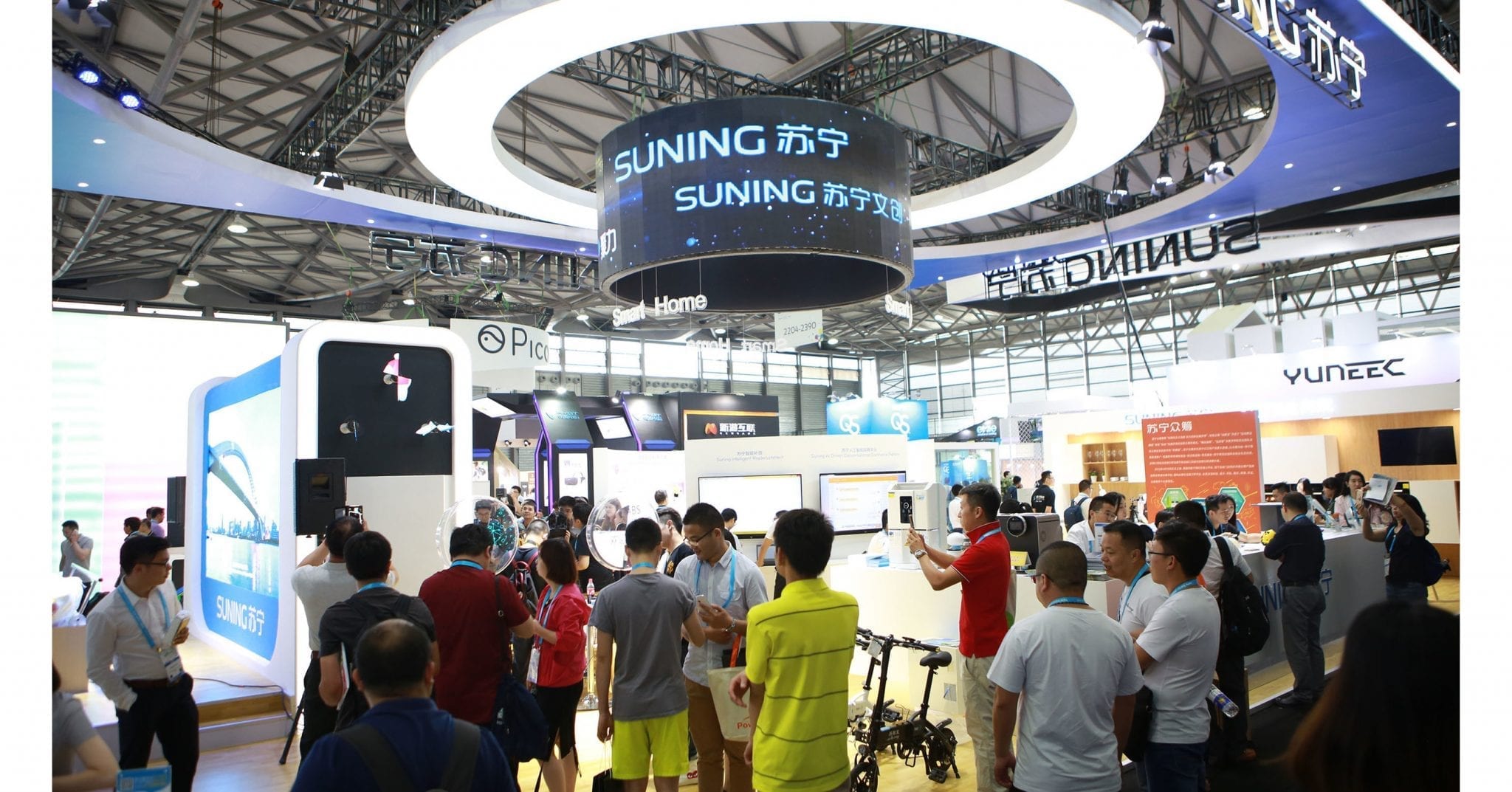
    Suning Commerce (Suning), one of China’s largest e-commerce retailers, is present for the first time when the International Consumer Electronics Show (CES), the world’s largest annual consumer technology tradeshow, throws open its doors in Las Vegas on the morning of January 5, local time.

    In line with the avalanche of “smart retail” and “smart home” products that are sweeping into the marketplace, this year’s CES highlights the technologies that have made the advent of the smart era possible and the conveniences that these newest technologies create for users. Suning showcases zc.suning.com, IT smart home products and other novel solutions in its exhibition zone. An app created by Suning enables interconnection between the Hisense intelligent air purifier, the UCON intelligent remote controller, the Blomberg intelligent refrigerator, the Whirlpool intelligent air conditioner and PPTV televisions. Joshua Xiang, executive vice president of IT at Suning Commerce and the top executive from Suning in attendance at the show, said that the firm is in the process of creating a smart home ecosystem for users by leveraging its online retail platform and bringing together brands.

    CES, the world’s largest and most influential consumer electronics tradeshow, attracts many of world’s top companies who attend annually. As a pioneer in China’s home appliance 3C retail sector, Suning, in collaboration with several of China’s home appliance manufacturers, hosts the “China Innovation” summit forum.

    The company also teams up with AVC and CHEARI to present awards to the many excellent companies and products that have contributed to the “China Innovation” transformation of the country’s economy, as the economic giant exits its earlier “Made in China” role and executes on the “Made in China 2025” initiative. Suning attends CES for the first time, with the aim of not only showcasing its “China Innovation” line of products and solutions, but also providing a model for other Chinese brands who are preparing to enter global markets.

    China Information Technology Industry Federation executive secretary-general Gao Sumei said that several Chinese manufacturers attend the tradeshow where they introduce innovative Chinese consumer electronic products to the world, giving retailers and consumers worldwide an opportunity to learn more about products created in China and paving the way for other excellent Chinese home appliance manufacturers to take their rightful place on the international stage.


  • Tax changes lower Mainland cosmetics prices

    Tax changes lower Mainland cosmetics prices

    China’s new import tax regime has enabled cosmetics giants AmorePacific and Estee Lauder to lower their prices in China by up to 30 per cent.

    AmorePacific’s China division says it will reduce Mainland cosmetics prices for 327 lines under the brands of Etude House, Innisfree, Laneige and Sulwhasoo by 3 to 30 per cent from January 15.

    US rival Estee Lauder has confirmed immediate price cuts for more than 300 lines in China, including its namesake label, Bobby Brown, Clinique, Jo Malone, and Mac by as much as 18 per cent.

    This follows Beijing’s move last year to slash its hefty duties on imported cosmetics in an effort to boost domestic consumption, according to AmorePacific, which has its headquarters in Seoul.

    “These global cosmetics names are now narrowing the price gap between China and overseas, and we believe more are probably about to follow suit,” says China Market Research Group director Ben Cavender, noting that with western brands becoming cheaper in the mainland, people may be discouraged from travelling to Hong Kong to make purchases.

    Imported cosmetics previously faced tariffs of 84 per cent, reflecting both import and point-of-sales taxes. The tariffs have now gone down to 29 per cent for most beauty products.
    Before the tariff reduction, many mainland consumers shopped via cross-border online marketplaces or while travelling abroad.

  • Beijing flagship for Delvaux China

    Beijing flagship for Delvaux China

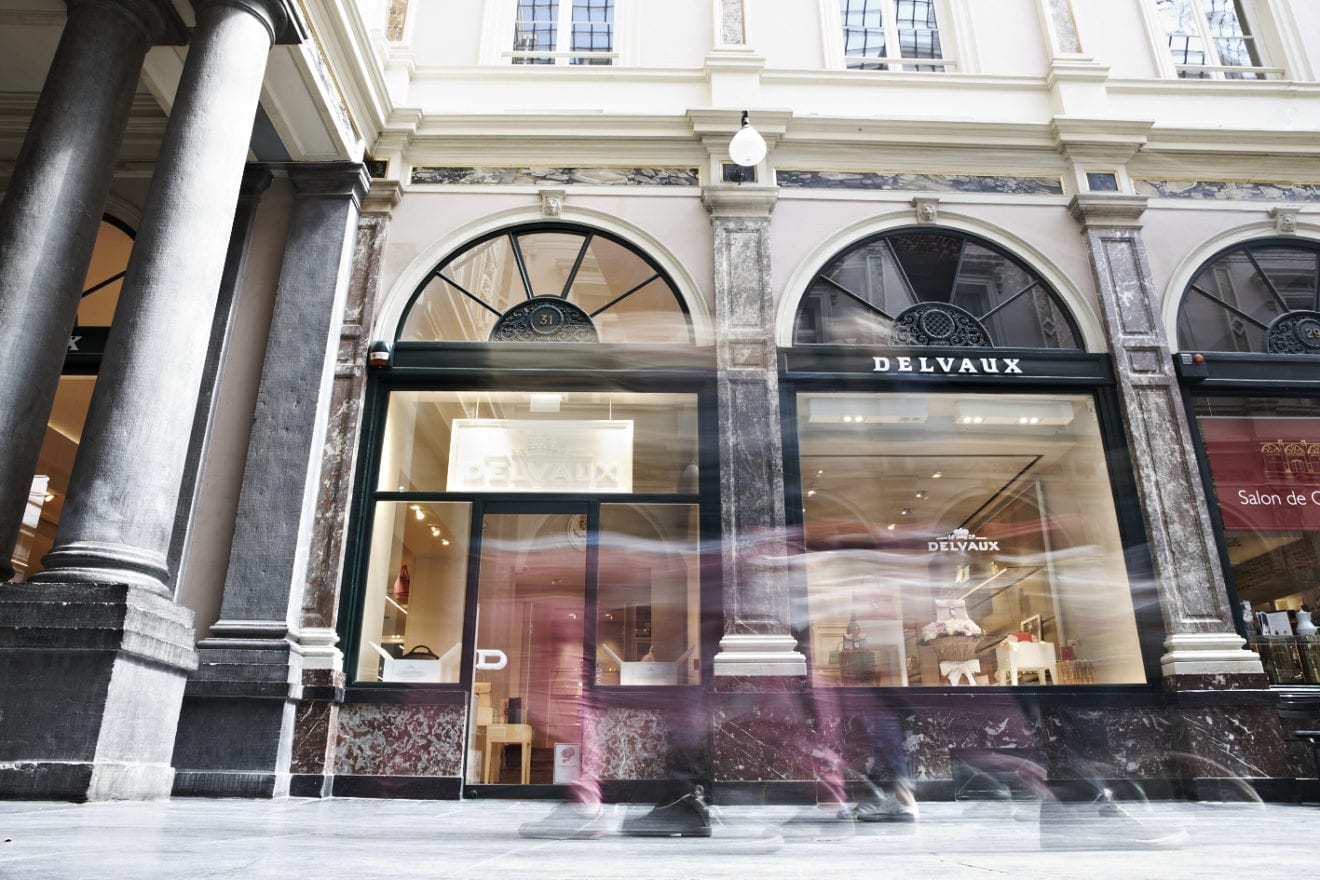
    Belgian handbag brand Delvaux China has opened a flagship store, in Taikoo Li shopping centre in Beijing’s Sanlitun district.

    Delvaux also has boutiques in Galeries Lafayette and the Yintai Center in the Chinese capital.

    Founded in 1829, the brand opened its first boutique in Hong Kong in 2014 after being acquired by Hong Kong investment group Fung Brands in 2011. It opened its first boutique in Hong Kong in 2014, followed the same year by its first Shanghai store, and a year later in Hangzhou and Beijing.

    delvaux-sanlitun-beijing-1

    When it broke into the China market, Delvaux CEO Marco Probst did not expect younger women to buy the bags.

    “Our Chinese clients were a big learning curve for us in the beginning,” he says. “We learned pretty quickly that you can have a 20-year-old girl buying a bag for $20,000, so the customer profile pretty much changed, putting the average age down to 25 to 30. Chinese clients are completely open and they learn so quickly.”

    delvaux-sanlitun-beijing-2

    Two floors

    Covering two floors, the boutique features an upstairs showroom with white walls and shelving plus white couches. For the launch, the showroom features red-leather bags to celebrate Chinese New Year.

    Probst says Delvaux hardly uses advertising campaigns, but gained a boost in interest when Korean actress Gianna Jun of the TV soap My Love from The Star was photographed carrying one of Delvaux’s Tempete bags.

    delvaux-sanlitun-beijing-3

    He says building up brand awareness in China has been achieved through “a slow, organic process” that relies mainly on word of mouth plus service that gives a feeling of exclusivity.

    Delvaux may close its Galeries Lafayette store and open one more in Shanghai and Chengdu for a total of six locations, then “that’s it”, says Probst, who is being careful about over-distributing the brand.

    Meanwhile, the new flagship features mainly classic pieces, as well as the new mostly gold end-of-year Poussiere d’Etoiles collection. Also available is a new sporty style bag, a nod to the athleisure trend in China.

  • Mobile fuelling growth in Asia’s startup scene

    Mobile fuelling growth in Asia’s startup scene

    Mobile connectivity is fueling growth in Asia’s startup scene, a survey from Telenor Group shows.

    The survey covered technology buffs to better understand key startup trends for 2017 and the challenges and views of entrepreneurs in Asia.

    The survey was conducted over Facebook and LinkedIn with 215 respondents aged 15 to over 55 years old from Bangladesh, India, Malaysia, Myanmar, Pakistan, Singapore, Thailand and other Asian countries.

    To gauge the interests and personalities of the survey respondents, each person was assigned the type of startup they were most likely to create in 2017, based on pattern of their responses. 38% of respondents were found to be the most likely to create an IoT startup in 2017, significantly outnumbering the number who would establish medtech startups (22%), on-demand startups (14%), enterprise startups (11%) and fintech startups (10%).

    With a potential market of 34 billion devices expected to be connected to the internet by 2020, and nearly US$6 trillion to be spent over the next five years, it appears Asia’s entrepreneurs are well aware of the potential opportunities offered by the Internet of Things.

    In addition to these 2017 startup trend insights, the survey findings also hint at what Asian entrepreneurs think it takes to succeed in the tough startup world. More than a third of respondents (36%) believe that cybersecurity and data privacy is their number one priority, and keeping their customers’ data safe and secure is the biggest challenge facing Asian startups.

    One in 4 also admitted that the lack of business management skills and experience is another major obstacle, and having access to expert guidance would be an important growth factor. Another 16% say they are hampered by public policy frameworks and environments that are not conducive to startups, while 14% say that sustained funding across all stages of startup development would be important. Fewer than 1 in 10 were seen as were concerned with the challenge of expanding into other markets in the region.

  • Cebu Pacific looking to hire 300 cabin crew

    Cebu Pacific looking to hire 300 cabin crew

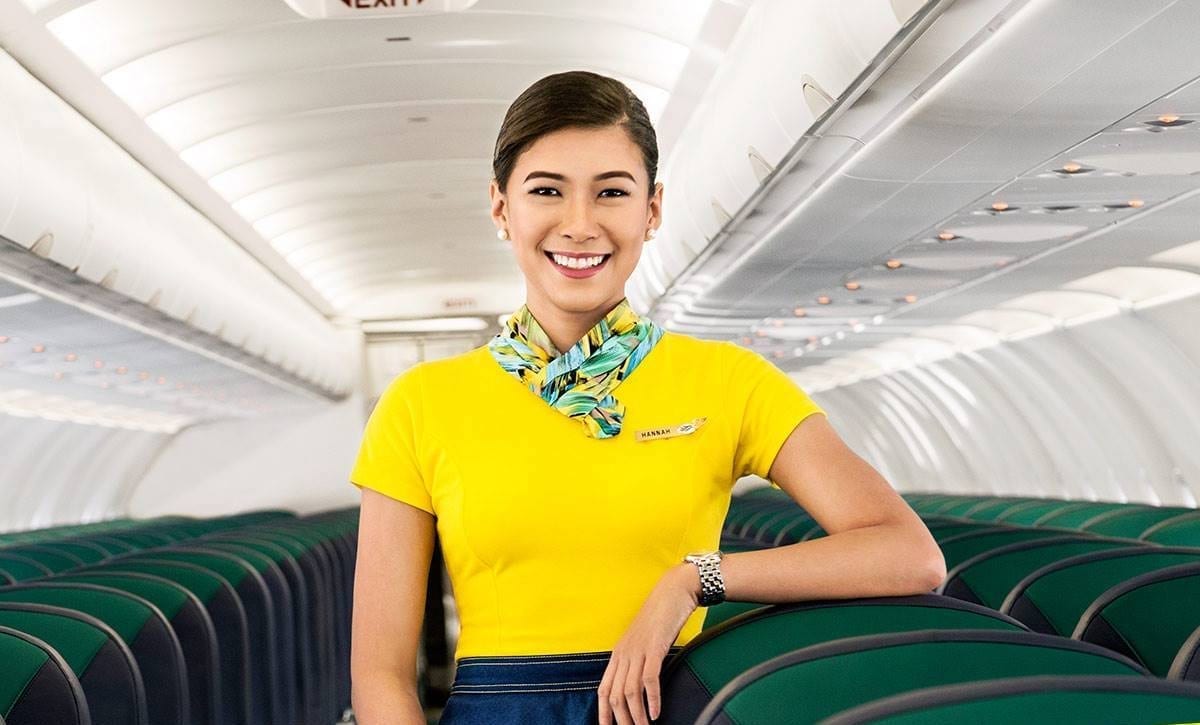
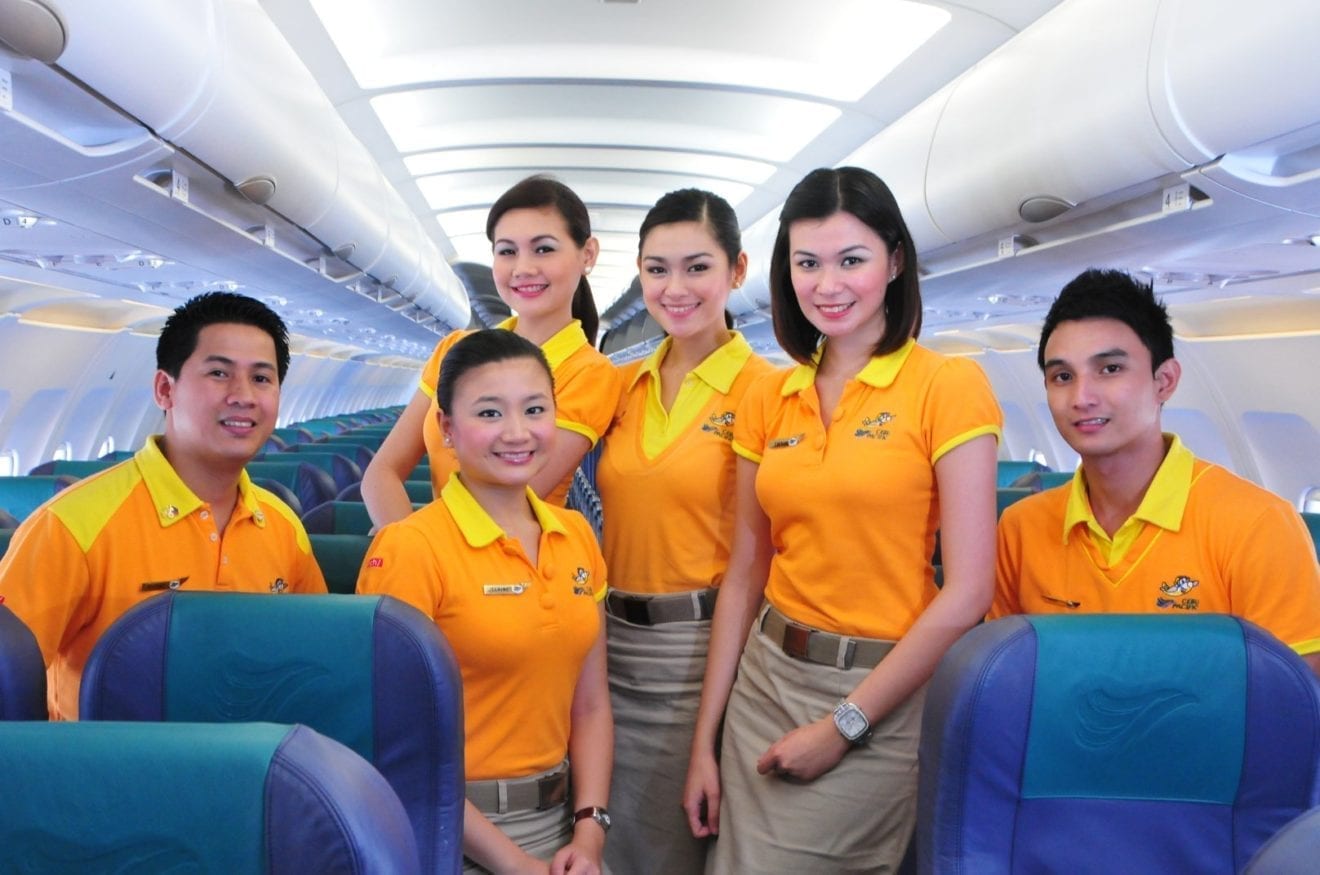
    Cebu Pacific, the country’s largest carrier, said Thursday it would recruit up to 300 new cabin crew as it expands its operations.

    Cebu Pacific will hold recruitment fairs in Manila, Tagbilaran, and Dumaguete this month to grow its workforce of 4,000, the airline said in a statement.

    Applicants should possess a “dynamic personality,” must be at least 5’3″ for women and 5’7″ for men, have clear complexion, a “catchy smile” and “weight that is proportional to height,” the airline said.

    The recruitment fairs will be held at the Cebu Pacific Building, Pasay City on January 14; La Residencia Almar Hotel, Rizal Blvd., Dumaguete City, Negros Oriental on January 28; and Metro Centre Hotel and Convention Center, C.P. Garcia Ave., Tagbilaran City, Bohol on January 29.

    Cebu Pacific’s net profit amounted to P7.1 billion in the January to September period of 2016 as passenger volume grew to 14.5 million in the nine-month period in 2016 from 13.7 million in 2015.

    Shares of the airline closed 0.11 percent lower to P92.90 on Thursday.