Author: Mei Ling Tan

  • Carousell snaps up Malaysian mobile ad startup

    Carousell snaps up Malaysian mobile ad startup

    eCommerce company Carousell has bought Duriana, the Malaysian mobile classifieds startup, to become the top mobile classifieds player in the market.

    The deal adds significant critical mass to Carousell in Philippines, where Duriana has built a credible presence, and cements Carousell’s position as the largest and fastest growing mobile classifieds marketplace in Asia-Pacific.

    Duriana is Carousell’s third acquisition in less than six months as it aims to become the world’s number one mobile classifieds marketplace. Since its launch in August 2012, Carousell has expanded to 19 major cities in seven countries, including recent launches in Hong Kong, the Philippines and Australia. This deal will add over 600,000 Duriana users to the Carousell platform, boosting its global classifieds marketplace which currently has over 57 million listings and over 23 million items sold as of the fourth quarter of 2016.

    Since Carousell’s launch in Malaysia in December 2014 and in the Philippines in October 2016, the classifieds marketplace has been growing rapidly with almost 2 million items sold in Malaysia during the last quarter, almost double the previous quarter. In the Philippines, Carousell has also enjoyed strong growth with over 80 per cent quarter-on-quarter growth in transactions.

    “A classifieds marketplace offers its users the most value when there’s a large and vibrant community of buyers and sellers on the platform,” said Quek Siu Rui, co-founder and CEO of Carousell. “We saw that Duriana users had similar demographics and interests in buying and selling fashion items, gadgets and electronics as well as home furnishing. By bringing Duriana users onto the Carousell platform, we’re helping more people buy and sell their pre-loved items quickly and easily.”
    Duriana users will join the Carousell marketplace, where they can continue buying and selling online as part of a larger global community.

    “It’s been an exciting three years with Duriana, and we’re proud to have brought the company to this stage. After this exit, we’re looking forward to pursuing a new adventure.” said Saeed Gouda, co-founder and CEO of Duriana. “Carousell is shaking up the mobile classifieds space, and we’re confident that Duriana users will enjoy buying, selling and connecting as part of the vibrant Carousell community. “
  • Fatburger China plans big Beijing presence

    Fatburger China plans big Beijing presence

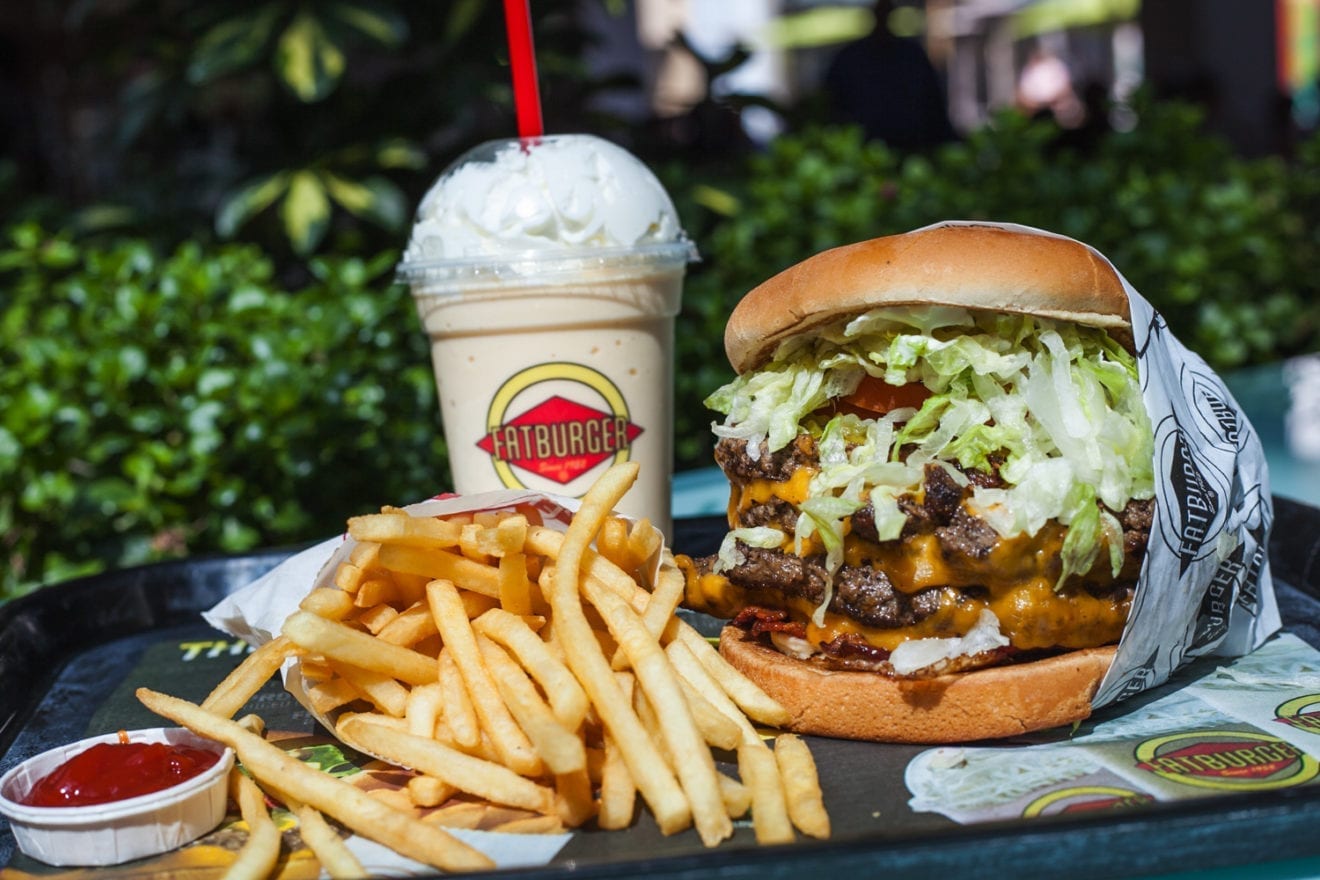
    Under a franchise deal, California chain Fatburger is about to establish a presence in Beijing.

    Known for its made-to-order burgers, shakes and fries, the brand has signed a franchise development contract with Beijing Haisiyamei Restaurant Management, which has committed to build more than 15 Fatburger China restaurants in Beijing.

    This follows the launch of the burger brand in Shanghai, at Sinan Mansions in Huangpu, about to be followed by outlets at BFC and Shanghai Tower.

    In the capital city, the first Fatburger China outlet will be at the Grand Summit Beijing, to be followed by another at Gemdale Plaza Beijing

    Fatburger is aiming to take its all-American dining experience to new territories worldwide, and has opened in 32 countries. It has just launched in the Philippines and has agreements in place for a further 350-plus locations internationally.

    “Sharing core values with key partners is crucial to the growth of the Fatburger brand throughout the world, and we are certain Beijing Haisiyamei Restaurant Management will successfully introduce our menu to new fans,” says Fatburger CEO Andy Wiederhorn.

    Fatburger is a fast-casual restaurant serving burgers crafted specifically for each customer. It started its foray in Asia with its parent, Fog Cutter Capital Group, signing a deal with Puji Capital in Shanghai with the aim of expanding across China, Taiwan and Singapore.

  • Lotte Duty Free re-launches at Gimhae airport

    Lotte Duty Free re-launches at Gimhae airport

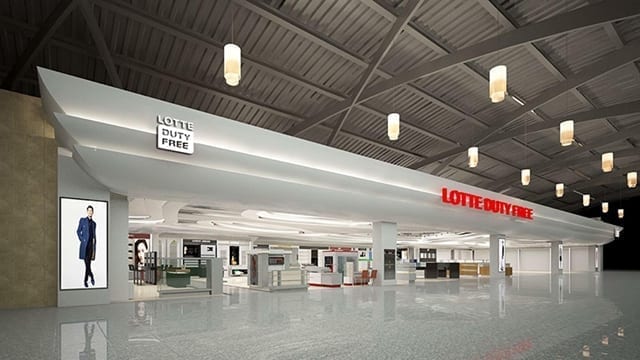
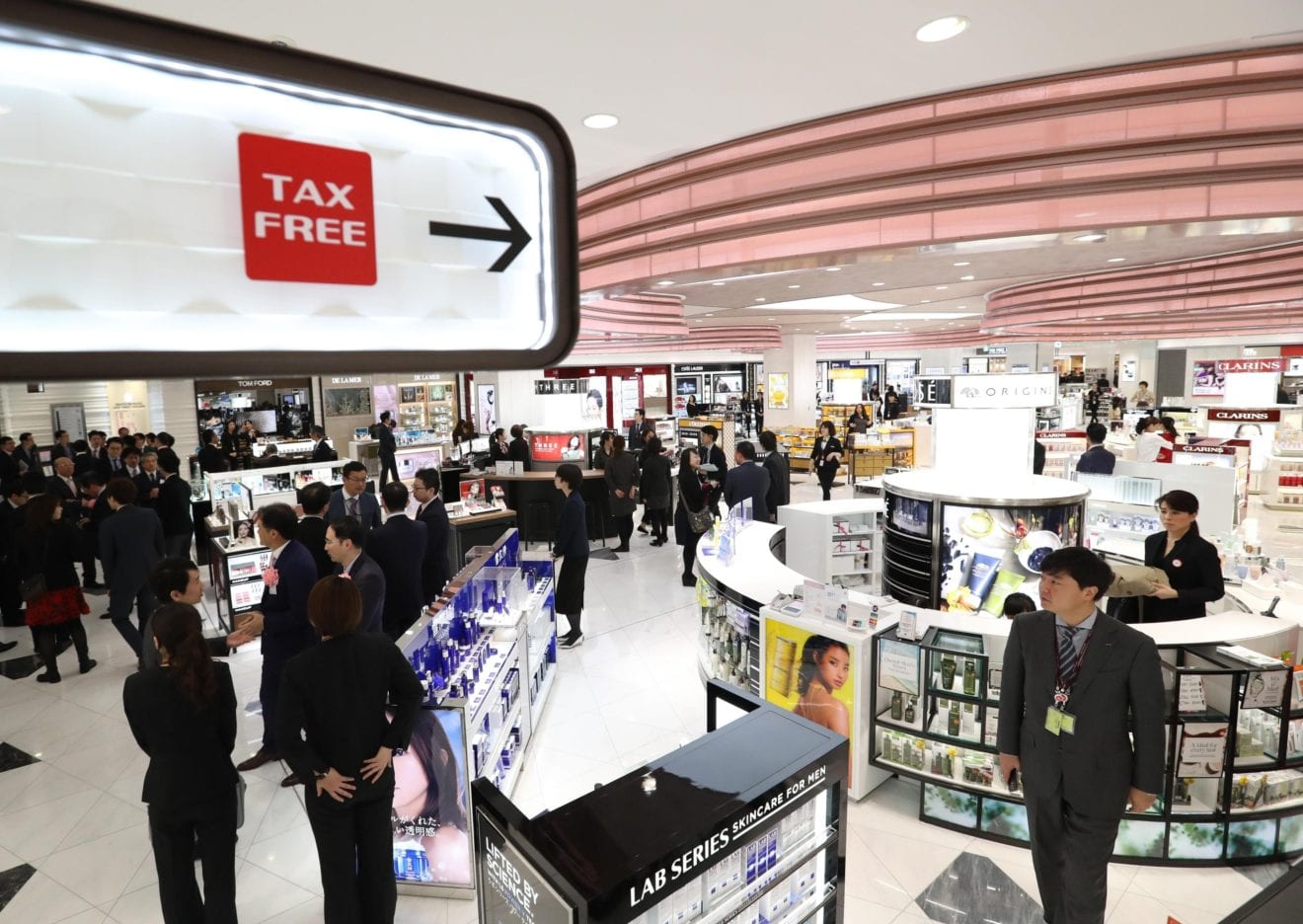
    After winning a Korea Airports Corporation (KAC) tender, Lotte Duty Free has officially re-launched at Gimhae airport.

    The retailer now has 980.44 sqm of space, an increase of 329.2 sqm over its area last year. Lotte Duty Free had a 158.34 sqm presence at the terminal when it opened in 2007 until early 2014.

    Fellow Korean retailer Shinsegae, which was at the airport until last month, is believed to have terminated its contract to focus on the city – it plans to open a 13,350 sqm store in the city centre – and its Incheon airport outlets.

    Meanwhile, Lotte is targeting sales of W120 billion ($US99.2 million) at the airport this year with daily sales of W200 million.

    Following an analysis of consumer shopping trends at Gimhae airport, the cosmetics area has been expanded by 40 percent with the introduction of such brands as Giorgio Armani, Jo Malone and Tumi.

    In its entirety, the Lotte offers more than 120 food, electronics and accessories brands at the airport, along with fragrances and cosmetics labels such as Chanel, Dior and Sulwhasoo.

    A special promotion to commemorate the grand opening at the airport offers as a grand prize for each of 30 Korean nationals and their partners a trip to Okinawa to watch the Lotte Giants baseball team train.

    Other customers can win pre-paid shopping cards, movie tickets, drinks coupons and gift certificates.

    Dufry Group also runs a duty-free concession at the airport.

  • Macy’s looks to downsize with 68 store closures

    Macy’s looks to downsize with 68 store closures

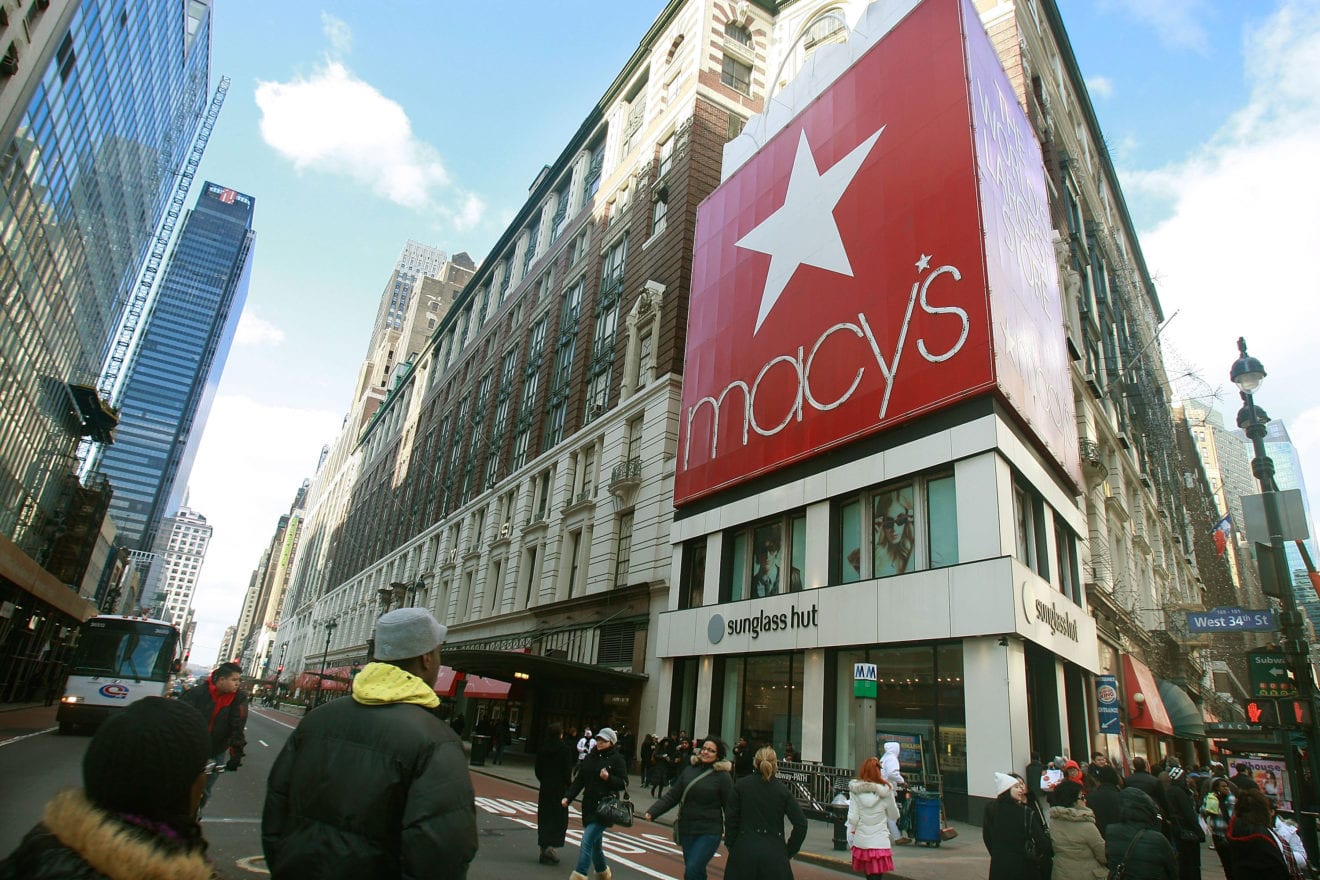
    American retail giant Macy’s Inc. has announced the closure of 68 stores as part of a plan to streamline its store portfolio and increase cost efficiency.

    The measures, which have already seen three stores close and will see a further 63 closed by early spring in the US, will save the struggling retailer approximately $550 million in 2017. $250 million of those savings will be reinvested back into the company’s digital presence, store-related growth and other related ventures.

    “Over the past year, we have been focused and disciplined about making strategic decisions to position us to gain market share and return to growth over time,” said Terry J. Lundgren, Macy’s chairman and CEO.

    “We continue to experience declining traffic in our stores where the majority of our business is still transacted,” he continued. “Our omnichannel strategies continue to evolve based on the changes in our customers’ shopping behaviours, including a focus on buying online, pickup in store and mobile-enabled shopping.”

    The company has also announced a raft of organisational changes, designed to drive greater productivity, including the elimination of management layers, reducing non-payroll costs and changes to field infrastructure. The company estimates that the initiatives will result in a staff reduction of approximately 6,200.

    Retail analyst and CEO of Conlumino Neil Saunders said the jury is still out on whether Macy’s can reinvent itself, but that the store closures are a necessary evil on the path to getting the company back on track.

    “There is an argument to be made that Macy’s has, for too long, neglected its store base and has failed to develop a compelling proposition to pull in shoppers in the digital era. However, what is done is done and the company is right to take action to put it on a firmer financial and commercial footing,” he said.

    “In our view, it is vital that the consequent reduction in costs and the proceeds from property disposals resulting from this action are used to bolster the remaining bits of the business. It would be folly to simply use the gains to fund day-to-day operations or to return to shareholders.”

  • Lolalola closes online store

    Lolalola closes online store

    Indonesian online lingerie store Lolalola closed yesterday, but customers can still shop on its social-media platform.

    Lolalola says incoming orders will be processed “normally”.

    There has been no word yet from the startup on why it decided to close down the service, but it could be related to the increasingly tight competition among fashion eCommerce startups in Indonesia, says DailySocial. Berrybenka and SaleStock last year laid off employees in order to save their businesses, while Pink Emma temporarily shut down its service before resuming in September.

    Under CEO Donna Lesmana, Lolalola officially launched in March 2015 after being active for six months.

    Claiming to have been inspired by global lingerie brands such as Agent Provocateur and Victoria’s Secret, the startup aimed to “change the way Indonesian customers shop for lingerie” by providing products from local and international brands.

    Lolalola is backed by Ardent Capital and received logistics support from aCommerce. When the startup tested its service for Thai market, it claimed to have sold out within two weeks.

  • Sino Grandness to sell through WeChat Food

    Sino Grandness to sell through WeChat Food

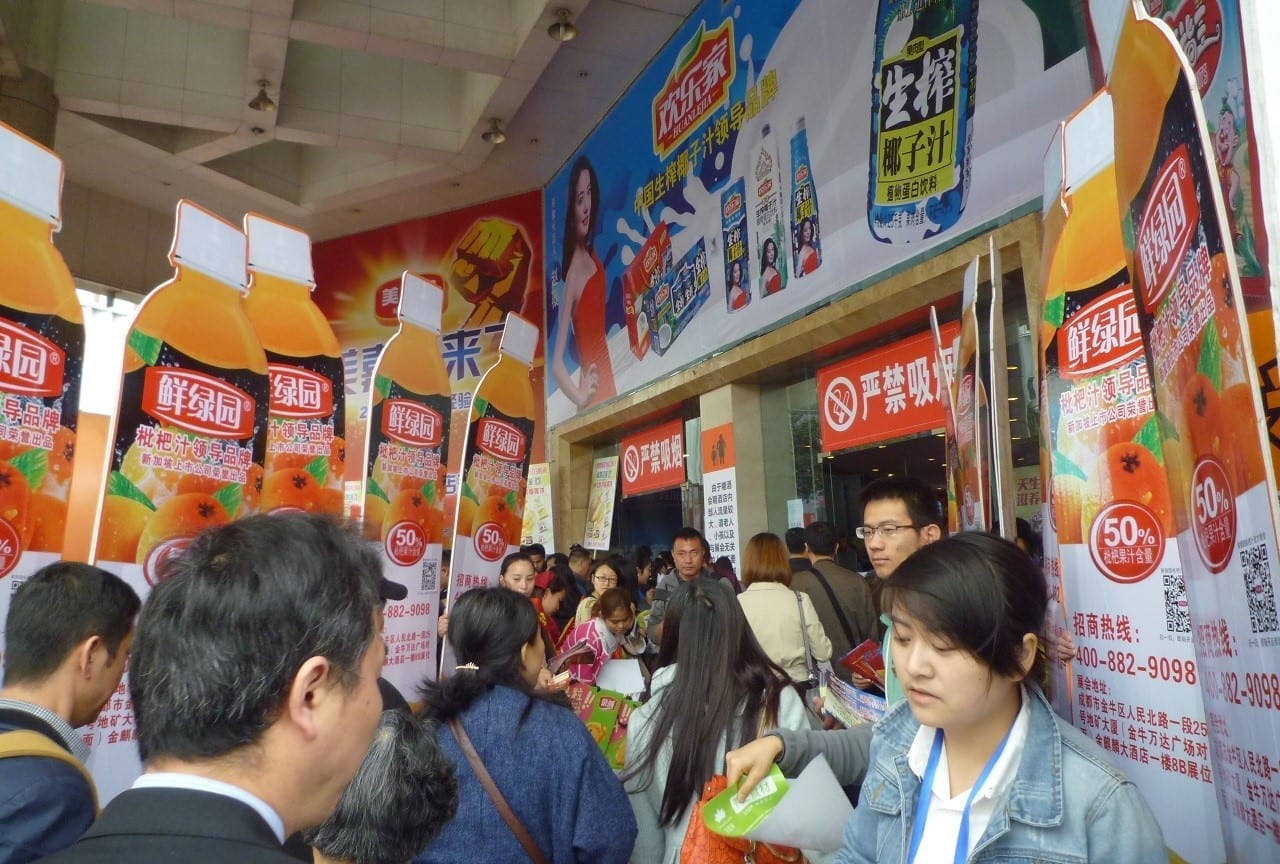
    Sino Grandness Food Industry Group’s full range of own-branded products will be sold online through Wechat Food.

    A mobile platform has been developed by Wechat Food, and under the agreement products such as Garden Fresh beverages, Grandness canned food and Hao Tian Yuan snack food will be available.

    Sino Grandness chairman/CEO Huang Yupeng says the collaboration with Wechat Food is in line with government initiatives to promote the new economy with online and offline business models working together “to achieve synergies in cost savings and to generate greater turnover.”

    He says that although Sino Grandness still generates its revenue predominantly through offline transactions, he is aware of the rapid growth of retail eCommerce sales in China.

    “We are positioning for this new trend through working with partners with established platforms such as Wechat Food to connect the supply chain from the farms to the retail points.”

  • Philippines stands to gain in new export markets

    Philippines stands to gain in new export markets

    Philippines stands to gain in new export markets

    The Philippines stands to profit from agriculture products with its entry into new export markets in an attempt to diversify their economy.

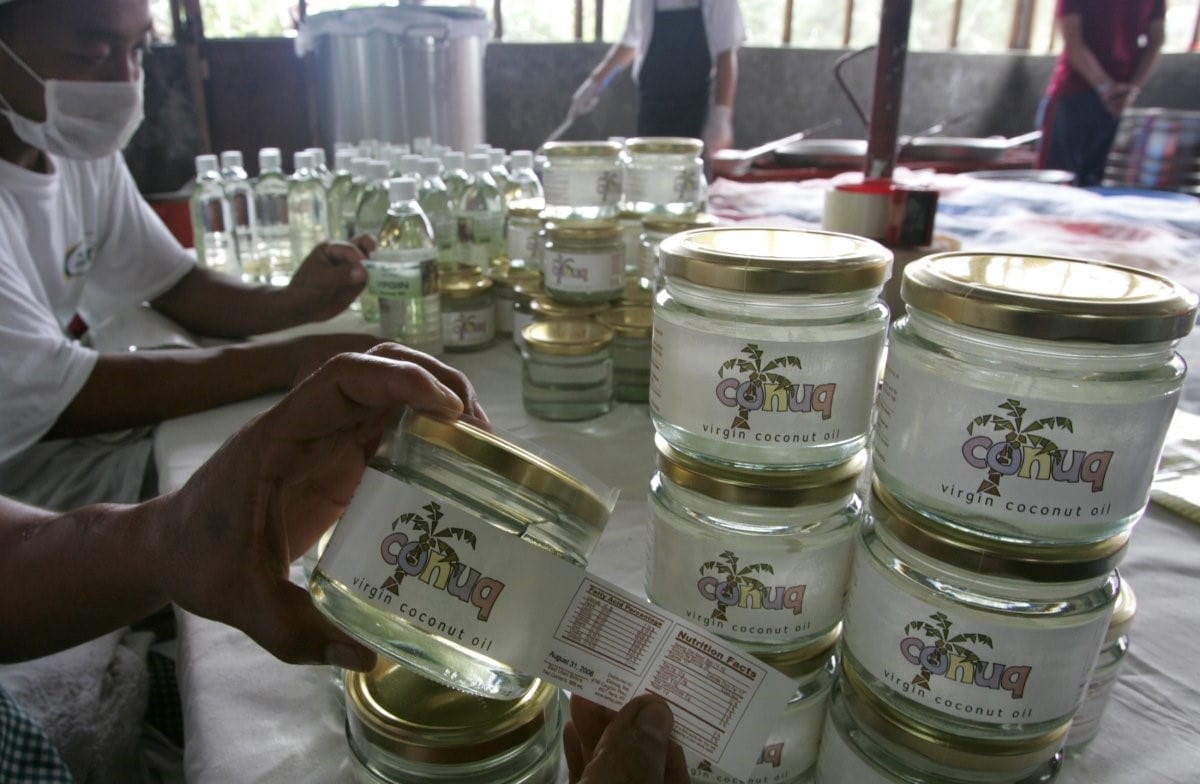
    In particular, virgin coconut oil is in demand in South Africa, where the coconut is not a native tree, its embassy in Manila said in a statement.

    “If someone sees you in a retail store with coconut oil, they classify you as someone from a high-end society. It is very expensive. So it has a good market in South Africa,” Deputy Head of Mission Tshire Kau said.

    Even though high volumes of Philippine bananas are shipped to the Persian Gulf, the demand for the fruit, as well as other agriculture products from the Philippines, continues to exceed supply in Iran.

    Consumers want products not easily available in local stores but which are widely produced or grown in the Philippines.

    “So many Iranian companies are still requesting for more bananas from the Philippines,” Iranian Ambassador to the Philippines Mohammad Tanhaei said.

    He explains the growth of exports and the growing variety of foods consumed by the people of India, another potential export market, stating:

    “India is one of the world’s fastest growing economies, enabling its population to acquire large disposable incomes, a big portion of which is spent on food. Indians now like to experiment with what they eat and have developed a huge appetite for non-traditional Indian cuisine, Ramakrishnan noted”


  • MDS ups stake in MatahariMall.com parent

    MDS ups stake in MatahariMall.com parent

    Matahari Department Stores (MDS) has increased its ownership in Global eCommerce Indonesia (GEI), the parent company of Indonesian eCommerce startup MatahariMall.com.

    MDS has paid Rp164.9 billion (US$12.2 million) for 7.3 billion shares, or 3.62 per cent of paid-up capital, in GEI. This gives it a 12 per cent share in total.

    MDS last ramped up its stake in GEI in January last year to 10.33 per cent, but its ownership was diluted to 8.38 per cent over the 12 months because of investments by other shareholders. In October, Mitsui & Co announced plans to inject $100 million in GEI over the next 12 months, and MDS has decided to expand its control gradually.

    “The company sees large potential in the eCommerce sector. With increased stakes in the platform, Matahari secures opportunities for huge returns in the future. We will also be able to synergise MatahariStore.com into MatahariMall’s platform, which will in turn widen reach across the country as well as boost Matahari’s net profit,” the company says in a statement.

    MDS has 148 stores in 68 cities across Indonesia.

    Proceeds from the new funding round will be used to improve market share, and to strengthen its position as Indonesia’s “leading eCommerce player”.

    MatahariMall warehouses and ships products from about 5000 affiliated sellers, and also procures goods directly to sell independently.

  • A selfie to verify your MasterCard? Why Not

    A selfie to verify your MasterCard? Why Not

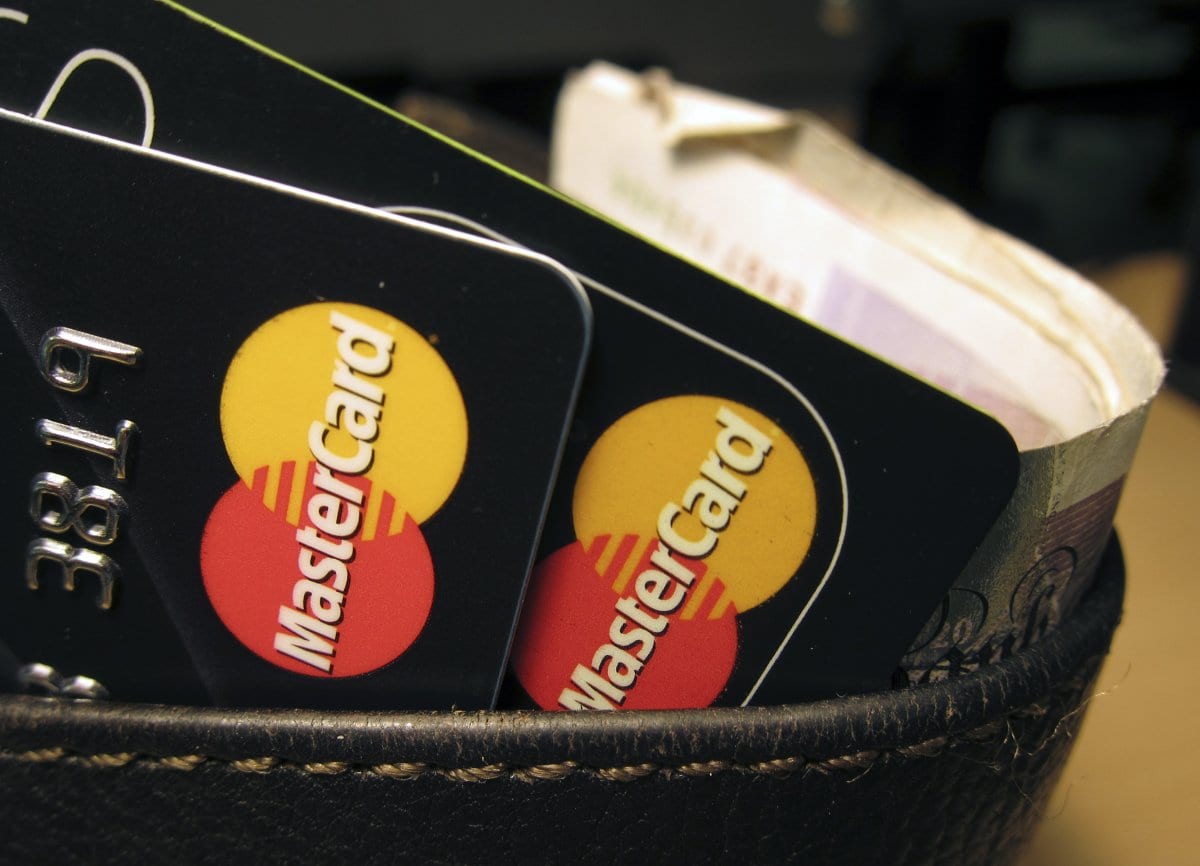
    Moving from social media to commerce, the “selfie” is about to become verification for online transactions for Mastercard users.

    An executive of the credit-card company says the “selfie verification” technology will be introduced in Singapore and other parts of Asia this year.

    Known as Mastercard’s Identity Check, the system will let card holders use facial-recognition technology to match selfies against their photograph on file to ensure the veracity of online transactions.

    “There could be an issue with twins, but  I would need to have a bad twin,” says Mastercard executive VP for identity solutions Bob Reany. “They would have to break into my house, steal my phone and be at my location.”

    With its prototype, Mastercard will convert head shots into encrypted code to be stored on a mobile device. The “selfie” would not need to be a perfect match, and banks would set the threshold for the accuracy of the matching.

    “We’ll advise the bank and say ‘You don’t want to be too open and have only 20 per cent of the things match’. Then, everybody and their dog could use it,” says Reany.

    The technology can either be as a standalone app or be integrated into an existing bank app. It can also work with other payment brands.

    No specific date has been set for the launch in Singapore, where some banks provide not just tokenisation but also use two-factor authentication for transactions.

    Already the technology has been rolled out in 12 markets in Europe.

    More sophistication

    Mastercard data shows that the rate of online payment fraud is more than three times higher than for physical transactions. Against this, banks are approving just 83 per cent of online transactions, compared to the 96 per cent for physical transactions.

    Reany says cybercrime is also gaining in sophistication, with new forms of malware being evolved. He says the fraudsters are smart. “They are getting PhDs and are finding ways to commit fraud. What we have to do is ruin their business model.”

    He says this runs along the enormous potential for growth in the online payment space, with the number of online and mobile transactions expected to double to 40 billion by 2020.

    Tokenisation already cuts the risk of credit-card numbers being stolen from single individuals and the details being sold in larger batches on the dark web. With tokenisation, a card number is replaced by a unique set of numbers not tied to actual account details. Mastercard is now working to fill another gap by tokenising the card details merchants already have on file.

    Reany says banks and payment companies need to combine various tools to create more secure authentication. This should so significantly raise the costs for criminals to exact fraud that the returns are no longer worth it. “If it’s not a scalable attack, we’re winning.”

  • Lina’s Paris seeking partners in SE Asia

    Lina’s Paris seeking partners in SE Asia

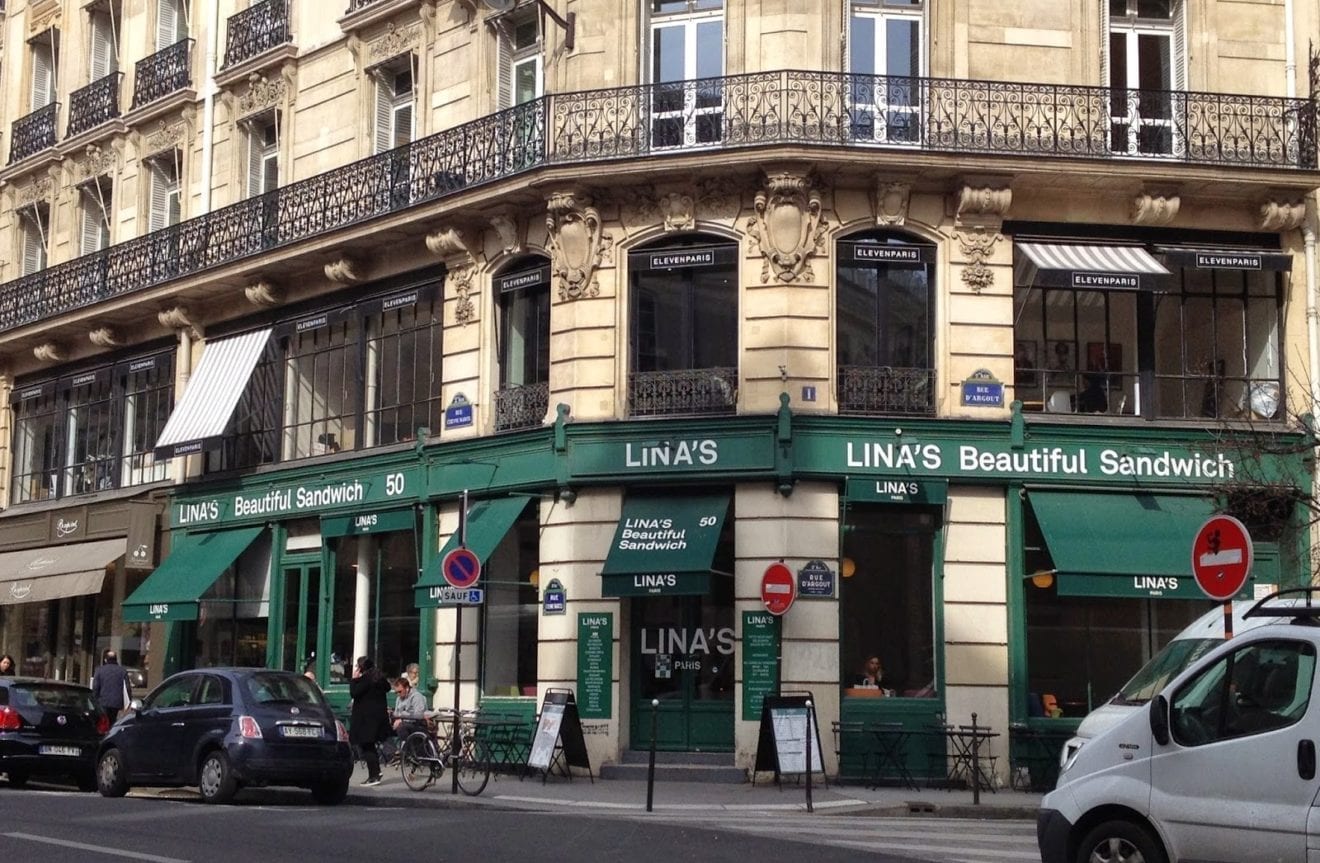
    After launching in Korea, French fast-casual restaurant chain Lina’s Paris is planning to roll out across Southeast Asia.

    Working with a franchisee, it already has 10 restaurants in Korea and has just opened a kiosk in Seoul Art Center with 100 seats.

    linas_sac

    Founded in 1989, Lina’s Paris offers French-style breakfasts, sandwiches, salads, hot dishes, soups, fresh juice, sorbet and pastries. The outlets are designed as comfortable lounges with free WiFi and Parisian decor. In some countries the offer includes organic and gluten-free food.

    Lina’s Paris has nearly 50 restaurants in six countries, and says it is now actively seeking partners in Southeast Asia.

  • Kura Sushi going suburban in Taiwan

    Kura Sushi going suburban in Taiwan

    Japan’s Kura Corporation plans to octuple the number of its Kura Sushi conveyor-belt restaurants in Taiwan to 40 by 2024.

    Its present five sushi-train restaurants are mainly in urban areas, but it plans to move to the suburbs with outlets along busy streets. It plans to open five restaurants this year.

    Kura opened its first restaurant outside Japan in Taiwan in 2014. The five outlets in Taiwan are smaller than their Japanese counterparts, with up to 30 per cent fewer seats. Kura shops in Japan can seat an average of 200 diners. However, on a per-restaurant basis, the group’s Taiwan revenue almost matches that of the outlets in Japan.

    kura-sushi-taiwan

    Reservations can be made online up to two weeks in advance, with the Taiwan restaurants usually fully booked for lunch and dinner.

    With rents rising almost every year in Taiwan as land prices surge, Kura has decided to switch its expansion focus to the suburbs where long-term contracts are still possible. Kura Taiwan president Kentaro Nishikawa also says there are “many more benefits out there”.

    While the Taiwan division only broke even in its last fiscal year, it expects to turn a profit this year.

    Nishikawa says it is hard to manage restaurants that sell alcoholic beverages in Taiwan because Taiwanese usually spend little on dining out and do not drink much. He says many customers come in groups and stay for conversation long after finishing their meals.

    He says Kura will add curry rice using vinegared rice, plus other dishes to its menus in Taiwan. It will also differentiate the Taiwan restaurants from the Japan chain by offering fresh fish bought from local markets and cut in front of the customer.

    Kura also has restaurants in the US and is looking to spread to other countries.

  • Finance minister urges to improve the nation’s securities market

    Finance minister urges to improve the nation’s securities market

    Minister of Finance Đinh Tiến Dũng yesterday struck the gong to open the first trading session of 2017 on the Hà Nội Stock Exchange.

    Dũng urged Government agencies and market members to improve the current conditions of the securities market to promote it as a channel to raise funds for socio-economic development and increase the competitiveness of the economy.

    “The securities regulators need to improve the policies to meet the country’s economic conditions and match international standards,” Dũng said.

    “We should keep restructuring the securities market and regulatory agencies, including the merger of the two local exchanges, increase the scale and quality of the market, diversify the products and make sure the market runs efficiently and sustainably.”

    “We have to be well-prepared to launch the derivatives market in the second quarter of 2017, study and develop derivative products to meet the demand of investors and improve risk management for the derivatives market,” Dũng said, urging Government agencies to complete the legal and technical system so that corporate bond market can operate in 2018.

    “Market regulators and relevant agencies need to improve the quality of Government bond issuance to raise more capital for the country’s development, seek for more investors to buy Government bonds and diversify bond products, tighten the policies to monitor local authorities in using the money raised from bond issuance and encourage them to actively call for the participation of private investors in the local areas.”

    “We also need to push State-owned enterprises (SOEs) to sell the State’s capital and get listings on the securities market, work with large-cap corporations and Government agencies to implement more effectively the policies on equitisation and restructuring of the SOEs.”

  • DFS opens Whiskey House at Hong Kong airport

    DFS opens Whiskey House at Hong Kong airport

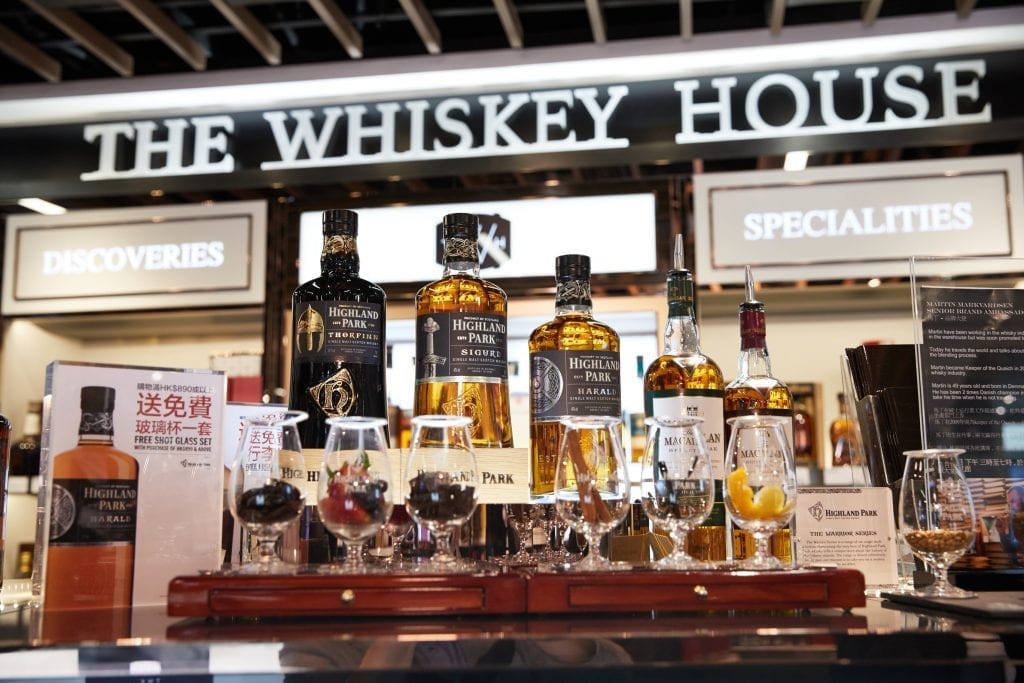
    Over 250 expressions from 50 international brands will be on offer for passengers travelling through Hong Kong’s airport, including the opportunity to sample more than 40 different whiskies every day.

    The Whiskey House has been created by DFS in partnership with William Grant & Sons, whose whisky brands include Balvenie, Tullamore Dew, Grant’s Glenfiddich and Monkey Shoulder as well as rum brand, Sailor Jerry and Hendrick’s gin.

    For whisky enthusiasts there’ll be blind tasting and tasting sessions every weekend from 4-7pm, as well as the chance to have 10% off every purchase when spirits are bought at departure and then collected at arrivals on the return leg of the trip.

    DFS already has its T Galleria retail stores across Hong Kong in Causeway Bay and Tsim Sha Tsui as well as its DFS store at Hong Kong airport.

    Brooke Supernaw, DFS group’s senior vice president of spirits, wine, tobacco, food and gifts, said, “DFS’ The Whiskey House is inspired by our customers and their love of discovery. At The Whiskey House, the discerning traveler can explore and indulge themselves in a world of whiskies from across the globe, enjoy tailored tastings and embark upon a unique travel experience from the moment they enter the airport.”

    Hong Kong has witnessed a boom in interest in whisky over recent years as more consumers explore different expressions and more brands have become available. MHD, LVMH, Edrington and William Grant remain as some of the biggest whisky distributors in Hong Kong, but a number of smaller, specialist ventures have appeared, such as single malt retailers, Caskells in Tsim Sha Tsui.

    Speaking to dbHK at the time of Caskells’ opening last year, owner John Rhodes said:

    “Although Hong Kong has a growing curiosity towards single malts – there is still a lot that can be done to inform people of the very wide scope of whisky there is not only in Scotch but worldwide.

    “Hong Kong – as with any market – is dominated by some big players with some excellent products but there are also a lot of smaller companies that have similar high quality products, and it is these that we want to bring to the general market.”

    The advent of the consumer-focused Whisky Festival and Malt Masters events in Hong Kong has also helped introduce the diversity of the whisky category to Hong Kong’s spirits lovers.

  • Hong Kong retail sales decline widens

    Hong Kong retail sales decline widens

    The decline in Hong Kong retail sales widened in November, although the market is still performing better than in the previous quarter.

    Official government data shows the value of sales in November 2016, provisionally estimated at HK$36 billion, decreased by 5.5 per cent compared with the same month in 2015.

    However, a government spokesman said that while Hong Kong retail sales saw a somewhat widened year-on-year decrease in November, the decline in sales in October and November combined was still smaller than during the third quarter.

    He attributed the trend to the impact of reduced tourist spending on some big-ticket items during the month.

    The revised estimate of the value of total retail sales in October 2016 decreased by 2.9 per cent year-on-year. For the first 11 months of 2016, it is provisionally estimated total retail sales decreased by 8.6 per cent year-on-year.

    After netting out the effect of price changes over the same period, November sales fell by 5.6 per cent. For the first 11 months of 2016, total retail sales decreased by 7.6 per cent in volume.

    As usual, watches and jewellery drove the value decline, falling 14.4 per cent year-on-year. Sales of electrical goods and cameras fell by 27.3 per cent (but account for a smaller share of the total retail market).

    Supermarket sales fell 1.1 per cent in value, medicines and cosmetics by 3 per cent, books, newspapers, stationery and gifts by 5.8 per cent and eyewear by 1.3 per cent.

    On the other hand, sales in department stores rose by 1.7 per cent, and apparel by 4.1 per cent. Food, alcoholic drinks and tobacco sales rose by 0.9 per cent, footwear and accessories by 1.5 per cent, furniture by 1.9 per cent and Chinese drugs and herbs by 2.7 per cent.

    Based on the seasonally adjusted series, the provisional estimates of the value and volume of total retail sales both increased by 4.7 per cent in the three months ending November 2016 over the preceding three-month period.

    The government spokesman said the future performance of Hong Kong retail sales will depend on whether inbound tourism improves “and whether the various external uncertainties would affect local consumer sentiment”.

  • Bake Kyoto outlet features Lego counter

    Bake Kyoto outlet features Lego counter

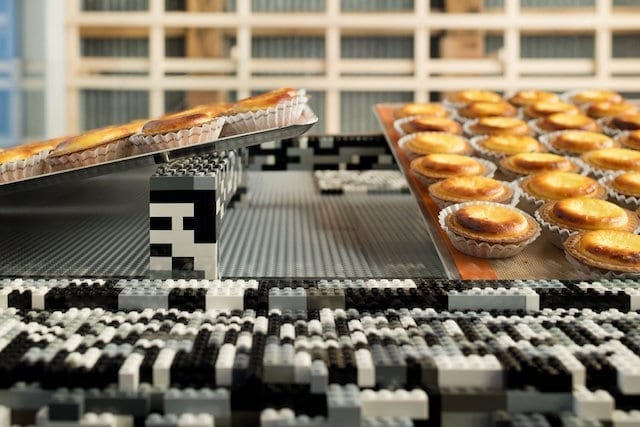
    A counter made from monotone Lego toy building bricks is a feature of Japanese cheese-tart shop Bake  Kyoto’s new outlet.

    Tokyo-based designer Yusuke Seki uses the counter as a centrepiece of the new store to display its products. It joins other new Bake stores that feature a sunset-hued acrylic counter and bespoke aluminium tiles.

    bake-kyoto-outlet-features-lego-counter-1

    Seki says he chose to use Lego pieces as his main material “because it connects to visitors”.

    “This architectural fabric serves as the shared language of communication between those whose spoken language may differ,” he says. “Its appeal is universal, intuitive, and its attraction felt by nearly every generation. It evokes a sense of intimacy, creating a moment that connects people to this space.”

    bake-kyoto-outlet-features-lego-counter-3

    A second, complementary feature of the store is a lattice framework lining the walls on either side of the counter, reports DeZeen.com. The latticework uses a bamboo technique known as shitajimado, which is traditionally used on the windows of Japanese teahouses. Seki has put a contemporary spin on the classic technique, using a pale wood overlaid on partially exposed walls.

    bake-kyoto-outlet-features-lego-counter-8

    bake-kyoto-outlet-features-lego-counter-6

    bake-kyoto-outlet-features-lego-counter-7

    “Left partially exposed, these walls allow customers to interact with a new iteration of tradition, while simultaneously encouraging an interaction with the older exterior wall cladding,” says the designer. “The store is thereby given a firm sense of place, reverberating with a reverence for the region.”

    bake-kyoto-outlet-features-lego-counter-4

    An open kitchen in the back, where the cheese tarts are baked, is another feature. A shelf on one side of the room holds stacks of Bake’s bright yellow takeaway boxes.

    Seki founded his studio in 2008, and his shop interiors are minimalist, often featuring cement and pale wood. His shops include a hand-forged knife specialist and a kimono store.

    Photos: Takumi Ota.