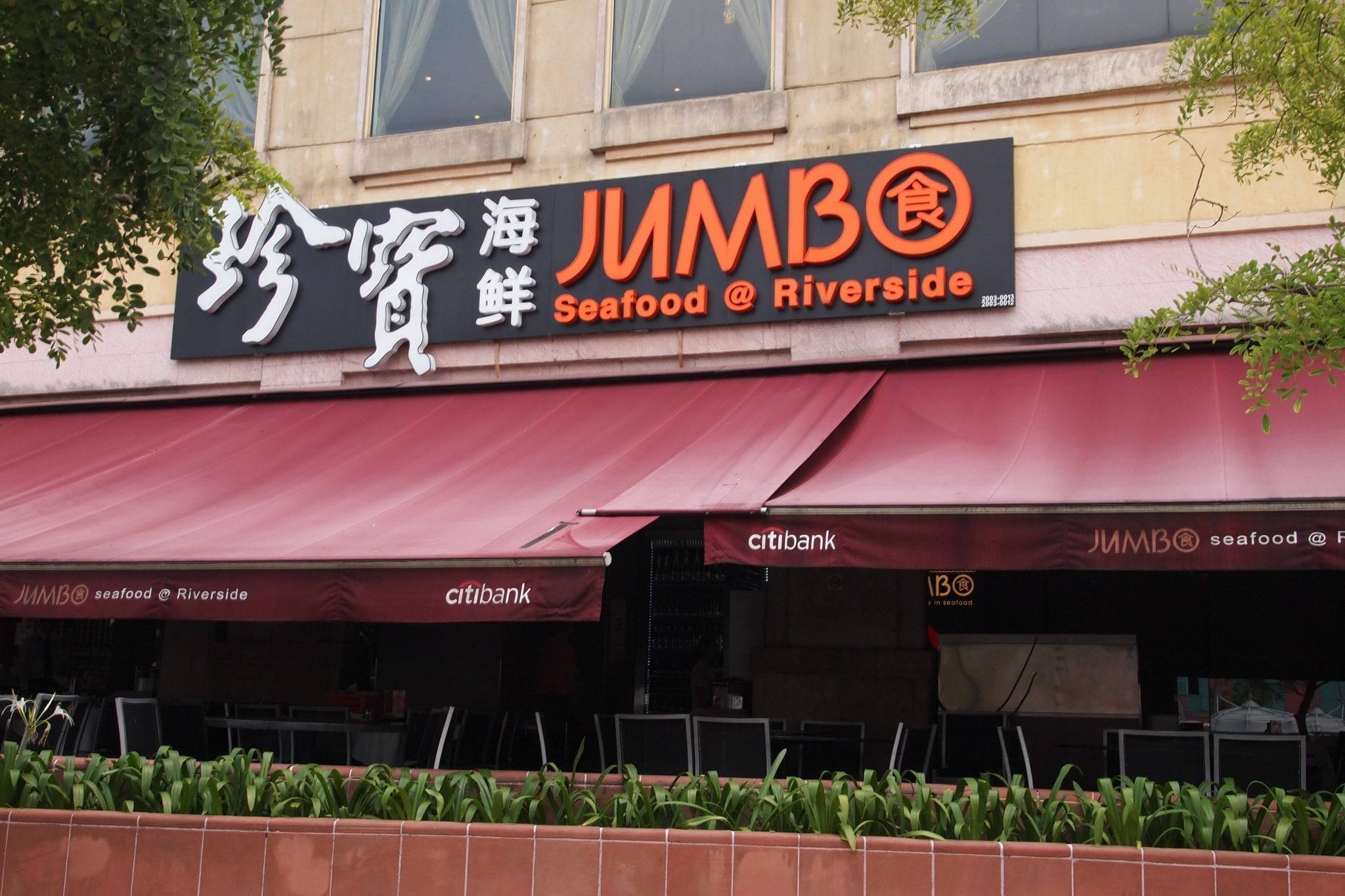
Singapore seafood restaurant company Jumbo Group has signed a franchise agreement to introduce its brand in Vietnam.
Known for its chili crab, the F&B chain has granted franchise rights to Vietnam’s Nova Bac Nam 79 Joint Stock Company for it to run Jumbo Seafood restaurants in Ho Chi Minh City and Da Nang.
Vietnam’s first Jumbo Seafood outlet is expected to open in Ho Chi Minh City in about six months’ time.
The agreement is for an initial term of 10 years, and it is expected that three Jumbo Seafood outlets will be opened within two years.
Jumbo Group is a multi-concept dining and F&B group with a network spanning Singapore, China and Japan. It also provides catering services, and in Singapore sells packaged sauces and spice mixes. It has three outlets in Shanghai, with three more planned, and in November reported a full-year profit increase of 17.9 per cent.
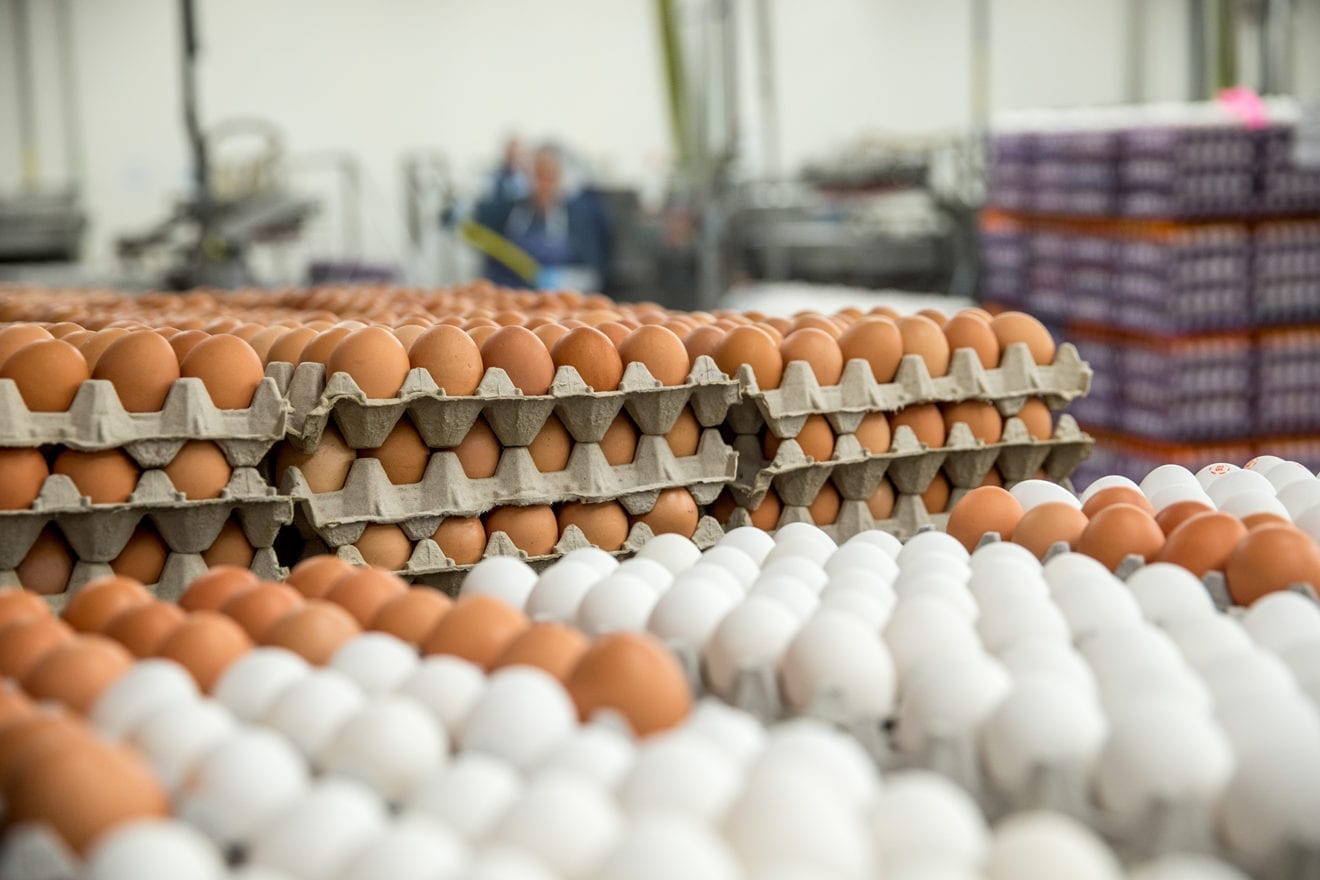
The government will waive duties on imports of eight types of egg-related products, including fresh and powdered eggs, as the shortage in Korea is deepening after a widespread outbreak of avian influenza, which has led to the culling of nearly 30 million birds.
The Korean government doesn’t import fresh eggs, but said Tuesday it would do so to alleviate the shortage. This is the first time in 18 years, which was when the country imported a small volume of fresh eggs from Thailand, that the Korean government imported fresh eggs from abroad, an official at the Ministry of Agriculture, Food and Rural Affairs said.
“The data showed that we had very few occasions of importing fresh eggs from abroad in the past and even though they were imported, they were not for the public to buy at stores, but rather they were for other reasons such as medical research purposes,” said an official at the Ministry of Strategy and Finance. “This will be the first time for the government to allow importing large volume of fresh eggs.”
The duty exemption will last until June. 30, the Finance Ministry said Tuesday. Currently, the import tariff on egg products ranges from 8 percent to 30 percent, but it will be suspended for six months.
“The government has decided to remove tariffs on eggs to deal with soaring prices and shortage of them in the country due to AI,” said Kim Young-noh, a director at the Finance Ministry.
The Finance Ministry said it will expedite inspections to have fresh eggs arrive as early as possible, or before the Lunar New Year holiday, when demand for eggs and poultry products tends to be higher.
A total of 98,000 tons of egg-related products can be imported without tariffs, and among them 35,000 tons, or about 700 million, will be fresh eggs. The 700 million eggs can meet Koreans’ daily consumption for about 20 days.
About 30.3 million birds have been slaughtered as of Tuesday, 50 days after the virus started to spread in the country. By type, layer chickens were affected the most. Nearly 22.45 million birds that were killed were layer chickens, which is about 32.1 percent of the layer chickens raised in the country.
“About 30 percent of layer chickens are killed due to AI and the supply and demand problem will last at least six months from now [since the number of chickens for laying purposes needs to grow], said an official at the Agriculture Ministry.
The average retail price for a tray of 30 eggs jumped 47.2 percent from 5,604 won ($4.66) a month ago to 8,251 won as of Tuesday due to the outbreak of the AI, according to data compiled by the Korea Agro-Fisheries & Food Trade Corporation (aT).
The highest price reported to aT for a tray of 30 eggs was 9,700 won, which is 39 percent higher than the highest prices last month, which was when the shortage began after the country was hit by the virus on Nov. 16.
Meanwhile, the government also has decided to distribute 7,200 tons of reserve fishery products to stabilize the heated market ahead of the Lunar New Year.
The Ministry of Oceans and Fisheries said it will distribute its fishery products until Jan. 26 and local retailers, including traditional markets, will sell such goods 10 to 30 percent cheaper than retail prices.
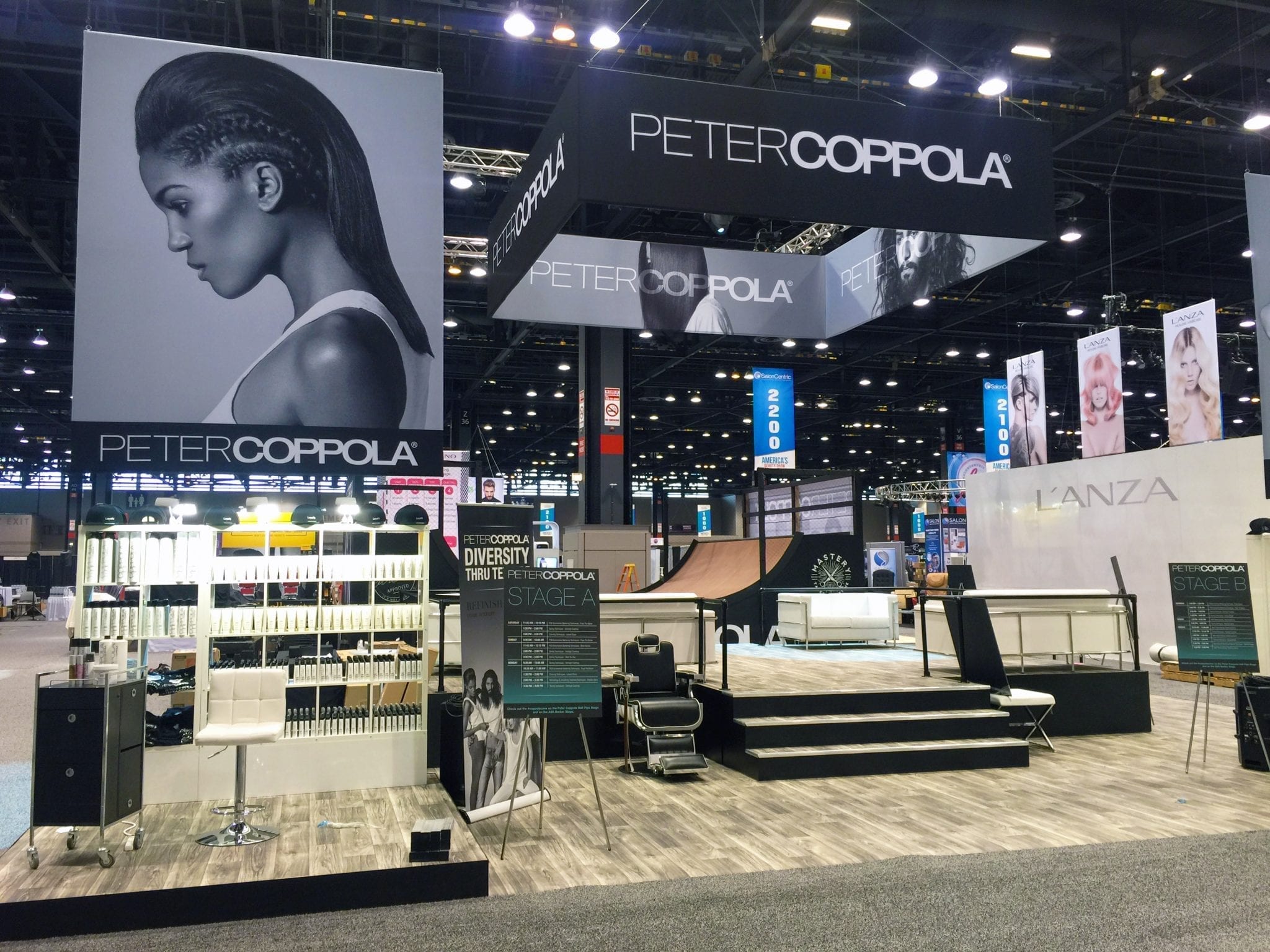
Philbeauty, the pioneer and the only international beauty trade show in the Philippines, is back for its third year in 2017. The iconic event will be held from Wednesday to Friday, 31 May to 2 June 2017 at the SMX Convention Centre in Pasay City, Manila and expects to host more than 200 key leading exhibitors from across countries and regions, including mainland China, Japan, India, Korea, Singapore, Thailand, Taiwan and Malaysia. The three-day exhibition is expected to attract over 200 leading local and international exhibiting companies and more than 6000 local and international trade visitors.
Bridging The Gap — philbeauty, the professional beauty trade fair that provides a major contribution to the growing beauty industry in the Philippines.
philbeauty 2017 will not only be packed with a variety of beauty products, services and technological solutions, but will also feature a business matchmaking programme, a series of workshops, knowledge seminars, international beauty conference and networking opportunities that will provide crucial insights into future scientific advances, emerging trends and regulations, and most importantly, to create new business opportunities.
Referring to Trade Map from International Trade Centre, the value of imported beauty or make-up preparations for the care of the skin in 2013-2014 and 2014-2015 increased by 13% and 19%, respectively, and in 2015 it was valued at 96,458,000 USD.
The Philippine economy grew an annual 6.3% in the December 2015, accelerating from an upwardly revised 6.1% expansion in the previous three months and above market consensus. It is the highest growth since the fourth quarter of last year, as all sectors of economy showed an expansion at a fast rate, whilst government expenditure remained robust.
Scavolini, a leading kitchen manufacturer, aims to continue to grow by double digits in China and is preparing to launch a new investment plan in the first half of 2017 as it seeks to turn its strongly-domestic brand into an international one.
At a recent trade show, Chief Executive Fabiana Scavolini announced the company’s expansion plan with eight store openings to support the company’s international strategy.
“We have interesting development plans in Africa and Asia, let alone Europe, where we will soon open a store in Madrid,” the CEO said.
As part of the group’s international expansion, China represents a strategic market where Scavolini has been present for years and which “still offers huge opportunities (Federlegno expects design and furniture sales to increase 40% by 2019, Ed’s note), with a good distribution system and solid roots,” the top manager said.
Scavolini opened its office in office in Shanghai in 2014 and is also present within the Diesel Living space.
The 460-square meter Scavolini store in Changzhou, recently opened, is located inside the Red Star Macalline Furniture mall, at about one-hour train from Shanghai; it’s the only showroom in the mall visible from outside, thanks to its three big windows, and is Scavolini’s largest store in China. The Chengdu store is located in the city’s most important shopping center, along with 72 top international brands.
By June 2017, the company will also open in Shenzhen, Hangzhou, Nanjing, Zhengzhou, Xiamen and Wuxi, for a total of 11 stores in China.
China’s growth is part of Scavolini’s international retail expansion. Last month, it opened a new store in Boston, and a new opening is expected in New York, where the company already operates a showroom on West Broadway.
“We have exported to the United States for more than 20 years,” the CEO said. “It’s a double-digit growth market and we are very happy with it, both when we work with final consumers or in the contract segment. We expect additional important growth in 2017,” the manager said.
The “Scavolini Store” plan is part of a larger distribution strategy, with constant investments to grow the distribution network, especially abroad, where the group operates 300 stores, 150 of which in Europe, around 60 in Russia, 30 in North America, 20 in central and south America, another 20 in Asia and Oceania, for a total of over 1,300 stores worldwide.
Scavolini, which employs 660, celebrated last year its 55th anniversary and reported revenues of €220 million, 20% of which originated abroad.
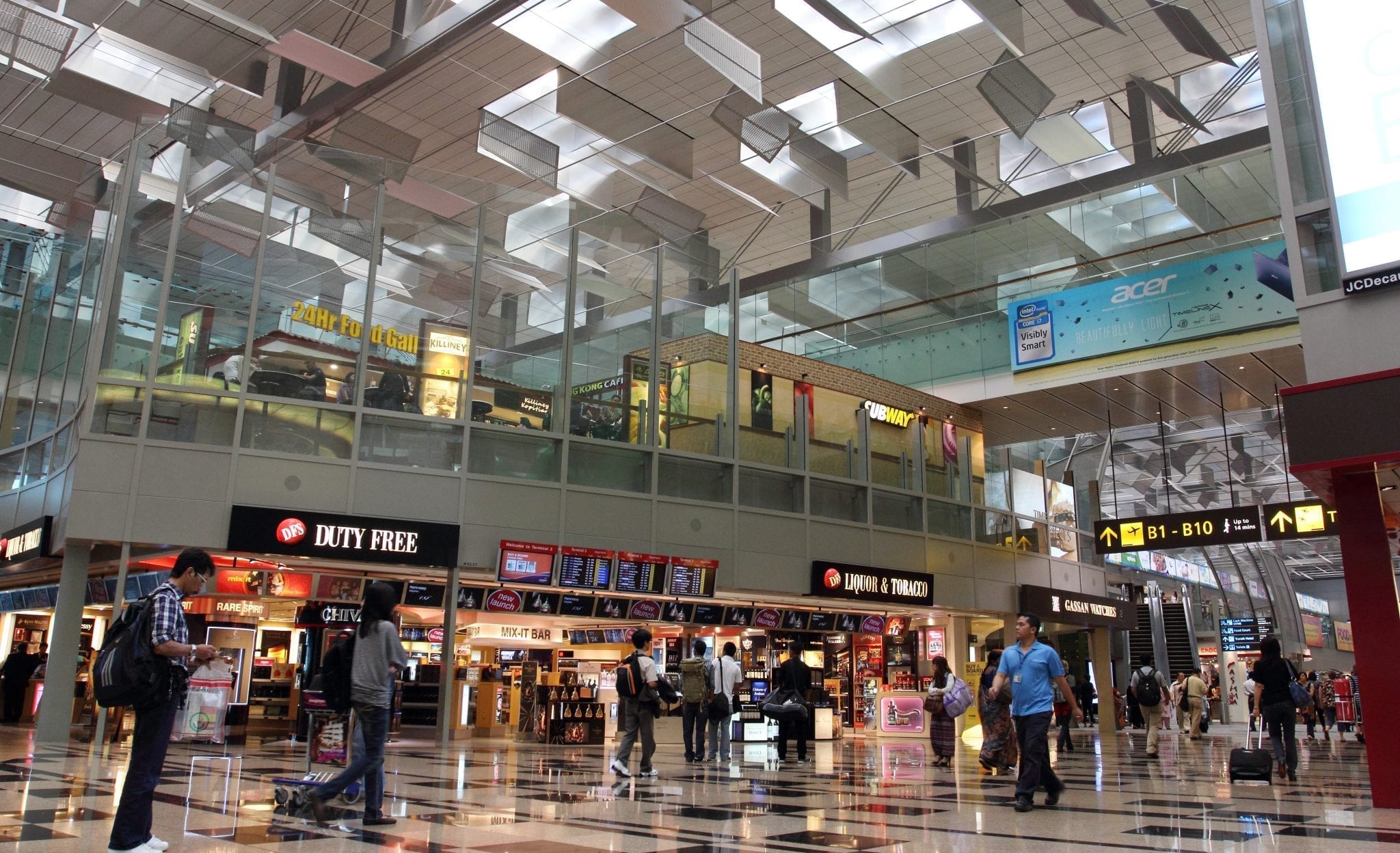
Singapore Changi Airport has reported 4.78m passenger movements for November 2016, representing a +3.2% rise on November 2015, while total passenger traffic handled during the first 11 months of 2016 increased by +5.7% to 53m.
During the same two periods, cargo shipments grew by +6.1% to 1.79m tonnes and aircraft movements rose by +4.1% to 328,520 landings and take offs, while in the first 11 months cargo grew +7.9% to 173,170 tons and take offs and landings by +3.4% to 29,710.
The Civil Aviation Authority of Singapore stated: “Passenger traffic for the month of November was supported by growth in air travel to and from South-east Asia, North-east Asia and South Asia.
STRONG GROWTH TREND TO SOUTHEAST ASIAN CITIES
“Among Changi’s top 10 country markets, China (+13.7%), Vietnam (+9.9%) and India (+9.8%) led the gainers. As for Changi’s top 10 cities, strong traffic growth was observed between Singapore and Southeast Asian cities, such as Kuala Lumpur, Denpasar, and Ho Chi Minh City.”
The CAAS also pointed to new services to India, with Air India Express launching four weekly services to Kolkata on 20 November, and Jet Airways starting daily services to Bangalore on 14 December.
SilkAir also has launched four weekly services to Fuzhou in China, while Xiamen Airlines increased the frequency of its Singapore-Xiamen services from 14 weekly flights to 17 from 18 November. In addition, Myanmar National Airlines also raised its number of flights to Yangon from seven to 12 weekly services from 1 December.
< NEW TERMINAL 3 RETAIL OUTLET ‘DEBUT’
Meanwhile, between 16 November to 18 December 2016, CAAS added that the sole new store opening in Terminal 3’s Basement 2 over the period was by Etoz, which it describes as a manufacturer and retailer ‘of quality home and bedding products’, which has made its airport store debut at Changi.
In addition, a ‘Teahouse by Soup Restaurant’ offering a variety of ‘unique’ Nanyang Dim Sum has also opened in the Terminal 1 public area.
Changi Airport management said that as of 1 December 2016, more than 100 airlines were operating at Changi Airport, flying to around 380 cities in 90 countries and territories worldwide.
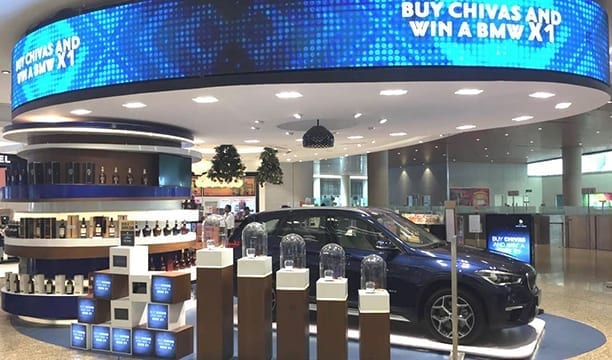
Consumers at Mumbai’s Chhatrapati Shivaji International Airport T2 who spend more than US$80 on Pernod Ricard’s portfolio – including Scotch whiskies Chivas Regal, Royal Salute, The Glenlivet and Ballantine’s – can enter into the lucky draw by completing a coupon. One winner will then take home a BMW X1 Expedition car.
“At Pernod Ricard, we have always believed in delivering luxury experiences to our consumers at various touch points,” said Nodjame Fouad, marketing director, Travel Retail Asia Pacific.
“This promotion at the Duty Free store of Mumbai international airport is one such touch point where consumers can enjoy our luxury brands and experiences.”
Manishi Sanwal, Mumbai Duty Free managing director, added: “In our constant quest to offer a greater value to our customers, we bring back the very successful ‘Win a BMW Car’ promotion yet again in this festive period of December to January.
“We are extremely delighted to have partner brands like Pernod Ricard, who are always willing to support with greater excitement and engagement in their promotions.”
The Taste of Luxury campaign is live now in the retailer’s T2 store and runs until 31 January 2017.
Mumbai Duty Free is a joint venture between DFS Group and Flemingo International.
Last year, the retailer partnered with Pernod Ricard to open the first Luxe Boutique concept store.
Taiwan’s National Communications Commission has launched a new awareness campaign urging the nation’s remaining 2G subscribers to migrate to 3G or 4G before the 2G licenses expire on June 30.
The regulator has produced two TV commercials to spread awareness of the advantages of 4G and the necessity of migrating.
As of November there were around 430,000 remaining 2G subscribers, with 290,000 of these being Chunghwa Telecom customers and the remainder divided between Taiwan Mobile and Far EastTone.
While all Taiwan’s 2G licenses are set to expire on June 30, triggering the sunsetting of the technology, the regulator has decided to provide a six-month grace period after this date. This will allow any remaining 2G hold-outs to migrate to the newer standards before losing services.
The three operators are meanwhile offering low-price options to entice 2G users to upgrade.
Chunghwa Telecom, for example, is offering a special rate of NT$88 ($2.73) per month for customers upgrading from 2G to 4G, which includes 1.5GB of data, 30 minutes of intra-network calls and 5 minutes of cross-network calls.
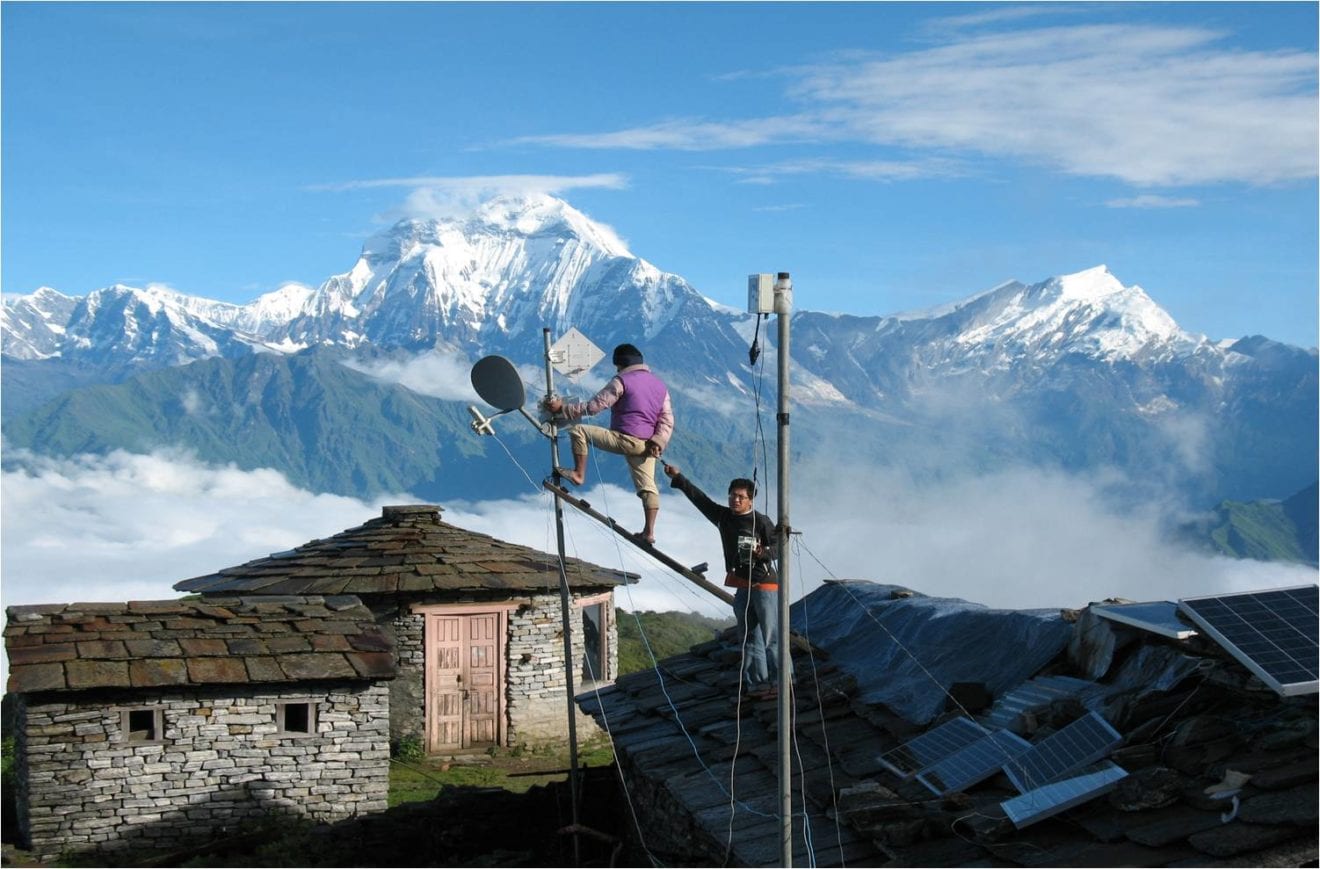
State-owned operator Nepal Telecom has launched 4G services over the 1800-MHz band in the Kathmandu and Pokhara areas. The operator has upgraded 308 base stations in the Kathmandu area and 25 in Pokhara to support 4G services.
Currently Nepal Telecom is only able to provide 4G using 5 MHz of 1800-MHz spectrum, limiting peak data speeds to 32.4Mbps. But the operator has asked regulator NTA for another 5 MHz, which will allow a speed increase to 100 Mbps.
According to the report, the company is currently providing 4G data services at 3G rates – a base rate of 1 rupee ($0.0091) per megabyte – but plans to reduce the tariff shortly.
The network is at present only available for Nepal Telecom’s GSM postpaid customers. The operator is also yet to make a deal with Apple to allow the use of iOS devices on its 4G network
Nepal Telecom secured a 4G operating license in October, after the NTA approved the operator’s 4G application the previous month. The operator plans to progressively roll out 4G nationwide.
Sugar output in the 2015-16 crop was 1.23 million tonnes, a year-on-year drop of 12.7 percent, said Phạm Quốc Doanh, Chairman of the Việt Nam Sugarcane and Sugar Association, at a seminar in HCM City last week of sugar producers, distributors and consumers.
Together with 185,000 tonnes of imports, this fully met the domestic demand forecast by the Ministry of Industry and Trade, he said.
Prices would not fluctuate much from now through the Lunar New Year on January 28, he said.
Many sugar mills had signed long-term contracts with beverage production companies and fulfilled them.
Sugar prices depend much on sugarcane prices and global sugar prices, but with production of six months supplying demand for the whole year, output and prices are often volatile, he said. Sugar traders and food and beverage producers dislike this volatility, he added.
Representatives of Coca-Cola Vietnam and Tân Hiệp Phát said steady prices should be ensured. They also said the sugar producers should invest more in packaging that is bigger than the current 50kg-bags to reduce loading and unloading costs.
A representative of Tây Ninh-based Thành Thành Công Trading JSC said sugar quality has improved significantly.
“Our RE (refined extra) already met quality standards, the newly produced RS (refined standards) sugar is very good, but by the end of the season, the latter’s colour and moisture change much. Sugar producers must work to improve this,” she said.
Many suggested that the Government should keep a close eye on sugar imported ostensibly for re-export since it is sold surreptitiously in the domestic market, and prevent smuggling to protect the domestic industry.
Chairman Doanh said the association has suggested to the Government that it should organise auctions for sugar import quotas in the first quarter instead of the third quarter, and only allow import of raw sugar to safeguard local jobs.
The association said enterprises that fail to utilise their import permits should not be allowed to use them later.
Doanh quoted the International Sugar Organisation as saying that in 2016-17 the global sugar market would face a shortage of 6.2 million tonnes, and inventories would shrink to their lowest levels since 2010-11. Therefore, global sugar prices would remain high, he said.
As we enter into the new year, it seems only natural that we share all the Singapore technology trend in 2017 what we’re excited about, and what we foresee happening in the digital space this year.
Here are our top 6 picks!
1. The Rise Of Chat Bots
Chat bots have been made popular especially since June 2016 – when Facebook launched them in Messenger.
Over the past few months, developers have been experimenting with various chat bot use cases, and according to Facebook, while the early chat bot attempts by developers have been “really bad“, the quality of chat bots have generally improved over time.
According to David Marcus, Facebook’s vice president of messaging products, the best use cases include driving people toward subscriptions, facilitating small transactions, and customer service.
This year, we definitely expect companies in Singapore to come out with smart use cases for Chat Bots and integrate them into their product offerings. We also expect a rise of companies offering professional services around Chat Bots.
2. Mega Apps
One of the fastest growing regions in the world now is China – and if you have been following its development closely, the dominant platform now is undeniably WeChat.
WeChat introduced the idea of “apps in apps” or “instant app”, and is literally the “one app to rule them all” in China.
Its concept is very interesting, because with it, you can perform everything beyond just chatting with your contacts – from product purchases to payment, to joining interest clubs (WeChat has a fitness tracking feature called WeRun), to booking a cab and making restaurant reservations, there’s a high possibility of relying on the app for most everyday processes!
If you are interested in finding out more, here are 10 WeChat travel industry case studies where companies integrating their business with WeChat’s platform – very fascinating.
And who knows, we might just see a mega app in Singapore to rule them all this year.
3. Breakout Gaming Apps
The third thing we’re excited about this year is in the mobile gaming space.
We’re expecting at least 2 or 3 mega breakout gaming apps this year. While we have no clue on what would pop up, we expect more gaming developers to take the cue from Pokemon GO’s brilliant use of augmented reality to create a real world interactive gaming experience. Pokemon GO was (still is) a game that transcends age, gender and race, and sets very high standards in the gaming community.
We have yet to see a huge breakout gaming app from Singapore – and hopefully, 2017 is the year we will see one that will fly our Singapore flag high and proud in the global gaming arena.
After all, there’s a dedicated area by the government called Pixel Studios dedicated to catalyse the creation of valuable gaming apps in Singapore.
4. Smart Companies Taking Up Dead Retail Space
One of the biggest trends is that retail vacancy is at its highest in decades. With recession (Singapore only reported an overall economic growth of 1% in 2016, and projects a growth of 1% this year) looming, as well as competition from e-commerce, it’s no wonder that retailers are unable to make ends meet, and some are even forced to move out from their physical locations.
Of course, not all is doom and gloom though – we’re expecting resourceful and entrepreneurial individuals to negotiate contracts and/or deals with shopping mall operators which would be flexible and thus beneficial to the former.
We expect smarter usage of spaces, with digital companies taking up physical locations around in Singapore as an extension of their business.
Take Naiise for example. Originally a design centric e-commerce company, it has now expanded to 6 physical locations around in Singapore. Or take co-working space operator Spacemob for example, which raised almost S$8 Million in funding last year.
Both Naiise and Spacemob are examples of smart innovators taking advantage of retail space in Singapore, and bringing the arrangement’s benefits to both space owners and consumers alike.
5. Live Streaming
Another space that we (ok, maybe just me) are personally very excited about is the live streaming space.
At this moment, I think that we are still barely scratching the surface of the possibilities of live streaming. Live streaming is something different from usual platforms, and allows brands and personalities to appear more authentic and spontaneous. It also helps garner immediate interaction with the public – something which brands are all severely lacking nowadays, as they seem to chase quantity over quality.
Another thing about live streaming is that it is completely powered by millennials, given how they often have FOMO (fear of missing out), and want to always be in-the-know of the latest trends and happenings. Where stock images and highly-edited content flood our social feed, live streamed content also offers experiences that are more ‘honest’.
Live streaming has already exploded in China, but we have yet to see mainstream adoption in Singapore – but that’s something we’re expecting to change dramatically this year.
6. Government Becoming Increasingly Digitised
The last thing that we are excited about this year is that Singapore is becoming increasingly digitised.
Taking the lead for digitising Singapore is GovTech, which sits under the newly-formed stat board IMDA. As the agency responsible for most of the digital applications used by the different government bodies, they are helping government services to move online and become mobile-friendly, all in the name of convenience for the average Singaporean.
They also constantly monitor data from these e-Government services and get user feedback so as to keep improving what’s offered.
Bharti Airtel is reportedly in advanced negotiations to buy out Telenor’s Indian operations through a debt acquisition deal. Airtel is planning to take on debt of around 15 billion rupees ($219.6 million) from Telenor by way of payment for the purchase.
Russian telecoms group Telenor is seeking to exit the Indian market through the deal. According to the source, third-ranked Idea baulked at a deal because the operator did not want to take on additional debt, and had offered equity instead. Telenor had also approached various other operators including Vodafone but had been unable to clinch an agreement.
While Airtel is reluctant to increase its existing $12.23 billion debt burden, the operator was lured in by Telenor’s 4G spectrum holdings in seven of India’s 22 telecoms circles.
The acquisition won’t cover all Telenor’s Indian debts, and the company will have to cover the remainder, the report states.
Telenor has been considering exiting the Indian market for some time. The operator’s efforts to establish a competitive foothold in the market were dealt a serious blow by the cancellation of its 2G licenses in 2012 as part of a supreme court decision revoking 122 licenses issued under a former telecoms minister’s regime. Telenor India never fully recovered from this setback despite purchasing new licenses in seven circles.
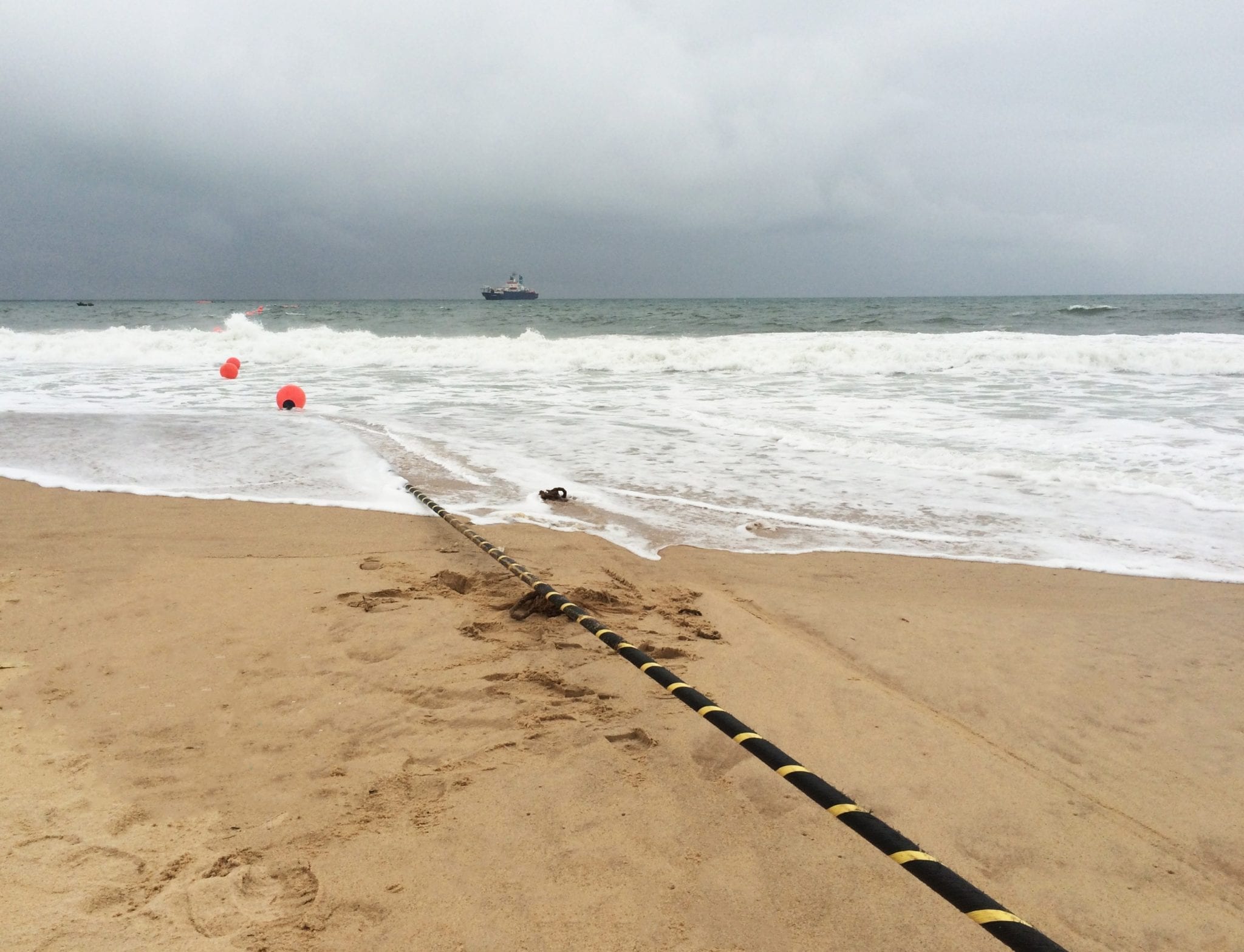
The Asia Pacific Gateway (APG) submarine fiber optic cable line has been put into operation after four years under construction.
The APG, funded by VNPT, Viettel, FPT and CMC, aims to boost Vietnamese Internet speed.
The operation of the network aims to reduce dependence on the Asia-America Gateway (AAG) as the AAG faced incidents three times last year, which affected not only individual users but also enterprises.
The APG boasts a capacity of 54 Tbps, the highest of any network in Asia. With a total length of approximately 10,400km, the cable line connects mainland China, Hong Kong, Taiwan, Japan, the Republic of Korea, Malaysia, Singapore, Thailand and Việt Nam.
Initiated in 2009, the APG is a partnership between Chunghwa Telecom (Taiwan-China), China Telecom (China), China Unicom (China), KT Corporation (RoK), NTT Communications (Japan), PLDT (the Philippines), Telekom Malaysia (Malaysia) and VNPT (Việt Nam).
Viettel has also been investing in an Asia Africa Euro-1 (AAE-1) cable system, connecting countries in Asia, Africa and Europe. The cable line is expected to operate this year.
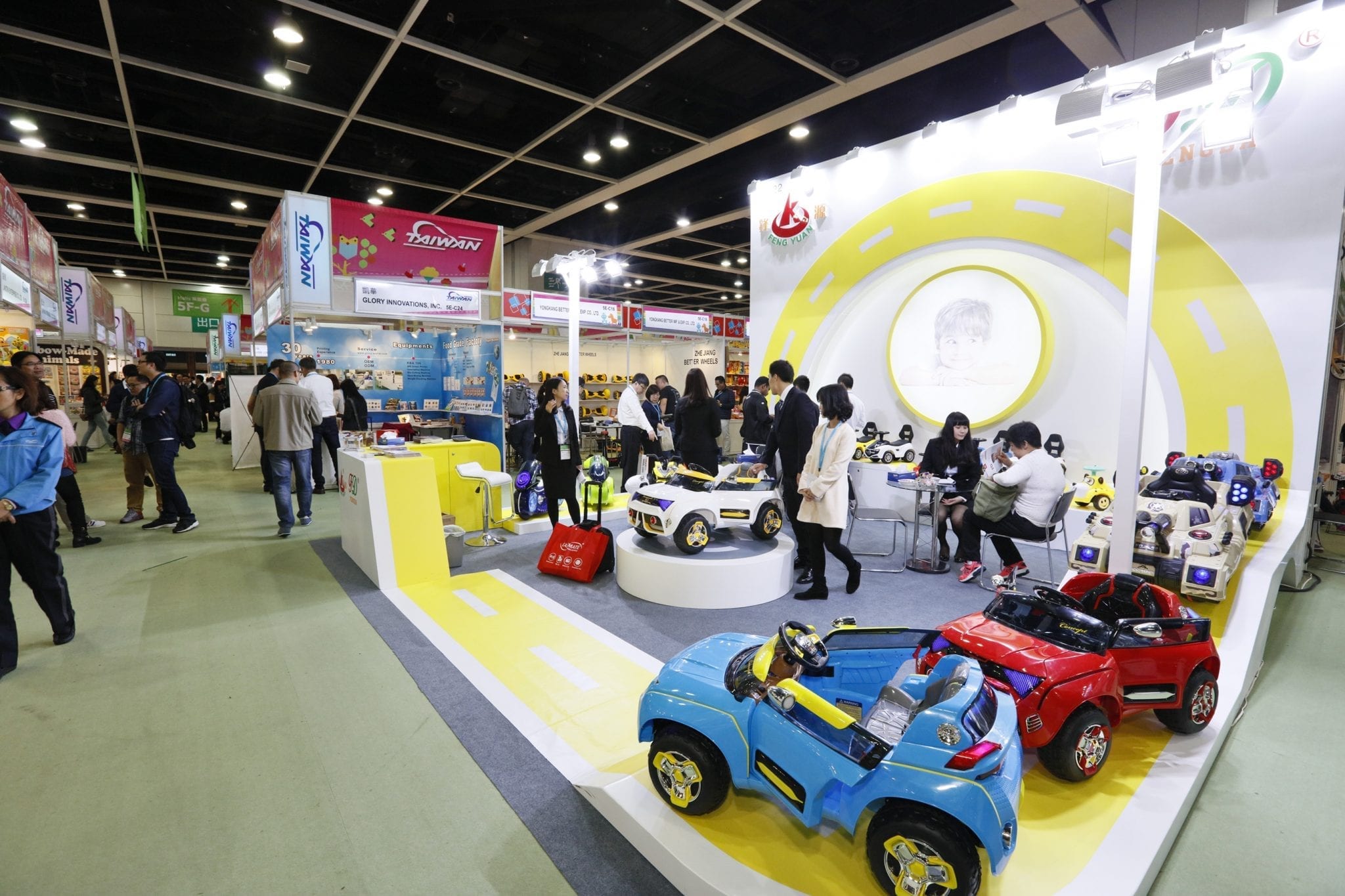
The 43rd HKTDC Hong Kong Toys & Games Fair, the eighth HKTDC Hong Kong Baby Products Fair and the 17th Hong Kong International Stationery Fair are set to open at the Hong Kong Convention and Exhibition Centre (HKCEC) next week. Starting on 9 January and continuing through 12 January, the three fairs will feature more than 2,900 global exhibitors showcasing a dynamic range of innovative and high tech products.
Hong Kong’s major export products, including toys, are still being affected by the lacklustre global economy. Speaking at today’s press conference, Benjamin Chau, Acting Executive Director, HKTDC, said that Hong Kong’s exports of toy products reached HK$33.8 billion in the first 11 months of 2016. He also noted that the toy industry is the only sector reporting a higher reading in the HKTDC Export Index for the fourth quarter of 2016, indicating growing confidence about the performance of toy exports in 2017. On the other hand, the Christmas sales performance recorded increases in major traditional markets such as the United States, the United Kingdom and Germany, as well as emerging markets including the Chinese mainland, Mexico, Chile, Hungary and the Czech Republic. Mr Chau added that under the mainland’s “Two-child Policy”, new opportunities are expected to emerge in the coming years for the toy and baby product markets on the mainland since the number of births is likely to rise considerably.
“STEM toys – that strengthen the learning of science, technology, engineering and mathematics – as well as licensed products and toys applying virtual reality (VR) and augmented reality (AR) technologies are becoming more and more popular,” Mr Chau said. “Hong Kong companies can look into and explore these products.” He highlighted that the Hong Kong Toys & Games Fair gathers a wide range of products from around the globe. The hktdc.com Small Orders zone in the fair, along with the HKDC Small Orders Online Transaction Platform and business matching service offered by the HKTDC, will facilitate product sourcing and building business connections.
Asia’s largest toys fair draws record exhibitors
The HKTDC Hong Kong Toys & Games Fair will gather a record of more than 2,100 exhibitors from 42 countries and regions, with first-time participants from Bangladesh, Bulgaria and Denmark. The event is the largest of its kind in Asia and second-largest in the world.
Five group pavilions will be featured in the fair this year, including the Chinese mainland, Korea, Spain, Taiwan and the UK, along with a “World of Toys” pavilion showcasing mainly European exhibitors and a global range of toy and game products. This year, the UK pavilion has doubled its exhibition space with 17 exhibitors, offering buyers more selections. The signature Brand Name Gallery will return with more than 220 renowned brands from 15 countries and regions. Among them will be 4M, Bburago, Eastcolight, Hape, VTech, as well as new exhibitors including Japanese building block brand nanoblock and Portuguese brand ELOU for educational toys made with cork.
The acclaimed Smart-Tech Toys zone will feature a range of toys with innovative technology capabilities. Some of the exhibits have incorporated the increasingly popular AR and VR technologies in their designs, along with mobile apps to make products more interesting and interactive for users. To meet the growing demand for STEM toys in the market, a new STEM Toys Product Display area will be launched at the fair.
Two new thematic zones, Pet Toys and Fireworks, will also be introduced this year. The Pet Toys zone will feature toys and daily supplies tailor-made for pets. The Fireworks zone will introduce festival fireworks, display shells, firecrackers as well as indoor and stage fireworks suitable for use in different events to industry buyers.
One-stop sourcing at concurrent Baby Products and International Stationery fairs
The HKTDC Hong Kong Baby Products Fair will be held alongside the Toys & Games Fair, featuring a record of close to 540 companies from 27 countries and regions, including first-time exhibitors from Qatar and Turkey. This year, the Korea pavilion will gather 32 exhibitors, an increase of more than 80 per cent compared with the last edition. Brand Name Gallery will feature close to 50 renowned quality brands from 14 countries and regions, while the Baby Tech zone, another highlight of the fair, will bring in 22 exhibitors to help visitors keep abreast of the high-tech product and smart living trends.
The Hong Kong International Stationery Fair, jointly organised by the HKTDC and Messe Frankfurt (HK) Ltd, will feature over 250 exhibitors from 18 countries and regions, including new exhibitors from Bangladesh, Finland, India, the Netherlands and Spain. Exhibitors will showcase the latest art and craft supplies, back-to-school items, paper packaging and printing goods, office supplies and gift stationery.
During the fair period, a series of industry events will be organised. The influential “Hong Kong Toys Industry Conference 2017” will be held on 10 January under the theme of “Grasp the Chance: What’s New in the Market and Our Industry?”. Experts will explore the trends and opportunities in the global market, especially those related to the Chinese mainland. Other seminars include “STEM Toys – Next Big Wave”, “The New Epoch of Virtual Toys”, and “A Closer Look into the Key Influencers in Baby Product Trends”. Masayuki Takabatake, the renowned “Stationery King” from Japan and a representative from one of Japan’s biggest stationery brands KOKUYO, will deliver a seminar on “A Glimpse into the Forthcoming Design Trend”.
A number of product demonstrations and launch pads as well as buyer forums that explore opportunities in emerging markets and seminars analysing retail opportunities in the digital age will be organised during the fair. These events will enable industry players to exchange market information and keep abreast of the latest design and product trends.
Another highlight will be the “Hong Kong Toys and Baby Products Awards 2017 Presentation Ceremony” to be held on the first day of the fair (9 January), with a winning products presentation taking place the following day. The award aims to uncover toy and baby products with unique designs, creativity and high quality, as well as to celebrate outstanding achievements in the industry. During the fair period, the winning products will be displayed at the Hall 3F-G Concourse.
Held concurrently with the Toys & Games Fair, the Baby Products Fair and the Stationery Fair is the HKTDC Hong Kong International Licensing Show, which is the largest of its kind in Asia, and second-largest in the world. It will feature more than 370 exhibitors from 12 countries and regions and showcase over 900 brands and properties. The four parallel fairs will create abundant trading opportunities for crossover business activities among the participants from various sectors.
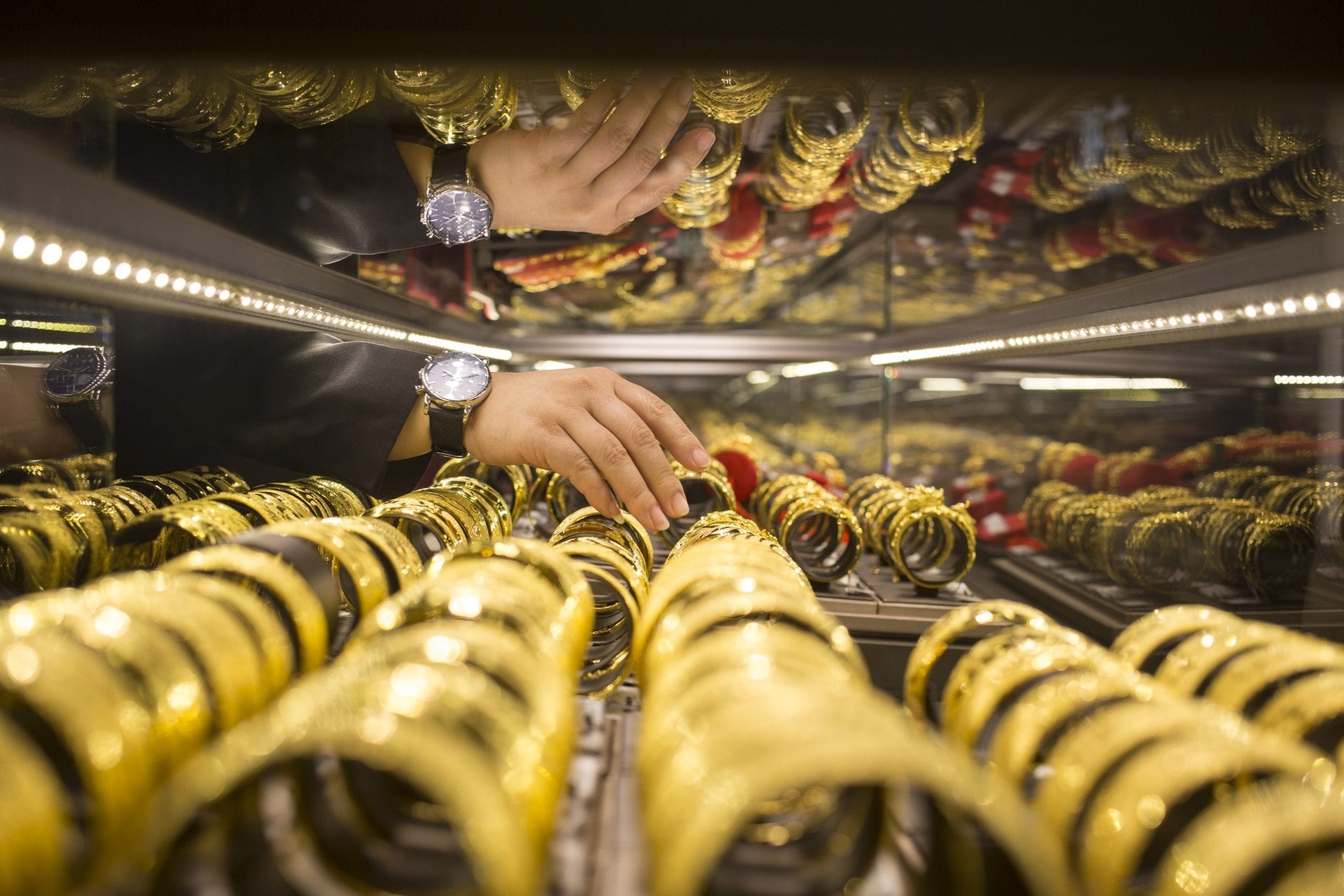
Retail sales of jewelry and other luxury items in Hong Kong slumped in November as tourist arrivals continue to dwindle. Revenue from jewelry, watches, clocks and valuable gifts declined 14 percent to $731.6 million (5.67 billion) in November, according to provisional data from Hong Kong’s Census and Statistics Department. The number of tourists visiting Hong Kong fell 2 percent the same month, the Hong Kong Tourism Board reported.
Hong Kong’s luxury retail sales suffered throughout most of last year as fewer tourists arrived. The data in October signaled a possible recovery as the growth in jewelry and luxury sales was flat from a year ago. However, the latest figures in November did not lend credence to any suggestion of an improvement, even as the drop in sales for that month was less steep than the 19 percent slump for the first 11 months combined.
Overall retail sales slipped 5.5 percent, likely dragged down by lower tourist spending on select big-ticket items, a government spokesperson explained.
“Looking ahead, the performance of retail sales will depend on whether inbound tourism will improve and whether the various external uncertainties will affect local consumer sentiment,” the spokesperson said.
Singapore Airlines (SIA) is banking on premium economy services to entice travelers to pay more for extra comfort.
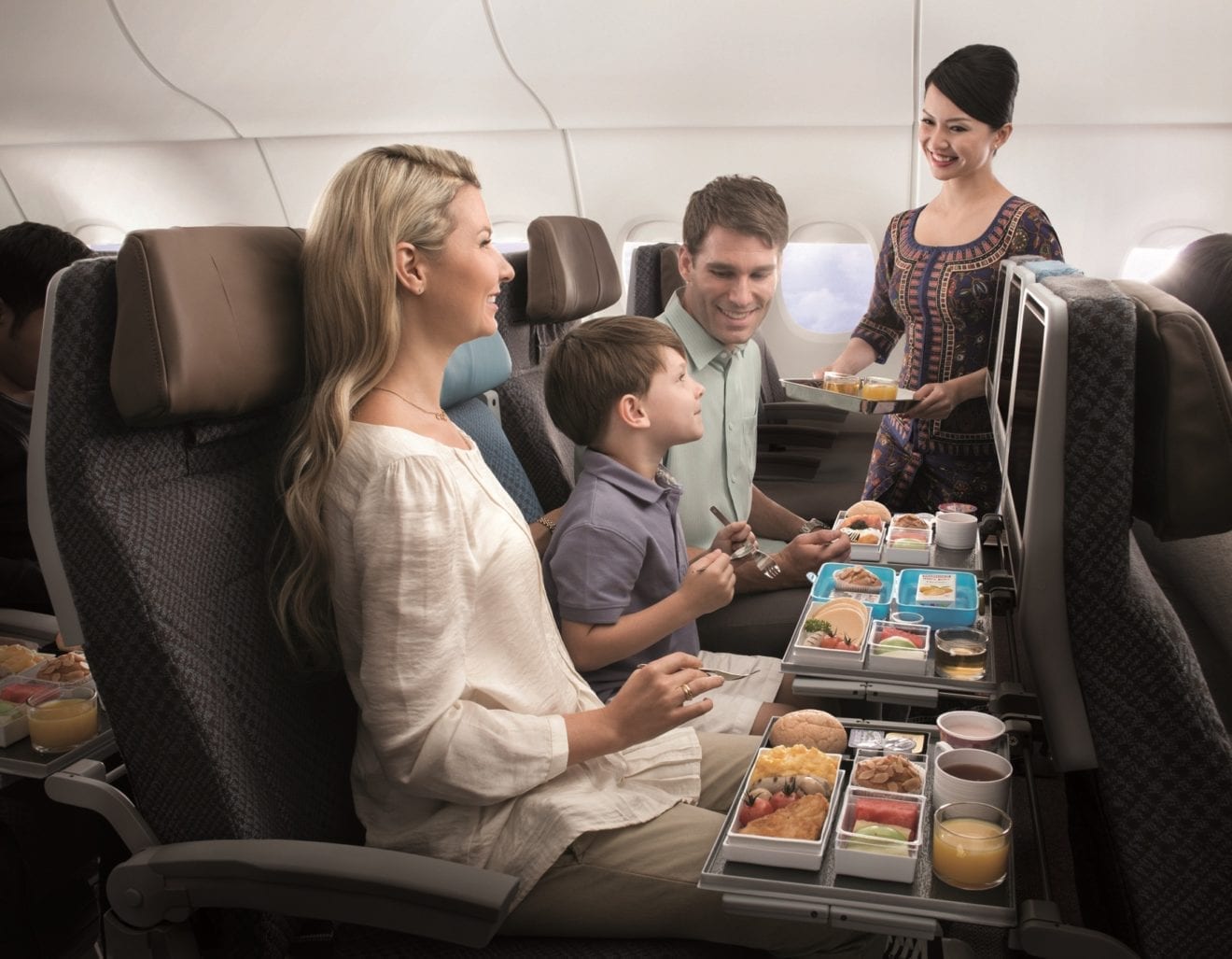
About four in 10 SIA planes now offer the service, slightly more than a year since it rolled out premium economy cabins, which offer perks such as more legroom and better food.
And the carrier said it will continue to retrofit more aircraft with such cabins to meet travelers’ needs.
Demand is especially strong on long-haul routes, said SIA spokesman Nicholas Ionides.
The premium economy cabin includes features such as wider seats with greater recline and more legroom.
First introduced more than two decades ago, such cabins are now found on more than 50 carriers worldwide, including American, European and Asian airlines.
Apart from SIA, airlines that have rolled out such cabins in recent years include Hong Kong’s Cathay Pacific, which introduced them in 2012.
Middle Eastern airlines, which have so far resisted the option, are now considering it as well.
Premium economy services have caught on as they are popular with travelers who do not mind paying more for extra comfort, especially on long-haul flights.
Cost-conscious businesses are also turning to them as an option for their executives on work trips, experts said.
A premium economy ticket can cost up to 1 ½ times more than the economy fare, though this also varies depending on routes and time of travel.
“The difference between the economy and premium economy fares for last-minute bookings can reduce significantly to just around 20 per cent to 30 per cent in some cases,” said Akshay Kapoor, director (Asia-Pacific) at CWT Solutions Group, which manages travel for corporate clients.
While most airlines have taken a keen interest in the premium economy product, most tend to roll this out rather cautiously, he said.
The number of premium economy seats is typically below 10 per cent of the total number of seats on the aircraft, said Kapoor.
One concern that airlines have is that instead of economy travelers upgrading, business travelers could end up downgrading.
Brendan Sobie, a Singapore-based analyst at the Centre for Aviation think-tank, said: “The idea is always to get economy class passengers to upgrade rather than to cannibalise business class.
“However, there is always some cannibalisation – generally not a significant amount but there’s always the risk.”
At Cathay Pacific and SIA, premium economy passengers are a mix of those who have downgraded from business and those who used to fly economy but are increasingly drawn to premium economy, especially on long-haul flights to North America and Europe, for example.
However, given the uncertain global economic outlook, experts expect more business travelers to downgrade.
Kapoor said: “With continued economic uncertainty expected over the next few quarters, we believe that organisations will increasingly be seeking avenues to drive savings in their travel spend without having to cut down on the amount they travel.
“Taking premium economy over business class could save 60 to 70 per cent of the airfare and allow for more trips to a destination for the same dollar amount.”
Rayman Som, 51, a human resource director who travels four to five times a year, has flown twice on SIA’s premium economy class on company expense.
He said he took a short flight to Hong Kong the first time, so it did not make much difference. But he flew to Paris the second time and it proved a different experience.
“The wider seat, more legroom and greater recline were much welcomed on the longer flight,” he said.
He added: “Would I pay out of my own pocket for premium economy? For a short flight, no. For longer journeys, it makes sense if the price is right. I think 30 to 40 per cent more is reasonable.”