Author: Mei Ling Tan

  • 2 Vietnamese men jailed for smuggling songbirds

    2 Vietnamese men jailed for smuggling songbirds

    Businessman To Quoc Viet, 38, and his half-brother, Thai Anh Quoc, 48, who is jobless, were also jailed for four months each for animal cruelty. The sentences for animal cruelty will run concurrently with the sentences for smuggling. Their sentences were backdated to Dec 15.

    The men pleaded guilty to importing 12 Chinese hwamei, a protected species under the Convention on International Trade in Endangered Species of Wild Fauna and Flora (Cites), from Ho Chi Minh City, Vietnam, without a permit on Dec 9.

    They also subjected the birds to unnecessary pain or suffering. The birds had been confined for about 12 hours in plastic containers without food or water.

    One died and another had to be euthanised after testing positive for avian influenza strain H3N8.

    Immigration and Checkpoints Authority (ICA) officers found the birds in plastic containers measuring 21cm by 6.5cm by 6.5cm in the men’s luggage at Changi Airport.

    Investigations showed that in Vietnam on Dec 7, To Quoc Viet’s brother “Huy”, a pet-shop owner, instructed him to prepare to go to Singapore, as a potential buyer wanted him to deliver the birds to Singapore. To Quoc Viet was promised a reward of $200.

    The next evening, Huy sent someone to deliver the flight tickets and two pieces of luggage, each containing six live birds in plastic boxes, to the two men. The duo packed their personal belongings into the bags.

    Agri-Food and Veterinary Authority (AVA) prosecutor Yap Teck Chuan said the birds were housed in a cramped manner with hardly any space for them to move.

    In a joint statement, AVA and ICA said the Government has zero tolerance for the use of Singapore as a conduit to smuggle endangered species. Animals that are smuggled into Singapore may introduce exotic diseases into the country.

    Singapore is one of the few countries in the region free from bird flu, and AVA maintains this status through strict import regulations and enforcement. “The ICA and AVA would like to remind travellers not to bring animals, birds and insects into Singapore without a proper permit,” the statement added.

  • Alibaba disappointed in notorious markets branding

    Alibaba disappointed in notorious markets branding

    The Alibaba Group has complained about the United States Trade Representative’s (USTR) inclusion of the Taobao marketplace in its latest “notorious markets” list.

    The Chinese e-commerce giant said the inclusion ignores the action Alibaba has taken against counterfeiters in recent years.

    “In 2016 alone, we proactively removed more than double the number of infringing product listings than in 2015. It is, therefore, unreasonable for the USTR to have concluded that Alibaba is less effective in anti-counterfeiting than when it reviewed our efforts in 2015 and when it removed us from its list four years ago,” the company said in a statement.

    The findings of USTR’s special review into notorious markets highlights specific physical and online markets around the world that are reported to be engaging in and facilitating substantial copyright piracy and trademark counterfeiting.

    “Tens of millions of American jobs and several trillion dollars of our gross domestic product rely on American creative and innovative industries,” said Ambassador Michael Froman in a news release.  “The marketplaces, tactics, and schemes that undermine and threaten America’s creative industries change quickly and require our constant attention.”

    He added that the 2016 List underscores the need for accountable governments everywhere to take on these forms of piracy and counterfeiting at every stage of the global supply chain to prevent final products that put health and safety of end-consumers at risk.

    The USTR report flagged down Taobao “due to the large volume of allegedly counterfeit and pirated goods available and the challenges right holders experience in removing and preventing illicit sales and offers of such goods.”

    The body did acknowledge that Taobao’s parent company, the Alibaba Group “has taken steps to address right holders concerns on Taobao,” such as establishing internal offices focused on IPR and appointing experienced officers to guide these efforts, as well as developing technology to prevent counterfeit sellers from re-opening storefronts.

    “While recent steps set positive expectations for the future, current levels of reported counterfeiting and piracy are unacceptably high,” the report stated.

    Alibaba said the report is inconsistent with the effective collaborative approach the company has taken with brands in the fight against counterfeiting.

    “We are very proud of our highly robust anti-counterfeiting programs and believe we have dedicated far more personnel, financial resources and advanced technologies toward protecting intellectual property than any other e-commerce company,” it said. “Despite this counterproductive action by the USTR, we remain fully committed to protecting the IP of rights holders, both through significant proactive measures and working with brand owners, to combat counterfeiting online and offline.”

  • India’s festive season drives smartphone sales

    India’s festive season drives smartphone sales

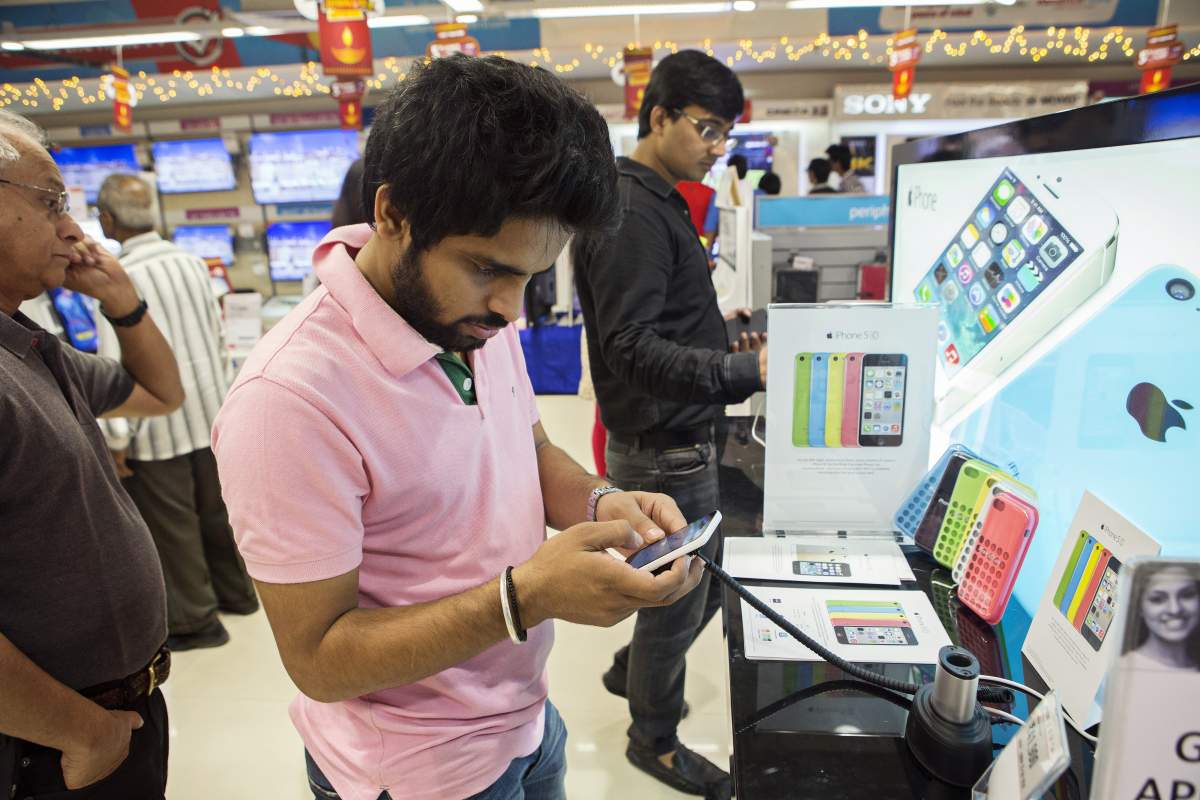
    India’s Tier 2 and 3 cities led growth in smartphone sales during the festive season between August and October, according to IDC.

    Total sales in tier 2 and 3 cities – those with a population of between 20,000 and 100,000 – grew 23.3% growth over the previous month, the research firm’s latest Monthly City Level Smartphone tracker shows.

    IDC said this is largely due to vendors focusing on new affordable launches, higher spending on marketing and innovative payment options.

    IDC India senior market analyst Upasana Joshi said the key four months from July to October 2016 made up more than 40% of annual smartphone sales. The festive season in India started in August with Independence Day and ran until Diwali in October, drove the consumer buying across all markets.

    “Multiple sales by all major e-commerce players in October with their high-decibel marketing, attractive payment options, and exchange offers also helped in growing the market. The top 8 to 10 cities of India constitute the major portion of online sales, leaving a yawning gap between these markets and the still largely untapped smaller towns,” he said.

    Josh disclosed that China-based players contributed significantly to the growth at the offline retail counters while continuing to dominate the online channel.

    “These vendors collectively accounted for more than 40% market share in the top 30 cities during Diwali month, primarily driven by 4G enabled handsets. Oppo and Vivo continue to shake the traditional line up of Indian vendors with their superior build quality, massive marketing investments in the offline channel,” he said.

    Varun Singh, Market Analyst, IDC India, added that e-commerce players have also started investing more on sellers in smaller cities, better model and improving delivery network, moving away from deeper discounts.

    “Previously offline only or online only vendors have now started drawing benefits from their multi-channel strategies, acknowledging that offline and online channels can coexist in the market, without necessarily posing a threat to each other,” he said.

    Samsung registered 26.1% share in the top 30 cities. With a series of newly launched models namely J5 Prime and J7 Prime, Samsung clocked 15.8% shipments growth in October over the previous month.

  • Demonetization boosts India’s m-wallet market

    Demonetization boosts India’s m-wallet market

    Mobile wallet transactions in India are on pace to grow at a CAGR of a strong 160% through to 2022 to reach 260 billion, new research indicates.

    A joint study conducted by The Associated Chambers of Commerce & Industry of India (ASSOCHAM) and business consulting firm RNCOS shows that these gains are being driven in large part by growing usage of smartphones.

    Other factors behind the rapid growth include robust mobile internet penetration, growth of the e-commerce sector and increasing disposable incomes.

    The study shows that following India’s 500 rupee and 1,000 rupee banknote demonetization, the average wallet spend for retail witnessed a huge jump in 2016 and is expected to increase from 500 to 700 rupees ($7.35 to $10.30) to between 2,000 and 10,000 ($29.40 to $147.10) in the near term.

    The mobile wallet market in India has also benefited greatly from demonetization and its share in the total mobile payment volume transactions is likely to rise from 20% in FY16 to 57% by FY22.

    “The government has hinted of not demonetizing all of the scrapped currency and aims to fill the gap by promoting digital/cashless payments. This is bound to further boost prospects for the m-wallet sector in India,” said ASSOCHAM’s D.S. Rawat at a press conference.

    Taking over traditional payment modes, the m-wallet market in India is forecast to reach 1,512 billion rupees by FY22.

    The study, however, said that it is a challenge for the sector to bring the number of shoppers preferring cash on delivery (COD) and other modes of payment to the m-wallet platform.It therefore recommends that companies operating in the mobile wallet sector should implement measures to provide effective, secure, private and reliable services such as 3D or OTP (one-time password) security options, data backup systems and others.

    “A strong authentication mechanism must be put in place to bind the identity of the user to the authorization of the transaction thereby being extremely mindful of authentication and risk assessment,” the study suggested.

    As the mobile payment space evolves, the stakeholders are also advised to create secure transactions that foster consumer trust.

  • China’s Oppo builds on smartphone success at home with Southeast Asia push

    China’s Oppo builds on smartphone success at home with Southeast Asia push

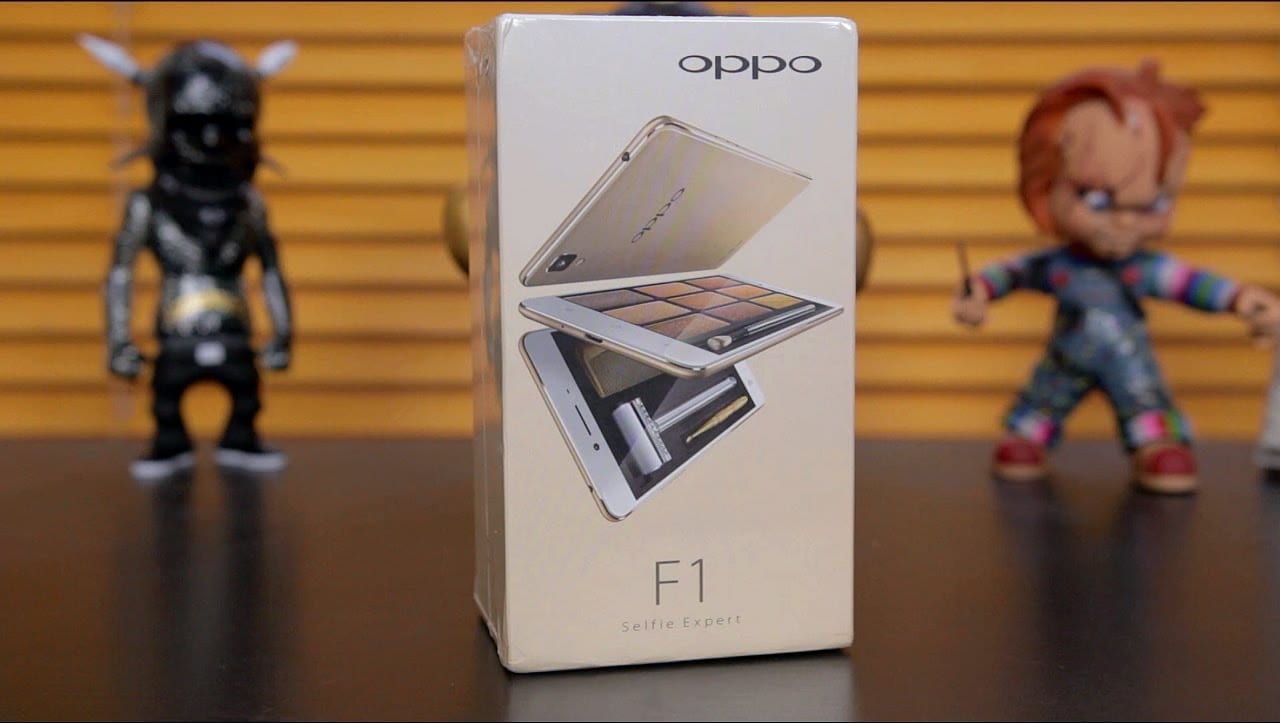
    Chinese smartphone maker Oppo may currently dominate China’s smartphone market with almost one-fifth market share, edging out previous leader Huawei, but the company is already looking to expand even more aggressively into markets such as Vietnam, Indonesia and India.

    Four years ago, Oppo was competing with a sea of rivals, struggling against smartphone giants like Samsung and Apple to gain a slice of the Chinese market. In the third quarter of 2016, the company shipped more than 20 million devices in China, growing over 105 per cent compared to the previous year.

    Just two years after entering the Southeast Asian market, data from market research firms IDC and GFK show that the Chinese smartphone brand has taken the No. 2 spot in both Indonesia and Vietnam.

    “We’re in more than 20 countries and regions, but we are focused on Southeast Asia,” Oppo vice president Alen Wu told in an interview. To market its brand overseas, Dongguan-headquartered Oppo has sponsored variety shows such as X Factor in Indonesia and even cricket tournaments in India, an emerging market for the company.

    Across Southeast Asia, Oppo is playing up its offline-focused strategy. The company currently has about 300 retail points and experience stores that it manages directly, on top of many more third-party retailers that stock the popular phone brand.

    Like its strategy in China, Oppo co-operates directly with retailers to provide both training and salespeople to help them sell smartphones. The salespeople help bring in business for the retailers, allowing shops to sell Oppo devices without much effort.

    We already had a relatively mature offline sales network in China because we used to produce DVD players

    The company also has ambitious plans to expand its presence in the India market, where it works mostly with third-party retailers to sell smartphones to local consumers.

    On Thursday, Oppo announced it would build a sprawling 405-hectare industrial park in the northern city of Great Noida, India. The facility will have an annual capacity of 100 million units, according to the company.

    But Oppo’s market domination in China today didn’t come overnight, it was the culmination of years of groundwork, Wu said.

    Unlike rivals like Xiaomi, which first shot to fame in China and later internationally for pioneering the online-only sales model and selling affordable, high-specification smartphones to consumers, Oppo chose to focus largely on its offline strategy and extensive network of offline retailers in China.

    “We already had a relatively mature offline sales network in China because we used to produce DVD players,” Wu said, adding that the company sells its smartphones at more than 200,000 retail points across China. Of those, 6,500 are Oppo’s experience stores.

    “If we come into contact with five customers every day at each store, that’s a million people every day. It’s a huge outlet for customers to interact with our Oppo brand,” Wu added.

    The company, founded in 2001 by Chen Mingyong, first found its roots in selling DVD players, audio speakers, and later the MP3 player industry. In 2006, it decided to expand into the growing mobile phone market, tapping its existing offline retail network to sell its first smartphone in 2011.

    “For Oppo, we managed to control the quality of our devices, right from our very first product,” Wu said. “Many retailers at the time felt that domestic phones were bad quality, they were resigned to that reality. But Oppo’s products surprised them.”

    Today, Oppo is known among consumers for its fast-charging technology, Oppo VOOC Flash Charge, which can charge a phone battery to 75 per cent in just half an hour.

    “It’s important to find out the painful points for users,” Wu said. “You have to capture their needs before you proceed, find out what needs have not been fulfilled.”

    For Oppo’s target market of millennials, battery life turned out to be one of the biggest issues. But rather than waiting for a breakthrough in battery technology, Wu said the solution was to come up with innovative technology that works around it. To reduce charging time, Oppo increased the current on its proprietary VOOC charger.

    Xiaohan Tay, IDC senior market analyst for client devices research, said Oppo’s offline channel has proved to be an important strategy for the company.

    “In the earlier years when vendors depended on operator subsidies to grow, Oppo was clear in its direction and focused on expanding its offline channels,” said Tay.

    “It also has key strengths such as its VOOC fast charging technology and in the elegant design of its phones. This, coupled with its aggressive marketing tactics, helped it succeed in the market.”

    Wu attributes the success Oppo has achieved today to cumulative efforts, and the laying of a solid foundation for steady growth over the years. Oppo employees often speak of “benfen” – Mandarin for “doing your part” – which comprises a large part of Oppo’s corporate culture.

    “At Oppo, we do what we must to constantly improve and refine operations. Only if your operations are done well can you achieve results,” Wu said. In other words, focus on what needs to be done, and success will follow.

    Oppo never placed its priority on sales, profit, or even ranking in the smartphone market, he said.

    “If you chase these numbers, you may deviate from your original plans … you could lose track of what is beneficial for the business,” he added. “For Oppo, we just focus on doing what’s best for our customers.”

    The company’s rapid ascent has edged out companies like Xiaomi, which was once the darling of the Chinese smartphone industry. In the third quarter, Xiaomi’s market share had fallen to 8.7 per cent, a 42 per cent decline from the previous year, according to data from IDC Asia-Pacific. Apple also saw its market share shrink to 7.1 per cent from 11.4 per cent a year earlier as demand remains tepid for its iPhone 7.


  • Topshop plans expansion in China

    Topshop plans expansion in China

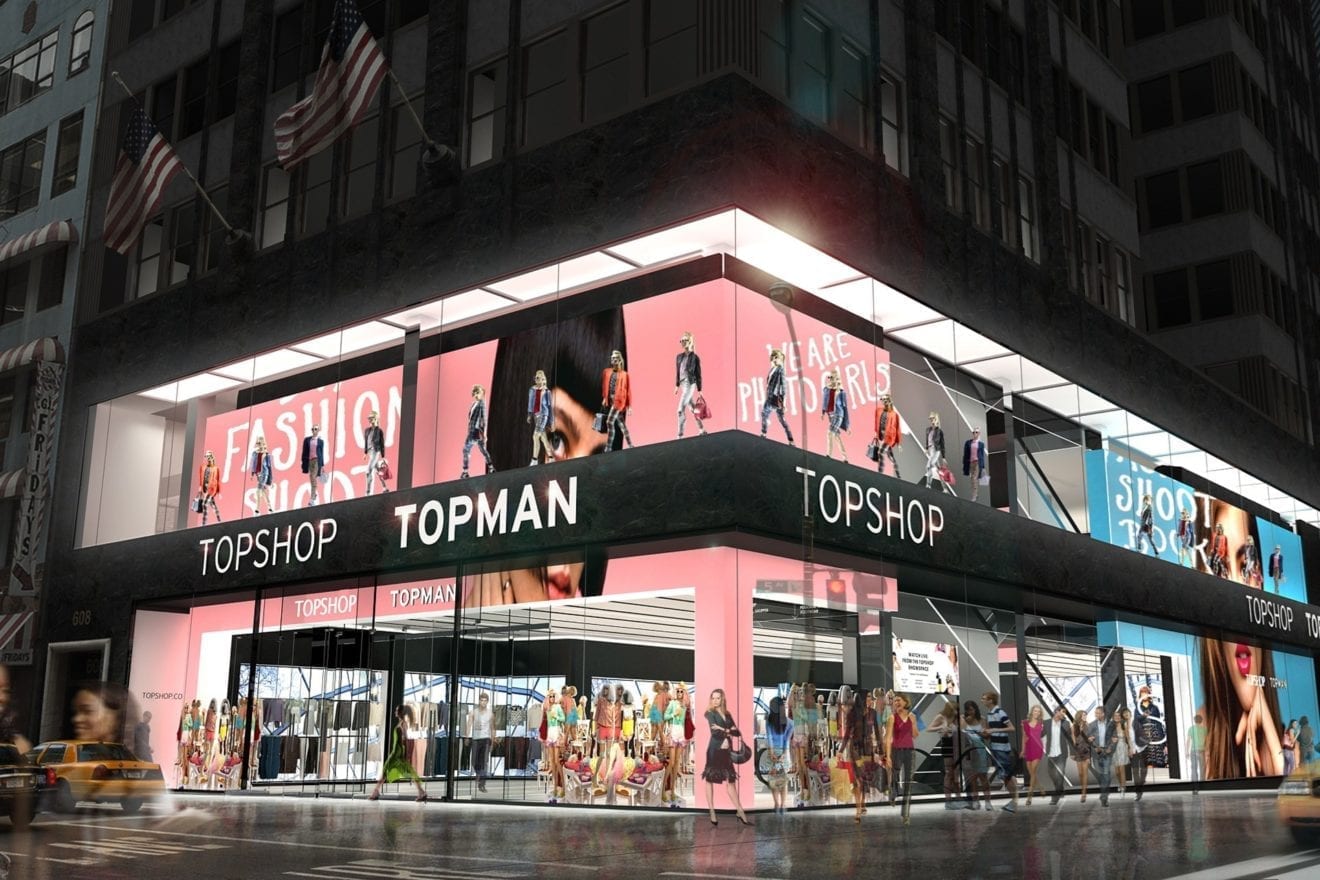
    UK fashion chain Topshop is the latest British retail company attempting to tap into China’s market by opening its first standalone store in 2018.

    The British high-street retailer has agreed a deal with Chinese partner and online fashion retailer Shangpin.com. The e-commerce business had already started to push Topshop into the Chinese mainland by selling the brand on Shangpin.com two years ago.

    Arcadia Group, Topshop’s owner company, said the first shop will open in top tier cities in the spring or summer of 2018 which could be either Beijing or Shanghai.

    Media reports said if the move was successful, as many as 80 outlets could be opened. Arcadia Group would not comment on the plans for 80 stores. Currently Topshop’s only presence in China is a small concession in the Galeries Lafayette department store in Beijing and a handful of shops in Hong Kong.

    Shangpin.com is a members-only website with 30 million registered subscribers, founder and chief executive David Zhao said: “It is gratifying to be trusted by such a world-renowned fashion brand to take them further in China.”

    Topshop is part of retail tycoon Sir Philip Green’s Arcadia Group fashion empire and he described the deal as “the start of a unique, exciting and exclusive partnership that will cement Topshop and Topman’s mission of becoming truly global businesses”.

    Green added:”For the first time, both brands will deliver high fashion to the shop floor and beyond by opening full-scale stores in China – host to the world’s fastest-growing retail economy.”

    The businessman was embroiled in the controversial sale and subsequent collapse of the long-establish UK department store BHS earlier this year. The high-street chain went into administration in April, less than a year after Green sold it for one pound to a consortium.

    The collapse led to the loss of 11,000 jobs and a 571 million pound pensions black hole.

    According to analysts, Topshop is by far the most valuable part of Arcadia Group. Sir Philip owns a 75 percent stake in Topshop after selling 25 percent to US private equity firm Leonard Green in 2012

  • Selangor to ban retail use of plastic bags in 2017

    Selangor to ban retail use of plastic bags in 2017

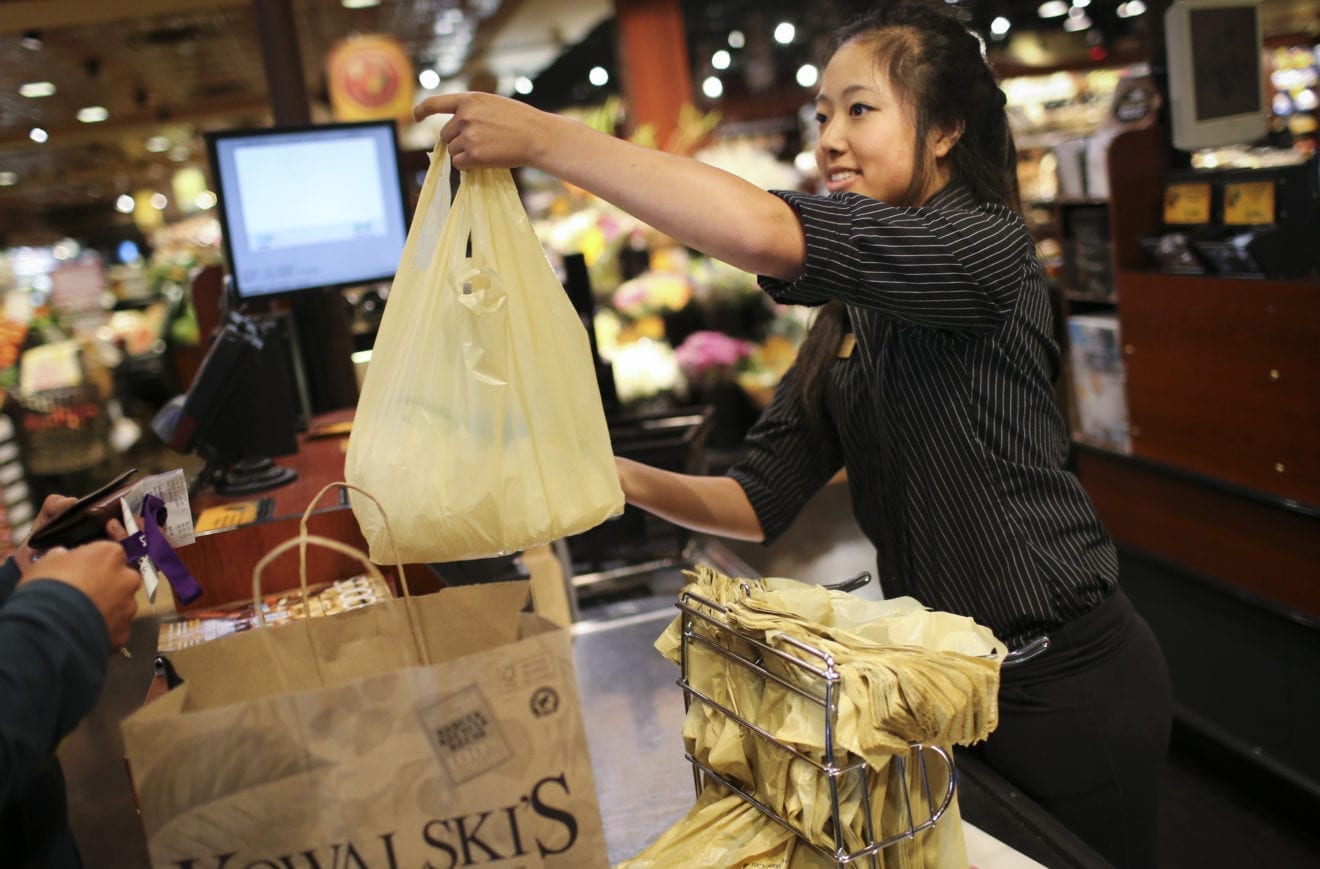
    The Selangor government’s “No Plastic Bag Day” campaign, now held on Saturdays, will be extended to every day of the week starting 2017. Elizabeth Wong said the state government will couple this with the polystyrene-free containers campaign next year.

    “Beginning Jan 1, 2017, all retailers in Selangor will no longer provide polystyrene containers and free single-use plastic bags.

    “Local council by-laws have been revised to support this policy and retailers must agree to go plastic-free when applying for or renewing their licences.

    “All retailers will be provided with visual materials to build awareness of the #BebasPlastik campaign,” she said at the #BebasPlastik campaign launch at the Selangor state secretariat building today.

    Wong, who is Green, Technology, Environment, Tourism and Consumer Affairs Committee chairman, said the state government through research found that 71% of Selangorians felt that the “No Plastic Bag Day” on Saturdays was insufficient.

    “We need change and we are committed to this change by making it a policy to fight rampant littering and to address environmental issues like global warming.

    “The Selangor government has also stopped using plastic bags and polystyrene at all official events and buildings.

    “Change can only happen when every level of society gets involved in the effort,” she said.

    The state aims to collect 20,000 pledges by the new year.

    Selangor started the “No Plastic Bag Day” in 2010 with support from most supermarkets, mini markets and retail premises every Saturday.

    Customers are charged 20 sen for each plastic bag they require and the money is channelled to charity bodies or consumerism programmes and environmental conservation efforts.

  • Enduring lure of pen and paper boosts Moleskine

    Enduring lure of pen and paper boosts Moleskine

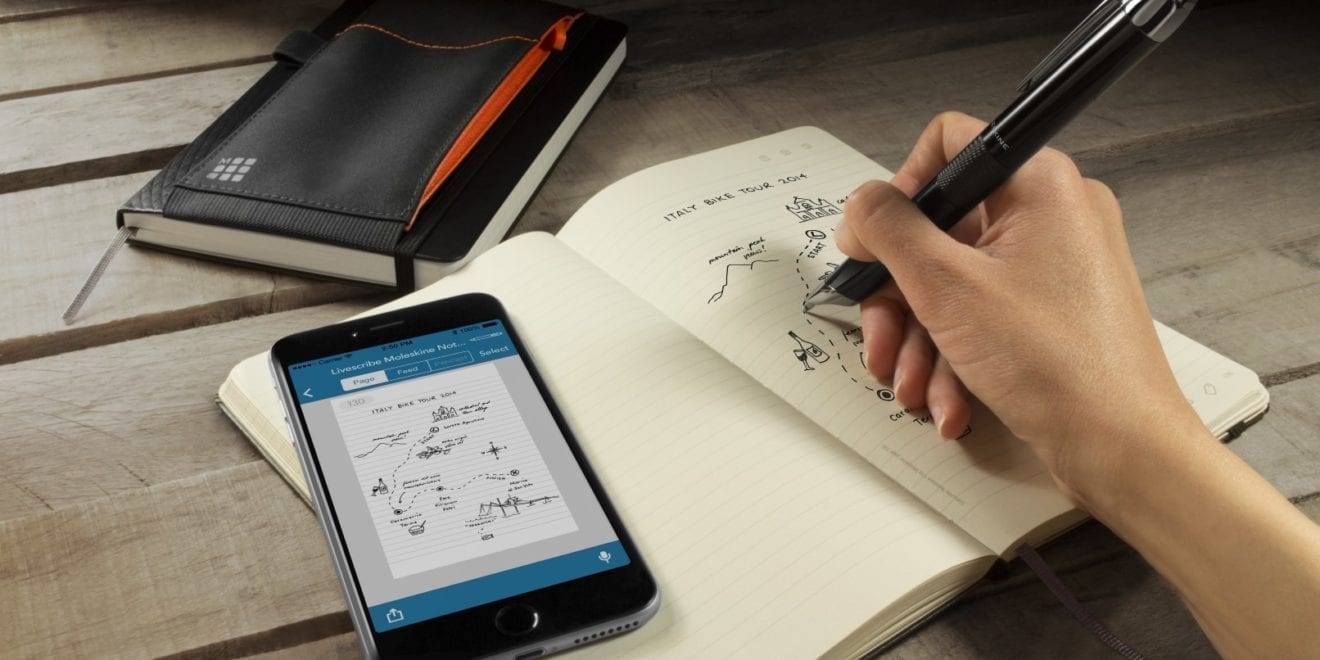
    From spelling out New Year’s resolutions to jotting down designer brainwaves, sometimes only a pen and paper will do, even in the digital era.

    And those are the kind of niches that have enabled Italian notebook manufacturer Moleskine to leverage its historically evocative brand into the kind of rapid growth not usually associated with the staid world of stationery.

    The Italian group’s sales have more than tripled in the last seven years.

    Turnover in 2015 was 128 million euros (US$134mil); 200 million is the target for 2018 with Asia in the frontline of the company’s plans to expand its retail network from 80 outlets to 120 over the same period.

    According to business expert Alessandro Brun, the growth has been driven by Moleskine’s ability to successfully pitch an “extremely ordinary” item as being an object of desire imbued with history and an essential lifestyle tool for the contemporary creative.

    “It is fair to talk about a Moleskine phenomenon,” said Brun, professor of company management at Milan Polytechnic.

    From its launch as a brand in 1997, under then-owner Milanese publisher Modo & Modo, Moleskine has hammered away at the idea that it has revived the classic notebooks favoured by the likes of Picasso, Van Gogh and Hemingway.

    Those now sold under the Moleskine brand are indeed modelled on those once manufactured by a French provincial bookbinder for Paris stationers. But they are made in China, rather than the Loire valley.

    With their rounded edges and distinctive elastic binder, the original notebooks were known as “carnets moleskines” in French, because their smooth black covers were thought to resemble moleskin.They were a classic of simple design but production stopped in 1986 when their original manufacturer, based in the town of Tours, closed.

    Famously, travel writer Bruce Chatwin was so distraught he went round buying up as many as he could find, then wrote a lament to the notebooks in his book The Songlines that came out the following year.

  • Jubilee Enterprise plans stores for two diamond brands

    Jubilee Enterprise plans stores for two diamond brands

    Jubilee Enterprise, a listed diamond-jewellery retailer in Thailand, has revealed a plan to open physical stores under two strategic brands.

    Chief executive officer Unyarat Pornprakit said Jubilee Enterprise was currently managing two brands, Jubilee Diamond and Forevermark.

    “Jubilee Diamond is a diamond-jewellery brand that the company owns, which is currently the No 1 diamond-jewellery brand in Thailand, with the largest number of outlets, more than 120 branches across the country,” she said.

    “Meanwhile, Forevermark is a diamond brand owned by De Beers Group for which Jubilee Enterprise is Thailand’s exclusive authorised retailer.

    “The business plans for the two brands are different in direction and each will contribute to the company in a different way.

    “Forevermark has so far been in Thailand for less than a year but is the No 1 diamond brand in the world. Forevermark has a unique diamond selection process and works exclusively with top-class diamond cutters, which results in all Forevermark diamonds being stunningly beautiful. The difference is so obvious we can experience it with the naked eye.

    “‘Beautiful’ is one of the promises of the Forevermark brand, where other promises are ‘rare’ and ‘responsibly sourced’. Therefore the plan for Forevermark involves brand education and outlet expansion.

    “We currently only have three doors outlets for Forevermark but all of them perform quite well. We plan to have at least three and as many as five more doors outlets by the end of 2017. We see potential in more locations within Bangkok as well as other major cities,” Unyarat said.

    She said that for now the company only had Forevermark exclusive rights for Thailand, including e-commerce. Thus no plans to take Forevermark outside the country are on the drawing board yet.

    The focus of the outlet expansion for Forevermark will be physical stores in Thailand.

    For Jubilee Diamond, the company is looking into the obvious potential within Cambodia, Laos, Myanmar and Vietnam but no solid plans have been drafted yet.

    As Thailand’s retail developers have started their own overseas expansion, the company’s choice of investment platforms has also increased. Its expansion strategy will likely involve business partners, but not for financial reasons.

    “One of the key trigger points will be when our e-commerce platform is launched. Even without the platform, there are some demands from nearby countries through digital channels. Therefore, physical expansion may not be our first overseas initiative,” Unyarat said.

    She said the budget for next year’s expansion would mainly go into diamond inventory, which can always be liquidated. Normally, the investment per branch expansion is around Bt7 million and Bt10 million. So the total cost for the new outlets would be between Bt80 million and Bt100 million next year. Other costs are significantly less critical, thus make the company’s expansion plan a safe move.

    “Jubilee Diamond’s business plan does not have brand expansion as a key strategy, since the brand is already the largest in the market.

    The key business driver for Jubilee Diamond is market differentiation, which comes from product innovation, a unique brand experience, and supply sourcing strategy.

    “Best-quality diamonds have always been the brand’s key strength, but a few years ago, Jubilee Diamond began slowly introducing a unique brand experience and product innovation,” she said.

    Unyarat said the company’s outlet-expansion strategy would be tied closely with partners that are major retail developers.

    “For the Jubilee Diamond brand, you can expect to find our stores in all major shopping complexes and department stores. So by next year, there should be at least over 125 Jubilee Diamond stores throughout Thailand,” she said.

  • Hyundai, Kia aim to grow 2017 sales to 8.25 million vehicles globally

    Hyundai, Kia aim to grow 2017 sales to 8.25 million vehicles globally

    Hyundai Motor and affiliate Kia Motors said on Monday they aim to increase their combined sales to 8.25 million vehicles globally in 2017, despite rising competition.The 2017 target is slightly higher than their 2016 goal of 8.13 million vehicles. The South Korean automakers’ final sales figures for 2016 are due out later on Monday, with analysts expecting a miss due to weak demand in emerging markets.

    “The 2017 goal is slightly higher than my projection,” said Ko Tae-bong, an auto analyst at Hi Investment & Securities, adding that the performance of new models would be the key to success after some disappointments in recent years.

    With emerging markets such as Russia stabilizing, and with Hyundai and Kia Motors gearing up to boost vehicle supply to the United States and China, sales could get a lift this year.

    But Hyundai Motor and Kia Motors – which together rank fifth in global sales – plan to add capacity in China and Mexico this year, just as those markets and the United States are seen slowing, likely pressuring margins.

    “With the global economy continuing its low growth, trade protectionism spreading and competition intensifying in the automobile industry, uncertainty is growing more than ever,” Hyundai Motor Group Chairman Chung Mong-koo said in his New Year message to employees.

    Hyundai Motor likely clocked its fourth straight annual profit decline last year, hurt by its higher exposure to weak emerging markets, and a product line-up that features more sedans than sport utility vehicles, just as SUVs have become more popular across many global markets.

    Hyundai Motor is targeting 2017 global sales of 5.08 million vehicles, while Kia Motors set its goal at 3.17 million vehicles.
    Kia Motors Vice Chairman Hank Lee told employees on Monday that the automaker hoped to revive growth this year, after falling short of its 2016 sales target.

    Hyundai Motor shares were flat in a wider market .KS11 that was down 0.4 percent in early morning trade, while Kia Motors shares were down 0.3 percent

    Hyundai Motor shares fell for a third straight year in 2016, down 2 percent versus the wider market’s 3 percent gain. Kia Motors shares slumped 25 percent last year, making them the worst-performing stock among major car makers in the world.

  • Sompo Insurance eyes retail customers

    Sompo Insurance eyes retail customers

    Sompo Insurance (Thailand) is embracing innovation and digital channels as key strategies to build brand awareness among individual Thais, who are a new customer base for the Japan-based firm, which aims to be in the top 10 in Thailand’s |insurance market by 2020.

    Sompo Insurance eyes retail customers

    Sompo Insurance, formerly known as Sompo Japan Nipponkoa Insurance (Thailand), is focusing more on retail customers after securing a strong corporate base, mainly Japanese firms operating in Thailand.

    The company has been in Thailand for 19 years, tapping only corporate clients before starting to expand |its customer base to |individuals three years ago with motor insurance by partnering with Japanese auto companies.

    Chief executive officer Isorasak Thesratanavong said yesterday that motor insurance was the largest |segment for the insurance business in Thailand, so if his firm wants to expand its retail base, it needs to offer such policies.

    Another strategy is travel |insurance. This year Sompo’s retail customers are expected to generate 30 per cent of total premium income of Bt3 billion, but if the company wants to promote its brand |awareness to Thai customers, |travel insurance should help, because Japan is the No 1 destination of Thai tourists.

    The company yesterday |introduced a travel-insurance policy called Sompo Go Japan. Customers can buy the policy at traveljoy.sompo.co.th, after which the company will send an SMS link to |their mobile device. The |customers will then receive the |policy in a PDF file on their mobile.

    The company has added |threefeatures to its travel insurance. Sompo Assist helps policyholders contact hospitals in Japan and make appointments with them. Thai policyholders are not required to pay medical expenses to the hospital when they use its services, Isorasak said.

    Recognising the growing digital trend in Thailand and as a new player in the retail market, Sompo believes that innovation and digital channels will help it rise into the top 10 and sustain annual premium-income growth of 15 per cent. Its corporate-customer base might not grow much as before, and the company estimates that premium income from corporate clients will grow by no more than 5 per cent as Thailand has been spared any major disasters, reducing premiums of industrial all risks (IAR) by 20 per cent in 2017.

    Cyber insurance considered

    The company is discussing with its headquarters in Japan the possibility of offering cyber insurance to |corporates in Thailand as the risk of cyber-attacks rises from the growing use of digital technology, Isorasak said.

    Premium income from retail customers is expected to grow by 15-18 per cent a year, and if Sompo can retain this growth, its retail base will be contributing half of its premium income by 2020, he said.

    Sompo Group in Japan sees Thailand as a hub for its business in Cambodia, Laos, Myanmar and Vietnam, so it is ready to inject |investment capital to use this country as a springboard for investment in those countries, he added.

    Sompo Thailand has been assigned by its headquarters in Japan to cover Japanese investors in Laos.

  • AHDB Reports Beefy Christmas in Hong Kong

    AHDB Reports Beefy Christmas in Hong Kong

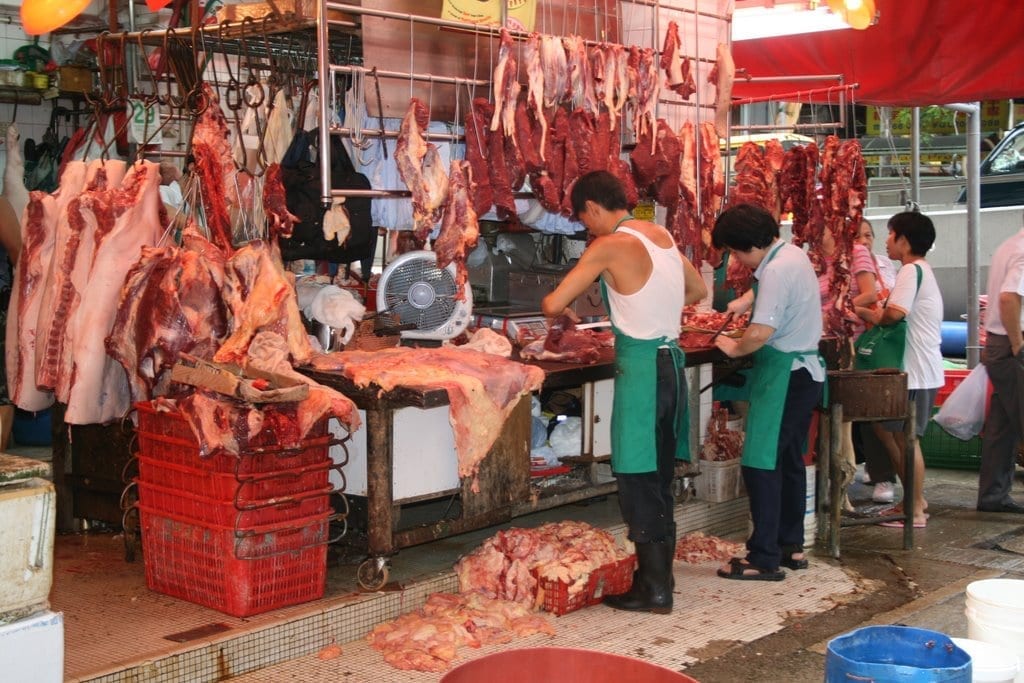
    The two pre-packed premium steak lines are listed in Park N Shop, Fusion, Taste and International stores in the territory and Macau and are available now. The launch is supported by publicity and PR.

    This launch comes after major successes for UK lamb, beef and pork products in 2016 with Hong Kong supermarket chains such as Welcome, Aeon and City Super. UK beef exports year to end of October are up 18 per cent in value, making the territory the largest destination for UK beef outside the EU.

    Jean-Pierre Garnier, the Head of Meat Exports for AHDB says: “We are delighted with the level of retail interest for our products. Hong Kong is a very competitive market for meat and, at the top end, congested with offer from all over the world.

    “Nonetheless, we offer a unique, grass-fed, tender and flavoursome product that is attracting a high premium against beef from other origins. The Hong Kong lamb market is smaller but we are leader at the top end of the market.

    “Premium pork, sausages and pork pies have also strong and growing sales. AHDB is consistently investing in promotion in Hong Kong. In 2017, we are planning a large presence at the Hofex and Restaurant & Bar food shows as well as food service and retail promotions.”

  • Why Dutch tailor Suitsupply thinks it can beat Hong Kong’s retail slump

    Why Dutch tailor Suitsupply thinks it can beat Hong Kong’s retail slump

    Retailers in Hong Kong’s Central business district have endured more bad news than good over the past year, but the area still has cachet with international brands looking to enter the Hong Kong market.

    In early December, Dutch tailor Suitsupply opened its first boutique in the city, taking a large space on Ice House Street. The move is a statement of confidence in Hong Kong retailing, according to the company’s founder and chief executive, Fokke De Jong.

    “We’ve looked at Hong Kong for a long time and we’re confident. Our online business here is very strong so that’s a good indicator,” he says.

    Suitsupply’s arrival is a stark counterpoint to the departure, actual or pending, of big fashion retailers from Central such as American giants Coach and Abercrombie & Fitch, the latter set to vacate its Pedder Building premises with their HK$7 million-a-month rent. Suitsupply’s Ice House Street location is impressively large at 6,700 sq ft, making it one of the biggest high-fashion store openings anywhere in Hong Kong in 2016.

    The store has a small ground-floor entrance but opens out into a sprawling first floor that features sections for bags, shoes, evening wear and made-to-measure tailoring. De Jong says locating the store away from street level and making it less obvious and visible is deliberate and part of its “location-based” strategy.

    “By that I mean we have huge stores in out-of-the-way places. People will go out and find us,” says De Jong. Some of these “crazy” locations De Jong mentions include lofts spaces, rooftops and even a full villa.

    Suitsupply, which eschews all traditional forms of glossy fashion advertising, relies instead on its retail experience, which is both old and very new. For example, De Jong says the brand has tailors at all the company’s stores, who can provide tailoring services within half an hour. He says that few other quality menswear brands offer such immediate service.

    As well as challenging the traditional tailors in the city and fast fashion retailers such as Zara and Massimo Dutti, Suitsupply is a direct challenge to higher-end luxury menswear brands with its accessible pricing – an alterable Italian-style grey wool suit can cost as little as HK$3,000, several thousand dollars less than some of the more stellar Italian and British menswear brands.

    “We bring quality, hand-crafted clothes and the best materials all for a more attainable price,” says De Jong of the brand’s appeal.

    How is Suitsupply able to provide such high quality at relatively low prices? De Jong says the key is the “vertical” nature of the company: “We design, manufacture and sell … everything is in our own hands.”

    Having out-of-the-way locations which cost less to rent and relying on social media instead of traditional advertising keep expenses down too, he adds.

    Suitsupply was established by De Jong in 2000, during his time at university, when he would travel to Italy buying up suits and then selling them on campus. De Jong became so successful at it, he quit his studies and began selling clothes full-time, although scaling up Suitsupply was fraught with challenges.

    “Nobody wanted to sell their fabrics to me at first,” says De Jong, who insisted on using the best Italian fabric mills for his suits. He says it took a great deal of time and effort to build relationships with Vitale Barberis Canonico and Reda, two of the more famed mills from the Biella region which supply the likes of Ermenegildo Zegna. Today, Suitsupply is one of the Biella region’s biggest customers and De Jong says his company has helped secure jobs in the area.

    Returning to the theme of opening in Hong Kong during a dip in retail fortunes, De Jong says Suitsupply has always taken a different path to traditional retailers. Though the Hong Kong store has only been open a short while, De Jong is confident Suitsupply’s offer will resonate with Hong Kong men.

    “We bring new energy to tailoring, we’re not pretentious or serious. We bring fun to menswear and make it less intimidating,” he says.

  • Beauty brands add colour to dull retail scene

    Beauty brands add colour to dull retail scene

    Amid a soft retail scene, one segment has been bucking the trend: beauty products. In fact, beauty brands are growing their bricks- and-mortar presence here in and around Orchard Road.

    At least three international brands are expanding beyond department stores and multi-label beauty chain Sephora to establish standalone stores.

    French company Nars Cosmetics will open its first boutique in Ngee Ann City later this month, a spokesman told. The company’s products are currently available at Sephora, Tangs at Tang Plaza and Robinsons Orchard.

    The move follows double-digit year-on-year growth through its current channels, said the spokesman, and the standalone store will facilitate a multi-channel business model, including e-commerce.

    American brand Urban Decay, previously available only at Sephora, launched its first boutique in VivoCity in 2015 – also its first in the region. It now has stores in Bugis Junction and a flagship outlet in Ngee Ann City which opened last month. It said sales were “outperforming the market”.

    Sales of colour cosmetics here are expected to grow annually to reach more than this amount by 2020, up from an estimated $230.5 million for last year, according to Euromonitor International.

    Meanwhile, MAC Cosmetics, which has 12 stores in Singapore, opened its 1,980 sq ft flagship outlet in ION Orchard last month.

    American brand NYX Professional Makeup opened its first two boutiques in October and November in Bugis Junction and Plaza Singapura, with plans to open more.

    Sales of NYX products at Sephora outlets have more than doubled between 2015 and 2016, but standalone stores allow the company to showcase more products, said marketing manager Jerraine Lim.

    Ms Esther Ho, assistant director at Nanyang Polytechnic’s School of Business Management, said that challenging economic times create opportunities for brands as malls compete to fill the spaces vacated by other retailers.

    Vacancies for retail properties rose to 8.4 per cent at the end of the third quarter of last year – the highest level since the first quarter of 2011, according to data from the Urban Redevelopment Authority.

    “Rentals could be sufficiently depressed to attract new tenants such as Nars into the shopping malls,” said Ms Ho.

    Sales of colour cosmetics in Singapore are expected to grow annually to reach more than $278 million by 2020, up from an estimated $230.5 million for 2016, according to market research firm Euromonitor International.

    This comes even as retail sales, excluding motor vehicles, have fallen every month since February last year, with the latest government data estimating a fall of 0.3 per cent in October over the same period in 2015.

    Still, retail experts said cosmetics sales may be getting a boost as consumers trade big-ticket purchases for “small luxury” items such as expensive lipstick.

    Said Singapore Polytechnic senior retail lecturer Sarah Lim: “Shopping is psychological; the more you buy, the better you feel.”

    Cosmetics stores have an advantage as consumers like to try out products on their skin, while social media influencers help to boost sales by building hype, she added.

    Apart from touting a wider selection of products and exclusive collections, the new boutiques have also incorporated experiential elements.

    Nars’ store will feature a virtual try-on function and photo booth, while NYX’s two stores have interactive beauty bars for customers to follow make-up tutorials. Social media content is also integrated in NYX’s and Urban Decay’s stores.

    “Cosmetics stores are doing well in creating an experience for shoppers; other retailers should take note,” said Ms Lim.

    Healthcare worker Erin Baker, who spends up to $300 a month on cosmetics, said she is excited that more brands are opening boutiques here. “I like going into the store and trying on make-up, and boutiques have a nicer atmosphere and more personal and attentive service,” said the 27-year-old.

  • South Korea’s consumer sentiment suffers due to political turmoil

    South Korea’s consumer sentiment suffers due to political turmoil

    It’s been a dramatic year for South Korea. And that drama has played out both in the political and business spheres.  Let’s show you what it’s done to consumer spending.

    Consumer sentiment last month dropped its the lowest level since the 2009 financial crisis. The Bank of Korea, says the consumer sentiment index stood at 95.8 in November.

    Retail sales in South Korea have dropped more than 1 percent on a yearly basis since the beginning of November. Box office receipts plunged 17 percent on the year in November alone.