Author: Mei Ling Tan

  • Vietnam retail e-commerce to earn US$10 billion by 2020

    Vietnam retail e-commerce to earn US$10 billion by 2020

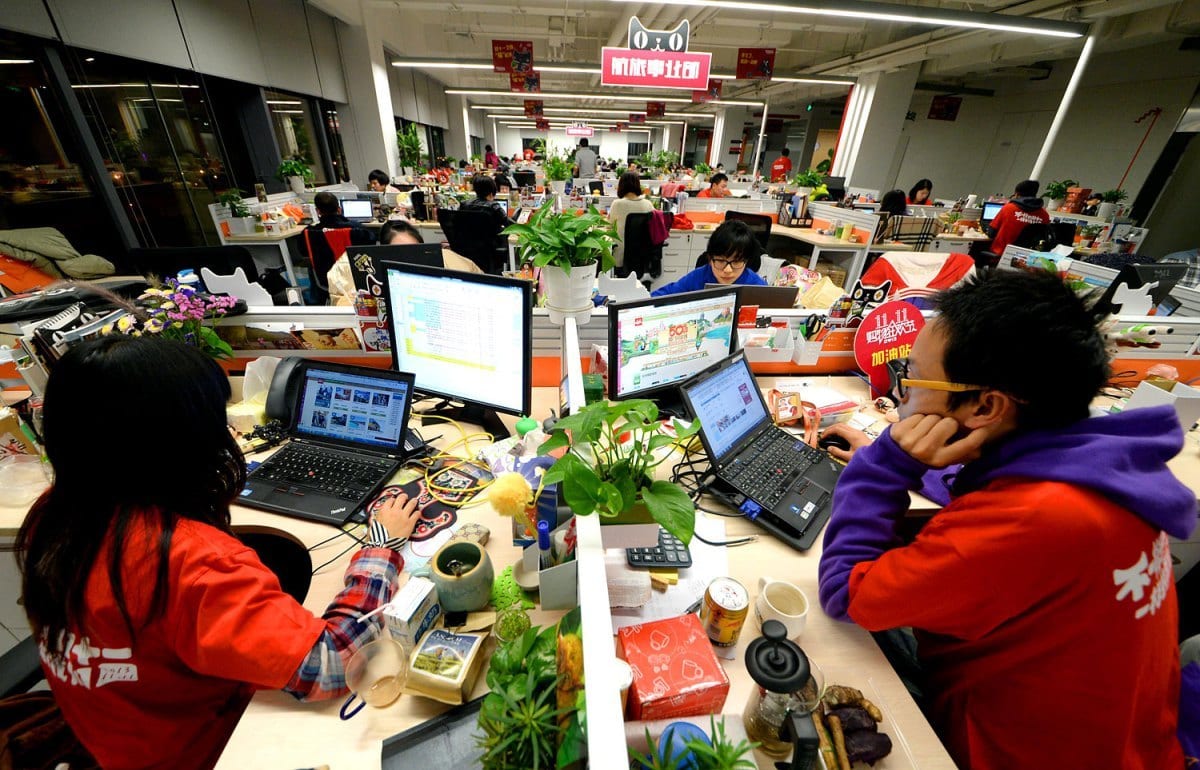
    Data from the Association of Vietnam Retailers (AVR) indicates that in 2015, retail e-commerce surpassed US$4.07 billion, with a growth rate of 20%.

    Ho Thi Kim Thoa, Deputy Minister of Industry and Trade, told a forum on e-commerce and mobile phone technologies in Hanoi on December 8 that e-commerce was a vital development trend in the retail sector.

    Thoa said last year, the growth rate of the retail sector was 9.5%. Traditional retail made up 80%, while modern retail including supermarkets, convenience stores and e-commerce accounted for only 20%. “Notably, in the modern retail channels, the portion of e-commerce was at a low level of around 2.8%,” she added.

    The country had 217 e-commerce trading floors with total revenues of VND1.66 trillion in 2014, double the 2013 figure.

    “Vietnamese businesses have seen positive changes in e-commerce by big firms. The number of small- and medium-size enterprises (SMEs) participating in e-commerce was modest even though 97% of the country’s 600,000 firms are SMEs,” she said.

    The deputy minister noted that the Prime Minister had promulgated a decision on master planning of e-commerce in 2016-20.

    She gave the recent Online Friday on December 2 as an optimistic example of e-commerce development. The number of enterprises joining in the event this year was 3,000, higher than last year.

    She urged businesses to catch up with e-commerce trends and have plans to enhance e-commerce development.

    Dinh Thi My Loan, AVR’s chairwoman, said there were many factors promoting e-commerce development, including the popularity of mobile devices.

    Nguyen Thanh Hung, chairman of Vietnam E-commerce Association (VECOM), agreed that the development of mobile phones and applications had contributed to promoting purchasing activities.

    Hung said the country’s e-commerce had been developing at a growth rate of 30% a year. “Businesses have quickly shifted from offline to online retail. Several are even totally doing business online,” he said.

    However, Pham Thanh Cong  from Nielsen said the sector should ha solutions to meet demand in rural areas as there are 1.3 million traditional shops, accounting for 85% of the retail sector’s revenue.

  • Maersk Line appoints new Greater China head

    Maersk Line appoints new Greater China head

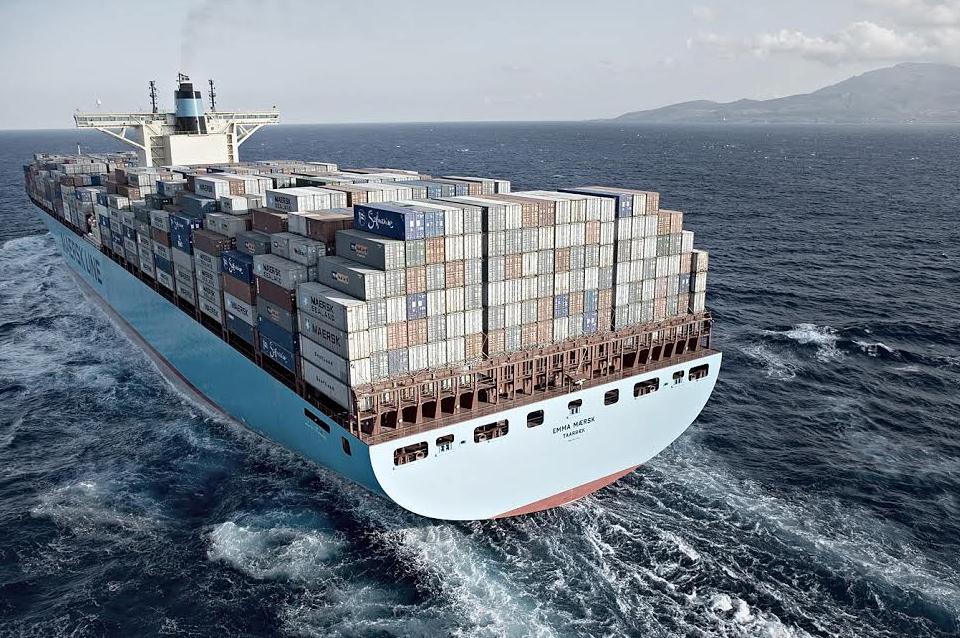
    Maersk Line has announced that effective from 1 January 2017, Mike Fang will take up new responsibilities in Shanghai as Head of Maersk Line Greater China.

    Commenting on his new position, Mike Fang said: “I feel privileged that I can take on this new role. Greater China Cluster contributes around 30% of Maersk Line business globally, this is where we have to win in the market place. I’m keen to explore further the opportunities and growth spots with my colleagues and to ‘Make Greater China Cluster Greater’”.

    Robbert van Trooijen, Maersk Line Asia Pacific Region CEO said: “I’m delighted that Mike has decided to take over as the Head of Maersk Line Greater China. Mike has a track record of outstanding performance in many leadership roles in Maersk Line. I believe that his extensive experience, passion for serving our customers and deep insight of the local market will bring great value to our Greater China organization.”

    Mike Fang joined Maersk Line as a sales representative in 1994. In the past 22 years, he has held a succession of leadership positions in Maersk Line’s business in China including leading Maersk Line’s North China and East China organizations respectively from 2012 to 2015. Most recently, he is the Head of Sales in Maersk Line Greater China.

    Mike Fang was born in 1968. He graduated from Hua Zhong University of Science and Technology with a Master degree in System Engineering in 1992 and earned an Executive MBA from the China Europe International Business School (CEIBS) in 2004.

    Mike Fang will take over from Silvia Ding, who is moving to Copenhagen to take the position as Head of Trade Management in Maersk Line. “Moving to headquarter and stretching myself into a job that can make a multiplying impact on our business, customers and organization has always been in my long term career plan in Maersk,” says Silvia Ding, “I can pass the baton to Mike’s capable hands. Together with the rest of the leadership team, I’m sure the performance of Greater China Cluster will be raised to the next level, building on a strong foundation we together created in 2016.”

  • Over 4.48 million tourists visit Bali

    Over 4.48 million tourists visit Bali

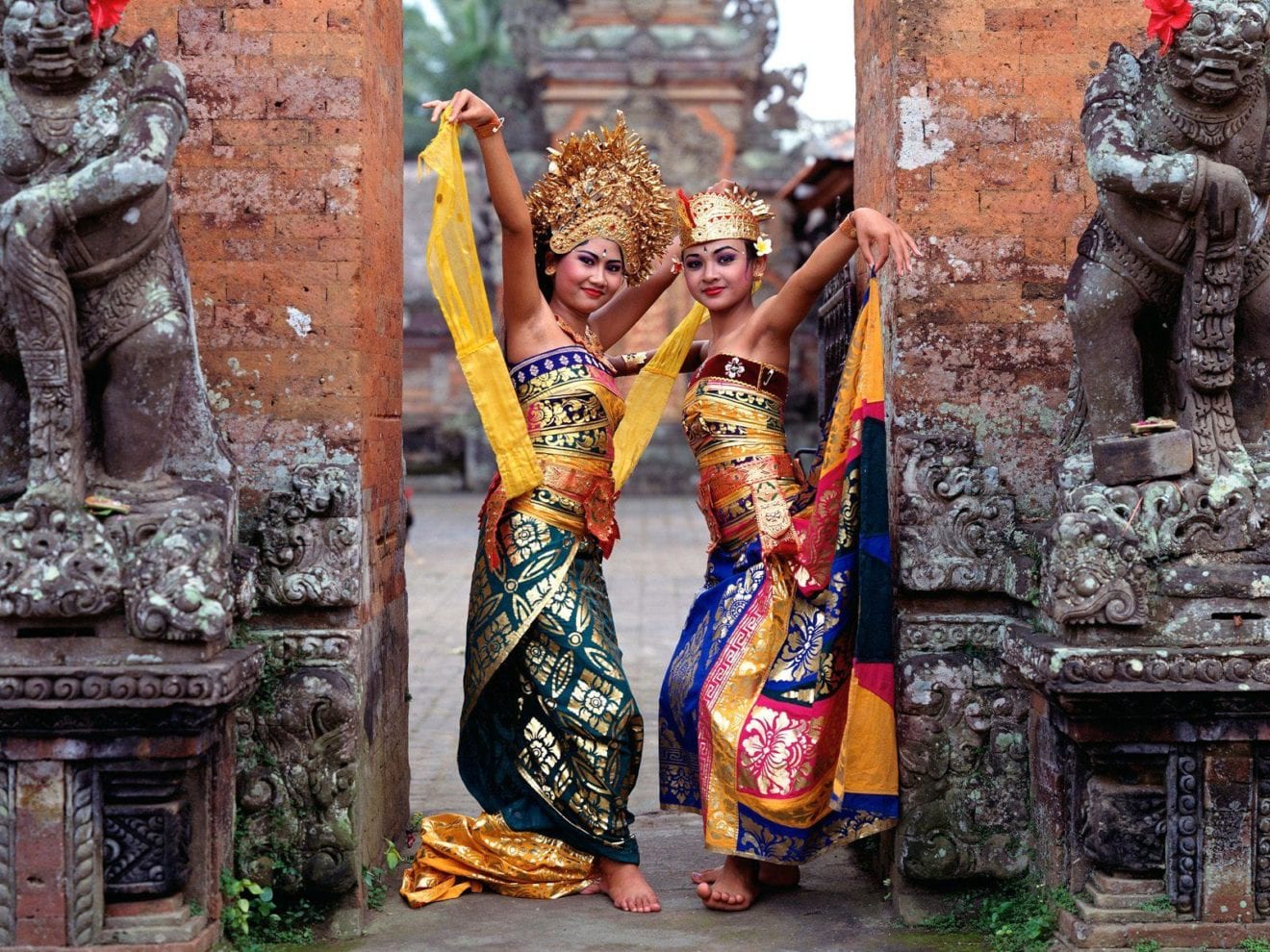
    More than 4.48 million foreign tourists visited Bali via the resort islands Ngurah Rai Airport from January to November 2016, up 23.52 percent from 3.63 million in the same period last year.

    Some 4.48 million tourists traveled to Bali by air, and 70,449 others by sea, Chief of the Central Statistics Agency (BPS) Office in Bali, Adi Nugroho said here Tuesday.

    The number of foreign tourists visiting the resort island from January to November 2016 exceeded the target of tourist arrivals for all of 2016 at 4.2 million, he said.

    Bali has set the target of tourist arrivals for 2017 at 5.5 million.

    In November 2016 alone, the number of tourist arrivals in Bali reached 413,232 consisting of 396,150 who traveled to the island by air and 17,082 by sea.

    The figure increased 52.52 percent compared to the same month a year earlier but declined 4.39 percent compared to the previous month.

    The number of tourists from eight out of top ten sources of tourist arrivals in Bali increased significantly, Nugroho said.

    The eight countries were Australia, China, Japan, Britain, India, France, the United States, and Germany, while the number of tourists from Malaysia and South Korea declined.

  • South Korea bans sales of some Nissan, BMW and Porsche models

    South Korea bans sales of some Nissan, BMW and Porsche models

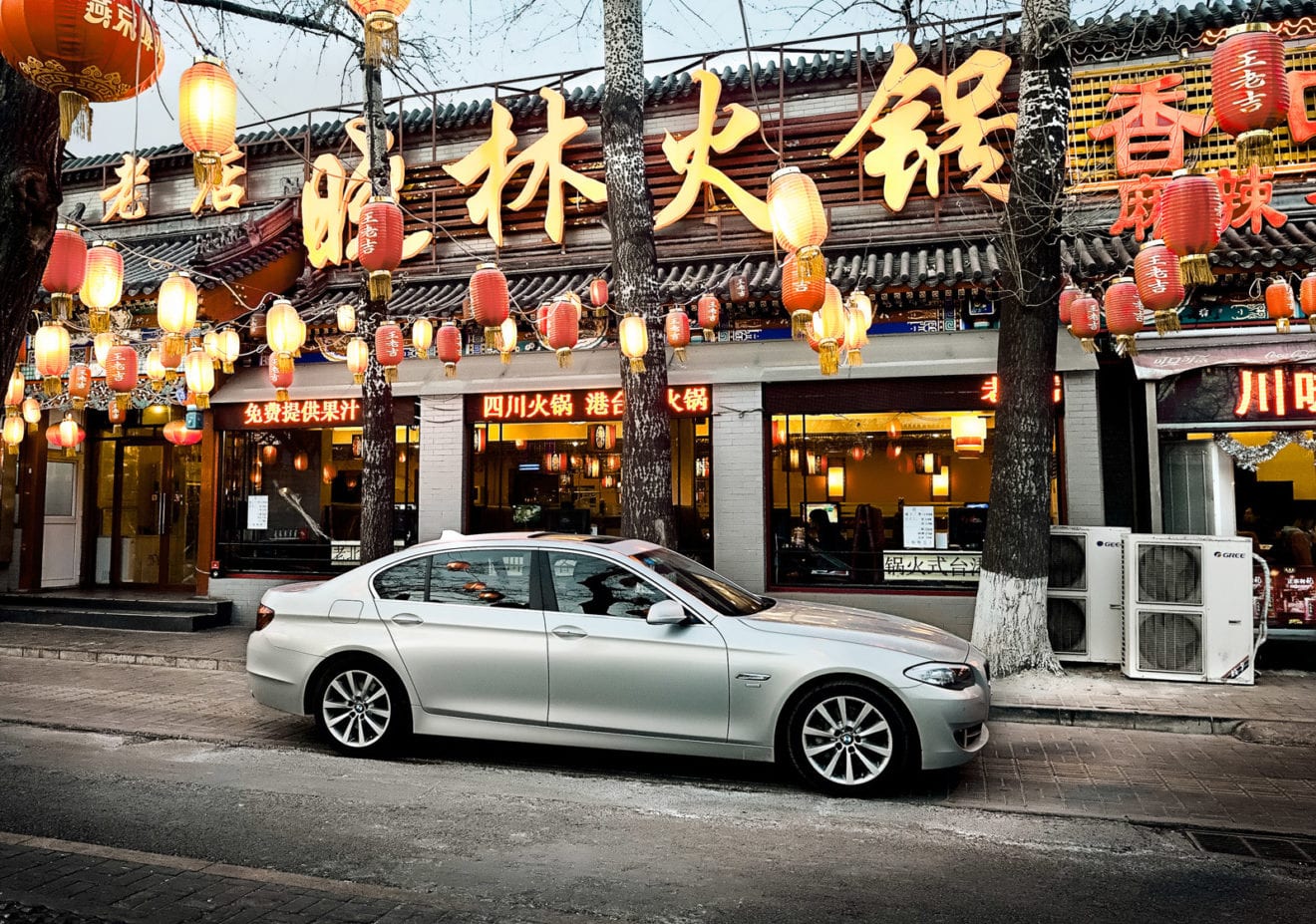
    South Korea has banned the sale of 10 models of Nissan, BMW and Porsche vehicles after the carmakers were found to have fabricated certification documents, in the latest fallout from the Volkswagen emissions scandal.

    The government announced in August that it would ban all 10 models after conducting an investigation into whether foreign carmakers besides Volkswagen AG falsified documents on emissions and noise-level tests.

    Nine of the models have been banned since last month and Nissan’s Qashqai diesel sport utility vehicle has been banned since June, the environment ministry said on Monday.

    It said it has also fined the carmakers’ local units a combined 7.17 billion won ($5.9 million) for the affected 4,523 vehicles already sold in South Korea.

    Spokespersons at the South Korean units of Nissan Motor Co Ltd and BMW AG acknowledged the findings in the government investigation, saying they would try to achieve certification for those affected models again. A spokesperson at Porsche AG, which is owned by Volkswagen, was not immediately available for comment.

    South Korea has been tough with Volkswagen, filing complaints against local executives, suspending sales of most of its models and imposing fines for alleged forging of documents on emissions or noise-level tests.

    In the latest move, South Korea said last month that it will file criminal complaints against five former and current executives at Volkswagen AG’s South Korean unit and fine the company a record 37.3 billion won for false advertising on vehicle emissions.

    South Korea’s sales of imported cars fell 7 percent in the first 11 months of last year, heading for their first annual sales decline since 2009.

  • AirAsia Philippines wants flights to India

    AirAsia Philippines wants flights to India

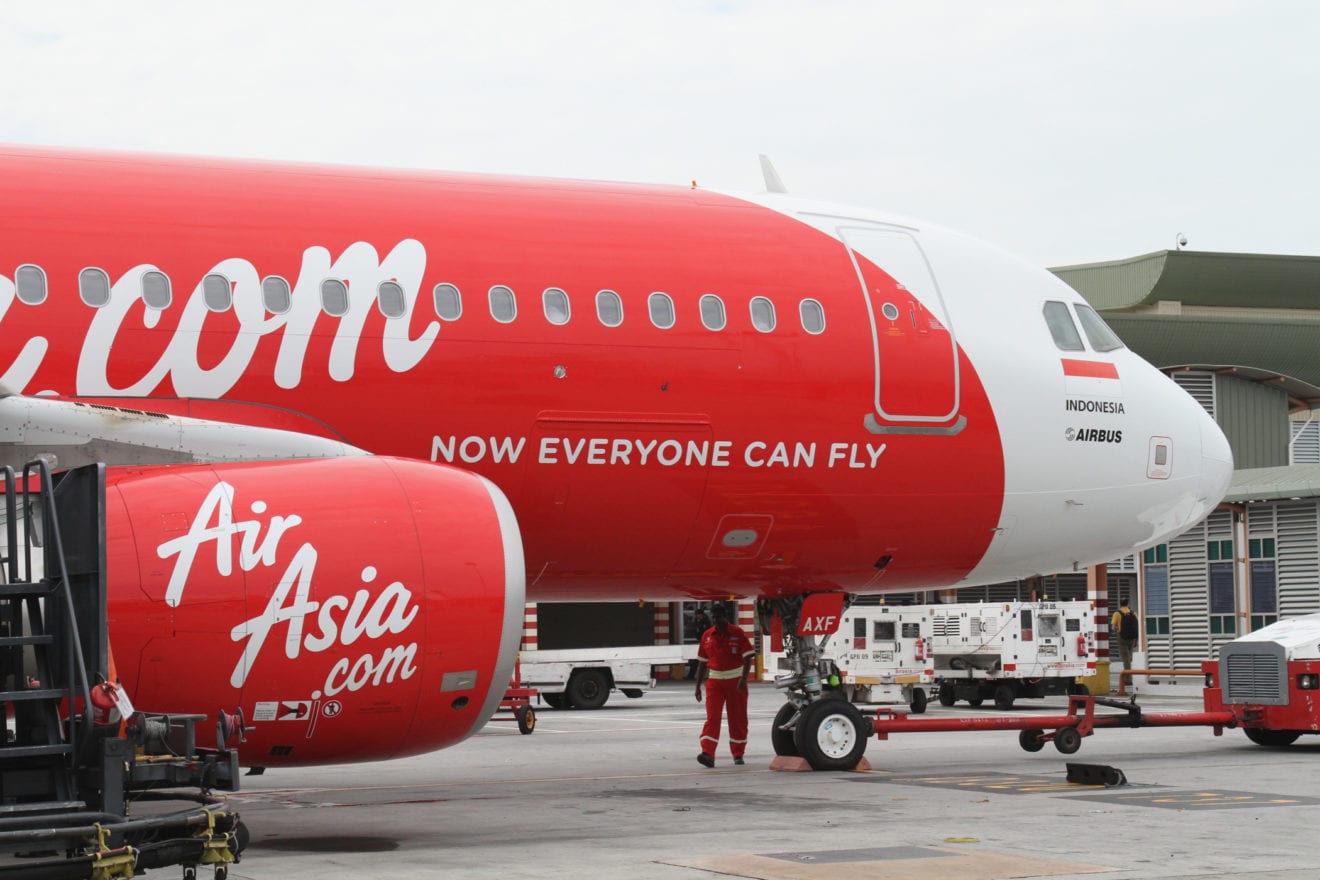
    Budget airline Philippines AirAsia wants flights to India and has sought the Philippine government’s approval for the right to launch a route to New Delhi.

    Philippines AirAsia, the domestic unit of Malaysian budget carrier giant AirAsia Berhad, filed an application with the Civil Aeronautics Board (CAB) last month, a regulatory filing showed.

    According to the filing, the airline was seeking an allocation of seven weekly flights to New Delhi’s Indira Gandhi International Airport, via Bangkok, Thailand. This was in accordance with the existing air services agreement between the Philippines and India, it said.

    The move was in step with a strategy to broaden its market share in the Philippines for both domestic and international markets.

    Philippines AirAsia, which took over Zest Airways, controls about 10 percent of the Philippine commercial aviation market, which is still dominated by Philippine Airlines and Cebu Pacific Air.

    AirAsia Bhd Group CEO Tony Fernandes said last month he remained bullish on their prospects in the Philippines. Philippines Air Asia, which has yet to post a full-year profit, would be back in the black by 2017, the airline said in a financial filing.

    Fernandes noted that the carrier would soon be able to finance its own expansion plans.

    He said Philippines  AirAsia would accelerate plans to hold an initial public offering in the Philippines, originally eyed in 2018, to next year. He said this would raise over $200 million.

    Philippines AirAsia, which still relies on AirAsia Bhd for financial support, has a fleet of 15 Airbus A320s, which it uses for domestic and regional routes.

    Philippines AirAsia reported a net operating loss of P914.8 million, lower by 2 percent, while net loss after tax narrowed 12 percent to P1.2 billion for the third quarter of 2016, a filing with the Malaysian Stock Exchange showed.

    The airline continued to grow, with revenues up 24 percent to P2.57 billion. Philippines AirAsia said this was due to an 8 percent increase in passenger volume, and increase in average fares by 21 percent to P2,245.

  • Huawei expects to report growth slowdown for 2016

    Huawei expects to report growth slowdown for 2016

    Huawei has revealed it expects to report a 32% revenue growth for 2016 to 520 billion yuan – a slowdown compared to the 35% growth recorded in 2015, but still a solid performance in a tight market.

    In a new year message, rotating CEO Eric Xu attributed the slower growth to the “flock of black swans – both political and economic” that swept across the globe during the year.

    This year is expected to bring even greater political and economic uncertainties and continued impact from the transformation of the ICT industry, he said. As a result, Huawei plans to take a series of measures to address the critical issues it could be facing.

    These measures will include business transformation and organizational restructuring efforts to position Huawei to better serve carrier customers.

    “Moving forward, we will work to enable carriers’ networks to support more connections; help them position video as a basic service and achieve business success; lead the transformation of their IT systems towards cloud architecture; and assist them in building digital operations that deliver a real-time, on-demand, all-online, do-it-yourself, and social (ROADS) user experience,” Xu said.

    “Where we stand now, Huawei must maintain a global view and adopt a wider perspective of the industry as we help carriers to transform and thrive with more revenue streams. This is a clear strategic decision for us in this new era.”

    The vendor will also strive for greater operational efficiency, develop a contingency plan to deal with financial crises and develop an oversight and accountability system for the company’s consumer business, among numerous other changes.

    “We are in an era of change, and change is opportunity. We must have strategic confidence and enhance our ability to adapt. Don’t cling to what has worked or what we’ve gained previously. Past success is not a reliable indicator of the future, and a long list of accomplishments might end up nothing more than an epitaph,” Xu concluded.

    “Moving forward, we need to hone our skills, step up to the plate, and aim for the stars. As long as we remain practical and stay focused, we will definitely be able to seize the opportunities before us and become an enabler of the intelligent world.”

  • Malaysia Fuel prices up 15-20 sen in January 2017

    Malaysia Fuel prices up 15-20 sen in January 2017

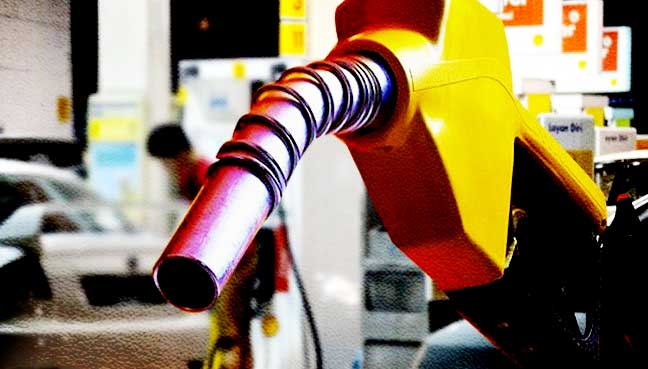
    Fuel prices will increase between 15 to 20 sen just as Malaysians usher in the New Year at midnight tonight, according to the Petrol Dealers Association of Malaysia (PDAM).

    The widely used RON95 petrol will cost RM2.10 per litre from tomorrow, and diesel RM2.05 per litre, an increase of 20 sen.

    The RON97 petrol will see an increase of 15 sen, to RM2.40 per litre.

    This comes after the Finance Ministry’s lengthy explanation yesterday justifying an increase in fuel prices in 2017 as inevitable.

    PKRs Rafizi Ramli had predicted a 30 sen increase in fuel prices following an 18% hike in world crude oil prices.

    “With the current strengthening of the US dollar against the ringgit, the cost of purchasing crude oil will also increase.

    “Hence, the surge of the retail fuel price in Malaysia,” said Finance Ministry strategic communications director, Lokman Noor Adam.

  • KIP REIT to list in Malaysia with portfolio of five retail properties

    KIP REIT to list in Malaysia with portfolio of five retail properties

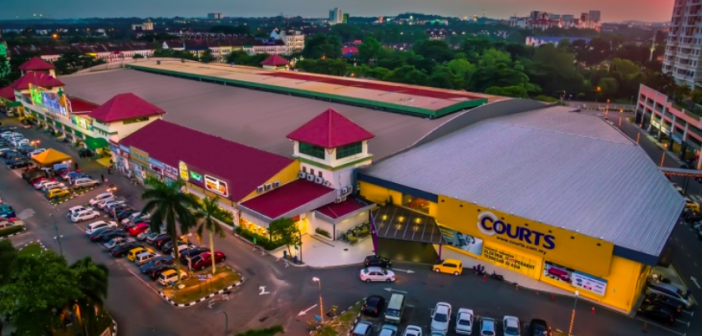
    KIP REIT is set to list in Malaysia on 6 February 2017, with an initial portfolio of five retail properties across the peninsular.

    Documents lodged with the Securities Commission of Malaysia on 30 December indicate an initial public offering of 234.15 million units, of which 13.5 million units are open to retail investors.

    Of these, 10.2 million units are reserved for the Malaysian Public, with 50% of this tranche further demarcated for its Bumiputera nationals.

    The rest of the 220.65 million units will be offered to institutional and other qualified investors, said the REIT.

    KIP REIT is sponsored by Malaysian property developer Kepong Industrial Park (KIP) Group.

    The constituents of its initial portfolio are namely the KIP Mart outlets in Tampoi, Kota Tinggi, Masai, Melaka, Bangi, and Senawang.

    The properties are valued at MYR580 million (USD130 million), and feature an aggregrate occupancy rate of about 85.3% for the four-month period that ended in October 2016.

    In addition, KIP REIT will also have a right of first refusal (ROFR) on the sponsor’s malls at Kota Warisan, Sendayan, Sungai Buloh, Kuantan, and Sungai Petani.

    At the indicative price of MYR1.00 per unit, KIP REIT seeks to raise at least MYR234 (USD52 million) million from the offering.

    Final listing price for units of KIP REIT has been set for 17 January.

  • South Korea allows new ‘comfort women’ statue

    South Korea allows new ‘comfort women’ statue

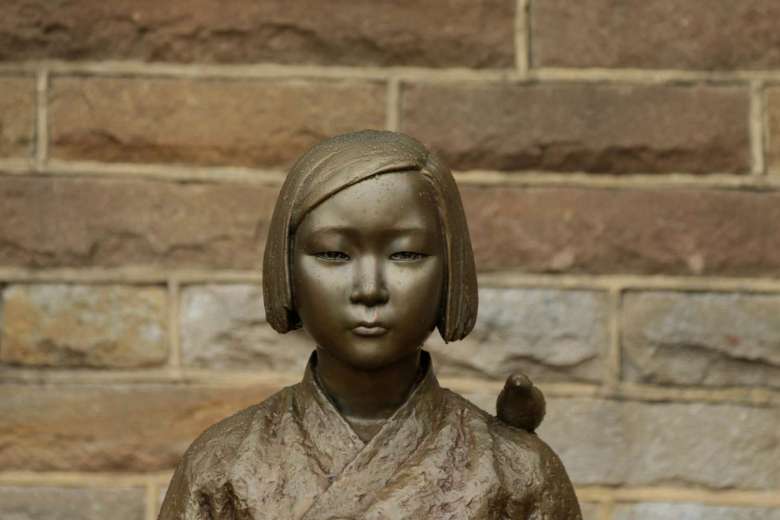
    The southern South Korean port of Busan said on Friday (Dec 30) it would allow activists to place a statue symbolising victims of Japanese wartime sex slavery outside the city’s Japanese consulate.

    The municipal authorities had previously removed the “comfort woman” statue, but changed track after Japan’s hawkish defence minister offered prayers at a controversial war shrine in Tokyo.

    Tomomi Inada’s visit on Thursday to the Yasukuni Shrine, which honours millions of mostly Japanese war dead – but also senior military and political figures convicted of war crimes – swiftly drew flack from China and South Korea.

    Activists had first placed their statue outside the consulate on Wednesday – marking their opposition to a South Korea-Japan agreement reached a year ago to finally resolve the comfort women issue.

    Under the accord, which both countries described as “final and irreversible,” Japan offered an apology and a one-billion yen (S$12.4 million) payment to surviving Korean comfort women.

    Critics said the deal did not go far enough in holding Japan responsible for its wartime abuses.

    The statue – a copy of one that sits across the road from the Japanese embassy in Seoul – was swiftly removed from outside the Busan consulate by the authorities.

    But after Inada’s visit stoked an outpouring of public anger, they said it would be returned to the activists.

    “We won’t stop the civic group from setting up the statue there if they wish to do so,” Yonhap news agency quoted local official Park Sam Seok as saying.

    The statue in Seoul – a bronze of a young, seated woman with a small bird on her shoulder – has proved an extremely potent and popular symbol.

    Japan says it should have been removed after the comfort-women accord was signed, but Seoul argued it had only agreed to look into the possibility of moving it.

    For the past year, activists have maintained a 24-hour vigil to prevent the statue being taken away.

    More than two dozen similar monuments have been erected around South Korea, and another dozen or so abroad in the United States, Canada and elsewhere.

  • South Korea Changes Rules On EV Cars

    South Korea Changes Rules On EV Cars

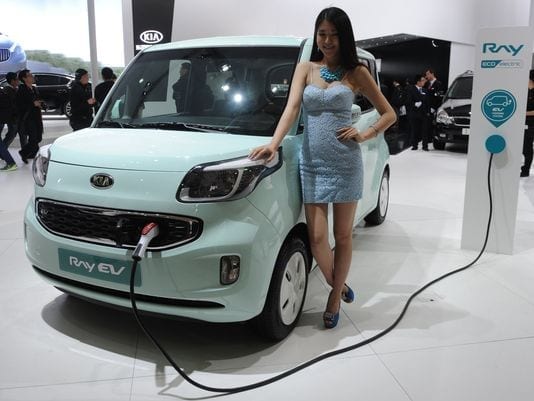
    EV or electronic vehicle is slowly rising to the competition in the automobile industry. South Korea already made changes to their rules to those who are interested in EVs.

    The South Korean government will change one of their rules when it comes to EVs. South Korea is known for having a market for premium cars. They’re even part of Tesla Motors’ reservation of the company’s upcoming vehicle model, the Model 3. According to Tesla’s website, the Model 3 is an affordable premium sedan. Model 3 is designed to achieve that highest rating when it comes to safety measures.

    South Korea will be removing subsidies when it comes to EVs with high-capacity batteries. This move could change the EV market in the country since this will allow other longer-ranged models to be available in the market. By removing the subsidies for the EV market, more and more models of the EV will be available at an affordable rate.

    This will also prove to be good for Tesla. The motors company will conduct their first Tesla showroom in South Korea this year. The exact date for the facility is to be revealed sometime soon. With the South Korean government changing their rules for subsidies when it comes to high-battery powered EVs, more and more models from Tesla will be available for the Korean market this year. Aside from Tesla, BYD, the world’s largest EV maker is also planning to enter the Korean market of EVs. BYD encountered a problem because their latest model doesn’t qualify for the subsidy, thus resulting in the delay of the company to join the market, according to Reuters.

    Currently, there are about four thousand electric vehicles roaming the streets of South Korea. Once the government implements this change, there might be a triple amount of EV cars in the country.

  • E-Land refutes credit downgrade

    E-Land refutes credit downgrade

    E-Land Group, headed by Chairman Park Sung-su, is fiercely refuting the Korea Investors Service’s latest credit downgrade of its holding firm, E-Land World, vowing to file a lawsuit against the ratings agency affiliated with the U.S.-based Moody’s.

    Officials at the mid-tier fashion-and-retail business group argued that the ratings agency’s assessment was flawed, calling on the company to retract its decision to cut the credit worthiness of E-Land World, which has a controlling stake in E-Land Retail and E-Land Park.

    E-Land Retail owns Kim’s Club and other retail outlets, while E-Land Park operates hotels, restaurants and other leisure-related businesses.

    On Monday, the Korea Investors Service lowered E-Land World’s credit ratings by one notch to BBB- from BBB, citing its deteriorating financial health as a result of snowballing debt. The agency maintained its negative outlook for the holding firm.

    “We see no improvement for E-Land Group’s financial conditions even though it has implemented self-rescue measures,” a company analyst said. “With E-Land’s struggling retail and fashion businesses, it would be difficult for the company to generate an operating profit. It is uncertain as to whether E-Land would be able to improve its financial health by executing self-rescue plans.”

    E-Land officials were furious over the credit downgrade, pledging to take the ratings agency to court.

    “It is absurd for the Korea Investors Service to cut the credit ratings for E-Land World when it has successfully been improving its financial soundness over the past few months,” an E-Land Group spokesman said. “The agency assessed the holding firm based on the data available in early September. But it should have included what happened in the fourth quarter of 2016. This is what they did wrong.”

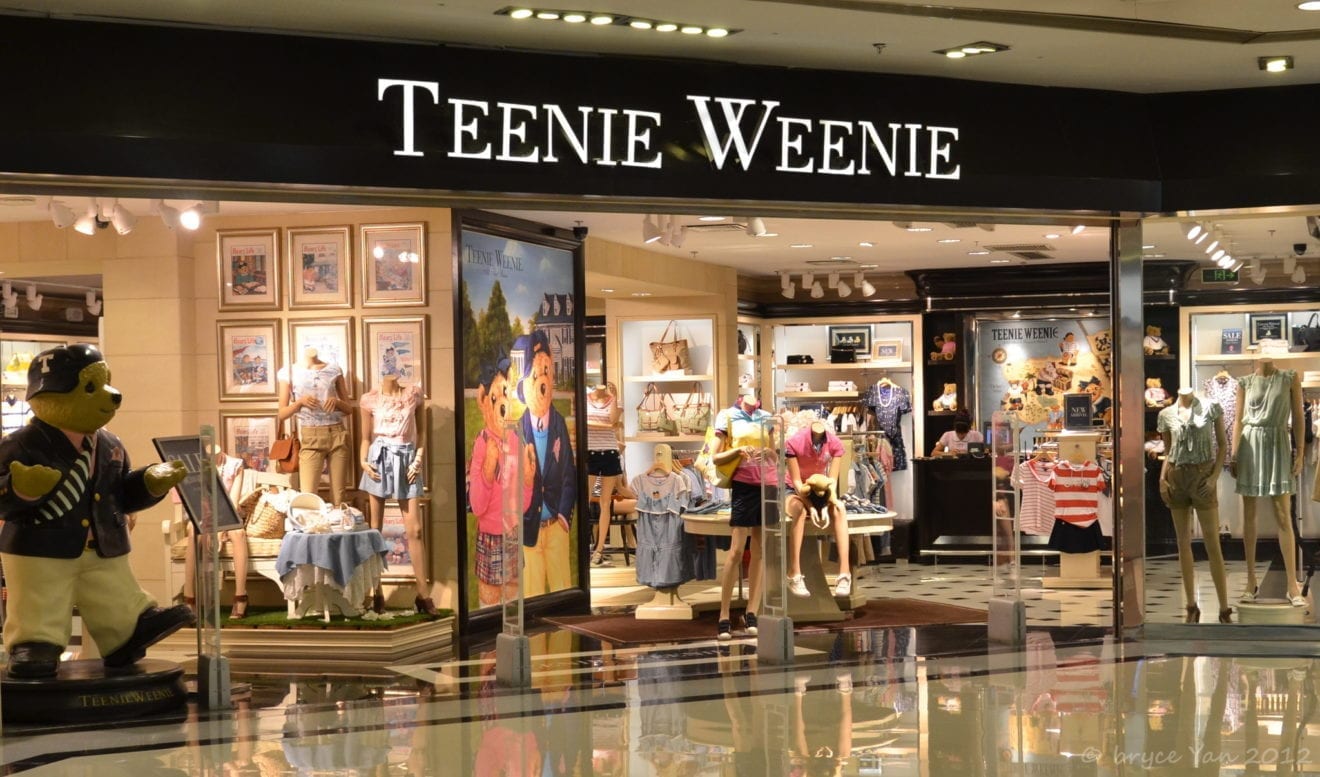
    In late September, E-Land, sold its casual clothing brand, Teenie Weenie, to Chinese fashion brand, V-GRASS, for 1 trillion won ($900 million). Teenie Weenie has about 1,200 stores in major department stores and shopping malls in China.

    The group, which has been desperate to raise cash over the past year, has also sold real estate and plans to list the shares of E-Land Retail in the first half of this year.

    “We believe that the Korea Investors Service has failed to reflect a series of self-rescue moves in its credit assessment of E-Land World. This is just irrational,” the spokesman said. “We will file a lawsuit against the agency to correct its irresponsible behavior.”

  • For 7-Eleven, its all on a par

    For 7-Eleven, its all on a par

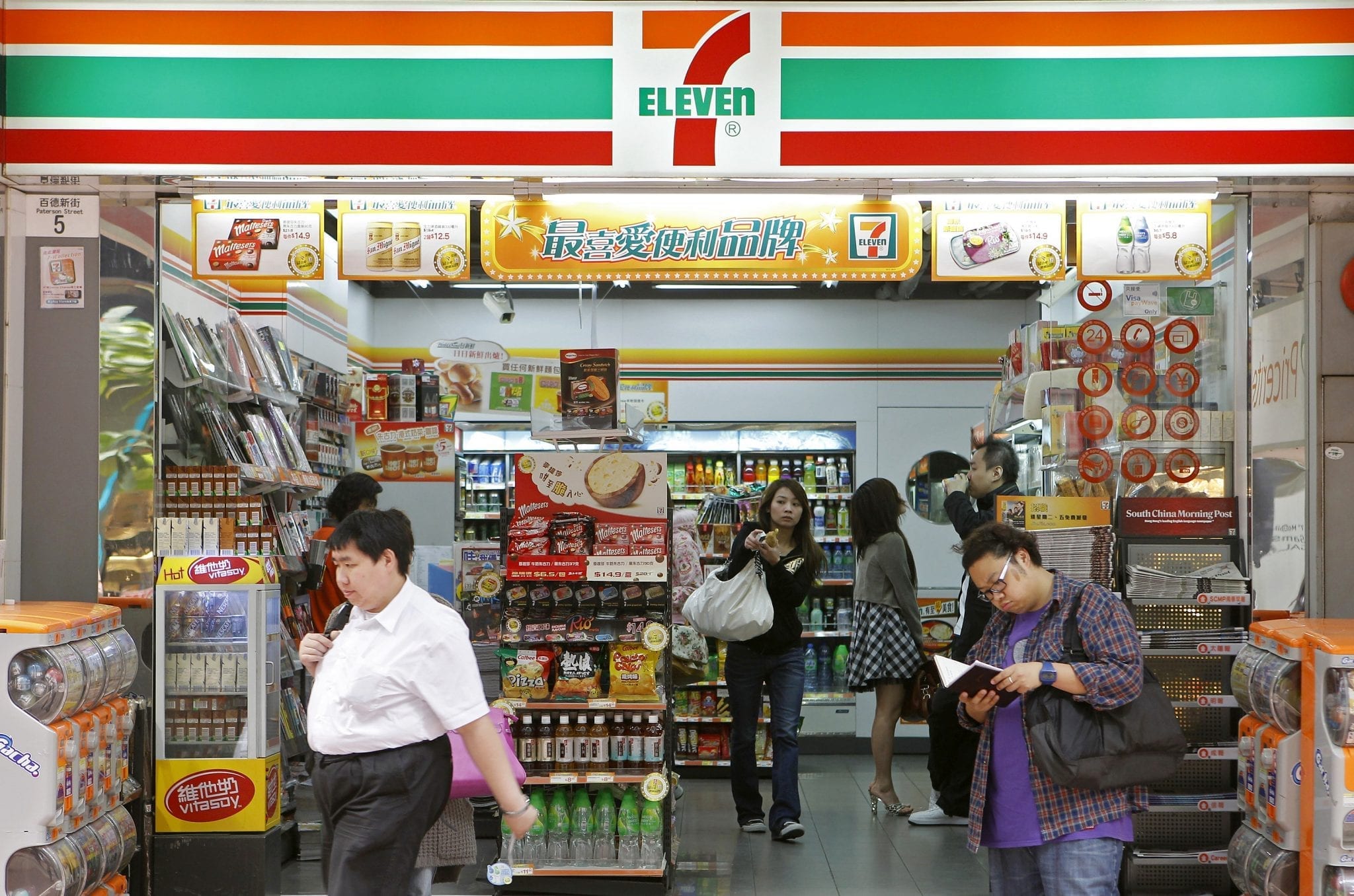
    One yuan fetched HK$1.12 on the foreign currency market yesterday.

    While China’s currency would need to fall 10.7 percent to reach actual parity with the Hong Kong dollar, the exchange rate offered by the city’s largest operator of convenience stores shows how depreciation pressures are making the yuan less attractive to hold.

    “The recent sharp yuan depreciation has hurt local merchants’ willingness to accept yuan,” said Kevin Lai, chief economist for Asia excluding Japan at Daiwa Capital Markets in Hong Kong.

    “The fact that they demand a bigger premium in the exchange rate to accept yuan payments shows the outlook is pretty negative for the Chinese currency.”

    Trading the yuan at parity with the Hong Kong dollar by local retail chain may be a new norm to avoid foreign exchange risk amid a weakening Chinese currency, said Hang Seng Bank (0011) acting chief economist Thomas Shik Chun-sing, who expects the yuan to further soften 3-5 percent this year.

    7-Eleven adjusted its yuan rate in light of recent drastic fluctuations in the currency and will change it whenever necessary, a company spokesman said in an e-mailed reply to questions.

    The convenience store chain has more than 900 stores in Hong Kong and is part of Jardine Matheson Holdings’ Dairy Farm.

    Signs in Circle K, another major convenience store chain, offer an exchange rate of 100 yuan per HK$105. Rates at cosmetic retail chain Sa Sa and Mannings, a personal health retailer under Dairy Farm, are both 100 yuan per HK$110.

    The yuan plunged about 12 percent against the greenback last year.

  • Art work in Hong Kong malls

    Art work in Hong Kong malls

    The trend of hosting art shows in privately owned spaces with public access is catching on in HK. Is exhibiting in malls the future in a city where galleries are struggling to cope with depleting footfalls?

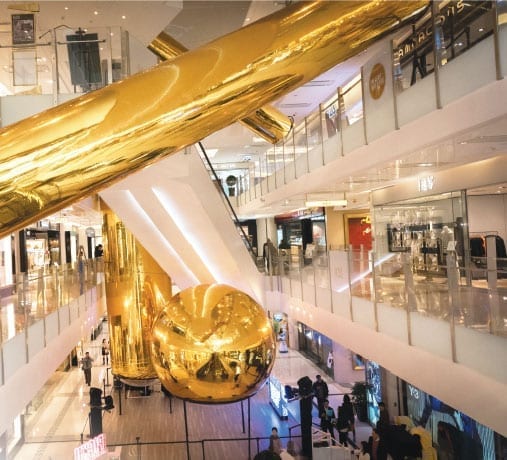
    Last April it was the giant balloons. This month it is mirrors and glass. Last time it was a 17.5-meter high installation by the architect James Shen, shooting up skyward from the base of K11 Atrium at Tsim Sha Tsui, reflecting and transmogrifying the never-ending stream of shoppers riding the escalators on its golden PVC coating. This time it is all about interiority.

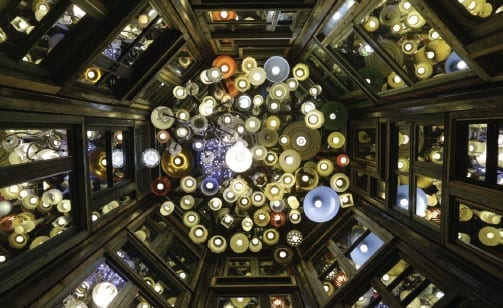
    Shen’s gleaming cylinders and spheres have given way to an octagonal tower made of recycled window panes and mirrors, created by Song Dong. The interiors of the glass capsule are awash with lights streaming down from a complicated chandelier overhead. Placed strategically, the mirrors throw infinite reflections of the light bulbs, near-obliterating the viewer standing inside, even as they accentuate and multiply the “glamorous emptiness” within.

    These two works of art, mounted in K11 Atrium within a few months of each other, explore how our perceptions of in and out might change without warning. In a way they also serve as a metaphor for privately owned public spaces, such as K11 is. Hong Kong’s only “art mall” was founded with a view to making art and commerce a simultaneous experience. Visitors to K11 are expected “to appreciate art while shopping”.

    When a primarily profit-driven, corporate-managed property gives up part of its space to exhibit art for free, the gesture is both radical and beautifully imaginative, much the same way as Shen’s giant balloon and Song’s bottomless glass “well” are in the way they resist the idea of the outside-inside binary as being absolute and irrefutable.

    Happily, K11 is not the only commercial enterprise in Hong Kong to put art under the same roof as retail trade. Hongkong Land hosts art shows periodically in its Rotunda at the Exchange Square and Landmark Atrium, where museum-worthy pieces by classic Western master painters, Peter Paul Rubens and Pierre-Auguste Renoir were on show alongside works by heavyweights of Chinese contemporary art, Luis Chan and Chu Teh-chun, in March. In July Pacific Place held an exhibition of Hong Kong landscapes by city artists to raise funds for a charity.

    The great leveler

    The day when a Zhang Xiaogang or a Liu Wei competes with Gucci bags and Louboutin heels for audience attention from the same store window may not be that far away. The sculptor Richard X. Zawitz, whose show Civilization and the Monkey concluded last month at the Rotunda in Exchange Square at Central, probably won’t mind such an eventuality. In March, Zawitz’s shiny, idiosyncratic metallic loops which playfully imitate the human form were part of a display showcasing pouch bags by JW Anderson at Colette in Paris. The Zen-inspired “tangles”, which is Zawitz’s trademark style, were replicated in the design of the bag handles.

    Zawitz seems unfazed by the fact that many in the audience came to check out the fashion accessory and got to see his sculptures by default.

    “What I like about exhibiting in malls is that there’re a lot of accidental discoveries by people perhaps less inclined to art,” says Zawitz. “Here you are reaching people who never go to museums, reaching a broader audience, bringing creativity to them.”

    He fondly recalls school children trooping down to his last show at the Exchange Square and how they made sketches of his sculptures, some of them scribbling “I love you, Richard” notes on the drawings. There was also a gentleman who walked up to the centerpiece, Zawitz’s abstract rendition of a tree. “He started praying to the tree, to the invisible energy it seemed to disseminate,” says Zawitz, still quite overwhelmed by the power of his own creation.

    It also felt like a vindication of his artistic goals. “I want my audience to engage with my art, look at it, feel it smell it. I very much create art hoping they would evoke passion in people and inspire.”

    The Rotunda seemed like a perfect fit, not only because “its 30-meter diameter and the amazing dome which reflects the positive energy from around the environment” matched Zawitz’s Zen-inspired sculptures in spirit, but also because of the amazing cross section of people it drew. There were bus drivers, Filipino maids, bank executives in business suits and high-profile art collectors.
    Piggybacking on luxury goods

    By hosting art shows in its various open-access private properties all the year round Hongkong Land continues to play a significant role in democratizing high culture. However, says Stefan Al, who teaches urban design at the University of Pennsylvania and edited Mall City: Hong Kong’s Dreamworlds of Consumption (HKU Press), the trend of “making elite art more accessible” is also “a sign of art being increasing commercialized”. “It’s a reflection of shrinking public budget for art and also of people’s growing taste for high-end products,” he adds.

    The existence of K11, founded with a view to marrying shopping with art appreciation, says Al, is “especially symptomatic in Hong Kong where culture has been so much underfunded and developing platforms to showcase art is so much more expensive”.

    It’s almost as if K11 materialized because of a gap created in the realm of conventional exhibition spaces. Tired of waiting for museums closed for long-term renovation work to reopen even as others take longer than anticipated to build, audiences are open to exploring alternative venues to see art. Malls seem like a natural choice in Hong Kong where people like the idea of getting more value for the money spent. Art resonates better with the affluent city-dweller when presented as part of a composite consumer experience, with dining, shopping and an afternoon at the spa thrown into the package.

    Expectedly, not everybody is happy to see art piggybacking on Luis Vuitton bags, especially when the two are thrown together arbitrarily. Critics of the consumerist impulse to appropriate art, says Al, “call it co-op art, referring to art placed in sites – malls, corporate office spaces and public plazas – with which they do not have a relationship.” Al’s personal view, however, is that “if it’s done well there is nothing wrong with having art in a mall. It provides opportunity for the artist to display and finance his work. It also is an opportunity for the public to see art.”

    At a time when gallery owners complain about spiraling rents and depleting footfalls, “shopping malls can make for a great, at least interim, solution to bring art to as many people as possible”, says Lee Ho-yin, director of architectural conservation programs at the University of Hong Kong. Even architecturally speaking, malls make for sensible, user-friendly choices, he says.

    “Modern high-end shopping malls have a huge atrium space with the flexibility of displaying art of different sizes, hung from the ceiling, free-standing on the ground or displayed on the wall,” explains Lee. “Also these are air-conditioned, comfortable for the visitor, have good security. Climate control guarantees a degree of protection against wear and tear and humidity.”

    But is there a chance the juxtaposition of art and merchandize might deflect attention towards the flashier one of the two? Could malls be the right space for a serious connoisseur of art?

    Lee doesn’t quite see a conflict of interest as “ultimately it is about drawing people to the shop fronts”. And neither does he anticipate malls turning into a gallery for mediocre art by pandering to popular tastes. “Commercial enterprises are profit-oriented. And to be able to make money out of a project, commercial players would want to bring in the very best,” says Lee. “Shopping and accessing art could be very compatible.

    Ground realities

    Interestingly, quite a few art projects mounted in K11 were a tongue-in-cheek comment on the idea of consumerism and its trappings. One of the most striking examples of using elements from pop art and kitsch to subversive effect was a series of photographs by the South Korean-born artist, Lee Jee-young, shown at K11 in 2014. Matchboxes, dices, Lego blocks and other tokens of a consumerist culture were magnified and photographed against closeted, distorted psychedelic backgrounds, showing the lone woman figure as cowering in their menacing presence. In one of the 18 images she is seen drowning in a vortex of hand-painted Chinese fans.

    The series was a dig at the way the goods of desire often take up more space in people’s lives than they had bargained for. Like Shen’s balloon sculpture and Song’s monument of mirrors, Lee tweaked elements borrowed from a consumerist culture and had the show in a space where consumerism thrives to underscore the irony.

    “Having pop art exhibited in a mall is sort of art coming full circle,” says Al.

    Zawitz and Lee won’t rule out malls devoting more spaces to art in the future, taking a share of the market that has conventionally belonged to art galleries and museums. Zawitz says such a trend would be particularly welcome in a city like Hong Kong since “there are hardly any galleries at the street level here because it’s so expensive”. Malls have a distinct advantage over galleries tucked away in the higher floors of industrial buildings, usually visited only by the invited aficionados on opening nights, he says, with less chances of attracting a potentially interested passer-by.

    Al, however, wouldn’t want to see the galleries in Central and Sheung Wan go, or, at any rate, lose their influence in the city’s art ecosystem if indeed malls ate into a chunk of their business. “Walking from gallery to gallery is an outdoor experience, whereas malls are introverted, insulated from the city.”

    He, for one, would miss the vibe an art gallery inspires in the street on which it is located if more of them shut shop and the art they dealt in ended up on a shopping mall display window.
     

  • Vietnam Airlines conquers French market

    Vietnam Airlines conquers French market

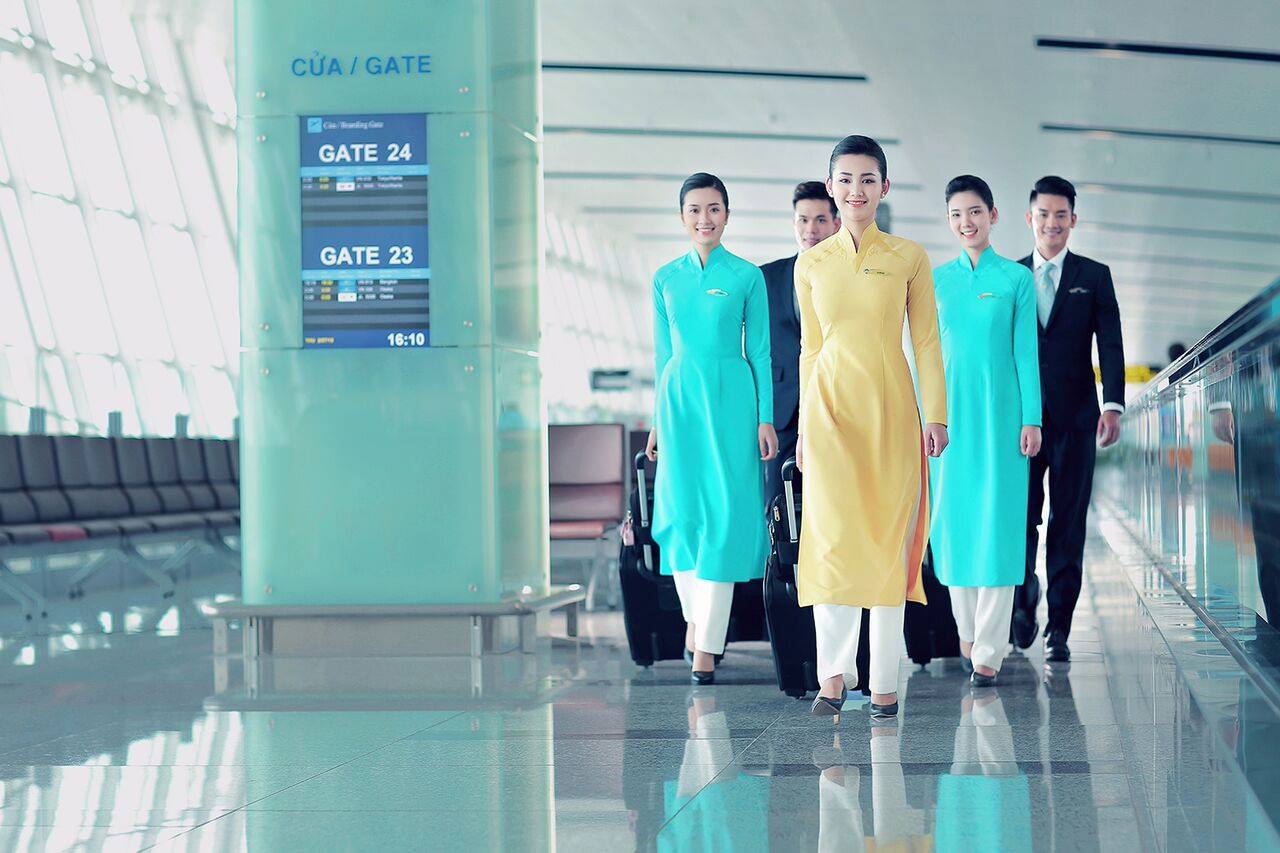
    At a customers and agents meeting on December in Paris, Phuong reported that Vietnam Airlines’ revenue in France has increased by 10 percent against last year, in which business class turnover upped 20 percent.

    The carrier’s flights from France to Vietnam made up 54 percent of the market share, posting a year-on-year increase of 1 percent, Phuong said.

    He also noted that the national flagship will continue use Airbus A305 on Hanoi/Ho Chi Minh City – Paris routes, adding that the modern planes and service improvement have helped Vietnam Airlines meet requirement of passengers and gain a SkyTrax’s four-star airlines title.

    Vietnam Airlines is always the first choice of Vietnamese living in France and French customers, said representatives from many agents.

    It has made a record of transporting over 20 million passengers in 2016.

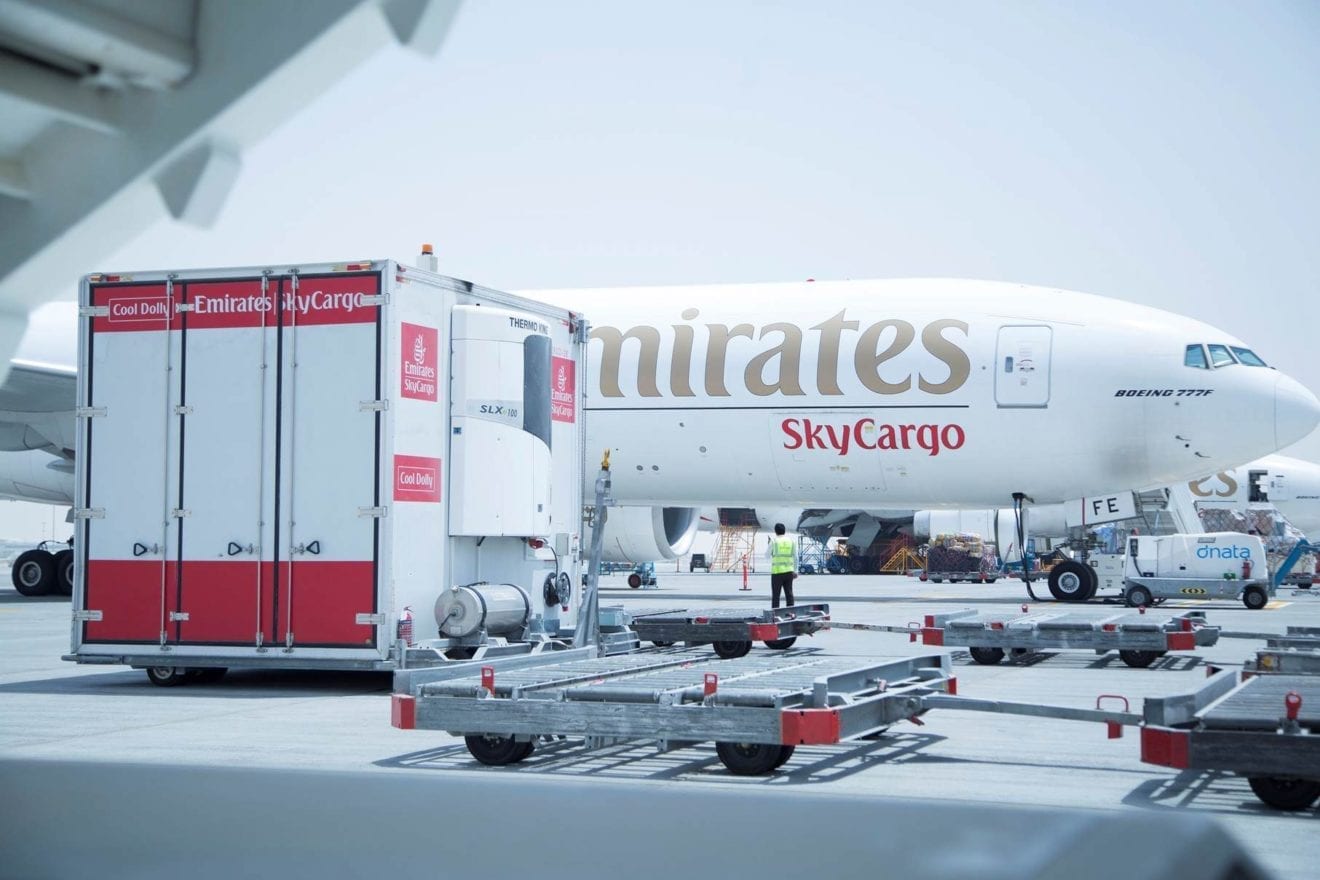
  • Emirates SkyCargo has appointed a new manager for Hong Kong

    Emirates SkyCargo has appointed a new manager for Hong Kong

    According to SkyCargo, Yiu has more than 20 years of experience in the logistics industry. He has worked for various global freight forwarders in Hong Kong and China, overseeing operations and capacity procurement.

    Yiu also has experience in contractual partnerships with offline and online carriers, developing multimodal solutions for major shippers.

    Hong Kong is SkyCargo’s largest operation in Asia, with 18 freighter flights per week.

    Emirates SkyCargo’s freighter fleet consists of two Boeing 747-400ERFs and 13 777Fs.