Author: Mei Ling Tan

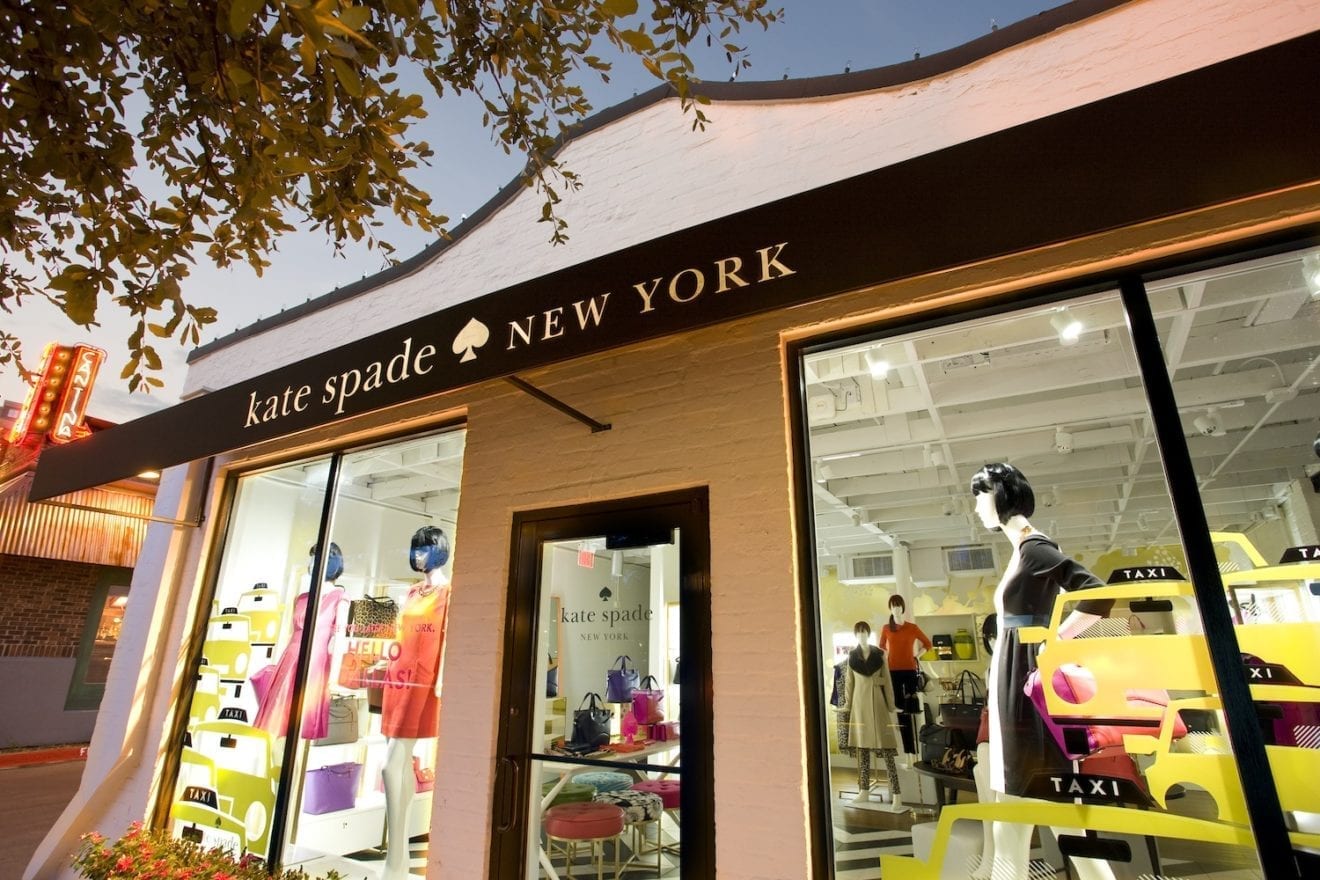
  • Kate Spade & Co trying to find buyer

    Kate Spade & Co trying to find buyer

    Handbag and accessories maker and retailer Kate Spade & Co, under pressure from activist investor Barry Rosenstein, is working with a bank to sound out possible buyers.

    Quoting insiders, the Wall Street Journal says potential buyers contacted include retailers, with the process at an early stage.

    Rosenstein’s Jana Partners already has a minor stake in the company.

    Kate Spade has a market value of about $1.86 billion, but sales have dropped as the demand for handbags has weakened over the past year in the US, with people shopping less often at department stores and tourists spending less because of a strong dollar.

    Known for its quirky and colourful satchels and totes, Kate Spade was expecting dampened earnings over the holiday shopping quarter because of pricing competition.

  • Vietnam among the world’s most optimistic countries on economic prosperity

    Vietnam among the world’s most optimistic countries on economic prosperity

    Việt Nam is ranked fifth in the list of the world’s most optimistic countries on economic prosperity in 2017, according to a survey by WIN/Gallup, the world’s leading association in market research and polling.

    WIN/Gallup International published its 40th End of Year Survey exploring outlook, expectations, views and beliefs of 66,541 people from 66 countries across the globe in 2016.

    The 2016 edition includes Việt Nam data representing the views of 700 respondents from Hà Nội and HCM City interviewed face-to-face by market research company Indochina Research (Việt Nam) Ltd, a member of WIN/Gallup.

    The survey revealed that about 59 per cent of the respondents are optimistic about the economic outlook for 2017, 12 per cent are pessimistic and 26 per cent believe the economy would remain the same.

    When it comes to global economic outlook, despite much of the world largely remaining out of recession, economic optimism declined from twelve months ago. The study showed that 42 per cent of the world is optimistic for the economic outlook in 2017, almost double (22 per cent) of those who are pessimistic.

    Net optimism (the percentage of those saying next year will be one of economic prosperity minus the percentage who say next year will be one of economic difficulty) has fallen from +23 per cent to +20 per cent.

    Việt Nam is also ranked the fourth happiest country in the world, following Fiji, China and the Philippines, the survey said, adding that 79 per cent of the respondents answering they were happy and only 1 per cent said they were unhappy.

  • Improved quality boosts export of fruits, vegetables

    Improved quality boosts export of fruits, vegetables

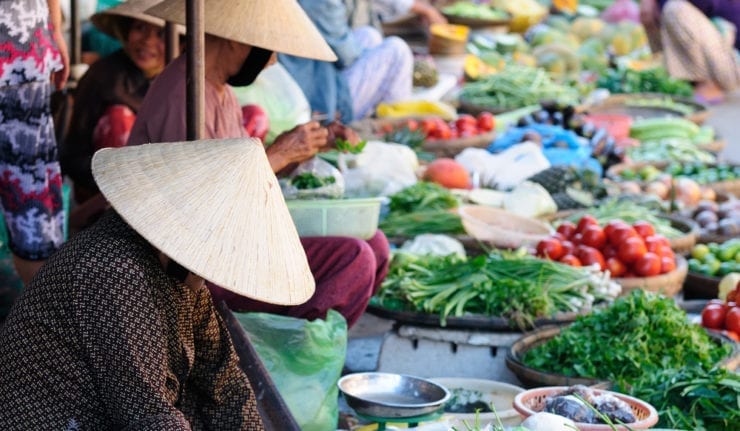
    Việt Nam’s fruit and vegetable export in 2016 hit US$2.4 billion, a 30 per cent increase over 2015, and exceeding the Ministry of Industry and Trade’s yearly target of $2.2 billion.

    According to the Vietnam Fruit and Vegetables Association, the result was attributed to efforts to seek new markets and keep traditional markets.

    In 2016, five types of fruits gained entry to four new markets — mangoes to Australia, dragon fruits to Taiwan (China), longans and lychees to Thailand and cashew to Peru — thus expanding the market for Việt Nam’s fruit and vegetable to more than 60 countries and territories.

    China continues to be the largest market for Việt Nam’s fruits and vegetables, accounting for some 70 per cent, followed by the Republic of Korea, the United States and Japan.

    Bùi Sỹ Doanh, from the Department of Plant Protection under the Ministry of Agriculture and Rural Development, said the department would continue negotiations on technical barriers to help more Vietnamese fruits and vegetables enter selective markets like the United States, Japan and Australia.

    In 2017, Việt Nam hopes to win import approval from Australia for its dragon fruits, approval from Japan for red-flesh dragon fruits and from the United States for star apples.

    Nguyễn Hữu Đạt from the Vietnam Fruit and Vegetables Association emphasised the need to further improve post-harvest preservation and processing technologies to meet demands for quality and diverse products in foreign markets.

  • Baidu joins OpenDaylight Project

    Baidu joins OpenDaylight Project

    The OpenDaylight Project, the open source platform for programmable, software-defined networks (SDN), said Chinese search engine Baidu has joined the project at the Silver level.

    This follows a recent announcement by Baidu to open source one of its key machine learning tools, PaddlePaddle, and demonstrates the company’s continued commitment to open source.

    Growing mobile markets in China over the past several years have connected more people to the internet and opened up tremendous opportunities and venues for new business platforms and channel strategies in the region.

    Baidu is advancing artificial intelligence as the next stage of the internet and is using deep learning to enable new technologies for autonomous driving and e-health services.

    The OpenDaylight platform will enable Baidu to optimize and automate their network.

    Liu Ning, system department deputy director at Baidu said SDN platform will enable the company to be a more nimble organization and rapidly deliver new services that meet the changing needs and diverse interests of our users and customers.

    Liu also joins the OpenDaylight advisory group to provide technical and strategic guidance to the OpenDaylight technical steering committee and OpenDaylight developer community based on the challenges of running a real-world network.

    In addition to Baidu, Chinese two major internet players – Alibaba and Tecent- have also joined the OpenDaylight project.

  • Tesla posts 9.4 percent fall in quarterly deliveries

    Tesla posts 9.4 percent fall in quarterly deliveries

    Tesla Motors said on Tuesday fourth-quarter deliveries fell 9.4 percent due to short-term production hurdles from the transition to a new autopilot hardware.

    Deliveries fell to about 22,200 vehicles in the fourth quarter from 24,500 vehicles in the preceding quarter.

    Total deliveries for 2016 of 76,230 also fell short of the company’s projection of 80,000 to 90,000.

    Shares of the company, led by entrepreneur Elon Musk, were down nearly 2 percent at $212.90 in extended trading.

    Tesla said production challenges, which started at the end of October and lasted through early December, shifted vehicle production toward the end of the quarter, resulting in delayed deliveries.

    “We tried to recover these deliveries and expedite others by the end of the quarter, time ran out before we could deliver all customer cars,” the electric carmaker said.

    Nearly 2,750 vehicles missed being counted as deliveries in the quarter due to last-minute delays in transport or because of the inability of customer to physically take delivery.

    In addition to the fourth-quarter deliveries, about 6,450 cars were in transit and these would be counted in the first quarter, the company said.

  • Finavia and Helsinki accept China-friendly AliPay App

    Finavia and Helsinki accept China-friendly AliPay App

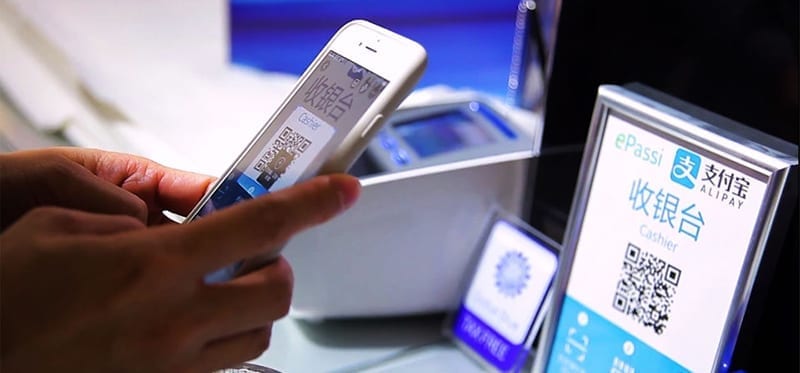
    Finavia’s Helsinki Airport has become one of Europe’s first to use the Chinese-friendly AliPay mobile payment application in an effort to encourage more spending at the location.

    The familiar payment method is expected to encourage more Chinese passengers to spend with increasing confidence at the location, following the adoption of the scheme by the airport’s first retailers last month.

    Commenting on the development, Finavia stated: “Chinese passengers are the most rapidly growing customer group at Helsinki Airport and the group that use the most money. We work hard to offer them the best possible service experience.

    SEVEN SERVICE PROVIDERS NOW OFFER ALIPAY AT HELSINKI

    “Familiar and easy payment options increase the feeling of smooth and safe travel for Chinese passengers,” says Finavia’s Elena Stenholm, Director of Commercial Services at Helsinki Airport.

    “As far as we know, the only other airports accepting AliPay are Münich and Frankfurt. Seven commercial service points have now adopted it at Helsinki Airport and many others are interested. China UnionPay is already available at most airport outlets, adds Stenholm.

    Right now, AliPay can now be used to pay for goods and services at the airport’s Iittala, M-Box, Finspiration, Lindroos and Moomin shop outlets and Finavia says it hopes to have all of the airport’s commercial operators accepting AliPay.

    FINAVIA SAYS ALIPAY HAS BEEN RECEIVED ‘VERY WELL’

    “We work in close cooperation with our commercial partners to develop the customer experience. AliPay has been received very well, and we encourage businesses to enable it. If the biggest commercial operators at the airport come along, the amount of outlets accepting AliPay will increase tenfold at once, says Stenholm.

    As reported before, AliPay is a part of world’s largest online trading company Alibaba. AliPay is China’s leading mobile payment giant which has approximately 400m users according to its own website.

    This development at Helsinki follows the fast rise of Chinese passenger numbers in recent years, with numbers expected to continue increasing for both transfers and overnight stays in Finland.

    In Finland, Lapland is a particular attraction for Chinese tourists. Alibaba’s travel service provider AliTrip has announced that it will bring 50,000 Chinese tourists to Rovaniemi during 2017.

    A SUCCESSFUL STAFF EXCHANGE PROGRAMME


    Finavia has responded by bringing Chinese-speaking service guides to Helsinki Airport and by adding signs in Chinese.

    In autumn 2016, the staff exchange programme between Finavia and Beijing Airport helped increase knowledge of the Chinese service culture and the needs of Chinese travellers.

    Helsinki Airport also has an account with Chinese social media channel Weibo and an account will also be opened with this company in 2017. Weibo has approximately 300m and WeChat more than 800m active monthly users.

    Meanwhile, Helsinki Airport currently claims to be the leading hub for air traffic between Europe and Asia and claims to offer the fastest and shortest route between the continents.
  • AirAsia’s Philippine Affiliate Eyes India Market

    AirAsia’s Philippine Affiliate Eyes India Market

    Low-cost carrier Philippines AirAsia is seeking to operate flights to India from the Philippines. A regulatory filing showed Philippines AirAsia has filed an application for designation as official Philippine carrier and for the grant of allocation of flight entitlements to India.

    In particular, Philippines AirAsia wants to be able to operate seven weekly flights on the Manila – Bangkok – New Delhi route.

    The carrier’s request is being made in accordance to the existing air services agreement between the governments of the Philippines and India.

    A hearing is scheduled on Jan.10 at the office of the Civil Aeronautics Board in Pasay City to enable the government to decide on Philippines AirAsia’s petition.

    Philippines AirAsia is a joint venture company between Filipino investors Antonio Cojuango, Alfredo Yao, Michael Romero, Marianne Hontiveros and Malaysia’s AirAsia Berhad.

    It operates domestic and international flights out of Manila, Cebu and Kalibo.

    In November last year, the carrier expanded its operations by offering direct flights to Singapore from Cebu, as well as direct flight services to Taipei in Taiwan from Manila and Cebu.

    In the third quarter last year, Philippines AirAsia trimmed its net loss by 12 percent to P1.20 billion from P1.36 billion in the same period in 2015 amid higher revenues and passenger volume.

    AirAsia Group CEO Tony Fernandes earlier said Philippines AirAsia is on track with its turnaround plan.

    “We will take PAA (Philippines AirAsia) into the black by end-2017 on double-digit topline growth and a lower cost base from a more efficient fleet and keeping staff costs to below 10 percent of revenue,” he said.

    “We will go further by working on increasing ancillary revenue to above P500 per passenger,” he added.

  • Starbucks launches first single-origin Yunnan coffee in China

    Starbucks launches first single-origin Yunnan coffee in China

    Starbucks today launched its first Starbucks Single-origin Yunnan coffee to usher in the New Year in China. Available for a limited time across all Starbucks retail locations in Mainland China, the new Starbucks Single-origin Yunnan coffee pays tribute to four years of close collaboration between the Starbucks China Farmer Support Center and local coffee farmers in Pu’er, Yunnan Province. The introduction of the Starbucks Single-origin Yunnan coffee, which features 100 percent arabica coffee from the region, signifies an important step forward to completing the Starbucks China supply-chain, delivering premium coffee from bean to cup.

    “The Starbucks Yunnan Coffee Project is about creating a positive impact on the local coffee farming communities and we are thrilled to bring this vision to life with the launch of the Starbucks Single-origin Yunnan coffee, especially at the beginning of the New Year,” said Belinda Wong, ceo, Starbucks China. “We will continue to build on the strong foundations established by the Starbucks China Farmer Support Center to deepen our partnership with local farmers and to develop even more localized, high-quality coffee that can be celebrated and enjoyed in Starbucks stores across China and globally.”

    Located at the same latitude as other renowned coffee-producing regions, such as Colombia and Jamaica, Pu’er is the coffee capital of China. The distinctive packaging of the Starbucks Single-origin Yunnan coffee is inspired by its sub-tropical landscape, which is home to soaring mountains, running creeks, and vibrant coffee and tea plantations.

    “Over the past few years, we have been extremely humbled by how the local Pu’er coffee farming community has embraced us as part of their extended family,” said Alan Tong, director, Starbucks Farmer Support Center. “The Starbucks® Single-origin Yunnan coffee is the fruits of labour for many local farmers and I am very excited that we are able to share them with our customers in China. This medium-roasted coffee is rich, multidimensional and consistently captures the unique flavors of Yunnan in a Starbucks cup – herbal notes, balanced acidity, and a smooth and elegant mouthfeel.”

    Yunnan plays an important strategic role in Starbucks growth in China. In 2012, Starbucks established its first Asia-based Starbucks Farmer Support Center in Pu’er with the aspiration to help improve the quality of Yunnan coffee and to share it with the world. Over the past four years, the Starbucks Farmer Support Center has trained nearly 10,000 farmers in Yunnan province on sustainable farming practices. It has also certified over 1,200 farms, covering nearly 11,000 hectares of land, through the company’s Coffee and Farmer Equity (C.A.F.E.) Practices, which ensures high-quality coffee that is grown in a socially and environmentally responsible manner. In the 12 months between 2015 and 2016 alone, the Starbucks Farmer Support Center has certified 576 farms.

    Starbucks has a long history of collaboration with Yunnan coffee farmers. In early 2009, as part of the Starbucks 10th Anniversary celebrations in China, the company launched the Starbucks South of the Clouds Blend, featuring high-quality Yunnan arabica coffee beans. With firm support from the local and provincial governments, the Starbucks South of the Clouds Blend is now available in Starbucks stores in numerous locations across Asia and the United States.

  • Nokia, Vodafone trial cloud-based RAN

    Nokia, Vodafone trial cloud-based RAN

    Vodafone has teamed up with Nokia to trial cloud-based radio access network (RAN) technology to see how it will stack up for the transition from 4G to 5G networks.

    During the trial, which occurred at the operator’s testing facility in Italy, Vodafone used Nokia’s AirScale Cloud RAN running on its AirFrame network functions virtualization (NFV) infrastructure.

    By combining cloud RAN with NFV, Vodafone was able to split baseband processing functionality between real-time and non-real-time functions allowing for time-critical functions to be performed close to the edge of the network.

    Non-time critical functions were then centralized and virtualized in the NFV infrastructure platform at the end of the RAN. Ethernet-based fronthaul was used to provide connectivity to the virtualized functions.

    The trial looked at peak data rates as well as download and upload speeds during a variety of different scenarios on the macro network using high-powered macrocells.

    According to Vodafone, the test demonstrated that a cloud RAN-based architecture can provide the same level of service as a conventional LTE network. In addition, the cloud RAN met the operator’s criteria for throughput, capacity, and resiliency while also providing additional flexibility and scalability.

    Santiago Tenorio, head of networks, Vodafone Group, said: “Working with Nokia on this trial we have seen how the application of Cloud RAN architecture can help the network react to changing demands quickly. It speeds up the delivery of services and will help with the transition to 5G.”

  • Here come ‘smart stores’ with robots

    Here come ‘smart stores’ with robots

    Tomorrow’s retail stores want to take a page from their online rivals by embracing advanced technology — everything from helpful robots to interactive mirrors to shelves embedded with sensors.

    The goal: Use these real-world store features to lure shoppers back from the internet, and maybe even nudge them to spend more in the process.

    Amazon’s new experimental grocery store in Seattle, opening in early 2017, will let shoppers buy goods without needing to stop at a checkout line. Sensors track items as shoppers put them into baskets or return them to the shelf. The shopper’s Amazon account gets automatically charged.

    “Amazon, for good or bad, has been setting the path,” said Robert Hetu, research director at Gartner Research. “Each retailer is going to have to respond in some way. But it’s not one-size-fits-all.”

    Kroger, Neiman Marcus and Lowe’s are among the companies already experimenting with futuristic retail stores. Robots, for instance, could help guide shoppers to the right aisle, while augmented reality apps could help you see how a particular shade of paint will look in the living room — or how you might look in a pair of jeans. Many of these technologies will be unveiled or demonstrated at the CES gadget show in Las Vegas, which begins Tuesday with media previews.

    Plenty of retailers have learned through trial — and error — that technology can’t get too far ahead of shoppers. It has to be easy to use and beneficial to shoppers in some way, whether it’s to save time or money. If retailers get it right, they might succeed in boosting spending at retail stores at a time when consumers increasingly prefer to shop online.

  • Louis Vuitton Singapore 20 years anniversary gift

    Louis Vuitton Singapore 20 years anniversary gift

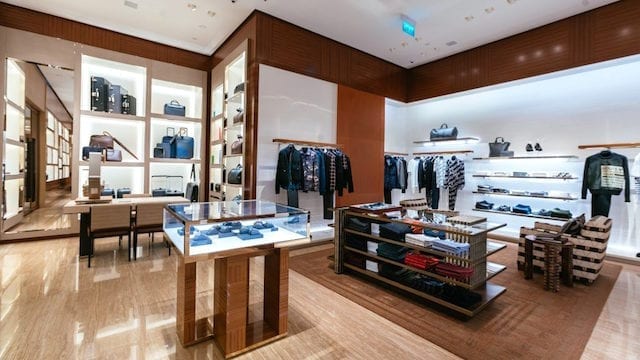
    Louis Vuitton Singapore has given its Orchard Road boutique in Singapore a makeover to celebrate its 20 years at Ngee Ann City.

    The maison’s signature monogram flower pattern has been reinterpreted in shiny copper with a fading effect, with the exterior façade featuring stone, glass and metal – materials that signifies authenticity and tradition.

    Inside the luxurious fittings include cerused oak with gold leaf, natural stone floors, plush furniture by Helene de Saint Lager and Paul Evans, and hand-knotted carpets from Nepal.

  • 7-Eleven US trials drone deliveries

    7-Eleven US trials drone deliveries

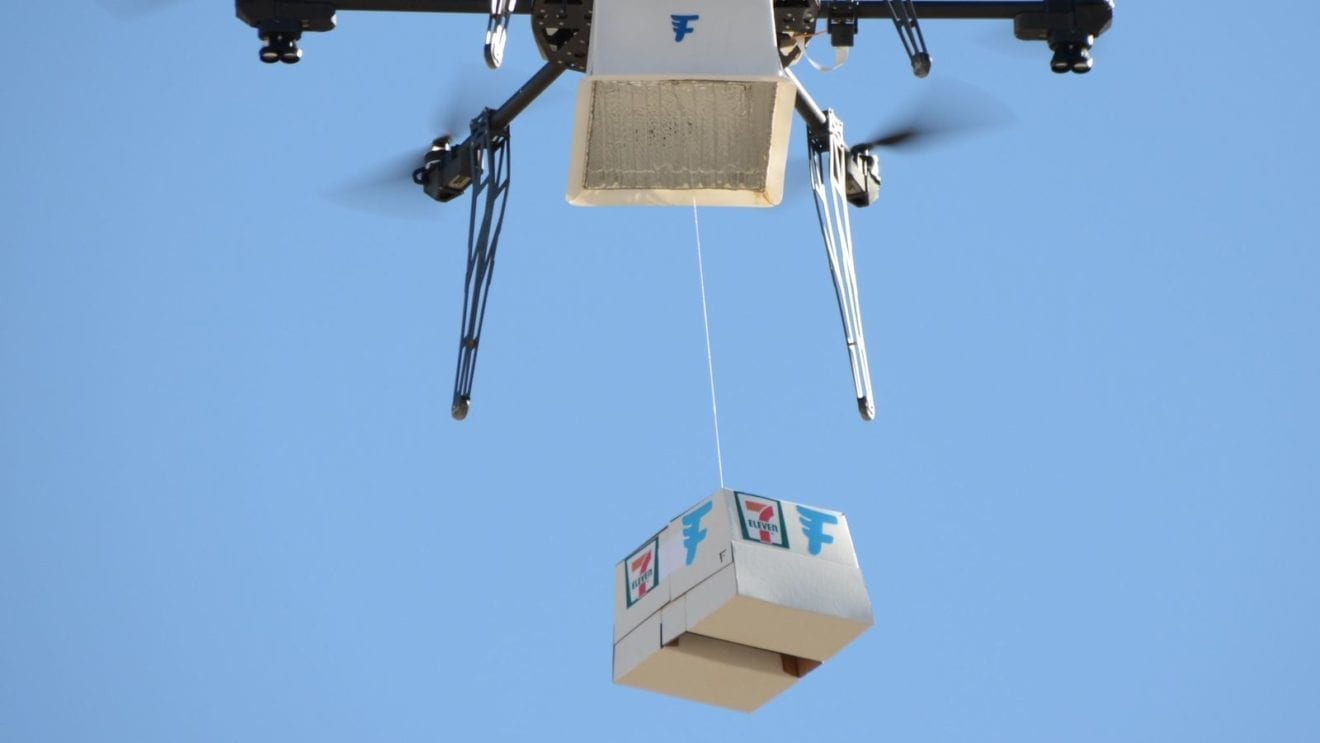
    Drone delivery service, Flirtey, and 7-Eleven have completed 77 autonomous drone deliveries to customer homes in the US after the two kicked off their commercial collaboration in July.

    Flirtey conducted regular weekend deliveries in November from a 7-Eleven store to a dozen select customers who used a custom app to place their unique order. Along with listing all items available for delivery, the interactive app also notified customers when their drone was loaded, when it departed from the store and when it was arriving at their doorstep.

    Once an order was placed, 7-Eleven merchandise – including items such as hot and cold food and over-the-counter medicines  – were loaded into a custom Flirtey drone delivery container and flown autonomously using precision GPS to a local customer’s house.

    Popular items delivered included hot food items, cold beverages and over-the-counter medicines such as 7-Select Night Time Cold & Flu Relief, 7-Select Headache Relief and aspirin.

  • Aeon Vietnam launches online store

    Aeon Vietnam launches online store

    Aeon Vietnam has launched an online store, AeonEshop.com, offering discounted Japanese goods and local brands.

    The Japanese-headquartered retailer says its AeonEshop.com B2C platform in Vietnam will stock a majority of Japanese and imported products, along with Aeon’s own brand Topvalu which has been available at its physical stores nationwide.

    Products span various categories, including fashion, cosmetics, furniture, electronics, household items, food and office stationery.

    Similar to Aeon’s other eCommerce sites in the region, AeonEshop will provide discounts up to 50 per cent for specific product types.

    Ho Chi Minh City is the first market for AeonEshop with other Vietnamese cities to follow in the near future. The company plans to develop an English-language version and mobile app by mid-2017.

    Male hands using touch screen device for online shopping

    Vietnam is the third market where Aeon has established online retail, after Japan and Malaysia.

    At the end of 2016, Korean retail giant Lotte also launched its online store Lotte.vn, targeting a share of the US$4 billion local online retail market.

    Fabrice Carrasco, MD of market research house Kantar World, predicts the figure will grow five-fold by 2020 thanks to the development of smartphone usage and consumer convenience.

  • Tous Les Jours expansion plan in China

    Tous Les Jours expansion plan in China

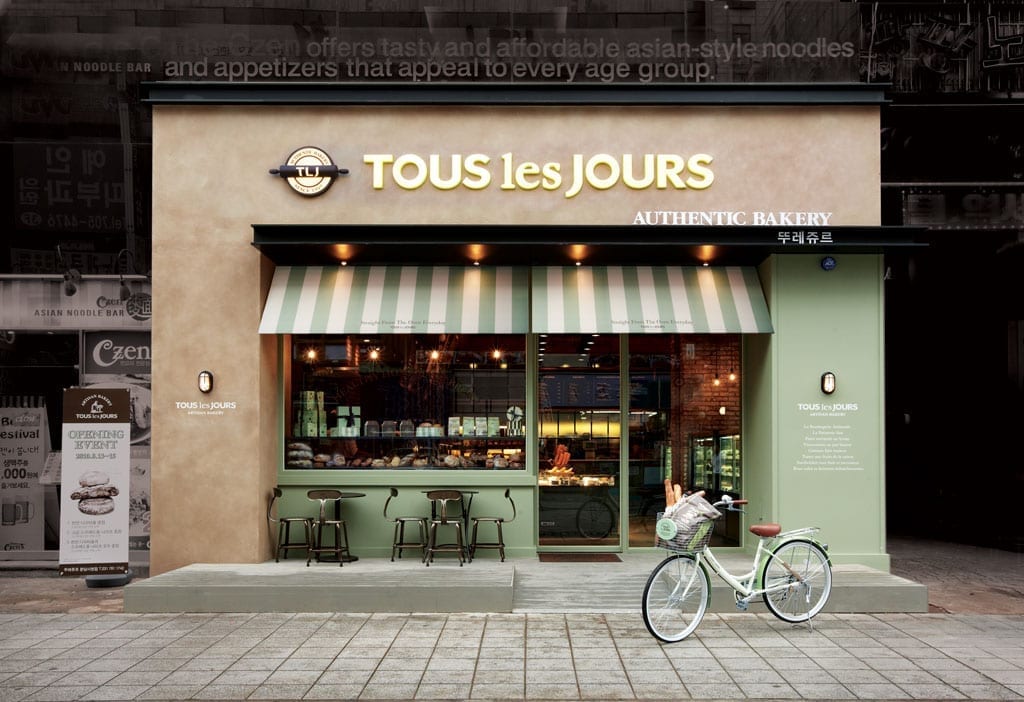
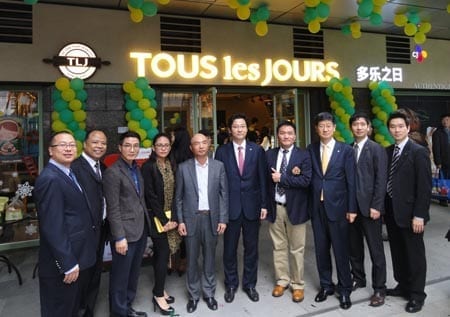
    Korean group CJ Foodville has opened two Tous Les Jours cafes in Chongqing with plans to expand further into China’s inland cities.

    CJ Foodville is running its Tous Les Jours business in China in the form of direct ownership and master franchise. It already has stores in Beijing, Chongqing, Guangzhou, Shanghai, Suzhou, Tianjin and Weihai. It has master franchise chains in 10 provinces plus stores under a master franchise contract in Xinjiang autonomous territory. At the end of December it had a total of 140 stores in China.

    A company official says the aim is to open more than 100 locations in China this year, and more than 1000 by 2020. “With the opening of the Chongqing location, we are set to move into the western part of China.”

  • Uniqlo Malaysia opens second store

    Uniqlo Malaysia opens second store

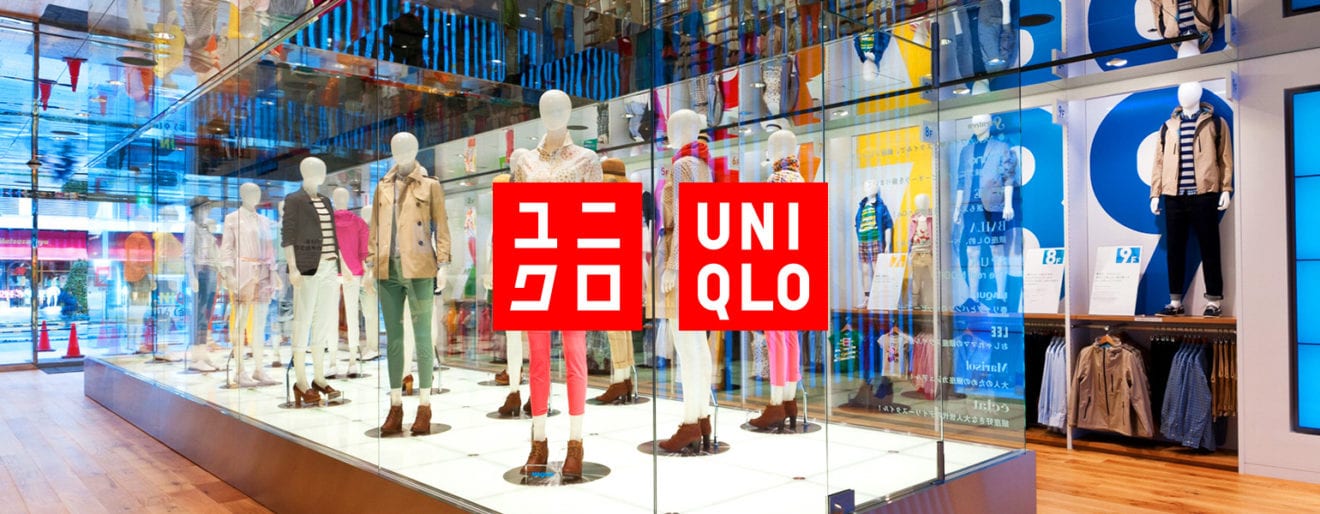
    Uniqlo Malaysia has opened a second store in Ipoh, in the city’s largest shopping centre, Ipoh Parade Mall.

    Gifts and specials have marked the opening of the concept clothing store.

    uniqlo-malaysia-ipoh-paradeUniqlo’s first store in the city opened at Aeon Mall Ipoh Klebang in 2015.

    Featured at the new store is the brand’s expanded Jogger Pants range. The women’s line features Denim and Drape Jogger Pants while for the men the pants come in denim.

    Children’s and babies’ clothing is also available.